Blog

  • UN chief ‘deeply troubled’ by reports Israel using AI to identify Gaza targets

    UN chief ‘deeply troubled’ by reports Israel using AI to identify Gaza targets

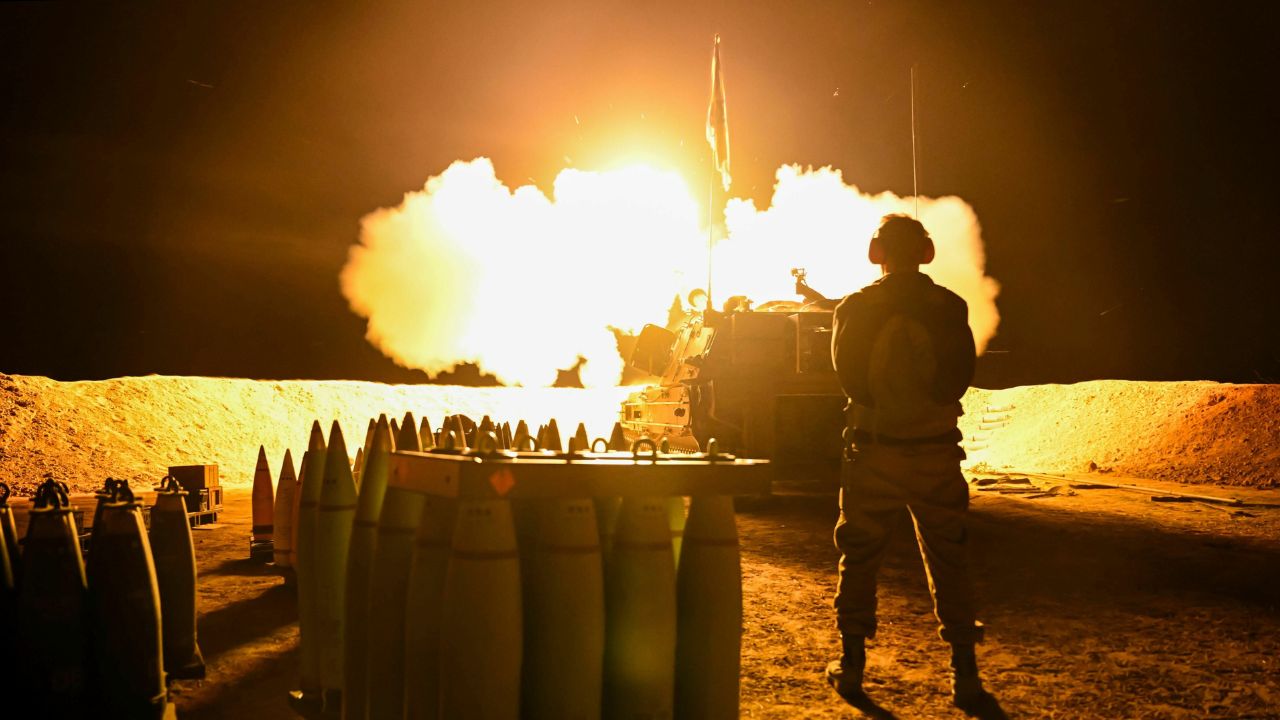
    UN Secretary-General Antonio Guterres on Friday expressed serious concern over reports that Israel was using artificial intelligence to identify targets in Gaza, resulting in many civilian deaths.

    According to a report in independent Israeli-Palestinian magazine +972, Israel has used AI to identify targets in Gaza — in some cases with as little as 20 seconds of human oversight.

    Guterres said that he was “deeply troubled by reports that the Israeli military’s bombing campaign includes Artificial Intelligence as a tool in the identification of targets, particularly in densely populated residential areas, resulting in a high level of civilian casualties.”

    “No part of life and death decisions which impact entire families should be delegated to the cold calculation of algorithms,” he said.

    The +972 report claims that “the Israeli army has marked tens of thousands of Gazans as suspects for assassination, using an AI targeting system with little human oversight and a permissive policy for casualties.”

    The report said that, according to “six Israeli intelligence officers”, a system dubbed Lavender had “played a central role in the unprecedented bombing of Palestinians, especially during the early stages of the war.”

    “According to the sources, its influence on the military’s operations was such that they essentially treated the outputs of the AI machine ‘as if it were a human decision’,” +972 reported.

    Two sources said “the army also decided during the first weeks of the war that, for every junior Hamas operative that Lavender marked, it was permissible to kill up to 15 or 20 civilians”.

    If “the target was a senior Hamas official… the army on several occasions authorized the killing of more than 100 civilians,” it added.

    The Israeli army, known as the IDF, on Friday rejected the claims.

    “The IDF does not use an artificial intelligence system that identifies terrorist operatives or tries to predict whether a person is a terrorist,” it said.

    Instead it has a “database whose purpose is to cross-reference intelligence sources… on the military operatives of terrorist organizations” to be used as a tool for analysts, it added.

    “The IDF does not carry out strikes when the expected collateral damage from the strike is excessive,” it said, using a term that includes civilian casualties.

    Israeli genocide in the Gaza Strip has killed at least 33,091 people since October 7, mostly women and children, according to the health ministry.

    The United Nations has warned of imminent famine in the besieged territory.

    Israel began hyping AI-powered targeting after an 11-day conflict in Gaza during May 2021, which commanders branded the world’s “first AI war”.

    The military chief during the 2021 war, Aviv Kochavi, told Israeli news website Ynet last year the force had used AI systems to identify “100 new targets every day”, instead of 50 a year previously.

    Weeks into the latest Gaza war, a blog entry on the Israeli military’s website said its AI-enhanced “targeting directorate” had identified more than 12,000 targets in just 27 days.

    An unnamed Israeli official was quoted as saying the AI system, called Gospel, produced targets “for precise attacks on infrastructure associated with Hamas, inflicting great damage on the enemy and minimal harm to those not involved”.

    But an anonymous former Israeli intelligence officer, quoted in November by +972, described Gospel’s work as creating a “mass assassination factory”.

    In a rare confession of wrongdoing, Israel on Friday admitted a series of errors and violations of its rules in the killing of seven aid workers in Gaza, saying it had mistakenly believed it was “targeting armed Hamas operatives”.

    Alessandro Accorsi, a senior analyst at Crisis Group, said the +972 report was “very concerning”.

    “It feels very apocalyptic. It’s clear… the degree of human control is very low,” he told AFP.

    “There are a thousand questions around this obviously — how moral it is to use it — but it is hardly surprising it is used,” he said.

    Johann Soufi, a human rights lawyer and former director of the UN Palestinian refugee agency UNRWA’s legal office in Gaza, said the +972 article described methods that were “undeniably war crimes”.

    They were “likely crimes against humanity” in view of the high civilian casualties, he added on X, formerly Twitter.

  • UN survey forecasts modest growth for Pakistan’s GDP amid inflation projections

    UN survey forecasts modest growth for Pakistan’s GDP amid inflation projections

    Pakistan is projected to experience a real GDP growth rate of 2 per cent in 2024, with a slight increase to 2.3 per cent expected in 2025, according to a United Nations economic survey.

    The survey, titled ‘Economic and Social Survey of Asia and the Pacific 2024: Boosting Affordable and Longer-term Financing for Governments,’ released on Thursday, also forecasts a decrease in the inflation rate from 26 per cent to 12.2 per cent in the same period.

    The report highlights the challenges faced by Pakistan’s economy in 2023, citing political unrest and a significant flood that disrupted agricultural production.

    To address fiscal pressures, Pakistan, along with Sri Lanka, sought external assistance from the International Monetary Fund (IMF), with additional support from bilateral partners such as China, Saudi Arabia, and the United Arab Emirates.

    Both countries are implementing fiscal adjustments, including debt restructuring in Sri Lanka and subsidy removal in Pakistan’s power sector.

    Despite moderate tax gaps in Bangladesh, Pakistan, and Sri Lanka, the report suggests that improving tax policies and administration alone may not suffice to bridge development financing gaps, emphasising the need for broader improvements in socioeconomic development and public governance.

    The macroeconomic conditions in the developing Asia-Pacific region remain challenging, with a disparity in economic growth among different economies.

    While some larger economies experienced a rebound in economic growth, others saw only moderate growth in 2023. Pakistan’s GDP growth rate for the second quarter of fiscal year 2023–24 stood at a modest 1 per cent, below earlier projections ranging from 2–3 per cent.

  • Pakistan anticipates final IMF tranche approval in late April

    Pakistan anticipates final IMF tranche approval in late April

    The International Monetary Fund (IMF) announced that its Executive Board meeting, anticipated for late April, is crucial for approving Pakistan’s final tranche of approximately $1.1 billion (SDR 828 million). 

    This sum represents the last portion of the $3-billion Stand-By Arrangement (SBA) initiated in June of the previous year.

    Julie Kozack, IMF Communication Director, revealed this information during a media briefing, highlighting the significance of the staff-level agreement reached on March 19 between IMF staff and Pakistani authorities. 

    This agreement, subject to approval by the IMF’s Executive Board, acknowledges Pakistan’s strong program implementation by the State Bank of Pakistan (SBP) and the interim government, as well as the new government’s commitment to ongoing policy and reform endeavors aimed at transitioning Pakistan from stabilisation to robust, sustainable recovery.

    Kozack emphasised the improvement in Pakistan’s economic and financial position since the completion of the first review, with growth and confidence steadily rebounding. 

    Looking ahead, she mentioned the possibility of a successor IMF-supported program to address Pakistan’s fiscal and external stability challenges and foster inclusive growth, indicating the IMF’s readiness to engage in discussions with Pakistani authorities.

    Meanwhile, Pakistan’s foreign exchange reserves witnessed a modest increase, reaching $8.04 billion as of March 29, although still considered low for an import-dependent economy, raising concerns about potential future pressure. 

    Finance Minister Muhammad Aurganzeb has acknowledged the need for another IMF bailout, with discussions slated for the upcoming Spring meetings of the Board of Governors of the World Bank Group and IMF scheduled for April 15-20, 2024, in Washington DC, where Aurangzeb is expected to lead Pakistan’s delegation.

  • ‘Didn’t mean to cause offence’, Adnan Siddiqui in sticky situation after ‘women like makhis’ comment, apologies

    ‘Didn’t mean to cause offence’, Adnan Siddiqui in sticky situation after ‘women like makhis’ comment, apologies

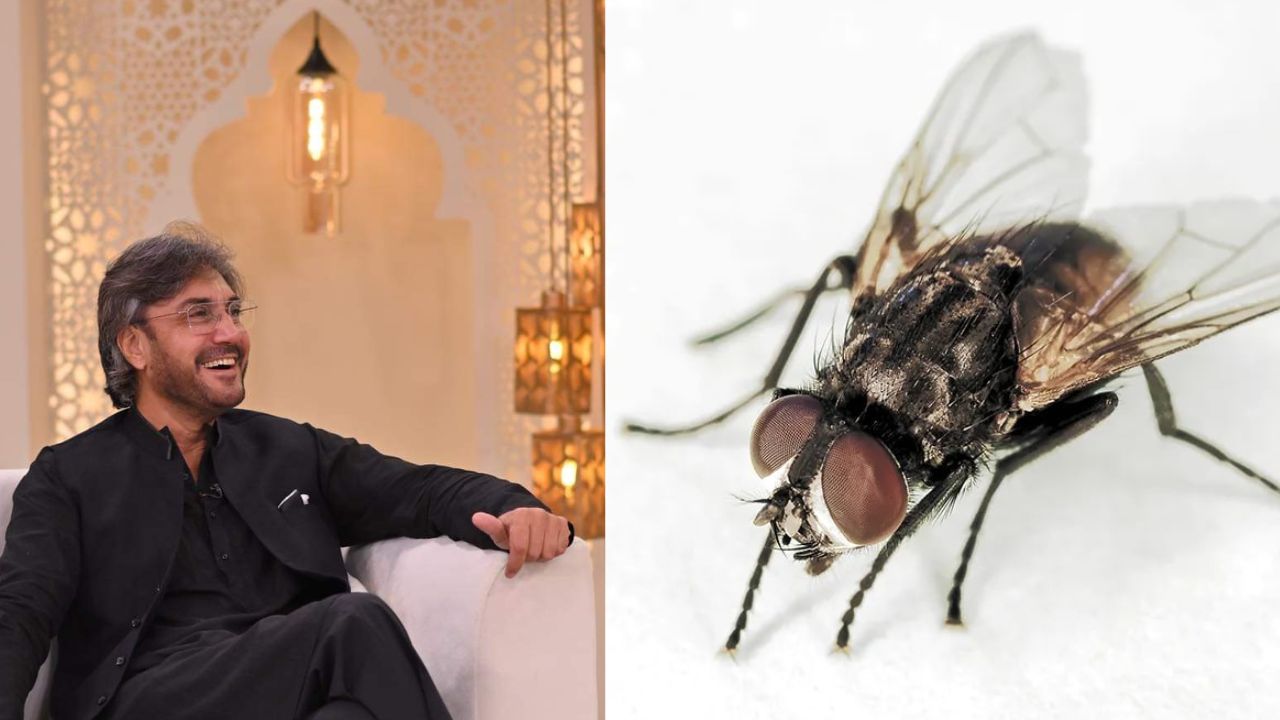
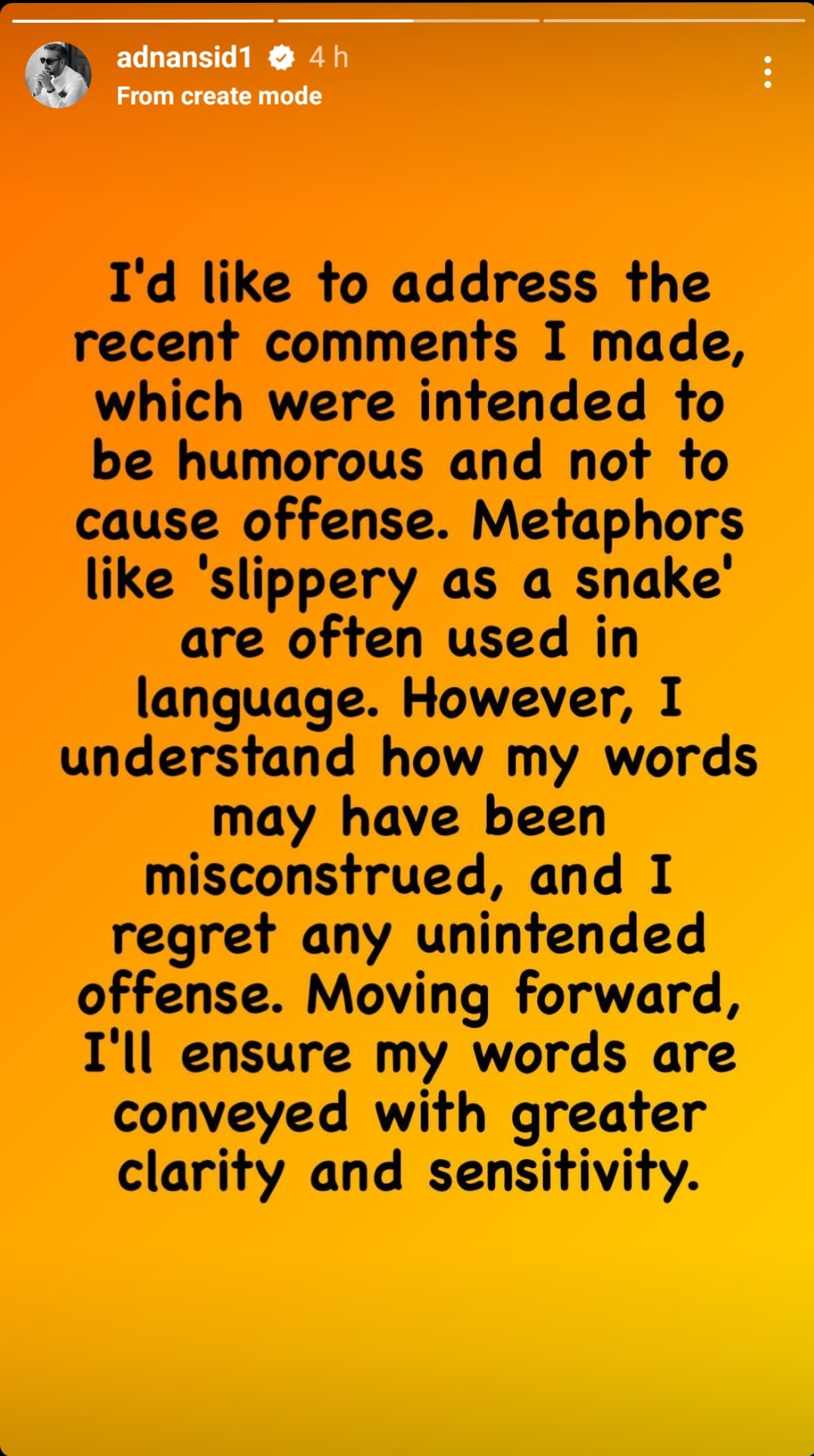
    Update: After the internet slammed Adnan Siddiqui’s comments comparing women to flies, the actor has issued an apology. In an Instagram story he said, “I regret any unintended offence. I hope to speak with greater clarity and sensitivity in the future.”

    Veteran TV actor Adnan Siddiqui has landed in hot waters due to a comment he made on a show, a statement perceived as misogynistic. As a guest on Nida Yasir’s show ‘Shan e Suhoor’, Adnan made a strange comment that made the host uncomfortable. Nida distanced herself from Adnan’s comment, but he stood by his words. “Women are like bees, the more you chase them, the further they’ll fly away, but when you sit calmly, they will come to you on their own.” He continued, “When I was trying to catch a bee, it wasn’t coming to my hand, but when I sat down calmly, it came and sat on me.”

    Notably, Siddiqui used the word ‘makhi’ that could mean a house fly or a honey bee.

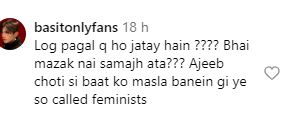
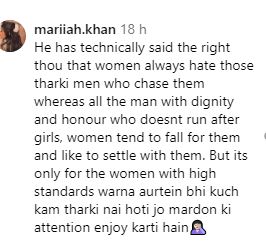
    The Internet is reacting to the video and there is a lot of negative commentary on the video

  • X gives free blue check to big follower accounts

    X gives free blue check to big follower accounts

    Users with big followings will receive a free subscription to X, formerly Twitter – and the platform’s famous blue check, the company said in another policy U-turn.

    Before Musk, the blue check mark was used as a verification system for major accounts including celebrities, institutions and journalists.

    But Musk saw the system as unfair to regular users and overhauled the blue checks so that they went only to paying subscribers, which meant thousands of holders were stripped of the feature.

    Late Wednesday, some users were surprised and even angry to find the blue tick reinstated.

    A message from the platform explained that they were given free subscriptions because they were an “influential member” of X.

    The site added that it “reserves the right to cancel the complimentary subscription in its sole discretion.”

    Musk said last week that “going forward, all X accounts with over 2,500 verified subscriber followers will get Premium features for free and accounts with over 5,000 will get Premium+ for free.”

    Premium or Premium+ perks include reduced ads and higher placement in the platform’s feeds, as well as access to Grok, X’s AI chatbot.

    Some users who received the blue check saw it as a bid by Musk to revitalize the struggling platform.

    “Translation: Pay $8? Kidding. Help me. But don’t say anything too free speechy about me or my Garbage Tower of Babel,” actor Jeffrey Wright, who received an unsolicited check, said in a post on X.

    Since Musk bought Twitter for $44 billion in 2022, the platform’s advertising business has collapsed as marketers soured on his leadership and the mass firings at the company that gutted content moderation.

    X on Tuesday named company veteran Kylie McRoberts as the new head of safety in an effort to shore up income from advertising, still the site’s main source of revenue.

    According to most industry-accepted metrics, X has lost users since Musk took ownership, but the company says activity on the site has grown.

  • Heat-wave coming in Punjab and Sindh

    Heat-wave coming in Punjab and Sindh

    The Meteorological Department has predicted that heat waves will hit the plains of Punjab and Sindh in coming days.

    Provincial Disaster Management Authority has cautioned that the plains of Punjab and Sindh will be effected by heat waves, especially big cities due to which there is a possibility of an increase in the intensity of heat this month.

    The spokesperson of the PDMA Punjab has said that the irrigation department has been informed about the situation.

    According to the spokesman, strong winds, dust storms, rain and hailstorms are also expected in April. There is a risk of flooding in rivers due to heavy rains in northern Punjab.

    In Sindh, heat intensity is likely to increase in most places.

    According to the Meteorological Department, the weather is likely to remain hot in most places in Sindh from April 7 to 9.

    Day temperatures in the upper and central areas of Sindh may reach 38 to 40 degrees celsius, while the temperature in lower Sindh is likely to be 36 to 38 degrees celsius.

    During April 7 to 9, temperature in Karachi can also reach 36 to 38 degrees celsius, says the Meteorological Department.

  • Samsung Electronics expects 10-fold rise in Q1 profit

    Samsung Electronics expects 10-fold rise in Q1 profit

    Samsung Electronics said Friday it expects first-quarter operating profits to rise more than 10-fold year on year as chip prices recover.

    The firm is the flagship subsidiary of South Korean giant Samsung Group, by far the largest of the family-controlled conglomerates that dominate business in Asia’s fourth-largest economy.

    The tech giant said in a regulatory filing that January-March operating profits were expected to rise 931.3 percent to 6.6 trillion won ($4.89 billion). Operating profits in the same period last year totalled around 640 billion won.

    The expectation exceeded the average estimate by 20.5 percent, according to South Korea’s Yonhap news agency, which referenced its financial data firm.

    Sales, meanwhile, are expected to rise 11.4 percent to 71 trillion won, Samsung said.

    South Korean chipmakers, led by Samsung, enjoyed record profits in recent years as prices for their products soared, but a global economic slowdown dealt a blow to memory chip sales.

    However, the semiconductor market had been predicted to recover this year and grow 11.8 percent, according to industry monitor World Semiconductor Trade Statistics.

    The news from Samsung comes after South Korea’s SK Hynix — the world’s second-largest memory chip maker — announced in January that it had returned to profit after four consecutive quarters of losses.

    Samsung’s overall outlook is “fortified by a resurgence in the smartphone market, escalating DRAM (memory chip) prices”,  Neil Shah, vice president of Counterpoint Research, told AFP.

    Samsung is expected to release its final earnings report at the end of this month.

  • Nora Fatehi says early days in Bollywood were ‘painful’

    Nora Fatehi says early days in Bollywood were ‘painful’

    Nora Fatehi, the Canadian-born Bollywood actress and dancer who has shot to fame, reflected on her early days and struggles in Bollywood, describing them as “painful”.
    During a recent interview, Nora discussed the efforts she made to establish herself in the industry, and the challenges she faced during her initial days in India.


    “When I arrived in India, I had only 5,000 rupees, and at that time, I had no idea what 1,000 dollars meant. I used to live in an apartment with nine mentally ill girls, two of whom I shared a room with.”
    She alleged that the agencies through whom she wanted to enter the showbiz world were also involved in her harassment.
    “While living with nine girls in an apartment, I used to question myself about the difficult situation I had put myself in. Even today, those initial dreadful days still shock me,” she recalled.

    “In the beginning, talent hunting agencies made me work more and paid me less. I survived for a long time on just one egg and bread. It was one of the most difficult times for me. I also needed treatment after moving to India, but I did not have enough money to go to a good hospital for my treatment.”

  • India’s Congress party promises minority protection and jobs

    India’s Congress party promises minority protection and jobs

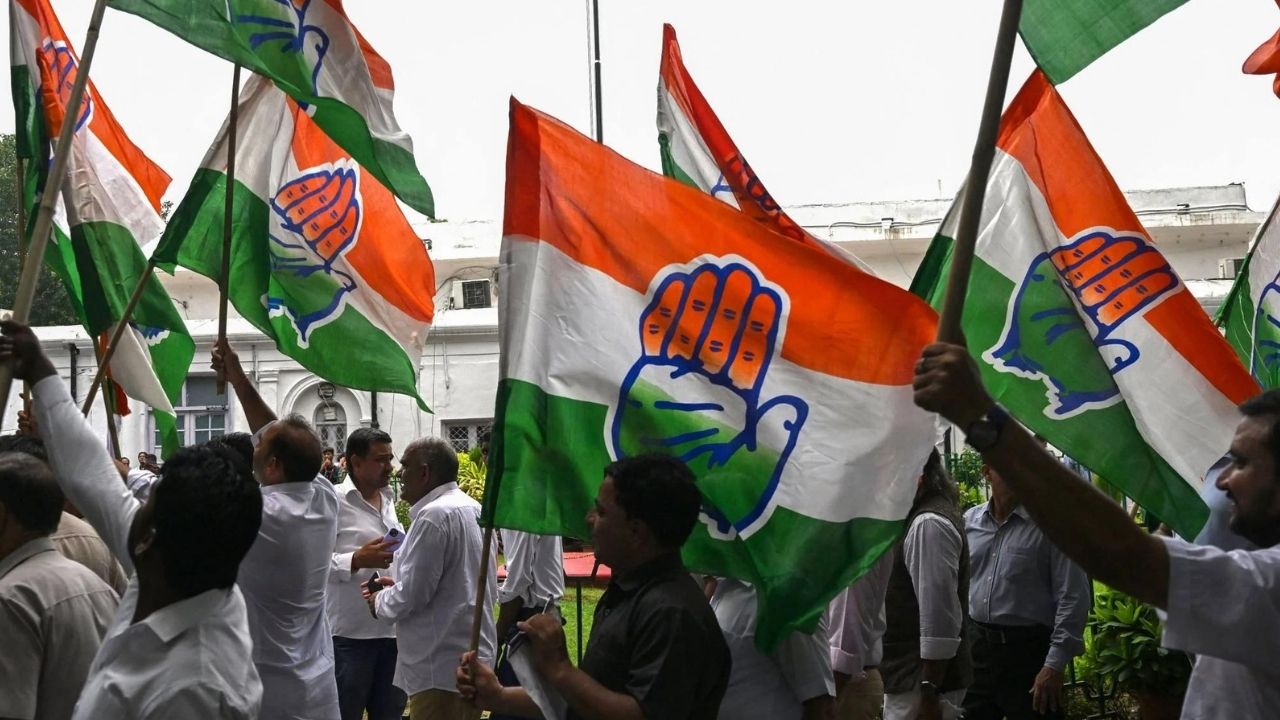
    India’s main opposition party Congress vowed Friday to protect minorities – generally seen as a reference to the country’s Muslims – while accelerating growth and jobs in a manifesto for an election it is widely expected to lose.

    Nearly a billion Indians will vote to elect a new government in six-week-long parliamentary elections starting on April 19, the largest democratic exercise in the world.

    Many analysts see Prime Minister Narendra Modi’s re-election under his Hindu nationalist Bharatiya Janata Party (BJP) banner as a foregone conclusion.

    Congress led India’s independence struggle and dominated politics for most of the next seven decades but its secularist vision has since struggled against the BJP’s appeal to members of India’s majority faith.

    In its manifesto, Congress promised to protect “linguistic and religious minorities”.

    “The plurality of religions represents the history of India,” it said. “History cannot be altered.”

    India has a long and grim history of sectarian clashes between the country’s Hindu majority and Muslims, its biggest minority faith with 200 million members.

    Party leader Rahul Gandhi — the son, grandson and great-grandson of prime ministers — said the upcoming election was “fundamentally different” from any other in India’s history.

    “It is between those who want to end India’s constitution and democracy and those who want to save it,” he said.

    The Congress manifesto, titled a “justice document”, offered “concrete guarantees unlike Modi’s empty promises”, said lawmaker and lead author P Chidambaram.

    The party has promised to address India’s “massive unemployment” on a “war footing”, adding that it would earmark half of all government jobs for women.

    Young people voted for Modi in droves when he was first elected a decade ago after he said he would create 10 million jobs a year.

    But a recent International Labour Organization (ILO) report warned that India was hamstrung by a “grim” crisis, with unemployment on the rise.

    Congress proposed an unconditional annual cash transfer of Rs 100,000 ($1,200) “to every poor Indian family”, without precisely defining who would qualify.

    The BJP is yet to publish its own manifesto.

  • Pakistani man convicted for murdering UK police officer in 2005

    Pakistani man convicted for murdering UK police officer in 2005

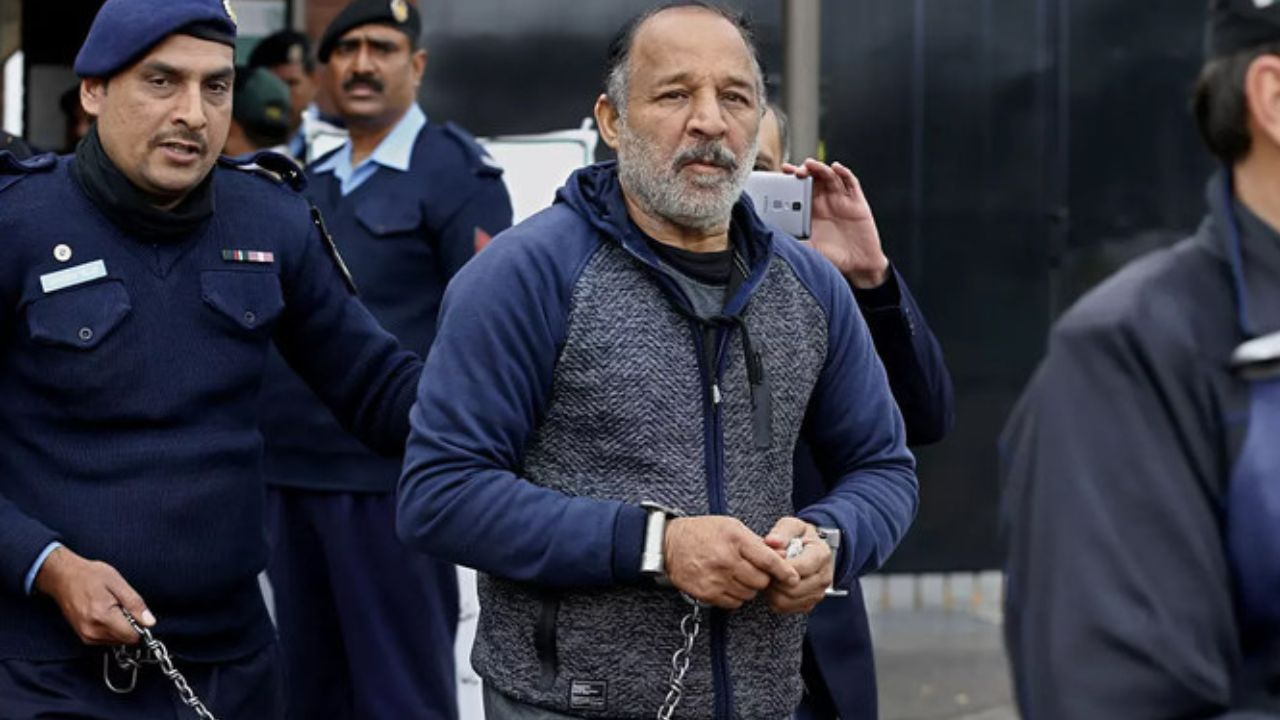
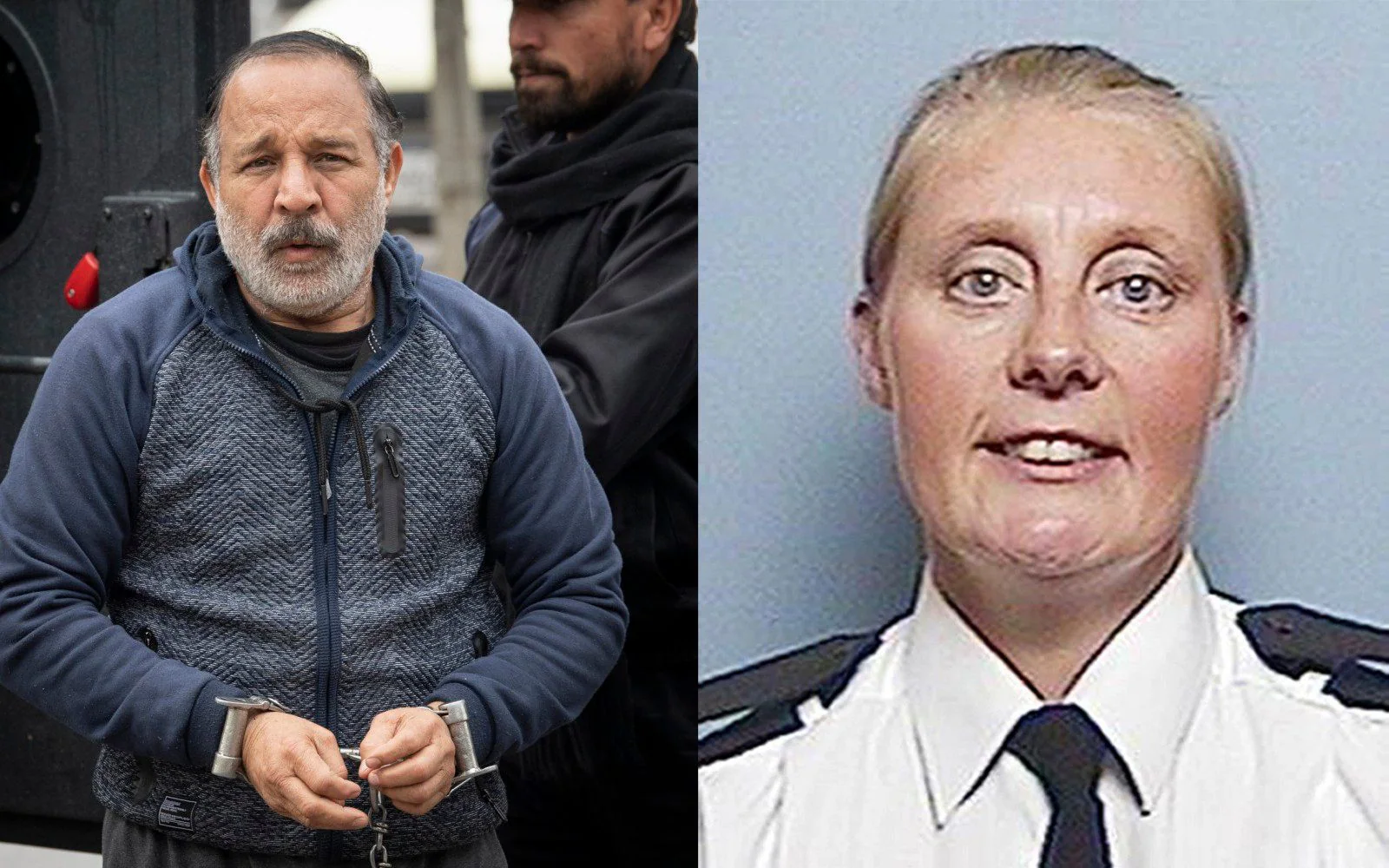
    A Pakistani man was convicted on Thursday of murdering a UK police officer in 2005, nearly two decades after the killing.

    PC Sharon Beshenivsky was a 38-year-old mother of three who was shot dead by Piran Ditta Khan as she was responding to an armed robbery call.
    Khan, 75, who has been wanted by British authorities since 2006, was found guilty by the court. He was the last of seven men involved in the robbery to be convicted.


    The incident


    The incident unfolded on Nov 18, 2005, when Sharon Beshenivsky along with another constable responded to an alarm call at a travel agency. Upon arrival, they were met with gunfire by three robbers, resulting in Beshenivsky’s fatal shooting and injuries to the ither constables.


    Khan was the group’s ringleader and, although he did not leave the safety of a lookout car during the raid, he played a “pivotal” role in planning it and knew that loaded firearms were to be used, asserts the prosecutors at the court.


    They told jurors this made him guilty of Beshenivsky’s murder “as surely as if he had pulled the trigger on that pistol himself”.The convict was the only one of the group who was familiar with agency and had used them in the past to send money to family in Pakistan, the court heard.


    The stance of the convict


    Khan told the court that he had no knowledge that a robbery was going to be carried out, or that weapons were going to be taken. He claimed the business’s owner, Mohammmad Yousaf, owed him £12,000 and that debt collector Hassan Razzaq offered to get his money back after the pair met through a business associate.


    Khan said he thought the men Razzaq sent would “intimidate” the staff at staff, or at worst, “slap them”.


    Prosecutor Robert Smith KC said Khan’s claim of being defrauded was an “entirely false” attempt to explain why he was in Bradford at the time of the robbery and murder.


    The court heard Khan, who was living in Enfield, London, at the time, was driven to Yorkshire by Razzaq on a reconnaissance trip five days before the raid.


    The day before the robbery, they travelled up again to a “safe house” where they spent the night.


    A witness later told police he had heard the robbers discussing the plot in one of the bedrooms.


    Mr Baron said he heard gunman Muzzaker Shah asking Khan: “Uncle, is it safe?” Khan was said to have replied: “Yes, it’s safe. Genuine.”


    Jurors heard Shah asked: “How much can we get?” and Khan replied: “Minimum £50,000, maximum target 100 grand.”


    The group were said to be “elated” and “confident,” shouting: “Let’s go do it.”


    The arrest of Khan-the convict


    Dawn’s Atika Rehman reports that the convict fled to Pakistan two months after the murder to evade capture and remained free till he was apprehended in 2020 in Islamabad. While there, his lawyer said Khan wanted to be tried in his home country.


    Despite the absence of an extradition treaty, the British and Pakistani authorities worked together to facilitate Khan’s return to the UK in April 2023, where he was arrested and charged.