Blog

  • NGO World Central Kitchen says seven of its workers killed in Israeli strike in Gaza

    NGO World Central Kitchen says seven of its workers killed in Israeli strike in Gaza

    An Israeli strike killed several people working for US-based charity World Central Kitchen in the Gaza Strip on Monday, according to the organization’s founder.

    World Central Kitchen “lost several of our sisters and brothers in an IDF air strike in Gaza. I am heartbroken and grieving for their families and friends and our whole WCK family,” chef Jose Andres posted on social media site X.

    Earlier, the Gaza health ministry had said the bodies of four foreign aid workers and their Palestinian driver were brought to the hospital in the central town of Deir el-Balah after an Israeli strike targeted their vehicle.

    Hamas said in a statement that the aid workers included “British, Australian and Polish nationalities, with the fourth nationality not known”, and that the fifth person killed was a Palestinian driver and translator.

    US National Security Council spokesperson Adrienne Watson said the White House was “heartbroken and deeply troubled by the strike.”

    “Humanitarian aid workers must be protected as they deliver aid that is desperately needed, and we urge Israel to swiftly investigate what happened,” she wrote on X.

    The Israeli military said in a statement that it was “conducting a thorough review at the highest levels to understand the circumstances of this tragic incident”, adding that it had been “working closely with WCK” in the effort to provide aid to Palestinians.

    At the Al-Aqsa Hospital in Deir el-Balah, an AFP correspondent saw five bodies with three foreign passports lying nearby.

    Australian Prime Minister Anthony Albanese on Tuesday confirmed one of the killed aid workers was Australian national Zomi Frankcom.

    “This is completely unacceptable. Australia expects full accountability for the deaths of aid workers,” Albanese said

    World Central Kitchen has been involved in delivering the aid arriving by boat from Cyprus, and in the construction of a temporary jetty in Gaza.

    Gaza has been under a near-complete blockade since October 7, with the United Nations accusing Israel of preventing deliveries of humanitarian assistance urgently needed by all 2.4 million Palestinians.

    UN agencies have warned repeatedly that northern Gaza is on the verge of famine, calling the situation a man-made crisis because aid lorries are backed up on the Egypt-Gaza border awaiting long checks by Israeli officials. Israel has denied responsibility.

    Israeli genocide in Gaza has killed at least 32,845 people, mostly women and children, according to the health ministry in Gaza.


  • MS Dhoni achieves important milestone in T20 cricket

    MS Dhoni achieves important milestone in T20 cricket

    Former Indian captain and Indian Premier League (IPL) franchise Chennai Super Kings wicketkeeper Mahendra Singh Dhoni has crossed an important milestone in T20 cricket, becoming the first wicketkeeper in the world to take 300 wickets.

    He achieved the feat on Sunday by taking a catch from Delhi Capitals’ Prithvi Shaw.

    Dhoni completed 300 catches in 367 T20 innings. Second on the list is former Pakistan wicketkeeper Kamran Akmal who took 274 catches in 281 innings.

  • Diverse Brazilian cattle breeds arriving in Pakistan under new agreement

    Diverse Brazilian cattle breeds arriving in Pakistan under new agreement

    The Special Investment Facilitation Council (SIFC) has inked a deal with a Brazilian company for the import of high-breed cattle from Brazil as part of the Green Pakistan Initiative.

    Under the agreement, Fongrow, a company established under the Green Pakistan Initiative, will import nine breeds of cattle from Brazil, encompassing both local and Brazilian breeds.

    The consignment of cattle from Brazil is slated to arrive at Sialkot International Airport today via air cargo and will subsequently be transported to Peruwal Model Farm in Punjab.

    During an interview, Brazilian Ambassador Olyntho Vieira stressed the significant potential for bilateral trade between Brazil and Pakistan across various sectors.

    He highlighted that investment and technology could enhance livestock productivity, mentioning that red Sindhi cattle were initially transported from Pakistan to Brazil in the 1950s and have been preserved since then.

    The imported cattle comprise breeds such as Nylori, Redus Sindhi, Guzeera, Brahman, Angus, and others.

  • Gold prices continue to surge, per tola rate hits Rs237,600

    Gold prices continue to surge, per tola rate hits Rs237,600

    Gold prices in Pakistan saw a sustained uptrend on the first trading day of the month, following a surge in the global market.

    The precious metal achieved a fresh record high internationally, reflecting its continued allure among investors.

    In Pakistan, the price per tola of gold reached Rs237,600, marking an increase of Rs2,800 throughout the day.

    According to data provided by the All Pakistan Gems and Jewellers Sarafa Association (APGJSA), the price for 10 grammes of gold stood at Rs203,704, showing a rise of Rs2,401 compared to previous figures.

    Notably, gold prices had remained relatively stable at Rs234,800 per tola just two days prior, underscoring the recent market volatility.

    In contrast, silver rates remained steady at Rs2,600 per tola during the same period.

    Over the past seven sessions, gold has witnessed a notable increase of Rs9,400 per tola in the local market, reflecting strong investor sentiment and demand.

    Meanwhile, in the international arena, gold commanded a premium of $20, reaching an unprecedented high of $2,278 per ounce on Friday.

    This marked a $24 increase from previous levels, as highlighted by APGJSA. The surge in global prices further underscores the precious metal’s status as a safe-haven asset amidst economic uncertainties.

  • In a first, two First Ladies at presidential palace in a Senegal

    In a first, two First Ladies at presidential palace in a Senegal

    In the closing moments of the electoral campaign, Senegal’s president-elect Bassirou Diomaye Faye stepped onto the stage holding the hands of both his wives Marie and Absa.

    It was an unprecedented sight in the national politics of the West African country and a clear choice by the first-round winner who promises radical change.

    Polygamy is a traditional and religious practice firmly anchored in the culture of Senegal where the overwhelming majority is Muslim.

    Marie Khone, who until now had never been in the spotlight, comes from the same village as 44-year-old Faye. They married 15 years ago and have four children.

    He married his second wife Absa just over a year ago.

    “It’s the ultimate recognition of the tradition of polygamy at the top of the state, with a situation that will reflect Senegalese reality,” sociologist Djiby Diakhate said.

    Many men praise the practice while women tend to remain “mistrustful”, he added.

    Polygamy has long stirred controversy and the public appearance by BDF, as he is known, with his two wives at his side cheered on by thousands of his supporters has made it a top talking point in the media, online and at home, sparking diverse reaction.

    “Being a second wife suits me better than being a first,” well-known singer Mia Guisse said proudly in a video that recently went viral.

    Reputed sociologist Fatou Sow Sarr said on X, formerly Twitter, that “polygamy, monogamy, polyandry are matrimonial models determined by the history of every nation”.

    “These models are now in competition with homosexual marriage,” he added, in a country where homosexuality is punishable by between one and five years in jail.

    “I really think that the West has no legitimacy to judge our cultures,” Sarr added in a follow-up message on X.

    Nevertheless, many Senegalese women say they find polygamy hypocritical and unfair, while the UN Human Rights Committee said in a 2022 report that it amounted to discrimination against women and should be ended.

    – ‘Totally new’ situation –

    In her 1979 novel “So Long a Letter”, Senegalese author Mariama Ba was fiercely critical of polygamy, depicting the pain and loneliness of a woman after her husband took a second, younger wife.

    Many popular TV series in recent years, like “Mistress of a Married Man” or “Polygamy”, have explored the ups and downs of family life in polygamous households.

    Former culture minister and history professor Penda Mbow said the matrimonial situation at the presidential palace now is “totally new”.

    “Until now, there was only one First Lady. This means the entire protocol must be reviewed,” he added.

    Polygamy is widespread in Senegal particularly in rural areas and is considered a way of widening one’s family.

    Islam permits men to take up to four wives providing they have the financial means. In such a case, it calls for equal, alternating time spent with the wives, of between two and three days.

    – ‘Strong signal’ –

    Many marriages are not registered in Senegal, making it difficult to say exactly how many are polygamous.

    But according to a 2013 report by the national statistics and demographics agency, 32.5 percent of married Senegalese people were in a polygamous union.

    The average age of the women at the time of their marriage was 40.4 years old and 52.9 for men, the report said.

    Diakhate, the sociologist, said Faye had sent a “strong signal so that other men also accept their polgygamy and so that they demonstrate transparency like him”.

    He said there was “undoubtedly a will” to end hidden polygamy- known in the Wolof language as Takou Souf — which he added would be “a good thing for the economy of the country and for the matrimonial situation”.

    In response to detractors, the incoming president, who won 54.28 percent in the March 24 vote, shows nothing but pride in his family situation.

    “I have beautiful children because I have wonderful wives. They are very beautiful. I give thanks to God they are always fully behind me,” he said during the presidential race.

  • Inflation in Pakistan dips to 20.7% in March

    Inflation in Pakistan dips to 20.7% in March

    Pakistan witnessed a significant downturn in headline inflation as it dipped to 20.7 per cent year-on-year in March, according to the latest data released by the Pakistan Bureau of Statistics (PBS) on Monday.

    This marks a notable decline from February’s figure of 23.1 per cent. Additionally, on a month-on-month basis, inflation rose by 1.7 per cent.

    Notably, this is the lowest inflation reading since May 2022, when it stood at 13.8 per cent, as reported by JS Global.

    It also signifies a remarkable milestone, being the first time in over three years that the Consumer Price Index (CPI)-based inflation figure has fallen below the crucial policy rate, which presently sits at 22 per cent.

    The July-March average inflation now stands at 27.22 per cent, slightly higher than the same period last year at 27.19 per cent.

    The inflation figure, coming in lower than the government’s projections, adds weight to the anticipation of a reduction in the key interest rate.

    In its ‘Monthly Economic Update and Outlook’ report released on Friday, the Ministry of Finance forecasted CPI-based inflation to range between 22.5-23.5 per cent for March 2024.

    Despite the recent upward revision of petrol prices and the onset of Ramadan, inflation in March has been perceived at a moderate level, according to the ministry.

    The government’s announcement of a relief package for Ramadan, with an increased allocation from Rs7.5 billion to Rs12.5 billion, is expected to mitigate the impact of heightened demand during the religious festival.

    Moreover, the moderation of inflationary pressures is attributed partially to the phenomenon of the high base effect, as highlighted in the outlook report.

    Global factors have also played a role in shaping inflation dynamics, as noted by brokerage house Arif Habib Limited (AHL). AHL’s report predicts a further decline in inflation, estimating a year-on-year headline inflation rate of 20.2 per cent for March 2024.

    Similarly, IGI Securities projects the national CPI to grow at a year-on-year rate of 20.3 per cent, with a monthly growth of +1.4 per cent compared to February 2024.

    Despite the government’s recent increase in gasoline prices, experts anticipate inflation to remain below 20 per cent in the upcoming months, primarily due to the high base effect.

    This development fuels speculation regarding potential monetary policy adjustments in the near future.

  • New initiatives to protect sensitive information, prevent cyber attacks

    New initiatives to protect sensitive information, prevent cyber attacks

    The federal government has formed the National Computer Emergency Response Team to protect sensitive information and prevent cyber attacks.

    NCERT will protect digital assets, sensitive information and critical infrastructure.

    According to a notification of the Ministry of IT, NCERT has been formed as per PECA and CERT rules. The Cyber Security for Digital Pakistan project was declared a National CERT, which had been running for several years.

    The NCERT will play a role in detecting and preventing cyber attacks. For this, along with the appointment of experts, the purchase of necessary software and hardware has already been done.

    NCERT will work on creating awareness, research and development related to cyber attacks while a separate website for National Cert has also been launched.

    The Cyber Security for Digital Pakistan project has been running for several years, and it was run by the National Telecommunication and Information Security Board.

  • Israel pulls out of Al-Shifa hospital after killing civilians, destroying buildings

    Israel pulls out of Al-Shifa hospital after killing civilians, destroying buildings

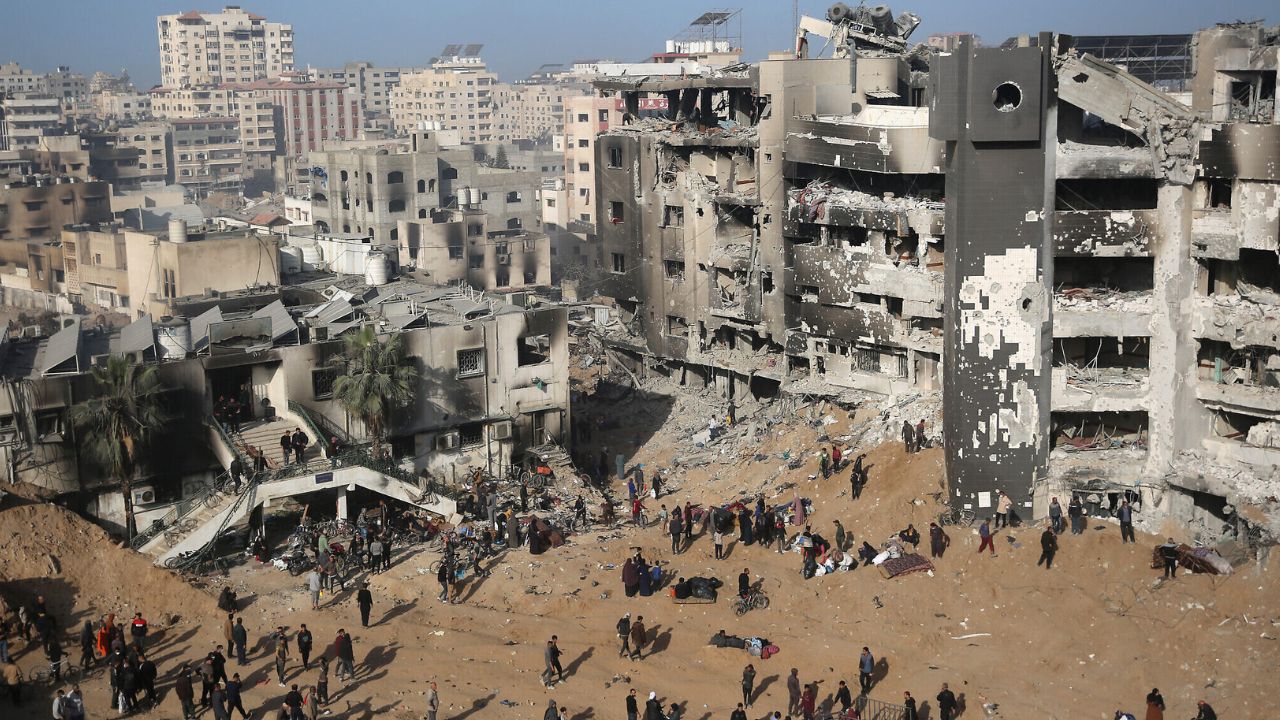
    Israeli forces on Monday pulled out of Gaza’s largest hospital complex after an intensive two-week military operation, leaving behind charred buildings and bodies strewn at the sprawling complex.

    Israel said it had battled Palestinian militants hiding inside Gaza City’s Al-Shifa Hospital, killed at least 200 fighters and recovered large stockpiles of weapons, explosives and cash.

    The health ministry in Gaza said that, after heavy Israeli air strikes and tank fire, “the scale of the destruction inside the complex and the buildings around it is very large”.

    “Dozens of bodies, some of them decomposed, have been recovered from in and around the Al-Shifa medical complex,” the ministry said, adding that the hospital was now “completely out of service”.

    A doctor told AFP more than 20 bodies had been recovered, some crushed by withdrawing vehicles.

    Israeli attacks have also flared around other Gaza hospitals almost six months since October 7 attacks which have destroyed swathes of the besieged coastal territory.

    The Hamas government press office said the army had blown up more than 20 houses within 24 hours in the main southern city of Khan Yunis, where battles have raged around the Nasser and Al-Amal hospitals.

    Israel destroys hospital

    Over the past two weeks, the Israeli army carried out what it labelled “precise operational activity” at the Al-Shifa complex, before declaring on Monday that the forces had withdrawn.

    The scene left behind was one of devastation, with windows blown out, concrete walls blackened and volunteers carrying away shrouded corpses across the sandy wasteland.

    Dozens of air strikes and shelling had hit the area around the complex in the morning, in heavy fire which the Hamas government media office said served to provide cover for the withdrawing troops and tanks.

    The army has in recent days released footage of its fighters moving through the hospital’s corridors, and pictures of large numbers of assault rifles, grenades and other weapons it said were recovered from the maternity ward.

    The military has said 200 Hamas fighters were killed in fighting in and around Al-Shifa.

    Hamas has denied operating from Al-Shifa and other health facilities.

    An Israeli strike also hit “a tent camp” inside central Gaza’s Al-Aqsa hospital compound, killing four people, said World Health Organization chief Tedros Adhanom Ghebreyesus on social media platform X.

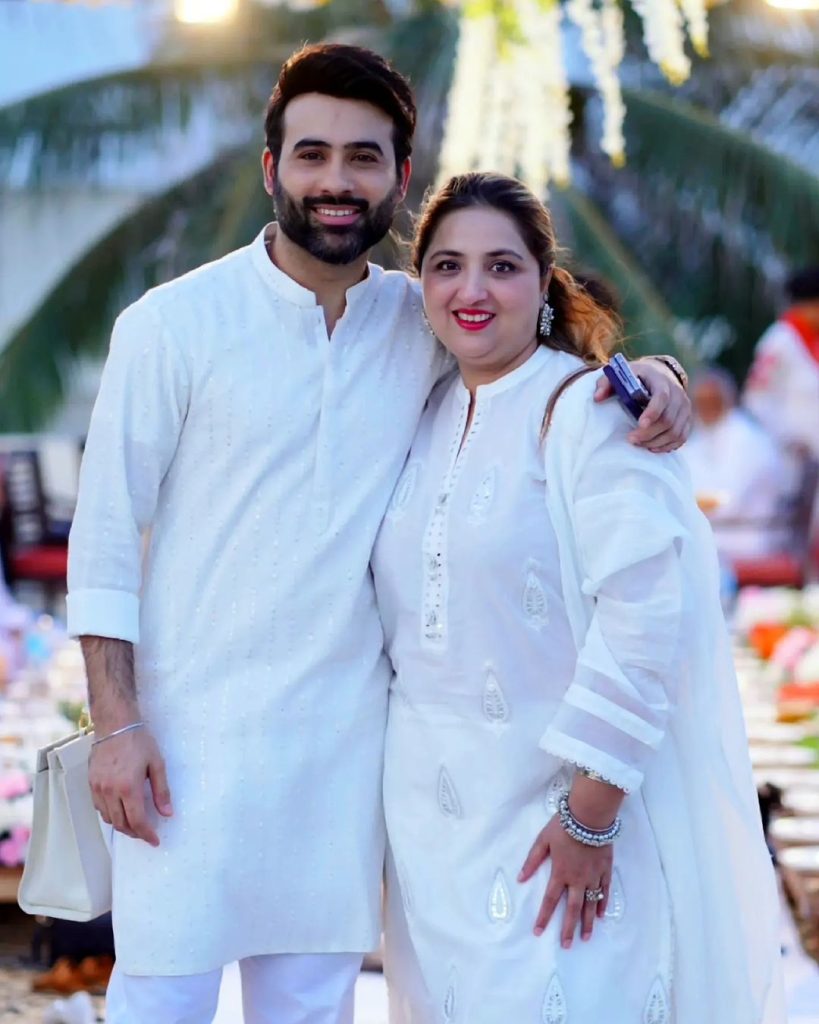
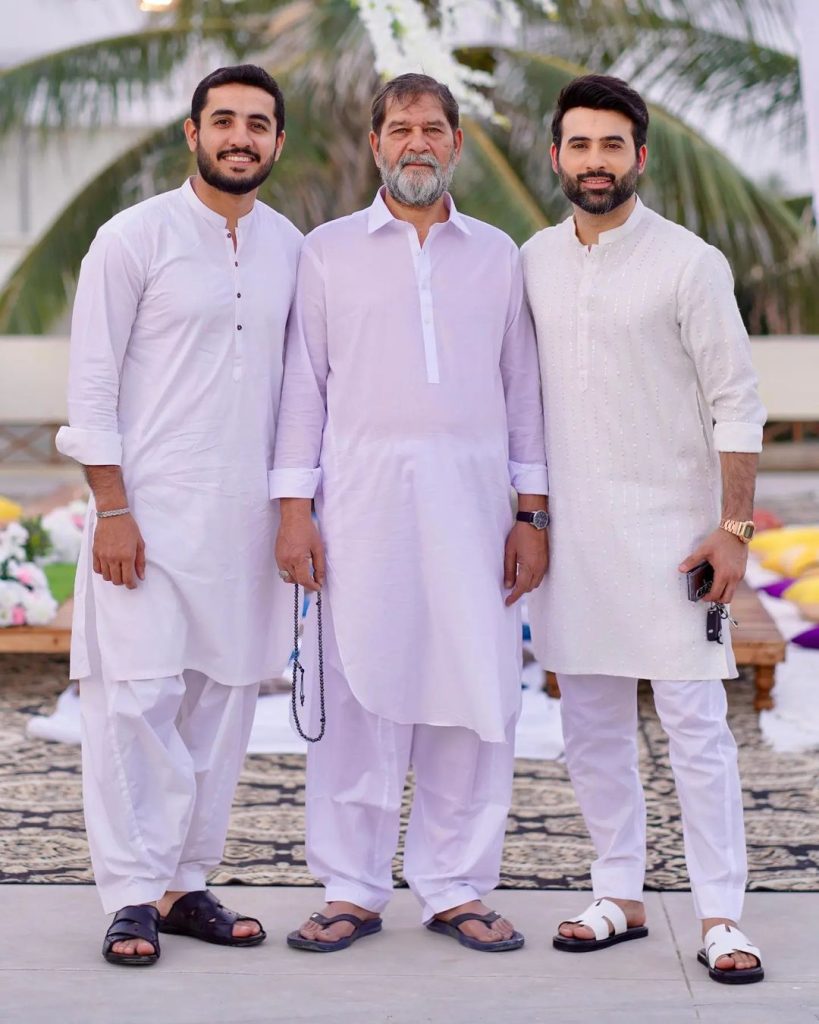
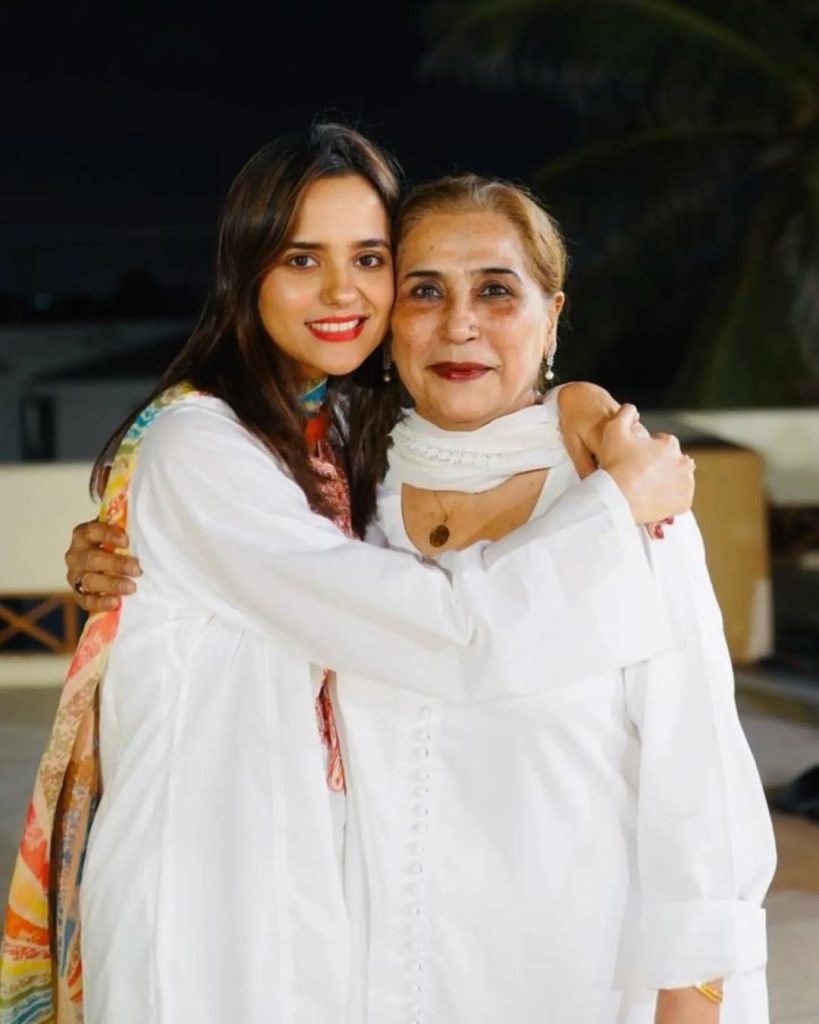
  • Faizan Sheikh and family throw big iftar party

    Faizan Sheikh and family throw big iftar party

    Maham Aamir and Faizan Sheikh, beloved figures in Pakistan’s entertainment scene, opted for a change of pace this Ramadan. Renowned for their charm and warmth, the couple embraced the spirit of togetherness with a grand Iftar soirée for family and friends.
    Dressed to the nines in elegant white attire, the Sheikh household welcomed guests to an evening filled with culinary delights. Maham Aamir and Rabya Kulsoom shone with grace, adding a touch of glamour to the occasion.
    As the sun set, laughter and love filled the air, epitomizing the essence of Ramadan.

    We have some lovely pictures from their Iftar to share with you.
    Check out below:

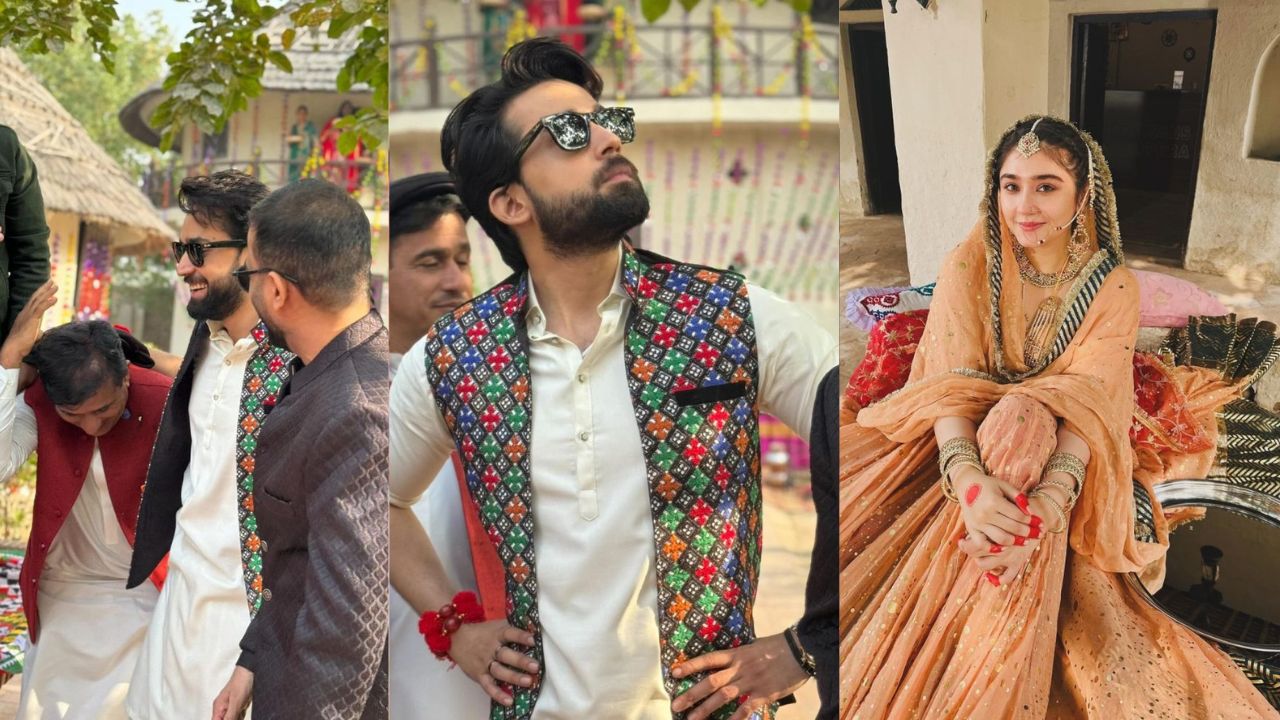
  • Fans applause traditional Sindhi wedding scene in ‘Ishq Murshid’

    Fans applause traditional Sindhi wedding scene in ‘Ishq Murshid’

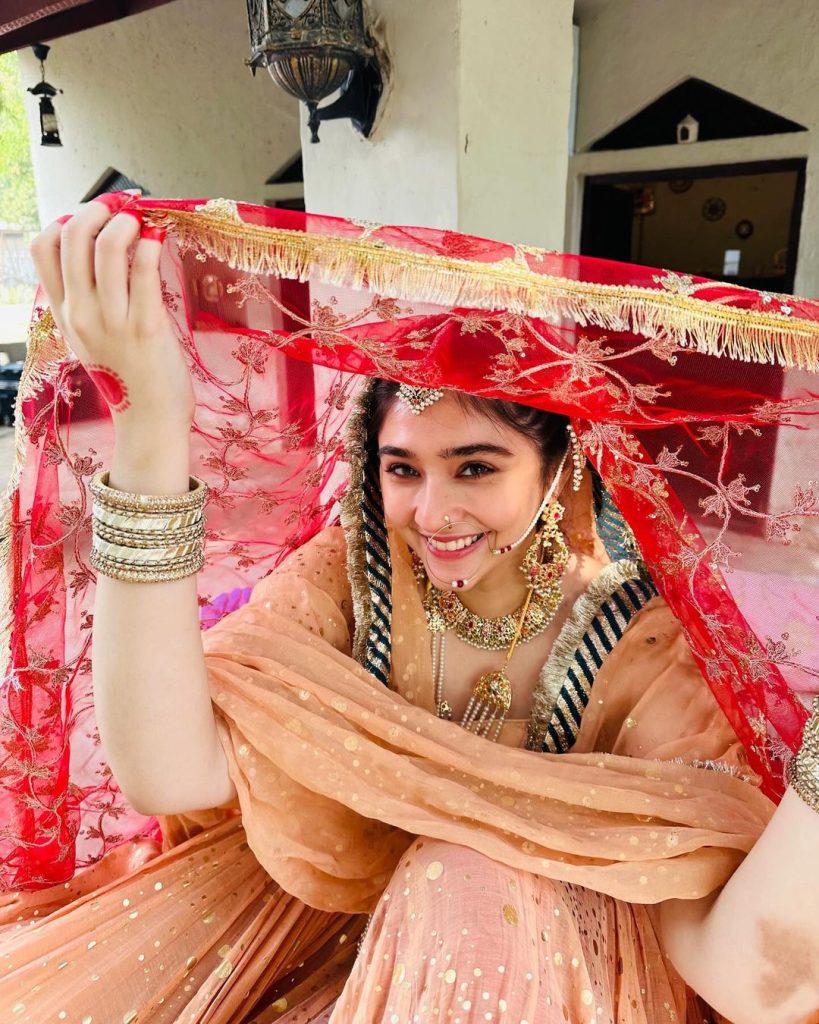
    The drama ‘Ishq Murshid’ is breaking popularity records and everyone loves the lead pair, Bilal Abbas Khan and Durefishan Saleem. The love story of Shibra and Shahmeer has captured the audience’s attention since the beginning.

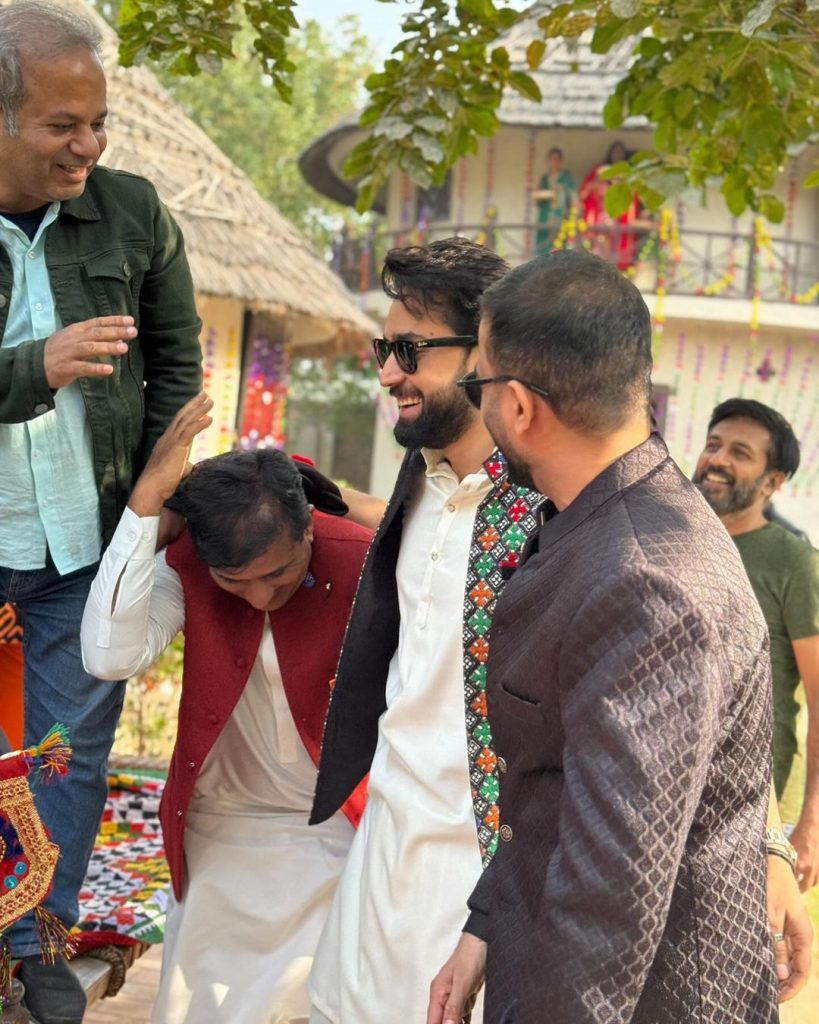
    The wedding scene in the popular drama is getting lots of praise. Viewers loved seeing both modern and traditional elements in Shibra and Shahmeer’s wedding.

    First, they had a modern wedding where they looked like any other modern couple. But what really caught everyone’s attention was the second part. It showed a traditional Sindhi wedding with all the customs and traditions. People liked how the drama team paid attention to Sindhi culture.

    But most of all, viewers were happy to see Sindhi culture being represented in the drama. It made them proud and brought them joy.

    As the drama goes on, viewers are excited to see more of Pakistani culture. ‘Ishq Murshid’ shows how storytelling can celebrate our heritage and make a lasting impact on people.