Blog

  • Government likely to extend new IMF programme for three years, says Shehbaz Sharif

    Government likely to extend new IMF programme for three years, says Shehbaz Sharif

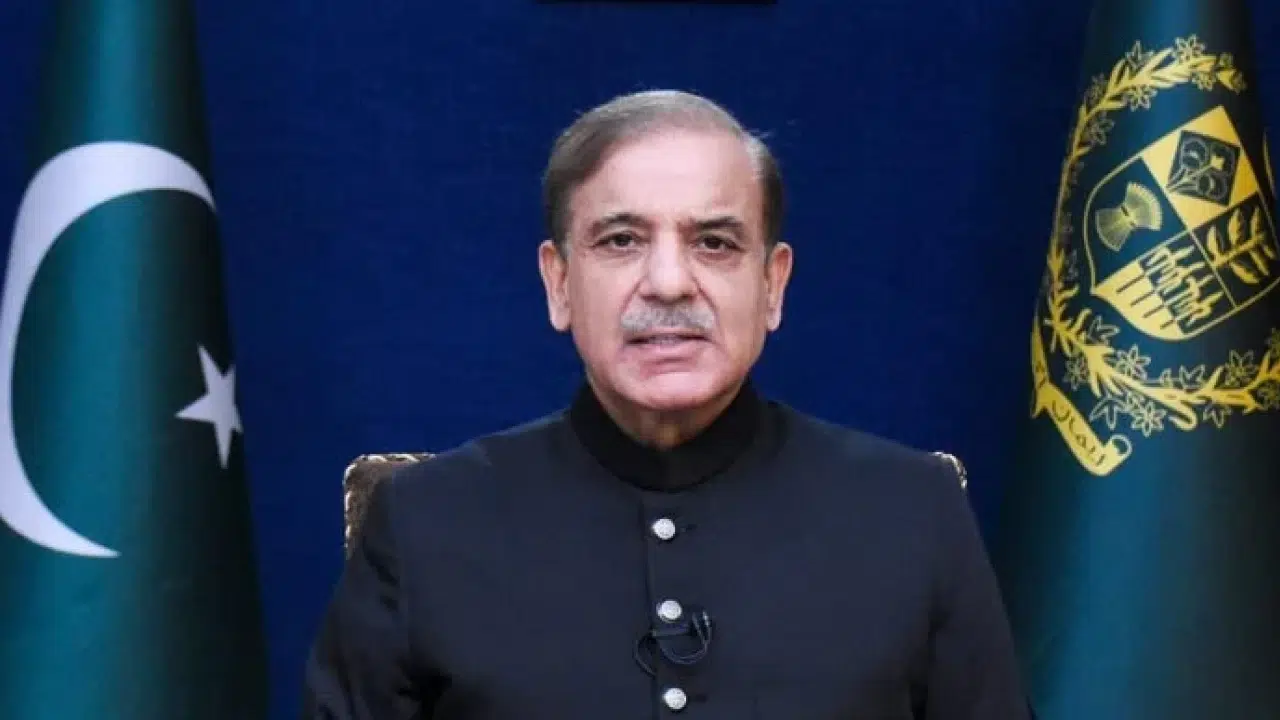
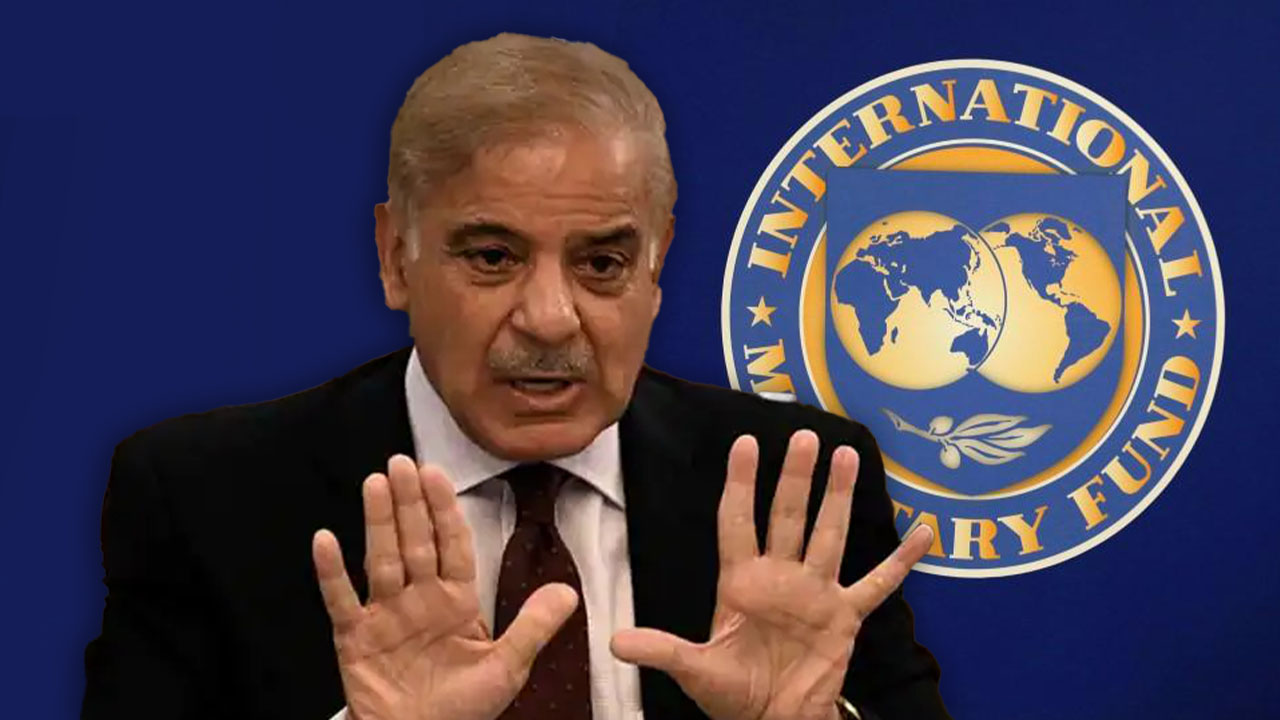
    Prime Minister Shehbaz Sharif has indicated that the government is likely to extend the new International Monetary Fund (IMF) programme for three years.

    “The new tranche of loan is likely to be received from the IMF in a few days, however, we would need another programme,” he said while addressing a session of the Special Investment Facilitation Council’s (SIFC) apex committee attended by civil-military leadership on Thursday.

    Shehbaz Sharif also stated that the presence of civil-military leadership, including elected lawmakers, in the session is a clear message of unity, development, and prosperity for the country.

    The PM also said that the former coalition government, comprised of 13 political parties, prioritised the country over politics.

    “There are major challenges to national economy. The SIFC is an important platform which was primarily establishment to remove hurdles in foreign investments, and it held several meetings during the last eight months.” Chief of Army Staff (COAS) General Syed Asim Munir played vital role in SIFC’s formation, he added.

  • Why MS Dhoni quits CSK’s captaincy just before one day of IPL?

    Why MS Dhoni quits CSK’s captaincy just before one day of IPL?

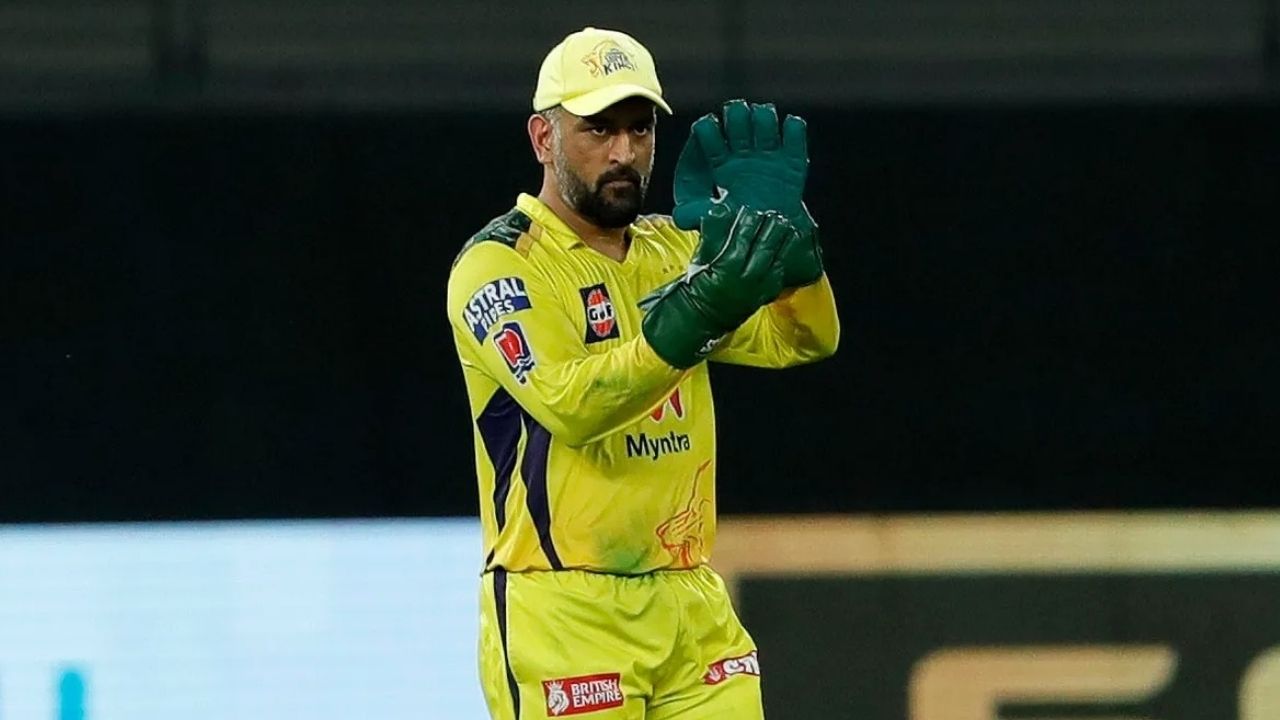
    Indian Premier League (IPL) franchise Chennai Super Kings (CSK) captain Mahendra Singh Dhoni has resigned from the captaincy on Thursday.

    IPL 2024 is going to start from today, March 22. Just a day before the start of the tournament, Dhoni fans got the bad news that he has quit the captaincy of the Super Kings.

    CSK have announced the new team captain for IPL 2024, Ruturaj Gaikwad.

    Dhoni has captained Kings since the first season of IPL starting in 2008. CSK became five times IPL champions under the captaincy of MS Dhoni.

  • What is El Nino effect and how is it impacting global sea levels?

    What is El Nino effect and how is it impacting global sea levels?

    Global average sea levels rose by about 0.3 inches (one-third of an inch) from 2022 to 2023 — nearly four times the increase of the previous year — Nasa said on Thursday, attributing the “significant jump” to a strong El Nino and a warming climate.

    The Nasa-led analysis is based on more than 30 years of satellite observations, with the initial satellite launching in 1992 and the latest in 2020.

    Overall, sea levels have risen by around four inches since 1993. The rate of increase has also accelerated, more than doubling from 0.07 inches per year in 1993, to the current rate of 0.17 inches per year.

    “Current rates of acceleration mean that we are on track to add another 20 centimetres (eight inches) of global mean sea level by 2050,” said Nadya Vinogradova Shiffer, director for the Nasa sea level change team and the ocean physics programme in Washington.

    That would be double the amount of change in the next three decades compared to the previous century, she said, creating a future where flooding is far more frequent and catastrophic than today.

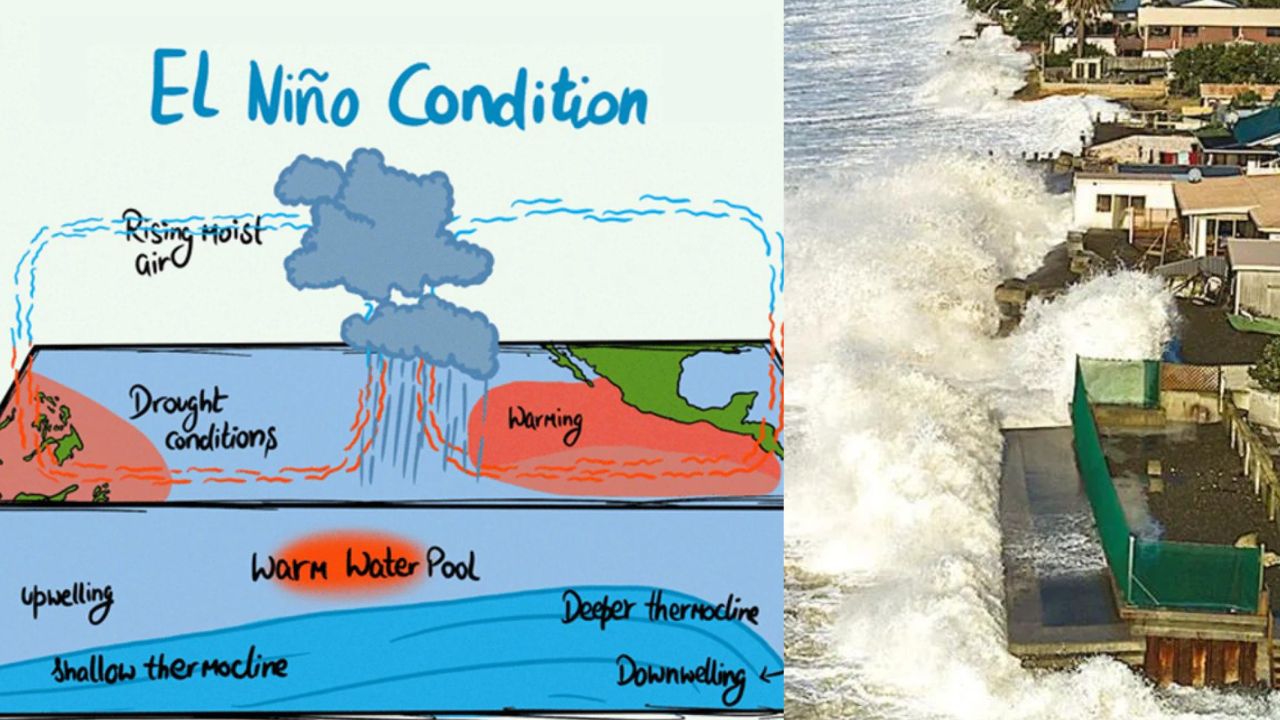
    The immediate cause of the spike is the El Nino weather effect, which replaced the La Nina from 2021 to 2022, when the sea level rose around 0.08 inches.

    El Nino involves warmer-than-average ocean temperatures in the equatorial Pacific.

    The term El Niño (Spanish for ‘the Christ Child’) refers to a warming of the ocean surface, or above-average sea surface temperatures, in the central and eastern tropical Pacific Ocean. The low-level surface winds, which normally blow from east to west along the equator (“easterly winds”), instead weaken or, in some cases, start blowing the other direction (from west to east or “westerly winds”). El Niño recurs irregularly, from two years to a decade, and no two events are exactly alike. El Niño events can disrupt normal weather patterns globally, asserts US Geological Survey.

  • FIFA World Cup Qualifiers 2, Jordan defeats Pakistan by 0-3 goals

    FIFA World Cup Qualifiers 2, Jordan defeats Pakistan by 0-3 goals

    In the FIFA World Cup Qualifier Round 2, Jordan defeated Pakistan by 0-3 goals.

    The match between Pakistan and Jordan at the Jinnah Stadium in Islamabad started at lightning speed. In the second minute, Jordan’s Musa Al-Tmari gave his team the lead.

    In the ninth minute, Jordan received a penalty kick due to a foul by a Pakistani defender and Ali Alwan made Jordan’s lead two zero and the first half ended with the same score.

    In the second half, the defense of the Pakistan team was relatively better, the strikers also attacked to equalize the goal but did not succeed.

    However, in the 86th minute, Jordan’s Musa al-Tmari got a chance and scored his second goal and the team’s third goal, and Jordan won the match by three goals to zero.

    In the World Cup Qualifier Round Two, Pakistan played one match each against Saudi Arabia, Tajikistan and Jordan and faced defeat in all of them.

    The national team will play an away match against Jordan on March 26.

  • Heavy snow leads to food shortage in Chitral

    Heavy snow leads to food shortage in Chitral

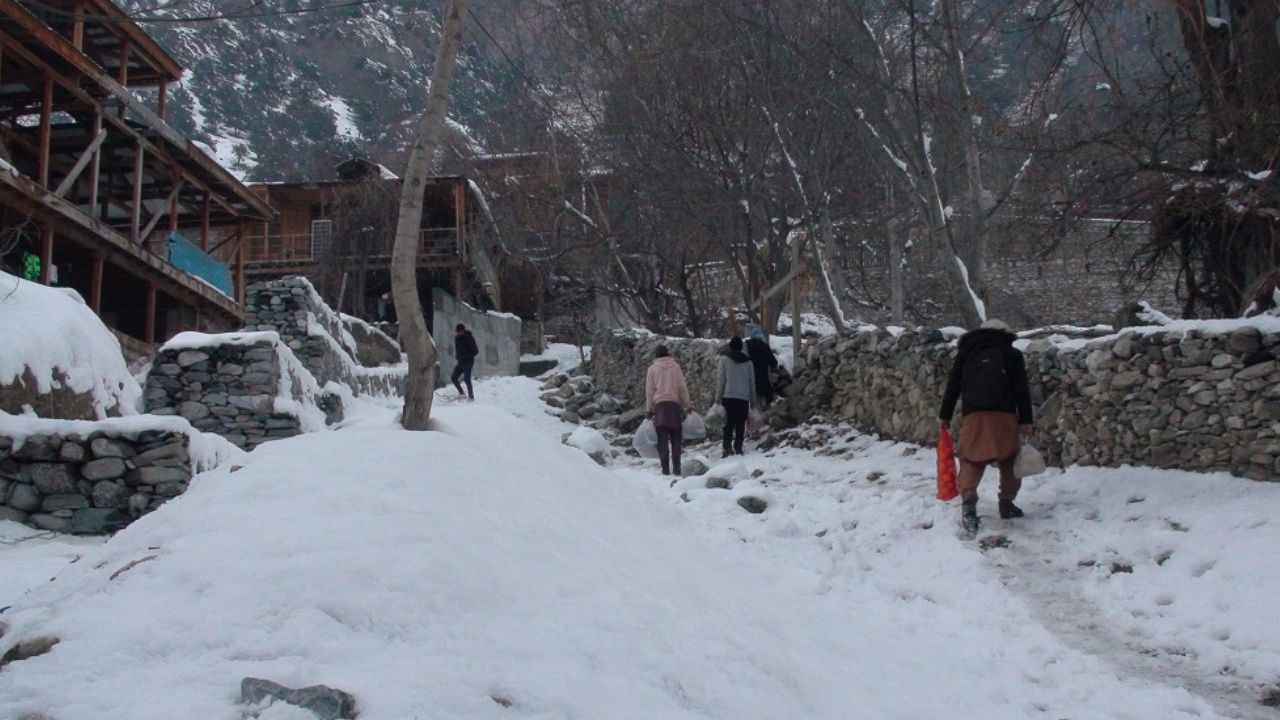
    Climate change is hitting home with heavy snow halting normal life, creating food insecurity in districts of upper and lower Chitral. The situation is dire, as MNA Abdul Akbar Chitrali has asserted that “It may result in a human tragedy”.


    The closure of roads to more than a dozen valleys in Chitral for the last three weeks has been creating countless issues for people.


    The most affected areas are the sub-valleys of Madaklasht, Susoom, Karimabad, and Gobor in Lower Chitral and Broghil, Yarkhoon, Upper Terich, Khot, Rech, Melp and Rech in Upper Chitral, says the report by Dawn. One has to wade through the snow for more than eight hours to reach there.


    The residents of the affected areas have said that food items and lifesaving drugs are running out while patients are taken on shoulder by villagers towards the road.


    Some minor work has been done by the government in the city but the roads leading to the sub-valleys are still unclear, leaving it up to the local people to do it on self-help basis.


    The former village nazim of Broghil, Amin Jan Tajik, said that there was a famine-like situation for people and their cattle after the valley received more than four feet snow while one had to walk for two days to reach Brep village to get a vehicle.


    He recalled that the last time the valley received such a heavy snowfall was in 1974, prompting the then government of Zulfiqar Ali Bhutto to airdrop ration for people as well as forage for their cattle, which formed their only source of sustenance.


    Mr Tajik said that to reopen the road by clearing snow and removing boulders and debris was beyond the capacity of locals as heavy machinery was required for the purpose.


    Former MNA Maulana Abdul Akbar Chitrali while talking to Dawn said that closure of roads gave birth to all kinds of issues and it was a pity that both federal and provincial governments neglected the ordeals of people.


    Talking to journalists here on Wednesday, he said that restoration of power supply to the affected villages would not be possible without reopening of roads. “More than three-fourth villages of Chitral have been without electricity after the heavy snowfall,” he added.


    He said that during the month of Ramazan, shortage of food was deplorable.

  • Nationwide crackdown launched against electricity and gas theft

    Nationwide crackdown launched against electricity and gas theft

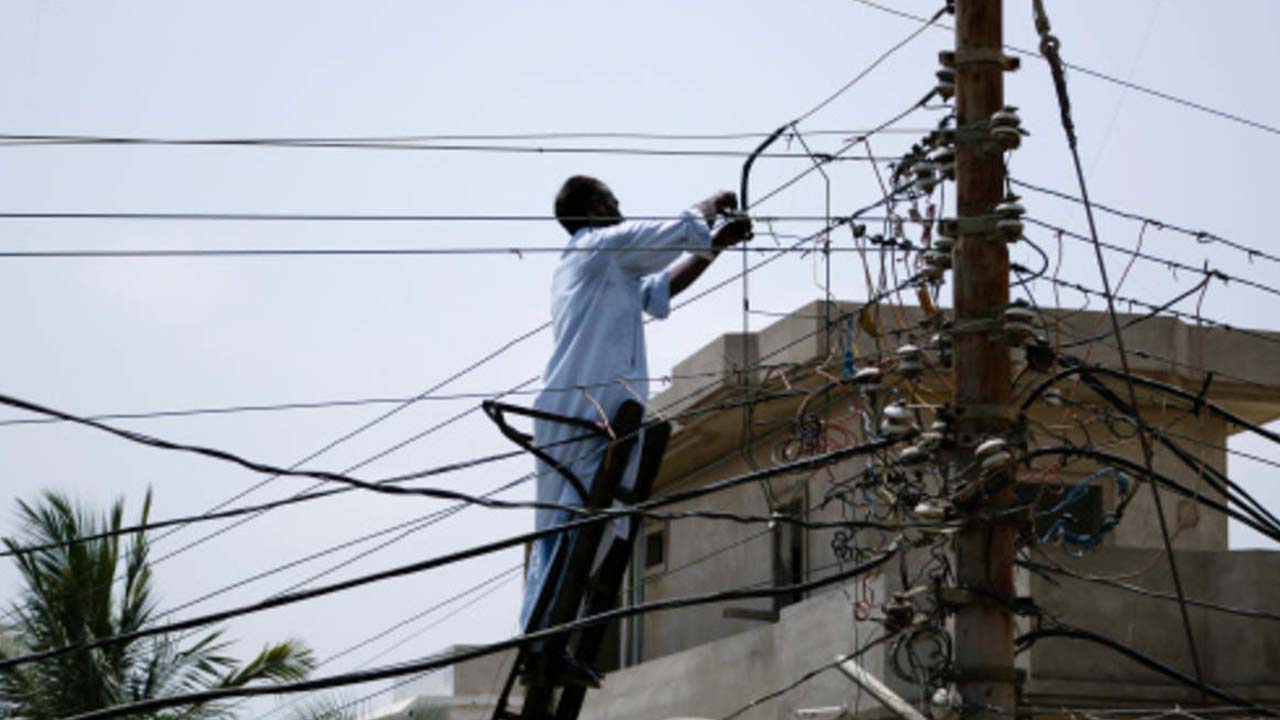
    Pakistan authorities have issued a directive to the Federal Investigation Agency (FIA) to launch a comprehensive operation targeting electricity and gas theft nationwide.

    Interior Minister Mohsin Naqvi announced the commencement of this initiative via social media platform X on Thursday, stating, “Starting today, the FIA launches a massive crackdown against electricity and gas theft across the nation.”

    Minister Naqvi said that no individual or entity will be exempt from scrutiny. Those found responsible will face legal repercussions.

    Describing the initiative as a proactive measure, the minister highlighted its objective of combating the prevalent theft of essential utilities, thereby ensuring equitable distribution and access for all citizens.

    Electricity theft remains a significant challenge in Pakistan, manifesting through illegal connections, meter tampering, and non-payment of bills.

    Current estimates depict substantial annual losses in revenue, amounting to billions of rupees, due to this illicit activity.

    These losses not only strain the financial resources of energy providers but also contribute to frequent power outages.

    Similarly, gas theft poses a formidable concern, with illegal connections and meter tampering being common methods employed to siphon natural gas unlawfully.

    This illicit practice not only results in revenue losses for gas distribution companies but also poses safety hazards. Unauthorised diversion of gas leads to supply shortages, impacting both domestic and industrial consumers.

    Recognising the urgency of the situation, the interim government initiated a significant crackdown last year to address the escalating issue of power theft and to enforce stringent measures against those involved in such activities.

  • PM Shehbaz foresees three-year IMF programme continuation

    PM Shehbaz foresees three-year IMF programme continuation

    Prime Minister (PM) Shehbaz Sharif has indicated that the new International Monetary Fund (IMF) programme is expected to extend for three years.

    Addressing the session of the Special Investment Facilitation Council’s (SIFC) apex committee, attended by both civil and military leadership on Thursday, the PM mentioned that a new installment of the loan from the IMF is anticipated in a few days. However, he underscored the necessity for another programme.

    He highlighted the unity displayed by the civil-military leadership and elected lawmakers from various political parties in today’s session, emphasising their collective commitment to the country’s development and prosperity.

    Regarding the economic challenges, the Prime Minister stressed the importance of the SIFC in facilitating foreign investments and acknowledged its significant role over the past eight months. He credited Chief of Army Staff (COAS) General Syed Asim Munir for his pivotal role in establishing the SIFC.

    Prime Minister Shehbaz emphasised the imperative of implementing reforms under the IMF programme to attain macroeconomic stability. He noted the shortfall in revenues, highlighting the need to increase them to Rs13 to 14 trillion from the current Rs9 trillion.

    Furthermore, he outlined the government’s plans to digitise the Federal Board of Revenue (FBR) to address issues such as electricity theft, which annually costs the national exchequer Rs400 billion. During the caretaker government’s tenure, measures were taken to save Rs87 billion in electricity expenses.

    PM Shehbaz also highlighted the pressing issue of circular debt in electricity and gas, which has surged to Rs5 trillion.

    He underscored the importance of unity among the federal and provincial governments to address these challenges collectively.

    Shehbaz Sharif urged the expedited privatisation of loss-making state-owned entities, citing Pakistan International Airlines (PIA), burdened with a debt of Rs825 billion, as an example.

    Acknowledging the need for tough decisions, the Prime Minister admitted that subsidies had been disproportionately allocated to the elite segments of society, emphasising the importance of redistributing the financial burden to those capable of bearing it.

  • Pakistan’s forex reserves surge to $8.02 billion, SBP data shows

    Pakistan’s forex reserves surge to $8.02 billion, SBP data shows

    The latest data released on Thursday revealed a noteworthy surge in the foreign exchange reserves held by the State Bank of Pakistan (SBP), marking an increase of $105 million over the course of a week, reaching a total of $8.02 billion as of March 15.

    In addition to the SBP’s reserves, the total liquid foreign reserves for the country now stand at $13.4 billion, with commercial banks accounting for $5.38 billion of this amount.

    Despite the significant boost, the central bank did not provide specific details regarding the reason behind this increase.

    However, it did report that during the week ending on March 15, SBP’s reserves climbed by $105 million to reach $8,017.9 million, indicating a positive trend.

    The previous week had also witnessed an increase in Pakistan’s central bank reserves, albeit a smaller one, amounting to $17 million.

    In a pivotal development, Pakistani authorities successfully concluded negotiations with the International Monetary Fund (IMF) on the second and final review of the $3 billion Stand-By Arrangement (SBA).

    As per the agreement reached, pending approval by the IMF’s Executive Board, an additional access of $1.1 billion under the SBA will become available.

    This anticipated inflow from the IMF is expected to further bolster the country’s reserves and serve as a promising sign for its struggling economy.

  • Gold price increases by Rs4,600 to Rs232,400 per tola

    Gold price increases by Rs4,600 to Rs232,400 per tola

    Gold prices in Pakistan experienced a massive surge on Thursday, following cues from the Federal Reserve indicating its intention to proceed with three interest-rate cuts within the year.

    The price of 24-karat gold rose by Rs4,600 per tola, reaching Rs232,400. The Karachi Sarafa Association noted a similar trend, reporting a price increase of Rs3,943 for 24-karat gold per 10-gramme, now priced at Rs199,245.

    Correspondingly, 22-karat gold witnessed a rise, reaching Rs182,642 per 10-gramme.

    Furthermore, silver prices also saw an uptick in Pakistan. 24-karat silver was traded at Rs2,600 per tola and Rs2,229.08 per 10-gramme, marking an increase of Rs20 per tola and Rs17.15 per 10-gramme.

    Internationally, spot gold prices surged above $2,200 an ounce for the first time, following the US Federal Reserve’s decision and a dovish stance from Jerome Powell.

    The Federal Reserve opted to maintain interest rates at 5.25 per cent-5.5 per cent but upheld their forecast for three quarter-point rate reductions throughout the year.

    This announcement propelled the price of gold, reaching as high as 1.6 per cent to $2,220.89 an ounce during early trading, although it slightly retreated while still maintaining levels above $2,220.

  • Global fertility rate to keep plummeting, major study warns

    Global fertility rate to keep plummeting, major study warns

    Paris (AFP) – The population of almost every country will be shrinking by the end of the century, a major study said Wednesday, warning that baby booms in developing nations and busts in rich ones will drive massive social change.

    The fertility rate in half of all nations is already too low to maintain their population size, an international team of hundreds of researchers reported in The Lancet.

    Using a huge amount of global data on births, deaths and what drives fertility, the researchers tried to forecast the future for the world’s population.

    By 2050, the population of three quarters of all countries will be shrinking, according to the study by the US-based Institute For Health Metrics and Evaluation (IHME).

    At the end of the century, that will be true for 97 percent — or 198 out of 204 countries and territories, the researchers projected.

    Only Samoa, Somalia, Tonga, Niger, Chad and Tajikistan are expected to have fertility rates exceeding the replacement level of 2.1 births per female in 2100, the study estimated.

    During this century, fertility rates will continue to increase in developing countries, particularly those in sub-Saharan Africa, even as they tumble in wealthier, ageing nations.

    “The world will be simultaneously tackling a ‘baby boom’ in some countries and a ‘baby bust’ in others,” senior study author Stein Emil Vollset of the IHME said in a statement.

    ‘Implications are immense’

    “We are facing staggering social change through the 21st century,” he said in a statement.

    IHME researcher Natalia Bhattacharjee said the “implications are immense”.

    “These future trends in fertility rates and live births will completely reconfigure the global economy and the international balance of power and will necessitate reorganising societies,” she said.

    “Once nearly every country’s population is shrinking, reliance on open immigration will become necessary to sustain economic growth.”

    However World Health Organization experts urged caution for the projections.

    They pointed out several limitations of the models, particularly a lack of data from many developing nations.

    Communication about the figures “should not be sensationalised, but nuanced, balancing between gloom and optimism,” the WHO experts wrote in The Lancet.

    They also pointed out that there can be benefits of having a smaller population, such as for the environment and food security. But there are disadvantages for labour supply, social security and “nationalistic geopolitics”.

    Teresa Castro Martin, a researcher at the Spanish National Research Council not involved in the study, also emphasised that these are just projections.

    She pointed out that the Lancet study predicts the global fertility rate will fall below replacement levels around 2030, “whereas the UN predicts this to occur around 2050”.

    The study was an update of the IHME’s Global Burden of Disease study. The organisation, set up at the University of Washington by the Bill and Melinda Gates Foundation, has become a global reference for health statistics.