Blog

  • Pakistani boxer Nisar Ahmed Achakzai won the World Muay Thai Boxing Tournament

    Pakistani boxer Nisar Ahmed Achakzai won the World Muay Thai Boxing Tournament

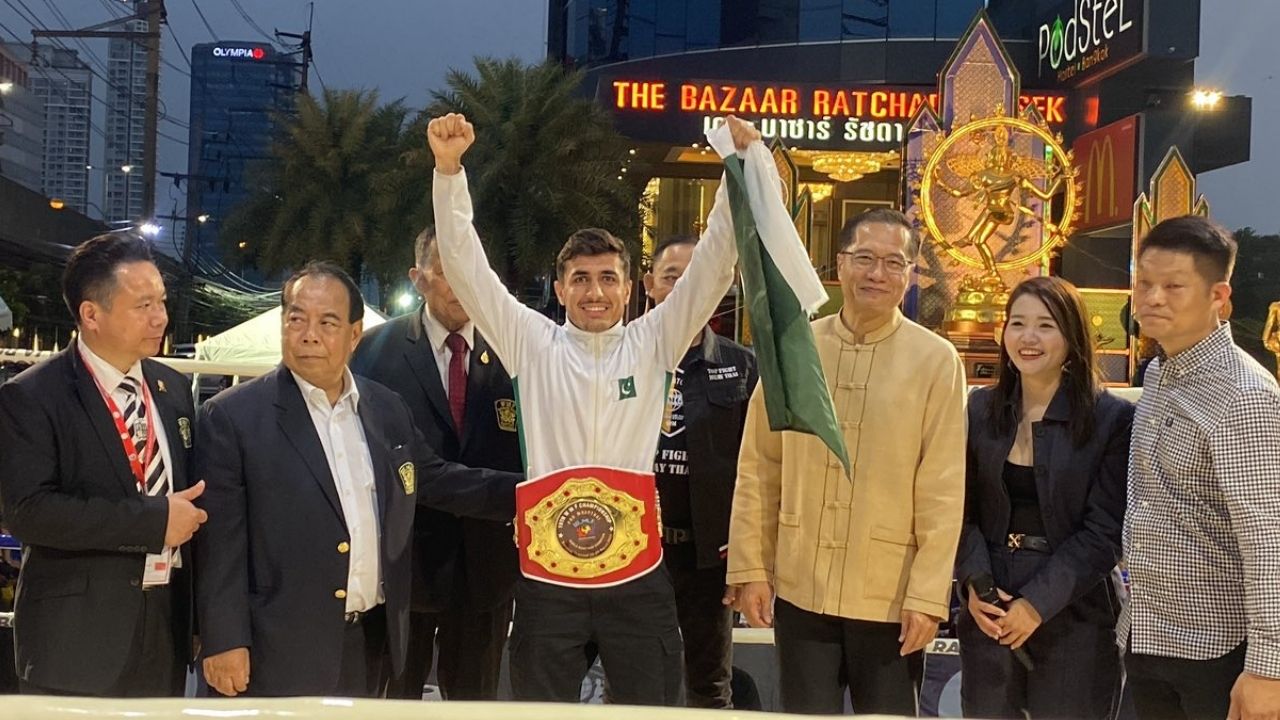
    Pakistani boxer Nisar Ahmad Achakzai from Qila Abdullah district of Balochistan won the ongoing World Muay Thai Championship 2024 International Boxing Tournament in Bangkok, Thailand.

    Nisar defeated the Indian player Bajar Singh in the final and knocked him out in the first round.

    Nisar Ahmad said, “There is an effort to keep the green crescent flag high in every field of the world, but less resources and motivation come in the way.”

  • Another earthquake jolts Balochistan

    Another earthquake jolts Balochistan

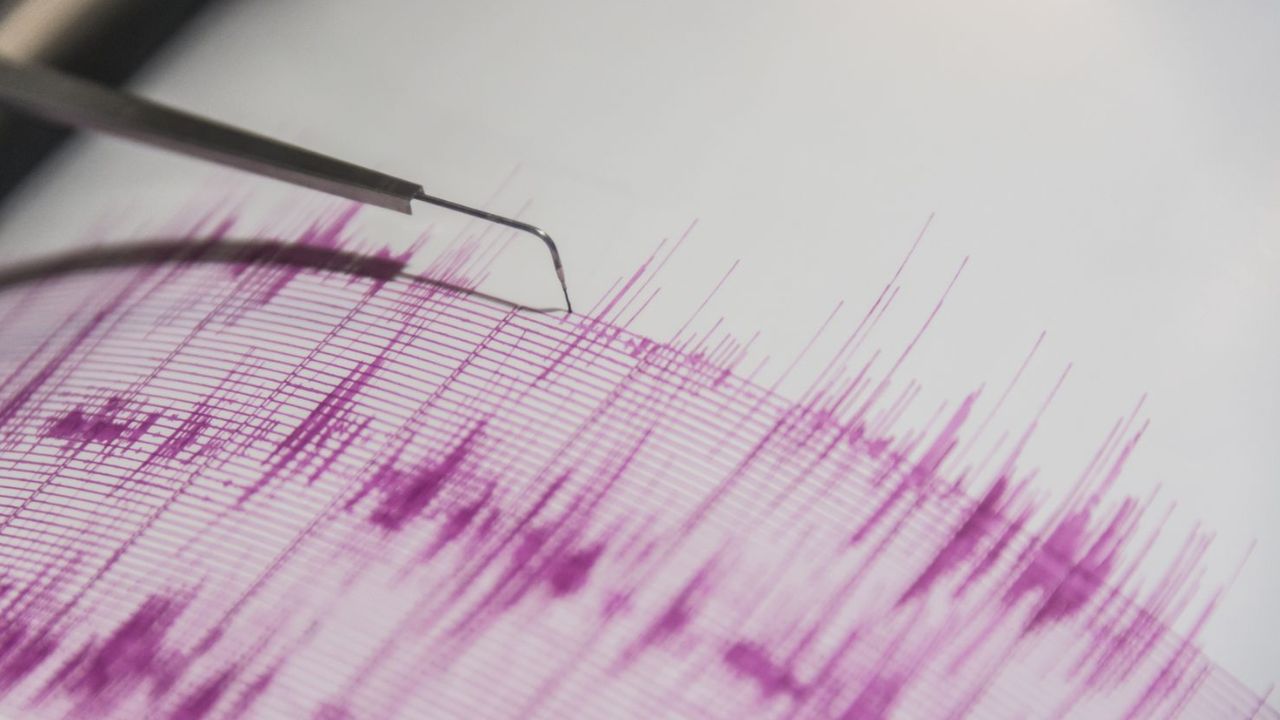
    Earthquake tremors once again jolted different regions in Balochistan, including Quetta, early this morning.

    The earthquake was also detected at the Pak-Iran border areas including Chaman, Qila Abdullah, Nushki, Pashin and Dalbandin.

    According to the Seismological Center, the magnitude of the earthquake was recorded at 5.6, and the epicentre was 166 kilometres southwest of Quetta.

    The depth of the earthquake was recorded at 30 kilometres.

    No loss of life or property was reported.

  • Alan Walker teams up with RCB to create anthem

    Alan Walker teams up with RCB to create anthem

    Famous Norwegian DJ and musician Alan Walker has teamed up with Indian Premier League (IPL) franchise Royal Challengers Bangalore (RCB) to create a special anthem ahead of the highly anticipated IPL season of 2024.

    The track titled ‘Team Side ft RCB’ was unveiled at their ‘Unbox’ event on Tuesday, March 19. Norwegian pop artist Sofiloud promises to deliver an electrifying experience for fans. The song tries to reflect the spirit of unity and celebration that cricket provides to millions of fans across India with a blend of electro-house beats and multilingual lyrics in Hindi, Kannada, and English.

    Expressing his enthusiasm, Alan Walker remarked, “I am thrilled to be working with RCB on this team track. I love cricket, and I’m looking forward to meeting all the Indian cricket legends on the field. Team Side ft RCB is not just a track, but it is also a celebration of my incredibly exciting year in India. The song is a celebration of hope, joy, community and unity, and above all, an ambition that this will be the biggest year in my career in this market. I can’t wait for fans to experience the track live,” as quoted by CricTracker

    Alan Walker is known for his chart-topping hits like Faded and On My Way. His upcoming tour in the country, titled Walker World India Tour, further solidifies his connection with his fanbase in India.

  • ICC launches T20 World Cup 2024 trophy tour

    ICC launches T20 World Cup 2024 trophy tour

    The International Cricket Council (ICC) has launched the T20 World Cup Trophy Tour.

    The trophy tour has been launched at the Empire State Building in Manhattan, New York, with former West Indies captain Chris Gayle and American player Ali Khan launching the tour.

    The ICC trophy will visit 15 countries. During the first month, the trophy will also be taken to Argentina, Brazil and Canada.

    The trophy will tour New York, Dallas and Houston from March 18 to 23. After America, the World Cup trophy will tour the West Indies.

  • Final hurdle cleared: Pakistan on verge of securing IMF tranche

    Final hurdle cleared: Pakistan on verge of securing IMF tranche

    Pakistan is on track to receive the final installment of the $3 billion standby arrangement following the country’s officials meeting the economic performance criteria outlined by the International Monetary Fund (IMF), as per reports.

    Reports indicate that the IMF mission in Pakistan has concluded its review and is preparing to announce an agreement with the government for the disbursement of the last installment, totaling $1.1 billion.

    If successful, the agreement will be presented to the IMF executive board in April for their ultimate approval.

    This development follows recent discussions suggesting that negotiations with the global lending institution may be prolonged due to the parties failing to reach a consensus.

    It’s noted that the IMF has urged the government to regulate and tax cryptocurrency and other online trading platforms.

    Additionally, discussions between Pakistan and the IMF have included talks on privatising financially struggling state-owned enterprises, with Pakistan International Airlines being a priority for privatisation.

    Earlier, the government declined the IMF’s proposal to revisit the National Finance Commission (NFC) Award, citing constitutional concerns.

    The IMF had suggested reviewing the NFC Award during the second round of talks, citing a shortage of federal funds.

    Government sources said that any recommendation on the NFC Award that contradicts the constitution will not be endorsed.

    Pakistan managed to avoid a potential sovereign default after the previous coalition government, led by Pakistan Muslim League-Nawaz (PML-N), reached a staff-level agreement with the IMF on a $3 billion SBA.

    Finance Minister Muhammad Aurangzeb expressed Pakistan’s intention to secure a larger and more enduring program with the IMF, aiming to align with the country’s quota. He made these remarks while speaking to reporters in Islamabad on March 13.

  • Pakistan’s currency in circulation surges by Rs252.98 billion

    Pakistan’s currency in circulation surges by Rs252.98 billion

    The State Bank of Pakistan (SBP) has released provisional figures on Monetary Aggregates, revealing notable shifts in the country’s monetary landscape.

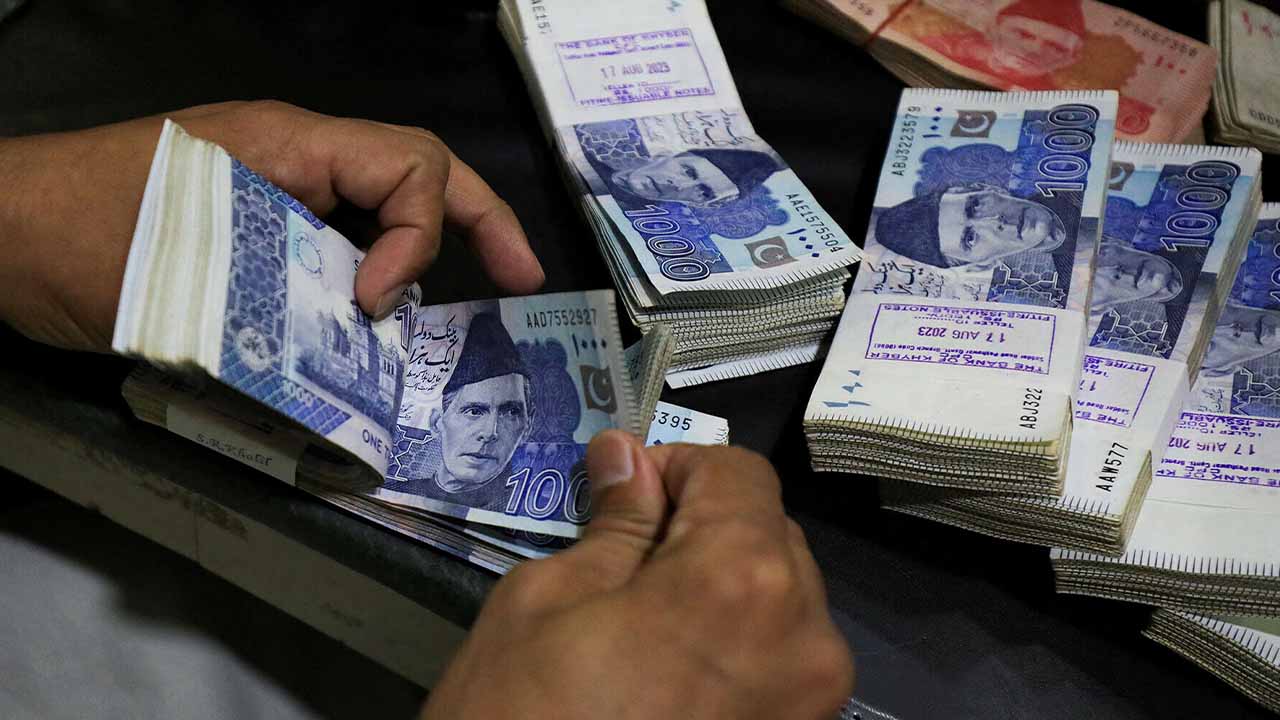
    As of March 8, 2024, the currency in circulation has seen a significant weekly increase, climbing by Rs252.98 billion to reach Rs8.66 trillion. This marks a substantial change within a short span.

    In contrast, the overall trend for the current fiscal year indicates a decrease in currency circulation, with a drop of Rs485.71 billion compared to the figure recorded at the end of June 2023, which stood at Rs9.15 trillion.

    Turning to broad money (M2), a key indicator of money supply in Pakistan, there has been a noteworthy decline of Rs206.59 billion week-on-week, bringing the total to Rs32.48 trillion by March 8, 2024.

    However, when juxtaposed with June 2023, M2 has experienced a significant increase, rising by Rs957.18 billion from the previous fiscal year’s end balance of Rs31.52 trillion.

    The ratio of currency in circulation to M2, a crucial metric for understanding liquidity dynamics, stood at 26.67%, indicating a slight uptick compared to the previous week’s 25.73% and a decrease from the June 2023 figure of 29.02%.

    Meanwhile, total deposits held with banks have shown mixed trends. The latest data reveals a weekly decrease of Rs468.69 billion, amounting to Rs23.69 trillion.

    However, on a fiscal year-to-date basis, there has been an overall increase of Rs1.43 trillion.

    It’s important to note that these deposit figures exclude certain categories such as inter-bank deposits, government deposits, and those from foreign entities.

    Currency in circulation encompasses the total value of banknotes and coins held by both the general public and financial institutions.

    In Pakistan, M2 serves as the primary measure of broad money, encompassing various forms of currency and deposits.

    From a liability perspective, M2 comprises currency in circulation, total non-government sector deposits (including resident foreign currency deposits), and other deposits held with the SBP.

    On the asset side, M2 includes the net domestic assets and net foreign assets of the banking system, incorporating both the SBP and scheduled banks.

  • 24-karat gold price increases to Rs227,300 per tola

    24-karat gold price increases to Rs227,300 per tola

    In Tuesday’s trading session, the local bullion market witnessed a modest recovery, as the price of 24-karat gold rose by Rs400 to reach Rs227,300 per tola.

    The Karachi Sarafa Association disclosed that the price of 24-karat gold for 10 grammes climbed to Rs194,873, marking a Rs343 increase.

    Similarly, the price of 22-karat gold saw an uptick, reaching Rs178,634 per 10 grammes.

    Contrarily, silver prices remained stable, with 24-karat silver maintaining its rate at Rs2,580 per tola and Rs2,211.93 per 10 grammes.

    Last week, 24-karat gold concluded its two-week ascent with a setback of Rs2,700 per tola.

    On the global scale, international spot gold hovered around $2,155 per ounce, experiencing a marginal decline of 0.25 per cent compared to the preceding session.

    This dip in the global market is attributed to dampened expectations of a US interest rate reduction following lackluster price data from the previous week.

    Notably, US consumer prices surpassed projections in February, while producer prices hinted at inflationary pressures.

  • Entire Gaza population at ‘severe levels of acute food insecurity’: Blinken

    Entire Gaza population at ‘severe levels of acute food insecurity’: Blinken

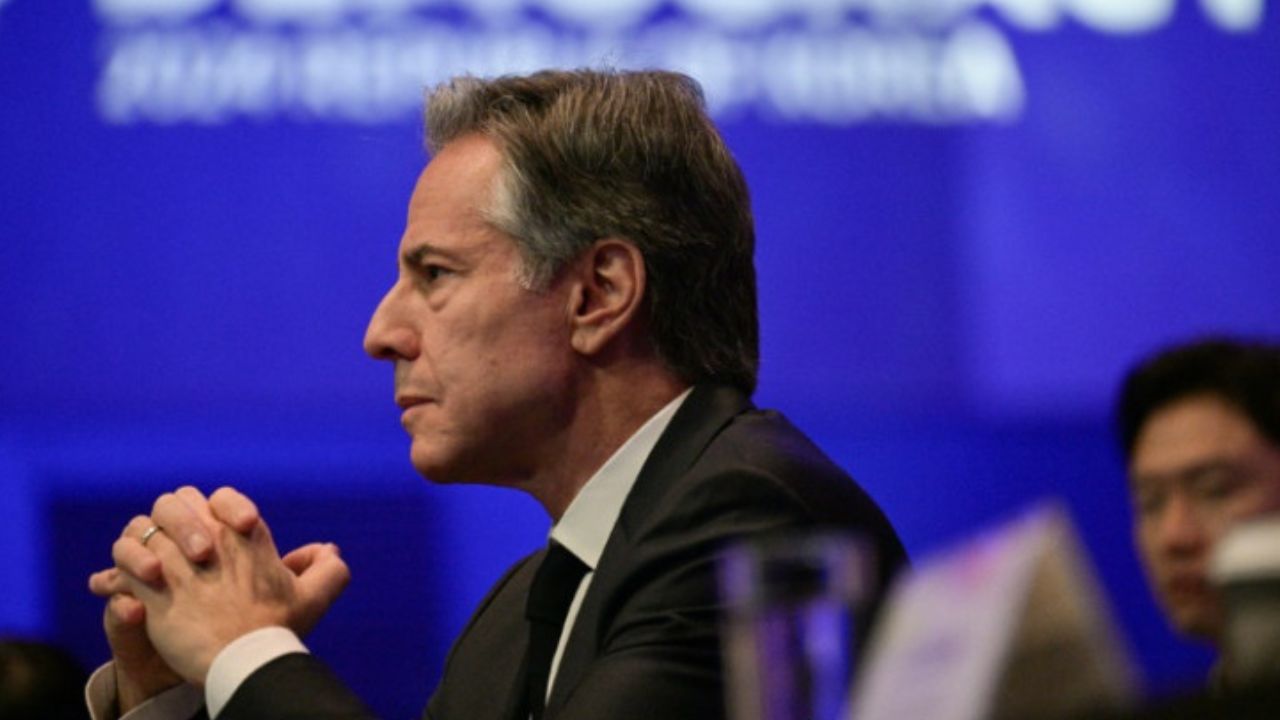
    The entire population of Gaza is experiencing “severe levels of acute food insecurity”, US Secretary of State Antony Blinken said Tuesday, underscoring the urgency for increasing the delivery of humanitarian aid into the Palestinian territory.

    “According to the most respected measure of these things, 100 percent of the population in Gaza is at severe levels of acute food insecurity. That’s the first time an entire population has been so classified,” Blinken told a press conference in the Philippines where he is on an official visit.

    Blinken’s remarks came on the eve of his return to the Middle East, this time to Saudi Arabia and Egypt, to discuss efforts to secure a ceasefire in Gaza and ramp up aid deliveries.

    A United Nations-backed food security assessment warned Monday that half of Gazans are experiencing “catastrophic” hunger, with famine projected to hit the north of the territory by May unless there is urgent intervention.

    Martin Griffiths, the UN’s humanitarian chief, has called for Israel to allow unfettered aid into the besieged Palestinian territory, saying there was “no time to lose”.

    With aid agencies reporting huge difficulties gaining access to Gaza, particularly the north, the UN has warned for weeks that a famine is looming.

    Donors have turned to deliveries by air or sea, but these are not viable alternatives to land deliveries, UN agencies say.

    The Integrated Food Security Phase Classification partnership said Monday that while the technical criteria for a famine had not yet been met, “all evidence points towards a major acceleration of deaths and malnutrition”.

    Citing UN data, Blinken said 100 percent of the population in Gaza needed humanitarian assistance, compared with 80 percent in Sudan and 70 percent in Afghanistan.

    “This only underscores both the urgency, the imperative, of making this the priority,” Blinken said of aid deliveries.

    “We need more, we need it to be sustained, and we need it to be a priority if we’re going to effectively address the needs of people.”

    Blinken is in Manila as part of a brief Asia tour aimed at reinforcing US support for regional allies against China.

    During a joint press conference with his Philippine counterpart, Blinken was asked about steps he was taking to address the lack of access to Gaza for foreign journalists.

    “There are obviously profound security considerations in an active war zone and those have to be taken into account,” Blinken said.

    “But the basic principle of access for journalists is something we stand strongly behind.”

  • China says US has ‘no right’ to interfere in South China Sea

    China says US has ‘no right’ to interfere in South China Sea

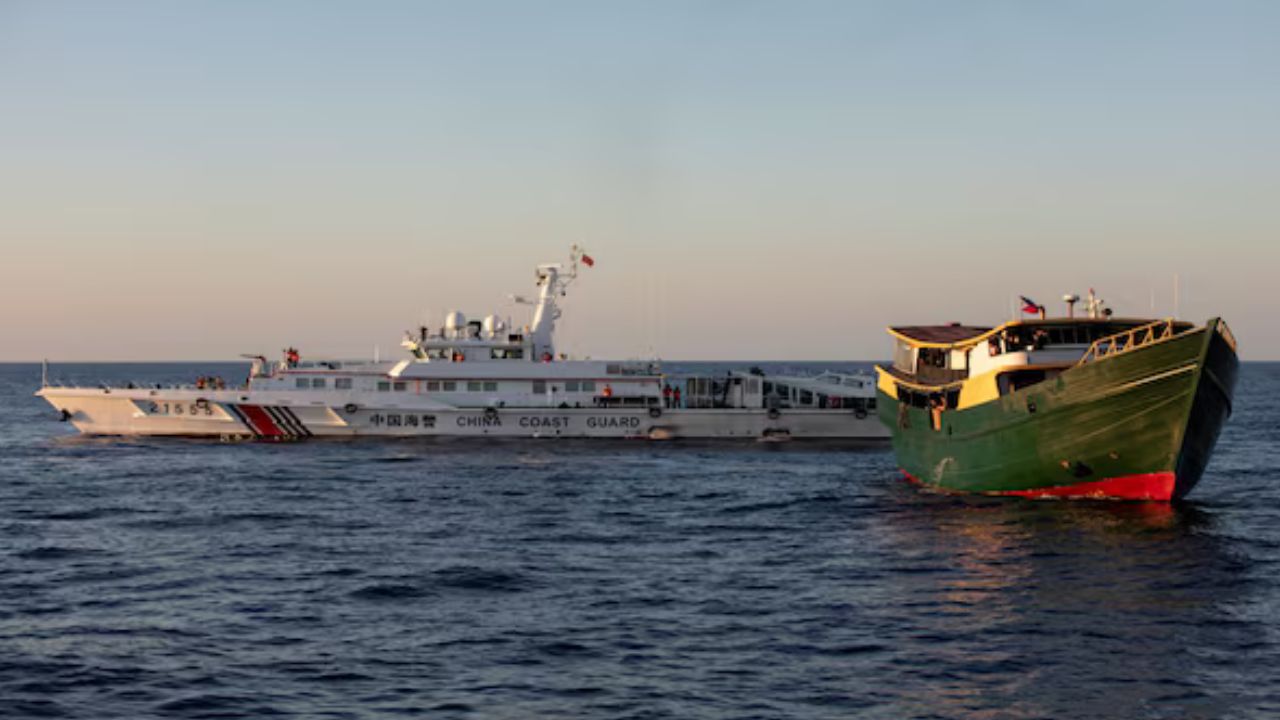
    China said Tuesday the United States had “no right” to interfere in the South China Sea, after Secretary of State Antony Blinken said Washington stood by its commitments to defend the Philippines against armed attack in the disputed waterway.

    “The United States is not a party to the South China Sea issue and has no right to interfere in maritime issues that are between China and the Philippines,” foreign ministry spokesman Lin Jian told a regular press conference in Beijing.

    Blinken is in the Philippine capital Manila — his second visit since President Ferdinand Marcos took office in 2022 — as part of a brief Asia tour to reinforce US support for regional allies against China.

    “Military cooperation between the US and the Philippines must not harm China’s sovereignty and maritime rights and interests in the South China Sea, and still less be used to provide a platform for the Philippines’ illegal claims,” Lin said in a response to a question on Blinken’s earlier comments.

    “China will continue to take necessary measures to resolutely defend its territorial sovereignty and maritime rights and interests, and uphold peace and stability in the South China Sea,” he added.

    Beijing claims almost the entire South China Sea — a crucial route for global trade — brushing aside competing claims from several Southeast Asian nations, including the Philippines, and an international ruling that has declared its stance baseless.

  • Do you know what were the top three most polluted countries in 2023?

    Do you know what were the top three most polluted countries in 2023?

    IQAir, a Swiss air monitoring organisation, published its World Air Quality Report on Tuesday revealing troubling details of the world’s most polluted countries, territories, and regions in 2023.

    “IQAir’s annual report illustrates the international nature and inequitable consequences of the enduring air pollution crisis. Local, national, and international effort is urgently needed to monitor air quality in under-resourced places, manage the causes of transboundary haze, and cut our reliance on combustion as an energy source,” states Aidan Farrow, Sr. Air Quality Scientist, Greenpeace International.

    “In 2023, air pollution remained a global health catastrophe. IQAir’s global data set provides an important reminder of the resulting injustices and the need to implement the many solutions that exist to this problem.”

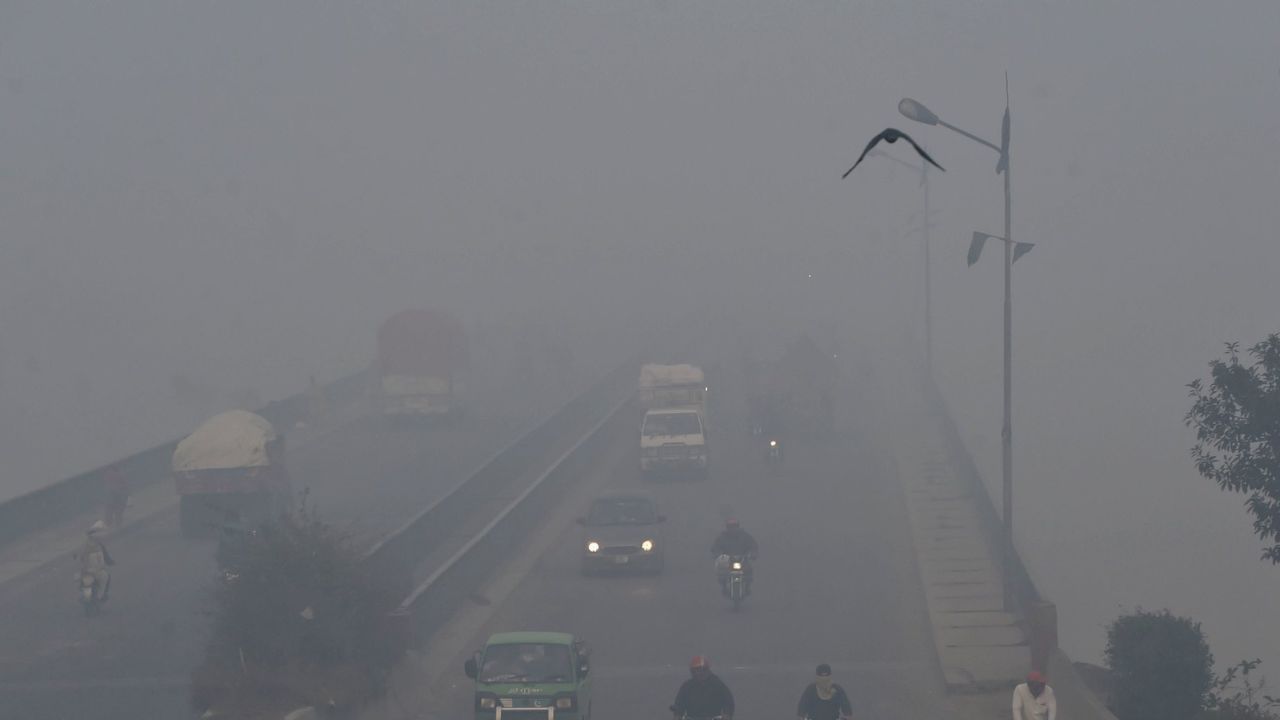
    The report revealed that Pakistan, alongside Bangladesh and India, remained among the top three countries with the highest levels of air pollution, particularly concerning particulate matter, in 2023.

    The concentrations of PM2.5, harmful airborne particles detrimental to respiratory health, surpassed recommended levels by a staggering margin, as indicated by the World Health Organization (WHO).

    In Bangladesh, the average concentration of PM2.5 reached 79.9 micrograms per cubic meter, while in Pakistan, it stood at 73.7 micrograms per cubic meter. These figures starkly contrast with the WHO’s guideline of no more than 5 micrograms per cubic meter.

    “Because of the climate conditions and the geography (in South Asia), you get this streak of PM2.5 concentrations that just skyrocket because the pollution has nowhere to go,” said Christi Chester Schroeder, air quality science manager at IQAir.

    “On top of that are factors such as agricultural practices, industry and population density,” she added. “Unfortunately, it really does look like it will get worse before it gets better.”

    In 2022, Bangladesh was ranked fifth for its air quality, with India in the eighth position. Approximately 20% of premature deaths in Bangladesh are attributed to air pollution, with related healthcare costs accounting for a substantial portion of the country’s GDP, according to Md Firoz Khan, an air pollution expert at Dhaka’s North South University.

    India also witnessed an escalation in pollution levels in 2023, with PM2.5 levels exceeding the WHO standard by about 11 times. Notably, New Delhi emerged as the worst-performing capital city, recording a PM2.5 level of 92.7 micrograms.

    China experienced a 6.3% increase in PM2.5 levels in 2023, marking a departure from five consecutive years of decline. Conversely, only a handful of countries, including Australia, Estonia, Finland, Grenada, Iceland, Mauritius, and New Zealand, met the WHO standards for air quality.

    The IQAir report, based on data from over 30,000 monitoring stations across 134 countries and regions, highlighted significant gaps in air quality monitoring, particularly in countries where the health impacts of pollution are most severe.

    Christa Hasenkopf, director of the Air Quality Life Index at the University of Chicago’s Energy Policy Institute, said 39pc of countries have no public air quality monitoring.

    “Considering the large potential benefits and relatively low cost, it’s stunning that we don’t have an organised global effort to deploy resources to close these data gaps, especially in places where the health burden of air pollution has been largest,” she said.