Blog

  • Indian Sikh woman marries Sialkot man after embracing Islam

    Indian Sikh woman marries Sialkot man after embracing Islam


    Jaspreet Kaur, a Sikh woman of Indian origin currently residing in Germany, has married a man from Sialkot, Pakistan, after embracing Islam on the hands of senior parliamentarian Hafiz Sahibzada Hamid Raza at Jamia Hanfia in Sialkot.

    Kaur was given the Muslim name Zainab after she married Ali Arsalan.

    The administrators of Jamia Hanfia said the bride’s parents were Indian nationals but they lived in Germany. Zainab also resides in Munich.
    Her father’s name is Singara Singh, a resident of Ludhiana.

    The woman came to Pakistan on January 16 for a pilgrimage. She has been issued a single-entry visa valid till April 15, reported the Express Tribune.
    She holds an Indian passport obtained in Germany. She married Ali, a resident of Sialkot, after falling in love abroad.

    Express Tribune has reported that Ali had invited her to Pakistan.

    The administrators said more than 200 non-Muslims have embraced Islam at the hands of Sahibzada Hamid Raza and his father.

  • Indian actress Rakul Preet Singh marries Jackky Bhagnani

    Indian actress Rakul Preet Singh marries Jackky Bhagnani

    Bollywood stars Rakul Preet Singh and Jackky Bhagnani have gotten married in a glittering ceremony in Goa, with family and close friends present at the ceremony.

    The bride and groom looked happy in love in their coordinating wedding outfits in the photos shared on social media.


    Rakul Preet Singh posted pictures with her husband on her Instagram account, captioning them ‘Now and Forever Mine.’

    Besides Rakul Preet, actress Shilpa Shetty and her husband Raj Kundra, as well as Varun Dhawan and his wife Natasha Dalal, also joined the celebration. Bhumi Pednekar even shared the picture with the couple and wished them luck.

  • Over 95 Percent Of Sudanese Cannot Afford A Meal A Day: WFP

    Over 95 Percent Of Sudanese Cannot Afford A Meal A Day: WFP

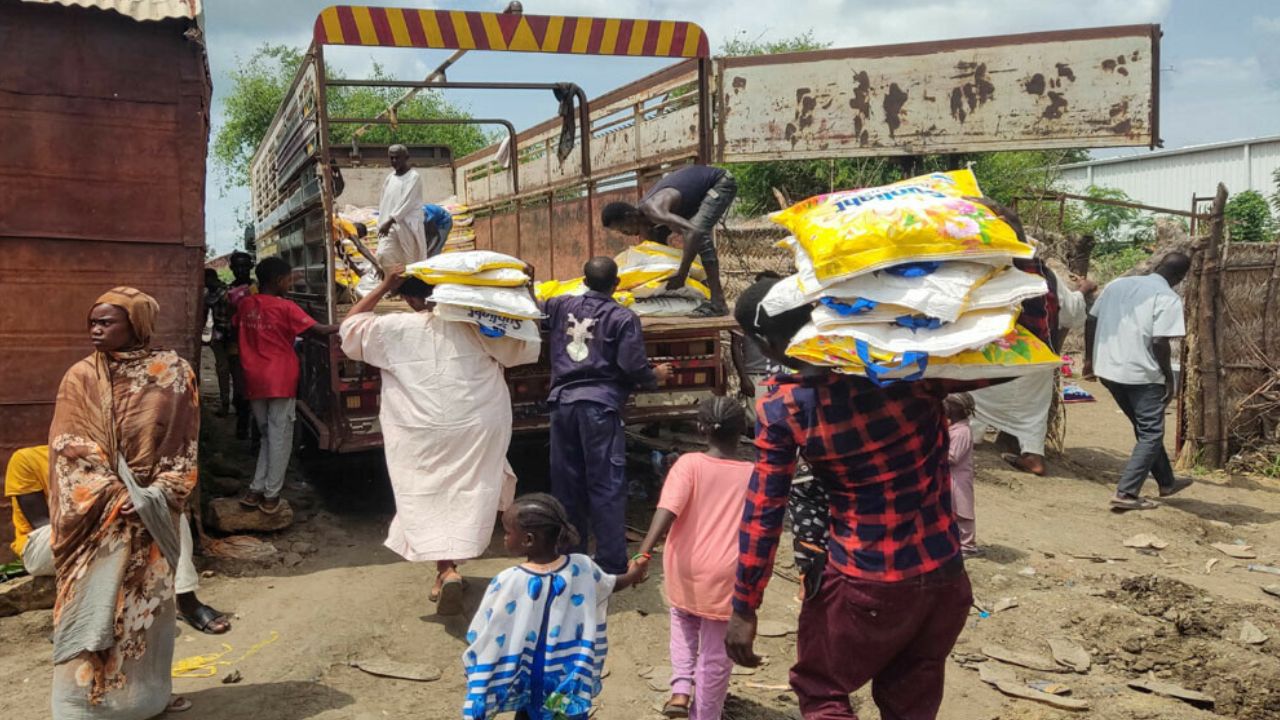
    Ten months into a war that has sent Sudan to the “verge of collapse”, the vast majority of its people are going hungry, the UN’s World Food Programme said Wednesday.

    “At this point, less than five percent of Sudanese can afford a square meal a day,” the WFP’s Sudan country director, Eddie Rowe, told reporters in Brussels.

    Since last April, Sudan has been gripped by fighting between the regular army and the paramilitary Rapid Support Forces, which has killed thousands and created what the United Nations calls “the world’s largest displacement crisis”.

    A combined 10.7 million people have been uprooted by the current war and previous conflicts, according to the UN.

    Nine million remain displaced within Sudan, where Rowe said a “lethal cocktail of continued conflict, stalled harvests and rampant and consistent displacement risks plunging millions more into a catastrophic humanitarian disaster.”

    Across Sudan, which the WFP says was already facing one of the world’s worst food crises before the war, 18 million people are facing acute food insecurity.

    Of those, Rowe said “close to five million are on the precipice of catastrophe” — enduring one of the worst emergency classifications the WFP uses, second only to famine.

    Aid groups have for months warned that as a result of hampered humanitarian access and severe underfunding, the spectre of famine looms over Sudan.

    But the same obstacles to aid delivery inhibit the ability to determine the extent of the catastrophe.

    According to Michael Dunford, WFP’s Eastern Africa regional director, there is a major issue in “the availability of the data to confirm one way or the other whether or not the thresholds (required to declare a famine) have been met”.

    With WFP only able to reach 10 percent of those in need, “there are large tracts of the country that we simply cannot access,” Dunford told reporters.

    Sudan’s most fertile regions could have helped ward off famine, if not for the fighting encroaching into the country’s agricultural heartlands.

    In December, a paramilitary advance brought the war to Al-Jazira state, just south of the capital Khartoum, which was set to produce the bulk of Sudan’s grains for the season.

    “Thousands of smallholder farms and even the large-scale schemes have been deserted, because people are on the move running away from the conflict,” Rowe said.

    “As we approach the hunger season,” he said, the crisis is only set to “further deteriorate”.

    The lean season, roughly from April to July, usually sees food prices run high as stocks dwindle ahead of the next harvest.

    With markets across the country already empty and an ongoing communications blackout hampering all transactions, Dunford says the future is bleak.

    “This is a country on the verge of collapse,” he said.

  • More than half of world’s population could face measles outbreak by end of 2024: WHO

    More than half of world’s population could face measles outbreak by end of 2024: WHO

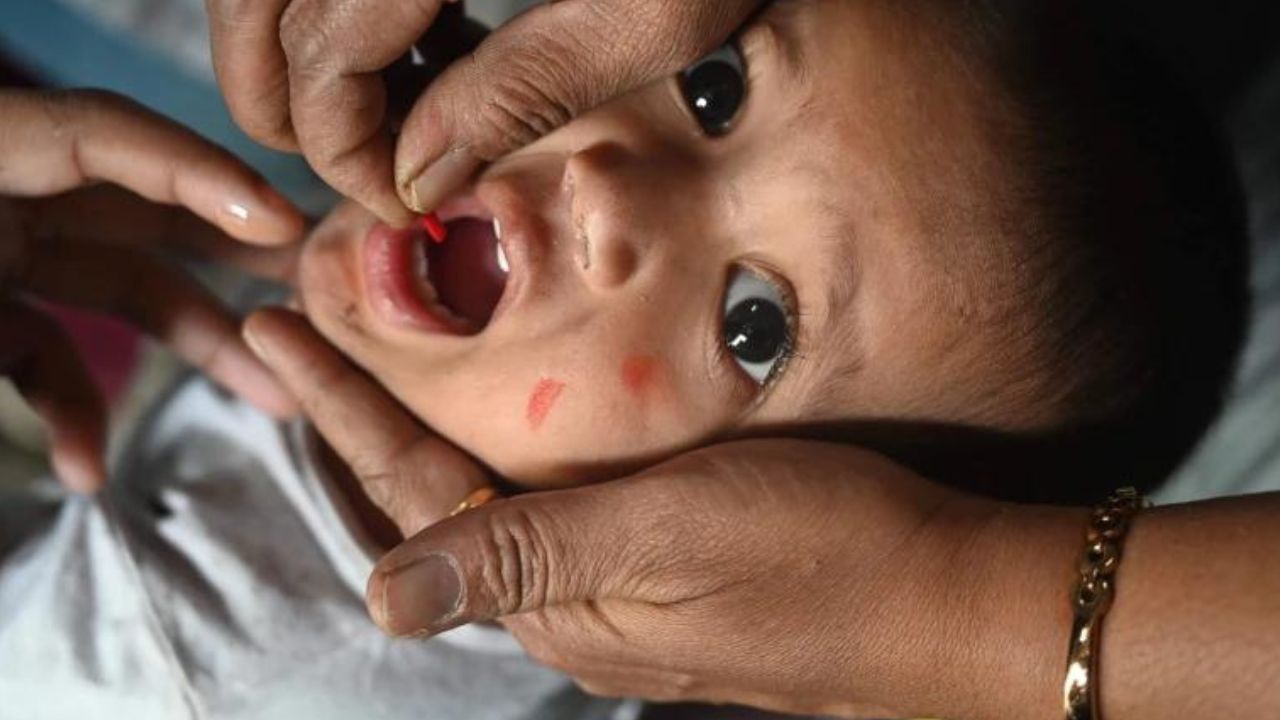
    The World Health Organization (WHO) has warned that if urgent measures are not taken, more than half of the world’s countries may face a measles outbreak by the end of the year.


    During a press conference in Geneva, WHO said that many countries have not been vaccinating against measles this year.“What we are worried about is this year, 2024, we’ve got these big gaps in our immunisation programmes and if we don’t fill them really quickly with the vaccine, measles will just jump into that gap,” stated Natasha Crowcroft, a senior technical adviser on Measles and Rubella.


    She called for urgent action to protect children, saying there was a “lack of commitment” by governments given competing issues like economic crises and conflict.


    According to data from the World Health Organization, last year measles cases worldwide increased by 79 percent.


    Death rates are higher in poorer countries due to weaker health systems, Crowcroft said, adding that outbreaks and deaths were also a risk for middle and high-income countries.

  • ChatGPT cranks out gibberish for hours

    ChatGPT cranks out gibberish for hours

    ChatGPT spewed nonsensical answers to user’s queries for hours Tuesday into Wednesday before eventually returning to its apparent senses.

    OpenAI did not explain what went awry with its generative artificial intelligence (AI) tool, considered the one to beat in the technology sector.

    “We are investigating reports of unexpected responses from ChatGPT,” OpenAI said on its status website when the software seemed to go wacky on Tuesday afternoon.

    ChatGPT was giving “peculiar” responses, generating nonexistent words, incomplete sentences and general gobbledygook, developers using the tool said in a discussion forum on the OpenAI website.

    “It gives me meaningless words followed by a bizarre list,” one developer lamented in the forum.

    “It feels as if my GPT is haunted or something has been compromised, either on my end or at OpenAI’s (end).”

    It wasn’t until more than 16 hours had passed that OpenAI updated the page with a message that ChatGPT was operating normally.

    The San Francisco based technology firm replied to an AFP query by directing it to the ChatGPT status page.

    OpenAI recently concluded a deal with investors that reportedly valued the start-up at $80 billion or more, after a roller-coaster year for the tech firm.

    The agreement, reported by the New York Times but not yet confirmed by OpenAI, would mean the value of the company — a world leader in generative AI — would have nearly tripled in under 10 months.

    OpenAI led a revolution in AI when it placed its ChatGPT program online in late 2022.

    The immediate success of the interface sparked tremendous interest in the cutting-edge technology, capable of producing text, sounds and images upon demand.

    OpenAI — which is also the maker of image-generating DALL-E — recently released a new tool named “Sora,” which can create realistic videos of up to a minute long via simple user prompts.

    Microsoft has invested some $13 billion in OpenAI, using the startup’s technology in Bing and other services.

    Microsoft is locked in fierce competition with Google to roll out new AI-infused tools, to the point that the US Federal Trade Commission in January launched an investigation into the enormous investments by Microsoft, Google and Amazon in such specialized start-ups.

  • Public health concerns mount as essential drug prices increase

    Public health concerns mount as essential drug prices increase

    The interim government announced on Wednesday a price adjustment affecting 146 essential drugs, aligning with the decision made by the federal cabinet on February 1, 2024.

    The Ministry of National Health Services and Regulations issued a notification invoking its authority under Section 36 of the Drug Act 1976, stating that all drugs and biological substances not included in the National Essential Medicines List are exempt from Section 12 of the act in the public interest.

    This decision stems from a federal cabinet meeting chaired by interim Prime Minister Anwaar ul Haq Kakar on February 1, 2024. The move, categorised under hardship, was endorsed based on the recommendation of the National Health Services Ministry. The ministry highlighted the escalating costs of raw materials for drug manufacturing in the global market.

    Officials from the National Health Services Ministry and the Drug Regulatory Authority of Pakistan (DRAP) informed the cabinet that citizens could report medicine unavailability through the pharmaceutical industry regulator’s online portal.

    Primarily targeting vital medications like those for cancer treatment, vaccines, and antibiotics, the decision, communicated through a drug price hike notification, was based on a proposal from the Drug Regulatory Authority, suggesting price increases for 262 medicines. However, the government opted to implement adjustments for 146 medicines crucial to saving lives.

    According to Brecorder, among the medicines listed for price increments, pharmaceutical companies are tasked with adjusting the prices of 116 medications.

    Significantly, the government will now oversee the prices of 464 medicines included in the National Essential Medicines List, ensuring the accessibility of critical medications to the public.

    The government’s decision to deregulate drug prices grants pharmaceutical companies autonomy to adjust prices independently, marking a significant shift in pharmaceutical pricing governance that may reshape the healthcare industry’s landscape.

    As stakeholders assess the implications, concerns regarding affordability and access to life-saving medications emerge. While the government seeks to balance the viability of pharmaceutical companies with public health interests, the consequences of these adjustments warrant scrutiny and debate.

    However, following the cabinet’s approval of the price increase, a shortage of essential drugs was observed in both the wholesale and retail markets. Drug distributors and retailers attribute this to manufacturers awaiting formal notification from the Health Ministry regarding the price increase before releasing supplies to the market.

    This practice has resulted in significant patient suffering, as Mohammad Samiullah Awan, a drug retailer, highlights. While the notification’s issuance may ensure medicine availability, it further burdens already financially strained consumers grappling with price hikes.

  • PSL 9: Multan Sultans defeats Lahore Qalandars by 5 wickets

    PSL 9: Multan Sultans defeats Lahore Qalandars by 5 wickets

    In the seventh match of HBL Pakistan Super League 9, Multan Sultans defeated Lahore Qalandars by 5 wickets and achieved their third consecutive victory in the event.

    Lahore Qalandars captain Shaheen Afridi won the toss and decided to bat first.

    Lahore Qalandar’s inning

    Lahore Qalandars scored 166 runs for the loss of 5 wickets in the allotted 20 overs, van der Dusen was prominent by scoring 54 runs.

    Apart from this, Fakhar Zaman scored 41 runs, Sikandar Raza scored 23 runs, Jahandad Khan scored 16 runs, while Sahibzada Farhan was out by scoring 2 runs. Abdullah Shafiq scored 6 runs and Braithwaite remained unbeaten by scoring 15 runs.

    For Multan, Muhammad Ali took 2 wickets, Abbas Afridi and Usama Mir took one wicket each.

    Multan Sultan’s innings

    Multan Sultans achieved the target of 167 runs against Lahore Qalandars for the loss of 5 wickets in 19 overs.

    Captain Muhammad Rizwan was prominent by scoring 82 runs while Iftikhar Ahmed played an unbeaten innings of 34 runs off 11 balls to bring success to the team.

    It should be noted that Lahore Qalandars lost both their matches so far while Multan Sultans won both their matches.

  • Gold rate increases to Rs215,200 per tola

    Gold rate increases to Rs215,200 per tola

    In Wednesday’s market update, the price of 24-karat gold exhibited an upward trend, surging by Rs750 per tola and reaching Rs215,200 per tola.

    The Karachi Sarafa Association noted a marginal gain in the price of 10-gramme 24-karat gold, which stood at Rs184,500, marking an increase of Rs644 from the previous session. Similarly, the price of 10-gramme 22-karat gold experienced an uptick, reaching Rs169,124.

    Global traders are currently anticipating the release of the US Federal Reserve’s meeting minutes on January 30 and 31. This event is expected to provide valuable insights into the economic outlook and potential policy shifts.

    Contrastingly, silver prices remained stable, with 24-karat silver maintaining a selling price of Rs2,580 per tola, and 10-gramme silver being traded at Rs2,211.93.

    It’s noteworthy that domestic gold concluded the previous week in the red zone, influenced by a downturn in international prices. Speaking of global trends, international spot gold hovered around $2,028, showing a 0.2 per cent change compared to the preceding session.

    Market participants are keenly awaiting the minutes from the Federal Reserve’s January policy meeting, scheduled for release on Wednesday, which are anticipated to provide valuable insights into the central bank’s stance and potential future monetary policy adjustments.

  • Food watchdog lodges complaint over Nestle mineral water ‘fraud’

    Food watchdog lodges complaint over Nestle mineral water ‘fraud’

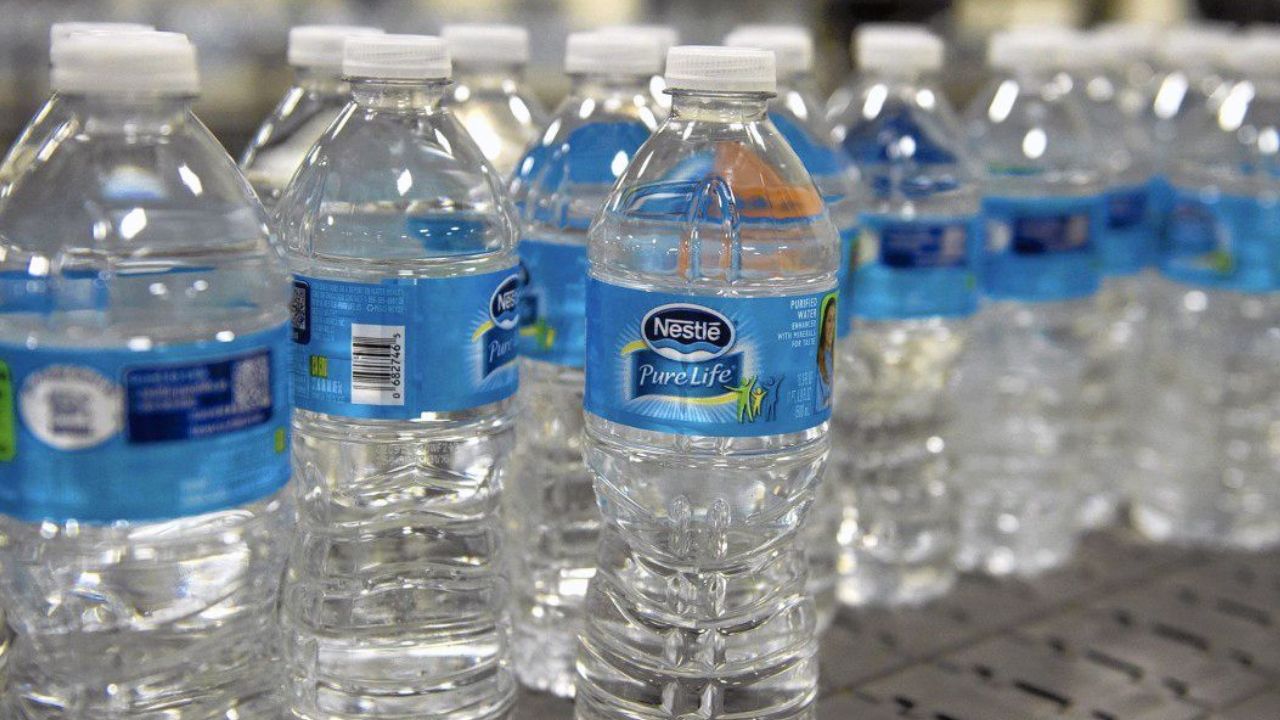
    Paris, France – Consumer watchdog Foodwatch said it was filing a legal complaint Wednesday against food giant Nestle and another group over them allegedly fraudulently treating water for their top mineral water brands.

    A government probe reported by media last month said about 30 percent of mineral water sold in France had undergone purification treatment only meant to be used on tap water.

    Foodwatch said it was lodging its complaint with a Paris court against Nestle Waters, behind brands such as Perrier and Vittel, and the Sources Alma group, which also owns several water labels.

    “This is a massive fraud for which Nestle Waters, the Sources Alma group and the French government must answer,” the European watchdog said.

    “Nobody, not even a multinational like Nestle, is above the law,” Foodwatch spokeswoman Ingrid Kragl said.

    The NGO claimed Nestle Waters and Sources Alma had “illegally processed their bottled waters and then sold them without informing consumers”.

    French law, based on a European Union directive, forbids such purification of mineral water, which is supposed to be of naturally high quality before bottling.

    French prosecutors last month said they had opened an investigation into suspected fraud by Nestle Waters after a complaint by France’s ARS health regulator.

    They spoke after Le Monde and Radio France reported that a government investigation had concluded in 2022 that “almost 30 percent of commercial brands undergo non-compliant treatments”.

    Nestle Waters said it put some top brands, such as Perrier and Vittel, through ultraviolet light and active carbon filters “to guarantee food safety”, and had informed French authorities about this in 2021.

    A government source told AFP that authorities had found “no health risk” linked to the bottled water.

    Foodwatch said it had also written to the European Commission, denouncing “the complacency of France, which… should have alerted European authorities and the other member states importing these waters”.

    max/spb/ah/rl

    © Agence France-Presse

  • Fake social media profile pretending to be Vidya Balan caught trying to take money

    Fake social media profile pretending to be Vidya Balan caught trying to take money

    How gullible do you have to be to believe a famous Bollywood actress will try to swindle you for money?

    According to Indian media reports, a fake account surfaced on Instagram under the name of Vidya Balan, offering jobs to people but demanding money in return.
     
    Mumbai police have filed an FIR against the unknown person behind the fake account.

    Balan, who has a large number of followers on social media, was concerned when the account popped up.
     
    Indian media reports state that police have initiated investigations into the fake social media account.

    Maybe the next time people will send money to a fake Salman Khan account offering them bodybuilding tips.