Blog

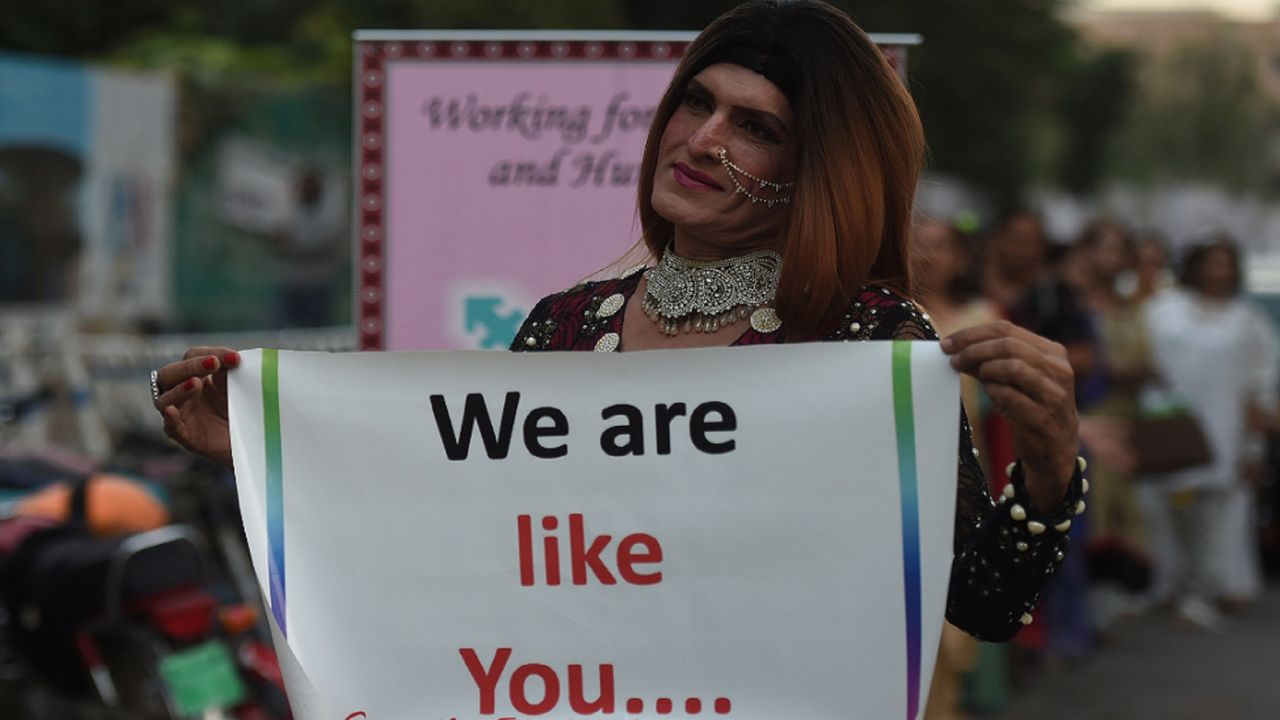
  • Registered Afghan transgenders get protection from Peshawar High Court

    Registered Afghan transgenders get protection from Peshawar High Court

    Peshawar High Court has issued an order asking authorities not to harass registered Afghan transgenders.

    Justice Shakeel Ahmed and Justice Waqar Ahmed heard the petition against the repatriation of 16 Afghan transgender women in the Peshawar High Court.

    During the hearing, the petitioner’s lawyer took the position that the government has decided that all foreigners will be sent back to their homeland, transgenders will be endangered in Afghanistan.

    On the stand of the petitioner’s counsel, the court inquired whether “these foreigners are registered with NADRA?”

    On the inquiry of the court, the petitioner’s lawyer said that despite POR cards and documents, Afghan transgenders are being harassed.

    On which the court issued an order that if Afghan transgenders have documents then they should not be harassed and if they have certified documents then they can stay in Pakistan.

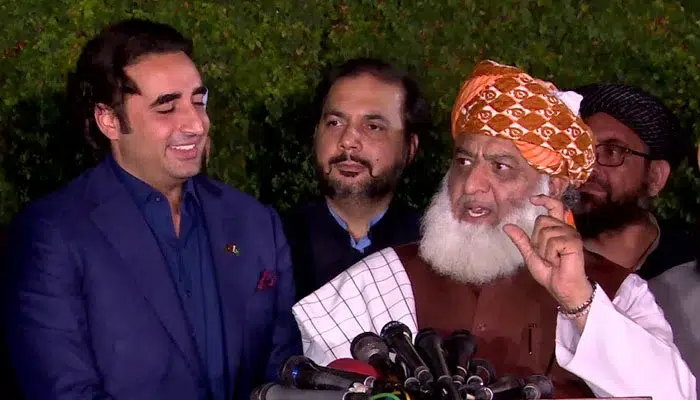
  • Imran Khan wants to talk with PPP, Maulana Fazl-ur-Rehman

    Imran Khan wants to talk with PPP, Maulana Fazl-ur-Rehman

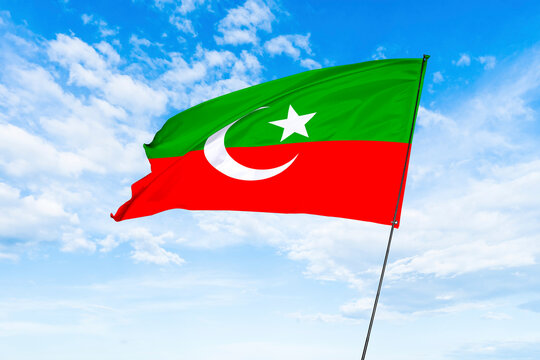
    Pakistan Tehreek-e-Insaf (PTI) is ready to engage in discussions with the Pakistan Peoples Party (PPP) regarding the formation of government at the center, Geo News has reported on Thursday.

    PPP leader Kasim Gillani wrote in a post on his X (previously Twitter) that “Imran Khan’s call for talks with PPP, Pakistan’s sole political party with representation across all four provinces, the senate, and the National Assembly, is a positive and welcome change.”

    PTI leader and former Speaker of the National Assembly, Asad Qaiser, said that PTI’s senior leader, Omar Ayub Khan, will be the party’s candidate for Prime Minister.

    Asad Qaiser also said that the PTI founder tasked him to talk to other political parties that are protesting against rigging in general elections. He also said, Imran Khan gave permission to talk with Jamiat Ulema-e-Islam- Fazl (JUI-F) chief Maulana Fazlur Rehman.

    The former speaker also said that the general election was completely rigged and no one will accept this election.

  • PTI-backed candidate claims ‘being forced to join PPP or MQM-P’.

    PTI-backed candidate claims ‘being forced to join PPP or MQM-P’.

    Pakistan Tehreek-e-Insaf (PTI)-backed candidate Shanawaz Jadoon has claimed that he was declared the loser in Karachi’s PS-115 (Keamari) constituency when he refused to join the Pakistan Peoples Party (PPP) or the Muttahida Qaumi Movement-Pakistan (MQM-P).

    The politician said in a video statement that he was threatened by unknown persons that he would lose his provincial assembly seat if he did not join the PPP or MQM-P. 

    “I’ve been receiving phone calls since morning asking me to leave Imran Khan. I told them that I won’t leave Imran Khan under any circumstances,” he said in the video statement.

    Shanawaz Jadoon has said that he is standing with Imran Khan and party workers, who struggled day and night to get him elected as a Member Provincial Assembly (MPA).

    “I will die, but never leave Imran Khan’s side. Thousands of such seats can be sacrificed for Imran Khan and the people of my constituency,” he said, adding that he has no interest in becoming a member of the provincial assembly.

  • Democracy slides amid wars and political polarisation, study says

    Democracy slides amid wars and political polarisation, study says

    Democratic standards across the world fell in 2023 amid the spread of wars, authoritarian crackdowns and declining levels of trust in mainstream political parties, the Economist Intelligence Unit (EIU) said on Thursday.

    While the number of countries categorized as democracies increased by two last year, the global average index score fell to 5.23 in 2023 from 5.29 the year before, its lowest level since the first study was published in 2006.

    “The world has entered an age of conflict, and the contours of a future major war are already visible,” said the study titled “Age of Conflict.”

    “Today’s wars are concentrated in countries where democracy is absent or in trouble.”

    Western Europe was the only region to improve its score, moving ahead of North America. The study said it was the first time that North America has not placed as the world’s highest-scoring region.

    Joan Hoey, the editor of the report, said scores fell for “not only those nations prosecuting wars (Azerbaijan and Russia), but for those on the receiving end (Armenia and Ukraine).”

    “However, growing democratic resilience and consolidation in EU member states in Central Europe, as well as in Balkan and Baltic countries, ensured that the overall regional score did not significantly fall,” Hoey added.

    “The narrative of democracy in Eastern Europe and Central Asia can be best summed up as a tale of resilience.”

    The London-based analysis group pointed to intensifying anti-immigration sentiment in many countries, saying the political landscape in the Americas and Europe has become increasingly polarised.

    “Three years after the COVID-19 pandemic, which led to a rollback of freedoms around the globe, the results for 2023 point to a continuing democratic malaise and lack of forward momentum.”

    “More countries are experiencing declining levels of trust in mainstream political parties and leaders, and succumbing to ‘culture wars’ of the sort that have long characterised the U.S.,” the study said.

    “Western Europe is plagued by low levels of trust in government.”

    The 27-nation EU holds elections for its European Parliament later this year and polls suggest the far-right could rise to become the third-biggest grouping in the legislature.

    The report said that Ukraine’s battle to repel Russia’s two-year invasion was taking a toll on its democratic institutions and practices, while Russia continued its steady slide toward “outright dictatorship.”

    Only 7.8% of the global population reside in a “full democracy” and substantially more than one-third live under authoritarian rule.

    The number of democracies increased by two in 2023, with Paraguay and Papua New Guinea being upgraded from “hybrid regimes” to “flawed democracies.”

    Greece became a “full democracy” while Pakistan was downgraded to an “authoritarian regime.” The United States remains a “flawed democracy.”

    The top three places in the index are occupied by Norway, New Zealand and Iceland, while the final three countries are North Korea, Myanmar and Afghanistan.
  • Celebs express love for their spouses on Valentine’s Day

    Celebs express love for their spouses on Valentine’s Day

    Valentine’s Day came and went with all its usual festivities and mark of love. People around the world, no matter their culture, celebrate this day with roses and dinners.
    On Valentine’s Day, couples show their love by sending cards, gifts, and spending time together. Many plan romantic dinners or outings. This year, lots of Pakistani celebrities shared their love for their partners with sweet messages and pictures. People like Saboor Aly, Ali Ansari, Hiba Qadir, Iqra Aziz, and others shared beautiful photos. Some even posted videos. You can see all these lovely moments right here:

  • NTDC assures uninterrupted power supply during holy month of Ramzan

    NTDC assures uninterrupted power supply during holy month of Ramzan

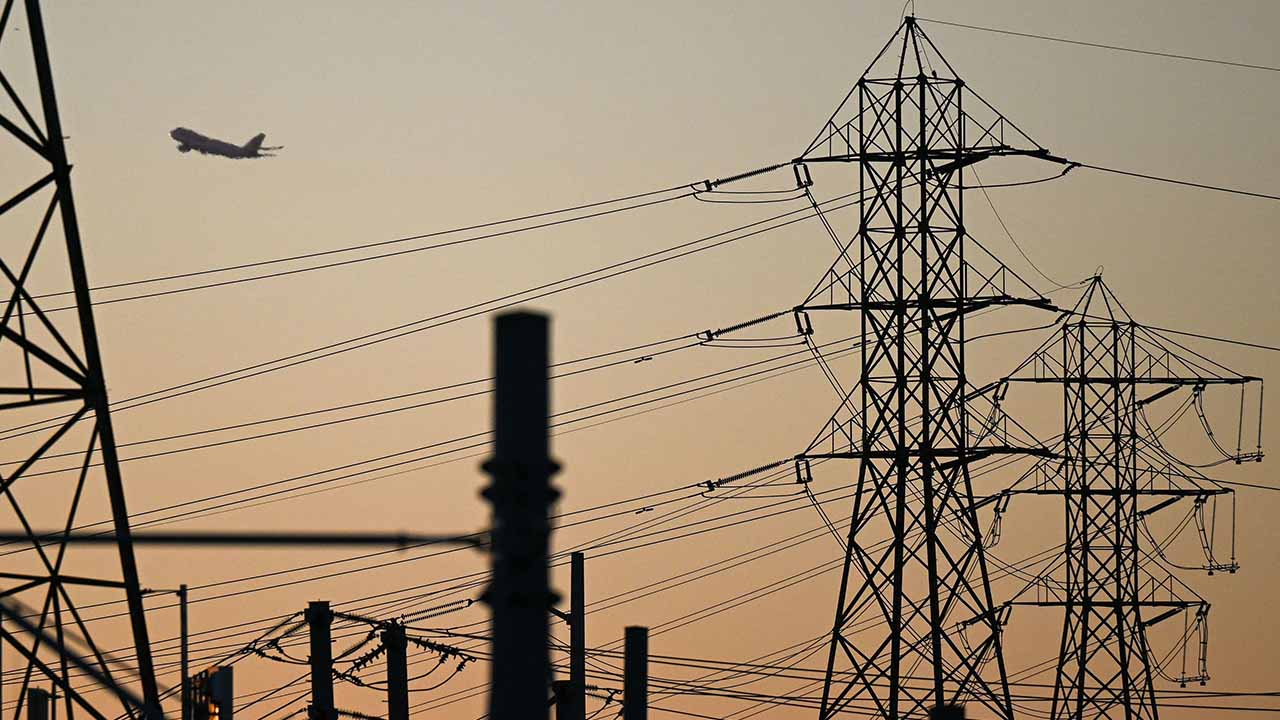
    The National Transmission and Dispatch Company (NTDC) has announced its commitment to ensuring uninterrupted power supply throughout the country during the forthcoming holy month of Ramzan, scheduled to commence in mid-March. 

    Directed by Managing Director Engr. Dr Rana Abdul Jabbar Khan, the government-supported power transmission entity is diligently executing its comprehensive maintenance programme for NTDC transmission lines and grid stations to ensure continuous electricity provision to the populace.

    In a statement to the media on Wednesday, an NTDC spokesperson outlined the ongoing maintenance regimen, which includes washing, cleaning, and the replacement of disc insulation, among other essential tasks undertaken by respective NTDC formations.

    These efforts, the spokesperson emphasised, aim to bolster the reliability of transmission lines and grid stations, thereby guaranteeing uninterrupted power supply during Ramzan.

    As part of the programme, planned shutdowns have been scheduled for 500 kV and 220 kV transmission line circuits in the southern region. During these shutdowns, activities such as insulator cleaning, washing, tightening of nuts and bolts, and replacement of disc insulators with RTV-coated disc insulators on the red, yellow, and blue phases are being carried out.

    The spokesperson provided detailed statistics, noting that a total of 73,493 disc insulators were washed and cleaned at 459 locations, while 9,804 disc insulators were replaced at 55 locations. 

    Additionally, over 688 braces and 570 nuts and bolts were installed. Notably, at the 220 kV grid station Jhampir-1, two damaged disc insulator strings were replaced alongside the installation of two healthy EMCO-Make disc insulator strings.

    Supervising the maintenance programme is the General Manager (Asset Management-South), who ensures adherence to the schedule. The NTDC managing director has expressed appreciation for the performance of the involved transmission line divisions and urged the timely completion of maintenance work.

    The proactive measures undertaken by NTDC underscore its dedication to providing essential services, particularly during significant periods such as Ramzan, when uninterrupted power supply is paramount for communities across the nation.

  • ‘Enough is enough’, Australia wants WikiLeaks founder back home now

    ‘Enough is enough’, Australia wants WikiLeaks founder back home now

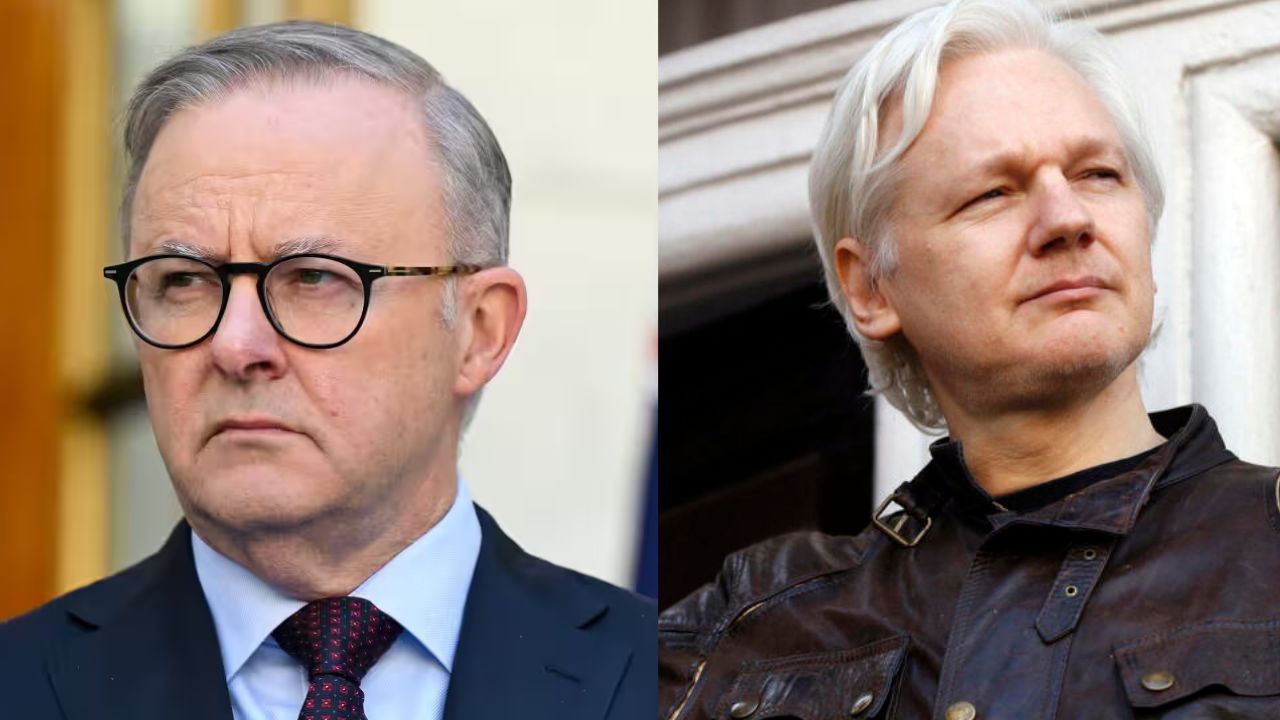
    Australia’s Prime Minister Anthony Albanese on Thursday denounced the years-long US and British legal pursuit of WikiLeaks founder Julian Assange, saying “enough is enough”.

    The country’s parliament passed a motion Wednesday with the prime minister’s support, calling for an end to 52-year-old Assange’s prosecution so that he can return to his family in Australia.

    Assange, an Australian citizen, will go to London’s High Court next week, seeking leave to appeal against his extradition to the United States for trial on espionage charges.

    “People will have a range of views about Mr Assange’s conduct,” Albanese told parliament. “But regardless of where people stand, this thing cannot just go on and on and on indefinitely.”

    Australians from many sides of politics have a common view, he said, that “enough is enough”.

    Albanese said he had raised Assange’s case “at the highest levels” in Britain and the United States.

    The Australian government had a duty to lobby for its citizens, the prime minister said.

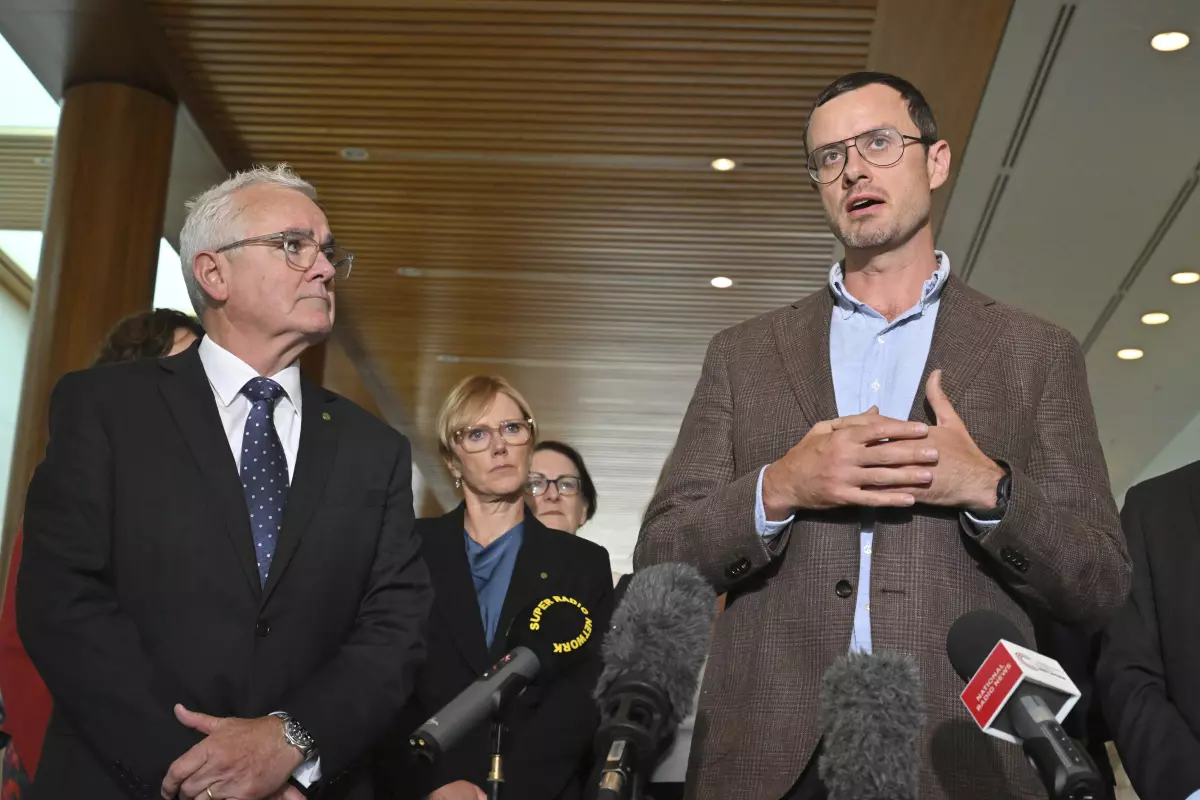
    Independent member of parliament Andrew Wilkie, left, and Julian Assange’s brother Gabriel Shipton, right, speak to the media at Parliament House in Canberra, Thursday, Feb. 15, 2024. Australia’s House of Representatives has passed a motion calling on the United States and the UK to end the prosecution of WikiLeaks founder Julian Assange and for him to be allowed to return to his home country. (Mick Tsikas/AAP Image via AP)
     (Mick Tsikas / Associated Press)

    He cited the case of Chinese-born Australian journalist Cheng Lei, released in October last year after more than three years’ detention in China on espionage charges.

    Albanese also referred to diplomatic “successes” for Australians held in Vietnam and Myanmar.

    Australian economist Sean Turnell was released from a Myanmar jail in November 2022 after being held for 650 days on allegations of spying and gun-running.

    A Vietnamese dissident with Australian citizenship, Chau Van Kham, was freed from jail in Vietnam in July 2023 following his conviction on terrorism charges.

    Australia should not interfere in the legal processes of other countries, Albanese said.

    “But it is appropriate for us to put our very strong view that those countries need to take into account the need for this to be concluded.”

    Assange has been held in the high-security Belmarsh Prison in southeast London since April 2019.

    He was arrested after holing up for seven years in Ecuador’s London embassy to avoid extradition to Sweden, where he faced accusations of sexual assault, later dropped.

    US authorities want to put the Australian on trial for divulging US military secrets about the wars in Iraq and Afghanistan.

    Assange’s legal team will be seeking permission to appeal his extradition to the United States at a hearing listed in London’s High Court for February 20 and 21.

    He is accused of publishing some 700,000 confidential documents related to US military and diplomatic activities, starting in 2010.

  • Dead politicians come back to life for Indian elections

    Dead politicians come back to life for Indian elections

    Dead Indian politicians are coming back to life with the help of artificial intelligence as the election is around the corner in the country.

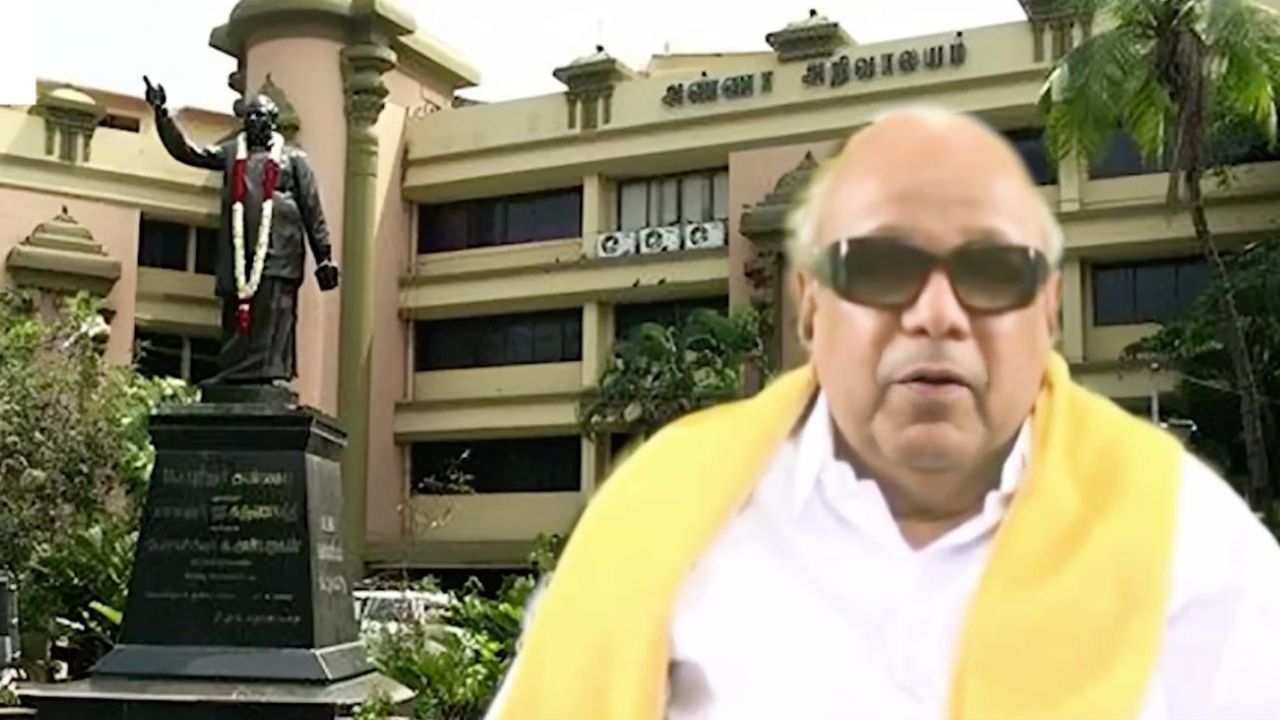
    As election campaigns are underway, certain political contenders are resorting to resurrecting dead politicians to appeal to the public. In January, M Karunanidhi, Indian writer and politician, made an appearance during a live assembly via projected screen, and congratulated his “82-year-old friend and fellow politician” TR Baalu on the launch of his autobiographical book.

    Karunanidhi, who died in 2018, has been resurrected thrice as of yet.

    Deep fake speeches have also been used to highlight his son’s achievements, MK Stalin, who is leading the Dravida Munnetra Kazhagam (DMK) party.

    This development raises profound questions about the ethical and legal implications of using AI to resurrect deceased individuals and ascribe opinions to them.

    The decision to utilise AI for elections has multiple downsides such as lack of authenticity, ethics etc.

  • Mohammad Hafeez parts ways with Pakistan Cricket Board

    Mohammad Hafeez parts ways with Pakistan Cricket Board

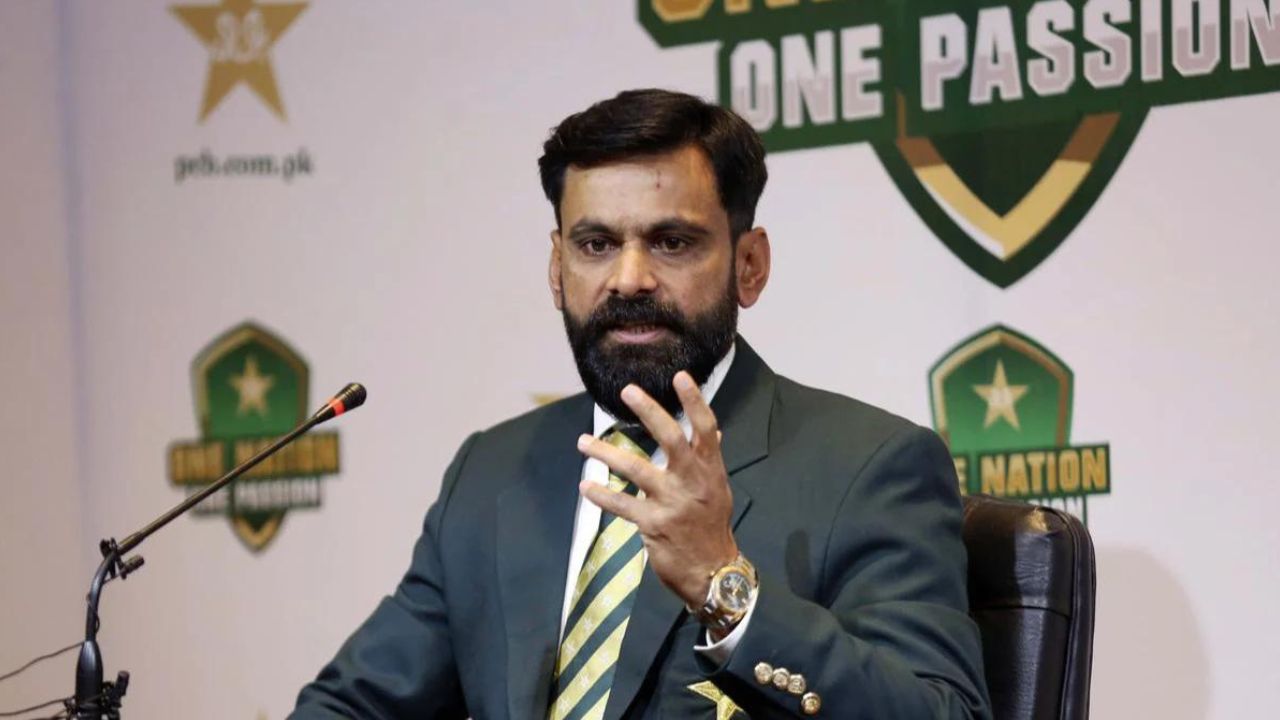
    Muhammad Hafeez’s role as Director of Cricket has ended after an administrative change in the Pakistan Cricket Board (PCB).

    According to the sources of Geo News, Muhammad Hafeez has been given a clear message by the board’s top officials that his services will not be required in the near future.

    The former batsman left for the Australia tour in December 2023 as director of cricket, but before the New Zealand tour was over, PCB management committee chief Zaka Ashraf resigned from his post.

    The manner in which Hafeez operated under Zaka Ashraf’s chairmanship was a cause of great concern to some board officials, the first practical example of which was seen at the end of the tour, when he met Acting Chairman PCB.

    After that, Hafeez was not given a platform on the detailed media briefing of the tour, after which it was reported that Chief Executive Salman Naseer and International Director Usman Wahla had developed reservations. The latest escalation in the situation came when, according to reports, Hafeez could not meet the new Chairman PCB Mohsin Raza Naqvi despite efforts to see him.

    After repeatedly contacting Nabila and Director Media Alia Rashid in the Chairman’s office, he could not get an encouraging response. Now he has received a clear message from Chief Executive Salman Naseer that the chairman does not seem willing to give him more time as a director and wants to have a foreign coaching staff with a different mindset.

  • More voters, less turnout: FAFEN on Feb 8 polls

    More voters, less turnout: FAFEN on Feb 8 polls

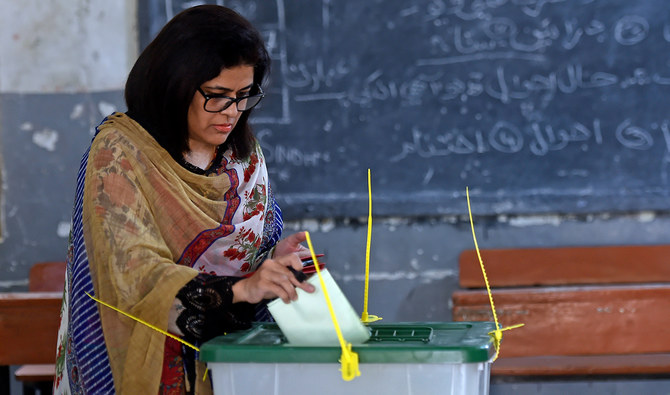
    The Free and Fair Election Network (FAFEN) has reported that around 60.6 million Pakistanis voted in the country’s 12th general elections, held on February 8. This number was higher than 2018 elections, in which least 54.8 million citizens participated. The number this increased by 5.8 million voters, according to FAFEN post-election analysis report.

    The election watchdog reported that fewer people voted in the recent general polls compared to the total number of registered voters. In 2018, 52.1 percent of registered voters participated in the polls whereas this year, only 47.6 percent turned out to vote.

    The decrease in turnout, however, can be largely attributed to the increase in registered voters from 106 million in 2018 to 128.6 million in 2024. A considerable rise of 22.6 million registered voters between the 2018 and 2024 elections was highlighted in the report.

    The report suggested that the turnout might have been affected by several factors, including severe winter in some areas, concerns about violence and terrorism in Khyber Pakhtunkhwa (KP) and Balochistan, and uncertainty regarding how the elections would be conducted.

    The analysis report on voter turnout reveals that KP had the lowest turnout. The report also notes that voter turnout varies across National Assembly (NA) constituencies, with Islamabad Capital Territory recording the highest turnout.