Blog

  • ECP calls emergency meeting over worsening law and order

    ECP calls emergency meeting over worsening law and order

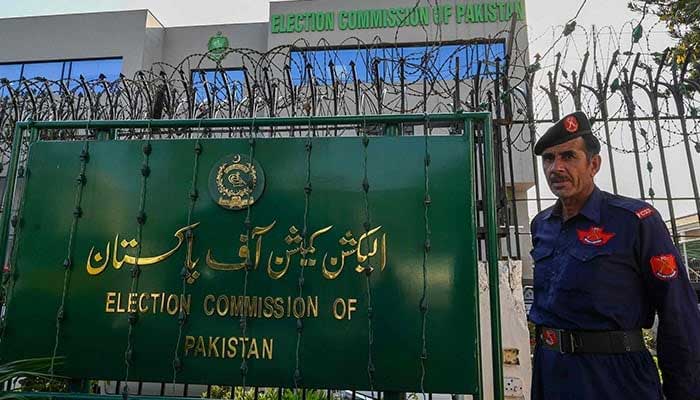
    The Election Commission of Pakistan (ECP) is set to conduct a crucial meeting today, focusing on the worsening state of law and order in Khyber Pakhtunkhwa (KP) and Balochistan, as general elections are set to take place on February 8, The News reported on Thursday.

    In the past few weeks, there has been a significant increase in attacks on political rallies, camp offices, and candidates, as well as terror incidents, especially in the two restive provinces.

    The ECP directed KP’s chief secretary and inspector general of police to submit a detailed report on the murder of independent candidate, Rehan Zeb Khan, contesting for the National Assembly (NA) seat from NA-8 Bajur.

    The unidentified persons gunned down the young political activist on Wednesday in his hometown while he was canvassing for votes.

    An ECP notification stated that “The scheduled meeting in Islamabad on Thursday at 3pm will be attended by the minister and secretary of interior, chief secretaries, inspectors general of KP and Balochistan, and officials from intelligence agencies.”

    ECP also asked for an immediate report from the Balochistan chief secretary and inspector general of police on the bomb attack at a political party’s election office.

  • Electioneering in Sindh – I

    Electioneering in Sindh – I

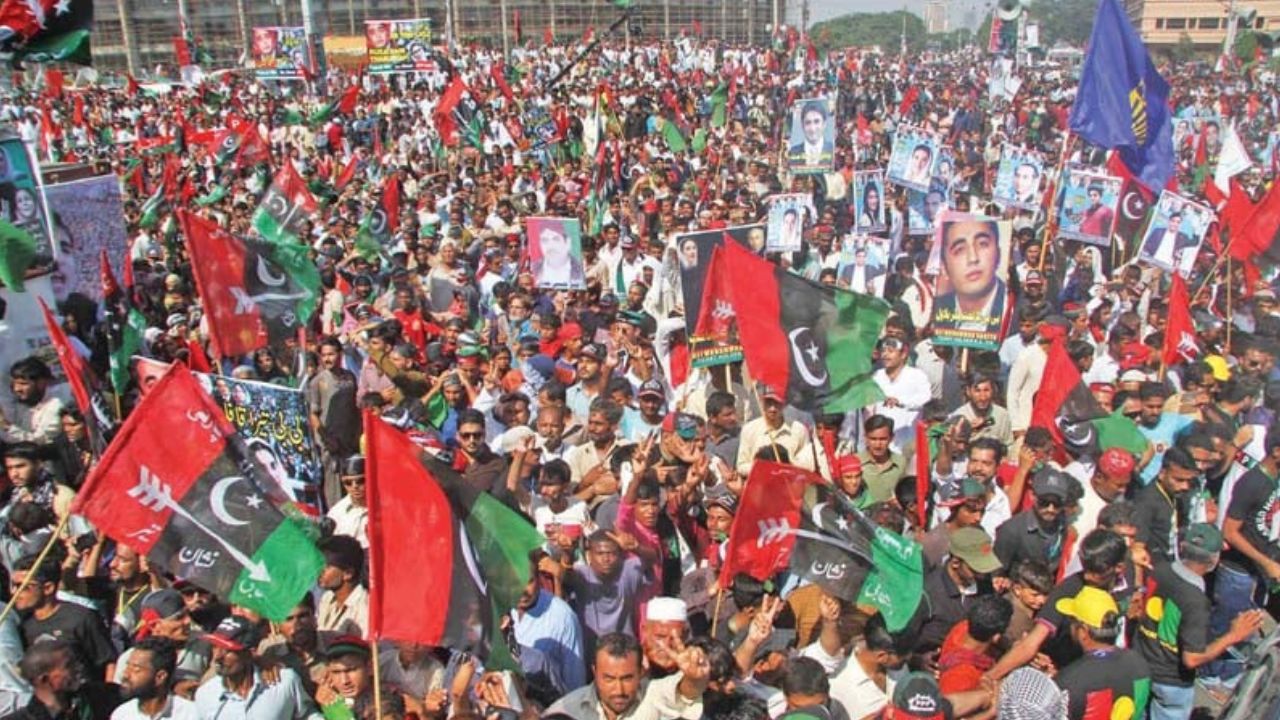
    For a long time, anti-Pakistan People’s Party (PPP) political parties in Sindh have had a desire to keep it away from power. To achieve their target, they have formed alliances and engineered seat adjustments since 2013, but they have failed at every occasion. Keeping their tradition alive, they have again joined hands by expanding an already existing alliance – the Grand Democratic Alliance (GDA) – and by making seat adjustments with the remaining anti-PPP parties: the Pakistan Muslim League-Nawaz (PML-N), Jamiat Ulema-e-Islam-Fazl (JUI-F), etc., and personalities.

    Administratively, Sindh is divided into six divisions and 30 districts. Voters in Sindh have to directly elect 61 MNAs and 130 MPAs to represent them in the National Assembly (NA) and provincial assembly (PA). PPP leadership is confident that this time it will increase its seat tally from Sindh, but the party’s biggest impediment is internal rivalry of its candidates in different areas.

    On most seats in Sindh, PPP candidates have a clear lead over their opponents, unless a miracle happens. Today we will discuss national and provincial assembly seats in Larkana (eight NA and 17 PA seats) and Sukkur (seven NA and 14 PA seats) divisions, where a close contest is expected or where important candidates are in the running.

    On NA 190 Jacobabad-I, a neck-to-neck fight is expected between traditional rivals, 2018 winner Mohammad Mian Soomro, who is running as an independent candidate, and PPP’s Ijaz Jakhrani. Similarly on PS 1, Jacobabad-I, PPP’s first-time runner Sher Mohammad Mugheri is facing independent candidate Abdul Razzaque Khan. On PS 3 Jacobabad-III, Mumtaz Jakhrani, PPP’ ex-provincial minister and relative of NA candidate Ijaz Jakhrani has rebelled against party decision and is in the race against PPP candidate Aurangzeb Panhwar. This constituency will see a close fight. All these independent candidates have the support of GDA and its allies. Past results suggest that PPP’s Sohrab Sarki is favourite on PS 2 Jacobabad-II. However, JUI-F’s Shafique Khoso is possibly giving him nightmares.

    PPP’s Shabbir Ali Bijarani and JUI-F’s Dr. Ibrahim Jatoi are in the race on NA 192 Kashmore cum Shikarpur. A close contest is expected here because both the candidates have not only party votes at their disposal but they have strong personal support bases too. On PS 5, Kashmore II, JUI-F’s Rab Nawaz Chachar, with the help of his community and the influential Tegho Khan Teghani, can surprise Ghulam Abid Sundrani of PPP. On PS 7 Shikarpur-I, Agha Taimoor Khan of JUI-F, whose peers were associated with the PPP and he himself has remained PPP MPA, is contesting the election against PPP where an interesting contest is expected. PPP’s Arif Mahar is up against JUI-F’s Abid Jatoi on PS 8 Shikarpur-II, where a fierce battle is expected.

    Although JUI-F’s Rashid Mehmood Soomro is up against PPP’s fresh inductee Shahryar Mahar, son of ex-federal minister Ghous Bux Mahar on NA 193 Shikarpur, his actual constituency is NA 194 Larkana where he is contesting elections against PPP Chairman Bilawal Bhutto-Zardari. His brother Nasir Mehmood Soomro is contesting NA 196 Kamber-I against Bilawal Bhutto-Zardari. According to local sources, PPP candidates have an edge over their rivals on these seats. However, PPP will have challenging contests on PS 12 Larkana-III and PS-14 Kamber I.

    On NA 198, PPP’s Khalid Lund will be challenged by independent candidate Faqeer Abdul Haq alias Mian Mithoo, infamous for forced conversion cases. Similarly on PS 18 Ghotki-I, PPP candidate Shahryar Shar is facing sitting PPP Senator Jam Mehtab Dahar and on PS 19 Ghotki-II, PPP candidate Bari Khan Pitafi is facing independent candidate Nadir Akmal Leghari. Both these independent candidates enjoy the support of PPP rivals.

    The PPP has smooth sailing in Sukkur, where former federal minister Khursheed Shah and others are in the run. GDA’s Deedar Jatoi will offer a bit of resistance against PPP’s Nauman Shaikh on NA 200 Sukkur-I and independent candidate Mubeen Jatoi against PPP’s Nasir Shah on PS 25 Sukkur-IV. Nafisa Shah, Qaim Ali Shah and Halar Wassan enjoy one-way traffic on NA 202 Khairpur-I, PS 26 Khairpur-I and PS 27 Khairpur-II respectively. There is a close contest on NA 203 Khairpur-II between Sadaruddin Shah of GDA and Fazal Shah of PPP. While in NA 204 Khairpur-III, PPP’s Javed Shah has a small lead over Moazzam Abbasi of GDA. On PS 27 Khairpur-III and PS 31 Khairpur-VI, PPP candidates Sajid Banbhan and Syed Bachal Shah are in difficult positions against their rivals Ismail Shah and Rashid Shah of GDA. PPP’s Shiraz Rajper and Naeem Kharal are slightly better off against their rivals Rafique Banbhan and Khalid Shaikh of GDA on PS 29 Khairpur-IV and PS 30 Khairpur-V respectively.

    In the next part of this series, we will discuss Shaheed Benazirabad and Mirpur Khas divisions of Sindh.
  • Petrol price increased by Rs13.55 per litre for the next two weeks

    Petrol price increased by Rs13.55 per litre for the next two weeks

    In a statement released on Wednesday, the caretaker government disclosed an adjustment in the pricing of petrol and diesel, elevating their rates to Rs272.89 and Rs278.96 per litre, respectively.

    The revised figures indicate an increment of Rs13.55 per litre for petrol and Rs2.75 per litre for high-speed diesel (HSD).

    The updated prices are slated to come into effect on February 1, 2024. Prior speculation by Business Recorder suggested a potential surge in petrol prices ranging from Rs8 to Rs11 per litre and an increase of Rs2 to Rs7 per litre for HSD.

    This decision follows the government’s recent review, during which a notable reduction of Rs 8 per litre was declared for petrol while the HSD rate remained unaltered.

    The move has garnered attention and stirred discussions within various sectors.

  • Survey: Imran Khan emerges as top choice for financial experts to revive Pakistan’s economy

    Survey: Imran Khan emerges as top choice for financial experts to revive Pakistan’s economy

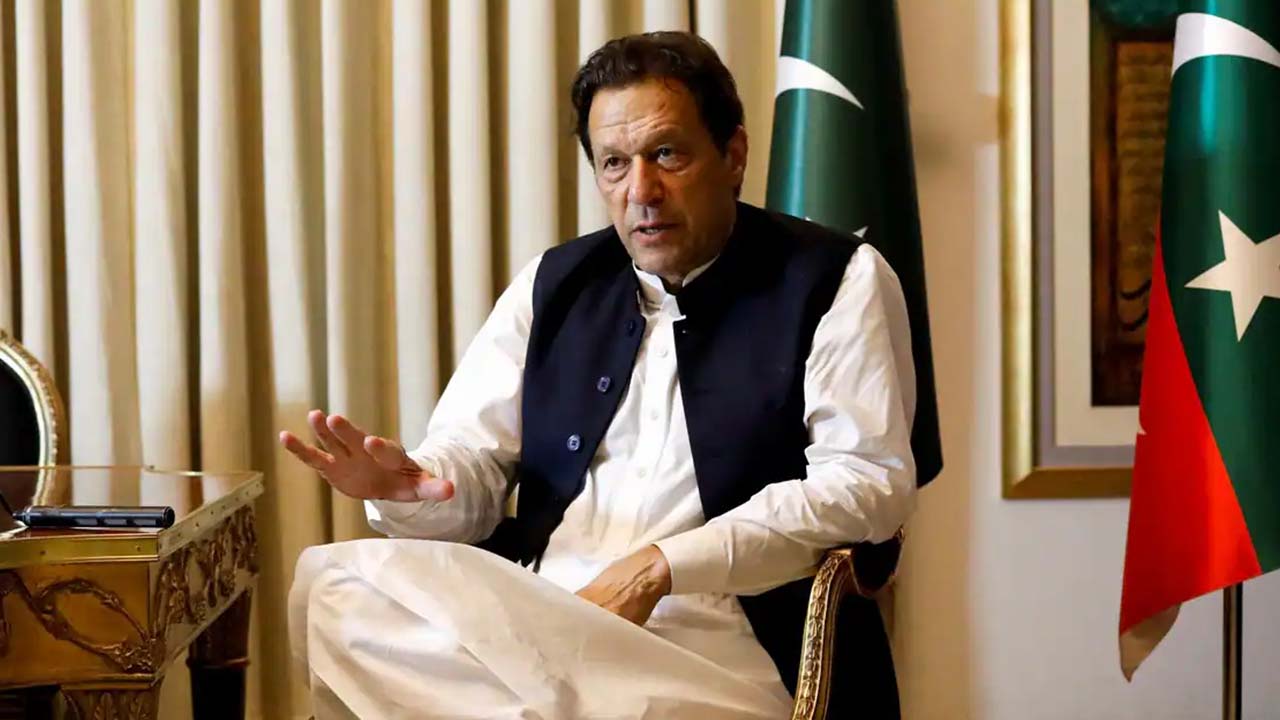
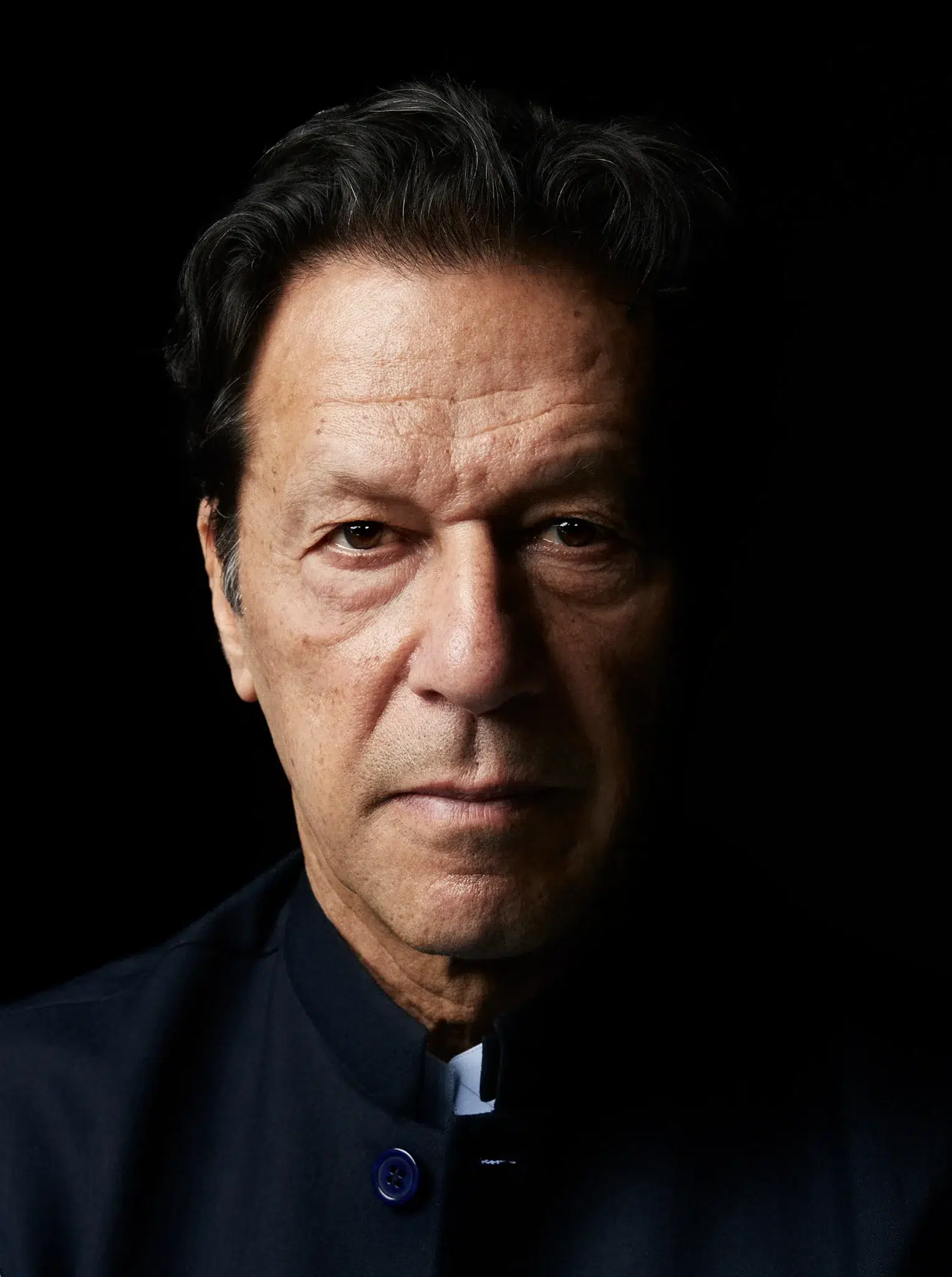
    In a recent Bloomberg survey conducted among Pakistani finance professionals, incarcerated former Prime Minister Imran Khan emerged as the leading choice to oversee the country’s economic recovery.

    Despite being barred from contesting the upcoming February 8 election, Khan’s enduring popularity was cited as a crucial factor by respondents, who believe he could implement market-focused reforms in the long term.

    The survey, which included 12 traders, economists, and analysts from major brokerages, placed three-time former premier Nawaz Sharif in the second position. Respondents acknowledged Sharif’s experience in government and speculated that his alignment with the powerful military contributed to his standing.

    Bilawal Bhutto Zardari, a member of the influential Bhutto clan, secured a distant third place, with some survey participants expressing reservations about dynastic politics.

    Bloomberg Economics conducted an analysis of Pakistan’s misery index, combining inflation and unemployment rates, revealing that Sharif’s party had a better track record in managing the economy over the past three decades compared to rivals, including Khan.

    Despite Khan’s three court convictions and election disqualification, questions about the legitimacy of the upcoming polls are surfacing among independent observers and voters.

    With almost 129 million eligible voters set to cast their ballots, concerns are growing about the electoral system’s integrity in the absence of the country’s most popular politician.

    Pakistan’s National Assembly has completed a full term only three times in its 76-year history, and political observers note rising discontent with the electoral system in Khan’s absence.

    Khan, convicted of graft in August, received another jail sentence on Tuesday for his involvement in publicising a classified diplomatic cable. On Wednesday, he and his wife, Bushra Bibi, were sentenced to 14 years in jail for a case related to the illegal selling of state gifts.

    As Khan faces legal challenges, Sharif and his Pakistan Muslim League-Nawaz are gaining support from voters. Sharif’s return from exile last year, widely seen as a deal with the military, has boosted his popularity, particularly in Punjab, Pakistan’s most populous province.

    The respondents to the Bloomberg survey unanimously agreed that Pakistan’s economic survival hinges on a new International Monetary Fund (IMF) loan. Half of them believe the country can withstand six months without a bailout, while the ongoing nine-month IMF programme is set to conclude in March, with about $1 billion in dollar-denominated debt due in April.

    Key findings from the January survey include expectations of 2.65 per cent economic growth in the fiscal year starting July, the government’s estimate of 2 per cent to 2.5 per cent expansion in the current fiscal year, a forecasted moderation of inflation to 25.05 per cent by the fiscal year ending June (currently at about 30 per cent), and a consensus that Pakistan cannot survive for more than a year without an IMF bailout.

  • Banks nationwide to close on February 5 in observance of Kashmir Day

    Banks nationwide to close on February 5 in observance of Kashmir Day

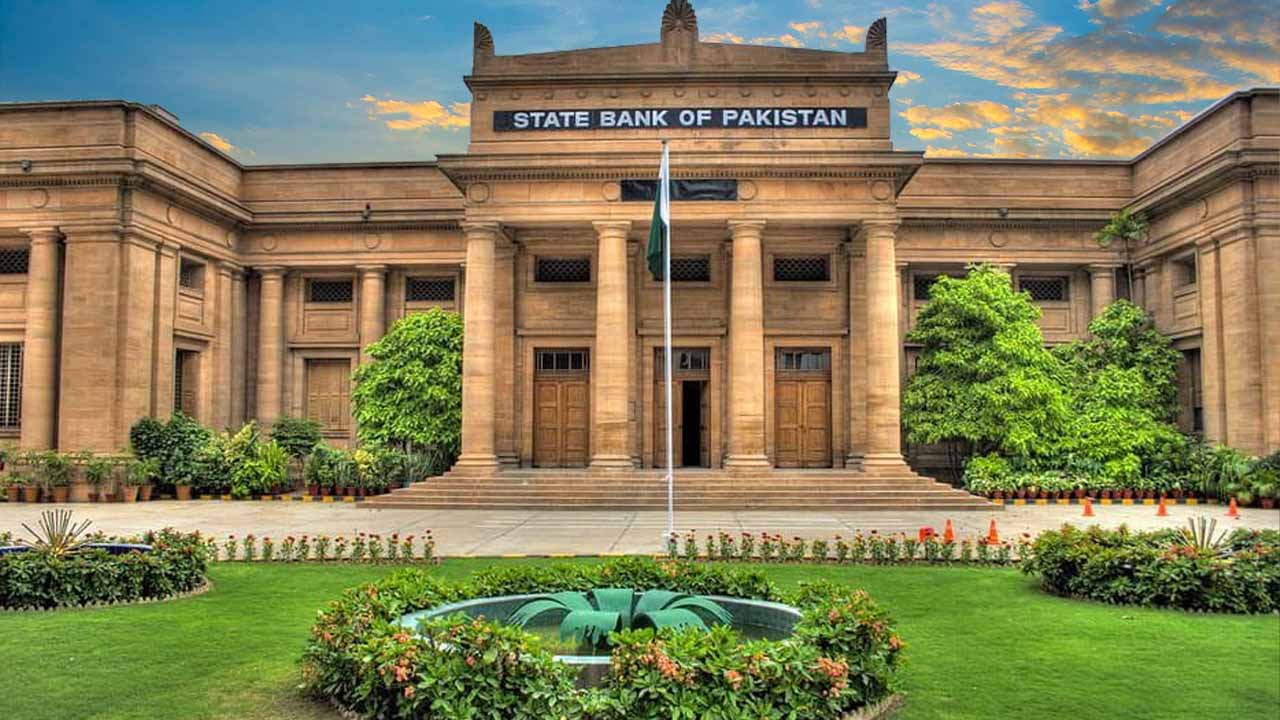
    In a recent announcement, the State Bank of Pakistan (SBP) declared that banks across the country will remain closed on February 5 (Monday) in commemoration of Kashmir Day. The central bank issued a statement on Wednesday, confirming the closure of the State Bank of Pakistan on this day.

    “The State Bank of Pakistan will remain closed on 5th February, 2024 (Monday) being a public holiday on the occasion of ‘Kashmir Day’ as declared by the Government of Pakistan,” the statement from the SBP read.

    Kashmir Day is observed annually on February 5 in Pakistan to honour and remember the struggles and sacrifices of Kashmiris in the Indian Illegally Occupied Jammu and Kashmir (IIOJK).

    Last week, the federal government officially declared February 5 as a national holiday throughout the country. The Cabinet Division’s decision includes a national observance with a one-minute silence at 10 am on Kashmir Day.

    In addition to the nationwide recognition, the Sindh government also issued a notification today to observe Kashmir Day.

    On this day, the nation sends a resounding message of solidarity and support to the people living in the Indian-occupied valley. The Kashmir issue continues to be a significant point of contention between Pakistan and India. Islamabad consistently calls on the international community to organise a plebiscite in the disputed territory.

    The conflict gained global attention after Indian Prime Minister Narendra Modi’s decision to unilaterally revoke Article 370 of the Indian Constitution on August 5, 2019, which granted special status to the IIOJK. Pakistan has emphasised that normalising ties with India is contingent on the restoration of Kashmir’s special status.

  • General Syed Asim Munir presides 262nd Corps Commanders’ Conference

    General Syed Asim Munir presides 262nd Corps Commanders’ Conference

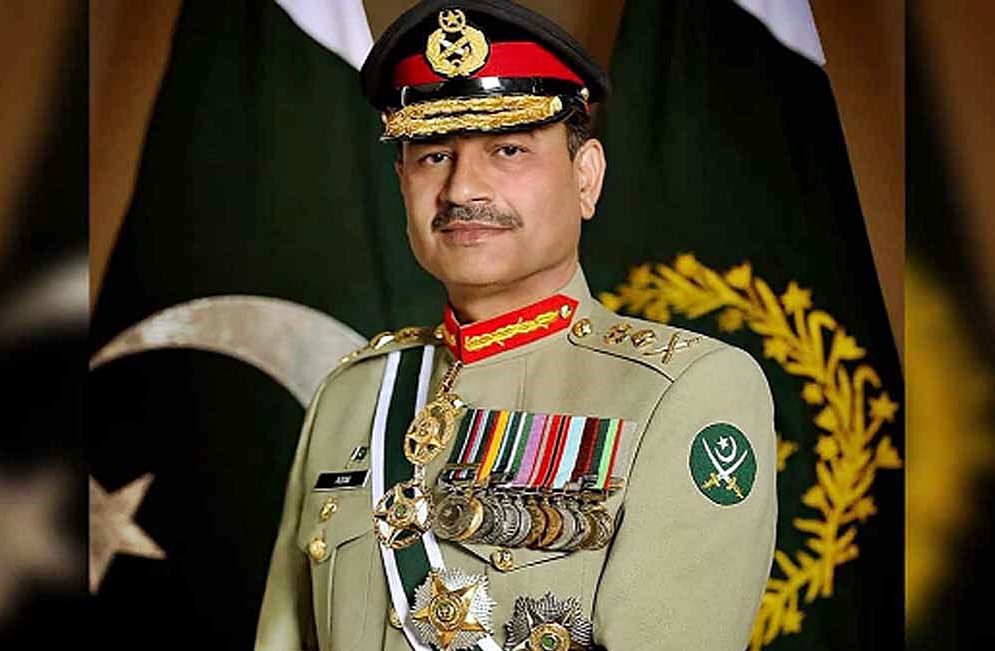
    General Syed Asim Munir, NI (M), Chief of Army Staff (COAS) presided over the 262nd Corps Commanders’ Conference (CCC) held at GHQ, today. Forum paid rich tribute to the supreme sacrifices of Shuhadas including officers and men of the Armed Forces, Law Enforcement Agencies and the citizens who have laid their lives for ensuring peace and stability in the country.

    Forum resolved that terrorists, their facilitators and abettors, working on behest of hostile forces to destabilise Pakistan, will be dealt with full might of the state. COAS stated that Pakistan’s sovereignty and territorial integrity are sacrosanct and inviolable. Pakistan believes in peaceful co-existence with all states, however, there would never be any compromise over country’s sovereignty, national honour and aspirations of Pakistani people.

    The forum was briefed on the callous Indian campaign of extra-territorial and extra-judicial killings, perpetuating state-sponsored terrorism and targeting Pakistani citizens. The forum agreed that blatant violation of international laws by India and its real face be exposed to the world. The international community has already shown serious concerns over the criminal behaviour of India and its use of state apparatus for killing spree around the world.

    The forum reiterated unequivocal support for Palestine and the people of Gaza while noting the extremely negative fallout of the conflict and the potential to spill over in the wider region. The immediate need for a permanent ceasefire and enduring solution to the Palestinian question was unanimously recognised. In the same vein, Pakistan’s resolve to support the people of IIOJK for their right of self determination was reiterated.

    Pakistan would continue to morally, politically and diplomatically support Kashmir brothers and sisters till justice is served in accordance with relevant UNSC resolutions. The forum also discussed deployment of Pakistan Army to assist Election Commission of Pakistan (ECP) in the peaceful conduct of General Elections 2024.

    Pakistan Army will perform assigned duties as per the Constitutional mandate, under the guidelines of ECP. No one would be allowed to indulge in violence in the name of political activity and sabotage the quintessential democratic exercise of conduct of free and fair elections. The forum acknowledged and appreciated the steps taken against spectrum of illegal activities and criminal mafias including smuggling, hoarding, money laundering, power theft and illegal aliens. The participants emphasised that such actions and their positive impact on the economy and well being of the people need to continue without any let up. The forum was briefed on operational preparedness of the formations. COAS asked formation commanders to continue their focus on the training, administration and morale of the soldiers.

  • Bushra Bibi surrenders herself at Adiala jail for arrest

    Bushra Bibi surrenders herself at Adiala jail for arrest

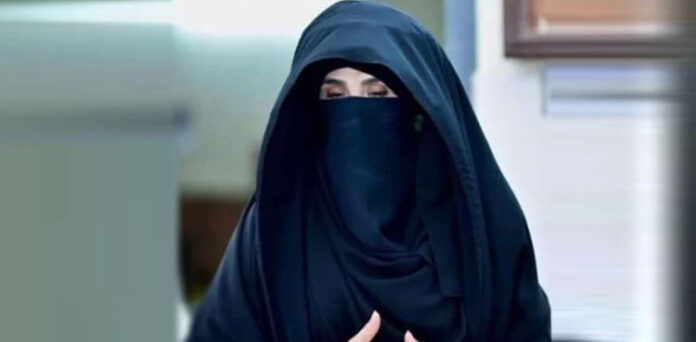
    After being sentenced by the Accountability Court in the Toshakhana case, former First Lady Bushra Bibi reached the jail to surrender herself for arrest.

    The Accountability Court has earlier todat sentenced Pakistan Tehreek-e-Insaf (PTI) founder Imran Khan and his wife to 14 years imprisonment with hard labor in the Toshakhana case, while the court has also disqualified Imran Khan for 10 years.

    According to sources in Geo, Bushra Bibi is currently sitting in the office of the Deputy Superintendent of Jail, and she has not been arrested yet.

    A day earlier, Imran Khan and senior PTI leader Shah Mahmood Qureshi were sentenced to 10 years imprisonment each in the cipher case.

    Judge Abual Hasnat Muhammad Zulqarnain heard the cipher case and delivered the verdict at the Adiala Jail in Rawalpindi.

  • Indian court allows Hindus to pray inside disputed mosque

    Indian court allows Hindus to pray inside disputed mosque

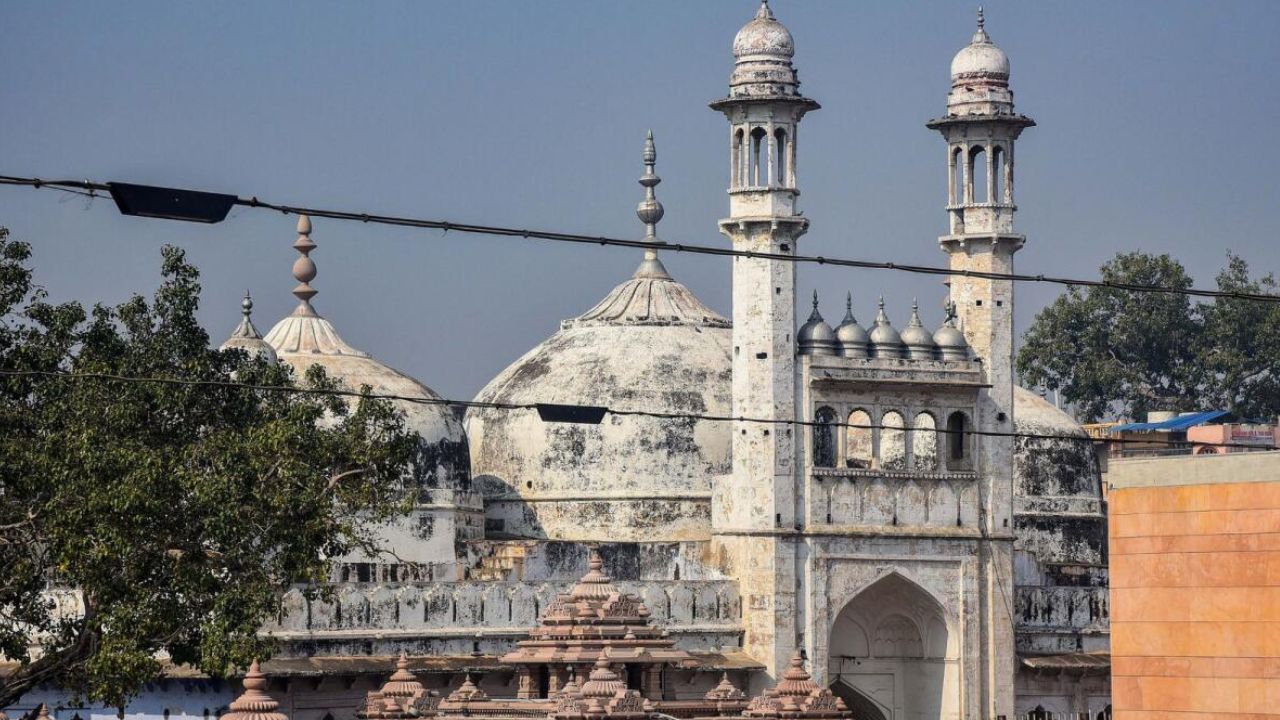
    An Indian court weighed in on one of the country’s most sensitive religious disputes Wednesday by permitting Hindu worshippers to pray inside a mosque in the city of Varanasi.

    The Gyanvapi mosque is one of several Islamic houses of worship that Hindu activists, backed by Prime Minister Narendra Modi’s party, have sought for decades to reclaim for their religion.

    It was built in the 17th century by the Mughal empire in a city where Hindu faithful from across the country cremate their loved ones by the Ganges river.

    The court in Varanasi ruled that Hindu worshippers — who believe the mosque replaced a destroyed temple to the deity Shiva — could pray in the building’s basement.

    Its verdict ordered district authorities to “make proper arrangements within the next seven days” to facilitate worshippers.

    The decision is the latest in a long-running legal saga over Gyanvapi’s future.

    This month, India’s official archaeological agency said a survey of the site appeared to corroborate the belief that it was originally home to a temple, according to local news reports.

    Emboldened right-wing Hindu groups have laid claim to several Muslim sites of worship they say were built atop ancient temples during Mughal rule.

    Last week, Modi presided over a grand inauguration ceremony in the nearby city of Ayodhya for a Hindu temple built on grounds once home to the centuries-old Babri mosque.

    Hindu zealots had torn down that mosque in 1992 in a campaign spearheaded by members of Modi’s party, sparking sectarian riots that killed 2,000 people nationwide, most of them Muslims.

    The decades-long court battle that ensued over the future of the Babri site ended in 2019 when India’s top court permitted the construction of a temple to the deity Ram, who according to Hindu scripture was born in the city.

    Members of Modi’s party routinely refer to India’s history of Muslim rule under the Mughal emperors as a time of “slavery”.

    The prime minister described last week’s opening of the temple as “the advent of a new era”.

    Calls for India to enshrine Hindu supremacy have rapidly grown louder since Modi took office in 2014, making its roughly 210-million-strong Muslim minority increasingly anxious about their future.

  • Netherlands fines Uber over data protection

    Netherlands fines Uber over data protection

    Dutch regulators said Wednesday they are imposing a 10 million euro ($10.8 million) fine on ride-hailing app Uber for lack of transparency in how it treats the personal data of its drivers.

    The Dutch Data Protection Authority said it imposed the fine after a group of 170 French drivers complained to a French human rights organisation.

    The complaint was handled in the Netherlands because it is where Uber has it European headquarters.

    “The DPA found that Uber had made it unnecessarily complicated for drivers to submit requests to view or receive copies of their personal data,” the authority said in a statement.

    DPA said the process for drivers to request access to their data “was located deep within the app and spread across various menus.”

    “In addition, they did not specify in their privacy terms and conditions how long Uber retains its drivers’ personal data or which specific security measures it takes when sending this information to entities in countries outside the European Economic Area,” it said.

    Uber has taken steps to improve the situation and has appealed the decision, the statement said.

  • Lahore High Court orders equal media coverage for Imran Khan

    Lahore High Court orders equal media coverage for Imran Khan

    The Lahore High Court (LHC) has on Wednesday ordered equal media attention for all candidates taking part in the February 8 general elections, including jailed former Prime Minister Imran Khan.

    The Lahore High Court issued a directive in response to a plea filed by the founder of Pakistan Tehreek-e-Insaf (PTI), who claimed there was a ban on media coverage of his speeches.

    Earlier this month, the LHC disposed of the PTI founder’s petition with the observation that directions with regard to telecasting the speeches of the PTI leader would be issued in a detailed judgement.

    LHC’s Justice Shams Mirza Mehmood issued a 10-page written verdict on Imran Khan’s appeal regarding a ban on media coverage.

    The LHC verdict stated that, according to Article 17, every citizen has freedom of speech.

    The LHC also said that running an election campaign and promoting a party’s manifesto are fundamental rights of political parties.