Blog

  • Notorious Japanese fugitive dies after 50 years on the run: media

    Notorious Japanese fugitive dies after 50 years on the run: media

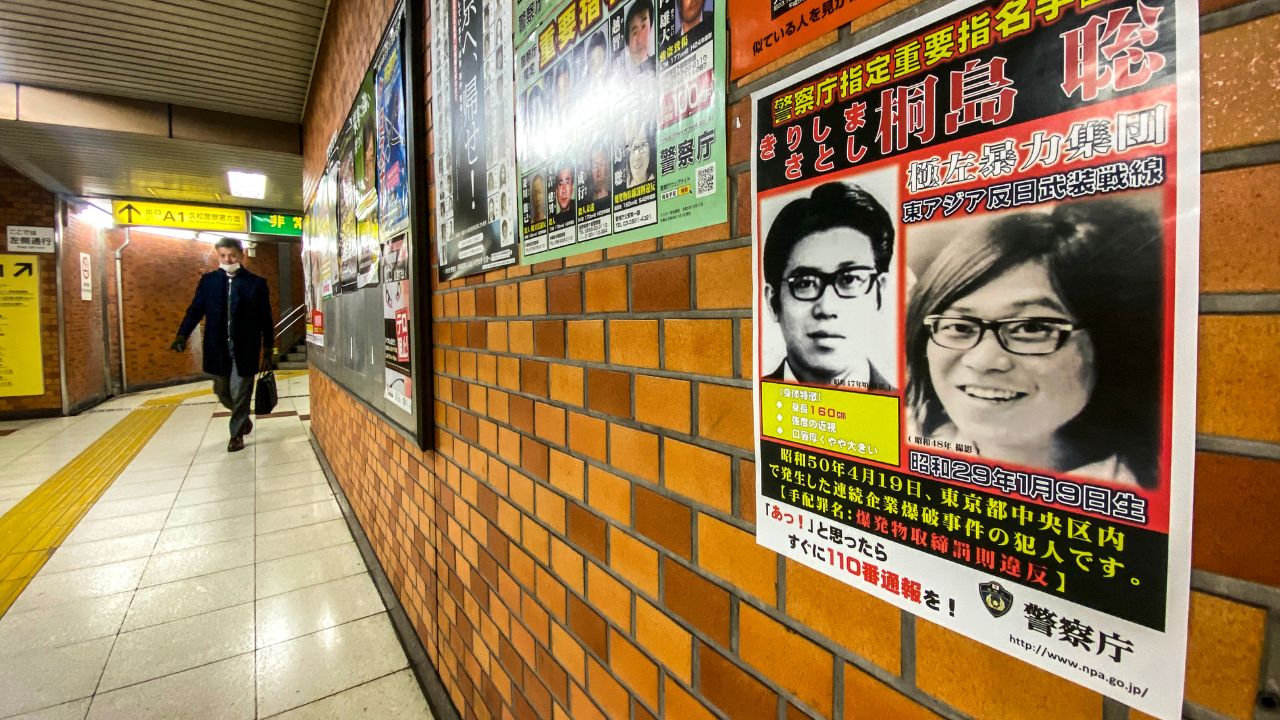
    Tokyo, Japan – Long hair, youthful smile, thick glasses slightly askew: for decades, the black-and-white photo of one of Japan’s most wanted fugitives has been a ubiquitous sight at police stations nationwide.

    But after nearly 50 years Satoshi Kirishima — wanted over deadly bombings by leftist extremists in the 1970s — reportedly died Monday, days after local media said he had finally been caught.

    Last week, the 70-year-old revealed his identity after he admitted himself to hospital under a false name for cancer treatment, according to Japanese media.

    The reports were a sensation in Japan, where his young face is so widely recognised that it has inspired viral Halloween costumes.

    But police were still scrambling to conduct DNA tests when the man believed to be Kirishima passed away on Monday morning.

    “Investigators looked into and eliminated past tips, but there is a very high possibility that this individual is actually Kirishima,” a police source told the Asahi newspaper.

    Plain sight

    Details are emerging of how Kirishima may have been hiding in plain sight for decades.

    Born in Hiroshima in January 1954, Kirishima attended university in Tokyo, where he was attracted by radical far-left politics.

    He joined the East Asia Anti-Japan Armed Front, one of several militant groups active in the era along with the once-feared Japanese Red Army or the Baader–Meinhof Group in West Germany.

    The revolutionary Armed Front carried out bombings at Japanese companies, including one at Mitsubishi Heavy Industries that killed eight people.

    It operated in three cells, with fanciful names: “Wolf”, “Fangs of the Earth” and “Scorpion” — Kirishima’s outfit.

    Under the radar

    Alongside physical descriptors on Kirishima’s wanted posters — 160 cm tall (5 ft 3), full lips, very short-sighted — is a summary of his crime.

    In April 1975, the young radical allegedly helped set up a bomb that blasted away parts of a building in Tokyo’s upscale Ginza district. No one was killed.

    He has been on the run ever since.

    TV Asahi and other outlets said he had lived a double life for years, working at a building contractor in the city of Fujisawa in Kanagawa region, under the alias Hiroshi Uchida.

    He was paid in cash and went under the radar with no health insurance or driving licence, the reports said.

    At the nondescript office where the man reportedly worked, someone who knew him told TV Asahi that the suspect had “lost a lot of weight” compared to the wanted photo.

    The man believed to be Kirishima began to receive treatment for stomach cancer under his own expense, the reports said.

    It was at a hospital in the city of Kamakura that he finally confessed that he was 70-year-old Kirishima, they added.

    Walking free

    Nine other members of the East Asia Anti-Japan Armed Front were arrested, the Asahi newspaper said.

    But two 75-year-olds are still on the run after being released in 1977 as part of a deal by the Japanese Red Army, which had hijacked a Japan Airlines plane in Bangladesh.

    Fusako Shigenobu, the female founder of the Japanese Red Army, walked free from prison in 2022 after completing a 20-year sentence for a 1974 embassy siege.

    Shigenobu’s group carried out armed attacks in support of the Palestinian cause during the 1970s and 80s, including a mass shooting at Tel Aviv airport in 1972 that killed 24 people.

    Kirishima though escaped justice, or so it seems.

    “I want to meet my death with my real name,” he told staff at the hospital, according to NHK.

    bur-kaf/stu/ser

    © Agence France-Presse

  • PSL season 9: All teams announced the names of their supplementary players

    PSL season 9: All teams announced the names of their supplementary players

    All the franchises of the Pakistan Super League (PSL) have announced the names of their supplementary and replacement players for season 9.

    In the supplementary round, Multan Sultans have selected West Indies’ Johnson Charles, while nineteen-year-old Mohammad Shahzad will join Multan Sultans. Lahore Qalandars have made Tayyab Abbas and Karachi Kings 21-year-old Muhammad Roheed a part of their team. Peshawar Zalmi drafted left-arm spinner Sufyan Moqim.

    Peshawar Zalmi has selected Waqar Salam Khel in the silver category for Lungi Ngidi, and fast bowler Khurram Shehzad has been selected in the silver category due to the partial availability of fast bowler Arshad Iqbal. In contrast, Peshawar Zalmi has selected England’s Gus Atkinson in place of Noor Ahmed. Selected. Naveen-ul-Haq of Afghanistan will be partially available, the team has reserved the right to select.

    Rashid Khan will not be available for Lahore Qalandars, the team has reserved the right to select him, while Dean Lawrence will be partially available to the franchise, Islamabad United’s Tom Curran will also be partially available, on which the team will choose him. The right has been reserved. Fast bowler Luke Wood was selected by Peshawar Zalmi Obaid McCoy by Islamabad United

    Karachi Kings have hired Zahid Mahmood as a partial replacement for Kieron Pollard, New Zealand’s Tim Seifert will be available to Karachi Kings after the New Zealand series. Karachi Kings picked up English middle-order batsman Leus du Plooy
    and Sri Lankan batsman Bhanuka Rajapakse. Vanundu Hasringa will be partially available for the Sri Lanka series where Quetta Gladiators have replaced Vanundu Hasringa with Bismillah Khan. took Quetta Gladiators have made English batsman Laurie Evans a part of the squad.

  • State Bank of Pakistan unveils plans for new currency notes with international security features

    State Bank of Pakistan unveils plans for new currency notes with international security features

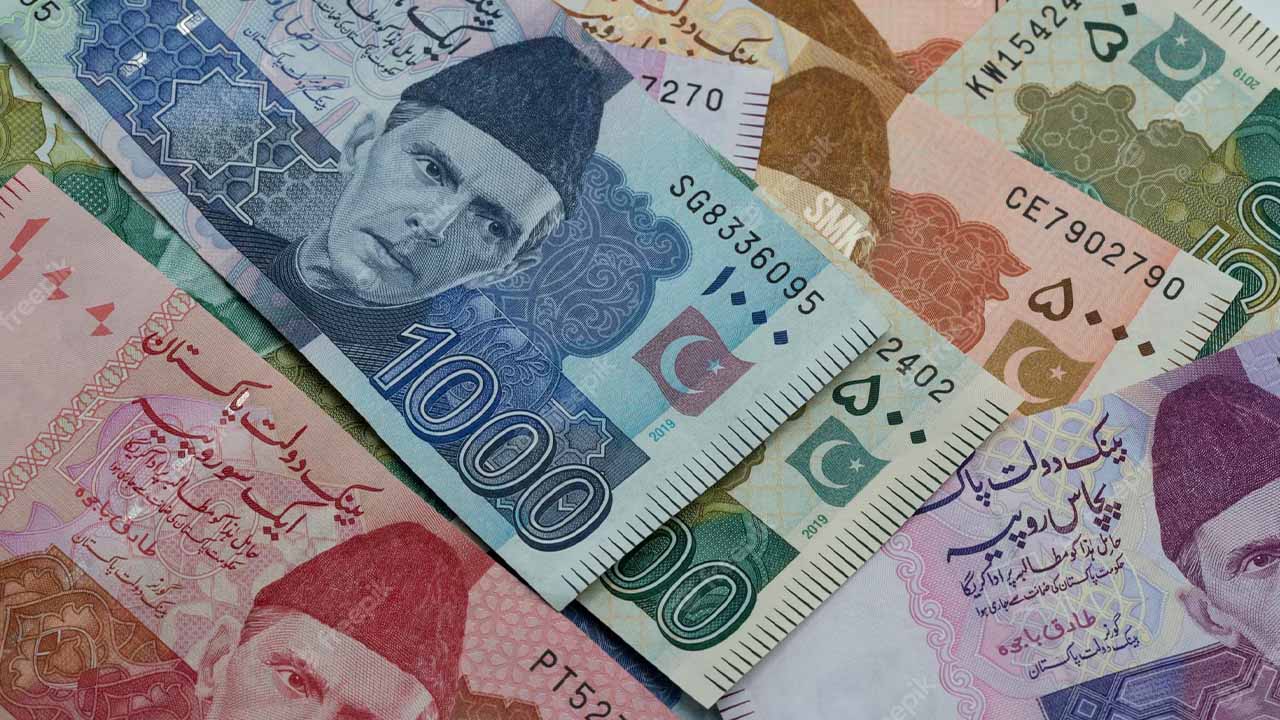
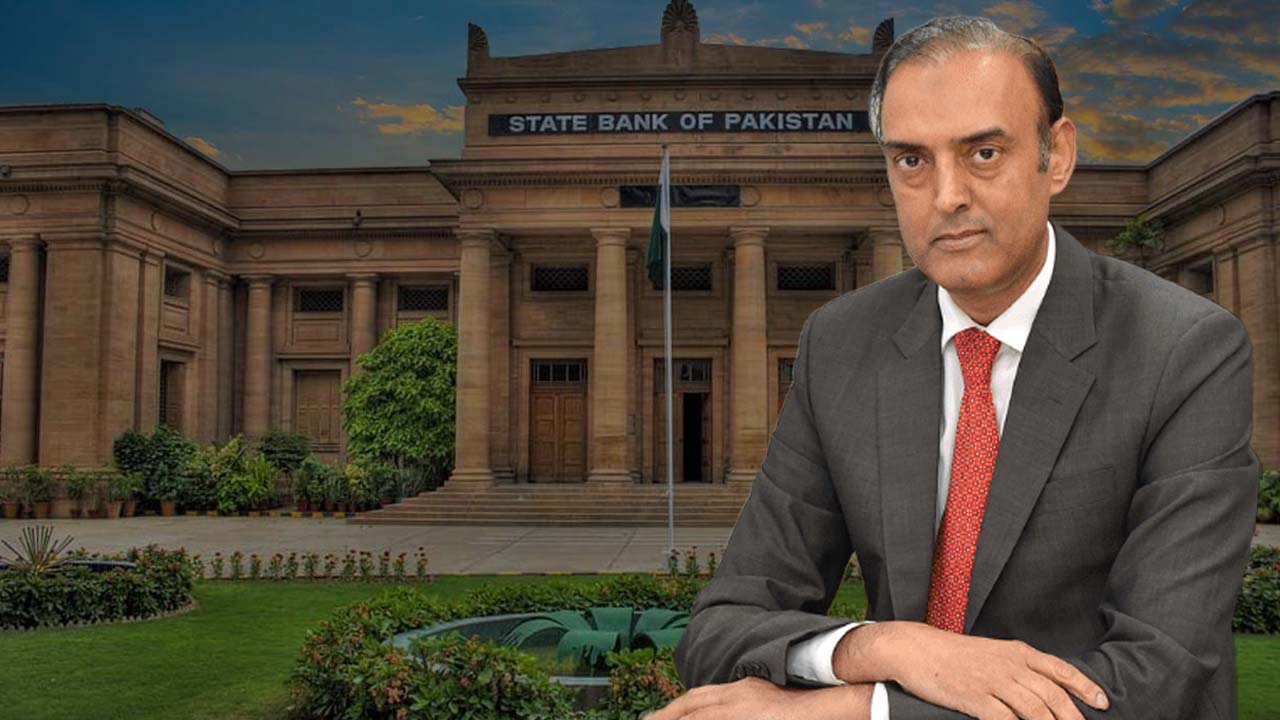
    The State Bank of Pakistan (SBP) on Monday announced plans to issue new currency notes featuring international security features. 

    The central bank assured a seamless transition, avoiding disruptions akin to India’s 2016 demonetisation. 

    Governor Jameel Ahmad stated that the new notes would have updated serial numbers, designs, and heightened security features. The design framework is expected to be finalised by March.

    The decision, prompted by concerns over counterfeit currency, was cautiously welcomed by financial experts. 

    CEO Khurram Schehzad acknowledged the move as a “positive development” but cautioned against premature assessment. 

    He emphasised the need to address higher-denomination notes and questioned their effectiveness, citing challenges faced by countries like India after demonetisation.

    Schehzad underscored the importance of evaluating the impact on black money, highlighting the public’s inclination to convert cash into alternative assets amidst inflation. 

    He urged the SBP to consider reducing the number of higher-denomination notes in circulation to address economic concerns, emphasising the role of controlled currency printing in curbing inflation.

  • Pakistani rupee sees marginal dip against US dollar 

    Pakistani rupee sees marginal dip against US dollar 

    In Monday’s trading session, the Pakistani rupee experienced a slight decline of 0.02 per cent against the US dollar in the inter-bank market, closing at Ra279.64, reflecting a decrease of Re0.05, according to the State Bank of Pakistan (SBP).

    The previous week saw the rupee’s 11th consecutive week of appreciation, gaining Re0.31, or 0.11 per cent, to settle at Rs279.59 against the US dollar. 

    This consistent uptrend was attributed to the approval of the second tranche of $705.6 million in the $3 billion Stand-by Arrangement (SBA) from the International Monetary Fund (IMF).

    The positive impact of the IMF inflow was evident in the foreign exchange reserves held by the SBP. 

    Meanwhile, Caretaker Prime Minister Anwaar-ul-Haq Kakar instructed the Ministry of Energy to develop a comprehensive plan, in consultation with the Finance Ministry, to address and reduce the circular debt in the power and gas sectors.

    In a significant move, the SBP announced plans to revamp the foreign exchange trading system by introducing a centralised foreign exchange (FX) trading platform named “FX Matching” for the interbank FX market.

    On the global front, the US dollar maintained a stable position as investors assessed US economic data ahead of the Federal Reserve policy meeting scheduled for the week. 

    Geopolitical tensions in the Middle East contributed to a cautious risk sentiment among investors.

  • ‘I am strongly against stopping criticism, as freedom of the press is enshrined in the constitution,’ Chief Justice Faez Isa

    ‘I am strongly against stopping criticism, as freedom of the press is enshrined in the constitution,’ Chief Justice Faez Isa

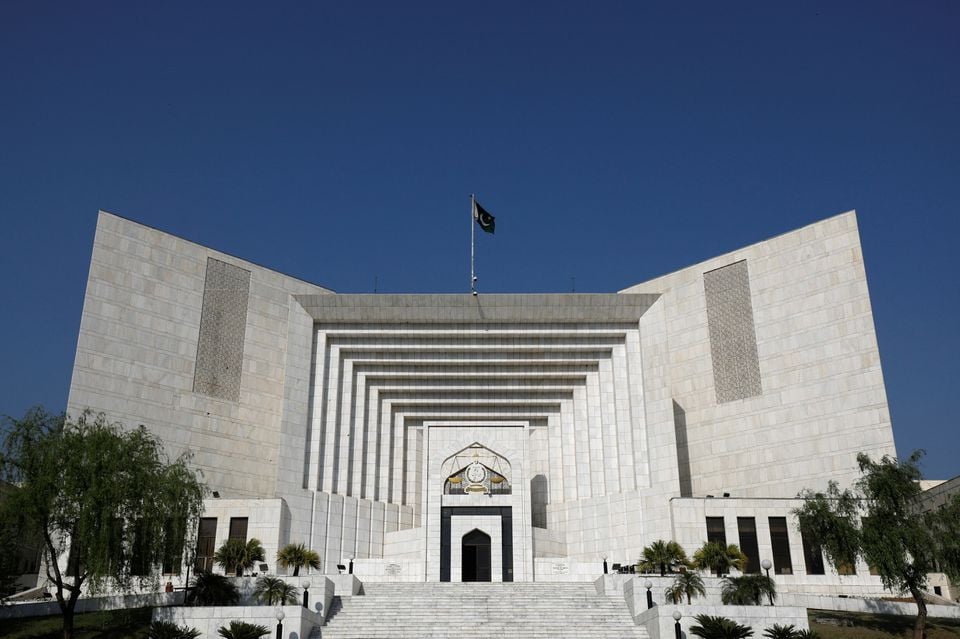
    The Supreme Court (SC) has instructed the Federal Investigation Agency (FIA) to promptly withdraw notices sent to journalists involved in a “malicious campaign” against the judiciary and institutions on social media as per Geo News.

    A three-member bench of the apex court, headed by Chief Justice Qazi Faez Isa, heard the case pertaining to harassment of journalists by FIA.

    CJP ISA told Attorney General of Pakistan (AGP) Mansoor Usman Awan that verbal abuse was a different matter and that the FIA should not take action against journalists, especially on criticism.

    The AGP assured the Chief Justice of Pakistan that journalists would not face any action.

    The chief justice remarked that he is strongly against curtailing criticism, as freedom of the press is enshrined in the Constitution. “I don’t care if you make fun of me, but if you make fun of the judiciary, the country will suffer. You can criticise the Supreme Court, but the Constitution also has some limitations,” he said.

    “If you think that you are benefiting me or the Supreme Court by stopping criticism, then you are harming [the institution],” CJP Isa remarked.

    Qazi Faez Isa also said that media persons are allowed to criticise, but the matter of incitement is different. “We can never restrain a common man or a journalist from criticising.”

    Justice Musarrat Hilali stated that there is no issue with fair criticism, but the language used is wrong.

  • Ali Afzal Khan finally reveals why he left the entertainment industry

    Ali Afzal Khan finally reveals why he left the entertainment industry

    Ali Afzal Khan was a regular feature on our television screens, playing all sorts of roles. Then suddenly, the actor disappeared, and fans were left wondering what had happened. Khan has finally opened up about what transpired behind his departure from the industry.

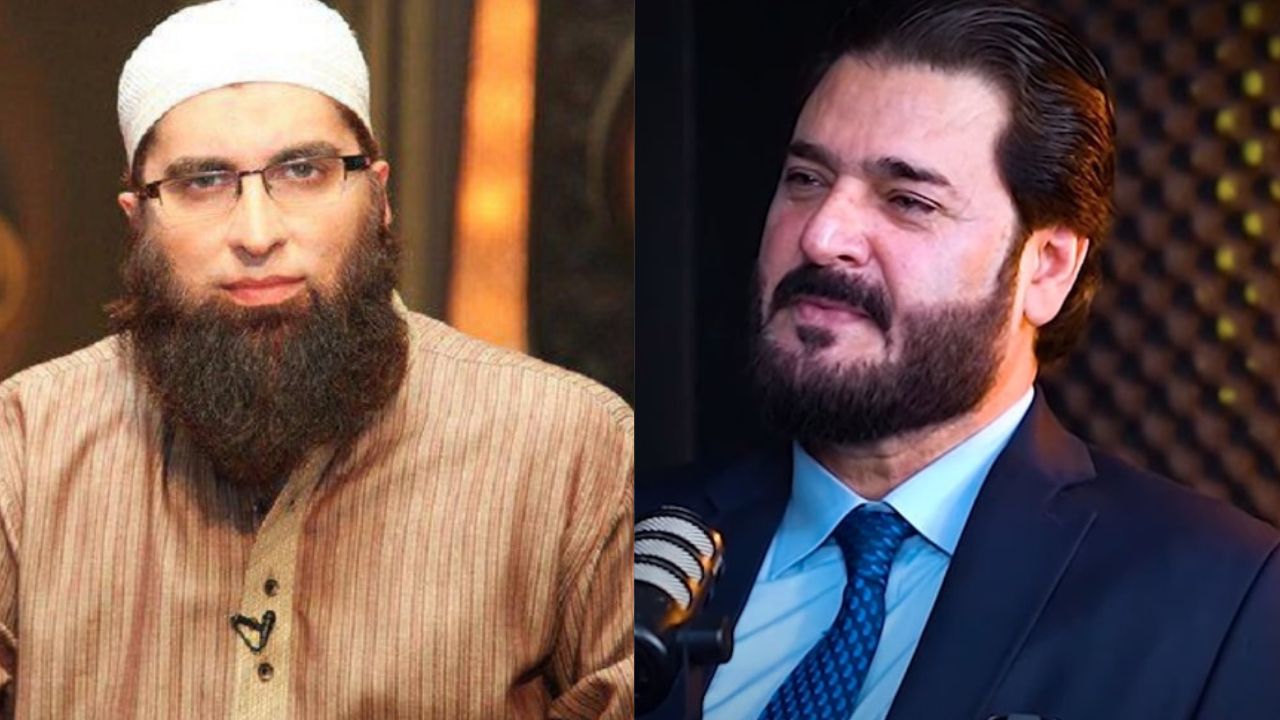
    Ali has said that he was inspired by singer-turned-preacher, the late Junaid Jamshed, and bid farewell to the showbiz industry.

    Talking on a podcast, he said, “I worked in the industry for 20 to 22 years, and during my extensive career, I undertook numerous projects as both an actor and a host. During this time, Junaid Jamshed, who was a renowned Naat reciter and singer, and I, being an actor, often had frequent meetings.”

    He began to explore and understand the Holy Quran. However, due to some personal differences, he left hosting duties. “It was during this time that Junaid Jamshed inclined me towards religious preaching. In this period, I spent three days and then 40 days in seclusion, initiating the practice of regular prayer.”

    Stressing that it is not easy for an actor who is at the peak of his career to leave it, Khan said, “The decision was difficult for me too but I had made a commitment to myself eight to nine months before leaving showbiz, that I would quit and after that I stopped signing contracts.”

    He shared that he is still being offered different roles but he refuses them now.

    “But I am still willing to play a historical role, so if someone offers me such a role, I am ready.”

  • Pak-Iran Foreign Ministers meet to mend relations after tit-for-tat strikes

    Pak-Iran Foreign Ministers meet to mend relations after tit-for-tat strikes

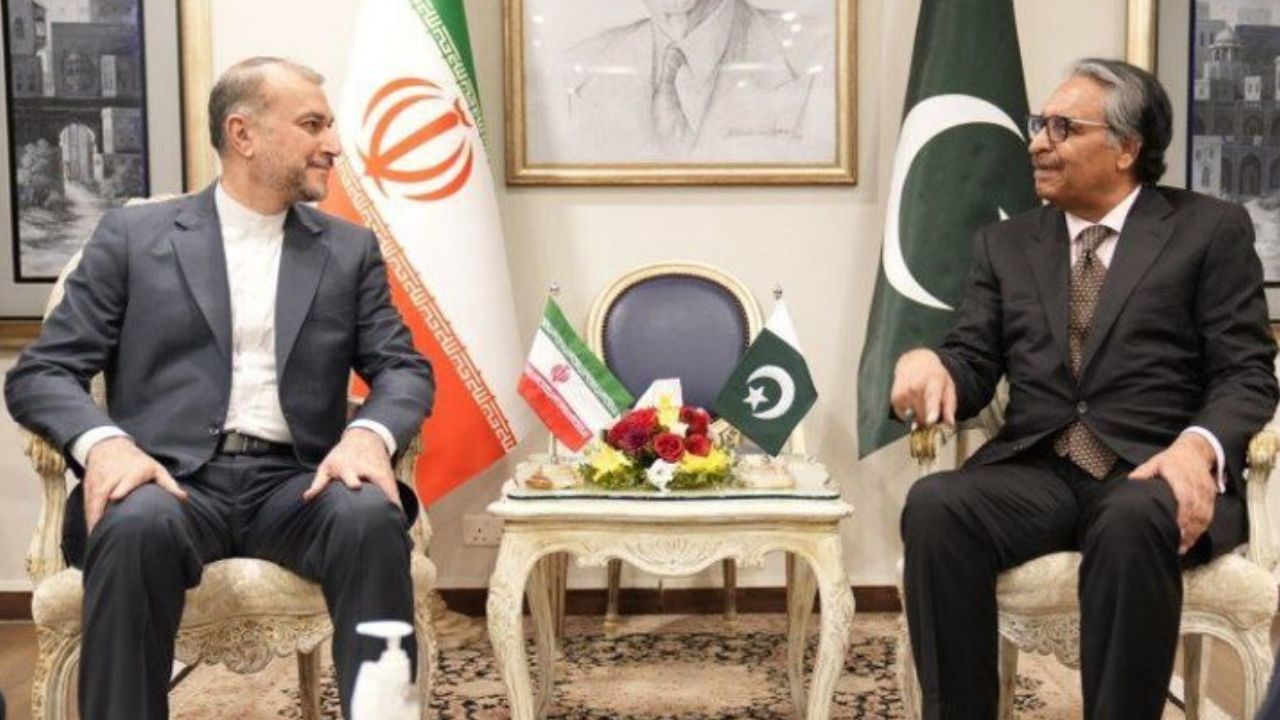
    Pakistan’s Caretaker Foreign Minister Jalil Abbas Jilani and his Iranian counterpart Hossein Amir Abdollahian met today (Monday), agreeing to strengthen ties between the two countries. The Iranian Foreign Minister landed in Islamabad early morning for “in-depth talks” with Pakistani counterpart, Jalil Abbas Jilani, Pakistan’s Ministry of Foreign Affairs said.


    Involvement of the third country


    “There is no doubt that the terrorists located in the common border regions and areas of Iran and Pakistan are led and supported by third countries and they never favour any good action in line with the benefits of the Iranian and Pakistani governments and nations,” the Iranian foreign minister said.


    He made the remarks while addressing a joint press conference alongside interim Foreign Minister Jalil Abbas Jilani in Islamabad. Abdollahian had arrived in Pakistan earlier today, following which he and FM Jilani discussed bilateral cooperation between the two countries.


    Stress on dialogue and cooperation


    According to the Foreign Office (FO), the two had “underscored the importance of robust dialogue and cooperation as the pathway for a positive, forward-oriented and upward trajectory in bilateral relations”.


    “The two sides agreed to work towards promoting the mutually desired goals of peace and prosperity, based on mutual respect and a collective approach to address common challenges,” it added.


    Joint action against terrorism


    During a joint press conference, Minister Jilani affirmed that both countries are committed to expanding their relationship and cooperating across multiple sectors.


    He stressed the necessity of united efforts against the menace of terrorism, citing it as a shared threat to the stability and security of both Iran and Pakistan. Minister Jilani underscored the importance of respecting national security and sovereignty, expressing a desire to create economic opportunities along the borders.


    Security as priority


    Iranian Foreign Minister Abdullahian echoed these sentiments, emphasizing the people of Iran and Pakistan as one nation with deep fraternal ties. He asserted that Pakistan’s security is a top priority for Iran, and both nations are resolute in not allowing any space for terrorists.


    The ministers discussed measures to counter terrorism during their talks and deliberated on enhancing security at the border, recognizing the shared challenges posed by terrorist activities. “We are here, so in a loud voice we will tell all terrorists that Iran and Pakistan will not provide them with any opportunity to endanger our common security,” Abdollahian asserted.


    Economic opportunities

    Minister Jilani further underscored the commitment to solving political and security issues, highlighting economic collaboration as a key aspect. Both ministers discussed the establishment of trade centers along the border, aiming to create economic opportunities and strengthen bilateral trade ties. The diplomats reiterated the depth and strength of the diplomatic relationship between Pakistan and Iran.


    Constructive relations

    In closing, Foreign Minister Abdullahian affirmed that both nations have constructive and robust relations. The ministers pledged to work together to ensure the common security of their borders, vowing not to allow terrorists to jeopardize the stability and well-being of their respective countries.


    The joint press conference concluded with an optimistic outlook for the future, as Pakistan and Iran expressed their commitment to furthering cooperation and maintaining strong ties for the development and security of the region.

    The meeting has happened after Pakistan and Iran mutually launched strikes against each other with Iran killing two kids and injuring three girls and Pakistan conducting an operation named Operation Marg Bar Sarmachar resulting in the death of nine militants. Moreover, on Saturday nine Pakistani workers were gunned down by unidentified attackers in Sistan-Baluchestan. Pakistan has demanded a comprehensive investigation and swift prosecution of those responsible for the brutal attack.


    At the outset of his speech, the Iranian minister highlighted that both countries “never had territorial differences”.


    “Our historical bilateral relations and connections testify that we are a single nation located in two different geographical positions,” he said.

  • Usama Khan dreams of tying the knot with Maya Ali

    Usama Khan dreams of tying the knot with Maya Ali

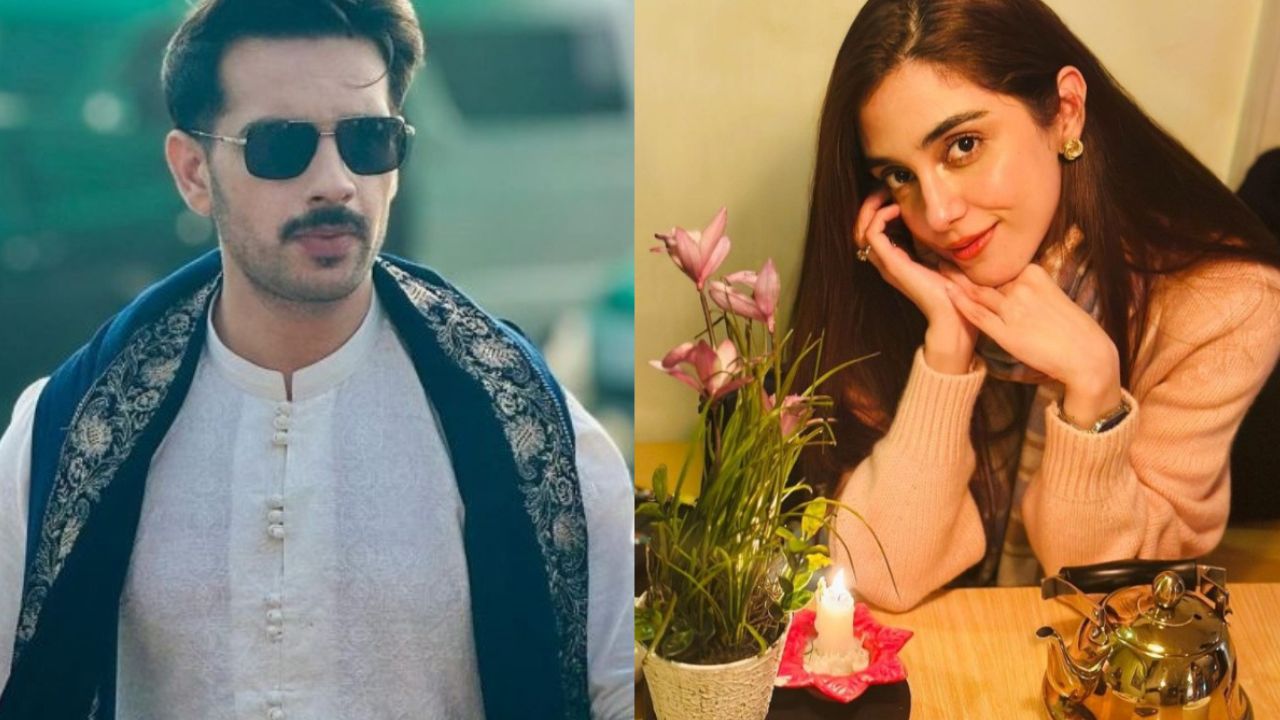
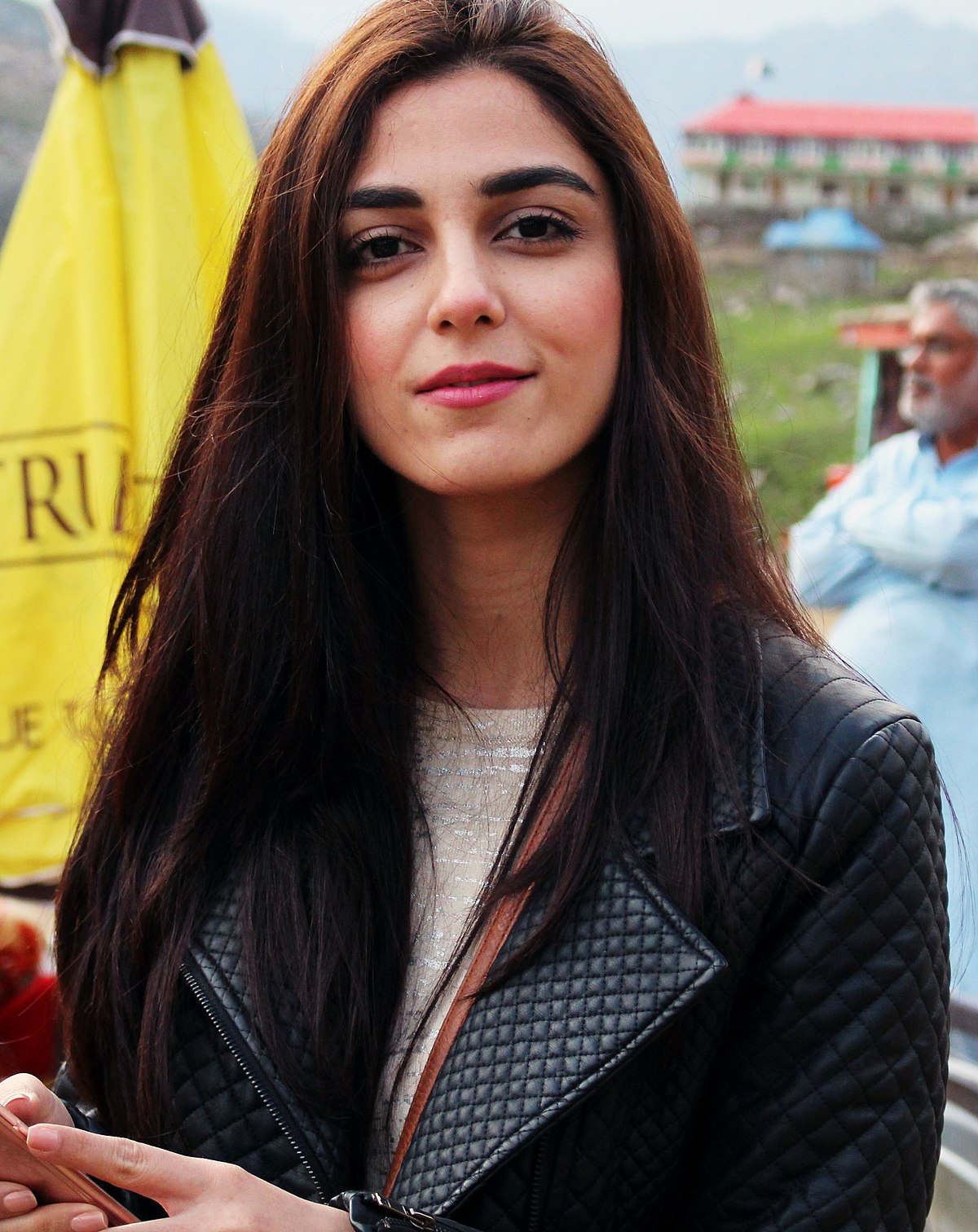
    Usama Khan , the hero of the recently released Pakistani film Nayab, has admitted that he likes actress Maya Ali.

    Usama Khan participated in a show to talk about his debut film ‘Nayab’.

    Answering a question during the conversation he said he has a crush on actresses Mahira Khan and Maya Ali in the Pakistani showbiz industry and wants to work with both of them.

    The actor said, “I have mentioned about my liking many times, so Maya will also know that I like her.”

    On Usama’s answer, the host asked, “If you want to express your love, who will you express your love to?” On this the actor laughingly said, “If I have to express myself, I will do it with Maya Ali because she is unmarried.”
    When the host asked Maya Ali about her thoughts on marriage, the actor said, “It is too early to say anything about it.”

  • Monetary policy committee maintains status quo: SBP keeps policy rate at 22% to tackle elevated inflation

    Monetary policy committee maintains status quo: SBP keeps policy rate at 22% to tackle elevated inflation

    In a decision announced on Monday, the Monetary Policy Committee (MPC) of the State Bank of Pakistan (SBP) has opted to maintain the status quo, retaining the key policy rate of 22 per cent. 

    SBP Governor Jameel Ahmad highlighted the persistent elevation of inflation, disclosing a revised forecast for the fiscal year 2023–24 ranging from 23 per cent to 25 per cent.

    Market analysts, anticipating the decision, noted that the sustained high inflation rate was a contributing factor to the MPC’s decision to keep the key policy rate unchanged.

  • PCB stops Muhammad Hafeez from holding press conference

    PCB stops Muhammad Hafeez from holding press conference

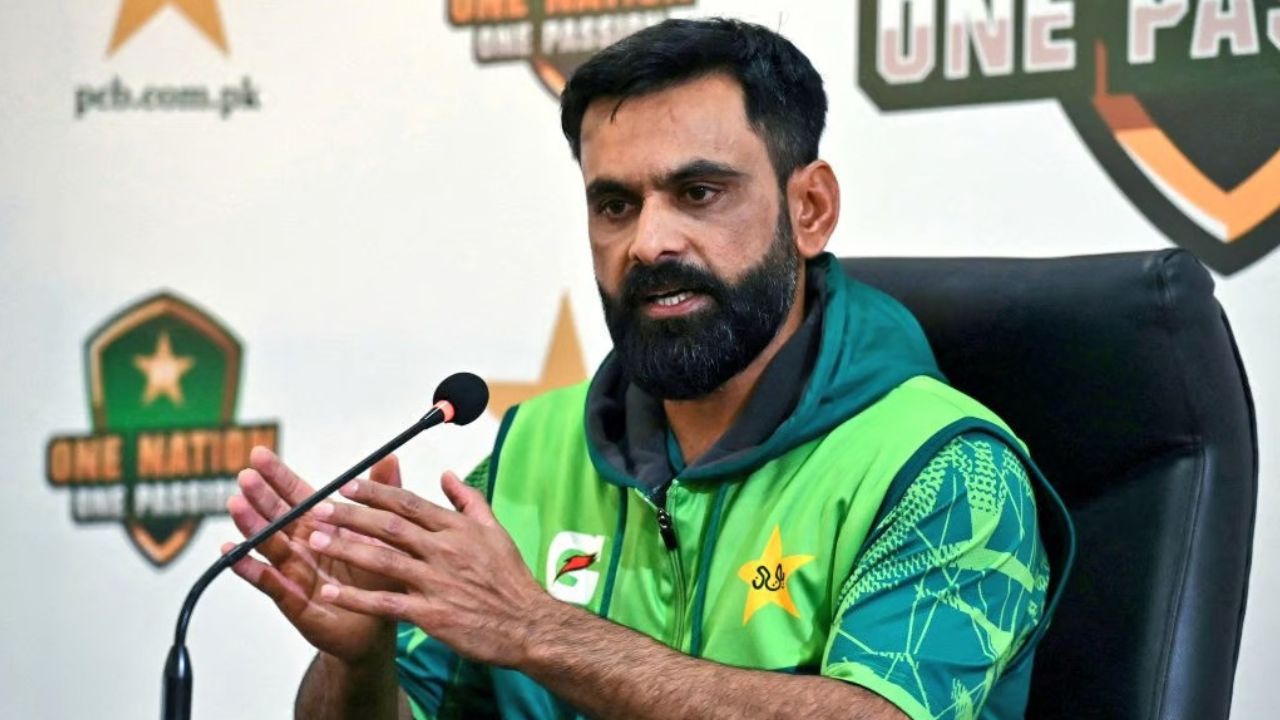
    After allowing team director Muhammad Hafeez to hold a press conference on his return home from Australia, Pakistan Cricket Board (PCB) has barred him from holding a media talk.

    Sources say that the authorities wanted to protect Hafeez and PCB from conflict.

    According to Geo News sources, Chief Operating Officer Salman Naseer Muhammad is not in favour of Hafeez’s press conference, while a few board officials also disagree with the decision. International Director Usman Wahla’s No Objection Certificate (NOC) policy is also different in the board.

    Sources say that Usman Wahla did not give an NOC for Bangladesh League to Mohammad Haris, while it gave a third NOC to Azam Khan for ILT20.

    Shadab Khan is fit to play for Pakistan and for the ILT20 league, but board officials are disagreeing with bringing Muhammad Hafeez in front the media to discuss the matter.

    Muhammad Hafeez thinks that PCB cannot give priority to league cricket.

    According to sources, Hafeez is not happy with the Pakistani media, especially social media. He wanted to remove the one-sidedness and speculations regarding the tour of Australia and New Zealand and clear himself by explaining the reasons for the failure.

    Muhammad Hafeez did not tweet considering the extension of the contract or not.

    In his message on social media, Muhammad Hafeez said that cricket is his passion and the most important strength in life. “False news spread by professionals on social media cannot reduce it,” he said.