Blog

  • Pakistani celebrities defend Kashmir after Hrithik Roshan’s derogatory ‘maalik’ comment

    Pakistani celebrities defend Kashmir after Hrithik Roshan’s derogatory ‘maalik’ comment

    In the world of entertainment, movies are a way to tell stories, represent cultures, and express art. But sometimes, a movie can cause problems when it goes too far and includes content that is offensive. Recently, a Bollywood movie called ‘Fighter’ landed in controversy after Pakistani celebrities strongly reacted to what they thought was anti-Pakistani element.


    The film has been accused of showing Pakistan in a negative light and promoting harmful stereotypes.


    At one point in the movie, Hrithik Roshan says, “We are the owners, Pakistan has occupied Kashmir. (maalik hum Hain)”

    Actors like Zara Noor Abbas took to social media to express anger.

    Actor Asad Siddiqui vented on Instagram by saying, “It’s the same old story! Aren’t you guys tired of selling false stuff? Grow up! The world is moving forward, and you’re still promoting this cheap story of hatred. You could have promoted peace instead.”
    He suggested checking facts that everyone knows, mentioning the incident where a MiG-21 was shot and the pilot was captured but released after a cup of tea.


    Hira Khan, another showbiz star, also brought up the ‘tea’ incident, saying, “It’s sad that big superstars need to criticize Pakistan to make their movies work. I feel sorry for you guys.”


    Adnan Siddiqui took to X to state, “Once celebrated for love, Bollywood now crafts hate-filled narratives, portraying us as villains. Despite our love for your films, it’s disheartening. Art transcends boundaries; let’s use it to promote love and peace. Two nations, victims of politics, deserve better.”

    Hania Aamir, who is liked by people from both sides of the border, shared on her Instagram Story, “It’s really sad and unfortunate to find out that there are artists today who know how influential cinema is but still go ahead and create differences between the two countries. I feel sorry for the artists who believe in using their art to bring people together. It’s not good. Let art be free.”


    The controversy around ‘Fighter’ arose from its trailer, which revealed that the movie revolves around an attack on Indian air forces in Pulwama. It references real events like the Pulwama attack and India’s actions in Balakot.


  • Pakistani-French woman accused of marrying girls disguised as boy

    Pakistani-French woman accused of marrying girls disguised as boy

    A French girl of Pakistani origin named Nargis has been accused of disguising herself as a boy to marry girls to take them abroad. She was arrested in Mirpur city of Azad Kashmir on charges of trafficking girls abroad on the pretext of marriage.


    According to Geo News, one victim’s family had filed an application with the police, on which a case was registered and an arrest was made.


    During the investigation, it was revealed that Nargis had created a fake identity in the name of Shaaban. Dressed up as a man, she would come to Kashmir to find relationships, get married, prepare travel documents, and send the bride abroad and sell her.


    This time when Nargis reached Pakistan, the victim’s family recognized her and immediately filed a complaint with the police.


    In a request registered with the police by the victim’s family, Nargis came to Pakistan as a boy and married their daughter. After the marriage, the daughter got a visa and sent her to France via Dubai, where it was learned that the son-in-law was not a boy but a girl. She was tortured by a gang who attempted to sell her in several locations. The family barely evacuated their daughter to safety in France.


    According to the police, the suspect is a French citizen of Pakistani origin and belongs to Jhelum.


    However, according to District Headquarters Hospital Mirpur, a medical report has proved that Nargis is a girl and not a boy.

  • Pakistan records $397 million current account surplus as exports, remittances increase

    Pakistan records $397 million current account surplus as exports, remittances increase

    In December 2023, Pakistan’s current account exhibited a noteworthy surplus of $397 million, a stark departure from the $15 million deficit recorded in November, as reported by the State Bank of Pakistan (SBP) on Wednesday. 

    This surplus is attributed to heightened exports and remittances, coupled with a marginal decline in imports. Notably, there was a substantial improvement compared to the $365 million deficit posted in December 2022.

    According to SBP data, exports (goods and services) surged to $3.526 billion in December 2023, marking a 14 per cent increase from $3.089 billion in December 2022. Concurrently, remittances rose to $2.38 billion, a 13 per cent marginal increase from the same period last year. 

    Conversely, total imports saw a 2 per cent decrease, totaling $4.97 billion in December 2023, compared to $4.98 billion in the corresponding period last year.

    In the cumulative period of July–December FY24, Pakistan experienced a current account deficit of $831 million, a substantial reduction from the $3.63 billion deficit recorded during the same months in FY23—a remarkable decline of over $2.8 billion, or 77 per cent. 

    The SBP, in its recent Monetary Policy Committee meeting on December 12, highlighted a significant improvement in the current account balance, with the deficit narrowing by 65.9 per cent year-on-year to $1.1 billion during July-October FY24.

    The current account’s pivotal role is underscored by its impact on Pakistan’s economy, which is heavily reliant on imports. 

    A widening deficit exerts pressure on the exchange rate and depletes official foreign exchange reserves, making these recent developments crucial for the nation’s economic outlook.

  • Women’s Health Gap Costs $1 Trillion Worldwide: Report

    Women’s Health Gap Costs $1 Trillion Worldwide: Report

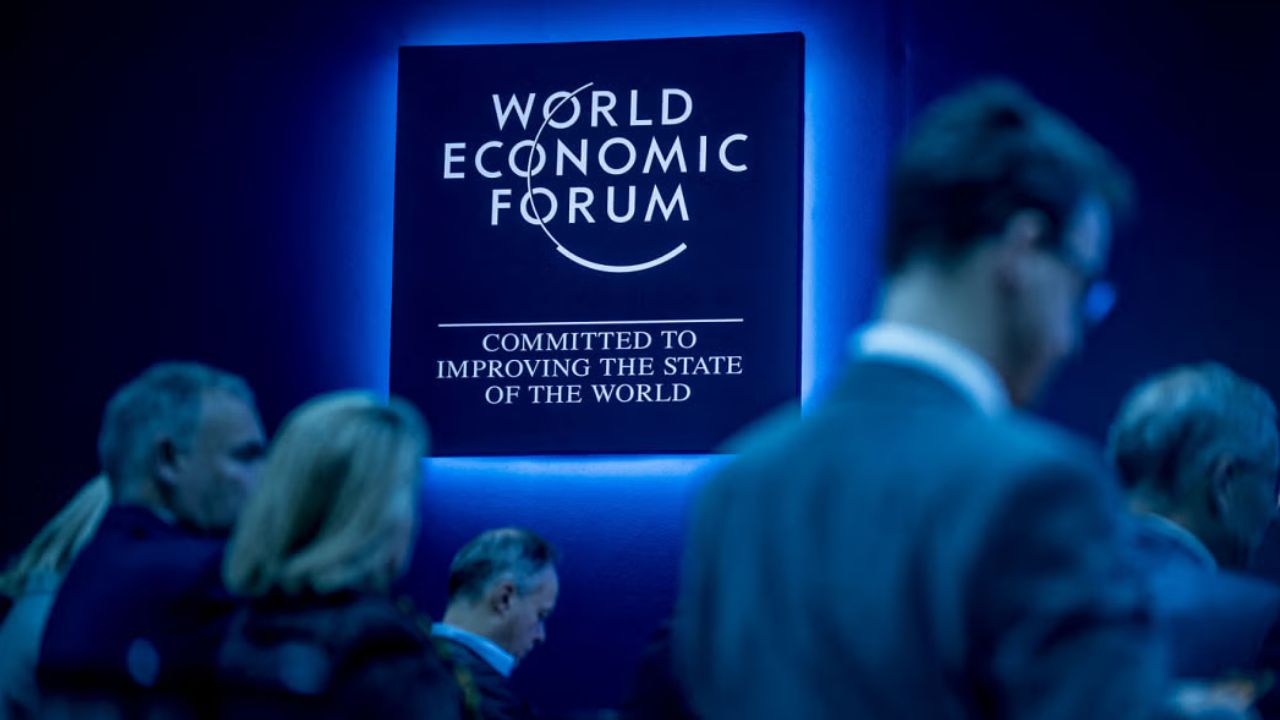
    The huge gap between how women and men’s health are treated costs $1 trillion a year worldwide, the World Economic Forum said on Wednesday.

    Women spend a quarter more of their lives suffering from poor health than men, a disparity that includes an unequal focus on men across medical research, diagnosis and treatment, the report said.

    Closing this gap would boost the global economy by $1 trillion annually by 2040 — a 1.7 percent increase in per capita GDP driven by women, it added.

    The report was released as the WEF hosts its 54th annual conference in Davos, Switzerland.

    The Swiss firm Ferring Pharmaceuticals and McKinsey Health Institute also contributed to the 42-page report.

    Every US dollar invested in women’s health would return three dollars in projected economic growth, the report said.

    A large part of this growth would come from sick women getting back into the workforce.

    The gender health gap causes around 75 million years of life lost due to poor health annually, equating to a week per woman every year, the report said.

    For example, addressing the inequities related to endometriosis and menopause — which only affect women and have long been considered under-studied — could contribute $130 billion to global GDP by 2040, it estimated.

    Research also suggests that fewer than half the women living with endometriosis have been properly diagnosed, the report added.

    The study also looked at how treatment and diagnosis has benefitted men more than women.

    Asthma inhalers, for example, have been found to be significantly less effective for women than men.

    Women are diagnosed later than men for 700 different diseases, previous research has shown. It also takes women two and a half years longer to be diagnosed with cancer.

    WEF healthcare head Shyam Bishen said the analysis demonstrates that “investing in women’s health must be a priority for every country”.

    “Beyond improving women’s quality of life, ensuring women have access to innovations in healthcare is one of the best investments that countries can make for their societies and their economies,” he said in a statement.

    The WEF announced it was launching the Global Alliance for Women’s Health, with $55 million pledged for women’s health.

  • ECP fears delay in polls as independent candidates want to change electoral symbols

    ECP fears delay in polls as independent candidates want to change electoral symbols

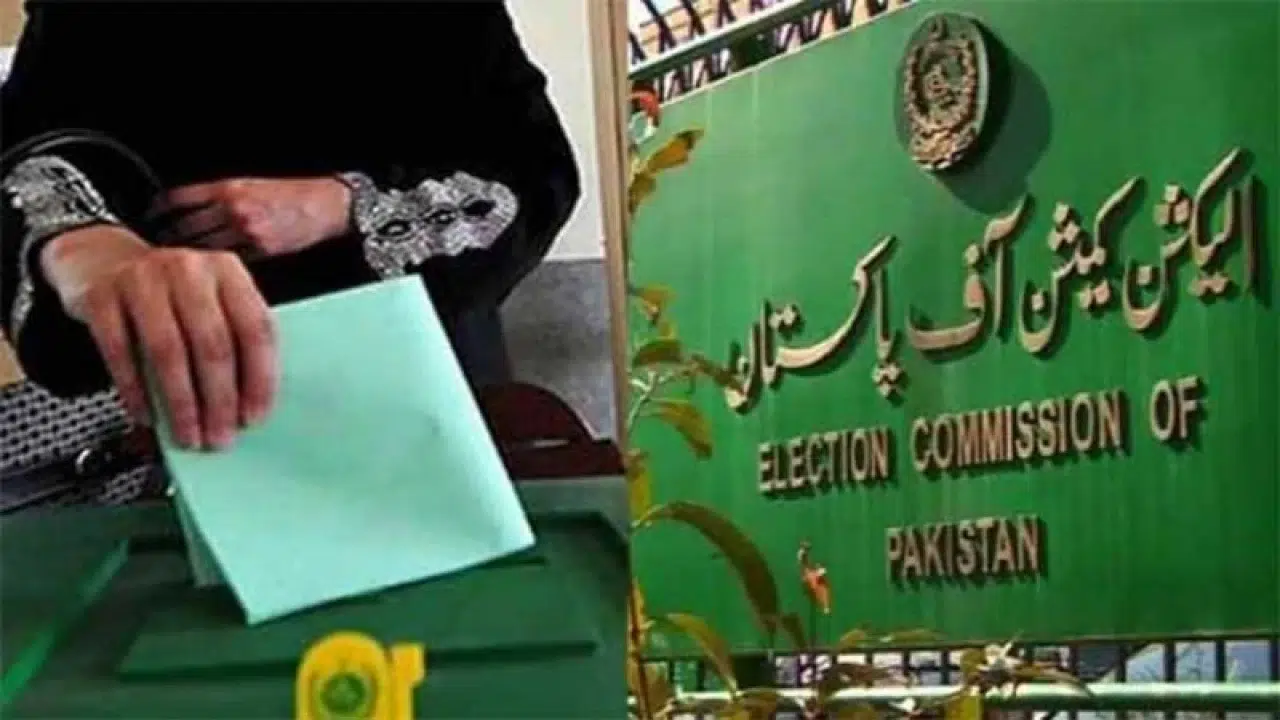
    The Election Commission of Pakistan (ECP) showed concern that the upcoming polls could be delayed in the case of changing candidates’ symbols, despite the fact that symbols have already been allocated to them.

    Pakistan’s general elections have already been postponed for several months, while some major figures are calling for additional delays for a variety of reasons. On the other hand, the Supreme Court has instructed officials to guarantee that elections are held on February 8.

    In a statement, ECP said that the election symbols have already been allotted to election candidates, but politicians are “having them changed through various forums”.

    “It should be noted that after the allotment of the election symbols, the election commission has ordered the printing of ballot papers to the three printing corporations and the printing work has started,” the statement said.

    According to Geo News, if the high court allows independent candidates to change their electoral symbols, the ECP will postpone general polls in those specific constituencies.

    The official version was along the lines as the ECP said: “If the process of changing the election symbols continues, then on the one hand, there is a fear of delay in the election because the ballot papers will have to be reprinted, for which the time is already limited, and on the other hand, the special paper ballot papers will be wasted.”

  • ‘Informed that PCB can’t go ahead with the anthem for reasons that I would not like to disclose’, says Ali Zafar

    ‘Informed that PCB can’t go ahead with the anthem for reasons that I would not like to disclose’, says Ali Zafar

    Every year, PSL songs take the limelight as fans get divided over the best Pakistan Super League song, comparing them to previous years, while artists take it as a challenge to put up their best.

    This year, The Current has exclusive insights to a new controversy, which involves a seasoned artist – Ali Zafar.

    A source who spoke to us claimed that Ali Zafar was, once again, trying to lobby for the PSL anthem.

    According to a source, PCB was in talks with Ali Zafar to sing this year’s anthem but some PSL franchises pushed back saying the artist would tarnish the PSL brand because of the controversies surrounding him.

    In response to our article previously published, Ali Zafar had this to say:

    “I was indeed officially contacted by PCB to create the PSL anthem for this year. After working on it for two months, hiring musicians and music producers at my personal expense, I came up with three different versions of the anthem for the PCB to choose from. After one of them was finalized and the release was being planned, I was informed that PCB can’t go ahead with the anthem for reasons that I would not like to disclose at this point.


    I wish the next team all the best with their endeavours.”

    What Happened?

    To show his social media strength and popularity to counter PCB’s reasoning, Ali Zafar went over to social media with a plan.

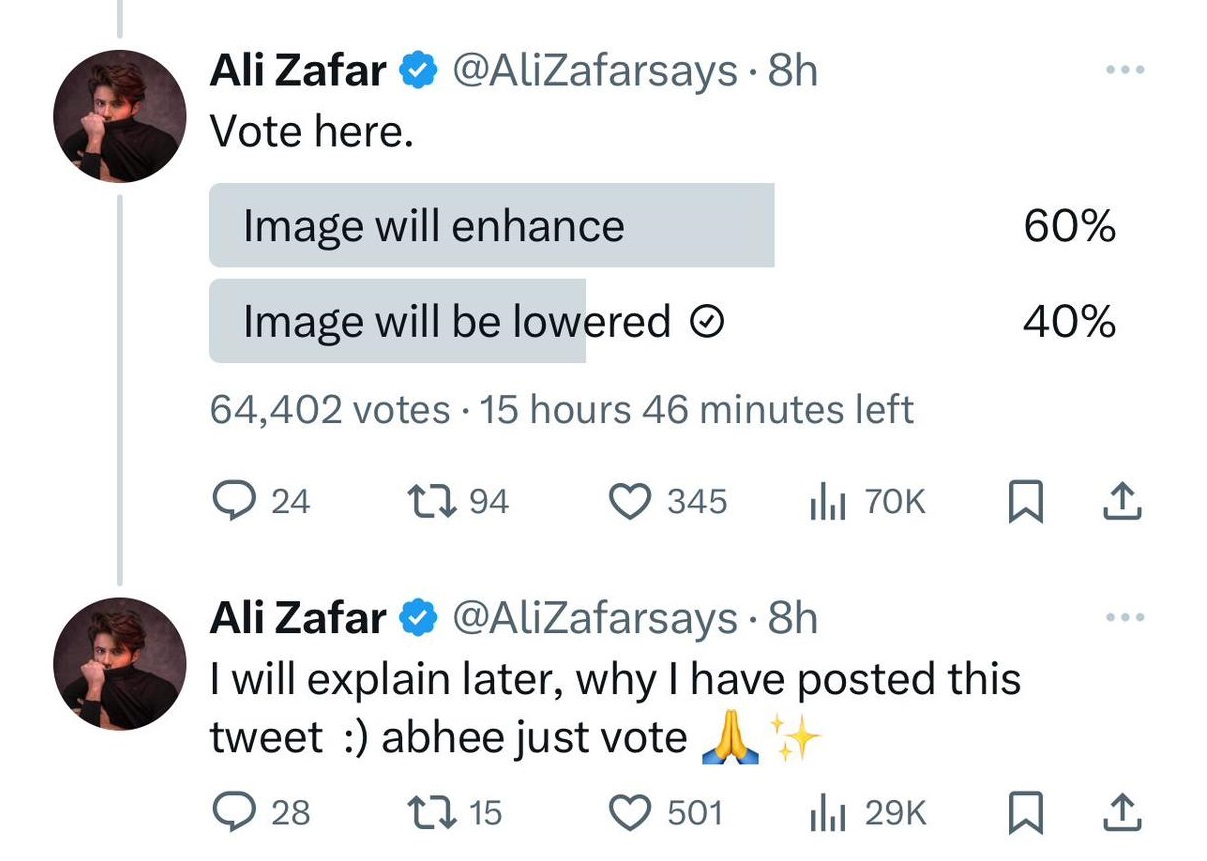
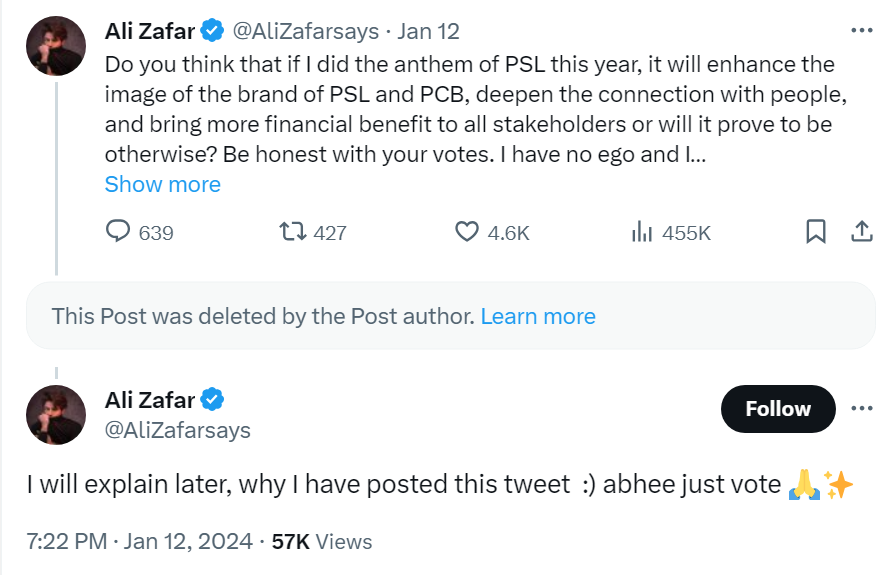
    On January 12, Zafar posted on X (formerly Twitter), asking if an anthem by him will “enhance the image of the brand of PSL and PCB, deepen the connection with people, and bring more financial benefit to all stakeholders or will it prove to be otherwise?”.

    This was followed by a poll, adding that “I will explain later, why I have posted this tweet”.

    But when the results started to apparently turn against him, Zafar deleted his poll. This was followed by a post claiming that the polls were rigged with the help of bots.

    “Told you to wait to see why I started the poll”, he said.

    X users started trolling Ali Zafar because in the screenshots of polls he shared, the time stamp is the same throughout, indicating, according to users, that the pictures were photoshopped.

    X (formerly Twitter) Reacts

    PSL Anthems

    In January 2016, while performing at the launch event of the team Islamabad United, Ali Zafar released the team anthem “Chakka Choka” and performed it in the opening ceremony of PSL 2016 the following month.

    Then in 2017, Zafar released the anthem for that year’s PSL “Ab Khel Jamay Ga”.

    Controversy

    In 2018, singer Meesha Shafi accused Ali Zafar of sexual harassment which Zafar denied, taking the matter to court and filing a defamation case against Shafi for slander.

    While the case is still ongoing, Ali Zafar has been under heavy criticism for his condescending tone towards Shafi in interviews, while award shows and the entertainment industry has been condemned for engaging him.

  • New Zealand defeats Pakistan by 45 runs in third T20

    New Zealand defeats Pakistan by 45 runs in third T20

    New Zealand defeated Pakistan by 45 runs in the third T20 match played on Wednesday at Oval University stadium.

    In the third match, Pakistan won the toss and decided to field first, the New Zealand team scored 224 runs for the loss of 7 wickets in the allotted 20 overs.

    Batter Finn Allen, who opened the innings on behalf of New Zealand, scored 137 runs off 62 balls with the help of 16 sixes and 5 fours, while Tim Seifert scored 31 runs and Glenn Phillips stood out with 19 runs.

    On behalf of Pakistan, Haris Rauf took two wickets for 60 runs in his four overs while captain Shaheen Afridi, Zaman Khan, Mohammad Nawaz, and Mohammad Wasim got one wicket each.

    Chasing the target of 225 runs, the national team could only score 179 runs for the loss of 7 wickets in 20 overs.

    Babar Azam scored 58 runs, besides Mohammad Rizwan 24, Saeem Ayub 10, Fakhar Zaman 19, Azam Khan 10, Iftikhar Ahmed 1, and Mohammad Nawaz scored 28 runs.

    Captain Shaheen Shah Afridi scored 16 and Wasim Jr scored one run.

    New Zealand has a two-zero lead in the ongoing five-match T20 series in New Zealand.

  • IMF analysis reveals AI’s potential to disrupt 40% of jobs globally

    IMF analysis reveals AI’s potential to disrupt 40% of jobs globally

    In a recent comprehensive analysis, the International Monetary Fund (IMF) sheds light on the extensive impact of artificial intelligence (AI), unveiling its potential to disrupt nearly 40 per cent of all jobs worldwide.

    Kristalina Georgieva, the Managing Director of the IMF, expresses deep concerns about the consequences of widespread AI adoption, emphasising the likelihood of exacerbating existing inequalities.

    Georgieva underlines the urgency for policymakers to address this alarming trend, cautioning that unchecked deployment of AI could further widen social disparities and intensify tensions.

    The analysis indicates that the influence of AI on employment is expected to be particularly pronounced in advanced economies, with an estimated impact on approximately 60 per cent of jobs.

    While in about half of these cases, employees are poised to benefit from AI integration by enhancing their productivity and work capabilities, in other instances, AI may assume critical roles traditionally performed by humans.

    This shift in labour dynamics could lead to reduced demand for human workers, potentially affecting wages and, in some cases, resulting in job displacement.

    Contrary to the more significant impact projected for advanced economies, the IMF’s projections suggest that low-income countries may experience a comparatively lower impact, with AI affecting only around 26 per cent of jobs in these regions.

    Ms. Georgieva points out that many of these nations lack the necessary infrastructure or skilled workforces to harness the benefits of AI, raising concerns that the technology could exacerbate inequality among nations over time.

    This analysis aligns with a 2023 report by Goldman Sachs, estimating that AI has the potential to replace the equivalent of 300 million full-time jobs.

    However, the report also highlights the possibility of new job opportunities emerging along with a substantial increase in productivity.

    As the rapid proliferation of AI continues to spark intense debate, the global community faces the critical challenge of balancing the benefits and risks associated with this transformative technology.

  • Price Monitoring Committee responds to alarming spike in food prices

    Price Monitoring Committee responds to alarming spike in food prices

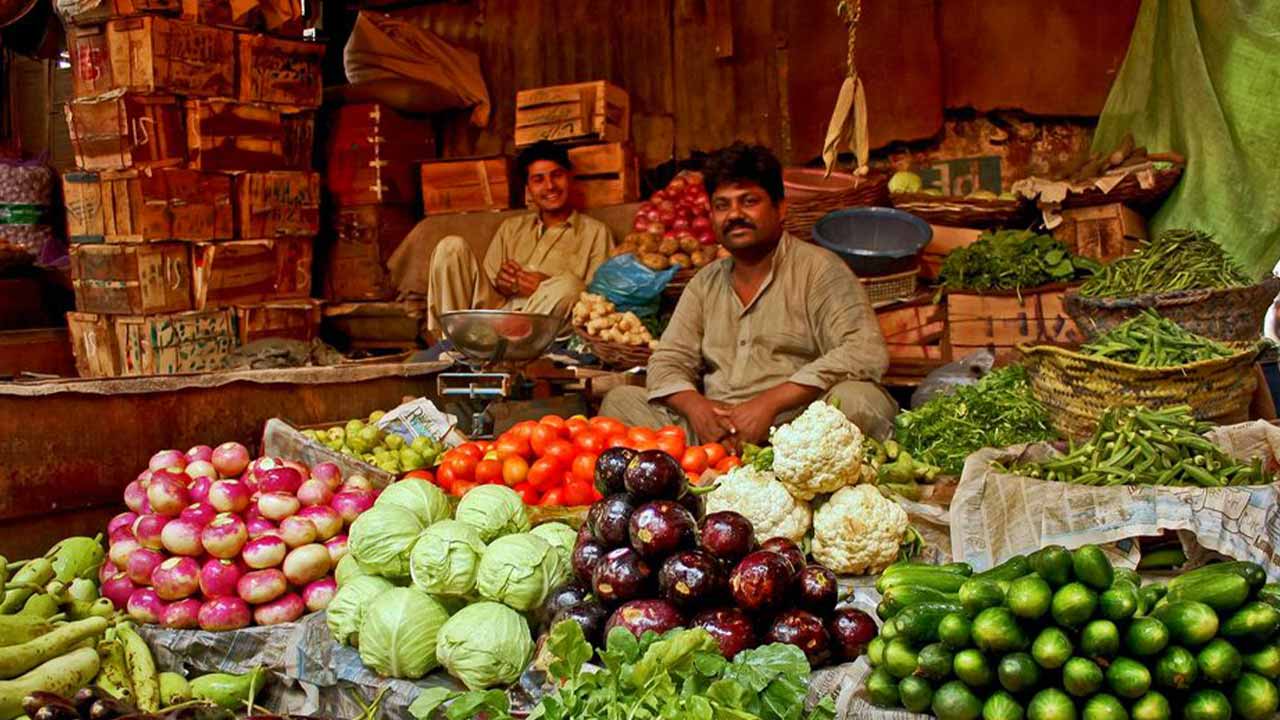
    In response to the surge in food prices, the Food and Industries Departments of Punjab, Sindh, and KP have jointly implemented robust monitoring measures, including heavy fines, surprise raids, and the sealing of establishments engaging in price gouging.

    The Caretaker Minister for Planning, Development, and Special Initiatives, Muhammad Sami Saeed, led a crucial meeting of the National Price Monitoring Committee (NPMC) on Tuesday.

    The committee convened to assess the prices of essential commodities amid the current economic challenges.

    As of the week ending on January 11, 2024, the Chief Statistician, PBS, presented a comprehensive overview of the country’s price situation.

    The report revealed a 1.4 per cent increase in the SPI over the previous week (WoW) and a significant 44.2 per cent surge over the corresponding week of the previous year.

    The spike in SPI was primarily attributed to the increased prices of perishable items such as tomatoes and onions, as well as poultry products like chicken and eggs.

    Out of the 21 monitored items, prices for 21 increased, 8 decreased, and 22 remained stable. Noteworthy declines were observed in the prices of potatoes, vegetable ghee, and sugar.

    During the meeting, the minister inquired about the measures taken by provincial governments and ICT to bridge the gap between wholesale and retail prices.

    Representatives from the provincial Food and Industries Departments of Punjab, Sindh, and KP assured strict monitoring through the imposition of heavy fines, surprise raids, and the sealing of shops involved in overcharging.

    Despite challenges in the supply of perishable items due to extreme weather conditions, the meeting underscored the importance of addressing climate change.

    The administration of Punjab is actively working on controlling prices by sensitising Deputy Commissioners across the province.

  • Pakistani rupee continues to gain ground against major currencies

    Pakistani rupee continues to gain ground against major currencies

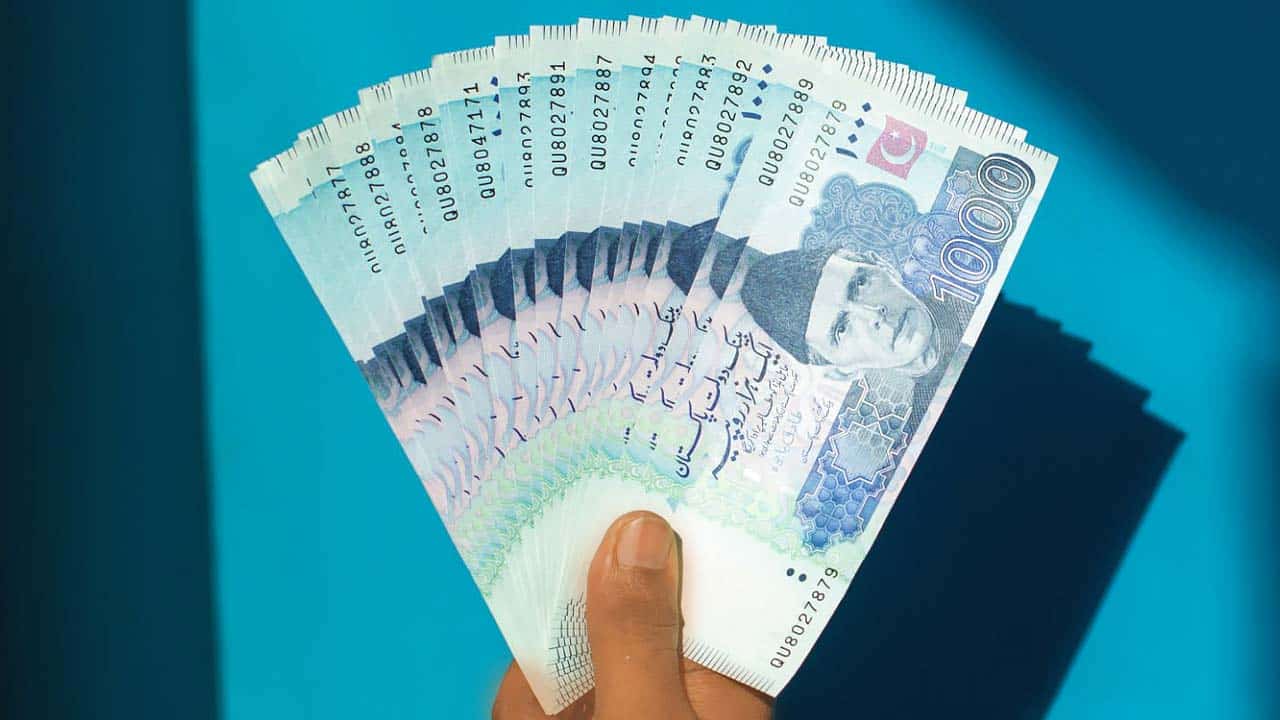
    In Tuesday’s interbank session, the Pakistani rupee (PKR) demonstrated resilience against the US dollar (USD), settling the trade at PKR 280.25 per USD.

    This maintained a stable position compared to the previous session’s closing rate of PKR 280.24 per USD.

    Throughout the day, the currency experienced an intraday high (bid) of Rs280.6 and a low (ask) of Rs280.1.

    In the open market, Exchange Companies quoted the US dollar at Rs279 for buying and Rs281 for selling.

    Notably, the PKR celebrated its 9th consecutive weekly victory, appreciating by 1.04 rupees against the US dollar last week.

    This positive trend can be attributed to various factors, including increased liquidity in the foreign exchange market, tighter enforcement of regulations, a reduction in the money supply, a balance of payments surplus due to low import demand, and a moratorium on Chinese debt repayments.

    In comparison to major currencies, the PKR exhibited strength by gaining 1.17 rupees against the Euro, closing at Rs305.92 in contrast to the previous value of Rs307.09.

    The British Pound became more affordable by Rs2.15, concluding at Rs355.06 compared to Rs357.21 from the previous day.

    The Swiss franc experienced losses of 2.48 rupees, closing at Rs326.23 as opposed to Rs328.71 in the previous session.

    Against the Japanese Yen, the PKR gained 0.96 paisa, closing at Rs1.9181 versus Rs1.9277 a day ago.

    Meanwhile, the Chinese Yuan saw a slight decline, losing 6 paisa and closing at Rs39.01 against Rs39.07 from the previous session.