State-of-the-art climate models drastically underestimate how much extreme rainfall increases under global warming, according to a study published Monday that signals a future of more frequent catastrophic floods unless humanity curbs greenhouse emissions.
It comes as countries prepare to meet at the COP28 summit in Dubai beginning later this week, amid fears it could soon be impossible to limit long-term warming to the 1.5 degrees Celsius scientists say is necessary to curb the worst effects of human-caused climate change.
Researchers from the Potsdam Institute of Climate Impact Research (PIK) looked at the intensity and frequency of daily precipitation extremes over land in 21 “next generation” climate models used by a UN body in its global assessments.
They then compared the changes projected by the models with those observed historically, finding that nearly all climate models significantly underestimated the rates at which increases in precipitation extremes scaled with global temperature rise.
“Our study confirms that the intensity and frequency of heavy rainfall extremes are increasing exponentially with every increment of global warming,” said Max Kotz, lead author of the paper published in the Journal of Climate.
The changes track with the Clausius-Clapeyron relation in physics, which established that warmer air holds more water vapor. This finding underpinned the fact that temperature and not wind dominate the global change in extreme rainfall events, according to the authors.
Stronger increases in rainfall intensity and frequency were found across the tropics and high-latitudes, like in Southeast Asia or Northern Canada, according to the study.
The average air quality index (AQI) of Lahore was recorded at 356 (hazardous) on Sunday while the maximum was 444 at 3 am.
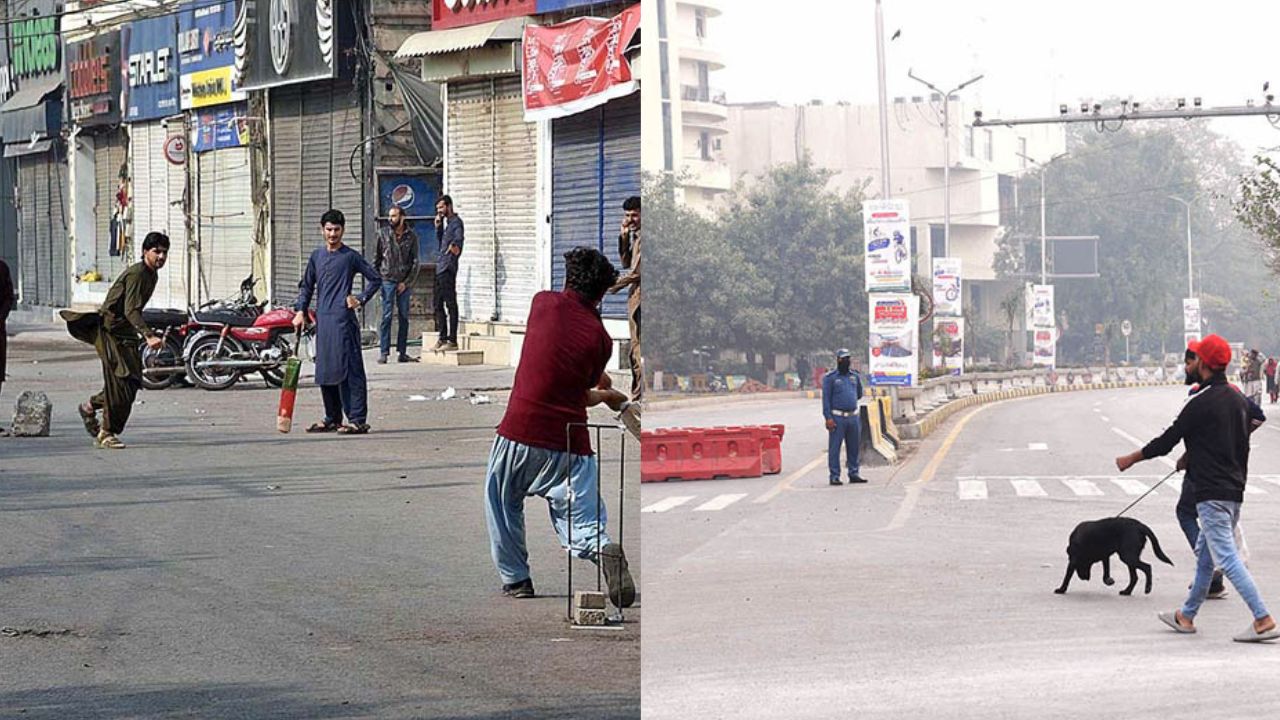
The government completely closed vehicular traffic on Mall Road for a day but the effort seemed futile as the AQI around the road was 458 in the morning while AQI in the DHA Phase 8 was 437, in Gulberg it was 412 and in Johar Town, it stood at 402, reports Dawn.
As of today, the air quality index of Lahore was recorded at 415 (extremely hazardous) around 10 a.m. and by the evening, when this report is being filed, it is standing at 305 (hazardous).
While Mall Road was totally barricaded, some markets and shops were found open despite restrictions till 4 pm on Sunday and people were thronging food points in Liberty Market, Ichhra and Anarkali Bazaar.
Netizens criticised the Punjab government for a lack of effective steps to counter smog.
A user posted about it being attributed to the endless construction in the city while others complained about it being lethal for citizens.
This is 10 minutes before sunset in Lahore. It’s not cloudy. This is smog. Growing up here I remember blue skies. Now we see it rarely, only after heavy rain. pic.twitter.com/8YpX39WErq
Smog proving to be deadly for children in Lahore. What causes smog? Surely, it can’t be crop burning; been happening for 100s of years. Biggest cause is uncontrolled, needless expansion of real estate housing projects, owned & operated by state affiliated institutions & tycoons.
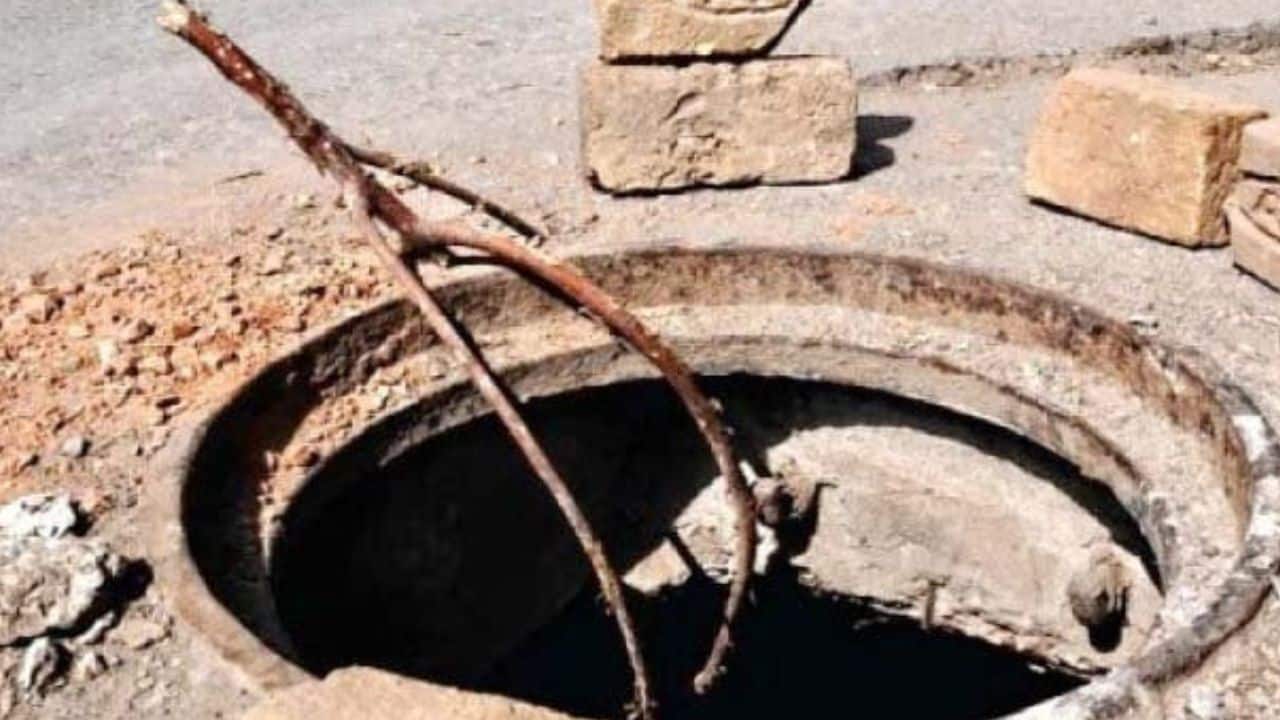
Muhammad Naveed, a blind man from Ali Husssainabad in Maraka, Multan Road fell in an open manhole. He reportedly went missing three days ago after saying he was going to the nearby stop. On his return, he fell in the open manhole, a 10 feet deep sewer, and remained there for three days.
Yesterday, passersby heard his cries and informed the shopkeepers on the street. They took immediate action, trying to pull Naveed out of the hole with the help of ropes. Meanwhile, the rescue team also arrived and helped speed up the process.
The sewage drain was right in front of the office of the National Highway and Motorway Police, reports Jang. Naveed was injured and was given first aid upon recovery.
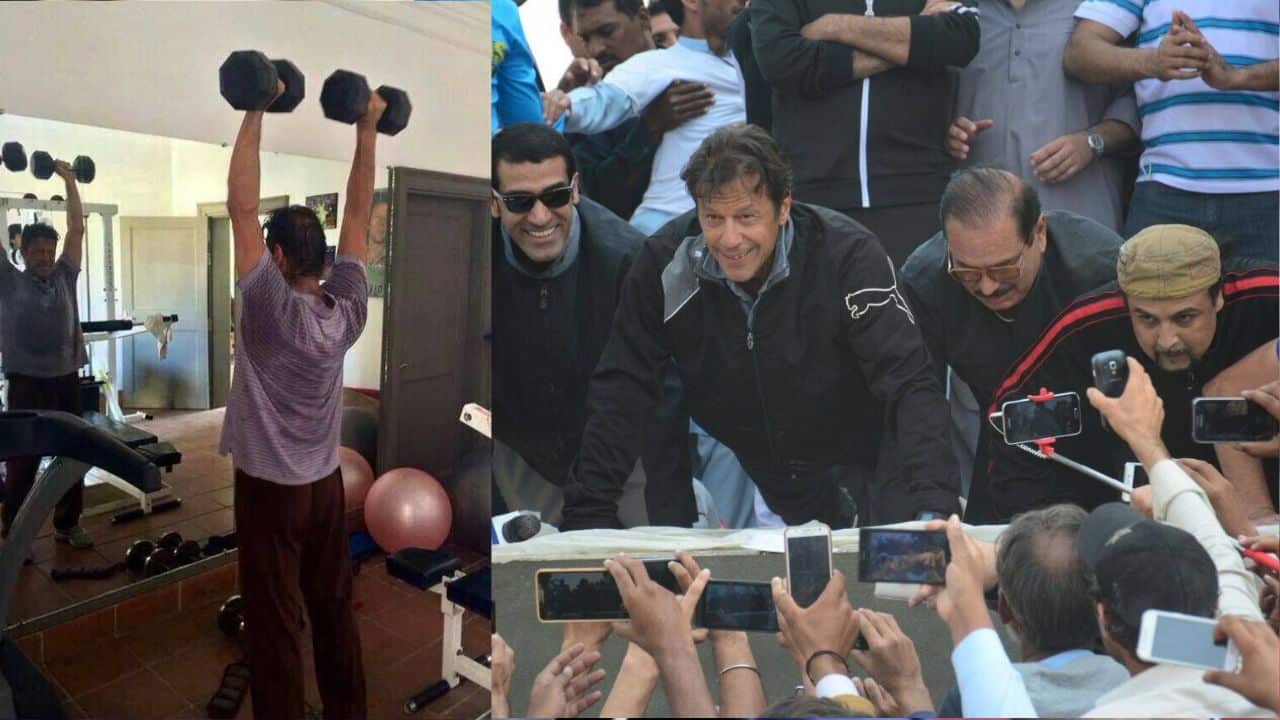
Pakistan Tehreek e Insaf (PTI) Chairman Imran Khan’s lawyer Abuzar Salman Niazi revealed that Imran Khan is worried about his biceps while in jail.
He took to X (formerly Twitter) and said, “A lot of people are asking me whether this is true or not. Let me narrate what actually happened. As I and @BarristrUKNiazi were waiting for khan sb to come and see us on Thursday. As soon as he came, when we asked him if he is facing any problem in Jail. He said I am not affected by anything, even i can sleep on floor. But I can’t comprise on my muscles.”
A lot of people are asking me whether this is true or not. Let me narrate what actually happened. As I and @BarristrUKNiazi were waiting for khan sb to come and see us on Thursday. As soon as he came, when we asked him if he is facing any problem in Jail. He said I am not… pic.twitter.com/zYlKRCQstd
He further stated that Khan said his biceps are getting a little out of shape due to the non-availability of dumbbells.
He explained that he had requested many times for the provision of the same but was denied for no apparent reason.
Due to security issues, Khan can’t go to Gym like other poisoners.
He further stated, “All I have asked for is pair of heavy dumbles from my own expense which has been denied. In nutshell, jail has made Khan sab more determined and strong. All machinations of Govt to Pester him are counter productive and making him stronger.”
The Cases
The former prime minister is currently being held in Adiala Jail after his arrest from his Zaman Park residence in Lahore on August 5.
He was moved to the prison on September 26 from Attock Jail where he was initially kept after his arrest.
Khan was first convicted by a lower court in the Toshakhana case in August and sentenced to three years of imprisonment. The IHC suspended his sentence the same month.
The Islamabad accountability court issued arrest warrants for PTI Chairman Imran Khan in the Toshakhana and 190 million Al-Qadir Trust cases.
Khan was arrested in the Al-Qadir Trust case on May 9 for the first time.
The 190 million (approximately Rs60 billion) settlement case pertains to the money of property tycoon, Malik Riaz, being laundered and caught by the UK authorities during Imran’s government in 2019.
The UK government had informed the Pakistani authorities regarding the money being caught.
The former premier is already in prison as he was subsequently booked in the ‘cipher’ case.
In the cipher case, Khan, along with his close aide and former foreign minister Shah Mahmood Qureshi, has been accused of leaking state secrets.
Pakistani female Mixed Martial Arts (MMA) fighter Anita Karim has won two gold medals at the Siam Cup in Bangkok, Thailand.
Anita Karim won medals in the 55 kg/lightweight category as well as in the ‘Absolute’ category. In the lightweight category, she won against Japan’s Mayo Suzuki, Thailand’s Chutima Sala, and Sefa Phatidi.
She won the first two bouts by submission and the last by one point. In the absolute category, Anita Karim defeated Thailand’s Chautima Sala Sasethun Yahi and Tanyapuran Mangkalkeri. The first and third fights were won by submission while the second was won on points. Anita Karim is Pakistan’s first female MMA fighter to compete internationally.
Her brother Uloomi Kareem himself is an MMA fighter who recently fought on November 25, 2023, against Mohammad Mahdi of Iran on the same day as his sister.
Anita Karim’s six wins also resulted in her promotion to purple belt. She fought these fights as a blue belt but was promoted to purple after winning. 27-year-old Anita Karim has come a long way for a country like Pakistan where women’s participation in sports is minimal.
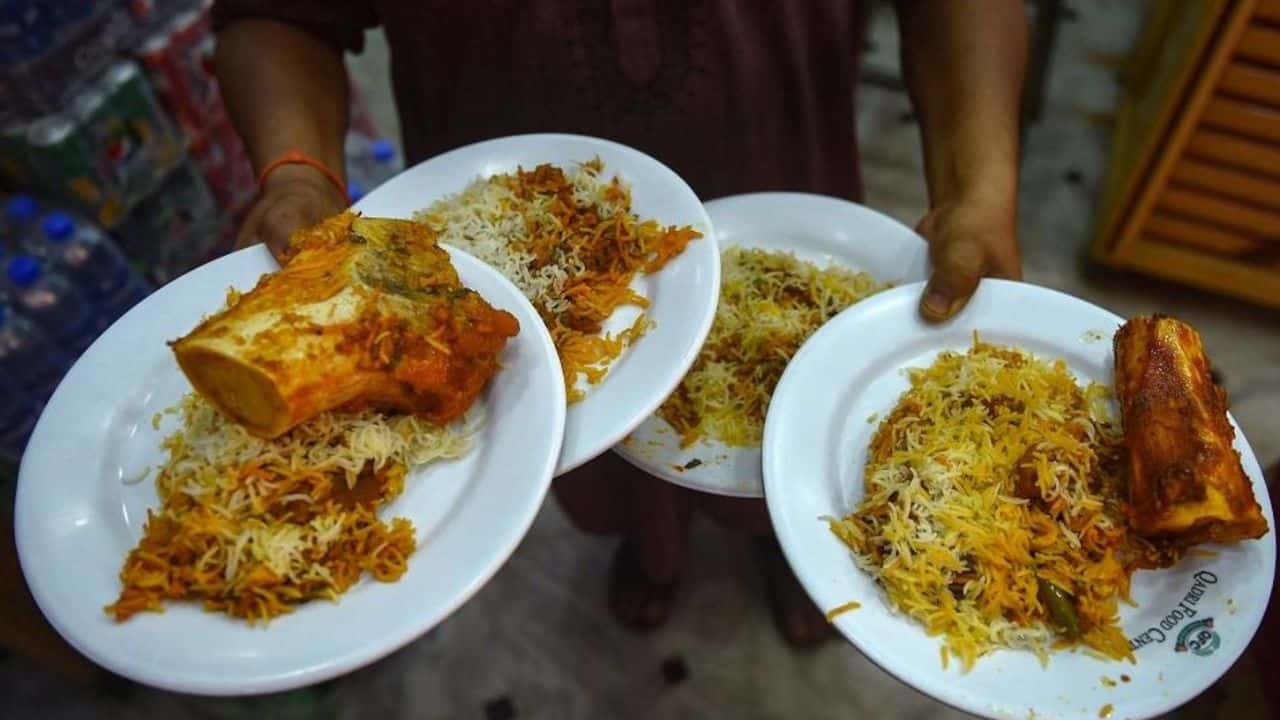
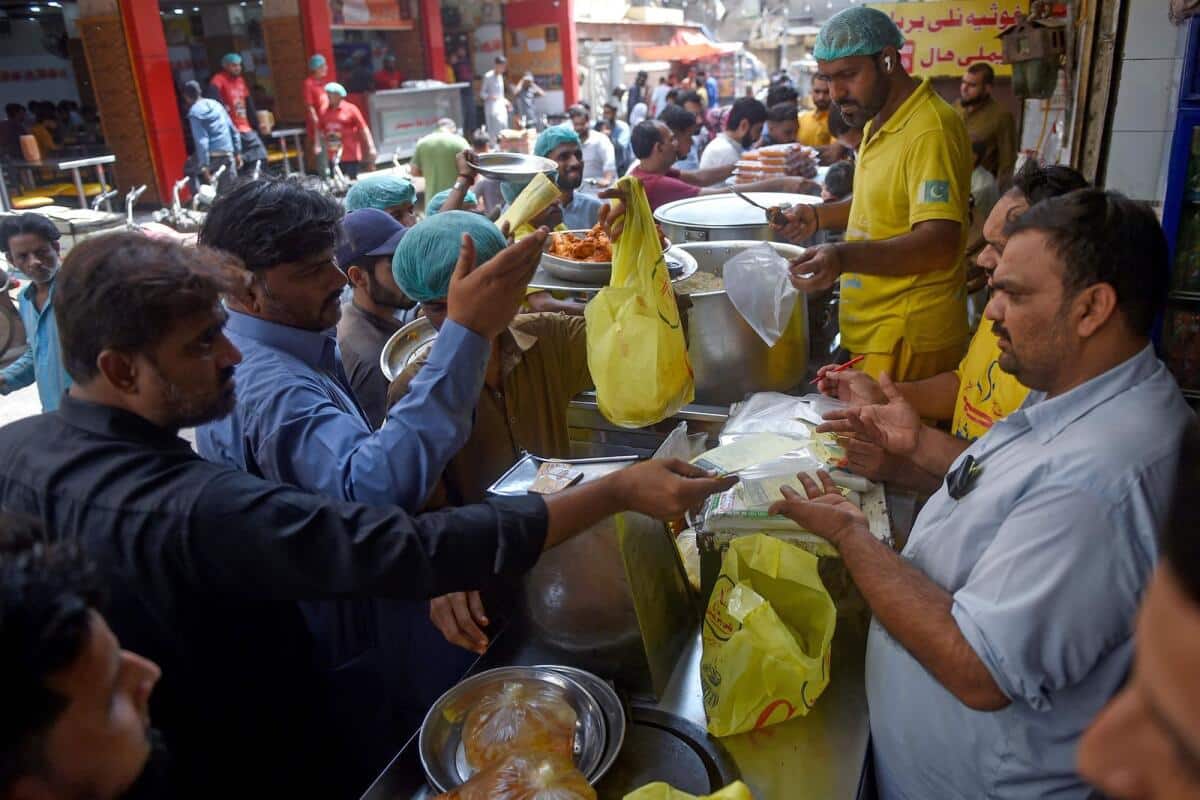
Eying each other across a stream of traffic, rival biryani joints vie for customers, serving a fiery medley of meat, rice and spice that unites and divides South Asian appetites.
Both sell a niche version of the dish, steeped in the same vats, with matching prices and trophies commending their quality.
But in Karachi, where a biryani craze boomed after the creation of Pakistan, it is the subtle differences that inspire devotion.
“Our biryani is not only different from theirs but unique in the world,” says restaurateur Muhammad Saqib, who layers his “bone marrow biryani” with herbs.
“When a person bites into it he drowns in a world of flavours,” the 36-year-old says.
Across the road, Muhammad Zain sees it differently.
“We were the ones who started the biryani business here first,” the 27-year-old claims, as staff scoop out sharing platters with a gut-punch of masala.
“It’s our own personal and secret recipe.”
Cooked in bulk, biryani is also a staple of charity donations. PHOTO: AFP
Both agree on one thing.
“You can’t find biryani like Pakistan’s anywhere in the world,” says Saqib.
“Whether it’s a celebration or any other occasion, biryani always comes first,” according to Zain.
British colonial rule in South Asia ended in 1947 with a violent rupture of the region along religious lines.
Hindus and Sikhs in newly created Pakistan fled to India while Muslim “Muhajirs” — refugees — went the other way.
Pakistan and India have been arch-rivals since, fighting wars and locked in endless diplomatic strife. Trade and travel have been largely choked off.
Many Muhajirs settled in Karachi, home to just 400,000 people in 1947 but one of the world’s largest cities today with a population of 20 million.
Every Karachi neighbourhood has its own canteens fronted by vendors clanking a spatula against the inside of biryani pots. PHOTO: AFP
For Indian food historian Pushpesh Pant, biryani served in South Asia’s melting-pot cities such as Karachi is a reminder of shared heritage.
“Hindus ate differently, Nanakpanthis (Sikhs) ate differently, and Muslims ate differently, but it was not as if their food did not influence each other,” he told AFP from the city of Gurugram outside Delhi.
“In certain parts of Pakistan and certain parts of India, the differences in flavours and foods are not as great as man-made borders would make us think.”
Every Karachi neighbourhood has its own canteens fronted by vendors clanking a spatula against the inside of biryani pots.
The recipe has endless variations.
The one with beef is a favourite in majority Muslim Pakistan, while vegetarian variants are more popular in largely Hindu India.
Chicken is universal. Along coastlines, seafood is in the mix.
And purists debate if adding potatoes is heresy.
“Other than that, there is Pulao Biryani which is purely from Delhi,” says 27-year-old pharmacist Muhammad Al Aaqib, describing a broth-stewed variation.
“My roots lead back to Delhi too so it’s like the mother of biryanis for us.”
“Perhaps every person has a different way of cooking it, and their way is better,” says 36-year-old landlord Mehran Khoso.
The origins of biryani are hotly contested.
However, it is generally accepted the word has Persian roots and it is argued the dish was popularised in the elite kitchens of the Mughal Empire, which spanned South Asia between the 16th and 19th centuries.
In spite of that pedigree, its defining quality is permutation.
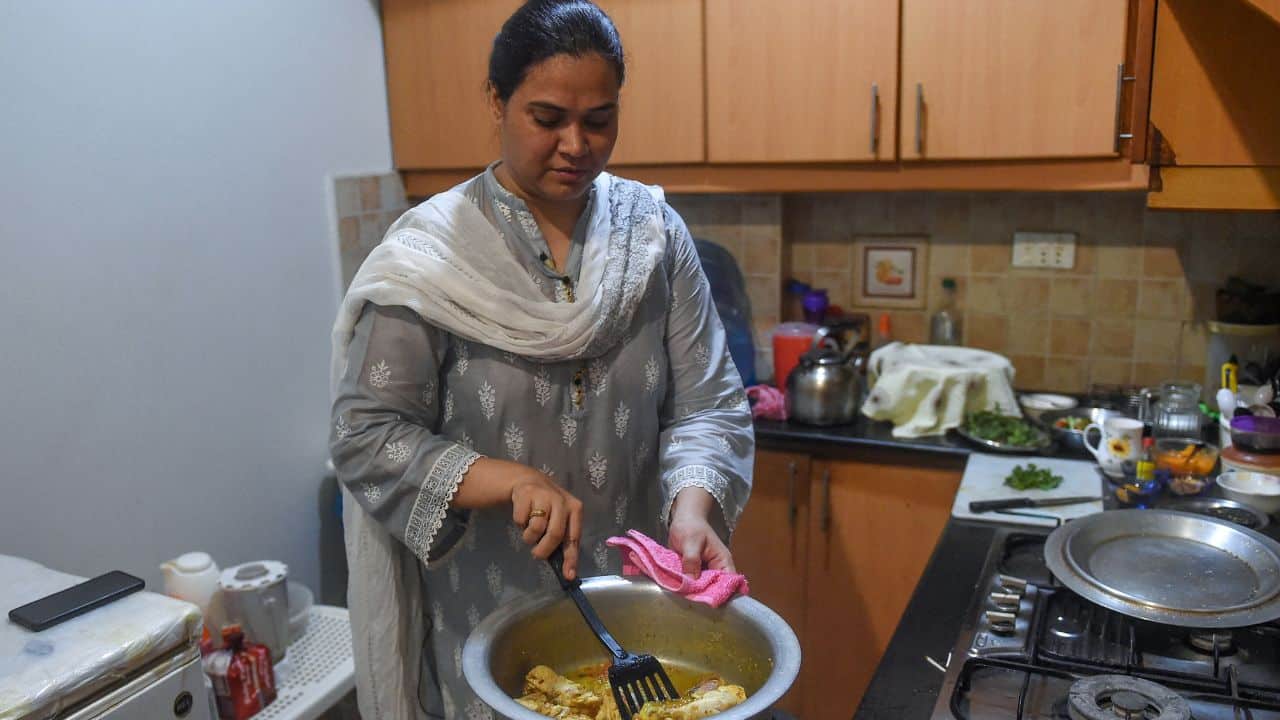
Quratulain Asad, 40, spends Sunday morning cooking for her husband and son, Muhajir descendants of a family that arrived in Karachi from the Indian town of Tonk in 1948.
The origins of biryani are hotly contested. PHOTO: AFP
But at the dinner table, they feast not on an heirloom recipe but a TV chef’s version with a cooling yoghurt sauce and a simple shredded salad.
Asad insists on Karachi’s biryani supremacy.
“You will not like biryani from anywhere else once you’ve tasted Karachi’s biryani,” she says.
“There is no secret ingredient. I just cook with a lot of passion and joy,” she adds. “Perhaps that’s why the taste comes out good.”
Cooked in bulk, biryani is also a staple of charity donations.
At Ghazi Foods, 28-year-old Ali Nawaz paddles out dozens of portions of biryani into plastic pouches, which are delivered to poor neighbourhoods on motorbikes.
A minute after one of those bikes stops, the biryani is gone, seized by kids and young adults.
“People pray for us when they eat it,” says Nawaz. “It feels good that our biryani reaches the people.”
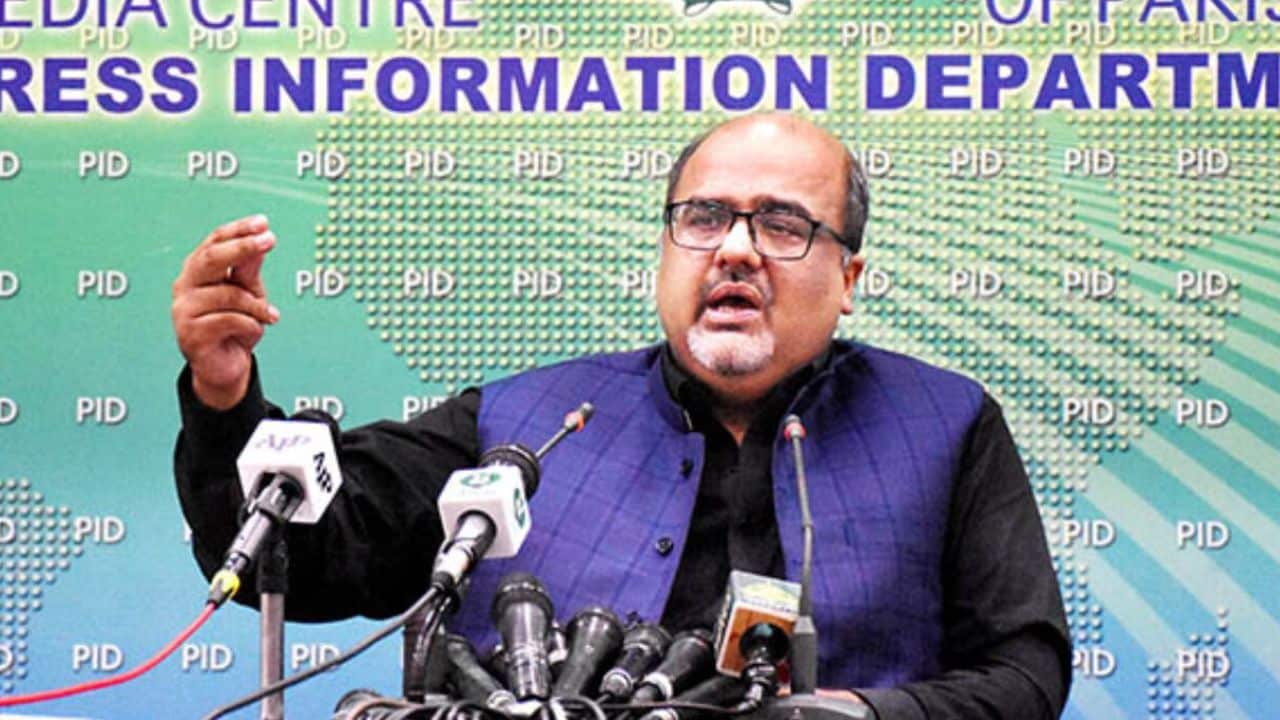
Former prime minister Imran Khan’s Assets Recovery Unit (ARU) head Shahzad Akbar has revealed in a tweet on X (formerly Twitter) that an unidentified man threw acid on his face at the front door of his home in the United Kingdom.
The incident took place in an area near London outside the former Pakistan Tehreek-e-Insaf (PTI) leader’s residence.
He wrote, “Last evening I was attacked at my address in England (where I am living in exile with my family) by unknown assailant/s who threw acidic liquid at me. Thankfully my wife and children are safe, however I got some injuries but nothing life-threatening. Police and emergency services arrived instantly and house being protected now. I will not be intimidated nor bow down to those who are doing this.”
Last evening I was attacked at my address in England (where I am living in exile with my family) by unknown assailant/s who threw acidic liquid at me. Thankfully my wife and children are safe, however I got some injuries but nothing life-threatening. Police and emergency…
Speaking to Geo News, Akbar said a delivery person came to his house and threw acid on him as soon as he opened the door. However, he said, most of the acid landed on the door and only a small amount landed on him.
Former Assets Recovery Unit (ARU) chief Shahzad Akbar @ShazadAkbar attacked with acid at his home outside of London by a masked delivery man. Police investigating. Full details: pic.twitter.com/rkMaKTFjSn
“My wife and children remained unharmed, only I got some injuries,” said the former PTI leader.
Akbar told Geo News that he is currently living in a small village outside of London where he shifted about 1.5 months ago. He said that his new address had been leaked.
The politician, who has been in self-exile in the UK, said that he was at home with his kids on Sunday when a delivery man wearing a helmet rang the doorbell.
He said that as soon as he opened the door, the man threw acid on him from a bottle, adding that one side of his face and body were injured.
He said that the suspect was dressed as a delivery boy and was traveling on a bike.
3,200 arrested by Israel in West Bank since October 7
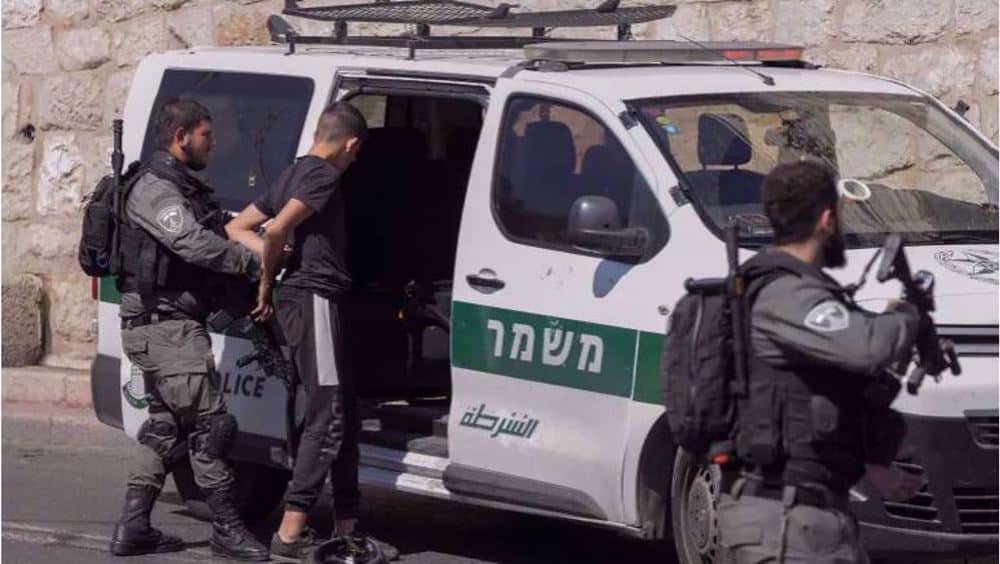
Palestinian Commission for Detainees and Ex-Prisoners’ Affairs has released a report revealing that 3,200 Palestinians have been arrested by Israel since October 7 in the occupied West Bank and occupied East Jerusalem.
Among the arrested are 41 journalists, 29 of whom are in detention.
This means that the total number of arrested Palestinians has crossed 7,000 since October 7.
The total includes more than 200 children, about 78 female prisoners plus “hundreds” of sick and wounded people, some of whom need “urgent medical intervention”, the report added.
The recent arrests are also said to have been accompanied by “widespread raids and abuse, in addition to vandalising and destroying of citizens’ homes, and severe beatings of the families of detainees” as well as the shooting of unarmed Palestinians, resulting in deaths.”
How many prisoners and captives have been released?
A four-day long truce between Israel and Hamas started on Friday and so far, three captives exchanges have taken place.
Al Jazeera reports that 175 people have been released which includes:
39 Israeli citizens released by Hamas, in three groups of 13
117 Palestinian prisoners released by Israel, in three groups of 39
17 Thais released by Hamas
One Filipino released by Hamas
One Israeli-Russian released by Hamas
Hamas said that in total, 50 women and children are to be freed in return for 150 Palestinian women and children in Israeli jails under the truce deal.
Netanyahu has stated that the extension of truce can be considered if more captives are released at a rate of 10 per day.
Two-kilometre long lines for cooking gas in Gaza: UN
The UN humanitarian agency in Palestine (UNOCHA) has said that people in Gaza are lining up through the night in a line that stretches for two kilometres (1.2 miles) to refill cooking gas canisters.
These ques were outside a filling station in Khan Younis in southern Gaza after Israel allowed aid supplies – including cooking gas – into Gaza Strip for the first time since October 7.
The UN, however, claims that the “amounts fall well below the needs” and that people are reportedly “burning doors and window frames to cook”.
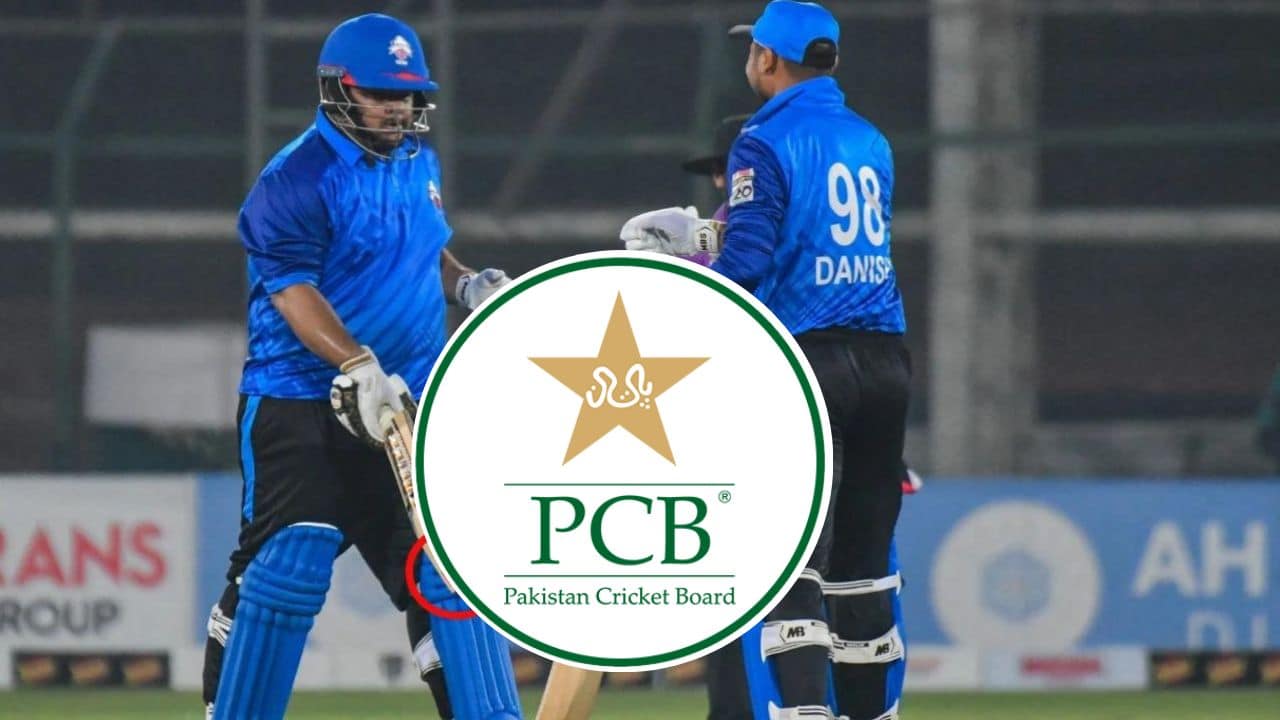
Pakistan cricket team fans have expressed anger on Pakistan Cricket Board (PCB) over fining Azam Khan for displaying the Palestine flag on his bat during a match of National T20 tournament in Karachi on Sunday.
Azam Khan was fined 50 per cent of his match fee for beaching the clothing and equipment regulation (Displaying unapproved logo/political message).
According to GEO, Azam was summoned by match referee Muhammad Javaid, but Azam replied that all of his bats have same stickers.
Before this, Pakistani wicketkeeper-batsman Muhammad Rizwan was criticized by the Indian media and fans for dedicating his performance during Pakistan’s victory against Sri Lanka to Gaza during the ODI World Cup 2023. International Cricket Council (ICC) said at the time, “It is outside of the field of play and not in our domain”
PCB said in a statement that, “This is their (players) personal decision, the board is responsible for the on-field activities not out-field.”
We all are hating PCB for action against Azam, but I think they opted for this being a signatory to ICC regulations (which apply on all official cricket) because the game was on TV. Azam displayed the same flag in previous games (non broadcas), nobody said anything earlier. https://t.co/UJm8UEWWoV
Journalist Faizan Lakahni wrote on social media platform ‘X’, “We all are hating PCB for its action against Azam Khan, but I think they opted for this being a signatory to ICC regulations (which apply on all official cricket) because the game was live broadcast on TV. Azam displayed the same flag in previous games (non-broadcast), nobody said anything earlier.”
However social media users continue slamming the Board for taking action against Azam Khan. Here are some reactions:
Shame on Pakistan Cricket Board What a disgrace you are showing to the muslims of GAZA, who are losing their lives for Islam, masjid e Al Aqsa on behalf of all of us
When your own board is imposing fines for showing support for Palestine and you expect the enemy to show respect. Hypocrites everywhere #ShameOnPCBpic.twitter.com/NLvyY2xdxu
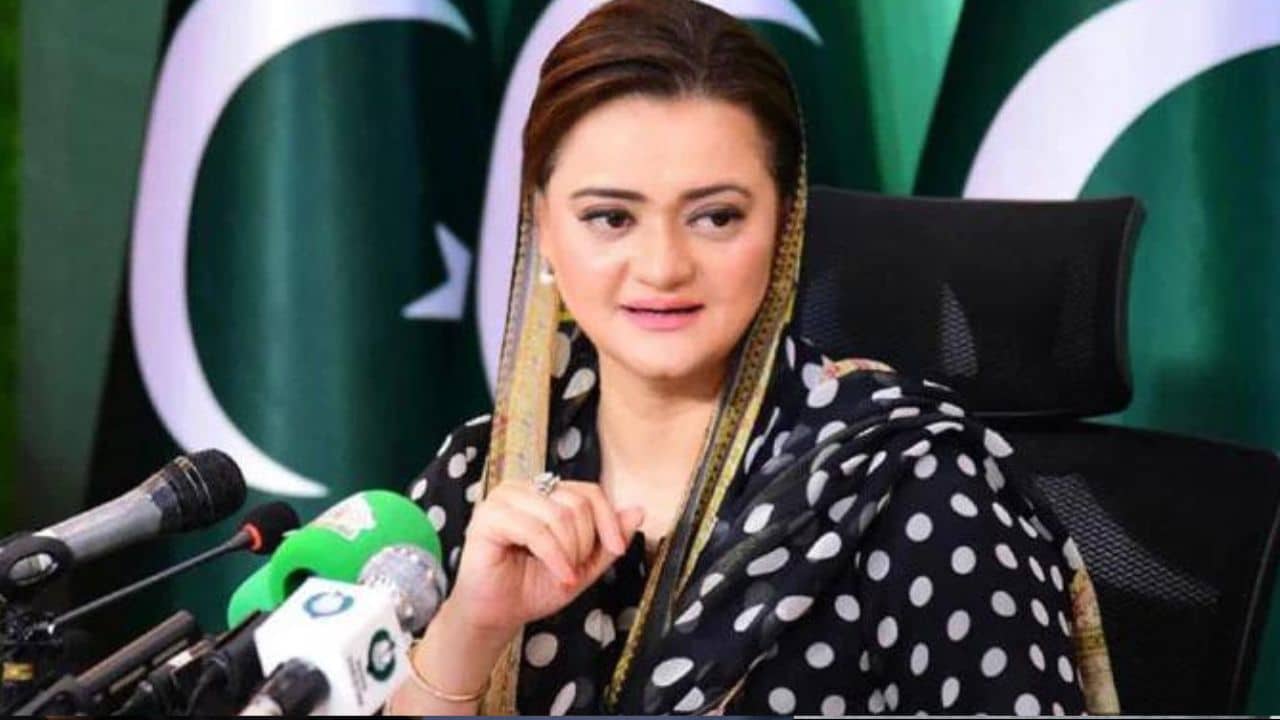
An Anti-Terrorism Court (ATC) on Monday issued arrest orders for Pakistan Muslim League-Nawaz (PML-N) leader Marriyum Aurangzeb in a hate speech case, directing authorities to produce the former federal minister in court on December 9.
ATC Judge Abher Gul Khan issued the arrest warrant for the PML-N leader and ordered the concerned station house officer (SHO) to execute the orders of her arrest.
The non-bailable arrest warrant was issued against the former information minister for not appearing before the court.
A terrorism case had been registered against Aurangzeb, PML-N stalwart Mian Javed Latif, state-run Pakistan Television’s Managing Director Sohail Khan and others for allegedly trying to incite hatred by using the religion card against Pakistan Tehreek-e-Insaf (PTI) Chairman Imran Khan.
In the previous hearing, the ATC judge canceled the non-bailable arrest warrant against Latif after he appeared before the court. On November 25, Advocate Farhad Ali Shah representing Javed Latif and Marriyum Aurangzeb appeared before the court.
During the hearing, Judge Khan inquired about the whereabouts of the PML-N leaders and was informed that Latif had appeared while Aurangzeb had not.
Consequently, the judge issued a non-bailable arrest warrant for the former information minister and directed all suspects named in the case to appear before the court on December 9.
The case, registered on September 19, 2022, implicated both Aurangzeb and senior PML-N leader Javed Latif for allegedly “using religion to instill and spread hatred” against Imran Khan, the chief of the Pakistan Tehreek-e-Insaf (PTI) party and former prime minister.
According to the FIR, the complainant had said Latif accused the PTI chief of “attacking the basic principles of Islam” by “supporting” the Ahmadiyya community during his tenure.
“When Imran made the Naya Pakistan, units of Qadianis became active in Karachi […] Did Imran not give interviews to the foreign media in which he said that Qadianis will be given religious freedom,” Latif had said.
The FIR had said Latif made the controversial remarks at the behest of the party leadership as well as Aurangzeb in order to spread religious hatred against Imran.
The complainant had said he watched another presser by Latif a day later wherein he insisted that he stood by his earlier statement. The complainant said, “The world knows Imran Khan for his welfare work. He is a true Muslim, a Prophet (PBUH) lover and a patriotic Pakistani.
“He (Imran) made Quranic teachings in schools compulsory and also constituted Rehmatullil Alameen Authority. He also made it clear before the world through his speech at the United Nations that we will not tolerate blasphemy at any cost and raised his voice against Islamophobia which is matchless.
“In his news conference, Latif declared Imran a non-Muslim and deliberately used words to incite his followers to create a law and order situation.”
The FIR added that the PTI chief’s followers and supporters were enraged by the derogatory remarks of the PML-N leader. “Latif made the controversial remarks at the behest of his party leadership as well as Marriyum in order to spread religious hatred against Imran.”
Complainant Rehman said that he had watched another news conference a day later in which Latif said that he stood by his earlier statement.
He demanded action be taken against the PML-N leaders and others nominated in the complaint under the law.