Blog

  • All you need to know about Afghans being sent from Pakistan

    All you need to know about Afghans being sent from Pakistan

    The last day to the deadline 

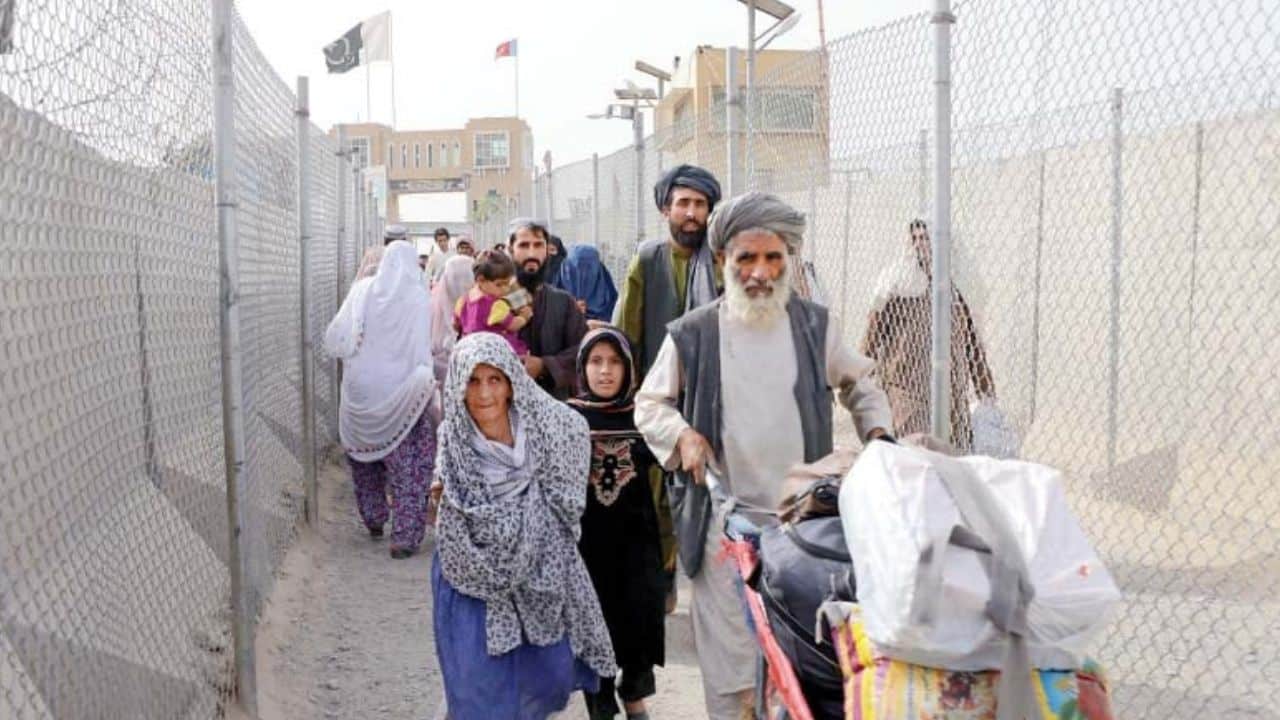
    The government of Pakistan launched a crackdown against illegal foreigners on October 3 while a deadline of November 1 was announced for the immigrants to voluntarily leave the country or face deportation. The program has been given the name of IFRP-The Illegal Foreigners Repatriation Plan. 

    The interim federal Minister for Interior, Sarfraz Bugti, categorically announced that that there will be, “No compromise” after the deadline.

    Stats reveal that 90,000 Afghans have left the country and a number of families are driving back home via Torkham and Chaman borders to avoid the hassle of the deadline. 

    Breakdown of the Afghan Population in Pakistan

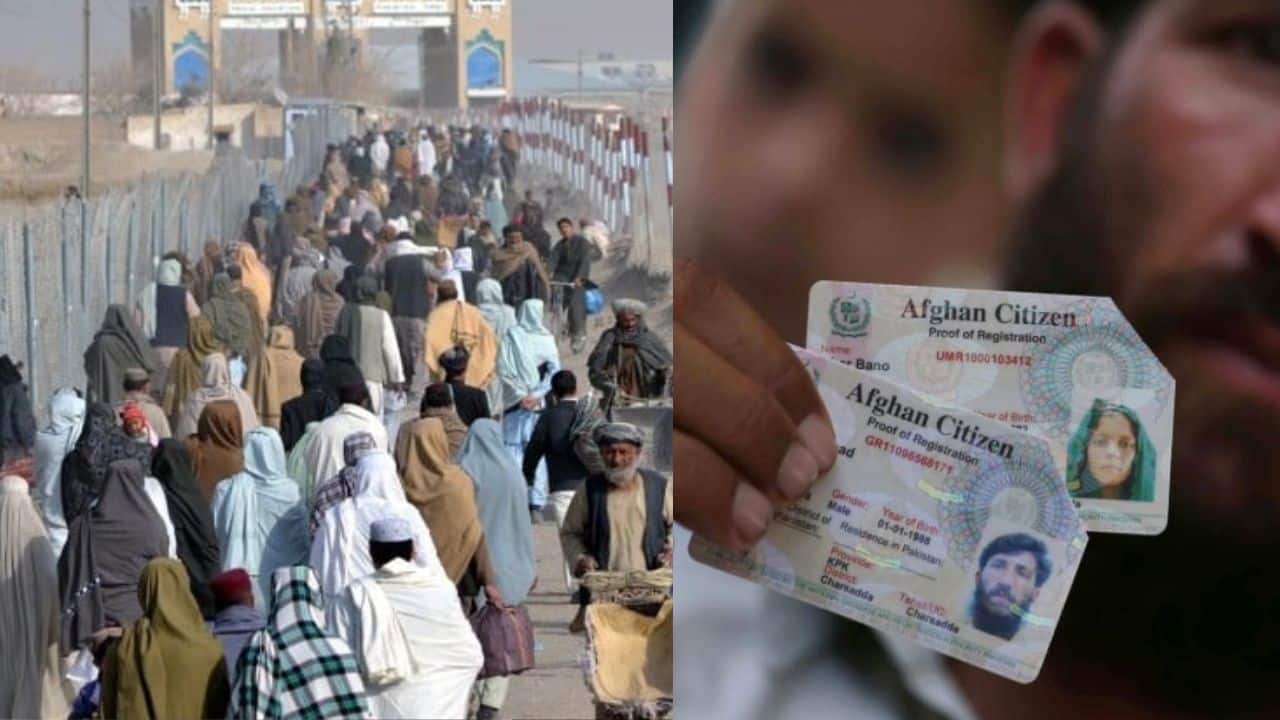
    The government has recognized that a total of three million Afghans are residing all over the country out of which 1.7 million are unregistered and undocumented. The rest are the ones who have Proof of Registration with UNHCR or hold Afghan Citizen Card. As per UNHCR, the population of Afghan refugees has grown to 3.7 million while only 1.3 million are officially registered. There was a particular rise in the influx of the population after the exodus of American and NATO forces from Afghanistan. Breaking down the figures, it’s observed that as of June 2023, Khyber-Pakhtunkhwa hosts 52.6 percent (735,800) of Pakistan’s undocumented Afghan population, Balochistan accounts for 24.1 percent (321,677), Punjab has 14.3 percent (191,053), Sindh houses 5.5 percent (73,789), Islamabad accommodates 3.1 percent (41,520), and Azad Jammu and Kashmir hosts 0.3 percent (4,352). 

    Government’s Repatriation plan

    After November 1, raids will be conducted to bring all to “holding centres” and carry out the deportation plan. The government’s deportation plan as laid out by the caretaker Interior Minister is divided into three phases. The plan was laid out in detail in an interview with journalist Shehzad Iqbal on Geo TV. He clearly mentioned that this plan is for “all the Afghans” present in Pakistan and goes on to explain the varying types of them.

    In phase one, refugees without any evidence of authorisation or travel documents will be brought to the deportation centres and will be sent to the borders to go back to Afghanistan. 

    The second phase includes the immigrants who have infiltrated the system of citizenship via illegal means. In the words of the interim minister, they have “breached” the system of NADRA.

    The last phase includes the repatriation of the ones who hold documents or are registered with UNHCR. The Government will track them down eventually as “geo-mapping” is completed, claimed the Minister. Meanwhile, they can fully avail the opportunity of open borders to leave peacefully. The holding centers will serve as a temporary home for those to be deported by the Government in a matter of days. Centers are reportedly established in all the provinces and state machinery has been activated to get the task done in time. 

    Government’s Crackdown

    Even though the Government is pledging to take action after November 1, there are multiple reports of raids being made in different cities before the deadline. For instance, one raid in Islamabad Marriot made it to the headlines as the Government arrested UK, asylum seekers. They have been waiting for two years in Pakistan withheld by the UK government in hopes of immigrating to UK, since the Taliban’s takeover. British High Commission has sped up the process after the raid. 

    Stance of the Pakistan’s government

    The motives of the Pakistani government are clear. “In the 24 blasts that took place in the year 2023, 14 were carried out by Afgan nationals,” claimed the Interior Minister. He also claims Afghan nationals are involved in the rising crime ratio of the country. The government strongly denies allegations that the move is reactionary.

    Status of Afghans in Pakistan’s society and economy

    Afghan nationals residing in the country have a significant contribution to the economy. Most of them started out with small jobs involving physical labour but are now well-established. One such account is narrated by the spokesman of Anjuman-e-Tajiran Balochistan Haji Allah Dad Tareen who sees Pakistan as his home country as younger generations have been born and raised here and they made a living from scratch. “We did not have much economic stability in Quetta before the Afghan Civil War when the people came here, they had lands, agriculture, livestock back at home which were all sold and they invested their money in Pakistan to make a living. This is how the past forty years passed and their young generation belongs to Pakistan, completely. They were born here, they’ve grown up and got educated and completely assimilated in the society just like other locals have,” he said. It is one of many examples. According to Humayun Khan, an economic expert, the PTI Government under Imran Khan offered citizenship to these Afghan Nationals because they realized that if these Afghans went back, this would cause a “revenue drain” on Pakistan’s economy. 

    Reception of the Repatriation Program

    The decision has invited mixed reactions from civil society, activists, journalists, politicians, and netizens from different walks of life. 

    Afghan government’s spokesman Zabiullah Mujahid called the decision “unacceptable”.

    He also denounced the involvement of Afghans in the terrorist attacks in Pakistan. This indicates an impending rift between the two states.

    In an interview for the Human Rights Commission of Pakistan, Hina Jillani, with  journalist Rabia Mehmood, called the decision “Irrational, unreasonable, unauthorized and unlawful.” 

    Women’s Democratic Front exposed that the government is deporting the ones holding registration cards and is not allowing them to take their cattle and cash along with them. 

    Moniza Kakar, a human rights lawyer vocal about the pleas of Afghan refugees,  along with Aurat March Karachi, organized a peaceful protest to call out the government on the forceful deportation of the Afghan Refugees. 

    Shafiq Ahmed, an advocate on Twitter, highlighted the issue of forceful expulsion of a huge population to a land they have fled from.

    Social scientist and thinker Nida Kirmani called out the proponents of the decision to stop putting a rosy spin on what is essentially inhuman.

    In Geo TV’s show Report Card, journalist Mazhar Abbas questioned the capacity of NADRA to have complete information about all the illegal aliens countering the claims of Caretaker Interior Minister Bugti to have done complete geo-mapping.

    Renowned Journalist Azaz Syed is critical of the decision and called it “emotional” in its spirit because many such attempts have been done before by UNHCR but it has turned out that they take the money and come back making use of the porous border.

    Irshad Bhatti, congratulated the Government and military leadership on this historic decision.

    The government, however, has kept the decision intact and maintained that they are ready for the fallout if any because such hard decisions come with all the positives and negatives. 

    Hyderabad chapter of Aurat March refused to protest against the repatriation plan while the march was criticised by civil rights activist including Anis Haroon, retired Justice Majida Razvi and many others stating, “How long Sindh would bear the burden of illegal immigrants when it owns 37 percent of the rural population [that] lives below the poverty line?”

    Bugti wants the move to be perceived as Pakistan’s change of image from a soft state to a “hardened” one. He asserted that Pakistani government is determined to send these foreigners to their homelands in a step-wise manner.
  • Wounded Gazans to cross Rafah border for treatment: What we know about day 26

    Wounded Gazans to cross Rafah border for treatment: What we know about day 26

    Jabalia refugee camp attack

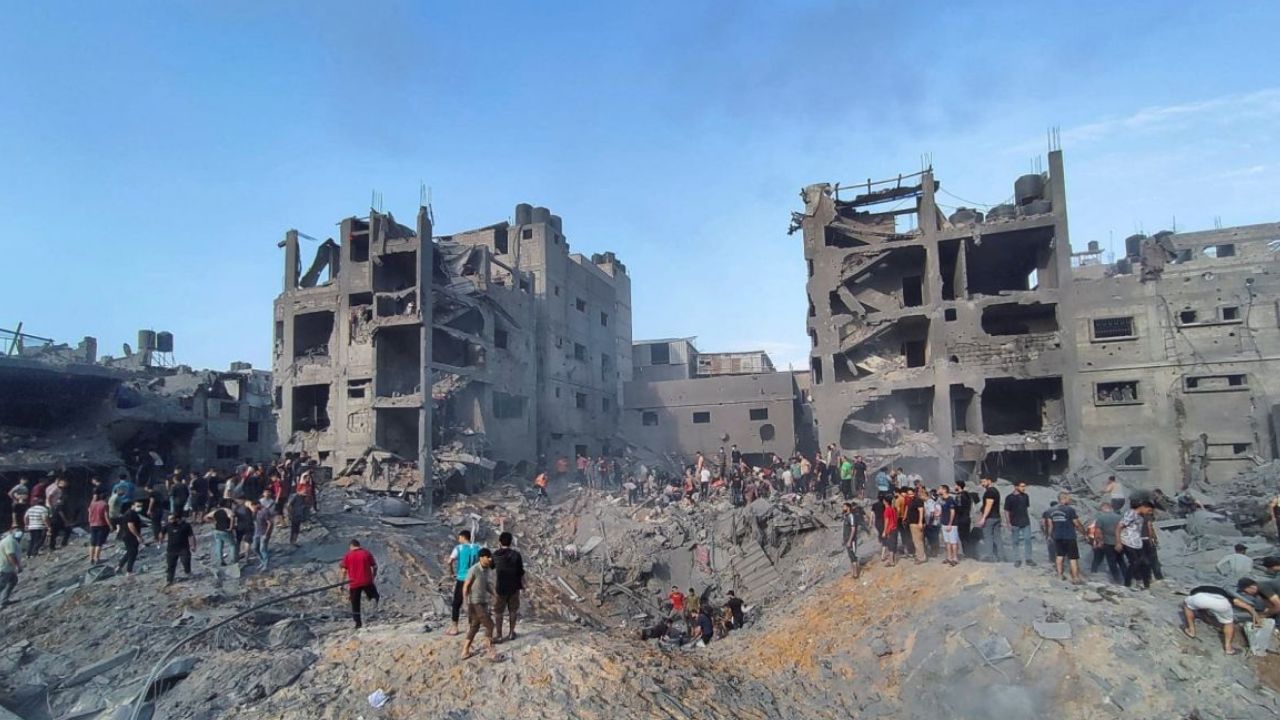
    On Tuesday, Israeli air strikes targeted the Jabalia refugee camp in northern Gaza — the largest refugee camp in Gaza sheltering children, women, and men.

    An IDF spokesman confirmed to Wolf Blitzer on CNN that an Israeli strike hit the Jabalia refugee camp, killing hundreds of civilians.

    “There was a very senior Hamas commander in that area,” Israeli army spokesperson Richard Hecht told CNN. “We’re looking into it and we’ll be coming out with more data as we learn what happened there.”

    As per reports, at least 50 have been killed so far while 400 have been injured.

    Wounded Gazans to cross Rafah border

    Rafah border will reportedly open today to allow wounded Palestinians into Egypt for treatment in hospitals.

    On Tuesday, AFP news reported that a large number of ambulances had gathered at Rafah and that according to Egyptian medical officials, “Medical teams will be present at the crossing to examine the cases … and determine the hospitals they will be sent to.”

    Additionally, a field hospital will be built to treat wounded Palestinians in Sheikh Zuweid — about 15 kilometres from Rafah.

    Telecommunication cut again

    Palestinian telecoms company has said that, “All communications and Internet services” with Gaza has been cut off.
    Paltel said there is a “complete interruption” of the services with the Gaza Strip.

    It said the interruption was caused by “International routes that were previously reconnected being cut off again”.

    Houthi attack on Israel

    Yemen’s Houthi militants have claimed to have launched a “large number” of ballistic missiles and drones targeting Israel, and warning of more attacks.

    Previously, on Tuesday morning, Israel military claimed to have destroyed an unidentified “aerial target” over the Red Sea.

    “There was no threat or risk to civilians,” they said.

  • ‘Zia-ul-Haq ko Sadar Nahi Maanta’: Chief Justice of Pakistan

    ‘Zia-ul-Haq ko Sadar Nahi Maanta’: Chief Justice of Pakistan

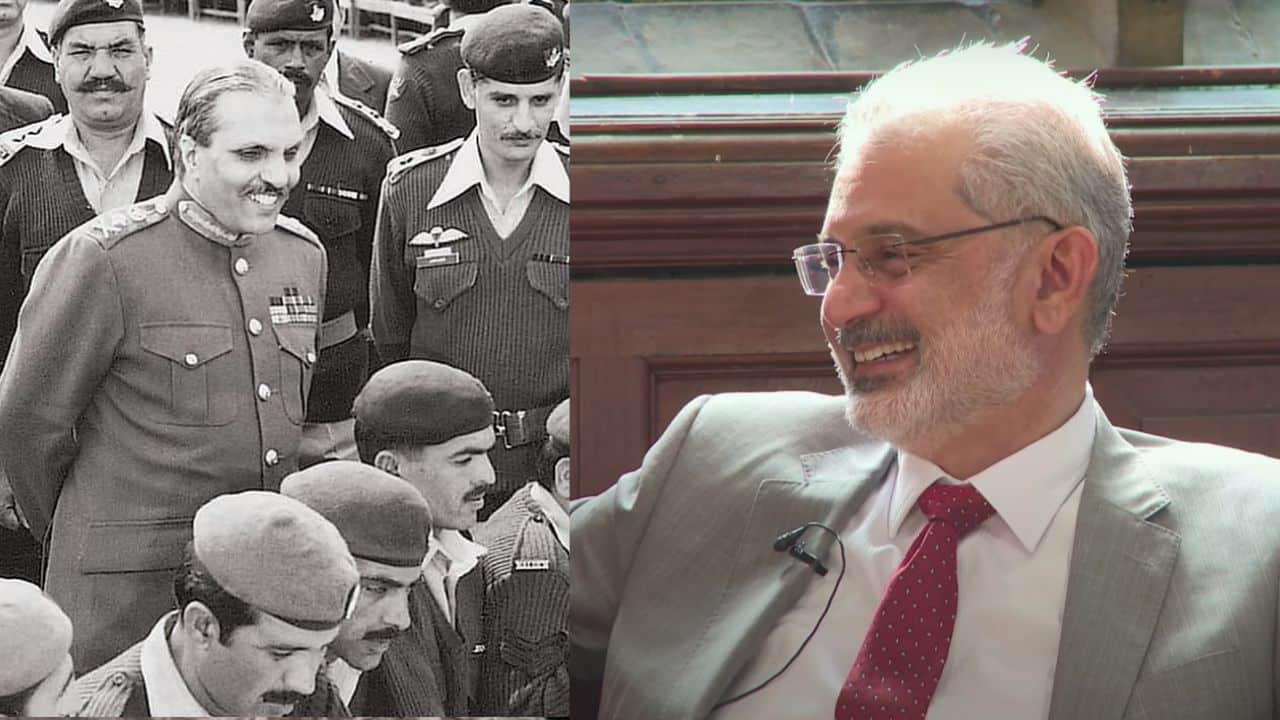
    Chief Justice of Pakistan, Justice Qazi Faez Isa gave an unexpected but strongly worded statement during the hearing of the Faizabad sit-in case, stating that he doesn’t recognize the late military dictator General Zia-ul-Haq as president, as per Neo News.

    During the hearing of the Faizabad sit-in case, Justice Faiz Isa, addressing Ijaz-ul-Haq’s lawyer, said that he does not consider Zia-ul-Haq the President of Pakistan.

    When the Attorney General revealed that Ijaz-ul-Haq’s lawyer had been asked to provide a written reply with an affidavit to withdraw the statement, the lawyer of countered the Attorney General’s statement, denying that he had been asked to retract the statement.

    Ijaz-ul-Haq’s lawyer informed the court that his client had merely stated that his name should be removed from the verdict, to which Chief Justice Justice Faiz Isa remarked that Ijaz-ul-Haq’s name was only mentioned in the report by intelligence agencies, and it was not included in the verdict.

    During the same conversation, when Chief Justice Justice Faiz Isa mentioned that Ijaz-ul-Haq is the son of former army chief Zia-ul-Haq, his lawyer replied that his father was also the President of Pakistan. In response, the Chief Justice stated, “I do not consider Zia-ul-Haq the President of Pakistan. No one can become the President by the force of arms. Do not call Zia the President again in this court.”

    The lawyer of Ijaz-ul-Haq, the son of former military ruler Zia-ul-Haq, asserted that it is documented in the constitution that Zia-ul-Haq was the president. Chief Justice Justice Faiz Isa responded by remarking that Zia-ul-Haq had written in the constitution that he was the president for five years.

    Earlier today, the Supreme Court of Pakistan issued summons for the chairman of the Pakistan Electronic Media Regulatory Authority (PEMRA) following allegations of “media coercion” during the 2017 Faizabad sit-in.

    The summon was initiated by a three-member bench of the apex court, led by Chief Justice of Pakistan (CJP) Qazi Faez Isa, and including Justice Aminuddin Khan, and Justice Athar Minallah.

    The hearing, part of a series of nine review petitions against the Supreme Court’s February 6, 2019 verdict on the Faizabad sit-in case, was marked by significant developments.

    Authored by Justice Isa years before he took oath as the chief justice of Pakistan (CJP), the searing judgement had instructed the defence ministry and the tri-services chiefs to penalise personnel under their command who were found to have violated their oath.

  • Palestine flag hoisted in Eden Garden during Pak-Bangladesh match

    Palestine flag hoisted in Eden Garden during Pak-Bangladesh match

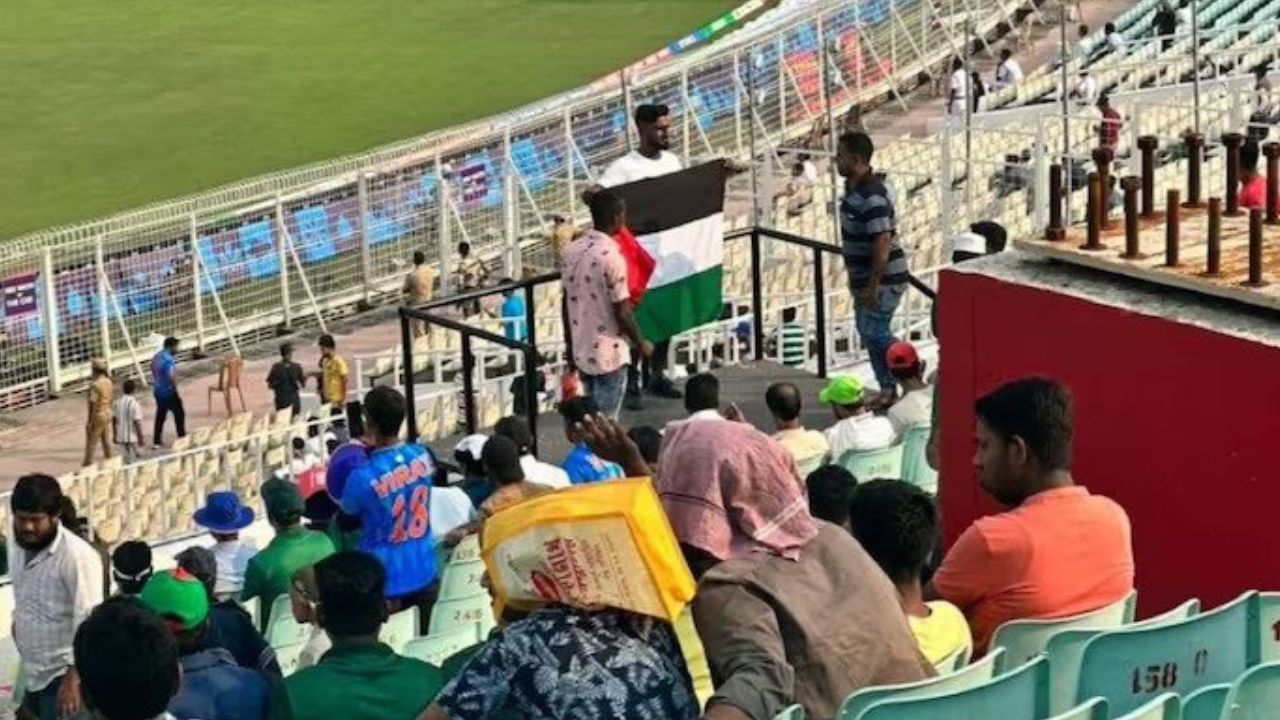
    The Palestinian flag was hoisted in the stadium during the match between Pakistan and Bangladesh on October 31 in the ongoing ICC ODI World Cup in India.

    According to the Indian news website India TV, the police detained four people for waving the flag in the match played in Kolkata yesterday.

    “Out of the persons detained from the Eden Gardens Stadium, two belong to Jharkhand and two are residents of Kolkata itself,” Indian police said, adding that two persons have been detained from Gate No. 6 while the other two persons have been detained from Block G1.

    Kolkata police said, “A preliminary investigation has revealed that the four persons, who are in their 20s, were protesting against Israel.”

  • Indian artist paints Babar Azam picture during Pak-Bangladesh World Cup match

    Indian artist paints Babar Azam picture during Pak-Bangladesh World Cup match

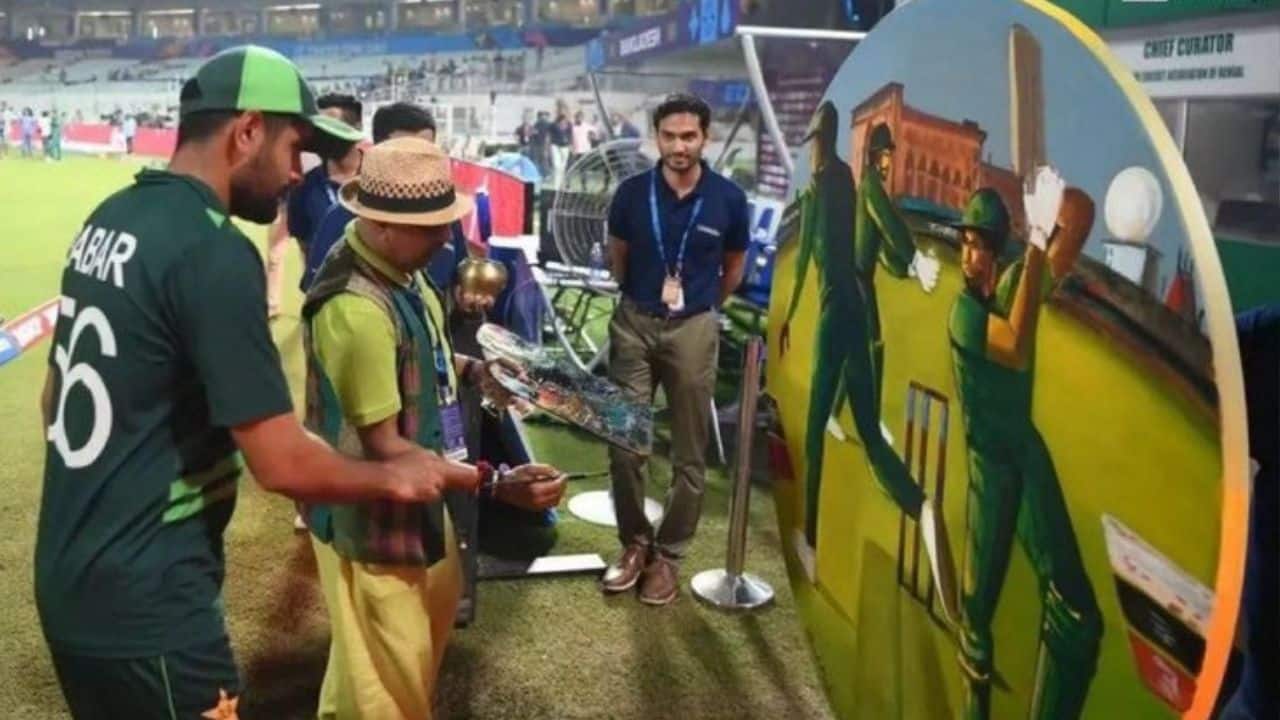
    An Indian artist named Parish Maity painted Babar Azam’s picture during the match between Pakistan and Bangladesh played at Eden Garden in Kolkata yesterday.

    Parish said. “He was invited by ICC (International Cricket Council) to capture four live matches in Kolkata and to capture the level of excitement in front of thousands of people.”

    “I have painted nine more paintings of this World Cup at nine different venues. In this painting, I have tried to capture the whole match action on one canvas,” he said.

    He painted Bangladesh’s Muhammadullah, Pakistan’s skipper Babar Azam and wicketkeeper-batsman Muhammad Rizwan. Babar Azam signed the canvas after it completed.

    Here are some reactions on social media:

  • Gaza women taking period-delaying pills amidst lack of privacy, water: Al Jazeera exclusive

    Gaza women taking period-delaying pills amidst lack of privacy, water: Al Jazeera exclusive

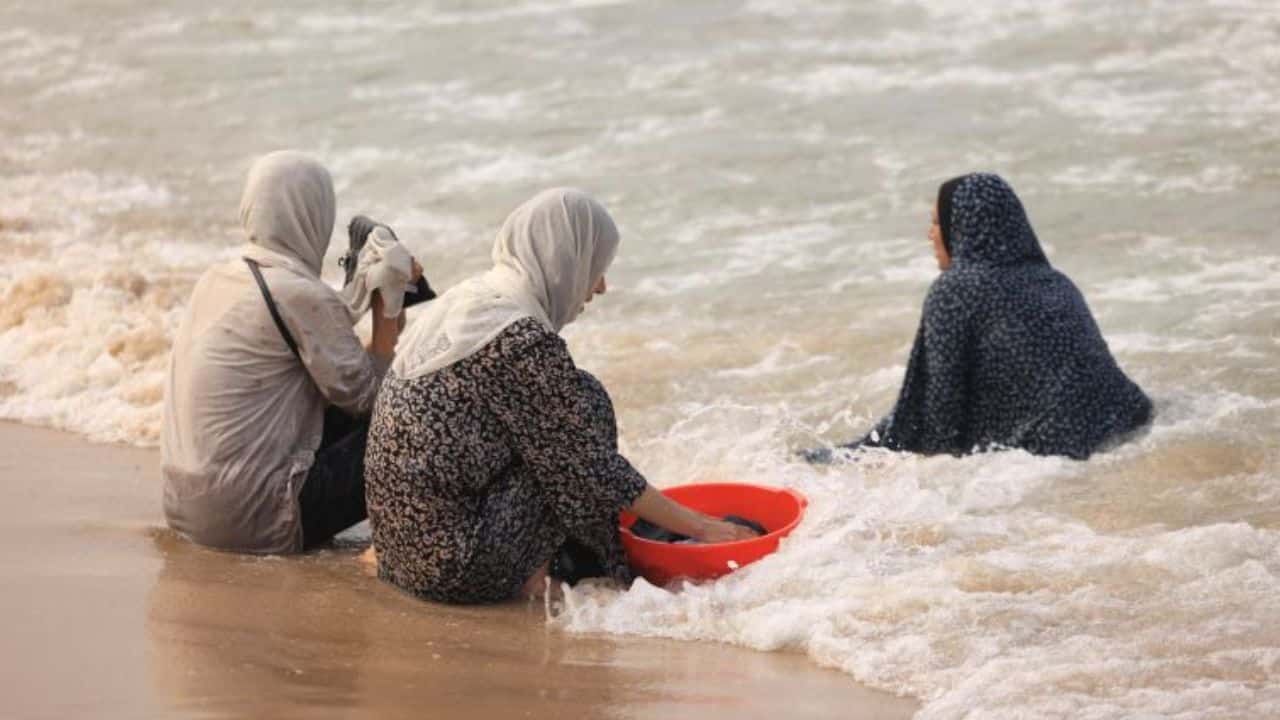
    Linah Alsaafin and Ruwaida Amer from Al Jazeera have reported from Gaza on Palestinian women who have been struggling to cope with menses at a time when medical supplies have been cut and the region is under heavy military attacks by Israel.

    Since Hamas’s attack on Israel on October 7, Gazans have been internally displaced, living in poor conditions among a large number of people with no privacy, and no access to water or menstrual hygiene products like sanitary napkins and/or tampons. To counter this major problem, women are resorting to norethisterone tablets that are usually prescribed in times of severe menstrual bleeding, endometriosis, and painful periods.

    While these pills have side effects like irregular vaginal bleeding, nausea, changes to the menstrual cycle, dizziness and mood swings, Palestinian women do not have any choice for now.

    Al Jazeera spoke to 41-year-old Salma who fled her hometown, Tel al-Hawa, and is now at a relative’s place in Deir el-Balah refugee camp. She is in a “constant state of fear, discomfort and depression, which has taken a toll on her menstrual cycle”.

    “I am experiencing the most difficult days of my life during this war,” Salma says. “I got my period twice this month so far – which is very irregular for me – and suffered heavy bleeding.”

    Nevin Adnan, a psychologist and social worker based in Gaza City, explained to Al Jazeera that while normally, women may experience psychological and physical symptoms before and during periods (changes in mood and lower abdominal, back pain); these symptoms, however, can worsen under stress.

    “Displacement causes extreme stress and that affects the woman’s body and her hormones,” she said.

    “There can also be an increase of the physical symptoms associated with menstruation, such as abdominal and back pain, constipation and bloating,” she said, adding that they may also experience insomnia, constant nervousness and extreme tension.

    This is why, Adnan asserts, more women are taking period-delaying pills “to avoid embarrassment and shame due to the lack of hygiene, privacy, and available health products”.

    “In war, we are forced to do everything we can,” says Salma.

    “There is never a choice.”

    Read full story: No privacy, no water: Gaza women use period-delaying pills amid war

  • Imran Khan releases another message from jail

    Imran Khan releases another message from jail

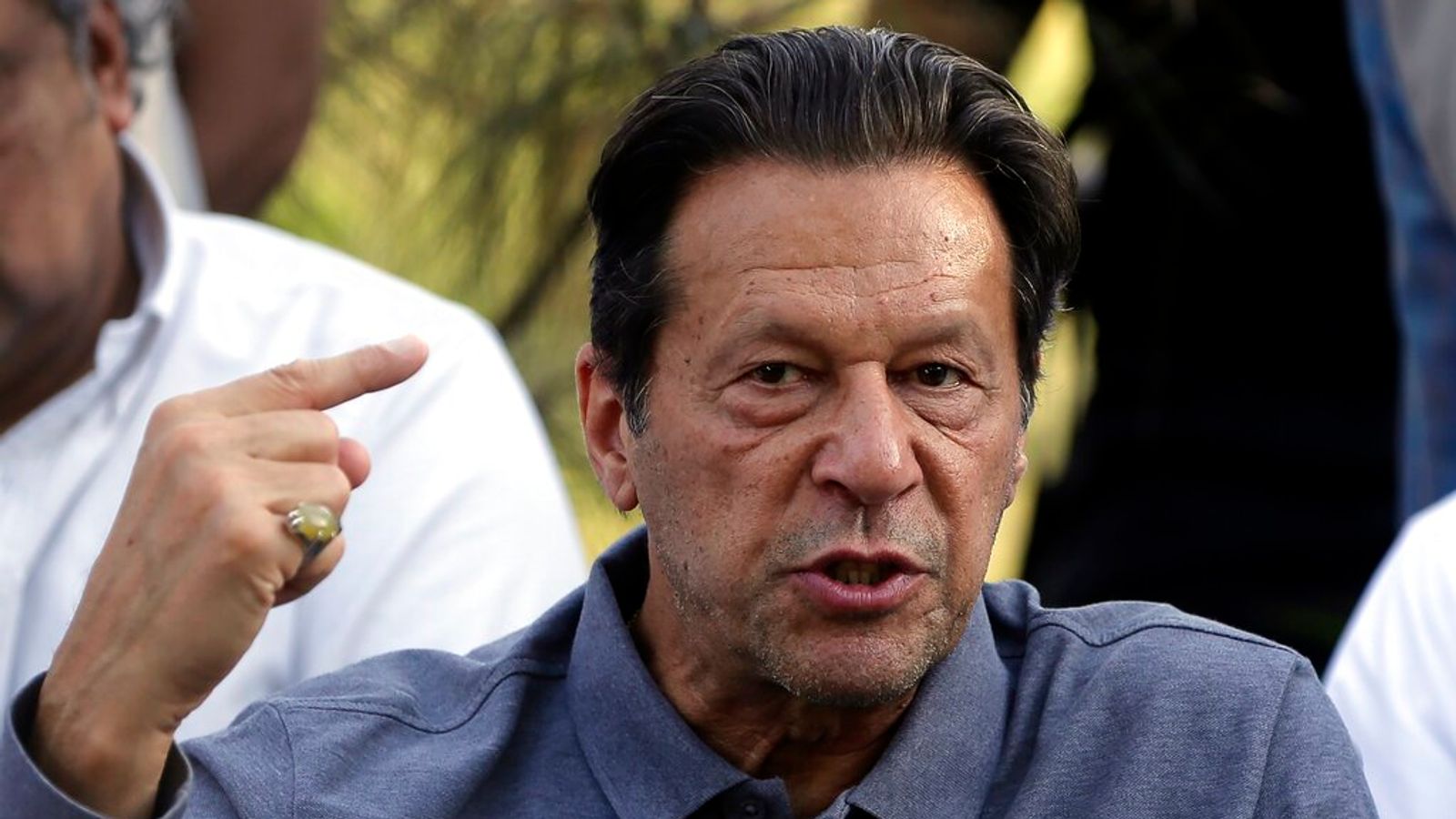
    Imran Khan has released another message for Pakistanis from jail via his family on Tuesday.

    Talking about the responsibility of the judiciary, Imran Khan said, “It is the fiduciary duty of the judiciary and the lawyers to protect the Constitution, upon which rests the progress of our nation. Therefore, the legal fraternity must start and lead a movement for upholding the rights of the people of Pakistan, foremost their fundamental right to vote, to choose their leaders, and to define their future themselves.”

    He also emphasised giving fundamental rights to Pakistanis and said that “whom they choose as their leader is secondary, but they must be given their basic and fundamental right enshrined in the constitution to choose their representatives.”

    While encouraging people to struggle for the betterment of law in the country, Khan said, “Pakistan stands at the crossroads; it is a critical juncture where we are watching the steady destruction and dismantling of our justice system. We must, therefore, act immediately if we are to prevent its complete collapse.”

    Imran Khan also mentioned in his message that “if we do not fight for justice and stand behind our judges, we will not be able to establish constitutional supremacy in this country or stand up against this rule of might, where only the fittest and the richest survive.”

  • Post-deadline crackdown on ‘illegal aliens’ to begin from tomorrow

    Post-deadline crackdown on ‘illegal aliens’ to begin from tomorrow

    Interim Interior Minister Sarfraz Bugti has declared that the operation against illegal foreigners will start from November 2 as the deadline given to them is ending today. The deportation will take place in different phases from here on.

    According to the Afghan Commission, as many as 104,000 Afghan refugees living illegally in Pakistan have returned to Afghanistan so far. The undocumented refugees included 28,000 men and 19,000 women and 56,000 thousand children.

    The caretaker federal cabinet approved that provinces will bear the expenses of the logistics. Caretaker Chief Minister Maqbool Baqar gave his nod to allocating Rs.4.5 billion to carry out the Repatriation plan from Karachi, Hyderabad, Sukkur, Shaheed Benazirabad, Mirpurkhas and Larkana divisions.

    49 holding centres have been established all over the country.These illegal foreigners are being brought to holding centres after registration. A huge number has already reached the Chaman border to leave whereas the ones in the centers will be sent gradually according to the plan.

    However, there are reports of a crackdown in different cities of the country like Karachi, Hyderabad, Sargodha, Mianwali and Khushab. Caretaker Information Minister Barrister Feroz Jamal Shah Kakakhel told the media that, “We’ve identified and mapped 52,000 illegal residents in various districts of our province for action.” “These [undocumented] foreigners will be temporarily kept in designated processing zones from where they will be deported to their respective countries,” he added on.
    Mr Kakakhel said that under the plans, the exercise would be executed on Sunday, Monday and Tuesday in Khyber Pakhtunkhwa, on Friday and Saturday in Punjab, and on Wednesday and Thursday in Islamabad, Gilgit-Baltistan, and Azad Jammu and Kashmir.

    He also announced that from Nov 1, the federal government would begin a “single-document” policy welcoming those entering Pakistan on passport and visas only.

    Read more: All you need to know about Afghans being sent from Pakistan

  • Indian journalists, opposition leaders ‘targeted by state-sponsored attackers’

    Indian journalists, opposition leaders ‘targeted by state-sponsored attackers’

    Several prominent leaders from India’s opposition parties, including members of the Indian National Developmental Inclusive Alliance (INDIA), have recently been alerted about potential security breaches concerning their Apple devices.

    Indian National Congress’s Shashi Tharoor and Pawan Khera, Shiv Sena’s Priyanka Chaturvedi, Trinamool Congress’s Mahua Moitra, and Aam Aadmi Party’s Raghav Chadha are among those who received warning emails from Apple, highlighting the threat of state-sponsored attacks targeting their iPhones.

    The news broke when The Wire, an online publication, revealed that even Siddharth Varadarajan, the founding editor of The Wire, and Samir Saran from the Observer Research Foundation, were also on the list of individuals who received the warning emails.

    The situation prompted immediate action from various quarters, including the media, with several journalists and opposition leaders reportedly receiving similar notifications from Apple about potential state-sponsored attacks.

    Shashi Tharoor, Pawan Khera, Priyanka Chaturvedi, and Siddharth Varadarajan confirmed the receipt of the warning emails during the late hours of Monday night and early Tuesday morning.

    Tharoor, who noticed the email on Tuesday morning, emphasized the importance of making these threats public, citing the necessity of transparency in safeguarding security. Expressing his concern, Tharoor highlighted the misuse of public funds and the urgent need to address more significant national security threats.

    The situation escalated further when The Wire alleged that the language used in the warning emails was similar to previous alerts from Apple, although this claim could not be independently verified by Newslaundry.

    Tharoor took to Twitter, sharing that the emails were sent from “threat-notifications@apple.com”.

    Mahua Moitra, a member of the Trinamool Congress, later added that individuals within Rahul Gandhi’s office had also been targeted.

    In response to the unfolding events, Apar Gupta, the founder of the Internet Freedom Foundation, provided a detailed analysis emphasizing the importance of not dismissing these alerts as false alarms.

    Seeking clarification from Apple, Newslaundry contacted the company’s official spokesperson, seeking information about the origin of the alleged attacks and the number of affected users. Apple responded, stating that while they do not specifically attribute the notifications to any state-sponsored attackers, the detection process is complex and evolving.

    Notably, the alerts were not limited to India alone, as it was discovered that individuals from nearly 150 countries had also received similar threat notifications from Apple.

    These developments have emerged approximately two years after reports of India’s alleged use of Israeli spyware for targeted surveillance, indicating a continued focus on digital security concerns within the country.

  • ‘Bat laga hai ya pad’; commentators laugh at Rizwan’s question to batsman

    ‘Bat laga hai ya pad’; commentators laugh at Rizwan’s question to batsman

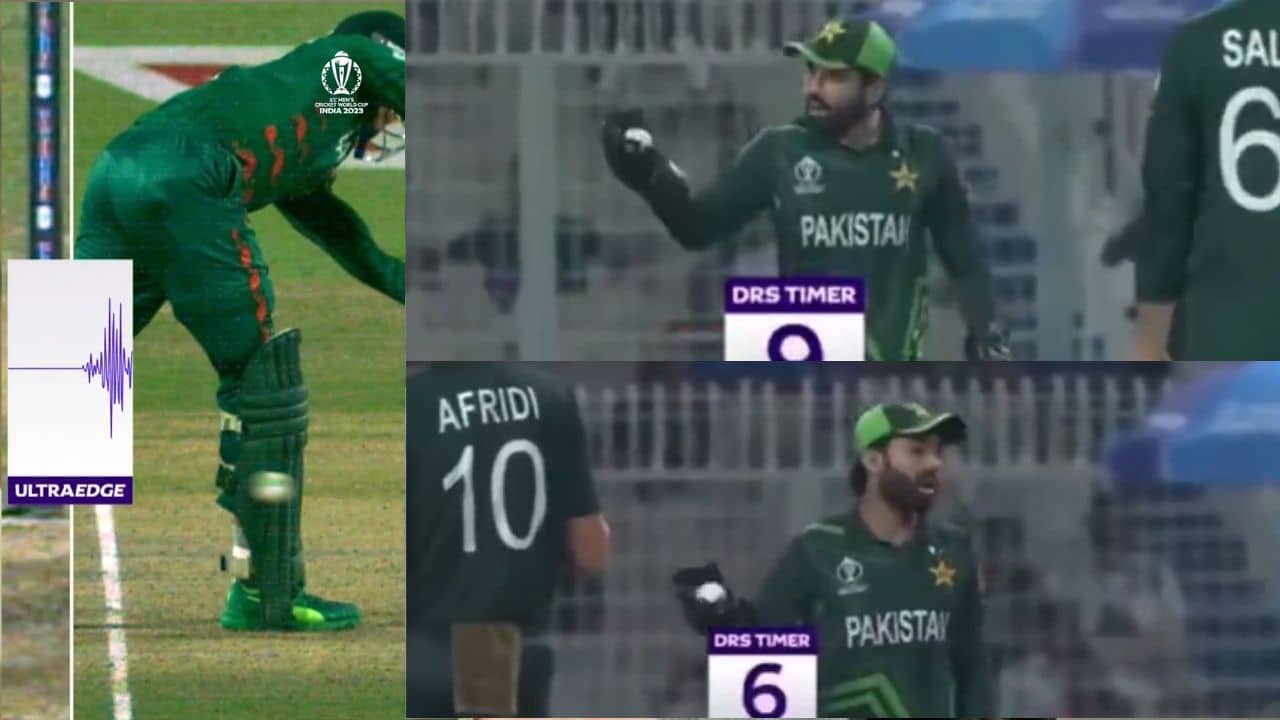
    During Tuesday’s ICC ODI World Cup match between Pakistan and Bangladesh, Shaheen sent the ball to Taskin Ahmed, who was caught behind by wicketkeeper Muhammad Rizwan.

    Shaheen Afridi thought that the ball was ‘caught behind’, meaning Rizwan caught the ball after it hit the bat and the batsman was out.

    He appealed for an out verdict from the umpire but did not get it. Shaheen, along with captain Babar Azam, asked Rizwan whether a review should be taken or not.

    Rizwan then turned and asked batsman Taskin Ahmad, “Is the ball on the pad or on the bat,” in response to which the Bangladeshi batsman replied, “On the pad.”

    Rizwan turned to Babar and Shaheen and said “He is saying that the ball is on the pad.”

    Commentators were forced to laugh Rizwan’s question.

    The video of the hilarious interaction is going viral on social media.