Blog

  • Fact check: Is Jemima Khan on Tiktok?

    Fact check: Is Jemima Khan on Tiktok?

    English film producer and screenwriter Jemima Khan has finally shut down rumors surrounding her fake social media accounts, clarifying that she is not on the social media platform TikTok.

    The screenwriter of ‘What’s Love Got To Do With It’ has taken to her X account to share a picture of two fake Tiktok accounts, telling her followers that neither of them were hers.

    The filmmaker released ‘What’s Love Got To Do With It’ in Febuary 2023, which starred Pakistani actress Sajal Aly along with Lilly James and veteran English actress Emma Thompson. The film received positive reviews from audiences and even won four awards at the National Film Awards including  Best Screenplay, Best British Film, Best Director and Best Supporting Actor.

  • ‘I am fine’: Heath Streak confirms good health amidst false death rumours

    ‘I am fine’: Heath Streak confirms good health amidst false death rumours

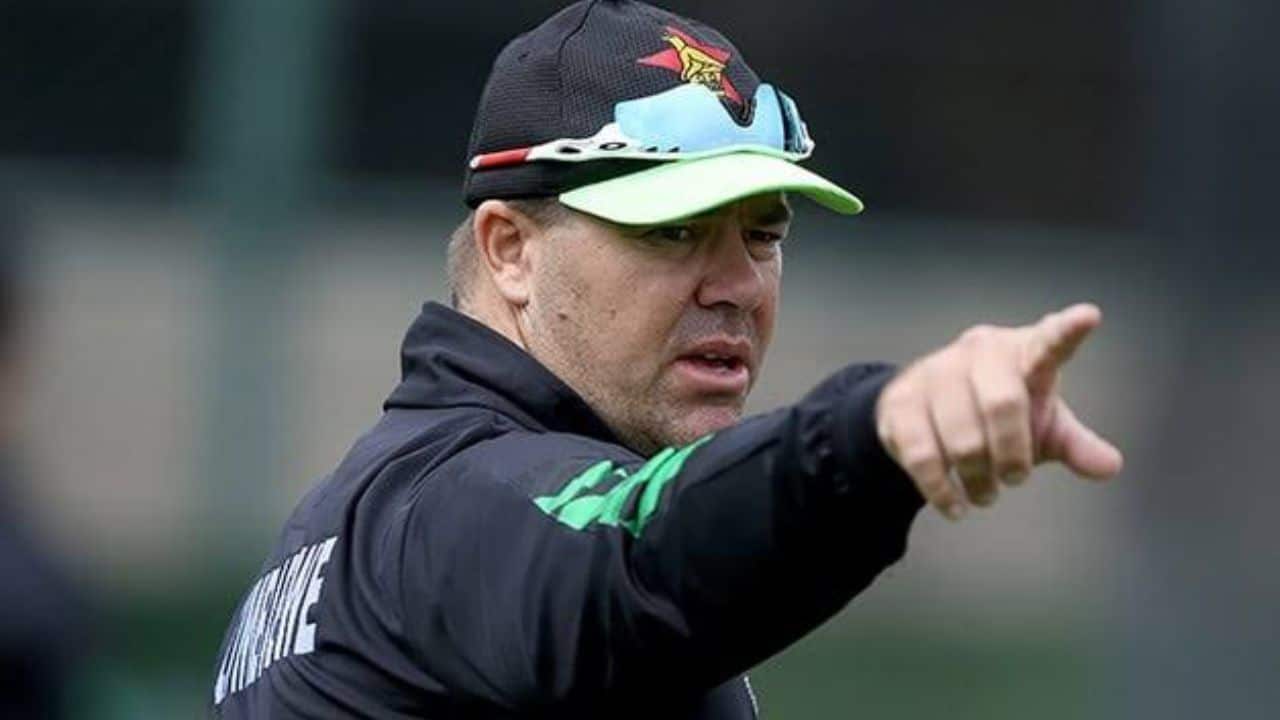
    Heath Streak heard about reports of his death at his home in Zimbabwe. These rumours quickly spread, leading to global tributes. However, Streak clarified to Sportstar that he’s actually in “good health, recovering from cancer.” He expressed disappointment at the careless spread of such rumours, emphasising his ongoing recovery from cancer.


    Earlier, Henry Olonga, a former colleague, wrongly announced Streak’s death on social media. Since Streak lacks a social media account and has been battling colon cancer since May, he couldn’t counter the false news. 

    Streak mentioned that he is recuperating from cancer, acknowledging some strain due to treatment but overall feeling fine. He clarified that, despite the social media reports, he is very much alive and on the path to recovery.

    Later, Olonga retracted his statement and apologised for the earlier post. A renowned figure in Zimbabwe cricket, Streak was banned by the ICC in 2021 for breaching the anti-corruption code in 2018. Streak achieved 216 Test and 239 ODI wickets. Following his international cricket career, he coached various international teams, including Zimbabwe, Bangladesh, and IPL teams like the Kolkata Knight Riders and the now-defunct Rajkot franchise.

    Streak’s cricketing achievements include being the first Zimbabwe player to secure 100 wickets in Tests and ODIs. He’s the sole cricketer from Zimbabwe to achieve the 100 Test wickets and 1,000 Test runs milestone, as well as amassing 2,000 runs and taking 200 wickets in ODIs. 

    Streak debuted in Test and ODI formats in 1993 and became the team’s captain during the 1999–2000 season.

  • Who completed the rescue operation in Battagram?

    Who completed the rescue operation in Battagram?

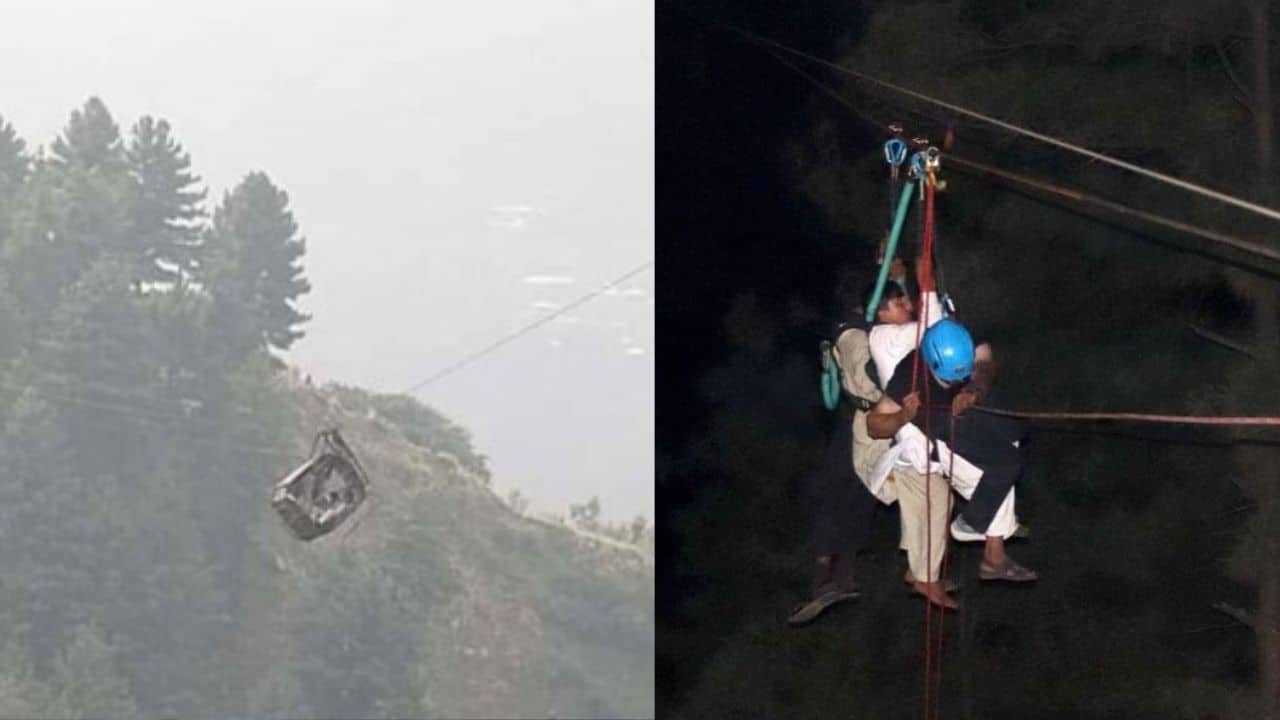
    The world’s eyes turned to Pakistan on Tuesday afternoon after news reports appeared emerged that a chairlift carrying children and adults got stranded hundreds of feet above the ground midway through its journey across a valley in Battagram, Khyber Pakhtunkhwa. Two of the three cables connected to the pod snapped, leaving the children tethered midair between 7am to 8am.

    The cable car was privately run by locals for transportation across rivers as there were no roads or bridges in the remote area.

    The cable car, along with passengers, remained dangling in the middle of a deep ravine surrounded by towering mountains and a rocky surface along side the Jhangri river for more than 12 hours.

    At 11:56 am, the official account of National Disaster Management Authority (NDMA) tweeted that a helicopter has been sent for rescue operation in collaboration with Pakistan Army and Provincial Disaster Management Authority (PDMA).

    At the same time, interim Prime Minister, Anwaar ul Haq Kakar tweeted that directions have been given to relevant authorities to ensure safe rescue and evacuation of the eight people stuck in the chair lift.

    The dramatic and dangerous rescue began with army helicopters and SSG commandos saving a child at around 6:30 pm via a sling lowered from the helicopter on the fourth attempt after three failed ones. Four helicopters were being utilized and the rescue operation was being led by GOC SSG.

    As day light was almost ending and unfavorable weather conditions were rising, a ground operation started with the help of locals. Initially there was a claim that two children have been rescued via sling operation but later it was confirmed that only one was successfully rescued.

    Rescuer and employee of a local company specializing in retrieving vehicles and dead bodies from rivers, Sahib Khan, who along with Ali Swati, Ilyas and Hammad participated in the rescue operation by zip lining. While talking to Reuters he said:

    “The incident happened at around 7:00 a.m. , we arrived there around 8:00 a.m. or 9:00 a.m. The helicopters were coming and going, but they did not give us permission to make an effort at saving the kids. However, when evening set in, they said ‘you can go ahead’. They had rescued one child, seven were still stranded. We started our operation, and thank God we rescued all seven of them. By the grace of Allah, all of them are fine.”

    While talking to Hum News, Ali Swati, founder of Heaven’s Way Zipline Pvt Limited, said that he was contacted by Deputy Commissioner Mansehra, Bilal Shahid Rao, who told him the army helicopter is time taking and risky and the people can be rescued by zip lining.

    “It took us 3 to 4 hours to rescue 7 people. One person was rescued by the Army. Our own lives were at risk. We planned this for 20 to 25 minutes, checking our harnesses and the amount of weight they can endure.”

    He further added that the people stuck there had spent more than 15 hours stranded mid-air. One child, who was unconscious, had already been given water by the army, which helped him in gaining consciousness. The effectees were afraid that they all might fall due to the addition of zip liners and another “dolli”.

    “We made them all relax for five minutes. Then my staff member Ilyas moved in the dolli and gave everyone their equipment. We secured them on the wire too to ensure safety,” he added.

    The rescue operation was concluded around 11pm, almost 15 hours after the ordeal started for stranded locals.

  • BJP Minister says Aishwarya Rai got beautiful eyes after eating fish

    BJP Minister says Aishwarya Rai got beautiful eyes after eating fish

    Sexism kay bina kya saans nahi le saktay mard hazrat? It seems like even on the other side of the border, male public figures feel the need to make gross comments about female celebrities. Yesterday the Minister of Tribal Welfare in India, Vijaykumar Gavit, held a meeting with fishermen, where he emphasised the importance of fish consumption by highlighting the beauty of superstar Aishwarya Rai’s looks. The minister said that she had glowing skin and sparkling eyes because she eats fish, a hack he suggested others should try.

    “People who consume fish on a daily basis develop smooth skin and their eyes sparkle…Did I tell you about Aishwarya Rai? She lived near the seashore in Mangaluru. She would consume fish daily. Have you seen her eyes? You will also have eyes like hers. The fish contain some oils, it makes your skin smooth.”

    When the comment went viral on social media, many users trolled the BJP politician for his bizzare attempt to encourage others to eat more fish, while some criticised the sexism.

    Other politicians criticised Gavit for his claims, with the NCP legislator Amol Mitkari saying that the politician should focus more on tribal issues rather than making such ‘frivolous comments’.

    BJP MLA Nitesh Rane said, “I eat fish daily. My eyes should have become like that (like those of Aishwarya Rai). I will ask Gavit sahib if there is any research on this.”

  • Girls from Peshawar take lead in annual SSC examinations

    Girls from Peshawar take lead in annual SSC examinations

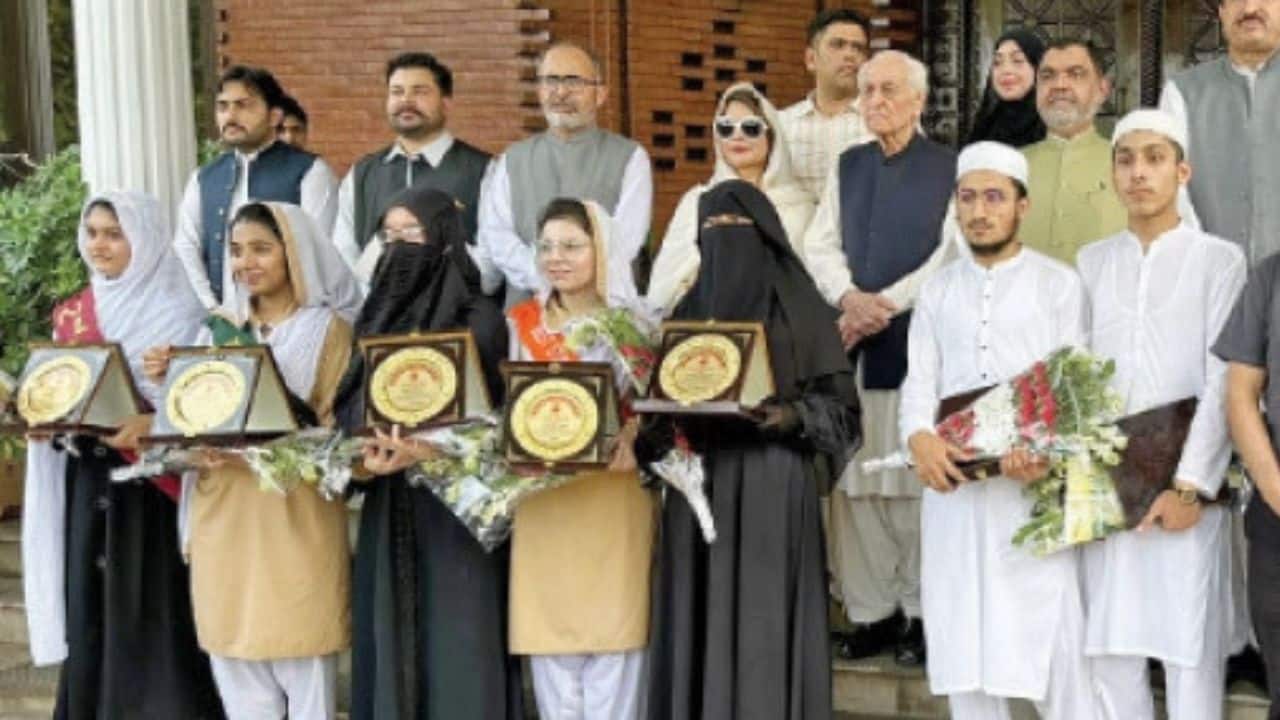
    As results were declared by all educational boards in Khyber Pakhtunkhwa, girls from Peshawar Model Schools secured the top three positions in the annual secondary school certificate (SSC) examinations.

    According to Dawn News, this is the first time in the history of the province that SSC examinations results were announced simultaneously by all the educational boards.

    Adan Shahid from Peshawar Model Girls High School-II Dalazak Road secured the first position by obtaining 1,086 marks out of 1,100. Lubna Alam of Peshawar Model School Charsadda is the runner up with 1,083 marks.

    The third position was taken by Aneeba Asad and Musfira Gul of PMS-II Dalazak Road by with 1,082 marks each.

    The four students not only topped the Board of Intermediate and Secondary Education Peshawar but also secured maximum marks in all the boards in the province. 

    A formal ceremony was held at the Chief Minister’s House on Tuesday. Chief Minister Mohammad Azam Khan was chief guest on the occasion.

    According to a statement issued by the Chief Minister’s House, the overall success rate in the examination under the BISE Peshawar is 86 percent.

  • Bye bye, Zaka Ashraf?

    Bye bye, Zaka Ashraf?

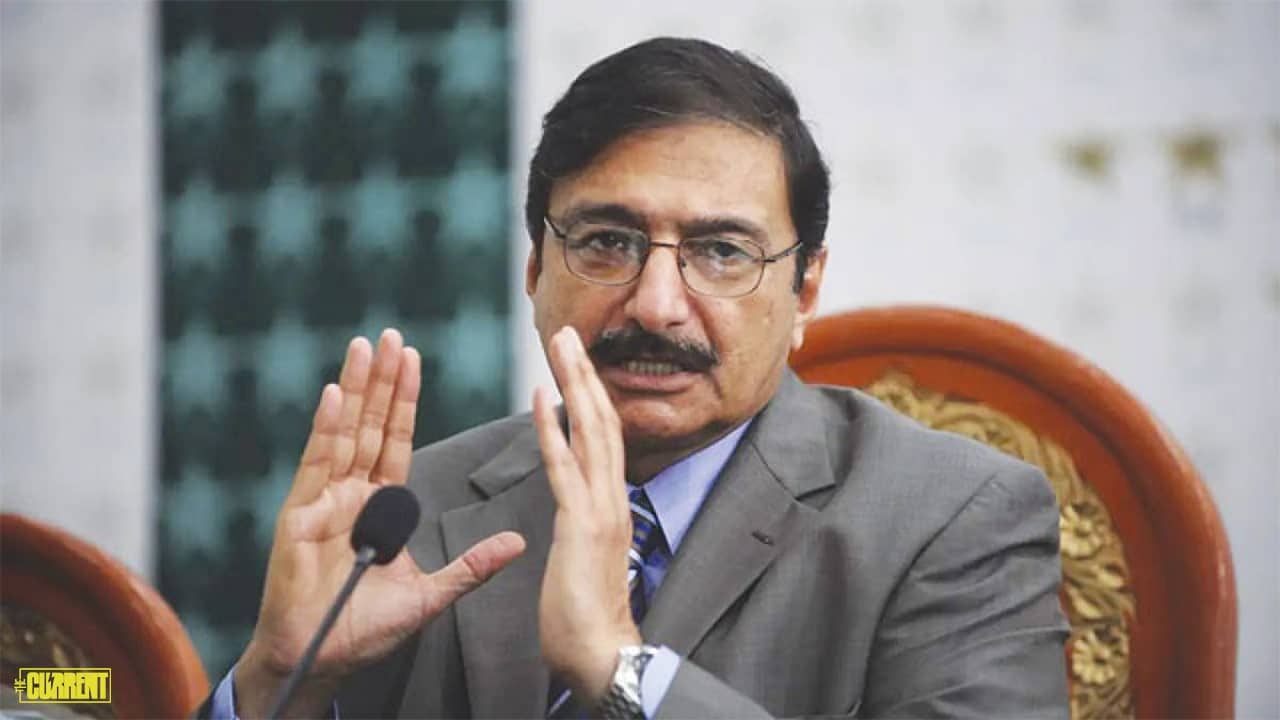
    Zaka Ashraf, appointed as the chairman of Pakistan Cricket Board (PCB) in July, may be removed from the highly coveted post, media reports have said.

    Before being nominated the Chairman of PCB, Prime Minister Shehbaz Sharif appointed Ashraf to the Board of Governors of the board at the behest of the ruling coalition’s main partner, Pakistan People’s Party(PPP).


    However, Zaka Ashraf was not elected as chairman due to a court injunction, after which he was appointed as the head of the management committee.


    Following the end of the previous government’s term earlier this month, the Election Commission has called for the cancellation of all appointments for political reasons, prompting the Inter-Provincial Coordination (IPC) to write to the prime minister asking for the appointment of Zaka Ashraf and two others.

    Read More: Pakistan beat Afghanistan by 142 runs in first ODI


    IPC secretary Hanif Orakzai wrote in a letter to the principal secretary to the prime minister that the names of Zaka Ashraf and Federal Land Commission chairman Pir Syed Ahmed Nawaz Shah were under the ministry’s oversight.

    If Zaka Ashraf is also ousted, the new chairman will become the fourth PCB chairman in less than a year.

  • Veteran actor Akbar Khan passes away

    Veteran actor Akbar Khan passes away

    Inna Lillahi wa inna ilayhi raji’un

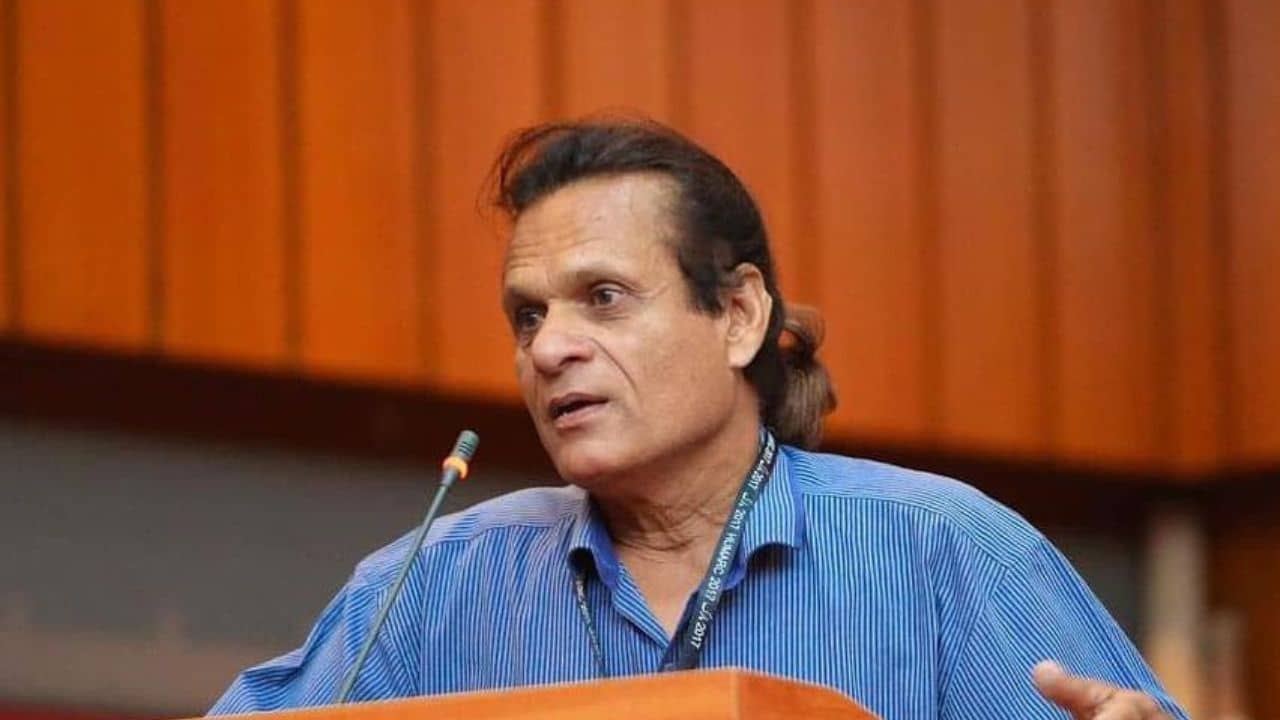
    Actor Akbar Khan, known for portraying character roles, has passed away in Karachi on Tuesday after suffering from an undisclosed illness.

    He was a painter and a sculptor of note, with acting credits that include critically acclaimed dramas like ‘Parizaad’, ‘Dil Ruba’ and the popular sitcom ‘Bulbulay’.

    Hum TV sent condolences to the late actor’s friends and family members on Instagram.

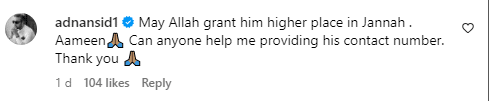
    Adnan Siddiqui remembered Akbar Khan for his contributions to the entertainment industry:

    “May Allah grant him higher place in Jannah . Aameen.”

    Actors like Yashma Gill and Yasir Hussain posted condolences for the late actor’s passing on their Instagram stories.

  • JIT to conduct forensic test of audios linked with Bushra Bibi

    JIT to conduct forensic test of audios linked with Bushra Bibi

    The Joint Investigation Team (JIT) has decided to test two audios alleged to feature the voice of former first lady Bushra Bibi, in the ToshaKhana case. On Tuesday, the JIT decided to conduct a forensic test of audios as during the investigation, Bushra Bibi has denied that it was her voice.

    The JIT is currently investigating the ToshaKhana case against former Prime Minister Imran Khan and his wife, Bushra Bibi.

    In Bushra Bibi’s recent appearance before the JIT, two audio clips were played for her. After hearing the audio clips, she said that the voice was not her’s.

    In one of the recordings, she is allegedly heard reprimanding someone for taking pictures of the things being brought from Toshakhana to Banigala House. In the second recording, she is talking to the then assistant to the prime minister, Zulfi Bukhari, about the watch at the center of the case, gifted by Saudi Arabia to Imran Khan when he was Prime Minister.

    These audios went viral on social media platforms, igniting a conversation about how involved Bushra Bibi was in the matter.

    It should be noted that Bushra Bibi appeared before the JIT on August 15 and was questioned for 20 minutes. She responded to each of the 20 questions asked by the JIT.

  • Koyi bacha hai? Star stuffed cast for Pakistan’s first Netflix series

    Koyi bacha hai? Star stuffed cast for Pakistan’s first Netflix series

    Its now official that Pakistan is about to get it’s first ever Netflix drama, starring our own actors. In July journalist Hassan Kazmi broke the news on social media, announcing that Lollywood’s A-list celebrities like Fawad Khan, Mahira Khan and Hamza Ali Abbasi are set to star in a Netflix adaptation of Farhat Ishtiaq’s novel ‘Jo Bachay Hain Sang Samiat Lo’, with director Momina Duraid on board.

    Now, Variety has revealed kay waqai mein the drama will live up to its name by leaving no actor behind, as the cast is chockfull of Pakistani A-listers like Sanam Saeed, Ahad Raza Mir, Bilal Ashraf, Maya Ali , Iqra Aziz , Hania Aamir , Khushaal Khan, Nadia Jamil , Omair Rana and Samina Ahmed.

    According to the publication, Momina Duraid will serve as the show runner, and her firm Momina Duraid Films FZ, will be producing the series. The show is currently being shot in US, Italy and Pakistan.

    The novel revolves around Sikandar, a Harvard law student who undergoes an incident that compels him to keep people away. He then comes across Lisa when he’s travelling to Italy, an energetic artist with a troubled past.

    Ishtiaq’s other novels ‘Humsafar’ was adapted into the critically acclaimed 2011 drama, starring Mahira and Fawad. Her other novels have also been turned into screen fare, including ‘Bin Roye’ which was adapted into a 2015 film starring Humayun Saeed and Mahira, and ‘Yakeen Ka Safar’ which was adapted in 2017 into a drama starring Sajal Aly and Ahad Raza Mir.

    Fawad is riding high on the blockbuster ‘The Legend Of Maula Jatt’ which also starred Mahira Khan and Hamza. He is set to come back to television screens with the series ‘Barzakh’ starring Sanam Saeed, and directed/ written by Asim Abbas.

  • Why homemade cable cars matter in Battagram: Safety steps for future

    In a daring rescue operation, the Pakistan Army’s Special Services Group (SSG) successfully saved eight stranded passengers from a cable car mishap in Allai Tehsil, located in Khyber Pakhtunkhwa’s Battagram district. This incident sheds light on the widespread use of homemade cable cars in the northern regions of Pakistan. These improvised transportation systems, though risky, play a crucial role in connecting remote communities that lack traditional infrastructure.

    Homemade cable cars have become a familiar sight in the remote corners of Pakistan, where conventional infrastructure is absent. While venturing onto these makeshift contraptions involves risks, they offer an indispensable solution to transportation challenges faced by communities with limited alternatives. This trend is particularly prevalent in eastern Mansehra, Azad Jammu and Kashmir (AJK), and Gilgit Baltistan, areas marked by geographical obstacles and scarce amenities such as schools and roads.

    Necessity breeds innovation, and in the absence of official provisions, locals in these remote regions have taken it upon themselves to construct cable cars using scrap materials. These rudimentary structures are often assembled from the discarded upper bodies of pickup trucks or Suzuki vehicles. These cabins are then affixed to cables, sometimes comprised of scrap iron, using ropes. The impromptu nature of these constructions often flouts legal requirements, but the cost-effectiveness and lack of viable alternatives drive the locals to resort to this approach.

    Risking it for convenience: Benefits and hazards

    The risks of using these cable cars are undeniable, yet they remain a popular choice for crossing rivers and shortening travel distances between mountain valleys. Take, for instance, the Allai region, where the recent incident unfolded. A local resident secured permission to construct a cable car named “Dolly,” transforming a two-hour, arduous trek into a mere four-minute cable car ride. The affordability factor, with fares as low as Rs20, renders these cable cars the preferred mode of transportation for numerous residents.

    While offering a practical solution, these cable cars have an unsettling history marred by safety concerns. In 2017, an illegal cable car crash in Murree, Punjab, led to the tragic loss of 11 lives. Similarly, in Abbottabad, Khyber Pakhtunkhwa, last December, a cable car’s rope snapped, prompting a rescue operation to save 12 stranded children. These incidents underscore the dangers associated with these makeshift transportation systems.

    In the wake of the recent mishap, Pakistan’s caretaker Prime Minister Anwaar-ul-Haq Kakar has taken a decisive step. He has ordered safety inspections for all private chairlifts, ensuring their safe operation. This move underscores the need to balance the convenience these cable cars offer with ensuring the safety and well-being of the passengers who rely on them.

    Despite the recurring safety concerns, these homemade cable cars are unlikely to disappear from the landscape anytime soon. The absence of substantial investments in new infrastructure means that these improvised transportation systems will remain the primary mode of conveyance for residents living in the rugged terrains of the mountainous regions. The onus lies on the authorities to find a way to harness the advantages while mitigating the risks associated with these makeshift marvels.

    The incident that unfolded in Allai Tehsil serves as a stark reminder of the significance and perils of homemade cable cars in northern Pakistan. These resourceful creations bridge the gap between isolated communities and essential services, even though they come with inherent risks. As Pakistan grapples with balancing necessity and safety, it becomes evident that while these makeshift cable cars fill a void in infrastructure, their continued usage necessitates a renewed focus on ensuring passenger safety and exploring long-term solutions for transportation in remote regions.

    What should Pakistan do to prevent something like this from happening again?

    To prevent incidents like the recent cable car mishap from happening again, the government can take several proactive measures:

    1. Regulatory Framework: 

    The government should establish comprehensive regulations governing the construction, operation, and maintenance of homemade cable cars. These regulations should include safety standards, inspection procedures, and penalties for non-compliance. The guidelines should be communicated clearly to the local communities involved in building and operating these cable cars.

    2. Safety Inspections: 

    Regular safety inspections of all cable cars, both existing and under construction, should be conducted by qualified engineers or inspection authorities. These inspections should identify potential risks, structural weaknesses, and maintenance needs, ensuring that the cable cars are in optimal condition for operation.

    3. Technical Training and Support: 

    The government can provide technical training and support to the local communities involved in building and operating cable cars. This training could cover proper construction techniques, rope and cable maintenance, emergency procedures, and passenger safety measures.

    4. Permits and Approvals: 

    The government should streamline the process of obtaining official permits and approvals for constructing cable cars. This would help ensure that the cable cars are built according to safety standards and guidelines, minimising the use of substandard materials and makeshift construction.

    5. Public Awareness Campaigns: 

    Launching public awareness campaigns about the risks and safety precautions associated with using homemade cable cars is crucial. Informing both passengers and operators about proper conduct, emergency procedures, and potential hazards can contribute to safer transportation practises.

    6. Subsidies for Safer Materials: 

    To discourage the use of substandard materials, the government can provide subsidies or incentives for purchasing safer materials and equipment for constructing cable cars. This can encourage communities to invest in higher-quality materials that enhance the overall safety of the transportation system.

    7. Alternative Infrastructure Development: 

    While homemade cable cars address an immediate need, the government should prioritise the development of safer and more sustainable transportation infrastructure in remote areas. This could involve building bridges, roads, and official cable car systems that meet safety standards and provide a reliable mode of transportation.

    8. Emergency Response Planning:

    Establishing clear and efficient emergency response plans for cable car incidents is crucial. Local authorities and rescue teams should be trained to respond quickly and effectively in case of accidents or cable car malfunctions.

    9. Collaboration with NGOs:

    Collaborating with non-governmental organisations (NGOs) and international agencies that specialise in infrastructure development and safety can provide valuable insights and resources for implementing safer transportation solutions in remote regions.

    10. Monitoring and Enforcement:

    The government should enforce the regulations and guidelines consistently to ensure compliance. Regular monitoring of cable car operations, construction sites, and safety measures will help identify potential risks and ensure corrective actions are taken.

    By implementing these measures, the government can work towards minimising the risks associated with cable cars and ensuring the safety of passengers and operators in remote areas of Pakistan.