Blog

  • We’re not shocked: Salaried class pays 200% more tax than exporters, retailers

    We’re not shocked: Salaried class pays 200% more tax than exporters, retailers

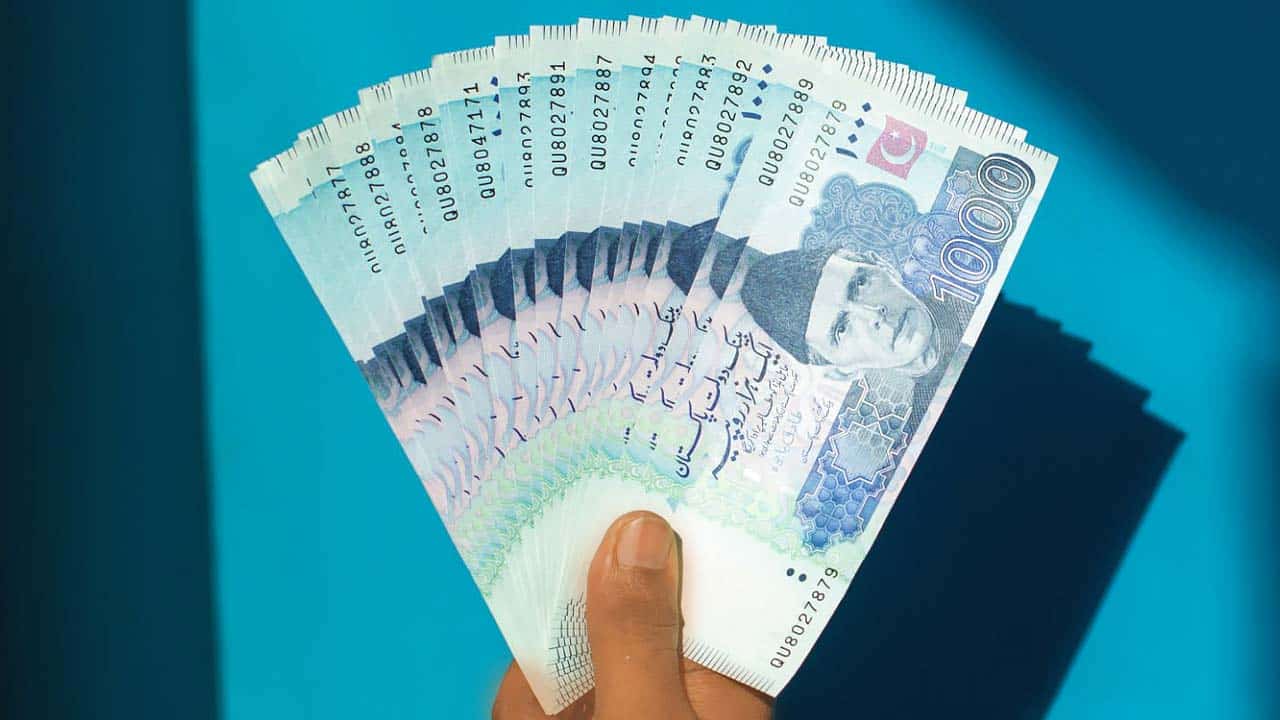
    In the fiscal year 2022-23, Pakistan’s salaried class emerged as the leading contributor to the nation’s income tax, making a substantial contribution of Rs264.3 billion. Astonishingly, this amount was nearly 200 per cent higher than the combined income tax paid by the country’s exporters and largely undertaxed retailers.

    Data collected and released by the Federal Board of Revenue (FBR) unveiled that salaried individuals paid a total of Rs264.3 billion in taxes during the fiscal year, marking an impressive increase of over Rs75 billion or 40 per cent compared to the previous year. This rise was attributed to the imposition of up to a 35 per cent tax rate on their earnings.

    Ranked as the fourth-largest contributor to withholding taxes, following contractors, bank depositors, and importers, the salaried class has faced increased taxation in the latest budget. Despite grappling with this added burden alongside historically high inflation rates, the government once again raised taxes on salaried individuals earning more than Rs200,000 per month in the recent budget. In a surprising move, around 5,000 retailers were relieved from stricter registration conditions.

    It is noteworthy that during the preceding fiscal year, the FBR managed to collect over Rs2 trillion through withholding taxes, accounting for 61 per cent of the total income tax generated in the same period. However, concerns were raised over the ease of collecting withholding taxes, especially from non-filers at double rates, which has become a reliable revenue source for the FBR.

    The Salaried Class Alliance expressed apprehension over the prioritisation of additional taxation on existing taxpayers while allowing the informal sector to thrive. The highest income tax collections came from contractors, savings account holders, importers, salaried individuals, non-filers’ electricity bills, telephone & mobile phone users, and dividend income. According to Express Tribune, other significant contributors included taxes on property transactions, exports, foreign income fees, brokerage commissions, and car registrations.

    Comparatively, provisional figures revealed that exporters and retailers combined paid Rs175 billion less in taxes compared to the salaried class. Despite earning $27.7 billion during the last fiscal year, exporters contributed only Rs74 billion in taxes. Although their tax contribution increased by 17.4 per cent from the previous year, it did not match the rise in their income in rupee terms. Retailers, subject to a 0.5 per cent advance tax on sales, contributed a mere Rs15.6 billion, reflecting the lowest contribution among income groups. Surprisingly, despite accounting for approximately 19 per cent of the economy, retailers and wholesalers only contributed 0.4 per cent to the total income tax collection.

    The approach of the International Monetary Fund (IMF) came under criticism for disproportionately burdening the salaried class, which lacks representation in the corridors of power, unlike exporters and retailers.

    Lastly, tax collection from contractors and service providers reached an impressive Rs391 billion in the last fiscal year, marking the largest single-income tax collection head over which the FBR has no control. Additionally, profits on debt witnessed a remarkable 106 per cent increase, amounting to Rs320 billion, reflecting higher interest rates and increased savings. Importers also contributed significantly, paying Rs290 billion in income tax on various types of imports, ranking as the third-largest contributor to withholding taxes.

  • New vehicles for government officials; LHC issues notices to Punjab caretaker govt

    New vehicles for government officials; LHC issues notices to Punjab caretaker govt

    The Lahore High Court (LHC) has issued notices to the Punjab caretaker government and others after hearing a petition filed against the purchase of new vehicles for government officials.


    The lawyer of the Punjab government objected to the admissibility of the application, while the petitioner, Shiraz Altaf, has made the Punjab caretaker government and others a party, asserting that public money should be used for the welfare of the people.

    The petitioner said that the caretaker government can only run the daily running of the province, having no public mandate, it cannot use public funds. The court has been requested to annul the notification of purchase of new vehicles for officers.

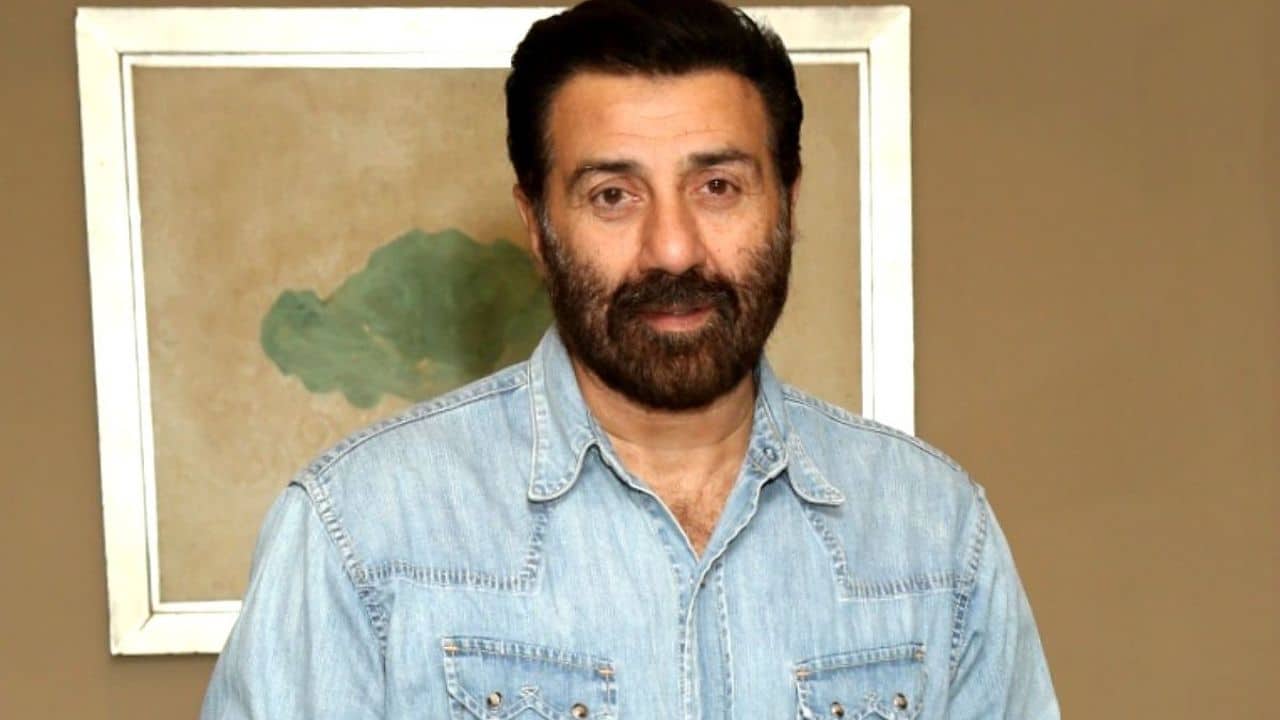
  • Sunny Deol wants Pakistan and India to put aside their differences

    Sunny Deol wants Pakistan and India to put aside their differences

    Bollywood actor Sunny Deol wants peace between Pakistan and India. The action star was speaking at the trailer launch of his upcoming film ‘Gadar 2’ where he called for both India and Pakistan to put aside their differences and not allow what he termed “the political game” to keep creating rifts between the two countries.

    “The essence lies in humanity, not in taking or giving. A conflict between the two sides should not prevail. There is love on both sides. It is the political blame game that creates hatred between India and Pakistan, a theme reflected in this film. Both nations comprise of people who seek peace, as we are essentially one and the same.”

    On Twitter, reactions from Indian users were mostly negative, who felt that the actor, who was also a member of the hardliner BJP, had spent most of his career making anti-Pakistani movies but now was flipping the narrative.

    https://twitter.com/dontwannashar3/status/1684314493449297922?s=20

    Yesterday, it was actor Adnan Siddiqui who called for peace between India and Pakistan, while speaking to the Indian Express:

    “Art has no boundaries, but artistes have a certain boundary, which shouldn’t be there. There should be healthy cultural exchange. I believe that the kind of tolerance–pardon me for being so blunt–but our tolerance, in comparison to Indian audience is much higher. We accept Indian artistes, Indian cricketers, we accept everything good about India. But when this thing goes across the border, it becomes very political. I don’t know why.”

    Read more: ‘Our tolerance is much higher’: Adnan Siddiqui thinks Pakistanis are more accepting than Indian audiences

  • New laws to fight cybercrime in Pakistan: Cabinet passes e-safety and data protection bills

    New laws to fight cybercrime in Pakistan: Cabinet passes e-safety and data protection bills

    In a significant development, the federal cabinet of Pakistan granted principle approval to two crucial pieces of legislation on Wednesday, which are expected to have a far-reaching impact on digital rights, e-commerce, and the digital economy of the country.

    The first bill, named the E-Safety Bill 2023, aims to tackle and prevent online crimes such as cyberbullying, online harassment, and blackmailing. To enforce the provisions of this bill, the cabinet also greenlit the establishment of a regulatory authority known as ‘The E-Safety Authority.’ This authority will be responsible for registering and monitoring websites, web channels, YouTube channels, and existing media houses’ websites. The main objective behind this initiative is to safeguard the rights of citizens, businesses, as well as public and private institutions from online harassment and blackmail.

    Presently, the Pakistan Telecommunication Authority (PTA) has the authority to monitor content and enforce relevant laws online, while the Federal Investigation Agency (FIA) handles cybercrime-related cases. However, the proposed E-Safety Authority will take charge of the front-end monitoring of all websites, promptly addressing violations and imposing penalties. This measure is deemed necessary due to the rapid pace at which cybercrime incidents occur, often exceeding the FIA’s investigative capacity, while the PTA’s role is primarily limited to regulatory functions for internet and telecom service providers.

    According to Dawn, the second bill, titled the Personal Data Protection Bill 2023, focuses on protecting user data and preventing the unauthorised use of information systems. The bill will apply to all types of online services, including online shopping platforms, various companies, and social networking websites operating in Pakistan. It aims to safeguard consumers’ data and ensure that it is not misused or illegally accessed.

    As per the official statement, “personal data” under the proposed legislation refers to any information directly or indirectly related to an identifiable individual, encompassing sensitive or critical personal data. The bill mandates all entities collecting or maintaining data, digitally or non-digitally operational in Pakistan, to register themselves locally and appoint a data protection officer. The National Commission for Personal Data Protection (NCPDP) will oversee the registration process and will establish sub-offices in provincial capitals and other necessary locations within six months of the bill’s passage.

    However, the approval of the Personal Data Protection Bill 2023 has raised concerns among international bodies representing internet-based platforms. The Asia Internet Coalition (AIC), through its Managing Director Jeff Paine, highlighted that the bill’s current form falls short of international data protection standards and imposes unnecessary complexities that may increase the cost of doing business and hinder foreign investment. The requirement for “critical” data to be stored locally and the restriction on cross-border transfer of other personal data could potentially limit access to global digital services for Pakistanis.

    In response to these concerns, the AIC has called for more transparent stakeholder consultations by the government. Digital rights campaigner and Meta board member, Nighat Dad, expressed similar sentiments, stating that while the bill addresses important issues, the lack of consultations is undemocratic.

    Despite concerns from international bodies, an official from the IT ministry defended the legislation, emphasising that the government’s primary responsibility is to protect Pakistan’s interests and its citizens. He asserted that commercial entities’ apprehensions are primarily driven by their business concerns.

    The approval of these significant bills marks a crucial step towards enhancing digital rights and data protection in Pakistan. As the nation progresses into a more digitally interconnected era, finding a balanced approach that addresses concerns from both local and international stakeholders will be crucial for the country’s digital economy and growth.

  • Kevin Spacey cleared of sexual abuse charges

    Kevin Spacey cleared of sexual abuse charges

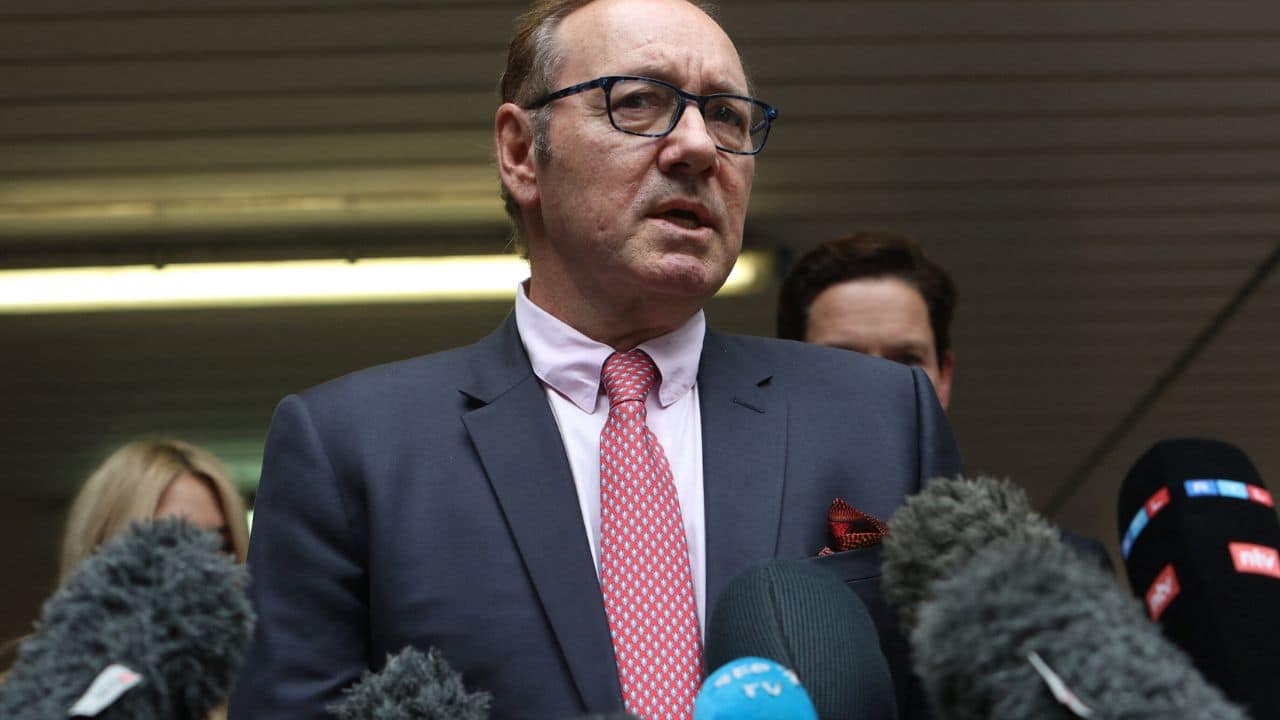
    Oscar winner Kevin Spacey has been cleared of nine charges of sexual assault, indecent assault and forcing a person to engage in penetrative sexual activity, after a jury found him not guilt in a U.K trial. The actor was on trial after four men accused him of violating boundaries and sexual assault. The first complainant recalled being groped by the ‘House Of Cards’ actor at Old Vic Theatre where he was creative director. Spacey denied the almost-accident and provided evidence that contradicted the time and place the victim had quoted.

    The second survivor accused Spacey of making numerous sexually aggressive comments at a charity event in 2005, before pinning him against the wall. Kevin had denied ever meeting the man at the event.

    The third survivor accused Kevin Spacey of raping him in 2008, when he ended up at the actor’s apartment in London where he fell asleep, and woke up to the actor giving him oral sex. Kevin denied these charges too and presented telephone records which contradicted the man’s accusation.

    The fourth survivor accused Kevin of sexual assault by recalling meeting him at a party in Gloucestershire. Spacey’s defense team called the encounter a “drunken clumsy pass”, and said he had later apologised for his actions.

    The judge has dismissed all of the charges.

    In October 2022 the actor won a $40 million lawsuit brought in by actor Anthony Rapp, who had accused the Oscar winner of sexual battery, but a judge dismissed the complaint.

  • Indian couple sells baby to buy iPhone for Instagram reels

    Indian couple sells baby to buy iPhone for Instagram reels

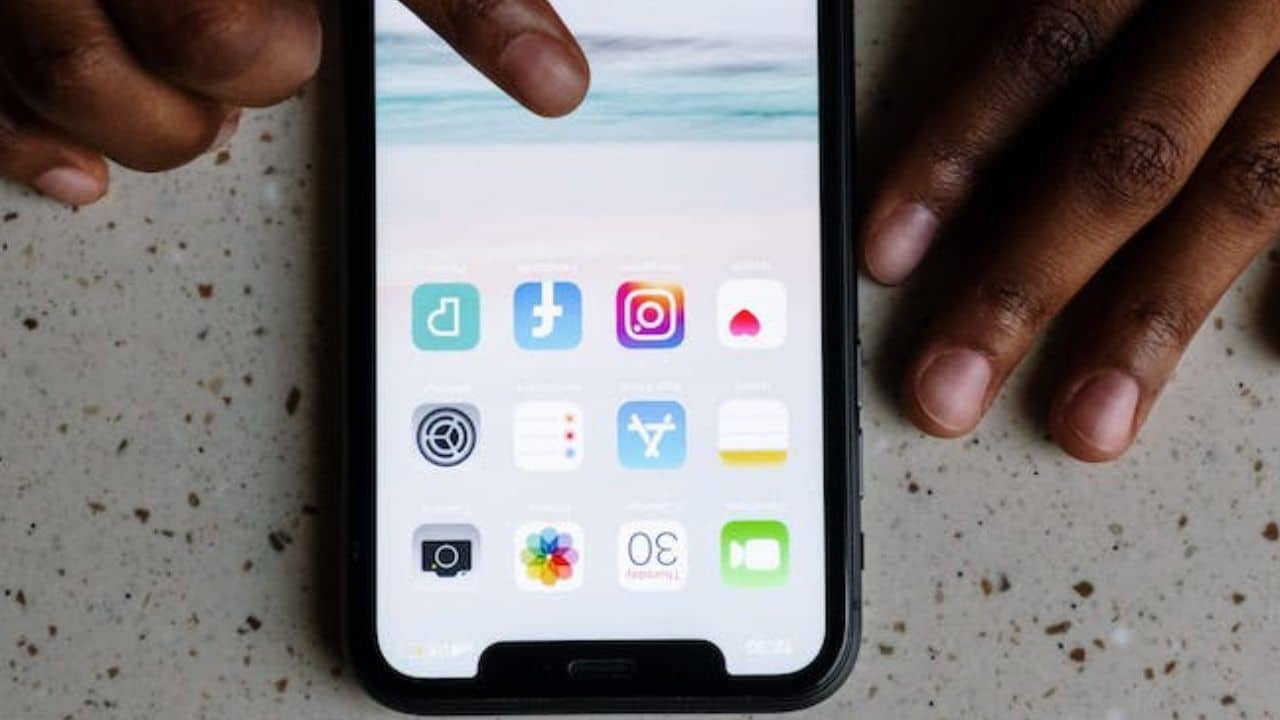
    An Indian couple has been accused of selling their 8-month-old son in order to purchase an iPhone for creating Instagram reels.

    The couple, residents of North 24 Parganas district in West Bengal, were also accused of attempting to sell their seven-year-old daughter. Police have rescued the baby and arrested the mother and the buyer of the infant.

    The father, Jaydev, is believed to be in police custody, despite some conflicting reports suggesting he is still at large. A local councilor has been quoted by Indian media as saying, “After selling the boy, Jaydev also tried to sell the girl on Saturday midnight. We informed the police. Police have arrested Jaydev.”

    Initially, it was reported that the couple had sold the baby to buy alcohol. Locals described frequent episodes of intoxication and quarrels within the family and with neighbors.

    The incident was uncovered on Saturday, July 22, when neighbors noticed the financially struggling couple’s sudden acquisition of an iPhone and the coinciding disappearance of their baby. Initially, the couple claimed the child was with a relative, but suspicions from the neighborhood led to police involvement.

    Upon police interrogation, the mother confessed to selling the baby and using the money to travel around West Bengal, creating Instagram reels. Subsequently, the police managed to rescue the baby from a woman named Priyanka Ghosh in the Khardaha area.

  • FBR freezes PIA’s bank accounts for not paying Rs2.8 billion in taxes

    FBR freezes PIA’s bank accounts for not paying Rs2.8 billion in taxes

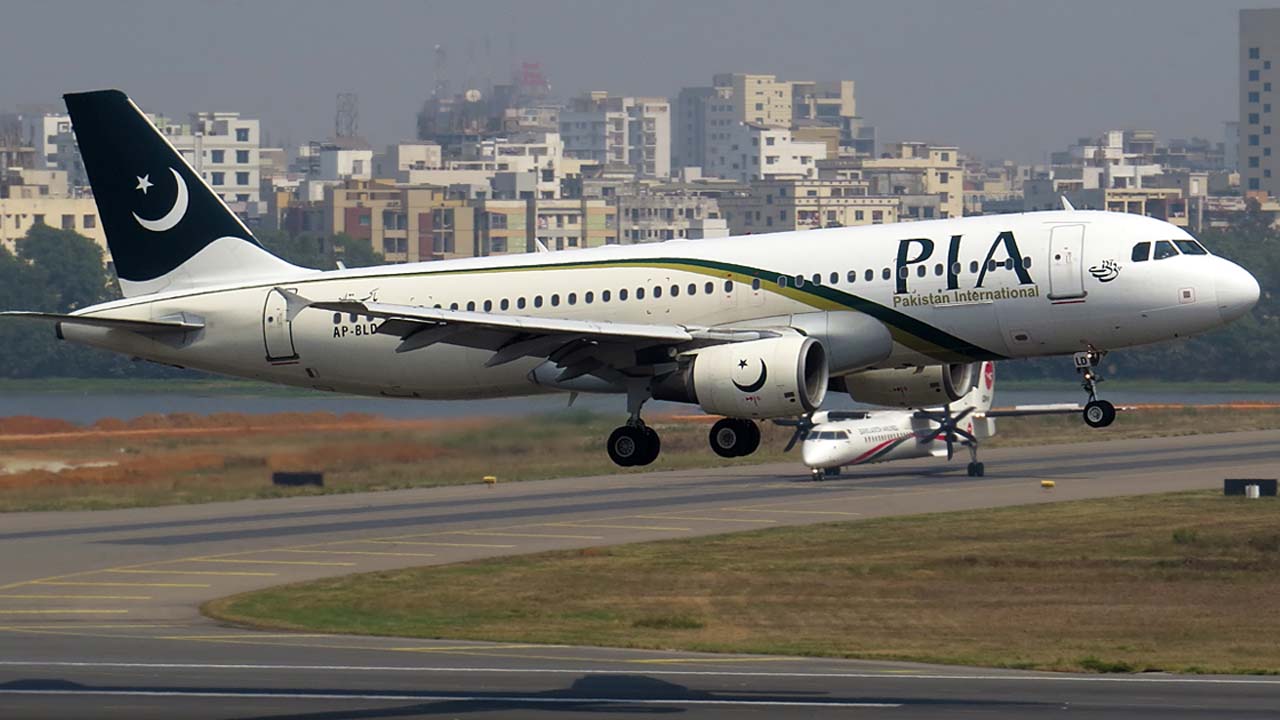
    Pakistan International Airlines (PIA), the national flag carrier, has found itself embroiled in a tax dispute as the Federal Board of Revenue (FBR) took the drastic step of freezing the airline’s bank accounts. This move comes at a critical time when the government has shifted the burden of revenue generation onto the general public, leading to growing concerns about the fairness of the taxation system.

    According to the FBR, PIA owes approximately Rs2.8 billion in taxes. However, the airline disputes this figure, claiming that the amount owed stands around Rs1.3 billion. A PIA spokesperson confirmed the ongoing communication between the airline’s management and the FBR, expressing hope that the bank accounts would be unblocked in the near future.

    Despite the harsh measure taken by the FBR, the PIA spokesperson reassured the public that the airline’s flight operations and other activities were continuing to function smoothly.

    The situation with PIA not paying taxes raises questions about the government’s tax collection policies. A recent report from the Finance Division revealed that government expenditure was on the rise in FY23, largely due to increased revenue collection through non-tax measures and indirect taxes. This indicates a failure to effectively broaden the tax base and implement direct taxation for various sectors.

    Critics argue that the government’s approach seems to focus on imposing indirect taxes on the masses, while offering some protection to the wealthier classes, even amid the current financial crunch. The freezing of PIA’s bank accounts further reinforces this perception, leaving the public questioning the fairness of the taxation system.

    Meanwhile, the report also highlighted that the government’s interest rate hikes policy is facing opposition, particularly from the business community. The State Bank of Pakistan has been unwilling to reverse the rate hikes, despite continuous protests and grave consequences faced by the public.

    As the PIA tax dispute continues, the government is under pressure to address the broader issues surrounding taxation and revenue generation to create a more equitable and sustainable financial framework.

  • ‘Necktie is a cross’: senior Taliban official says bow ties are Christian symbol, wants ban

    ‘Necktie is a cross’: senior Taliban official says bow ties are Christian symbol, wants ban

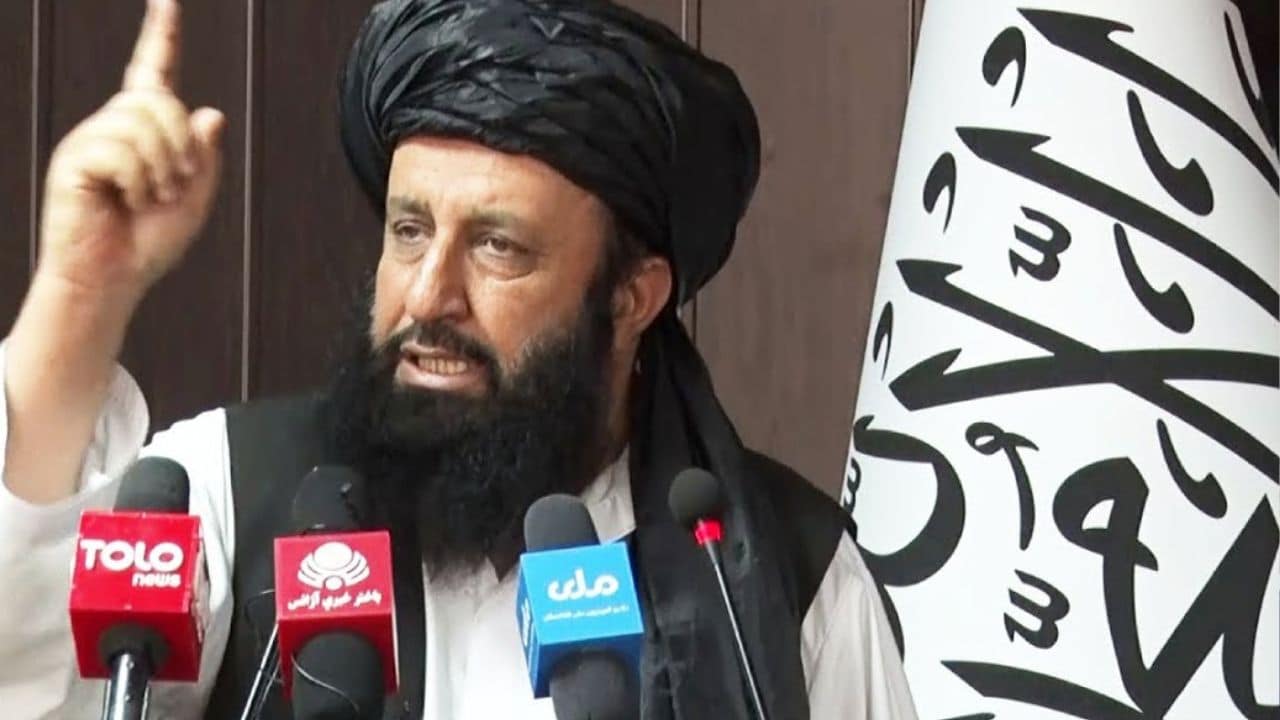
    In a recent announcement, a prominent Afghan Taliban official has declared neckties to be representative of the Christian cross, calling for their removal from public realm.

    Mohammad Hashim Shaheed Wror, the head of the Invitation and Guidance Directorate—an organization dedicated to directing individuals towards ‘proper’ Islamic paths—expressed his disapproval of Afghan Muslims, particularly professionals such as doctors and engineers, who wear neckties.

    During his speech broadcasted by Tolo TV, Wror stated, “Sometimes, when I go to hospitals and other areas, an Afghan Muslim engineer or doctor wears a necktie.” He proceeded to emphasize the religious implications of the accessory, declaring, “What is a tie? It is the cross. It is ordered in Sharia that you should break it and eliminate it.”

    Neckties, a Christian symbol or merely official garb?

    Neckties have a long and complex history, dating back to the 17th century. Originating from a piece of cloth worn around the necks of Croatian soldiers hired by King Louise XIII of France, neckties soon became a fashion staple at royal gatherings.

    As the trend was adopted by the French elite, it quickly spread throughout Europe. Over the years, the design and style of ties have seen many transformations. Today, ties come in various fabrics, cuts, widths, and patterns, enabling wearers to express their personal style.

    The typical attire for Taliban officials consists of shalwar kameez, a waistcoat, and a turban. While Western fashion has become increasingly rare following the Taliban’s ascension to power, neckties can still be spotted occasionally, especially among professionals.

  • ‘This is not Punjab Police’; When Gen Bajwa resigned in anger

    ‘This is not Punjab Police’; When Gen Bajwa resigned in anger

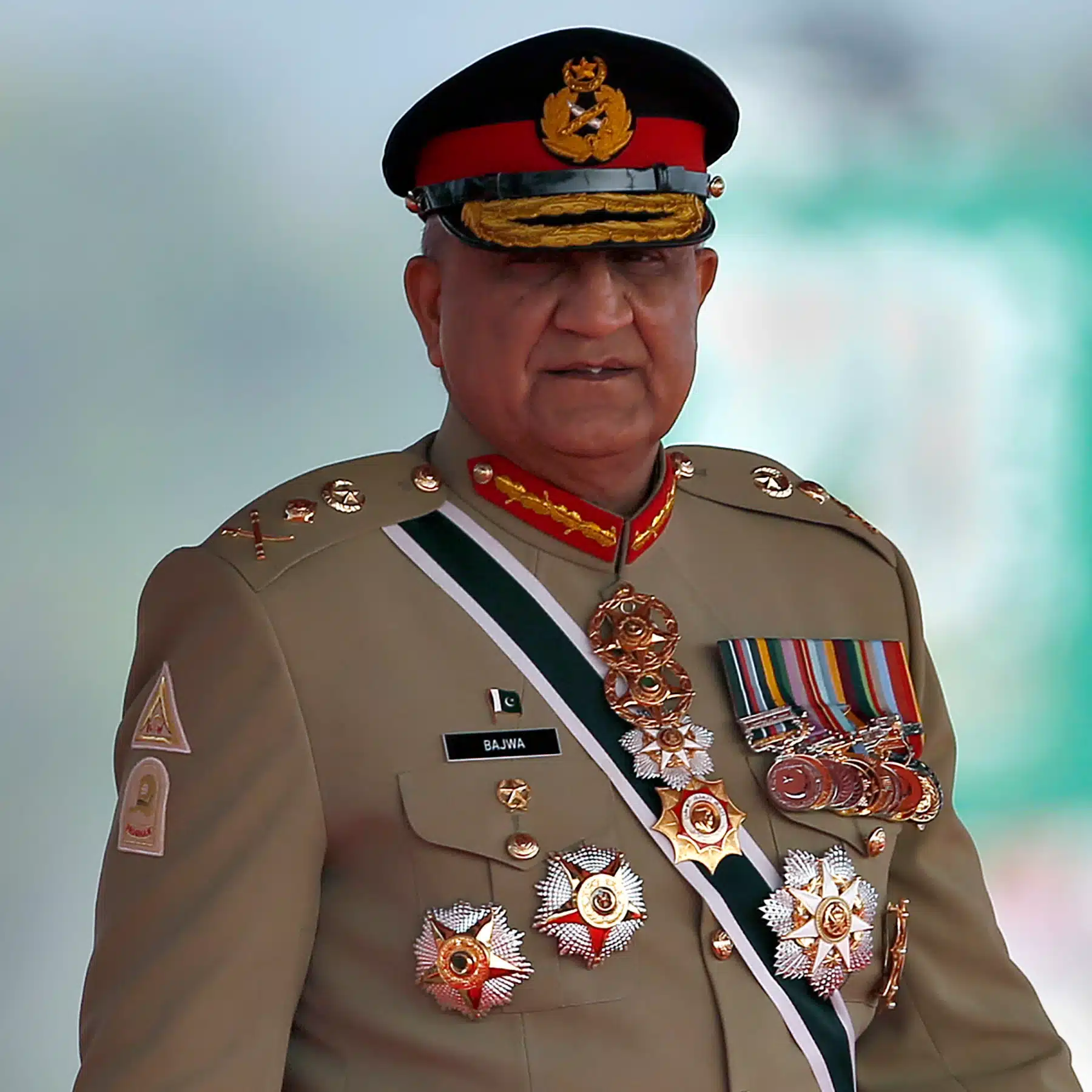
    Since the removal of former Prime Minister Imran Khan through a Vote of No Confidence in April 2022, political analysts have wondered what led to a falling out between the Chairman of Pakistan Tehreek-e-Insaf (PTI) and the then-Army Chief, General (retd) Qamar Javed Bajwa.

    Kamran Yousaf has unveiled new details of the falling-out between the two. In a report for Express Tribune, Yousaf has revealed that at one point in the growing chasm between the two, General Bajwa resigned from the post of Chief of Army Staff (COAS).

    On the morning of October 7, 2021, General Bajwa informed Azam Khan, the Principal Secretary to the Prime Minister, that he was resigning, giving the Premier one week to appoint a new Chief.

    The information, conveyed on a phone call, left the government in panic. Within the hour, top military officials reached out to General Bajwa, pleading with him to not resign.

    How had matters reached this point? The fallout begun when Imran Khan secured a vote of confidence after his candidate for senate, Hafeez Sheikh, was defeated by the opposition’s candidate, Syed Yousaf Raza Gillani. General Bajwa told Imran Khan that after securing members for his vote, the establishment will no longer manage political maneuvering for his government.
    He was also told that General Faiz Hameed, Director-General of Inter-Serviced Intelligence (DG ISI) will be transferred from his post, in line with army procedures. Imran asked for a month, then more time.

    In October, General Bajwa informed the Prime Minister that the transfer cannot be delayed further, to which Imran replied by asking for changes in the procedure. This led to a heated argument between the two former proponents of ‘same page’.

    “This is not the Punjab Police, Mr Prime Minister,” Bajwa told Imran bluntly.

    Imran agreed to the change, leading to ISPR issuing a notification.

    The very next morning, Information Minister Fawad Chaudhry issued a statement that the appointment was the Prime Minister’s domain, hinting that the appointment was not done with his approval.

    A furious General Bajwa conveyed to the PM office his decision to resign. Convinced to not do so by military officials, he again met Imran Khan where the two reached a compromise.

    General Faiz would serve for a few more weeks while Imran would then agree to Bajwa’s candidate.

    The relationship between the two was, however, damaged and would never be the same again.

  • FBR hikes motor vehicle tax by 200% for non-filers

    FBR hikes motor vehicle tax by 200% for non-filers

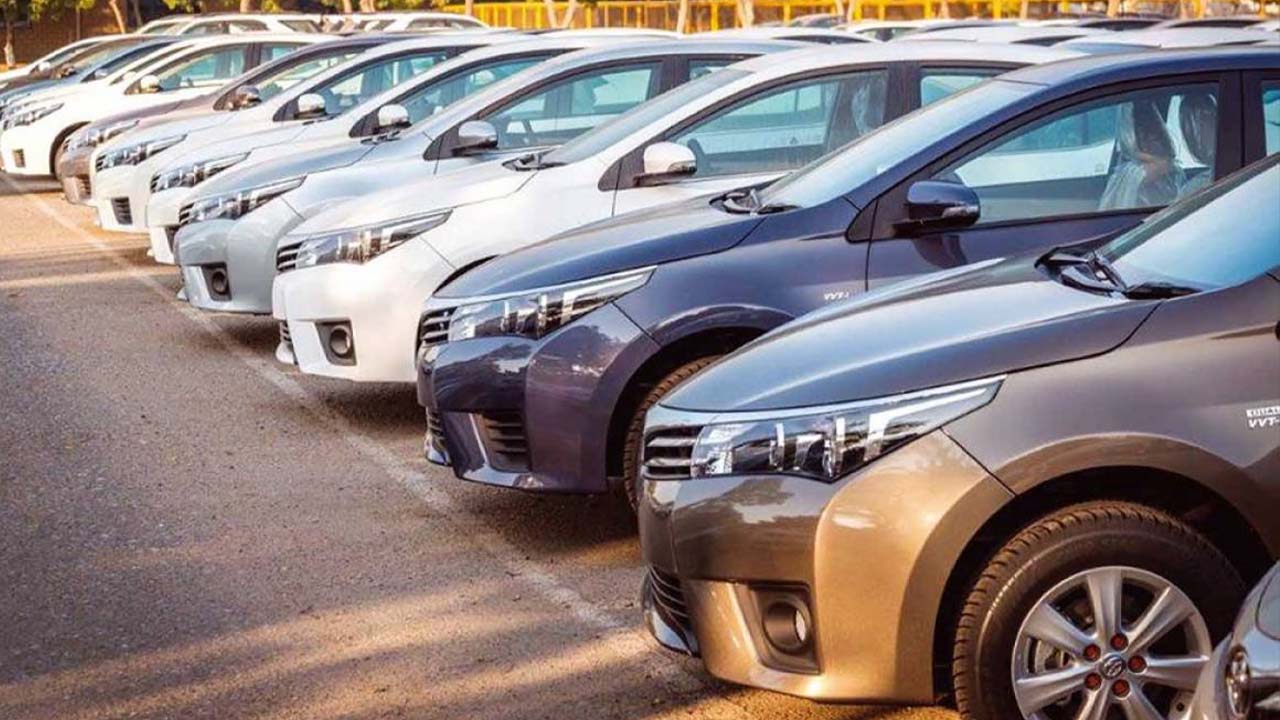
    The Federal Board of Revenue (FBR) has implemented significant changes to the tax structure for motor vehicles in an effort to boost government revenue and encourage tax compliance. The new regulations apply to both Active Taxpayers List (ATL) filers and non-filers.

    For individuals not on the ATL, the tax rates on motor vehicles have been increased by a substantial 200 per cent. This means that non-filers will now be subject to fixed tax rates of 18 per cent, 24 per cent, and 30 per cent, based on the engine capacity of their vehicles, specifically 2001cc to 2500cc, 2501cc to 3000cc, and above 3000cc, respectively.

    On the other hand, ATL filers will experience a different taxation structure. Instead of fixed tax amounts, they will be required to pay tax at a rate of 6 per cent, 8 per cent, and 10 per cent, depending on the engine capacity of their motor vehicles, namely 2001cc to 2500cc, 2501cc to 3000cc, and above 3000cc, respectively.

    In cases where the engine capacity is not applicable, and the value of the vehicle exceeds Rs5,000,000, the tax rate will be 3 per cent of the import value (including customs duty, sales tax, and federal excise duty for imported vehicles, and invoice value for locally manufactured or assembled vehicles).

    It is worth noting that certain exemptions have been made. Pakistan’s government agencies and foreign diplomats will not be subject to these revised tax rates.

    Furthermore, the circular introduced tax implications for bank withdrawals based on the withdrawn amount. Non-ATL filers will be taxed Rs303 for withdrawals of Rs50,500 and taxed Rs450 for withdrawals ranging from Rs55,000 to Rs75,000.

    Additionally, to curb unnecessary foreign exchange outflows via credit/debit card transactions, the withholding tax rates for ATL persons have been increased from 1 per cent to 5 per cent, while non-ATL persons will face a higher rate of 10 per cent, up from the previous 2 per cent.

    These adjustments in the tax policy aim to strengthen the country’s revenue generation while encouraging citizens to become active taxpayers.