Blog

  • Shoaib Akhtar is not interested in a second marriage

    Shoaib Akhtar is not interested in a second marriage

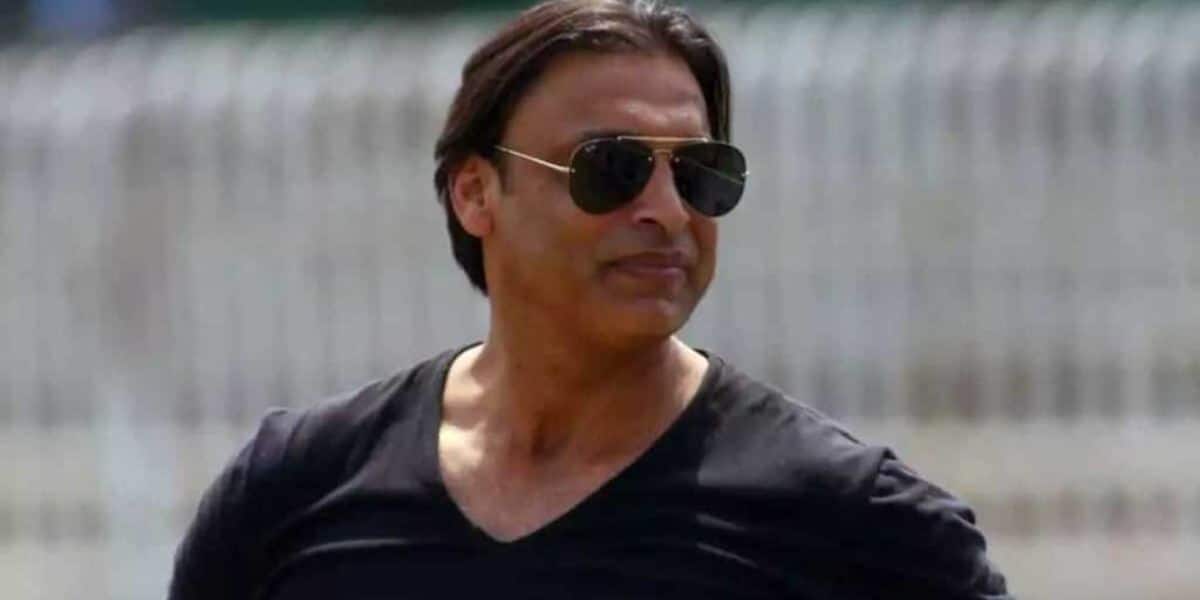
    Former fast bowler Shoaib Akhtar recently appeared on Hafiz Ahmed’s podcast where he opened up about whether he would get married for a second time.

    The speedster rejected the idea of marrying again, saying that he would remain committed to his wife. The cricketer said that although Islam allows men to marry multiple times, it also encourages men to remain faithful and kind to their wives:

    “You can get married four times, but I believe that once you’re attached to someone, they have left their home for you so you should leave your things for them as well. Be nice to her, kind to her. You should be an inspiring figure to her. You should have a strong character and shouldn’t pressurise her to do anything. I’m always straight forward and honest, I take care of my children and teach them the Quran.”

    The cricketer, who tied the knot with Rubab Khan in 2014, talked about the arranged marriage his parents had set up for him, when they met his wife’s parents during Hajj:

    “My mother had met my wife’s mother during the time they were completing Hajj, and during this visit she had taken a lot of care of my mother. When my parents came back, during that moment my mother introduced me to a girl and told me ‘This is your wife’, and I agreed to marry her.”

    Akhtar said they had a simple nikkah ceremony, which wasn’t open to public, with just a few people from his family and from his wife’s family.

    Akhtar went on to reveal that he is quite different from his conservative wife because of his liberal views, but he has never pressurised her to do anything that she doesn’t want to, including asking her to make media appearances:

    “My family doesn’t like coming on tv. My wife is very conservative, even though I am very liberal, very open minded. I keep asking her to go out and eat something, and she refuses.”

    Akhtar also added that he respects his wife’s preference which is why he doesn’t speak about their personal life during media appearances, to keep supporting her choice to remain a private figure.

  • Eight cases of rape reported in Lahore in last 48 hours

    Eight cases of rape reported in Lahore in last 48 hours

    Eight cases of rape have been registered in Lahore in last 48 hours, Dawn has reported.

    A housemaid was raped in Defence Lahore, after being promised a job against an attractive salary package. The woman got pregnant after the rape, leading to her husband kicking her out of the house.

    In a separate incident, a man kidnapped a 14-year-old girl from Muzaffargarh, took her to Lahore, and raped her.

    One woman was gang raped in Quaid-e-Azam Industrial area, another was raped in Sabzazar.

    Another woman was allegedly raped in Green Town area of Lahore.


    As per the details, the suspects involved in rape incidents also take money from the the survivors by blackmailing them.
    Last year in June, Punjab government declared a rape emergency in the province, following an increase in rape and sodomy cases in the province.

  • This resurfaced advertisement about partition from Google India is moving Twitter to tears

    This resurfaced advertisement about partition from Google India is moving Twitter to tears

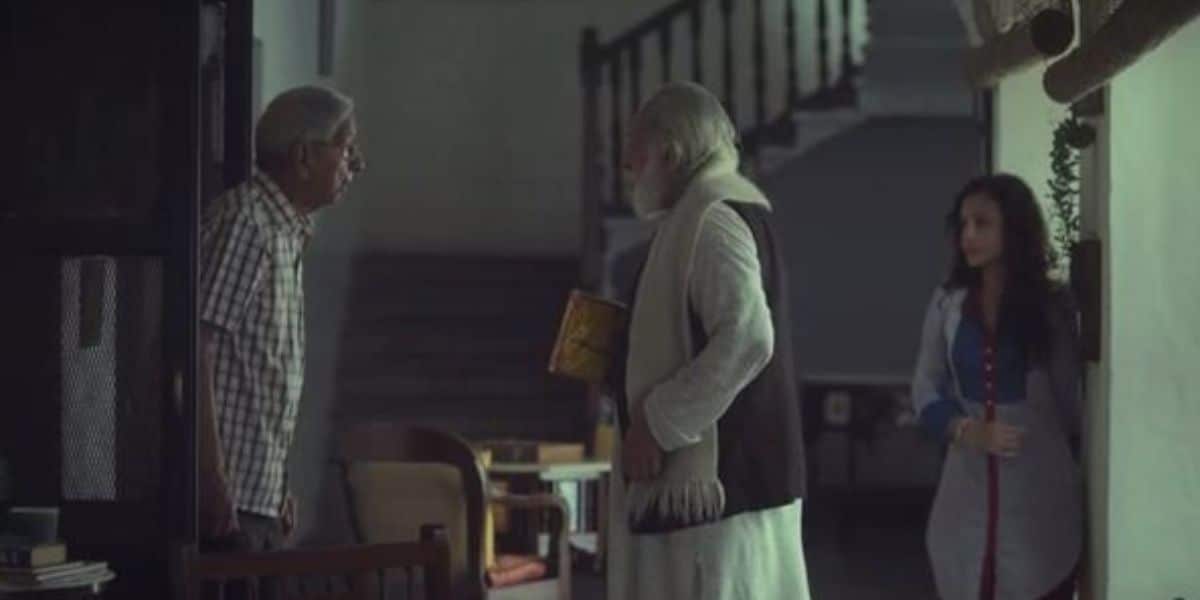
    An advertisement titled ‘Reunion’ made by Google India in 2013 has resurfaced on Twitter. The ad was about two long lost friends from India and Pakistan who are reunited with the help of their grandchildren.

    The advertisement revolves around two grandchildren who listen to their grandfathers recall being friends and living in Lahore, until partition took place, driving them apart. The grand daughter from India then tries hard to connect with the friend from Pakistan, and books tickets to get the two to unite.

    A twitter thread by an Indian twitter user asked followers about the best advertisements they had ever seen. In reply, a user shared the ad, moving Twitter to tears.

    The partition between India and Pakistan is still like an open wound. It is nice to remember that despite political tensions between the two countries, people remain united by love.

    “This never fails to bring a lump in my throat and moisten the eyes,” wrote a user.

    “Actual tears rolling down my eyes.” wrote another user.

    “Now why is Google making me tear up on a Friday afternoon”.

  • ANF seizes heavy amount of drugs in country wide operations

    ANF seizes heavy amount of drugs in country wide operations

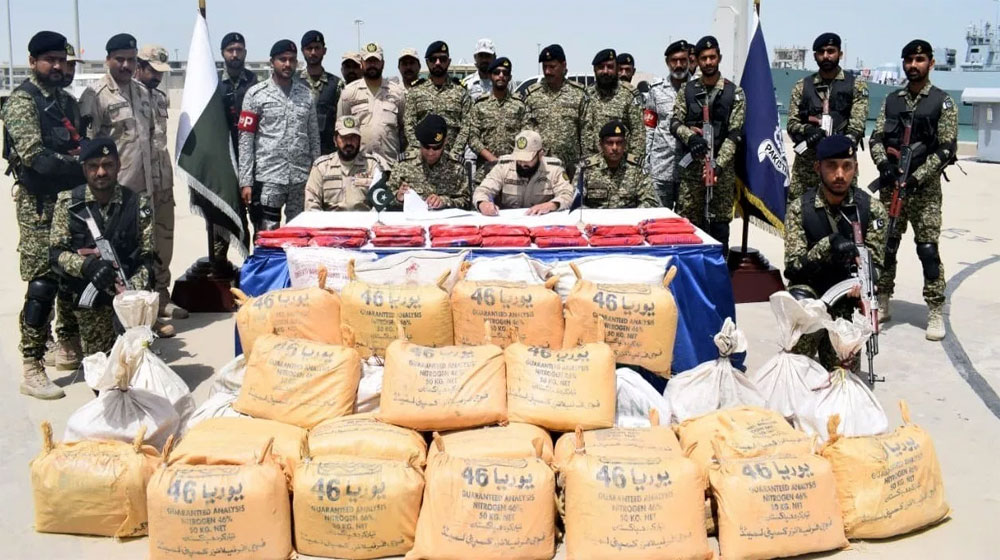
    The Anti-Narcotics Force (ANF) on Saturday arrested five drug peddlers and seized a huge cache of drugs in operations across the country.

    According to the ANF spokesman, the ANF carried out multiple operations in various parts of the country. The force foiled a major drug smuggling attempt from Quetta to Punjab and also recovered 180 kg of hashish from a truck full of onions near Dera Ghazi Khan.

    He said two suspects, who were residents of Pishin, were apprehended by the ANF team. In another operation, 500 grams of heroin was recovered from a suspect who belongs to Sialkot near Wazirabad Road in Hafizabad district of Punjab.

    Another operation was conducted at Indus Chowk near Gadap Town in Karachi, where 51 kgs of hashish was recovered from a car. It was being smuggled from Quetta to Karachi, he added.

    The spokesperson further said 371 kg of heroin and 221 kg of morphine were recovered from an uninhabited area of Pishin and also 10 kg of hashish was recovered from a rickshaw at Airport Road in Quetta.

    He said cases have been registered against the arrested suspects under the Anti-Narcotics Act and further investigation is underway.

  • Budget 2023-24: How much tax will you pay on your salary?

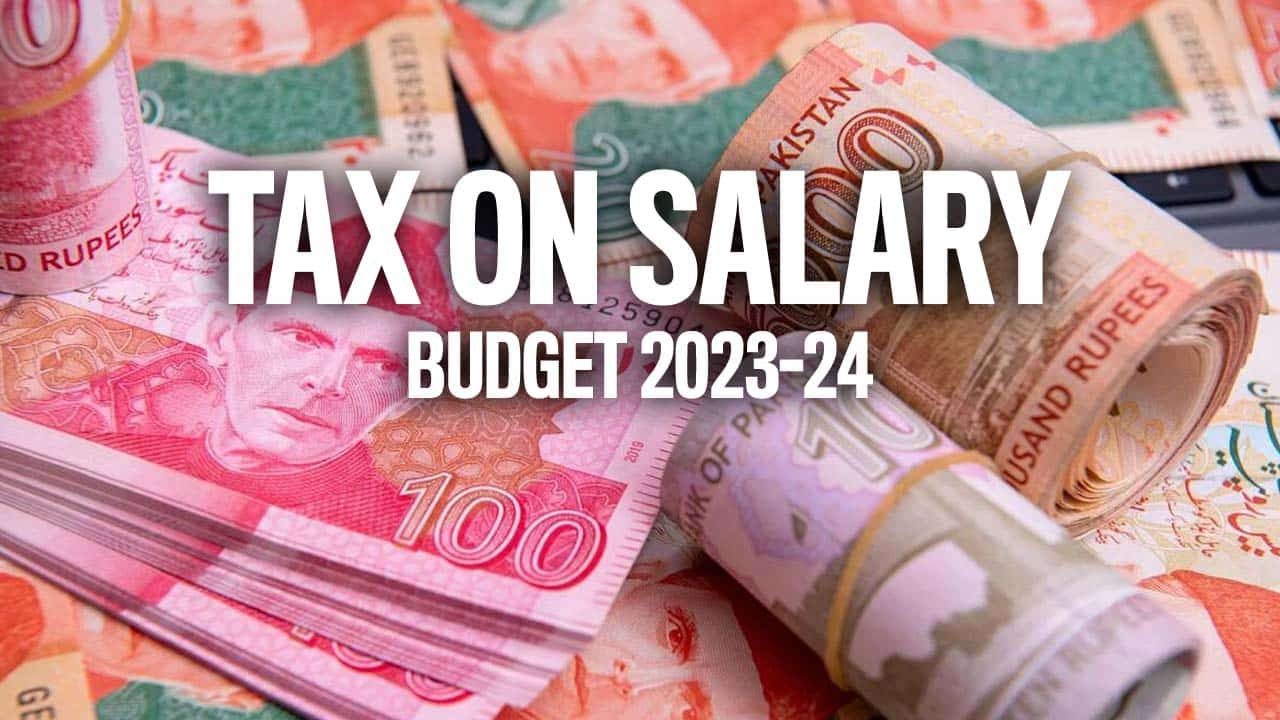
    Budget 2023-24: How much tax will you pay on your salary?

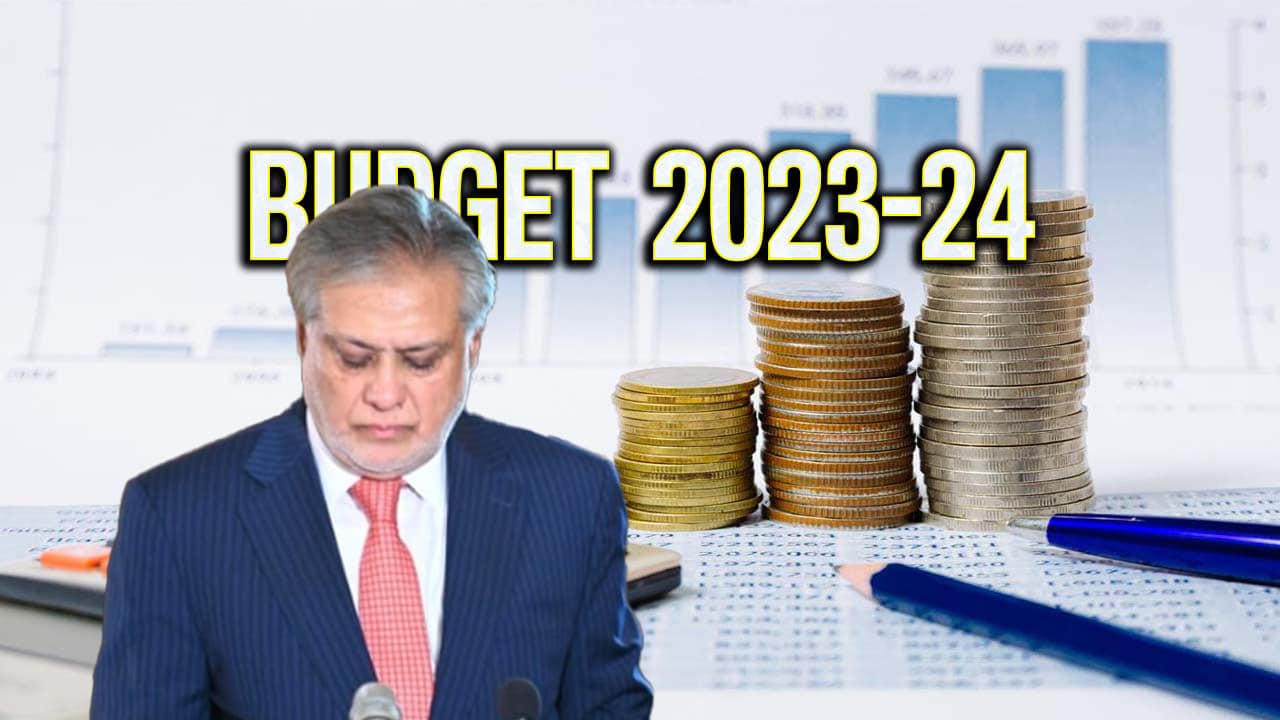
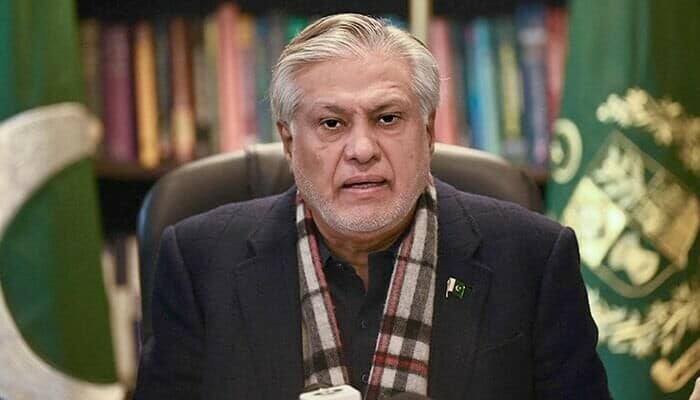
    Finance Minister Ishaq Dar presented a comprehensive budget proposal of Rs14.46 trillion for the fiscal year 2023-24, emphasising an expansionary approach. One of the key highlights of the proposal was a substantial increase in the salaries of government employees, aimed at providing much-needed relief.

    In order to ensure that the burden on the salaried class remained unchanged, the coalition government decided not to make any alterations to the existing tax slabs, which were approved in the previous year’s Finance Bill of 2022.

    Outlined below are the tax slabs for different income brackets:

    1. Income below Rs600,000 per year (Rs50,000 per month):

    Ā Ā  – No tax will be deducted.

    2. Income between Rs600,000 to Rs1.2 million per year (Rs50,000 to Rs100,000 per month):

    Ā Ā  – Tax will be levied at a rate of 2.5 per cent on the amount exceeding Rs600,000.

    3. Income between Rs1.2 million to Rs2.4 million per year (Rs100,000 to Rs200,000 per month):

    Ā Ā  – Tax will be levied at a rate of Rs15,000 plus 12.5 per cent on the amount exceeding Rs1.2 million.

    4. Income between Rs2.4 million to Rs3.6 million per year (Rs200,000 to Rs300,000 per month):

    Ā Ā  – Tax will be levied at a rate of Rs165,000 plus 20 per cent on the amount exceeding Rs2.4 million.

    5. Income between Rs3.6 million to Rs6 million per year (Rs300,000 to Rs500,000 per month):

    Ā Ā  – Tax will be levied at a rate of Rs405,000 plus 25 per cent on the amount exceeding Rs3.6 million.

    6. Income between Rs6 million to Rs12 million per year (Rs500,000 to 1,000,000 per month):

    Ā Ā  – Tax will be levied at a rate of Rs1.005 million plus 32.5 per cent on the amount exceeding Rs6 million.

    7. Income exceeding Rs12 million per year (exceeding Rs1,000,000 per month):

    Ā Ā  – Tax will be levied at a rate of Rs2.955 million plus 35 per cent on the amount exceeding Rs12 million.

    These tax slabs have been carefully designed to ensure a fair and balanced approach to income taxation, considering various income brackets. By maintaining consistency with the previous year’s tax slabs, the government aims to alleviate the burden on the salaried class while still generating the necessary revenue for public welfare and development initiatives.

    Overall, the budget proposal presented by Finance Minister Ishaq Dar reflects the government’s commitment to supporting government employees and maintaining a progressive tax system that promotes economic growth and fairness.

    Tax slabsAnnual incomeMonthly incomeTax rate
    Slab 1Below Rs600,000Below Rs50,000No tax deducted
    Slab 2Rs600,000 – Rs1.2 millionRs50,000 – Rs100,0002.5 per cent of the amount exceeding Rs600,000
    Slab 3Rs1.2 million – Rs2.4 millionRs100,000 – Rs200,000Rs15,000 + 12.5 per cent of the amount exceeding Rs1.2 million
    Slab 4Rs2.4 million – Rs3.6 millionRs200,000 – Rs300,000Rs165,000 + 20 per cent of the amount exceeding Rs2.4 million
    Slab 5Rs3.6 million – Rs6 millionRs300,000 – Rs500,000Rs405,000 + 25 per cent of the amount exceeding Rs3.6 million
    Slab 6Rs6 million – Rs12 millionRs500,000 – Rs1,000,000Rs1.005 million + 32.5 per cent of the amount exceeding Rs6 million
    Slab 7Above Rs12 millionAbove Rs1,000,000Rs2.955 million + 35 per cent of the amount exceeding Rs12 million
  • Budget 2023-24 prioritises promoting economic growth, says Ishaq Dar

    Budget 2023-24 prioritises promoting economic growth, says Ishaq Dar

    Federal Minister for Finance and Revenue, Ishaq Dar, delivered a comprehensive assessment of the FY2023-24 budget during a post-budget press conference in Islamabad. He highlighted the distinctive nature of this budget compared to previous traditional budgets, emphasising its focus on fostering economic growth.

    Dar shared that the coalition government is committed to addressing the concerns of traders before finalising the federal budget in parliament. In order to accomplish this, he announced the formation of two committees to address business-related issues and technical matters.

    These committees, customary within the Federal Board of Revenue (FBR), will be established by the FBR chairman by Monday. Their purpose is to ensure comprehensive consideration of any overlooked aspects and provide a platform for individuals to voice genuine reservations.

    The finance minister refuted claims of introducing new taxes this year and emphasised the government’s efforts to provide substantial relief. He defended the allocation of Rs950 billion and Rs200 billion from the Public and Private Partnership mode, considering it a notable achievement. Dar reiterated the budget’s departure from traditional approaches, with a strong emphasis on fostering progress and economic growth.

    Dar expressed the government’s determination to rectify past economic losses by promoting employment opportunities, curbing inflation, and generating more jobs. Consequently, he anticipated a decrease in the policy interest rate.

    Read more: Govt allocates only Rs97 billion for education in budget 2023-24

    The minister projected inflation to be around 21 per cent in the upcoming fiscal year (2023-24), while estimating government expenditure at Rs14,040 billion.

    Addressing the power sector, Dar allocated over Rs1900 billion exclusively for its development. He stressed the importance of implementing necessary reforms to improve this sector. He also clarified that no new subsidies would be introduced in the renewable energy sector, despite its prominence in the budget.

    Furthermore, the minister addressed rumors regarding the withdrawal of edible oil, refuting such claims and affirming that no such action had been taken.

  • No, Pervez Khattak is not joining  Jahangir Tareen’s party

    No, Pervez Khattak is not joining Jahangir Tareen’s party

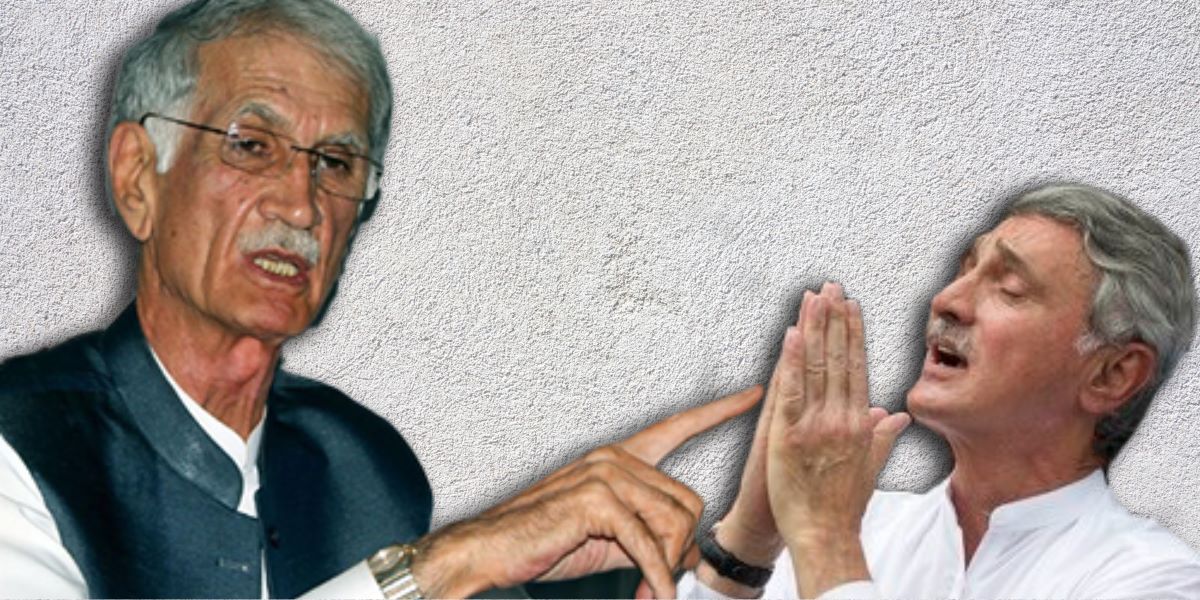
    Former provincial president of Pakistan Tehreek-e-Insaf (PT), Pervez Khattak, on Saturday denied reports of him joining the newly established political party of Jahangir Khan Tareen, Istehkam-e-Pakistan.

    Dismissing reports of him meeting with Tareen, Khattak wrote, ā€œI want to make it clear that I have no intention of affiliating with any other political party nor have I had any meetings with Jahangir Khan Tareen. The ongoing news circulating in the media about me is unfounded and completely falseā€.


    Jahangir Khan Tareen, formally established the ā€œIstehkam-e-Pakistanā€ political party on Thursday in Lahore. Former PTI leaders Imran Ismail, Aleem Khan and Ali Zaidi were also present at the press conference to announce the launch.

    The party comprises more than 100 former National Assembly members and leaders of PTI.
    Earlier this month, Khattak announced his decision to step down from his party position, hours after claims of him being detained, along with Asad Qasier, in Islamabad.


  • Govt allocates only Rs97 billion for education affairs and services in budget 2023-24

    Govt allocates only Rs97 billion for education affairs and services in budget 2023-24

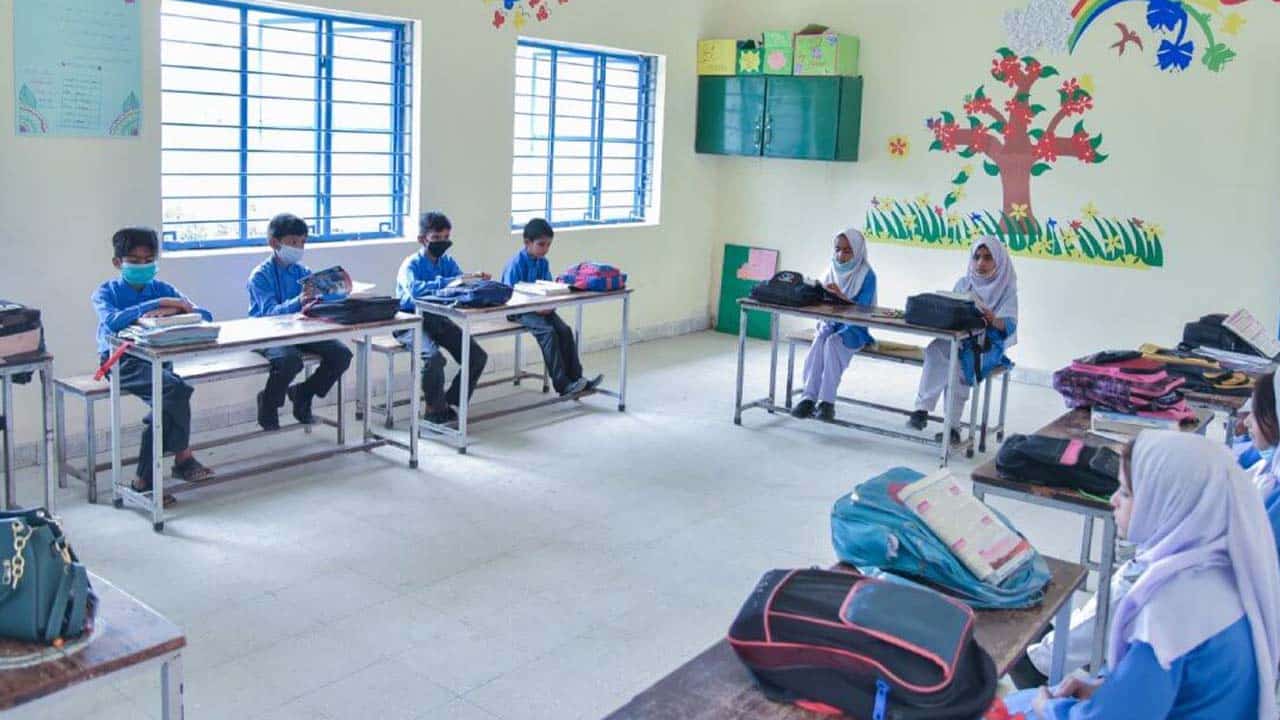
    The federal government has designated a budget of only Rs97.098 billion for education affairs and services in the fiscal year 2023-24. This allocation reflects a 5.5 per cent increase compared to the revised allocation of Rs91.777 billion for the current fiscal year.

    Pakistan’s public expenditure on education, as a per centage of GDP, is estimated to be 1.7 per cent in the fiscal year 2022-23, a slight increase from 1.4 per cent in the previous year. However, this figure remains the lowest in the region.

    Of the total allocation, the bulk of expenditure amounting to Rs76.589 billion has been allocated for Tertiary Education Affairs and Services in the budget for 2023-24, accounting for 79 per cent of the total allocation under this category.

    Furthermore, the government has designated Rs4.468 billion for pre-primary and primary education affairs in the upcoming fiscal year, compared to Rs3.786 billion in 2022-23. Additionally, Rs10.778 billion has been earmarked for Secondary Education Affairs and Services in 2023-24, as opposed to Rs8.863 billion in the previous year.

    The budget for administration has also increased, with Rs3.698 billion allocated compared to the revised figure of Rs2.010 billion for 2022-23, which was later revised to Rs2.430 billion.

    Since the implementation of the 18th Constitutional Amendment, education has been devolved to the provinces, making the federal government primarily responsible for financing higher education.

    According to budget documents, the Higher Education Commission (HEC) has been allocated Rs59.71 billion under the Public Sector Development Programme (PSDP) for 2023-24, a significant increase from the previous year’s allocation of Rs44.718 billion.

  • ā€˜Apologise to the nation for record-high 38% inflation’: PTI wants Dar to resign

    ā€˜Apologise to the nation for record-high 38% inflation’: PTI wants Dar to resign

    A spokesperson for Pakistan Tehreek-e-Insaf (PTI) in a statement on Friday said that they want Finance Minister Ishaq Dar to resign and apologise to citizens for taking the country to the brink of default and unleashing 38 percent inflation.

    The PTI spokesperson further said that the Economic Survey FY2023 ā€œpaints a truly dismal picture of the economyā€.

    ā€œThe epic failure of the PDM government has led to a ā€˜never-seen-before’ crisis with eight million workers becoming unemployed in FY2023, the unemployment rate rising to 10%, and causing nearly 18 million households to fall below the poverty line.ā€

    ā€œThe epic failure of his ā€˜Dar peg’ policy has showcased again why we believe he is unfit for this job, with a complete lack of basic understanding of markets and economic policy. This policy has brought the economy to the brink of a default, with SBP reserves now standing at only $3.9bn, not even enough to finance one month of imports. They were $10.5 billion at the time of the VONC,ā€ the statement added.

    Amidst the economic crisis, the coalition government presented an expansionary budget for fiscal year 2023-24 on Friday.

  • Govt increases defence budget by 16% to Rs1.8 trillion

    Govt increases defence budget by 16% to Rs1.8 trillion

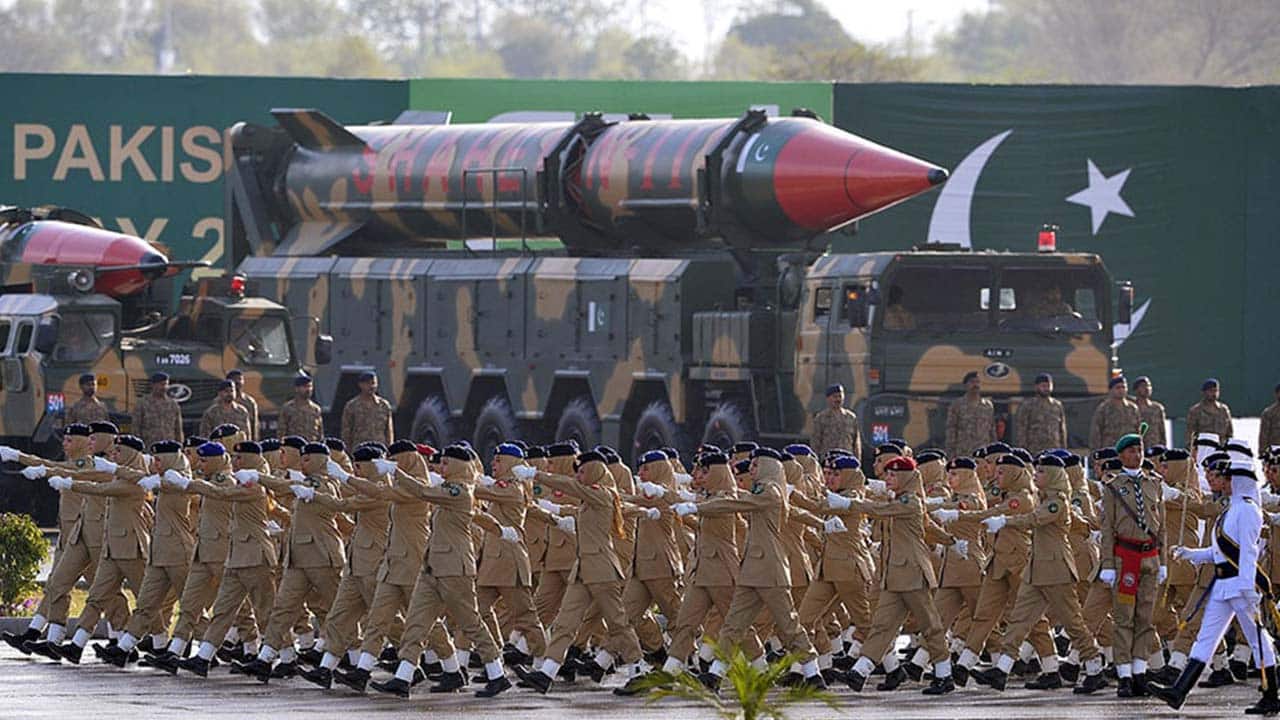
    In response to the prevailing internal and external security challenges faced by Pakistan, the federal government has put forward a proposal for a substantial 16 per cent rise in the defence budget. According to the budget document, the allocation for defence in the fiscal year 2023-24 is projected to be Rs1,804 billion, signifying an increase from the revised defence spending of Rs1,591 billion assigned for the outgoing fiscal year.

    Experts opine that the justification for a 15.7 per cent surge in the defence budget stems from the record inflation and devaluation of the rupee against the dollar witnessed over the past year. A detailed examination of the budget reveals that the figure of Rs1,804 billion excludes Rs563 billion designated for retired military personnel pensions, Rs280 billion for the armed forces development program and other crucial expenses, and Rs58 billion for UN peacekeeping missions.

    According to the 2023-24 budget document, out of the total defence allocation, Rs705 billion has been set aside for employee-related expenses, Rs442 billion for operational costs, Rs461 billion for local purchases and import of arms and ammunition, and Rs195 billion for civil works. Interestingly, all three branches of the military—the army, navy, and air force—have received equal budget increments, albeit with the army receiving the largest share due to its size and role.

    Pakistan’s defence spending currently accounts for 1.7 per cent of its GDP, representing a decline compared to the previous year. In the 2022-23 fiscal year, defence spending constituted around 2 per cent of the country’s GDP, which expanded due to the reevaluation of the economy.

    When comparing the average spending per soldier, Pakistan allocates $13,400, while India dedicates $42,000, Saudi Arabia $371,000, Iran $23,000, and the United States allots a substantial $392,000 annually. It is important to note, however, that the disparity lies in the significant disparity in the sizes of their respective economies compared to Pakistan’s.

    Defence expenditure has consistently been a topic of discussion, with some advocating for greater transparency and open debate regarding the military budget. In recent years, the government has provided more detailed information about the defence budget. Nevertheless, there has been no open parliamentary debate on the subject. Observers argue that the increase in the defence budget is warranted, considering the imminent external and internal security challenges faced by the country.

    Despite the withdrawal of US troops from neighbouring Afghanistan, Pakistan continues to deploy a substantial number of troops along its western border and erstwhile tribal areas to combat the threat of terrorism. Similarly, tensions persist between Pakistan and India, although the restoration of a ceasefire has provided some respite.