Blog

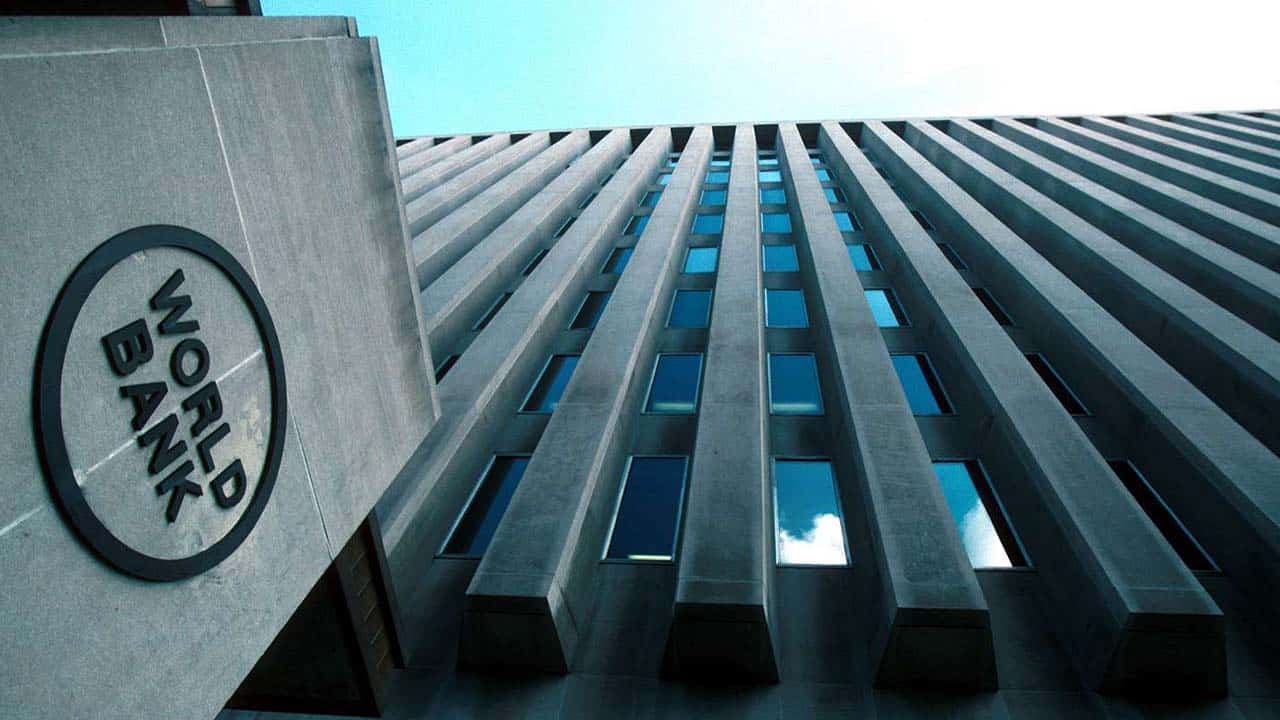
  • World Bank lowers Pakistan’s growth forecast tighter financial conditions

    World Bank lowers Pakistan’s growth forecast tighter financial conditions

    Pakistan’s current-year growth forecast has been significantly reduced by the World Bank due to tighter financial conditions and limited fiscal space. The country’s economy is now expected to grow only 0.4 per cent in the current year, compared to the October 2022 forecast of 2 per cent growth.

    This bleaker forecast assumes that an agreement is reached with the International Monetary Fund for bailout funds. Pakistan’s fiscal year runs from July to June, and the country expects its economy to grow 2 per cent in FY23, although the country’s central bank chief has warned that this forecast could face downward pressure.

    Pakistan has been in economic turmoil for months, with an acute balance of payments crisis. Talks with the IMF to secure $1.1 billion in funding as part of a $6.5 billion bailout agreed upon in 2019 have not yet yielded fruit. Lower economic output and high prices in Pakistan have led to stampedes and looting at flour distribution centres set up across the country. The World Bank attributed the greater food insecurity for South Asia’s poor to elevated global and domestic food prices.

    The World Bank also lowered its 2023 regional growth forecast to 5.6 per cent from 6.1 per cent in October, citing rising interest rates and uncertainty in financial markets as putting downward pressure on the region’s economies. Most countries have raised interest rates at a rapid pace since the war in Ukraine last year led to choking supply chains and stoked inflation globally.

    Sri Lanka’s economy is forecast to contract by 4.3 per cent this year, reflecting the lasting impact of the macro debt crisis, with future growth prospects heavily dependent on debt restructuring and structural reforms. In January, President Ranil Wickremesinghe said Sri Lanka’s economy could contract by 3.5 per cent or 4.0 per cent in 2023 after shrinking by 11 per cent last year.

    The World Bank also lowered its forecast for India’s economic growth in the current fiscal year to 6.3 per cent from 6.6 per cent, due to the expected negative impact of higher borrowing costs on consumption. The current fiscal year began on April 1.


  • ‘Modest dress code’: Peshawar university bans wearing jeans on campus

    ‘Modest dress code’: Peshawar university bans wearing jeans on campus

    The Shaheed Benazir Bhutto Women University (SBBWU), Peshawar has introduced a new “modest” dress code for its students by banning them from wearing jeans and tights on the campus.

    The university’s registrar office issued a formal notification in which students have been asked to strictly adhere to the new dress code.

    “Students have to wear knee-length kurtas, shalwars, and white dupattas, which has been made compulsory for them as per the new dress code,” the notification read.

    The university directed students to wear their cards on university premises, warning them that the new code had been introduced after approval from the registrar office and violators would be fined Rs1,000.

    In March 2021, the Kohat University of Science and Technology (KUST) also introduced a dress code, asking girl students to wear abaya.

    In a notification issued on March 9, the KUST administration directed its male students to either wear white shalwar kameez or grey dress pants with black shoes.

    Female students had been asked to wear white shalwar with any kameez of full sleeves, scarf, dupata, chaddar, black abaya and black shoes. In the winters, they had to wear black sweaters, coats or plain jackets with black abayas.

  • Musk’s Twitter logo change results in 10% rise in Dogecoin price

    Musk’s Twitter logo change results in 10% rise in Dogecoin price

    Elon Musk has replaced Twitter’s bird logo with a doge meme featuring Kabosu, the Shiba Inu that inspired the Doge meme. Both the loading screen and display a picture of Twitter’s homepage feature the new logo.

    Musk announced the change on Twitter with a screenshot of a conversation with a user who suggested replacing the bird with a doge. Musk responded, “Haha that would sick.” It’s unclear whether this was an April Fools’ joke, but it caused a 10 per cent increase in the price of Dogecoin.

    However, Dogecoin’s value is still below its peak in May 2021. Additionally, Musk is facing a $258 million racketeering lawsuit accusing him of promoting Dogecoin as part of a pyramid scheme.

    In other news, Musk announced that legacy accounts on Twitter will lose their blue checkmarks starting April 1.

    Many accounts have already lost their verification sign, but Musk claims that the process is delayed due to staff shortages.

  • Championing working women, condemning dowry: ‘Chand Tara’ is winning hearts for providing a refreshing and wholesome Ramzan drama

    Ramzan dramas have long had the habit of reusing the same stories about marriage-obsessed women chasing after the bad boy, then add some slaps and misogynist behavior, a tarka of badtameez in-laws, the extra masala that is divorce, fights, crying, breakdown and then all’s well that ends well as the battered and bruised woman decides to forgive her husband and move back in with him.

    However, in the last few days, ‘Chand Tara’ has been receiving accolades for taking the same tropes and re-writing them to provide audiences with a hilarious rom-com about wedding season. The drama stars Ayeza Khan and Danish Taimoor as lovers from different backgrounds who try to convince their families to agree to their marriage. Sarim Chand is a software engineer who comes from an extroverted, loud family and is used to catering to the whims of his sassy siblings, and Nain Tara is a doctor who lives with her strict mother and longs for a loud home filled with love and laughter.

    Written by powerhouse drama writer Saima Akram Chaudhry, who was previously responsible for the iconic ‘Suno Chanda’ and then ‘Chupke Chupke’, it was obviously a guarantee that this drama will quickly win the hearts of fans all over Pakistan because of how cleverly it debunks sexist stereotypes and brings forward a refreshing male lead who loves and supports the women in his life and is not afraid to stand up for her. In several episodes, the show has championed the rights for women to include the ‘right to divorce’ clause in the nikkahnama, encouraged brides to be cheerful and FINALLY, no cousin marriage shenanigans.

    What’s also notable here is how Danish Taimoor has decided to pick a male lead who contradicts his past roles, to be more supportive and loving towards the female lead in the drama. Fans have praised Taimoor for getting them to fall in love with the character’s kindness and dedication. One scene that is making audiences swoon depicts Chand carefully removing Tara’s shoes after she’s exhausted from their wedding.

    Fans have appreciated how the drama refuses to follow the same road of woman giving up everything for the man, Tara loves her work and will keep practicing after her marriage while Chand is nothing but incredibly supportive of her ambitions.

    More dramas that champion working woman! Are you listening, entertainment industry? This is the kind of content we need!

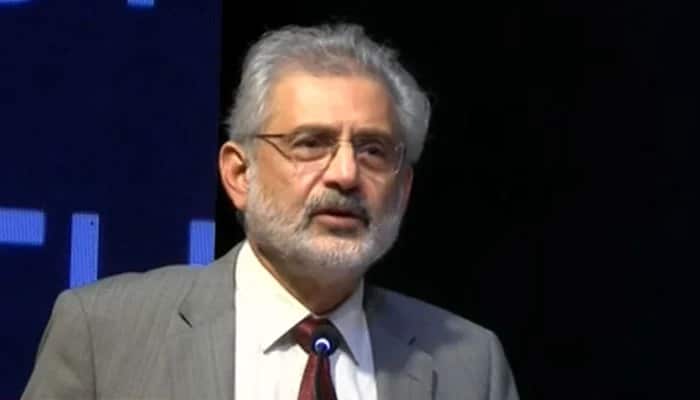
  • Supreme Court disposes of Justice Faiz Isa’s order to stop all suo moto proceedings

    Supreme Court disposes of Justice Faiz Isa’s order to stop all suo moto proceedings

    A six-member bench of the Supreme Court formed to deliberate on Justice Faez Isa’s order freezing all the suo moto notices, closed the case after a 5-minute hearing.

    The larger bench includes Justice Ijaz ul Ahsan, Justice Munib Akhtar, Justice Sayyed Mazahar Ali Akbar Naqvi, Justice Muhammad Ali Mazhar, Justice Ayesha A Malik, Justice Syed Hasan Azhar Rizvi.

    Earlier, Justice Isa, while hearing a case pertaining to the grant of additional 20 marks to Hafiz-e-Quran pre-medical candidates for admission into MBBS/BDS degrees, had issued an order to halt all suo moto hearings.

    Later, a circular was issued by the SC Registrar Ishrat Ali ‘disregarding’ the order, triggering controversy about whether a judicial order can be overruled by an administrative order.

    Regarding the matter, Justice Faez Isa asked the registrar to resign, followed by the federal government removing him from his post.

    The decision was taken during a special meeting of the federal cabinet — held under the chairmanship of Prime Minister Shehbaz Sharif — at the PM House in the federal capital.

    The cabinet examined the issue of issuance of a circular by the registrar against the order of the Supreme Court, a statement read, following which he was asked to report to the Establishment Division.

    On Monday, the brewing crisis in the SC dialed up a notch when Justice Qazi Faez Isa wrote a letter to the Registrar and asked him to immediately withdraw the circular that disregarded the judge’s judicial order about the postponement of suo moto proceedings.

    In his order dated March 29, Justice Isa had written that the Chief Justice of Pakistan does not arbitrary powers to form benches and list cases for hearings. “With respect, the Chief Justice cannot substitute his personal wisdom with that of the constitution,” the stern-worded document said.

    In the letter addressed to Ishrat Ali, the top judge said that he was astonished to receive a ‘Circular’ bearing No. Registrar/2023/SCJ dated 31 March 2023.

    He reminded the officer that “a registrar does not have the power or authority to undo a judicial order, and the Chief Justice cannot issue administrative directions with regard thereto.”

    He wrote that the registrar should be aware of his constitutional responsibility as a senior officer, advising him to leave the charge of the post. 

    Justice Isa is set to become the next chief justice later this year.

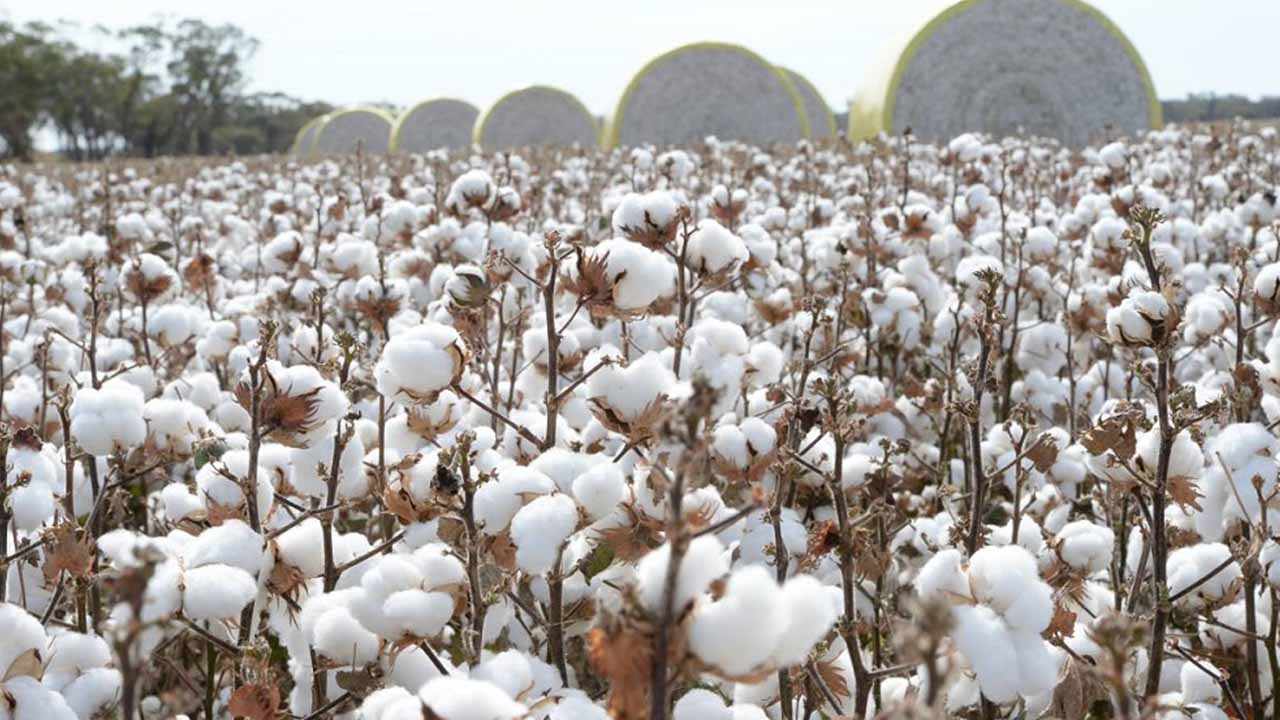
  • Cotton production in Pakistan drops to 40-year low due to flood damage

    Cotton production in Pakistan drops to 40-year low due to flood damage

    According to data released by the Pakistan Cotton Ginners Association (PCGA), cotton production in the country has decreased by 34 per cent this year compared to the previous season. The final figures for the crop year 2022-23 show that Pakistan produced 4,912,069 bales, which is the lowest in around four decades, as opposed to 7,441,833 bales produced in the 2021-22 season, resulting in a year-on-year decline of 2,528,764 bales or a 34 per cent loss.

    This drop in production means that the textile industry will have to import around 10 million bales to meet its annual demand of 15 million bales. However, mill consumption in the year 2022-23 has also been reported at 8.8 million bales, the lowest in over 20 years, primarily due to severe import financing issues.

    Market sources state that textile mills have so far signed import agreements for 5.5 million bales, while they have purchased 4,605,449 bales from the local market. Last year, the mills had bought 7,332,000 bales from the domestic market. Ginners report that they are still holding 301,720 bales in their stocks, compared to last year’s inventory of 93,833 bales.

    The massive drop in cotton arrival is blamed on flash floods and heavy rains during last year’s monsoon that devastated large swathes of agricultural land in the country, particularly in Sindh and Balochistan provinces.

    Interestingly, despite strong demand in international markets, only 4,900 bales of white lint were exported this year, compared to the previous year’s figure of 11,000 bales, a fall of over 69 per cent. The main destinations for Pakistan’s raw cotton are the Philippines, Italy, Bangladesh, Greece, and France.

    Province-wise, Punjab registered over a 32 per cent year-on-year decline in output, producing 3,033,050 bales this season against 3,928,690 bales last season. Sindh reported over a 46 per cent year-on-year loss in yield, with the lint production in the province this year standing at 1,879,019 bales against 3,513,143 bales last year.

    Pakistan’s cotton output reached a high of 14.1 million bales in the year 2004-05. But it dropped to 7 million bales in 2020-21 and about 9.45 million bales in 2021-22, as the country’s per acre yield contracted to half of the crop productivity in other countries of the region.

    A recent meeting of the Economic Coordination Committee (ECC) expressed concern over the continuous decline in cotton production and acreage over the years. As a result, the ECC approved Rs8,500 per 40kg as the intervention price on a summary submitted by the Ministry of National Food Security and Research to attract growers towards the crop.

    The ministry informed the ECC that in order to draw up a cotton intervention price proposal, consultations were held with all stakeholders, including the provincial governments, growers, and cotton associations in January and February. Stakeholders, including the All Pakistan Textile Mills Association, called for pegging the cotton intervention price with the import parity price in line with the policy adopted over the past two years.

    To review market prices and propose intervention on a fortnightly basis, the ECC constituted a cotton price review committee with the mandate to review market prices and propose intervention on a fortnightly basis.

  • Amir Khan banned from all sport after failing dope test

    Amir Khan banned from all sport after failing dope test

    Amir Khan banned from all sport after failing dope test

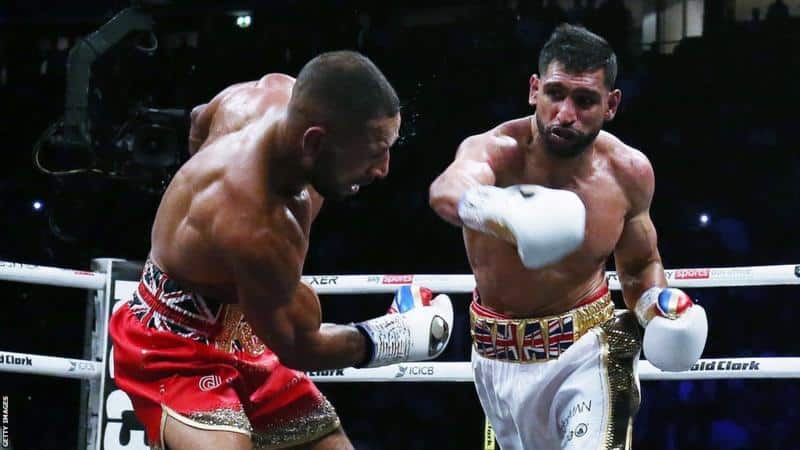
    British boxing star Amir Khan has been banned for two years after an anti-doping test revealed the presence of a prohibited substance.

    The former light-weight world champion tested positive for ostarine, a drug mainly used to boost testosterone (male hormones). The UK Anti-Doping (UKAD) website states that


    Amir Khan retired from boxing in May but he accepted that he was using the prohibited substance, however, it was not intentional.
    An independent tribunal accepted that argument, ruling out “deliberate or reckless conduct” by the 36-year-old.

    In October, British sprinter CJ Ujah was banned for 22 months after he tested positive for two banned substances, including ostarine, at the Tokyo Olympics.

    “This case serves as a reminder that UKAD will diligently pursue anti-doping rule violations in order to protect clean sport,” chief executive Jane Rumble said.

    “Strict liability means athletes are ultimately responsible for what they ingest and for the presence of any prohibited substances in a sample.”

    The ban from all sports is deemed to have begun on 6 April 2022 and expires on 5 April 2024.

    Khan, who won a silver medal at the 2004 Athens Olympics as a 17-year-old, was beaten by Brook via sixth-round knockout in what proved to be his final professional bout.

    He retired from the sport three months later, finishing his career with 34 professional wins and six losses, having turned professional in 2005.

  • Historical thrillers, action-packed comedies: here is the list of films releasing on Eid

    This Eid is the best time to head back to the cinemas as a flux of A-list celebrities are set to star in unique films.

    If you’re someone who isn’t a fan of cringey rom-coms, you’ll want to check out this list because aside from comedies, the list includes thrillers with powerful leading ladies, historical action films and much more!

    Let’s look in to the upcoming films set to release on Eid.

    Money Back Guarantee

    Written and directed by comedy king Faisal Qureshi himself, the film is set to star Fawad Khan, who is making his silver screen comeback after a long hiatus, and will also mark the debut of Wasim Akram and his wife Shaneira. The film is an action-packed comedy that is definitely the right flavour for Eid.

    2. Huey Tum Ajnabi

    Directed by film star Kamran Shahid, the film is based around the events of the 1971 war that led to the creation of Bangladesh. It stars Mikaal Zulfiqar and Sadia Khan in leading roles, as well as Ayesha Omar, Samina Peerzada and Adnan Jillani.

    3. Daadal

    If you were disappointed by not being able to watch ‘Javed Iqbal’, then this next action film with a fiercely powerful female lead by Abu Aleeha will definitely make you want to book tickets today! This film stars a boxer from Lyari played by Sonya Hussayn who kills a gang of rich evil men to avenge the honor of her sister. Soon she teams up with a police officer to go after the criminals.

    4 Lahore Qalandar

    Looks like we’re also getting a Punjabi-style story with a lot of action and conflicts. Directed by Shahid Rana, this film stars Saima Noor, Bando Butt and Shafqat Cheema.

    5 Dorr

    A man tries to save the woman he loves from a violent gang, who have kidnapped her in exchange for a bribe. Directed by Nadeem Cheema, it stars Asad Mahmood, Shafqat Cheema and Saleem Meraj.

  • Mai un sab se bohot behtar hoon aur zindagi mein unse aagay hoon: Azam Khan hits back at critics

    Mai un sab se bohot behtar hoon aur zindagi mein unse aagay hoon: Azam Khan hits back at critics

    Azam Khan, Pakistan’s most powerful full hard and key middle-order batsman, has hit back at critics with a heated remark in a recent interview.

    “I believe that I am better than those who criticize me and spread negativity against me. I know I am way ahead in life as compared to them,” the crowd favourite said, lashing out at the critics who compare his fitness with his form.

    The 24-year-old’s comments showcase his confidence and determination to focus on his own growth as a player, rather than getting bogged down by negative criticism.

    “Those who label me as a Pindi-pitched-based batsman should also observe my recent performances. While I respect their opinion, I do not play cricket to prove them wrong. Rather, I play cricket for my own satisfaction, and as long as that satisfaction remains within me, I will continue to play,” said Azam.

    Previously, former Pakistan pacer Aaqib Javed had expressed concerns over the fitness levels of players representing Pakistan in international cricket.

    “I am not sure what sort of experiment this was. It’s clear to me that no consideration was taken when selecting the squad for this series about what standard of skills and fitness levels are needed to represent Pakistan,” said Javed.

    “If I was a player in that squad, I would have refused to play with this team. First, at least attain some levels of fitness before playing. Hopefully, they will have learned from this,” he concluded.

    Many former cricketers criticize Azam Khan’s fitness. Former Chairman of Pakistan Cricket Board (PCB) Ramiz Raja once said in a press conference about Sharjeel Khan and Azam Khan that “if they want to play cricket first they should be fit and be like proper athletes.”

  • Khan talks about his plan to return to power to TIME magazine

    Khan talks about his plan to return to power to TIME magazine

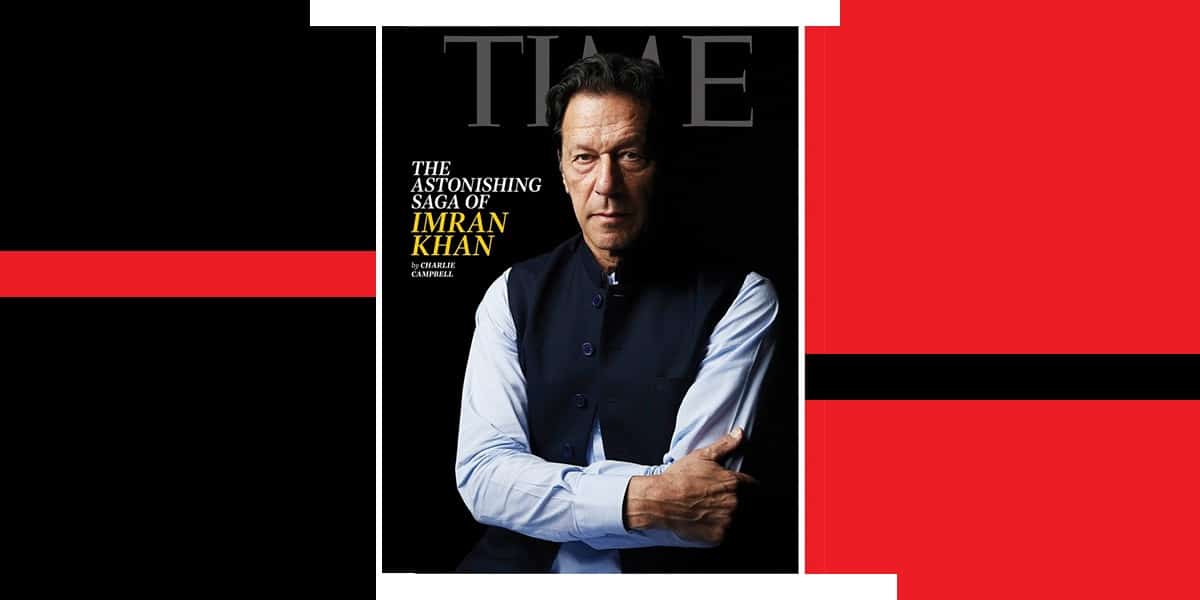
    Pakistan Tehreek-e-Insaf (PTI) Chairman Imran Khan has made it to the cover page of the American magazine TIME.

    The former prime minister in an exclusive interview with Charlie Campbell spoke extensively about his plan to return to power.

    Writing about the crackdown of the government against his party, the police raids and the assassination attempt of November 2022, the magazine wrote: “The state appears to flirt with the idea. Police raids on Khan’s home in the Punjab province capital of Lahore in early March left him choking on tear gas, he says, as supporters brandishing sticks battled police in riot gear before makeshift barricades of sandbags and iron rods. This sort of crackdown has never taken place in Pakistan, says Khan.”

    Imran Khan tells Campbell that political stability in Pakistan comes through elections. But, the magazine adds, from the U.S. perspective, he may be far from the ideal choice to helm an “impoverished, insurgency-racked Islamic state”. But is he the only person that can hold the country together, the magazine asks.

    “Never has one man scared the establishment … as much as right now. They worry about how to keep me out; the people how to get me back in,” Khan tells Campbell.

    Talking about Khan’s relentless taunting of the United States, Campbell wrote, “To journalists and supporters, he[Khan] has accused the U.S. of imposing a ‘master-slave’ relationship on Pakistan and of using it like ’tissue paper.’ To TIME, he insists that ‘criticizing U.S. foreign policy does not make you anti-American.’ Still, by 2022, the generals no longer had his back. The common perception among Pakistan watchers is that Khan’s fleeting political success was owed to a Faustian pact with the nation’s military and extremist groups that shepherded his election victory and he is now reaping the whirlwind.”

    Khan presented a step-by-step plan to get Pakistan back on track, which Campbell pointed out was thin on details. After the elections, Khan says that a “completely new social contract” is required to enshrine power in political institutions rather than the military. If the army chief “didn’t think corruption was that big a deal, then nothing happened,” Khan complained while talking with TIME. “I was helpless.”

    However, the path to this utopia remains murky, the news outlet pointed out. Asked how he plans to turn his much trumpeted Islamic Welfare State ideal into a reality, Khan talks about Medina under the Prophet and the social conscience of Northern Europeans. “Scandinavia is probably far closer to the Islamic ideal than any of the Muslim countries.”

    Campbell further wrote that Khan still claims that the crisis in Pakistan can be solved by elections, despite his broken relationship with the military. “The same people who tried to kill me are still sitting in power,” Khan says. “And they are petrified that if I got back [in] they would be held accountable. So they’re more dangerous.”