Blog

  • Pakistan completes 5G auction; 480MHz sold for $507 million

    Pakistan completes 5G auction; 480MHz sold for $507 million

    Pakistan concluded its 5G spectrum auction on Tuesday, selling 480 megahertz for $507 million by the end of the third round of bidding.

    The auction saw participation from three telecom operators, Zong, Jazz, and Ufone competing primarily for the 2600 megahertz frequency band. Zong secured 110MHz, Ufone 180MHz, and Jazz 190MHz.

    Pakistan Telecommunication Authority (PTA) had offered multiple frequency bands, including 700 MHz for $32.5 million, 1800 MHz for $16.8 million, 2100 MHz for $70 million, 2300 MHz for $10 million, 2600 MHz for $12.5 million, and 3500 MHz for $6.5 million per lot.

    The bidding process began in the presence of Finance Minister Muhammad Aurangzeb, Information Minister Attaullah Tarrar, former IT Minister Syed Aminul Haque, and the chairperson of the National Assembly Standing Committee on IT and Telecom, along with committee members.

    After the first round, the compiled results were released. PTA had offered 190MHz in lots of 10MHz each, but bidders requested 30 lots. Eleven additional lots totaling 110MHz were added to the auction, and the PTA increased the bid price of the 2600MHz band by five percent of its base price.

    For the 3500MHz band, 28 lots of 10MHz were available, but bids were placed for only 20 lots. Breaks were observed before the second and third rounds of bidding.

    Addressing the event, Finance Minister Aurangzeb acknowledged the role of the spectrum committee and the IT ministry in ensuring the auction. He said, “I’ve always said digital is not an end in itself; it’s a means to an end. Faster, cheaper, better it’s as simple as that.”

    He added, “When we talk about jobs, when we talk about how the private sector has to lead the country, this is exactly what the government should be doing … providing the ecosystem and helping out.” 

    He also mentioned the relevance of the auction to new technologies, including AI, blockchain, and Web 3.0, as well as its role in supporting 5G rollout.

    IT Minister Shaza Fatima Khawaja called the day “maybe one of the most important days in the history of Pakistan” and highlighted challenges in connectivity due to the absence of major auctions since the introduction of 3G and 4G. 

    She said the spectrum availability would double and users could expect improved 4G quality within four to five months.

    Shaza also outlined government efforts in satellite internet, international cable connections, and fibre network expansion, noting the removal of right of way charges to reduce internet costs.

    Telecom companies described spectrum as an invisible infrastructure central to digital connectivity.
  • Army destroys Taliban posts in Arandu, Kurram; attacks reported in Mohmand

    Army destroys Taliban posts in Arandu, Kurram; attacks reported in Mohmand

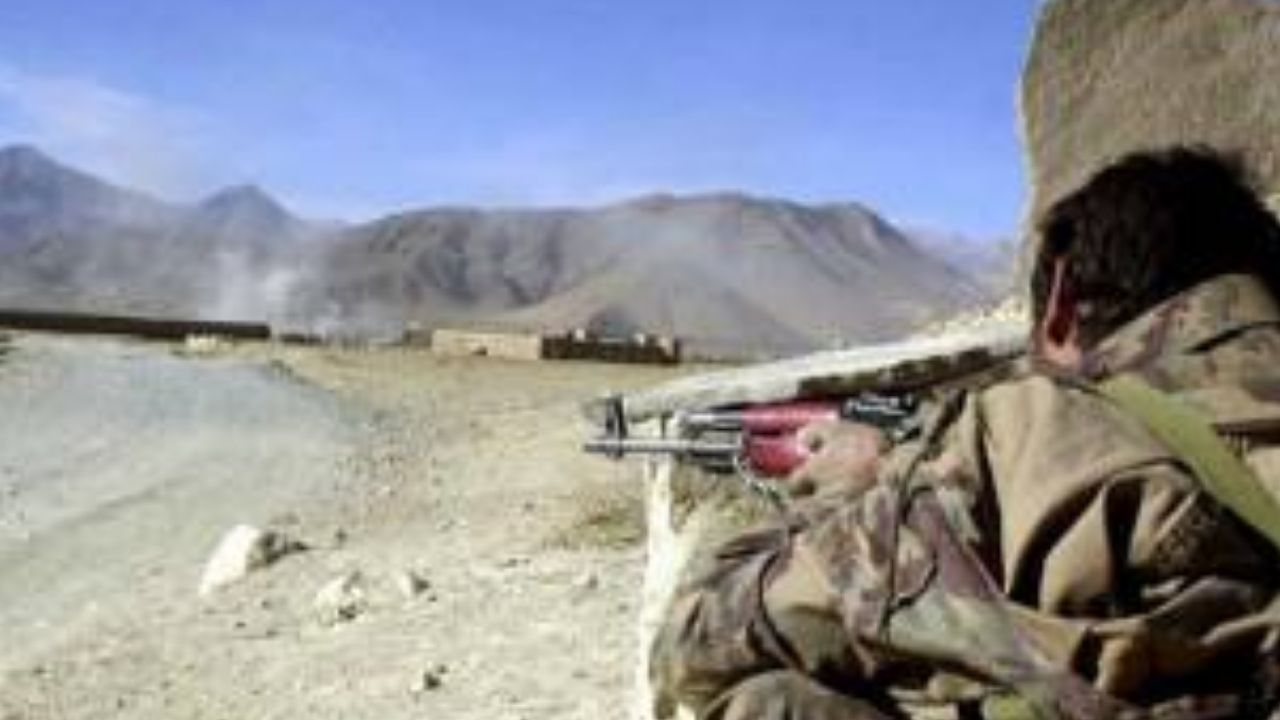
    The Pakistan Army carried out an operation in the Arandu and Kurram sectors, destroying “important posts and centres” of the Afghan Taliban, reports quoted security sources.

    Media reports have said that the Taliban and Fitna al Khawarij were forced to leave their positions. The armed forces targeted only military installations and hideouts.

    In Mohmand, suspected militants carried out a late-night grenade and gun attack on a police post near Atta Bazaar in the Khwezai area. Police sources said that attackers hurled a hand grenade and opened fire on the Muharrar post late Sunday night.

    Police personnel returned fire, after which the attackers fled under cover of darkness. Security in the district has been increased, and all police posts are on high alert.

    Earlier in Mohmand, mortar shells were reportedly fired from across the border in Afghanistan. Police officials said two shells landed at a distance from a Frontier Corps post and the Atam Kalay police checkpost. The incident was reported to Baizai police station around 3:10am on Monday. No casualties or injuries were reported.


    Pakistan has intensified cross-border strikes under Operation Ghazab lil-Haq, which authorities say targets militant networks operating from Afghan territory. 


    Islamabad has repeatedly urged the Taliban administration in Kabul to act against groups such as the Tehreek-i-Taliban Pakistan, saying Taliban use safe havens across the border to launch attacks on Pakistani security forces and civilians.

  • Iran says countries that expel US, Israeli envoys can have Hormuz passage

    Iran says countries that expel US, Israeli envoys can have Hormuz passage

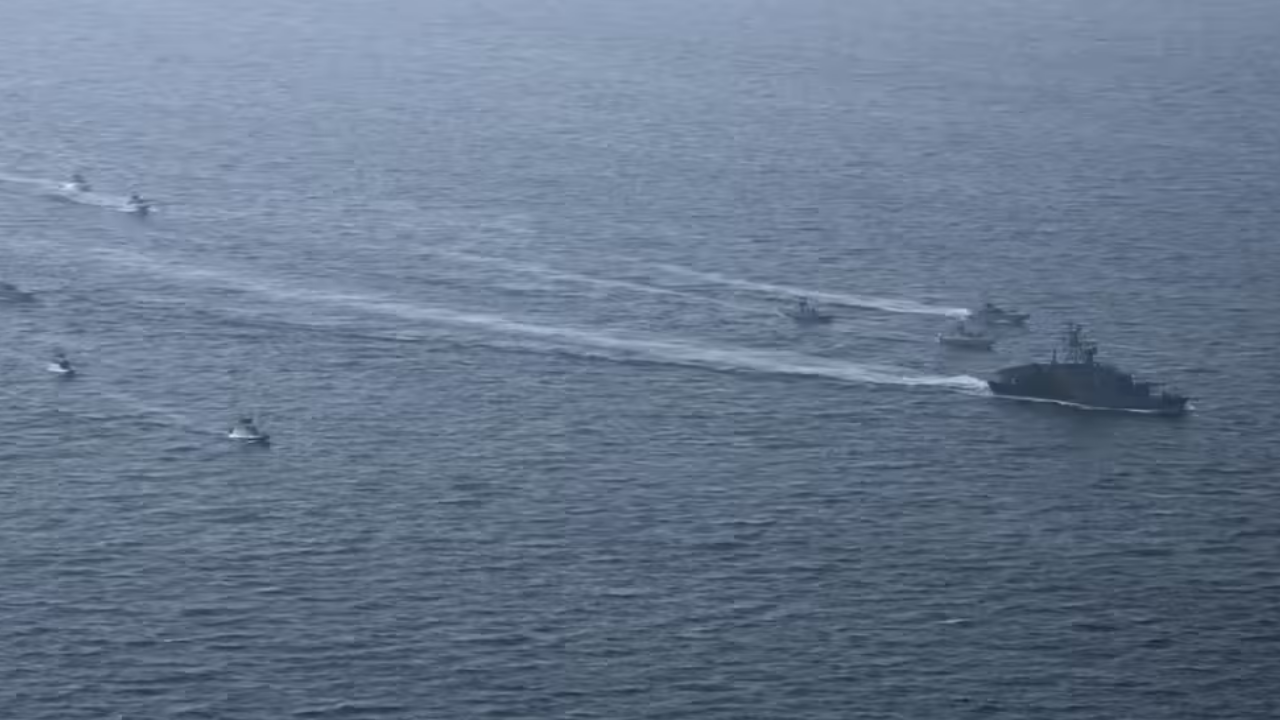
    The Iranian Revolutionary Guard Corps (IRGC) announced that any Arab or European nation that expels the ambassadors of Israel and the United States (US) from its territory will be granted “full authority and freedom” to navigate the Strait of Hormuz.

    The statement, reported by Iranian state media, comes as the IRGC maintains a blockade on the strategic waterway, where at least 10 vessels have been attacked since the conflict began. IRGC spokespeople stated that they, rather than American forces, will “determine the end of the war,” adding that the future status of the region is now in the hands of Iranian armed forces.

    US President Donald Trump claimed the military campaign has achieved its objectives and “is going to be ended soon.” Despite this, Trump warned that the US could “go further” and threatened to hit Iran “much, much harder” if it continues to block global oil supplies.

    Iranian Foreign Minister Abbas Araghchi dismissed the possibility of negotiations, telling an international media outlet that talking to the US is “no longer on the agenda.” Araghchi stated that Iran is prepared to continue missile attacks for as long as necessary. He also addressed the deployment of US HIMARS (High Mobility Artillery Rocket Systems) in neighboring countries, stating, “Nobody should complain if our powerful missiles destroy these systems wherever they are in retribution.”

    On the ground, violence continues to spread. Rescuers in Tehran reached the site of a missile strike in a residential area, while smoke was seen rising over the western part of the capital following Israeli airstrikes. In Iraq, the IRGC claimed a missile strike on the US Al-Harir Air Base in the Kurdistan region.

    Neighboring states are increasingly caught in the crossfire. Turkiye announced the deployment of a Patriot missile defense system in Malatya after NATO intercepted a second Iranian ballistic missile in Turkish airspace. Meanwhile, Iraq’s Prime Minister (PM) Mohammed Shia al-Sudani told US Secretary of State Marco Rubio that Iraqi airspace and territory must not be used for military actions targeting neighboring countries.

    The regional instability has prompted a mass exodus of foreign nationals. China’s foreign ministry confirmed that over 10,000 of its citizens have been evacuated from the UAE, Oman, and Saudi Arabia. In South Korea, President Lee Jae Myung admitted he could not stop the US from redeploying Patriot batteries from the peninsula to the Middle East, despite domestic opposition.

    Economic pressures are mounting globally. Egypt raised domestic fuel prices by 30 percent, citing pressures from the war. However, West Texas Intermediate (WTI) dropped over 6 percent to approximately $88 per barrel.

    Since the transition, Iran has launched multiple waves of missiles targeting Tel Aviv and US bases, while US Central Command claims to have struck over 5,000 targets, including 50 Iranian vessels.

    The human toll has surpassed 1,300 civilian deaths in Iran. In Bahrain, 32 civilians were wounded in a drone attack on Sitra.

  • Pakistan’s arms imports jump 66 percent as China supplies bulk of weapons

    Pakistan’s arms imports jump 66 percent as China supplies bulk of weapons

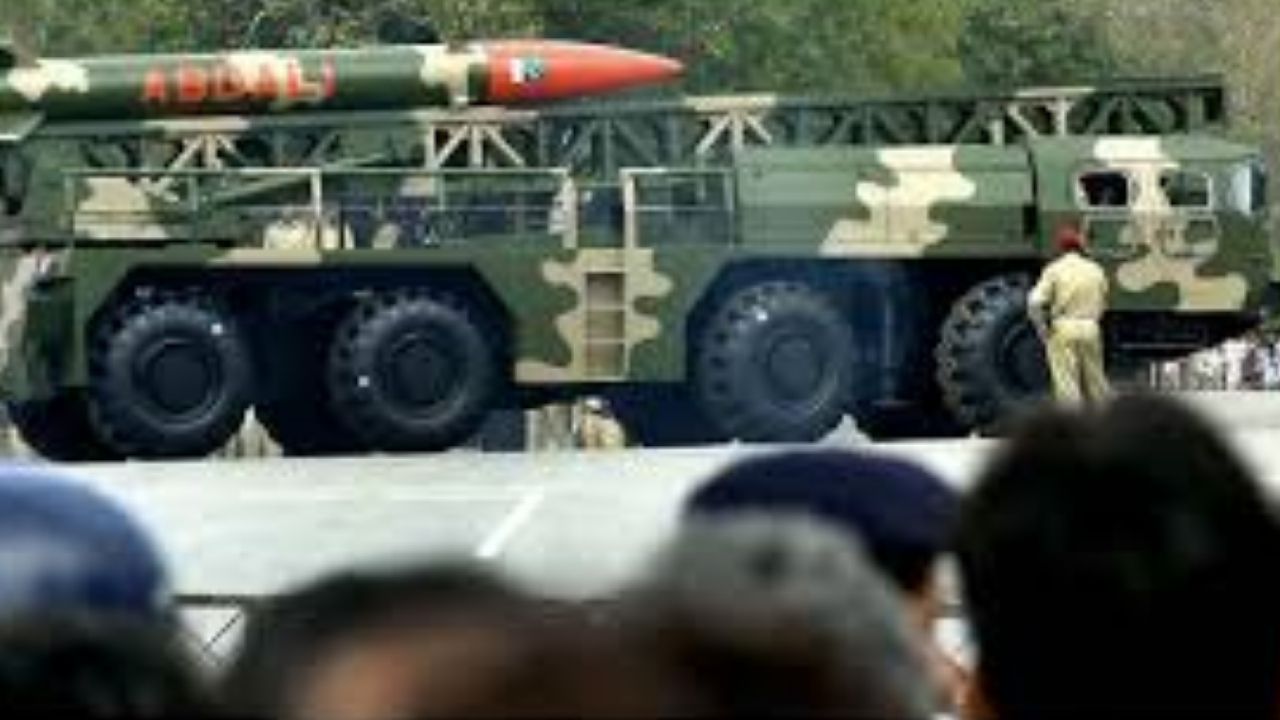
    Pakistan’s arms imports rose by 66 percent between 2021 and 2025 compared with 2016–20, with China supplying 80 percent of its weapons, according to a new report by the Stockholm International Peace Research Institute (SIPRI). The report noted that China’s share as Pakistan’s main arms provider increased from 73 percent in the previous five-year period.

    In South Asia, India continued to import large quantities of weapons, driven by concerns over China and ongoing tensions with Pakistan, a major recipient of Chinese arms. SIPRI senior researcher Siemon Wezeman said the imported weapons were used in a 2025 clash between the two nuclear-armed neighbours.

    While Pakistan’s imports jumped, India remained the world’s second-largest arms importer, despite a four percent drop. The report highlighted India’s diversification of suppliers, increasingly turning to Western countries. Russia’s share in India’s imports fell to 40 percent in 2021–25, down from 51 percent in 2016–20 and nearly half its 70 percent share in 2011–15.

    Across Asia and Oceania, states accounted for 31 percent of global arms imports, although the region saw a 20 percent drop compared with 2016–20. Declines were driven by reduced imports from China (-72 percent), South Korea (-54 percent), and Australia (-39 percent). Still, four countries in the region—India, Pakistan, Japan, and Australia ranked among the top 10 global importers.

    “While tensions and conflicts in Asia and Oceania and the Middle East continue to drive large-scale arms imports, the sharp increase in arms flows to European states pushed global arms transfers up almost 10 percent,” said Mathew George, director of the SIPRI Arms Transfers Programme.

    Globally, major arms transfers rose by 9.2 percent between 2016–20 and 2021–25, largely due to higher shipments to Europe and the Middle East. Arms imports by Middle Eastern countries fell by 13 percent but the region still hosted three of the top 10 importers: Saudi Arabia (6.8 percent of global imports), Qatar (6.4 percent), and Kuwait (2.8 percent). The United States (US) supplied over half of the region’s weapons.

    Israel ranked as the 14th largest arms importer, with its imports up 12 percent. The US supplied 68 percent of Israeli arms, followed by Germany at 31percent. SIPRI noted that Israel continued to receive major weapons, including combat aircraft and guided bombs, throughout the Gaza conflict.

    Europe emerged as the largest regional recipient of arms, accounting for 33 percent of global imports. The report attributed a 210 percent increase between the two five-year periods to the war in Ukraine and concerns over Russia. Ukraine alone received 9.7 percent of all major arms transfers in 2021–25.

    The US remained the top global arms supplier, increasing exports by 27percent. Its share of international arms transfers grew to 42percent in 2021–25, up from 36 percent in 2016–20. For the first time in two decades, Europe received more US arms (38 percent) than the Middle East (33 percent). Saudi Arabia remained the largest single recipient, accounting for 12 percent of US exports.


    France held its position as the world’s second-largest supplier, increasing exports by 21 percent to 63 countries. Its largest clients were India (24 percent), Egypt (11 percent), and Greece (10 percent).


    In contrast, Russia’s exports fell by 64 percent, cutting its global share from 21 percent to 6.8 percent between the two periods. 

    Russia supplied arms to 30 countries, with nearly three-quarters going to India (48 percent), China (13 percent), and Belarus (13 percent). Germany overtook China as the fourth-largest exporter, accounting for 5.7 percent of global exports, while Italy’s shipments grew by 157percent, making it the sixth-largest supplier.

  • ‘Assaulted and threatened’: Released Aurat March participants demand probe into police action

    ‘Assaulted and threatened’: Released Aurat March participants demand probe into police action

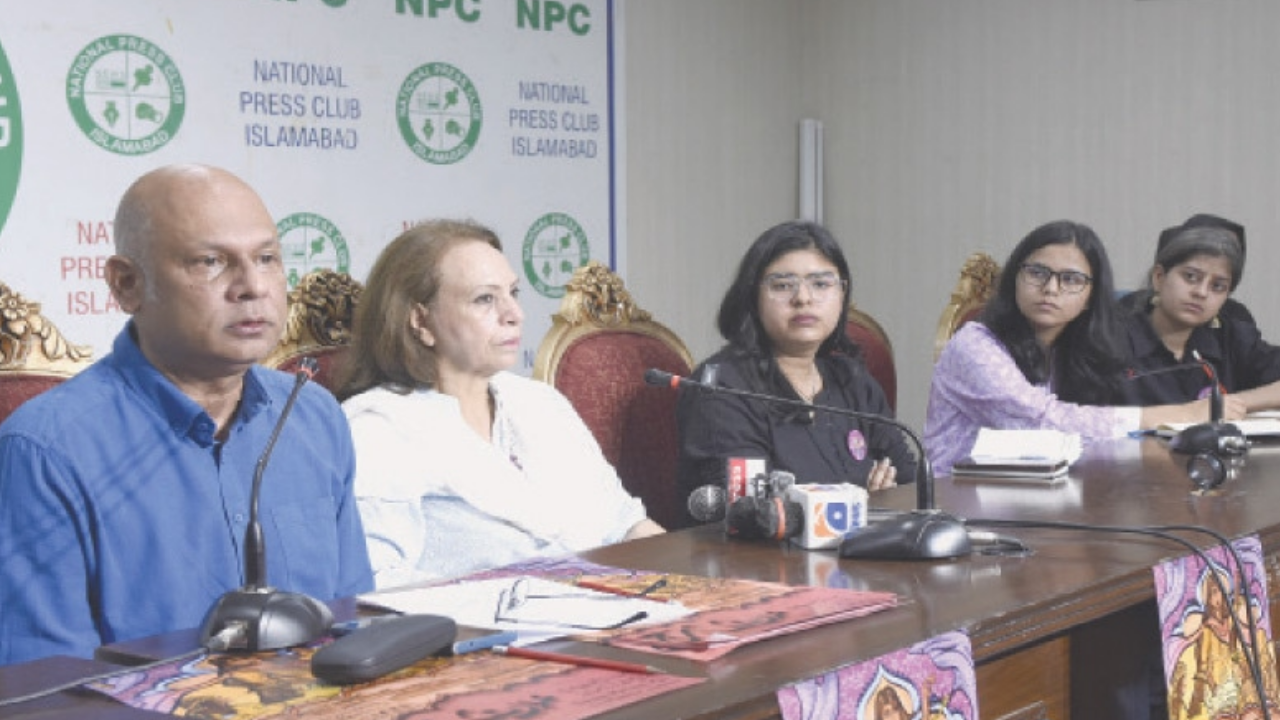
    Over 40 participants of the Aurat March in Islamabad have been released after arrest, and have called for an investigation seeking action against those responsible.

    Addressing a press conference in the federal capital, the leadership of the march, flanked by civil society members and rights activists, criticised the authorities for “manhandling and threatening them”, and forcing them to sign unreasonable affidavits.

    Dr Farzana Bari, speaking at the National Press Club, said the Aurat March is held annually. “We were aware that Section 144 was imposed in the federal capital, but civil society does not accept any law which is in violation of basic rights. You cannot take away our right to protest. Similar demonstrations were held across the globe, but we were stopped due to a suicide bomber threat.”

    Haris Khaliq, secretary general of the Human Rights Commission of Pakistan (HRCP), described the Aurat March as a movement.

    “We don’t believe in the violating the law, but with laws such as the Prevention of Electronic Crimes Act among others, societies cannot run. We have seen a similar situation in Lahore, but civil society has been standing firmly against it,” he said, adding that participants were manhandled and beaten before being taken into custody.

    Relatives and friends who went to inquire about them were also detained, Khaliq alleged.

    Lawyer Kashmala, who went to the police station to meet the detainees, said she was locked in a small cell with around 80 people. 

    One arrested leader asked why they had not been informed in advance about the supposed threat.

    She described being kept in a lockup without access to relatives, alongside women aged 14 to 73. “Some faced health issues due to overcrowding, which included children.”

    Another participant said that more than 70 men and women were detained, including two pregnant women.

    Meanwhile, Minister of State for Interior Talal Chaudhry defended the arrests in the National Assembly, saying a deliberate attempt had been made to create a law-and-order situation.

    He noted that a No Objection Certificate (NOC) had not been issued and called the assembly “illegal”. Similar marches in Karachi and Lahore had been canceled, he maintained.

  • Multan Sultans’ new owner reveals being selected for Lahore Qalandars trial programme

    Multan Sultans’ new owner reveals being selected for Lahore Qalandars trial programme

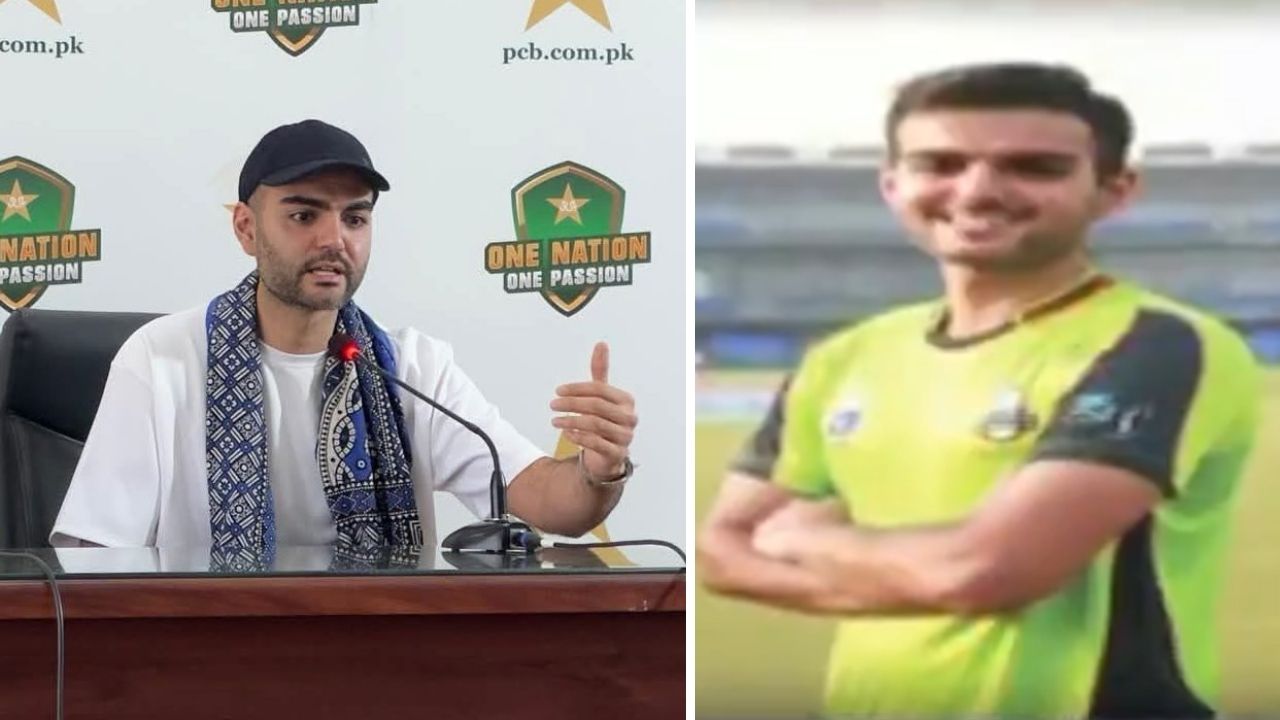
    Multan Sultans owner and CD Ventures CEO Gohar Shah has revealed that he was once selected in the Lahore Qalandars trial programme, but lost his chance due to injury. 

    Shah revealed the story during a recent television programme, recounting how he was on the verge of a professional cricket breakthrough before an injury that changed his path.

    He said he attended the Lahore Qalandars trials in 2016 or 2017 at Qaddafi Stadium. “I attended the Lahore trial in 2017… I think in 2016 or 2017… at Qaddafi Stadium. They used to hold trials in every city. So, I went to the one in Lahore and I think I bowled four or five balls.”

    Shah said one of his deliveries was clocked at 84 mph and he was immediately selected.

    However, he said he could not continue because he suffered an injury just days before the tournament started.

    “All selected boys went to Muzaffarabad for the tournament. Unfortunately, I got injured a couple of days before it and that’s when Salman Irshad and Maz Khan, who also later got picked by Lahore Qalandars, emerged.”

    Shah said the situation could have been different had he gone on to play, but was practically out of cricket in Pakistan due to said injury.

    Gohar Shah, who is now the majority stakeholder in the Pakistan Super League (PSL) franchise Multan Sultans, has shifted from dreaming of becoming a professional cricket to owning and leading a top T20 team ahead of the PSL 2026 season. 

    CD Ventures successfully requested the Pakistan Cricket Board (PCB) to rename the newly established Sialkot Stallionz franchise as Multan Sultans after acquiring the majority stake, bringing the Multan identity back into the league. 

    The rebranding was confirmed by PCB and PSL officials, and the franchise’s annual value has increased following the ownership change.

  • UN Security Council: Pakistan obliterates India over support for terror groups in Afghanistan

    UN Security Council: Pakistan obliterates India over support for terror groups in Afghanistan

    Pakistan and India exchanged sharp remarks at the United Nations Security Council (UNSC) during a debate on Afghanistan, with both sides raising concerns over cross-border attacks and terrorism.

    India’s Permanent Representative Parvathaneni Harish said that his country “reiterates UNSG’s deep concern at civilian casualties caused by cross-border violence and strongly condemns airstrikes which are flagrant violations of international law, UN Charter and state sovereignty.” 

    He also expressed “grave concern on ‘trade and transit terrorism’” and said “these vulnerabilities of Land-Locked Developing Countries should not be weaponised”.

    Naseer Ahmad Faiq, Chargé d’affaires ad interim of Afghanistan’s Permanent Mission to the UN, addressed the council. He highlighted civilian casualties in the Pakistan-Afghanistan conflict and emphasised the need to counter terrorism, but did not mention Al Qaeda, Tehreek-i-Taliban Pakistan (TTP), or other militant groups.

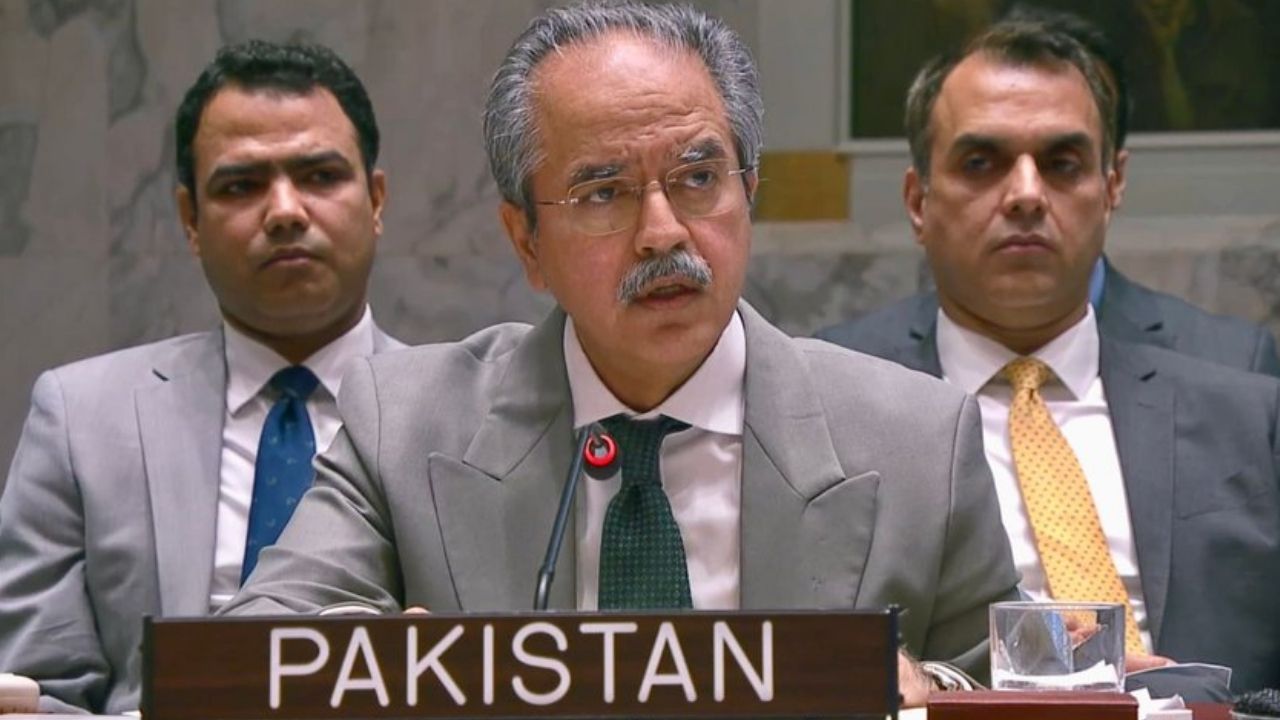
    Responding to the statements, Pakistan’s Permanent Representative Asim Iftikhar Ahmad said he felt compelled to take the floor after hearing remarks from India and Afghanistan.

    Ahmad said that given “India’s animosity towards Pakistan and the sole objective of its Afghan policy being to destabilise Pakistan, including by actively supporting and sponsoring terrorist groups, operating from Afghan soil, such as TTP and BLA,” India’s remarks were expected.

    He noted that the Indian representative spoke about civilian casualties and border clashes but “had not a word about the terrorist threat emanating from Afghanistan, which has targeted Pakistan and which many Council members have highlighted in their statements.” 

    “But there is a reason for that. It is India’s complicity in all of this,” Ahmad said, adding that Pakistan had provided “irrefutable evidence of India’s collusion with terrorist groups that are engaged in orchestrating violent attacks against Pakistan”.

    He said, “One can sense India’s pain in seeing its heavy investment in the Afghan terrorist franchise going to waste as a result of Pakistan’s precise and effective action against terrorist camps and support bases inside Afghanistan.”

    Ahmad described India as “a serial violator of international law”, accusing it of illegally occupying territory, violating the UN Charter and UNSC resolutions, carrying out state terrorism in India-occupied Kashmir, marginalising minorities, and using disinformation as state policy.

    On Faiq, Ahmad said, “The so-called representative of Afghanistan, who in fact does not represent anyone but himself, must not abuse this forum to pursue his personal agenda.” 


    He added that Faiq, “sequestered in New York”, was “completely cut off from ground realities” and had “chosen to selectively comment on some aspects of the situation, particularly with reference to Pakistan”. “Therefore, the value and credibility of his remarks are in serious doubt,” he said.


    Ahmad emphasised that Pakistan’s legitimate counter-terrorism operations are not directed against the brotherly people of Afghanistan, and are only meant to neutralise the persistent threat of terrorism emanating from Afghan soil. He added that these actions were in full conformity with the right to self-defence and international humanitarian law.

    He said Faiq “had nothing to say about cross-border terrorism from Afghanistan that is so heavily impacting Pakistan in terms of casualties among civilians, among our armed forces, law enforcement agencies and infrastructure”.

    Ahmad further said that while India had “always played the role of a spoiler in Afghanistan,” Pakistan had “engaged responsibly in promoting peace, stability and prosperity in Afghanistan”.


    He added that these objectives could only be achieved if the Taliban authorities fulfilled their commitments on counter-terrorism, inclusive governance, and the rights of Afghan women and girls.


     Ahmad urged India to “cease and desist from its policy of stoking terrorism inside Pakistan from Afghan soil, now together with their newfound friends in the Taliban regime”, adding that Pakistan would not allow “their sabotage and subversion from Afghan soil to nourish and harm Pakistan”.

  • From ICE detention to Gracie Mansion: Mahmoud Khalil joins Zohran Mamdani for iftar

    From ICE detention to Gracie Mansion: Mahmoud Khalil joins Zohran Mamdani for iftar

    New York Mayor Zohran Mamdani hosted pro-Palestine student activist Mahmoud Khalil for iftar at Gracie Mansion, marking one year since Khalil was illegally detained by United States (US) authorities over protests against Israel’s genocide in Gaza.

    Khalil attended the gathering with his wife and son. Mamdani and his wife Rama Duwaji hosted the iftar at the official residence of the New York City mayor, Gracie Mansion. The mayor shared a photo from the gathering on Instagram.

    In the caption, Mamdani referred to the events Khalil faced over the past year and wrote that it had been a year of “profound hardship and profound courage” for the activist.

    Khalil was arrested on March 9, 2025, from his residence at Columbia University in New York by agents of the US Department of Homeland Security. Authorities detained him after he participated in protests against Israel’s genocide in Gaza.

    Referring to the arrest and the period that followed, Mamdani wrote that Khalil was “detained by federal agents, flown to Louisiana, and then held in an ICE facility for months”. He added that during this period the activist was “forced to miss the birth of his first child”.

    The mayor linked the detention to Khalil’s participation in protests, stating that the actions taken against him came as a result of the activist “exercising his First Amendment rights in protesting the ongoing genocide in Palestine”.

    Mamdani also referred to the public response that followed Khalil’s detention, saying people across New York mobilised in support of the student activist. According to the mayor, the support campaign contributed to Khalil’s release and allowed him to reunite with his family.

    “We were honoured to host Mahmoud and his family,” Mamdani wrote in the post, adding that Khalil “is a New Yorker, and he belongs in New York City”.

    Khalil was among the first pro-Palestinian student activists to be detained during the second term of US President Donald Trump. His detention came as the administration moved against students involved in protests over Israel’s genocide in Gaza, where more than 72,000 Palestinians have been killed.

    During his presidential campaign, Trump had said his administration would take action against pro-Palestinian student protesters on US campuses.

    Khalil’s detention drew criticism from rights organisations, academics and members of the public.

    The activist remained in detention for months before a series of court proceedings led to his release in June. However, a later appeal overturned the ruling that resulted in his release, though Khalil has not been detained again by US authorities.

  • Oil prices to rise further in coming days: PM Shehbaz

    Oil prices to rise further in coming days: PM Shehbaz

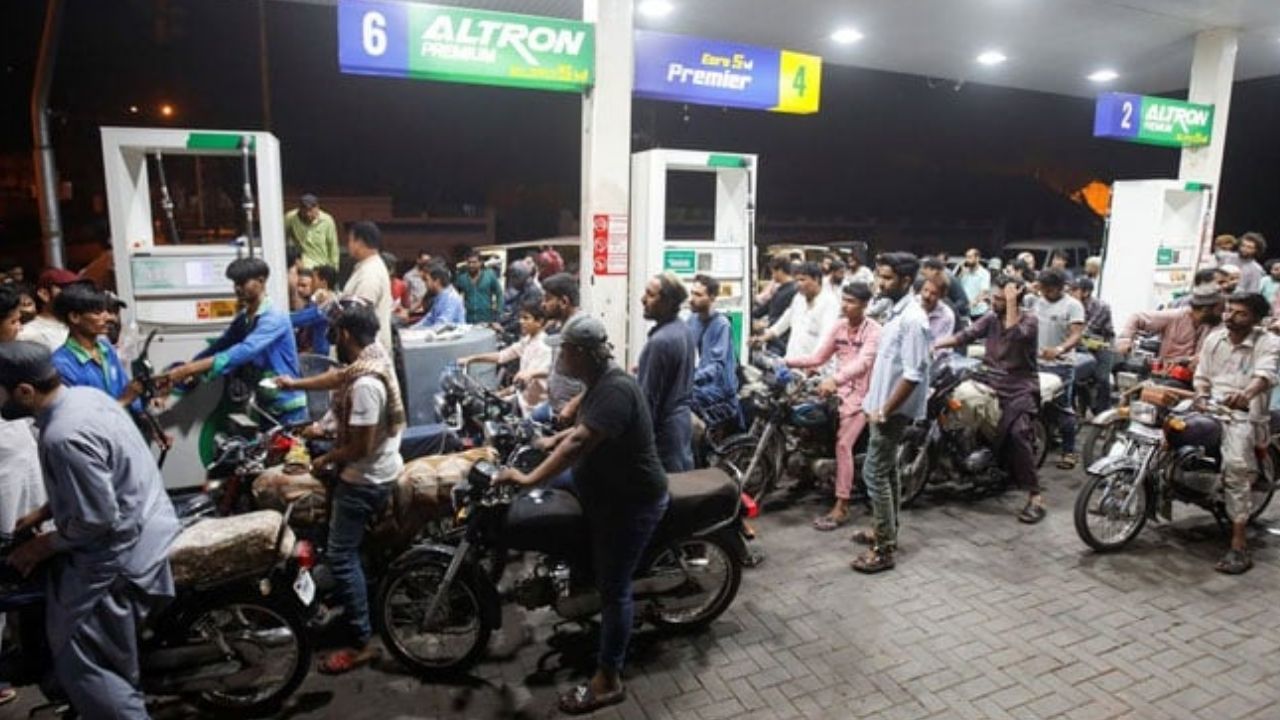
    Prime Minister (PM) Shehbaz Sharif has warned that oil prices may rise further in the coming days as the war in the Middle East rages on, prompting the government to take measures to stabilise Pakistan’s economy. 

    Addressing the nation, the prime minister said that the government was making efforts to keep the economy stable despite the evolving situation.

    He also announced that funds saved through recently introduced austerity measures will be used to provide relief to the public.

    Meanwhile, the provincial governments of Punjab, Khyber Pakhtunkhwa (KP) and Balochistan have also announced key decisions aimed at tackling the energy crisis and managing the potential impact of rising fuel prices.

    On the other hand, a meeting of the Sindh cabinet is scheduled to take place today, where important decisions are expected to be taken regarding the situation.

    The premier had earlier unveiled a series of austerity measures during a national address in response to the current regional developments and their possible economic consequences for Pakistan.

  • Pakistan receives first petrol shipment since Strait of Hormuz closure

    Pakistan receives first petrol shipment since Strait of Hormuz closure

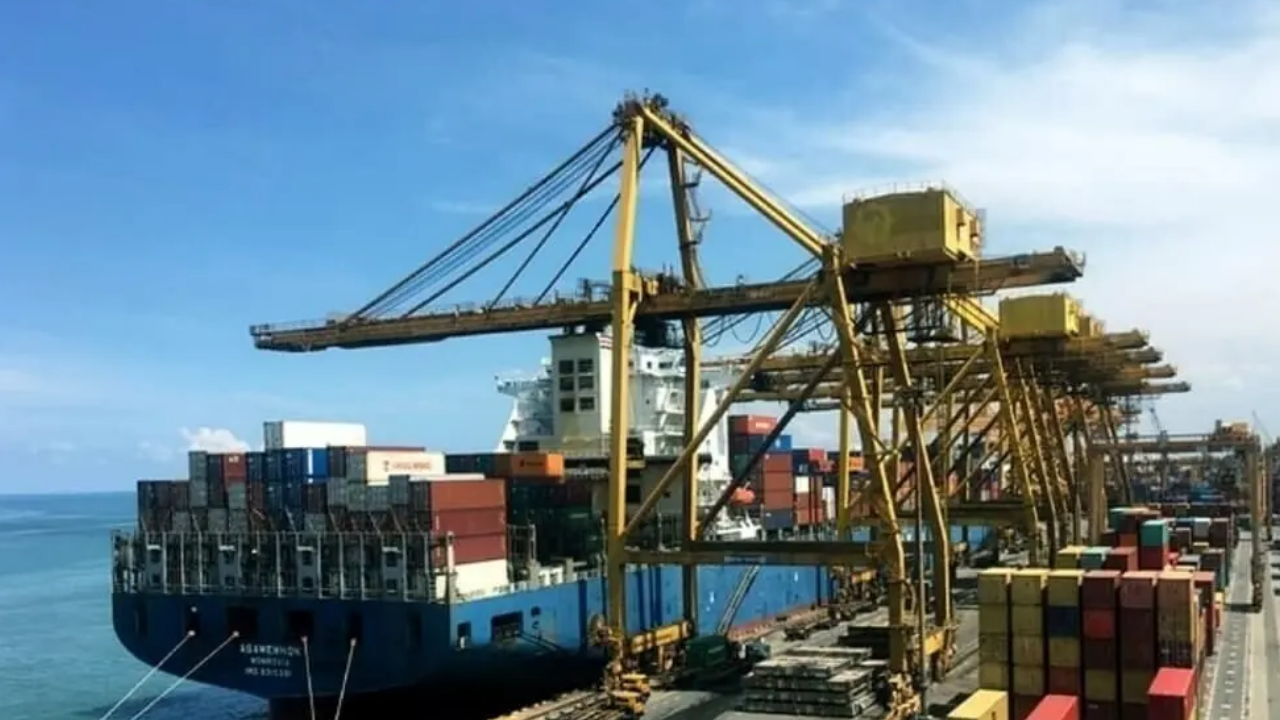
    Pakistan has received a shipment of 50,000 metric tonnes of petrol at Karachi’s Port Qasim as fuel supplies begin arriving after the closure of the Strait of Hormuz following the United States (US)-Israel and Iran conflict.

    According to port authorities, a gasoline-laden vessel, MT Nave Atropos, docked at the Fauji Oil Terminal & Distribution Company Ltd (FOTCO) Terminal carrying the consignment. The arrival marks the first fuel shipment reaching Pakistan since maritime traffic in the region was affected by the conflict.

    Officials said the arrival of the cargo has eased concerns about an immediate petrol shortage as imports resume through Karachi.

    Two additional fuel tankers are scheduled to reach the port in the coming hours and days.

    The vessel MT Spross Two is expected to arrive at 8:30 pm on Tuesday with a cargo of 55,000 tonnes of petrol. Another tanker, MT Sea Clipper, is scheduled to dock on March 11 at noon carrying 34,000 tonnes of petrol.

    Port officials said a vessel arriving from Fujairah is already anchored at Port Qasim. Another ship carrying fuel has departed from Oman and is heading towards Pakistan.

    Authorities said further fuel shipments are expected to arrive in the coming days as part of efforts to maintain petrol availability across the country.

    Earlier, the government stated that national petrol supplies remain stable despite developments in global energy markets.

    The Committee to Monitor Petrol Prices in the Wake of the Emerging Situation in the Region is reviewing developments related to the energy sector and assessing preparedness measures.

    The committee was constituted by the prime minister and is chaired by Federal Minister for Finance and Revenue Senator Muhammad Aurangzeb.

    Officials said the body is conducting daily reviews of the evolving regional situation and monitoring its potential impact on Pakistan’s fuel supply chain.