Blog

  • ‘Didn’t think people would like it,’ Hasan Raheem shares Gilgit wedding details

    ‘Didn’t think people would like it,’ Hasan Raheem shares Gilgit wedding details

    Singer Hasan Raheem has shared details about his Gilgit wedding and celebrations, saying he didn’t think people would love them.

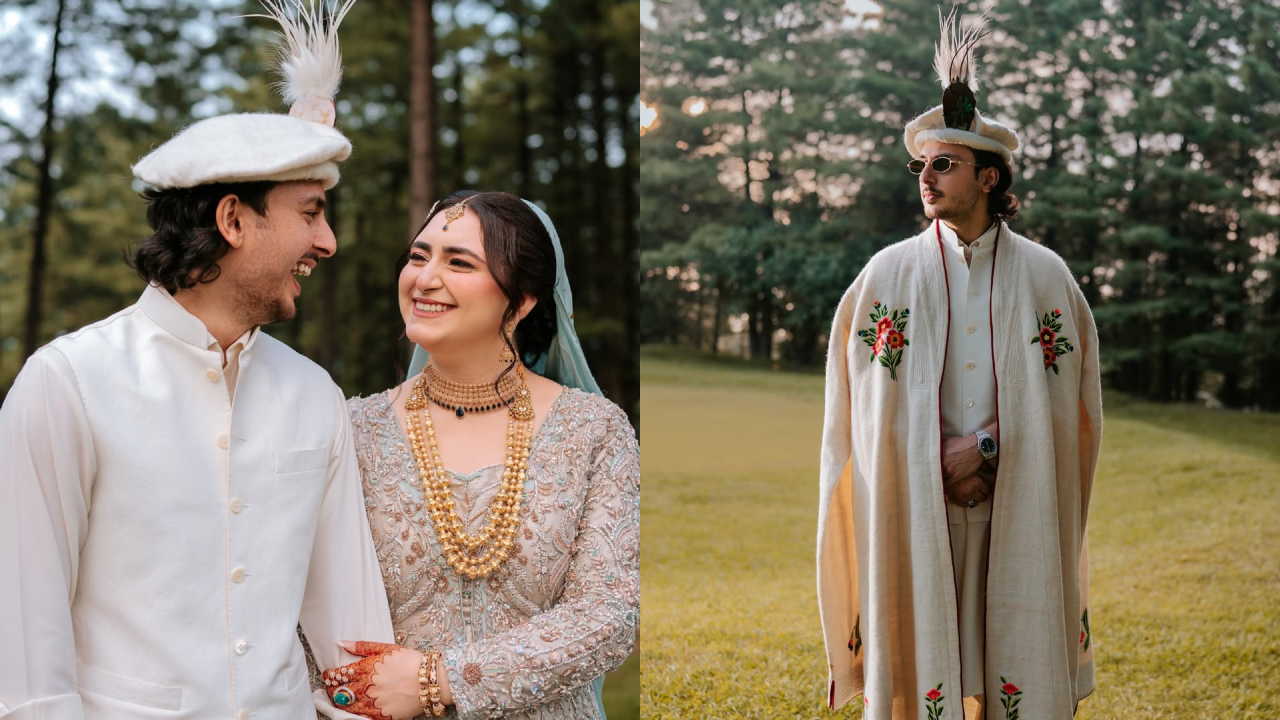
    In an interview with BBC Asia journalist Haroon Rashid, Hasan opened up about his traditional Gilgit wedding. At his mother’s request, he wore traditional cultural attire and through his wedding, the world got to see the rich traditions of Gilgit-Baltistan.

    On the wedding, Hasan wore traditional Gilgit-Baltistani clothing and performed a traditional dance, which was widely appreciated for its authenticity and cultural richness.

    He called his wedding week the best week of his life, adding that through his attire, dance and celebrations, people across the world learned about Gilgit-Baltistan’s wedding customs and cultural heritage.

    Hasan expressed special gratitude to his mother who encouraged him to wear the “shouqa” (a traditional coat).

    “I really liked my cap and the jacket I wore called Shuqa which was actually my father’s… gifted by my nana (maternal grandfather).” Decorated with a feather and called “shati”, he said the credit of his look goes to his mother.

    Hasan admitted that he didn’t expect people to appreciate his attire, traditions or dance as the traditional dance is usually performed by a select few within the community. “I wasn’t sure that people are going to like it but everyone loved it.”

    He shared that he was initially worried about how people would receive his dance, but after the videos surfaced online, the feedback was overwhelmingly positive with many commenting that they had never seen such a dance before and found it incredibly impressive.

    “I was surprised by the response. Before the dance went viral, I told his friends that if music didn’t work out, I’d pursue dancing instead.”

    When asked about expressing love for his wife, Hasan said that before bringing her on camera, he had many thoughts running through his mind, but he silenced them all, trusting that what he was doing felt right.

    He once again emphasised that his wedding week was the best of his life. Although he initially didn’t plan to share the wedding publicly, his mother asked him, “Should we confiscate the phones of all the wedding guests?” To which he said no. “I said to my mom, our relatives will not approve of the idea.”

    As a result, many videos of the wedding were filmed and later went viral on social media, giving the world a glimpse of the beauty of Gilgit-Baltistan’s culture.

    Hasan Raheem got married to Noor, a close relative, in August, with the celebrations lasting an entire week.

  • Shaheen Afridi’s ‘Tigers koan?’ comment sparks social media humor ahead of Bangladesh clash

    Shaheen Afridi’s ‘Tigers koan?’ comment sparks social media humor ahead of Bangladesh clash

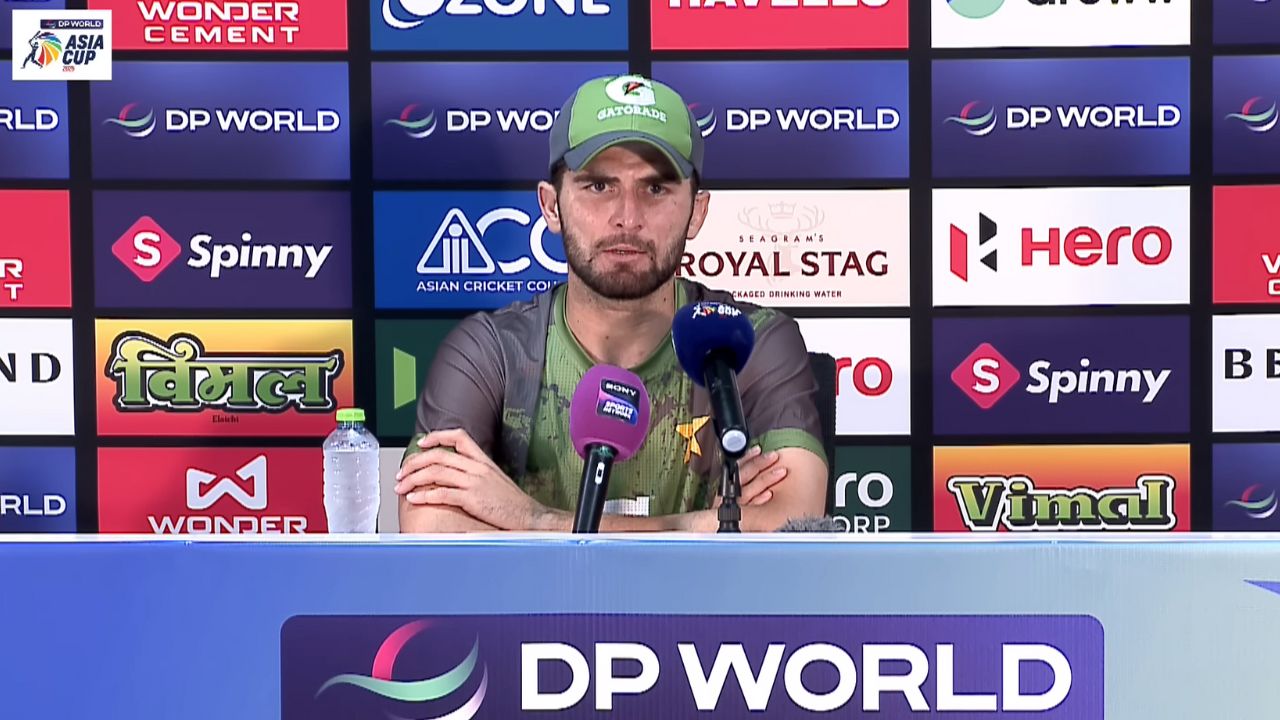
    Pakistan fast bowler Shaheen Shah Afridi shared a light moment during a pre-match media session when he momentarily forgot Bangladesh’s popular cricket nickname ‘Tigers’ before the crucial Super Four match in the ACC Men’s Asia Cup 2025.

    When a reporter asked Afridi about Pakistan’s playing XI against the Tigers, the pacer replied with a laugh, “Tigers who? Sorry, I don’t know.”

    Afridi’s remark immediately spread on social media, prompting a mix of humor and slight nervousness among fans regarding the high-stakes contest.

    The joke quickly became a talking point, with many users cautioning against giving Bangladesh extra motivation. 

    One user commented, “Kaheen wo mazak ko seriously he na le len (Hope they don’t take that joke seriously)”. Another fan humorously played up the rivalry, writing, “Phir match se pehle panga leliya. (They picked a fight again before the match).”

    Others acknowledged the need for a strong performance, posting, “Aj pata chale ga tiger kon hay . (Today we will find out who the tiger is)”. Some tried to smooth things over, commenting, “Bangladesh Bhaio serious maat Lena it was just a joke. (Bangladeshi brothers, don’t take it seriously, it was just a joke).

    A few users pointed out the confusion that sometimes arises from multiple teams having similar animal-themed nicknames: “Many times we heard Lankan tigers i think many of us were too worried which tiger journalist was talking about.”

    Shaheen Afridi quickly turned serious when discussing the upcoming match, emphasizing that Pakistan was fully focused on securing a win.

    “Bangladesh are a good team and have been playing good cricket recently,” Afridi told reporters. “In such games, you must land the first punch and not give them opportunities. We will have to play well in all three departments—batting, bowling and fielding—to win.”

    He also addressed the recent increased aggression shown by Pakistan’s fast bowlers, particularly during the Super Fours encounter against India.

    “It’s nothing new. We’ve always been aggressive since the day we started playing cricket. That’s how fast bowling is done,” he remarked. “When a fast bowler shows aggression, it lifts the energy of the whole team. There is no special plan for this—our job is to show aggression and take wickets.”

    Afridi stressed the team’s professional outlook: “Everyone has their own opinion, but our job is to play cricket. We won the tri-nation series; now we are here to win the Asia Cup. As a team, we are working hard to give Pakistan joy.”

    The 25-year-old also reiterated his commitment to the team’s all-round performance. “My role is to give 100 percent in whatever position I’m asked to play—batting, bowling, or fielding,” he said. “Everyone has to contribute in whatever role they are given so that Pakistan benefits.”

    Pakistan is scheduled to face Bangladesh today in a must-win clash. If Pakistan wins this match, they will advance to the Asia Cup final, where they will meet India for the third time in the tournament. The Asia Cup final is set for September 28.

  • Iranian President hails Pak-Saudi defence pact as step towards regional security

    Iranian President hails Pak-Saudi defence pact as step towards regional security

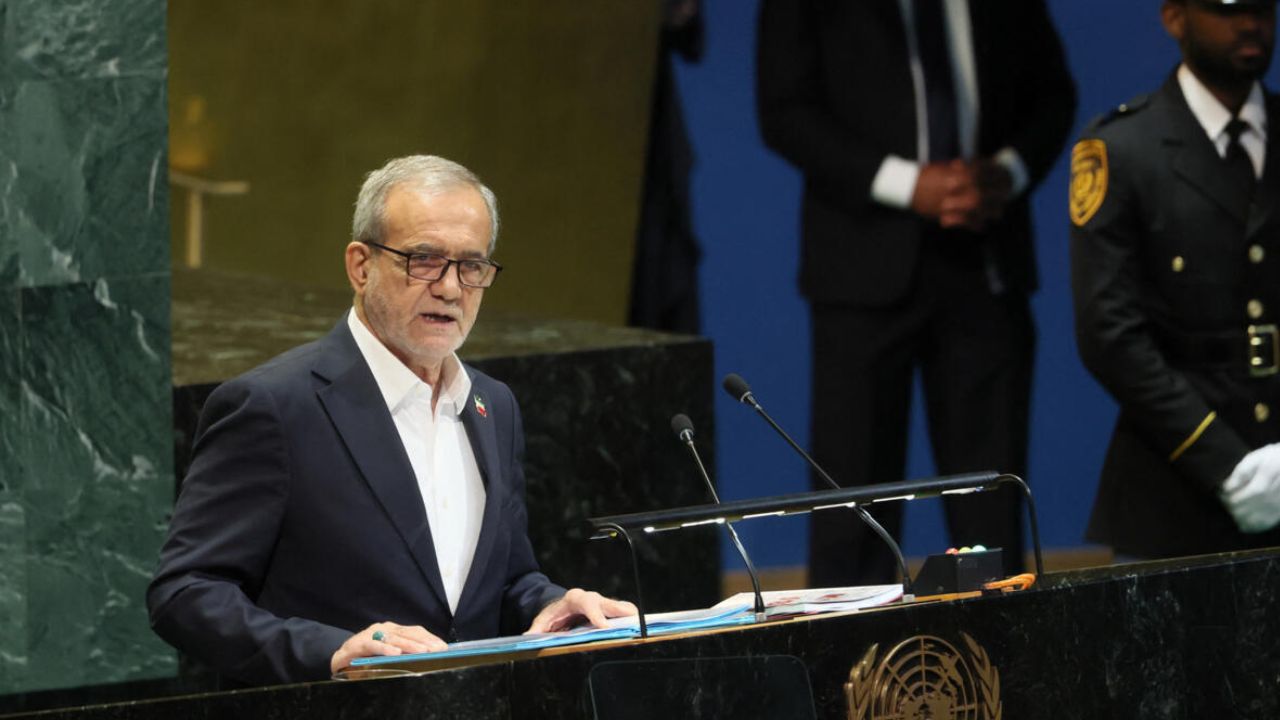
    Iranian President Masoud Pezeshkian on Wednesday praised the landmark mutual defence deal signed between Pakistan and the Kingdom of Saudi Arabia (KSA) describing it as a step towards regional security.

    Islamabad and Riyadh entered into the mutual defence agreement last week, under which “any aggression against one state will be considered an attack on both”. The pact was signed by Prime Minister (PM) Shehbaz Sharif and Saudi Crown Prince Mohammad Bin Salman at the Al-Yamamah Palace in Riyadh.

    The pact was signed days after the Israeli attack on Qatar’s capital Doha and months after Pakistan shot down six Indian fighter jets, including three French-made Rafales, in the May 6-7 conflict that erupted after the April 22 Pahalgam incident in Indian Illegally Occupied Jammu and Kashmir (IIOJK). 

     “Iran welcomes the defensive pact between the two brotherly Muslim countries, the Kingdom of Saudi Arabia and the Islamic Republic of Pakistan, as a beginning for a comprehensive regional security system with the cooperation of the Muslim states of West Asia in the political security and defence domains,” said Pezeshkian, addressing the General Debate of the 80th Session of the United Nations General Assembly (UNGA).


    ‘We do not seek nuclear weapons’

    Pezeshkian clarified that Iran has no intention of building nuclear weapons, just days before international sanctions could be reimposed on his country over Tehran’s nuclear ambitions. “I hereby declare once more before this assembly that Iran has never sought and will never seek to build a nuclear bomb. We do not seek nuclear weapons,” Pezeshkian added.

    On August 28, Britain, along with France and Germany, launched a 30-day process to reimpose UN sanctions, accusing Tehran of failing to abide by a 2015 deal with world powers aimed at preventing it from developing a nuclear weapon.

    Pezeshkian criticised the move by European powers as “illegal”, saying it was made at “the behest of the United States of America”.

    While the US, its European allies and Israel accuse Iran of using its nuclear programme as a veil for efforts to try to develop the capability to produce weapons, Tehran says its nuclear programme is for peaceful purposes only.

  • Cheating allegations erupt against Suryakumar Yadav and umpire after controversial Asia Cup dismissal

    Cheating allegations erupt against Suryakumar Yadav and umpire after controversial Asia Cup dismissal

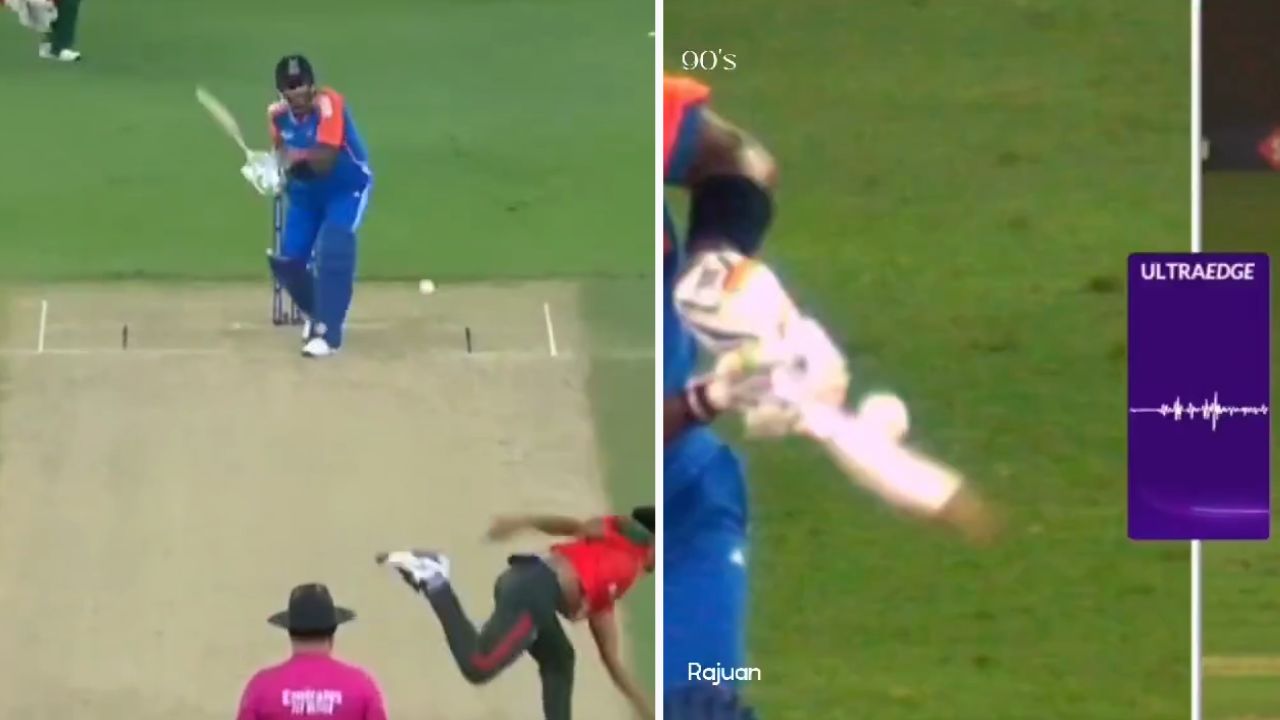
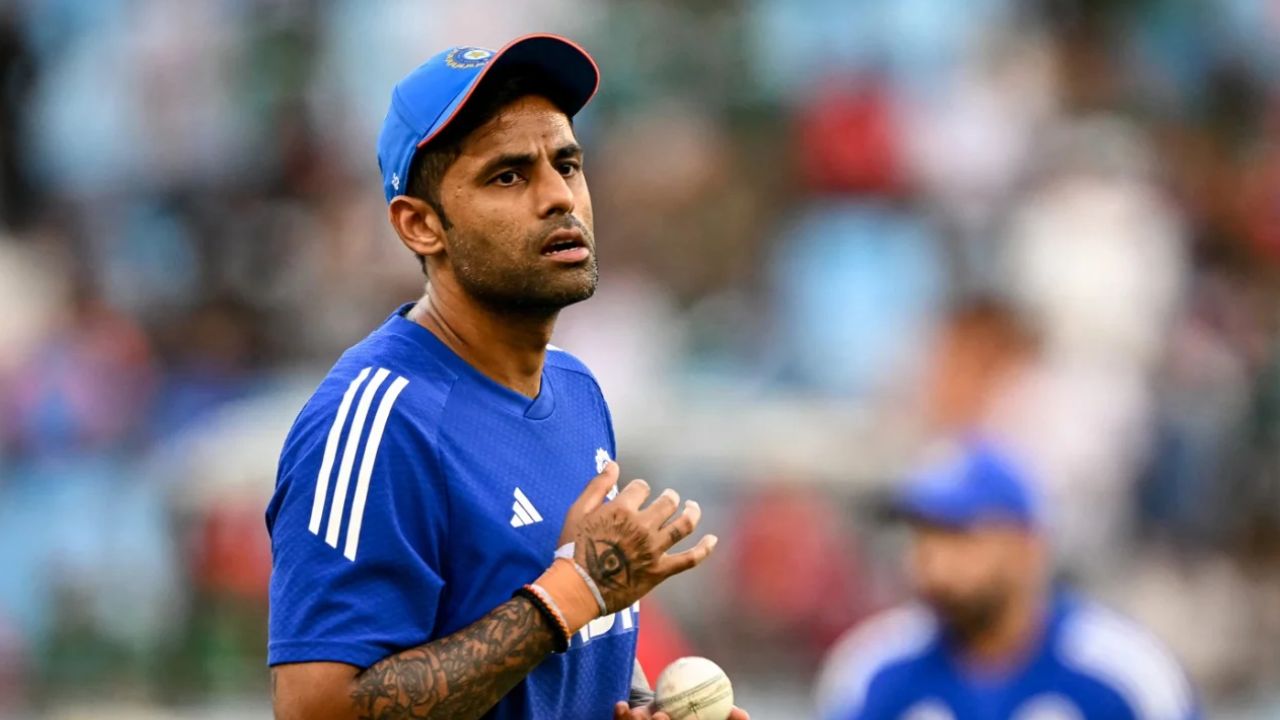
    Controversy struck the Asia Cup 2025 yet again during a Super Four match between India and Bangladesh as social media questioned the integrity of India captain Suryakumar Yadav and the decision of umpire Ahmed Shah Pakteen (from Afghanistan) following a clear edge that was initially given not out.

    The Indian captain, who has been struggling for form, scored just five runs before a contentious dismissal that has since fueled outrage on social media. The incident involved the ball taking a visible deflection off Yadav’s bat before being caught by the wicketkeeper. However, umpire Pakteen gave the decision in favor of the batsman, despite the ball’s angle clearly changing after contact.

    Compounding the controversy, Suryakumar Yadav chose not to walk off the field, remaining at the crease until the Bangladesh team chose to use the Decision Review System (DRS). The ensuing TV review quickly confirmed the edge, forcing Yadav to leave.

    The refusal to acknowledge a clear dismissal, especially from a team captain, angered many fans. Social media exploded with criticism, not only targeting the umpire for the poor decision but also Yadav for his lack of sportsmanship. 

    One furious user simply commented, “Shamelessly, umpire and Suryakumar Yadav thought they’d escape this.”

    Another fan questioned the player’s integrity, writing, “Forget the umpire, why didn’t SKY walk? Surely, in this day and age, he didn’t think he’ll get away with it. And he’s the captain of his side.”

    The umpire faced heavy criticism from others, with one person writing, “I mean – how? How did he not give it out?” and another calling out the judgment: “Very pathetic, funny & ridiculous. Umpiring has been brought to this level that even the ball deflected after touching the bat was not given out.”

    Accusations of deception also surfaced, as a user noted, “Special cheaters and how he made himself unaware…Great actors.” While one commenter focused on the inconsistency of the umpire, saying, “If according to him it wasn’t out then why he didn’t give wide ball? Chutiya umpire.”

    The incident has intensified calls on social media for the BCCI to reconsider the team’s composition and potentially bring back players like Shreyas Iyer.

    Yadav’s minimal contribution of five runs comes amid an ongoing dip in his form since taking on the captaincy, which remains a key concern for the Indian team. Despite India winning most of their fixtures, Yadav’s consistency has been minimal.

  • ‘Officials left meeting when food was served’: CII clarifies alleged withholding tax ruling

    ‘Officials left meeting when food was served’: CII clarifies alleged withholding tax ruling

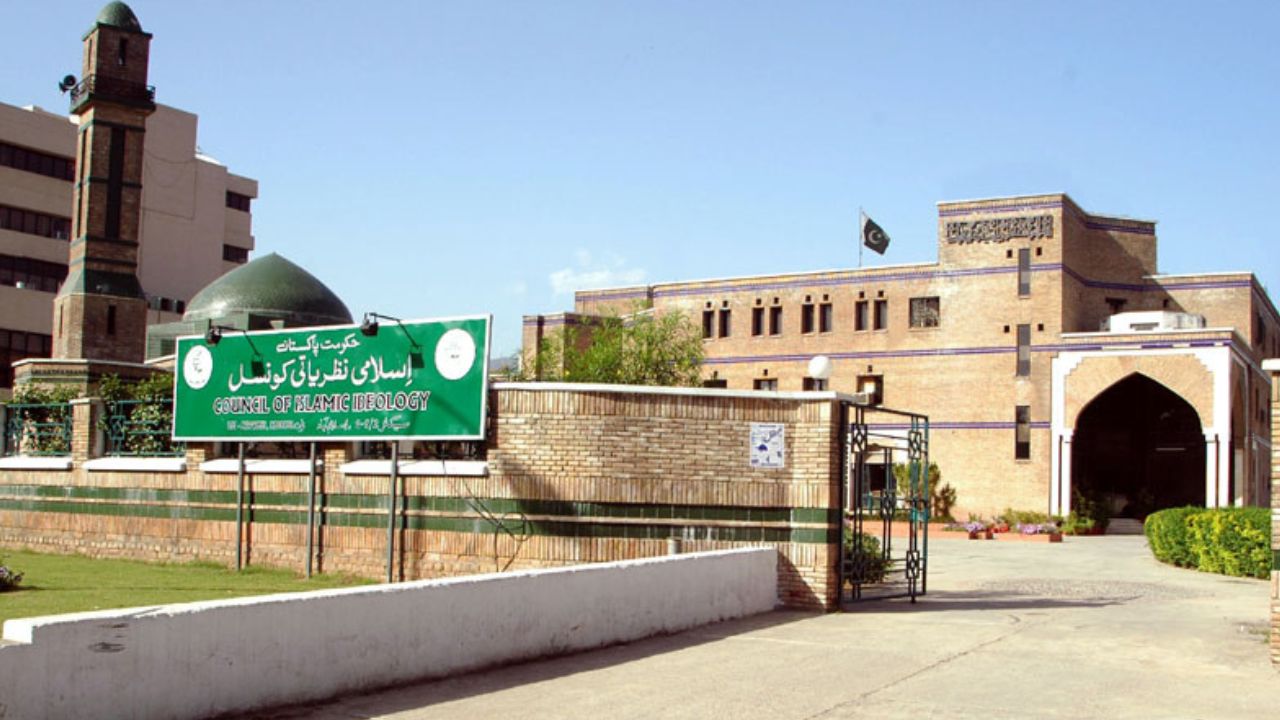
    The Council of Islamic Ideology (CII) has retracted its statement declaring withholding tax on financial transactions “un-Islamic”, saying that council members “left the meeting when food was served and the staff thought that withholding tax was declared against Sharia.”

    The CII made the decision  at its 243rd meeting on Wednesday, presided over by CII Chairman Allama Dr Muhammad Raghib Hussain Naeemi, the press release read, adding, “The council declared the withholding tax imposed on withdrawal or transfer of money as excessive and declared it un-Islamic.”

    Speaking to a private media outlet later on the same day, the CII chairman claimed that the note-taking staff misunderstood that withholding tax had been declared un-Islamic, noting that the CII would discuss matters related to withholding tax in its next meeting. 

    “Several members of the council were against the withholding tax,” Dr Naeemi added.

    “Regarding today’s meeting of the CII, there was an impression that the council had formed a final opinion on the withholding tax, whereas in fact, a few members had an initial discussion on it, in which the members had different opinions. The members said that they would consult experts on this in the next meeting,” read a clarification issued by the CII.

    It further read, “Therefore, it was decided that in the upcoming meeting of the council, it should be discussed in detail and the opinions of the relevant experts should be sought. The council did not take any decision on the issue under discussion.”

    It merits a mention that the Federal Bureau of Revenue (FBR) describes “withholding tax” as an advance payment of tax deducted at the time of economic activities specified under certain sections of the Income Tax Ordinance, 2001 and Sales Tax Act, 1990.

    Regarding the establishment of human milk banks in the country, the CII stated that such storage facilities can be formed under certain conditions, adding that necessary legislation on the matter must come first to prevent evil. 

    In June 2024, Pakistan’s first Human Milk Bank and Early Childhood Centre was established at the Sindh Institute of Child Health and Neonatology (SICHN) in Karachi.

    The initiative, however, was suspended just weeks later after the issuance of a fatwa (Islamic decree).

  • Ayeza Khan’s stunning outfit worn on brother’s wedding cost more than you think

    Ayeza Khan’s stunning outfit worn on brother’s wedding cost more than you think

    Ayeza Khan is considered the epitome of grace and style and the actress loses no opportunity to prove that she is an expert at the style game.

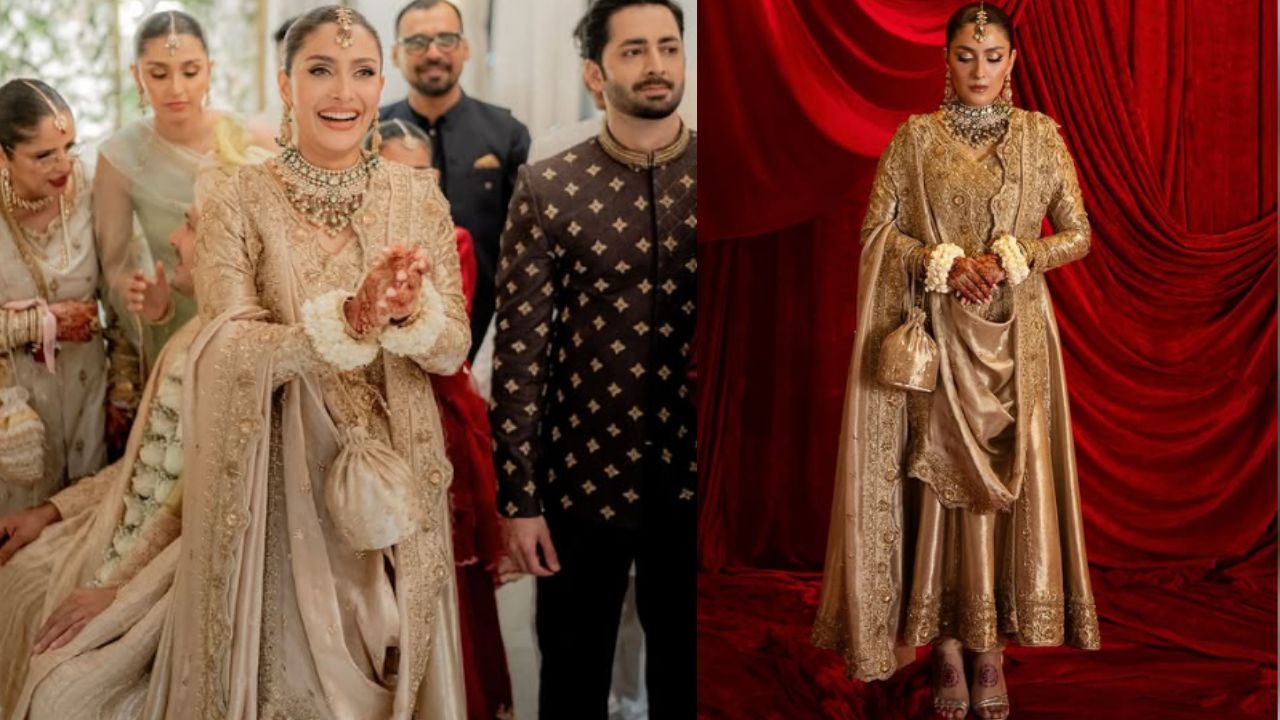
    The television star stole the spotlight at her brother’s baraat with a look that radiated timeless charm.

    The celebrated actress, known for her flawless fashion choices, appeared in a majestic golden lame long kalidar, paired with classic gold churidar pants and a matching dupatta, all designed by the brand Sunnia Manahil. The ensemble came with a hefty price tag of Rs. 295,000 and we can confidently say it was worth every rupee.

    The fabric shimmered under the lights as Ayeza moved gracefully through the event, her dupatta elegantly folded around her body adding grandeur to her overall appearance. To complete her ethereal look, she chose a regal jewellery set adorned with tiered domes, delicate latticed filigree, and soft pearls. A traditional bindi, statement earrings, and a heavy necklace elevated the outfit, while her hair neatly braided and styled with white gajras which added a touch of old-fashion charm. Heavy karras around her wrists completed the traditional look, showcasing her impeccable eye for styling.

    Her ensemble quickly became the most talked-about outfit of the evening, earning praise across social media where fans and fashion critics alike lauded her for her elegance and poise.

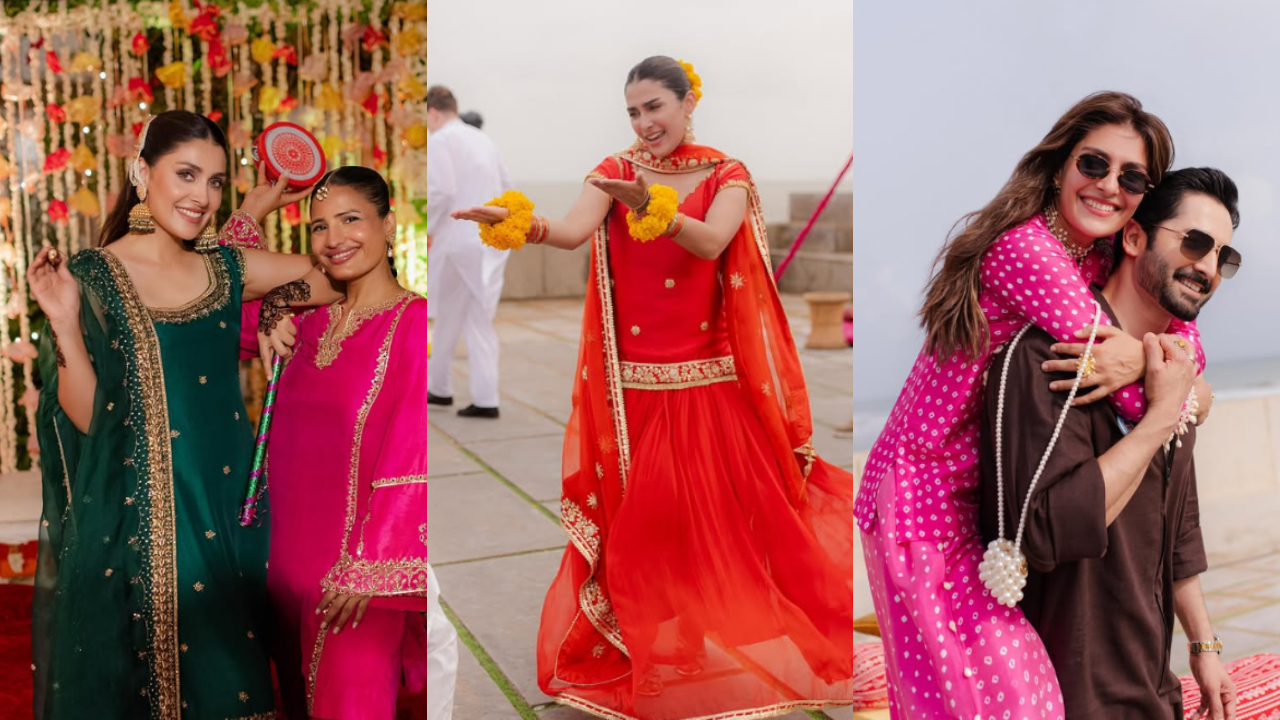
    Ayeza didn’t just shine on the baraat alone. The outfits she wore throughout her brother’s wedding festivities were a masterclass in occasion styling. For the Mehndi, she dazzled in a green outfit with gold embroidery, paired with a chiffon dupatta. Her Mayun look was a burst of colour and joy, a radiant orange dress accessorized with yellow gajras and vibrant bangles. The short shirt and lehenga combo was perfect for dance performances. For her brother’s Dholki, Ayeza chose a fuchsia pink chunri dress, with a tiny pearl bag that became the cherry on top of her playful, youthful look.

    With over 14 million followers on Instagram, Ayeza Khan remains one of Pakistan’s most followed and admired celebrities. Her feed can be described as aankhon ki thandak (soothing to the eyes), which continues to serve as major style inspiration.

    Designers and brands flock to collaborate with her, not just for her beauty, but for the grace and elegance she brings to every look.

    Ayeza Khan doesn’t just wear clothes, she tells a story through them. And at her brother’s wedding, that story was one of love, tradition, and effortless glamour.

  • BCCI complains to ICC about Haris Rauf, Sahibzada Farhan’s on-field gestures

    BCCI complains to ICC about Haris Rauf, Sahibzada Farhan’s on-field gestures

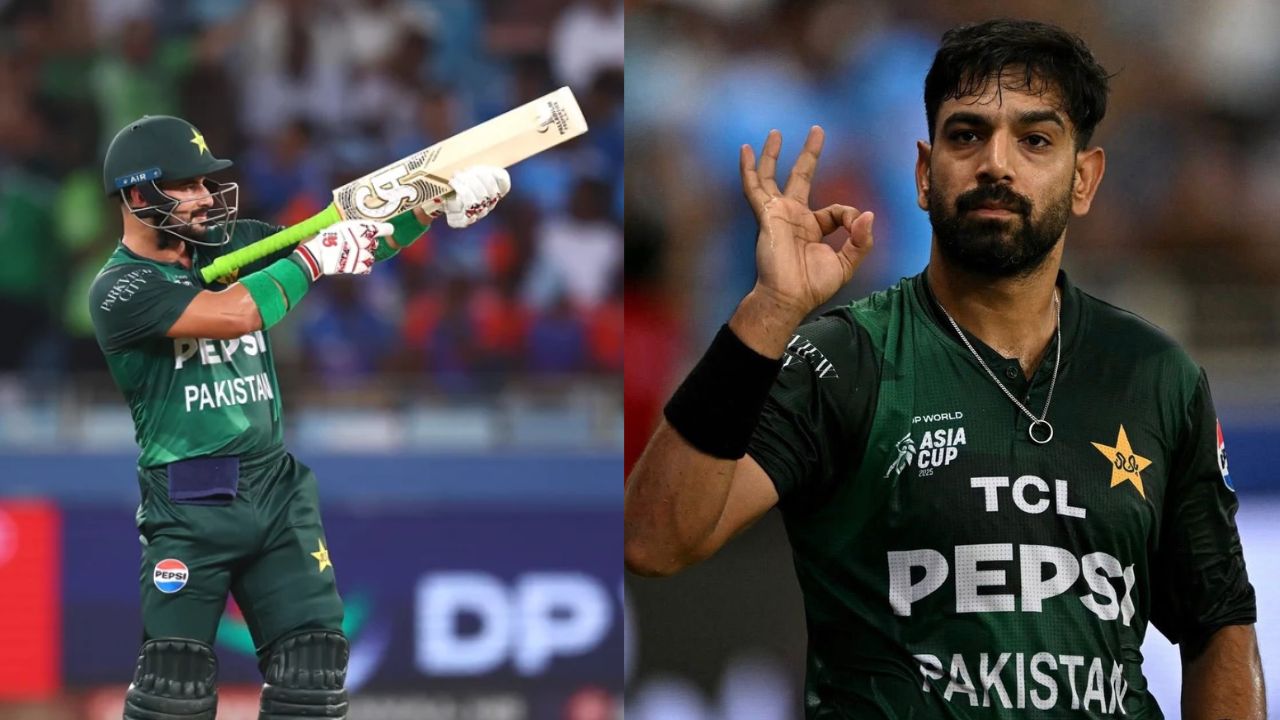
    The Board of Control for Cricket in India (BCCI) has lodged a formal complaint with the International Cricket Council (ICC) against Pakistan cricketers Haris Rauf and Sahibzada Farhan pertaining to their on-field gestures during the Asia Cup Super Fours match in Dubai last Sunday.

    According to media reports, the BCCI sent the complaint via email on Wednesday, and the ICC has officially received it. The specific incidents the BCCI complained about Farhan’s aggressive celebration after reaching his half-century and Rauf making a gesture toward a section of fans while fielding on the boundary, have been widely circulated across social media since the match.

    If Farhan and Rauf choose to deny the allegations in writing, the ICC could convene a formal hearing to address the matter. The players would likely have to appear before match referee Richie Richardson, who is one of the two match referees assigned to the tournament.

    The Pakistan Cricket Board (PCB) also reportedly filed an official complaint with the ICC against India captain Suryakumar Yadav.

    The PCB’s complaint stems from Yadav dedicating India’s victory over Pakistan in the group stage match on September 14 to “the families of the victims of the Pahalgam terror attack” and to the Indian armed forces. The PCB has labeled the comments “political.”

    Yadav had stated during the presentation ceremony after the first match, “Want to dedicate the win to all our armed forces who showed a lot of bravery. Hope they continue to inspire us all, and we give them more reasons on the ground whenever we get an opportunity to make them smile.”

    That first encounter on September 14 generated significant controversy after the Indian captain did not shake hands with Pakistan skipper Salman Ali Agha at the toss, and Indian players avoided greeting the Pakistan squad after the game.

    The Super Fours match itself, the second contest between the rivals this Asia Cup, also saw several intense moments, including heated exchanges between Pakistan fast bowlers Shaheen Shah Afridi and Rauf, and India openers Abhishek Sharma and Shubman Gill.

  • Pahalgam dedication: ICC initiates action against Indian captain over PCB complaint

    Pahalgam dedication: ICC initiates action against Indian captain over PCB complaint

    The International Cricket Council (ICC) has initiated proceedings against Indian captain Suryakumar Yadav following a formal complaint by the Pakistan Cricket Board (PCB) over the cricketer’s inappropriate comments.

    The PCB lodged the complaint regarding comments Yadav made after India’s group stage victory over Pakistan in the ongoing Asia Cup 2025. Securing a dominant seven-wicket win against the Men in Green, Yadav had dedicated the victory to the victims of the Pahalgam terror attack, expressing solidarity with Indian armed forces during the post-match presentation.

    “Perfect occasion, taking the time out, we stand by the families of the victims of the Pahalgam terror attack. We express our solidarity… Want to dedicate the win to all our armed forces who showed a lot of bravery,” he had said.

    Soon after the game, the PCB filed an official complaint and the ICC has confirmed it is reviewing the matter.

    According to reports, match referee Richie Richardson sent an email to the Indian team management acknowledging two reports by the PCB concerning Yadav’s statements.

    Richardson’s email reportedly outlined his preliminary findings, stating that after reviewing all evidence and statements provided by the PCB, Yadav’s remarks were deemed to have potentially harmed the image of the sport.

    “The ICC has asked me to handle two reports lodged by the Pakistan Cricket Board regarding comments made by your captain, Suryakumar Yadav, during the presentation and post-match press conference after the India vs Pakistan match on September 14, 2025,” read the email.

    “After examining the full reports and reviewing the evidence, I have concluded that a charge should be brought against Suryakumar Yadav for conduct that brings the game into dispute by making inappropriate comments, which are detrimental to the interest of the game,” it concluded.

    Yadav now reportedly faces two choices. He can accept the charge leveled against him or he can face a formal hearing. This hearing will be conducted by the ICC match referee, representatives from the BCCI and the PCB. Further action remains subject to the developments.

  • Younis Khan urges Pakistan to win final, shake hands with India

    Younis Khan urges Pakistan to win final, shake hands with India

    Former Pakistan cricket team captain Younis Khan has advised the Green Shirts to win the final of Asia Cup 2025 and extend their hands to the Indian players, who have been refraining from shaking hands to much criticism. 

    Speaking to the media at the NIPA Sports Complex in Karachi on Wednesday, Younis Khan emphasized, “Exit politics and play for the team, play for the nation and the country, not for yourselves.”

    He questioned that if fast bowler Shaheen Shah Afridi can bat in the Asia Cup, why can’t other players? “Shaheen has the potential to become an all-rounder,” he opined. 

    “Imagine the thrill,” he said of the potential of a Pakistan-India final. “Win and prove that you are the best sportsmen.”

    The former captain pointed out that Pakistan team is inconsistent. “To win, it is essential to play well. Matches are won through good planning.”

    He observed, “Neither the Indian team nor the Pakistani team is weak. India’s plus point is that they make fewer changes to their team.”

    Khan advised, “The Indian players know they have to play. The Green Shirts should also avoid spoiling their combination by making too many changes.”

    Younis Khan stressed that politics and sports should be separate. He said, “Indian cricketers not shaking hands are against the spirit of sportsmanship. They are not shaking hands on the instructions of their government.”

    He added, “If our government also says that you must not shake hands, perhaps we won’t either. We will have to follow the instructions of our government.”

    It merits mention that in both group and Super Four matches against Pakistan, the Indian team displayed an unsportsmanlike attitude. At the toss, Indian captain did not shake hands with Pakistan skipper Salman Ali Agha. After defeating Pakistan, Indian players closed their dressing room door to avoid meeting the Pakistani squad. They repeated the same in the Super Four clash, skipping handshakes at the toss and avoiding interaction after the win.

    Younis Khan raised Babar Azam and Mohammad Rizwan as talented cricketers. He described his experience working with Afghanistan as a batting consultant as positive, noting he received great respect there.

    He concluded, “Most of the Afghan team players grew up in front of me. No team is number one or number two in Asia. The team that wins on a given day is the one deserving of the number one position.”

    Pakistan is scheduled to face Bangladesh today, in a must-win clash. If Pakistan wins this match, they will advance to the Asia Cup final, where they will meet India for the third time in the tournament. The Asia Cup final is set for September 28.

  • Empower Your Employees – Book a Motivational Speaker Today

    Empower Your Employees – Book a Motivational Speaker Today

    In today’s fast-paced business world, organizations are not only defined by their products or services but also by the strength, commitment, and creativity of their employees. A company’s greatest asset lies in its people, and when employees feel inspired, valued, and motivated, the ripple effect of their productivity can transform an entire workplace. But the challenge for many businesses is finding new ways to continually inspire and energize their workforce. One of the most impactful solutions? Bringing in a motivational speaker to uplift, engage, and ignite lasting change among employees.

    The Importance of Motivation in the Workplace

    Motivation isn’t just about encouraging employees to work harder. It’s about instilling a deeper sense of purpose, aligning individual aspirations with organizational goals, and helping people feel truly connected to the mission of the company. Studies have shown that motivated employees are more productive, creative, and committed to delivering value. On the other hand, low morale and lack of engagement often lead to reduced performance, higher absenteeism, and costly turnover.

    This is why organizations across industries are increasingly seeking new and innovative ways to foster motivation and employee engagement. Hosting workshops, wellness programs, and leadership sessions can certainly help, but nothing quite matches the transformative energy and insight that a professional speaker can bring.


    Why a Motivational Speaker Makes a Difference

    At its core, a motivational speaker does more than deliver a speech. They bring fresh perspectives, personal stories of triumph, and actionable strategies that resonate with employees at all levels. Whether it’s helping a team push through challenges, inspiring leaders to embrace new ways of thinking, or reigniting passion among long-time employees, a skilled speaker can help break barriers and open new possibilities.

    What makes this approach especially powerful is the human connection. Employees are more likely to remember and act upon ideas presented in an engaging, story-driven way than they are from a typical training manual or PowerPoint presentation. By appealing to both logic and emotion, motivational sessions can leave a lasting impression that extends well beyond the event itself.

    The Link Between Engagement and Motivation

    Employee engagement and motivation go hand in hand. When employees feel connected to their work, their team, and the overall vision of the company, they are more likely to bring their best selves to the table. Conversely, disengagement leads to minimal effort, disinterest, and sometimes quiet quitting.

    An Employee Engagement Company often emphasizes this relationship by designing programs that strengthen communication, teamwork, and recognition. Adding motivational talks into these strategies can accelerate the results. Employees leave such sessions not only feeling inspired but also equipped with tools to apply that energy to their daily roles. This creates a culture of growth, collaboration, and positivity qualities that benefit everyone, from staff to leadership.


    Benefits of Bringing a Speaker to Your Organization

    1. Boosted Morale:
      Employees who hear stories of resilience and success are reminded of their own potential. This can reignite excitement and positivity in the workplace.

    2. Fresh Perspectives:
      An external voice often brings new ideas that leaders and employees may not have considered before. Sometimes it takes an outsider to shift mindsets and challenge old habits.

    3. Stronger Team Dynamics:
      When employees share an inspiring experience together, it strengthens their sense of unity and belonging. Group sessions led by speakers can help improve trust, collaboration, and communication.

    4. Increased Productivity:
      Motivation often translates into action. Employees who leave inspired are more likely to take ownership of their work, innovate, and strive for excellence.

    5. Personal Development:
      Beyond workplace goals, motivational talks often focus on personal growth—encouraging employees to overcome fears, build resilience, and strive for balance in their lives.


    Choosing the Right Speaker

    Not every motivational speaker will be the right fit for your organization. To get the best results, it’s important to select someone whose message aligns with your company’s goals and values. Here are a few factors to consider:

    • Relevance of Experience: Choose someone who has insights into your industry or understands the specific challenges your employees face.

    • Authenticity: Employees connect best with speakers who share genuine stories and experiences rather than scripted, generic advice.

    • Engagement Style: Look for someone who can captivate an audience, encourage participation, and leave a memorable impression.

    • Action-Oriented Approach: Motivation is powerful, but it’s most effective when paired with practical takeaways that employees can implement immediately.

    Collaborating with an Employee Engagement Company can also help you identify the right speaker. These companies often have partnerships with experienced professionals who specialize in addressing workforce challenges through motivational sessions.


    Making the Most of the Session

    Booking a speaker is just the first step. To maximize impact, organizations should create an environment that encourages employees to apply what they’ve learned. Here are a few tips:

    1. Pre-Event Preparation:
      Build excitement by sharing details about the speaker and the purpose of the session. Let employees know how it ties into broader company goals.

    2. Active Participation:
      Encourage interaction during the event. Whether through Q&A sessions, group discussions, or activities, active involvement ensures employees feel invested.

    3. Post-Session Follow-Up:
      Provide platforms for employees to discuss their takeaways and how they plan to apply them. This could be in the form of team meetings, surveys, or feedback sessions.

    4. Integrate with Existing Programs:
      Tie the motivational insights into ongoing training, recognition, or leadership development programs to reinforce long-term change.

    5. Celebrate Success Stories:
      Highlight employees who implement lessons from the session. This reinforces the value of the speaker’s message and inspires others to follow suit.


    Building a Culture of Inspiration

    While a single event can spark change, lasting transformation comes from building a workplace culture where inspiration and motivation are woven into everyday practices. Recognizing achievements, encouraging innovation, and providing opportunities for growth all contribute to sustained motivation.

    Working with an Employee Engagement Company ensures that motivational talks are not just one-time events but part of a broader, ongoing strategy to keep employees inspired and connected. When employees feel supported and continuously motivated, they become ambassadors of positivity and performance.


    Conclusion

    In a world where businesses are constantly evolving, staying ahead requires more than just technology or strategy it requires people who feel empowered to give their best. A well-chosen motivational session can be the spark that reawakens passion, strengthens team bonds, and drives a culture of growth.

    So, if you’re looking to inspire your workforce, now is the time to act. Empower your employees, unlock their true potential, and set the stage for success. Book a motivational speaker today, and witness the difference it makes in your organization.

    Read Also:  Anabel Pantoja Net Worth, TV Career & Influence