Blog

  • BlackRock limits withdrawals from $26 billion private credit fund

    BlackRock limits withdrawals from $26 billion private credit fund

    American multinational investment company BlackRock has curbed withdrawals from one of its biggest private credit funds after client requests for redemptions spiked in the latest sign of retail anxiety about the US$1.8 trillion private credit industry. 

    The firm’s $26 billion HPS Corporate Lending Fund (HLEND), one of the industry’s largest non-traded business development companies (BDC), said shareholders requested 9.3 percent of their shares. 

    Management decided to limit repurchases at 5 percent, the company said in a statement on Friday.

    Bloomberg calculations showed the requested shares would have amounted to around US$1.2 billion.

    BlackRock said the step is consistent with its existing liquidity management approach and is a “foundational” feature of the fund.

    “Without it, there would be a structural mismatch between investor capital and the expected duration of the private credit loans in which HLEND invests,” the statement said.

    The non-traded BDC, offered last month to tender up to 5 percent of its shares, as is typical for such companies. In the previous period, withdrawals were about 4.1 percent.

    Private credit funds are preparing for a wave of redemption requests amid growing concerns over lending practices and exposure to businesses that could be affected by artificial intelligence.

    HPS Investment Partners, one of the largest alternative credit managers, was acquired by BlackRock last year.

  • Bank of Khyber Posts Record Profit After Tax of PKR 5.8 Billion in FY2025, Earnings Per Share Rise 61% to Rs. 5.02

    Bank of Khyber Posts Record Profit After Tax of PKR 5.8 Billion in FY2025, Earnings Per Share Rise 61% to Rs. 5.02

    The board has recommended a final cash dividend of Rs. 1.70 per share, bringing total FY2025 payout to Rs. 3.20 per share (32%)

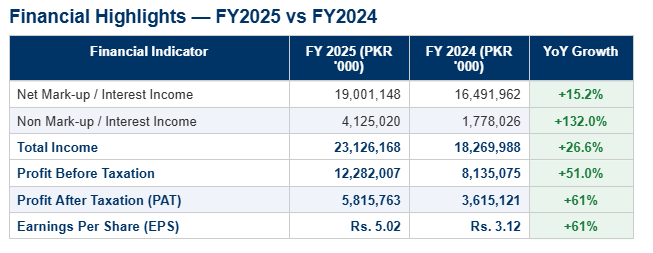
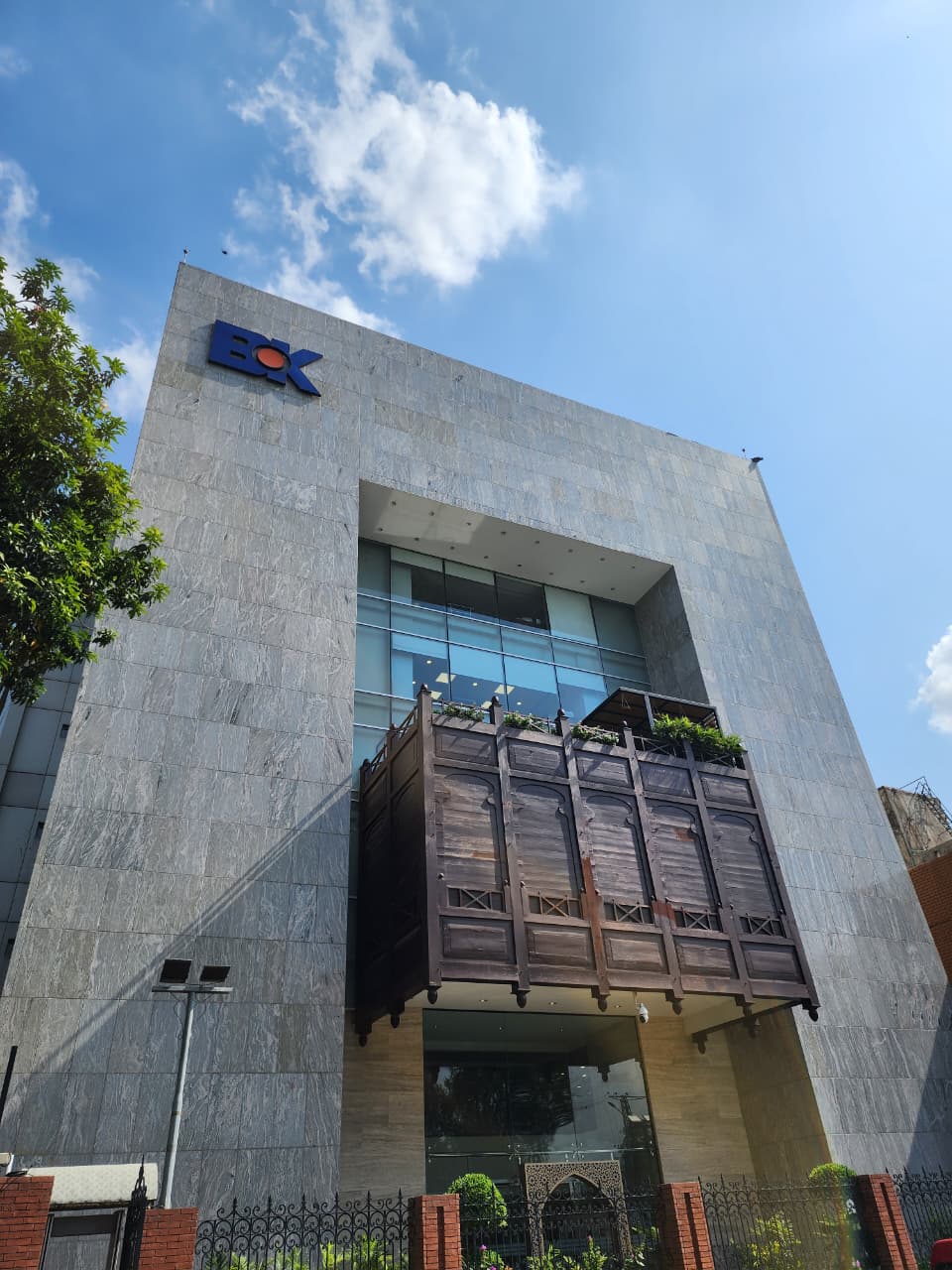
    The Bank of Khyber (BOK), in its 203rd Board of Directors meeting held today at Peshawar, announced its audited financial results for the year ended December 31, 2025. The Bank delivered an outstanding performance, posting a Profit After Tax (PAT) of PKR 5.82 billion, a robust 61% increase over PKR 3.62 billion in FY2024, the highest profit in the Bank’s history. Earnings per share grew from Rs. 3.12 to Rs. 5.02, reflecting strong earnings momentum, disciplined cost management, and continued execution of the Bank’s transformation strategy.


    Performance Overview

    Total income for the year reached PKR 23.1 billion, a 26.6% increase from PKR 18.3 billion in FY2024. Net mark-up income grew by 15.2% to PKR 19.0 billion, underpinned by prudent asset-liability management and an improved earning asset mix. Non-markup income more than doubled to PKR 4.1 billion (FY2024: PKR 1.8 billion), driven by strong fee and commission income of PKR 1.07 billion and significant gain on securities of PKR 2.3 billion, reflecting active treasury management.

    Operating expenses were contained at PKR 11.7 billion, growing at only 11.3% — materially below the income growth rate of 26.6% — resulting in significant positive operating leverage and a markedly improved cost-to-income ratio. Profit Before Taxation surged 51% to PKR 12.3 billion (FY2024: PKR 8.1 billion).

    The Bank’s balance sheet remained sound with total assets of PKR 453.3 billion as at December 31, 2025. Advances stood at PKR 126.7 billion while the investment portfolio reached PKR 275.0 billion. Net assets (equity) grew to PKR 23.7 billion from PKR 21.9 billion in FY2024, reinforcing the Bank’s capital adequacy position.

    Leadership Recognition

    The Bank of Khyber’s record FY2025 performance is the culmination of a sustained leadership legacy and a confident new chapter. The Bank owes a deep debt of gratitude to former Chairman Mr. Ikramullah Khan, whose tenure laid the strategic and governance foundations upon which these results have been built. 

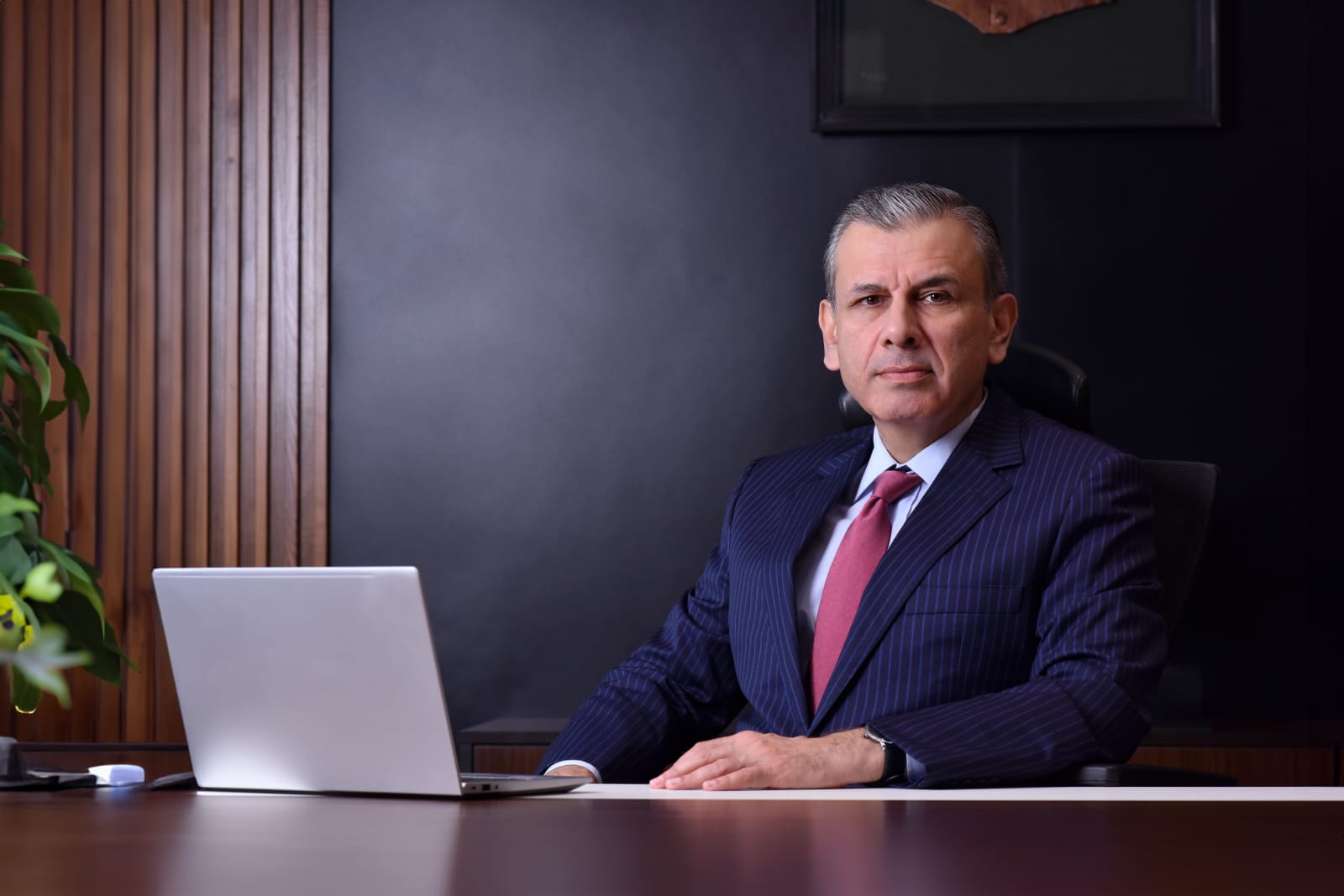
    As the Bank enters a new and exciting phase, incoming Chairman Mr. Islam Zeb brings with him a fresh strategic vision and a forward-looking mandate that is already energizing the institution. His appointment signals the Board’s intent to build on past achievements while charting an ambitious course for BOK’s next era. In tandem, Managing Director Mr. Hassan Raza, whose dynamic stewardship has been central to this year’s landmark results, continues to spearhead the Bank’s transformation agenda with exceptional drive and clarity of purpose.  

    The Bank of Khyber also extends its sincere gratitude and acknowledgement to Chief Secretary KP Mr. Shahab Ali Shah and Finance Advisor to CM, Mr. Muzzammil Aslam for their continued patronage, institutional support, and confidence. Their commitment to strengthening KP’s financial ecosystem and their active encouragement of BOK’s role as the province’s premier development-oriented commercial bank have been a source of strength and motivation for the entire organisation. The Bank remains deeply committed to fulfilling its mandate as a trusted financial partner to the Government and people of Khyber Pakhtunkhwa.  

    Statement from the Managing Director

    “These results represent a watershed moment for Bank of Khyber. A 61% growth in profit after tax reflects, not only our strengthened core banking but also the accelerating returns from our transformation strategy. Our total dividend payout of Rs. 3.20 per share for FY2025 is a testament to the Board’s confidence in the Bank’s sustainable earnings capacity and our commitment to delivering value to our shareholders. We enter 2026 with strong fundamentals and a clear strategic direction.”

    — Mr. Hassan Raza, Managing Director, The Bank of Khyber


    For Media & Investor Relations Enquiries:

    Corporate Communications Division | The Bank of Khyber

    UAN: (091) 111 95 95 95  |  www.bok.com.pk  |  BOK Tower, 24-The Mall, Peshawar Cantt.

  • Google evacuates over 1,000 employees from Dubai as Iran war continues

    Google evacuates over 1,000 employees from Dubai as Iran war continues

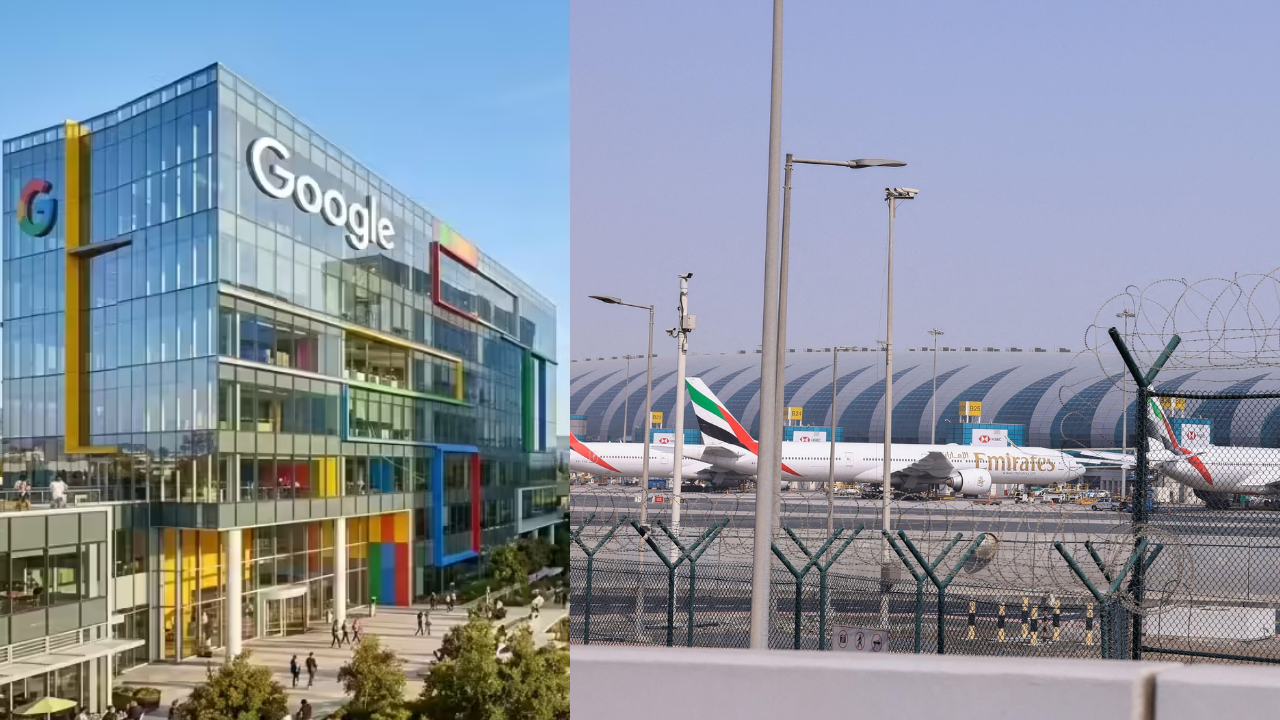
    More than 1,000 Google employees attending the company’s corporate sales event in Dubai were stranded in the city when hostilities with Iran escalated last weekend.

    Google’s cloud division had concluded its annual “Accelerate” conference on Friday when missiles and drones began striking the region. With sudden airspace closures, employees who had stayed on in Dubai for the weekend found themselves unable to secure flights home. Many staffers, who had traveled with their families, were left in hotels awaiting guidance from local authorities.

    “Grounded by a regional escalation that has paralyzed one of the busiest travel hubs on Earth, it’s hard not to feel scared,” Yasmeen Ahmad, a Google Cloud executive, wrote on LinkedIn, noting she had used Google’s AI tools to stay informed.

    Since Saturday, Google has arranged departures for many employees, and the number still stranded in the city has dropped significantly, according to two people familiar with the situation. 

    Paris-based Google engineer Samy Fadel, who returned to France, wrote on LinkedIn, “While I am deeply relieved to be home and safe, it honestly doesn’t feel like a real return yet. Many of my colleagues and fellow travelers are still trying to get back to their families as airspace disruptions and evacuations continue across the region.”

    A Google spokesperson said, “Our focus is on the safety and well-being of our employees in the region.”

    Private-charter company Elevate Aviation was hired by a corporate client to evacuate roughly 1,000 employees and their families, initially using an airport in Oman for departures, the company’s chief executive told an international media outlet.

    Since the outbreak of the conflict, nearly 20,000 Americans have returned from the Middle East, according to State Department spokesman Dylan Johnson, not including those still in transit or who left for other countries. France’s foreign minister said that 750 French citizens had been evacuated, with 5,000 still awaiting departure.

    The current hostilities have reached the city, with Iran reportedly firing 1,400 missiles and drones at the U.A.E., most of which were intercepted. Attacks in the past week damaged two Amazon Web Services data centers.

    Airports in the U.A.E. were closed due to airspace restrictions and drone strikes but have since reopened some flights. Travelers have also reached safety via overland routes to Oman or by private planes.

    Reports indicate that in the days before the conflict, many employees received no guidance from their companies or the U.A.E. government on potential risks or contingency plans. Initial missile interceptions were observed by Dubai residents, who continued their routines until attacks intensified and drones reached the city.

  • Indian journalist reveals Israel hides casualties, forbids taking photos of bodies

    Indian journalist reveals Israel hides casualties, forbids taking photos of bodies

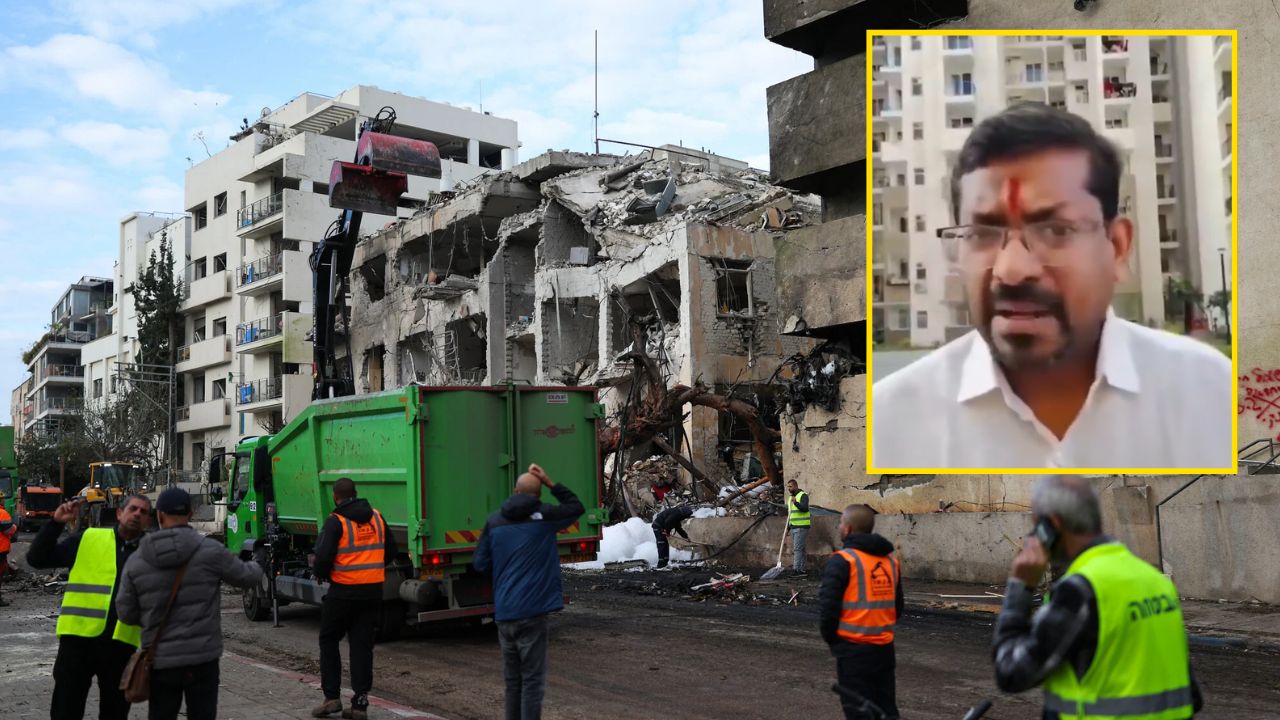
    Indian journalist Braj Mohan Singh has claimed that the Israeli government is concealing casualty figures and restricting access to hospitals after Iran’s recent retaliatory strikes on the country.

    Mohan Singh spoke about his experiences after returning from Israel, saying civilians suffered even in places the government described as safe.

    “Iranian missiles sometimes hit without sirens,” he said, suggesting that people died inside bunkers despite repeated assurances that they offered protection.

    “The government will not tell you anything, you can’t visit hospitals with bodies,” he added. “When an incident happens, we do not even know which location it is in.”

    Mohan Singh also alleged that Israeli authorities blocked access to filming the destruction and limited media coverage of the damage caused by the Iranian attacks.

    Israel has not publicly confirmed detailed casualty figures from the retaliatory strikes or commented on the journalist’s claims.

    It is worth noting that Israel and the US struck targets in Iran on February 28, killing Supreme Leader Ayatollah Ali Khamenei and other senior figures in a coordinated offensive. The campaign, called Operation Epic Fury, aimed at degrading Iran’s military infrastructure and leadership.

    Iran responded with widespread ballistic missile and drone attacks on Israeli territory and US bases in the Gulf.

    Reported casualties from the US and Israeli strikes in Iran have risen to more than 1,300 deaths, with thousands injured, according to international reporting. Iranian missile and drone strikes have also killed civilians and military personnel in Israel, the United Arab Emirates, and other Gulf nations.

    The conflict has disrupted shipping through the Strait of Hormuz, a vital route for global oil and gas supplies. The Revolutionary Guards said the Strait will remain open, but US and Israeli ships would be targeted.

    This affects Pakistan as well, as the federal government has raised petrol and diesel prices by Rs55 per litre due to surging global oil prices amid the US‑Israel war with Iran.

    The new price of petrol will be Rs321.17 per litre from Rs266.17, whereas the diesel rate will be Rs335.86 per litre from Rs280.86 after the review.

  • India changes Ahmedabad hotel, dressing room to avoid 2023 World Cup bad luck: reports

    India changes Ahmedabad hotel, dressing room to avoid 2023 World Cup bad luck: reports

    The Indian cricket team has changed its hotel in Ahmedabad ahead of the final of the ICC Men’s T20 World Cup to avoid bad luck that followed them during the 2023 Cricket World Cup.

    According to Indian media reports, the decision was taken as the team prepares to face New Zealand in the final on March 8 at the Narendra Modi Stadium. 

    Reports said the team was avoiding the hotel where they stayed during the final back in 2023 as India lost that match to Australia. The report described the move as an attempt to move away from the memories of that defeat, however, officials have not yet issued an official statement in this regard.

    Earlier, a report also claimed that the team delayed a training session in Mumbai by 45 minutes before the semi-final because of a lunar eclipse.

    India also believes it lost to South Africa in the Super 8 stage of the tournament in Ahmedabad when the match took place on a black-soil pitch.

    The venue offers different surfaces, including red-soil pitches, black-soil pitches, and mixed surfaces. Indian media suggested that the team may prefer a red-soil pitch for the final. 

    The semi-final in Mumbai was also played on a red-soil surface and delivered a strong batting performance.

    Reports also suggested that the team could on Sunday use the visiting team’s dressing room instead of the home dressing room in Ahmedabad so as to change the environment before the final.

  • Russian intel helping Iran target US assets: report

    Russian intel helping Iran target US assets: report

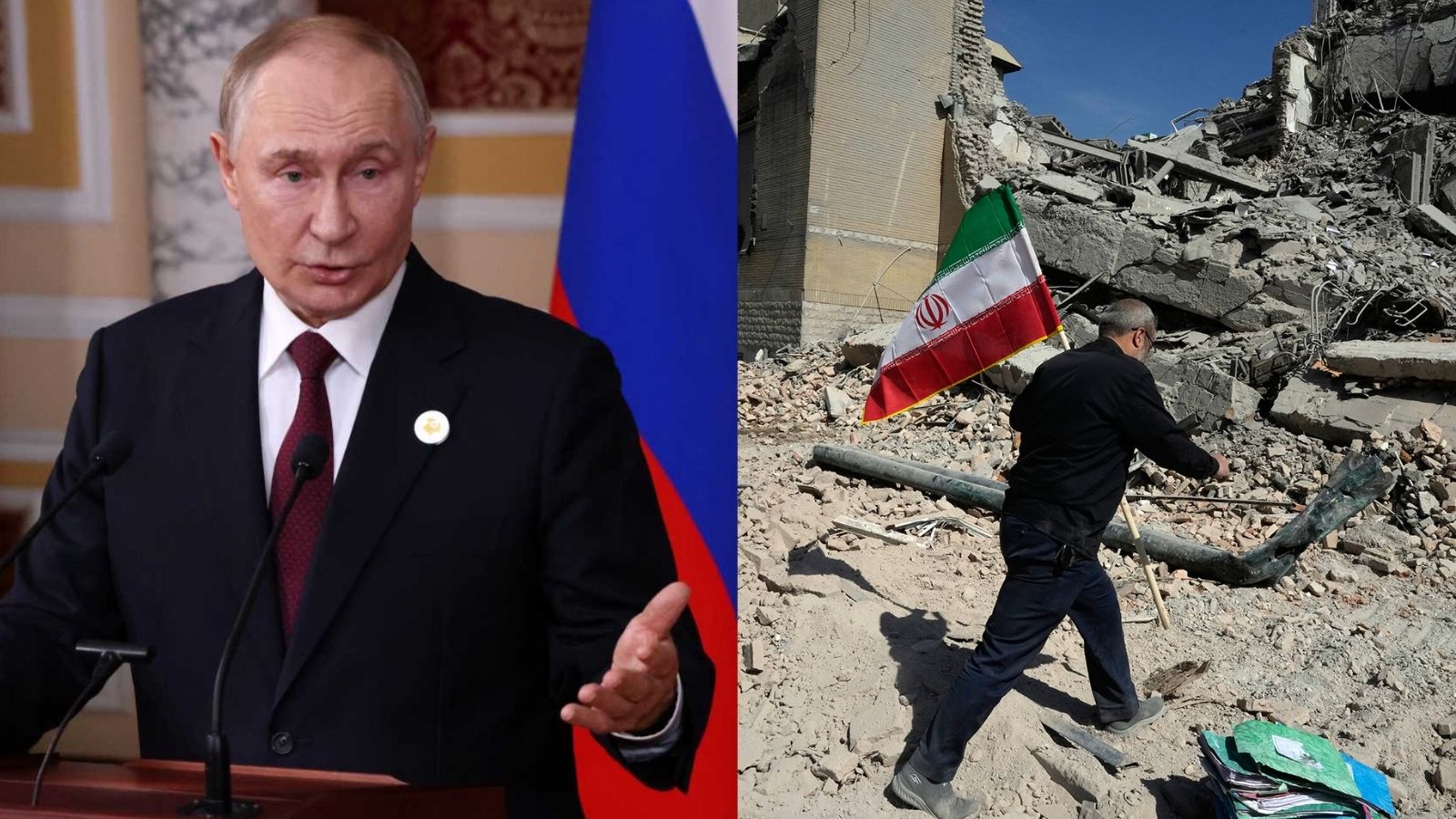
    Russia has been providing Iran with intelligence on the locations of American military assets in the Middle East, including warships and aircraft, a report by an International media publication has claimed, citing three officials familiar with the matter. 

    The officials, who spoke on condition of anonymity due to the sensitivity of the matter, told the publication that Moscow began passing targeting information to Tehran after the conflict expanded in the region.

    The assistance marks the first indication that another major US adversary may be indirectly involved in the conflict, the report said.

    Since the fighting began on Saturday, Russia has shared the locations of US military assets in the region, the officials told the international media publication. One of them described the effort as “pretty comprehensive”.

    Kremlin spokesperson Dmitry Peskov declined to comment when contacted by the publication. Moscow has previously called for an end to the conflict, describing it as an “unprovoked act of armed aggression”.

    The extent of the intelligence support remains unclear, according to the officials, who added that Iran’s own ability to track US forces has weakened during the first week of fighting.

    The report said that  six US troops were killed and several others injured in an Iranian drone attack in Kuwait on Sunday.

    According to the publication, Iran has launched thousands of one-way attack drones and hundreds of missiles targeting US military positions, embassies and civilians.

    The strikes come as US and Israeli forces have carried out attacks on more than 2,000 targets inside Iran, including ballistic missile sites, naval assets and facilities linked to the country’s leadership.

    White House spokesperson Anna Kelly said the Iranian government was under military pressure but did not comment on the claims of Russian assistance.

    “The Iranian regime is being absolutely crushed,” Kelly said, according to the report.

    The CIA and the Pentagon declined to comment when asked about the intelligence findings.

    US Defense Secretary Pete Hegseth also downplayed the role of Russia and China when asked earlier this week about their involvement in the conflict.

    “They’re not really a factor here,” Hegseth said.

    Two of the officials cited in the report said there was no indication that China was assisting Iran’s military response despite close ties between the two countries.


    The Chinese embassy in Washington DC said that Beijing had been engaging in diplomatic efforts with partners in the region and called for the conflict to “immediately cease”.

    Analysts cited by the publication stated that the pattern of Iranian strikes suggested access to detailed intelligence.

    Dara Massicot, an expert on the Russian military at the Carnegie Endowment for International Peace, said Iran appeared to be targeting command and control systems and early-warning radar infrastructure.

    “They’re making very precise hits on early-warning radars or over-the-horizon radars,” Massicot said.

    Iran operates only a limited number of military satellites and does not have its own satellite constellation, meaning imagery from Russia’s space capabilities could improve targeting, she added.

    Nicole Grajewski, a researcher at Harvard Kennedy School’s Belfer Center who studies Iran-Russia cooperation, told the publication that Iranian retaliatory strikes showed a high level of planning.

    “They’re getting through air defenses,” she said noting that the quality of Iran’s strikes appeared to have improved even from its 12-day war with Israel last summer.


    People familiar with the matter also told the newspaper that the Pentagon is rapidly using its stockpile of precision weapons and air defence interceptors during the conflict.

    The officials said Russia’s support reshapes the pattern of proxy involvement in the region since its 2022 invasion of Ukraine. 


    US adversaries including Iran, China, and North Korea provided Russia with military aid or material support, while the US has supplied Ukraine with military equipment and intelligence.

    Iran has previously supported Russia during the Ukraine war by sharing technology to produce one-way attack drones used against Ukrainian targets, according to the officials cited by the publication.

    The publication reported that the Kremlin sees potential advantages in a prolonged conflict between the US and Iran, including increased oil revenue and a distraction from the war in Ukraine.

  • Tabish Hashmi, former cricketers pledge one month salary if Pakistan perform well in Hockey World Cup

    Tabish Hashmi, former cricketers pledge one month salary if Pakistan perform well in Hockey World Cup

    TV host Tabish Hashmi and former Pakistan cricketers Ahmed Shehzad, Rashid Latif and Mohammad Amir have promised to donate one month of their salaries to the Pakistan hockey team if the team performs well in the upcoming FIH Men’s Hockey World Cup 2026.⁠

    They made the announcement during a recent programme on a private television channel, where the panel discussed Pakistan hockey’s return to the world stage.

    Pakistan secured qualification for the World Cup after defeating the Japanese hockey team 4-3 in the semi-final of the World Cup qualifiers in Egypt and booked a place in the final of the event on Friday.

    Pakistan opened the scoring to take a 1–0 lead, but Japan fought back strongly and moved ahead 3–1, putting the Men in Green under heavy pressure. 

    Pakistan’s attack responded with a strong comeback, first levelling the score at 3–3 before scoring a late goal to secure the victory.

    Goalkeeper Ali Raza played a key role in the victory. Japan earned a penalty stroke with four minutes left in the match, but Ali Raza stopped the attempt and protected Pakistan’s narrow lead.

    Sufyan Khan, Abu Mahmood, Muhammad Imad and Afraz scored the goals for Pakistan in the thrilling contest.

    The win secured Pakistan’s place in the Hockey World Cup for the first time in eight years. The team last appeared in the tournament in 2018 and failed to qualify for the most recent edition.

    The FIH Men’s Hockey World Cup 2026 will take place from August 14 to August 30 in Belgium and Netherlands.

  • Saudi Defence Minister urges Iran to ‘exercise wisdom’ after talks with Field Marshal Asim Munir

    Saudi Defence Minister urges Iran to ‘exercise wisdom’ after talks with Field Marshal Asim Munir

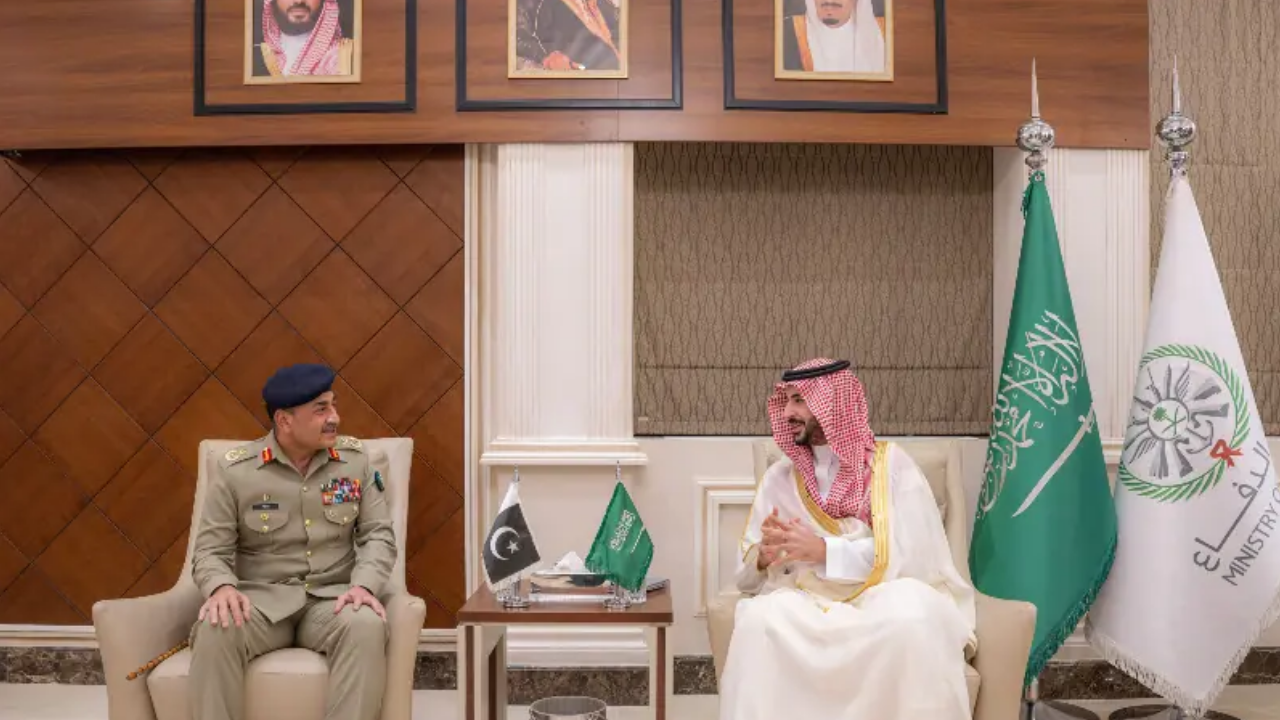
    Chief of Defence Staff and Army Chief, Field Marshal Asim Munir, met with Saudi Defence Minister Khalid bin Salman Al Saud in Saudi Arabia on Saturday to discuss the ongoing conflict in the Middle East and recent Iranian attacks on the Kingdom.

    After the meeting, the Saudi minister posted on X: “We discussed Iranian attacks on the Kingdom and the measures needed to halt them … We stressed that such actions undermine regional security and stability and expressed hope that the Iranian side will exercise wisdom and avoid miscalculation.”

    Pakistan and Saudi Arabia share a multifaceted relationship rooted in strategic military cooperation, economic interests, and Islamic heritage. Riyadh has historically provided financial assistance and oil supplies to Pakistan, strengthening bilateral ties.

    Deputy Prime Minister and Foreign Minister Ishaq Dar recently credited Pakistan’s diplomatic efforts with helping prevent heavier Iranian strikes on Saudi Arabia. He said the attacks were aimed at United States military bases and allied facilities in the Gulf.

    In a related development, Pakistan requested Saudi Arabia to provide an alternative oil supply route through Yanbu. The move comes after the closure of the Strait of Hormuz, following US and Israeli strikes on Iran, to maintain the country’s fuel supply chain.

    The meeting follows the “Strategic Mutual Defence Agreement” signed in Riyadh in September last year between Prime Minister Shehbaz Sharif and Saudi Crown Prince Mohammed bin Salman. Under the pact, any attack on either country is considered an act of aggression against both.

  • ‘Go on to win or I’ll hand you the chokers card’: Dale Steyn challenges New Zealand ahead of T20 WC final

    ‘Go on to win or I’ll hand you the chokers card’: Dale Steyn challenges New Zealand ahead of T20 WC final

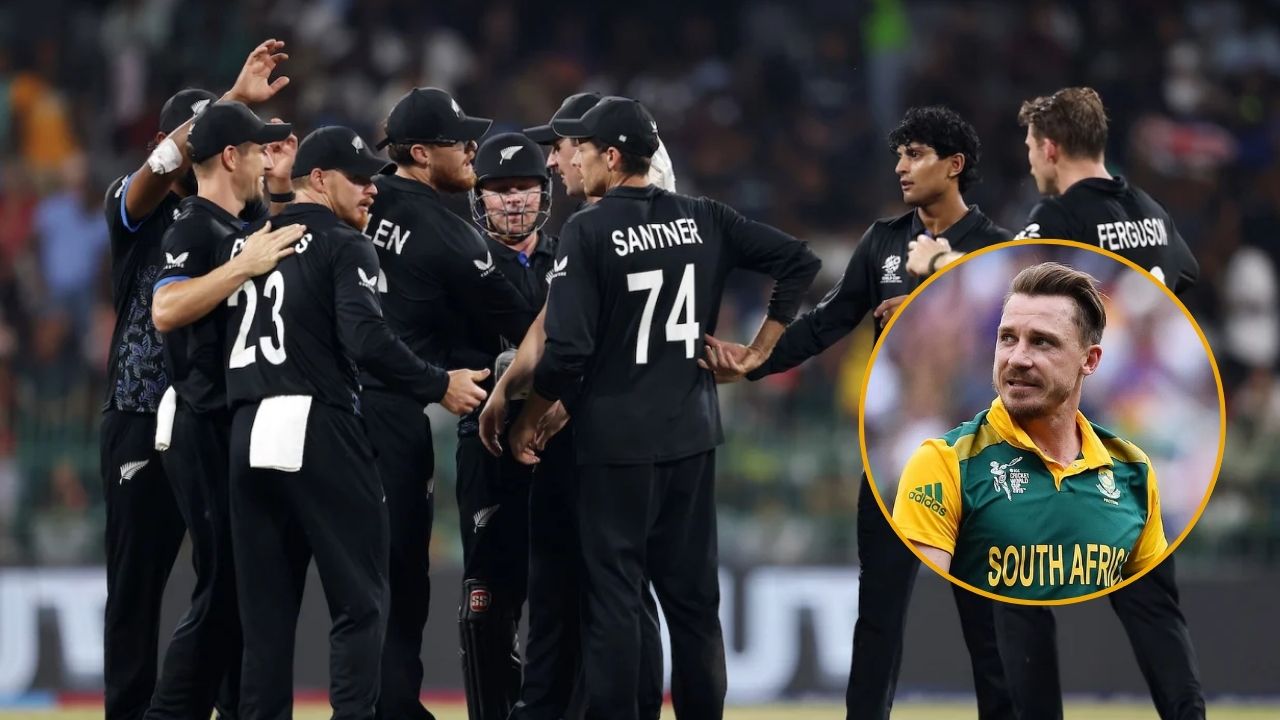
    Former South Africa fast bowler Dale Steyn has said that New Zealand face a huge challenge against India in the final of the Men’s T20 World Cup, claiming that the Kiwis will struggle to beat the hosts.

    Steyn shared his thoughts during a discussion with former South Africa captain AB de Villiers on his YouTube channel ahead of the title clash.

    While discussing the match, Steyn brought up New Zealand’s record in ICC finals and pointed out that the team has lost five of the seven finals it has played. 

    He joked that if New Zealand lose again, the “chokers” label often given to South Africa should move to them.

    “Look, let’s be honest here. New Zealand…. everyone likes to call South Africa chokers, but I am going to say it. New Zealand haven’t won many World Cups themselves, and they have been in more finals than we have,” Steyn said.

    “So, no offence, New Zealand, but please go on to win this; otherwise, I am formally handing over that card to you; it’s yours. I love New Zealand, but they won’t beat India. It would require a monumental choke from India. I am calling it; it’s impossible. I really want them to win, but do I think they’ll beat India? No,” he added.

    New Zealand have won two ICC finals in their history. The team defeated India in the final of the 2000 ICC KnockOut Trophy, which later became the Champions Trophy. 

    They also beat India in the final of the ICC World Test Championship Final 2021.

    During the same conversation, de Villiers also spoke about New Zealand’s victory over South Africa in the semi-final of the 2015 ICC Cricket World Cup. He said the defeat still frustrates him because he believed South Africa had a better chance to beat Australia in the final.

    “I hate New Zealand for that. In 2015, they were never going to beat Australia in that final. And I mean, guys will hate me for saying this, but there was only one team that was going to beat Australia in Australia, and that was South Africa, alright. And now we find New Zealand in the final again, and they will play India in India. Lots of respect for New Zealand as a sporting reason. Both you and I are going to be killed, Dale, if they go on to win the T20 World Cup,” de Villiers said.

    India will meet New Zealand in the final on March 8 at the Narendra Modi Stadium.

  • Rs55 petrol hike triggers backlash as govt cites war-driven oil surge

    Rs55 petrol hike triggers backlash as govt cites war-driven oil surge

    Pakistan raised petrol and high-speed diesel prices by an unprecedented Rs55 per litre on Friday, citing pressure on global oil markets following the war involving Iran, the United States (US) and Israel. The increase came hours after Prime Minister Shehbaz Sharif and Finance Minister Muhammad Aurangzeb said that petroleum reserves were sufficient and the situation remained under control.


    Petroleum Minister Ali Pervaiz Malik announced the increase at a press conference alongside Deputy Prime Minister and Foreign Minister Ishaq Dar and Finance Minister Muhammad Aurangzeb. Dar said that the revised prices would take effect from Saturday.

    Under the revision, the ex-depot price of petrol has been increased to Rs321.17 per litre from Rs266.17, while high-speed diesel has been set at Rs335.86 per litre, up from Rs280.86.

    The government also adjusted the petroleum development levy. The levy on petrol was increased by Rs20 to about Rs105 per litre, while the levy on high-speed diesel was reduced from Rs77 to Rs57 per litre.

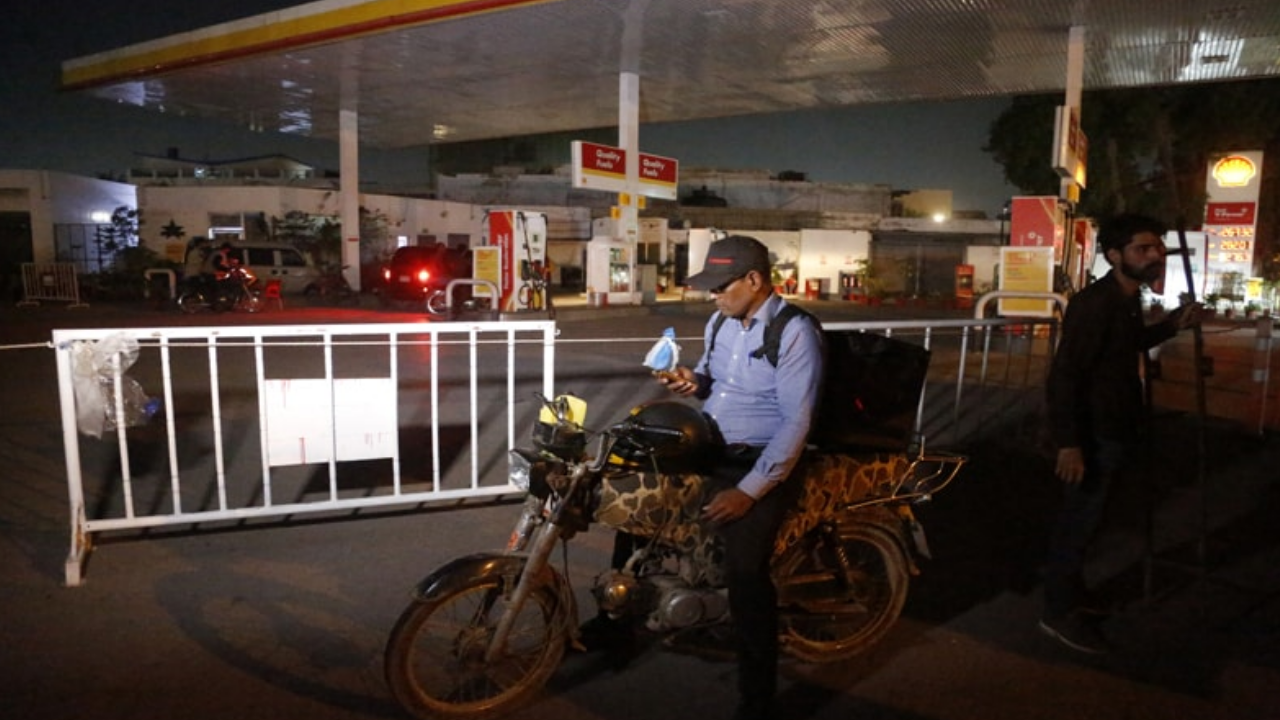
    Before the new prices took effect, long queues formed at petrol pumps across several cities as motorists rushed to buy fuel at the previous rates. According to the reports from different parts of the country, some fuel stations stopped sales before midnight.

    The announcement triggered heated reactions online, with users questioning the decision.

    “When there was a stockpile for 28 days, they would give it to the poor public at the old rate; perhaps Allah Almighty would have improved the situation,” one user wrote. Another user said that the government had added pressure on citizens. “Instead of reducing taxes, they’ve placed even more burden on the public.”

    At the press conference, Malik said that the regional conflict had created uncertainty in energy markets.

    “The fire that started in a neighbouring country has spread across the entire region. We do not know how long this crisis will continue, and there is no clear timeline for its end,” he said.

    He said that Pakistan depended on oil shipments passing through the Strait of Hormuz, which had been affected by the conflict. Malik said two vessels of the Pakistan National Shipping Corporation were travelling through Yanbu and Fujairah to maintain supplies.

    According to the reports, US crude oil futures climbed more than 12 percent on Friday to above $90 per barrel, while Brent crude rose about eight percent to $92 per barrel.

    Malik said that the government would review petroleum prices on a weekly basis as changes in the international market turn volatile. 

    “As soon as the situation improves internationally, we will reduce prices at the same speed,” he promised. 

    Dar said that global oil prices had increased by 50 to 70 percent during the crisis.

    “In many countries, prices increase automatically, but we tried to pass on the minimum possible impact to consumers and find a balanced solution,” he said.


    Despite the explanation from officials, criticism continued online.

    “Remember that time? When petrol at 150 rupees crashed down on the country like ‘Doomsday’? Today petrol is 321 rupees, but there is silence,” one user wrote. 

    Another reaction said: “Instead of increasing petroleum products by 55 rupees, if the government were to add 2 rupees to its own dignity, it would have been better.”

    One user wrote: “Shame on all those who are oppressing the poor masses while the entire elite band together to take all the free petrol.” 

    Another reaction questioned the policy response, saying: “If fuel prices increased in Pakistan due to war, then why didn’t they increase in India? If India buys from Russia, why can’t Pakistan?”


    Earlier in the day, the government decided to defer a national action plan that included work-from-home arrangements and distance learning to conserve fuel.

    A meeting on petroleum product reserves chaired by Prime Minister Shehbaz Sharif decided the measures would not be implemented for at least a week as current petroleum reserves were sufficient to meet demand.

    Separately, the Punjab government directed deputy commissioners across the province to launch a crackdown against the hoarding of petroleum products following instructions from the federal government.