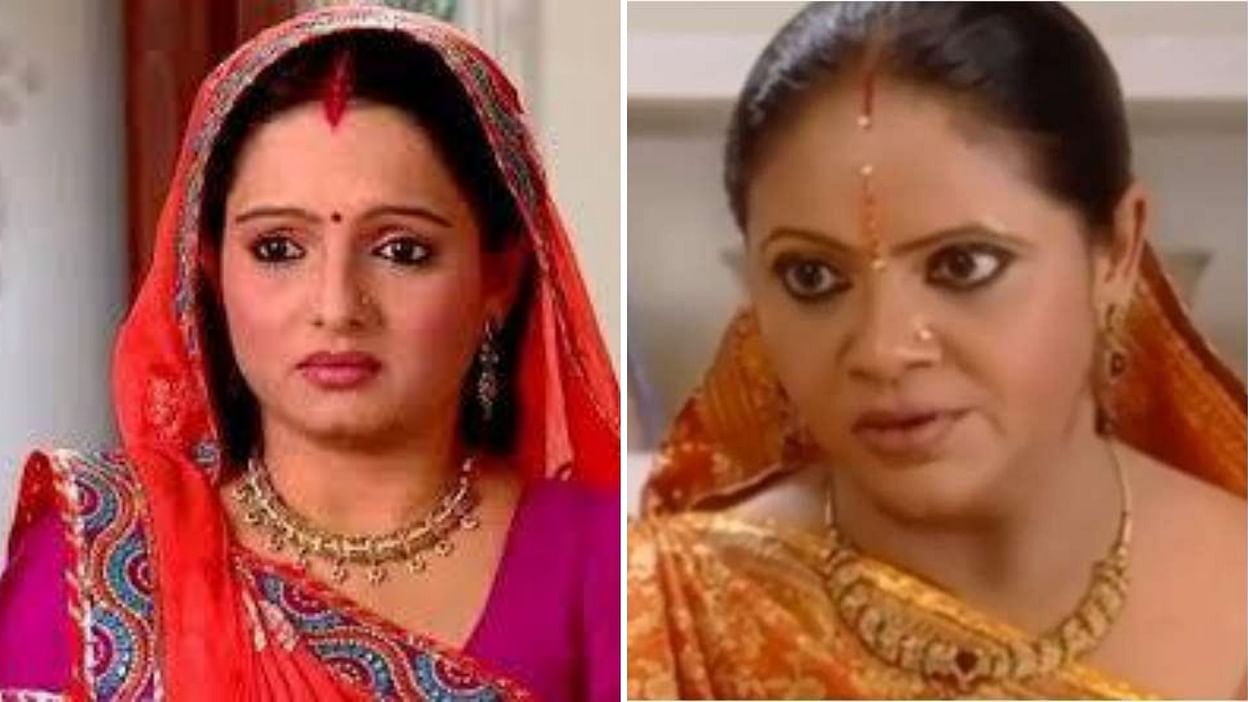
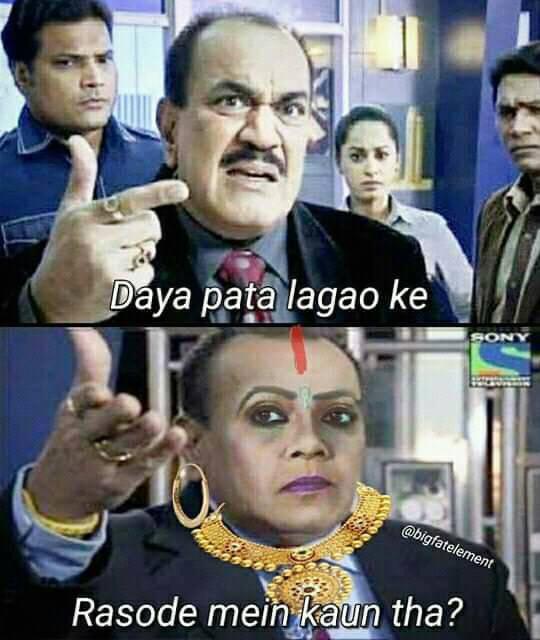
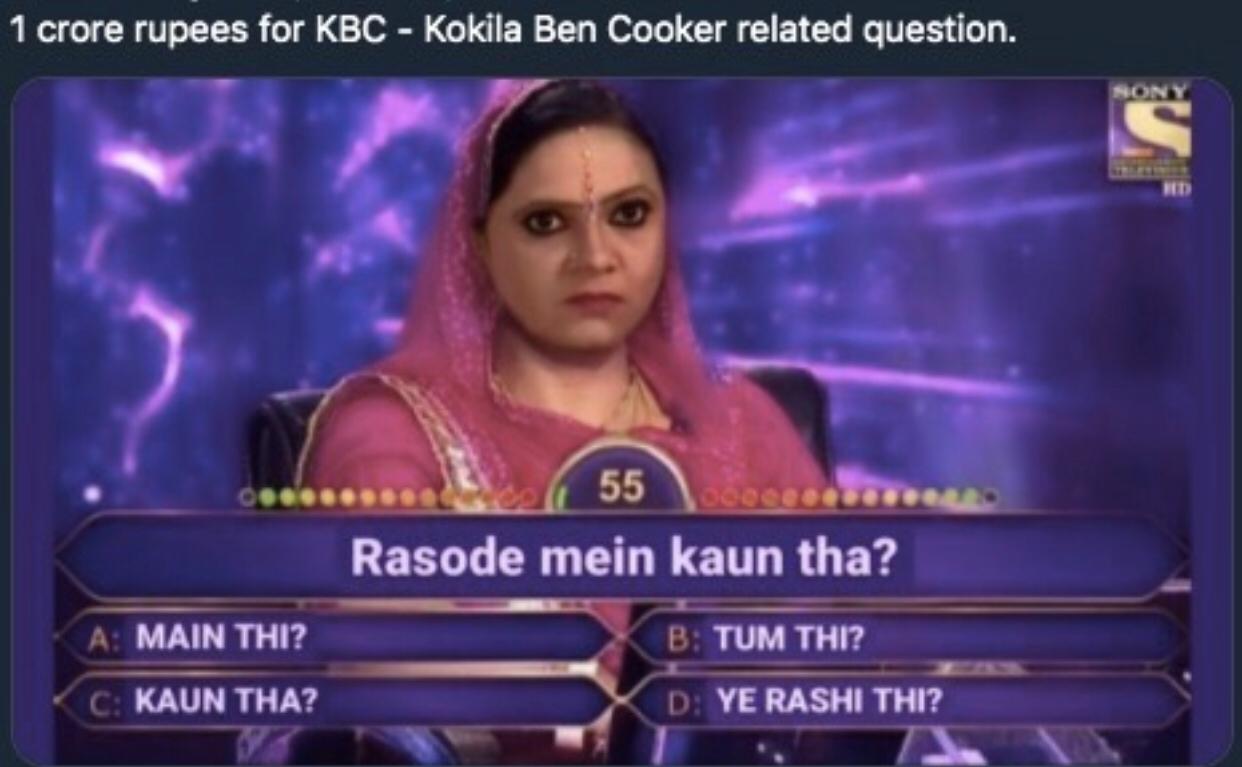
Indian music producerYashraj Mukhate made a rap song using a scene from an Indian soap Saath Nibhana Saathiya that quickly went viral on social media.
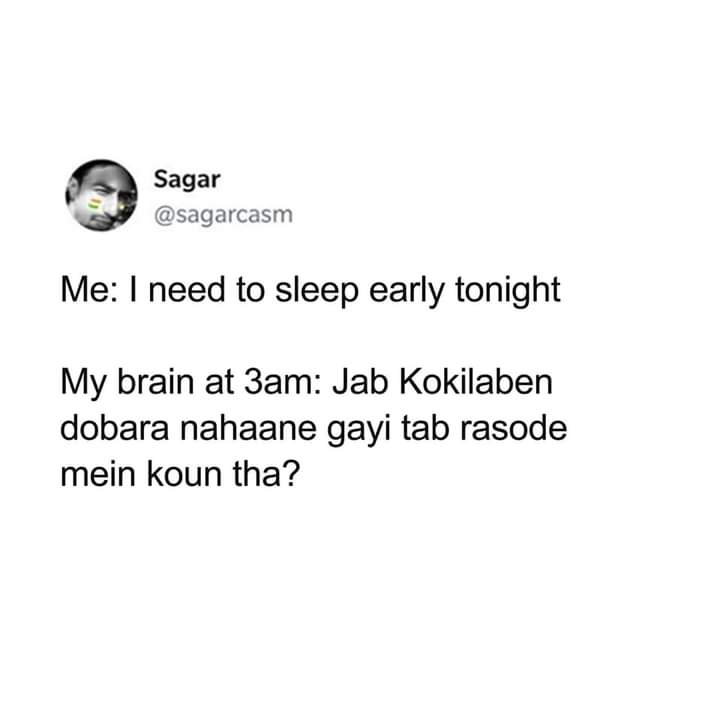
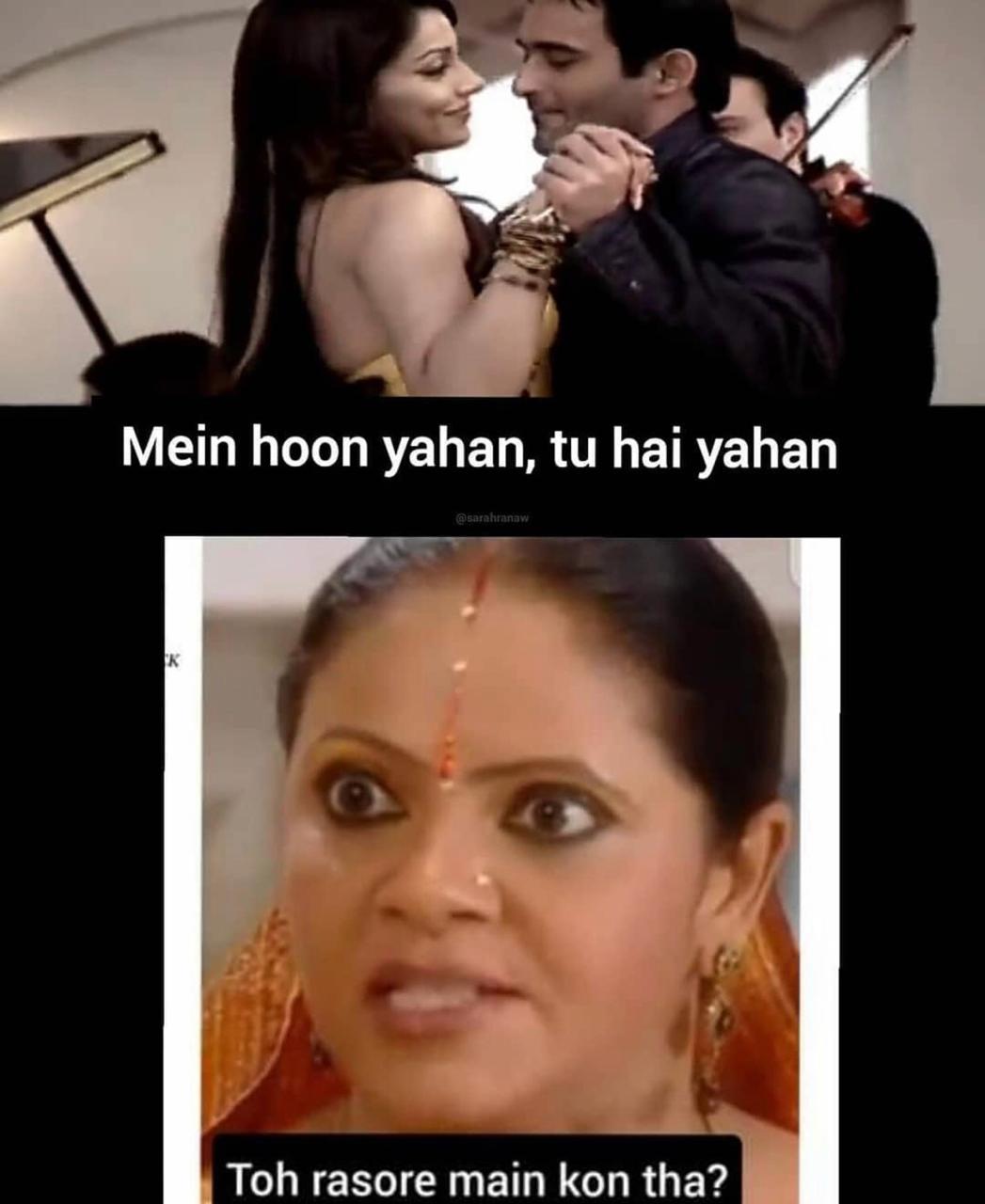
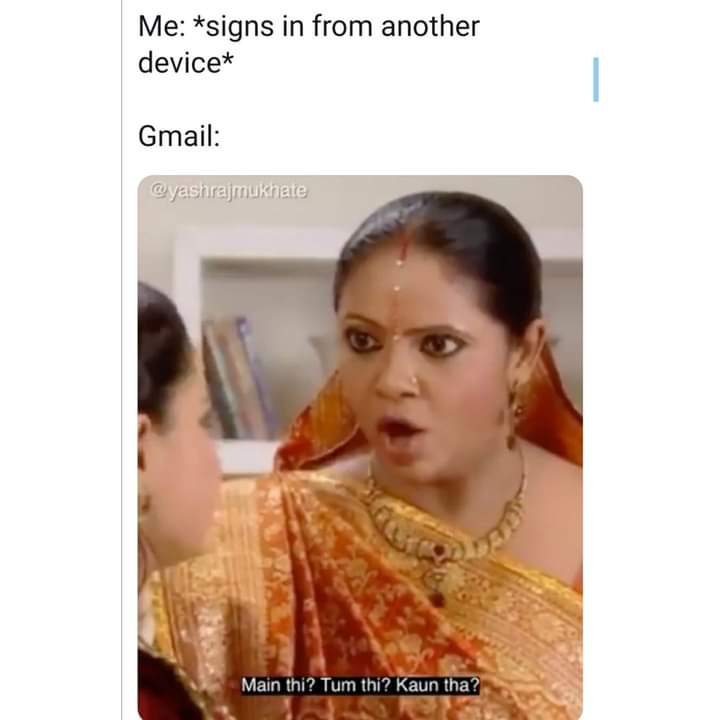
In the scene, one of the characters Kokilaben is seen asking who was responsible for a kitchen mishap and who took the ‘chanay’ out of the cooker when Kokilaben went to take a shower. The question is ‘Rashi Thi, Main thi, Kon tha? which is stuck in people’s minds and meme-makers are doing a great job at making people laugh.
She: He's probably thinking about other girls. He: Akhir Rashi Ben ne kyun cooker mai se chane nikaldiye aur khali cooker gas pe chada diya. 🤔. pic.twitter.com/qyC8btsEN8
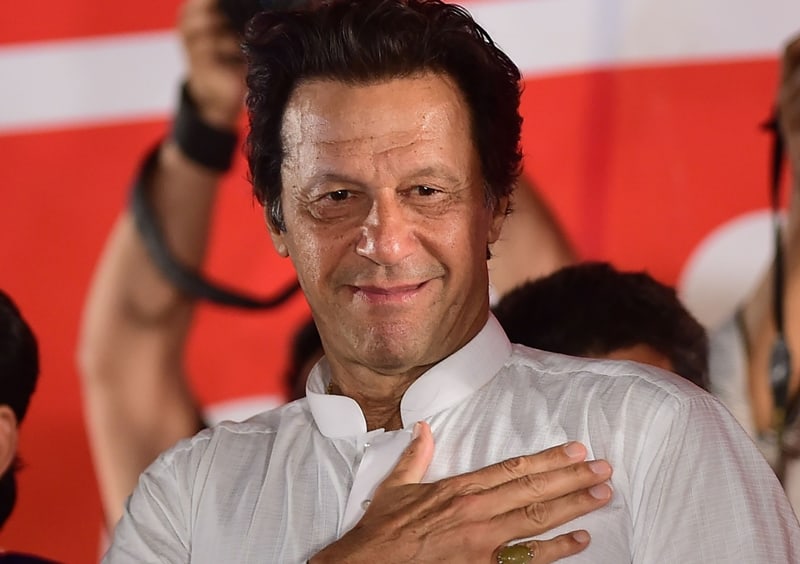
Prime Minister (PM) Imran Khan has been declared as “Man of the Year” from the Muslim world, by the Jordan based Royal Islamic Strategic Studies Centre, an official said. “Jordan’s Royal Islamic Strategic Studies Centre named Prime Minister Imran Khan as ‘Man of the Year’ in its recent list of the most persuasive Muslims in the World”.
In its latest edition “The World’s 500 Most Influential Muslims, 2020″ the center also named American Congresswoman Rashida Tlaib as “Woman of the Year”.
Abdallah Schleifer, who is chief editor of “The Muslim 500” project, while declaring Khan as “Man of the year”, wrote that his quest for peace with neighboring India and his philanthropist work entitled him for the honor. Schleifer is Professor Emeritus of Journalism at the American University in Cairo.
He added that he was impressed by Khan, launching a successful fund-raising campaign to establish a hospital devoted to treating cancer victims and research.
Recalling Khan’s first address to the nation as prime minister in August 2018, the author said he genuinely wanted to normalise relations through trade, and settle the Kashmir dispute with India.
“Khan also wrote three letters to India’s Prime Minister Narendra Modi calling for dialogue and lasting peace. Modi did not respond,” Schleifer noted.
The centre also declared the US Congresswoman Rashida Tlaib, as the most prominent “Muslim Woman of the Year”.
“American Congresswoman Rashida Tlaib (Democrat, Michigan) is this year’s Muslim 500 Woman of the Year,” the centre announced.
She is the first Palestinian-American woman elected to the American Congress, as member of the House of Representatives, Royal Islamic Strategic Studies Centre said.
The centre also included other top 50 influential Muslims personalities in its edition. They are Turkey’s President Recep Tayyip Erdogan, Emir of Qatar Sheikh Tamim bin Hamid Al-Thani, President Joko Widodo President of Indonesia, Sheikh Mohammed bin Zayed Al-Nahyan Crown Prince of Abu Dhabi, King Salman bin Abdul-Aziz Al-Saud King of Saudi Arabia, King Abdullah II Ibn Al-Hussein King of the Hashemite Kingdom of Jordan, King Mohammed VI King of Morocco and others.
Eminent religious scholars Mufti Taqi Usmani and Maulana Tariq Jameel have also been named among the most influential Muslims.
Maulana Tariq Jameel’s sermons focus on ‘self-purification, avoidance of violence, observance of Allah’s orders and pursuing the way of Holy Prophet Muhammad (Peace Be Upon Him).’ He has been named continuously as one of the 500 most influential Muslims in the world by the Royal Aal al-Bayt Institute for Islamic Thought in Jordan from 2013 to 2019.
In 2019, the religious scholar stood 40th of a list ranking the world’s most “influential” Muslims. The annual publication was compiled by the Royal Islamic Strategic Studies Centre in Jordan and highlights people who are influential as Muslims. The publication defines influential as meaning “any person who has the power to make a change that will have a significant impact on the Muslim World”.
China has launched an advanced warship for Pakistan, the largest it has built for any country, and the first among the four most sophisticated naval platforms it is readying for the Pakistan Navy amid deepening military and strategic ties.
According to reports, the Type 054A/P, a guided missile frigate, is the largest combat ship China has sold to a foreign navy and is “an important milestone” for China’s military export sector.
The acquisition of the warship will double the combat power of the Pakistani Navy’s surface fleet, Chinese state media reported. By 2021, the Pakistan Navy is expected to have three more similar warships in its fleet.
The Chinese state-owned Hudong Zhonghua Shipyard in Shanghai held the launch ceremony for the advanced warship with top officials and naval officers attending the function.
The shipyard is a wholly owned subsidiary of the China State Shipbuilding Corporation, the largest builders in the country.
The ship launch took place two days after Foreign Minister Shah Mahmood Qureshi discussed the situation in the Indian occupied Jammu and Kashmir region with his Chinese counterpart Wang Yi during the second round of the China-Pakistan foreign ministers’ dialogue in Hainan.
The development comes at a time while New Delhi is locked in tension with both Pakistan and China over disputed boundaries and the abrogation of Article 370 in the troubled valley.
India is reportedly closely monitoring the military cooperation between its two neighbours.
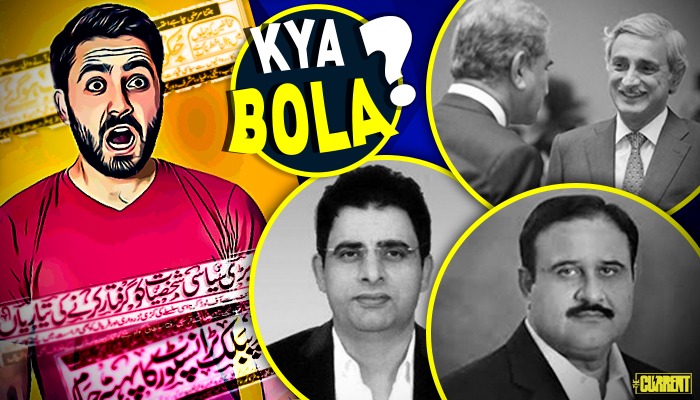
Following are some snippets that stood out from Urdu newspapers on August 24, 2020, which The Current takes no responsibility for.
‘Media Ka Usman Buzdar se Pyar’
It has been reported by Daily Jang that Punjab Chief Minister (CM) Usman Buzdar was asked why he is so reluctant to interact with media, to which he said“Taa k media ka hum se pyaar barqaraar rahay.”
‘Usman Buzdar Aur Phone’
Senior journalist and analyst Irshad Bhatti, in his column for Daily Jang, has stated that he asked Usman Buzdar how did he feel after becoming the chief minister, to which he said “Allah ka shukar adaa kr rha tha… mein 5 saal har maah Shehbaz Sharif ko fax krta aur milnay ki darkhuwast krta magar woh 5 saal mujhe nahi milay. Soch raha tha ab Allah ne mujhe wazire aala bana dia.”
To another question he said, “Yeh sach hai mujhe mobile phone k baray mein zayda nahi pata… call krna, call sun’na aur kabhi kabaar WhatsApp messages bus.”
‘Jahangir Tareen se Ch Sarwar Tak Sab Wazire Aala Ban’nay K KhuwahishmandThay‘
It has been reported by Daily Dunya that Punjab Governor Chaudhary Sarwar has said, “Mujh samait Shah Mahmood Qureshi aur Jahangir Tareen sab wazire aala ban’nay k khuwahishmand thay lekin Imran Khan ne Usman Buzdar ko chuna. Pervaiz Elahi ney wazire aala ban’ny ki khuwahish zahir nahi ki.”
Prime Minister (PM) Imran Khan’s Adviser on Accountability and Interior Mirza Shahzad Akbar has told a reporter, who attempted to equate the decision to allow former premier Nawaz Sharif to travel abroad with an NRO [National Reconciliation Ordinance], to ask the “Agriculture Department” instead, implying the involvement of a secret agency.
NRO is a controversial ordinance issued by then president Pervez Musharraf in 2007 to grant amnesty to politicians facing corruption, money laundering and murder cases.
Akbar’s response, an open secret in power circles, came during a press conference held Saturday to announce that the federal government had approached the United Kingdom (UK) government for Nawaz’s extradition.
The government in November last year had allowed the former premier to travel abroad for medical treatment after the Islamabad High Court (IHC) suspended his sentence in Al-Azizia Steel Mills reference for eight weeks. He has been residing in London ever since.
“Ask the Agriculture Department,” Akbar said when asked about the former premier’s London departure.
WATCH VIDEO:
Reporter: who gave NRO to Nawaz Sharif & @MaryamNSharif ?
Akbar, however, later clarified that his statement did not refer to any state institution, adding that he had referred to “adept” PML-N leadership that “fooled the entire nation into believing Nawaz’s forged medical reports”.
یہاں یہ واضح کرنا بھی ضروری ہے کہ میرے بیان سے اگر قومی سلامتی کے اداروں کے بارے میں کوئی غلط تاثر پیدا ہوا ہو تو وہ بے بنیاد اور حقیقت سے عاری ہے اور کسی ادارے یا شخص کی دل آزاری پہ میں معذرت خواہ ہوں
Independent observers claim the decision to allow Nawaz to leave the country was a result of a silent agreement reached between the establishment and the PML-N as the alleged deal had come on the heal of Prime Minister (PM) Imran Khan’s vow to not give NRO to those facing corruption probes.
‘AGRICULTURE DEPARTMENT’:
The term “agriculture department” for secret agencies was coined in 2018 when a Pakistan Muslim League-Nawaz (PML-N) candidate for Punjab Assembly alleged that he was manhandled by the security personnel of a secret agency over his refusal to withdraw from the upcoming elections.
In a statement to media, Rana Iqbal Siraj had said the personnel raided his godown and threatened to destroy his business in case of non-compliance.
However, Siraj had later backtracked his statement, saying it was the officials of the agriculture department who raided his godown and not the security personnel.
Pak Sarzameen Party (PSP) chief Mustafa Kamal has claimed that the Pakistan People’s Party (PPP) is trying to occupy Karachi, warning that if it did so, the people would take the Sindh government away from it as well.
Addressing a protest amid heavy rain a day after the Sindh cabinet approved the creation of a seventh district in the city, Kamal said neither the “Sindh card” nor the “Muhajir card” would work anymore.
“We will never allow our motherland, Sindh, to be divided and nor will we let anyone rip its heart, Karachi,” he stated.
“The PPP is fanning ethnic hatred in the province, but we will thwart every conspiracy hatched by it or the Muttahida Qaumi Movement-Pakistan (MQM-P) to create rifts between Sindhis and Muhajirs for their own political gains.”
Kamal claimed that the PPP-led provincial government always made decisions on ethnic grounds, pointing to changes in National Assembly seats in the city following the census.
‘65% FUNDS USED IN OTHER PROVINCES GENERATED IN KARACHI’:
Separately, The Express Tribune has quoted Karachi Mayor Waseem Akhtar as claiming that approximately 65 per cent of developmental funds used in other provinces are generated in Karachi but the port city remains neglected.
Inaugurating a library and art gallery at Markaz-e-Islami in Aisha Manzil, he said that people of Karachi paid Rs1,100 to Rs1,200 in taxes, but received nothing in return.
Akhtar maintained that the Karachi Metropolitan Corporation had spent all the funds at its disposal to facilitate the people. “We tried our best to carry out uplift works despite having limited resources.”
The Mansehra district administration has sealed all hotels in Shogran, Naran and Kaghan after fresh cases of COVID-19 were reported among staff working at different hotels.
According to Dawn, Mansehra Additional Deputy Commissioner Maqbool Hussain said that the district health department had reported 47 cases of coronavirus at private hotels located in these spots. As a result, authorities decided to close down all hotels in the area to curb the spread of the virus. It has not yet been specified when the hotels will reopen but Hussain said that they would only be allowed to operate till the situation is brought under control.
Hussain further revealed that 48 hotels, including 22 main businesses and their respective branches, had been sealed at all three tourist spots and the infected patients had been quarantined at the hotels. He added that the local health department and officials were in the process of tracing and testing those who had come into contact with the patients.
On the other hand, ARY News reported that only five hotels in Naran and Kaghan have been sealed after some of the hotels’ staff tested positive for COVID-19. The report added that no ban has been placed on tourists wishing to visit the areas as some hotels have been reopened after disinfection.
Meanwhile, the Kaghan Development Authority (KDA) on Sunday recommended the Mansehra deputy commissioner to impose a ‘smart lockdown’ in Naran.
“It is proposed that a ‘smart lockdown’ [be imposed] on the hotels/restaurants to avoid the spread of COVID-19,” read the letter addressed to the DC.
After the government reopened businesses and allowed tourism in the areas, there has been a surge in cases of COVID-19 cases in Khyber Pakhtunkhwa forcing local authorities to start large-scale random testing of tourists.
“We have started conducting random testing of both tourists and hotel workers,” Raza Ali Habib, director general of the Galiyat development Authority (GDA) said, adding that 1000 tourists were tested during the last one week out of which only 25 tested positive.
According to a report by the KP tourism department, approximately 627,000 tourists entered Hazara and Malakand divisions after the government lifted COVID-19 restrictions. The reports further revealed that tourists’ inflow to Abbottabad and Galiyat was high as compared to other areas as more than 356,000 entered the areas in the first 12 days.
The government has been actively requesting people to take the necessary precautions and follow SOPs strictly to prevent the spread of the disease.
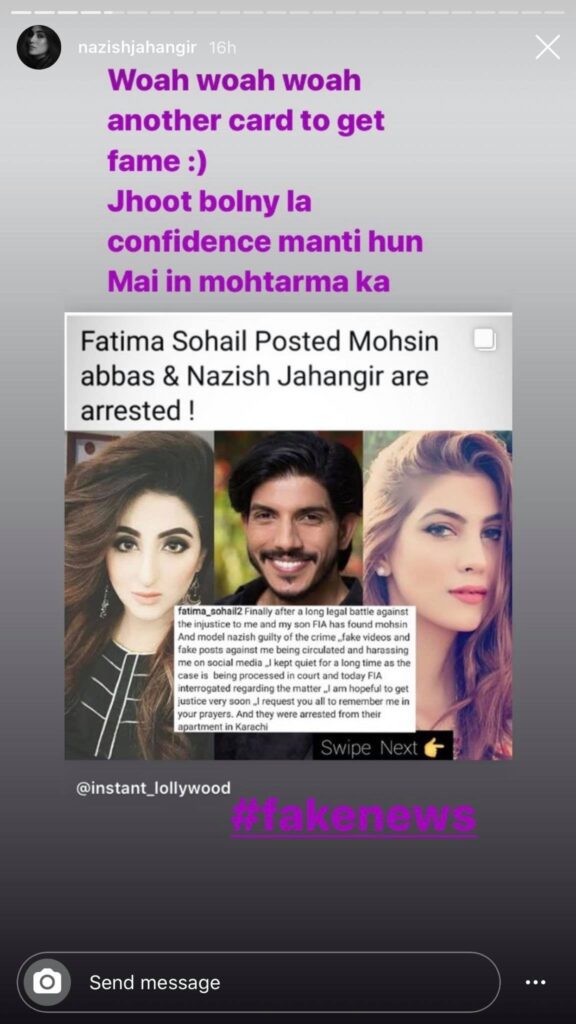
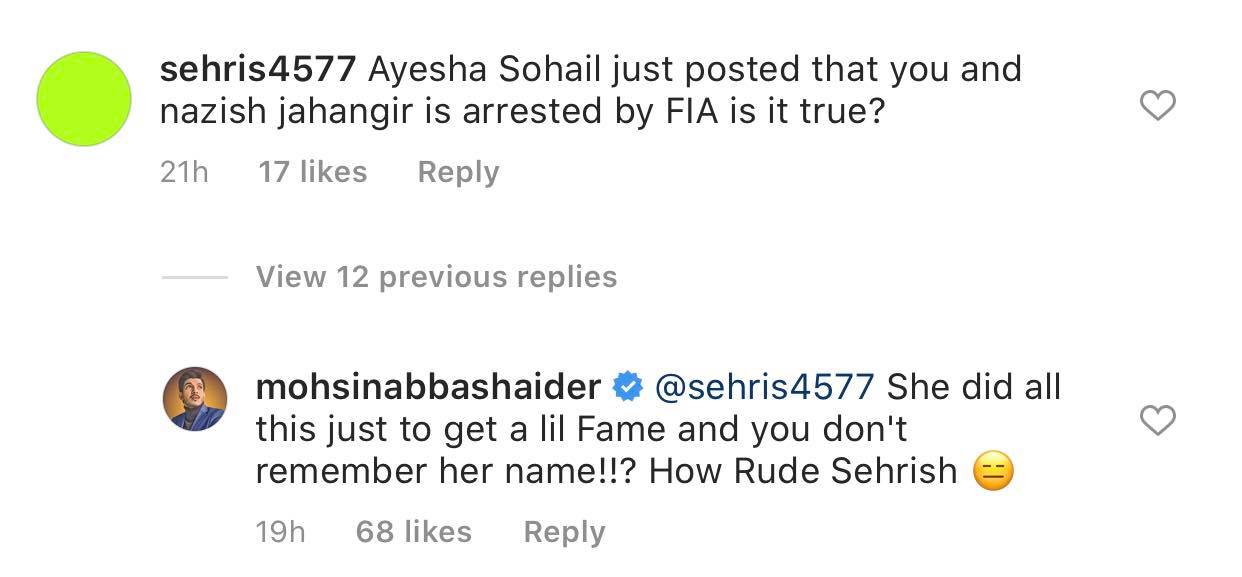
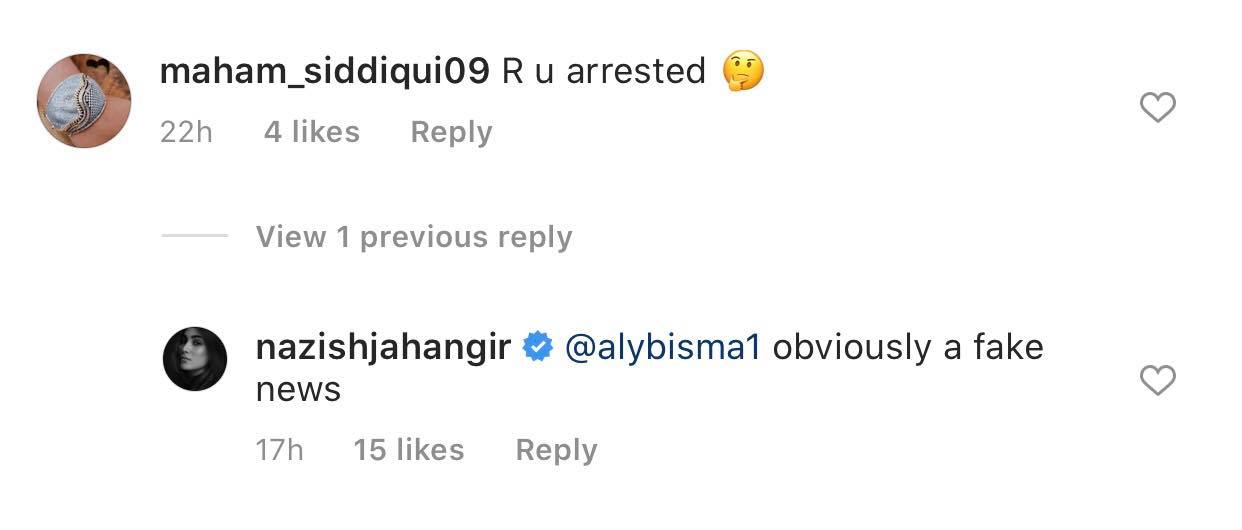
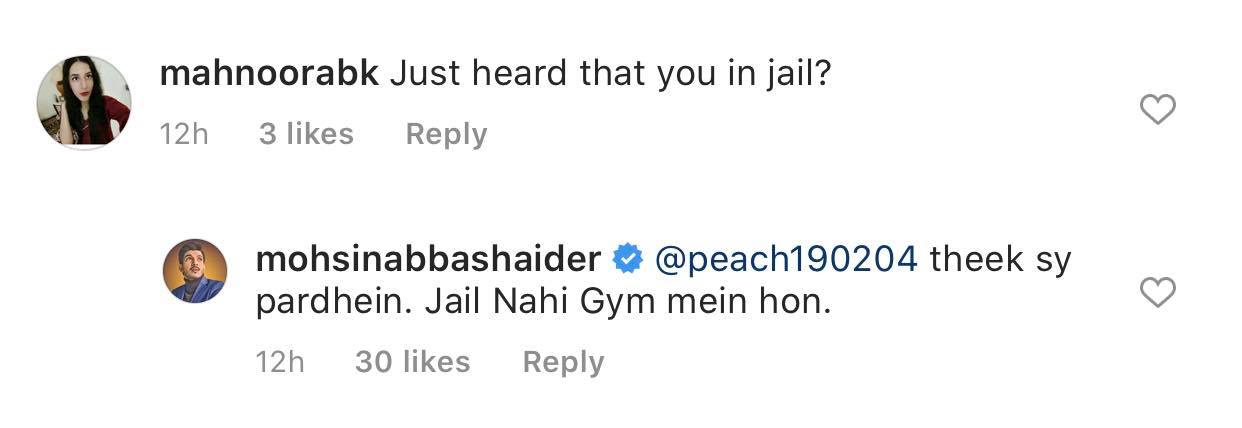
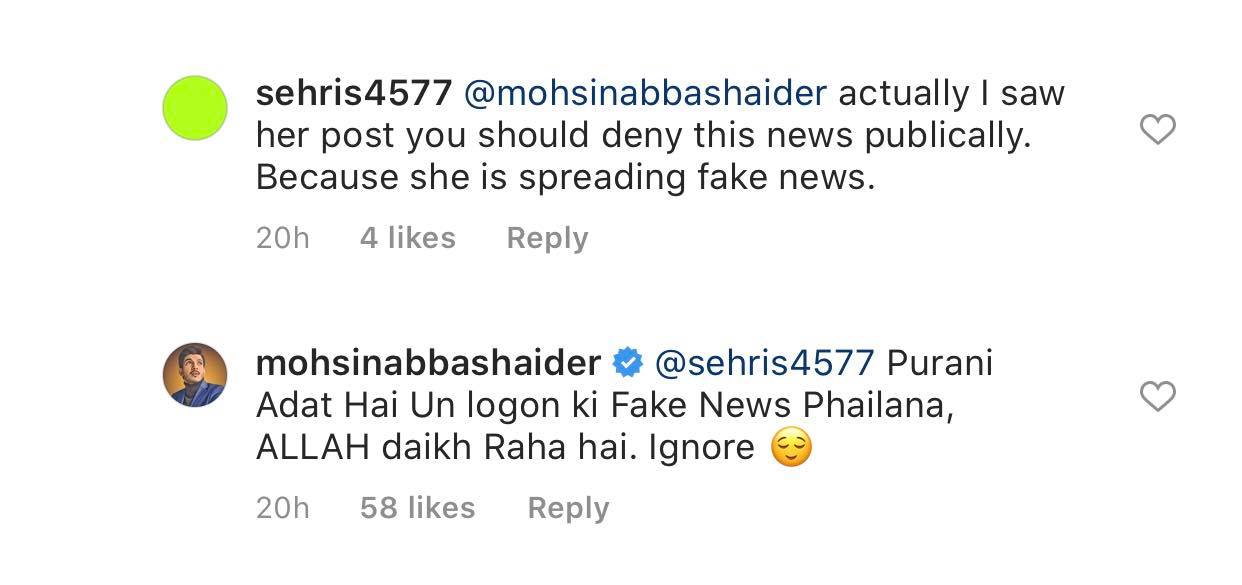
Mohsin Abbas Haider and Nazish Jahangir have rejected claims of being arrested by the Federal Investigation Agency (FIA). The duo, who are rumoured to be a relationship and one of the reasons behind Haider’s divorce, denied the news of their arrest on social media.
Late last night when the reports emerged, Mohsin shared a picture of himself and Nazish at an ice-cream store.
https://www.instagram.com/p/CEKVxboMec0/
The following morning, Mohsin went live on Instagram while working out at the gym.
https://www.instagram.com/p/CELecUJAhLN/
Similarly, Nazish also denied the claims and accused Fatima of spreading fake news.
Mohsin and Nazish also rejected the reports while interacting with fans in the comments section.
Reports of Mohsin and Nazish’s arrest emerged after the singer’s former wife Fatima Sohail posted a news clipping on Instagram and thanked FIA for giving her justice. According to reports, Haider and Jahangir were arrested by FIA cybercrime wing in Karachi on Friday. They are allegedly being interrogated over charges of blackmailing, harassment, fake pictures and videos after evidence was collected against both of them. Fatima had filed a case with FIA accusing Mohsin and Nazish of harassing her over social media.
https://www.instagram.com/p/CEKjAsdJldr/
Fatima’s sister and anchorperson Ayesha Ehtesham also shared the news on social media, though she expressed her disappointment in the regulatory body over the fact that an FIR has still not been registered.
It has taken @FIA_Pakistan a year to investigate and gather technical evidence to trace them as ones spreading defamatory & false content against Fatima. A Whole Year !!! Y FIR still not registered despite all evidence and accused taken into custody ? I hope justice prevails https://t.co/W0rMRAywiU
Last year, Mohsin and Fatima got divorced after fours years of marriage. Their divorce was heavily publicised after Fatima, in an explosive social media account posted on July 20, 2019, alleged that Mohsin was domestically abusive and had hit her on multiple occasions. She later filed an FIR against Mohsin on grounds of abusive behaviour and that Mohsin extorted money from her.
In August 2019, Mohsin was found guilty of threatening Fatema by a lower court in Lahore. However, he was found innocent of breach of trust and demanding money from his wife.
When the COVID-19 pandemic began and I started working from home, I bought into the uproar on social media about having more free time. My first, and perhaps only, resolution for this “extra time” was to read more books, and, in line with everyone’s suggestions about learning new skills and working on one’s own self, I thought I’d try and get two birds with one stone.
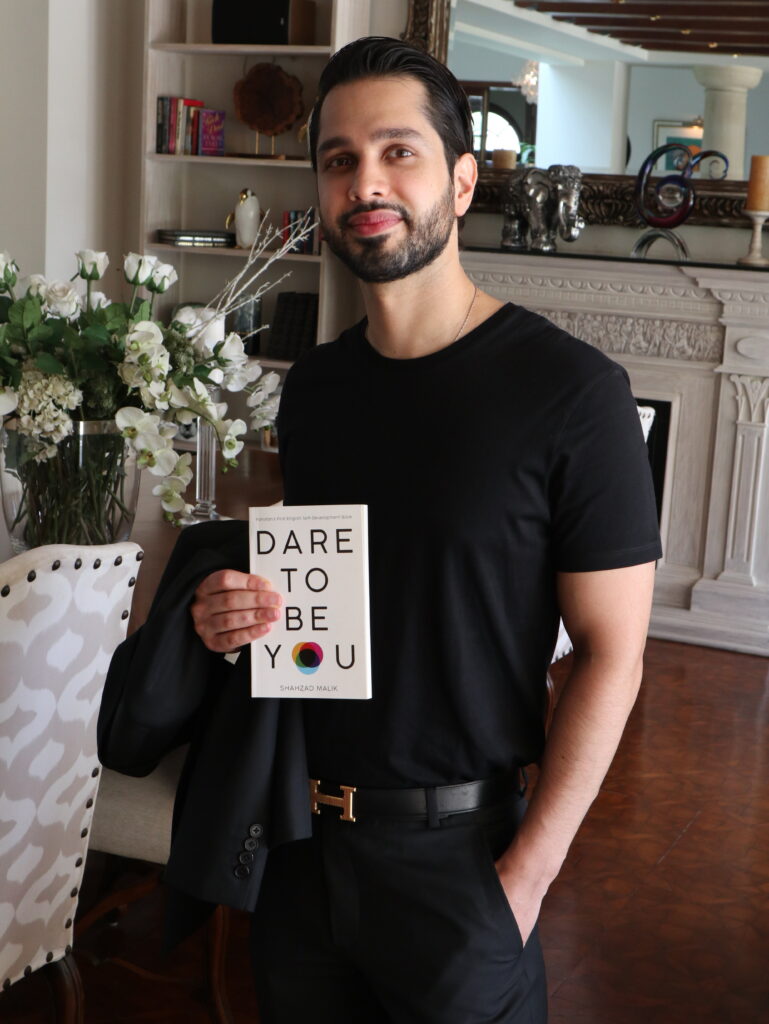
As it so happened, I came across this new book on social media: “Dare to Be You — Pakistan’s First English Self-Development Book” by Shahzad Malik. I was very intrigued and immediately went to the website and ordered it. The book arrived a couple of days later and honestly, I was blown away when I took it out of the packaging. It looked better up close than it did in the pictures. The cover design is beautiful — it’s very minimalistic and, quite like the book itself, it’s not in-your-face. It’s powerful in its subtlety.
It didn’t take me very long to finish the book once I started it. It’s not very long but, more importantly, once I started, I was hooked! I didn’t want to put it down. In fairness, I had not expected this when I bought the book or picked it up. I’m very wary of self-help books generally because they always feel very preachy to me. “You’re living life all wrong, and you must do x, y, and z if you want to be successful.” It almost always leaves a very bittersweet taste in my mouth. But, luckily, “Dare to Be You” isn’t like that at all! It’s very real and very candid. Like the author’s sitting right there talking to you. Like a conversation between friends.
I mean, of course, it isa self-development book, so of course, it’s going to include certain preferred acts and traits. But when I say the book is very real I mean that the author isn’t minimising what you’re going through. He seems to be well-aware of it. And when he talks to you, it feels like he’s talking to you as someone who has been through the things you’re currently going through, has managed to come out on “the other side”, and is now reaching back trying to pull you there too. I’m not one to take everything at face value, so I was a bit skeptical of whether the author actually “made it” and a few Google searches showed me he really had. And after reading the (deeply personal) incidents he’s narrated in the book and how he navigated through them, I really have a new-found respect for him.
“Dare to Be You” is built around one central idea that resonates throughout the book; all of us have the potential to be better and to do better, and we owe it to ourselves to try until we get to where we want to be. In certain places, the book definitely adopts a tough-love attitude, where it actively engages with the excuses we sometimes buy into. But the tough love is fair game, and, honestly? It really helps. Because it really makes you face what you’re running away from, while also guiding you to the support and confidence you need to win (think of the coach in any famous boxing movie pumping up the boxer before the big fight).
The book discusses a number of topics, all the way from overthinking to fear to finding one’s passion. It addresses the idea of mindfulness, of allowing ourselves to listen to our emotions rather than let ourselves be overwhelmed by our thoughts and the discouraging voices in our heads. This idea also flows through the book, and we are reacquainted with it at various points along the way, helping to really ground it in the reader’s mind. And in anxious times such as these, this has been game-changing. The book also lets readers explore how we can change our default way of approaching situations, by allowing for greater awareness of our internal frameworks. For instance, it allows us to explore the fears we carry, that hold us back, and lead to us minimising ourselves. This, in turn, allows us to see them for what they really are and shed them off, taking away their power over us so that we are not perpetually afraid and encumbered.
One of my key take-aways from the book has to be from the chapter on happiness. To quote from the book:
“I had become scared of feeling happy because I thought good things didn’t last. Think about it. It seems so simple when I write it down, but it was such a profound realization for me – that I could be afraid of happiness. That I could be afraid of something beautiful, simply because I was afraid I would lose it.“
The book really invites readers to give themselves a real, honest chance at happiness — both in the small everyday joys and as a mindset — that can become the basis for a more content and resilient life. And once you’re no longer afraid of happiness, the journey to discover your passion becomes a lot clearer (the book helps prevent the associated overwhelm by providing a structure to navigate your journey).
It’s been nearly a fortnight since I finished the book. And over the past two weeks, I’ve found myself thinking back to the book, and even picking it up to re-read certain parts of it. For a relatively light read, I’ve been pleasantly surprised by how it has stayed with me (almost on a subconscious level), allowing me to already start changing some of my habits that have just always been there. I find myself taking down my internal barriers one by one, and actively trying to do away with the voice inside my head that’s always more-than-happy to tell me I’m not good enough.
Granted, I haven’t yet achieved everything I wanted to and I haven’t arrived at the pinnacle of my life’s work. But “Dare to Be You” has certainly allowed me to start walking down the path I’ve been avoiding for a very long time. The path to a self-aware, authentic and meaningful life.
The nationwide coronavirus lockdown in Pakistan ended on August 10 as the government announced returning to pre-coronavirus life with a few standard operating procedures (SOPs) and social distancing guidelines amid a significant drop in infections and fatalities.
Previously shut down sectors, including tourism and recreation, food among all other businesses except marriage halls and educational institutions were allowed to re-open and now, despite the passage of nearly two weeks, no prominent increase in COVID-19 cases has been recorded against officials and experts’ predictions in light of Eidul Azha and Independence Day celebrations during which people flouted all guidelines.
While large gatherings, including religious congregations and family feasts over the Eid weekend, added to the risk of a second wave of the virus in the days to come, a large number of people taking to roads on August 14 to express their love for Pakistan, mistaking the drop in COVID-19 cases for its eradication, did the same. Independence Day was marked by firework displays at midnight in major cities, including Lahore and Karachi, where tens of thousands flooded the roads without face masks or any regard to the SOPs.
Here is how the pandemic situation turned out from August 1 to August 20 amid the said recklessness of the masses:
While the country is still at risk owing to the behaviour of the people over Eid and the Independence Day as officials fear it can lead to a sudden spike in COVID-19 cases, some experts believe that herd immunity has been achieved in metropolises like Lahore and Karachi as they were the most affected by the virus when it peaked in June.
A study conducted in 25 cities shows that almost 11% of Pakistanis have developed protective immunity (antibodies) across the country against COVID-19. The research further says that seropositivity in urban areas is more when compared to rural areas, and a majority of those who came into contact with corona-positive patients are more likely to have developed antibodies.
While infectious disease experts such as Prof Dr Faisal Mahmood of Aga Khan Hospital say the drop in number of cases is real but the reason that led to it has not yet been ascertained, according to a report by The Telegraph, Pakistan’s young population — two-thirds of its total population is under the age of 30 — can also be a major factor if herd immunity has actually been developed.
Even though it is too early to be sure about Pakistan’s victory in the battle against COVID-19, the significant drop is a huge achievement. It, however, might not last if people continue flouting social distancing guidelines in the days to come, leading to the second and or even third wave of the pandemic in September.