Blog

  • Hina Butt says no Pakistani actress can play Maryam Nawaz

    Hina Butt says no Pakistani actress can play Maryam Nawaz

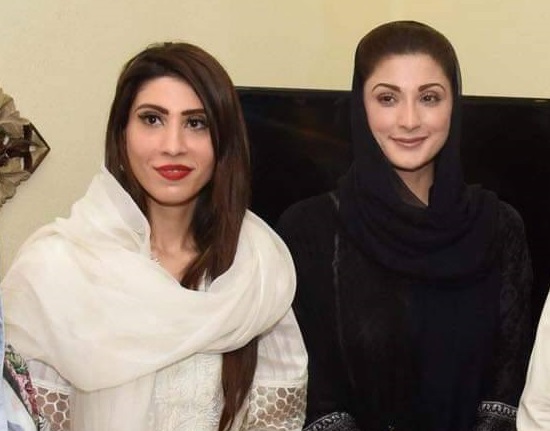
    Hina Butt’s admiration for Maryam Nawaz is no secret. The Punjab Assembly MPA earlier ruffled a few feathers after she commented that Ertuğrul reminds her of the PML-N VP and now she’s done it yet again.

    In a recent interview, when asked who would essay Maryam best if a biopic on her was made – Mehwish Hayat, Mahira Khan, Hareem Farooq or Zara Noor Abbas – Hina said none of them.

    “I don’t think any of them. Because she’s tall-heighted. She’s fair. As an actress, I really like Sanam Saeed and Iman Aly. But they have a tan complexion. So none of these. Although Mahira is a good actress, I don’t think she can play a serious role like this,” said Butt.

    Read more – Mehwish Hayat to run for PM in 2028?

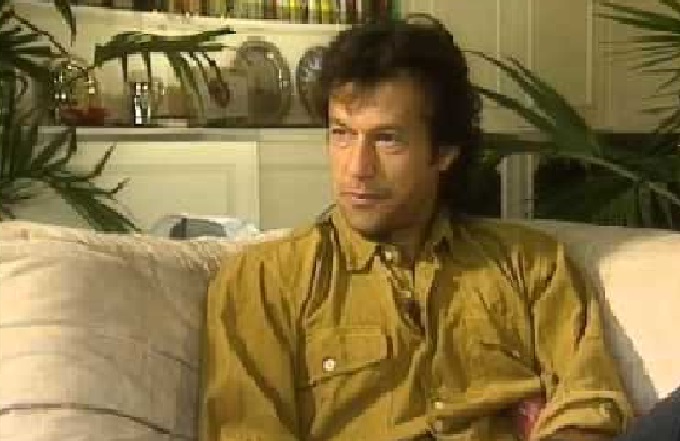
    In the same interview, when she was asked to rank Prime Minister Imran Khan’s performance as a cricketer and prime minister out of ten, the lawmaker responded that as a PM she would give him zero while as a cricketer, she would give him six because he won the ICC Cricket World Cup in 1992.

  • Ex-Indian cricketer recalls when ‘shy’ Imran Khan didn’t leave his hotel room to play Holi

    Ex-Indian cricketer recalls when ‘shy’ Imran Khan didn’t leave his hotel room to play Holi

    Former India wicketkeeper Kiran More has recalled the time when Pakistani and Indian cricketers celebrated the festival of Holi together in Bangalore.

    Pakistan toured India in 1986-87 for five Tests and six ODIs, and after the first four Tests ended in a draw, More’s mind harked back to the time when the players from both teams, except then Pakistani skipper and now prime minister (PM), Imran Khan, got together ahead of the final match in Bangalore and “painted the hotel red”.

    “We were really fighting hard for that whole series, but in that Test match, I’ll never forget that Holi we played on the rest day, with the Pakistani team and Indian team,” More said on ‘The Greatest Rivalry‘ podcast.

    “[It was] at Bangalore’s Westin hotel, I still remember. The whole hotel was painted red. The swimming pool, all the rooms, every corner of the hotel was painted red. And we had a great time. Both Pakistani and Indian cricketers were trying to get Imran Khan out of his room. He was the captain, and he was a shy character. We were also trying to get into his room to put colour on him.”

    More further revealed how Javed Miandad kept the party going even after the Holi celebrations were done with. A day before the final Test, players of both teams had a ball, but despite repeated efforts, were unable to get a shy Imran out of his hotel room.

    “He didn’t come out. Javed [Miandad] was instrumental in that Holi time, the whole day, we did Holi together, we had lunch together. Had bhangra music, there were a few friends of ours who joined that party. We had a great time, and next day, we were playing a Test match again,” More added.

    “On the field, both teams wanted to win, and sledging was huge that time from both sides. Off the field, it was a great time that we had. I’ll never forget that Holi.”

  • ‘Mangoes in Lamborghini’: Pakistani store’s delivery initiative becomes a sensation in Dubai

    ‘Mangoes in Lamborghini’: Pakistani store’s delivery initiative becomes a sensation in Dubai

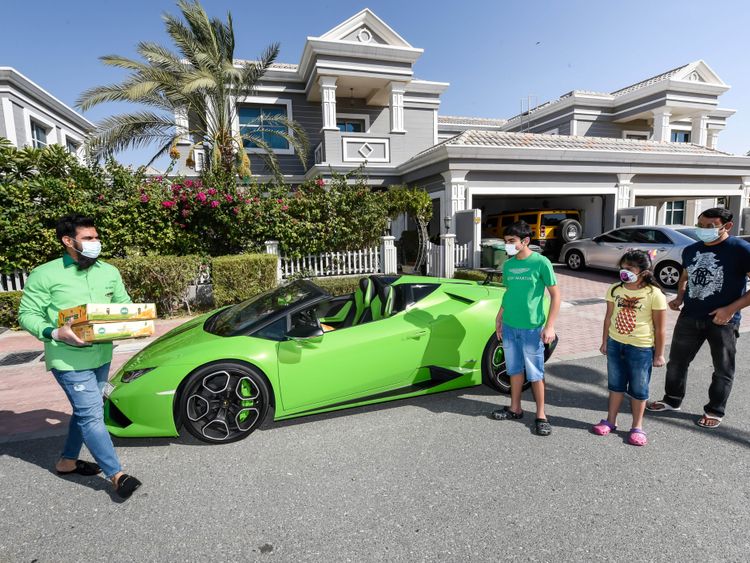
    Pakistani mangoes are popular worldwide and recently a Pakistani Supermarket started a ‘Mangoes in Lamborghini’ drive that went viral in Dubai as it offers a short joyride in the supercar.

    It has doubled the sales of mangoes since its launch in mid-June. Minimum order of Dh100 is required to avail the offer.

    Speaking to Khaleej Times, managing director of the Pakistan Super Market Dubai Jhanzeb Yaseen said, “There is no commercial aim behind the campaign. I want to spread the message of happiness and love and the response is overwhelming.”

    He said mango sales had increased by more than 100 percent and most of the customers are now registered for ‘Mangoes in Lamborghini’ with a minimum waiting time of one week.

    The regular van delivery service is also available but customers are keen on receiving their purchase in the supercar, he added.

    Video Credits: Gulf News

     “I was expecting a good response from Pakistani and Indian community as they love mangoes. But I’m surprised residents from Western countries are also huge fans of Pakistani mango varieties such as Langra, Sindhiri, Anwar Rattole and Chaunsa, among others,” he said.

    “The campaign has gained popularity since the Lambo mango delivery videos have gone viral on social media. Now I’m planning to extend the service to five days a week to cater to more buyers and clear the backlog,” he said.

    Pakistan is home to about 250 varieties of mangoes and is the fifth largest producer of the fruit in the world after India, China, Thailand and Indonesia.

  • Six-star PIA downgraded to one   star on fake licences issue

    Six-star PIA downgraded to one star on fake licences issue

    Six-star Pakistan International Airlines (PIA) has been downgraded to one star by AirlineRatings.com after the recent revelation of 150 fake pilot licences.

    The European Union (EU) has banned the airline from member states — costing one star –, while AirlineRatings.com has stripped the airline of three stars for the IATA Operational Safety Audit (IOSA) besides one star for the ICAO country audit.

    The rating downgrade to the lowest safety standards could further dent PIA’s business because customers will avoid travelling through it while other countries may close their airports for Pakistan’s national carrier.

    AirlineRatings.com Editor-in-Chief Geoffrey Thomas said, “Clearly there needs to be an investigation into possible bribery and falsifying related to the pilot licences. This is deeply disturbing as the IOSA audit and ICAO country audit should pick this up.”

    In a statement, IATA said, “We are following reports from Pakistan regarding fake pilot licences, which are concerning and represent a serious lapse in the licensing and safety oversight by the aviation regulator. We are trying to obtain more information on the matter.”

    Earlier, PIA sacked 150 pilots over cheating on their exams in the wake of the Karachi crash of an A320 that killed 98 people in May.

    The sacking had come in the wake of the statement by Aviation Minister Ghulam Sarwar Khan that 262 out of 860 Pakistani pilots had “fake” licences through bribing other qualified pilots to take the exams.

  • 30 people land in hospital after drinking poor-quality lassi in KP

    30 people land in hospital after drinking poor-quality lassi in KP

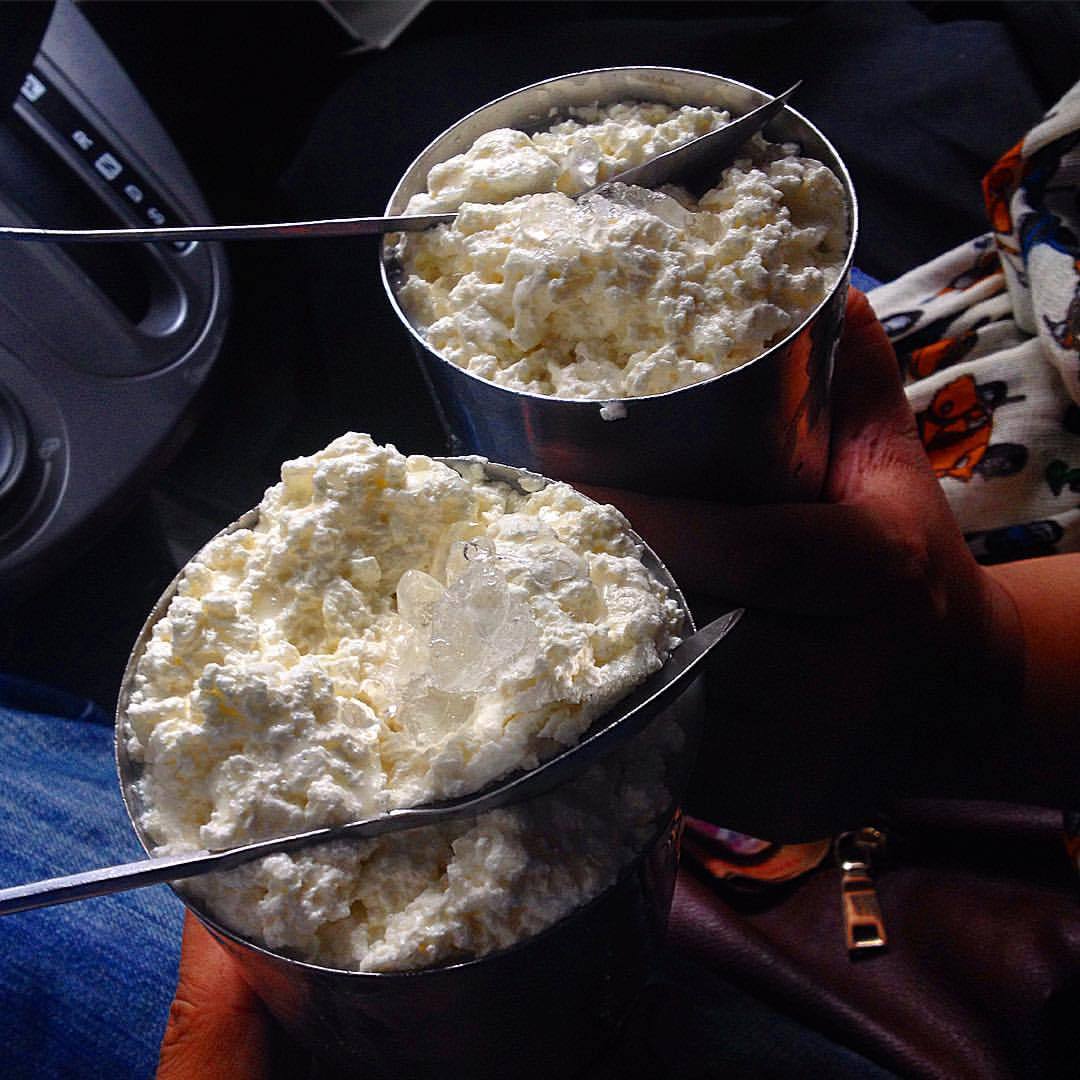
    At least 30 people got seriously sick after drinking substandard lassi in Khyber Pakhtunkhwa.

    According to reports, the sick – most of who are women and children – have been admitted to Civil Hospital. The incident took place in Takht Nusrati Kujay region of Ganderi Khattak.

    Medical Supervisor of civil hospital Khyber Pakhtunkhwa told that 20 of the sick patients have been brought in to the medical facility.

    Earlier a fast-food chain in the locality of I I Chundrigarh road was sealed by Sindh Food and Health authorities in Karachi after three children who ate from the outlet died.

    Food authorities took samples of the food at the fast-food restaurant and after laboratory tests, the food’s quality will be determined.

  • Harassment at school

    Harassment at school

    Accounts of sexual harassment that were shared on social media last month by students of Lahore Grammar School’s (LGS) 1A1 branch were harrowing to say the least.

    Four male staffers were subsequently terminated while the principal, administrator and coordinator were suspended as they have been accused of covering up the scandal.

    We must say that it was very brave of the victims to recount their trauma and raise this issue on social media when all other avenues failed. More power to these girls who did not back down for demanding justice for themselves and their fellow students.

    To think that this had been going on for four years under the administration’s nose makes one wonder why senior members of the administration did not pay any heed to multiple complaints by students. Sexual harassers are of course the main culprits here and they must be punished according to the law but those who abetted them by covering up their crimes cannot shirk responsibility either. Once a student had approached the administration to report sexual harassment, it should have been investigated right away and proper measures should have been taken instead of blaming and shaming underage girls for ‘leading on’ these predators.

    Victim-blaming is not just mentally damaging and demeaning, in this case it was downright criminal. The commitment of Punjab Education Minister Murad Raas as well as Federal Human Rights Minister Shireen Mazari to the LGS case is commendable. However, Raas’s suggestion that only female teachers should teach at all-girls’ schools is a stop-gap arrangement of sorts. This policy cannot be dictated and it should not be implemented either. By this token, do we think that any man who teaches girls in schools cannot control himself? What about all-boys schools where male teachers have abused? This sort of messaging is not appropriate. Male teachers must be taught to treat their students as ‘students’ and not any sexual beings. Parents send their children to school for education, believing they are sending them to a safe environment where they will be looked after by the school management just like families look after their own.

    A school is quite literally a child’s second home where he or she learns, makes friends and prepares for their future. It should never have been a place where underage girls were sexually harassed by faculty members with unwanted and inappropriate pictures, messages, etc.

    Educational institutions – from schools and colleges to universities – should have a proper and clear policy on sexual harassment. This policy should be public and awareness sessions should also take place regarding this issue. Psychologists should also be hired by educational institutions to provide free counselling to children and not just for sexual harassment but also for other issues they might be facing. Just like some schools have career counselling, there should be counsellors – like ombudspersons – to hear complaints about sexual harassment at schools. These are just the basic things that all educational institutions must comply with.

  • Space museum to be set up in Islamabad

    The Scientific Committee of the National Astronomical Observation Commission has decided to set up Pakistan’s first-ever space museum in Islamabad. Earlier, there was PIA Planetarium at Expo Centre in Karachi which used to give a virtual tour of the outer space.

    According to APP, Federal Minister for Science and Technology Fawad Chaudhry chaired the meeting in which the decision was taken to set up Pakistan’s first space museum in Islamabad. The federal minister announced that the first-ever space museum will be established within eight months.

    The meeting also decided to set up five astronomical observatories in Pakistan. It was unanimously decided that astronomical observatories would be set up in Islamabad and Gwadar at the initial phase.

    In a tweet, Fawad said that provincial governments have also been asked to established space museums in provincial capitals.

    “From looking at the moon to beyond the stars, you will be able to explore the universe in future”, he said.

    The Ministry of Science and Technology has been making great strides in development. Earlier, this week they also delivered a batch of locally-manufactured ventilators to the National Disaster Management Authority to fight COVID-19.

  • An ordinary budget in extraordinary times

    An ordinary budget in extraordinary times

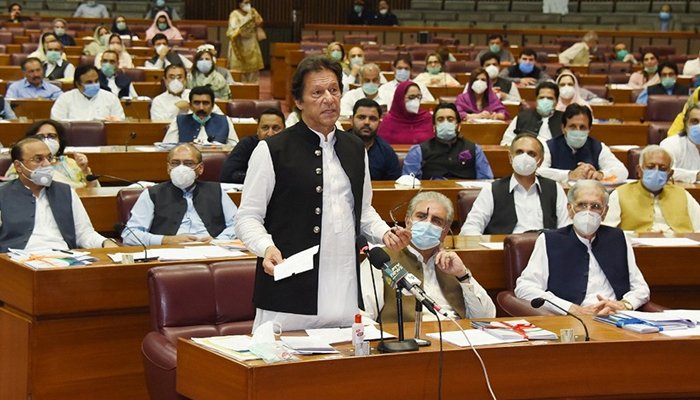
    The federal budget for 2020-21 has been approved amid protests by the opposition and criticism by economic analysts. Is it really that bad a budget? Not at all. In fact, if anything, it might be incrementally better than the previous years’ budgets in many ways.

    For instance, budget 2020-21 can be termed as pro-business as it did not introduce any new taxation measures and instead included a reduction in custom and regulatory duties in a number of areas. In addition, there is no provision for any foreign loan repayment on the account of debt moratorium granted to us by our international lenders. Power and petroleum subsidies have been reduced by more than Rs100 billion, which, if reflected in energy pricing, can very well reduce the financial pressure on the government.

    “Despite all the talk of ‘corona budget’, ‘structural reforms’ and an ‘expansionary fiscal policy’, this was truly an ordinary budget but in extraordinary times, falling short of people’s expectations and exhibiting a meek response to the enormous challenge at hand.”

    Most importantly, for the very first time, the budget included statements on contingent liabilities, fiscal risks and tax expenditure, setting a new standard of information disclosure and budget transparency. These statements might not be perfect and may need substantial improvements, but nevertheless it is the first time any government has opted for such measures in Pakistan.

    The government also restrained from financing its deficit from the State Bank of Pakistan (SBP), albeit under IMF pressure. The development budget does not exhibit the kind of cuts that one would have expected, and last but not the least, the Public Sector Development Programme (PSDP) did not include any unapproved projects, setting a good practice for public investment management.

    If all this is true, then what is the fuss really about? Why are people not appreciating government’s efforts?

    First and foremost, despite all the talk of ‘corona budget’, ‘structural reforms’ and an ‘expansionary fiscal policy’, this was truly an ordinary budget but in extraordinary times, falling short of people’s expectations and exhibiting a meek response to the enormous challenge at hand.

    At a time when the country truly needed a fiscal push through ambitious development spending, the budget ended up sticking to fiscal discipline that is usually required under the International Monetary Fund (IMF) programmes. Perhaps the government could not communicate its domestic priorities to the IMF well. But it is quite clear that in the contest of balancing the preferences, appeasing the IMF won by a wide margin over the goal of stimulating the economy.

    “When history would be written, budget 2020-21 would not be criticised for any excesses but for not doing enough to revive the economy in the wake of COVID-19.”

    Secondly, and even more importantly, it is an unrealistic budget. The Rs4.9 trillion revenue target for the Federal Board of Revenue (FBR) can never be achieved without new taxation measures and is likely to fall short by at least Rs500-600 billion. The Rs242 billion provincial surplus is also quite unrealistic, especially considering that both Sindh and Balochistan have posted a cumulative deficit of more than Rs100 billion. Notwithstanding the windfall gains on the account of interest rate cut leading to reduced markup payments and an increase in fuel prices resulting in an increase in petroleum levy, the overall revenue receipts will fall short of targets, and when that happens, it will happen at the cost of development expenditure.

    READ:Twitter loses it over Rs1.29 trillion budget for defence, Rs83.63 billion for education

    Lastly, a crisis generally brings in the appetite for bold and difficult decisions and a crisis of this unprecedented proportion should have led to a paradigm in our priorities. The next few years are going to be tough, leaving little room for fiscal leakages. If there was ever a time to fix the state-owned enterprises and to privatise them, to take decisions on circular debt and power sector reforms, to put a stop on the relentless expansion in government size, to manage the ballooning pension liabilities, or to create a balance between civil and military spending, that time was now. But unfortunately, none of this could be traced in the budget documents.

    When history would be written, budget 2020-21 would not be criticised for any excesses but for not doing enough to revive the economy in the wake of COVID-19.
  • FBR chief replaced again

    FBR chief replaced again

    The federal government has removed Nausheen Amjad from the post of Federal Board of Revenue (FBR) chairperson, replacing her with Javed Ghani.

    Amjad, a BS-22 officer of Inland Revenue Service (IRS), had in April been appointed as FBR chairperson after then chief Shabbar Zaidi could not continue his duties due to health conditions.

    Prime Minister (PM) Imran Khan had handpicked Zaidi as his man to achieve the goal of collecting Rs5.5 trillion in taxes during the previous fiscal year and Rs8 trillion by the end of his term.

    Zaidi was good in policymaking but he could not handle the FBR’s operations well. The former chairman also could not appoint competent members at the top and transferred thousands of people of low ranks without replacing the top hierarchy.

    His successor, Nausheen was the second woman to lead the organisation of 25,000 people and the fourth chairperson in the past 20 months.

    The government had approved her appointment by having the federal cabinet circulate a summary instead of bringing the matter in a regular cabinet meeting.

    Nausheen faced and her successor faces a gigantic task of stopping the nosediving tax revenues, restructuring the top FBR hierarchy and improving the tainted image of the tax machinery.

    Ghani will also have to address the issue of rampant corruption, particularly fresh reports regarding some officers receiving kickbacks from taxpayers for putting their names on the list of those who will receive tax refunds on a priority basis under the PM’s COVID-19 relief package, and achieve targets set by the government in the new budget.

  • ‘A glimpse of death’: Hasnain Lehri shares harrowing experience of turbulent flight

    ‘A glimpse of death’: Hasnain Lehri shares harrowing experience of turbulent flight

    Following the tragic PIA plane crash in Karachi and the controversy around the alleged fake licences of hundreds of Pakistani pilots, Pakistanis have become fearful when it comes to air travel. While COVID-19 lockdowns across the world have limited movements, some people are forced to travel due to various reasons.

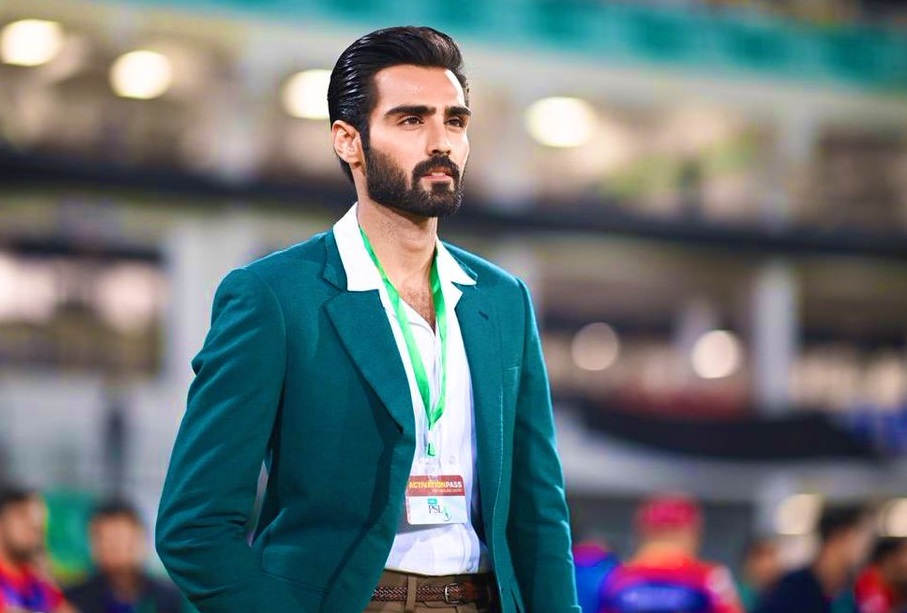
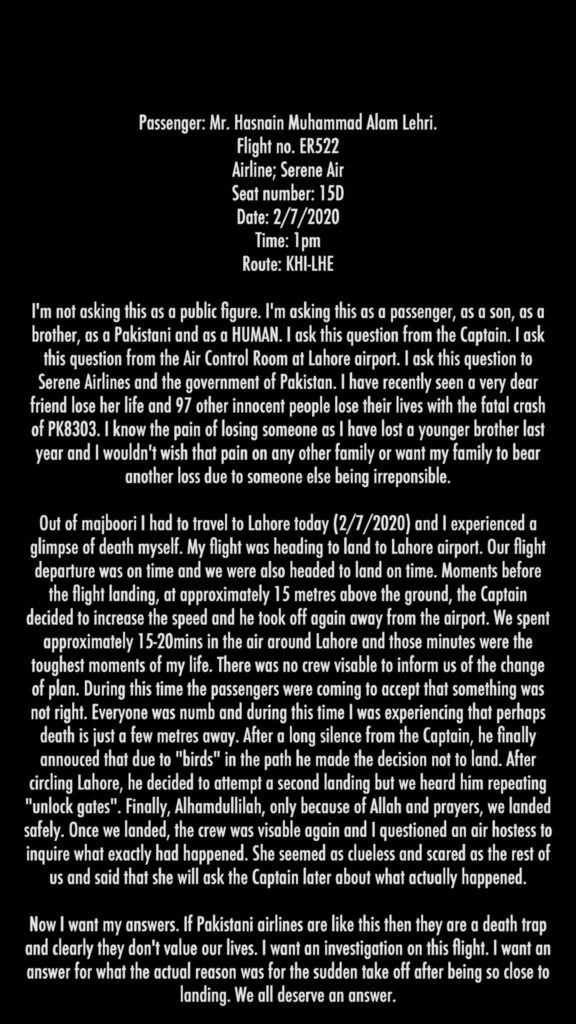
    Renowned model Hasnain Lehri, in a Twitter post, shared a harrowing flight experience with Serene Airlines and demanded that he wants answers as to why the pilot decided to increase speed and take off again moments before landing. Detailing his ordeal, Lehri said that he experienced “a glimpse of death”.

    Hasnain recounted that just as the plane was about to land at Lahore Airport, the pilot increased the speed of the plane and took off again following which the plane circled around Lahore for a few minutes before he finally attempted to land again. Lehri shared that those 15-20 minutes were the longest of his life and he was not sure if he would come out of this alive.

    The model added that the pilot said that he did not land due to “birds in the path”. However, neither he nor the fellow passengers were convinced with this excuse and demanded a more detailed answer on the matter.

    Meanwhile, in response to Lehri’s tweet, Serene Airlines said that the complaint has been forwarded to the relevant department.

    Lehri’s colleague Zara Abid was on the ill-fated Pakistan International Airlines (PIA) flight which crashed in Karachi on May 22.