Blog

  • What protects Pakistan from COVID-19?

    What protects Pakistan from COVID-19?

    The first case of COVID-19 was reported in the Chinese city of Wuhan in late November 2019. Since then, the virus has spread across the globe, infecting over 2.5 million people as of April 22.

    However, the disease that has wreaked havoc in the developed world, has failed to prove as severe in a developing country like Pakistan. While the number of confirmed cases has risen far beyond a few hundred thousands in countries such as the United States (US) and Italy, Pakistan’s tally of COVID-19 cases stands at a relatively meager rate of 10,072 of which 2,156 have recovered and 212 have lost their lives.
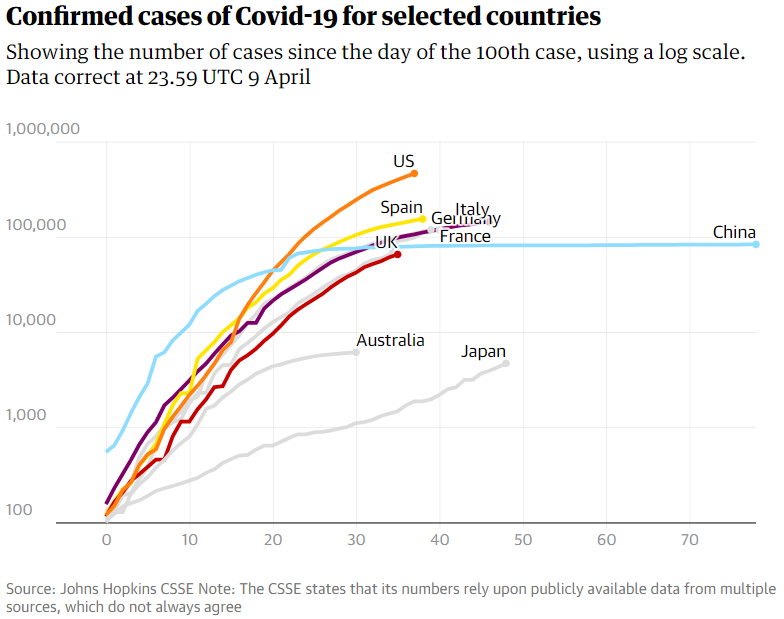
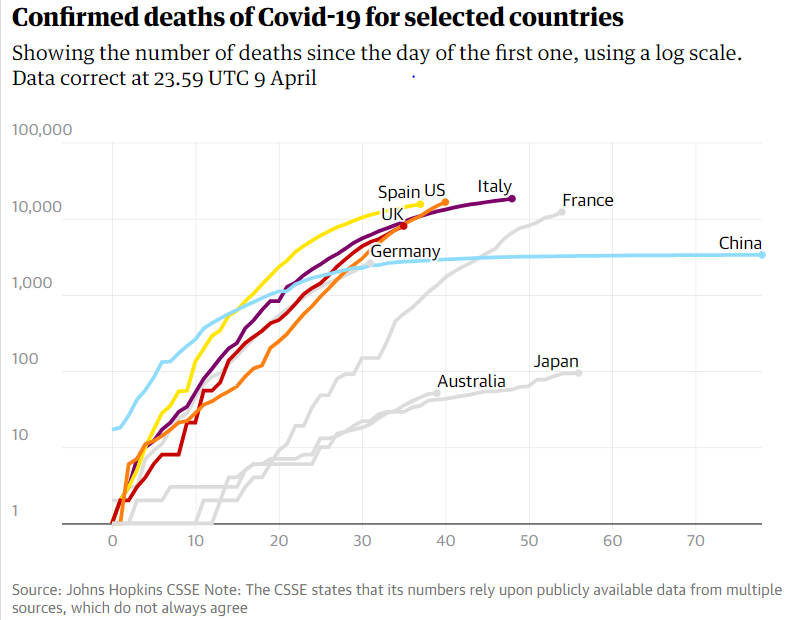
    This raises an interesting question: how has a country with far less resources successfully weathered a storm that has brought wealthier states to their knees?

    The first possible explanation can be that the countries’ populace is more resistant to being infected by the virus. Usually, this resistance can only be imparted to humans based on previous exposure to the organism, which is also the basis of most vaccinations used to immune the masses.

    The second possibility can be other diseases and vaccines that most probably granted resistance to people living in these areas.

    Many diseases are endemic to this part of the World. Tuberculosis is one of the most commonly seen conditions, the treatment of which is also available. The Bacillus-Calmette Guerin (BCG) Vaccine is mandatory for newborns in countries such as Pakistan, India and Nigeria.

    This same vaccine, however, is not mandatory in the developed world. It seems that countries that administer the BCG vaccine have reported far less cases of COVID-19 than those who do not.

    No direct evidence, however, has so far surfaced in this regard.

    Another disease endemic to these parts of the world is Malaria. At least 19 countries, including Pakistan bear 98 per cent of the global Malaria burden and hydroxychloroquine is used to treat it.

    It has been observed that countries, where Malaria is rampant and hydroxychloroquine is routinely administered to patients, have encountered far less cases of COVID-19. Pakistan, India and Nigeria are among these countries. Unfortunately, just like the BCG vaccine, the effectiveness of hydroxychloroquine in treating COVID-19 cases has not yet been proven, but it has been approved for use in emergency cases by the US’ Food and Drug Administration (FDA).

    The diseases commonly encountered in a region are not the only distinctive feature of the environment of that region — a widely held perception is that COVID-19 is less dangerous in warmer parts of the world. It is to be noted that warmer countries have also been hit by the pandemic.

    Several other factors can be at play here.

    Perhaps a less virulent strain of COVID-19 is encountered by people in these regions?

    COVID-19 exists as two strains; a less common S-type strain (seen in 30% of COVID-19 cases) which was the original strain, and the more frequently encountered L-type strain (inflicting 70% of COVID-19 cases).

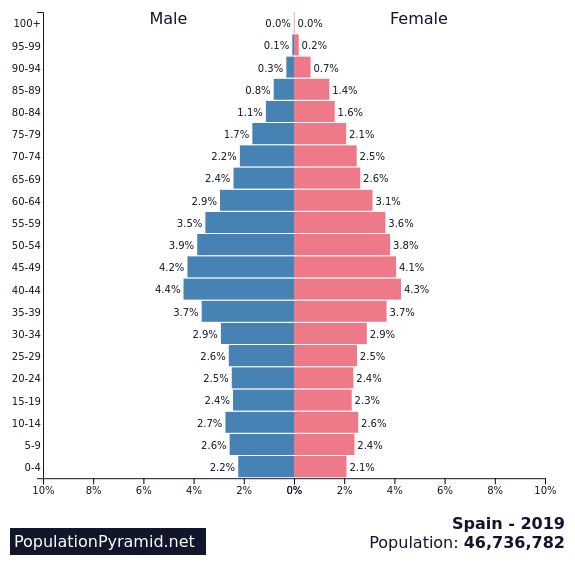
    The World Health Organization (WHO) believes it is natural for viruses to mutate from one form to another and no strain is particularly more dangerous than the other. Age may play an important role in how rapidly the virus spreads as countries such as Italy and France, which have a higher percentage of old people, have fared worse against COVID-19 than countries such as Pakistan with a younger population.
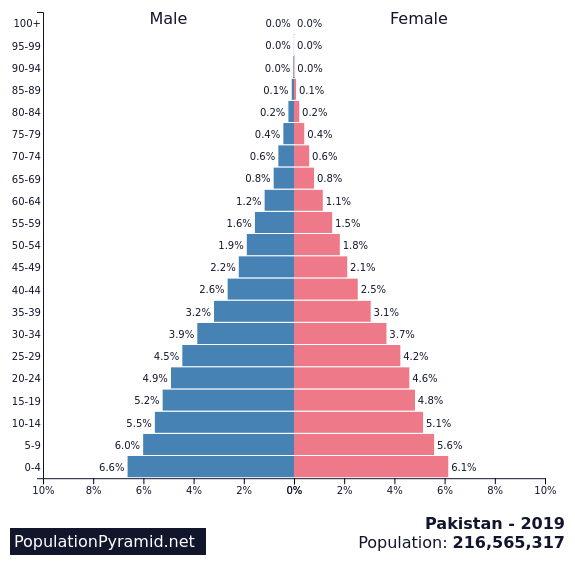
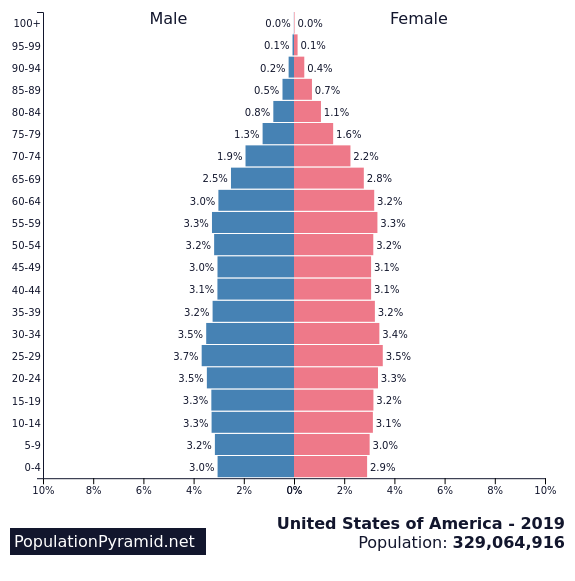
       

    There is also the possible case that less people are being tested for COVID-19 in developing countries leading to a lower number of confirmed cases. It must be noted, however, that the mortality rate is lower as well.

    Clearly more research has to be conducted into what has allowed countries such as Pakistan to handle the COVID-19 pandemic better than the others across the globe. It could be any one of the factors discussed here or a combination of the variables that allowed it to withstand the worst of the COVID-19 situation.
  • Mahira Khan, Mansha Pasha applaud healthcare workers fighting on the frontlines

    While most of us remain isolated in our homes, healthcare workers and doctors across the world are putting their lives at risk and are fighting on the frontlines against the pandemic. Mahira Khan and Mansha Pasha recently paid homage to those by sharing personal stories.

    Mahira shared that her baby cousin, Mehek is “fighting every day to save lives.”

    “Meko, I’m saluting you, thanking you and hugging you. I love you,” wrote the actor, adding, “Also a big big thank you to all the healthcare workers in Pakistan and around the world for standing on the frontlines of this pandemic.”

    https://www.instagram.com/p/B_P6BZsB_xc/?utm_source=ig_embed

    Meanwhile, Mansha said that she will share stories of frontline heroes.

    Here are some of the stories she shared:

    Earlier, Mansha had also revealed that her sister was a doctor in the United Kingdom and in a live session with The Current shared how tough it can for the workers as well as their families who are worried about their safety and health. She also said that the UK also lacks proper protective gear. But despite all the odds, her sister and other healthcare workers continue to fight against the virus which has killed thousands across the world.

    https://www.instagram.com/p/B-m_Vt1lEic/
  • VIDEO: ‘Country has not only been raped but gang-raped,’ President Arif Alvi says

    VIDEO: ‘Country has not only been raped but gang-raped,’ President Arif Alvi says

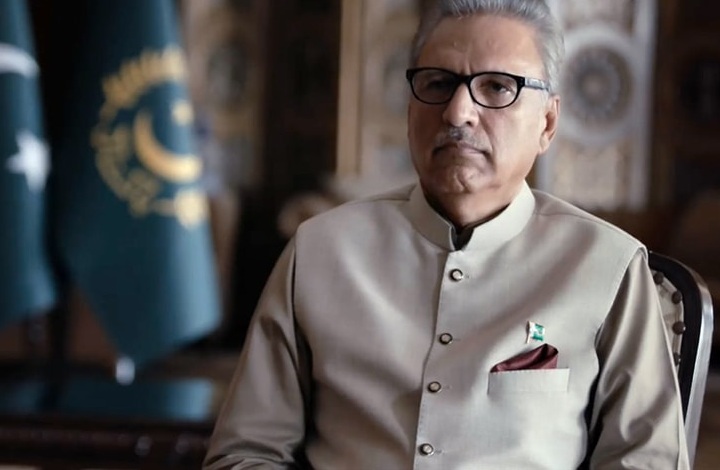
    In a rather insensitive statement, President Dr Arif Alvi, while speaking of the damning investigation report regarding independent power producers (IPPs), has said the way mafias looted the country was “not rape but gang-rape”.

    The federal cabinet on Tuesday decided to make public the investigation report on deals that allowed IPPs to earn illegal profits worth billions of rupees and also gave the nod to the formation of an inquiry commission to further probe into the matter.

    The decision came two days after the president and Prime Minister (PM) Imran Khan reportedly discussed the report.

    “I first read the executive summary of the 300-page [IPPs] report. I discussed it with the PM a day before we met [on Monday]. My exact words were… forgive me for what I am about to say and let’s not forget how the report doesn’t yet include the opinion of all stakeholders… but my exact words to the premier were that the country has not only been raped but gang-raped by mafias,” he said in a conversation with senior journalist and analyst Hamid Mir.

    WATCH VIDEO:

    WHAT DOES THE REPORT SAY?

    A nine-member committee headed by former chairman of the Securities and Exchange Commission of Pakistan Mohammad Ali was formed last year to investigate reasons behind the high cost of electricity, especially in connection with IPPs.

    According to the report prepared by the committee, deals were signed at the expense of interests of the consumers and the government. The national exchequer suffered a loss of over Rs4 trillion in the last 13 years because of circular debt and subsidies being given to power producers.

    The report further disclosed that 16 IPPs invested around Rs51.80 billion and earned over Rs415 billion in profits – having dividends taken out in excess of 310 billion — in a period ranging from two to four years.

    “Pakistan has regionally the highest power tariffs consequently raising the cost of manufacturing,” read a summary of the report. “This has been one of the prime reasons for loss of competitiveness of our industry and the stagnation of our exports,” it read.

    It was noted that the profits generated by most of these IPPs were 18.26 times than their investment and the dividends taken out were 22 times higher.

    Six companies earned an annual return on equity (ROE) between 60% and 79%. Four of them earned an ROE of 40%.

    The report further revealed that 13 residual fuel oil- and gas-based plants in the last eight to nine years of their operations earned profits of Rs203 billion against their combined investment of Rs57.81 billion.

    Excess payments of 6.33 billion to four bagasse-based plants were also identified.

    “Coal companies with government connivance obtained a tariff which is more than 50% higher than the market rate leading to an annual over payment of $477 million per annum or $14.5 billion over the life of these projects,” the report read.

    “Thermal IPPs set under the 2002 Power Policy and Nepra [National Electric Power Regulatory Authority] tariff determination were entitled to a 15% rate of ROE on a cost plus basis. However, the projects set up under this policy have been posting returns in dollar terms in excess of 50%. This could only have been possible if the tariff setting process of Nepra was compromised.”

    It was noted that the Quaid-e-Azam Solar Park was instrumental in getting a very high upfront tariff for solar power approved at US cents 14 levelised and 18 cents for first 10 years through influence peddling and corruption.

    The solar tariff in India at that time was between 7-8 cents with similar cost structure, while a much higher upfront tariff and capital cost allowed by Nepra, causing a massive loss to the country.

    “The first project in the Quaid-e-Azam Solar Park established by the Punjab government involved a kickback of approximately $50 million,” the document read.

    The committee found that private companies had provided false oil statistics to secure better tariffs.

    Malpractices by IPPs with respect to project setting up costs, actual fuel use being less than the invoices submitted to Nepra, kickbacks in commission on fuel were also identified.

    The report suggested that the power tariffs could be cut down by Rs3 per unit by adopting three measures: converting the payment to IPPs from dollar to rupee, switching from “take-or-pay” to “take-and-pay” option, and reducing capacity payments.

  • COVID-19: Flight carrying medical supplies from China draws heart over hospitals for healthcare workers

    COVID-19: Flight carrying medical supplies from China draws heart over hospitals for healthcare workers

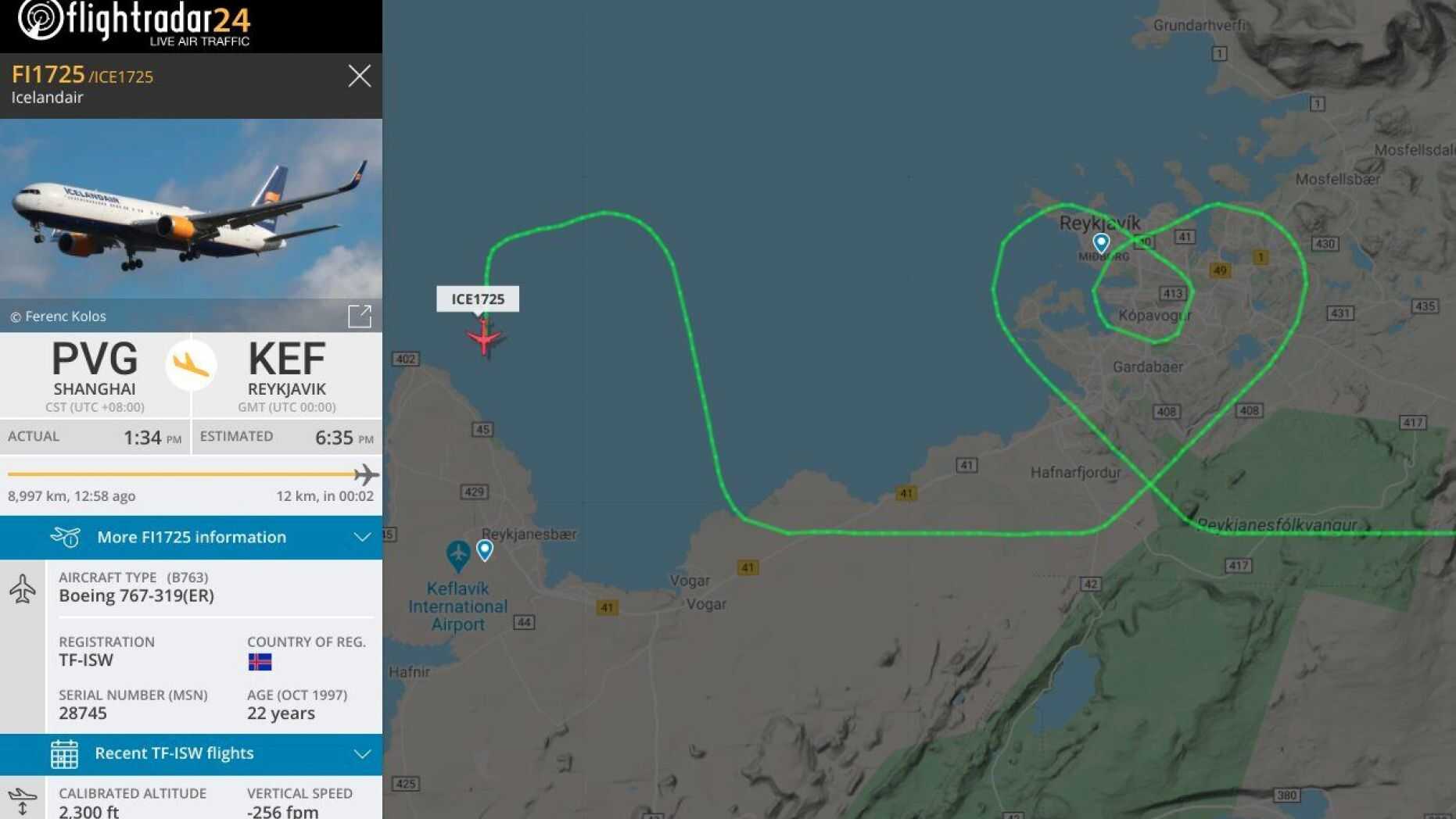
    A pilot of Icelendair —  flag carrier airline of Iceland — has drawn a heart in the sky over hospitals in the capital city of Reykjavík to thank healthcare workers for their bravery and dedication during the coronavirus pandemic.

    According to The Reykjavík Grapevine — an Icelandic magazine –, during a recent flight from China, the anonymous pilot of the Boeing 767 aircraft drew a large heart with the plane’s flight path. It was an important journey of nearly 5,600 miles, as the Icelendair flight was importing much-needed medical supplies.

    Before the flight landed, the plane doubled back to doodle a heart above two of the capital city’s hospitals. Though the change in course reportedly added another nine minutes to the flight, it was a heartfelt salute for the nation’s healthcare personnel.

    The plane marked the last of three flights from China that have carried a total of some 50 tonnes of various medical supplies, including masks and protective suits, intended for Iceland’s healthcare workers treating those infected with the coronavirus.

    As of Wednesday, 1,778 confirmed cases of the novel coronavirus had been reported in Iceland. The viral disease has also claimed the lives of at least ten people in the Nordic island nation.

  • Indian man travels 60 hours in an ambulance to reach home amid lockdown

    Indian man travels 60 hours in an ambulance to reach home amid lockdown

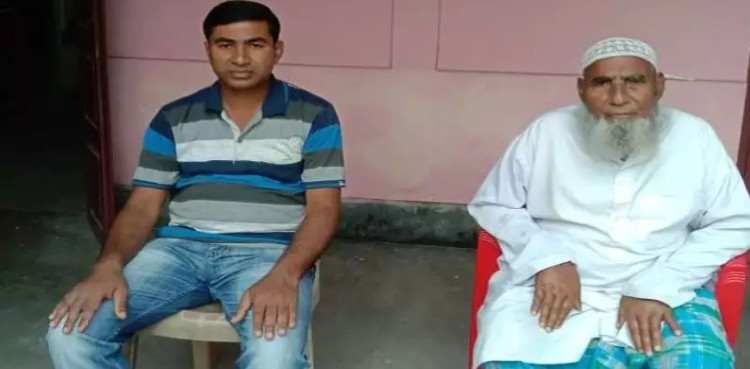
    A school teacher from Assam, India, had gone to Apollo Hospitals in Chennai for the treatment of his father and got stuck there because of the lockdown. He then had to cover a distance of 2,700 km in an ambulance to reach home.

    The 60-hour journey cost them 1,60,000 Indian Rupees in total.

    “My father has blockages in his heart. On March 4, I, along with my brother, took him to Chennai in a train ambulance. There, doctors found that he had problems in his kidney as well. He was recovering and our return flight to Guwahati was on March 18. But on March 17, my father’s health suddenly deteriorated and he had to be admitted to the ICU,” said Baharul Islam.

    On March 30, doctors said he could be brought back home in an ambulance with ICU and oxygen supply provisions. Islam, with the help of his friend arranged an ambulance and started the journey.

    “They charged me Rs 1.6 lakh for the ambulance. Along with my father, my uncle also came with us. There were two drivers and between them they drove for 23 hours each day. We started from the hospital at 10am on March 31 and reached home at 10pm on April 2,” Islam said.

    “It wasn’t the best of the journeys for me…carrying two patients cramped in an ambulance from Chennai was an experience that I will never forget. But I am happy to be back home safe. We stopped a few times on the way to have food. We drove very fast as there was hardly any traffic,” Islam said.

    Islam added that they were stopped by police twice.

    “They checked our papers and let us go. As we reached Kajalgaon near our home, one of the drivers received a call to stop at the nearest hospital. All of us then went to the nearest hospital where doctors did a check-up and sent us, including the two drivers, to home quarantine for 14 days, which ended on April 16,” Islam added.

  • Covid-19 protocols for Taraweeh in the Two Holy Mosques

    Covid-19 protocols for Taraweeh in the Two Holy Mosques

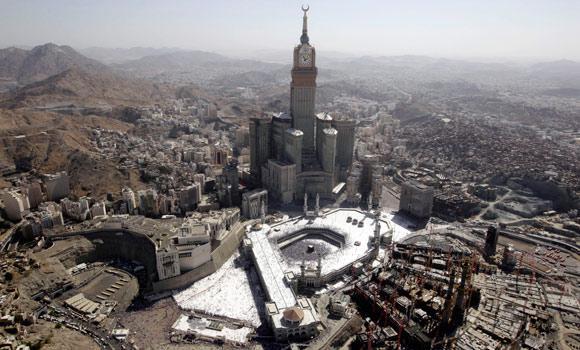
    Custodian of the Two Holy Mosques King Salman bin Abdulaziz Al Saud of Saudi Arabia has approved performing a reduced version of Taraweeh prayers at the Two Holy Mosques in Mecca and Medina, with the continued suspension of entry of worshipers, the General Presidency of the Two Holy Mosques’ Affairs said in a statement on Wednesday.

    President of the General Presidency for the Affairs of the Two Holy Mosques, Abdul Rahman As-Sudais, also said that special night prayers performed during the holy month of Ramzan will be held without public attendance at the Grand Mosque and the Prophet’s Mosque.

    The statements came amid reports that the mosques had re-opened their doors to the general public and 20 or reduced-to-10 Taraweeh prayers will be held at the mosques.

    While it has been confirmed that the prayers will be shortened to five Tasleemat (i.e. 10 Rak’ahs), claims regarding the mosques being opened for pilgrims have been rubbished as authorities say only limited employees and workers will be allowed group prayers at the two holiest sites of Islam during Ramzan.

    The General Presidency for the Affairs of the Two Holy Mosques has also prepared a comprehensive plan for the implementation of coronavirus precautionary measures during Ramzan, which other than including the continued suspension of allowing worshipers to enter the Grand Mosque in Mecca and the Prophet’s Mosque in Medina, also includes increasing the sterilization processes and thermal testing of every person entering for funeral rites.

    The Ramzan group iftars which were traditionally held in the Grand Mosque and the Prophet’s Mosque were assigned to Mecca and Medina’s provincial authorities to distribute iftar meals while maintaining the necessary health precautions.

    According to the precautionary health measures, there will be no Itikaf [or keeping vigil] inside the Two Holy Mosques.

    The attendance of employees at the Two Holy Mosques will continue to be restricted to the absolutely necessary workers, and operations of maintenance will be conducted depending on priority and in accordance with the precautionary measures.

    Last week, the Saudi government had announced that Taraweeh prayers will be performed at homes during Ramzan as suspension of prayers at mosques will not be lifted due to the coronavirus outbreak. 

    Saudi Arabia had also announced to ease curfews imposed in several cities in order to facilitate people to head out for essential needs.

  • Saba Qamar releases the first episode of her YouTube channel

    Saba Qamar releases the first episode of her YouTube channel

    The first episode of Saba Qamar’s official YouTube channel is out and it is nothing like we expected.

    The episode titled Isolation shows Saba as she embraces her loneliness in this isolation. She narrates her feelings as she walks around the house and raises some thought-provoking questions.

    “You are a friend, were you helpful in my time of need?” asked the actor. “You are beautiful, but are you beautiful from inside?”

    In the description, Saba says: “We’ve all been in lockdown, and isolation has not been easy for anyone. I decided to voice my frustration and also express my gratitude for it. Here’s an experimental video that I did with a couple of my friends. Hope you like, share and subscribe to encourage me to make further videos.”

    The episode has been produced and written by Saba Qamar while Shiraz Malik has directed it.

    Watch it here:

  • ‘Pakistan, the friend in need’: Millions of COVID-19 drugs to be exported to US, UK, KSA, others

    ‘Pakistan, the friend in need’: Millions of COVID-19 drugs to be exported to US, UK, KSA, others

    Special Assistant to the Prime Minister (SAPM) on Information and Broadcasting Dr Firdous Ashiq Awan has announced the federal cabinet’s decision to send chloroquine tablets — an anti-malarial medicine that some studies found has a strong antiviral effect on COVID-19 — to “friendly nations” to help them in their time of need.

    Addressing a press conference after the weekly cabinet meeting, she said that one million chloroquine tablets will be sent to Saudi Arabia and the United States each, 500,000 to Turkey and Italy each, five million to the United Kingdom, 700,000 to Kazakhstan and 300,000 to Qatar.

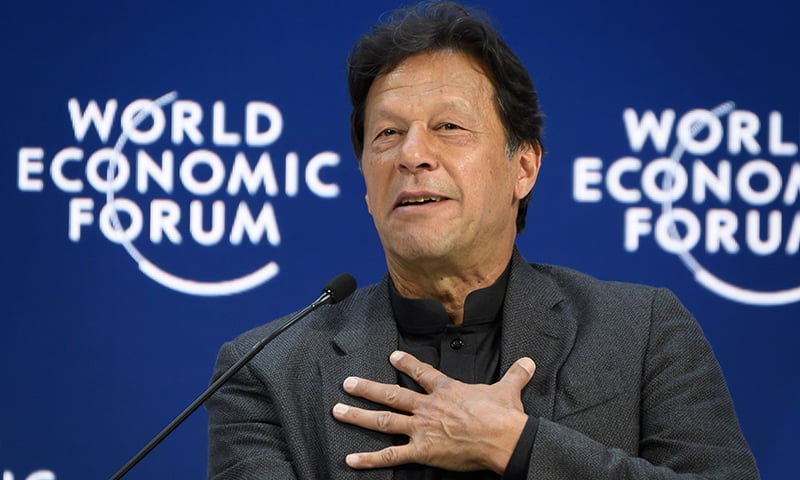
    Firdous revealed that leaders of some countries had called Prime Minister Imran Khan and expressed a desire to import the tablets from Pakistan following some encouraging results in treating the coronavirus.

    “Pakistan has always been asking these countries for something or the other. So, for the sake of humanity and to improve Pakistan’s credibility and face value, this is a good chance to help them in this time of need,” she said.

    She also said that Pakistan had some 40 million tablets in stock and possessed the raw material to make even more.

  • Man booked for selling  Bonelli’s eagle online

    Man booked for selling Bonelli’s eagle online

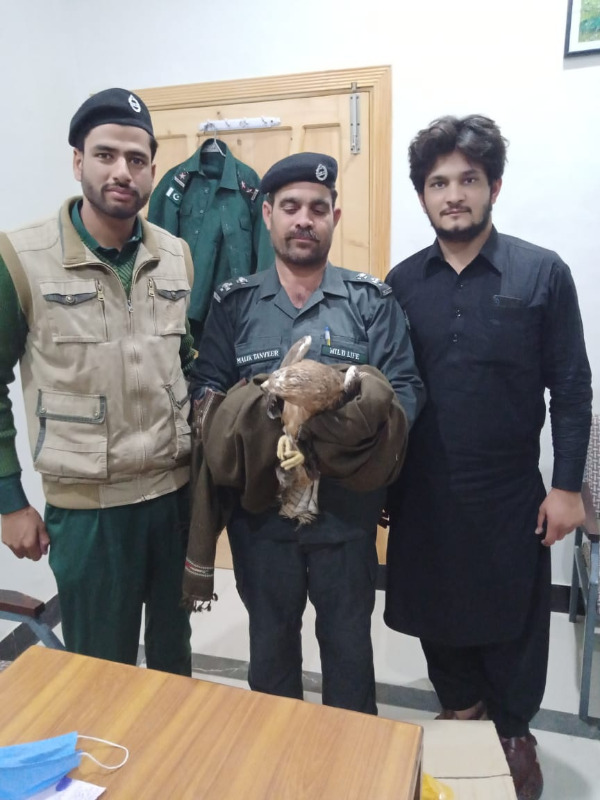
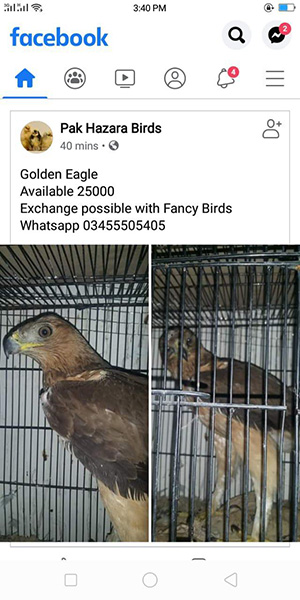
    A man was arrested for selling a Bonelli’s Eagle on Facebook in Abbottabad on Tuesday.

    The man, identified as Fawad Sadeeq Sheikh, had posted pictures of the precious bird on his Facebook account after which the Khyber Pakhtunkhwa Forest Department arrested him by conducitng a raid.

    As per reports, the eagle has been detained by the department while a fine of Rs40,000 was imposed on the man.

    According to the department, an officer disguised himself as a customer and contacted Sheikh who was selling the bird for Rs25,000. The officer called him for a meeting and arrested him.

    A case has been registered under the Khyber Pakhtunkhwa Wildlife and Biodiversity (Protection, Preservation, Conservation and Management) Act, 2015.

  • Lahore Safari Park auctions 14 lions

    The Lahore Safari Park has sold fourteen lions because lack of funds and resources has made it impossible for the park’s management to arrange food for the animals and birds housed there. The park was already facing financial issues before the lockdown was implemented but after that, their problems seem to have increased.

    According to a report in The Express Tribune, the lions were sold because there were a large number of them in the park and taking care of their diet and other needs is not an easy task. The management said that caring for these animals costs millions of rupees and 90 percent of their budget. Officials said a lion is given eight to nine kilogrammes of meat and few litres of milk every day. The daily cost of the lions’ food is about Rs30,000, which amounts to about Rs900,000 per month and Rs10.8 million annually.

    There are 37 African breed lions and lionesses and five tigers, including a white tiger, two jaguars and two pumas in the Safari Park.

    It was further reported that seven African lions and seven African lionesses were sold for Rs2.1 million through an auction. Each lion was sold for approximately Rs 150,000 and they were only handed over to the buyers after all the legal obligations had been fulfilled. They have been sold to breeders who have registered with the wildlife department and have facilities for keeping lions.

    Out of the 14 lions sold, 12 had minor issues related to breeding. According to Punjab Wildlife Director Mohammad Naeem Bhatti, 12 of the lions sold were suffering from partial disability.

    “Someone had problems with paws and others with bones,” he said, adding that the administration was forced to sell them due to disabilities and lack of resources.