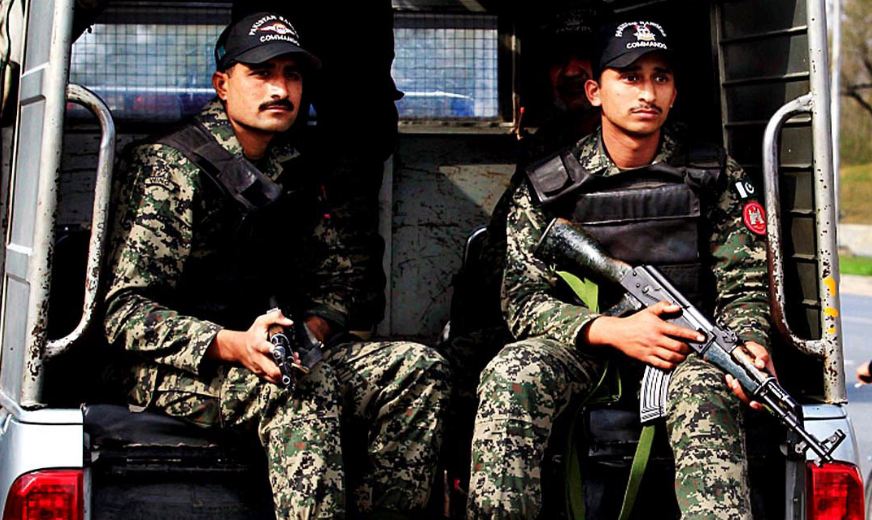
Following the attack on the Punjab Institute of Cardiology (PIC), the government has decided to deploy Rangers at important locations of the city including IGP [Inspector General of Police] office.
Journalist Talat Hussain in his recent tweet has shared an official order from the government in which the interior ministry has directed the home department to deploy of rangers outside state institutes for maintainance of law and order in the city.
According to the interior ministry’s order, 10 platoons and two companies of the paramilitary force have been deployed in the city. Other important places where platoons will be stationed include Governor House and at the area surrounding Lahore GOR I and II among others.
The paramilitary force has been deployed under the Pakistan Rangers Ordinance 1959 provision seven and 10.
Lawyers on Wednesday stormed the emergency ward of the PIC, vandalising public property, setting a police vehicle on fire and attacking provincial minister Fayyaz ul Hasan Chohan.
The attack resulted into deaths of four people, while several patients were forced out of the building to sit on footpaths. The mob also destroyed millions worth of health equipment inside the hospital and caused damaged to the hospital building.
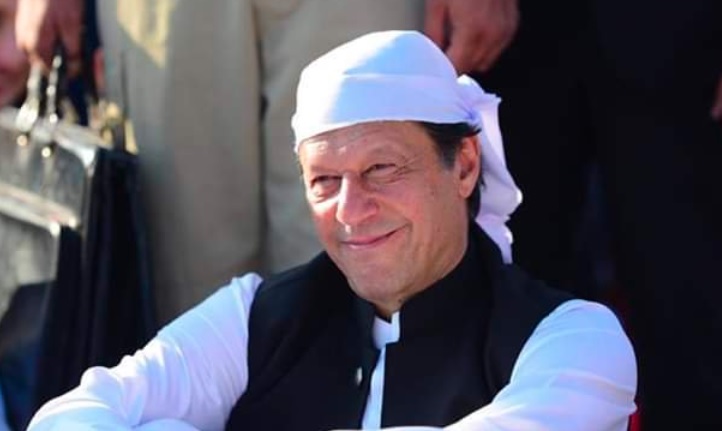
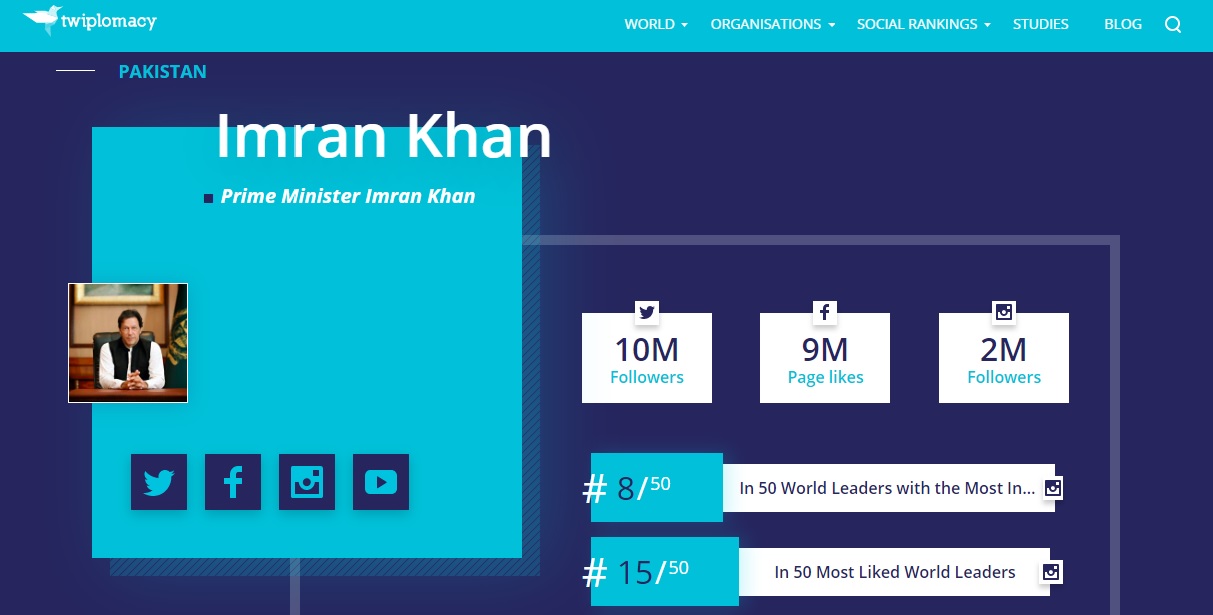
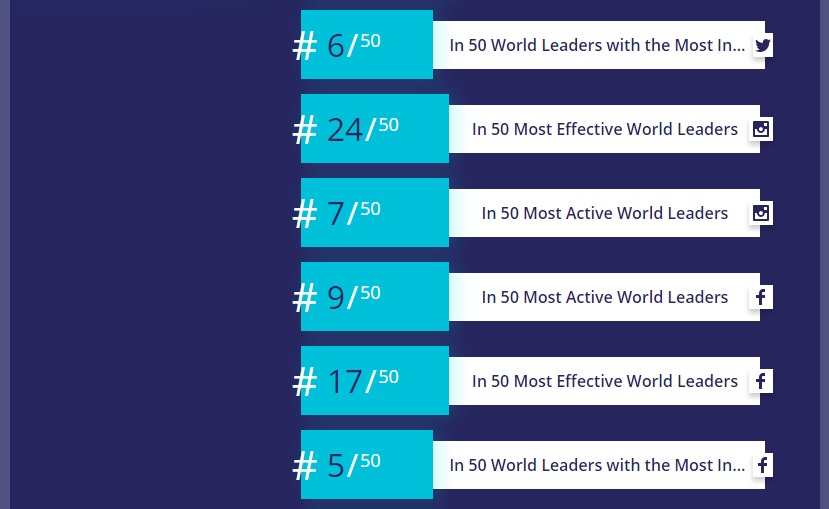
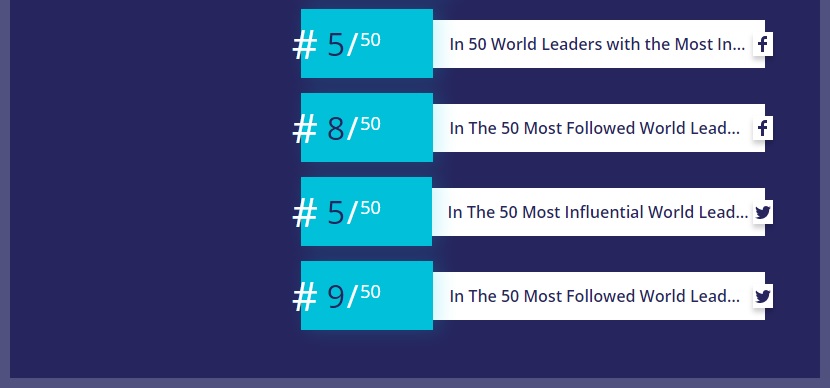
Prime Minister Imran Khan has been ranked the fifth most influential world leader on Twitter, a recent report released by the ranking site, Twiplomacy has revealed.
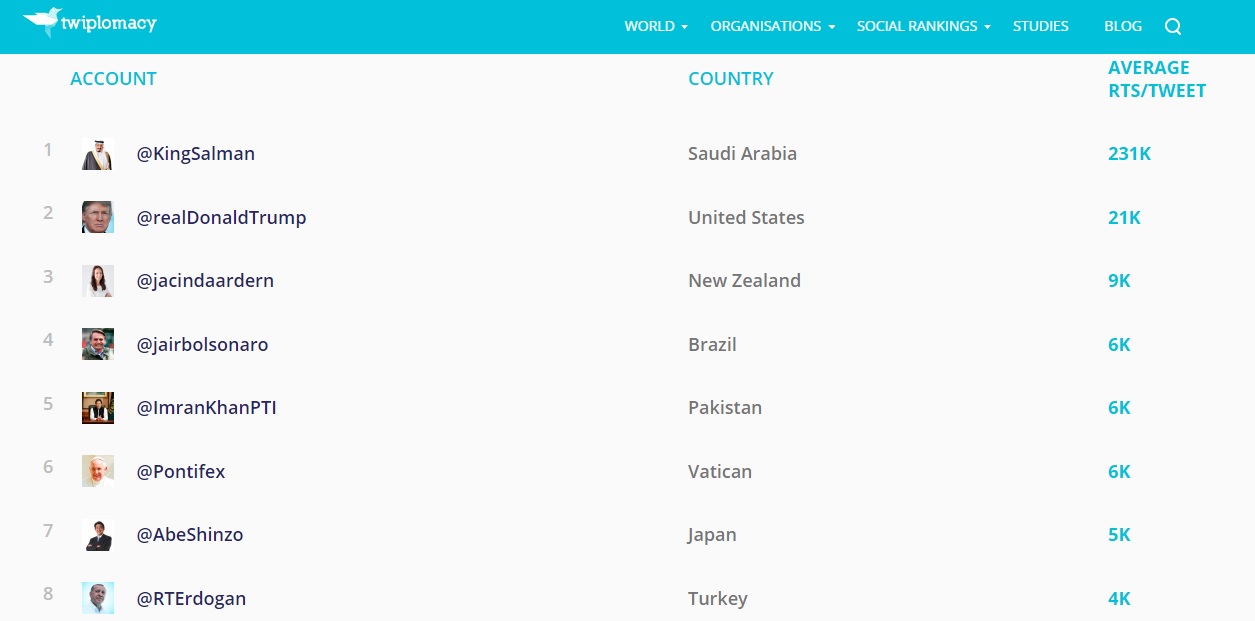
According to the report, PM Imran has an average of 6K RT (retweet per tweet) ratio on Twitter. These rankings are based on average tweets/retweet interactions on the website.
Interestingly, PM Khan surpassed his Indian counterpart Narendra Modi, who despite having 51.8M followers, compared to PM Khan’s 10.7M, has an average tweet/retweet ratio of only 4K. Modi ranked number nine on the list.
King Salman of Saudi Arabia topped the list with 231K avg tweet/retweet ratio followed by President of the United States Donald Trump with 21K avg tweet/retweet ratio. Number three on the list was New Zealand’s Prime Minister Jacinda Ardern with 9K avg tweet/retweet ratio.
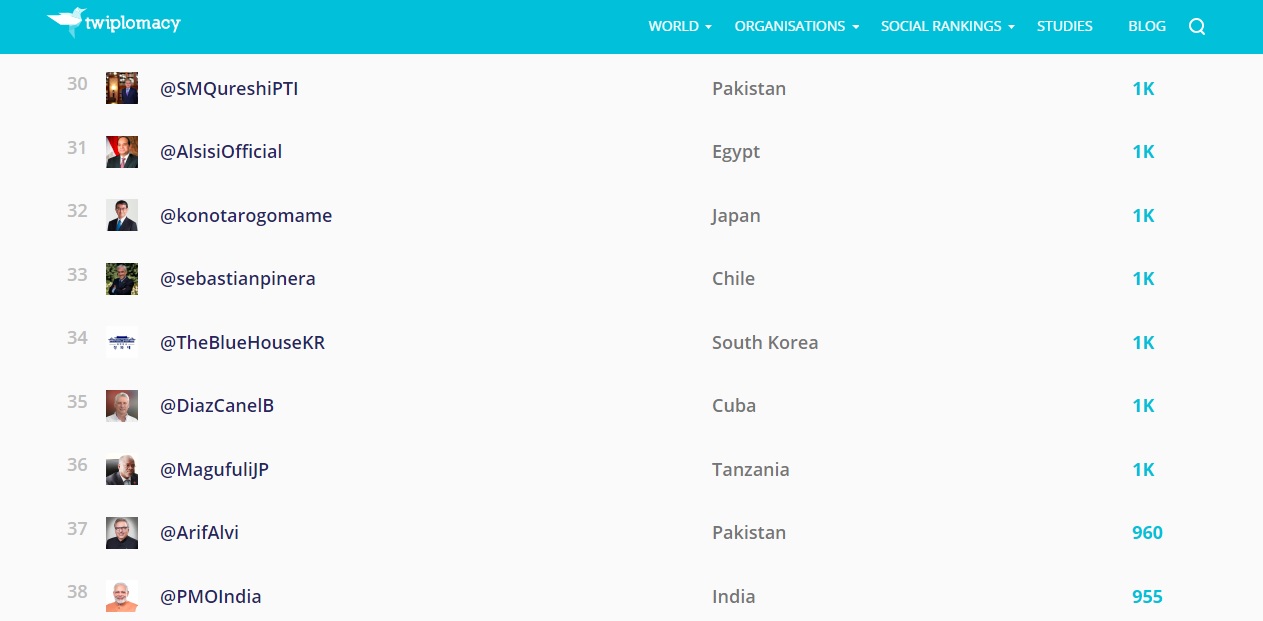
Foreign Minister Shah Mahmood Qureshi also ranked on the list at number 30 with 1K avg tweet/retweet ratio, while President Arif Alvi was at number 37 with 960 avg tweet/retweet ratio.
The website also listed the PM Khan’s rankings on different social media platforms. PM Khan is the 15th most liked world leader on Instagram with 2M followers, while Modi topped this list with 31M followers.
Previously, in October, the former cricketer became the sixth most followed world leader on Twitter with 10.5 million followers.
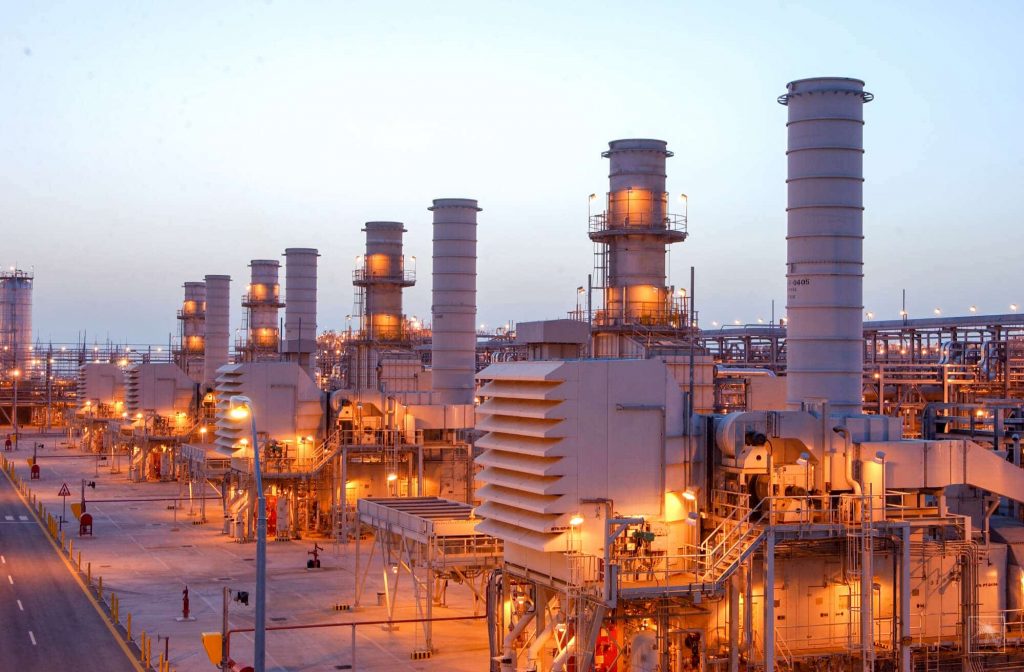
Saudi Arabia has recently turned Aramco (Arabian-American Oil Company) in publicly owned enterprise. By making it a public entity – that investors can buy and sell shares in the stock market.
Shaybah
In the Initial Public Offering (IPO) phase, the worth of the company has plunged to $1.88 trillion that break all the records of the recent decades.
The offering price of Armaco shares were 32 Riyals ($8.53) and people bought the shares of $25.6 billion – eclipsing Alibaba’s $25 billion IPO of 2014.
Moreover, seconds after the debut on Riyadh’s Tadawul exchange, the price per stock rose to 35.2 riyals. This development further boosted the energy giant’s valuation.
Haradh Gas Plant (Aramco)
On the launch ceremony, the Chairman of Aramco Yasir Al-Rumayyan said “Today the kingdom of Saudi Arabia is no longer the only shareholder of the company. More than five million shareholders have joined including citizens and residents, in addition to Gulf countries and international investment institutions. The kingdom is immensely proud of this day.”
It was the strategy of Crown Prince Mohammad Bin Salman to overhaul the oil-reliant economy.
The IPO process had put the energy giant’s value at $1.7 trillion, far ahead of other firms in the trillion-dollar club, including Apple and Microsoft.
The listing of Aramco, with its huge capital value, boosts the Saudi bourse — known as Tadawul — to the ranks of the world’s top ten.
The All Pakistan Restaurant Association organized the first ever APRA Awards, which were based on customer choices and were created to celebrate Karachi’s innovative food scene.
But after the awards were announced this week, Karachi’s foodie groups are criticizing the award list, questioning the authenticity of the awards, especially the fact that the best restaurant of the year was awarded to McDonalds.
https://www.instagram.com/p/B1A29iGhmJZ/
The restaurant of the year award nominees included the uber popular SteakbyCFU, Karachi’s favourite Kebabjees and the once great Koel. Not only did McDonalds not fit in the list as it was the only fast food joint, but as the winner, it raised many eyebrows.
Ginsoy won the food legend award which also caused much grief since Waheed, Karachi Broast and Hanifia were also on the list
Many people called the list a joke, others questioned why Karachi’s legendary restaurants weren’t on the list and other came up with award lists of their own.
https://www.instagram.com/p/B5pqWbkBjrO/
Critics of the awards questioned how restaurants who were nominated for awards and won them could be gold partners for the event
Ali Safina hosted the award event and the jury consisted of Chef Saadat, Dr. Sadia Safdar, Chef Abdul Hadi and Sumera Hussain.
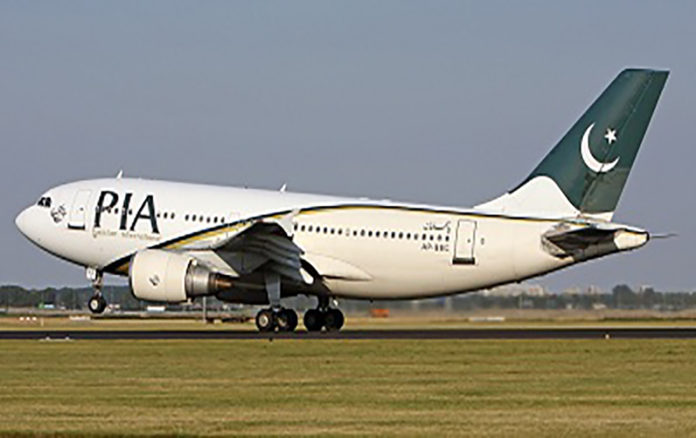
A British-Pakistani traveler on a Pakistan International Airlines (PIA) flight was briefly detained and then charged Rs. 10,000 fine for smoking during a flight.
As per reports, a British-origin Pakistani Raza Ahsan was traveling from Birmingham to Islamabad. Ahsan went to the airplane’s bathroom to smoke a cigarette. Other passengers complained of the smoke coming out of the lavatory.
The crew made him came out of the toilet and later confiscated his passport. Upon landing at the Islamabad International Airport, he was briefly detained by the Airport Security Force (ASF). The passenger received his passport back after he paid a fine of Rs. 10,000 for risking the plane safety.
As per PIA officials, this is the first penalty for inflight
smoking in the history of the airline. The official said that the act was
against international aviation laws and could lead to any disastrous situation.
The Khyber Pakhtunkhwa (KP) government has decided to launch an Online Sabzi Mandi with free home delivery option to ensure the provision of quality household commodities at citizens’ doorsteps, a private media outlet has reported.
According to the details, the KP government is developing a mobile app which according to the Directorate General Information of KP, will be inaugurated by Chief Minister (CM) Mahmood Khan in January.
The citizens with the help of this app will be able to order groceries and fruits online at government notified rates without any delivery charges and it will be available on both the Google Play Store and Apple’s App Store.
In the first phase, the online service will be launched in four districts of the province including, Mardan, Abbottabad, Peshawar, and Dera Ismail Khan.
This online platform will provide all household items such as vegetables, fruits, grains and other food items on government applied rates.
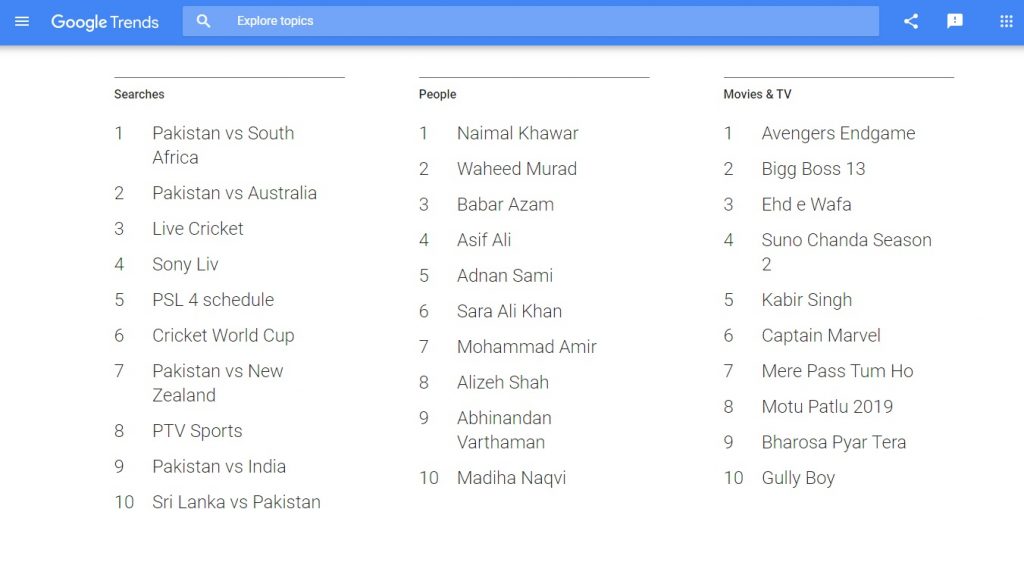
Google Trends has released the list of what was trending in year 2019 in Pakistan in the categories of Searches, People and Movies & TV.
Pakistan vs South Africa tops the Searches list while Naimal Khawar was the top searched person in the country in 2019. Number one on the Movies & TV list is Avengers: Endgame followed by Bigg Boss 13 and the ISPR helmed drama Ehd e Wafa.
See the rest of the list here:
Searches
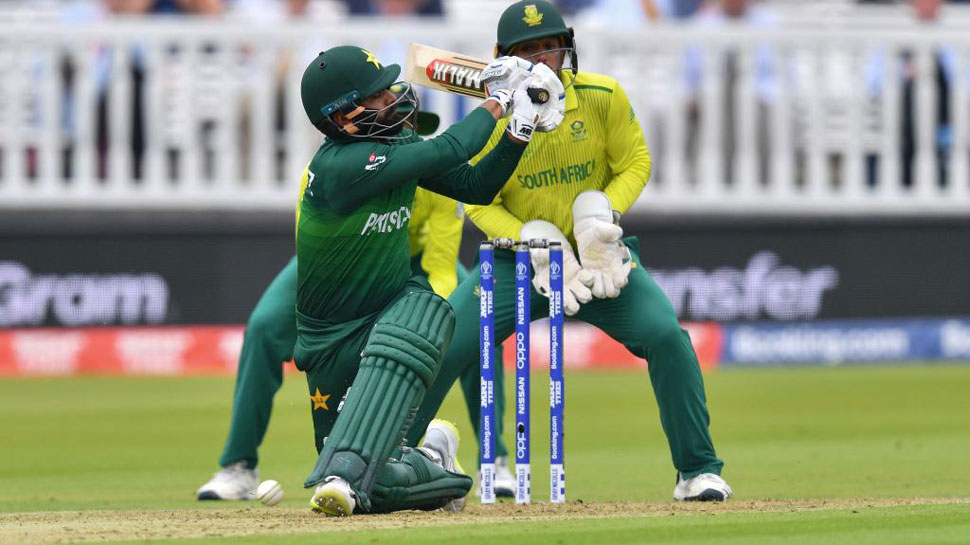
Comes as no surprise that all the top searches this year were related to cricket. 2019 also saw Pakistan participate in the ICC Cricket World Cup and Pakistan narrowly missed making it to the semi-finals this year. However, the uncanny differences between the 1992 cricket world cup and the 2019 one had everyone on the edge of their seats.
Pakistan vs South Africa
People
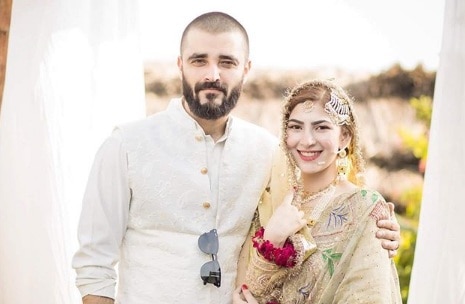
Naimal Khawar was the most searched person in Pakistan mainly because her debut drama Anaa was a huge success and because this year she also became Mrs Hamza Ali Abbasi. Hamza and Naimal’s wedding was one which fans had not seen coming at all which is probably why they were more intruiged by it.
Number two on the list was the ‘Chocolate Hero’ Waheed Murad. The late actor became the second most searched person in the country after he was honoured with a Google Doodle on his 81st birthday.
Waheed Murad
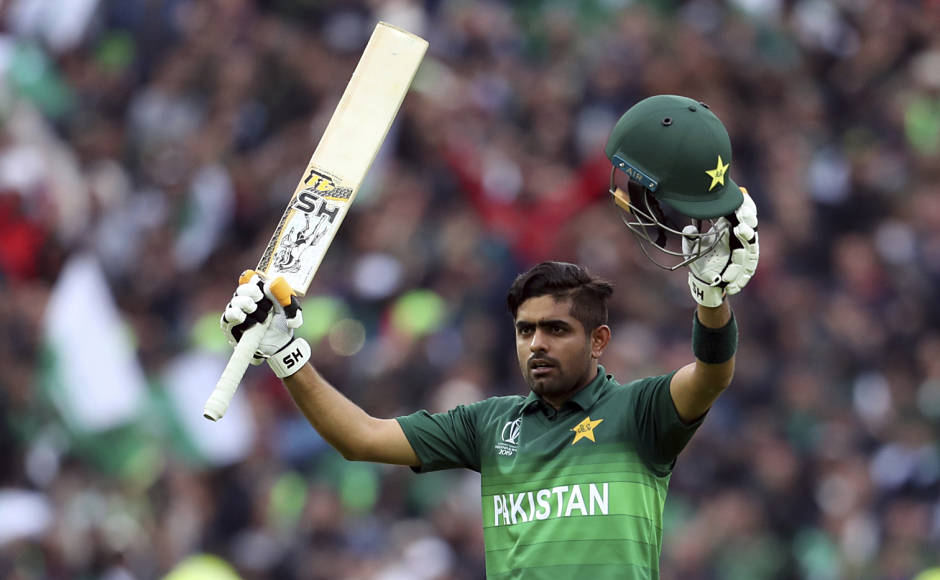
Babar Azam followed on number 3, who left everyone in awe with his brilliant cricket skills, especially during the ICC World Cup 2019 when he smashed several records. He remained the world’s top-ranked T20I batsman.
Babar Azam
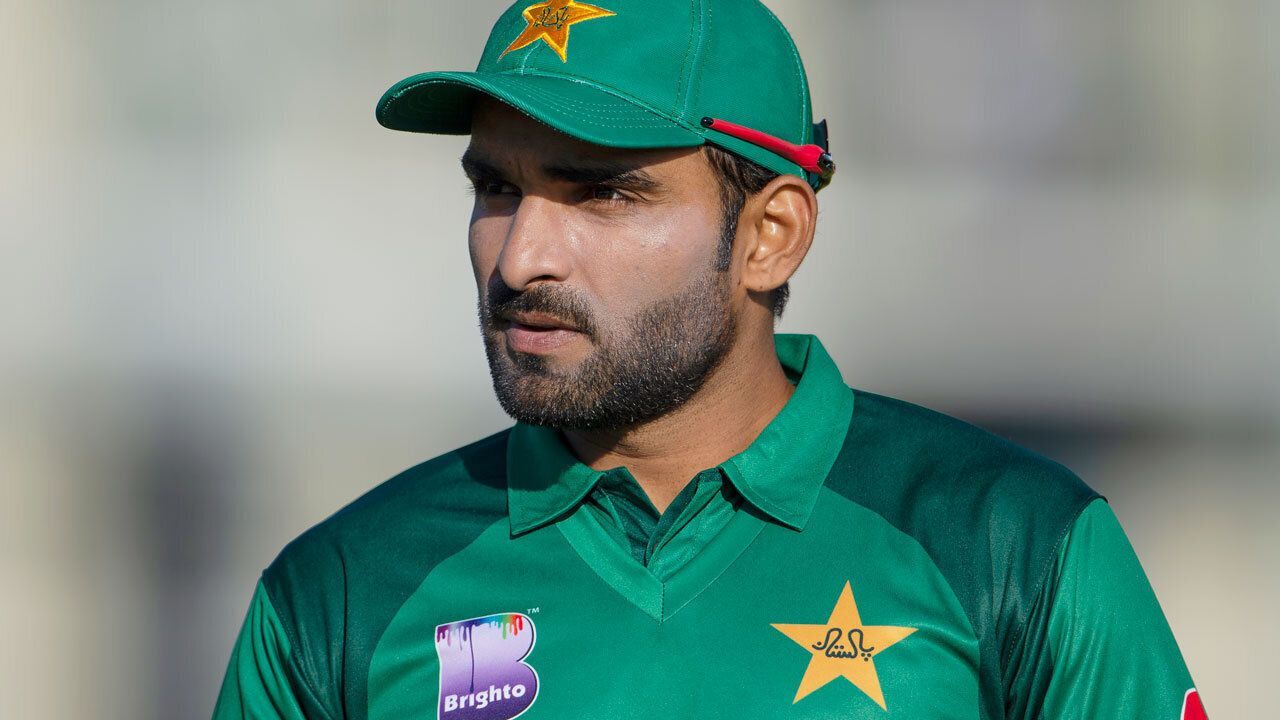
Number four on the list is Asif Ali which is interesting because he did not really impress anyone with his cricketing skills.
Asif Ali
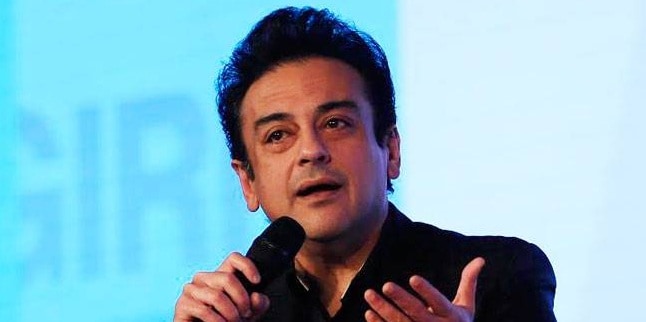
Adnan Sami, better known as ‘undercover agent’ Major Adnan Sami, was the fifth most searched person in Pakistan. Sami, who is now an Indian national, is often trending on social media when tensions between India and Pakistan are high.
Adnan Sami
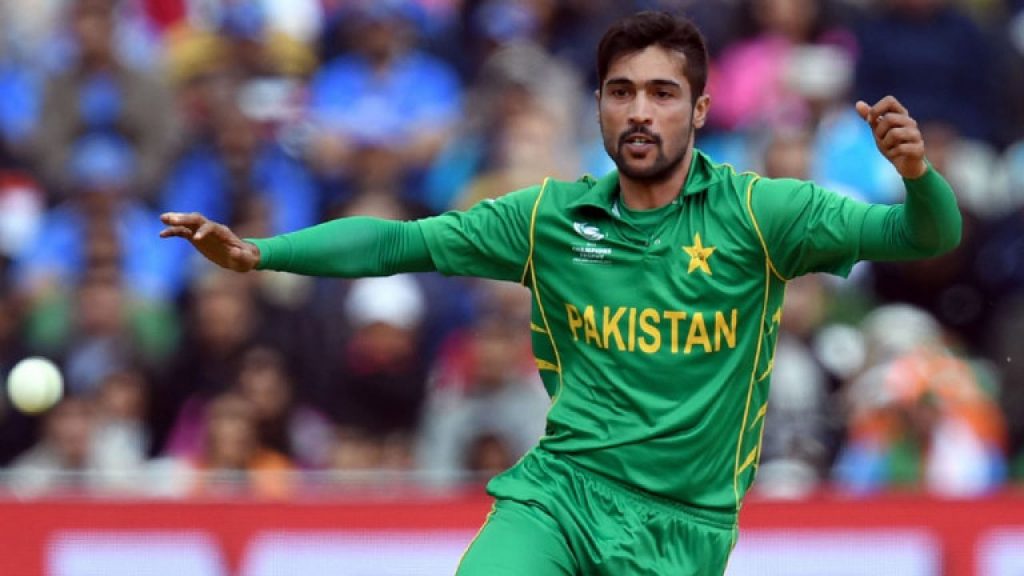
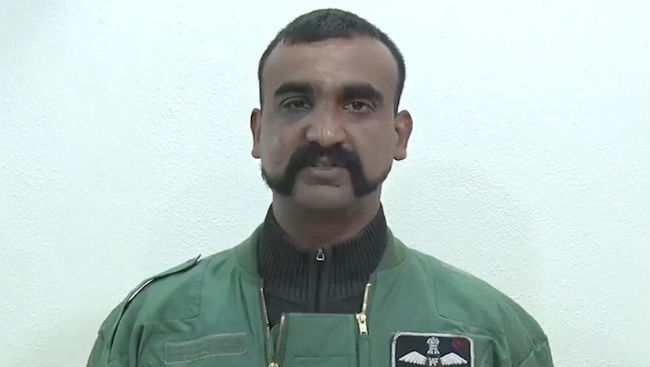
Others on the list included Sara Ali Khan (6), Mohammad Amir (7), Alizeh Shah (8), Abhinandan Varthaman (9) and Madiha Naqvi (10).
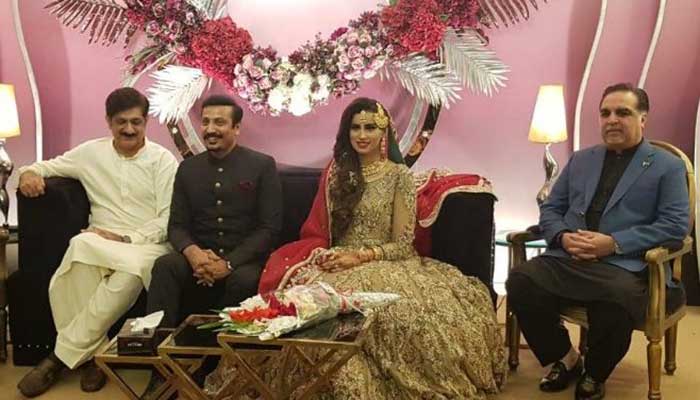
Bollywood actor Sara has garnered quite a loyal following in Pakistan, while Alizeh Shah is the country’s latest national crush, particularly after her roles in Superstar and Ehd e Wafa. Madiha Naqvi made it to the list after she tied the knot with Muhttahid Quami Movement’s (MQM) Faisal Sabzwari in a low-key wedding ceremony this summer.
Sara Ali Khan
Muhammad Amir
Alizeh Shah
Abhinandan Varthaman
Madiha Naqvi
Movies and TV
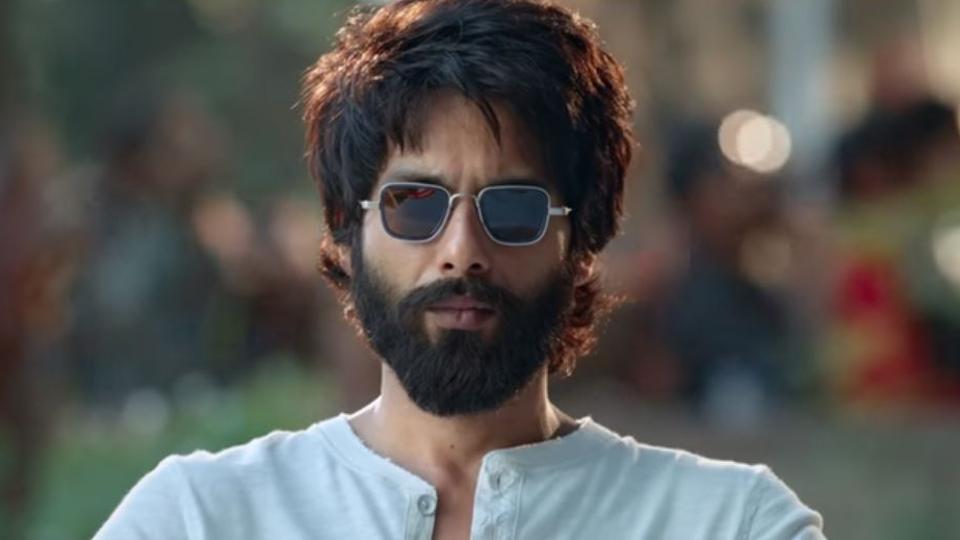
In Movies and TV, Avengers: Endgame topped the list followed by Bigg Boss 13 (2) Ehd e Wafa (3), Suno Chanda Season 2 (4) and Kabir Singh (5). Meanwhile, the ongoing superhit drama Meray Paas Tum Ho was number seven on the list.
At least four patients lost their lives after hundreds of lawyers on Wednesday ransacked Lahore’s Punjab Institute of Cardiology (PIC), Dawn reported.
After hours of continued violence, police arrested more than a dozen lawyers and unblocked Jail Road.
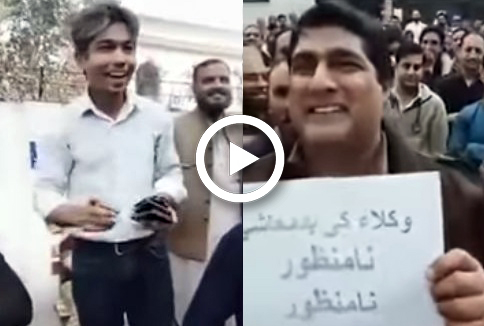
The lawyers were protesting against a video that went viral on social media Tuesday, in which a doctor was seen narrating an encounter with some lawyers in front of a group.
According to the doctor in the video, a group of lawyers had gone to the Punjab inspector general (IG) and told him to charge “two doctors” under Section 7 of the Anti-Terrorism Act (ACT). He was seen narrating that the IG had refused while the lawyers had urged him to press charges, saying “they could save face” that way.
One of four Indian men on death row over the infamous 2012 Delhi gang-rape and murder appealed against his sentence citing pollution.
Akshay Singh Thakur was one of a group of men who gang-raped a 23-year-old woman on a bus in India’s capital late at night in December seven years ago.
Her case and death, 12 days later from extensive internal injuries — sparked national protests and international horror, and became synonymous with India’s high rates of sexual violence against women.
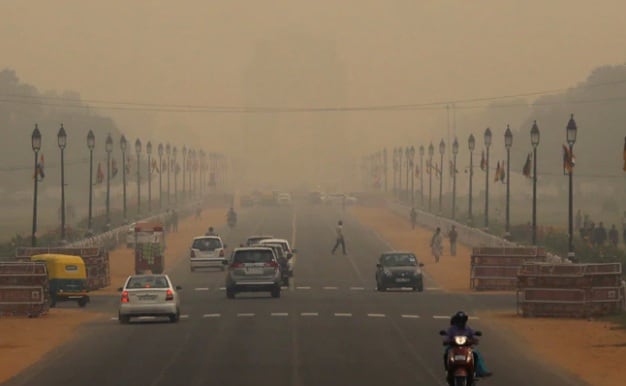
Filed through his lawyer, the now 31-year-old said in his review petition to the Supreme Court that the air quality in New Delhi was like a “gas chamber” and its water “full of poison”.
“Everyone is aware of what is happening in Delhi-NCR (national capital region) with regard to air and water. Life is going to be short, then why death penalty?” the petition said.
According to India Today, this argument is prefaced by another bizarre argument which cities ancient Indian texts such as the Vedas, Puranas and Upanishads to say that during ‘Satyug’ (the first of the four ages mentioned in Hindu mythology), people used to live for “thousand years”.
The petition, as it questions the practice of awarding death penalty, then says that we are now in Kalyug (the last age in Hindu mythology) where the average lifespan has reduced to 50-60 years.
Akshay is the final defendant out of four given the death sentence in the case to file a review petition before India’s top court. It too was expected to be rejected.
Media reports this week said that the men could be hanged before the end of the year, and possibly on December 16, the anniversary of the attack.
Some reports said that Tihar prison, where they are incarcerated, has held a dummy execution to test the gallows and that special ropes are being brought from elsewhere though a Tihar prison official said that he had no knowledge of any such preparations.
Every winter Delhi is shrouded for months in a toxic smog that experts say is shortening the lives of the mega city’s 20 million inhabitants.
The pollution appeal comes shortly after another Indian woman, Dr Priyanka Reddy was gang-raped and murdered last month, sparking protests and calls for reform of the country’s notoriously slow legal system.
In an article in the New York Times, Economist Atif Mian discusses what has led to the persisting economic crisis, and what can save Pakistan’s economy.
SWIPE RIGHT: Atif Mian’s key points
His key points include the facts that Pakistan’s volume of exports has not risen since 2005 and the government is running on borrowed money right now, but people are ready for a change. He states that Pakistan elected Imran Khan because they want a change in their daily life.
Delving a little deeper into what Mian mentioned and the links that he provided in his article, the following infographics show the state of Pakistan’s economy.
World Bank rankings on Pakistan ease of doing business.
Pakistan, since 2005, has remained an increasingly difficult place to invest in. The ranking in 2020 is 108, which means that ease of doing business has gotten better as compared to 2015 — when it stood at 138. The best time to invest in Pakistan was 2005, when the ranking was even better — at 65. The lower the World Bank’s ranking, the easier the time is to invest in Pakistan.
The level of investment by private and public sectors during the 1980s and up until 2015
The graphic above shows that the best time for public and private investment in Pakistan in relation to the Gross Domestic Product (GDP) — any country’s total value of goods produced and services. The best time to invest in Pakistan was in the early 1990s and has been declining ever since.
Foreign Investment in Pakistan, India and Bangladesh during the years
The chart above shows that Pakistan had the highest amount of foreign investment in 2004, but it has been declining ever since (with a minimal boost in 2008).