Blog

  • North Korea: What You Need to Know in 2025

    North Korea: What You Need to Know in 2025

    North Korea remains one of the most isolated and controversial countries in the world. Its military actions, strict regime, and closed economy often make headlines globally. As 2025 unfolds, North Korea is once again in the spotlight, this time for a series of missile launches, internal purges, and shifting global alliances. For people in the U.S. curious about this secretive nation, here’s a complete guide to what’s happening in North Korea right now.


    North Korea News: Missiles Launched Again

    On Thursday morning, North Korea launched more than a dozen rockets from the Sun’an area near its capital, Pyongyang. According to South Korea’s Ministry of Defense, these missiles were fired around 10 a.m. local time and landed in the Yellow Sea (also known as the West Sea in South Korea).

    The launches are being closely analyzed by both South Korean and U.S. intelligence services. While the exact nature and targets of these missiles remain unclear, their number and timing have raised concerns about regional stability. These missile activities are often seen as North Korea’s response to military exercises conducted by the U.S. and South Korea.

    This event is part of a larger pattern. North Korea missiles are frequently used to send a political message or test global reactions. Each launch is closely watched by countries around the world, especially the U.S., Japan, and South Korea.


    What Drives North Korea’s Missile Program?

    The North Korea missile program is designed to showcase power, maintain national pride, and ensure the regime’s survival. For decades, the country has been under strict international sanctions. In response, it has focused on military development, especially missile technology, to deter foreign intervention and strengthen its negotiating position.

    North Korea claims that these missiles are for self-defense. However, their increasing range and improved technology worry international leaders. With each new test, the threat perception grows, especially among U.S. defense planners.


    The Meaning Behind the North Korea Flag

    The North Korea flag features a red star on a red stripe, bordered by blue and white lines. It’s more than a symbol, it represents the country’s political ideology. The red stands for revolutionary patriotism, the blue lines represent peace and friendship, and the white stripes reflect purity and Korean identity.

    For those unfamiliar with North Korea’s visual symbols, the flag is a strong reminder of the nation’s communist roots and self-reliance philosophy, known as Juche.


    Understanding North Korea’s Economy and Currency

    Despite being rich in minerals and natural resources, North Korea’s economy is extremely limited due to international sanctions and internal control. Its currency, the North Korean won (KPW), has little value outside the country. Most international trade is restricted, with China serving as its main economic partner.

    The North Korea GDP is hard to estimate due to lack of transparency, but most international experts agree that it ranks among the lowest in the world. Agriculture, military production, and limited mining dominate the economy. There’s no open stock market, and private business is heavily restricted.

    North Korea currency is not traded freely on global markets, and visitors must use specially issued notes. The government controls prices, imports, and exports, keeping the economy under tight control.


    What Is North Korea’s GDP and Why It Matters

    According to global estimates, North Korea GDP is around $30 billion (as of recent years), although this figure is debated due to lack of reliable data. The country’s economy is almost entirely state-run, with limited technological innovation or infrastructure investment.

    Unlike developed nations, North Korea does not prioritize economic growth. Its focus is military strength and regime stability. This means GDP does not reflect the same level of importance as it does in the U.S. or Europe. However, understanding North Korea’s GDP helps analysts predict the country’s capacity to fund large-scale programs like its missile and nuclear development.


    Military Tensions and Recent Purges

    In addition to missile launches, recent North Korea news includes reports of internal purges. After a failed naval warship launch, several top military officials have reportedly disappeared from public events. In North Korea, such disappearances often signal punishment or execution.

    These purges show the intense pressure within the leadership to maintain order and avoid public embarrassment. It also indicates that military failures are not tolerated, especially in such a tightly controlled regime.


    Russia, China, and North Korea: Growing Ties

    North Korea is reportedly sending construction workers and demining teams to Russia, particularly the Kursk region, to support post-war rebuilding efforts. This shows a deepening relationship between the two nations, especially as both face increasing isolation from the West.

    At the same time, China remains a lifeline for North Korea, providing food, fuel, and basic goods. These alliances make it harder for Western countries to apply pressure through sanctions alone.


    Why the U.S. and the World Should Pay Attention

    Every missile test, military purge, or new alliance in North Korea sends ripples through the global stage. For Americans, the interest in North Korea isn’t just about foreign policy, it’s about national security.

    Missile technology that can reach U.S. territories, potential nuclear threats, and cyber capabilities make North Korea a serious concern. At the same time, humanitarian issues like human rights abuses and famine create a moral responsibility to remain informed.


    Final Thoughts: A Country Worth Watching

    North Korea continues to shape global conversations. From missile launches and political purges to economic hardships and new international partnerships, this nation demands attention. While it remains distant and mysterious to many in the U.S., its actions affect global peace and security.

    Keeping up with North Korea news is essential not only for policy makers but for everyday people who want to understand the world better. Whether it’s tracking a missile launch or learning about the North Korea flag, staying informed helps build a clearer picture of one of the world’s most secretive countries.

    For more on the escalating tensions in the region, read how South Korea’s president declares martial law.

  • Extreme Heat Warning: What It Means and How to Stay Safe

    Extreme Heat Warning: What It Means and How to Stay Safe

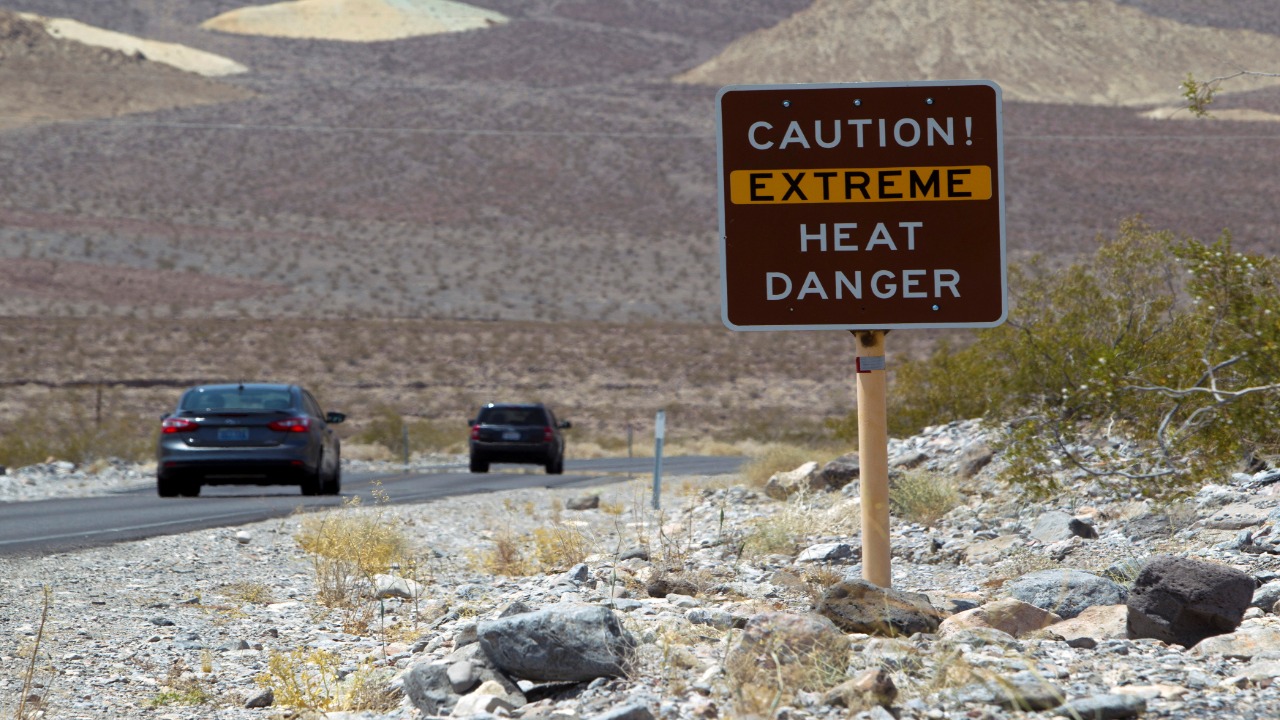
    Extreme summer heat is hitting parts of the United States hard, and the National Weather Service (NWS) has issued an Extreme Heat Warning in multiple regions. If you live in or are traveling through California, Arizona, or Nevada, it’s essential to understand what this warning means, and how it can impact your health and daily life.


    What Is an Extreme Heat Warning?

    An Extreme Heat Warning is issued when high temperatures are expected to reach dangerous levels. According to the NWS, this usually means the heat index (how hot it feels) is forecast to be 105°F or higher for at least two days.

    This isn’t just a weather report; it’s a serious alert. High heat can affect your body’s ability to cool itself, making you more vulnerable to heat exhaustion, heatstroke, and other heat-related illnesses.


    Where Is the Extreme Heat Warning Today?

    As of this week, the Extreme Heat Warning today applies to several parts of the Southwest:

    • Southern California – Especially areas in the inland valleys and deserts

    • Southern Nevada – Including Las Vegas

    • Western Arizona – With temperatures soaring above 110°F

    A detailed Extreme Heat Warning map from the NWS shows the affected zones and timing of the alerts. People in these areas are being urged to take precautions, especially the elderly, young children, and those with chronic conditions.


    Understanding the Extreme Heat Warning Map

    The NWS provides a color-coded Extreme Heat Warning map to help residents identify high-risk zones quickly.

    • Red and dark orange areas signal extreme danger due to high heat and humidity

    • Yellow or light orange areas may be under heat advisories, which are less severe

    Check your local forecast and the NWS heat map regularly. The map updates often, especially when new weather models are released.


    Why Coffee and Alcohol Are Not Your Friends Right Now

    This week, Americans in California, Arizona, and Nevada were given some unusual advice: avoid coffee and alcohol during the heatwave. The NWS in Las Vegas shared a “Do & Don’t” graphic warning residents to skip caffeinated drinks and alcohol during extreme heat.

    Here’s why:

    • Alcohol is a diuretic, meaning it makes you lose more fluids than you take in. This can worsen dehydration.

    • Caffeine, in large amounts, can also contribute to fluid loss.

    • Heavy meals slow down digestion and increase body heat.

    Lauren Manaker, a registered dietitian-nutritionist, noted that moderate coffee or tea isn’t dangerous, but it’s important to balance it with plenty of water. If you’re drinking your usual cup of coffee, make sure you’re hydrating even more throughout the day.

    Excessive Heat Warning in California: A Closer Look

    California is experiencing an Excessive Heat Warning, especially in the inland and desert regions. This includes areas like:

    • Palm Springs

    • Inland Empire

    • Death Valley

    These places are expected to reach temperatures over 115°F. Residents have been advised to limit outdoor activities, especially from noon to 6 PM, when the sun is strongest. Local authorities are opening cooling centers to help those without air conditioning.


    Tips to Stay Safe During an Extreme Heat Warning

    Living through an Extreme Heat Warning isn’t just uncomfortable, it can be life-threatening. Here are key ways to protect yourself and your loved ones:


    1. Stay Hydrated

    Drink water often, even if you don’t feel thirsty. Skip sugary, alcoholic, or heavily caffeinated drinks.


    2. Limit Outdoor Activities

    Try to stay indoors during peak heat hours. If you must go out, wear light-colored clothing and take breaks in the shade.


    3. Use Fans and AC Wisely

    Fans help but are not effective when temperatures are above 95°F. Air conditioning is the best way to cool down. Visit public places like malls or libraries if your home lacks AC.


    4. Check on Vulnerable People

    Check in with neighbors, seniors, and people with health issues. Heat affects them faster and more severely.


    5. Don’t Leave Kids or Pets in Cars

    Even a few minutes can be deadly. Car interiors heat up much faster than the outside temperature.


    Heat-Related Illnesses: Know the Signs

    Here’s how to recognize if someone is in danger from the heat:

    Heat Exhaustion

    • Heavy sweating

    • Weakness

    • Dizziness

    • Nausea

    • Fainting

    What to do: Move them to a cooler place, loosen clothes, and give small sips of water.


    Heatstroke (Call 911)

    • High body temperature (103°F or more)

    • Red, hot, dry or damp skin

    • Confusion

    • Loss of consciousness

    What to do: Call emergency services immediately. Try to cool them with wet clothes or an ice bath while waiting.


    Climate Change and the Rise in Heat Warnings

    It’s no coincidence that the number of Extreme Heat Warnings is rising each year. Climate scientists say that global warming is making extreme weather events, including heatwaves, more frequent and intense.

    In the past, heat warnings were rare. Now, they’re becoming part of every summer. This makes it even more crucial to stay informed and take these alerts seriously.


    Final Thoughts: Stay Cool and Informed

    The Extreme Heat Warning today is not just a weather update, it’s a health alert. The heat across states like California, Nevada, and Arizona is breaking records and putting millions at risk.

    Use tools like the Extreme Heat Warning map to stay up to date, avoid unnecessary risks, and follow all public health guidance. Whether it’s skipping that cup of coffee or staying indoors during peak hours, small changes can make a big difference.

    Extreme temperatures are a growing global threat, with Europe alone seeing up to 175,000 heat-related deaths annually, according to this WHO-backed report.

  • Israel Stock Exchange: Why the Market Soared After a Missile Strike

    Israel Stock Exchange: Why the Market Soared After a Missile Strike

    The Israel Stock Exchange has become the unexpected headline across global financial markets. What shocked many investors was not just the fact that it was directly hit by Iranian missiles, but how it responded, with a surge.

    At a time when geopolitical tensions between Iran and Israel have reached new heights, financial experts and everyday investors alike are wondering: Why did the market go up when the Tel Aviv Stock Exchange was attacked?

    This article breaks down the latest developments, provides clear insights into the Israel stock exchange index, and explains why the Israel stock exchange today reflects more resilience than fear.


    What Is the Israel Stock Exchange?

    The Israel Stock Exchange (TASE), located in Tel Aviv, is the central marketplace for trading stocks, bonds, ETFs, and derivatives in Israel. It’s home to major Israeli tech companies, banks, and defense firms.

    The Tel Aviv Stock Market today plays a critical role in Israel’s economy, much like the New York Stock Exchange does in the United States. Its main benchmark is the TA-35 index, which includes the 35 largest companies listed in Israel.


    Iran’s Missile Attack on Tel Aviv Stock Exchange

    On June 19, 2025, tensions between Israel and Iran took a dangerous turn. Iran launched missiles, and one of them damaged the Tel Aviv Stock Exchange. This direct hit marked a serious escalation in the ongoing conflict.

    This wasn’t just a symbolic act, it was a targeted strike on Israel’s financial infrastructure. The “Israel stock exchange hit” became a trending topic online, with people searching for updates on what’s now known as the “Israel stock exchange attack.”

    Yet, despite the aggression, something surprising happened.


    Israel Stock Market Surges After Attack

    While most would expect a market collapse following a missile strike, the opposite occurred.

    The TA-35 index, a key Israel stock exchange index, rose sharply. On the day of the attack, it reached a 52-week high of 2,811.70.

    So why would the market go up during an Iran-Israel stock exchange conflict?


    Market Confidence: Why Did the Index Rise?


    Confidence in Israel’s Economy

    Investors may have interpreted the missile attack as non-lethal to market fundamentals. Since the physical damage didn’t disrupt financial systems or halt trading, confidence remained intact.


    Resilient Corporate Earnings

    Israeli companies, particularly in tech and cybersecurity, have global revenue streams. These firms are not entirely dependent on local stability.


    Preparedness for Conflict

    Israel has lived under the constant shadow of regional threats. Businesses and the financial system are built to withstand disruptions, and that preparedness may have reassured investors.


    Speculative Buying

    Some investors may have seen an opportunity, expecting government support or long-term gains after temporary instability.


    Comparing the Reactions: Global Markets vs Israel

    While other Middle Eastern markets dipped amid the Iran-Israel conflict, the Tel Aviv Stock Market today behaved differently. Unlike oil-rich Gulf markets that depend heavily on regional stability, Israel’s market is tech-focused and innovation-driven.

    The Israel stock market chart from June 19 shows a clear upward trend, defying conventional economic logic. For many watching from the U.S., this challenges traditional ideas about how war impacts financial markets.


    U.S. Investors and the Israel Stock Exchange

    Interest in the Israel Stock Exchange has grown among U.S. investors, especially those in the tech sector. Here’s why:

    • Access to emerging technology and cybersecurity firms

    • Diversification outside of U.S. markets

    • Strong ties between Israeli and American businesses

    Despite current conflict, Israel remains a hotbed of innovation, attracting venture capital and institutional investment from the United States.


    Israel Stock Exchange Today: Real-Time Developments

    Following the missile incident, trading continued as normal. Infrastructure was quickly secured, and damage to the building did not halt electronic trading. This seamless operation reflects the high-tech readiness of the Israel exchange.

    As of today, investor sentiment is neutral-to-positive, with many adopting a wait-and-see attitude. Still, the Israel stock exchange today is a case study in how markets can stay functional during crises.


    The Human Side of the Israel Stock Exchange Attack

    Beyond charts and numbers, the Israel stock exchange attack had emotional consequences. Market employees and civilians were put at risk. Images of damaged areas around the Tel Aviv business district circulated widely.

    Despite this, morale appears to be high. Traders returned to work, and global investors showed continued support. In a way, the exchange has become a symbol of national resilience.


    What This Means for the Future


    Stronger Global Interest

    With the world watching, the Israel Stock Exchange may gain greater international visibility, especially among U.S. investors seeking access to defense and cyber innovation.


    Possible Short-Term Volatility

    Tensions with Iran may cause fluctuations in the Israel stock market chart. However, so far, these movements have been relatively contained.


    Long-Term Growth Potential

    Despite geopolitical risk, Israel’s economy remains strong. With smart investment strategies, the Tel Aviv Stock Market could present unique opportunities for U.S. investors.


    How to Track the Israel Stock Exchange

    For anyone looking to stay updated:

    • Use financial platforms like Bloomberg, CNBC, and TradingView to monitor the Israel stock market chart

    • Follow major indexes like TA-35 for real-time trends

    • Watch for breaking headlines about Iran-Israel tensions that may impact performance


    Final Thoughts

    The recent Israel stock exchange hit shows that while missiles can damage buildings, they can’t easily destroy investor confidence, especially in a country as economically adaptable as Israel.

    The Tel Aviv Stock Market today stands as a unique example of how modern economies can remain strong under pressure. From index resilience to growing foreign interest, the Israel Stock Exchange is proving its global significance.

    As global headlines continue to evolve, the best way forward is through informed investment, measured risk-taking, and a close eye on market fundamentals.

    For anyone in the U.S. curious about how a stock market survives a missile strike, the answer lies in Tel Aviv. For more on the ongoing regional tensions, including recent escalations in Gaza, click here to read the full report.

  • Pakistan stun France in shootout to reach Nations Hockey Cup final

    Pakistan stun France in shootout to reach Nations Hockey Cup final

    Pakistan booked their place in the final of the Nations Hockey Cup after a thrilling 3-2 win over France with a penalty shootout during the first semi-final held in Kuala Lumpur, Malaysia.

    Both teams started aggressively in the first quarter, attacking each other’s goalposts with intensity, but neither side managed to score.

    In the 10th minute of the second quarter, France broke the deadlock and took a 1-0 lead. The French side extended their advantage early in the third quarter, making it 2-0. However, Pakistan responded quickly as Rana Waheed Ashraf scored the first goal just three minutes later.

    The momentum shifted further when Pakistan earned a penalty. Sufiyan Muqeem converted it in the 12th minute of the third quarter, and only a minute later, Rana Waheed struck again to give Pakistan a 3-2 lead.

    In the dying moments of the fourth quarter, France equalised through Charlotte Victor, making it 3-3 and pushing the match into a penalty shootout.

    Pakistan held their nerve in the shootout. Goalkeeper Muneeb ur Rehman played a heroic role by saving attempts from Luke Wood Victor, Tineus Etienne, and Esmenjod Xavier. On the other end, Afraz, Shahid Hanan, and Rana Waheed successfully converted their penalties to seal Pakistan’s place in the final.

    Pakistan will now await the winner of the second semi-final between Korea and New Zealand.

  • Justice delayed, not denied: IBA lecturer wins gender discrimination case after 2.5 years

    Justice delayed, not denied: IBA lecturer wins gender discrimination case after 2.5 years

    After 2.5 years of legal battle, humanities expert Zahra Sabri has won the gender discrimination case against Karachi’s Institute of Business Administration (IBA) for evicting the only two single female residents of the varsity’s Visiting Faculty Residence (VFR).


    As per the details, Ombudsman Sindh on Jun 13 upheld the verdict of the institute’s Anti-Harassment Committee (AHC), mandating compensation, a formal apology and policy reforms over discrimination faced by the two women, including Zahra who, at the time, worked as a South Asian History and Literatures lecturer at IBA.


    According to Zahra, in December 2022, she and her colleague were asked to vacate their accommodation on short notice of three days.


    “No male or married faculty members were asked to evict,” she had stated in her complaint against the orders issued by Registrar Dr Mohammad Asad llyas and ratified by IBA’s Executive Director (ED) Dr Syed Akbar Zaidi.


    She had also highlighted “unprofessional remarks” by the registrar who told Zahra and her colleague to “find a husband so that they also be allowed to stay at the VFR”.


    While Zahra’s appeal against the move had led to an AHC ruling mandating compensation, apology and reforms, justice was denied following the Jan 2023 internal complaint under Pakistan’s Protection Against Harassment of Women at the Workplace Act of 2010 as IBA ED Dr Zaidi, who had been designated as the ‘competent authority’ under said act, dismissed the AHC’s rulings despite being legally obligated to implement the recommendations without alteration.


    After being denied timely legal access to her AHC report, Zahra took her case to the Ombudsman Sindh. She also communally and individually wrote and reached out to a number of board members, formally bringing to their notice the on-campus violation of the law.


    “They received my complaint, reviewed it, and their responses were not supportive or helpful towards me in any way at all,” Zahra tells The Current.


    However, last week, the Ombudsman overturned the IBA ED’s refusal to implement the verdict as the assigned competent authority. According to the Ombudsman Sindh, Dr Zaidi, in capacity of competent authority, was obligated to implement the AHC’s recommendations within one week, with “no power to modify, alter, set-aside or refuse”, which he failed to implement, violating the rules under the Act. 


    According to the ruling, he also compromised his neutrality as competent authority after he appeared as a witness in the inquiry proceedings in support of the other respondent and accused, Registrar Dr Ilyas. 


    The Ombudsman further ruled that the IBA Board of Governors and its Human Resources (HR) committee had no legal standing to override the inquiry findings, as under the 2010 Act, only the Ombudsman has appellate authority over such decisions.

    Overruling the IBA ED’s refusal from August 2023, the ombudsperson ordered varsity to appoint a new competent authority within a week to ensure the AHC’s findings were acted upon.


    The order called for the implementation of AHC’s recommendations within a week, including the payment of Rs300,000 to Zahra for harassment, a written apology from IBA for gender-based discrimination, and the creation and consistent enforcement of clear, non-discriminatory housing policies.


    In case of non-compliance, IBA can face contempt proceedings under Section 10(1)(vi) of the 2010 Act.

    Meanwhile, the Sindh High Court (SHC) has issued notices to respondents on a petition filed by the IBA, challenging an order of the provincial ombudsman for protection against harassment of women at workplaces. The SHC has also directed that the compensation amount and apology letter not be handed over to the former lecturer until the petition is decided.


    ‘WEIGHT OF THE WAIT’

    According to the Forum of Pakistan Ombudsman, it takes an average of 55 to 70 days to reach a decision in a case, but in practice, it can take longer — from months to even years.


    It also states that no adverse action can be taken against the complainant or witnesses under Section 4(3)(d) of the Protection Against Harassment of Women at the Workplace Act, 2010.

    Moreover, the employer is not allowed to create a hostile environment or pressurise the complainant, and the inquiry committee must ensure this, as outlined in Section 4(3)(e) of the same Act.


    Zahra Sabri had joined IBA in Jun 2021, but her time on campus was made difficult. “I feel that the main challenge and burden of this [legal] process has been the waiting. I would call it the ‘weight of the wait,’” she says, adding that organisations often manage to create a very hostile work environment for harassment complainants in various subtle and unsubtle ways.

    “It can be quite difficult for a harassment victim to have a normal and peaceful work life, as she awaits the judgment for her case,” Zahra tells The Current.


    ‘ZAHRA VS IBA’


    In July 2023, Zahra resigned in protest against the administration’s failure to support her in her legal battle. She recalls that at the time, “like all women,” she had two choices: to continue working with a “smile and bear it” or formally file a complaint against people in power, and risk retaliatory actions from senior management — even if it came at the expense of her successful career.


    A male colleague publicly advised Zahra to “keep shining with charming smiles”, ignore “little things in professional life”, and focus on her “bright career path”.  Others told her not to “make a noise”, lecturing her on being “patient”. 


    Amidst the pressure and knowing the strenuous procedure of a legal battle that was expected to affect professionally and financially, Zahra asked herself: “Would I have any right anymore to talk to students in my History/Literature classes about the importance of standing for women’s rights, when I had not even stood up for my own?”


    “My choosing to stand up for the principle of women’s rights and gender equity somehow, and totally unnecessarily, made me the target of institutional retaliation,” she says. 


    Despite the situation becoming a “heavy burden”, Zahra refused to give up on her teaching and extracurricular educational activities on campus.


    “I didn’t wish for any incident of harassment or discrimination by any male colleague to make me scale myself back as an educationist or professional in any way within the organisation.” 


    ‘MORE THAN OP-EDS’


    “Today, if we enjoy certain rights in academic workplaces, it is because certain people took time away from their academic commitments to take a stand for something right and just,” Zahra says.


    She believes academia is more than just writing op-eds, books and research papers, or posting on social media about human rights. “If you don’t have what it takes to show support or action against workplace harassment and discrimination in your own work environment, then all your commentary and writings are totally worthless, not to mention hypocritical.” 


    According to the recently issued World Economic Forum’s (WEF) Global Gender Gap Report 2025, Pakistan ranks lowest among 148 countries with 56.7 percent gender parity. This is reportedly the highest since 2006.


    “Clearly, Pakistan is a very difficult place for women to be in the workplace. It’s all the more important and urgent for our academics to be action-oriented, not just talk-oriented. It’s very, very hard, but this is what we need,” Zahra acknowledges.


    The way forward, according to her, is not necessarily a deep structural reform but a more “effective implementation and oversight in the current system and structure”.


    She believes that educational institutions like IBA play a crucial role in Pakistan’s public-sector institutions, having the “ability to cater to the needs of an immensely talented and promising middle-class demographic of students”.


    “I believe that the university’s administrators should be putting their financial and intellectual resources to more effective and respectful use.”

  • ‘This is just content, not real love’: Nauman Ijaz reacts to Maaz Safder’s expensive flowers bouquet

    ‘This is just content, not real love’: Nauman Ijaz reacts to Maaz Safder’s expensive flowers bouquet

    Actor Nauman Ijaz has reacted to a viral video of YouTuber Maaz Safder surprising his wife Saba with an expensive bouquet, reportedly costing between three to four lakh rupees.

    The bouquet was so huge that it had to be delivered on a truck and couldn’t even be brought inside their home. The couple shared the grand gesture online, calling it a special moment of love.

    The video quickly got attention on social media, with people divided over whether such extravagant gestures are romantic or just for show. Actor Nauman Ijaz also shared his thoughts on the matter through his Instagram story. 

    Posting a screenshot of the bouquet, he wrote, “Dear sisters, please don’t start expecting this kind of nonsense from your boyfriend or husband now. This is just content, not real love. Now the poor innocent guys are going to suffer again. Remember, real relationships aren’t about fancy gestures or social media trends. They’re built on respect, understanding and genuine connection.”

    His story sparked strong reactions online. Many agreed with his message and praised him for calling out the trend. 

    One user wrote, “What a man, well said.” Another said, “Even a single rose could have worked. The rest of the money could’ve fed an entire poor colony.” Some called it “a cheap showoff” and said such videos are creating false expectations.

    However, some people had a different opinion. A few users felt it was unnecessary to criticize someone’s personal way of expressing love. “Do we really need to judge someone’s love? Let it be,” one comment read. Another said, “Yes, it may be a waste of money, but it’s his money, his choice.”

    While opinions are split, Nauman Ijaz’s post has definitely sparked an important conversation about love, relationships and how social media is changing the way people express their feelings.

  • ‘On-screen mother’; Stars mourn Ayesha Khan’s passing

    ‘On-screen mother’; Stars mourn Ayesha Khan’s passing

    The Pakistani entertainment industry is mourning the loss of veteran television actress Ayesha Khan, who passed away at the age of 77. Her death has sparked an outpouring of tributes from colleagues and fans who remember her as one of the foundational figures of Pakistan Television (PTV).

    Ayesha Khan was found dead in her apartment in the Gulshan-e-Iqbal area of Karachi on Thursday. 

    According to police reports, her neighbours alerted her family after noticing a strong odour coming from the flat. Authorities believe her body had been there for nearly a week before it was discovered. She had been living alone and had distanced herself from public life in recent years due to health concerns.

    Her body was initially moved to Jinnah Hospital and later shifted to the Edhi Mortuary in Sohrab Goth. The cause of death remains unknown as police await the arrival of her son; a postmortem has yet to be conducted.

    Ayesha Khan was widely celebrated for her work in PTV’s golden era, starring in memorable dramas such as Afshan, Uroosa, Aanch, Bandhan, and Shaam Se Pehle. Born in 1948, she was part of a generation of actors who laid the foundation for Pakistan’s mainstream drama scene. 

    News of her death has triggered emotional tributes from prominent figures in the entertainment world.

    Actor Adnan Siddiqui, who worked with Ayesha Khan in his debut drama Uroosa, shared a heartfelt note on Instagram, “At the beginning of life’s journey, we sometimes meet people who silently leave a deep impact on our lives, and for me, Ayesha Khan was one such person.”

    He added, “She was my on-screen mother.” Reflecting on her acting style, Siddiqui noted, “She didn’t depend on loudness or dramatics; her approach was understated, allowing her performances to convey emotional depth.”

    Actress Anoushay Abbasi also reacted in the comments of Siddiqui’s post, calling the news “devastating.”

    Actor Khalid Anam was among the first to share the news publicly. He wrote, “It is with great sadness that we inform you that legendary Pakistani actress Ayesha Khan has passed away. She was 77 years old. May Allah Almighty forgive her, elevate her ranks, and grant patience to her family, fans, and lovers.”

    Actor Ahsan Khan also offered his prayers, saying, “May Allah Almighty grant her paradise.”

    Actress Shagufta Ijaz recalled Ayesha Khan’s early guidance in her career, “I will never forget her support and encouragement in my first drama ‘Aanch.’”

    Actress Javeria Saud posted: “May Allah Almighty grant her Jannah.”

    Actor Yasir Hussain expressed his grief along with a subtle reflection on the nature of industry relationships, “Many days have passed since her death, but everyone was sleeping. We are all the same, we forget everything.”

    He added, “In the showbiz industry, artists meet each other every day, they even become friends, but it is limited only to the scope of work.”

  • Grade-18 officer dismissed after 12 years of absence from duty

    Grade-18 officer dismissed after 12 years of absence from duty

    The federal government has dismissed a Grade-18 officer from the Office Management Group for being absent from duty for over 12 years.

    According to a notification issued by the Establishment Division, the officer was removed from service following disciplinary proceedings under the Civil Servants (Performance and Discipline) Rules, 2020.

    Officials said the officer had been absent from May 10, 2013, to June 8, 2023, and again from September 26, 2023, to June 17, 2025. His entire period of absence has now been converted into Ex-Pakistan Leave Without Pay, as per the amended Leave Rules, 1980.

    The officer was previously dismissed from service on October 7, 2019. However, the Federal Service Tribunal reinstated him on November 8, 2022, citing technical reasons and instructed the Establishment Division to conduct a fresh inquiry.

    He was reinstated on September 26, 2023, but failed to report back to work. Despite being given several chances, he did not return to duty. A fresh show-cause notice was served on June 4, 2025, and after completing the disciplinary process, the officer was finally dismissed on June 18, 2025.

    The notification states that the officer has the right to file an appeal with the Appellate Authority within 30 days under the Civil Servants (Appeal) Rules, 1977.

  • Fact Check: Viral video claiming Israeli guest fled studio during Iran missile attack is AI-generated

    Fact Check: Viral video claiming Israeli guest fled studio during Iran missile attack is AI-generated

    A video circulating on social media supposedly shows guests on an Israeli talk show fleeing the studio as sirens went off during an alleged Iranian missile attack.

    Several leading Urdu news outlets reported the incident as real. Social media users also shared the video widely.

    However, is the video real?

    The video was initially shared on مجنون إكس account X on Wednesday, June 18, with a caption that read: “There was a discussion on Israeli TV about teaching Iran the worst lesson, when sirens went off due to Iranian missiles and the four left the program and ran away (sic).”

    Investigation

    The Current investigated the video widely shared on social media, particularly on X (formerly Twitter).

    A close review of the nine-second video reveals that it was generated using Artificial Intelligence (AI), and is therefore fake.

    The Current noticed a number of unusual elements and inconsistencies in the video. For instance, two female guests react even before the sirens actually go off.

    A closer examination also shows that one guest’s lip movements do not match the audio, a common sign of AI-generated content. The way the guests run also appears unnatural and unrealistic.

    Conclusion: The video is fake and was created using AI tools.

    Fact Check: Viral video of Donald Trump saying ‘Pakistan will destroy Israel if Iran attacked again’ is FAKE

  • FO confirms no communication from Iran on refugees or military help

    FO confirms no communication from Iran on refugees or military help

    Pakistan has confirmed that it has not received any requests from Iran for military assistance or help in relocating refugees. Foreign Office (FO) spokesperson Shafqat Ali Khan clarified this during a media briefing in Islamabad on Thursday.

    Responding to questions concerning the ongoing Iran-Israel conflict, he said no request for military or humanitarian support had been made by Iran, and Pakistan is not involved in any discussions regarding participation in the conflict.

    Khan updated that Pakistan has facilitated the return of almost 3,000 Pakistanis from Iran through initiatives organised by Pakistan’s diplomatic missions in Tehran, Mashhad, and Zahedan, adding that those seeking to return are being assisted.

    The FO spokesperson said they are carefully monitoring developments along Iran’s borders. He stated that the potential for instability remains high and that Pakistan endorses efforts aimed at de-escalation through dialogue and restraint.

    On Pakistan’s stance concerning the wider Iran-Israel conflict, Khan reiterated that the government views such military actions as breaches of international norms. He affirmed that Pakistan has consistently condemned assaults against Iran and upholds the country’s right to defend its sovereignty under international law.

    Khan also addressed rumours about Pakistan being approached for involvement in the ongoing tensions, similar to its previous role in Afghanistan. He stated that no such discussions have taken place and dismissed reports linking Pakistan to military cooperation in this conflict. The spokesperson emphasised that Pakistan maintains its current stance and has not been invited to join any alliance or regional arrangement.

    The Foreign Office also commented on the situation in Indian Illegally Occupied Jammu & Kashmir (IIOJK). In response to recent developments in Ladakh, the spokesperson noted that these actions violate relevant UN Security Council resolutions. He urged India to reconsider its policies and engage in dialogue to resolve all longstanding disputes.

    Throughout the briefing, the FO reiterated that Pakistan adheres to a policy of restraint, diplomacy, and non-intervention in ongoing conflicts.