Blog

  • Mohammad Amir calls Abhishek Sharma ‘just a slogger’, says he can’t play defence

    Mohammad Amir calls Abhishek Sharma ‘just a slogger’, says he can’t play defence

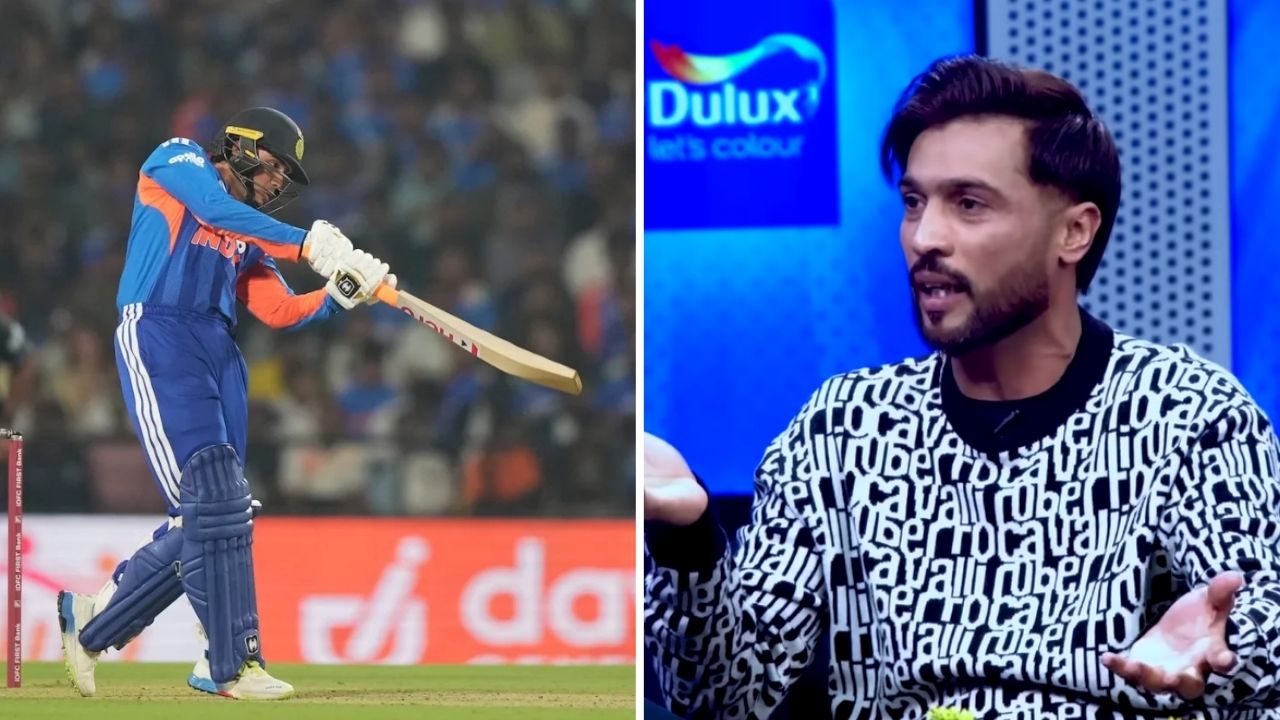
    Former Pakistan fast bowler Mohammad Amir has branded Indian opener Abhishek Sharma as “just a slogger” in a blunt assessment of the young batsman’s technique ahead of Sunday’s crucial Men’s T20 World Cup 2026 encounter between the arch-rivals.

    Speaking on TV show, Amir pulled no punches in his critique of Sharma’s high-risk batting approach.

    “From what I have seen of him so far, in my opinion, if I’m being completely honest, he looks like a slogger to me. He just tries to hit every ball. If it connects, it connects. But most of the time, the chances of failure are higher,” Amir said.

    The left-arm pacer pointed to Sharma’s inconsistent record as evidence of his technical limitations.

    “You must have noticed that he might play eight innings and score in only one of them, while in the others he gets 10, 15, 0, 20. The way he swings the bat, there doesn’t seem to be much technique. It’s more like, ‘Just give me the ball and I’ll swing.’ Technically, I haven’t found him very sound,” he added.

    Amir acknowledged that Sharma can be destructive on his day but stressed the dangers of such an unpredictable style.

    “I’m giving an honest opinion. I’m also saying that on the day it comes off, it really comes off, and he can hurt any team. But his game is very high risk. Secondly, he even struggles against a good slower ball,” he said.

    The former Pakistan international set clear conditions for when he would consider Sharma a complete batsman.

    “I’ll consider him a proper batsman when I see him handling even slight swing properly, tackling it well, and middling his shots consistently. Then I’ll say yes, he’s a complete batsman. For now, it’s just, if it connects, it connects,” Amir explained.

    Former Pakistan captain and wicketkeeper Rashid Latif joined the discussion, offering his own technical analysis of Sharma’s batting.

    “Apart from mostly domestic cricket, he has mainly performed in T20Is. His upper body doesn’t come forward much. He gives himself a lot of room. That’s why he looks like a slogger, because he’s ready to hit every ball,” Latif observed.

    Latif suggested that Sharma’s aggressive style could create problems when defensive techniques become necessary.

    “When he tries to play a defensive shot, he will face problems. He doesn’t get into the proper line, so the reason he’s been successful is that he’s been focusing on just one thing. He hasn’t really worked on his defence,” he added.

    Despite the criticism, Sharma’s T20 numbers tell a story of explosive success. The left-handed opener has scored 1,297 runs in 39 matches at a blistering strike rate of 194.95, including eight half-centuries and two centuries.

    Against Pakistan specifically, he has been even more destructive, scoring 110 runs in three matches at a strike rate of 189.65 with one half-century.

    However, his tournament so far has been disappointing. Sharma fell for a first-ball duck against the USA, missed the Namibia match due to illness, and now faces uncertainty over his availability for the Pakistan clash.
  • Pakistan’s SOEs post Rs832.8bn losses in FY25 despite higher goverment backing

    Pakistan’s SOEs post Rs832.8bn losses in FY25 despite higher goverment backing

    Pakistan’s State-Owned Enterprises (SOEs) recorded aggregate losses of Rs832.848 billion during fiscal year 2025, taking cumulative losses to Rs6.563 trillion, according to the Federal State-Owned Enterprises Annual Aggregate Report for FY25.

    The report, covering the period from July 2024 to June 2025, was released by the Central Monitoring Unit of the Finance Division. It states that equity erosion among loss-making SOEs averaged around Rs3 billion per day during the year.

    A total of 25 SOEs reported losses during FY25. The National Highway Authority recorded the highest loss at Rs294.9 billion. This was followed by Quetta Electric Supply Company with losses of Rs112.7 billion and Peshawar Electric Supply Company at Rs92.7 billion. Pakistan Railways reported losses of Rs60.3 billion, while PIA Holding Company Limited posted losses of Rs48.9 billion.

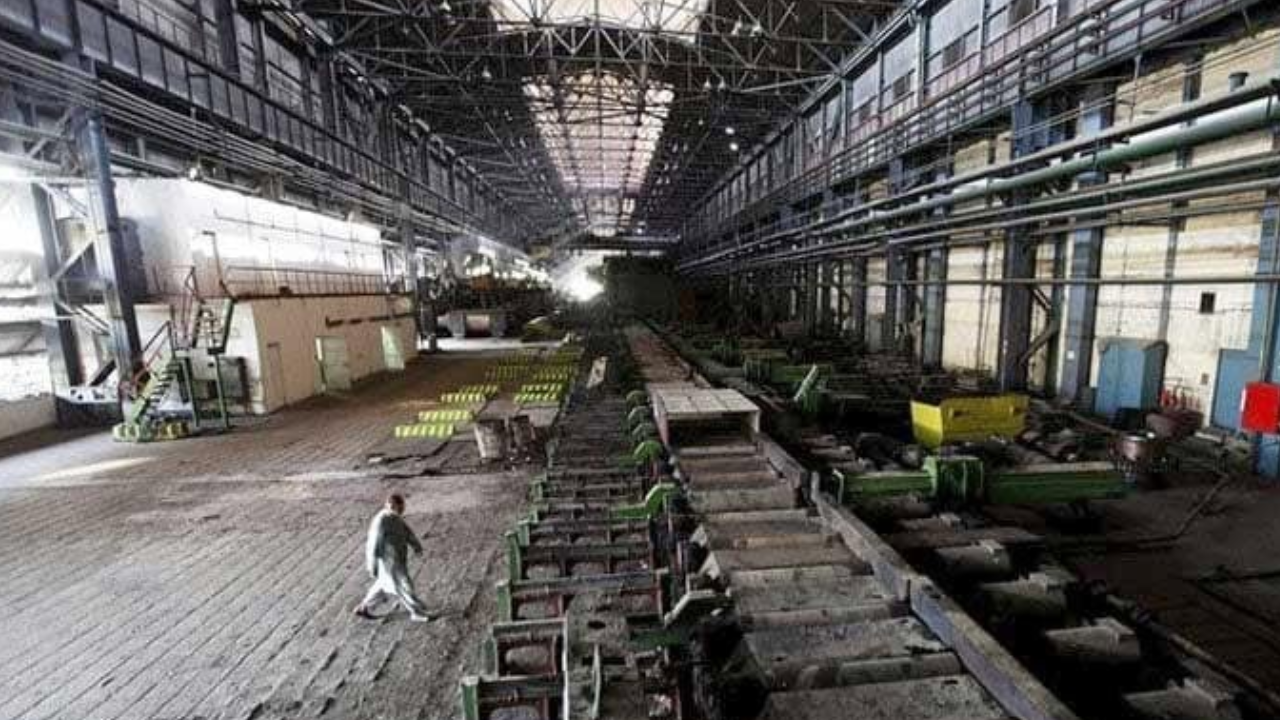
    Other entities reporting losses included National Power Parks Management Company (Rs46.1 billion), Neelum Jhelum Hydropower Company (Rs29.4 billion), Pakistan Steel Mills (Rs26.0 billion), and Sukkur Electric Power Company (Rs25.3 billion). Losses were also reported by Pakistan Post Office (Rs19.3 billion), Pakistan Agricultural Storage and Services Corporation (Rs19.0 billion), Hyderabad Electric Supply Company (Rs12.9 billion), Lahore Electric Supply Company (Rs12.7 billion), and GENCO-II (Rs10.3 billion).

    Entities reporting smaller losses included National Insurance Company (Rs2.9 billion), CPPA-G (Rs2.0 billion), Islamabad Electric Supply Company (Rs1.4 billion), Pakistan Television Corporation (Rs0.6 billion), Private Power and Infrastructure Board (Rs0.47 billion), Pakistan Expo Centres (Rs0.22 billion), Hazara Electric Supply Company (Rs0.04 billion), National Construction Limited (Rs0.03 billion), and Pakistan Broadcasting Corporation (Rs0.03 billion).

    The report shows that aggregate profits declined by 13 percent, falling from Rs820.7 billion in FY24 to Rs709.9 billion in FY25. The decline was attributed to lower financial contributions from profit-making SOEs in the oil sector following a decrease in international oil prices. Aggregate losses declined by 2 percent year-on-year, from Rs851.4 billion to Rs832.8 billion. The net adjusted position resulted in a loss of Rs122.9 billion in FY25, compared with Rs30.6 billion in the previous year.

    SOEs’ balance sheet data showed mixed movements. Total equity increased by 7 percent to Rs6,245.7 billion, driven by recapitalisation measures and equity injections, primarily in the power sector to address circular debt. Total liabilities declined by 3 percent to Rs31,742.4 billion. Total assets fell marginally by 1 percent to Rs37,988.1 billion.

    Profit-making SOEs reported combined profits of Rs709 billion during FY25. The largest contributors included Oil and Gas Development Company Limited with Rs169.9 billion, Pakistan Petroleum Limited with Rs89.9 billion, National Bank of Pakistan with Rs56.7 billion, Water and Power Development Authority with Rs52.3 billion, and Government Holdings (Private) Limited with Rs48.5 billion.

    Other contributors included Karachi Port Trust (Rs35.3 billion), Port Qasim Authority (Rs35.1 billion), Pak Arab Refinery Company (Rs22.2 billion), Pakistan National Shipping Corporation (Rs20.4 billion), State Life Insurance Corporation (Rs14.8 billion), SNGPL (Rs14.6 billion), Pakistan State Oil (Rs14.2 billion), Gujranwala Electric Power Company (Rs13.7 billion), Zarai Taraqiati Bank Limited (Rs9.7 billion), Saindak Metals (Rs8.4 billion), NTDC (Rs7.6 billion), SSGPL (Rs7.4 billion for nine months), and PIACL (Rs6.8 billion for six months). Nearly 90 percent of total profits were generated by a limited number of entities.

    Government fiscal support to SOEs increased to Rs2,078.5 billion in FY25, up 37 percent from Rs1,512.9 billion in the previous year. Equity injections rose to Rs728.9 billion, largely linked to power-sector circular debt clearance and payments to independent power producers. Government loans increased by 34 percent to Rs354.1 billion.

    Grants declined by 27 percent to Rs269.2 billion, while subsidies fell by 7 percent to Rs726.3 billion. Sovereign guarantees rose to Rs2,164.0 billion, reflecting accounting recognition of self-liquidating guarantees.

    During FY25, the federal government collected Rs12,970 billion in tax revenue, of which around Rs2,078 billion, or 16 percent, was directed to SOEs. SOEs contributed Rs2,119.2 billion to the federal government, up from Rs1,971.2 billion a year earlier. Dividends increased to Rs149.6 billion, while tax collections from SOEs rose to Rs436.9 billion. Non-tax revenues declined to Rs1,264.9 billion.


    Circular debt declined to Rs3,929 billion on a full-accrual basis. Power-sector circular debt fell to Rs1,889.9 billion, while gas-sector circular debt remained near Rs2.0 trillion.

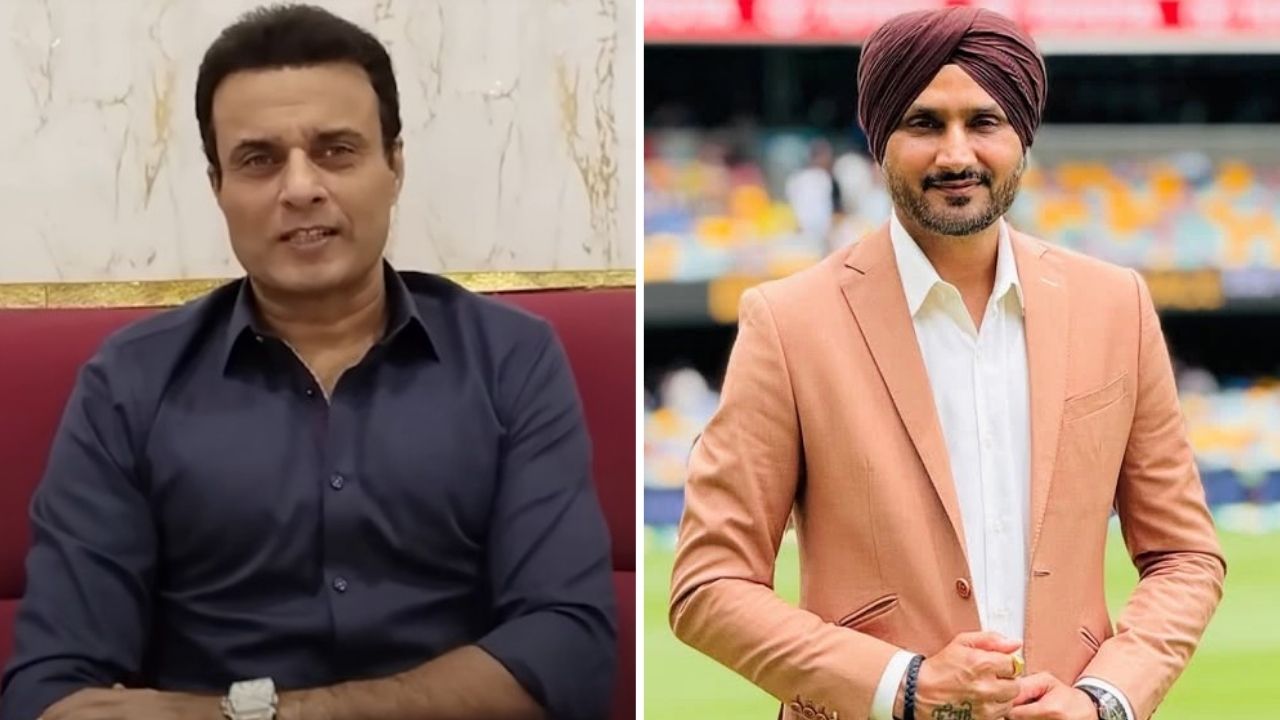
  • Tanvir Ahmed fires back at Harbhajan Singh after he calls him ‘tuccha’

    Tanvir Ahmed fires back at Harbhajan Singh after he calls him ‘tuccha’

    Former Pakistan pacer Tanvir Ahmed has launched a scathing counterattack on Harbhajan Singh, accusing the Indian spinner of hypocrisy and double standards after their public feud spiraled into a full-blown war of words.

    The conflict began when Tanvir criticised Harbhajan over an interview with Pakistani cricketer Usman Tariq during the ILT20. Harbhajan responded with a strongly-worded video where he called Tanvir a “tuccha insaan” (petty human being) and used language that many considered below the belt.

    Not one to back down, Tanvir released a fresh video hitting back at the former India off-spinner with pointed accusations about his professional conduct and personal integrity.

    “You say you’re doing commentary, but then you ask the broadcasters that you will ignore Usman Tariq. Tu dogla aadmi hai (You’re a two-faced person),” Tanvir said in the video that has since gone viral on social media.

    The former Pakistan international, who played five Tests, two ODIs and one T20I, questioned Harbhajan’s contradictory stance toward Pakistani cricketers.

    “You tell Indian players not to shake hands with Pakistani players, yet you sit in commentary with Pakistani players. If you call yourself an honest man, you should have clearly said that you wouldn’t stand with him, talk to him, or shake hands with him. Either don’t do commentary with Pakistani players, or if you choose to do it, then be prepared to hear such criticism,” he added.

    Tanvir went on to challenge Harbhajan’s claim about his lack of manners, turning the accusation back on the Indian legend.

    “You’re accusing me of having no manners, but first look at yourself. You’ve played more cricket than I have, now tell me about your own manners. The words you used for me in your video, I have never spoken like that about you,” Tanvir stated.

    The Pakistani cricketer made it clear he was showing restraint this time but warned Harbhajan against repeating his harsh language in future.

    “And the things you said about me at the end of your video, this time I’m showing restraint and respect. But if you repeat this again, I won’t stay quiet. I’ll respond strongly and show you exactly what manners I have, or don’t have. Keep that in mind,” he warned.

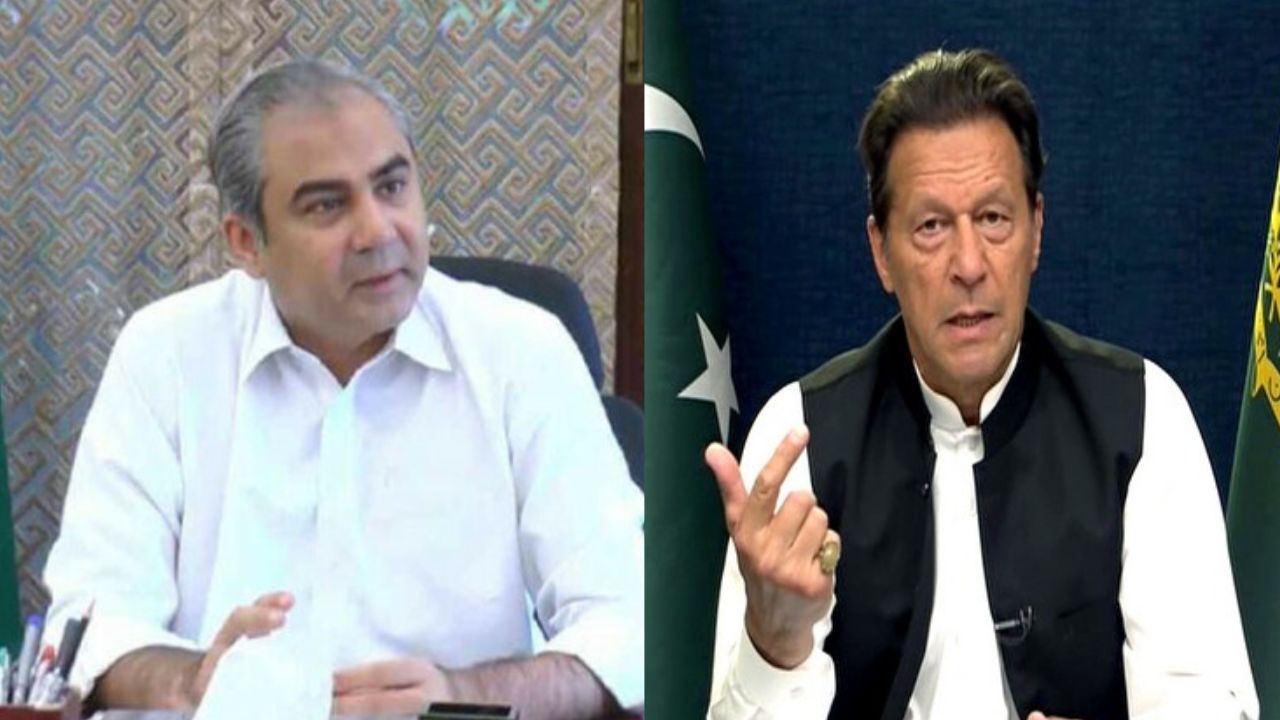
  • Imran Khan to be shifted to Islamabad jail: Mohsin Naqvi

    Imran Khan to be shifted to Islamabad jail: Mohsin Naqvi

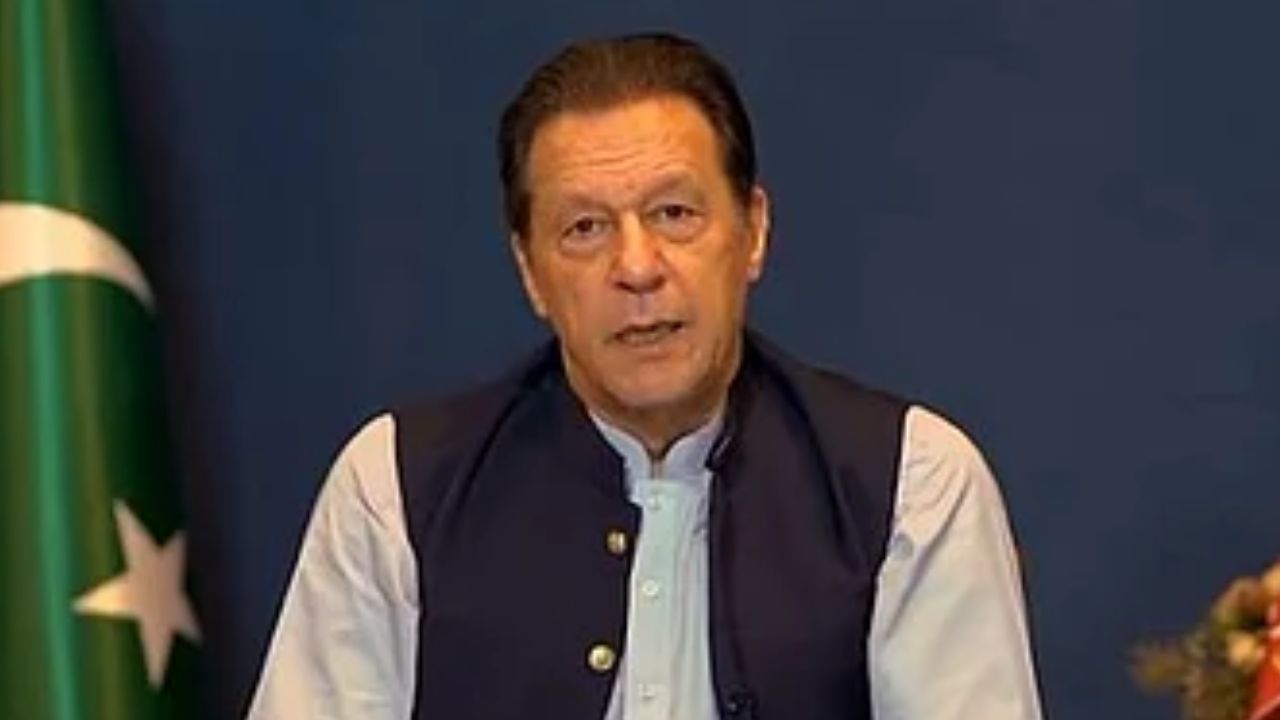
    The PML-N led federal government plans to transfer former prime minister Imran Khan from Rawalpindi’s Adiala Jail to a new prison facility in Islamabad once construction is completed within the next two months, Interior Minister Mohsin Naqvi said on Friday.

    Speaking at a passing-out ceremony of Islamabad Police, Naqvi stated that the Islamabad jail would be operational within two months and that all medical facilities would be available inside the premises.

    “Since Imran Khan was sentenced by a court in Islamabad, he will be moved to Islamabad Jail,” the minister said.

    At present, there is no jail facility in the federal capital. The former prime minister has been detained at Adiala Jail since September 2023.

    The development comes a day after the federal government assured the Supreme Court (SC) that Khan would be given access to specialist eye doctors for a fresh medical evaluation. The government also informed the court that he would be allowed telephonic contact with his sons, Kasim and Sulaiman.

    The assurance followed a report submitted by Salman Safdar Advocate, who met Khan at Adiala Jail on Tuesday in his capacity as amicus curiae appointed by the Supreme Court. A seven-page report was submitted the next day, detailing the former premier’s living conditions in custody.

    According to the report, Khan stated that despite receiving treatment, including an injection, he had been left with only 15 percent vision in his right eye.

    The report triggered statements from the Pakistan Tehreek-e-Insaf (PTI), which alleged that its founder was being kept in solitary confinement in violation of national and international laws.

  • Partner with MoltyHome: A Structured & Profitable Furniture Retail Opportunity

    Partner with MoltyHome: A Structured & Profitable Furniture Retail Opportunity

    MoltyHome is a leading home furniture brand by Master Group of Industries, one of Pakistan’s most respected and diversified business conglomerates, operating successfully since 1963. Built on decades of industrial expertise, manufacturing excellence, and market leadership, MoltyHome offers a professionally structured opportunity for investors and business partners seeking long-term growth in Pakistan’s organized furniture retail sector.

    As consumer demand continues to shift toward branded, quality-driven furniture solutions, MoltyHome is expanding its nationwide retail footprint and inviting new partners to become part of this growth journey.

    A Brand Backed by Manufacturing Strength

    Unlike conventional furniture businesses that rely on third-party suppliers, MoltyHome operates with a fully integrated manufacturing model. The brand owns and manages state of the art production facilities in Lahore and Karachi, ensuring consistent quality, optimized costs, and uninterrupted supply.

    This manufacturing ownership allows MoltyHome to:

        • Maintain strict quality control across all product categories

        • Introduce new designs efficiently

        • Offer competitive pricing with healthy retail margins

        • Scale operations seamlessly as the retail network expands

    For partners, this translates into supply reliability, predictable performance, and long-term sustainability.

    Focused Product Portfolio with High Market Demand

    MoltyHome specializes in core furniture categories with consistent consumer demand:

         • Beds

         • Sofas

         • Sofa Beds

         • Recliners

    Each category is offered in a wide variety of designs, fabrics, colors, and configurations, catering to diverse customer segments, from modern urban households to family-oriented buyers seeking durability and functionality.

    The curated portfolio allows partners to operate with efficient inventory planning, faster stock rotation, and strong walk-in conversion at the retail level.

    In-House Research & Product Design Capability

    MoltyHome is supported by a dedicated in-house research and product design team that continuously works on:

         • Consumer insights and usage patterns

         • Design innovation aligned with global and local trends

         • Material research and ergonomic improvements

    This ensures that MoltyHome products remain relevant, differentiated, and competitive, enabling partners to offer contemporary collections without frequent operational complexity.

    Proven Retail Model with Nationwide Presence

    MoltyHome currently operates through 13 successful retail partners across Pakistan, each following a standardized and professionally managed store format. This proven retail model has been refined to ensure:

         • Optimal showroom layouts

         • Strong brand consistency

         • Enhanced customer experience

         • Predictable sales performance

    New partners benefit from an already tested system rather than a trial-and-error approach.

    End-to-End Partner Support System

    MoltyHome believes that partner success is brand success. Every partner is supported through a comprehensive, end-to-end business ecosystem designed to minimize risk and accelerate profitability.

    Support includes:

    Sales Projections & Business Planning

    Market-based sales forecasts and guidance to help partners plan investments, inventory levels, and revenue expectations with clarity.

    Showroom Interior Design & Planning

    Professional layout and interior design support to ensure visually appealing, high-performing retail spaces aligned with MoltyHome’s brand standards.

    Marketing & Brand Support

    Centralized brand campaigns, promotional materials, and marketing guidelines to drive awareness and footfall at both national and local levels.

    Supply Chain & Operations Management

    Streamlined ordering, logistics, and replenishment systems backed by in-house manufacturing to ensure smooth operations.

    Product Knowledge & Sales Training

    Continuous training on products, materials, and selling techniques to empower retail teams and enhance customer engagement.


    A Low-Risk, Scalable Business Opportunity

    MoltyHome offers a structured, transparent, and scalable partnership model, ideal for:

         • Existing furniture retailers looking to upgrade to a branded format

         • Entrepreneurs seeking a professionally managed retail business

         • Investors aiming for asset-backed, manufacturing-supported growth

    With strong brand equity, operational maturity, and growing consumer demand, MoltyHome presents a compelling opportunity with long-term upside.

    Expansion Vision: Growing Together

    MoltyHome is actively expanding its presence across major cities and high-potential emerging markets in Pakistan. Each new partnership is developed with a profitability-first approach, ensuring sustainable growth for both the brand and its partners.

    This is more than a retail opportunity; it is an invitation to become part of a trusted business ecosystem backed by one of Pakistan’s most established industrial groups.

    Join MoltyHome. Grow with the Strength of Master Group.

    If you are looking to build a profitable furniture retail business with the backing of manufacturing strength, professional systems, and a legacy brand, MoltyHome offers the platform to succeed.

    Opportunities are now open for business partners across Pakistan. Contact 0310-7771711

  • Harcharan Singh becomes Pakistan Army’s first Sikh lieutenant colonel

    Harcharan Singh becomes Pakistan Army’s first Sikh lieutenant colonel

    Pakistan Army officer Harcharan Singh has been promoted to the rank of lieutenant colonel after a selection board evaluation conducted in late 2025.

    He was born in 1987 in Nankana Sahib, the birthplace of Guru Nanak. Singh and joined the Pakistan Army in 2007 at the age of 20 and was commissioned into the Ordnance Corps.

    He later volunteered for a combat role and was transferred to the 12th Battalion of the Baloch Regiment, where he served as a Major in operational environments and sensitive border regions.

    Punjab Minister for Minorities Affairs Ramesh Singh Arora confirmed the promotion. He said members of minority communities have served in the military before, but this qualification level has not previously been reached by Sikh and Hindu officers.


    “Lt Col Singh’s achievement has proved that there is no barrier for the minorities in Pakistan, and that only talent speaks and sets the parameters for success. Lt Col Singh is an example of equality of all religions and unity in Pakistan. We, as part of the Sikh community, will give him a rousing welcome when he visits his hometown next,” he said.


    Mastan Singh, the former president of Pakistan Sikh Gurdwara Parbandhak Committee (PSGPC) said, “Lt Col Singh is the pride of Baba Nanak’s city and the whole Sikh community, as well,” he said. At present, Lt Col Singh is posted at Abbottabad in Khyber Pakhtunkhwa. 

    According to available figures, 22 non-Muslim soldiers of Pakistan lost their lives during the war against terrorism. Officials say the promotion reflects a merit-based process in the armed forces.

  • Mughal-era structure near Islamabad demolished days after World War I memorial

    Mughal-era structure near Islamabad demolished days after World War I memorial

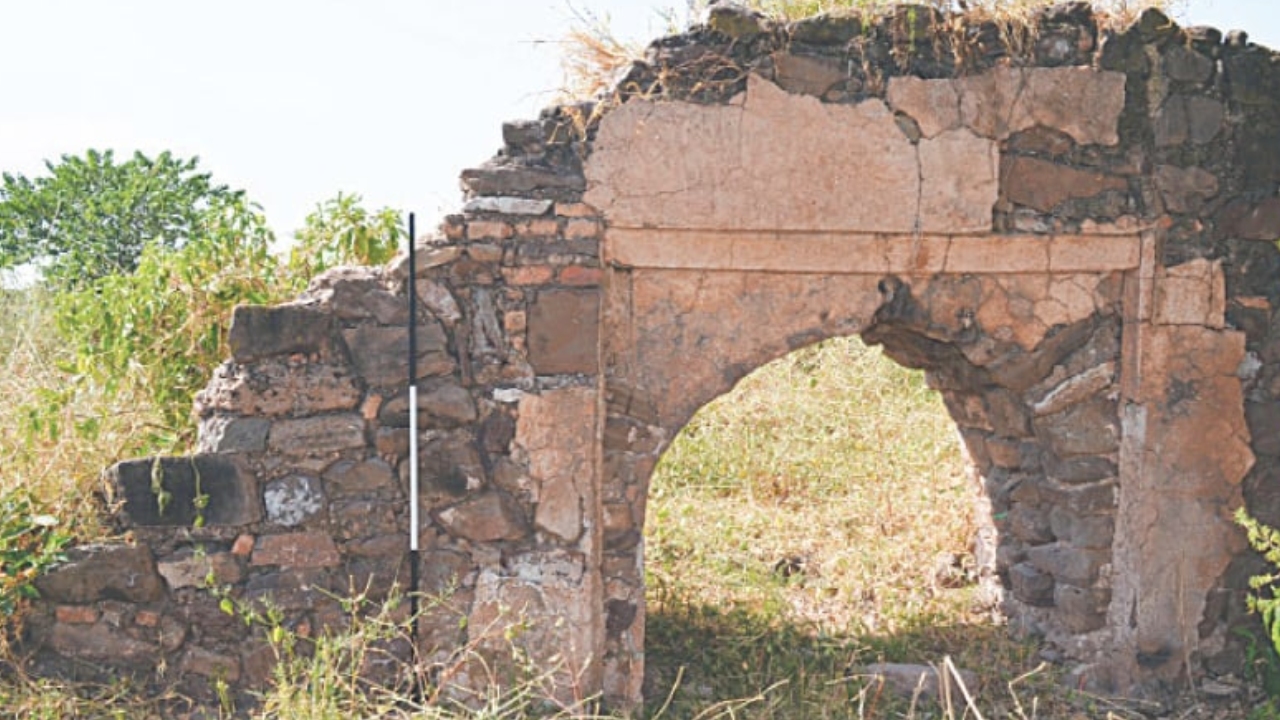
    Following the demolition of a World War I memorial in Islamabad, the remains of a Mughal-era building in Rehara village have also been destroyed to make way for a private housing project.

    The 16th-century structure was located about 200 meters from the British-era obelisk at the archaeological site. According to the Department of Archaeology and Museums (DOAM), the building was possibly constructed during the reign of Mughal Emperor Akbar and was the oldest historical ruin in the area.

    A DOAM official told a private media outlest that the building’s above-ground arch and the remaining structure, including an 8×4.5 meters main chamber with 1.5-meter-thick walls built from limestone and sandstone blocks, had been demolished. “These elements required careful excavation,” the official said.

    A departmental team that visited the site confirmed that the remnants, visible in earlier photographs, had been completely removed.

    Documents reviewed by a private media outlet show that the Department of Archaeology and Museums (DOAM) had written to the Capital Development Authority (CDA), the developing partner of the housing scheme, seeking records to enable protection of historical sites. The department said it had been corresponding with CDA’s revenue department since 2020 regarding the war memorial and the Mughal-era Rehara structure.

    An official from the Ministry of National Heritage and Culture said, “The CDA has not once responded to the numerous letters DOAM has written in the last six years.”

    DOAM has clarified its position regarding the World War I monument, stating that it was not protected under the Antiquities Act 1975 and that a no-objection certificate was not required for its removal. Earlier, the department had claimed it did not permit CDA to demolish the monuments.

    The department added that while the monument was within Islamabad Capital Territory, efforts were being made to place it under formal protection. DOAM cited lack of finances and other legal requirements as reasons why the memorial could not be notified as a protected site.

    In a statement, DOAM said, “The monument possesses cultural and historical significance. In line with internationally recognised best practices for commemorative and historical structures, DOAM was consulted and provided advisory guidance to first protect the monument under the Antiquities Act 1975, but it was not done.”

    The department also stated, “It is better to re-erect the monument at the same place with grace and dignity as it was erected for the same village of Rehara.”

  • ‘Pakistani mard aur bakwas naa karay?’ Internet in frenzy after Zayn Malik says he was never in love Gigi Hadid

    ‘Pakistani mard aur bakwas naa karay?’ Internet in frenzy after Zayn Malik says he was never in love Gigi Hadid

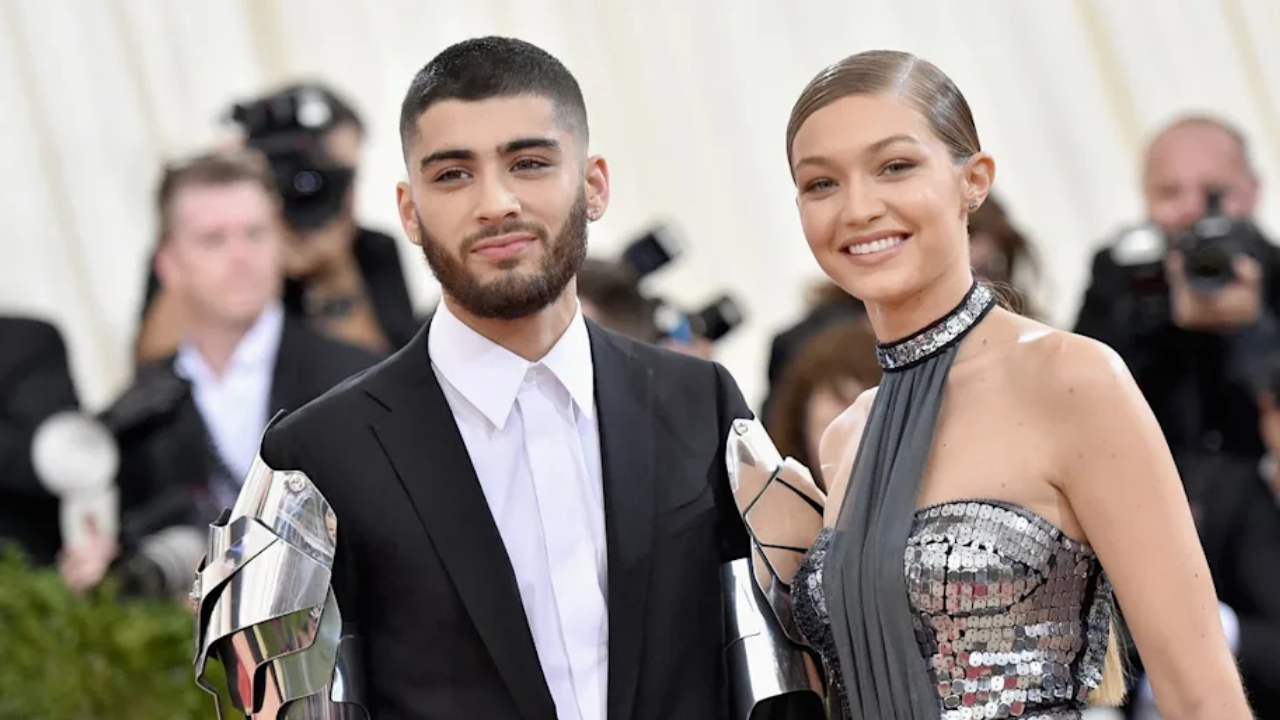
    Singer Zayn Malik has reignited debate over his past relationship with Gigi Hadid, sending the internet into a frenzy.

    Appearing on Alex Cooper’s podcast, Malik, who dated Hadid for six years and has a daughter with her, said he is unsure he ever loved her.

    “I don’t feel like it was love,” Malik said when asked if he still stood by a comment he made two years ago.

    “I will always love G, because she’s the reason my child is on this Earth, and I have the utmost respect for her. I will always love her, but I don’t know if I was ever IN love with her.”

    Malik’s remarks immediately drew reactions online, with users questioning the nature of his past relationship.

    Many highlighted the public and personal stakes of his statement as one user wrote, “Relationships with men are a humiliation ritual.”

    Another said, “Imagine being in a relationship and having a kid together just for him to say that he was never in love with you. Men are just evil.”

    The timing of Malik’s reflection also came under scrutiny. Six years together, a pregnancy and a high-profile breakup were now being reframed as uncertainty over love.

    “I’m intrigued by how having a baby daddy sucks regardless of your socioeconomic status,” said one, noting that Hadid’s high profile did not protect her from public scrutiny.

    Another said, “I think everybody is forgetting how he was treated in that relationship.”

    Some users focused on Hadid’s personal choices during the relationship. “She let her mother into her sacred marriage… that doesn’t end well!! When you get married and have a child, you are now a family. She should have never let anyone into her marriage. Period,” one post read.

    Malik’s comments also drew attention from the Pakistani community online, who quickly joined the conversation.

    Many users linked his reflections to cultural expectations and identity, noting how aspects of his background might shape public perception.

    “British Pakistani men…” one post began, while another added, “You take the man out of Pakistan not Pakistan out the man.” A third wrote, “Pakistani mard ho aur bakwas na karay aisa ho hi nai sakta.”

    Another user questioned, “Why do you attribute what he said to his Pakistani genetics and not his British ones? He’s 50% European.”

  • Politicians, journalists, Imran’s son react to eyesight loss reports; govt says health facilities available

    Politicians, journalists, Imran’s son react to eyesight loss reports; govt says health facilities available

    The Supreme Court of Pakistan has ordered a medical team to examine former Prime Minister (PM) Imran Khan’s eye following a report submitted in court indicating that he has “only 15 percent” vision remaining in his right eye. The court also directed that Khan be allowed to speak with his children. 

    Following the Supreme Court’s order for a medical examination of former Prime Minister Imran Khan’s right eye and permission to speak with his children, political leaders, journalists, and legal experts have expressed concerns over his condition.

    Khawaja Saad Rafique said, “Immediate and effective treatment is every individual’s basic right. Prisoners, regardless of political affiliation, must have their medical needs met. Authorities should allow family visits, grant doctors access, and issue a clear position on Khan’s health.” He also emphasized that respecting prisoners’ rights is crucial, even for political opponents.


    Akhtar Mengal, president of the Balochistan National Party, compared Khan’s case with that of convicted spies, saying, “Spies get dignity. A leader gets neglect. A state that treats enemies better than its own has lost its moral compass. My prayers are with him for a speedy recovery.”


    Kasim Khan, the former prime minister’s son, confirmed reports of severe vision loss, stating, “My father has retained only 15 percent vision in his right eye. This is a direct consequence of 922 days of solitary confinement, medical neglect, and deliberate denial of proper treatment.” 

    Journalists have also expressed concern. Fahd Hussain wrote, “Shocked and horrified to read about the damage done to Imran Khan’s eyesight. Zero justification. He must be provided the best medical treatment and those responsible for this inexcusable neglect must be taken to task.” 

    Hamid Mir said, “The government’s claims that Imran Khan’s eye problem was minor and resolved after a 20-minute check-up have been proven false. According to the report submitted to the Supreme Court, Khan’s right eye vision has been severely affected. Will any action be taken against those responsible for this negligence?”


    Mushahid Hussain, journalist and former Minister of Information and Broadcasting of Pakistan while speaking on a private media talk show, said that the condition appeared to result from jail negligence and required a formal investigation, describing it as a matter of torture.

    Rana Sanaullah, the prime minister’s political affairs advisor, said Khan would be allowed to consult any doctor of his choice. Barrister Aqeel Malik urged patience, stating, “All medical facilities are being provided as per Supreme Court orders. Every prisoner has a right to healthcare, including Khan. Politics should not precede expert evaluations.”

    PTI leaders, including Chief Minister Sohail Afridi, held a press briefing in Peshawar, calling the situation alarming. Afridi said, “Imran Khan repeatedly informed authorities about his vision problems, but no action was taken. When his eyesight was finally lost, he was taken to the hospital. This could have been prevented if family and lawyers had been allowed access.”


    “Disturbing reports regarding Imran Khan’s eye infection with the right eye badly affected. This is totally unacceptable and the blame squarely on the government. The best possible medical treatment should be immediately arranged for him,” Shafqat Mehmood said.

    The Supreme Court’s directives have now set in motion the medical review and family contact, with authorities required to comply by February 16.

  • ‘Batters cannot pull away’: Indian umpire Anil Chaudhary says Usman Tariq’s pause is legal

    ‘Batters cannot pull away’: Indian umpire Anil Chaudhary says Usman Tariq’s pause is legal

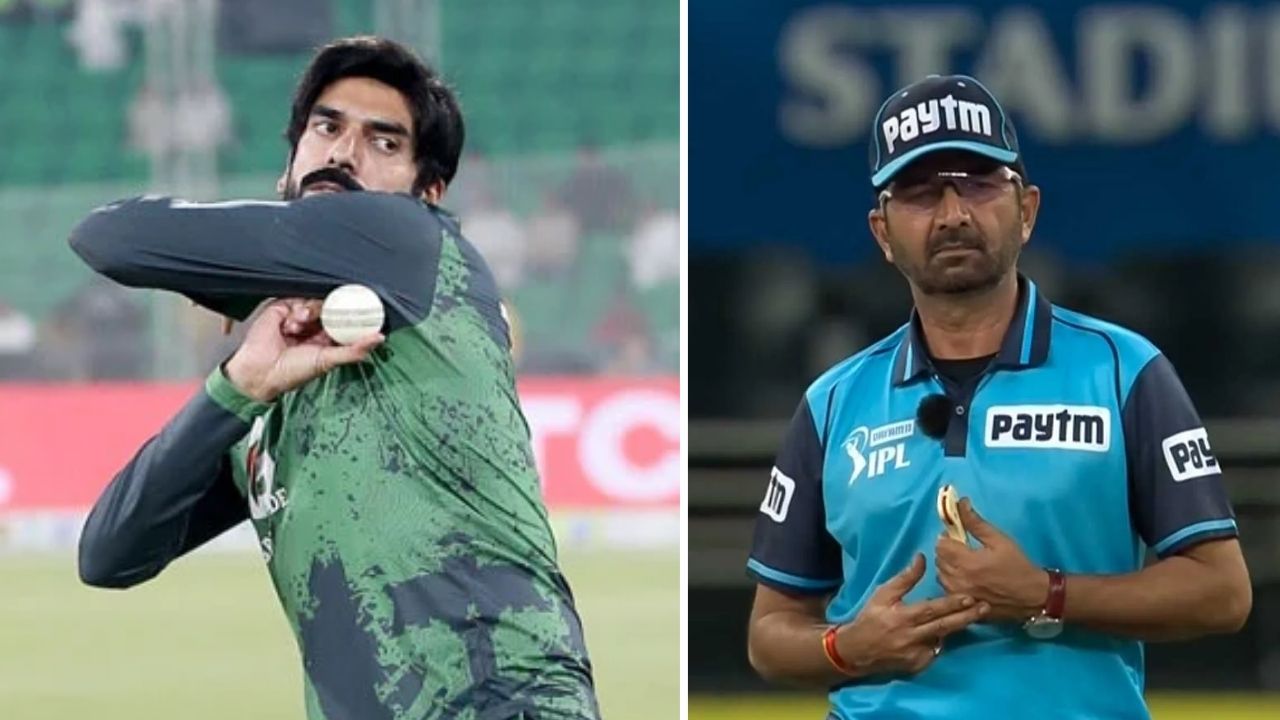
    Former Indian cricket umpire Anil Chaudhary has provided clarity on the legality of Pakistani bowler Usman Tariq’s distinctive bowling action, stating that batters cannot legitimately pull away as long as the Pakistani spinner maintains his consistent pause.

    Speaking during an interview after a viral video showed him professionally shutting down speculation regarding Tariq’s action, Chaudhary addressed the controversy surrounding the Pakistani bowler’s mid-delivery pause and explained the conditions under which it would be considered illegal.

    When asked whether the extended pause violates cricket laws, Chaudhary explained the distinction between routine action and deliberate deception.

    “Because all his deliveries have the same action and the same pause, it has become his routine action. But if he does something different, increases the pause in a very obvious way, or suddenly bowls without a pause, that would be deception. In that case, the batter should pull away and not receive the ball. Then the umpire will decide whether this is manipulation of his routine action,” Chaudhary said.

    The umpire confirmed that Tariq’s current approach, including his run-up, did not violate any laws of the game.

    He also revealed that broadcasters measured Tariq’s pause at just slightly over one second. “If he pauses for around 2.5 to 3 seconds, then umpires could raise an objection,” Chaudhary noted, emphasising that as long as Tariq maintained his current rhythm, everything remained within the rules. 

    “For now, as long as he is pausing the same way he currently does, the matter is clear and everything is fine. Nothing looks suspicious yet. If the batter pulls out again and again, then the umpires will intervene and ask the batter to not do it otherwise they would themselves be booked for wasting time.”

    It may be noted that the umpire’s comments appear to counter an earlier suggestion by former Indian off-spinner Ravichandran Ashwin, who proposed that batters could exploit the pause by pulling away.

    Speaking on his YouTube channel, Ashwin clarified that Tariq’s pause was legal since it formed part of his established bowling action.

    However, he then suggested a controversial tactic for batters to employ against the Pakistani spinner.

    “There is one thing I want to see… if dares to do it… if Tariq pauses before delivery, the batter has the right to move away. The batter can say, ‘I don’t know when the ball is coming, so I moved away’,” Ashwin said.

    He predicted this would create significant pressure on both Tariq and the umpires.

    “That will be an interesting case and a huge headache for the umpire. I’m not against anyone. If I was there, I would have done it. I would have done everything that is within the laws of the game,” he added.

    The former Indian spinner suggested that such tactics could force Tariq to alter his action mid-match. “If the batter starts withdrawing, imagine the pressure on Tariq. He might have to alter his action in the middle of the game. Pakistan’s trump card might turn out to be nothing,” Ashwin added.

    “But I doubt any of the Indian batters have it in them to pull it off. I’m not sure,” he concluded.