Blog

  • Exclusive Brethren’s Alleged Political Involvement Raises Election Integrity Questions in Australia

    Exclusive Brethren’s Alleged Political Involvement Raises Election Integrity Questions in Australia

    In the lead-up to Australia’s 2025 federal election, a growing chorus of voices from both independent and Labor circles is calling for transparency over what appears to be coordinated campaign support by members of the Exclusive Brethren — formally known as the Plymouth Brethren Christian Church — for Coalition candidates.

    While the church and the Coalition deny any formal agreement, the sudden surge of Liberal Party volunteers at key pre-polling booths has sparked serious concerns about external religious influence on the democratic process.


    Concerns from the Ground: Who’s Really Volunteering?

    Independent MP Andrew Gee, who is running to retain his seat of Calare against the Nationals, has demanded answers regarding what he sees as suspicious and overwhelming support for Coalition campaigns in marginal electorates.

    Gee’s team and other campaigns have noted an unusually high number of volunteers, many of whom are believed to be members of the Exclusive Brethren, manning polling booths. According to Gee, the presence has been so substantial and strategic that it appeared designed to intimidate opposing volunteers and candidates.

    “I think the National Party has to answer what they’re giving in return for all of this support they’re getting on the ground,” Gee said. “You can’t pretend to turn a blind eye to this.”

    These suspicions have been strengthened by leaked text messages, reportedly sent within Brethren circles, offering guidance on how to behave at polling stations. Volunteers were instructed to avoid discussing their religious affiliation and to avoid lengthy conversations — furthering the belief that the support effort is being deliberately concealed.


    What the Brethren and Coalition Say

    Despite the mounting scrutiny, both the Plymouth Brethren Christian Church and the Liberal-National Coalition have denied the existence of any formal campaign collaboration.

    Church spokesperson Lloyd Grimshaw stated:

    “Our church does not campaign for, nor support, any political parties and have not organised or coordinated any volunteer efforts of any type in any location.”

    He added that individual members are free to volunteer for whichever party or candidate they choose — be it the Liberal Party, Nationals, One Nation, or even Labor and the teals.

    Opposition Leader Peter Dutton also dismissed suggestions of religious favoritism or secret deals:

    “We’re not discriminating against anybody on the basis of their religion. We have people of, I suspect, every religion supporting us.”

    But Prime Minister Anthony Albanese countered that, saying:

    “They don’t vote, but they all of a sudden have found enthusiasm in their hundreds to travel around the country to hand out how-to-votes. What is going on there?”


    Allegations of Intimidation and Misinformation

    While the Brethren maintain that all volunteer activity is member-led, multiple independent and Labor campaigns report experiences that go beyond standard political engagement.

    Gee claims that Brethren volunteers followed him from polling station to polling station, suggesting an intent to intimidate. He described instances of being followed by more than two dozen volunteers in a single day, saying, “I believe it was [designed to intimidate], why else would you follow someone round from polling booth to polling booth in large numbers?”

    Labor volunteers have also alleged verbal intimidation and misinformation campaigns, including accusations that Brethren-affiliated volunteers told voters, “Labor wants to kill babies” — a dangerous falsehood aimed at influencing voter behavior.

    These claims are difficult to verify conclusively, but leaked messages obtained by the ABC seem to indicate an organized structure within the church’s supporter group, suggesting women hand out materials while men field inquiries.


    Former Members Speak Out

    Ben Woodbury, a former Brethren member who left nearly ten years ago, said the church’s political involvement has always existed — but mostly from the shadows. “We were always involved, volunteering and handing out pamphlets,” he explained. “It was always kind of secretly done after hours — under wraps.”

    This time, however, the scale and visibility are unprecedented, according to Woodbury. “I’m so surprised by this,” he said. “It looks much more like a strategic operation than a grassroots volunteer effort.”


    Why It Matters: Religion and Politics in Australia

    The Exclusive Brethren has long been a controversial group in Australia. Known for its conservative and isolationist practices, the church discourages engagement with outsiders, restricts media use, and enforces strict gender roles. Former members have described the internal culture as controlling, and the church is widely regarded as a sect.

    While participation in democratic processes — including volunteering — is a right afforded to all Australians regardless of faith, the lack of transparency and perceived coordination with one side of politics raises broader concerns about electoral fairness, voter intimidation, and religious influence in public policy.

    It also forces the Coalition to answer a critical question: Is this just coincidental support from faith-based individuals, or is it a strategically mobilized effort with political implications?


    The Path Forward: Demands for Transparency

    As pressure mounts, both Labor and independents are urging the Coalition to make clear disclosures about where their campaign support originates and whether any arrangements  formal or informal  exist with religious groups such as the Exclusive Brethren. If left unanswered, the allegations risk undermining public trust in Australia’s electoral system  especially in tight contests where just a few thousand votes could determine the outcome. Also Trending in Entertainment Visit the Entertainment section of The Current
  • Alejandro Sanz Finds Happiness in His Relationship with Candela Márquez

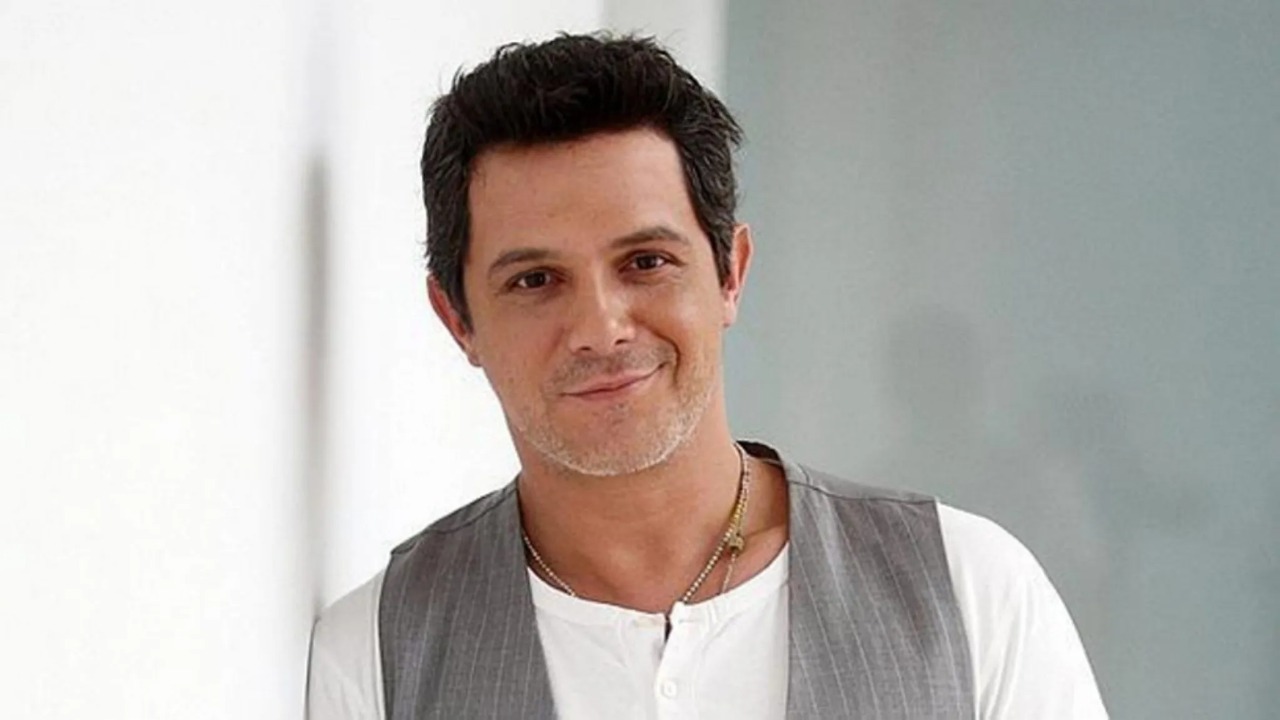
    Alejandro Sanz Finds Happiness in His Relationship with Candela Márquez

    Alejandro Sanz, the celebrated Spanish singer-songwriter, is currently experiencing one of the most joyous and emotional periods of his life, and it all revolves around his relationship with actress Candela Márquez. Known for his chart-topping songs and international success, Sanz has always kept his personal life relatively private. However, his recent social media posts have given his millions of followers a glimpse into the profound happiness Candela has brought into his life.

    Through Instagram, where he shares intimate moments with his fans, Alejandro has made it clear that Candela is not just a companion but a key figure in the positive changes he’s experiencing. Whether it’s sharing precious family memories or posting about their adventures together, Sanz’s relationship with Candela is an open celebration of love and happiness.


    Love Blossoms in the Spotlight

    Although Sanz has typically kept his private affairs away from the public eye, his bond with Candela Márquez has blossomed so beautifully that he hasn’t hesitated to share it with the world. The couple first appeared together at the 2024 Latin Grammy Awards, where Alejandro received the prestigious “Person of the Year” award. Their first public appearance as a couple sparked a wave of support from fans who were thrilled to see the artist in such a happy and fulfilled relationship.

    From that moment onward, Candela became a permanent fixture in Sanz’s life, accompanying him to various events and concerts. She has proven to be not just a loving partner but also someone who helps Alejandro maintain a sense of balance and peace in his hectic life. Candela’s presence has become a source of joy, as Sanz often expresses in his posts and interviews.


    Heartwarming Family Moments

    One of the most heartwarming aspects of Alejandro and Candela’s relationship is how naturally Candela has integrated into Alejandro’s family life. As a father of two children from previous relationships, the renowned singer needed a partner who could not only accept his busy career but also blend seamlessly with his family. And that’s exactly what Candela has done.

    Through various Instagram posts, Alejandro has shared pictures of their family vacations, dinners, and everyday activities. In one recent post, Sanz revealed a series of photos that showed him enjoying a peaceful day with Candela and his children. The images, accompanied by heartfelt captions, exuded happiness and contentment. In one such post, Alejandro expressed, “Happiness is this,” capturing the simplicity and beauty of the moments they’ve spent together.

    For Sanz, these small but meaningful moments have come to define what true happiness means. The snapshots reveal a family united by love and laughter, with Candela fitting in perfectly as a central part of this dynamic. Whether they’re enjoying a beach walk, decorating a Christmas tree, or simply laughing over dinner, it’s evident that Candela has become an essential part of the family fabric.


    Candela’s Role in Alejandro’s Personal and Professional Life

    Candela’s influence on Alejandro extends beyond their personal relationship; she has also integrated herself into his professional world. As an actress with a successful career of her own, Candela has always maintained a low profile when it comes to her work. However, her role in Alejandro’s life has clearly been one of emotional support and strength.

    Alejandro has publicly acknowledged that Candela has played a crucial role in his emotional well-being, which, in turn, has had a positive impact on his music. The singer-songwriter has revealed that Candela has helped him find a new sense of balance, making him feel more grounded and centered. Their shared moments of peace and happiness have fueled his creativity, and this harmony has even been reflected in the music he’s been working on lately.

    In return, Candela has shown unwavering support for Alejandro’s career, attending numerous events and concerts with him. She is often by his side, enjoying the success and recognition that comes with being in the spotlight. In one post, Alejandro shared how Candela has been a rock for him, saying, “She is a constant in my life. With her, I’ve learned that love is both simple and profound.”


    A Strong Family Bond

    Perhaps the most beautiful part of Alejandro and Candela’s relationship is the bond they’ve created not only as a couple but as a family. Candela has proven to be a wonderful stepmother to Alejandro’s children, Alma and Alexander, with many of her interactions with them showcasing genuine affection and care. Their family moments, shared on social media, depict a harmonious environment where love and understanding are the foundations.

    In fact, Candela’s relationship with Alejandro’s children seems to have flourished naturally. On Instagram, the family has been seen together on vacations, where they enjoy spending time outdoors, relaxing by the water, or simply enjoying each other’s company. For Alejandro, finding someone who could connect with his children and create a happy environment at home was essential, and Candela has proven to be that person.


    A Glimpse into the Future

    Looking ahead, it’s clear that Alejandro Sanz and Candela Márquez are only getting stronger as a couple. Their relationship continues to flourish, and it’s evident that love and family are at the core of their happiness. While Alejandro’s career continues to soar, his relationship with Candela provides the emotional grounding he needs to navigate the pressures that come with fame.

    Fans of the singer have been quick to support their love, celebrating their moments of happiness and the new chapter in Alejandro’s life. In his latest posts, Alejandro has shared how Candela has helped him rediscover the importance of love, joy, and family. Their bond is one of mutual respect, love, and shared dreams, and it seems to be a love that is here to stay.

    If you’re interested in reading more about how public figures are dealing with the challenges of their personal lives, check out the article on Jasprit Bumrah and his wife’s response to online trolls attacking their infant son here.

  • Xi Jinping’s Third Term: Riding the Tiger of Power and Populism

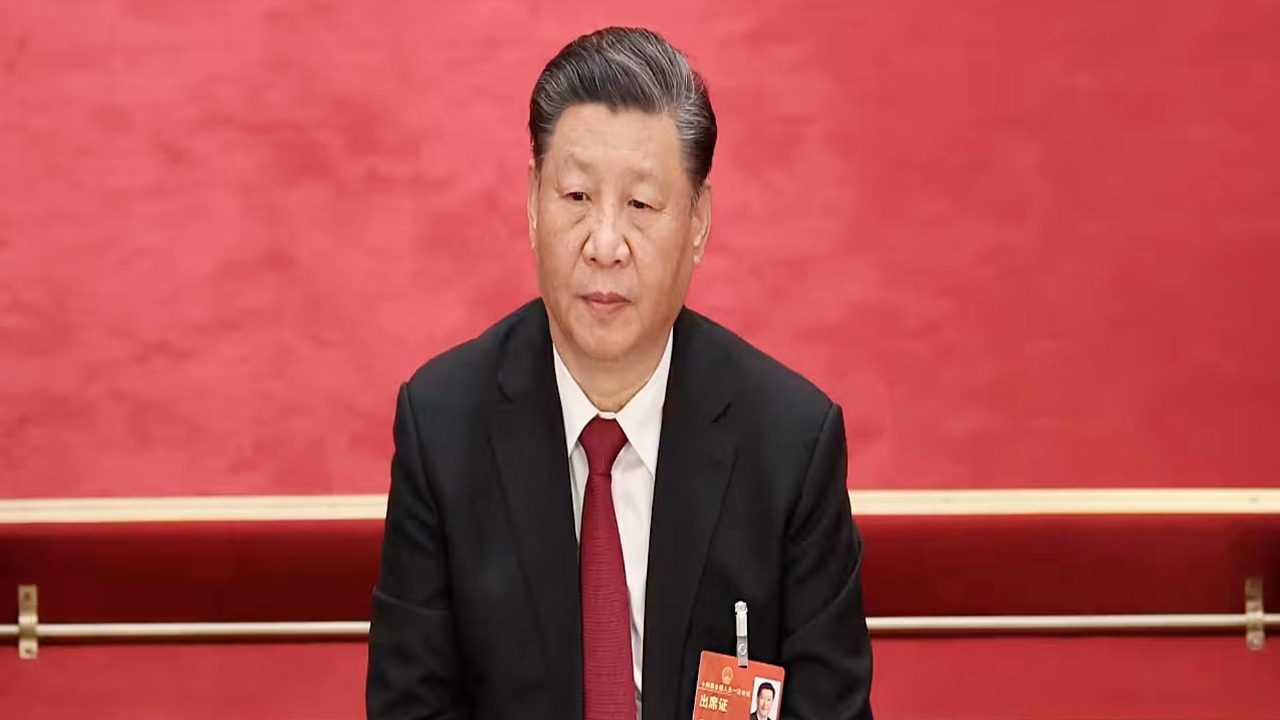
    Xi Jinping’s Third Term: Riding the Tiger of Power and Populism

    In 2022, Xi Jinping finds himself at a pivotal crossroads, as he enters his third term as the General Secretary of the Communist Party of China (CPC). The year marks the arrival of the Chinese zodiac’s Year of the Tiger, an apt metaphor for the political and economic challenges Xi now faces. Known for its ferociousness, power, and self-assurance, the tiger symbolizes a ride fraught with risks and rewards. As the world’s second-largest economy continues to deal with the effects of the pandemic, Xi’s leadership and political decisions will be critically tested.

    Since he first took the reins of China in 2012, Xi Jinping has continuously asserted his authority, shaping the country into a powerful global force. But now, as he prepares for another term, questions loom: Will Xi’s leadership sustain China’s rise, or has he put himself in a precarious position that he cannot escape?


    Xi Jinping’s Ascent and the Role of the Tiger

    The Chinese idiom, “Riding a tiger, it’s hard to get off,” speaks to the precariousness of maintaining power once attained. The metaphor is particularly relevant to Xi Jinping’s rise to power. In November 2012, Xi became the head of China’s Communist Party, taking over from Hu Jintao, and since then, he has maintained a firm grip on leadership. However, with this powerful ascent has come immense political and economic pressure. In 2022, Xi Jinping embarks on his third term, something unprecedented in modern China due to the abolition of term limits, and enters what is often seen as the most challenging phase of his leadership.

    The year 2022 marks the first time Xi will guide China through the Year of the Tiger, a time traditionally symbolizing strength and challenges. This pivotal year could be a defining moment in Xi’s legacy, as the nation faces economic slowdowns, an aging population, and heightened geopolitical tensions, particularly with the United States.


    The Politicization of Xi Jinping’s Leadership

    Since Xi Jinping became China’s top leader, his political moves have been assertive, with the consolidation of his power being a central theme. One of the most significant moments came in 2017, when Xi’s “Thoughts” were added to the party constitution, further cementing his ideological and political control. This was followed by the removal of term limits for the presidency in 2018, setting the stage for Xi Jinping’s potential to rule indefinitely.

    However, the consolidation of power hasn’t come without challenges. Xi’s assertiveness and strong leadership style have often been critiqued, both domestically and internationally. Many analysts have pointed out the shift in China’s governance model, from a collective leadership style under previous leaders like Jiang Zemin and Hu Jintao to a more authoritarian, centralized system. This shift has led to growing concerns about the future direction of China’s political system under Xi’s leadership, with some warning that it may be heading towards a more personalist dictatorship similar to the era of Mao Zedong.


    Xi’s Populist Shift: A Response to Political Pressure

    As Xi Jinping navigates his third term, the pressure to maintain political legitimacy has resulted in a notable shift toward populism. A key area of focus has been addressing the growing social inequality in China. For years, China has experienced widening wealth gaps, with the rural poor and migrant workers bearing the brunt of economic disparity. Xi’s “common prosperity” initiative, which seeks to redistribute wealth and ensure greater economic fairness, is one of the most visible aspects of his populist agenda.

    While this initiative may appear to address the pressing issues of inequality, many critics view it as a political strategy to quell mounting public discontent. Xi’s government has also taken steps to curb the power of China’s tech giants, such as Alibaba and Tencent, by cracking down on monopolistic practices and reducing the influence of private enterprises. Additionally, there has been a push for greater state control in sectors like education and real estate, with the government attempting to rein in private tutoring companies and speculations in housing markets. These moves, while popular with some segments of the population, have also led to significant economic disruptions.


    The Failure of Anti-Corruption Campaigns and Economic Reform

    Another key aspect of Xi Jinping’s leadership has been his aggressive stance on corruption within the Communist Party. Upon coming to power, he launched a massive anti-corruption campaign that targeted both “tigers” (high-ranking officials) and “flies” (lower-level bureaucrats). The campaign was initially seen as a bold move to clean up the party and consolidate his own power. However, over time, the campaign has been criticized for its selective nature, with many viewing it as a tool to eliminate political rivals and consolidate Xi’s authority.

    While the anti-corruption campaign has been heavily publicized, it has failed to bring about any substantial changes to the bureaucratic structures that underpin the Communist Party. Critics argue that the campaign has been more about political control than genuine reform. Additionally, Xi’s push for “common prosperity” and his failure to address underlying economic imbalances have raised doubts about the efficacy of his leadership. Despite these populist measures, the Chinese economy faces long-term challenges, including stagnating growth, demographic shifts, and a widening wealth gap.


    The Global Backlash and Domestic Popularity

    On the global stage, Xi Jinping’s leadership has been met with skepticism. Many international analysts have criticized Xi’s centralization of power, with some comparing his approach to that of Mao Zedong. In recent years, Xi has shifted China away from the hybrid model of leadership introduced by Deng Xiaoping, which emphasized collective leadership and limited power for the central government. Instead, Xi has returned China to a system of strong, centralized rule, with himself at the helm.

    This shift has also led to increasing tensions with the United States and other Western powers, particularly regarding issues such as trade, technology, and human rights. Xi’s stance on Hong Kong, Xinjiang, and Taiwan has drawn international condemnation, further isolating China on the global stage.

    Despite these challenges, Xi remains largely popular within China, thanks in part to his handling of the COVID-19 pandemic. His decision to implement strict lockdowns and his strong stance on public health have earned him praise from many Chinese citizens, who view him as a leader who is capable of taking decisive action in times of crisis. Additionally, his efforts to project China as a global power, through initiatives like the Belt and Road Initiative, have also contributed to his domestic popularity.


    Will Xi Be Able to Ride the Tiger?

    As Xi Jinping enters his third term, the question remains: Can he continue to ride the tiger, or will he find himself in a position where he cannot escape? The challenges facing China—both domestically and internationally—are immense, and the path ahead for Xi is uncertain. While his leadership has been marked by significant consolidation of power and a populist shift in rhetoric, the long-term effects of these policies remain unclear.

    If Xi can successfully navigate the complexities of economic reform, political stability, and international relations, he may solidify his place as one of China’s most powerful leaders. However, if his populist measures fail to address the root causes of inequality and economic stagnation, he could face significant backlash. Only time will tell if Xi Jinping has the political skill to “ride the tiger” without falling victim to its dangers.

    For more insights on how public figures are dealing with intense pressure and criticism, check out this article about Saba Faisal’s bold stand against trolls targeting her family: Saba Faisal Refused Indian Ad Offer Weeks Before Kashmir Attack.

  • Putin Announces Three-Day Ceasefire in Ukraine: What Does It Mean for Peace Talks?

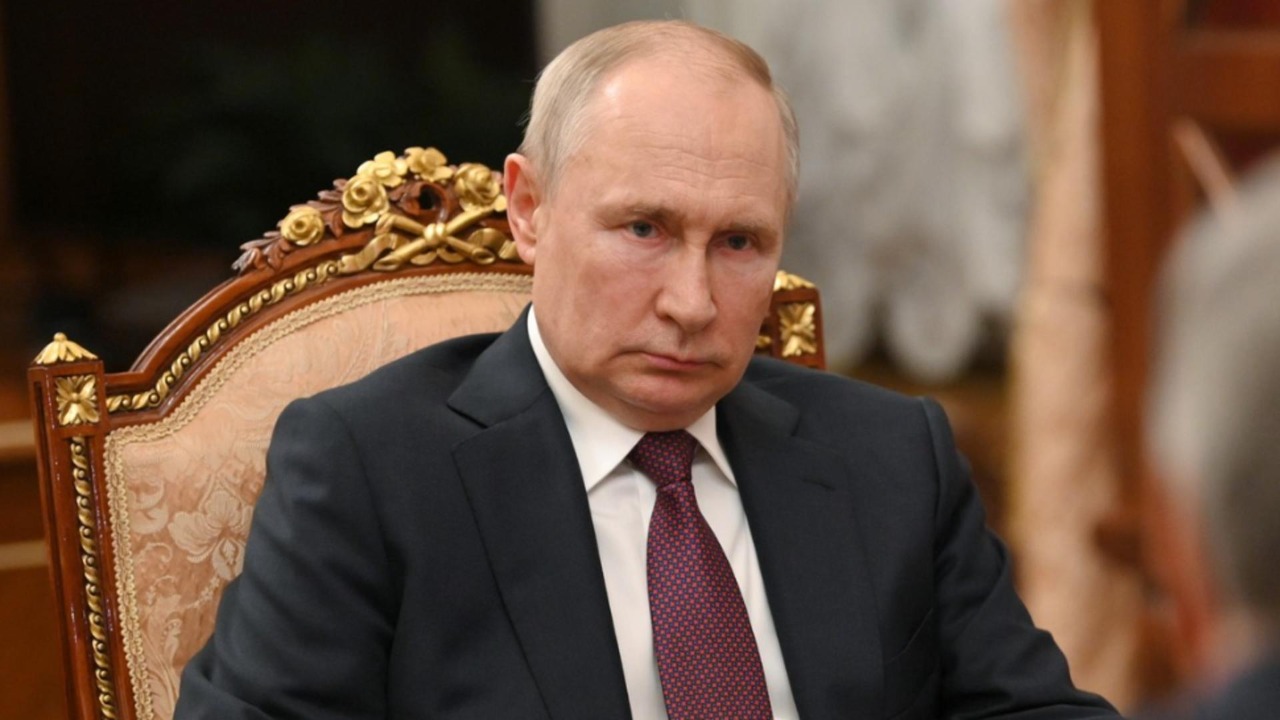
    Putin Announces Three-Day Ceasefire in Ukraine: What Does It Mean for Peace Talks?

    Russian President Vladimir Putin has announced a temporary ceasefire in the ongoing war with Ukraine, beginning the morning of May 8 and ending on May 11. This three-day pause in fighting is set to coincide with the celebration of Victory Day, which marks the end of World War II. However, despite the Kremlin’s stated aim of easing humanitarian concerns, the ceasefire raises more questions than answers, especially considering the numerous failed ceasefire attempts in the past.

    While the Kremlin frames this announcement as a “humanitarian” gesture, Ukraine and other international voices are skeptical about the sincerity of this pause. Ukraine’s Foreign Minister Andrii Sybiha has urged for an immediate and longer-lasting ceasefire, echoing sentiments from the international community. Meanwhile, the United States has been actively involved in peace negotiations, with President Donald Trump also calling for a permanent cessation of hostilities.

    This latest ceasefire is another attempt to halt the bloodshed, but will it succeed where previous ceasefire efforts have failed? And, more importantly, is Vladimir Putin serious about peace? Let’s dive deeper into the context and implications of this announcement and explore whether it could serve as a genuine step toward resolving the crisis in Ukraine.


    The Context of Putin’s Ceasefire Announcement

    The announcement of the three-day ceasefire by Putin comes after multiple failed ceasefires during the ongoing Russia-Ukraine conflict, which began in February 2022 when Russia launched its full-scale invasion of Ukraine. Despite over 20 previous ceasefire attempts, hostilities have continued, with both sides accusing each other of violations. The last ceasefire, which took place over Easter 2025, lasted for just 30 hours and resulted in minimal de-escalation.

    This history of failed ceasefires cas long shadow over Putin’s new proposal. Nevertheless, the Kremlin’s official statement highlights that the ceasefire is “based on humanitarian considerations,” a language that suggests Russia is seeking to frame the move as a goodwill gesture aimed at reducing civilian suffering. The Kremlin insists that if Ukraine violates the ceasefire, the Russian Armed Forces will respond decisively. This conditional statement implies that Russia still views military escalation as a valid option, should their terms be breached.


    The Ukrainian Response: A Call for a Longer Ceasefire

    In response to Putin’s announcement, Ukrainian Foreign Minister Andrii Sybiha immediately called for a ceasefire that would last at least 30 days, rather than a mere three-day pause. He questioned why Putin would delay the ceasefire until May 8, pointing out that the fighting could stop immediately. Sybiha also emphasized that a short, temporary ceasefire would only benefit Russia’s war objectives, particularly in light of the ongoing Russian offensive in key Ukrainian territories.

    Sybiha’s appeal for a longer ceasefire echoes Ukraine’s consistent position: the country has repeatedly expressed its willingness to negotiate for a durable, comprehensive peace agreement. However, Ukraine has also stressed the importance of a real, lasting ceasefire, not just a temporary pause designed to allow for military repositioning or political posturing.

    Ukraine has also suggested that the terms of any ceasefire must include conditions to ensure Russian compliance and the withdrawal of Russian forces from occupied Ukrainian territories. Without such assurances, Ukraine argues, a ceasefire would be meaningless and would not address the root causes of the conflict.


    The United States’ Role in Peace Negotiations

    The United States has been actively involved in diplomatic efforts to end the war, with President Donald Trump recently attempting to broker a truce between Ukraine and Russia. Trump’s administration has been vocal in its desire for a permanent ceasefire to end the bloodshed. The White House has expressed frustration with the continued escalation of violence, noting that despite multiple ceasefire attempts, Russia has shown little inclination to genuinely end hostilities.

    Putin’s three-day ceasefire could be seen as an attempt to appease international pressure, particularly from Washington. Trump, in particular, has been vocal about wanting a permanent cessation of hostilities. While the United States has acknowledged Putin’s gesture, they have stressed that a temporary ceasefire will not suffice in the long term. The Trump administration’s focus remains on achieving a lasting peace agreement between both sides, something that seems elusive given the long history of failed negotiations.


    What Does Putin Want from This Ceasefire?

    Vladimir Putin’s decision to announce a ceasefire just ahead of Victory Day raises several questions about his strategic objectives. Victory Day, celebrated in Russia on May 9, is a significant national holiday marking the Soviet Union’s victory over Nazi Germany in World War II. This day holds deep historical and emotional significance for many Russians, and it is likely that Putin wants to use the ceasefire to present a face of peace and diplomacy to both his domestic audience and the international community.

    Putin’s stated willingness to negotiate peace talks without preconditions also seems aimed at reassuring the global community that Russia remains open to dialogue. However, this statement must be viewed with caution, given Russia’s long history of walking away from negotiations when its terms are not met. The announcement could also be seen as a tactical move to gain leverage in upcoming peace talks, especially as the situation on the battlefield remains fluid.

    By framing the ceasefire as a humanitarian gesture, Putin may also be trying to justify the continued military aggression by positioning Russia as a peace-seeking nation. This narrative aligns with Russia’s broader geopolitical goals, especially as it seeks to maintain control over territories such as Crimea and parts of eastern Ukraine.


    The Ongoing Human Cost of the Conflict

    The human toll of the conflict in Ukraine continues to mount. Since the invasion began in February 2022, hundreds of thousands of people, primarily soldiers, have been killed or wounded on all sides. The United Nations has estimated that millions of Ukrainians have been displaced, with many fleeing to neighboring countries in Europe. The conflict has caused widespread devastation to infrastructure, particularly in eastern Ukraine, where intense battles for control of key cities and regions continue.

    In the face of this ongoing humanitarian crisis, the idea of a ceasefire is appealing to many who seek to prevent further loss of life. However, the repeated failure of ceasefires in the past has led many to question whether any temporary pause in fighting will lead to meaningful change. The failure to address the core issues driving the conflict—Russian aggression, territorial disputes, and Ukrainian sovereignty—remains a significant obstacle to achieving lasting peace.


    Can This Ceasefire Lead to Peace?

    The announcement of a three-day ceasefire by Vladimir Putin is, at best, a temporary reprieve in an ongoing conflict. It remains to be seen whether this gesture will lead to meaningful progress in peace negotiations or whether it will simply be another footnote in a long history of failed ceasefire attempts. As the war continues to rage, the international community remains hopeful for a lasting solution, but with each failed truce, that hope diminishes.

    For further reading on the latest developments in the world of sports, including historical achievements in the IPL, check out this story about Vaibhav Suryavanshi’s IPL Milestone at Just 14 Years of Age.


  • Angela Merkel Criticizes CDU Over Far-Right Support for Migration Motion

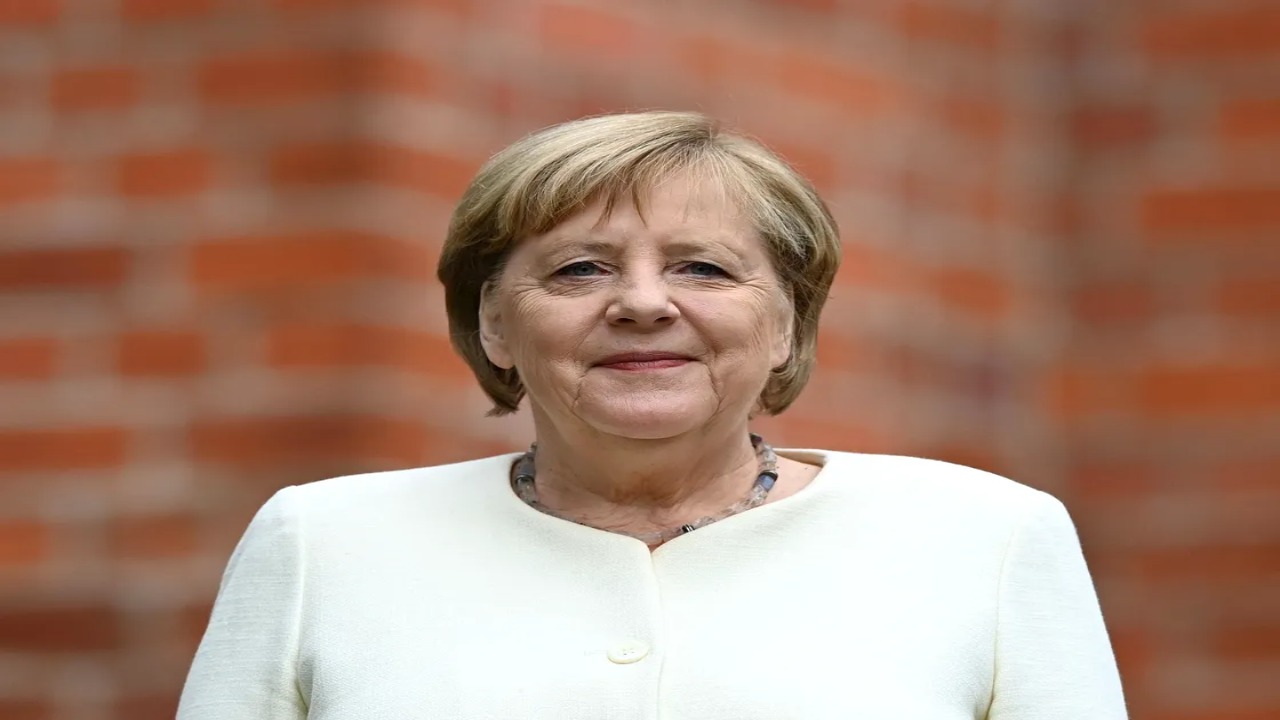
    Angela Merkel Criticizes CDU Over Far-Right Support for Migration Motion

    In a rare and significant intervention, former German Chancellor Angela Merkel has criticized her former party, the Christian Democratic Union (CDU), for working with the far-right Alternative for Germany (AfD) to pass a controversial migration motion through the Bundestag. Merkel’s comments come after party leader Friedrich Merz pushed for a hard-line immigration policy, relying on AfD support to ensure the measure’s passage.

    This marks a significant shift for the CDU, a party that Merkel led for over 16 years, known for its moderate, center-right policies. Merkel’s intervention highlights a growing rift within the party, as it grapples with the rising influence of more conservative factions and the far-right AfD.


    The Migration Motion and Its Implications

    The migration motion, put forward by Merz’s CDU, calls for Germany to adopt stricter immigration controls, including turning back more migrants at its borders. This proposal is part of Merz’s broader shift toward more conservative policies, particularly on immigration. In recent months, Merz has sharply criticized Merkel’s 2015 decision to allow over a million refugees into Germany, many of whom were fleeing the Syrian civil war. Merkel’s decision was a turning point for both Germany and Europe, receiving both praise and sharp criticism.

    The motion itself is non-binding, meaning it does not immediately enact policy changes. However, it carries significant political weight, especially considering that Merz relied on the AfD’s votes to pass it. The AfD’s support was crucial in securing the motion’s passage by just three votes, making it the first time that a major piece of legislation in the Bundestag had been passed with help from the far-right.


    Merkel’s Criticism: A Call for Unity and Moderation

    Merkel’s criticism of the CDU leadership has sent shockwaves through German politics. The former chancellor expressed her disappointment in Merz for breaking his promise not to work with the AfD. In November, Merz had stated that no measures should be passed with the far-right’s support ahead of the February 23 elections. Merkel, known for her pragmatic and moderate approach, lamented that this pledge had been disregarded, saying it was “wrong to no longer feel bound by this proposal.”

    Merkel also voiced her concern about the broader implications of the CDU aligning with the AfD. She argued that this collaboration risked eroding the democratic values that have long defined the party. Merkel has consistently called for moderation and unity within Germany’s political landscape, and she urged all democratic parties to work together across party lines to address pressing issues, such as migration, without resorting to tactical alliances with extremist groups.

    The former chancellor stressed that Germany’s approach to migration must be based on European law and grounded in values of compassion and fairness. She called on all political factions to engage in honest dialogue and to seek solutions that respect Germany’s democratic traditions. Merkel’s criticism was a clear rebuke of Merz’s hard-line approach, which she sees as potentially alienating voters in the center and undermining the CDU’s credibility.


    Political Fallout: Merz Under Pressure

    Merkel’s intervention has put Friedrich Merz under significant political pressure. Political analysts suggest that this criticism from the former chancellor could seriously damage Merz’s standing within the CDU. Merkel’s words carry immense weight, and many within the party still view her as the most respected figure in German politics. Michaela Küfner, a political editor at Deutsche Welle (DW), pointed out that Merkel’s condemnation of Merz’s actions could lead to a loss of support among moderate voters, who are crucial for the CDU’s success in the upcoming elections.

    Merz’s strategy of moving the CDU toward a harder-line stance on migration has been controversial within the party. While some CDU members support his more conservative policies, others, especially those loyal to Merkel, view this as a dangerous drift towards extremism. Merkel’s intervention could be a defining moment for Merz’s leadership, as he faces increasing scrutiny not only from within his party but also from the wider public.


    The CDU’s Shifting Identity

    Under Merkel’s leadership, the CDU was known for its centrist policies and its ability to balance different political factions. Merkel herself was a figure of moderation, often seeking compromise and consensus, even in the face of political pressure. However, since Merz took over as party leader, the CDU has shifted towards more right-wing positions, particularly on migration. This shift is in part due to the increasing influence of the far-right AfD, which has gained significant support in recent years, especially in eastern Germany.

    Merz’s more conservative stance on migration reflects broader trends within European politics, where populist and far-right parties have gained traction amid concerns about immigration and security. However, this shift is not without risks for the CDU. As Merkel’s criticism suggests, working with the AfD could alienate moderate voters and undermine the CDU’s traditional role as the party of democratic stability in Germany.


    What Merkel’s Criticism Means for the CDU’s Future

    Merkel’s criticism highlights the growing divide within the CDU over its approach to migration and its relationship with the AfD. The coming weeks will be crucial for Merz and the CDU, as they face the challenge of maintaining party unity and securing electoral success in the upcoming general election.

    For Merkel, the intervention marks a rare but significant re-engagement in political affairs after stepping down from the chancellorship in 2021. While she has largely kept a low profile since her departure, her words continue to carry significant weight, especially on issues of national importance such as migration. Merkel’s influence remains a key factor in shaping the future of German politics, and her critique of Merz could have lasting consequences for the CDU’s direction.


    Looking Ahead: The February Election

    The February 23 general election will be a pivotal moment for the CDU. Migration has become one of the most contentious issues in German politics, and the outcome of the election could determine the country’s approach to this issue for years to come. Merkel’s intervention has added another layer of complexity to the election campaign, as the CDU navigates its relationship with the AfD and seeks to reclaim its position as the party of moderation and stability.

    Merkel’s call for unity and moderation may resonate with many German voters who are wary of the far-right’s growing influence. However, Merz’s hard-line stance on migration will likely remain a central theme of the CDU’s campaign, and the party will need to carefully navigate this issue if it hopes to secure a favorable outcome in the election.

    As the election approaches, all eyes will be on the CDU and its ability to reconcile its conservative wing with its traditional commitment to democratic values. Merkel’s intervention has made it clear that the future of the CDU and Germany’s political landscape will be shaped by how the party responds to the challenge posed by the far-right and the ongoing migration crisis. For more on this story, you can visit DW’s coverage of Angela Merkel’s criticism of the CDU.

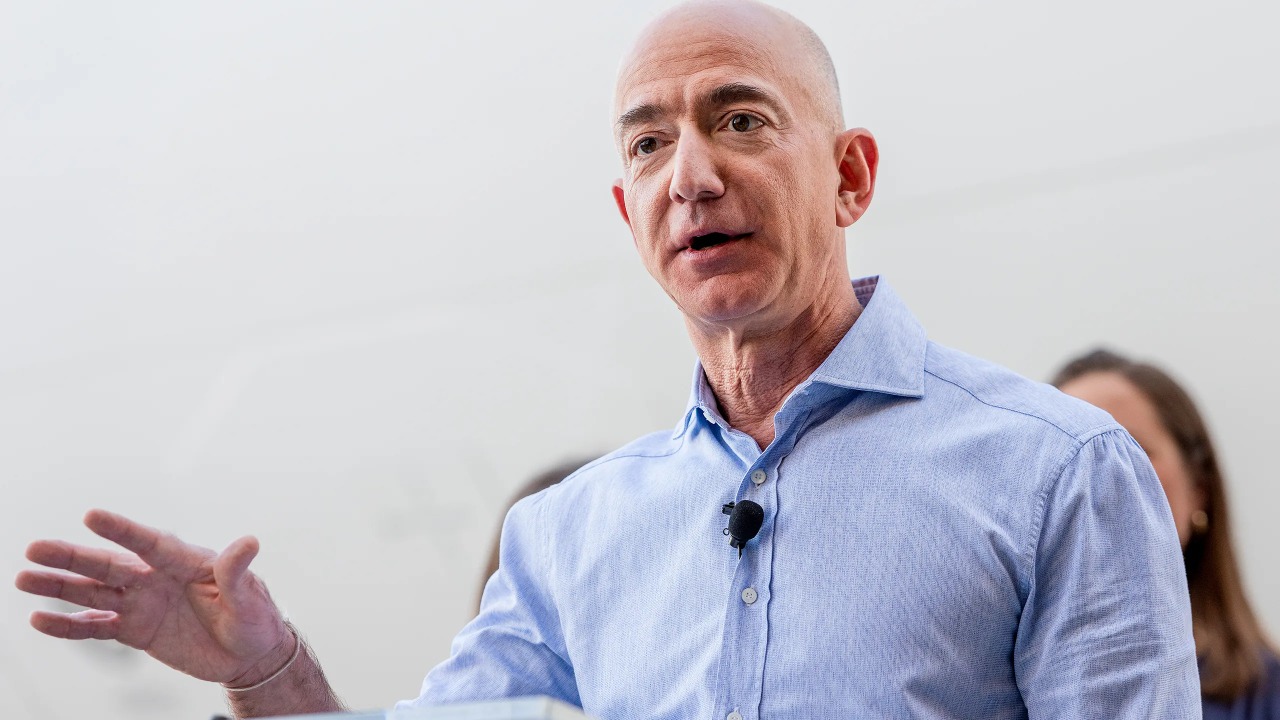
  • Trump Complains to Jeff Bezos Over Amazon’s Tariff Cost Display Plan: A Political Showdown

    Trump Complains to Jeff Bezos Over Amazon’s Tariff Cost Display Plan: A Political Showdown

    In an unexpected move, President Donald Trump personally called Amazon founder Jeff Bezos on Tuesday morning, expressing his frustration about a report suggesting that Amazon was planning to display the costs associated with U.S. tariffs on its product listings. The report triggered a strong reaction from the White House, which denounced the idea as a “hostile and political act.” Within hours of the phone call, Amazon walked back the decision, stating that it had never officially approved such a move.

    The White House’s condemnation centered around the fact that Amazon, one of the largest online retail companies in the world, was considering a policy that would show consumers exactly how much of a product’s cost was due to President Trump’s tariffs. This would have meant that next to the listed price, Amazon would have displayed the surcharge caused by tariffs. While this might seem like a simple disclosure of costs, it quickly turned into a heated political issue, with Trump’s team accusing Amazon of using its platform for political gain.


    The Initial Controversy: Amazon and Tariff Transparency

    The controversy began when Punchbowl News reported that Amazon was planning to implement a system that displayed tariff surcharges directly on its product pages. According to the report, this would have been done across Amazon’s platform, ensuring that consumers could see how much of their purchases were affected by the ongoing trade war between the U.S. and China.

    Amazon has significant exposure to Chinese goods, with up to 70% of its products being sourced from China, according to some analysts. This made the company particularly vulnerable to Trump’s tariffs, which have been sweeping and often punitive in nature, with some products facing tariffs as high as 145%. To account for these costs, many sellers on Amazon began raising their prices, and some even considered listing the added tariff cost separately.

    However, once news of Amazon’s plan broke, it didn’t take long for the White House to react. Karoline Leavitt, the White House press secretary, slammed Amazon for what she called a “hostile and political act.” She further questioned why Amazon had not taken similar action during the Biden administration when inflation reached its highest levels in four decades. In her response, Leavitt positioned Amazon’s actions as a political maneuver designed to damage the Trump administration.


    Jeff Bezos Responds to the Pressure

    Within hours of the White House’s public criticism, Amazon responded with a clarification. The company issued a statement downplaying the extent of its plan, claiming that the idea of displaying tariff surcharges was only ever considered for a specific section of the Amazon platform—Amazon Haul, a budget-focused shopping section. Amazon stressed that this move was never approved and would not be happening.

    In a follow-up statement, Amazon confirmed that the idea had been scrapped entirely. Despite this rapid backtracking, the damage was already done. The White House had already positioned the potential tariff disclosure as a politically motivated attack on the president’s trade policies.

    The back-and-forth over this issue raised questions about the relationship between Jeff Bezos and President Trump. Although Bezos has been known for his occasional public disagreements with Trump in the past, there have been signs in recent months that Bezos has softened his stance. For example, in December 2024, Bezos expressed optimism about Trump’s second term, noting that the president had grown “calmer and more confident.” This more conciliatory tone was echoed in Amazon’s response to the tariff issue, suggesting that Bezos may have been more cautious about directly confronting the Trump administration.


    The White House’s Reaction and Further Criticism

    The White House was quick to label the proposal as part of a broader political strategy. Leavitt, during a press briefing, suggested that Amazon was trying to highlight the burden of tariffs on American consumers in a way that painted Trump’s policies negatively. She even went so far as to criticize Amazon’s past behavior, referencing a Reuters report from December 2021 that alleged Amazon complied with orders from the Chinese government to remove certain customer reviews. Leavitt’s comments drew a direct connection between Bezos’ company and Chinese influence, further escalating the political nature of the dispute.

    While other companies, such as Shein and Temu, have introduced similar surcharge policies, Amazon’s attempt to display tariff costs on their website was the most high-profile case. For Amazon, this became a fraught political issue. By highlighting the tariff burden, Jeff Bezos and Amazon were seen by some as implicitly criticizing the U.S. government’s approach to trade with China. This was especially sensitive, given the broader economic landscape and the political ramifications of Trump’s trade war with China.


    The Bigger Picture: Business, Politics, and Global Trade

    What makes this conflict particularly interesting is the intersection of business and politics. Jeff Bezos, as the founder of Amazon, is a central figure in a company that has revolutionized retail. Yet, as Amazon continues to grow, its decisions become more intertwined with political issues, especially as they relate to international trade policies and tariff costs. The company has become a global player, and its policies often have far-reaching consequences, both for consumers and for international relations.

    Despite Amazon’s claim that the tariff surcharge idea was never officially approved, the incident revealed a growing tension between large tech companies and the U.S. government. In the past, Bezos and Trump had a very antagonistic relationship, with Trump frequently criticizing Amazon and its business practices. However, as Trump settles into his second term, Bezos has expressed a more moderate stance, signaling that the lines between business and politics are increasingly blurred.


    Looking Ahead: Amazon’s Role in the Political Debate

    The impact of tariffs on Amazon’s business model is undeniable, but the way Amazon handles political issues will continue to influence its public perception. The controversy over tariff surcharges could have been a turning point in how Jeff Bezos and his company interact with the political landscape. As the 2024 election draws nearer, we can expect more scrutiny of Amazon’s role in both U.S. trade policy and its political affiliations.

    For now, Amazon has avoided a public clash with the Trump administration, but it remains to be seen how this episode will affect Jeff Bezos’ relationship with both Trump and the broader political establishment. In an era where business decisions are increasingly viewed through a political lens, Bezos’ company will need to carefully navigate its role in global trade and its relationship with the government.

    For more insights into the role of Jeff Bezos in the business world and its wider impact, check out more articles on Creator Hub.

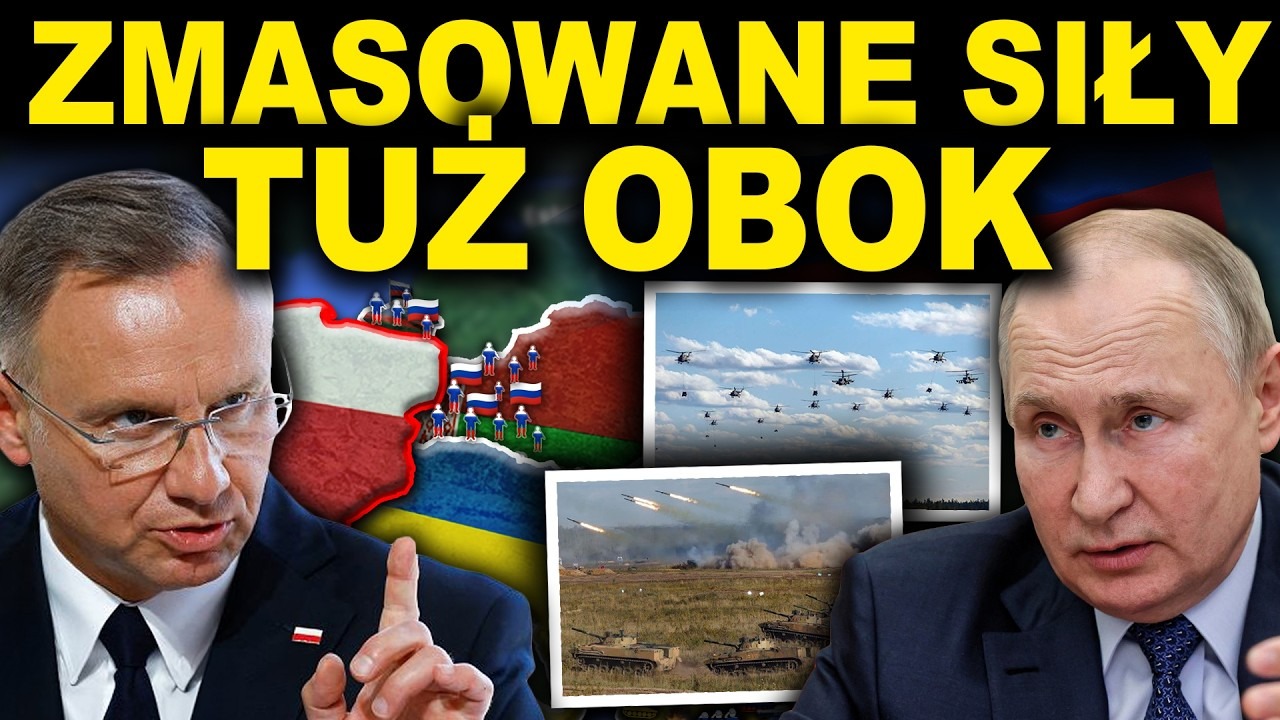
  • Zawieszenie Broni: What Does the Ceasefire Mean for Ukraine?

    Zawieszenie Broni: What Does the Ceasefire Mean for Ukraine?

    Every now and then, a term surges through headlines and social chatter, hinting at a fragile hope or an overdue decision. Zawieszenie Broni, Polish for “ceasefire,” is one such term now trending across the globe. Its resurgence isn’t just tied to linguistic curiosity—it’s driven by a global hunger for resolution amid prolonged conflict. As Ukraine continues to navigate its most turbulent chapter in modern history, Zawieszenie Broni is more than a phrase—it’s a symbol of pause, possibility, and perhaps peace.

    At this pivotal point, the question hangs heavy: Could this ceasefire signal more than a temporary truce? Could it become the turning point the world has been waiting for in global conflict resolution?


    Dissecting Zawieszenie Broni: More Than Just a Phrase

    The term Zawieszenie Broni literally translates to “suspension of arms.” It’s a concept etched into international law, wartime negotiations, and historical milestones. In practical terms, it represents a mutual agreement between warring sides to halt active combat—a breather in the storm.

    Interestingly, zawieszenie broni krzyżówka has also seen a spike in searches recently. While at first glance it might seem unrelated, this phrase refers to its use in Polish crossword puzzles, demonstrating the broader cultural and educational reach of the term. Language learners, puzzle solvers, and trivia enthusiasts often come across it, giving it an oddly human face beyond its grim geopolitical use.

    Yet in today’s context, its relevance is far weightier. When Zawieszenie Broni appears in international reports, it isn’t about games—it’s about ground realities, shifting frontlines, and the lives paused or lost while waiting for a ceasefire to take hold.


    Ukraine’s Ceasefire Timeline: A Chronicle of Fragile Promises

    The idea of a ceasefire in Ukraine is not new. Since the onset of tensions and full-scale war, numerous declarations of Zawieszenie Broni have been issued, some lasting mere hours, others giving respite for weeks. The Minsk Agreements in 2014 and 2015 laid early groundwork for these ceasefire attempts, but implementation faltered due to violations and mistrust.

    Recent developments, however, have rekindled interest. With mounting international pressure, war fatigue, and humanitarian crises escalating, leaders have returned to the negotiation table. Talks in early 2025 between representatives of Ukraine and foreign intermediaries resulted in a fresh Zawieszenie Broni—this time reportedly brokered with broader guarantees and third-party oversight.

    Although the announcement was met with cautious optimism, on-ground realities remain fragile. Shelling quieted in some eastern regions, while skepticism lingered elsewhere. The cyclical nature of conflict and ceasefire creates a jaded public response—hope tempered by history.


    Why This Ceasefire Could Shift Ukraine’s Trajectory

    The promise behind Zawieszenie Broni lies not only in stopping gunfire but in reopening doors. Roads once closed to humanitarian convoys could see passage. Families divided by war might reunite. Agricultural exports, vital to Ukraine’s economy and global food chains, could resume from key Black Sea ports.

    In a war where territorial control shifts by the day, the very idea of a ceasefire carries political weight. A temporary hold on violence could signal a step toward negotiations on sovereignty, prisoner exchanges, or even rebuilding destroyed towns. But make no mistake—Zawieszenie Broni isn’t at peace. It’s a test of willingness, a challenge to both sides to act beyond rhetoric.

    And for millions displaced by war, this truce could be the breath of air after months spent underground, in exile, or under siege. Every hour of quiet is a small but powerful validation that diplomacy still holds sway over destruction.


    Global Perspectives: Applause, Apprehension, and Echoes of Hope

    The world is watching. International bodies like the UN and EU have publicly supported the recent Zawieszenie Broni, calling it a “window of opportunity.” NATO nations remain cautious, wary of strategic deception, yet still encouraging dialogue. Meanwhile, neighboring countries like Poland—where the term originates—view this development with a unique duality: concern for security and cultural solidarity.

    The global media isn’t just echoing official statements. Analysts are weighing in on how this ceasefire might set a precedent. Could it inspire de-escalation in other tense regions? Could a successful truce in Ukraine encourage similar negotiations elsewhere?

    Interestingly, readers exploring broader aspects of international conflict might also connect this moment to cultural events, like the recent death of drag race star Jiggly Caliente—a reminder of how fragile life can be in any context. For those seeking deeper explorations of resilience and identity amid crisis, the post “Jiggly Caliente Death: Drag Race Star Dies at Age 44” provides unexpected yet meaningful parallels.


    Conclusion: Zawieszenie Broni as a Lens for Global Peace

    Zawieszenie Broni stands at the crossroads of war and diplomacy. In Ukraine, it represents both hope and hesitation—an uncertain pause that may lead to something more enduring. For the international community, it’s a reminder that peace doesn’t begin with treaties; it begins with silence on the battlefield.

    As global audiences track the ceasefire’s progress, one truth becomes clear: language holds power. Whether in negotiations, headlines, or even crosswords, Zawieszenie Broni is more than a trending term—it’s a potential turning point, if given the space to succeed.

    The path ahead is neither smooth nor guaranteed. But in a world weary of conflict, even a temporary ceasefire offers something profound: the chance to believe, once more, in the possibility of peace.

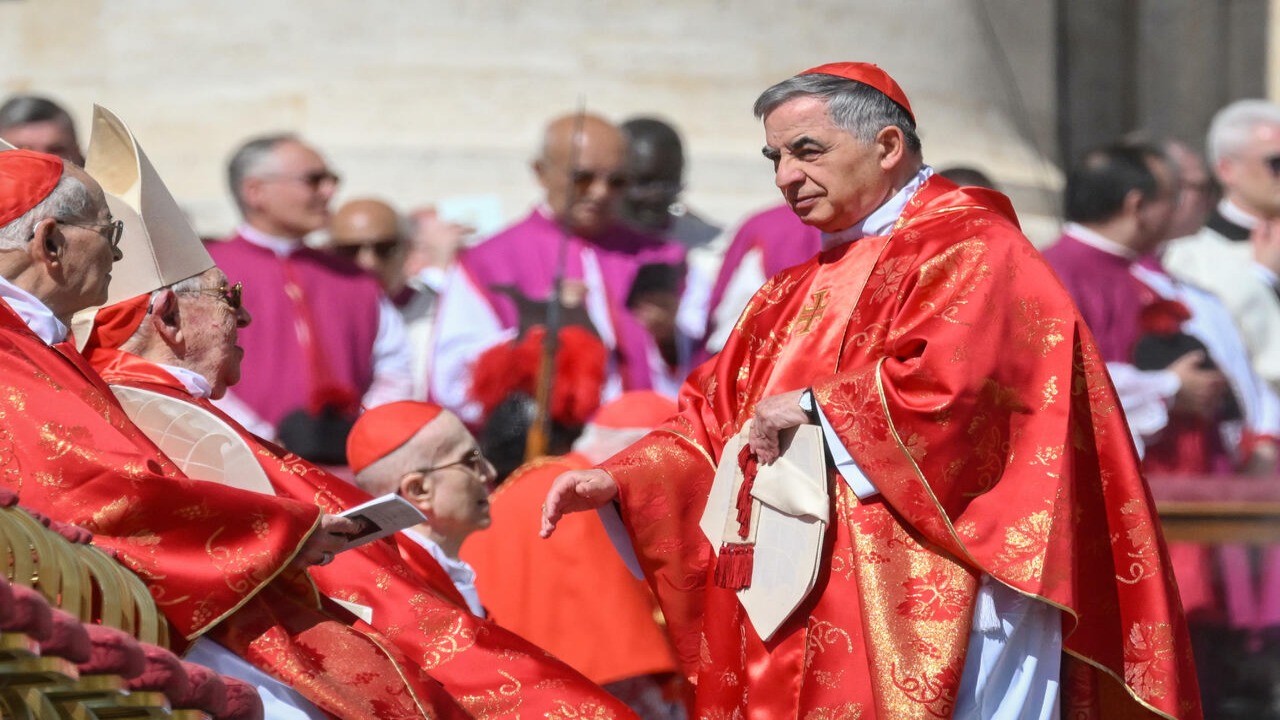
  • Cardinal Angelo Becciu Vatican Conclave: A Role That Sparks Debate

    Cardinal Angelo Becciu Vatican Conclave: A Role That Sparks Debate

    Whispers within Vatican City echo louder than ever as the world turns its attention to one of the most sacred traditions of the Catholic Church: the Vatican Conclave. It’s an event shrouded in centuries-old secrecy, designed to choose a new leader for over a billion faithful. This time, however, the spotlight casts a shadow of controversy. The name at the center? Cardinal Angelo Becciu. As discussions unfold, the topic of the Cardinal Angelo Becciu Vatican Conclave connection has sparked both intrigue and debate across ecclesiastical and public spheres alike.


    Who is Cardinal Angelo Becciu?

    A figure once seen as a rising star within the Roman Curia, Cardinal Becciu’s journey began in humble roots. Born in 1948 in Sardinia, Italy, his ascent through the Catholic hierarchy was marked by decades of diplomatic and administrative service. Assignments in Angola, the United States, and Cuba sharpened his political and ecclesiastical instincts. Eventually, his influence grew significantly when appointed Substitute for General Affairs of the Secretariat of State. It was here that Cardinal Becciu gained both power and visibility, managing internal Vatican affairs akin to a chief of staff.

    Yet, his swift rise took an unexpected detour in 2020. Accused of embezzlement and abuse of office related to a controversial London real estate deal, Becciu was asked by Pope Francis to resign his cardinal privileges. Despite this, he remained a cardinal by title—a nuance that now plays a pivotal role in the current Vatican Conclave discourse.


    The Vatican Conclave and Its Importance

    The conclave is no ordinary election. A deeply spiritual and ceremonial process, it begins once the papacy is vacant, whether by resignation or death. Cardinals under 80 years of age gather in the Sistine Chapel, their ballots cast in strict confidentiality, with no communication to the outside world. The outcome shapes not only the future of the Catholic Church but also its global political and moral stance.

    The power of each cardinal’s vote holds immense weight. These are not merely ballots but choices that define doctrine, reform, and diplomacy for decades to come. Amid this, the Cardinal Angelo Becciu Vatican Conclave storyline intensifies, as his eligibility and moral standing stir critical conversation.


    Cardinal Becciu’s Sacrifice for the Conclave

    “Cardinal Becciu has sacrificed himself for the conclave” is a phrase that resonates through Vatican halls and media headlines. Despite stepping away from various roles and enduring public scrutiny, Becciu has made it clear that his duty to the Church remains unshaken. According to sources close to the Holy See, he has expressed a willingness to stand aside or participate as needed, prioritizing the unity and sanctity of the conclave.

    This act—interpreted by some as noble and by others as strategic—has reignited debates around redemption, transparency, and the balance between justice and forgiveness within Church hierarchy. The Vatican itself maintains a careful stance, acknowledging the complexities while avoiding direct intervention. For a more detailed analysis of how internal Church events can spark broader implications, explore related perspectives on Alarm Bombowy Targi Poznańskie: Evacuation Causes Chaos at Expo.


    The Debate Over His Role in the Conclave

    Controversy doesn’t wait for resolution. As the conclave approaches, questions surrounding Becciu’s eligibility continue to mount. Can a cardinal under trial for financial misconduct participate in selecting the next pope? Legal experts and theologians remain divided.

    While canon law does not explicitly bar cardinals under investigation from voting, public opinion tells a different story. Some argue that Cardinal Becciu has sacrificed himself for the conclave by facing immense public and institutional pressure while choosing to remain aligned with Church protocol. Others insist that allowing his participation undermines the credibility of the conclave.

    Adding to the tension, recent reports suggest internal factions within the Church, some of which support reform, while others stand by traditionalist values. Becciu’s presence, thus, becomes a lightning rod, not only for legal debate but for the broader ideological tug-of-war playing out behind the scenes.


    Implications for the Future of the Vatican and the Church

    Regardless of outcome, the Cardinal Angelo Becciu Vatican Conclave story reveals deep fissures within the Vatican. At stake is more than one man’s reputation; it’s the Church’s moral compass and transparency in leadership selection.

    If Becciu plays an active role in the conclave, it may signal a Church willing to look past scandal in favor of institutional cohesion. If sidelined, it might indicate a pivot toward stricter ethical accountability. Either way, the precedent set here will likely shape how future controversies are handled within Vatican walls.

    Globally, the situation affects how millions view Church leadership. In a digital age where public image can either solidify or erode trust, even the perception of impropriety carries consequences. Faithful followers, critics, and reform advocates alike will be watching closely.


    Conclusion

    The Cardinal Angelo Becciu Vatican Conclave narrative continues to evolve, wrapped in layers of sacrifice, scandal, and sacred duty. With the conclave’s approach drawing global attention, all eyes are on how the Vatican navigates this chapter. As history waits to be written beneath the painted ceiling of the Sistine Chapel, the choices made today will echo through generations of Church leadership.

    For those intrigued by the complexities of ecclesiastical governance and the human stories woven through its fabric, the developments surrounding Cardinal Becciu offer a rare glimpse into the often-unseen crossroads of faith, power, and accountability.

  • BJ Novak Trends After Dating News and Viral Product Ads

    BJ Novak Trends After Dating News and Viral Product Ads

    In 2025, BJ Novak has become a name that’s hard to ignore. Known for his role as Ryan Howard in The Office, Novak is experiencing an unexpected resurgence in the public eye, but this time, it’s not just his acting that’s making waves. A combination of personal milestones and an unexpected viral meme phenomenon has put him front and center in both entertainment and internet culture.

    It all started with his rumored relationship with TikTok star Delaney Rowe, which sent social media into a frenzy. But that’s not all. BJ Novak’s image also found itself plastered on products worldwide—turning him into an international meme. Whether it’s face paint in Uruguay or rain ponchos in Los Angeles, Novak’s unintended rise to fame has sparked curiosity. This story of a meme turned global sensation alongside Novak’s blossoming personal life makes 2025 his most interesting year yet.


    A Look at BJ Novak’s Relationship with Delaney Rowe

    BJ Novak’s trending status is largely tied to his romance with Delaney Rowe. Known for her comedic and satirical TikToks, Rowe reportedly met Novak at a Hollywood party in late 2024. What followed was a low-key yet very public relationship that quickly made them media favorites.

    Their joint appearances at red carpet events, especially at a Goodrich screening in New York, sent social media into overdrive. While they’ve kept much of their relationship private, occasional photos and outings have kept fans intrigued.

    The hashtag Delaney Rowe BJ Novak continues to circulate, with followers eager for updates. Despite Novak’s reserved stance, the growing interest around their relationship shows no signs of slowing down.


    BJ Novak’s Image on Products Around the World

    In an unexpected twist, BJ Novak has found his image featured on various products worldwide, despite no formal endorsement deals. This unusual phenomenon began when a photo of Novak was uploaded to a public domain image bank, leading to his face appearing on items like face paint in Uruguay, cologne in Sweden, and rain ponchos in Los Angeles.

    What seemed strange turned into a global meme, with social media platforms like TikTok and Twitter showcasing Novak’s face on products, sparking viral trends. These viral campaigns unexpectedly boosted his platform and turned him into a cultural icon. Novak embraced the irony, quipping on Instagram, “I’m too amused to do anything about it.” His laid-back approach only increased his popularity, making him one of the most talked-about figures in pop culture.

    This viral product phenomenon has only enhanced Novak’s cultural relevance. Fans continue to create memes and posts celebrating his image on products, further spreading his fame. It also ties back to his career in BJ Novak movies and TV shows, where his sarcastic humor made him a standout on The Office.


    BJ Novak’s Career Highlights

    BJ Novak became a household name as Ryan Howard in The Office, where his sharp wit and comedic timing made him one of the show’s standout characters. But his talents extend well beyond acting.

    After The Office, Novak transitioned into writing and directing. His debut film, Vengeance, showcased his skills both in front of and behind the camera, earning critical praise for its sharp script and unique storytelling. His success in both film and television has cemented his personal brand.

    As a producer and writer, Novak has carved out a niche in the comedy genre, proving himself as a versatile entertainer. With fans anticipating his next project, including a new TV series and collaborations with major production houses, Novak’s relevance continues to grow.


    BJ Novak’s Net Worth and Business Ventures

    While BJ Novak is often in the public eye for his acting and comedic chops, his financial success is just as noteworthy. As of 2025, Novak’s net worth is estimated to be around $50 million, a testament to his successful career in Hollywood.

    A significant portion of his wealth comes from his acting career, particularly his time on The Office, which continues to generate revenue through reruns and streaming platforms. However, Novak has also made wise investments in various business ventures, including his production company and numerous writing projects.

    In addition to acting and producing, Novak has worked as a writer, with his debut novel One More Thing: Stories and Other Stories receiving critical acclaim. His ability to diversify his career—from writing and producing to investing—has helped secure his financial future. Today, BJ Novak net worth reflects not only his acting legacy but his savvy business decisions.

    As Novak continues to grow his personal brand, his business ventures show no signs of slowing down. This multi-dimensional approach to his career has allowed him to maintain relevance in an ever-changing industry, and his net worth will only continue to rise as he expands his professional horizons.


    The Future of BJ Novak—More Than Just a Meme

    Looking ahead, the future of BJ Novak is filled with potential. While 2025 has seen him trend due to his personal life and viral product ads, his contributions to film, television, and business will undoubtedly shape his legacy in the years to come.

    Novak’s ability to balance humor with deep storytelling continues to capture the attention of audiences. As he moves forward in both his professional and personal life, it’s clear that BJ Novak is more than just a meme—he’s a cultural force. His involvement in upcoming projects will likely keep him in the public eye, and fans will be eager to see where his career takes him next.

    Stay tuned to Novak’s future ventures, as his evolving journey is sure to provide even more reasons to follow his rise in both Hollywood and beyond. The cultural impact of Novak, combined with his viral popularity, shows just how much influence he truly has.

    For a deeper dive into Novak’s career, be sure to check out more articles exploring his diverse range of talents. From his The Office days to his latest cinematic releases, there’s always something new to learn about this multi-faceted star. Check out more on BJ Novak’s latest career moves here.

  • CBC news Breaks: Trudeau Resigns Amid Party Pressure

    CBC news Breaks: Trudeau Resigns Amid Party Pressure

    Canada’s political landscape is facing a historic shift. Prime Minister Justin Trudeau, the face of the Liberal Party for over a decade, has announced his resignation amid mounting internal pressure. The news broke earlier this week, with CBC News being the first to report this unprecedented event. Trudeau’s departure has stunned the nation and raised many questions about the future of Canadian leadership.

    With the story breaking across multiple platforms, CBC News swiftly became the focal point for updates. As one of the most reliable sources of Canadian news, CBC’s coverage of Trudeau’s resignation is a testament to its critical role in informing the public. Through its detailed reports and live updates, CBC News Canada is helping to unravel the political turmoil that now grips the country.


    Trudeau’s Leadership Struggles

    For years, Justin Trudeau has been a polarizing figure in Canadian politics. His leadership, once viewed as a beacon of progress, has increasingly come under scrutiny. In recent months, internal party conflicts within the Liberal Party had been escalating, with factions within the party voicing their frustrations. The pressure reached a boiling point, and CBC News provided comprehensive coverage of the unfolding crisis.

    The resignation itself comes as no surprise to many who have been following CBC News election reports. As the Liberal Party faced a significant decline in public opinion polls, the future of Trudeau’s leadership was in doubt. Party members, once loyal, began to question his ability to unite the country and lead them through pressing issues like healthcare, economic recovery, and climate change. The impact of this resignation on the upcoming election cycle is immense, and CBC News’s election coverage has shed light on what this means for voters.


    The Role of CBC News in Breaking Major Political News

    When major political events unfold, there’s no better place to turn than CBC News live. This platform has been at the forefront of breaking real-time updates, ensuring that Canadians receive timely information about key national events. During Trudeau’s resignation, CBC News live gave citizens instant access to developments, providing in-depth analysis, live interviews, and expert commentary. The immediacy of CBC News live has made it the go-to resource for those looking to understand the fast-changing political landscape.

    A prime example of CBC News live’s role in breaking news came during the 2019 federal elections. As polls closed, CBC News live brought Canadians minute-by-minute updates, detailing voting patterns and the shifting dynamics of the race. The same level of intense, live coverage is evident today as the nation processes Trudeau’s departure.


    The Public and Political Reaction

    The resignation of a sitting Prime Minister is always met with a range of reactions, and Trudeau’s departure has sparked intense discussions across Canada. Canadian citizens are grappling with mixed emotions—some feel relief, while others express concern over the future direction of the country. Public opinion, as covered by CBC News Canada, has sharply divided, with some expressing disappointment over the loss of a leader they once viewed as a champion for diversity and inclusivity.

    Political leaders have also weighed in. The Conservative Party has seized on this opportunity, calling for a swift change in leadership and a shift in the country’s priorities. Meanwhile, members of the NDP (New Democratic Party) are cautiously optimistic about the potential for a new political landscape.

    In an unexpected twist, CBC Kids News also covered the resignation, offering a child-friendly breakdown of the events. By explaining complex political dynamics in simpler terms, CBC Kids News helps younger audiences understand the importance of leadership transitions and the election process. This makes it an invaluable resource for families looking to discuss national events in a way that is approachable and educational for children.


    Looking Ahead: What’s Next for Canada?

    With Trudeau’s resignation now confirmed, what does the future hold for Canada? The road ahead is uncertain, but the implications for the upcoming elections are undeniable. CBC News Canada has already started examining potential successors within the Liberal Party, with a focus on how their leadership will shape Canada’s future. Many wonder if the Liberal Party can recover from the internal struggles that led to Trudeau’s resignation or if it will open the door for a new political era in Canada.

    In the coming weeks, CBC News will continue to play a pivotal role in shaping the national conversation, providing Canadians with up-to-the-minute reports on the race to select a new leader. Whether it’s coverage of party leadership debates or polling trends, CBC News Canada will remain the definitive source of information during this transitional period.


    Conclusion

    As CBC News continues to lead the charge in breaking major political news, the resignation of Justin Trudeau marks a turning point in Canadian politics. The pressure within the Liberal Party, exacerbated by ongoing election concerns, led to a leadership change that will shape the future of the nation. From the real-time coverage provided by CBC News live to the global perspectives offered by CBC News World, this moment in Canadian history has been captured in vivid detail.

    For young Canadians, CBC Kids News has provided an accessible and educational take on the resignation, helping a new generation of voters understand the importance of political leadership and change. As the country moves forward, CBC News will undoubtedly remain a trusted source of information, helping guide Canadians through the challenges and decisions that lie ahead.

    Stay tuned to CBC News for continuous updates on the unfolding political landscape and the upcoming CBC News election coverage, which will be critical in determining the future leadership of Canada. Explore how CBC News is covering global politics and its impact on Canada.