Blog

  • Labor Day 2025: Celebrating Workers’ Rights and Their Legacy

    Labor Day 2025: Celebrating Workers’ Rights and Their Legacy

    Labor Day 2025 will be observed on Monday, September 1. It’s a day dedicated to honoring the contributions and achievements of American workers. For many, it also marks the unofficial end of summer, a time for family gatherings, parades, and celebrations. But beyond the barbecues and picnics, this day holds significant historical meaning. Let’s delve into the origins of this holiday and examine how it continues to commemorate the labor movement and workers’ rights.


    The Origins of Labor Day

    Labor Day didn’t always exist. The holiday originated during a dark period in American labor history, when workers faced grueling conditions during the Industrial Revolution. In the late 19th century, American workers were often forced to work long hours—sometimes 12-hour days, seven days a week—just to make ends meet. Many workers, including children as young as 5, labored in dangerous conditions in factories, mills, and mines.

    In response to these harsh conditions, labor unions began to form. Workers began demanding better pay, safer working conditions, and more reasonable working hours. Strikes and protests became more common, and many of these events were marked by violence. The infamous Haymarket Riot of 1886, where several policemen and workers were killed, was one example.

    But there were also moments of unity. On September 5, 1882, workers in New York City held the first-ever this day parade. Approximately 10,000 workers marched from City Hall to Union Square, calling for better rights for American laborers. This was a powerful demonstration of solidarity and the beginning of a movement that would spread across the country.


    The Federalization of Labor Day

    By the early 1890s, the idea of a holiday to celebrate workers was gaining traction. In 1894, following a violent strike in Chicago involving the Pullman Company, the federal government was compelled to intervene. The Pullman Strike had crippled railroad traffic, and the government sent in troops to break the strike. The ensuing violence led to the deaths of over a dozen workers.

    In response, Congress passed a law making this day a federal holiday in 1894. President Grover Cleveland signed the bill into law, and Labor Day became an official holiday. However, the true founder of the holiday remains a subject of debate. Some say it was Peter J. McGuire, cofounder of the American Federation of Labor. Others believe Matthew Maguire, a secretary of the Central Labor Union, was the one who proposed the idea.


    Why Do We Celebrate Labor Day?

    This day is not just another day off; it’s a special occasion. It’s a day to recognize the hard work and sacrifice of millions of American workers throughout history. The holiday commemorates the labor movement, which fought for improved working conditions, fair wages, and shorter working hours.

    Without the struggles of past generations of workers, many of the benefits we enjoy today, such as paid vacation time, health benefits, and workplace safety standards, might not exist. This day honors those who fought for these rights and highlights the ongoing efforts to improve working conditions for all.


    Labor Day 2025: More Than Just a Day Off

    While this day is often seen as a day for rest, it’s essential to remember its deeper meaning. In 2025, as you enjoy the long weekend, take a moment to reflect on the significance of the holiday. This day is a tribute to workers who have shaped the American workforce.

    Throughout the 20th century, the labor movement continued to make progress. Workers gained the right to organize, bargain collectively, and fight for fair wages and job security. Today, millions of American workers continue to benefit from the efforts of past labor leaders.

    However, the fight for workers’ rights is far from over. While many improvements have been made, issues such as wage inequality, job insecurity, and poor working conditions continue to affect workers across the country. In 2025, Labor Day serves as a poignant reminder that the fight for workers’ rights remains ongoing. It’s a call to action for future generations to continue improving working conditions for all workers, regardless of their profession.


    Labor Day Traditions

    This day is not just about its historical roots—it’s also about how we celebrate today. For many Americans, it’s a time to enjoy a final summer celebration with family and friends. Parades, picnics, barbecues, and fireworks are common ways to mark the occasion.

    Many cities hold parades showcasing local workers and labor unions. These parades are a colorful and lively reminder of the holiday’s origins. Some people use the weekend to travel, while others stay home to relax before the start of the back-to-school season.

    For others, the day is about giving back. Some people use their day off to volunteer in their communities or participate in charity events. Regardless of how you spend the holiday, this day remains an opportunity to acknowledge the value of work and the significance of workers in shaping society.


    Labor Day and the End of Summer

    Labor Day also symbolizes the end of summer for many Americans. It’s the final long weekend before the school year begins, and families often use the time to enjoy one last outdoor gathering. It marks the transition from lazy summer days to the more structured routine of fall.

    While many associate the holiday with the end of the season, it also marks the beginning of a new chapter. For students, it’s the start of a new school year. For workers, it can be a time to reflect on their careers and aspirations.


    Labor Day 2025: Looking Ahead

    As we approach Labor Day 2025, it’s important to remember that the holiday’s significance is rooted in both historical struggles and ongoing challenges. This day serves as a reminder of how far we’ve come and how much further we still have to go in ensuring that workers’ rights are protected.

    In the end, this day is more than just a day off work—it’s a celebration of the American workforce, a tribute to the labor movement, and a call to action to continue advocating for fair and just working conditions.

    Related News: In other news, five Sikh soldiers were tragically killed as Indian Army units opened fire on each other in Kashmir.

  • Mastura Ahmad Mustafa Appointed Chief Negotiator for Malaysia-US Tariff Talks

    Mastura Ahmad Mustafa Appointed Chief Negotiator for Malaysia-US Tariff Talks

    In a significant development for Malaysia’s trade relations with the United States, Mastura Ahmad Mustafa, Deputy Secretary-General (Trade) at the Ministry of Investment, Trade, and Industry (MITI), has been appointed as the country’s chief negotiator for the upcoming formal tariff negotiations with the US. This significant appointment comes at a time when both countries are seeking to resolve issues concerning tariffs, non-tariff barriers, and trade imbalances.


    Who is Mastura Ahmad Mustafa?

    Mastura Ahmad Mustafa is one of the most experienced senior civil servants within MITI. With years of expertise in trade and investment, Mastura brings a wealth of knowledge to the negotiating table. Her leadership in these upcoming talks is expected to play a crucial role in shaping the future of Malaysia-US trade relations. As Malaysia’s chief negotiator, her responsibilities will include leading discussions on reducing tariffs, addressing non-tariff barriers, and managing the trade surplus with the United States.


    The Context of Malaysia-US Tariff Talks

    The United States recently announced higher tariffs on imports from several countries, including Malaysia. The tariff rate on most Malaysian goods is set at 24%. In response, Malaysia has advocated for a reduction in these tariffs, aiming to achieve a mutually beneficial level. However, reducing tariffs is just one of the many challenges on the agenda.

    Tengku Datuk Seri Zafrul Abdul Aziz, Malaysia’s Minister of Investment, Trade, and Industry, confirmed that the US has appointed an assistant trade representative to lead their side of the talks. The discussions will begin once Malaysia’s Cabinet approves the negotiation framework.


    Key Issues to Address

    The primary focus of the negotiations will be to reduce tariffs between Malaysia and the United States. Although neither country has set a goal of reducing tariffs to zero, they aim to reach a compromise that benefits both parties. A significant part of the talks will also focus on non-tariff barriers, particularly in the agricultural sector, as Malaysia seeks to address trade restrictions that impact its agricultural exports.

    Another critical issue is Malaysia’s trade surplus with the US, which currently stands at $25 billion (RM108 billion). Over the past four years, Malaysia has made significant progress in reducing its trade imbalance with the United States by nearly half. This has been a positive development, but both countries are keen on further addressing the trade imbalance during the negotiations.


    Impact of the US-Malaysia Tariff Talks

    The timing of these negotiations is essential, given that the US recently imposed higher tariffs on imports from approximately 60 countries, including Malaysia. However, the US has allowed a 90-day pause on these “reciprocal” tariffs, providing an opportunity for both sides to engage in trade discussions. Mastura Ahmad Mustafa’s leadership will be crucial in ensuring that Malaysia maximizes the opportunities presented by this window.

    Tengku Zafrul has emphasized that both sides will discuss various aspects of economic security, especially in areas such as technology and intellectual property protection. The US is particularly concerned about the potential transfer of sensitive technologies, which could be used in ways that are not in its best interest. As part of the discussions, Malaysia may propose a technology safeguard agreement to address these concerns.


    Next Steps in the Negotiation Process

    The first round of negotiations is expected to take place once Malaysia’s Cabinet gives its approval. Following that, discussions will be further deliberated at the National Geoeconomic Command Centre (NGCC) meeting, which the Prime Minister will chair. This meeting will help shape the strategic direction of the talks.

    During these talks, Malaysia’s focus will be on addressing both tariff and non-tariff barriers, which are key to ensuring that Malaysian businesses have better access to the US market. Furthermore, the outcome of these discussions will also affect Malaysia’s trade relations with other countries.


    Mastura Ahmad Mustafa’s Role in the Negotiations

    As the chief negotiator, Mastura Ahmad Mustafa will be at the forefront of these critical trade talks. Her experience and expertise will be instrumental in navigating the complexities of the negotiation process. With a strong background in trade policy, Mastura is well-equipped to address the challenges and opportunities that arise during this high-stakes negotiation.

    She will be responsible for representing Malaysia’s interests while working to find a mutually beneficial solution with the US. Her leadership will not only help strengthen Malaysia-US trade relations but also contribute to the broader goals of enhancing Malaysia’s position in the global trade arena.


    Conclusion

    Mastura Ahmad Mustafa’s appointment as Malaysia’s chief negotiator for the upcoming Malaysia-US tariff talks marks a significant step in the country’s efforts to improve trade relations with the United States. With her extensive experience in trade policy, Mastura is well-positioned to lead Malaysia through the complexities of these crucial negotiations.

    As both countries continue to address issues related to tariffs, trade imbalances, and economic security, the outcome of these talks will have far-reaching implications for Malaysia’s financial future. The progress made in these negotiations will help pave the way for more robust and equitable trade relations between Malaysia and the US.

    For related news, read about how Indian women married to Pakistanis face challenges, as only their children are allowed to cross the border.

  • Eco-Shop IPO Price Set at RM1.21, Making It Malaysia’s Largest in 8 Months

    Eco-Shop IPO Price Set at RM1.21, Making It Malaysia’s Largest in 8 Months

    Eco-Shop Marketing Bhd, a well-known retail brand in Malaysia, has set its Initial Public Offering (IPO) price at RM1.21 per share. This marks the largest IPO in Malaysia in the past eight months, making waves in the country’s stock market. The IPO aims to raise RM419.87 million, a significant development for both investors and shoppers.

    In this blog post, we will delve into the details of the Eco Shop IPO price, its implications for investors, and the company’s growth trajectory. Keep reading to learn everything you need to know about Eco-Shop’s IPO.


    What is the Eco Shop IPO Price?

    The Eco Shop IPO price has been set at RM1.21 per share. This price is part of Eco-Shop’s strategy to raise funds through the sale of 347 million new shares. The retail portion will offer about 187 million shares at the same price, RM1.21 each. The IPO is expected to raise a significant amount, with a total of 862 million shares on offer, including 515 million existing shares for sale.

    At this price point, Eco-Shop plans to debut with a market capitalization of RM7 billion. The company’s strong presence in Malaysia, combined with its affordable products, makes this an exciting prospect for both retail and institutional investors.


    Why Is the Eco Shop IPO Important?

    Eco-Shop’s IPO is the most significant listing in Malaysia in the past eight months. The retail chain, which operates 358 stores nationwide, has established a loyal customer base by offering a diverse range of affordable products. Its stores stock everything from daily essentials to household items, often priced at RM2.60 in Peninsular Malaysia and RM2.80 in East Malaysia.

    The Eco Shop IPO price of RM1.21 per share has garnered attention because it offers an opportunity for both small investors and large institutional investors to participate. With the IPO, Eco-Shop plans to raise capital to fund its expansion, improve its retail network, and enhance its IT infrastructure. This is a clear sign of the company’s commitment to growth and enhancing its market position.


    How the Funds Will Be Used

    Eco-Shop intends to use the proceeds from the IPO in several key areas:

    • Expansion of distribution centers: RM200 million will be allocated to increase the company’s distribution capabilities. This is essential for ensuring the company can continue to meet the demand for its products.

    • Repayment of bank loans: RM100 million will be allocated toward settling existing debts, thereby strengthening the company’s financial footing.

    • Expansion of retail network: RM56.27 million will be allocated to expand Eco-Shop’s retail footprint. This expansion is expected to increase foot traffic and drive sales.

    • Working capital and IPO-related costs: RM52.70 million will be used for general operational expenses, including working capital and the costs associated with the IPO.

    • IT investments: RM10.90 million will go into technology upgrades, which is key to staying competitive in today’s digital retail landscape.

    These strategic investments will help Eco-Shop enhance its market share and profitability, making the Eco Shop IPO price even more attractive to investors.


    What Does the IPO Mean for Eco-Shop’s Future?

    The Eco-Shop IPO represents a pivotal moment for the company. Founded in 2003 in Johor, the company has experienced rapid growth, with plans to continue expanding. As of March 31, 2025, Eco-Shop operates 358 stores, including 22 Eco-Plus outlets. By going public, Eco-Shop aims to secure the necessary funding to reach a broader customer base, expand its product offerings, and enhance its service.

    The funds raised from the IPO will allow Eco-Shop to continue its journey of providing affordable products to Malaysians while also enhancing its business operations to ensure future success.


    What Are the Risks and Opportunities for Investors?

    Investors looking to take part in the Eco Shop IPO price should consider both the opportunities and the risks involved. The key opportunity is Eco-Shop’s established brand in the Malaysian retail market. The company has demonstrated consistent growth over the years, and its IPO is likely to generate strong interest from both retail and institutional investors.

    On the risk side, investors need to be mindful of market fluctuations and competition in the retail sector. However, Eco-Shop’s strategic plans to invest in distribution centers, expand its retail network, and enhance its IT infrastructure should help mitigate these risks in the long run.


    Key Dates to Remember

    The IPO application for the retail portion will close on May 7, 2025. Following this, the company is scheduled to list on Bursa Malaysia on 23 May 2025. Investors should keep these dates in mind as they prepare for the initial public offering (IPO).

    The order-taking period for institutional investors will end on May 8, 2025. The final IPO price will be set on May 9, 2025, and it will either match the retail price of RM1.21 per share or be determined by the institutional price, whichever is lower.


    Conclusion

    The Eco Shop IPO price of RM1.21 marks a significant event for both the company and Malaysia’s retail sector. The IPO is set to be the largest in the country in the past eight months, offering investors an exciting opportunity to get involved in a growing company with a solid track record. Eco-Shop’s plans for expansion, debt repayment, and technology investments demonstrate the company’s commitment to its future success.

    If you’re interested in investing in Eco-Shop’s IPO, make sure to mark the key dates and keep an eye on the final pricing. This could be an excellent opportunity to join one of Malaysia’s most successful retail brands.

    Related News: Want to stay updated on other major sports events? Check out the latest update on the Pakistan-Bangladesh T20I series schedule, confirmed with one significant change.

  • Bringing Mark Kerr to the Big Screen: The Rock’s Most Raw Role Yet

    Bringing Mark Kerr to the Big Screen: The Rock’s Most Raw Role Yet

    Dwayne Johnson is recognized worldwide as a blockbuster superstar. From action-packed adventures to comedy roles, he has done it all. But now, he’s stepping into uncharted territory. In his latest film, The Smashing Machine, Johnson portrays Mark Kerr, a legendary UFC fighter whose real-life story is marked by both triumph and tragedy.

    This movie is not just another sports film. It’s a profound, emotional exploration of the world of mixed martial arts and the mental toll it exacts on a fighter. It’s also a raw look at addiction, fame, and personal breakdown. Directed by Benny Safdie, this film shows a side of Dwayne Johnson that fans have never seen before.


    Who Is Mark Kerr?

    Mark Kerr is a name that holds weight in the world of MMA. He was one of the most dominant fighters of his time. Between 1997 and 2009, Kerr was a force in the UFC and Pride FC. He won two UFC Heavyweight Tournaments and four ADCC World Championship titles. His grappling skills were unmatched. Inside the ring, he was known as “The Smashing Machine”—a” nickname that stuck.

    However, behind his powerful image lay a man struggling with profound issues. Mark Kerr battled addiction, depression, and the pressures of being a public figure. His career was filled with highs, but his personal life was falling apart. In 2002, HBO released a documentary titled The Smashing Machine, which revealed the truth behind Kerr’s painful journey. That same story is now being told in this feature film.


    A Transformative Role for Dwayne Johnson

    Fans are used to seeing Dwayne Johnson as the hero. Whether he’s saving the world or cracking jokes, his on-screen presence is often larger than life. But in The Smashing Machine, he becomes nearly unrecognizable. Gone are the charming smiles and witty one-liners. Instead, we see a broken, quiet, and vulnerable man.

    Playing Mark Kerr has been a personal and professional challenge for Johnson. He’s said in interviews that this film is one of the most meaningful projects of his career. He wanted to do more than entertain — he tried to tell a story that matters. He wanted to explore real pain and real struggle.

    From the first trailer, it’s clear that Johnson has committed to the role. His physical transformation is intense. But more than that, he brings a profound emotional depth to the screen. Viewers will see a side of The Rock that’s raw, real, and unforgettable.


    Benny Safdie’s Solo Directorial Debut

    The Smashing Machine also marks the solo directorial debut of Benny Safdie. Fans of independent cinema will recognize him from films like Uncut Gems and Good Time, which he co-directed with his brother Josh. Both movies are renowned for their tense and emotionally charged storytelling.

    Now, Safdie is stepping out on his own. And he’s not holding back. His direction in this film is up-close and intense. The camera lingers on moments of silence, pain, and confusion. He captures the chaos of Mark Kerr’s world — both in the ring and in his mind.

    Safdie also wrote the script and co-produced the film. This is a passion project. He has treated Kerr’s life story with care, accuracy, and depth. He also brings a unique style to the film that sets it apart from other sports dramas.


    A Strong Supporting Cast

    Emily Blunt stars alongside Johnson as Dawn Staples, Mark Kerr’s wife. Their chemistry is key to the story. Dawn stood by Kerr during some of his darkest moments. Her role adds emotional weight to the film. This is the second time Blunt and Johnson have collaborated, following their work on Jungle Cruise.

    The cast is rounded out with a strong supporting lineup, though full casting details are still under wraps. What’s clear is that the film focuses on performance and emotion, rather than just flashy fight scenes.


    More Than Just a Fight Movie

    At its core, The Smashing Machine is not about winning titles or glory. It’s about the cost of fame. It’s about what happens when a man’s body is strong but his spirit is breaking. It’s about pain that no punch can fix.

    Mark Kerr’s story is one that many athletes can relate to. It’s a warning about the pressure of performance, the trap of addiction, and the importance of mental health. This film sheds light on those issues powerfully and honestly.


    When Will the Film Release?

    The Smashing Machine is set to release in theaters on October 3, 2025. Fans of Dwayne Johnson, UFC history, and raw biographical films should mark their calendars. Judging by early buzz, the movie could be a major award contender.

    With a powerful story, standout performances, and intense direction, this film is set to make a significant impact.


    Final Thoughts

    Mark Kerr’s journey is both inspiring and heartbreaking. Bringing it to the big screen is no small task. But with Dwayne Johnson in the lead and Benny Safdie behind the camera, this story is in good hands.

    Whether you’re a fan of MMA, dramatic films, or just love seeing actors take on serious roles, The Smashing Machine is worth the hype. It’s not just a film about a fighter. It’s a film about being human.

    Want more celebrity and sports drama? Check out this story too: Umar Akmal is disappointed with his former teammate’s behaviour

  • Dealers urge govt to raise profit margins on petrol, diesel

    Dealers urge govt to raise profit margins on petrol, diesel

    Petroleum dealers have urged the government to honour the long-overdue promise of raising their profit margins on petrol and diesel sales by Rs1.40 to Rs2.20 per litre. According to reports, this commitment has remained unfulfilled since the start of the current fiscal year (FY).

    This request was made during a session of the National Assembly’s Standing Committee on Petroleum, chaired by Syed Mustafa Shah. The committee called upon the Petroleum Division, the Oil and Gas Regulatory Authority (Ogra), and the Pakistan Petroleum Dealers Association (PPDA) to submit comprehensive reports so that a resolution could be reached.

    The PPDA voiced its dissatisfaction over the delay, highlighting that in September 2023, the Economic Coordination Committee (ECC) had approved a phased margin increase of Rs1.64 per litre for fuel station owners and Rs1.87 per litre for oil marketing firms. According to reports, the aforementioned calculations were made with Pakistan State Oil’s cost structure in mind.

    Moreover, the government had reportedly pledged to adjust these margins annually in line with inflation. However, inflation has remained subdued, with inflation levels dropping to 0.7 percent in March 2025.

    Reports indicate that earlier this year, dealers proposed raising their margins by Rs2.20 per litre, while Ogra suggested a smaller hike of Rs1.40 per litre on the current margins of Rs7.87 for dealers and Rs8.64 for marketing firms. Despite these recommendations, no official notification has been issued throughout FY 2024-25.

    During discussions, the idea of transforming CNG outlets into petrol stations was briefly mentioned. Petroleum Minister Ali Pervaiz Malik responded that such conversions could be considered individually within the scope of current energy policies, which would not be immediately revised. Reports suggest that the committee postponed further discussions on this matter to a later meeting.

    Responding to inquiries about fuel quality and pricing concerns, the minister acknowledged challenges linked to GST and LPG profit structures. He assured the committee that Ogra was responsible for oversight in these areas and that relevant matters would be addressed in the upcoming national budget.

    Ogra Chairman Masroor Khan noted that petroleum product prices are reviewed bi-monthly, subject to government approval, and that the state-run PSO currently fulfils about half of the country’s fuel demand.

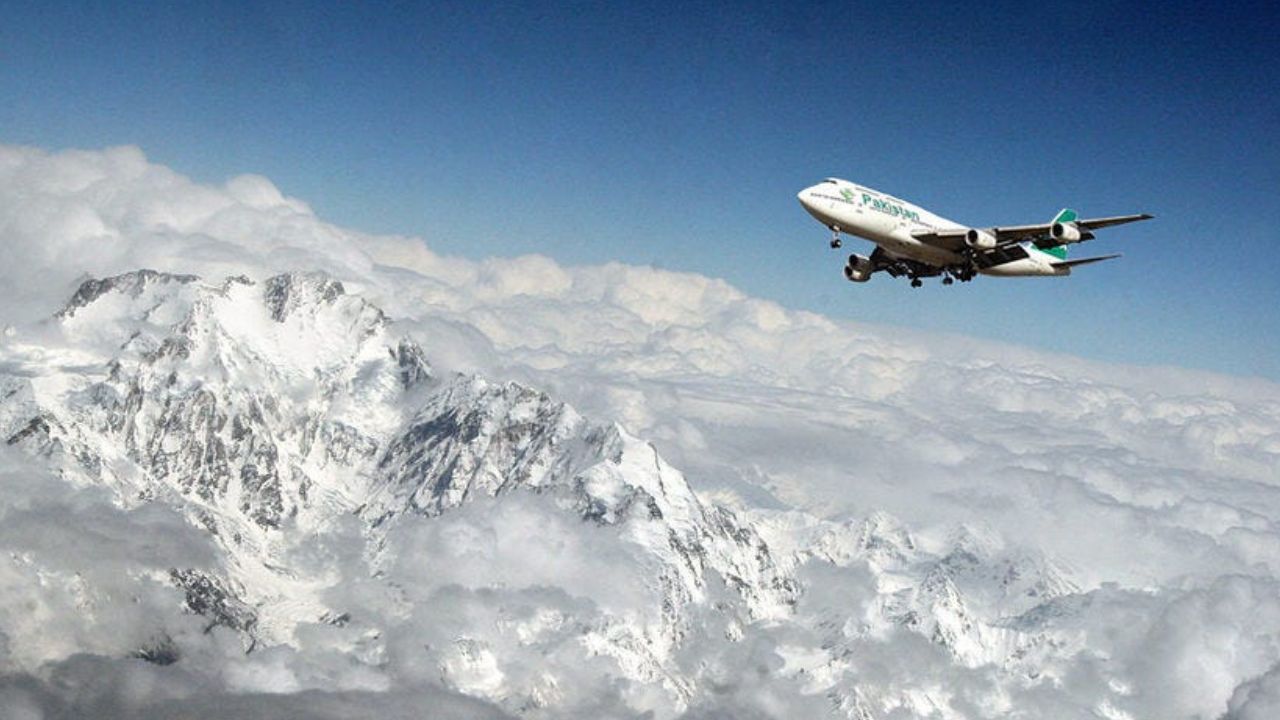
  • Gilgit, Skardu flights cancelled amid rising Pak-India tension

    Gilgit, Skardu flights cancelled amid rising Pak-India tension

    All commercial flights scheduled to operate to and from Gilgit and Skardu have been cancelled amid security concerns, as tensions between Pakistan and India remain high following the April 22 attack in Pahalgam.

    Pakistan has also increased monitoring of its airspace amid rising security concerns about possible aggression from India, media outlets quoted aviation sources as reporting on Wednesday.

    Air traffic control authorities have issued new directives to closely monitor all flight activities, including those of foreign airlines passing through Pakistani airspace.

    According to details, particular attention is being paid to flights arriving from India or operated by Indian carriers. Monitoring of suspicious aircraft has also been enhanced, and clearance for such flights will now require high-level approval.

    Officials have said that the measures are precautionary and aimed at ensuring national airspace security during a period of elevated regional tension.

    Meanwhile, special instructions reportedly have been issued to air traffic controllers at all major airports, including Lahore’s Allama Iqbal International Airport. Controllers have been directed to demand air defence clearance numbers from pilots of any suspicious aircraft prior to departure. No aircraft will be cleared without proper documentation and identification.

  • A man his killed his brother-in-law in Karachi after finding out that he was beating his sister.

    A man his killed his brother-in-law in Karachi after finding out that he was beating his sister.

    Habibullah attacked his brother-in-law Sharif, 24, near Singer Chowrangi in Karachi’s Korangi area. The attack, perpetrated with sticks, left Sharif dead and his brother Saleem, 25, injured. 

    Police reached the area, located close to a rickshaw stand in Sharafi Goth, and arrested Habibullah, confirming that he is indeed Sharif’s wife’s brother. 

    Habibullah admitted under questioning that he attacked Sharif after he physically assaulted his sister. 

    Both Sharif and Habibullah drove rickshaws in the area. 

    Police are investigating the matter.

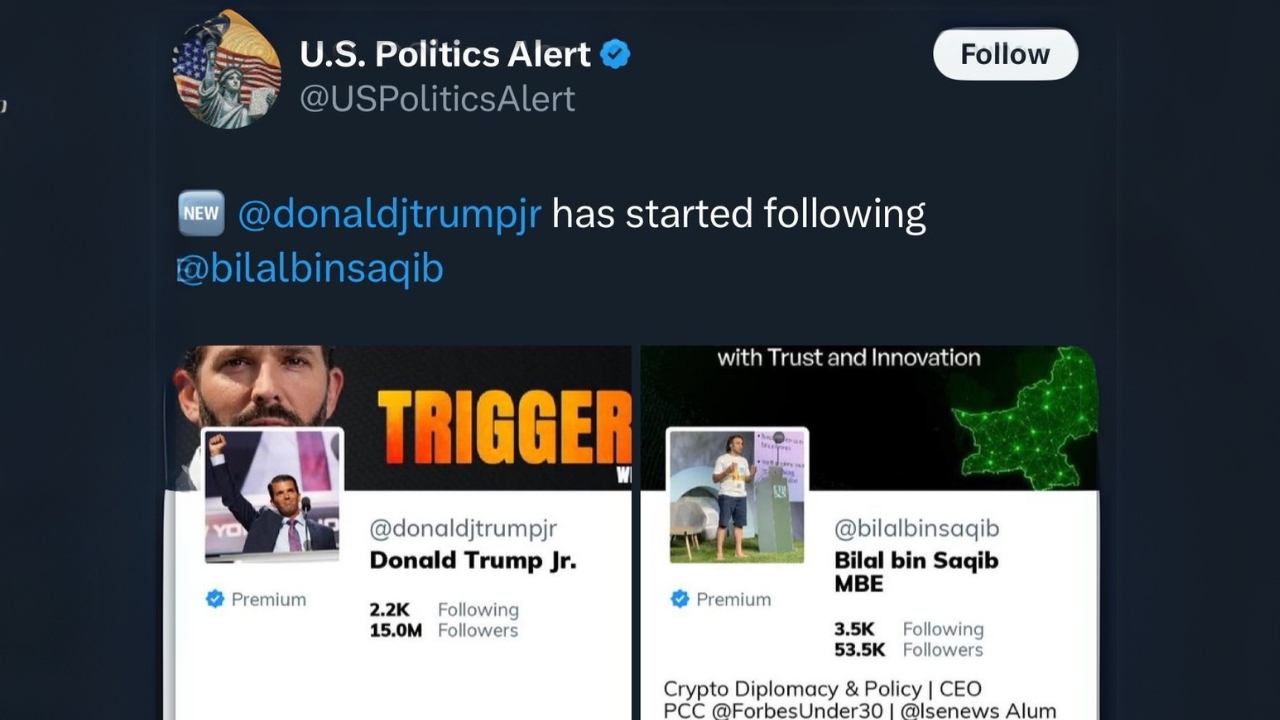
  • Crypto diplomacy peaks as Trump Jr follows Pak council’s Bilal Bin Saqib on X

    Crypto diplomacy peaks as Trump Jr follows Pak council’s Bilal Bin Saqib on X

    Following a series of high-level meetings between Pakistan and United States (US) digital finance stakeholders, Donald Trump Jr has followed Pakistan Crypto Council (PCC) CEO Bilal Bin Saqib on X. The gesture comes on the heels of a landmark partnership between the PCC and World Liberty Financial (WLF). 


    As per reports, President Donald Trump and some of his closest relatives collectively hold a 60 percent stake in the WLF, which is a decentralised finance platform. The partnership was formalised during a high-level meeting in Islamabad, and if successful, could accelerate blockchain innovation, support the adoption of decentralised finance (DeFi), and promote sustainable use of digital assets across Pakistan.


    Meetings between the PCC and WLF concluded that core initiatives that will fall under the partnership include regulatory sandboxes for blockchain-based financial products, real-world asset tokenisation, stablecoin rails for remittances and trade, and advisory services on global digital finance infrastructure.


    The PCC aims to reposition Pakistan as an innovation-friendly, tech-forward economy. Senior officials from the council such as Bilal bin Saqib intend to fast-track blockchain policy, while ensuring compliance with international standards. Donald Trump Jr is not the only individual keen in partnering up with Pakistan, as Binance’s co-founder Changpeng Zhao (CZ) also recently joined the PCC, lending credibility to the country’s crypto initiatives on the global stage.  


    Analysts have noted how all of this progress has taken place within just five weeks of the Council’s formation — signaling the speed and scale of transformation that effective leadership can deliver. The aforementioned groundbreaking partnerships have allowed the PCC to garner global attention, as it earns Pakistan international recognition as a serious player in crypto diplomacy.


    The WLF’s partnership with the PCC and Donald Trump Jr’s subsequent decision to follow Saqib is a symbolic yet significant moment — representing the growing interest among US crypto entrepreneurs and tech investors in Pakistan’s digital future. 


    This chapter of U.S.–Pakistan cooperation marks more than a moment — it signals a new direction; one where businesses are powered by blockchain, and innovation becomes the bridge between nations.

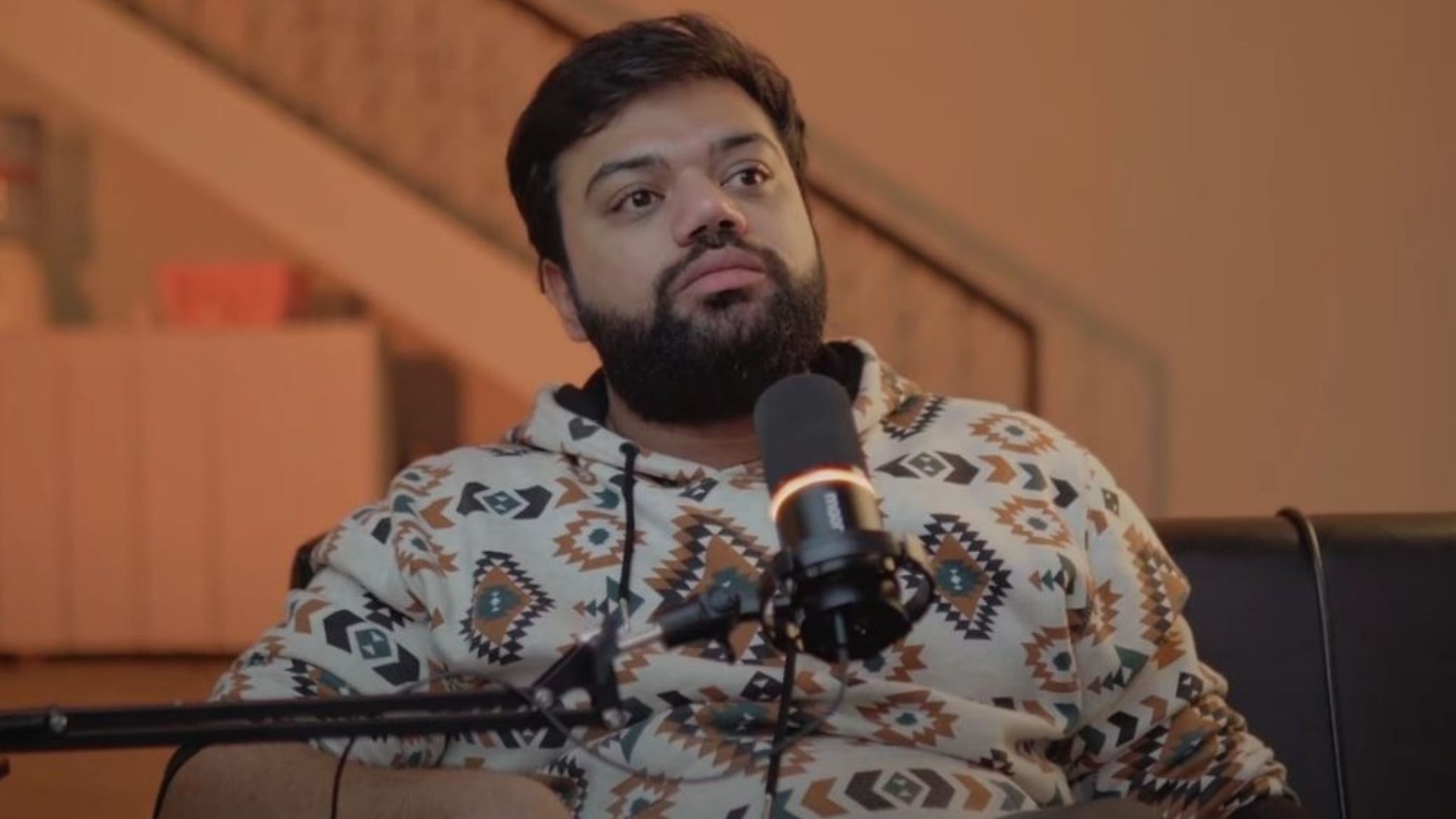
  • Ducky Bhai gets bail after video of reckless driving goes viral

    Ducky Bhai gets bail after video of reckless driving goes viral

    YouTuber Saad ur Rehman, better known as Ducky Bhai, has been granted protective bail by the Lahore High Court (LHC) after a case was filed against him for reckless driving on the motorway.

    On Tuesday, Justice Shahbaz Rizvi approved his bail request and stopped the police from arresting him until May 5, the date of his next court appearance.

    The case was registered at the Chakri police station in Rawalpindi after Ducky Bhai uploaded a video where he was seen driving with his feet on the dashboard.

    According to the FIR, he showed “extreme carelessness and recklessness,” putting his life and that of others at risk. He has been charged under Section 279 of the Pakistan Penal Code (rash driving) and Article 67 of the National Highway Safety Ordinance, 2000 (dangerous driving).

    Speaking to reporters outside the court, Ducky Bhai said: “I’m not here to give justifications, but the accusation that I was driving with my feet is misleading — my feet were on the dashboard, not the steering wheel.”

    He also addressed the claim that he was asleep while driving: “It might look like that in the video because my left eye is closed, but my right eye is open — I have proof. The entire video shows me giving instructions as well.”

    Calling the video a “mistake”, he explained: “The car has auto-steering and automatic braking. It adjusts speed, stays in the lane, and brakes on its own. I also made sure no one was in front of me.”

    Although he admitted that the video was irresponsible, he added: “I’m not justifying anything, I’m only giving my side of the story.”

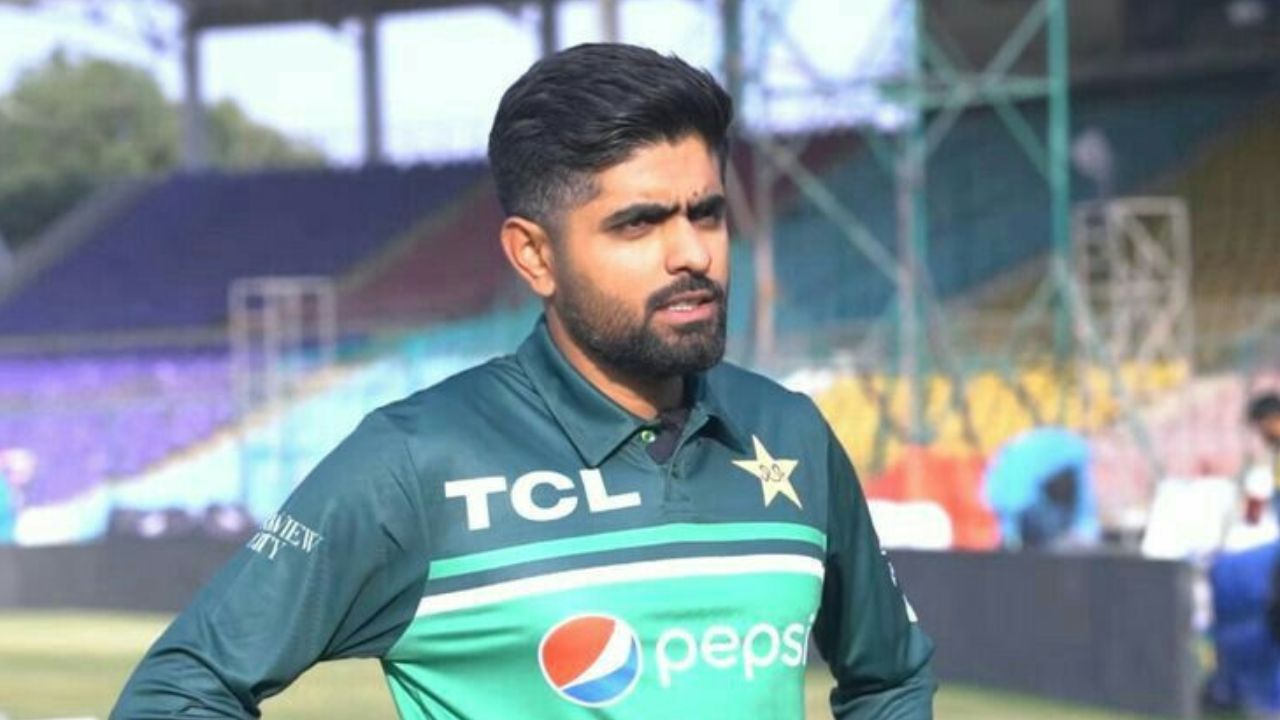
  • ‘No one sacrifices batting position more than me,’ says Babar Azam

    ‘No one sacrifices batting position more than me,’ says Babar Azam

    Peshawar Zalmi’s captain Babar Azam has claimed that no player sacrifices their batting position more than he does.

    Talking to a private TV channel in Lahore, the former Pakistan cricket captain shared his thoughts on the challenges his team has faced.

    Babar explained that Zalmi started with two wins but has struggled with consistency since then. “Half of the tournament has passed, and we’ve lost matches in phases, sometimes in batting, sometimes in bowling,” he said.

    He also highlighted that the team’s fielding has not been up to the mark, adding, “Regardless of conditions, we must stick to the plan and make sure we don’t drop catches or lose wickets at crucial moments.”

    On a personal note, Babar acknowledged that people expect him to stay at the crease longer. “I enjoy even short innings, but I’ve not been able to play long ones as expected. I make mistakes and try to correct them, though new mistakes still happen — that’s just how it is. The key is how focused you remain. I am still very focused,” he said.

    The captain also commented on his playing style, the constant talk around strike rates, and aggressive play. “I don’t need to prove to anyone what kind of player I am — everyone already knows. I always play according to the situation and the team’s needs. I’m fully aware of my strike rate,” he said.

    When asked about his batting position, Babar clarified that he has never insisted on playing in a specific spot. “No one has changed positions as much as I have. I’ve batted at number six and even opened. Whether it’s for the franchise or the national team, I always play where I’m needed. I’ve never said I won’t bat at a certain number for fear of poor performance,” he added.

    Babar emphasised the importance of performance over making statements. “I know how to speak, but my elders taught me to respect others. My job is to perform on the field. I work hard and am never satisfied with my performance. Even when I’ve been ranked number one, I always look ahead and think of my country.”

    During his T20 career, Babar made it clear that decisions about whether he plays or rests are up to the selectors and coaches. “It’s not up to me whether I play or rest. My job is to perform, be it T20, ODI or Test cricket. I was told I’m being rested from T20s; let’s see what they decide next,” he said.

    He also addressed the idea that ODIs might become less important because of T20 cricket. “The 50-over format tests your patience, and we now see scores over 350. ODIs have always been special for me, filled with good memories and performances,” he shared.

    As for the PSL, Babar praised the league’s high standards and emphasised that its quality remains strong. “Interest may vary from match to match, but overall the quality remains. Foreign players want to participate. The bowling quality here is excellent — each team has bowlers who clock over 145 kph,” he said.

    Babar acknowledged the love and support from his fans, saying, “Their love and support mean I must perform in front of them. It gives me confidence when fans appreciate me wherever I go. When the crowd chants ‘Babar, Babar’, I thank Allah for the respect I’ve received.”

    Reflecting on his journey, he added, “I used to ride a bicycle to the stadium, dreaming of playing there one day. Now, the same crowd cheers for me. I remember starting as a ball picker and later playing as a bowler. I’m truly grateful to Allah and feel a greater responsibility not to let my fans down.”

    Babar also shared his light-hearted side, admitting that he enjoys the memes made about him. “They’re a sign of affection from fans,” he said, showing his appreciation for the love he receives.

    It is worth mentioning that Peshawar has won only two games in the ongoing PSL season and is on the verge of elimination before the playoffs.