Blog

  • Pakistanis troll India as ICC arrives in Lahore for World Cup clash negotiations

    Pakistanis troll India as ICC arrives in Lahore for World Cup clash negotiations

    Pakistanis have been trolling India after Indian media claimed the International Cricket Council (ICC) would punish Pakistan over its decision not to play against India in the T20 World Cup. Instead, ICC officials flew to Lahore for negotiations with the Pakistan Cricket Board (PCB).

    The Government of Pakistan had earlier instructed the PCB not to play against India in the World Cup. The match, scheduled for February 15 in Colombo, became controversial after the PCB accused the ICC of bias in decisions involving Bangladesh. 

    Tensions escalated after Pakistan announces to boycott the clash against India at the T20 World Cup on Feb 15.

    Following Pakistan’s stance, Indian media, including so called senior journalist Vikrant Gupta, claimed the ICC would punish Pakistan, remove it from the World Cup, or ban it from future events. However, ICC rules limit its authority, as the decision to skip the match came from the Pakistani government, not the PCB. The ICC can at most deduct points or fine Pakistan if it does not play. 

    Pakistanis reminded critics that India has not visited Pakistan since 2008 and has repeatedly refused bilateral cricket under the instruction of Indian government.

    Gupta also claimed that the PCB is trying to negotiate with the ICC, but the PCB categorically denied his claims, calling them, as usual, Indian media fictions.

    Pakistani journalist Syed Yahya Husain responded to Indian media claims that Pakistan made a U-turn after the ICC visit. 

    He said, “Agreed, right? Took the U-turn. I told you, didn’t I, that they will play on the 15th. These things are being talked about from the neighboring country, their media people, their ex-players, saying such things. I thought, if they are giving their narrative there, then we should also give our narrative here. It’s not about narrative; it’s about truth, it’s about principles, and it’s about rights. The decision was made by the government of Pakistan. Pakistan Cricket Board had nothing to do with it.”

    He added, “Lahore has become the center of attention, and the world of cricket is focused here, where the Chairman of the PCB, Mohsin Naqvi, along with Mubashir Usmani and Imran Khawaja, are negotiating. The terminology ‘U-turn’ is being used in a negative way. Pakistan stands with Bangladesh in a principled fight, and a principled fight always carries the message of victory.”

    Pakistan cricketer Fawad Alam also responded to U-turn claims, saying, “There was talk of a U-turn, that PCB always takes a U-turn. Where did the ICC guy come from, bro? He came to Lahore, so how can you say that PCB will take a U-turn? We did not go to meet India. They have come here, and that is why negotiations are happening.”

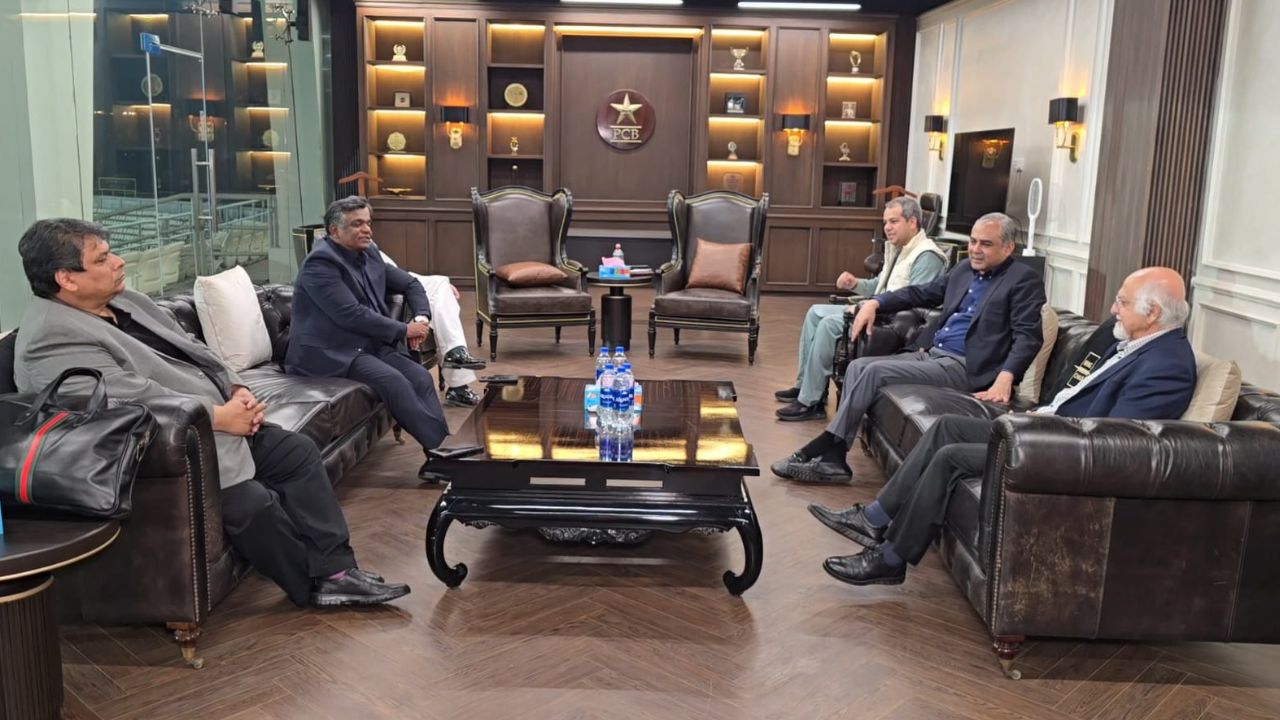
    Senior ICC officials held nearly four hours of talks on Sunday night in Lahore with PCB Chairman Mohsin Naqvi. ICC Vice Chairman Imran Khawaja, who arrived on an emergency visit, led the mediation. 

    BCB President Aminul Islam also met Naqvi and Khawaja, while Emirates Cricket Board official Mubashir Usmani joined via video link. Reports said Sri Lanka Cricket and the Emirates board urged Pakistan to reconsider its stance.

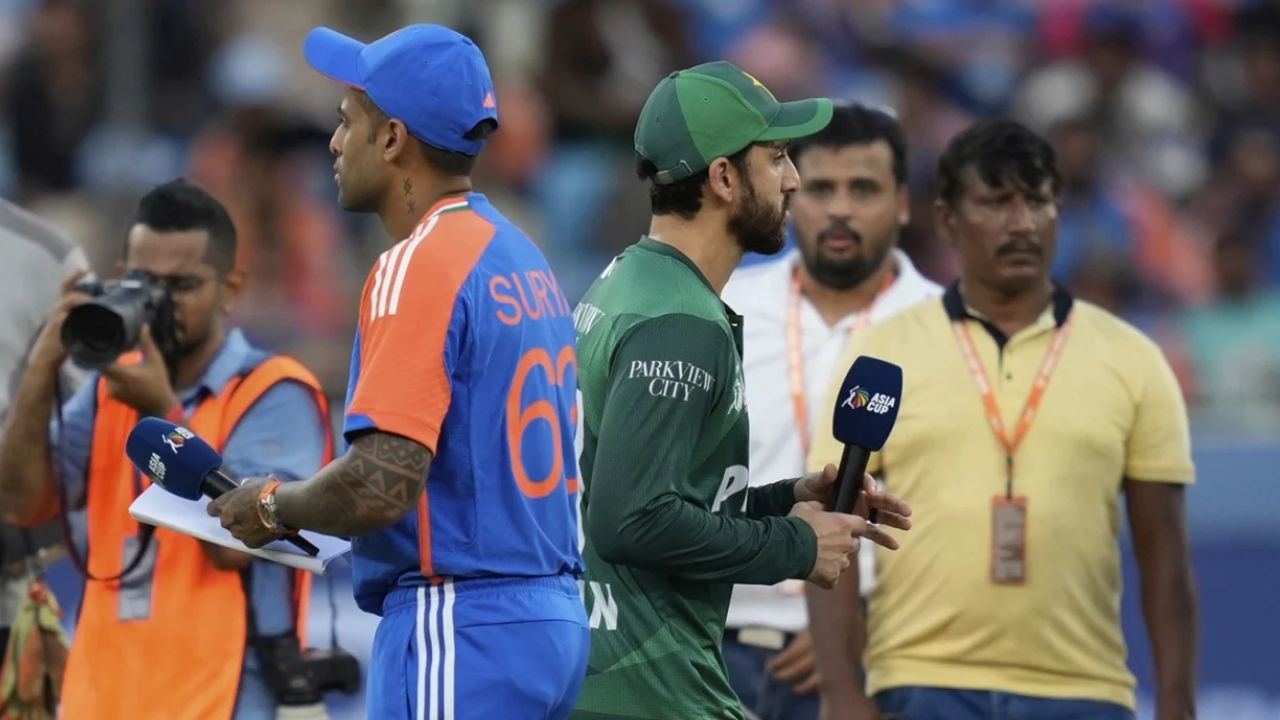
    According to media reports, Pakistan has demanded an increase in its share of ICC revenue and progress on the restoration of bilateral cricket with India, which the two sides have not played since 2012–13. Pakistan also asked the ICC to ensure on-field protocols are followed, citing incidents from the Asia Cup 2025, including India not shaking hands before the toss and closing dressing room doors after winning. 

    The ICC has responded positively to demands raised by the Bangladesh Cricket Board and prepared a formula to address the injustice done to Bangladesh.

    Pakistan could still face India in the ongoing Men’s T20 World Cup if the conditions the country has presented are accepted, with the final decision resting with Prime Minister Shehbaz Sharif.

    Indian media, however, continues to rant that Pakistan took a U-turn and that its prime minister could not stand firm, while the ICC flying in to meet PCB Chairman clearly shows who actually made the U-turn and who is desperate for negotiations.
  • Bad Bunny’s Super Bowl show draws Trump’s ire: ‘One of the worst, EVER!’

    Bad Bunny’s Super Bowl show draws Trump’s ire: ‘One of the worst, EVER!’

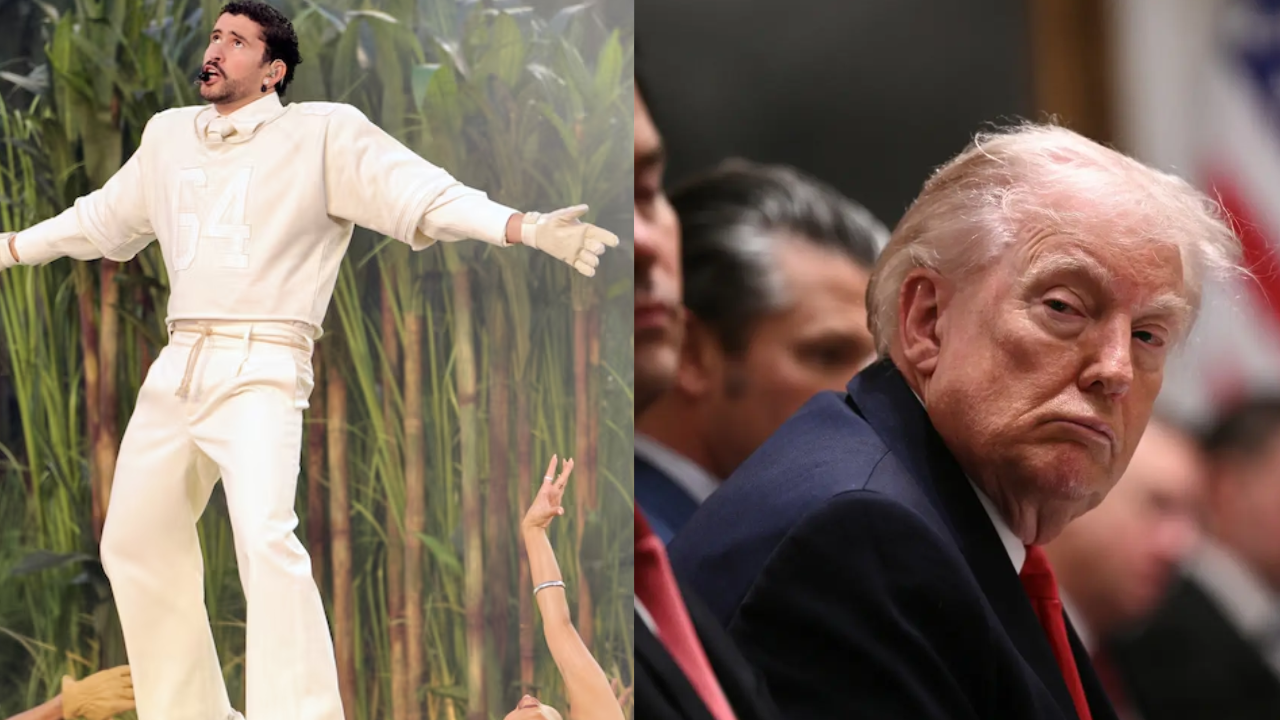
    US President Donald Trump criticised Bad Bunny’s Super Bowl LX halftime show, attacking the performance for its language, choreography and cultural references in a Truth Social post issued shortly after it aired.

    During his Super Bowl halftime performance, Bad Bunny handed a Grammy Award to a young Latino boy on stage, saying in Spanish, “Cree siempre en ti” (“always believe in yourself”). Social media briefly speculated the boy was Liam Conejo Ramos, a 5-year-old immigrant who was recently detained, but this was not the case. While Bad Bunny did not mention U.S. immigration authorities during the show, he has addressed related issues recently. At the Grammys last week, accepting the Album of the Year award for Debí Tirar Más Fotos, he said, “Before I say thanks to God, I’m going to say: ICE out,” dedicating the award to “all the people that had to leave their homeland…to follow their dreams.” 

    Trump wrote that the performance was “absolutely terrible, one of the worst, EVER!” He said the show was “a slap in the face to our country” and claimed it failed to reflect what he described as American standards of “Success, Creativity, or Excellence.”

    Trump’s criticism focused in part on the language used during the performance. “Nobody understands a word this guy is saying,” he wrote, referring to Bad Bunny’s predominantly Spanish set. He also criticised the choreography, describing it as “disgusting,” and said it was inappropriate for children watching the broadcast.

    Trump said there was “nothing inspirational” about the halftime show and referred to it as “a mess.” Although the performance did not mention him or his administration, Trump compared it to what he described as achievements under his leadership, saying the show was “an affront to the Greatness of America.”

    Bad Bunny, a Grammy-winning artist from Puerto Rico, headlined the halftime show at Levi Stadium in Santa Clara, California. His performance incorporated visual elements and staging tied to Caribbean and Latin American culture.

    During one segment, Bad Bunny addressed the audience while transitioning between songs, saying in Spanish, “It’s because I never, never stopped believing in myself, and you too should believe in yourself.” The performance included a stage designed to resemble sugar cane fields and featured a piragua stand, a traditional shaved ice snack associated with Puerto Rico.

    Bad Bunny later performed songs including “BAILE INoLVIDABLE” and “NUEVAYoL” in front of a set designed as a marketplace labelled “La Marqueta.” 

    The show concluded with fireworks during a performance of “DtMF.” Lady Gaga later joined Bad Bunny on the field for a salsa-style rendition of her song “Die With a Smile,” followed by an appearance by Latin artist Ricky Martin.

    In the same Truth Social post, Trump also criticised the NFL’s kickoff rules, calling the league’s dynamic kickoff format “ridiculous” and urging officials to reverse the change.

    Bad Bunny has faced criticism from conservative figures since he was announced as the Super Bowl halftime performer, with Trump’s comments reflecting broader opposition from right-wing voices to the NFL’s selection of the Puerto Rican singer.

  • ‘Our festival’: Indians react angrily to Pakistan’s jubilant Basant revival

    ‘Our festival’: Indians react angrily to Pakistan’s jubilant Basant revival

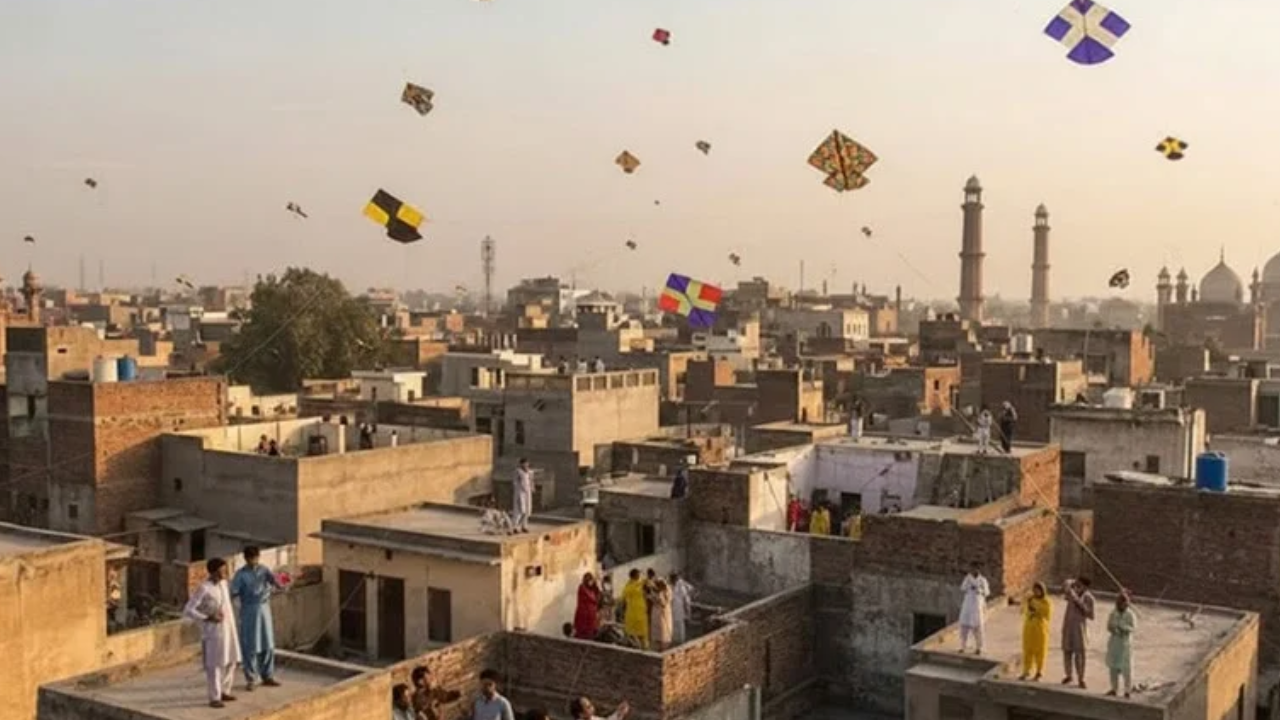
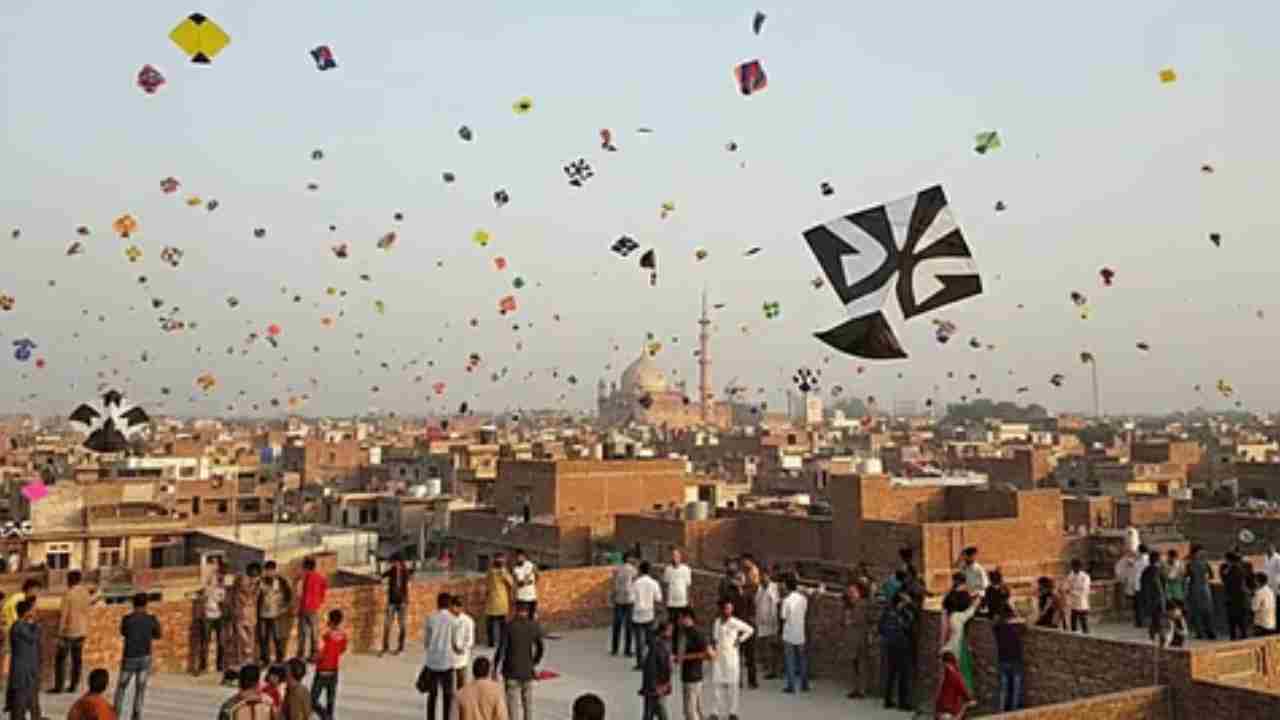
    After nearly two decades, Basant celebrations returned to Lahore, drawing large crowds, packed rooftops, and widespread activity across the city. However, the revival also triggered a wave of negative reactions from Indian netizens.


    Social media was flooded with clips of kites battling in the sky, music blaring from rooftops, and people enjoying themselves in bright yellow clothes, marking what many called the long-awaited revival of Lahore’s cultural identity.


    However, the celebrations also ignited heated debates online, particularly among Indian Hindutva extremists, many of whom accused Pakistan of “claiming” or “renaming” a Hindu festival.


    “So Pakistanis renamed Makar Sankranti as Basant, shifted it to a different date, and now celebrate it just to fly kites… Just wow,” one user wrote.

    Another commented, “Now Pakistan is stealing Indian Hindu festival Vasant Panchami and calling it their own.”

    One post read, “It’s our Hindu festival… and we celebrate it every year,’ while another user claimed, ‘Seeing clips of Basant from Pak, it seems like Pakis have memed it into a real thing somehow.”

    Some users also argued that kite flying was originally an Indian practice and not exclusive to Punjab, with one writing that Pakistan had only ‘revived’ something that had always continued in India.

    Another comment suggested that Pakistanis were trying to claim the festival as part of “Punjabi Sufi culture” and were opposing attempts to label it as a Hindu calendar event.

    One user said that trying to “gatekeep” the tradition made no sense, calling it “the soul of Punjab from Lahore to Amritsar.”

    Another post said Hindu festivals were enjoyable and encouraged people to keep celebrating, while others pointed out that different regions have their own versions and ways of observing the spring festival.


    Basant, once one of Lahore’s most iconic cultural events, was effectively banned in 2007 after a series of fatal accidents linked to metal and chemical-coated kite strings. The restrictions remained in place for years despite repeated calls from citizens, traders, and cultural groups to revive the festival under regulated conditions.

    In December 2025, the Punjab government finally announced the return of Basant as a three-day event from February 6 to 8, 2026, bringing the festival back to the city after nearly two decades. The revival was framed as both a cultural celebration and a regulated, safer version of the traditional festivities.

  • Pakistan-India World Cup clash back on track under THESE conditions, reports say

    Pakistan-India World Cup clash back on track under THESE conditions, reports say

    Pakistan could still face India in the ongoing Men’s T20 World Cup if the conditions the country has presented are accepted, with the final decision resting with Prime Minister Shehbaz Sharif.

    According to sources that talked to media, Pakistan Cricket Board (PCB) has conveyed to the International Cricket Council (ICC) that the ultimate decision on a Pakistan-India match will come from the prime minister, and any progress will depend on government approval.

    Senior ICC officials held nearly four hours of talks on Sunday night in Lahore with PCB Chairman Mohsin Naqvi, with negotiations continuing late into the night. ICC Vice Chairman Imran Khawaja, who arrived in Lahore on an emergency visit, led the mediation and met Naqvi at Gaddafi Stadium.

    BCB President Aminul Islam also arrived in Lahore and met Naqvi and Khawaja. 

    Khawaja assured the PCB that he would present Pakistan’s position before the ICC board. Emirates Cricket Board (ECB) official Mubashir Usmani joined the talks via video link, while Sri Lanka Cricket and the Emirates board separately urged Pakistan to reconsider its decision not to play India, reports said.

    According to media reports, Pakistan has demanded an increase in its share of ICC revenue and progress on the restoration of bilateral cricket with India, which the two sides have not played since 2012–13. 

    The reports also said Pakistan asked the ICC to ensure that on-field protocols are properly followed, citing incidents from the Asia Cup 2025, including India not shaking hands before the toss and closing the dressing room doors after winning the match.

    The ICC has responded positively to demands raised by the Bangladesh Cricket Board (BCB) and prepared a formula to address the injustice done to Bangladesh.

    Reports added that the PCB did not invite the ICC delegation; the ICC decided on its own to send a reconciliation team to Pakistan. 

    Mohsin Naqvi may meet Prime Minister Shehbaz Sharif on Monday if further consultation becomes necessary.

    Pakistan had earlier decided not to play against India in the T20 World Cup following government instructions, media reports said. The match, scheduled for February 15, became controversial after the PCB accused the ICC of bias in decisions involving Bangladesh.

    Tensions increased after Bangladesh fast bowler Mustafizur Rahman was dropped from the Indian Premier League (IPL) at the direction of the Board of Control for Cricket in India (BCCI). The BCB later asked the ICC to move its matches outside India, but the ICC rejected the request due to scheduling constraints, reports added.

    The ICC later replaced Bangladesh with Scotland in the tournament. Pakistan stood with Bangladesh and refused to play the high-profile match against India in Colombo in support of Dhaka.

    In commercial terms, media estimates value a single Pakistan India T20 match at around $250 million, factoring in broadcast rights, advertising premiums, sponsorships, ticket sales, and related commercial activity.

  • From degrees to digital skills: Why AI training is changing career paths!

    From degrees to digital skills: Why AI training is changing career paths!

    The traditional career playbook is being rewritten in real-time, and Pakistan’s youth are at the forefront of this transformation. For decades, the formula was simple: earn a degree, secure a job, climb the ladder. Today, that pathway is crumbling. A computer science degree that once guaranteed employment now competes with self-taught developers who’ve spent six months mastering AI frameworks. The shift isn’t just disruptive, it’s democratizing opportunity in ways that favor Pakistan’s hungry, digitally native generation over credential-obsessed hiring practices of the past.

    Consider the numbers that tell this story. LinkedIn reports that AI specialist roles have grown by 74% annually over the past four years, yet traditional universities can’t produce graduates fast enough to meet demand. Meanwhile, platforms like Coursera and edX report that Pakistan ranks among the top 10 countries for AI and machine learning course enrollments, with over 300,000 learners actively pursuing certifications. These aren’t supplementary skills for existing careers, they’re complete career pivots. A civil engineer in Faisalabad becomes a machine learning engineer through evening bootcamps. An English literature graduate in Karachi transitions into natural language processing after a three-month intensive program. The degree becomes secondary; the demonstrable skill becomes everything.

    This transformation challenges deeply held cultural beliefs about education and career prestige. Pakistani families have traditionally valued medical, engineering, and business degrees as markers of success and stability. But when a 24-year-old with a six-month AI certification earns more than a doctor in their first year, paradigms shift quickly. The freelancing economy provides undeniable proof, Pakistani AI developers are securing $40-80 per hour contracts on platforms like Upwork and Toptal, often matching or exceeding what local corporate jobs pay monthly. These aren’t isolated success stories, they’re becoming the norm for skilled practitioners who can demonstrate competency through portfolios, GitHub contributions, and live project work rather than transcripts.

    The corporate world is responding faster than academia can adapt. Major Pakistani companies are now hiring based on skills assessments and practical tests rather than degree requirements. Tech startups routinely prefer candidates with strong GitHub profiles and completed AI projects over those with prestigious university credentials but no practical experience. International companies outsourcing to Pakistan increasingly value certification stacks—AWS Machine Learning Specialty, TensorFlow Developer Certificate, Microsoft Azure AI Engineer—over traditional degrees. This credential flexibility creates pathways for talent that would have been locked out under the old system, including women returning to work after career breaks, professionals from non-technical backgrounds, and youth from cities beyond the Lahore-Karachi-Islamabad triangle.

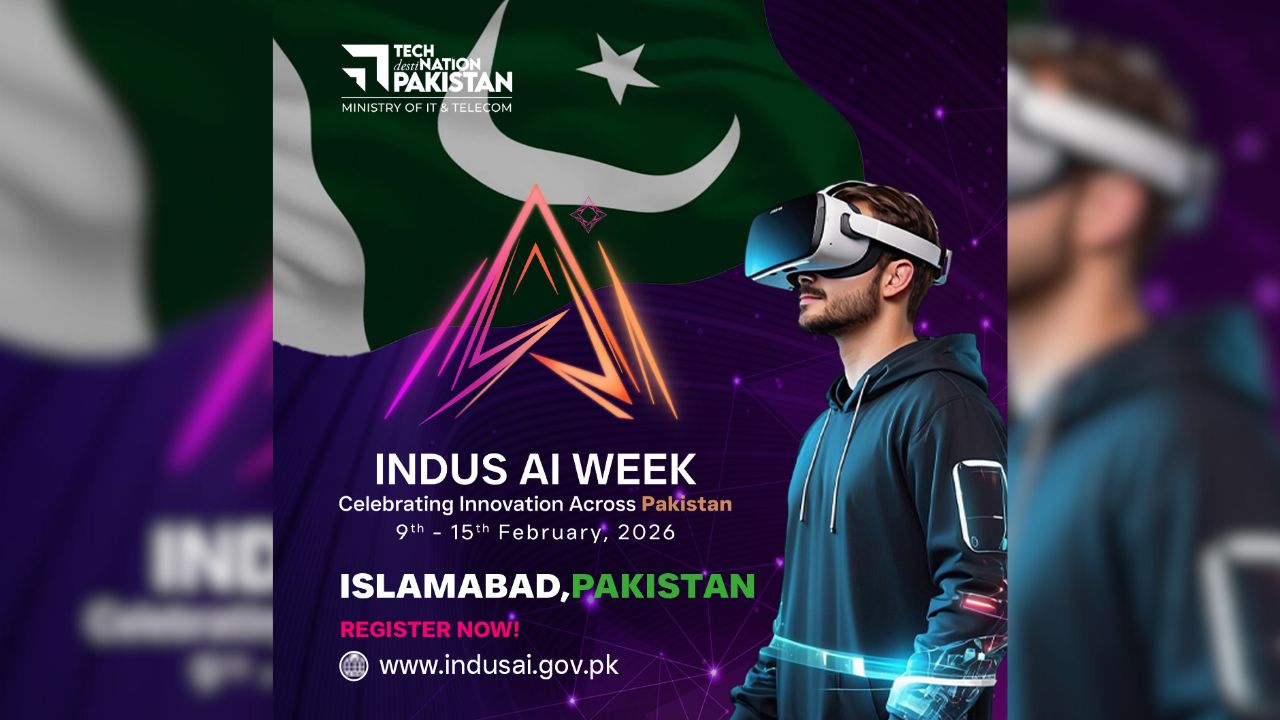
    Events like Indus AI Week address these tensions by bringing together traditional educators, industry practitioners, and emerging talent to forge new pathways that combine the best of both worlds, rigorous skill development with ethical frameworks, practical training with theoretical foundations, and accessible learning with quality standards. For diaspora professionals, these conversations offer chances to shape how Pakistan navigates this transition, ensuring the move from degrees to digital skills creates genuine opportunity rather than merely shifting gatekeeping from universities to platform algorithms.

    The career landscape is transforming, and Pakistan’s youth are learning to navigate it in real-time. Join Indus AI Week to help bridge the gap between traditional education and digital skills training, ensuring this transition creates sustainable careers, not just temporary opportunities. The question isn’t whether degrees still matter, it’s how we integrate formal education with practical AI training to create career paths that are both accessible and substantive, preparing Pakistan’s workforce not just for today’s jobs, but for careers that don’t yet exist.

  • At least 31 martyred, 169 injured in Islamabad bombing during Friday prayers

    At least 31 martyred, 169 injured in Islamabad bombing during Friday prayers

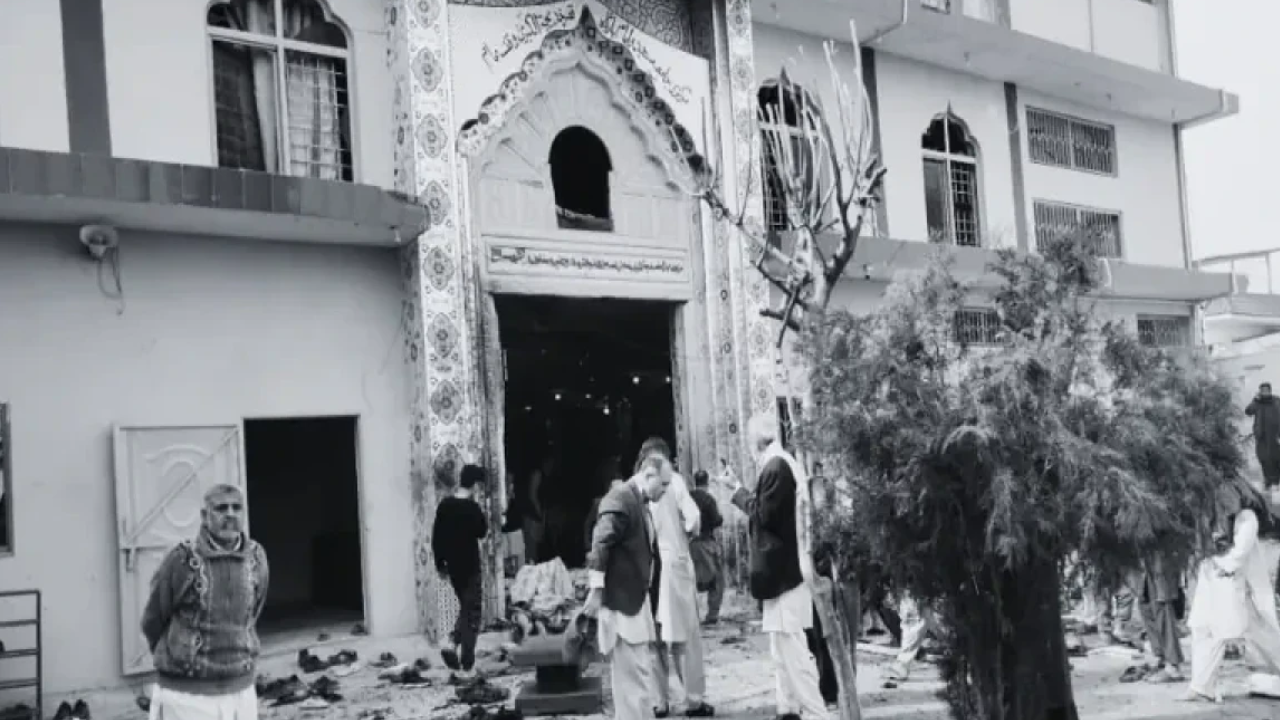
    At least 31* worshippers were martyred and 169 sustained injuries in a suicide bombing at an imambargah on the outskirts of Islamabad on Friday afternoon. When the incident was initially reported, police sources said that 12 people were martyred while several others were injured.

    The incident occurred in the Tarlai area around the time of Friday prayers. A suicide bomber attempted to enter the imambargah but was stopped by security personnel at the gate. The attacker then detonated himself at the entrance, reports quoted sources.

    Police sources said the attacker was a foreign national and was linked to Fitna-al-Khawarij, a term used by the state for the Tehreek-e-Taliban Pakistan (TTP). “The bomber blew himself up after being stopped at the gate,” a police source said, confirming that the blast took place before the attacker could enter the premises.

    Following the explosion, police and security agencies launched an operation at the site and cordoned off the surrounding area. Bomb disposal and investigation teams were called in to assess the scene and collect evidence, the sources said.

    The injured were shifted to hospitals in the federal capital for medical treatment. An emergency was imposed at the Pakistan Institute of Medical Sciences (Pims), Polyclinic Hospital, and CDA Hospital, officials said.

    On the directives of the executive director, an emergency has been enforced at PIMS . The main emergency, orthopaedic, burn centre, and neurology departments had been activated to receive the injured. 

    Condemnations over the attack poured in from political leaders and officials.

    President Asif Ali Zardari extended condolences to the victims in a statement issued by the Pakistan Peoples Party on X. Expressing grief over the incident, he said, “Targeting innocent civilians is a crime against humanity.” The president prayed for the speedy recovery of the injured and directed that all possible medical facilities be provided to them.

    Prime Minister Shehbaz Sharif condemned the blast in a statement. He expressed grief over the incident and said he “strongly condemns” the attack.

    Iranian Ambassador to Pakistan Reza Amiri Moghadam condemned the incident in a post on X on behalf of the Iranian government and people. “On behalf of the government and the people of the Islamic Republic of Iran, I strongly condemn the terrorist attack in Islamabad during Friday prayers which led to the martyrdom and injury of innocent civilians,” he said. “I extend my condolences and sympathy to the government and people of Pakistan, particularly the bereaved families, and pray for the recovery of the injured.”

    The blast comes days after a series of attacks in Balochistan that resulted in multiple casualties. According to official statements, attacks carried out by the Balochistan Liberation Army (BLA) claimed the lives of 36 civilians, including women and children, along with 22 security and law enforcement personnel.

    The attacks were reported in several districts, including Quetta, Mastung, Nushki, Dalbandin, Kharan, Panjgur, Tump, Gwadar, and Pasni, on January 31.

    A day before the Islamabad attack, the Inter-Services Public Relations (ISPR) said security forces had concluded Operation Raddul Fitna-1. In a statement, the military’s media wing said at least 216 terrorists were eliminated in coordinated engagements and clearance operations conducted in different areas.

    *The death toll and number of injured persons were last updated by the filing of this report.

  • Internet trolls ‘hypocrite’ Maria B for saying ‘won’t celebrate Basant’, then launching kite-themed kidswear

    Internet trolls ‘hypocrite’ Maria B for saying ‘won’t celebrate Basant’, then launching kite-themed kidswear

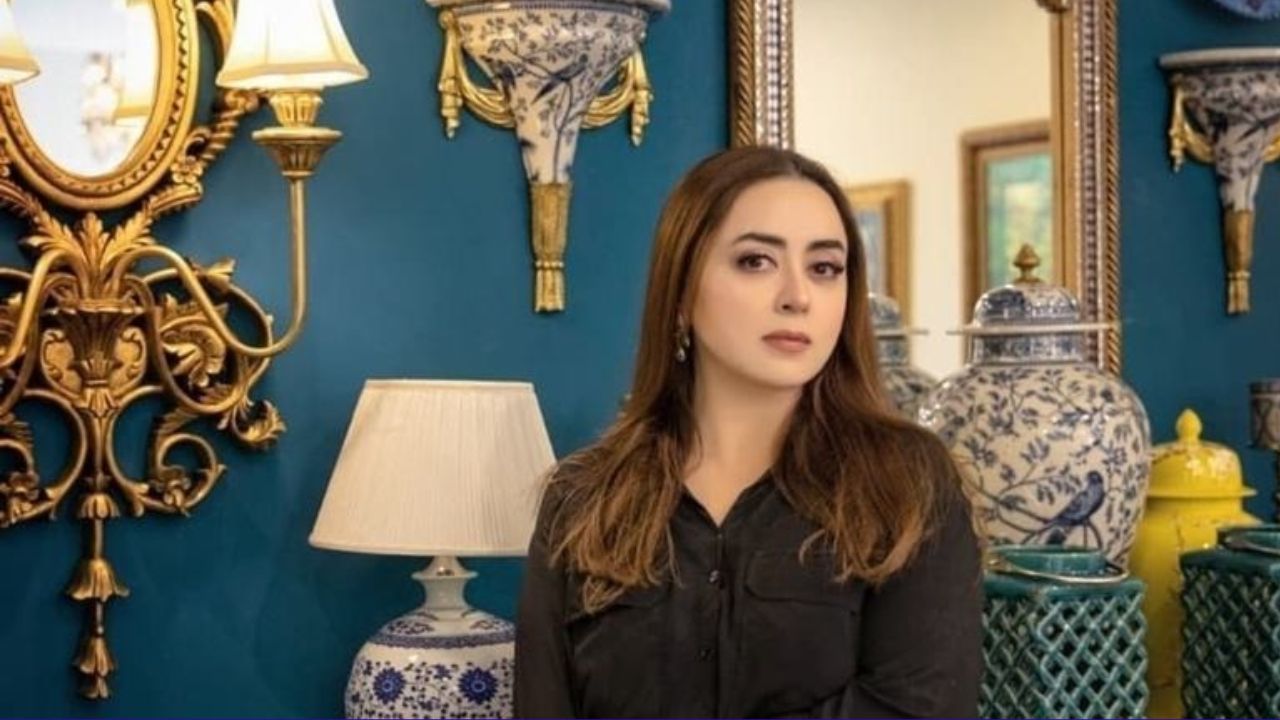
    Maria B has come under scrutiny on social media after her recent Instagram activity highlighted a seeming disconnect between brand promotion and personal positioning, as she announced a kite-themed kidswear collection while also publicly stating that she would not be celebrating Basant, a festival traditionally associated with kite-flying.


    In recent posts, the designer promoted her upcoming kidswear line titled The Kite Club | Spring Summer Collection ’26, a collection whose branding prominently references kites – a central symbol of Basant. Around the same time, Maria B also shared a story stating that she would not be celebrating the festival.


    In the story, she wrote: “No, I’m not celebrating Basant. Please stop sending me invites. Why? Because there is nothing to celebrate… rather there is much to mourn. We have lost our humanity and integrity.”


    The timing and contrast between the two messages quickly drew attention on social media, with users pointing out what they described as a contradiction between the collection’s theme and her stance on Basant. 


    Several netizens accused the designer of hypocrisy, with comments such as “She is such a hypocrite,” “Munafiq,” and “Hypocrisy! She’s launching her Basant collection lol.”


    Others reacted more mockingly, questioning the logic behind the juxtaposition. One comment read, “Logic: 0, Maria B: 1,” while another claimed the designer “needs help and too urgently.”

  • Indian actor Rajpal Yadav surrenders to police

    Indian actor Rajpal Yadav surrenders to police

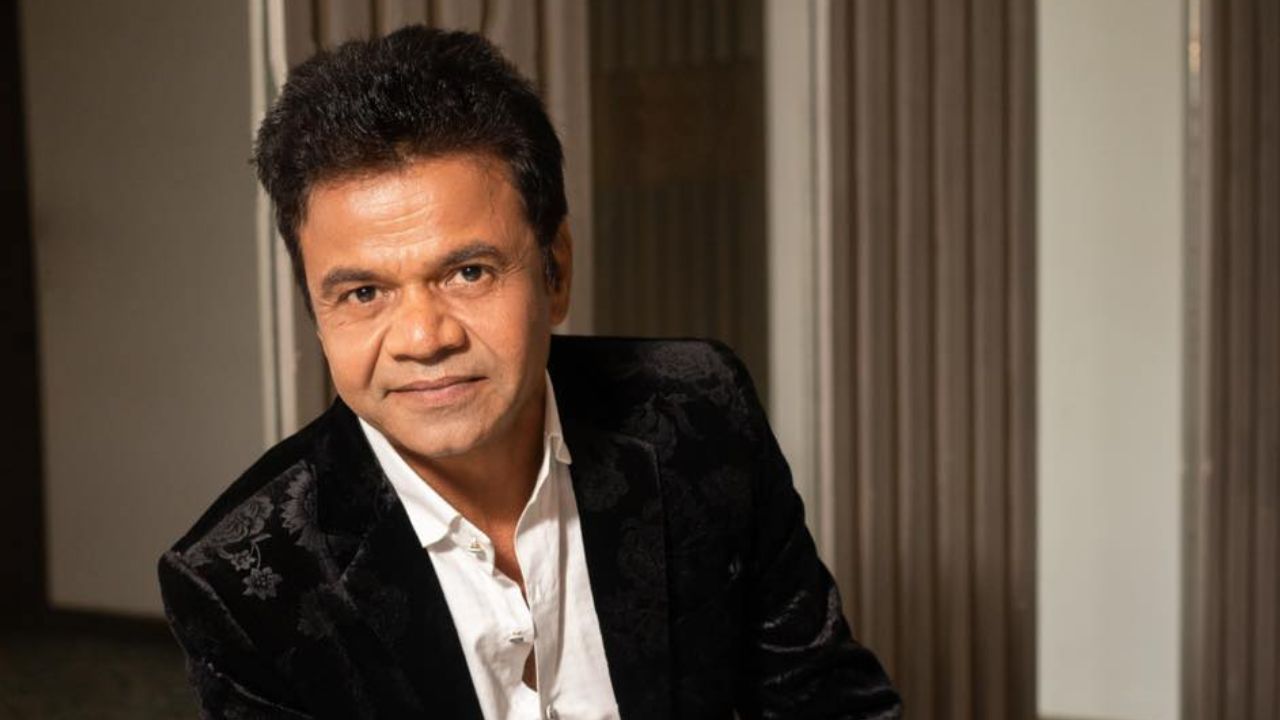
    Bollywood actor Rajpal Yadav has surrendered himself at Tihar Jail after the Delhi High Court rejected his request for an extension of time in multiple cases concerning bounced cheques. 

    Indian media reported that the High Court on Wednesday refused to grant Yadav more time to appear before jail authorities. Following the decision, the actor presented himself before Tihar Jail officials on Thursday.

    According to reports, Yadav arrived at the jail around 4:00 pm, after which authorities began legal procedures.

    Earlier, the court had directed the actor on February 2 to surrender by February 4. Yadav’s lawyer informed the court that the actor had arranged Rs5 million (Indian rupees) and requested an additional week to complete the payment. 

    However, Justice Swarna Kanta Sharma rejected the plea, stating that there was no basis to grant further relief.

    Rajpal Yadav was convicted in April 2018 for failing to repay a loan and received a six-month jail sentence along with a fine. The court granted him interim bail at the time. 

    In June 2024, the High Court temporarily suspended his sentence on the condition that he take “serious and genuine steps” toward an amicable settlement with the complainant.

    According to reports, Yadav had borrowed Rs50 million (Indian rupees) from a businessman to produce a film. When he failed to repay the amount, the lender initiated legal proceedings that led to the conviction.

    Rajpal Yadav remains one of Bollywood’s most popular comic actors and has delivered several memorable performances. 

    He earned widespread praise for roles in films such as Bhool Bhulaiyaa, Hera Pheri, Hungama, Dhol, Chup Chup Ke, and Kal Ho Naa Ho, where his comic timing made him a standout presence in ensemble casts.

  • ‘If Babar or Fakhar don’t fit in, they won’t be in playing XI’: Salman Ali Agha on T20 World Cup squad

    ‘If Babar or Fakhar don’t fit in, they won’t be in playing XI’: Salman Ali Agha on T20 World Cup squad

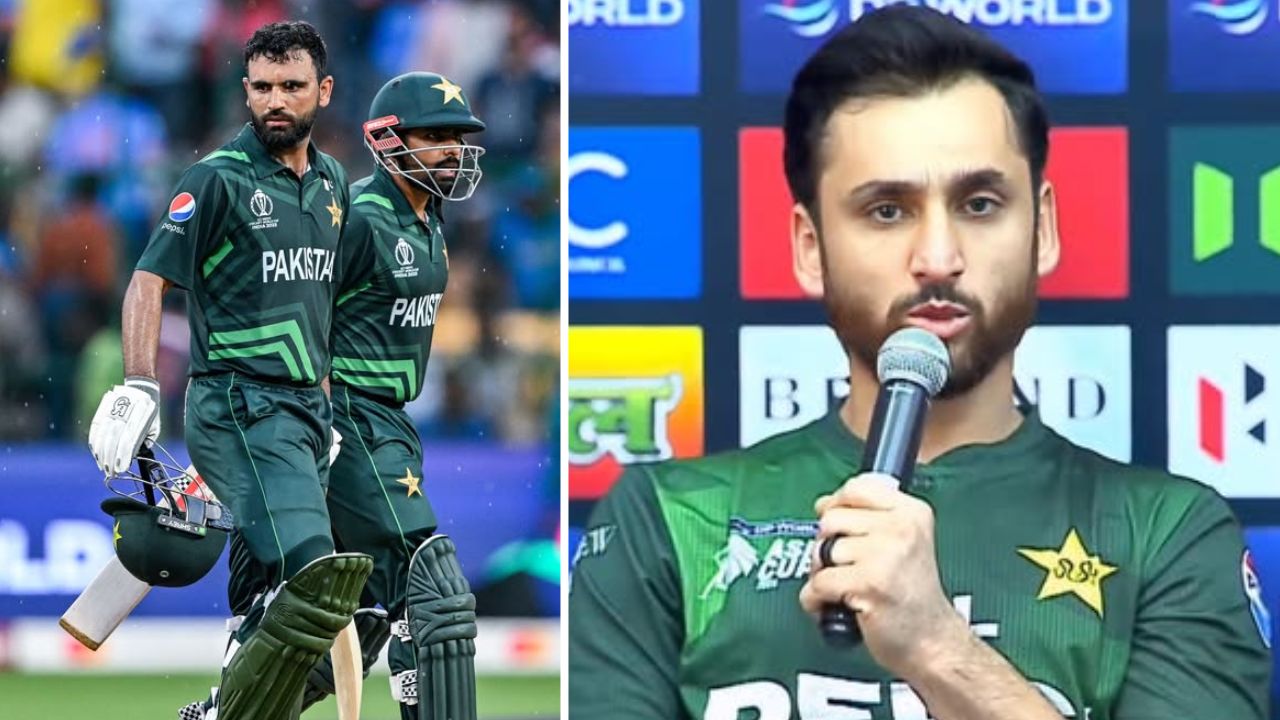
    Pakistan captain Salman Ali Agha has said the team will pick players for the T20I World Cup playing XI based on what is best for the side, even if senior stars like Babar Azam or Fakhar Zaman do not fit into the combination. 

    “We will try to field the best combination possible,” he said while addressing a pre-match press conference in Sri Lanka ahead of Pakistan’s opening match against the Netherlands.

    The skipper added that if any senior player like Fakhar Zaman or Babar Azam doesn’t fit into said combination, they won’t be in the playing XI.

    “We will only select players who are best for the team. Fakhar has performed exceptionally for Pakistan over the past 10 years, and similarly, Babar has delivered outstanding performances. I fully support both of them, but we will choose the playing XI based on what is best for the team,” Agha added.

    Pakistan will open its campaign against the Netherlands in Colombo at 10:30 am tomorrow, followed by matches against the United States (US) on February 10 and Namibia on February 18. 

    The team will not play against India on February 15 after announcing a boycott of the match, citing the ICC’s bias over Bangladesh’s security concerns during the tournament.

    Pakistan has named a 15-member squad for the T20 World Cup, with Salman Ali Agha leading the side. 

    The squad includes Abrar Ahmed, Babar Azam, Faheem Ashraf, Fakhar Zaman, Khawaja Mohammad Nafay, Mohammad Nawaz, Mohammad Salman Mirza, Naseem Shah, Sahibzada Farhan, Saim Ayub, Shaheen Shah Afridi, Shadab Khan, Usman Khan and Usman Tariq.

  • One dead, five injured as Basant starts in Lahore

    One dead, five injured as Basant starts in Lahore

    A man was killed and at least five others were injured in separate kite-flying-related incidents reported across Lahore during Basant celebrations, rescue officials said on Friday.

    Basant began in Lahore at midnight on Thursday after the Punjab government formally lifted a ban that had remained in place for over two decades. The festival is being observed from February 6 to 8, with authorities stating that safety measures had been put in place to reduce risks associated with kite flying.

    According to rescue sources, a 25-year-old man, identified as Ali Rasheed, died in Baghbanpura while attempting to retrieve a stray kite near the Sikh Canal. Officials said Rasheed climbed an electric pole and was electrocuted after coming into contact with live wires.

    Several other injuries linked to kite strings were reported from different parts of the city. In the Gulshan Ravi area, a 45-year-old man, Shabbir, was injured when a kite string became entangled with him. In the same locality, an eight-year-old girl, Irsa, sustained injuries after a kite string wrapped around her neck.

    In Defence Phase 5, a young boy, identified as Rafay, was injured in a similar incident when a kite string became tangled around him. Rescue officials said he was provided medical assistance and shifted to a nearby hospital.

    Two more children were injured while attempting to retrieve stray kites from elevated locations. A 12-year-old boy named Abdul Wahid was injured in the Lower Mall area, while a 14-year-old boy, Salman, sustained injuries after trying to retrieve a kite stuck in a tree. Both were moved to hospitals after receiving first aid from rescue teams.

    The Punjab government had imposed restrictions on kite-flying materials ahead of Basant, including a ban on metallic wire and nylon string. Authorities also made it mandatory for motorcycles to be fitted with safety rods during the festival to prevent injuries caused by kite strings.

    To ensure enforcement, the Lahore deputy commissioner constituted quick response teams in every district. These teams were tasked with monitoring safety conditions and responding to emergencies during the celebrations.

    Meanwhile, Lahore Police said extensive security arrangements were in place across the city. A police spokesperson said that more than 10,000 officers and personnel had been deployed for Basant-related duties.

    According to the spokesperson, checkpoints were established in different zones, including 104 in the Red Zone, 92 in the Yellow Zone and 72 in the Green Zone. Police personnel were also stationed on rooftops, overhead bridges, underpasses and at entry and exit points across Lahore.

    The spokesperson added that traffic police deployed 1,300 officers and staff to manage road movement during the festival. During enforcement operations, 44 motorcyclists were arrested for failing to install safety rods, and cases were registered against them.