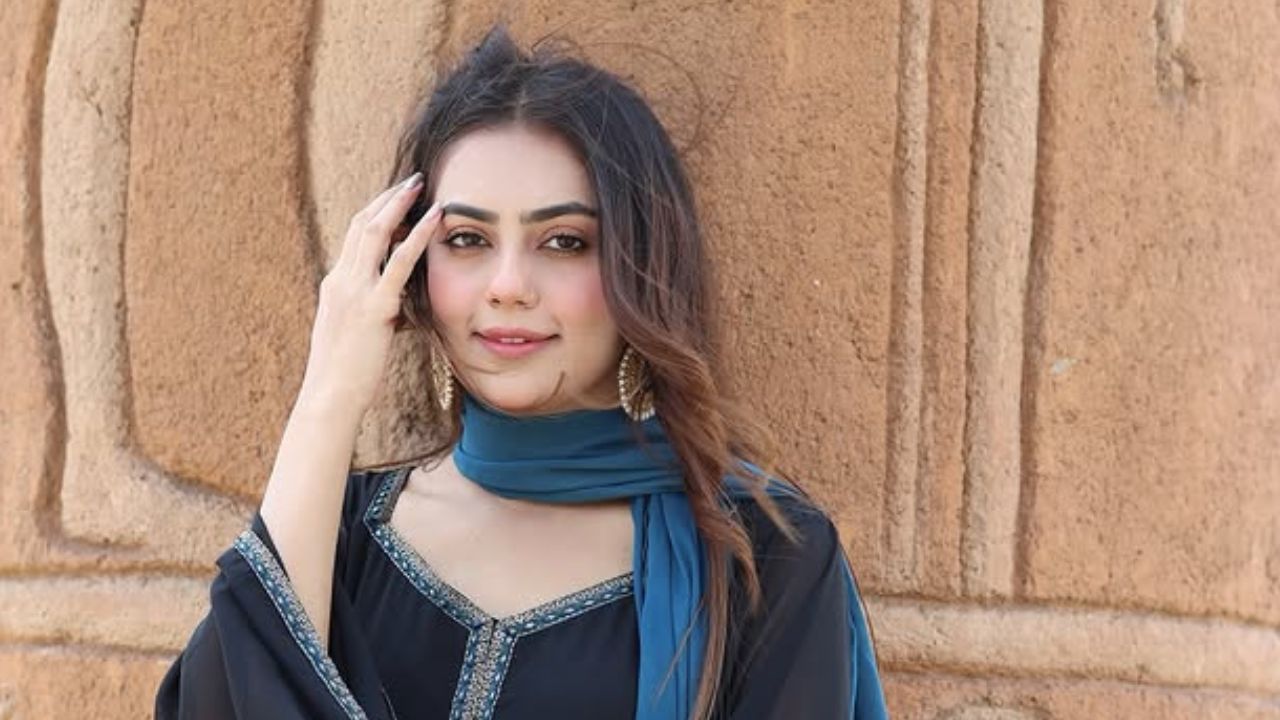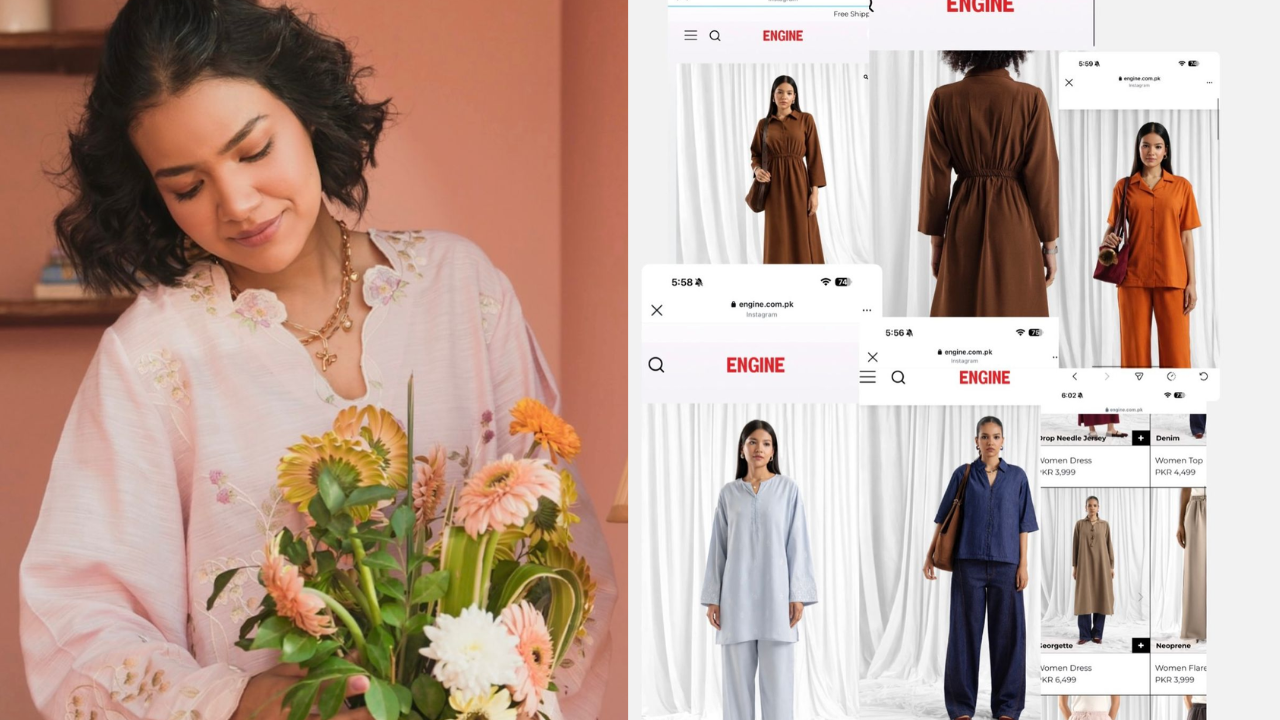
Model Ayesha Tahir has accused Pakistani clothing brand Engine of using her face in AI-generated promotional materials without her consent or knowledge.
Taking to her Instagram account, Tahir shared screenshots from the brand’s website and social media ads, clarifying that she never participated in a shoot for the specific collection in question.
“I have not done any shoot for this collection or given consent for my likeness to be used in this way,” Tahir stated.
She revealed that she initially attempted to resolve the matter privately but received no response from the brand. “Using someone’s face through AI without their permission is not okay, in any situation. Consent should always come first whether the content is real or digitally created.”
In a subsequent Instagram story, the model raised alarm over how realistic the digital recreations appeared. “For a moment, I actually thought these might be real. That’s the scariest part. The whole web shoot is me. The sad thing about AI is that it tweaks something in every picture, so every image looks like me but also slightly different.”
While the brand has now removed the AI-generated photos from their website, the allegations earlier sparked an immediate wave of support from the creative industry, with many calling for legal action and better digital rights protections.
The Digital Rights Foundation (DRF) reached out to Tahir publicly, requesting she check her inbox for assistance.
Prominent figures in the fashion and media industry also voiced their disapproval.
“This is one of the most unethical things a brand has done, and if we don’t call it out now and make noise about it, it’ll set a dangerous precedent. Please report them and take legal action. @enginepakistan you cannot get away with this. This is a CRIME,” wrote content creator Wabisabifami.
Maria Gilani called it “super unethical” while others, including Anooshalala, Ayesha Ahmad, Mahindar and Zara Peerzada echoed similar sentiments.
“This is very bad. You should take immediate legal action. I make it very clear with brands that they cannot use my content as ads,” said Talha Amjad while stylist Mehak Saeed, Ayesha Hayat K and Sabah Bano Malik also expressed concern.
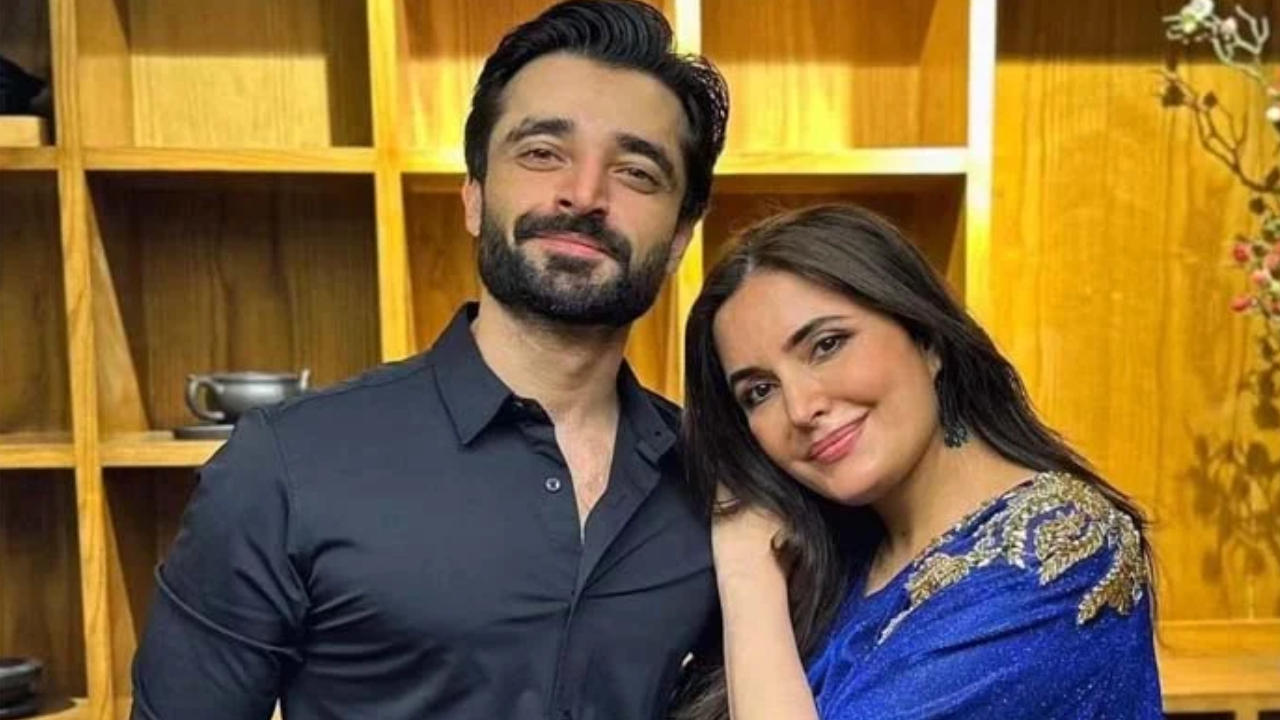
The post also drew attention of mainstream celebrities as actor Hania Aamir reshared Tahir’s post on her story while Romaisa Khan commented, “What a shame.”
Yratta Media, a leading cinematography house, suggested a physical protest at the store.
While the majority of comments favored the model, some social media users defended the brand or questioned the motives behind the public accusation.
“Nowadays, making accusations online has become the easiest way to gain attention,” one user commented, noting that Engine was a recognised name and there could be more to the story.
Another user, echoed this sentiment: “It’s hard to believe they would risk their name like this without reason. We are only seeing one side of the story here.”
Other commenters suggested that the industry needs to evolve, stating that models should include specific AI-usage clauses in their contracts and that brands should pay for “likeness resemblance” if they intend to use AI tools.