Blog

  • Prithvi Shaw Advised to Avoid Kambli’s Fate as Young Stars Watch in Awe

    Prithvi Shaw Advised to Avoid Kambli’s Fate as Young Stars Watch in Awe

    Prithvi Shaw was once seen as Indian cricket’s next big superstar. A naturally gifted batter, he came into the spotlight as a child prodigy and rose quickly through the ranks. Today, at 25, he finds himself at a crossroads. With time still on his side, experts and fans hope he doesn’t follow the same unfortunate path as Vinod Kambli—a story that began with promise but ended too soon.


    The Early Rise of Prithvi Shaw

    Prithvi Shaw’s story began over a decade ago and was nothing short of spectacular. At just 14, he was already dominating school-level cricket in Mumbai. His legendary innings of 546 runs in the Harris Shield caught the attention of the entire cricketing community. It was clear—India had found a rare gem.

    As he progressed, Shaw continued to impress. He began scoring heavily in domestic cricket, especially in the Ranji Trophy for Mumbai. He wasn’t just scoring runs—he was piling them up. Fans and critics alike couldn’t help but compare him to legends. Some saw shades of Sachin Tendulkar, while others said he had a mix of Brian Lara’s elegance and Sehwag’s aggression.

    In 2018, everything aligned perfectly. Shaw led India to victory in the Under-19 World Cup. That same year, he made a historic debut for the Indian Test team, scoring a century against the West Indies in Rajkot. It was a dream start. Everyone thought he was destined for greatness. The belief was that he would soon become a permanent feature in India’s batting line-up.


    A Sudden Fall from Grace

    But fast forward to 2025, and things are very different. Prithvi Shaw is no longer a regular name in the Indian squad. His career, once full of momentum, has slowed down sharply. Many now ask the question: What happened to Prithvi Shaw?

    Soon after his stunning debut, Shaw faced a series of setbacks. Injuries, a suspension due to a doping violation, inconsistent performances, and fitness issues started affecting his career. Shaw faded into the background as others from the same U-19 team rose to stardom.


    His Teammates Are Now Stars

    Shaw’s 2018 U-19 World Cup teammates are now leading India’s new generation of cricket. Shubman Gill is the national team’s vice-captain and is being groomed as a future leader. Arshdeep Singh is among the best T20 bowlers in the country and is known for his sharp skills in death overs. Riyan Parag has impressed in IPL 2025, even leading Rajasthan Royals for a few games and being touted as a future T20 regular for India.

    All of them looked up to Prithvi Shaw at one point. He was ahead of them in skill and performance. Now, they’ve surpassed him. This reversal has caught the attention of fans and experts alike.


    “Kitna Aage Nikal Gaya” – A Cautionary Tale

    Famous cricket presenter Tanay Tiwari spoke about Prithvi Shaw’s journey on a podcast with Raj Shamani. He described how players like Gill, Arshdeep, and Parag still talk about Shaw’s unmatched early rise. “Dekh yaar, kitna aage nikal gaya,” they say—expressing disbelief at how far ahead he once was compared to them.

    Tiwari pointed out that it’s hard to identify just one reason behind Shaw’s fall. But the signs are visible. His fitness declined, and his form dropped. Reports also mentioned that he skipped fielding drills and didn’t meet team expectations regarding discipline and preparation.

    However, Tiwari believes that the raw talent is still there. “Skill doesn’t vanish overnight,” he said. Shaw still has what it takes. But he needs to get back on track with hard work and focus.


    Vinod Kambli Comparison: Harsh but Real

    The comparison with Vinod Kambli has become a talking point. Kambli, like Shaw, burst onto the scene with sensational talent. He scored back-to-back double centuries and had a remarkable early Test record. But despite his ability, Kambli’s career faded quickly.

    Kambli and Sachin Tendulkar began their journeys around the same time. One became an icon, while the other struggled to stay in the spotlight. Now, people fear Shaw could follow the same pattern.

    Tiwari addressed this comparison. He hopes Shaw doesn’t go down that path. “Pretty similar trajectories,” he said. “But Shaw still has time to turn it around.” He highlighted the classic truth—hard work beats talent when talent doesn’t work hard.


    Hope Remains for Prithvi Shaw

    Despite the concerns, the cricket world is not giving up on Prithvi Shaw. At 25, he still has a long road ahead. There are examples of players who staged comebacks even later in their careers. Shaw has the skill, the experience, and most importantly, the time to prove himself again.

    He must now focus on his fitness, rebuild his mindset, and show commitment to the game. If he does that, fans will support him all the way. His journey can still be one of redemption.

    Prithvi Shaw’s story is not over. The next chapter could be his most powerful one yet.


    Final Thoughts

    Prithvi Shaw was once the brightest young star in Indian cricket. While his career has taken a difficult turn, it’s far from the end. With the proper guidance and effort, he can rise again. The world is watching. His teammates still admire his talent. The only question is—can Prithvi Shaw bounce back and avoid the fate of Vinod Kambli?

    Time will tell.

    Also Read: Liverpool confident in securing new deal for Salah: reports
    Get the latest update on Mohamed Salah’s future with Liverpool and what it could mean for the club.
  • Sabeer Bhatia Drops a Truth Bomb: “India’s GDP Numbers Are a Sham”

    Sabeer Bhatia Drops a Truth Bomb: “India’s GDP Numbers Are a Sham”

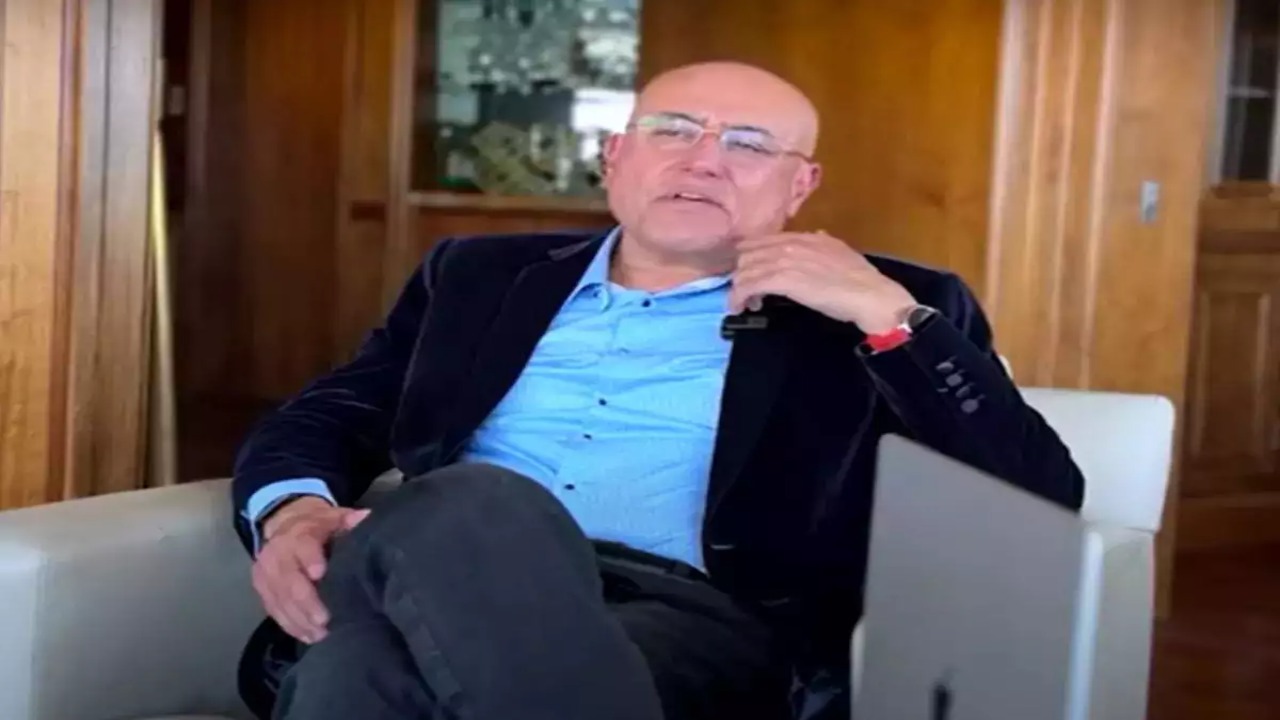
    Sabeer Bhatia, the co-founder of Hotmail, is back in the spotlight. This time, it’s not for tech innovation but for sparking a bold debate about India’s economy. In a recent podcast, Bhatia made a strong claim that India’s GDP numbers are misleading and do not reflect real progress.

    This statement has stirred strong reactions in business and policy circles. But what exactly did Sabeer Bhatia mean when he said, “India’s GDP numbers are a sham”? Let’s break it down.


    What’s Wrong With India’s GDP Model?

    According to Sabeer Bhatia, India’s current GDP model overvalues financial transactions and ignores actual human productivity. He believes this system rewards the movement of money over meaningful work, which can misrepresent the true health of the economy.

    To illustrate his point, he used a simple example that everyone can understand. If he gives someone Rs 1,000 and gets the same amount of money back, the GDP model would count it as Rs 2,000. But no value has been added to the economy. Nothing has been created, and no productive work has been done. It’s just a simple transaction.

    “Giving money is not work. Correct work is work,” Bhatia emphasized.

    This view challenges the traditional definition of economic progress. Instead of measuring the value of financial transactions alone, Bhatia argues that the focus should shift to measuring the actual effort that goes into creating value. This raises critical questions: Are we measuring economic growth in a way that truly reflects the contributions people make? Are we focusing on the right indicators?


    A New Way to Measure Growth

    Sabeer Bhatia proposed an alternative way to measure economic output. Instead of focusing on the money flowing through the system, he suggested that India should adopt a model similar to the one used in the United States, where GDP is calculated based on the number of hours worked.

    In the U.S., everyone has an hourly rate, which serves as a direct link between the hours worked and economic productivity. Bhatia believes that tracking the hours of effort, not just financial transactions, would paint a much clearer picture of a country’s true economic output.

    Bhatia’s suggestion may sound radical, but it’s rooted in the idea of fairness and transparency. By measuring work based on actual human effort, people in every profession—from manual laborers to high-tech engineers—would be recognized for the value they bring through their time and skill.

    “Hours of effort lead to progress, not transactions,” he argued, proposing a more honest approach to calculating GDP. This shift, according to Bhatia, could not only improve the accuracy of economic reports but also motivate people to work harder and value their contributions more.


    A Call for Mindset Change

    But Sabeer Bhatia didn’t stop at discussing GDP. He used this opportunity to push for a broader mindset change in India. He pointed out that the country needs to shift its focus away from just economic transactions and toward creating real value through work and effort.

    Bhatia highlighted a significant flaw in India’s work culture, particularly in the tech industry. Many graduates from top engineering colleges in India end up in managerial roles instead of utilizing their technical skills. In his view, these engineers don’t contribute much to building anything concrete or advancing technology.

    “99% of Indian engineers don’t do engineering work,” Bhatia said.

    This was a sharp critique of the “management” culture in India’s tech and engineering fields, where individuals with technical expertise are often assigned roles that have little to do with their actual training or knowledge. They’re seen as managers, consultants, or administrators, and often never get their hands dirty with the actual work of building or creating.

    Bhatia also criticized the IT industry’s focus on “body shopping”—a model where companies employ vast numbers of workers who primarily work on staffing and recruitment rather than on actual software development. This model, he argues, stifles genuine innovation and prevents India from reaching its full potential as a technology leader.

    The message is clear: India needs to value hard work and technical expertise over superficial roles that don’t add real value to the economy.


    Education Should Be for All

    Beyond economics and work culture, Sabeer Bhatia also criticized India’s education system. He argued that it is heavily skewed in favor of the rich, with quality education being accessible mainly to the wealthy. In contrast, countries like China provide subsidized education to everyone, which leads to a more equitable distribution of skills and opportunities.

    Bhatia’s criticism of India’s education system is sharp. He said, “What do the rich do after getting educated? They get married for dowry.” This harsh statement underscores the disconnect between education and practical skills in India’s social fabric.

    India’s education system, Bhatia suggests, is focused too much on degrees and formal titles, without necessarily equipping students with the skills they need to solve real-world problems. He also pointed out that India’s obsession with rote learning and exam results means that many students graduate without the critical thinking skills they need to succeed in today’s fast-changing world.

    While building a new educational infrastructure overnight is unrealistic, Bhatia believes that India can use digital tools to teach critical thinking and problem-solving. He proposed using apps to help people learn how to address real-life problems, thus offering a more practical and valuable form of education that focuses on outcome-based learning rather than traditional exams.


    Gen Z Can Lead the Change

    Despite his criticism, Sabeer Bhatia remains optimistic about the future of India. He believes that India’s youth, especially Gen Z, has the potential to lead the country toward a brighter future. This generation, he says, is better equipped to adapt to new technologies and shift the country’s mindset toward effort-driven growth.

    “This change must start with Gen Z,” Bhatia said. “They can adapt faster. They can lead us into the future.”

    Bhatia’s message to the younger generation is clear: use technology to your advantage. Use AI tools to track your work and report your hours honestly. Take personal responsibility for your work and your progress. If Gen Z can adopt these practices, India can move away from superficial growth metrics and focus on what truly matters—effort and results.


    Final Thoughts

    Sabeer Bhatia has once again sparked an important conversation. His views may seem radical to some, but they challenge the status quo and push us to think critically about the way we measure success, growth, and work in India.

    Are we rewarding the right kind of work? Are we tracking growth in a way that truly reflects progress? And most importantly, are we creating an environment that values effort, skill, and contribution over mere financial transactions?

    These are questions that India must answer if it wants to stay competitive in the global economy.

    Sabeer Bhatia is not just a tech pioneer. He’s also a visionary calling for deep structural changes in India’s economic and social systems. His message is clear: true progress doesn’t come from the movement of money. It comes from the hours of hard work and effort that people put into creating something meaningful.

    Looking for more bold voices? Check out this story: US senator smashes record with 25-hour anti-Trump speech

  • Remembering Darshan Mehta Reliance Brands: A Visionary Leader Passes Away at 64

    Remembering Darshan Mehta Reliance Brands: A Visionary Leader Passes Away at 64

    Darshan Mehta, the former Managing Director and CEO of Reliance Brands, has left a significant mark on the Indian retail industry. Known for his leadership and vision, Mehta’s untimely death at 64 has left a void in the business world. His legacy is one of bringing global fashion brands to Indian consumers and shaping the luxury lifestyle market.


    A Visionary Leader at Reliance Brands

    Darshan Mehta’s journey with Reliance Brands began in 2007. As the company’s founding CEO, he played a pivotal role in transforming the retail landscape in India. Under his leadership, Reliance Brands introduced numerous iconic international brands to Indian shores, including Tommy Hilfiger, Gant, and Nautica. Mehta’s efforts made high-end international fashion accessible to millions of Indians.

    Reliance Brands, a subsidiary of Reliance Industries Limited (RIL), has grown to become a powerhouse in the Indian retail sector, largely thanks to Mehta’s strategic vision. His ability to identify emerging trends and opportunities helped shape the future of retail in India. His work impacted Reliance Brands and influenced the entire Indian fashion industry.


    Mehta’s Early Career and Background

    Before joining Reliance Brands, Darshan Mehta had an impressive career in retail and advertising. He worked at Arvind Brands Ltd, where he served as the president. At Arvind, he was instrumental in launching several well-known brands in India. His experience in building brands made him the perfect candidate to lead Reliance Brands.

    Mehta was a qualified chartered accountant. He started his career at PricewaterhouseCoopers in Mumbai, where he gained valuable experience in finance and management. He also worked at Trikaya Grey Advertising, which became part of the WPP Group. These roles provided him with the foundation needed to succeed in the competitive world of retail.


    The Impact of Darshan Mehta on Indian Retail

    Darshan Mehta’s work extended far beyond simply launching international brands. He had a unique ability to understand the Indian market and the aspirations of Indian consumers. He knew of a growing demand for luxury fashion in India and capitalized on that opportunity.

    Under his leadership, Reliance Brands partnered with several global brands and opened numerous retail stores nationwide. These brands were initially considered out of reach for many Indian consumers. However, Mehta’s efforts brought these products to a broader audience, forever changing the fashion retail scene in India.

    His leadership style emphasized innovation and adaptability. He encouraged his team to stay ahead of the curve, embracing new ideas and technologies. As a result, Reliance Brands became one of India’s most influential retail companies.


    Mehta’s Legacy in the Fashion Industry

    Darshan Mehta’s legacy will endure in every store that carries the global brands he helped introduce to India. His vision created a bridge between international fashion trends and Indian consumers. His contributions to the industry have shaped the retail market and influenced how fashion is perceived in India.

    Fashion in India is no longer limited to local brands. With the introduction of global names, Indian consumers now have access to the same products as their counterparts in other parts of the world. Mehta was a driving force behind this transformation, and his impact will continue to be felt for years.


    Darshan Mehta’s Untimely Death

    The news of Darshan Mehta’s death has shocked the industry. Reports indicate that he passed away after suffering a heart attack while working out on a treadmill at the Taj Hyderabad. His sudden death has raised concerns about the rising number of heart-related issues in men over 60.

    Experts explain that men above the age of 60 are at a higher risk of cardiac problems due to factors like hypertension, high cholesterol, and obesity. These conditions, if left untreated, can lead to heart attacks and other cardiovascular issues. Mehta’s passing reminds us of the importance of regular check-ups and a healthy lifestyle, especially as we age.


    Understanding the Risk of Heart Attacks in Men Over 60

    Health experts emphasize that men over 60 are more likely to suffer from heart attacks. Conditions such as high blood pressure, high cholesterol, diabetes, and poor diet can increase the risk. Men tend to ignore symptoms such as chest pain, fatigue, and shortness of breath, which can delay medical attention.

    Men need to be aware of the warning signs of a heart attack. These include pain in the chest, difficulty breathing, nausea, excessive sweating, and lightheadedness. In some cases, heart attacks can occur without noticeable symptoms, known as silent heart attacks. These are especially common among individuals with diabetes or high blood pressure.

    Preventive measures such as regular exercise, a balanced diet, and routine health check-ups can help reduce the risk of heart-related problems. However, many men still overlook these practices, which can result in tragic consequences.


    A Legacy That Lives On

    Darshan Mehta’s death is tragic, but his legacy will live on through his work at Reliance Brands. His contributions to the Indian retail and fashion sectors will continue to influence the market for many years. Mehta’s vision of bringing global fashion to India has forever changed how people perceive style and luxury.

    As we remember Darshan Mehta, we also reflect on the importance of caring for our health. His death serves as a reminder to pay attention to the warning signs of heart disease and to make health a priority. Rest in peace, Darshan Mehta—your impact on the retail world will never be forgotten.

    For more recent news, check out the latest article about how Azam Swati repeatedly urged Imran Khan to dialogue. 

  • Extradition of Tahawwur Rana: A Major Turn in the 26/11 Case

    Extradition of Tahawwur Rana: A Major Turn in the 26/11 Case

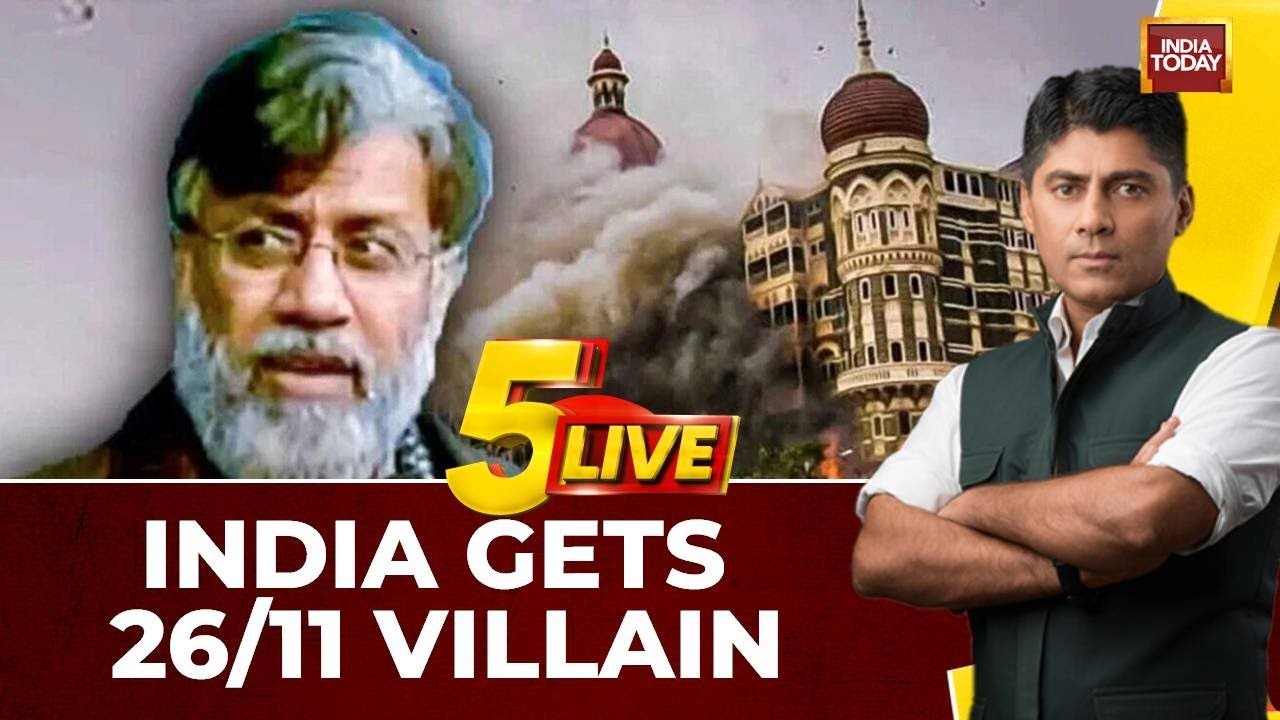
    The extradition of a key accused in the 2008 Mumbai terror attacks has finally taken place, marking a significant milestone in India’s long-standing pursuit of justice. After nearly 15 years of legal proceedings and diplomatic efforts, Tahawwur Rana is now being returned to Indian soil. The process had been delayed for several years due to legal hurdles and appeals in U.S. courts, where Rana had fought extradition. However, with all his legal options exhausted, the United States approved his handover to Indian authorities. 

    He is en route to India on a special flight under tight security. Upon arrival, he is expected to be produced before a Delhi court, where formal proceedings will begin. His extradition represents a significant breakthrough in the investigation of one of the deadliest terror attacks in India’s history, which left 166 people dead and hundreds injured over four horrifying days in Mumbai.


    A Long Road to Extradition

    Originally from Pakistan, Rana moved to Canada in the late 1990s. He later settled in the United States, where he ran several businesses. Among these was an immigration services firm with offices in Chicago, New York, and Toronto. He also operated a halal meat processing company.

    In 2009, U.S. authorities arrested him for his alleged role in supporting terror activities. He had been fighting extradition to India ever since. However, his legal options ran out earlier this year. Following a U.S. court order, authorities have handed him over to Indian officials.

    He is being flown to India on a special flight and is expected to land by the afternoon. Security agencies are preparing to present him before a Delhi court on Thursday.


    Connection to the Mumbai Attacks

    The 2008 attacks in Mumbai lasted for four days and killed 166 people. Gunmen stormed hotels, a train station, a Jewish center, and other public places. The attack caused global outrage and led to a lengthy investigation involving multiple countries.

    Rana has been accused of helping one of the central planners, David Headley. Investigators believe that Rana helped cover Headley’s trips to India, which were used to scout locations later targeted in the attacks. A chargesheet by Indian agencies states that Rana gave the plan financial and logistical support.

    He is also linked to another plot involving a Danish newspaper that had published controversial cartoons. That plan was never carried out, as authorities arrested Headley before it could happen.


    Early Life and Background

    Born in 1961 in Chichawatni, Punjab, Rana studied at a military boarding school in Pakistan. There, he became close friends with David Headley. He served in the Pakistan Army Medical Corps before leaving the military.

    In 1997, he migrated to Canada with his wife. Both became citizens, and later, he moved to the U.S. He started several businesses and built a quiet life in Chicago. However, his past ties and alleged involvement in international plots would catch up with him later.

    He maintains a home in Ottawa, where some of his family still live. His father was a school principal near Lahore. One brother is a psychiatrist in the Pakistani military, and another works in Canadian media.


    What Comes Next?

    With Rana now in Indian custody, the next step is a formal hearing. Authorities are expected to present evidence from earlier investigations. His alleged role will be examined closely in connection with the conspiracy behind the 2008 attacks.

    The extradition also strengthens India’s position in continuing its fight against international terrorism. It shows cooperation between countries and the long reach of justice, even across borders.

    His return is being seen as a breakthrough moment in the quest for justice for the victims of 26/11. The case may now move forward after years of delays.


    Also Read:

    Women strangle Multan faith healer after years of blackmail.
    Check out this gripping story here: Read full article.

  • Mahavir Jayanti 2025: All You Need to Know – History, Importance & Celebrations

    Mahavir Jayanti 2025: All You Need to Know – History, Importance & Celebrations

    Mahavir Jayanti is one of the most important festivals in Jainism. It marks the birth of Lord Mahavira, the 24th Tirthankara of Jainism. In 2025, Jains worldwide will celebrate Mahavir Jayanti with great devotion.

    This day is not just a religious occasion. It is also a reminder of peace, non-violence, and truth. Lord Mahavira dedicated his life to spreading these values. Let’s explore the history, importance, and celebrations of Mahavir Jayanti 2025.


    When is Mahavir Jayanti in 2025?

    Mahavir Jayanti 2025 will be celebrated on Sunday, 13 April 2025. The date of the festival changes every year because it follows the lunar calendar. According to the Jain and Hindu calendars, it falls on the 13th day of the bright half of the Chaitra month.


    Who Was Lord Mahavira?

    Lord Mahavira was born in 599 BCE in Kundagrama, near Vaishali, in present-day Bihar, India. He was born into a royal family. His parents were King Siddhartha and Queen Trishala.

    At the age of 30, Mahavira renounced his worldly life, giving up all comforts and beginning a journey of spiritual awakening. He practiced deep meditation and strict self-discipline. After 12 years of intense penance, he attained Kevala Jnana (infinite knowledge).

    Lord Mahavira preached nonviolence (ahimsa), truth (Satya), nonstealing (asteya), celibacy (brahmacharya), and non-possessiveness (aparigraha). These five principles are the core of Jain philosophy, and he spent the rest of his life teaching these values.


    Why is Mahavir Jayanti Important?

    Mahavir Jayanti is not just a birthday celebration. It is a day to remember Lord Mahavira’s teachings, which, with their message of compassion and truth, remain relevant today.

    The festival holds deep spiritual meaning for Jains. It is a time to reflect on one’s actions and to walk on the path of righteousness. People observe fasts, attend prayer meetings, and engage in charity.

    Mahavir Jayanti 2025 is expected to be a grand celebration. Temples and Jain communities, especially in India, will organize special events.


    How is Mahavir Jayanti Celebrated?

    The celebrations of Mahavir Jayanti are filled with devotion and joy. Although the rituals may vary across regions, the core essence remains the same.

    Here are some common ways Mahavir Jayanti is celebrated:

    1. Abhisheka (Ceremonial Bathing)

    On this day, idols of Lord Mahavira are given a holy bath, known as abhisheka. This takes place early in the morning in Jain temples, and devotees gather in large numbers to witness this ritual.

    1. Processions (Rath Yatras)

    Many cities organize Rath Yatras or grand processions. These include decorated chariots carrying the idol of Lord Mahavira. People sing devotional songs and chant prayers. Some groups perform plays that depict episodes from Mahavira’s life.

    1. Charity and Community Service

    Mahavir Jayanti promotes compassion. Many Jain families and organizations offer complimentary food, clothes, and donations. They also arrange medical camps and blood donation drives. Helping others is seen as a way to honor Mahavira’s teachings.

    1. Fasting and Prayers

    Many devotees observe fasts on Mahavir Jayanti. They spend the day in prayer and reflection. Temples hold special prayers and sermons. Monks and scholars give discourses on Jain philosophy and Mahavira’s life.

    1. Decorating Homes and Temples

    Homes and temples are decorated with flowers, lights, and banners. Some people also draw rangoli at their doorsteps. The atmosphere is filled with joy and devotion.


    Celebrations Around the World

    Mahavir Jayanti is celebrated in India and countries like the USA, UK, Canada, and Australia. Jain communities abroad hold prayer meetings, lectures, and charity events. They gather to promote Mahavira’s universal message of peace and truth.


    Teachings of Lord Mahavira

    The main teachings of Lord Mahavira are simple yet powerful. They are:

    • Ahimsa (Non-violence) – Do no harm to any living being.

    • Satya (Truthfulness) – Always speak the truth.

    • Asteya (Non-stealing) – Do not take what is not yours.

    • Brahmacharya (Celibacy) – Practice self-control.

    • Aparigraha (Non-possessiveness) – Live a simple life.

    These teachings form the foundation of Jain ethics. They inspire people to lead a peaceful and meaningful life.


    Final Thoughts

    Mahavir Jayanti 2025 is a sacred day to celebrate the life and message of Lord Mahavira. His teachings are timeless and continue to inspire millions. As we observe this festival, let us take a step towards peace, kindness, and self-discipline.

    Whether you are a follower of Jainism or someone seeking spiritual wisdom, Mahavir Jayanti offers something valuable for all. Take this opportunity to learn more about his life and live by his principles.

    The world continues to face global challenges. In recent news, Pakistan is preparing to send a high-profile delegation to the US amid a rising tariff war.

  • PSG vs Aston Villa: Final Score 3-1 (9 April 2025)

    PSG vs Aston Villa: Final Score 3-1 (9 April 2025)

    Paris Saint-Germain (PSG) triumphed over Aston Villa in the Champions League quarter-final first leg on 9 April 2025, with a thrilling 3-1 victory. The match at Parc des Princes ended with PSG taking a significant advantage over Villa, thanks to a dramatic stoppage-time goal from Nuno Mendes. This victory has put PSG in a strong position as they head into the second leg, leaving Aston Villa with a tough challenge. Let’s discuss PSG vs Aston Villa match in more detail!


    Early Setback for PSG

    The match began with high energy, and Aston Villa stunned the home crowd. In the 35th minute, Villa capitalized on a breakaway. Morgan Rogers pounced on a brilliant cross from Youri Tielemans to score from close range, giving Villa the lead. It was a perfect sucker punch that had the away supporters, including Prince William, in raptures. Villa’s goal caught PSG off guard, and they seemed to have the advantage as they led 1-0.

    However, the lead didn’t last long. Just four minutes later, PSG responded in style. A young and talented PSG midfielder, Desire Doue, curled in a magnificent shot from 20 yards out. Villa’s goalkeeper, Emiliano Martinez, could do nothing to stop the strike. The match was now level 1-1, setting the stage for an exciting second half.


    PSG Takes Control

    PSG came out strong after the break, dominating possession and pushing for the lead. Their pressure finally paid off in the 49th minute when Khvicha Kvaratskhelia, PSG’s Georgian winger, turned Axel Disasi inside the box. With a quick and powerful shot, Kvaratskhelia put PSG ahead 2-1, sending the Parc des Princes into a frenzy. Villa’s keeper, Emiliano Martinez, was helpless as the ball flew past him into the net at his near post.

    Kvaratskhelia’s performance was one of the highlights of the match. Throughout the game, he troubled Villa’s defense with his speed, skill, and vision. His goal was a testament to his ability to take on defenders and finish with precision. Despite Villa’s best efforts, they struggled to keep up with PSG’s attacking prowess.


    Villa’s Resilience and Martinez’s Saves

    Though Villa was clearly on the back foot for much of the match, they continued to fight. Martinez, who had faced criticism following his actions in the 2022 World Cup final, was determined to prove his worth. He made several crucial saves, including key stops from Ousmane Dembele and Achraf Hakimi, keeping Villa in the game. At times, Martinez was the only thing standing between PSG and a more significant margin of victory.

    Despite his best efforts, Villa’s defense was overwhelmed by PSG’s attacking trio. The Parisians combined quick passes and relentless pressure to break Villa’s resistance. Yet, as the match entered stoppage time, Villa still had hope. If they could keep the score at 2-1, they would only need to overturn a one-goal deficit at Villa Park in the second leg. But that hope was dashed in the dying seconds.


    Nuno Mendes’ Stoppage-Time Goal

    As the match entered the final moments, PSG launched one last attack. In the 94th minute, Nuno Mendes made a decisive impact. The Portuguese full-back latched onto a cross in the box, evading Villa’s defenders and taking a quick shot. Martinez, who had been outstanding throughout the match, was left helpless as Mendes’ shot found the roof of the net. The goal made it 3-1 in favor of PSG, sealing the win and delivering a devastating blow to Villa’s hopes.

    Villa players slumped in disbelief, knowing that this late goal made their task much harder in the return leg. On the other hand, PSG’s players and fans celebrated, knowing they had taken a crucial step toward advancing to the Champions League semi-finals.


    PSG’s Strong Performance

    PSG’s performance in this match showed how far the team has come. Under coach Luis Enrique, PSG has moved away from the superstars’ era, focusing on a more balanced team with youthful energy. Desire Doue and Kvaratskhelia, both young and talented, have injected new life into the team. Their attacking play was fast and dynamic, making it difficult for Villa to keep up.

    PSG’s squad depth was evident, as they combined controlled possession with blistering counter-attacks. The team has become a formidable force in the Champions League, and their victory over Villa demonstrated their ability to compete at the highest level. With this 3-1 advantage, PSG is in a strong position to reach the semi-finals, with a return leg at Villa Park still to come.


    What’s Next for Villa?

    Despite the defeat, Aston Villa should not be counted out just yet. While PSG’s late goal has dented their hopes of pulling off an upset at Villa Park, the tie is not over. Villa will need to regroup and prepare for the second leg, where they’ll have the support of their home fans. It won’t be easy, but Villa has shown resilience throughout the competition, and they still have a chance to turn things around.

    The key for Villa will be to tighten up defensively and take advantage of any opportunities that come their way. The pressure will be on them to attack and score, but with their talented squad and the atmosphere at Villa Park, they could still threaten PSG.


    Conclusion – PSG vs Aston Villa

    PSG’s 3-1 victory over Aston Villa in the first leg of the Champions League quarter-final on 9 April 2025 has given them a significant advantage. Nuno Mendes’ dramatic stoppage-time goal sealed the win, leaving Villa with a challenging task ahead in the return leg. PSG’s attacking play, led by Kvaratskhelia and Doue, proved too much for Villa to handle, while Martinez’s brave saves kept them in the game for as long as possible. PSG looks like the favorite as the second leg approaches, but Villa will surely fight to the end.

    For more sports news, you can check out how Tabilo stunned Djokovic in the Monte Carlo Masters.

  • The queen is back; Meesha Shafi’s comeback album is about to launch

    The queen is back; Meesha Shafi’s comeback album is about to launch

    The absolute queen of Pakistan music industry, Meesha Shafi, has announcedthe launch of her first full-length album titled Khilnay Ko which will be released on all major streaming platforms on April 18.

    Meesha shared the album cover on Instagram, calling the project a “deeply introspective and therapeutic journey through the shadowed corridors of the human psyche.” She explained that the album talks about isolation, otherism, mental health, abandonment, and the inner tension many people silently carry.

    In her post, she added that each song represents personal struggles faced during healing, including feelings of loneliness, being lost, and the emotional weight of just existing.

    Before revealing the album, Meesha gave fans a short teaser and removed all her previous Instagram posts — a move that hinted at a fresh beginning.

    Known for her bold songs like Rajkumari and Hot Mango Chutney Sauce, Meesha’s new album shows a shift from outward rebellion to quiet reflection. While she did sing the OST for Jaisay Aapki Marzi in 2023, she’s been mostly away from the music scene.

    With Khilnay Ko, Meesha Shafi returns not just with music but with raw emotions and deep stories, inviting listeners to feel seen and heard through every track.

  • Everyone knows what is happening and what is not: Mohammad Rizwan

    Everyone knows what is happening and what is not: Mohammad Rizwan

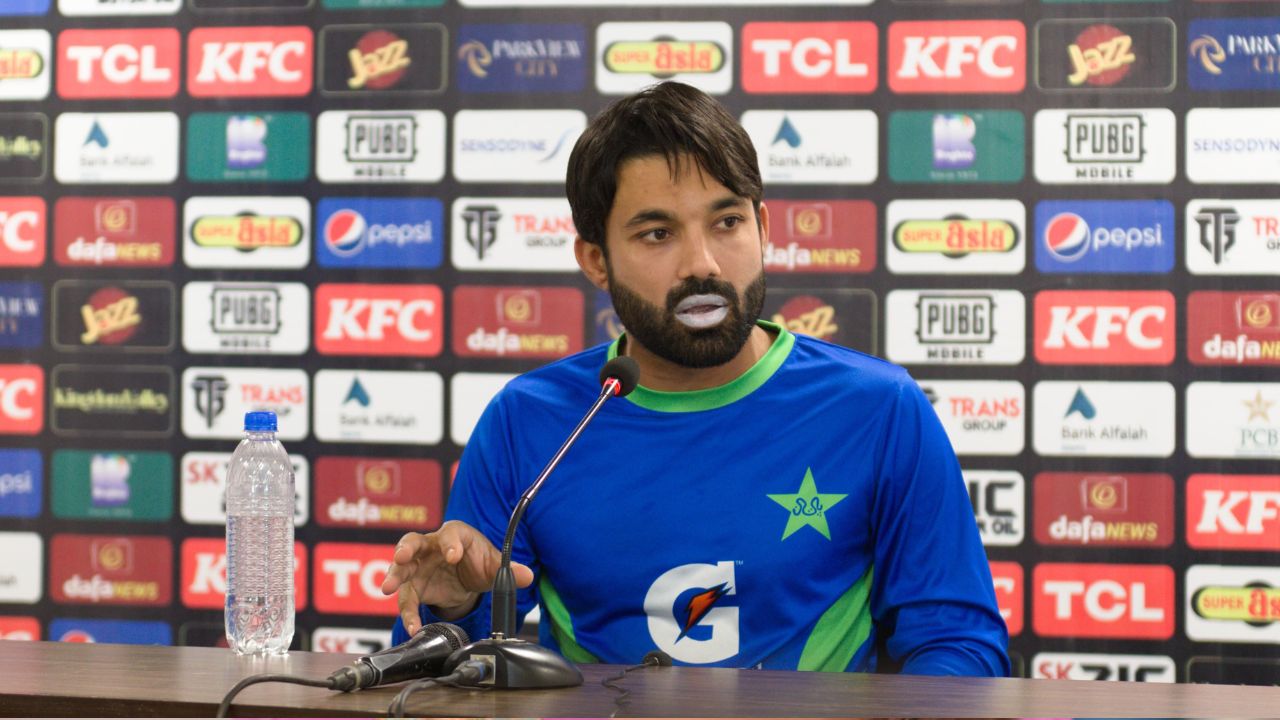
    Pakistan cricket team’s wicketkeeper-batsman and Multan Sultans’ captain Mohammad Rizwan has admitted that maintaining a strong record at the international level is challenging, owing to the immense pressure that comes with it.

    During a press conference in Lahore, Rizwan stated, “Fans had high expectations, but the national team did not perform as expected. Cricket fans do get upset. For me, past performances are just the past; I do not dwell on them. Whether my past performances were good or bad, I do not hold onto them. If I stay in the past, everything in the future will be lost.”

    Rizwan further added, “Everyone knows what is happening and what is not. The selection committee has its authority, the captain has his own, while the PCB chairman is the one to whom everyone is answerable.”

    At the same event, fast bowler and Lahore Qalandars’ captain, Shaheen Afridi, emphasised the importance of continuous learning. “Every day is an opportunity to learn; one should not remain stuck in the past. I am excited about the young players in Lahore Qalandars. Mistakes happen to everyone, but we will enjoy the PSL,” he said.

    Shaheen further highlighted the significance of supporting the Pakistan Super League, stating, “PSL is our own league, and it needs support. Haris Rauf is a product of PSL. Players first compete in domestic cricket and then earn their place in the league.”

    Fast bowler Hasan Ali also shared his insights on successful team strategies in the PSL. “The team that plays well in the powerplay has a higher chance of winning. Karachi Kings have focused on selecting quality fast bowlers,” he noted.

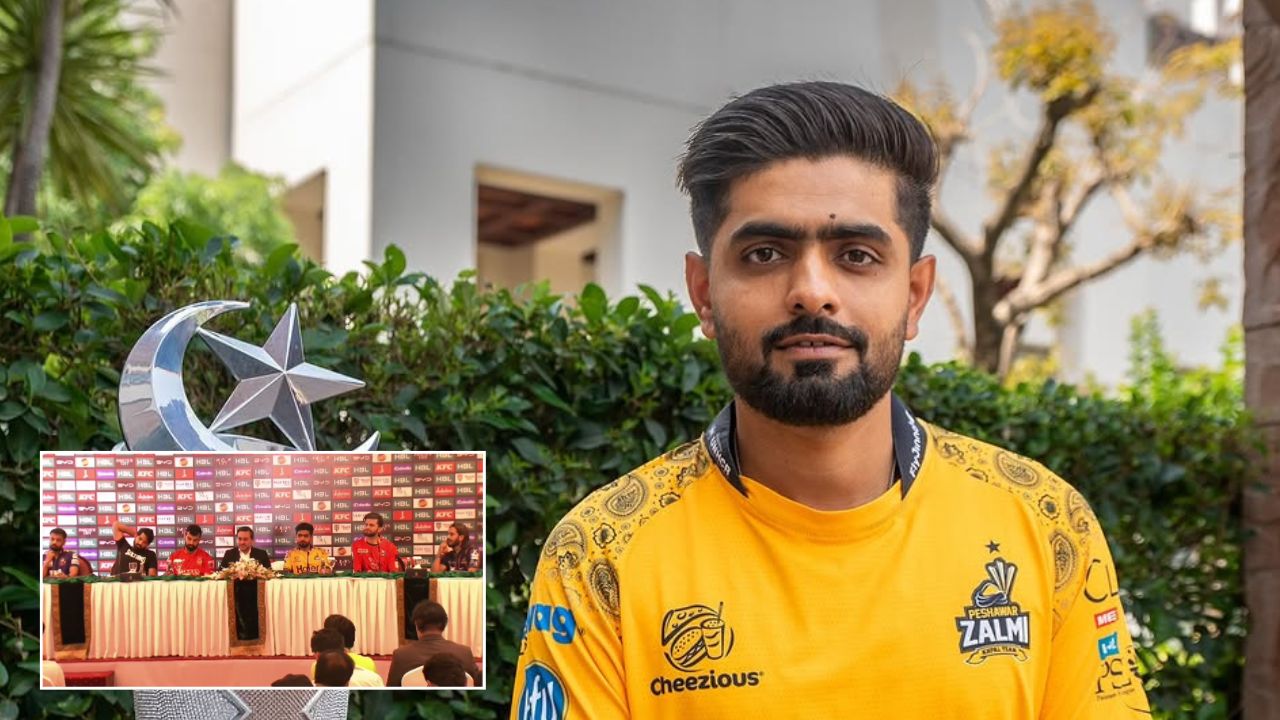
    Peshawar Zalmi’s captain and star batter, Babar Azam, spoke about the competitive balance in the tournament. “All franchises in PSL are well-balanced. Every franchise strives to build the best possible squad,” he said.

    As the PSL 10 season approaches, captains and players are setting the tone for an exciting and competitive tournament, hoping to deliver performances that will satisfy cricket fans worldwide.

  • Here’s why Nida Yasir smashed her husband’s laptop

    Here’s why Nida Yasir smashed her husband’s laptop

    TV host and actress Nida Yasir has revealed that she once broke her husband’s laptop and television because of his irritating habits.

    Recently, Yasir Nawaz shared on a show that his wife has a fiery temper. He said, “Nida once broke our TV and my laptop in anger.”

    He explained that she was tired of him watching TV late into the night and eventually smashed the screen with a bottle.

    He added, “She was upset when I cast a heroine in one of my films, despite her objections. After repeated arguments, Nida ended up breaking my laptop too.”

    Now, Nida Yasir has responded and shared her side of the story on her morning show.

    She said, “I had to wake up early for my morning show, so I needed to sleep early. But Yasir would watch TV loudly late at night, disturbing me. I tolerated it for several days, but then I couldn’t take it anymore, and I smashed the TV with a bottle. After that, he never played it loudly again.”

    Nida also explained why she broke her husband’s laptop.

    She said, “Yasir used to tease me by showing me pictures of other heroines. He even set one of them as his laptop wallpaper. He kept doing this for days until I finally lost my temper and broke the laptop.”

    She ended with a message for husbands: “Husbands should not irritate their wives by showing them pictures of other women or trying to make them jealous. If they keep doing this, wives will get angry—and things will keep breaking.”

  • VIDEO: Babar Azam’s sharp response to journalist goes viral

    VIDEO: Babar Azam’s sharp response to journalist goes viral

    During a joint press conference in Islamabad featuring the captains of all six teams in PSL 10, Peshawar Zalmi’s captain Babar Azam’s response to a journalist’s question went viral on social media.

    In the video it can be seen that a journalist asked Babar, “When will you speak about the current state of the team? Will you only speak up when the entire team is gone and Pakistan cricket is in ruins?”

    Responding to the question, Babar Azam firmly stated, “I speak when I need to. I won’t sit on media platforms and dictate what should be done. When I have something to say, I say it behind closed doors. I won’t come to social media and make a spectacle of it—that’s not my job.”

    As the video gained traction on social media, users shared mixed reactions. One user commented, “This is the difference between Babar Azam and other players—he doesn’t engage in media theatrics.”

    An X user sarcastically responded on Babar’s behalf, writing, ‘I’ll answer on the ground.’

    Another user wrote, “Ask Babar Azam about PSL-related matters.”

    Many users pointed out that while there is a captain, vice-captain, head coach, and chairperson in the setup, such questions are always directed at Babar Azam. Some supported his stance, saying, “He gave the perfect response.”