Blog

  • Nikkei 225 Crashes 9% Amid Global Trade War Fears Today

    Nikkei 225 Crashes 9% Amid Global Trade War Fears Today

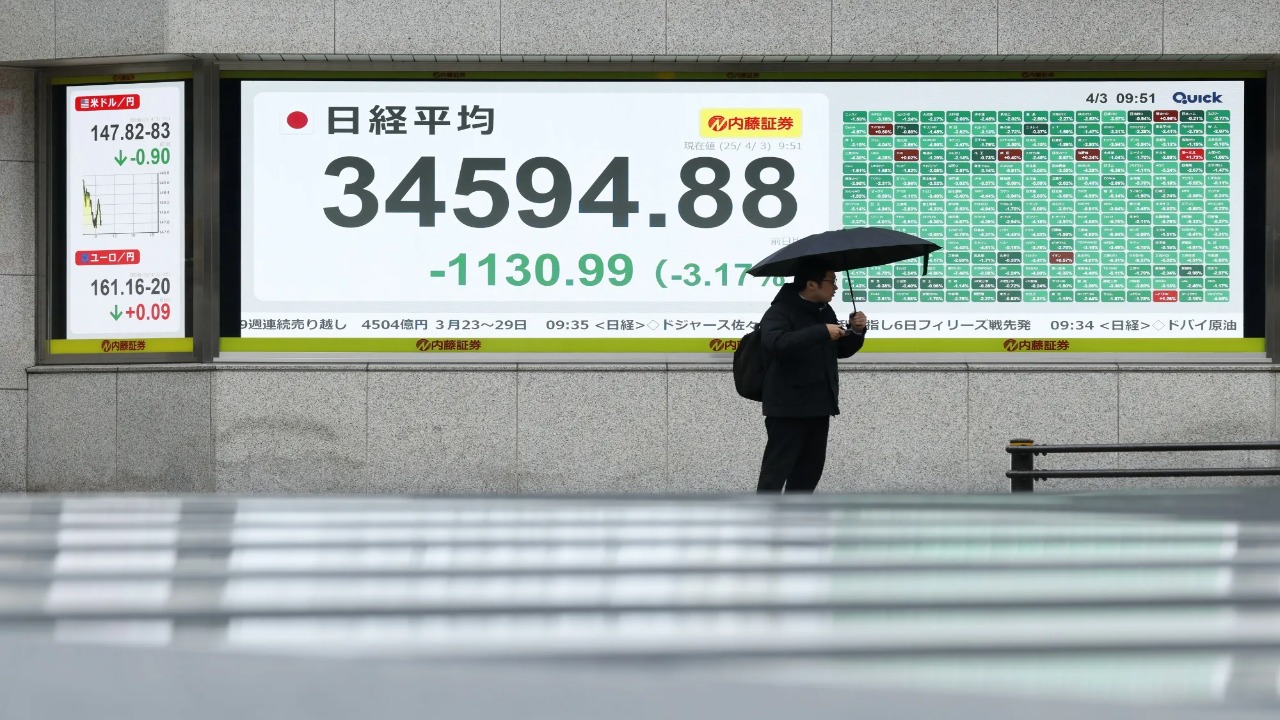
    The Nikkei 225 has just witnessed a dramatic 9% crash, sending shockwaves through global financial markets. For those unfamiliar with the Nikkei 225, it’s Japan’s most important stock market index, consisting of 225 major companies listed on the Tokyo Stock Exchange. This sudden plunge has raised concerns across the globe, especially with the ongoing trade war between the U.S. and China intensifying.

    • Why the Nikkei 225 Dropped Today:
      The primary reason for the drop is the continued escalation of the global trade war, which is weighing heavily on investor sentiment. The impact of these trade tensions is being felt more acutely in Japan, a country whose economy relies significantly on exports.

    • Understanding the Nikkei 225’s Role:
      The Nikkei 225 is a crucial indicator of Japan’s economic health. A sharp decline like this doesn’t just reflect domestic issues; it sends ripples across global markets, particularly in Asia, the U.S., and Europe.

    • Impact of Trade Wars on the Nikkei 225:
      Trade wars, like the one between the U.S. and China, have a direct impact on the Nikkei 225, especially given Japan’s significant manufacturing and export industries. Companies like Toyota and Sony are often the first to feel the pinch from international trade disruptions.


    What Is Nikkei 225?

    The Nikkei 225 is a stock market index that tracks the performance of 225 of Japan’s top publicly traded companies. It’s similar to the S&P 500 in the United States, though it’s more focused on the Japanese market.

    • Comparison with Other Major Indices:
      Just like the S&P 500 or the Dow Jones Industrial Average, the Nikkei 225 provides a snapshot of the market’s overall performance. It includes a wide range of industries, from automobiles and electronics to financial services, giving it a diverse and representative look at Japan’s economy.

    • Why It Matters:
      A significant drop in the Nikkei 225 often signals larger economic trends, not just within Japan but across the globe. It’s used by investors worldwide to assess the economic conditions of Japan, the third-largest economy in the world.


    The Role of Nikkei 225 Futures in Market Predictions

    One of the key tools traders use to anticipate future market movements is Nikkei 225 futures. These contracts allow investors to bet on the future performance of the Nikkei 225, offering valuable insights into how the market might behave in the coming hours or days.

    • What Are Nikkei 225 Futures?
      Essentially, Nikkei 225 futures allow traders to agree on buying or selling the index at a specific price at a later date. These futures contracts give traders a way to hedge their investments or speculate on the index’s movement, often before the market even opens.

    • Impact on the Real-Time Market:
      By tracking Nikkei 225 futures, investors can gauge whether the market will open lower or higher, which is crucial for making early decisions. For instance, if futures show a downward trend, traders might decide to sell off positions before the market opens, helping them avoid losses when the full trading day begins.


    Why Is the Nikkei 225 Live Data So Important?

    With the market fluctuating rapidly, especially during periods of heightened uncertainty, Nikkei 225 live data has become indispensable for active traders and investors. Real-time updates on the Nikkei 225 can dramatically affect decision-making.

    • Significance of Live Data:
      Nikkei 225 live updates offer an up-to-the-minute view of market performance. This is especially important when unexpected events (like trade war escalations) affect market sentiment. For example, if the Nikkei 225 live data shows a drastic drop, it can trigger panic selling not only in Japan but in other global markets as well.

    • Tracking the Market in Real Time:
      Having access to live data means investors can make quick decisions based on what’s happening in the market right now. Websites like Bloomberg and Reuters provide real-time Nikkei 225 data, allowing traders to respond swiftly to market shifts and adjust their strategies accordingly.


    Global Trade War Fears and Its Effect on the Nikkei 225

    The sharp drop in the Nikkei 225 isn’t just a blip—it’s a result of ongoing trade war fears. As tensions between the U.S. and China have escalated, countries that rely on international trade, like Japan, have felt the strain. Japan’s economy is highly dependent on exports, and when global trade slows down, companies listed on the Nikkei 225 suffer.

    • How Trade Wars Affect the Nikkei 225:
      Japan’s major companies, such as Toyota, Sony, and Panasonic, are global players. A disruption in international trade (like tariffs or sanctions) can affect their bottom line, leading to a drop in stock prices and thus impacting the Nikkei 225 index. For example, if U.S.-China tariffs affect Japan’s export market, these companies’ stock values may drop significantly, bringing down the overall index.

    • The Historical Context:
      This isn’t the first time the Nikkei 225 has felt the effects of global trade issues. During the trade tensions of 2018, the index saw similar declines as investors worried about the economic fallout from tariffs and protectionist policies. Each time these fears arise, the Nikkei 225 responds accordingly, underscoring its sensitivity to global trade dynamics.

    • Expert Insights:
      Economists suggest that, while the Nikkei 225 may face further declines in the short term due to trade uncertainties, the market could eventually stabilize as negotiations progress and trade deals are reached.


    Conclusion

    The Nikkei 225 has experienced a significant 9% drop, largely driven by fears surrounding the global trade war. This sudden decline highlights the deep connections between global economic conditions and national markets, such as Japan’s. By monitoring tools like Nikkei 225 futures and live data, traders and investors can make informed decisions in real time, minimizing potential losses during uncertain times.

    While the current market volatility presents challenges, it also offers opportunities for savvy investors. Understanding the Nikkei 225 index, staying updated with live data, and closely following futures trends can help guide investment strategies and ensure better decision-making in the face of global uncertainties.

    For a broader perspective on how trade tensions are influencing other markets, check out our related article on oil prices and equities: Oil Jumps, Equities Fall as Israeli Attacks Fan Mideast Fears.

  • AEW Dynasty Shocked as Cope Turns Heel, Leaves Opponent on Stretcher

    AEW Dynasty Shocked as Cope Turns Heel, Leaves Opponent on Stretcher

    AEW Dynasty has been a rollercoaster of surprises. However, one moment stood out above all others. In a shocking twist, Cope, a once-heroic figure, turned on his allies and left his opponent lying on a stretcher. Fans were left stunned as a once-promising partnership disintegrated before their eyes. The betrayal sent shockwaves through the AEW Universe, leaving everyone asking, “What just happened?”


    The Build-Up to the Betrayal

    Cope walked into AEW Dynasty with high hopes. He had teamed up with Dax Harwood and Cash Wheeler, forming a powerful alliance aimed at winning the prestigious World Trios Titles. Alongside FTR, he looked like a force to be reckoned with. But the cracks were already starting to show even before the match began.

    Tension had been brewing between FTR and Cope. During the match against the Death Riders, there were several signs that something wasn’t quite right. Dax Harwood, known for his exceptional wrestling skills, took an unplanned tag from Cash Wheeler during the match. This move raised eyebrows among fans, as it showed a possible disconnect between the team members.

    Despite the awkwardness, the match proceeded, and the action was intense. It wasn’t until the closing stages that the real drama unfolded. Cope, who had been working alongside FTR, narrowly avoided hitting Harwood with a Spear. It was a close call, and fans were on the edge of their seats. But then, Wheeler Yuta interfered, sending Harwood and Cope crashing into each other. The chaos continued, and the Death Riders capitalized, with Yuta landing a Busaiku Knee on Harwood, which ultimately led to their victory.


    The Shocking Heel Turn

    Just when fans thought the match was over, the real shocker came. As the Death Riders made their exit through the crowd, Harwood helped Cope to his feet. But what happened next left fans in disbelief. In a moment of utter betrayal, Harwood turned on Cope and delivered a brutal Piledriver. The crowd gasped as Cope, a beloved legend, was laid out on the mat.

    Harwood wasn’t finished. He quickly grabbed two steel chairs, setting up what looked like a Con-Chair-To. However, in a stunning twist, Wheeler shoved Harwood aside. At first, it seemed like Wheeler was going to assist Cope, but it was all a ruse. Wheeler pulled Cope into a Shatter Machine, and just like that, the partnership that had looked so promising was obliterated.


    The Final Attack and Aftermath

    The crowd was in disbelief as Harwood and Wheeler combined forces for one final, devastating blow. They delivered a Mindbreaker Piledriver onto a steel chair, leaving Cope writhing in pain. But the attack didn’t stop there. Wheeler then hit Cope with a brutal Con-Chair-To. Medics rushed to the ring, but the damage was done.

    Wheeler, now mocking the situation, put on a neck brace and lay down on a stretcher as Harwood performed chest compressions on the fallen legend. The image was striking and symbolic. It was clear that FTR had no remorse for their actions. In the words of Nigel McGuinness, FTR now stood for “F the rest.” It was a cold, calculated heel turn that left fans reeling.


    The Fallout

    The fallout from this shocking betrayal has left AEW Dynasty in turmoil. What was once a united front now seems to be a fractured and dangerous group. Cope, once a fan-favorite, is now sidelined with injuries. His future in AEW is uncertain, and fans are left wondering how long it will take for him to recover from such a brutal attack.

    As for FTR, they now stand at the top of AEW Dynasty, but their actions have left many questioning their motives. Are they truly the dominant force in AEW, or have they crossed a line that they cannot return from? The betrayal of Cope could be the start of a new era for FTR, but it also opens the door for new rivalries and challenges in AEW Dynasty.


    Looking Ahead to AEW Dynasty’s Future

    With Cope sidelined and FTR in control, the future of AEW Dynasty looks uncertain. The event has left fans eagerly waiting for what comes next. Who will rise to challenge FTR? Will Cope get his revenge? Only time will tell. But one thing is certain—AEW Dynasty is far from over, and the next chapter promises to be just as intense as this shocking betrayal.

    In the main event, the Young Bucks made their return to help Jon Moxley retain his World Championship. It was a wild night in AEW Dynasty, and it’s clear that the road ahead will be full of surprises.


    Stay Up to Date with AEW Dynasty News

    As AEW Dynasty continues to unfold, make sure to stay tuned for more updates and surprises. The world of professional wrestling is ever-changing, and AEW continues to lead the way with thrilling action and shocking moments. Whether you’re a long-time fan or new to AEW, you won’t want to miss what’s next.

    Related News: In other shocking news, social media is in meltdown as Feroze Khan reveals his wife was his ‘therapist.’

  • Why Are Tariffs a Hot Topic? A Deep Dive Into Trade Policies

    Why Are Tariffs a Hot Topic? A Deep Dive Into Trade Policies

    In today’s global economy, tariffs are making headlines like never before. These taxes on imported goods are becoming a key point of discussion among politicians, businesses, and consumers. But why are tariffs such a hot topic? This blog will break down what tariffs are, why they are important, and how they impact countries around the world.


    What Are Tariffs?

    Tariffs are taxes that a government imposes on goods imported from other countries. They are a way for governments to control trade, protect domestic industries, and generate revenue. For example, if a country imports a car worth $10,000, and there is a 25% tariff on cars, the buyer would have to pay an additional $2,500 in taxes, making the vehicle cost $12,500.

    The government collects these tariffs from companies that bring foreign goods into the country. Companies then face a decision: They can absorb the cost themselves or pass it on to consumers in the form of higher prices. This is one reason why tariffs are such a hot topic—they have a direct impact on the price of goods and, in turn, the economy.


    The Role of Tariffs in Global Trade

    Tariffs are often used to regulate trade between nations. By imposing tariffs on imports, a country can make foreign products more expensive, encouraging consumers to buy domestic goods instead. This can protect local businesses from foreign competition and promote economic growth in the domestic market.

    On the other hand, tariffs can also lead to trade disputes. When one country imposes tariffs, others often retaliate with tariffs. This back-and-forth can escalate into trade wars, which hurt the global economy by disrupting supply chains, raising prices, and decreasing market efficiency.


    Why Are Tariffs Being Used More Today?

    One of the most prominent figures using tariffs today is former U.S. President Donald Trump. During his presidency, he introduced sweeping tariffs on goods imported from countries like China, Mexico, and the European Union. His administration argued that tariffs would boost the U.S. economy by encouraging more domestic production, reducing reliance on foreign goods, and bringing jobs back to America.

    Trump’s use of tariffs, particularly against China, was part of a broader strategy to address the trade imbalance between the U.S. and other countries. For example, Trump argued that China was taking advantage of the U.S. through unfair trade practices, which he believed were harming American businesses.

    However, while tariffs might help some industries, they also have potential downsides. The increased cost of imported goods can raise prices for consumers, especially for everyday products like electronics, clothing, and food. Many economists warn that this can lead to inflation, hurting consumers’ purchasing power.


    The Pros and Cons of Tariffs


    Pros:

    1. Protect Domestic Industries: Tariffs can help protect emerging industries or struggling sectors by making foreign products less competitive. For instance, a country may use tariffs to support its domestic steel production by making foreign steel more expensive.

    2. Job Creation: Tariffs may create jobs in certain industries by encouraging consumers to buy domestic products. Workers in protected sectors may benefit from more stable employment.

    3. Revenue Generation: Governments can raise substantial revenue from tariffs. This can be particularly important for countries with limited tax bases or those facing fiscal deficits.


    Cons:

    1. Higher Prices for Consumers: The most immediate effect of tariffs is often a price hike. When companies pass on the cost of tariffs to consumers, it leads to higher prices on goods and services, reducing households’ purchasing power.

    2. Trade Wars: As mentioned, tariffs can trigger retaliation from other nations. For example, if the U.S. imposes tariffs on steel imports from Europe, the European Union may impose tariffs on U.S. goods in return. This back-and-forth can hurt businesses and consumers in both countries.

    3. Disrupting Global Supply Chains: Many products today are part of complex global supply chains, with components sourced from multiple countries. Tariffs can disrupt these supply chains, raising costs and causing delays. This is particularly problematic for industries like automotive manufacturing.

    4. Risk of Recession: Some economists warn that widespread tariff use could push economies toward recession. When the cost of doing business increases due to higher tariffs, companies may cut back on investment or reduce hiring, slowing down economic growth.


    How Are Tariffs Affecting Global Markets?

    The impact of tariffs is not limited to the countries directly involved. Global stock markets often react strongly to tariff announcements. For example, when President Trump introduced tariffs on Chinese goods, stock markets around the world experienced volatility as investors worried about the potential for a trade war.

    Moreover, tariffs can lead to changes in consumer behavior. When the cost of imported goods rises, consumers may shift to buying local products or cut back on spending altogether. This shift can have long-term effects on the economy, particularly in countries that are highly dependent on trade.


    What’s Next for Tariffs?

    The future of tariffs remains uncertain. While some governments continue to use tariffs to protect domestic industries, others are moving toward free trade agreements to lower or eliminate tariffs altogether. Countries like Canada, Mexico, and the European Union have all negotiated deals to reduce tariffs with the U.S. in recent years.

    However, as long as tariffs remain a tool of trade policy, they will continue to stir debate. Policymakers and businesses will need to weigh the benefits of protecting local industries against the potential harms of higher prices, trade disputes, and economic disruption.


    Conclusion

    Tariffs are a key element of international trade, and their influence on the global economy cannot be overstated. While they can protect domestic industries and create jobs, they also come with significant risks, including higher consumer prices and potential trade wars. As we continue to navigate an increasingly interconnected world, it’s crucial to understand how tariffs work and their broader impact on global markets.

    For more insights on global issues, check out this article: ACP Pradyuman to die in CID?.

  • Black Monday: Is the Stock Market Heading for a Crash?

    Black Monday: Is the Stock Market Heading for a Crash?

    In recent weeks, concerns have been growing about a potential “Black Monday” in the stock market. The term, which is famously associated with the devastating market crash of October 19, 1987, has once again been brought up in conversations as the financial world watches global markets with caution. But is history repeating itself, or are these fears exaggerated? Let’s dive into the current situation to understand the possible risks and what this means for investors.


    What is Black Monday?

    Black Monday refers to the catastrophic stock market crash that occurred on October 19, 1987. On that day, the Dow Jones Industrial Average plummeted by 22.6%, marking its worst single-day percentage drop in history. The event sent shockwaves through global markets, and the aftermath left many investors in panic. Ever since, Black Monday has become a symbol of financial instability and sharp market downturns.

    Now, with rising concerns over trade tensions and economic policies, the possibility of another Black Monday-style crash is on many people’s minds.


    The Cause: Trump’s Tariff Hikes and China’s Response

    The primary trigger for the recent market volatility is the escalating trade war between the U.S. and China. On April 2, 2025, President Donald Trump announced significant tariff hikes on nearly all U.S. trading partners, including a 10% “baseline” tariff on most imports. This move shocked investors, and the markets immediately began reacting negatively.

    In retaliation, China imposed a 34% tariff on U.S. goods, escalating the tension and adding fuel to the fire. The U.S. and China have been locked in an ongoing trade battle, and each new round of tariffs pushes the markets further into turmoil. As a result, stock indexes around the world have seen significant declines, including major drops in Asia and a rough few days for Wall Street.


    The Global Impact

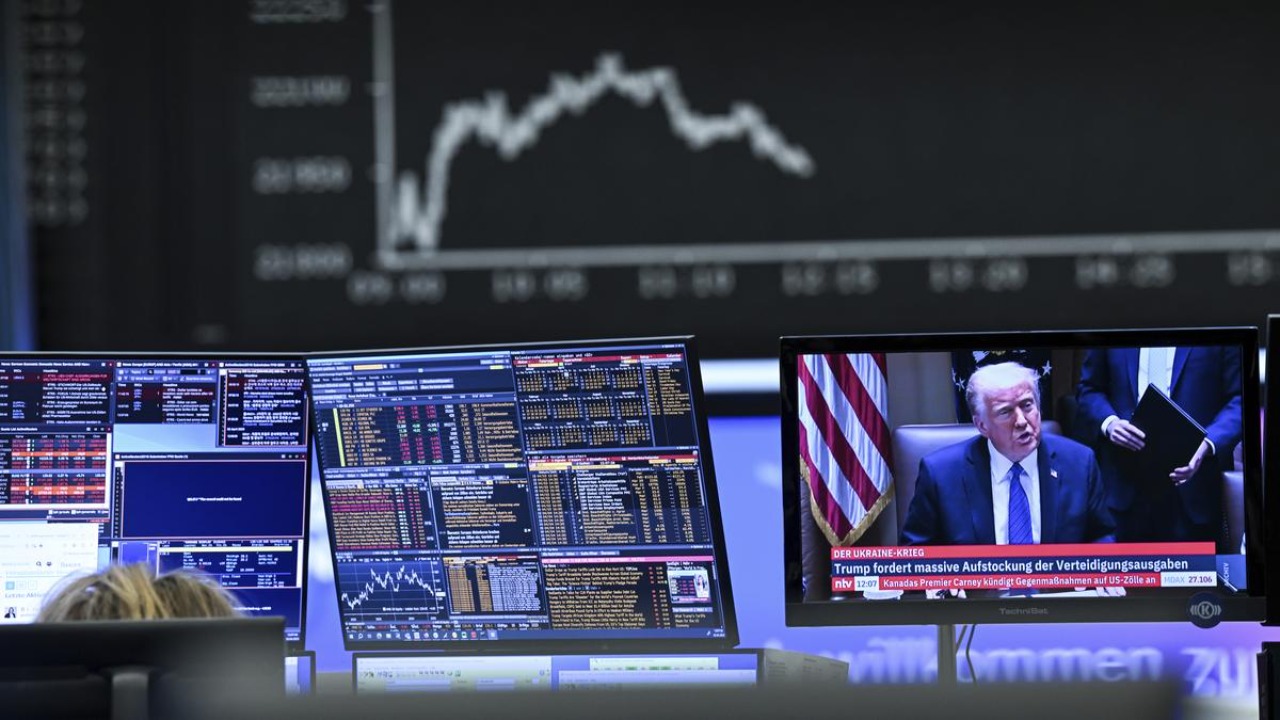
    After the announcement of the tariff hikes, global markets took a massive hit. Asian stock markets saw major declines on the following Monday, with Tokyo’s Nikkei 225 index falling by 7.2%. Hong Kong’s Hang Seng dropped by 10.7%, and the Shanghai Composite index lost 6.3%. In the U.S., the major stock indexes also experienced sharp declines. The S&P 500 fell 6% by the close of trading on Friday, while the Dow Jones Industrial Average dropped 5.5%, and the Nasdaq composite lost 5.82%.

    The market behavior mirrored the instability of past crashes, sparking renewed fears of a global recession. Many economists are concerned that the ongoing trade war could have long-term consequences for the world economy.


    Experts Weigh In: Is a Black Monday Coming?

    Many financial experts have weighed in on the potential for a Black Monday-style crash. CNBC host Jim Cramer has warned that the situation is precarious, noting that the market’s current trajectory could lead to another collapse similar to the 1987 crash. Cramer said that if President Trump does not take immediate steps to de-escalate the trade war, the scenario could very well play out again, with stocks plunging by 22% or more in a single day.

    Harvard economist Lawrence Summers also expressed concerns, saying that the magnitude of recent market movements is concerning. He noted that such large fluctuations are often associated with financial crises, including the 1987 crash, the 2008 financial crisis, and the COVID-19 market crash. According to Summers, the recent market drops signal that more turbulence is ahead, and investors should proceed with caution.


    What to Expect in the Coming Days

    As the situation continues to unfold, the big question on everyone’s mind is: What’s next? Despite the market chaos, President Trump has remained confident in his approach to the tariffs. Over the weekend, he shrugged off concerns about the market downturn, stating, “Sometimes you have to take medicine to fix something.” His statement suggested that the U.S. administration is not backing down from the trade war, which could lead to further volatility.

    In the short term, the markets are likely to remain jittery. U.S. futures indicated a tough start to the week, with the S&P 500 futures down 3.3%, and the Dow Jones Industrial Average futures losing over 1,000 points. As experts like Jim Cramer and Bill Ackman have pointed out, this could be the beginning of a more significant downturn if the situation doesn’t improve soon.


    Should You Be Worried?

    For most individual investors, the key to weathering potential market storms is to remain calm and stay informed. While the possibility of a major market crash exists, it’s important to remember that markets are cyclical. They go through ups and downs, and crashes, while devastating, are not permanent. In the long run, the market tends to recover.

    However, it is essential to stay vigilant and consider the risks of the current environment. If you are heavily invested in stocks, especially in the short term, it might be a good idea to reassess your portfolio and ensure that it is well-diversified to weather any downturns.


    How to Protect Your Investments

    If you’re concerned about a potential Black Monday-style crash, here are a few steps you can take to protect your investments:

    1. Diversify Your Portfolio: Spread your investments across different asset classes, such as bonds, stocks, and real estate. This reduces the risk of a significant loss if one sector takes a hit.

    2. Consider Hedging: Look into options such as put options or inverse exchange-traded funds (ETFs) to hedge against potential market declines.

    3. Stay Informed: Monitor market trends and economic news, particularly regarding the trade war and tariff updates. Timely information can help you make informed decisions.

    4. Consult a Financial Advisor: If you’re uncertain about how to proceed, it may be wise to speak with a financial advisor who can offer guidance based on your specific situation.


    Conclusion

    While the fears of a Black Monday-style crash are valid given the current market instability, it is important not to panic. History has shown that markets are resilient, and although downturns can be painful, they are often followed by recoveries. Staying calm, diversifying your investments, and remaining informed are key strategies to navigating the uncertainty.

    For more on potential service disruptions and the current economic climate, check out this article: 50% mobile services, 40% ATMs: PTA warns of major disruptions if LDI licenses are revoked.

  • Saudi Arabia Visa Ban Extends to 14 Countries, Including Pakistan

    Saudi Arabia Visa Ban Extends to 14 Countries, Including Pakistan

    Saudi Arabia has recently imposed a temporary visa ban on 14 countries, including Pakistan, ahead of the Hajj 2025 season. This decision has raised concerns among travelers and pilgrims who were planning to visit the kingdom for religious or business purposes. The visa restrictions primarily impact Umrah, business, and family visas. The Saudi Arabia visa ban is expected to last until mid-June, though it could be lifted sooner.


    Which Countries Are Affected by the Saudi Arabia Visa Ban?

    The countries affected by the Saudi Arabia visa ban include:

    • Pakistan

    • India

    • Bangladesh

    • Egypt

    • Indonesia

    • Iraq

    • Nigeria

    • Jordan

    • Algeria

    • Sudan

    • Ethiopia

    • Tunisia

    • Yemen

    This decision comes just ahead of the Hajj season, and the visa ban is designed to manage the flow of visitors to Saudi Arabia in a controlled and organized manner. Diplomatic sources have confirmed that Pakistani Umrah visa holders will be allowed to enter Saudi Arabia only until April 13. After this date, they must leave the kingdom, and Pakistani Umrah visa holders are required to return home by April 29.


    Why Was the Saudi Arabia Visa Ban Imposed?

    The Saudi government’s decision to impose the visa ban comes as part of preparations for the Hajj 2025 season. With millions of pilgrims expected to travel to Saudi Arabia for Hajj, the kingdom is taking steps to streamline the process and ensure that those entering the country do so smoothly and without overburdening the system.

    The visa ban affects multiple categories of visas, including:

    • Umrah Visas: These are issued for pilgrims visiting Saudi Arabia to perform Umrah, a religious pilgrimage. While the visa ban is in place, the kingdom will not issue Umrah visas to citizens of the affected countries.

    • Business Visas: The restrictions will also impact individuals from the listed countries who intend to travel to Saudi Arabia for business purposes.

    • Family Visas: Due to the temporary visa suspension, people planning to visit family members in Saudi Arabia will face difficulties.


    The Length of the Saudi Arabia Visa Ban

    The Saudi Arabia visa ban is expected to last until mid-June 2025, with the possibility of extensions depending on the situation. While the visa ban will apply to new visa applicants, individuals holding current valid visas will likely be unaffected. However, any Umrah visa holders from the banned countries are required to return home by the end of April.


    Impact on Pakistani Pilgrims

    The temporary visa ban has particularly affected Pakistani pilgrims planning to visit Saudi Arabia for Umrah or Hajj. Sources have confirmed that Pakistani Umrah visa holders will need to leave Saudi Arabia by April 29, 2025. This decision has caused a stir among the affected Pakistani citizens, who had planned their religious trips well in advance.

    In addition, the Saudi government has informed Pakistan about the temporary visa ban. Despite this restriction, Pakistan will still send thousands of pilgrims to Saudi Arabia for the Hajj 2025 season. The country’s Ministry of Religious Affairs has already approved the Hajj flight schedule for this year.


    What About Hajj 2025?

    While the Saudi Arabia visa ban may create confusion and disrupt travel plans for some, the Hajj pilgrimage remains unaffected. Saudi Arabia has finalized its Hajj flight schedule for 2025. Under the government’s Hajj scheme, 89,000 Pakistani pilgrims will travel to Saudi Arabia, with flights operating through five airlines. The first Hajj flight will depart on April 29, 2025, and the last flight will depart on May 31, 2025.

    Pilgrims traveling under the government scheme will depart from various cities, including Islamabad, Lahore, Karachi, Quetta, and Multan. In total, 179,210 Pakistani pilgrims are expected to perform the Hajj this year. Pakistan International Airlines (PIA) will operate the Hajj flights, using Boeing 777 and Airbus 320 aircraft to ensure a smooth journey for pilgrims.

    The government has also reduced the cost of Hajj packages. The 40-day-long Hajj package is now priced at Rs1,050,000, a reduction of Rs25,000. Similarly, the 25-day short Hajj package has been reduced by Rs50,000, bringing the cost to Rs1,100,000.


    How Will the Visa Ban Affect Business and Family Travel?

    Besides religious travel, the Saudi Arabia visa ban will also impact business and family visits. Citizens from the affected countries who planned to visit Saudi Arabia for work or family matters will not be able to obtain new visas during this period. This could affect international trade, business meetings, and family reunions, with individuals having to wait for the lifting of the ban before they can apply for a visa.

    Saudi Arabia’s decision to impose this temporary visa ban aims to regulate the flow of visitors ahead of the busy Hajj season. While it may cause inconvenience for travelers, the ban is likely to help ensure that the Hajj pilgrimage and other religious activities are organized and secure.


    What Happens After the Saudi Arabia Visa Ban?

    Once the Saudi Arabia visa ban is lifted in mid-June 2025, individuals from the affected countries will be able to apply for visas once again. However, travelers need to check for updates and official announcements from the Saudi government to confirm when the restrictions will be lifted and when they can reapply for their visas.

    As of now, the temporary visa ban is focused on Umrah, business, and family visas. The ban will not impact individuals who hold valid visas or who are already in Saudi Arabia. However, future travelers from the restricted countries will need to plan their trips carefully and stay updated with the latest information from the Saudi government.

    For more updates on current events, read about how Israel burns a journalist alive as genocide continues.

  • Gold Rate Today Mumbai, 07 April: Latest Prices for 18, 22, and 24 Carat Gold

    Gold Rate Today Mumbai, 07 April: Latest Prices for 18, 22, and 24 Carat Gold

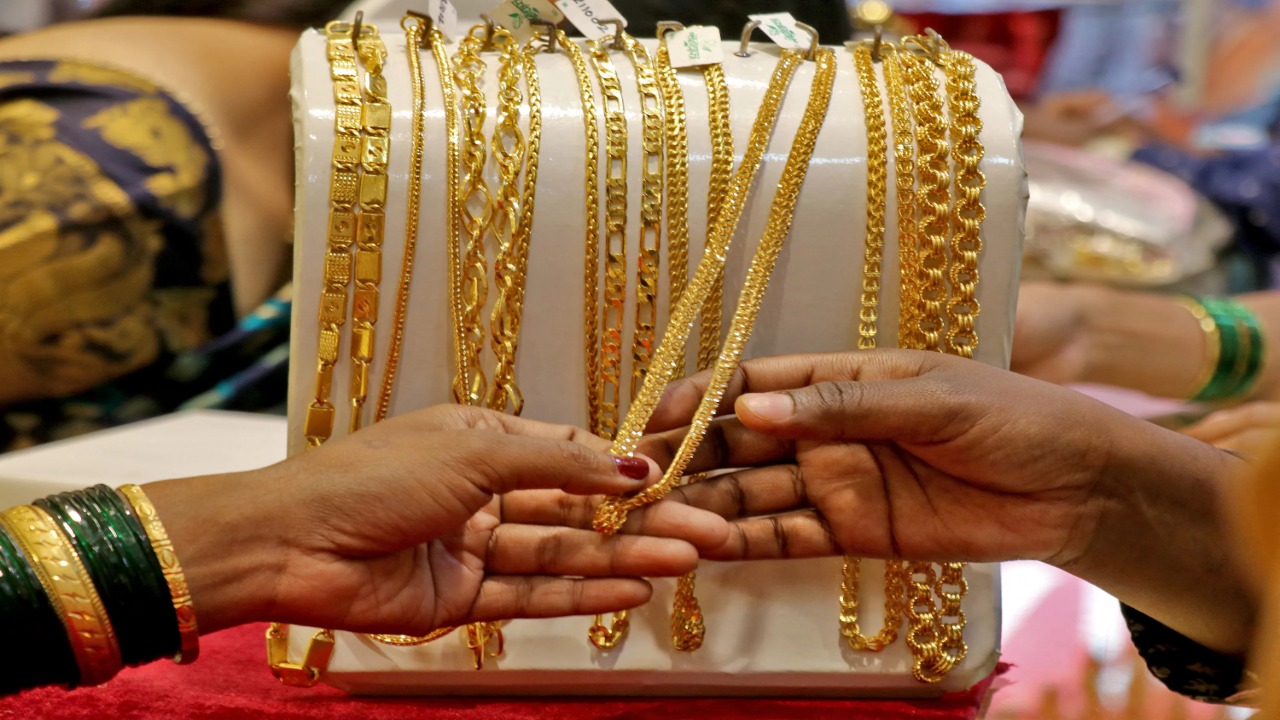
    Gold is always in demand in India, and Mumbai is no exception. Whether it’s for weddings, investments, or cultural reasons, gold holds a special place in the hearts of Mumbaikars. Today, on 07 April, we will look at the latest gold rates in Mumbai for 18, 22, and 24-carat gold. This will help you make an informed decision if you’re planning to buy or sell gold.


    Gold Rate Today Mumbai: A Quick Overview

    Gold prices have declined recently, providing some relief for buyers. After a period of surging prices, today marks a slight dip. On 07 April, the price of 18-carat, 22-carat, and 24-carat gold in Mumbai dropped, making it a good time for potential buyers to consider investing in gold.


    Gold Rate Today Mumbai – 18 Carat Gold

    For 18-carat gold in Mumbai today, the price is ₹6,798 per gram. Yesterday, it was ₹6,799, marking a small decrease. While the difference may seem small, it adds up, especially when purchasing larger quantities. With the recent price drop of ₹74 per gram for 18-carat gold, it offers some relief to gold buyers in Mumbai.


    Gold Rate Today Mumbai – 22 Carat Gold

    The price of 22-carat gold today in Mumbai is ₹8,309 per gram. Yesterday’s price was ₹8,310, reflecting a decrease of ₹90. Over the past ten days, the average cost of 22-carat gold in Mumbai has been ₹8,405.40. The recent price decline gives a break to gold buyers who have been facing high prices in the past weeks.


    Gold Rate Today Mumbai – 24 Carat Gold

    24-carat gold is the purest form of gold and holds great value in the market. Today, the price for 24-carat gold in Mumbai is ₹9,065 per gram, down ₹98 from yesterday’s price of ₹9,066. The average price of 24-carat gold in Mumbai over the last ten days has been ₹9,169.80. This price dip provides an opportunity for those looking to purchase the highest-quality gold.


    Why Are Gold Prices Declining?

    Gold prices fluctuate based on multiple factors such as global economic conditions, local demand, and government policies. The recent price decline comes after gold prices hit an all-time high due to international financial instability and trade tariffs. This price drop of ₹74 for 18-carat gold, ₹90 for 22-carat gold, and ₹98 for 24-carat gold across Indian cities, including Mumbai, offers a slight relief to consumers.


    City-Wise Gold Price Comparison

    Let’s compare the prices of gold across several major cities in India, including Mumbai, to get an idea of how the rates are looking today:

    • Mumbai: ₹6,798 (18K), ₹8,309 (22K), ₹9,065 (24K)

    • Delhi: ₹6,811 (18K), ₹8,324 (22K), ₹9,080 (24K)

    • Bangalore: ₹6,798 (18K), ₹8,309 (22K), ₹9,065 (24K)

    • Chennai: ₹6,844 (18K), ₹8,309 (22K), ₹9,065 (24K)

    • Hyderabad: ₹6,798 (18K), ₹8,309 (22K), ₹9,065 (24K)

    As you can see, the rates in Mumbai are competitive compared to other major cities. This allows Mumbai residents to buy gold at relatively lower prices.


    How Does This Affect Gold Buyers in Mumbai?

    Gold is a significant investment, and prices can change quickly. While the recent dip in prices offers a small relief to gold buyers in Mumbai, it is essential to monitor the market regularly for any future fluctuations. Given the volatile nature of the market, it’s always a good idea to buy when prices are low to maximize your investment.

    The current rates make it a good time to invest in gold for special occasions like weddings or festivals. Additionally, the falling prices might encourage those who have been waiting for the right moment to buy gold, making it a potentially wise move in the current market scenario.


    How Gold Prices Are Determined in Mumbai

    Gold prices in Mumbai, like in other parts of India, are determined by several factors, including:

    • International gold prices: The global price of gold plays a significant role in determining the cost of gold in Mumbai.

    • Exchange rates: A change in the value of the Indian rupee against the dollar can impact the price of gold.

    • Demand and supply: High demand or low supply can push prices higher, while low demand or excess supply can cause prices to drop.


    Conclusion

    Gold rates today in Mumbai on 07 April have seen a slight decrease, providing a small relief to buyers. Whether you’re purchasing 18-carat, 22-carat, or 24-carat gold, the rates have dropped across all types. The decrease in prices by ₹74 for 18-carat, ₹90 for 22-carat, and ₹98 for 24-carat gold is a welcome change for those looking to invest in gold.

    If you’re planning to buy gold in Mumbai today, this is a good time to do so. However, remember to keep an eye on the market, as gold prices can fluctuate frequently. Be sure to consult with a trusted jeweler or gold dealer to get the best deal.

    Read More: Tata Motors Share Price Drops 6% as JLR Suspends US Shipments

  • Tata Motors Share Price Drops 6% as JLR Suspends US Shipments

    Tata Motors Share Price Drops 6% as JLR Suspends US Shipments

    Tata Motors share price dropped by nearly 6.23% to Rs 575.60, following news of its UK-based subsidiary, Jaguar Land Rover (JLR), pausing vehicle exports to the United States. The announcement came after the US government imposed a 25% import tariff on foreign vehicles, effective from April 2. This development has raised concerns about the future growth prospects of JLR, a key revenue driver for Tata Motors. In this blog, we’ll break down why this decision was made, its impact on Tata Motors share price, and what it means for the company moving forward.


    What Led to the Suspension of US Shipments?

    JLR’s decision to halt exports to the US for one month is directly related to the 25% tariff imposed by the US government. This tariff is part of an ongoing trade conflict between the US and various foreign manufacturers. The tariffs were introduced in early April, which means JLR was forced to reassess its strategy and make necessary adjustments.

    The US market is vital for JLR, contributing a significant portion to its overall sales. The tariff will increase the cost of each vehicle sold, making it more expensive for US customers to purchase JLR cars. JLR has decided to pause shipments to the US to understand the full impact of these tariffs and develop a longer-term strategy with its partners. This pause also allows the company to reevaluate its pricing and trade strategies in light of the new tariffs.


    The Impact on Tata Motors Share Price

    Tata Motors share price took a sharp hit following this news. The stock dropped nearly 6.23%, closing at Rs 575.60. This decline reflects investors’ concerns regarding JLR’s performance in the US market. Since JLR accounts for a large chunk of Tata Motors’ revenue, any disruption in its US operations directly affects the company’s financial health and growth prospects.

    Nomura, a well-known brokerage firm, had earlier warned that these tariffs could add around $3,700 to the cost of each vehicle, which is approximately 8% of the average selling price. If manufacturers, like JLR, pass on some of these additional costs to customers, it could lead to a decline in demand for foreign cars in the US. This would further impact JLR’s sales and, in turn, the Tata Motors share price.


    JLR’s Global Sales Performance

    Despite the challenges in the US, JLR reported strong global sales for the last quarter of FY25. Wholesale volumes were up in North America and Europe, with both regions seeing an increase in demand for JLR models. On the other hand, sales in China were down, which is a concern for JLR, as China is one of its largest markets.

    Retail sales, however, dropped 5.1% compared to the same period last year. While this was a slight improvement from the previous quarter, it highlights the ongoing challenges JLR is facing globally. The overall performance for the year remained steady, with wholesale and retail numbers remaining relatively flat.


    Why This Matters for Tata Motors

    Tata Motors’ future performance is closely tied to JLR’s success. The luxury carmaker is a significant source of revenue for Tata Motors, and any disruption in its operations can affect the company’s overall financial health. While JLR’s strong sales in North America and Europe are positive, the drop in sales in China and the pause in US exports signal potential headwinds.

    The pause in US shipments is a temporary measure, and JLR is working on a long-term strategy to navigate the challenges posed by the new tariffs. However, in the short term, the impact on the Tata Motors share price is significant. Investors are cautious, and the stock has been under pressure due to the uncertainty surrounding JLR’s performance in the US.


    Analyst Sentiment and Stock Rating Changes

    Following this news, several analysts have downgraded their ratings for Tata Motors. Brokerage firm CLSA lowered its rating from “High Conviction Outperform” to a more standard “Outperform.” It also reduced the stock’s target price from ₹930 to ₹765, citing concerns about JLR’s future sales volume. CLSA projects a 14% decline in JLR’s sales in FY26 due to the tariffs, which could hurt Tata Motors’ earnings in the coming years.

    Despite these challenges, Tata Motors remains focused on expanding its product offerings and strengthening its position in the electric vehicle (EV) market. The company has been investing heavily in EV technology, which could help offset some of the negative impacts from the tariff-induced slowdown in JLR’s sales.


    What Lies Ahead for Tata Motors?

    Looking ahead, Tata Motors will need to navigate the shifting global trade dynamics and adapt to the new tariff environment. JLR’s ability to rebound from the current challenges will be key to the company’s performance in the coming quarters.

    Tata Motors will also have to manage investor expectations, especially as analyst ratings and stock targets have been revised downward. While the company is taking steps to mitigate the impact of the tariffs, the coming months will be crucial in determining whether JLR can maintain its global sales momentum.


    Conclusion

    The drop in Tata Motors share price reflects the market’s concerns over JLR’s US operations and the potential impact of the new tariffs. While JLR reported strong sales in other regions, the challenges in the US and China cannot be ignored. Investors will be watching closely to see how Tata Motors adapts to these challenges and whether JLR can recover from the tariff-induced slowdown.

    As Tata Motors continues to focus on its EV strategy, the company will need to balance its efforts in the traditional automotive market with its push into new technologies. The next few quarters will be critical for Tata Motors as it navigates these uncertainties.

    For more on global market trends and the ongoing US-China trade tensions, check out our coverage on the historic decline in PSX as markets crash amid the US-China tariff war.

  • World Health Day 2025: Empowering Global Health for a Brighter Tomorrow

    World Health Day 2025: Empowering Global Health for a Brighter Tomorrow

    World Health Day 2025 is right around the corner, and this year, the focus is on a critical issue that affects millions of people globally—maternal and newborn health. Celebrated on April 7, World Health Day 2025 kicks off a year-long campaign dedicated to promoting the well-being of mothers and babies. Titled Healthy Beginnings, Hopeful Futures, the campaign aims to raise awareness about the importance of maternal and newborn health, calling on governments, health professionals, and individuals to take action.

    The health of mothers and babies forms the foundation of healthy families and communities. When we improve the health of women and children, we help ensure better futures for generations to come. In this blog post, we’ll explore the significance of World Health Day 2025, why maternal and newborn health matters, and how we can all get involved.


    Why Maternal and Newborn Health Matters

    The health of mothers and babies is a fundamental aspect of global health. Unfortunately, many women and babies still face preventable deaths every year. According to the latest statistics, nearly 300,000 women lose their lives each year due to complications during pregnancy or childbirth. This is a staggering number, especially considering that many of these deaths could be prevented with proper care.

    In addition, over 2 million babies die in their first month of life, and around 2 million are stillborn. That means every seven seconds, a preventable death occurs. These numbers are heartbreaking and serve as a wake-up call for urgent action.

    The good news is that many of these deaths are preventable. By improving healthcare systems, increasing access to quality care, and prioritizing women’s long-term health and well-being, we can save millions of lives each year. World Health Day 2025 seeks to empower people and organizations worldwide to take action towards achieving this goal.


    Key Goals of World Health Day 2025

    World Health Day 2025, with its theme Healthy Beginnings, Hopeful Futures, has several key goals:

    1. Raising Awareness: It is crucial to highlight the gaps in maternal and newborn survival. Awareness helps people understand the challenges that women and babies face and encourages action to address them.

    2. Advocating for Effective Investments: Governments and organizations must make investments in health systems to ensure that every woman and baby has access to the care they need. Effective healthcare systems can make a world of difference in saving lives.

    3. Encouraging Collective Action: World Health Day 2025 is a call for global cooperation. Governments, healthcare providers, and communities must work together to tackle the maternal and newborn health crisis. Collaborative efforts are essential to provide the best care for mothers and babies.

    4. Providing Health Information: It is crucial to provide useful information related to pregnancy, childbirth, and the postnatal period. This campaign will offer valuable resources to help women and families navigate their journey through pregnancy and beyond.


    The Importance of Quality Health Systems

    A strong health system is at the heart of solving the maternal and newborn health crisis. Health systems must evolve to manage not only direct obstetric complications but also address mental health issues, noncommunicable diseases, and family planning. Women need access to high-quality care before, during, and after birth.

    Sadly, many countries are off-track to meet targets for reducing maternal and newborn deaths by 2030. Currently, four out of five countries are not on track to meet these goals. This highlights the urgent need for action. World Health Day 2025 is an opportunity to push for policy changes and stronger health systems to ensure that no woman or baby is left behind.


    How You Can Get Involved

    Everyone can play a role in supporting the Healthy Beginnings, Hopeful Futures campaign. Here are a few simple actions you can take to make a difference:

    1. Spread Awareness: Share information about the campaign using hashtags like #HopefulFutures and #HealthForAll. The more people know about the issue, the more pressure governments and healthcare providers will feel to act.

    2. Participate in Global Events: Attend virtual or in-person events hosted by organizations supporting World Health Day 2025. These events will provide valuable insights into how we can collectively reduce maternal and newborn mortality.

    3. Donate: Consider contributing to the WHO Foundation, which protects mothers and babies in countries around the world. Donations can improve healthcare access and save lives.

    4. Share Your Story: If you’ve had a pregnancy or childbirth experience, consider sharing your story. Your lived experiences can inspire others and raise awareness about the importance of quality care.


    The Path to a Healthier Future

    World Health Day 2025 is not just a day of reflection but a call to action. By empowering women, improving healthcare systems, and prioritizing maternal and newborn health, we can pave the way for a brighter future. It’s not just about saving lives today—it’s about building a sustainable future where every mother and baby can survive and thrive.


    Conclusion

    World Health Day 2025 presents an important opportunity to reflect on our collective responsibility to improve the health and well-being of women and babies. The Healthy Beginnings, Hopeful Futures campaign is a powerful reminder that we must act now to address gaps in healthcare systems and ensure that no woman or baby is left behind.

    So, what can you do? Spread the word, get involved, and make a difference. The future of global health depends on our actions today.

    By the way, while you’re engaging with World Health Day 2025, you might enjoy reading about the latest viral content. Atif Aslam’s hilarious waterfall reel sparks laughter and mixed reactions online—check it out for some lighthearted fun while supporting a serious cause.

  • Trent Share Price Falls 16% Amid Market Slump, Motilal Oswal Predicts 22% Upside

    Trent Share Price Falls 16% Amid Market Slump, Motilal Oswal Predicts 22% Upside

    The stock market has been volatile recently, and one of the major players affected is Trent, a Tata Group company. Trent share price has dropped significantly, with a fall of 16% in recent trading sessions. This sharp decline has raised questions about the future of the company’s stock. While the market has been in turmoil, analysts like Motilal Oswal are offering an optimistic outlook, predicting a potential 22% upside for Trent stock.


    The Current Market Scenario: A Significant Impact on Trent Share Price

    As of the latest market update, Trent’s share price has taken a major hit, falling as much as 16% due to market conditions. This decline is largely attributed to the overall market slump, with investors reacting to various global factors that have caused widespread anxiety. On April 7, 2025, Trent’s shares were trading at Rs 4,709.8 each, which represents a 14.7% drop on the Bombay Stock Exchange (BSE). This follows a series of market-wide losses, where major indices such as the Sensex and Nifty also saw significant declines.

    This stock price fall is alarming for investors who have been following Trent’s performance closely. While the Trent share price has been under pressure, it is crucial to analyze the company’s financial health and potential future prospects to understand whether it’s an opportunity for investment or a sign to stay cautious.


    Trent’s Q4 FY2025 Financial Update: Strong Revenue Growth Despite Market Decline

    Despite the recent downturn in the stock price, Trent has posted positive revenue growth for the fourth quarter of the financial year 2025. The company recorded a standalone revenue of Rs 4,334 crore, marking a 28% increase from Rs 3,381 crore in the same period last year. This revenue boost indicates that the company is performing well on a fundamental level, despite the market’s volatility.

    For investors, Trent’s strong revenue growth in the face of market challenges is an encouraging sign. The company operates a growing portfolio of stores under popular brands such as Westside and Zudio. As of March 31, 2025, Trent had 248 Westside stores and 765 Zudio stores, including 2 in the UAE, along with 30 other lifestyle stores. This diversified portfolio of retail outlets positions Trent as a resilient player in the market, with a strong foundation for growth.


    Market Sentiment and Its Impact on Trent Share Price

    The market sentiment has been a major factor influencing Trent share price movements. The broader stock market has been struggling, with investors showing caution due to global economic concerns. The volatility in the US-China trade relationship, the potential for rising tariffs, and fears of a global economic slowdown have all contributed to the market slump.

    Amid this uncertainty, many stocks have taken a hit, including those of Tata Group companies like Trent. However, it’s important to note that Trent’s decline in stock price is not solely due to company-specific issues. The overall market conditions have played a significant role in affecting stock prices across the board. The Trent share price is part of this larger market trend, which has seen widespread sell-offs.


    Motilal Oswal’s Outlook: A 22% Upside Predicted

    Despite the recent drop in Trent share price, Motilal Oswal, a leading brokerage firm, has maintained a “buy” rating on the stock. This recommendation is based on the company’s strong performance and growth potential. While the stock has seen a significant decline, Motilal Oswal’s analysts believe that Trent’s long-term growth prospects remain intact.

    The brokerage has reduced its target price for Trent from Rs 7,500 to Rs 6,760 per share. This still represents a potential upside of around 22%, suggesting that the stock could rebound in the coming months. Motilal Oswal’s positive outlook is based on Trent’s solid fundamentals, including its strong revenue growth, expanding store portfolio, and the resilience of its retail business model.

    Investors should consider this information carefully, especially if they are looking for long-term gains. While the short-term market fluctuations may be concerning, the overall growth trajectory of Trent appears promising. For those willing to weather the current volatility, Motilal Oswal’s recommendation offers a hopeful perspective on the company’s future.


    What Should Investors Do? Buy, Hold, or Wait?

    For those already invested in Trent, the recent dip in share price may be unsettling. However, for investors looking to enter the stock, the current price level could offer an attractive entry point, especially given the predicted 22% upside. If you are considering buying Trent shares, it’s essential to keep a long-term view in mind and be prepared for market fluctuations.

    Investors should also take note of the broader market conditions. The global economic outlook remains uncertain, and this can impact stock performance in the short term. It’s advisable to monitor global events and consider how these might affect Trent and its business in the coming months.


    Conclusion

    In summary, Trent share price has experienced a significant decline in recent trading sessions, largely due to the broader market downturn. Despite this, the company has posted strong financial results, with a 28% growth in revenue for Q4 FY2025. Motilal Oswal’s recommendation of a 22% upside suggests that Trent’s stock may have the potential for recovery.

    Investors should stay informed about the market and company performance, but for those with a long-term investment strategy, the current price dip could be an opportunity to buy. As always, it’s important to conduct thorough research and consult with a financial advisor before making any investment decisions.

    For more updates on international economic and political developments, read about Netanyahu and Trump’s upcoming talks on tariffs, Iran, and Gaza.

  • Bill Ackman: Business Leaders Losing Confidence in Trump, Says Billionaire Investor

    Bill Ackman: Business Leaders Losing Confidence in Trump, Says Billionaire Investor

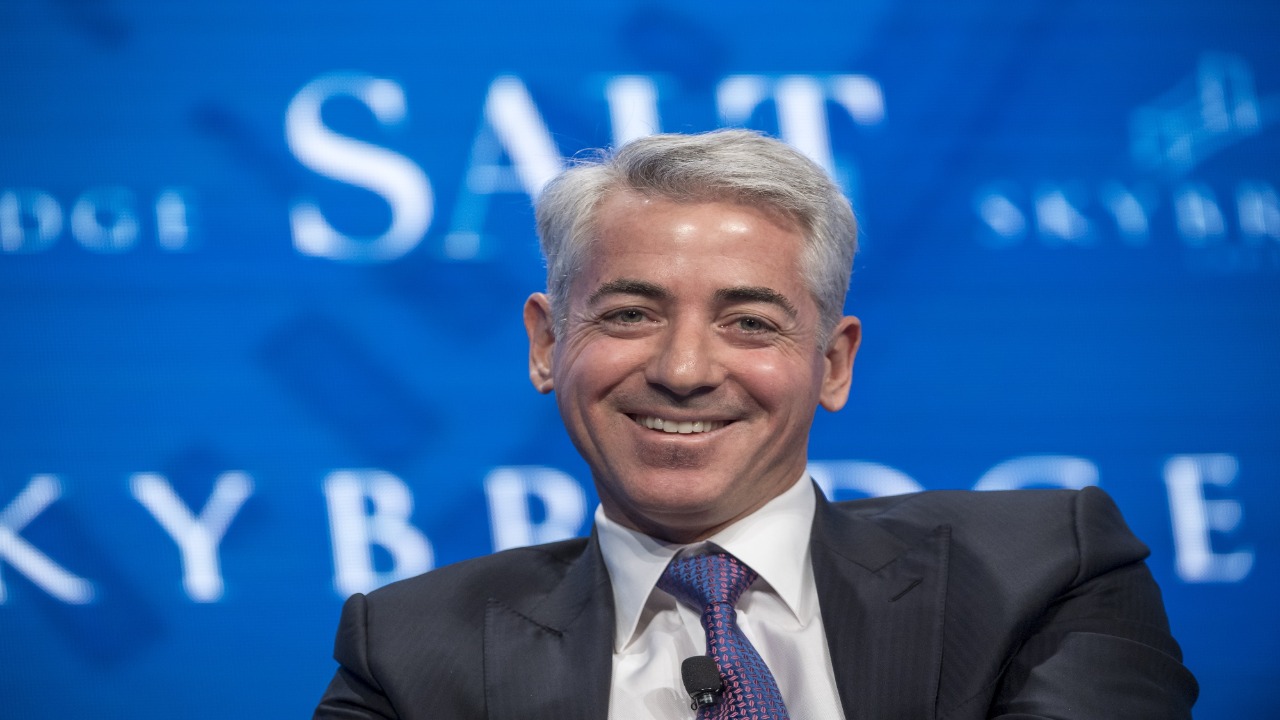
    Billionaire investor Bill Ackman has been outspoken about his views on the current state of the U.S. economy and President Donald Trump’s tariff policies. In recent statements, Ackman warned that America is heading toward a “self-inflicted economic nuclear winter.” His remarks highlight the growing concerns among business leaders about the direction of the U.S. economy, especially as a result of Trump’s aggressive tariff measures.

    Ackman, who initially supported Trump during the election, has become a vocal critic of the president’s economic strategy. According to Bill Ackman, Trump’s tariffs are damaging not just to the U.S. economy but also to America’s credibility as a reliable trading partner. By imposing high tariffs on both friends and adversaries, Trump has initiated what Ackman calls a “global economic war.”


    The Impact of Trump’s Tariff Policy

    Trump’s tariffs, which affect over 180 countries, have been especially damaging to global markets. The president’s decision to impose a 10% baseline levy on all imports, with China being hit the hardest, has sent shockwaves through the economy. China faces the highest tariffs, with duties imposed by the U.S. reaching 54% since January. In retaliation, China has imposed 34% tariffs on all U.S. goods.

    The consequences of these tariffs are already evident. U.S. equities suffered a sharp decline, with the market down 9.08% last week. Investors are worried that the global economy is heading into a slowdown. J.P. Morgan recently raised the chances of a U.S. recession by 20%, now estimating a 60% likelihood of an economic downturn by the end of the year.


    Business Leaders Losing Confidence

    Bill Ackman has pointed out that business is largely a matter of confidence. When confidence erodes, as it has with Trump’s tariff policies, businesses begin to hesitate and pull back. According to Ackman, President Trump is losing the trust of business leaders not just in the U.S., but across the globe.

    In his statements, Bill Ackman said, “The president is losing the confidence of business leaders around the globe.” He believes this shift is detrimental to both the U.S. economy and the millions of citizens who have supported Trump, especially low-income consumers. These consumers are already under a significant amount of economic pressure, and the ongoing trade war only makes things worse.

    Ackman is also concerned about the long-term effects of these policies on American citizens. He argued that many Americans, particularly those from low-income backgrounds, did not vote for these outcomes. The economic hardships caused by the tariffs are likely to worsen the living conditions of vulnerable populations, making it harder for them to meet basic needs.


    A Path to Recovery or Further Economic Destruction?

    Despite the damaging effects of Trump’s trade policies, Ackman suggests there may still be a chance for the situation to improve. He believes Trump could initiate a “timeout” for negotiations, allowing for a resolution of “unfair” tariff deals. However, Ackman warns that this opportunity may not last for long. If no action is taken, the U.S. could continue on its path toward an “economic nuclear winter,” as Bill Ackman calls it.

    The term “economic nuclear winter” refers to a scenario in which aggressive trade policies severely damage the economy, leading to a global slowdown. In this situation, businesses would continue to lose confidence in the U.S., and the country’s economic standing could take years to recover.

    Ackman’s analysis points to the importance of resolving trade disputes through diplomacy rather than imposing punitive tariffs. While tariffs may seem like a quick solution to unfair trade practices, they often come with unintended consequences. The ripple effects of these tariffs can hurt not just the targeted countries but also U.S. businesses and consumers.


    The Role of Government and Business Leaders

    As Bill Ackman has pointed out, business leaders’ role in shaping the future of the economy is crucial. When they lose confidence in the government’s ability to handle trade relations, they become hesitant to invest, innovate, or expand. This hesitation leads to slower economic growth and can create a cycle of decline that is difficult to reverse.

    Ackman’s criticism is not just aimed at President Trump’s tariff policies but also individuals like U.S. Commerce Secretary Howard Lutnick. Bill Ackman has called Lutnick’s position a conflict of interest, arguing that Lutnick’s firm profits when the economy falters. This concern highlights the broader issue of political and corporate interests that may not align with the best interests of the American people.


    What Lies Ahead?

    The future of the U.S. economy depends on the decisions made by the Trump administration and the global community. The president’s tariff policies have already caused significant damage, and business leaders are losing faith in the administration’s ability to manage economic relations. As Bill Ackman has pointed out, the U.S. is on the brink of a financial crisis that could have far-reaching consequences for everyone, from consumers to businesses to investors.

    The next few months will be critical in determining whether the U.S. can recover from these self-inflicted wounds. While Ackman has called for negotiations and a shift in strategy, the window for change may be closing quickly. As the trade war escalates, the need for diplomatic solutions becomes even more urgent.

    If you’re interested in more updates on how cultural events are impacting society, check out Yasir Hussain’s Monkey Business, which is bringing laughter and love to Karachi’s Arts Council.