Blog

  • Maharashtra Sees Alarming Rise in Farmer Suicides: 21,219 Cases in Five District

    Maharashtra Sees Alarming Rise in Farmer Suicides: 21,219 Cases in Five District

    Maharashtra is one of India’s major agricultural states. It is grappling with a tragic crisis that has claimed the lives of thousands of farmers. A new official report reveals that between January 2001 and January 2025, a shocking 21,219 farmers died by suicide across five districts in the Amravati revenue division of Maharashtra. This staggering figure highlights the severe distress faced by the farming community in the state.

    The five districts—Amravati, Akola, Buldhana, Washim, and Yavatmal—are part of the Amravati revenue division. Here, farming is a primary source of livelihood. Over the past 24 years, these districts have witnessed an alarming number of farmer suicides, with the figure continuing to rise. Let’s take a closer look at the situation in Maharashtra and the factors contributing to this devastating crisis.


    A Heart-Wrenching Reality

    The report paints a grim picture. Between 2001 and 2025, over 21,000 farmers in Maharashtra’s Amravati revenue division have ended their lives due to a combination of factors, most notably agricultural distress. In particular, the report points to the high rates of crop failure, mounting debt, and poor financial support, which are devastating farmers across the region.

    Among the districts, Yavatmal has seen the highest number of suicides, with 6,211 farmers taking their lives over the past two decades. Amravati district has seen 5,395 suicides, followed by Akola with 3,123, Buldhana with 4,442, and Washim with 2,048 cases.

    The month of January 2025 alone recorded 80 farmer suicides across the five districts. While these numbers are alarming, they are not a one-off occurrence. The problem has persisted for over two decades, underlining the urgent need for intervention at both the state and national levels.


    Key Contributing Factors

    The reasons behind these suicides are multifaceted. The primary factor contributing to the crisis is the severe financial strain that farmers face due to failed crops, fluctuating market prices, and the inability to repay loans. Farmers often take loans from moneylenders and banks to finance their agricultural operations. When crops fail due to drought, floods, or pest infestations, they are left unable to repay these loans, leading them to take drastic steps.

    Another significant issue is the lack of proper support from government schemes. While the government offers compensation for farmer suicides, many cases are deemed ineligible. Of the 21,219 suicides recorded, only 9,970 were eligible for government compensation. The remaining 10,963 cases did not meet the criteria, which includes proof of loan repayment issues or crop losses.

    Furthermore, the state’s infrastructure and agricultural policies often fail to provide farmers with the necessary tools to combat changing weather patterns or market shifts. Many farmers are left vulnerable to the pressures of an unstable agricultural economy.


    Financial Support and Government Initiatives

    The Maharashtra government has made attempts to address the issue, but challenges remain. As of the latest report, financial assistance has been given to 9,740 families of farmers who died by suicide. This assistance is meant to offer some relief, but it often falls short of addressing the root causes of the crisis.

    The eligibility for compensation is limited to cases where the suicide is directly linked to financial distress caused by agriculture, such as debt or crop failure. Unfortunately, many families of farmers who die by suicide cannot meet these strict criteria, which leads to an even greater sense of hopelessness in affected communities.

    Despite these efforts, the number of suicides continues to rise, indicating that the measures in place are not enough to stop the cycle of despair. What is needed is a long-term solution that addresses both the economic and emotional stress that farmers face.


    A Call for Immediate Action

    The growing number of farmer suicides in Maharashtra calls for immediate action. Policymakers must focus on providing financial support that goes beyond just compensation after death. Sustainable agricultural policies, better access to technology, and a stronger safety net for farmers facing crop failures are crucial to preventing further losses.

    Moreover, mental health support must be integrated into these initiatives. Farmers often face immense emotional pressure, and there is a lack of resources to help them cope with their struggles. Mental health counseling, awareness programs, and community support systems can play a significant role in addressing the psychological toll of farming.


    Looking Ahead

    Maharashtra’s farmer suicide crisis is a tragic reminder of the vulnerabilities in India’s agricultural sector. While the state has made some progress, much more needs to be done to ensure the well-being of farmers. The government must take more robust steps to provide farmers with the support they need to survive the challenges posed by agriculture in a changing climate.

    This crisis is not just a local issue; it is a national one that requires urgent attention from all sectors of society. By addressing the root causes of farmer suicides in Maharashtra, we can begin to offer a better future to the farming community.

    If you are looking for more updates, you may also be interested in reading about the tragic incident involving three sisters gunned down in revenge murders. The details of the story can be found here: Three Sisters Gunned Down in Revenge Murders.

  • Rajya Sabha Votes in Favor of President’s Rule in Manipur Amid Tension

    Rajya Sabha Votes in Favor of President’s Rule in Manipur Amid Tension

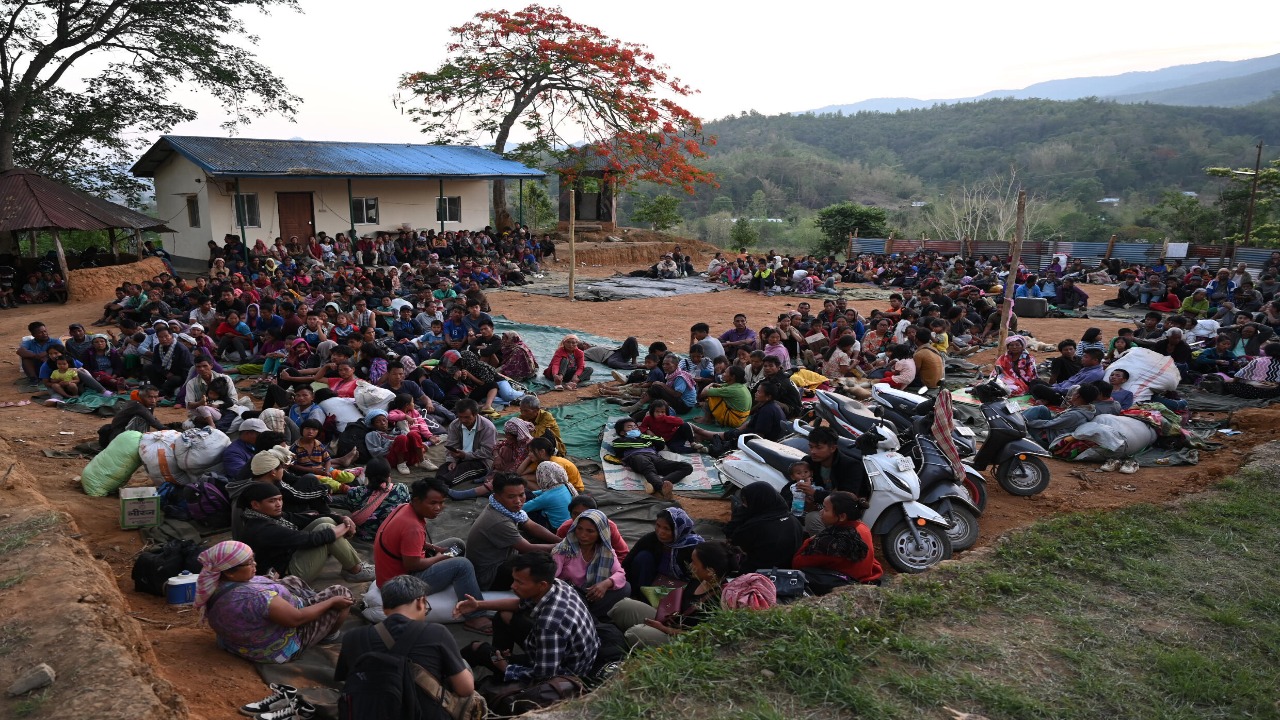
    The political situation in Manipur has been in turmoil for the past two years, marked by ethnic violence and unrest. In a significant move, the Rajya Sabha recently voted in favor of the President’s Rule in Manipur, a decision that followed a similar resolution passed by the Lok Sabha just a day earlier. The decision has sparked debates and discussions across the country, especially concerning its timing and implications.


    What Led to the President’s Rule in Manipur?

    The imposition of President’s Rule in Manipur comes after nearly two years of intense ethnic clashes between different groups, which led to the death of over 260 people and displaced more than 50,000. The situation worsened with the resignation of Chief Minister N. Biren Singh on February 9, 2025, after months of violence. The move to impose President’s Rule followed four days after Singh’s resignation, with no clear successor emerging to form a stable government.

    The announcement was made by Union Home Minister Amit Shah in both the Lok Sabha and Rajya Sabha. The resolutions were debated extensively in both houses, with significant opposition voices questioning the government’s handling of the crisis.


    Rajya Sabha’s Decision to Pass the Resolution

    The resolution to confirm President’s Rule in Manipur was passed in the Rajya Sabha in the early hours of Friday. The debate lasted over 12 hours, with discussions extending well into the night due to the Waqf Amendment Bill being discussed simultaneously. It was after 2 am that Amit Shah presented the statutory resolution in the Upper House. Despite late-night hours, the resolution passed with approval at 3:58 am.

    While opposition leaders, including Congress leader Mallikarjun Kharge, demanded more time to discuss the Manipur issue during daylight hours, Shah defended the timing. He remarked that the issue of Manipur was significant and needed immediate attention, emphasizing that the government had been actively working behind the scenes to address the crisis.


    Opposition’s Concerns and Criticisms

    The opposition raised various concerns during the debate. Kharge questioned why Prime Minister Narendra Modi had not visited Manipur in the last two years. He also called for a white paper to be presented in Parliament, outlining the facts of the ongoing ethnic conflict. Kharge suggested that the President’s Rule was a political move to save the Bharatiya Janata Party (BJP) in the state rather than to address the deep-rooted issues in Manipur.

    Trinamool Congress (TMC) leader Derek O’Brien also criticized the late-night passage of the resolution. He called the timing ironic, stating that the issues of Manipur deserved attention during prime time when media outlets could cover the developments. He urged the government to take Manipur’s situation seriously and give it the prominence it deserved.


    Amit Shah’s Response to Opposition

    In response to the criticisms, Amit Shah defended the government’s actions, stating that the imposition of President’s Rule was not due to a failure of law and order. He explained that the resolution was passed after extensive consultations with all parties, and the resignation of the chief minister created the necessary conditions for the move. Shah also clarified that there had been no violence in recent months, including November and December, refuting opposition claims of deteriorating law and order.

    He further highlighted that the ethnic violence in Manipur stemmed from a Supreme Court judgment that had caused unrest among the tribal population. Shah assured the House that the government was working toward restoring peace through ongoing talks with various groups.


    The Current Situation in Manipur

    As of now, the state is under President’s Rule, with the Manipur Legislative Assembly suspended in a state of suspended animation. This means that the assembly has not been dissolved, and it remains intact, allowing for future attempts to form a government if conditions stabilize. The government has expressed hope that peace talks between the warring groups will soon lead to a resolution of the ethnic conflict.

    The state’s situation remains delicate, with many hoping that the imposition of President’s Rule will pave the way for a more stable and peaceful environment. However, the road to reconciliation in Manipur is still long and complex, requiring careful management of the region’s diverse ethnic groups and their competing interests.


    The Role of President’s Rule in Stabilizing Manipur

    The decision to impose President’s Rule in Manipur is aimed at restoring stability in the state. With no clear majority emerging in the Assembly and the Chief Minister’s resignation, the central government has stepped in to ensure governance and maintain law and order. The move also aims to prevent further escalation of violence while the government works on finding a lasting political solution.

    President’s Rule, however, has its critics. Some view it as a temporary fix to a long-term problem. Others argue that it is a way for the central government to exert more control over the state, sidelining local governance in the process. Regardless of the differing opinions, the central government insists that this is a necessary step to address the ongoing crisis.


    Moving Forward: Can Peace Be Restored in Manipur?

    Manipur’s future is uncertain, but the hope is that the imposition of President’s Rule will help pave the way for a peaceful resolution. The government’s commitment to dialogue and reconciliation will be crucial in the coming months. The political landscape in the state remains in flux, and it remains to be seen whether the central government’s intervention will be enough to restore peace and stability.

    As the situation unfolds, it is important to keep an eye on developments in Manipur. The road to peace will require cooperation between all parties involved and a willingness to put the people of Manipur first.

    For more on recent updates and trending topics, check out Your next fave dance number is here; Fahad Hussayn, Farasat Anees’s ‘Yaar Da Viyah’ is ROCKING.

  • Anmol Baloch breaks silence on wedding rumours

    Anmol Baloch breaks silence on wedding rumours

    Renowned actress Anmol Baloch has dismissed rumours about her marriage, making it clear that she is not married.

    On Instagram, she addressed the speculations and advised her fans not to believe everything they see online.

    While sharing an Instagram story, Anmol Baloch said, “I am not married. When the time comes, I will share it with my fans and industry people.”

    She also added,  “The rumours circulating are fake. Please do not believe everything you see online. Thank you for your love and support.”

    Since the beginning of this year, news of Anmol Baloch’s alleged marriage to Karachi-based businessman Umair Baig has been circulating. Until now, the actress had remained silent on the matter.

    However, the rumours gained new momentum recently when actress and host Nida Yasir congratulated showbiz personalities who had tied the knot this year during her morning show — and included Anmol Baloch’s name on the list.

    After the video clip from Nida Yasir’s show went viral on social media, users were quick to react. Some expressed surprise, while others speculated that Anmol Baloch might just be engaged and that the wedding celebrations could take place after Eid.

  • ‘I would have been a gangster’: Sajid Khan’s wild confession leaves host stunned

    ‘I would have been a gangster’: Sajid Khan’s wild confession leaves host stunned

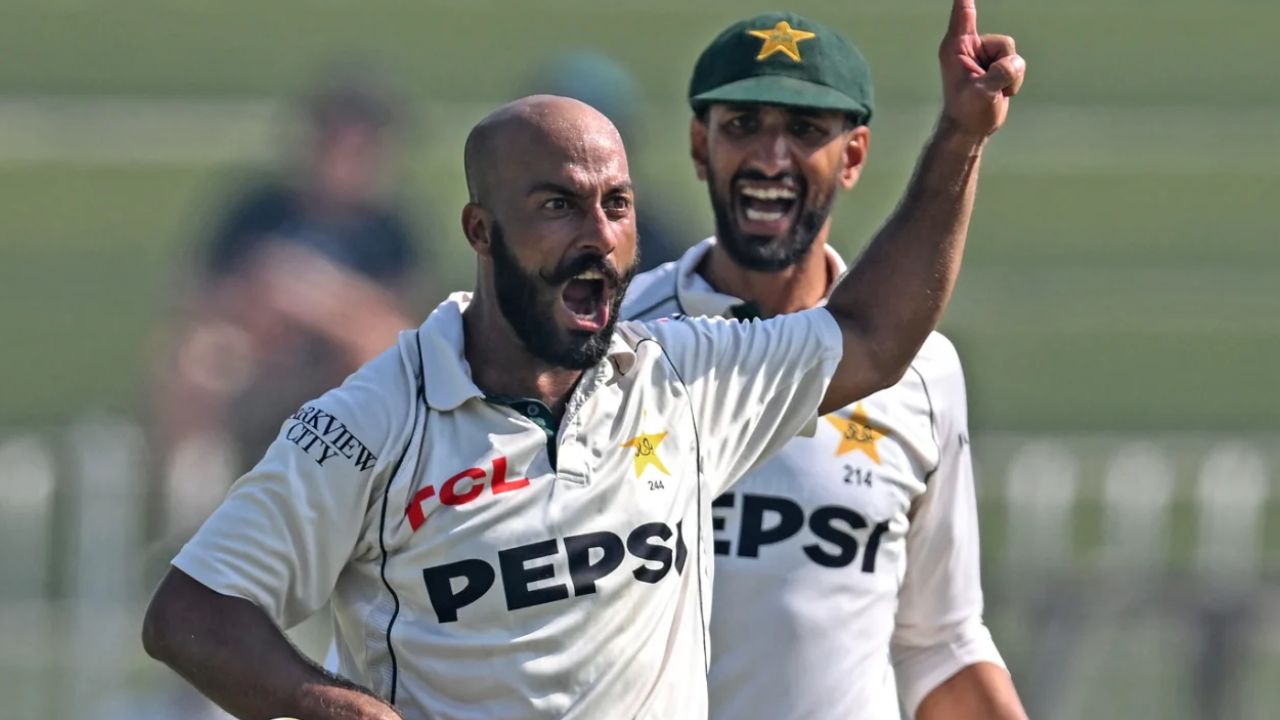
    Pakistan cricket team spinner Sajid Khan left everyone in laughter with his unexpected answer during a recent interview. When asked what he would have been if not a cricketer, Sajid confidently replied that he would have been a gangster.

    During an interaction with ARY News, the host asked him about his alternate career choice, to which Sajid humorously responded, “Main gangster hota (I would have been a gangster).”

    His response left the host laughing, who added, “Ye persona aap leke chal rahe hai (You are carrying this persona with you).”

    In the same interview, Sajid also praised Babar Azam, calling him “the best player in the world,” and lauded Virat Kohli as the “best Indian player ever.”

    This isn’t the first time Sajid has entertained fans with his witty responses. Earlier, during a press conference in the 2024 Test series against England, he made reporters laugh when asked about the fear he was causing among English batters.

    Sajid humorously replied, “Maine to kisi ko nahi daraya. Aap log kehte ho ki daraya hai. Allah ne look aisi di hai ki main hansta bhi hun to log darr jaate hain (I didn’t scare anyone, but you people keep saying this. God has given me such a look that even if I laugh, people get scared).”

    The 30-year-old has been a key performer for Pakistan in Test cricket, taking 59 wickets in 12 matches at an average of 27.28. Apart from his bowling skills, he is also known for his unique moustache style and trademark wicket celebration.

  • Record-breaking high at PSX as govt slashes power rates

    Record-breaking high at PSX as govt slashes power rates

    The Pakistan Stock Exchange (PSX) Friday achieved an all-time high as a bull run allowed the KSE-100, the benchmark index of the PSX, to reach an intraday high of 120,796.67 points. The PSX managed to record this historic high despite the country being slapped with a 29 percent tariff by United States (US) President Donald Trump.


    Reports have attributed the hike in the PSX to Prime Minister (PM) Shehbaz Sharif’s 12 percent cut in residential power rates — which unlocked a Rs7.41 per unit relief for the general public. Power rates for industrialists have also been slashed by a liberal 13 percent, reviving business and investor confidence in domestic industries. 


    News of the power cut caused the KSE-100 index to peak at 10:01 AM after which profit taking took hold of the market for exactly one hour, causing it to hit a low of 119,417.12 points at 11:01 AM.


    The index slightly recovered later, climbing to 119,705.68 points before trading activities were suspended from 12 PM to 2:30 PM. A large selloff was recorded post Friday prayers when trading activities resumed, causing the index to drop to an intraday low of  118,718.26 points at 4:06 PM, eventually closing the trading day in the red at 118,791.66 points.


    For reference, the KSE-100 closed at 118,938.11 points on Thursday after which the index shrank by 0.12 percent during trading hours on Friday with a 146.45 point drop.


    Of the 17 indexes on the PSX, 11 remained in the red with the All-share index (ALLSHR) tumbling by 77.61 points – 0.1 percent decline. Unlike the KSE-100, which tracks the performance of the 100 largest and most liquid companies, the ALLSHR index records the performance of all publicly listed companies on the PSX.


    While the PSX closed in the red today, historical data from the PSX reveals that ALLSHR index has shot up by a staggering 64.03 percent over just one year with the KSE-100 recording an even greater rise of 73.61 percent over a one-year period – a growth rate which many would categorise as nothing short of meteoric. Moreover, the Year-to-Date (YTD) change for ALLSHR and KSE-100 index recorded improvements, sitting at 2.36 percent and 3.18 percent, respectively.


    A vast array of companies witnessed a rise in share prices with Oilboy Energy Limited (OBOYR2) and Mughal Iron Steel Industries Limited (MUGHALR2) winning big – to the tune of growth rates that sat at 33.33 percent (OBOYR2) and 19.96 percent (MUGHALR2). 


    However, not every publicly listed stock witnessed an improvement as many companies witnessed sharp declines. Of these declining companies, the one that fared the worst during intra-day trading was United Distributors Pakistan Limited (UDPL) which posted a 9.5 percent decline in its position.


    Trading volume of regular stocks stood at 553,250,208 shares, translating into a total value of over Rs35.4 billion.

  • Kevin De Bruyne confirms Manchester City exit

    Kevin De Bruyne confirms Manchester City exit

    Manchester City midfielder Kevin De Bruyne has confirmed reports of leaving the club at the end of the season.

    The 33-year-old Belgian confirmed his decision through an Instagram post, calling his time at City “the best chapter” of his career.

    De Bruyne, who is currently City’s club captain, joined in 2015 from Wolfsburg. Since then, he has played a key role in City’s success, winning six Premier League titles and a UEFA Champions League trophy.

    In his heartfelt message to fans, De Bruyne wrote, “Nothing about this is easy to write, but as football players, we all know this day eventually comes. That day is here — and you deserve to hear it from me first.”

    He expressed his deep connection with the club, the city, and its people, adding, “Football led me to all of you – and to this City. Chasing my dream, not knowing this period would change my life. This City. This club. These people… gave me EVERYTHING. I had no choice but to give EVERYTHING back! And guess what – we won everything.”

    During his time at City, De Bruyne was one of the most influential players in English football. He won the PFA Players’ Player of the Year award twice in the 2019/20 and 2020/21 seasons. He is also second on the Premier League’s all-time assists chart with 118 assists.

    His contract with City is set to expire by June end. However, it is still uncertain whether he will play for the club in the FIFA Club World Cup, which will take place from June 14 to July 13.

  • People can’t stop trolling Adnan Siddiqui for noticing THIS thing about women

    People can’t stop trolling Adnan Siddiqui for noticing THIS thing about women

    Senior actor Adnan Siddiqui is making headlines for all the wrong reasons after his recent appearance on the show Hansana Maanin Hai, where he made some questionable comments about women. Social media users have been quick to criticise him, questioning not only his remarks but also his understanding of appropriate behaviour.

    During the show, host Tabish Hashmi asked Adnan what he notices first when meeting a woman. After a brief pause, Adnan responded, “When I meet a girl for the first time, I notice her feet.” This statement immediately caught attention, leaving many viewers uncomfortable with the comment.

    Tabish, playing along, agreed, saying he too notices a woman’s feet when meeting her. He humorously added that he checks her feet to ensure, “the place where I have to lie for the rest of my life should be clean.” While this comment was made in jest, it didn’t sit well with many viewers who found the conversation inappropriate.

    Adnan went on to explain his reasoning, stating, “I feel that people who keep their hands and feet clean have a good personality; they like cleanliness.” This was followed by a remark from the host, who said such people also tend to keep their hearts and homes clean. Adnan added, “They should keep their hearts clean; they should clean their houses themselves.”

    However, things took a more uncomfortable turn when the host pressed further, asking if a woman who has clean feet but short hair would be acceptable. Adnan’s response was blunt: “The girl should just be alive; she should be alive.”

    The comments sparked an outpouring of criticism on social media, with many questioning the actor’s attitude towards women.

    One user remarked, “Adnan Siddiqui is a father of a daughter. He should think before saying such things.” Others criticised the actor’s choice of words, with one user stating, “Uncle, you’re getting older—please stop asking such questions.”

    Many pointed out that such remarks reflected poorly on his character. “It’s not about hands and feet,” one commenter said. “It’s about what defines a person’s character.”

    While some took issue with the comments, others directed their anger at the show itself, accusing it of encouraging inappropriate behaviour.

    As the backlash continues, it remains to be seen how Adnan Siddiqui will respond to the criticism.

  • Kesari Chapter 2 teaser sets stage for epic Jallianwala legal battle

    Kesari Chapter 2 teaser sets stage for epic Jallianwala legal battle

    Fans are excited for the upcoming historical courtroom drama Kesari Chapter 2 after the recently released teaser gave a sneak peek into the high-stakes battle for justice that will unfold on screen.


    Directed by Karan Singh Tyagi and produced by Dharma Productions, the film stars Akshay Kumar as C. Sankaran Nair, the courageous lawyer who took on the British Empire after the brutal Jallianwala Bagh massacre of 1919.

    In the teaser, we see Kumar’s character confronting the mighty forces of British colonial power. His resolve to uncover the truth about the massacre is palpable, and the emotional weight of his mission is enhanced by the intense atmosphere created by the trailer’s visuals and soundtrack. The teaser also gives us a glimpse of R. Madhavan as the British defence lawyer, with Ananya Panday portraying a fellow lawyer involved in the legal proceedings.

    As Akshay Kumar faces off against the British defence, the teaser showcases several striking moments, including the stark contrast between the colonisers’ indifference and the unyielding spirit of Nair’s fight for justice. One powerful image shows Kumar, as Nair, vowing to bring the truth to light in a fierce courtroom clash.

    The film, which will be released on 18 April 2025—just days after the anniversary of the massacre—promises to be a riveting portrayal of one man’s fight against the Empire. The teaser hints at the film’s dark, serious tone, showcasing moments from the horrific massacre, as well as the emotional and moral struggle of those who fought for truth and accountability.

    The trailer, which was shared widely across social media platforms, already has fans buzzing about the film’s potential to capture the raw emotion and historical significance of this event.

    Producer Karan Johar shared his excitement for the project, stating, “We’ve carefully recreated history in a way that does justice to the events of Jallianwala Bagh. This film is our tribute to the victims, and to the fight for justice that many fought for during that time.”

    With its impactful teaser and a powerful cast led by Akshay Kumar, Kesari Chapter 2 is set to be one of the most anticipated films of the year. Fans and history enthusiasts alike are eagerly awaiting the film’s release.

  • New school timings announced for Lahore schools during PSL

    New school timings announced for Lahore schools during PSL

    A number of schools in Lahore have rescheduled their timings during the 10th edition of the Pakistan Super League (PSL), which is set to begin on April 11.

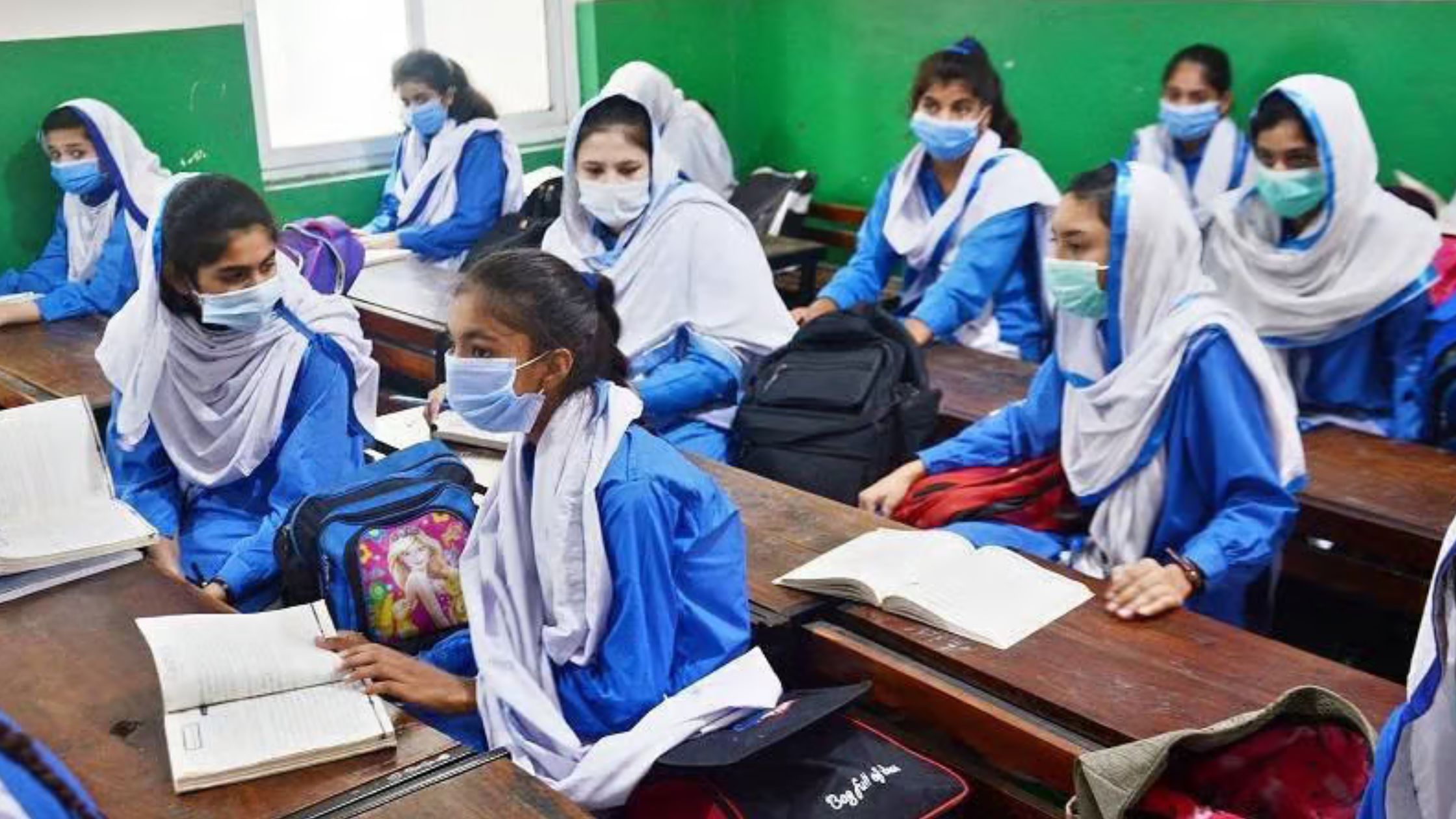
    According to a notification issued by the Punjab Education Department, the new timings will apply to schools near Gaddafi Stadium and adjacent areas. Schools in localities such as Gulberg, Model Town, Ichhra, Jail Road, and Ferozepur Road will also follow the revised schedule.

    The notification specifies that schools in Shadman, Canal Road, Upper Mall, and Zahoor Elahi Road areas will operate from 7:00 AM to 12:00 PM.

    Additionally, the PSL match schedule has been released, with matches set to take place from March 28 to April 21. All PSL games in Lahore, scheduled from April 24 to May 18, will be day-night matches, starting at 7:00 PM.

    Moreover, practice matches for the ICC Women’s Cricket World Cup Qualifiers will begin today in Lahore. The final match of the Women’s Cricket World Cup Qualifier round in Lahore will take place on April 19.

  • PM credits govt policies as inflation hits record low

    PM credits govt policies as inflation hits record low

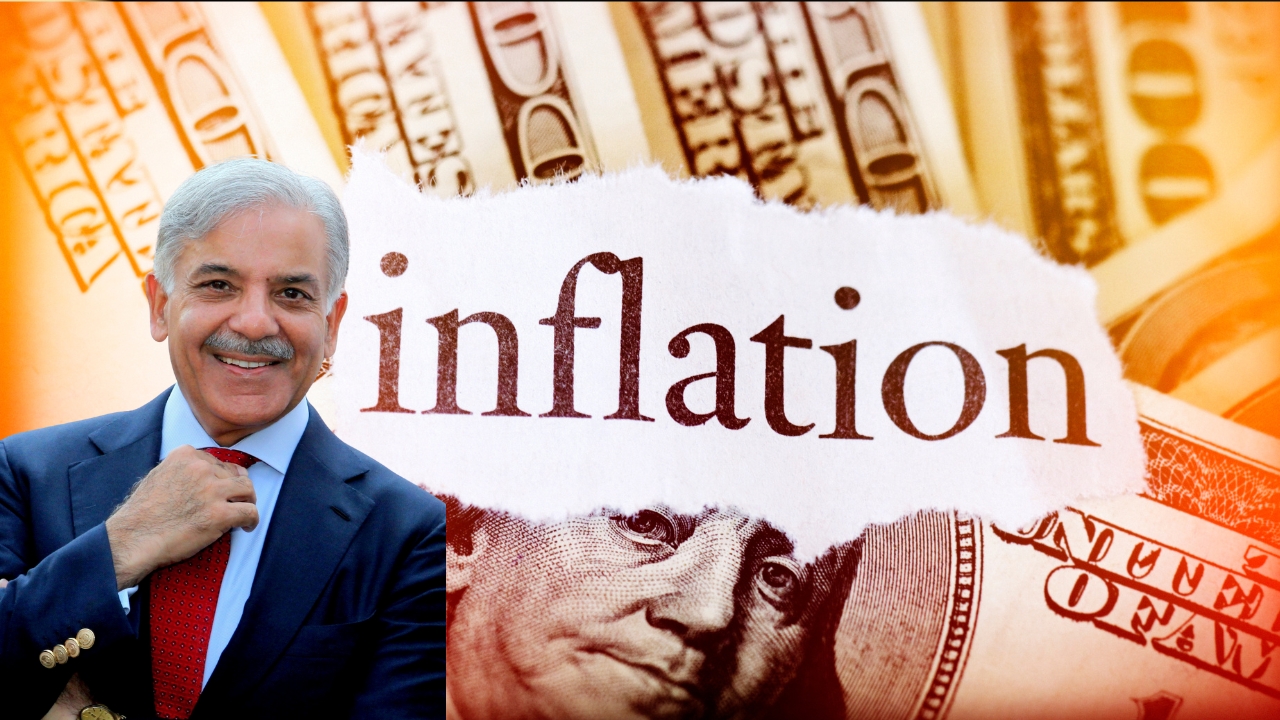
    Inflation continues to plummet in Pakistan, dropping to just 0.7 percent on a year-on-year (YoY) basis in March 2025. Data from the Pakistan Bureau of Statistics (PBS) suggests that inflation sits at its lowest level since 1965.

    The Ministry of Finance (MoF) had not anticipated inflation to drop so liberally, as their projections pegged inflation to float between 1 to 1.5 percent during March. A reputable research organization has confirmed the PBS’ claim of inflation dropping to its lowest level in nearly six decades by utilizing data obtained from the State Bank of Pakistan (SBP).

    According to Prime Minister Shehbaz Sharif, the drop in inflation highlights the government’s hard work to increase public welfare. He outlined how combating inflation was a key part of the manifesto and that controlling the sky-high inflation rates would positively impact the lives of citizens.

    Reports contrast the current prices with those of the past, where prices declined by 0.8 percent in February and increased by 1.7 percent in March 2024. Analysts claim that the drop in inflation can be attributed to falling foodstuff prices.

    Pakistan’s consumer price index (CPI) -based inflation rate has been witnessing diminishing growth because of a fall in the prices of goods like pulses, potatoes, wheat and onions. Prime Minister Shehbaz Sharif’s recent cut in power rates could allow for inflation rates to record an even steeper fall – but this change is likely to be witnessed towards the end of April 2025.

    Experts have outlined that a large drop in CPI inflation figures can be noted when the prices of the aforementioned goods decline even marginally. This is because these goods hold great weight in inflation calculations as they make up a large chunk of the basket of goods that are consumed.

    However, prices for some goods recorded increases owing to their high demand. For instance, the price of edible oil and sugar has been soaring locally even though their prices have fallen in the international market. 

    Some claim that the government is responsible for the rise in sugar prices as Islamabad allowed the export of sugar. Although sugar was available in surplus at the time, the government eventually had to place an import order for the commodity given the increased level of demand because of Ramzan.

    As per data from reports, inflation has largely been contained after it surged to 38 percent in May 2023. The SBP led the charge against soaring prices by raising interest rates to limit consumption and investment spending in the economy.  

    The SBP has cut policy rates by 1,000 basis points over the past few months. However, inflation remains locked in its freefall. Many believe that inflation has not hit bottom yet and could record further drops in the coming months.