Blog

  • Drake Passage Horror: Cruise Ship Battles 40-Foot Waves

    Drake Passage Horror: Cruise Ship Battles 40-Foot Waves

    Few sea routes in the world hold as much fear and fascination as the Drake Passage. Known as one of the most treacherous waterways on the planet, it connects the Atlantic and Pacific Oceans, forming a crucial passageway to Antarctica. However, it is also infamous for its unpredictable conditions, violent storms, and massive waves.

    Recently, a luxury cruise ship found itself caught in the fury of Drake Passage waves, enduring a terrifying ordeal as passengers were thrown around while 40-foot waves slammed into the vessel. The incident quickly gained attention, with survivors recounting the sheer power of the ocean and the helplessness of being at its mercy.


    Understanding Drake Passage

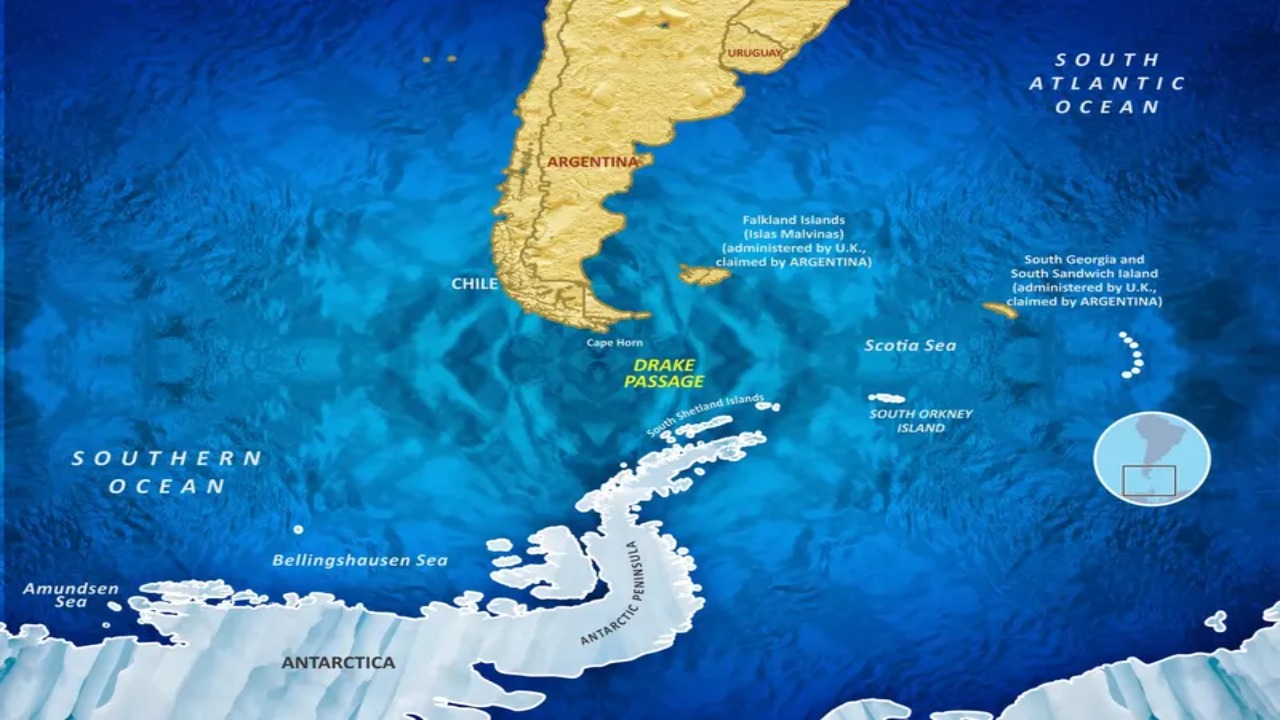
    Located between the southern tip of South America and Antarctica, the Drake Passage is a 500-mile-wide stretch of ocean that serves as a gateway to the White Continent. It is part of the Antarctic Circumpolar Current, making it one of the most turbulent marine passages in the world.

    The Drake Passage is infamous for its relentless storms, which can appear suddenly due to the confluence of warm and cold air masses. Unlike other narrow waterways that have land barriers to break up waves, Drake Passages offer no such protection, allowing strong winds and ocean currents to create towering swells.

    For a deeper dive into another perilous sea route, explore our coverage on “earthquake rocks Balochistan”.


    The Cruise Ship Ordeal

    A recent voyage through the Drake Passage turned into a nightmare when an expedition cruise ship en route to Antarctica encountered an unexpected storm. Passengers, eager for an adventure of a lifetime, boarded with excitement, not fully grasping why Drake Passage is so dangerous until they experienced its wrath firsthand.

    As the storm intensified, Drake Passage waves grew to staggering heights, crashing against the ship’s hull with relentless force. Video footage from passengers showed furniture toppling, belongings scattered, and people clinging to railings to avoid being thrown across the deck. Some described the experience as being inside a “giant washing machine,” completely at the mercy of nature’s fury.


    Survivors’ Experiences

    Many passengers recalled the sheer terror of that night. Reports from the crew revealed that despite advanced navigation systems and storm-tracking technology, the unpredictable conditions of the Drake Passage left them with little choice but to ride out the storm.

    One traveler described the experience as “feeling the full power of the Earth, knowing that no matter how advanced the ship is, the ocean always has the final say.” Others mentioned feeling intense seasickness as the vessel rocked violently, with waves crashing over the deck and visibility reduced to near zero.


    Why Is Drake Passage So Dangerous?

    The Drake Passage is notorious for its volatile conditions due to several unique factors:

    • Strong Ocean Currents: The Antarctic Circumpolar Current moves around Antarctica unimpeded, creating an environment where winds and waves gain significant strength.

    • Lack of Land Barriers: Unlike other straits and channels, Drake Passages are open waters, meaning there’s nothing to break the momentum of massive swells.

    • Extreme Weather Shifts: Cold Antarctic air meets warmer ocean currents, resulting in sudden storms and unpredictable conditions.

    • Wave Height Variability: Drake Passage waves can range from mild swells to massive 50-foot walls of water in a matter of hours.

    This combination of factors makes the Drake Passage one of the most challenging navigational routes in the world.


    Safety Measures for Future Travelers

    While crossing the Drake Passage is risky, many travelers embark on the journey as part of Antarctic expeditions. To minimize dangers, experts recommend the following precautions:

    • Choosing the Right Vessel: Larger, well-equipped ships with modern stabilization technology offer a smoother experience.

    • Timing the Trip Wisely: The Antarctic summer (November to March) provides the most favorable conditions.

    • Preparing for Motion Sickness: Travelers should carry seasickness medication, wear motion sickness bands, and stay hydrated.

    • Following Crew Instructions: In extreme conditions, the crew’s experience and guidance are invaluable for ensuring safety.

    For those determined to embark on this journey, preparation is key. Learning about the Drake Passage in advance can make the difference between an exhilarating experience and a terrifying ordeal.


    Conclusion

    The Drake Passage remains one of the most formidable maritime challenges in the world. The recent cruise ship incident serves as a stark reminder of the ocean’s power and the unpredictable nature of this perilous crossing. Despite the risks, thousands of travelers continue to embark on this journey, drawn by the allure of Antarctica and the thrill of conquering one of the roughest seas on Earth.

    Understanding why Drake Passage is so dangerous and preparing accordingly can help travelers navigate these treacherous waters safely. Whether driven by adventure or scientific curiosity, those who brave the Drake Passage join a long history of explorers who have faced the might of the Southern Ocean and lived to tell the tale.

  • Weather Radar Detects Deadly Tornadoes Across the Midwest

    Weather Radar Detects Deadly Tornadoes Across the Midwest

    A series of powerful tornadoes tore through the Midwest this week, leaving a trail of destruction across multiple states. From collapsed homes to widespread power outages, the damage has been catastrophic. Lives were upended in an instant, but thanks to advanced weather radar, communities had precious minutes to take shelter.

    As severe storms swept through the region, Doppler radar played a critical role in tracking the tornadoes’ movements. The National Weather Service (NWS) issued timely warnings, helping people seek safety before the storms arrived. Understanding how radar weather systems work can provide insight into how meteorologists predict these deadly events and what future advancements may bring.


    How Weather Radar Detects Tornadoes

    Tornadoes form when warm, moist air collides with cool, dry air, creating unstable atmospheric conditions. This turbulence can lead to rotating thunderstorms, also known as supercells, which have the potential to spawn tornadoes.

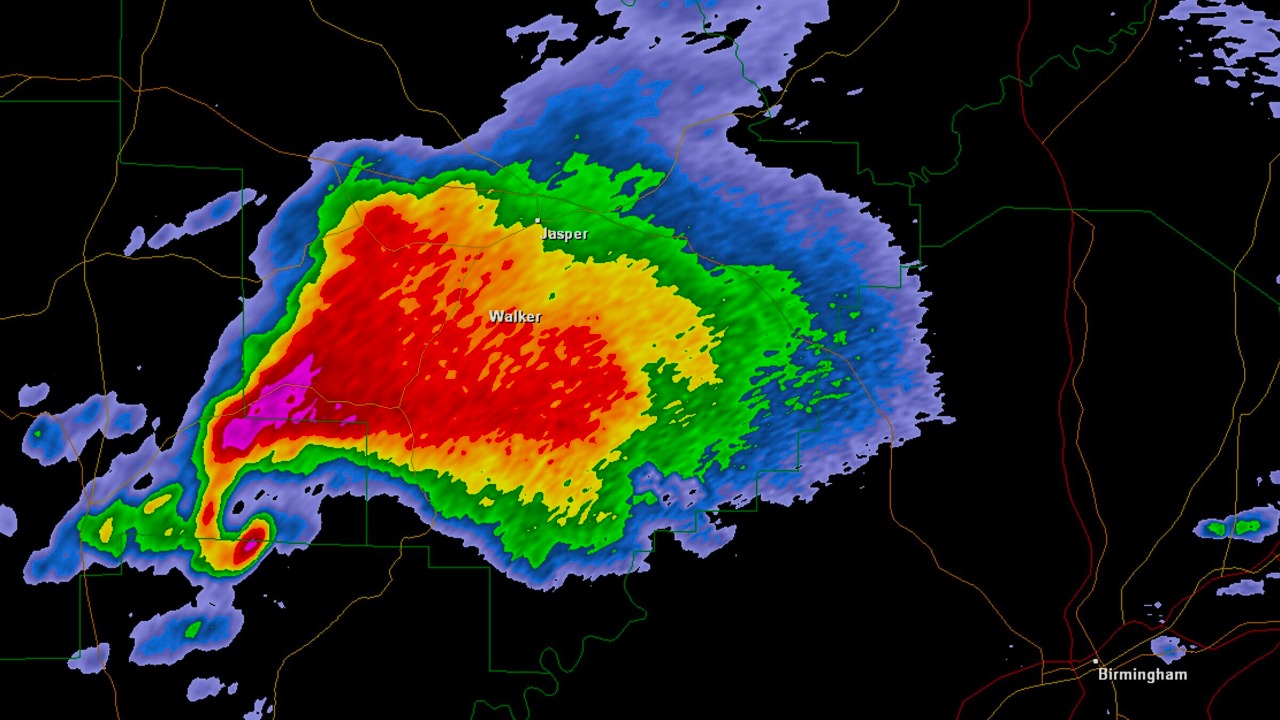
    Doppler radar technology is the most effective tool for detecting these rotating storms. Unlike conventional radar, Doppler radar can measure both precipitation and wind movement inside a storm. By analyzing wind velocity, meteorologists can identify areas of rotation, which are strong indicators of tornado development.


    The Role of the National Weather Service (NWS)

    The NWS continuously monitors weather conditions and uses radar to detect potential tornadoes. When a severe storm shows signs of rotation, meteorologists issue tornado warnings, alerting residents via emergency broadcasts and mobile notifications. The efficiency of Houston weather radar and other regional systems has proven crucial in issuing timely alerts.

    For a deeper dive into how radar works in extreme weather conditions, check out our in-depth guide on weather radar technology and storm tracking.


    The Deadly Tornadoes: Timeline & Impact

    Over the past few days, multiple tornadoes have ravaged the Midwest, affecting states such as Missouri, Illinois, Indiana, and Kentucky. Here’s a breakdown of the most devastating incidents:

    • Missouri: Entire neighborhoods were leveled, with emergency crews working tirelessly to rescue trapped residents.

    • Illinois: Power outages affected thousands, and severe flooding made recovery efforts difficult.

    • Indiana & Kentucky: Reports of EF-3 tornadoes caused widespread destruction, damaging schools and hospitals.

    The human toll has been staggering. Officials have confirmed dozens of casualties and hundreds of injuries. Emergency response teams have been working around the clock, distributing aid and coordinating rescue missions. With more storms potentially forming, staying updated with radar weather reports remains critical.


    Public Safety and Preparedness Measures

    Tornadoes can strike with little warning, making preparedness essential. Early warnings from weather radar have saved countless lives, but survival often depends on quick action.


    How Early Warnings Saved Lives

    The efficiency of Houston weather radar and Midwest tracking systems played a key role in reducing fatalities. Many residents received alerts 10-15 minutes before the tornadoes touched down, allowing them to find shelter in basements, storm cellars, or designated safe zones.


    Creating a Tornado Safety Plan

    A well-prepared emergency plan can be the difference between life and death. Here are a few steps every household should follow:

    • Identify a Safe Shelter: Basements or interior rooms without windows offer the best protection.

    • Prepare an Emergency Kit: Include flashlights, water, non-perishable food, and first-aid supplies.

    • Stay Informed: Use weather apps or battery-powered radios to receive real-time updates from weather radar systems.

    • Have a Communication Plan: Ensure family members know how to contact each other in case of separation.


    Future Weather Predictions & Climate Trends

    As extreme weather events become more frequent, experts are debating the role of climate change in tornado activity. While research is ongoing, some studies suggest rising temperatures may influence storm intensity and frequency.


    Advancements in Storm Detection

    The future of radar weather technology looks promising, with innovations aimed at improving early detection systems:

    • Dual-Polarization Radar: Provides a clearer picture of storm structures, enhancing accuracy.

    • AI-Powered Forecasting: Uses machine learning to predict storm development with greater precision.

    • Satellite-Based Weather Monitoring: Helps track storm movements in real time, complementing ground-based weather radar.

    Investing in these technologies can significantly improve public safety and minimize disaster impacts. Staying informed through Houston weather radar and other regional systems ensures people receive timely alerts when storms threaten their communities.


    Conclusion

    The recent tornado outbreak in the Midwest underscores the critical role of weather radar in saving lives. Doppler radar technology, along with the efforts of the National Weather Service, provided essential early warnings that helped residents take shelter in time.

    As climate patterns shift and severe weather events become more unpredictable, advancements in radar weather technology will be crucial in improving early detection and preparedness.

    For ongoing updates on storm tracking and disaster preparedness, explore our guide on weather radar and extreme weather monitoring. Staying informed is the first step in staying safe.

  • Eggs prices soar worldwide – What’s driving the surge?

    Eggs prices soar worldwide – What’s driving the surge?

    In recent months, the cost of eggs has become a major concern for consumers and businesses. Whether at the local grocery store or in restaurants, eggs prices have surged dramatically, leaving many wondering why. In 2025, the egg market is facing unprecedented challenges, from disease outbreaks to economic instability, driving prices to record highs worldwide.

    The impact of rising eggs prices isn’t limited to households—it’s affecting businesses in the food service industry as well. With fewer eggs on the market and demand staying strong, both small and large food businesses are feeling the pinch. But what exactly is driving this crisis, and when can consumers expect relief?


    Key Factors Behind Rising Eggs Prices


    Avian Influenza Outbreaks and Poultry Culling

    A major factor contributing to the rise in eggs prices is the global spread of avian influenza, or bird flu. Millions of poultry birds, including laying hens, have been culled in an effort to control the virus, significantly reducing the supply of eggs. This shortage has led to price hikes in many countries, particularly in the USA, where over 170 million birds were affected.


    Feed Costs and Supply Chain Disruptions

    Rising feed prices have also played a crucial role in driving up eggs prices. Poultry feed costs have surged due to global supply chain disruptions, inflation, and geopolitical tensions. As production costs increase, farmers are forced to charge more for their eggs, passing the burden onto consumers.


    Inflation and Economic Instability

    The broader issue of food inflation has made everyday grocery items, including eggs, more expensive. The cost of living continues to rise, affecting household budgets and making it difficult for consumers to afford essential food items.


    High Consumer Demand vs. Low Production

    While supply struggles, demand for eggs remains strong. Eggs are a staple in many households due to their affordability and nutritional value. With fewer eggs available and consumer demand staying high, the natural result is an increase in egg price today worldwide.


    Country-wise Breakdown of Eggs Prices Trends


    USA: Record-breaking Egg Prices in 2025

    In the United States, eggs prices have reached historic levels, with a dozen eggs costing over $6 in some areas. The ongoing avian flu outbreak, combined with rising production costs, has created a perfect storm for egg shortages and high prices.


    UK & Europe: Supermarket Shortages and Rising Costs

    In the UK and other European countries, supermarkets have struggled to keep eggs stocked. Some stores have even imposed purchase limits to prevent panic buying. The situation remains tense as rising feed costs and disease outbreaks continue to impact supply.


    Australia: Consumers Turning to Backyard Chickens

    In Australia, rising eggs prices have led many consumers to start raising backyard chickens. However, even this alternative has its challenges, as poultry feed costs have also increased significantly.


    Asia: Demand Fluctuations and Policy Interventions

    Countries like India have seen fluctuating egg price today due to seasonal demand and government intervention. In Delhi, for example, government efforts to regulate eggs price in Delhi have helped stabilize costs to some extent.


    Impact on Consumers and the Egg Industry


    How the Egg Shortage Affects Grocery Prices

    The rising eggs prices mean that households must adjust their grocery budgets. Many consumers have started cutting back on egg consumption or switching to alternative protein sources.


    Shift Towards Plant-Based Egg Substitutes

    As egg prices climb, some consumers are exploring plant-based egg substitutes. Brands offering vegan egg alternatives have reported increased sales, highlighting a shift in consumer preferences.


    Effects on Restaurants and Food Businesses

    For restaurants, bakeries, and other food businesses, eggs prices have become a significant concern. Many have been forced to raise menu prices or modify recipes to accommodate the higher cost of ingredients.


    What’s Next? Forecast & Expert Opinions

    Industry experts predict that eggs prices may remain high in the short term but could stabilize later in the year as governments implement interventions. Some countries have introduced subsidies and incentives for farmers to boost egg production and ease shortages.

    For a deeper dive into related economic trends, check out this report on government price adjustments in essential commodities.


    Conclusion & Final Thoughts

    The rise in eggs prices is a global issue caused by multiple factors, including avian flu outbreaks, feed cost increases, and inflation. As countries work towards stabilizing supply, consumers will need to explore alternatives and adjust their spending habits. The coming months will reveal whether egg prices will return to normal or if high costs are here to stay.

  • Stalin Criticizes UP CM Yogi Adityanath Over ‘Political Black Comedy’ Language Policy Claims

    Stalin Criticizes UP CM Yogi Adityanath Over ‘Political Black Comedy’ Language Policy Claims

    Tamil Nadu Chief Minister M.K. Stalin has fired back at Uttar Pradesh Chief Minister Yogi Adityanath over his comments about the language policy debate. Stalin didn’t mince words when describing Adityanath’s remarks as “political black comedy at its darkest.” The DMK leader has been a vocal critic of the central government’s National Education Policy (NEP) and its push for a three-language formula, particularly Hindi. Stalin’s response highlights the ongoing tensions between Tamil Nadu and the BJP-led government at the Centre, focusing on language imposition and regional autonomy.


    The Language Policy Debate

    The issue of language has been a hot topic in Tamil Nadu for years. The southern state has long adhered to the two-language policy, which primarily focuses on Tamil and English. This policy has sparked debates, especially with the rise of proposals to include Hindi in the education system. The controversy took a new turn when Uttar Pradesh CM Yogi Adityanath criticized Tamil Nadu’s opposition to Hindi, suggesting that the DMK was creating divisions based on language and region to safeguard its vote bank.

    Stalin didn’t let this criticism slide. In a sharp rebuttal, he emphasized that Tamil Nadu does not oppose any language but is strongly against any form of “imposition and chauvinism.” Stalin clarified that the state’s opposition was not about hating Hindi, but rather about protecting regional languages and cultural identity. The DMK leader made it clear that the issue was about respecting linguistic diversity without forcing a single language on different regions.


    Yogi Adityanath’s Remarks on Language

    Yogi Adityanath, during his public statements, questioned why Tamil Nadu was against Hindi. He argued that learning every language is essential for national unity and that no region should be divided on the basis of language. According to Yogi Adityanath, Tamil is an ancient language with a rich history, and he emphasized that all Indians respect Tamil. However, he also claimed that the DMK’s stance against Hindi reflected “narrow politics.”

    Yogi Adityanath’s remarks have been met with criticism, particularly from those who feel that the BJP is trying to impose Hindi on non-Hindi speaking states. Stalin has argued that the BJP is “rattled” by Tamil Nadu’s firm stand on the language issue. The DMK government has been vocal about defending its two-language policy, which it believes is essential to protect Tamil culture and language from the threat of Hindi imposition.


    The BJP’s Response and Political Tensions

    The BJP has not remained silent in this ongoing debate. Party leaders have accused the DMK of politicizing the issue of language for electoral gains. The BJP’s response has been to frame the issue as one of national unity, where learning Hindi is seen as a way to foster a common cultural identity. However, critics argue that this push for Hindi undermines the rich linguistic diversity of India, particularly in southern states like Tamil Nadu.

    Stalin, on the other hand, continued to argue that Tamil Nadu’s stand was not about dividing the country but about defending the dignity and rights of the state. The DMK leader has made it clear that the state is committed to preserving its linguistic heritage while promoting respect for other languages.


    Delimitation and Population Concerns

    Another issue that has contributed to the tensions between Tamil Nadu and the Centre is the proposed delimitation exercise. The DMK government has raised concerns that the delimitation could disadvantage southern states, particularly Tamil Nadu, in terms of parliamentary representation. Stalin pointed out that Tamil Nadu has implemented successful family planning measures over the years, which have resulted in a lower population growth rate compared to other states.

    As a result, Stalin fears that the delimitation, based on population changes, could reduce Tamil Nadu’s representation in Parliament, despite its significant contributions to the nation’s economy. This concern adds another layer of complexity to the already tense relationship between Tamil Nadu and the BJP-led government.


    Stalin’s Strong Rebuttal

    In his rebuttal to Yogi Adityanath, Stalin was clear in his message. He stated that Tamil Nadu’s position on the two-language policy and delimitation was being heard nationwide and that the BJP was clearly “rattled” by this stand. He called Yogi Adityanath’s remarks a “political black comedy,” emphasizing that Tamil Nadu’s position was rooted in protecting its cultural identity, not in creating divisions for political gain.

    Stalin also expressed frustration with Yogi Adityanath lecturing Tamil Nadu on issues of unity, particularly when it came to language. According to Stalin, the BJP’s attempts to paint the DMK’s opposition to Hindi as divisive politics were misguided. He stressed that this was not about “riot-for-votes” politics but rather a “battle for dignity and justice.”


    End Note

    The language debate between Tamil Nadu and the BJP is far from over. While Yogi Adityanath insists on the importance of a unified national language, M.K. Stalin remains committed to protecting Tamil and resisting the imposition of Hindi. As tensions continue to rise, it is clear that the political battle over language, cultural identity, and regional autonomy will shape the discourse in the coming months. Tamil Nadu’s firm stance has resonated across the country, with many supporting the need for linguistic diversity and regional autonomy.

    To learn more about political issues, check out our recent article, ‘I’m coming back’: Mysterious Imran Khan posters pop up in Lahore.

  • Minahil Malik breaks silence after second round of alleged leaks

    Minahil Malik breaks silence after second round of alleged leaks

    TikToker Minahil Malik is once again at the center of a social media storm following the leak of another alleged video. The video, which surfaced shortly after her return from Umrah, has gone viral, leading to a new wave of criticism and support.


    In the video, Minahil Malik is seen wearing a short dress while filming herself. A few moments later, she can allegedly be seen sitting on the floor in a compromising state.

    In response to the leaked content, which many are labeling as fake, Minahil has defended herself, claiming that the videos were artificially created using AI technology. She stated, “I have filed a complaint with the FIA and hope that the culprits will be behind bars soon.”


    In an emotional message shared on social media, Minahil addressed her critics, saying, “Those who are doing me wrong, do it with passion. Now that I have become Minahil, it doesn’t matter if anyone hates me.” She emphasized, “I have forgiven everyone by going to Allah’s house.”


    Minahil also sarcastically remarked, “If I were characterless, why would Allah invite me to His house? My case is now in the hands of Allah, so please don’t try to be my father.” She further clarified that only her family had stood by her during difficult times.

    This isn’t the first time Minahil Malik has faced a video scandal; a similar incident occurred last year when alleged private videos leaked. However, this time, her demeanor seems notably more confident and carefree than before, as she navigates the controversy.


    The incident has reignited discussions about privacy protection and online harassment, particularly concerning social media platforms and the younger generation. While some fans are rallying behind Minahil, others are accusing her of using the situation to gain attention and fame.

    As the debate continues, it’s clear that this controversy has touched a nerve, highlighting the challenges of digital privacy and the effects of online criticism.

  • PM announces massive Rs7.41 per unit drop in power rates

    PM announces massive Rs7.41 per unit drop in power rates

    In a bid to provide financial relief to the masses, Prime Minister Shehbaz Sharif has announced a massive 7.41 rupee cut in power rates across Pakistan. As per credible reports, the slash in rates is expected to alleviate pressures on household finances, as electricity bills will become more manageable now.

    The announcement came at an event in Islamabad where Shehbaz Sharif extended his congratulations to Pakistanis. Reports claim that the premier and his core team have worked hard to achieve the rate cut.

    The rate cut is not uniform, however, as electricity prices for industries have noticed a larger fall of 7.59 rupees. A recent report outlined the extortionate power prices that Pakistani industrialists have to face – which often exceed electricity prices of neighboring India and even the European Union.

    With electricity prices recording a substantial fall, industrialists and exporters might be on track to regain a competitive edge in the international market. With United States President Donald Trump’s 29 percent tariff on imports from Pakistan dampening export competitiveness, domestic manufacturers needed this rate cut to maintain their level of competitiveness. 

    Prior to the announcement, the federal government’s official X (formerly Twitter) account outlined how good news would be given to Pakistan today. To the amusement of netizens, the post contained the hashtag ‘Small Eid, Big Gift’.

    While the post did not allude to any slashes in power rates, independent analysts were speculating that an 8 rupee cut in electricity rates would be announced on March 23 (Pakistan Day). However, no such announcement was made at that point in time given the ongoing nature of the government’s negotiations with the International Monetary Fund’s (IMF) team.

    Instead of announcing a drop in prices, Shehbaz Sharif chaired a meeting pertaining to the power sector as tariff reductions were not approved by the IMF. However, he reassured all relevant stakeholders that a drop in power rates would be announced despite the hiccup with the IMF.

    Some believe that the drop in power rates has come at the expense of the transport sector as petroleum prices remain unchanged despite a potential 13 rupee per liter cut expected by the oil and gas regulatory authority (OGRA).

    Fuel prices have not been revised downwards in an attempt to pass the benefit to electricity consumers. Federal ministers have taken to social media to praise the relief package, labelling it as a plan that could ‘thwart Pakistan’s default plot’

  • Copa del Rey: Barcelona secure narrow win against Atletico Madrid for El Clasico final

    Copa del Rey: Barcelona secure narrow win against Atletico Madrid for El Clasico final

    Barcelona narrowly edged past Atletico Madrid on aggregate to set up a meeting with Real Madrid in the final of the Copa del Rey.

    It will be the eighth time there has been an El Clasico in the Spanish Cup final, with the nation’s two most successful club sides set to meet on April 26 in Seville.

    Ferran Torres’ first-half effort proved decisive for Barcelona at Metropolitano Stadium, with the Spain forward poking the ball past Argentine goalkeeper Juan Musso after Lamine Yamal’s superb pass had split the home defence.

    It was no more than the visitors deserved, with 17-year-old Yamal a constant source of danger and Raphinha also twice threatening to extend Barca’s lead.

    Unlike the thrilling first-leg tie in February, when Diego Simeone’s side twice scored late on in a dramatic 4-4 draw, this was a tighter and more tense affair without the grandstand finish from Atletico.

    The hosts did have opportunities.

    Substitute Alexander Sorloth elected to shoot instead of squaring the ball to Antoine Griezmann for a tap-in, while the Norway forward was also ruled offside after rattling in what he thought was an equaliser.

    However, in truth, Atletico were second best to Hansi Flick’s side for long periods, with the record 31-time winners always appearing relatively comfortable as they extended their unbeaten run to 21 games across all competitions.

    The Catalan club remain the only side in Europe’s top-five leagues yet to lose in 2025 and remain on course for a potential quadruple.

    Barca, who have already won the Spanish Super Cup this term, lead the La Liga table by three points from Real Madrid.

    They also host Borussia Dortmund in the first leg of their Champions League quarter-final on April 9.

    Meanwhile, the final against Carlo Ancelotti’s team in Seville will come just over two weeks before a potentially pivotal fixture between the clubs in the Spanish top flight.

  • Remittances projected to surge by $3.5 billion in March

    Remittances projected to surge by $3.5 billion in March

    Pakistan is on track to receive a record high $3.5 billion in remittances in March 2025. According to credible reports, the surge in exports translates into a month-on-month remittance growth of 15 percent, spelling great news for the domestic economy.


    The sudden spike in remittance inflows can be attributed to Ramzan as per currency exchanges and financial analysts. While remittances help augment the disposal income of households and increase their purchasing power, the government stands to benefit too.


    Reports reveal that the federal government has obtained breathing space as the burden of debt obligations denominated in foreign currencies has decreased slightly. This is because the unusually large remittance inflows have lent incredible support to the rupee, allowing for the exchange rate to remain stable.


    In a statement, general secretary of the Exchange Companies Association of Pakistan (ECAP) Zafar Paracha disclosed that ECAP sold a staggering $450 million to banks in March. Contrasting this figure to the corresponding time period last year, Zafar Paracha commented on the improvement in inflows and chalked them up to Ramzan.


    For reference, remittances stood at just $2.95 billion and $2.5 billion in March 2024 and 2023 respectively. On a year-on-year basis, the improvement seems truly meteoric however, comparing March 2025’s remittance projection of $3.5 billion to $3.11 billion in February, reveals that the month-on-month growth rate is more conservative.


    Previously, the federal government was targeting $35 billion in remittances for fiscal year (FY) 2024-25. However, experts claim that actual inflows during the current fiscal year may very well outstrip the initial target.


    Independent analysts and currency dealers believe that remittance inflows during FY 2024-25 could exceed $36 billion. According to reports, inflows have been witnessing robust growth ‘every month’ and have grown by 32.5 percent during the first eight months of FY 2024-25.


    This marks a new record for inflows and this trend could continue into the future. This is because Pakistanis have migrated out of the country in throngs given the country’s poor economic condition.


    Data from reports suggests that Pakistan raked in almost $24 billion from July 2024 to February 2025 marking an increase of approximately $6 billion dollars compared to the same time period from the last fiscal year.


    According to Zafar Paracha, the target has “already been achieved” and that remittance inflows are bound to break records. As usual, the countries responsible for the largest remittance flows during the first eight months of FY 2024-25 were reportedly Saudi Arabia ($5.89 billion) and UAE ($4.85 billion).

  • Iqra Aziz, Shuja Asad’s ‘Paradise’ OST brings romance to life

    Iqra Aziz, Shuja Asad’s ‘Paradise’ OST brings romance to life

    The wait is over. The OST for the much-anticipated Pakistani drama Paradise has finally been released, and it’s already making waves. With its captivating rhythm and enchanting melodies, the song promises to elevate the drama’s emotional depth.

    Set to premiere on Express TV on May 23, 2025, Paradise is directed by Yasir Hussain and stars Iqra Aziz and Shuja Asad in leading roles. The drama weaves a tale of love, deception, and intense emotions, and its OST perfectly captures this essence.

    The song, composed by Yasir Hussain himself, is a collaboration between the talented singers Ahmad Gul and Samya Gohar, with lyrics penned by Ahmad Gul. The fusion of heartfelt lyrics and mesmerizing vocals sets the tone for the drama, promising moments of passion, heartbreak, and joy.

    Adding to its charm, the track’s production by Muhammad Irfan Ali and the stunning visuals captured by Director of Photography Asim Raza bring the song to life in a visually and musically immersive experience.

    With its soulful vocals, catchy beats, and a high-energy vibe, the OST is already a hit among drama and music lovers alike. Fans are eagerly awaiting Paradise, which promises to be a rollercoaster of emotions.

    Iqra Aziz and Shuja Asad, sharing the screen for the first time, are set to bring a romantic adventure filled with surprises, laughter, and endless entertainment.

  • Imran Khan agrees to ‘negotiating with establishment’: report

    Imran Khan agrees to ‘negotiating with establishment’: report

    Jailed Pakistan Tehreek-e-Insaf (PTI) founder and former prime minister (PM) Imran Khan has agreed to “negotiating with the establishment”, and in this regard, assigned Khyber Pakhtunkhwa (KP) Chief Minister (CM) Ali Amin Gandapur as well as KP government adviser Barrister Saif the responsibility of seeing it through.

    Reports quoted sources as saying that the development came after CM Gandapur and Saif convinced the incarcerated leader to engage in talks with the establishment, and the potential negotiations would remain confidential until any progress was made. A second meeting between Khan and Gandapur is expected in the coming days.

    It may be noted that the claims come a day after the KP chief executive, who was earlier reported to be the messenger between the jailed ex-PM and establishment, met Khan at Adiala Jail on Wednesday after over a month. The meeting continued for two and a half hours as the two leaders discussed institutional confrontations and criticism of party leadership on social media. CM Gandapur also briefed Khan on provincial matters.

    Meanwhile, PTI Information Secretary Sheikh Waqas Akram has dismissed reports about the meeting, saying that false claims were being circulated. “No one went to convince the PTI founder to negotiate,” he told a private media outlet, rubbishing claims that Khan had tasked anyone with talks.

    He condemned efforts to twist facts for the government’s benefit and clarified that Khan’s discussion with Gandapur revolved around provincial government and party-related matters.

    “Gandapur will present Khan’s directives before the party’s political committee,” Akram added.

    Days earlier, PTI Chairman Barrister Gohar had also dismissed speculations about a deal with the establishment, clarifying that the party had “simply reestablished contacts”.

    It is pertinent to note that this isn’t the first time PTI-establishment talks have been reported, as they were also speculated in January following a meeting between Chief of Army Staff (COAS) General Asim Munir and top PTI leadership.

    Said reports have repeatedly drawn mixed reactions from party workers and the general public alike over confusion within PTI quarters over its policy towards the government amid rhetoric hitting out at state institutions.

    The divide has also repeatedly been highlighted by political analysts, who maintain that the contradictory statements by different leaders of the troubled party only further tarnish its image following a countrywide crackdown rooted in “politics of agitation”.

    The PTI, on the other hand, continues to plead innocence. It also says that jailed Khan has the final say on all party-related matters.