Blog

  • WhatsApp introduces improved emoji reactions in latest beta update

    WhatsApp introduces improved emoji reactions in latest beta update

    WhatsApp has refined its emoji reactions interface in its latest beta update, making it more user-friendly and visually appealing.

    The update, available in WhatsApp Beta for Android 2.25.6.15 through the Google Play Store, enhances how users interact with emoji reactions in chats, groups, and channels.

    With this update, WhatsApp has optimised the presentation of emoji reactions, particularly in channels where reactions are more frequent and can accumulate in large numbers. Previously, reactions appeared in a long vertical list, making scrolling cumbersome, especially in highly active channels. Now, a compact design has been introduced, displaying four reactions per row. This reduces excessive scrolling and improves screen space utilisation.

    While the new layout is especially beneficial for channels—where user identities remain hidden, and reactions are often more abundant—WhatsApp has also refined emoji reactions in private and group chats.

    Emoji reactions are now displayed in a cleaner and more structured manner, making navigation faster and more efficient. In chats and groups, the list of emoji reactions remains vertical, but WhatsApp has introduced modern and visually enhanced tabs at the top.

    Additionally, in personal chats, each reaction now includes the name of the user who reacted, ensuring greater clarity in conversations.

    The improved emoji reaction sheet is currently available to selected beta testers who have updated to the latest version of WhatsApp Beta for Android. The feature is expected to roll out to more users in the coming weeks, ensuring wider accessibility across different devices.

    WhatsApp continues to refine its design and interface to create a smoother messaging experience. Updates like these make the platform more efficient and user-friendly, enhancing how people interact through messages and reactions.

  • Man who facilitated Kulbhushan Jadhav’s arrest, killed: Indian media

    Man who facilitated Kulbhushan Jadhav’s arrest, killed: Indian media

    Indian media has claimed that well-known religious scholar Mufti Shah Mir, accused of facilitating the arrest of Indian operative Kulbhushan Jadhav, was shot dead in Turbat, Balochistan, on Friday.

    Bikers reportedly ambushed Mir and shot him multiple times at point-blank range as he was leaving the local mosque after night (Taraweeh) prayers.

    Indian media details that two other persons linked to the religious political party, Wadera Ghulam Sarwar and Maulvi Amanullah, were shot dead last week by bike-riding assailants in what the local police described as targeted killings. The security guard of one also sustained bullet injuries.

    Mir had reportedly survived two assassination attempts last year and had recently restricted his movements.

    Meanwhile, police told a leading Pakistani English newspaper that the religious scholar was shot by armed men in Turbat town, Kech, as he was coming out of the mosque after performing night prayers.

    Police said, “Armed men riding motorcycles opened fire on Mufti Shah Mir and injured him seriously,” adding that Mir was immediately shifted to Turbat Hospital, where he succumbed to injuries.


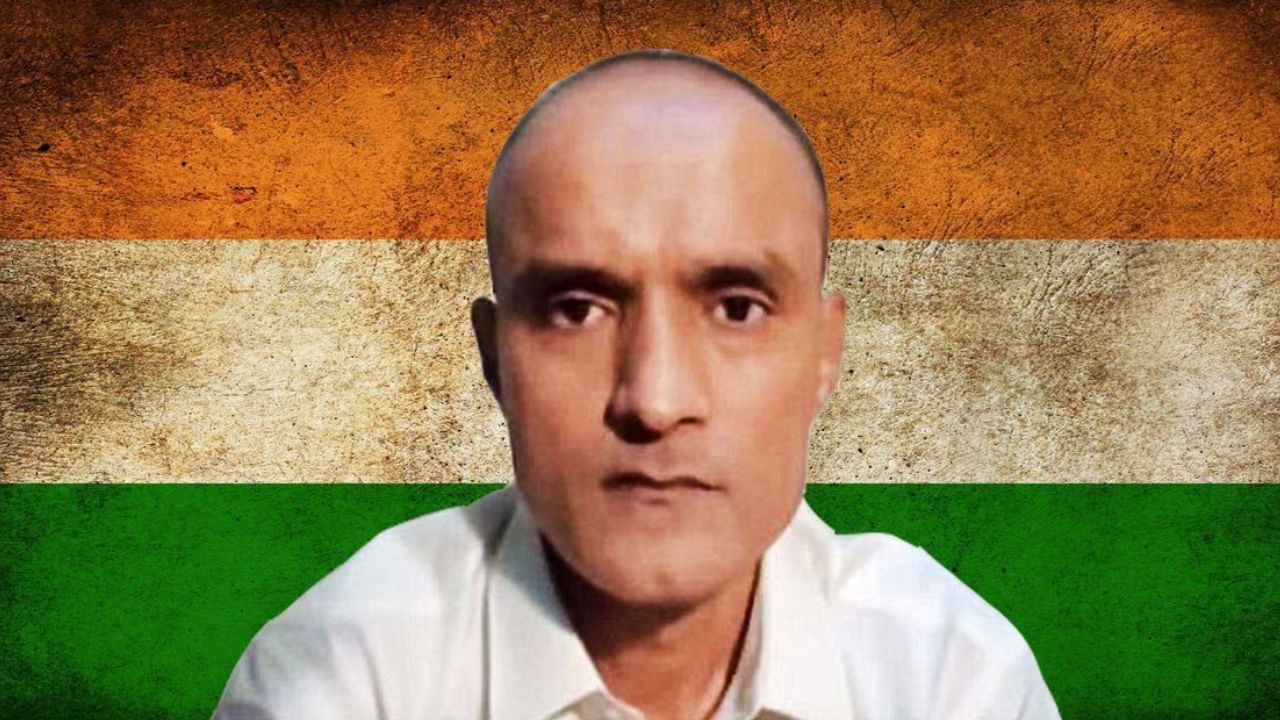
    Kulbhushan Jadhav

    Yadav, a former Indian Navy commander deployed by the Indian covert agency Research and Analysis Wing (RAW) as a high-level spy in Pakistan to orchestrate terrorism and insurgency in Balochistan, was arrested on March 3, 2016.

    According to the Inter-Services Public Relations (ISPR) statement, Jadhav was arrested through a counter-intelligence operation in Balochistan’s Mashkel area for his involvement in espionage and sabotage activities against Pakistan.

    In April 2017, a Field General Court Martial (FGCM) handed Jadhav the death sentence after trial for his involvement in espionage and sabotage activities in Karachi and Balochistan.

    “The spy was tried through Field General Court Martial (FGCM) under the Pakistan Army Act (PAA) and awarded the death sentence. Today Chief of Army Staff Gen Qamar Javed Bajwa confirmed his death sentence awarded by FGCM,” the military’s media wing had said.

    Jadhav confessed before a magistrate and court that he was tasked by RAW to plan, coordinate and organise espionage and sabotage activities seeking to destabilise and wage war against Pakistan by impeding the efforts of law enforcement agencies for the restoration of peace in Balochistan and Karachi, the ISPR said.

    However, the order of sentencing the Indian spy is yet to be implemented as the International Court of Justice (ICJ) issued a stay on it in July 2019.

  • ‘Hania Aamir asked for Rs2 million to appear on my podcast,’ claims Adnan Faisal

    ‘Hania Aamir asked for Rs2 million to appear on my podcast,’ claims Adnan Faisal

    Renowned podcaster Adnan Faisal has claimed that actress Hania Aamir demanded a fee of Rs 2 million to appear on his podcast.

    He recently appeared on Mathira’s show on News 24.

    During the program, he shared, “I have done about 500 podcasts so far, featuring many political, social, and showbiz personalities.”

    Addressing compensation for podcast guests, he asserted, “I have not paid any personality to participate in my podcast to date.”

    Speaking about Hania Aamir, he revealed, “Some time ago, when I wanted to invite Hania Aamir to my podcast, she asked for Rs 2 million to participate.”

    He clarified, “Rs 2 million is nothing for Hania Aamir—she is a very big star in this country.” However, he chose not to proceed, explaining, “I felt that if I paid her, I would have to pay the rest as well. If Hania Aamir is a star, then the rest of the actors are also stars. They will also expect compensation, and this could create problems.”

    He further questioned, “Other actors come to my podcast and give their time, so what’s their fault if they don’t get paid?”


    He also addressed a past discussion from his podcast regarding actress Saima Qureshi’s statement that “there is no blessing in women’s earnings,” clarifying that it was the actress’s personal opinion.

    According to him, Saima Qureshi is a senior actress who also runs her clothing brand, SQ, and is a businesswoman.

    When asked whether Saima Qureshi’s own earnings are blessed, Adnan Faisal responded, “I would have to ask the actress; I am not aware of this.”

    On another topic, he expressed his views on relationships in the showbiz industry, stating, “I want the illicit relationships of men in the drama industry to end.” He further claimed, “Married male actors in the industry have more affairs than others, and this should stop.”

  • Pakistani footballer Muhammad Riaz forced to sell ‘jalebis’ to survive

    Pakistani footballer Muhammad Riaz forced to sell ‘jalebis’ to survive

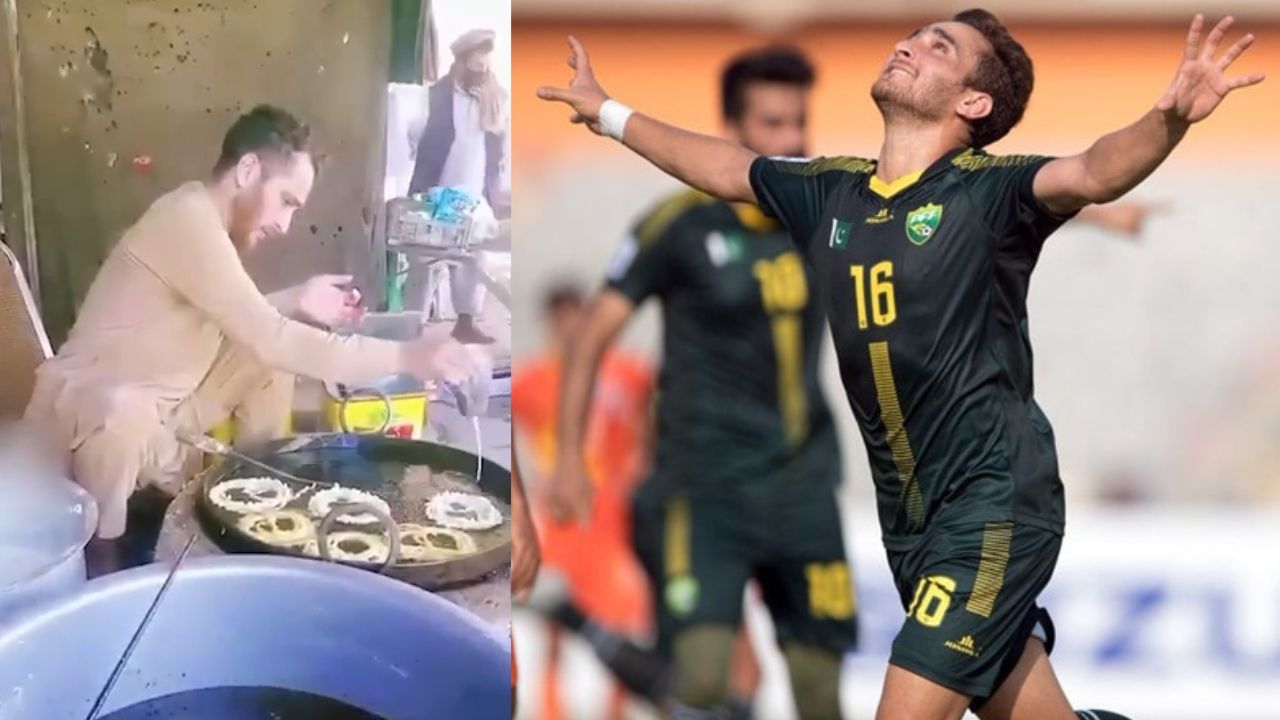
    Muhammad Riaz, once a rising star in Pakistan football who represented the country in the 2018 Asian Games, is now selling jalebis on the streets to support his family.

    His story sheds light on the struggles of athletes in Pakistan, who face a lack of support from sports organisations despite promises from the prime minister. Riaz criticised the authorities for failing to revive departmental sports, leaving many players jobless and struggling to make ends meet.

    “For years, I waited for the promised revival of departmental sports,” Riaz lamented.

    He said, “I was hopeful after hearing the prime minister’s announcement, but the delay had been unbearable. With no income, I had to find an honest way to provide for my family. That’s why I now stand at a street corner, cooking jalebis instead of practising football.”

    The 29-year-old Riaz, who hails from Hangu and previously played for K-Electric, blamed the former Pakistan Tehreek-e-Insaf (PTI) government for banning departmental sports. He believes the decision was hasty and had a detrimental impact on the sports industry.

    “Our society does not prioritise sports. Until that mindset changes, departmental support is crucial for athletes. How can young players be inspired to pursue football when they see a national player like me selling jalebis to survive?” he said.

    Muhammad Riaz, however, is not the only disgruntled sportsperson.

    Taimoor Kayani, former advisor to the minister for the Inter-Provincial Coordination Division (IPC), expressed his disappointment at how national athletes are being treated.

    “It is heartbreaking to see a footballer of Riaz’s calibre, who could have been a multimillionaire if he played in Europe, but here he was forced to sell jalebis on the streets,” said Kayani.

    “This is not just Riaz’s tragedy; many other national footballers and hockey players are suffering the same fate.”

    Kayani urged the government to take action and remove officials who failed to fulfill their commitments. He stressed the importance of reinstating Pakistan’s top athletes in their respective sports instead of leaving them to struggle financially.

    Pakistan’s football community now looks to the authorities, hoping they will amke a move before more players are forced to abandon the sport and struggle for survival.

  • Champions Trophy: ‘I was sh**ting myself,’ KL Rahul says after final win

    Champions Trophy: ‘I was sh**ting myself,’ KL Rahul says after final win

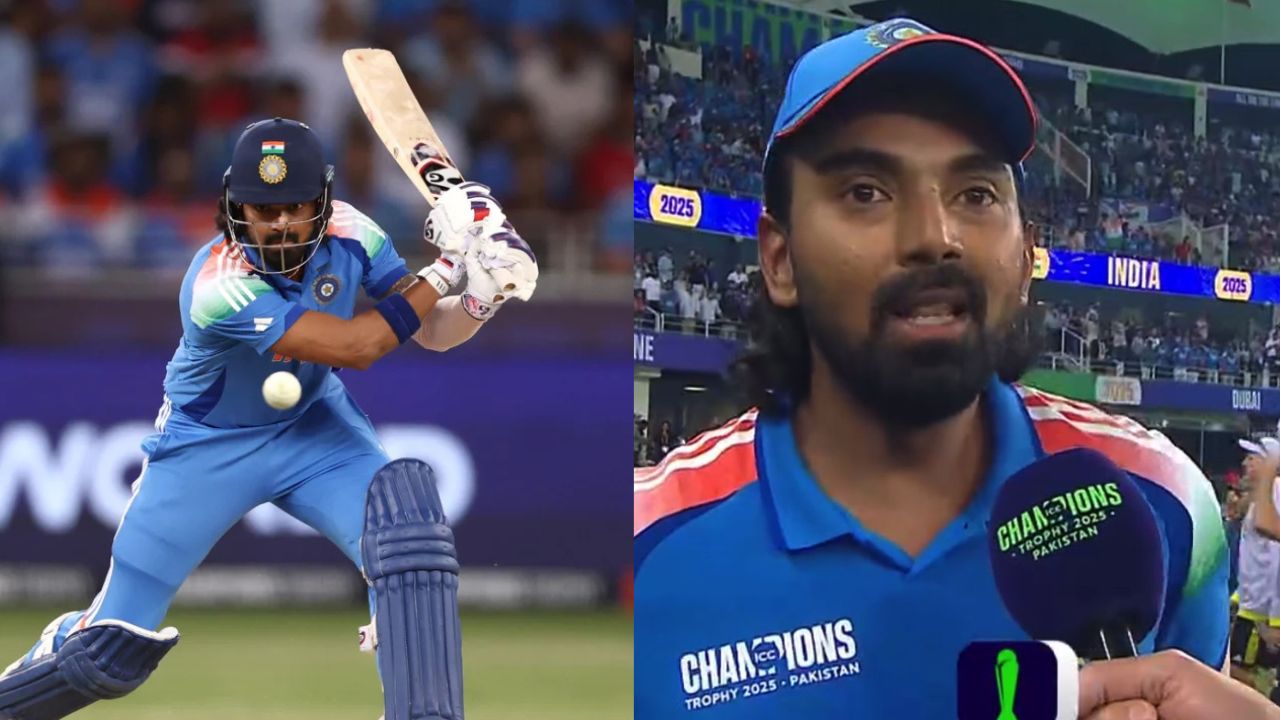
    India’s wicketkeeper-batter KL Rahul made a bold statement about the nerve-racking ICC Champions Trophy 2025 final, where India edged past New Zealand in a tense finish.

    Speaking after the thrilling four-wicket win in Dubai, Rahul said, “I don’t think I can say this on camera, but I was s**ing myself at the end. But we still had a couple of batters to come, so I was confident that we could get over the line.”

    He emphasised the importance of staying composed in high-stakes matches.

    “In moments like this and big games, it’s more about holding your composure, which we all know about. It’s not easy, but I’m happy to win this and happy to get over the line this time,” he said.

    The 32-year-old played a crucial role in India’s campaign, often finding himself in high-pressure situations. 

    “I think I’ve batted in times like this in three out of the five games. And one of the games I didn’t get to bat at all, against Pakistan,” he added.

    Rahul credited his time throughout the tournament for preparing him for the grand finale.

    “The game’s given me a good time in the middle and a good time to prepare for a big moment like this. It’s hard to put in words, but it’s just pure skill and the way we’ve all played our cricket growing up,” he added.

    He highlighted the role of India’s cricketing system in shaping players for such crucial moments.

    “We’ve had to face a lot of challenges. We’ve had to face pressure from the time we held the bat and from the time we decided to be professional cricketers,” he remarked.

    Rahul also praised the Board of Control for Cricket in India (BCCI) for nurturing talent and providing a strong foundation for players to thrive under pressure. “I think it’s just the first-class cricket, BCCI, how they’ve groomed every player, every talented player that comes around. They’re giving us opportunities and platforms to showcase our skills, put ourselves under pressure, keep challenging ourselves, and get better.”

    India secured their third ICC Champions Trophy title, adding to their previous victories in 2002 and 2013.

  • Travel to US: ‘Blanket ban unlikely, but restrictions could be introduced for Pakistanis’

    Travel to US: ‘Blanket ban unlikely, but restrictions could be introduced for Pakistanis’

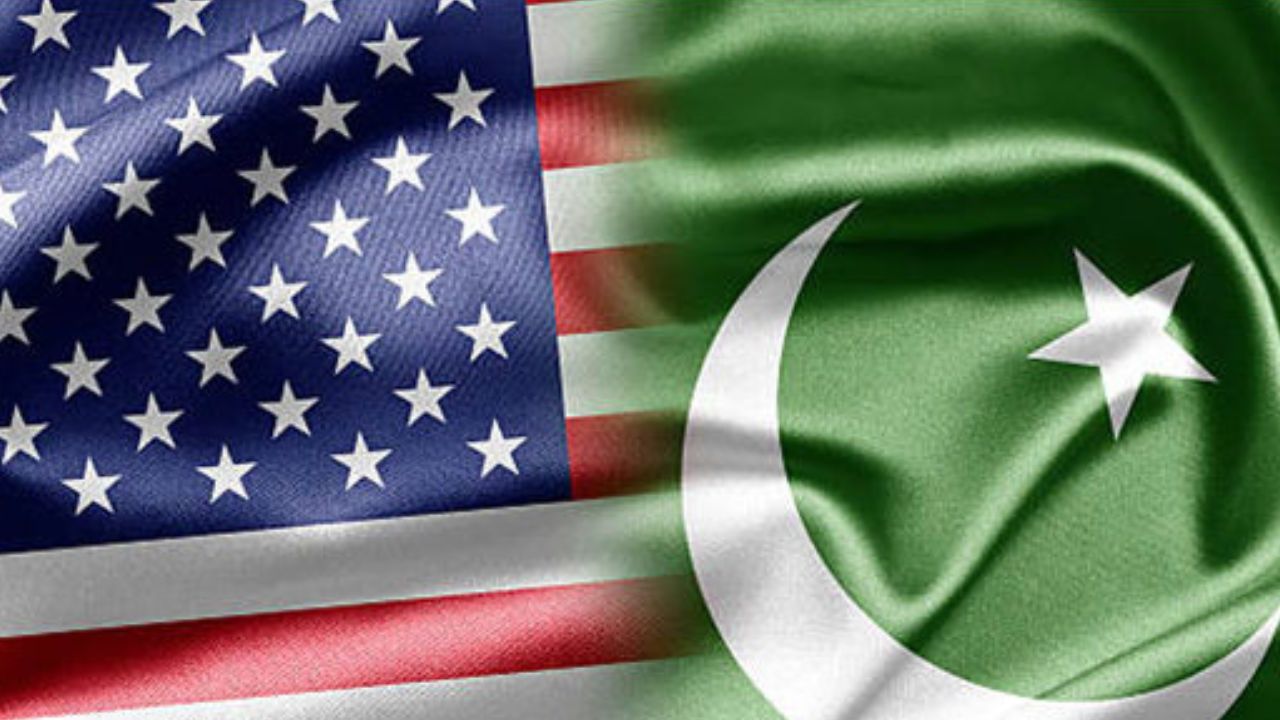
    Minister of State for Law and Justice Barrister Aqeel Malik Monday said that the President Donald Trump-led United States (US) administration had not imposed a complete travel ban on Pakistani citizens, however, some restrictions could be introduced.

    Speaking to a private media outlet, Malik said that while the US had expressed concerns over the surge in terrorism-related incidents in Pakistan, it had not imposed a blanket ban on Pakistanis travelling to the US.

    The minister’s remarks comes days after Reuters reported the possibility of a ban on Pakistanis and Afghan nationals entering the US.

    “We are in contact with the State Department, but nothing has been shared yet,” Pakistan’s Ambassador to the United States Rizwan Saeed Sheikh said in conversation with a local English daily.

    When asked about Pakistan’s possible placement in the restricted travel category, he said, “It’s currently based on news reports. Nothing official as yet. We are still awaiting confirmation.”

    Following the Reuters report, The New York Times had also suggested that Pakistanis might not face an outright travel ban but could be subjected to increased scrutiny when applying for US visas.

    The report indicated that Pakistan might be placed in the “orange” category, which would impose restrictions on specific visa types. Countries in this category would be eligible for certain visas, such as business travel for affluent individuals, but would face restrictions on immigrant and tourist visas.

    Additionally, visa durations could be reduced, and applicants would be required to undergo in-person interviews.

    The draft proposal also recommends a “red list,” which would primarily include countries previously restricted under earlier versions of the travel ban. These countries reportedly include Cuba, Iran, Libya, North Korea, Somalia, Sudan, Syria, Venezuela, and Yemen, according to The New York Times.

    The proposed draft tentatively adds Afghanistan to the list, but it is unclear whether Pakistan is included. However, reports suggest that some Pakistani students studying in the US have been advised not to return home, as their institutions are uncertain if they would be allowed back into the country.

    Last week, the Council on American-Islamic Relations (CAIR) warned Pakistanis — including individuals of nearly a dozen other nationalities — not to travel from the US until the administration officially announced the new travel policy.

  • Internet reacts to Shahid- Kareena reunion at IIFA 2025

    Internet reacts to Shahid- Kareena reunion at IIFA 2025

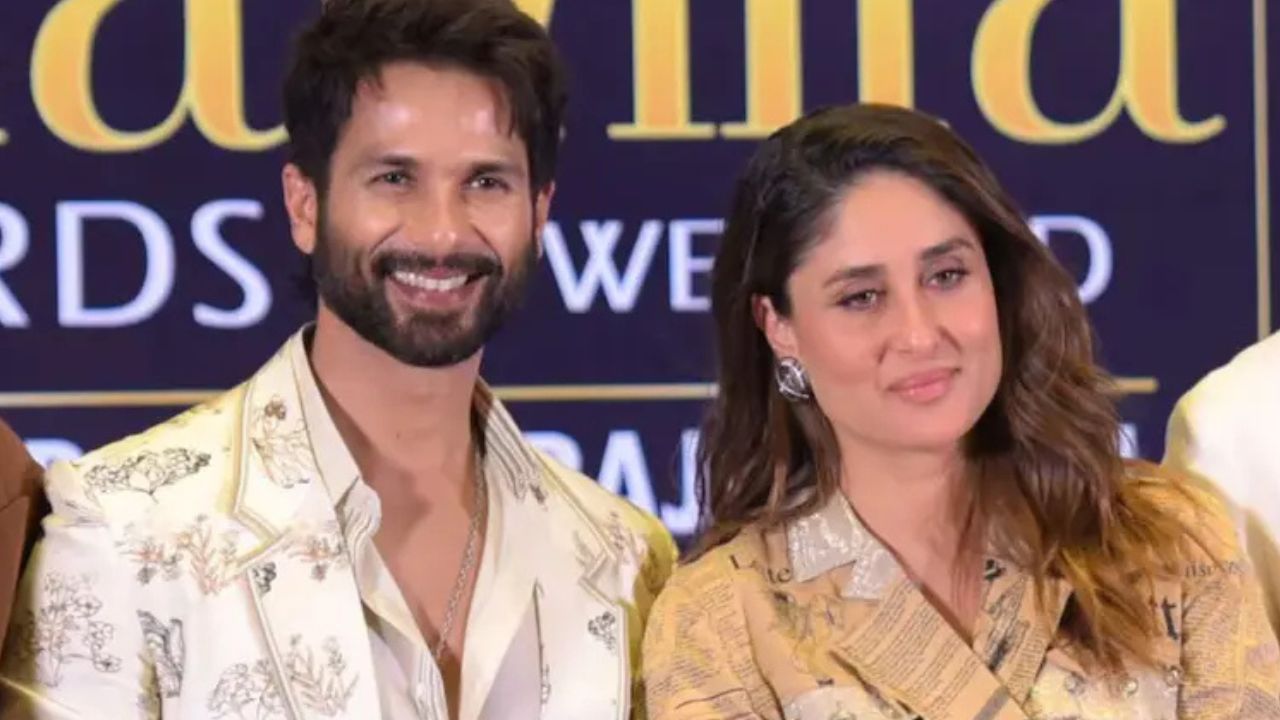
    Bollywood stars Shahid Kapoor and Kareena Kapoor Khan surprised fans with a warm hug and conversation at the IIFA 2025 press conference in Jaipur.

    Their unexpected interaction quickly became a hot topic on social media, reviving memories of their past relationship and on-screen chemistry.

    Shahid addressed the interaction, saying, “For us, it’s nothing new. We meet often at events. If people liked it, that’s nice.” He added that their exchange was normal and without awkwardness.


    This wasn’t their first public interaction since their breakup in 2007. At the 2024 Dadasaheb Phalke Awards, Kareena walked past Shahid without acknowledging him, while Shahid remained composed.


    Shahid and Kareena were a popular couple in the 2000s, starring in films like Fida (2004), Chup Chup Ke (2006), and the iconic Jab We Met (2007). Their breakup was highly publicized at the time.


    Fans praised their friendly behavior at IIFA 2025, noting the improvement in their interactions. One comment read, “Back during Udta Punjab days, they couldn’t even stand together. It took them years to get here!”


    However, the internet had mixed reactions to their reunion, with fans posting:


    “Normal??… Like did she just ignore him last time? “


    “Feels like Kareena wants Shahid’s attention.”


    “Nazar lag gayi jodi ko!” 


    “Kareena is blushing!”


    “Ghar jaane ke baad Shahid Kapoor ki khair nahi hogi!” (Shahid might be in trouble when he gets home!)


    The unexpected interaction sparked nostalgia among fans, especially for their roles as Geet and Aditya in Jab We Met, a milestone in both their careers.

  • Israel halts Gaza electricity supply ahead of new truce talks

    Israel halts Gaza electricity supply ahead of new truce talks

    Israel ordered an immediate halt to Gaza’s electricity supply Sunday in an effort to pressure Hamas into releasing hostages, even as it prepared for fresh talks on the future of its truce with the Hamas.


    Israel’s decision comes a week after it blocked all aid supplies to the territory, a move reminiscent of the initial days of the genocide when Israel announced a “siege” on Gaza.

    Hamas described the electricity cut as “blackmail,” a term it had also used after Israel blocked the aid.

    The truce’s initial phase ended on March 1 and both sides have refrained from returning to all-out genocide, despite sporadic violence including an air strike Sunday that Israel said targeted miltants.

    Hamas has repeatedly called for an immediate start to negotiations on the ceasefire’s second phase, aiming to end the genocide permanently.

    Israel says it prefers extending phase one until mid-April, and halted aid to Gaza over the impasse.

    On Sunday it ordered a cut in the electricity supply.

    “I have just signed the order to stop supplying electricity immediately to the Gaza Strip,” Energy Minister Eli Cohen said in a video statement.

    “We will use all the tools at our disposal to bring back the hostages and ensure that Hamas is no longer in Gaza the day after” the war, he said.

    Izzat al-Rishq, a member of Hamas’s political bureau, described Israel’s move as “a desperate attempt to pressure our people and their resistance through cheap and unacceptable blackmail tactics”.

    Just days after the genocide, led by Israel, erupted on October 7, 2023 after Hamas’s attack, Israel cut electricity to Gaza, only restoring it in mid-2024.

    The sole power line between Israel and Gaza supplies the main desalination plant, and Gazans mainly rely now on solar panels and fuel-powered generators to produce electricity.

    Hundreds of thousands of Palestinians in Gaza live in tents, with night-time temperatures now forecast around 12 degrees Celsius (54 Fahrenheit).

    Situation ‘dire’

    Hamas representatives met Egyptian mediators over the weekend, emphasising the urgent need to resume aid deliveries “without restrictions or conditions”, a Hamas statement said.

    “We call on mediators in Egypt and Qatar, as well as the guarantors in the US administration, to ensure that the (Israeli) occupation complies with the agreement… and proceeds with the second phase according to the agreed-upon terms,” spokesman Hazem Qassem told AFP.

    Hamas’s key demands for the second phase include a hostage-prisoner exchange, Israel’s complete withdrawal from Gaza, a permanent ceasefire, border crossings reopening and lifting the blockade, he said.

    Former United States president Joe Biden had also outlined a second phase involving the release of remaining living hostages, the withdrawal of all Israeli forces left in Gaza, and establishment of a permanent ceasefire.

    After meeting mediators, another Hamas spokesman, Abdel Latif al-Qanoua, said indicators were so far “positive”.

    Israeli Prime Minister Benjamin Netanyahu’s office said it would send delegates to Doha on Monday.

    The truce largely halted more than 15 months of fighting in Gaza, where virtually the entire population was displaced by Israel’s relentless military campaign in response to the October 7 attack.

    The six-week first phase led to the exchange of 25 living Israeli hostages and eight bodies for the release of about 1,800 Palestinian prisoners held in Israel.

    It also allowed in much-needed food, shelter and medical assistance.

    After Israel cut off the aid flow, UN rights experts accused the government of “weaponising starvation”.

    At a UN distribution of flour in Jabalia, northern Gaza, Abu Mahmoud Salman, 56, said that with the territory now closed off from fresh supplies, there are “fears of renewed famine in Gaza, where the situation remains dire”.

    Fears for hostages

    Last week, US President Donald Trump threatened further destruction of Gaza if all remaining hostages were not released, issuing what he called a “last warning” to Hamas leaders.

    He also said Gazans who “hold Hostages… are DEAD!”

    The threats came after his administration confirmed it had unprecedented direct talks with Hamas, which Washington had previously refused contact with since designating it a terrorist organisation in 1997.

    The official who held the talks with Hamas, US hostage envoy Adam Boehler, told CNN on Sunday that a deal could be reached “within weeks” to “get all of the prisoners out, not just the Americans”.

    Of the 251 hostages taken by Hamas during the October 7 attack, 58 remain in Gaza, including five Americans of which four have been confirmed dead.

    Trump has floated a widely condemned plan to expel Palestinians from Gaza, prompting Arab leaders to offer an alternative that would see reconstruction financed through a trust fund, with the Ramallah-based Palestinian Authority returning to govern the Hamas-ruled territory.

    On Sunday Israel’s far-right Finance Minister Bezalel Smotrich said that proposal was “taking shape”.

    Hamas’s 2023 attack resulted in the deaths of 1,218 people on the Israeli side, most of them civilians, while Israel’s retaliatory genocide has killed at least 48,458 people in Gaza, also mostly civilians, according to data from both sides.

  • Mark Carney: Canada’s next PM charts unusual path to power

    Mark Carney: Canada’s next PM charts unusual path to power

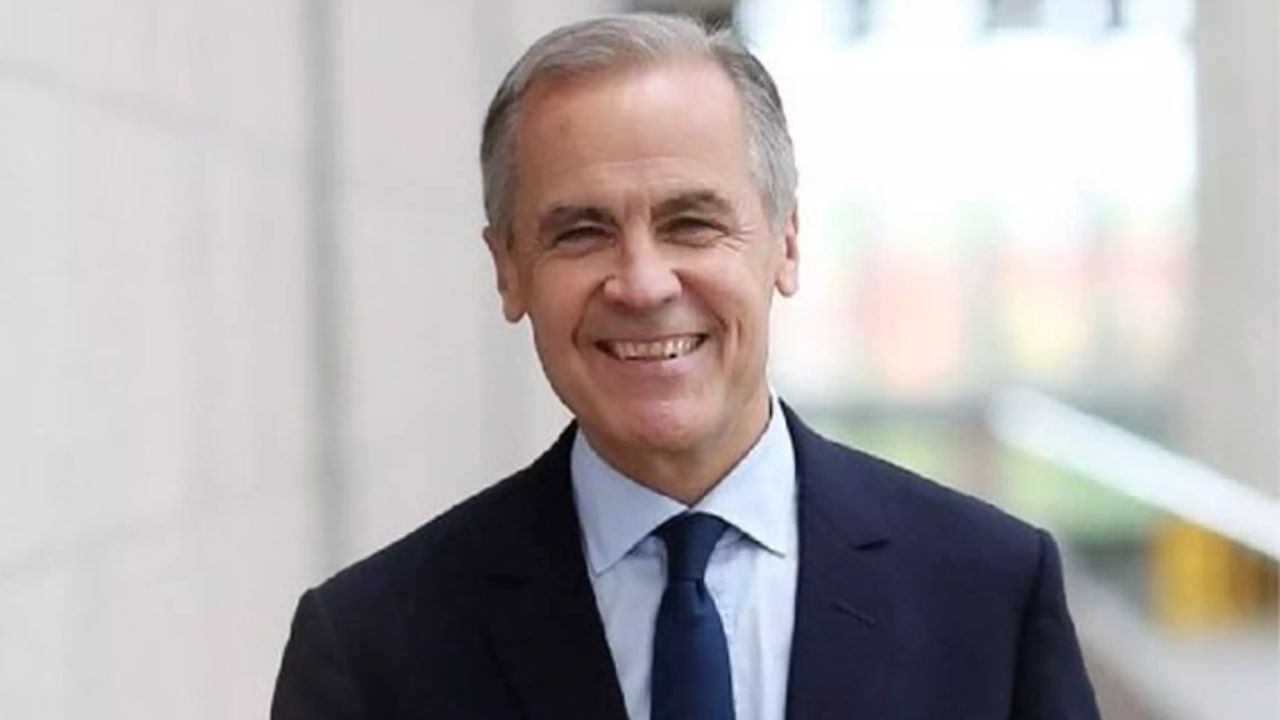
    He was born near the Arctic, led the central banks of two major economies, and is about to become Canada’s next prime minister despite never having served in parliament.

    Mark Carney’s path to the top job in Canadian politics has been unusual but, as he said when he launched his campaign to replace Prime Minister Justin Trudeau, so are the circumstances.

    “Our times are anything but ordinary,” Carney told supporters in the Western city of Edmonton in January. 

    Carney has called the threats posed by President Donald Trump “the most serious crisis of our lifetime” and said Sunday that the United States wants “our resources, our water, our land, our country.”

    He says his experience leading the Bank of Canada through the 2008-2009 financial crisis and then heading the Bank of England after the Brexit vote there has equipped him for the moment.

    Carney won 85.9 percent of the ballots cast in the Liberal Party leadership vote and will become prime minister over the coming days.

    Unique Background

    Carney may not be prime minister for long, with a general election due soon that the opposition Conservatives are slight favorites to win, according to polls. 

    No matter how long he serves, his tenure will be unique.

    Carney will be the first Canadian prime minister with no political experience. He has never held an elected public office or served in a government cabinet. 

    He was born in Fort Smith, a small town in the Northwest Territories, where his parents were teachers, but he was raised in Edmonton, Alberta’s capital. 

    Like many Canadians, he played hockey in his youth. He studied at Harvard in the United States and Oxford in England, and the initial part of his career saw him make a fortune as an investment banker at Goldman Sachs, working in New York, London, Tokyo and Toronto. 

    Carney then joined the Canadian civil service, eventually being appointed governor of the Bank of Canada by former Conservative prime minister Stephen Harper in 2008.

    In 2013, the government of then-British prime minister David Cameron tapped him to lead the Bank of England, making Carney the first non-Briton to lead the bank in its more than 300-year history. 

    ‘Boring’ But ‘Reassuring’

    Daniel Beland, director of the Institute for the Study of Canada at McGill University, described Carney as a “technocrat.”

    “He’s a boring guy who in general doesn’t have a lot of charisma,” Beland said. 

    But he noted that with Canada rattled by Trump’s trade chaos and attacks on its sovereignty, rigorous competence with no flash may be appealing. 

    Carney presents “the image of a reassuring guy who knows what he is talking about,” Beland said. 

    Lori Turnbull of Dalhousie University cautioned that Carney’s potential struggles to connect with the public could prove a liability. 

    “He’s not a particularly great communicator when it comes to the public,” she said. 

    “He is unusually well-equipped to deal with economic crises” but “it’s very hard to see how anybody would be successful in politics if you can’t bring people on board with you,” she told AFP.

    The Conservatives are running attack ads branding Carney as “sneaky” — an early look at how they might plan to wage the campaign against him. 

    Carney is personally wealthy, spent significant parts of his career outside of Canada, worked for US-based Goldman Sachs and was chairman at one of Canada’s largest corporations, Brookfield. 

    “The Conservatives are trying to cast him as an elite who doesn’t understand what regular people go through. And I think if he can’t communicate well, then he runs the risk of being typecast in that way,” Turnbull said. 

    Climate change, and Carney’s plans to address it, are also certain to play a key role in the campaign.

    “Carbon Tax Carney” has emerged as a favorite Tory attack line, seeking to tie Carney to a deeply unpopular Trudeau policy that saw some homes face a marginal tax to offset emissions.

    Climate has been central to the latter part of Carney’s career, but he says his focus is on investment-led solutions, like green technology, that create profit and jobs. 

    “Very much we are emphasizing the commercial aspect of it, the competitiveness aspect,” he said recently in an interview with The Rest Is Politics podcast. 

    “This is where the world is going.”

  • ‘My role wasn’t targeted,’ Amar Khan reacts to criticism of Sun Mere Dil

    ‘My role wasn’t targeted,’ Amar Khan reacts to criticism of Sun Mere Dil

    Renowned actor Amar Khan recently addressed the criticism surrounding Sun Mere Dil, which aired during a Ramzan transmission alongside Faisal Quraishi. When asked whether she faced negative feedback after the drama’s release, Amar clarified that while the show received significant criticism, her character remained largely unaffected.

    “Sun Mere Dil did face criticism, but not my role. The criticism targeted other aspects, and my character somehow stayed out of that conversation,” she stated.

    The drama, written by controversial writer Khalil-ur-Rehman Qamar and starring Wahaj Ali and Maya Ali, faced scrutiny for its controversial plot. Unlike traditional stories that easily resonate with viewers, Sun Mere Dil explored themes and character developments that many found difficult to accept. The backlash was primarily directed at the overall concept and execution rather than individual performances.

    Notably, certain dialogues sparked controversy. To quote an example, a scene where Ammar’s character refers to Sadaf as “do takkay ki” (“worth two pennies”) drew parallels to previous works by the writer and was criticized for promoting toxic masculinity. Additionally, the repetitive mention of “eight crore,” which viewers felt was overemphasised throughout the series, also became a talking point. These elements contributed to the drama’s polarized reception, with discussions focusing on both the narrative choices and specific dialogues.

    While Amar Khan’s role was significant, it did not become a focal point of criticism. While lead actors often bear the weight of a show’s reception, her remarks suggest that the controversy surrounding Sun Mere Dil stemmed from broader storytelling choices rather than her performance.

    Her response also refers to an interesting aspect of audience reactions—how some characters or performances can escape public scrutiny even when a project is widely debated. Faisal Quraishi’s question reflected the common assumption that actors in controversial dramas inevitably face backlash, but Amar’s experience proved otherwise.