Tag: Apple

  • Apple to manufacture, refurbish iPhones in Pakistan

    Apple to manufacture, refurbish iPhones in Pakistan

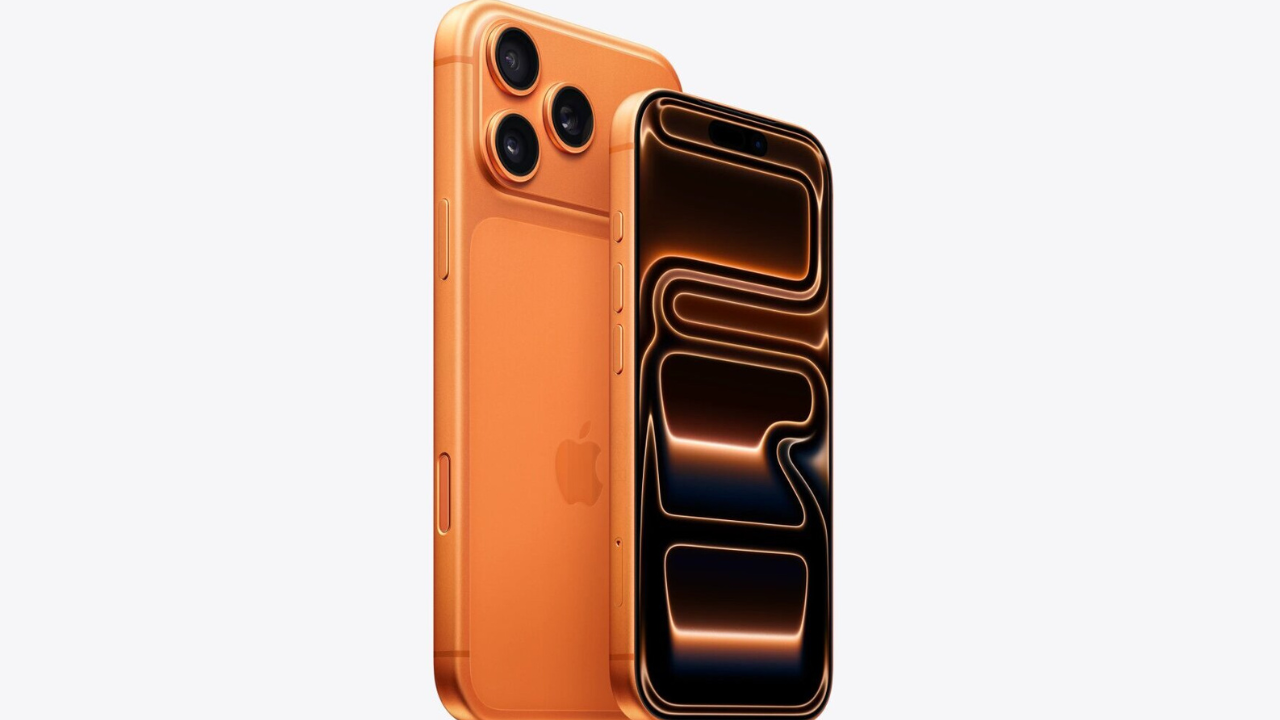
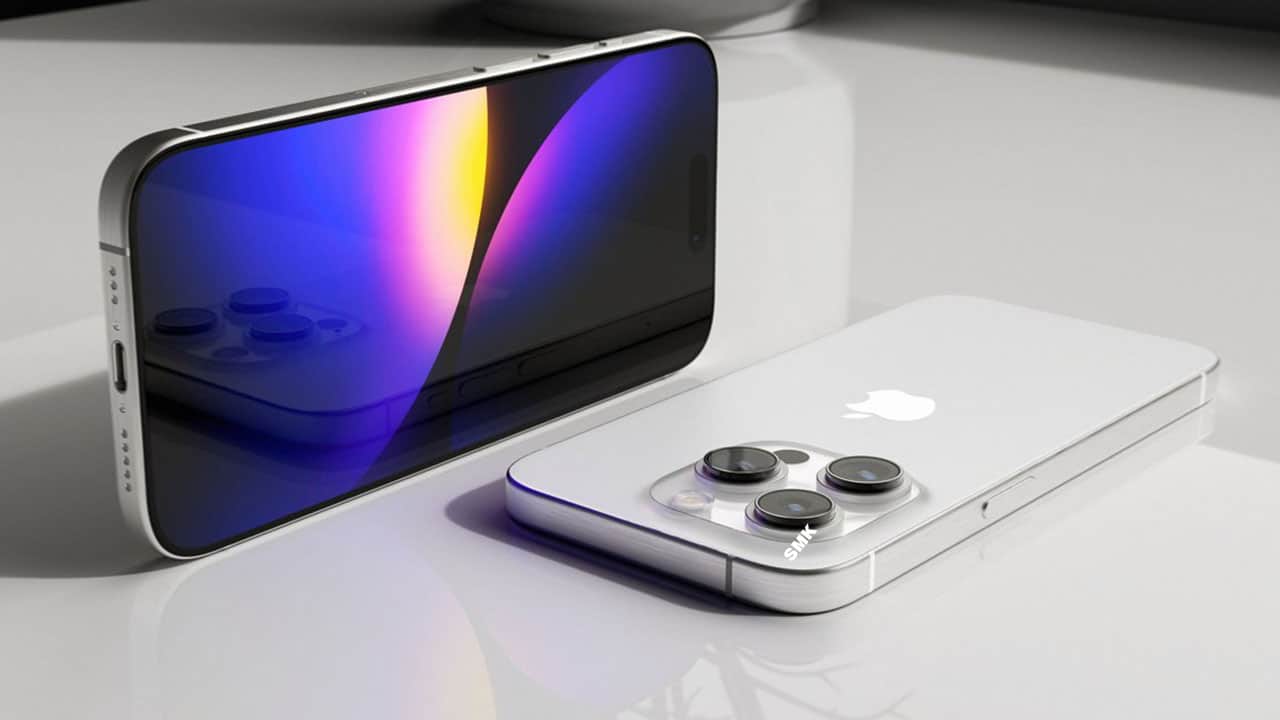
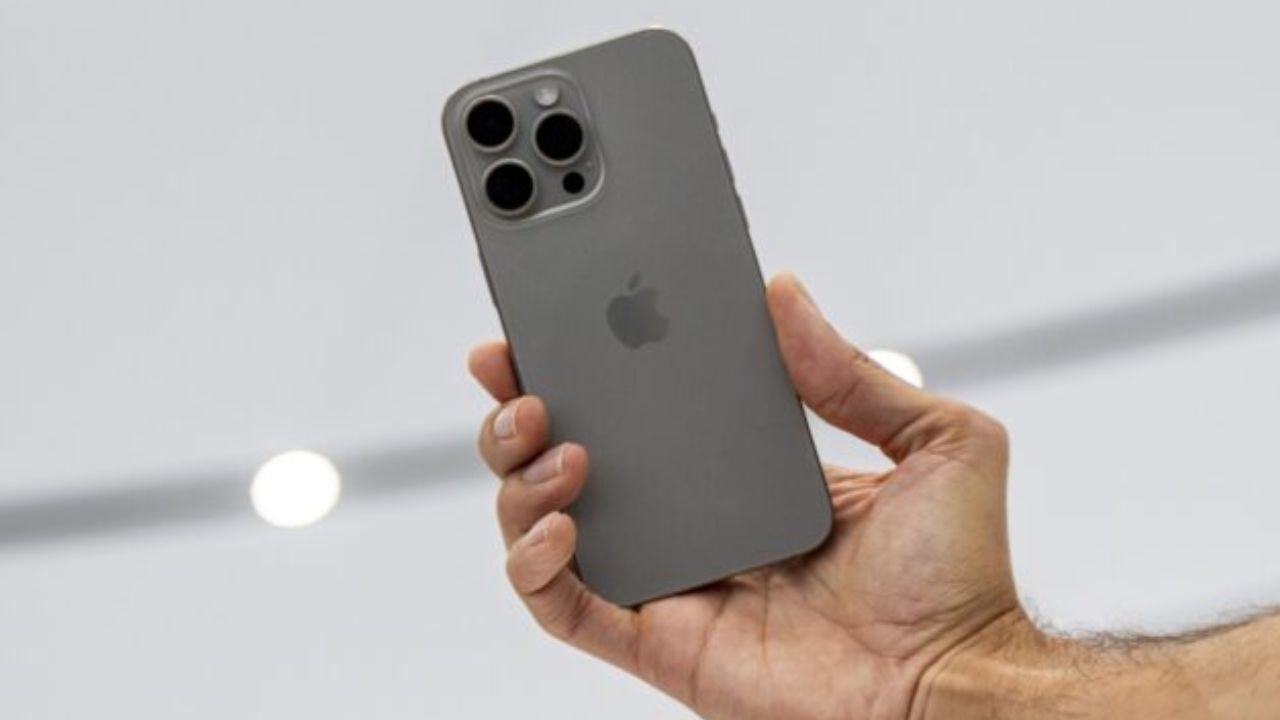
    Tech giant Apple Inc. is set to begin manufacturing iPhones in Pakistan after the government agreed to offer incentives under a proposed Mobile and Electronics Manufacturing Framework.

    Under the plan, Apple will also refurbish iPhones in Pakistan for re-export. The government expects $100 million in the first year from the re-export of refurbished devices.

    Engineering Development Board (EDB) Chief Executive Officer Hamad Ali Mansoor has said that the company has sought three key conditions: provision of land at discounted rates, an eight percent performance incentive, and permission to repair two to three-year-old iPhones.


    “We have included these three conditions in the new proposed Mobile and Electronics Manufacturing Framework to be approved by Prime Minister Shehbaz Sharif,” Mansoor told a private media outlet. 

    He said Apple previously entered Indonesia, Malaysia and India using a similar model, where it initially focused on repairing older devices to train local manpower before moving to full-scale manufacturing.

    The government currently offers a six percent performance incentive to mobile phone manufacturers. Officials plan to increase it to eight percent to attract Apple and other international firms.

    Mansoor said Special Assistant to the Prime Minister on Industries and Production Haroon Akhtar Khan and the Secretary for Industries have extended support to the new framework.

    He added that the government expects $557 million in investment from Chinese companies in mobile manufacturing. Memoranda of Understanding (MoU) were signed during Prime Minister Shehbaz Sharif’s visit to Beijing.

    Officials anticipate that the policy will also attract investment in the production of laptops, tablets, watches, trackers and earbuds. The framework aims to position Pakistan as a regional hub for mobile and electronics exports.

    Mansoor asserted that the government is focusing on localisation of components. Manufacturers have committed to increasing local parts usage to 35 percent in the first year, with a target of 50 percent later. Current localisation in mobile phone manufacturing stands at 12 percent. 

    The proposed framework includes an export levy of up to six percent to generate funds for technology investment. The government expects to collect Rs62 billion through the levy, which will be used to support localisation.

    “There will be no export levy on phones costing Rs50,000 to Rs60,000,” Mansoor said. The levy will apply to phones priced above Rs100,000.
  • Apple to transform Siri into AI chatbot embedded across devices

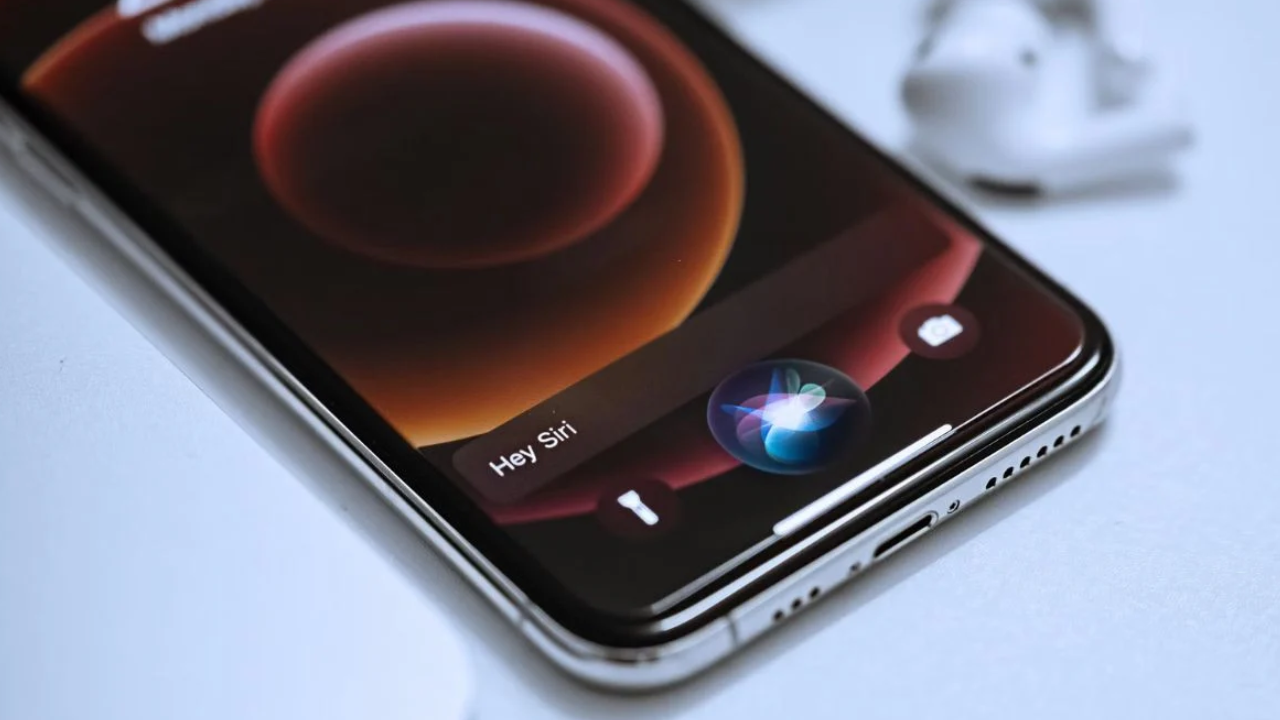
    Apple to transform Siri into AI chatbot embedded across devices

    Apple plans to revamp its digital assistant Siri later this year by turning it into an artificial intelligence chatbot, international media reported on Wednesday. The project, codenamed Campos, will be integrated into iPhone, iPad, and Mac operating systems, replacing the current Siri interface, according to people familiar with the plan.

    The Siri overhaul is part of Apple’s broader strategy to strengthen its position in artificial intelligence following the initial rollout of “Apple Intelligence” in 2024.

    Earlier this month, Apple struck a deal with Google to use its Gemini models to power Siri. Campos will run a higher-end version of the custom Google model, comparable to Gemini 3, and known internally as Apple Foundation Models version 11.

    The chatbot will support both voice and typing interactions and is expected to be the primary new feature in Apple’s upcoming operating systems, including iOS 27, iPadOS 27, and macOS 27. 

    Apple reportedly plans to reveal the AI version of Siri at its Worldwide Developers Conference in June, ahead of a full launch expected in September. The update is separate from the AI-powered personalization features scheduled to arrive in Siri over the next few months. 

    The chatbot is designed to offer capabilities that Bloomberg described as “significantly surpassing” the personalization features currently in development.

    Separately, Apple is working on an AI-powered wearable pin equipped with multiple cameras, a speaker, microphones, and wireless charging, according to a report by the Information. The device could reach the market as early as 2027.

  • Apple, Google sign multi-year deal to power Siri with Gemini

    Apple, Google sign multi-year deal to power Siri with Gemini

    Apple and Google have announced a multi-year partnership under which Apple’s next generation of artificial intelligence features, including the Siri assistant, will be powered by Google’s Gemini technology.

    The firms claimed in a joint statement on Monday that Apple chose Google’s AI because it provided “the most capable foundation” for Apple’s AI initiatives, according to a review process. Since Apple has traditionally depended on internal development for its fundamental technology, this alliance represents a shift in the company’s strategy. 

    The deal unites two companies that directly compete in the worldwide smartphone market using Google’s Android operating system and Apple’s iOS. Despite the rivalry, the firms have maintained an existing commercial relationship, with Google paying Apple billions of dollars each year to remain the default search engine on Apple devices.

    Financial terms of the Gemini partnership were not disclosed.

    The companies said in their statement that “Apple Intelligence will continue to run on Apple devices and Private Cloud Compute, while maintaining Apple’s industry-leading privacy standards”.

    Dan Ives of Wedbush Securities described the partnership as “a major validation moment for Google” and said it would serve as “a stepping stone” for Apple as it works on its artificial intelligence roadmap into 2026 and beyond.

    Apple reportedly explored other potential partnerships before selecting Google, including OpenAI, Anthropic and Perplexity.

    The collaboration follows a period of internal changes at Apple related to artificial intelligence development. The company delayed the release of an upgraded version of Siri last year and announced last month that the head of its artificial intelligence team would step down. Apple has since said the updated Siri assistant is expected later this year.

    Google, Microsoft, OpenAI and other companies have continued to release new AI models and features as competition in the sector increases.

    According to the joint announcement, Google’s Gemini models will support a more context-aware version of Siri, aimed at handling natural language requests and generating direct responses through Gemini rather than redirecting users to web searches.

  • Apple unveils iPhone 17 Air amid AI race and tariff pressures

    Apple unveils iPhone 17 Air amid AI race and tariff pressures

    Apple unveiled its iPhone 17 lineup on Tuesday, featuring its thinnest smartphone ever, as the tech giant works to prove it can keep pace in the generative AI race.

    The Silicon Valley powerhouse held its annual iPhone release event amid mounting pressures: the White House is pushing the company to reduce its dependence on Chinese manufacturing, while investors question whether Apple is truly ready for the AI age.

    Adding to these challenges, the company faces headwinds from President Donald Trump’s high tariff policies. Apple shares have dropped more than three percent since the Republican took office in January.

    Against this backdrop, Apple is betting on a product that it hopes will spark a super-cycle of iPhone purchases and reverse the trend of customers holding onto their devices longer before upgrading.

    “The event shows Apple sidestepping the heart of the AI arms race while positioning itself as a long-term innovator on the AI hardware front, with silicon and device-level integration,” said Emarketer analyst Gadjo Sevilla.

    To reinvigorate its brand, Apple introduced the iPhone 17 Air, which CEO Tim Cook called “a total game changer.”

    At just 5.6mm thick (less than a quarter inch), the $999 device features Apple’s new A19 Pro processor — its most powerful iPhone chip to date — and promises all-day battery life with up to 40 hours of video playback.

    The Air joins Apple’s more standard lineup, including the premium iPhone Pro 17, the company’s most expensive and highest-performing model.

    While all new devices incorporate generative AI technology, Apple made no major announcements about expanding its AI capabilities beyond updates to existing features in its “Apple Intelligence” suite.

    The company’s AI push has struggled to gain traction since it launched “Apple Intelligence” late last year. Users have been particularly disappointed with improvements to Siri, which remains surprisingly basic despite years of promises.

    Apple reportedly plans to integrate AI into online search next year and overhaul Siri, though the company hasn’t confirmed these reports.

    The tech giant is also said to be partnering with Google to tap into its search and AI expertise.

    “To truly differentiate and smoke the competition, Apple will have to crack AI as a new contextual user-interface” on its devices, Forrester analyst Thomas Husson said in a note.

    “Executing such an ambitious AI strategy will take time. It won’t happen at best until next year, if not for the iPhone’s 20th anniversary” in 2027, he added.


    – Pivot to Air –

    Industry analysts see the iPhone Air as a strategic pivot, with Apple positioning ultra-thin design — rather than larger screens — as its new premium selling point.

    The super-slim profile could also pave the way for Apple’s long-rumored foldable iPhone, expected as early as next year. Samsung and China’s Huawei already offer foldable smartphones.

    However, engineering such thin devices presents challenges: higher production costs and reduced battery space, though Apple claims 24-hour battery life for the iPhone 17 Air when fully charged.

    Despite tariffs that increase production costs, Apple kept iPhone prices unchanged from last year’s equivalent models — a move that may squeeze profit margins.

    Cook revealed in July that Trump’s tariffs cost Apple $800 million last quarter, with an estimated $1.1 billion impact expected this quarter.

    Apple shares fell 1.40 percent after pricing details were announced, reflecting investor concerns about the company’s ability to maintain its profit margins.

    Apple also introduced the AirPods Pro 3, featuring enhanced noise cancellation and real-time translation capabilities, along with the Apple Watch Series 11, which includes 5G connectivity, extended battery life, and heart health monitoring features pending regulatory approval.

  • Apple is working on first foldable iPhone

    Apple is working on first foldable iPhone

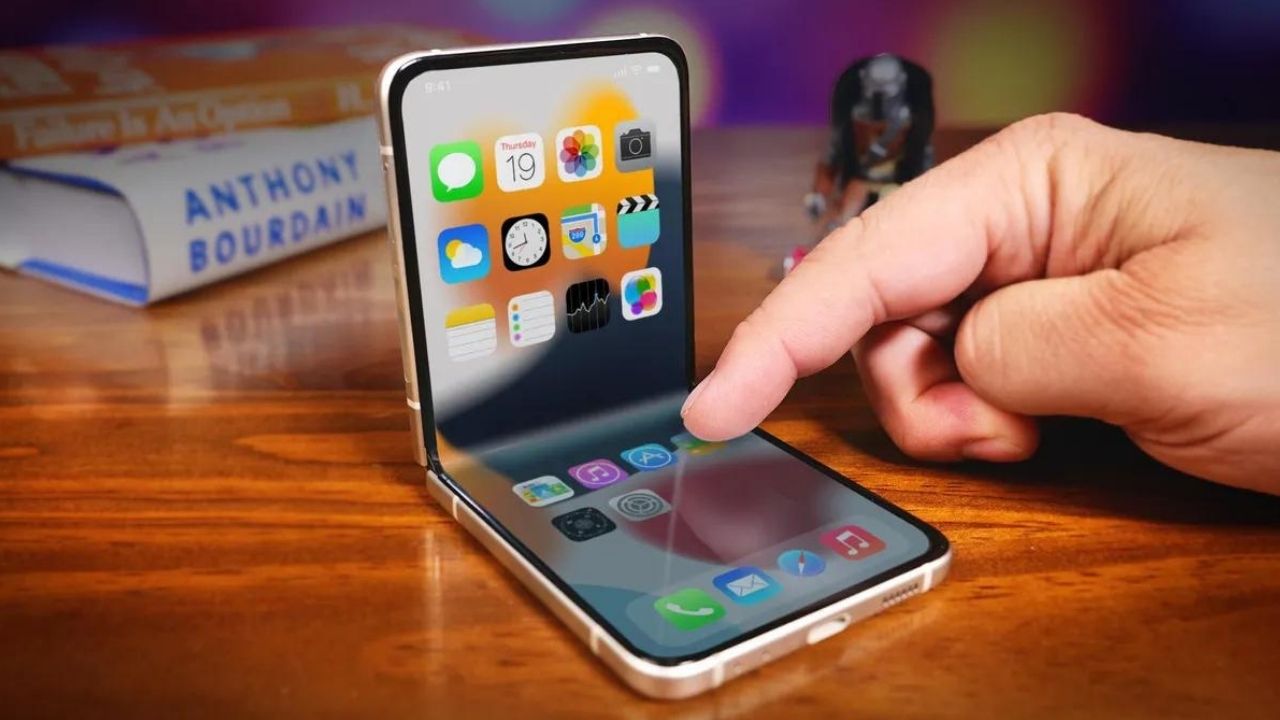
    Apple will likely introduce its first foldable iPhone as early as 2026, marking the biggest hardware design overhaul for the company’s most popular product, The Information reported on Tuesday.

    The California-based company’s plan to release a foldable iPhone could mimic a similar move by Samsung Electronics, which entered the foldable segment in 2019 with a significant hardware design refresh to attract new customers.

    The company has approached suppliers in Asia to make components for the device, and the makers have created an internal codename, V68.

    This feature is expected to boost iPhone demand, which is facing stiff competition from Honor and Huawei in China and Samsung globally.

    Samsung unveiled its latest foldable smartphones in early July, making its priciest flagship model lighter and thinner with new AI functions.

    Apple also plans to upgrade the camera on at least one iPhone model, which will let users control the size of the aperture with a mechanical system, potentially allowing users to create a depth-of-field effect.

    The report also states that Apple has officially yet to announce a foldable iPhone, so there is no guarantee that it will be released.

  • Apple reportedly testing Samsung-made camera sensor for iPhone 16

    Apple reportedly testing Samsung-made camera sensor for iPhone 16

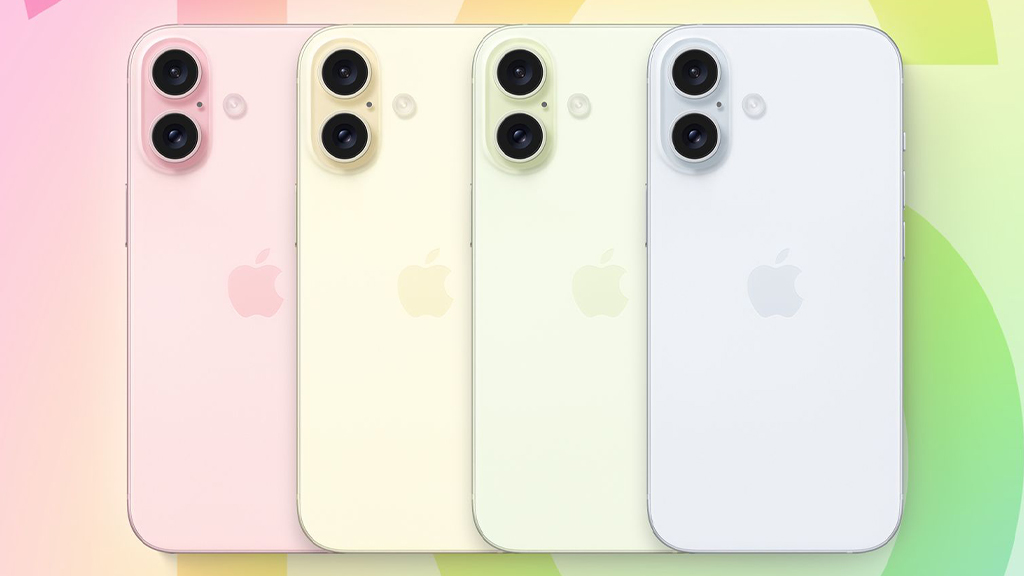
    Apple is reportedly testing advanced CMOS image sensors (CIS) from Samsung, which could feature in the iPhone 16 later this year. According to The Elec, Apple is conducting a final quality assessment of these sensors, provided by Samsung System LSI, the logic business unit of Samsung.

    Traditionally, Apple has relied exclusively on Sony for its CIS needs. However, recent developments suggest a strategic shift away from the Japanese supplier due to concerns about reliability and the desire to integrate new technologies into its camera systems.

    This change in direction comes after Apple encountered issues with Sony last year. In response, Apple asked Samsung to develop new image sensors in 2023 when Sony failed to deliver in a timely manner, complicating the launch schedule for the iPhone 15.

    If Samsung successfully passes the current quality tests, it will mark the first time the company supplies CIS for an iPhone. The new sensors from Samsung boast a more advanced three-wafer stack design, compared to the two-stack design used in current and previous iPhone models. These three wafers separately house the photodiode, transistors, and analog digital converter logics, which allows for higher pixel density, reduced noise, and smaller pixel sizes.

    In a CIS, the photodiode converts light into electrical signals, while four transistors are responsible for transferring, amplifying, reading, and erasing these signals. The separation of these components into three wafers enhances the sensor’s performance.

    Additionally, the new technology uses wafer-to-wafer hybrid bonding, which directly attaches the wafers through a copper pad, eliminating the need for signal-transferring bumps. This results in a smaller CIS with faster data transfer speeds.

    The iPhone 16 lineup is expected to be announced in the autumn, featuring new camera capabilities, including a dedicated “Capture” button and a 48-megapixel Ultra Wide camera.

  • iPhone users may be able to lock Messages, Photos in iOS 18

    iPhone users may be able to lock Messages, Photos in iOS 18

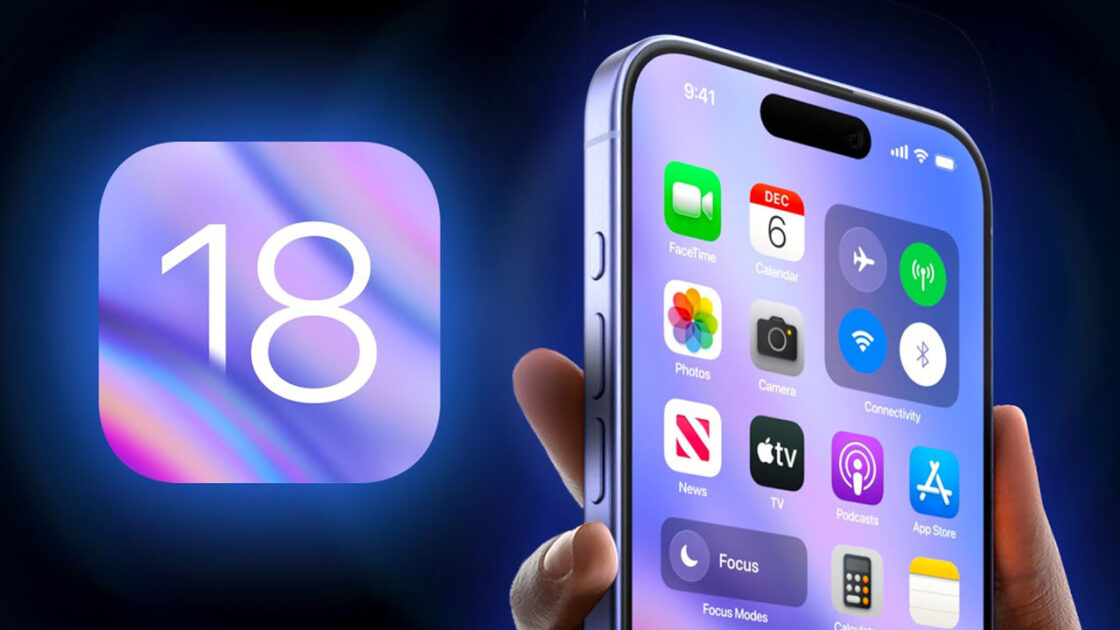
    The upcoming iOS 18 is anticipated to introduce a new security feature that allows users to lock individual apps, according to several sources familiar with the development.

    This feature is set to provide users with the ability to lock native iPhone apps such as Mail, Messages, Notes, Phone, Photos, Safari, and Settings, among others, thereby offering an additional layer of privacy and security.

    To unlock a locked app, users will need to authenticate via Face ID, and it is expected that Touch ID or an iPhone’s passcode will also be compatible with this feature.

    It remains unconfirmed whether this functionality will extend to third-party apps from the App Store.

    Currently, Apple permits certain content to be secured behind Face ID, Touch ID, or a passcode, such as notes in the Notes app and photos in the “Recently Deleted” and “Hidden” albums within the Photos app.

    The upcoming iOS 18 feature will expand this capability, allowing for entire apps to be locked, even when the iPhone itself is unlocked.

    iPhone users have previously resorted to using Screen Time or Shortcuts to lock apps, but these methods will become obsolete with the new iOS 18 functionality.

    Apple is set to unveil iOS 18 during its WWDC keynote on Monday. The initial iOS 18 beta is expected to be available to Apple Developer Program members immediately following the keynote, with a public release anticipated in September.

  • Apple plans OLED displays for MacBook Pro models in 2026

    Apple plans OLED displays for MacBook Pro models in 2026

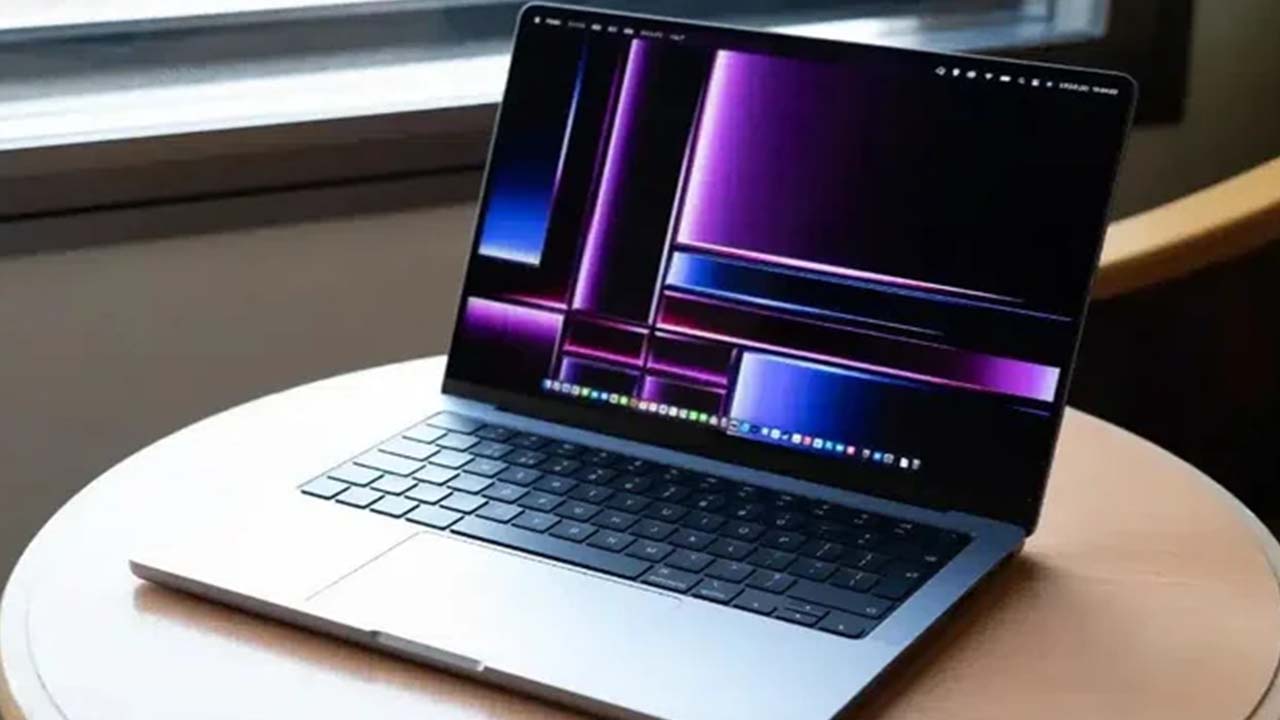
    Apple is expected to introduce new MacBook Pro models featuring OLED displays in 2026, according to market research firm Omdia. This anticipated shift is predicted to significantly increase the demand for OLED technology in the notebook market, potentially reaching over 60 million units by 2031.

    OLED, or organic light-emitting diode, panels offer several advantages over traditional display technologies. Each pixel in an OLED screen can be individually controlled, allowing for more precise colour reproduction and deeper blacks. OLED displays also boast superior contrast, faster response times, better viewing angles, and greater design flexibility.

    In addition to the MacBook Pro, Apple plans to implement OLED displays in its iPad Pro lineup starting in 2024. This move is expected to triple the demand for OLED tablets compared to the previous year. Apple’s strategy includes extending OLED technology to other iPad models, such as the iPad mini and iPad Air. This transition is likely to influence competitors and could drive the demand for OLED tablets to exceed 30 million units by 2029.

    Recent reports indicate that Samsung has begun developing an 8-inch OLED display panel for the iPad mini, with predictions that Apple will update both the iPad mini and iPad Air with OLED technology by 2026. Additionally, last year, Samsung was rumoured to be investing $3.14 billion into its Asan, South Korea, facility to produce OLED panels for forthcoming 14-inch and 16-inch MacBook Pro models.

    Apple’s adoption of OLED displays across its product lines marks a significant evolution in display technology, promising enhanced user experiences through improved visual quality and device performance.

  • Apple to unveil extensive home screen customisation options in iOS 18

    Apple to unveil extensive home screen customisation options in iOS 18

    In the latest edition of his Power On newsletter, tech analyst Mark Gurman has revealed exciting details about the forthcoming iOS 18 update.

    According to Gurman, Apple is set to revolutionise the iPhone user experience by introducing extensive customisation options for the home screen, a departure from the current fixed aligned grid system.

    One of the key highlights of iOS 18 will be the newfound ability for users to freely arrange icons on their home screens, breaking away from the constraints of the existing rigid layout.

    Additionally, Apple will be introducing native support for customising app icons, marking a significant departure from the previous reliance on third-party solutions.

    Gurman’s insights suggest that iOS 18 will empower users to personalise their device like never before, with the ability to alter the color of app icons to suit their preferences.

    For example, users could opt to unify all social networking apps under a distinctive blue hue, while assigning a different color scheme to finance-related applications.

    Although rudimentary home screen customisation has been achievable through workarounds such as creating single-action shortcuts, these methods have often been cumbersome and time-consuming.

    With the imminent release of iOS 18, Apple aims to streamline this experience by integrating robust customisation features directly into the operating system.

    However, the extent of icon customisation remains somewhat ambiguous. While it’s clear that users will have the option to adjust colors, the specifics regarding the potential for entirely new icon designs or limited palette changes have yet to be clarified.

    The eagerly anticipated iOS 18 is scheduled to be officially unveiled at Apple’s annual Worldwide Developers Conference (WWDC) on June 10.

    Alongside this announcement, Apple is expected to showcase a range of innovative features, with a particular emphasis on advancements in artificial intelligence technology.

  • Apple in talks with OpenAI, Google to integrate AI into iPhones

    Apple in talks with OpenAI, Google to integrate AI into iPhones

    In a move that could reshape the future of iOS, Apple is exploring partnerships with major technology firms to integrate artificial intelligence (AI) into its iPhone line, according to reports from Engadget.

    The Cupertino-based company is reportedly in discussions with Sam Altman’s OpenAI to incorporate generative AI technologies into its iOS operating system.

    However, OpenAI isn’t the only player on Apple’s radar. The company is also engaged in talks with Google to potentially license Gemini, the tech giant’s AI model, for use in iOS 18.

    According to Bloomberg, Apple could finalise agreements with both companies, suggesting a comprehensive approach to AI integration in its upcoming products.

    Meanwhile, Apple is also building its own language models to support various features in iOS 18, indicating a multi-faceted strategy towards AI.

    Although Apple has remained largely silent about its AI developments, there have been subtle hints suggesting that the company is preparing for a significant announcement.

    During a company meeting in February, Apple’s chief executive, Tim Cook, mentioned that the company is continuing to invest in artificial intelligence and expressed excitement about sharing more details later in the year.

    He also highlighted that the recently launched MacBook was the “world’s best consumer laptop for AI.” Cook’s remarks further fueled speculation that Apple is gearing up to unveil AI-centric laptops and desktops in the near future.

    As Silicon Valley dives deeper into the AI arms race, Apple’s moves to partner with leading AI developers and build in-house AI capabilities could set the stage for significant advancements in the iPhone’s functionality and user experience.

    Tech enthusiasts and industry watchers are now eagerly awaiting Apple’s official announcements, which could provide more clarity on the company’s AI strategy and the future of its product lineup.