Tag: Bangladesh

  • ICC officially replaces Bangladesh with Scotland in T20 World Cup 2026

    ICC officially replaces Bangladesh with Scotland in T20 World Cup 2026

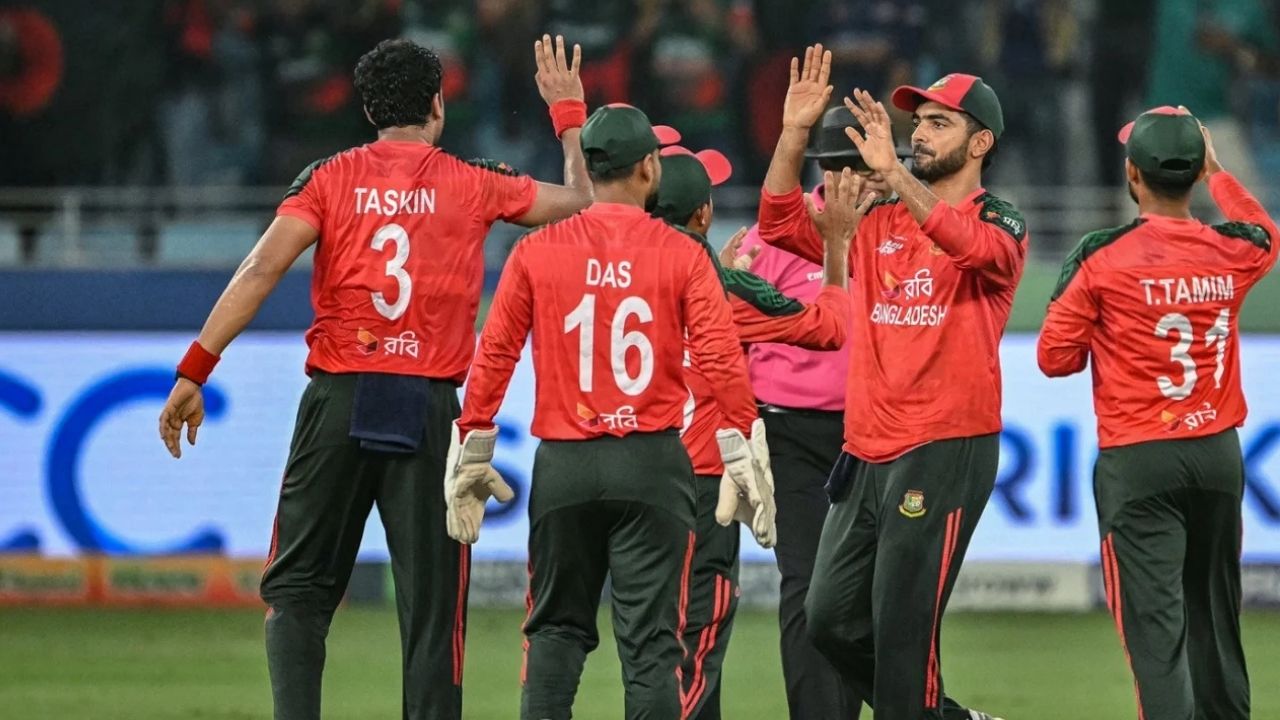
    The International Cricket Council (ICC) has officially removed Bangladesh from the T20 World Cup 2026 and replaced them with Scotland, following the Bangladesh Cricket Board’s refusal to send their team to India.


    The announcement ends more than three weeks of intensive negotiations between the ICC and BCB, during which Bangladesh repeatedly demanded that their matches be shifted from India to Sri Lanka over security concerns. The tournament is set to begin on February 7 across venues in India and Sri Lanka.

    ICC has said that their security experts found no legitimate threat to the Bangladesh team, players, or supporters traveling to India for the World Cup. Despite sharing comprehensive security arrangements involving federal and state agencies, BCB maintained its position that the team will not travel to Indian venues.


    As per details, the breaking point came after Wednesday’s emergency meeting of the ICC Business Corporation Board, which gave Bangladesh a 24-hour ultimatum to confirm their participation under the existing schedule. When the deadline passed without any response from the BCB, the governing body moved forward with finding a replacement.


    The controversy stems largely from a recent IPL incident where Bangladeshi fast bowler Mustafizur Rahman was dropped from the tournament after receiving threats from Hindu extremist groups. 

    Bangladesh used the incident to argue that if India couldn’t protect a single player in their domestic league, how could they ensure the safety of an entire national team during the World Cup.


    The ICC, however, dismissed the reasoning, clarifying that the IPL matter was a separate domestic issue unrelated to the World Cup’s security infrastructure. 

    Officials emphasized that linking the two events was inappropriate and did not justify altering the tournament schedule.
    BCB president Aminul Islam has accused the ICC of applying different standards, pointing to how the governing body accommodated India’s refusal to travel to Pakistan for the 2025 Champions Trophy.


    In justifying their decision, ICC officials stressed that making last-minute schedule changes without a verified security threat would create a dangerous precedent. 


    They argued that this could encourage teams to make similar demands in the future, potentially undermining the neutrality and fairness that international cricket tournaments depend on.


    Scotland now steps in as Bangladesh’s replacement, taking their spot in Group C. 

    The Scots are currently ranked 14th in T20 internationals, making them the highest-ranked team that didn’t initially qualify for the tournament. Interestingly, they rank higher than seven teams already in the competition, including Namibia, UAE, Nepal, USA, Canada, Oman, and Italy.


    Bangladesh had been scheduled to play three matches in Kolkata and one in Mumbai. Scotland will inherit these fixtures in the 20-team tournament running until March 8, marking a significant opportunity for Scottish cricket on the global stage.
  • In memorium: Who was Khaleda Zia — Bangladesh’s first woman PM

    In memorium: Who was Khaleda Zia — Bangladesh’s first woman PM

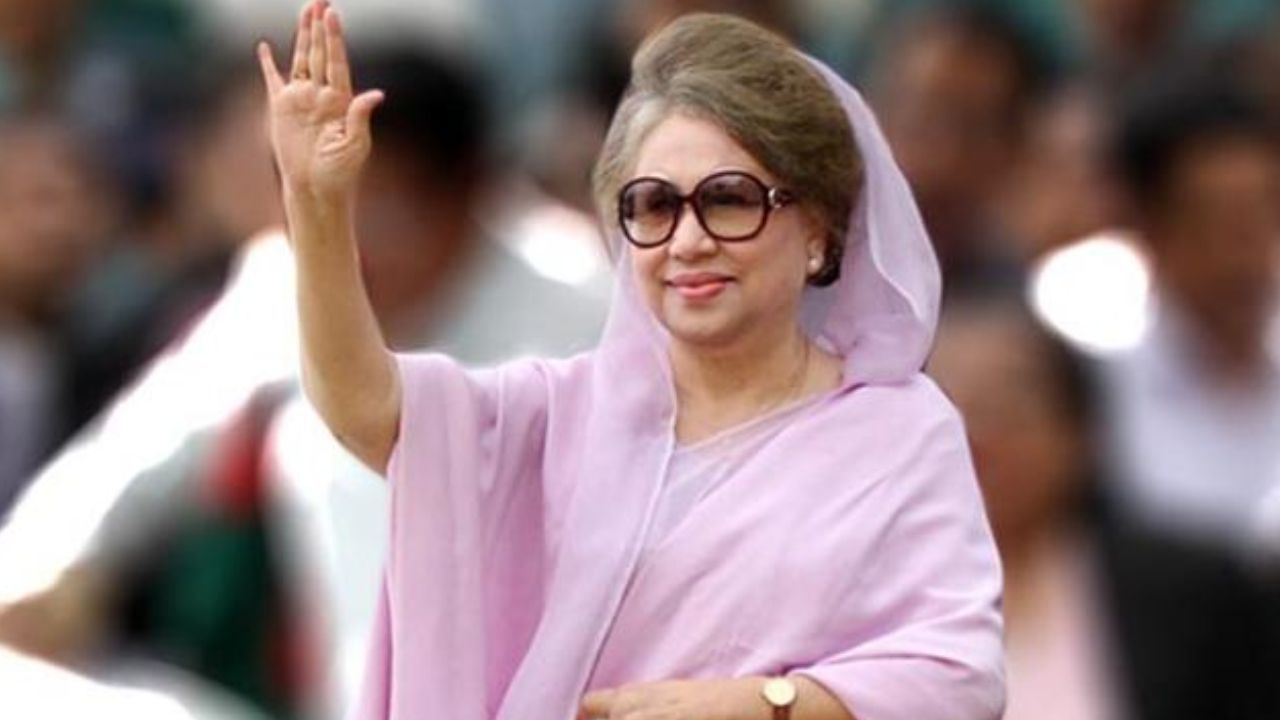
    Khaleda Zia, the first woman to serve as prime minister of Bangladesh, has passed away on 30 December in Dhaka after months of deteriorating health.

    Before entering politics, Khaleda was primarily a homemaker, devoted to raising her two sons while her husband, Ziaur Rahman, a prominent figure in Bangladesh’s independence movement, rose through the military ranks. He became president in 1977. At that time, Khaleda was described as a reserved and family-focused figure.

    Following Ziaur Rahman’s assassination in 1981 by army officers in Chittagong, Khaleda took the reins of his Bangladesh Nationalist Party (BNP). She went on to serve as prime minister twice- first in the early 1990s and again in the early 2000s.

    Born in 1945 in West Bengal, Khaleda was the daughter of a tea merchant. Her family moved to what is now Bangladesh following the 1947 partition of India.

     At 15, she married Ziaur Rahman, who assumed the presidency after the military relinquished power in 1977, overseeing a return to political activity and a freer media environment. His tenure was marked by repeated coup attempts, often suppressed with extreme force.

    Prior to her husband’s death, Khaleda had maintained a low public profile. But after 1981, she became actively involved in the BNP, rising to vice-chairperson and eventually party leader.


    During the nine-year military rule that began in 1982, Khaleda organised campaigns advocating for democratic reforms.


     She rejected participation in the army-controlled elections and was placed under house arrest, yet continued to orchestrate rallies and civic actions that ultimately forced the military to concede.


    In 1991, Khaleda Zia led the BNP to victory in the first post-military general elections, becoming the country’s first female prime minister and only the second woman to govern a Muslim-majority nation democratically, following Pakistan’s Benazir Bhutto. 


    She absorbed significant powers formerly held by the presidency and introduced reforms, including making primary education free and compulsory, at a time when most children received only two years of schooling on average.


    She lost the 1996 election to Sheikh Hasina’s Awami League but returned in 2001 with an alliance of Islamist parties, securing nearly two-thirds of parliamentary seats.


    Khaleda stepped down in October 2006 ahead of scheduled elections, but political unrest and riots prompted military intervention, delaying the vote. The interim government launched a crackdown on high-level corruption, targeting leaders across political lines.


    Both Khaleda and her longtime rival Sheikh Hasina faced arrests. Khaleda was placed under house arrest and later imprisoned on charges of extortion and corruption. 


    Her legal battles continued over the following years, including a 2011 case involving alleged misuse of funds for a charitable trust named after her late husband.


    In 2014, BNP supporters boycotted national elections, citing potential rigging, and widespread arrests of party activists followed. Khaleda herself was confined and barred from organising protests, describing the government as “disconnected” from its people.


    In 2018, she was convicted of embezzling roughly $252,000 intended for an orphanage trust and sentenced to five years in prison, which barred her from holding public office. She denied any wrongdoing, describing the charges as politically motivated.


    Her health deteriorated while in detention. She was hospitalised in 2019 for severe arthritis and uncontrolled diabetes, and later released to house arrest.


    The 2024 popular uprising that toppled Sheikh Hasina’s government led to Khaleda’s release and the unfreezing of her assets. 


    By this point, she was struggling with serious medical conditions, including cirrhosis of the liver and kidney damage. In January 2025, her travel restrictions were lifted, allowing her to seek treatment in London, though her health remained precarious.


    Khaleda Zia’s death marks the end of a complex and often turbulent political career that spanned more than four decades, defined by fierce rivalry, imprisonment, and enduring influence over Bangladesh’s political landscape.


    She is survived by her elder son, Tarique Rahman, who returned to Bangladesh in late December after years in exile in London, is widely expected to lead the party in future elections. Khaleda’s younger son, “Koko,” died in 2015.


    Prime Minister Shehbaz Sharif said he was deeply saddened by Khaleda’s death.


    “Her lifelong service to Bangladesh and its growth and development leaves a lasting legacy,” he said.


    “Begum Zia was a committed friend of Pakistan. My government and the people of Pakistan stand with the people of Bangladesh in this moment of sorrow,” he added.


    “Our thoughts and prayers are with her family, friends and the people of Bangladesh during this difficult time,” Sharif said.
    President Asif Ali Zardari said Khaleda’s “leadership and services will be remembered with respect”.


    Ishaq Dar, the foreign minister and deputy prime minister, also sent his condolences for Khaleda’s passing.

  • Bangladesh protest leader’s killing sparks unrest ahead of elections

    Bangladesh protest leader’s killing sparks unrest ahead of elections

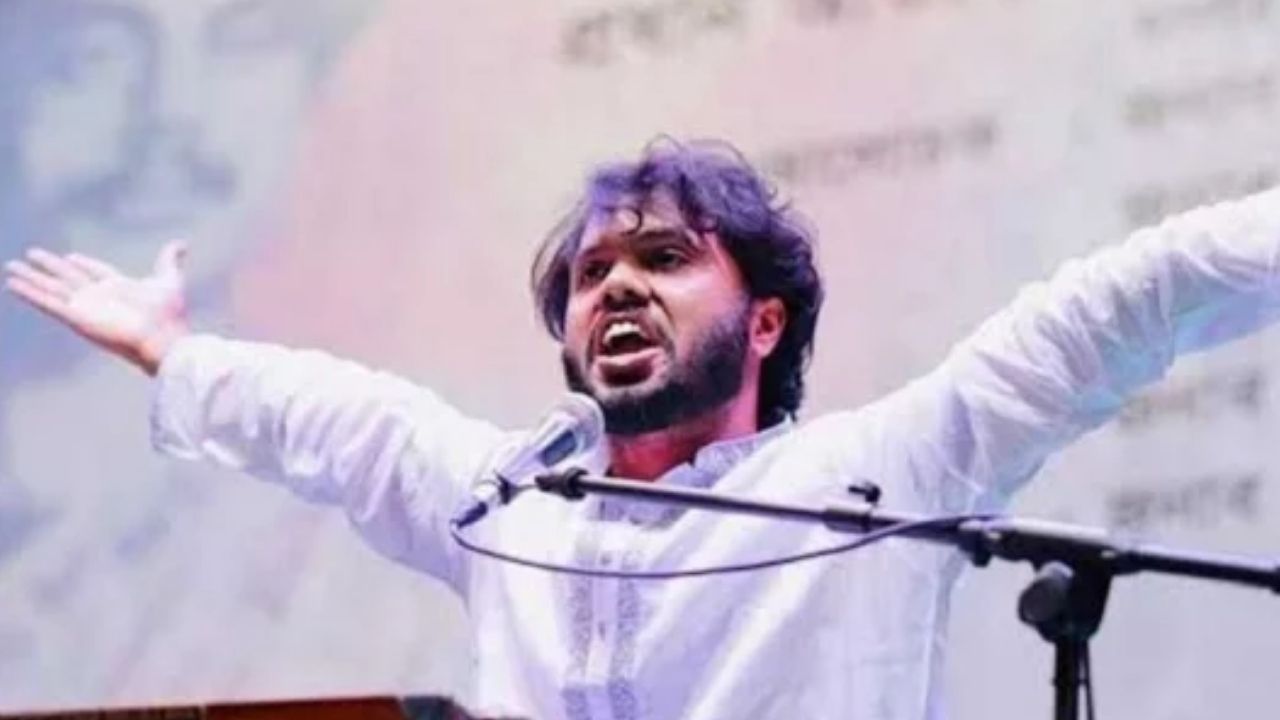
    Sharif Osman Bin Hadi, a prominent leader of Bangladesh’s 2024 student-led uprising, who was flown to Singapore after being critically wounded in an assassination attempt, has died, Singaporean authorities have confirmed.

    “Despite the best efforts of the doctors… Hadi succumbed to his injuries,” Singapore’s Ministry of Foreign Affairs said in a statement, confirming his death after days of intensive medical treatment.

    Hadi, 32, was shot in the head on December 12 while traveling in a battery-powered autorickshaw in Bangladesh’s capital, Dhaka, according to local media.

    The student leader was taken to Dhaka Medical College Hospital after the shooter opened fire from a motorcycle and fled the scene.

    Local physicians told the newspaper that Hadi’s brain stem had been damaged. As his condition deteriorated, he was evacuated to Singapore on December 15 and admitted to the neurosurgical intensive care unit at Singapore General Hospital (SGH) for advanced treatment.

    Hadi was a senior leader of the student protest group Inqilab Mancha – platform for revolution – who had emerged as a key figure during the 2024 uprising. 

    Additionally, he was being regarded as a possible independent candidate for the Dhaka-8 constituency in the February national elections.

    Known for his vocal criticism of India, Hadi’s political profile increased dramatically in recent months as Bangladesh experienced political turmoil after Sheikh Hasina’s removal. The former premier remains in self-imposed exile in India.

    Announcing his death on Facebook late Thursday, Inqilab Mancha described him as a martyr. “In the struggle against Indian hegemony, Allah has accepted the great revolutionary Osman Hadi as a martyr,” the group said.

    Police have launched a large-scale hunt for those involved in the shooting, releasing photographs of two key suspects and announcing a reward of five million taka (approximately $42,000) for information leading to their arrest. 

    According to a Bangladeshi newspaper, at least 20 people linked to the incident have been arrested so far, though investigations into the murder remain ongoing.

    The killing triggered immediate political condemnation and expressions of grief across the country. Bangladesh’s interim government head Muhammad Yunus said Hadi’s death “is an irreparable loss for the nation”.

    “The country’s march towards democracy cannot be halted through fear, terror, or bloodshed,” Yunus said in a televised address on Thursday.

    The government declared a half-day of national mourning on Saturday and organised special prayers at mosques following Friday prayers. Condolence messages were also released by political parties.

    “We are deeply saddened by the death of Sharif Osman Hadi, spokesperson of Inqilab Manch and independent candidate for Dhaka-8 constituency,” Bangladesh National Party (BNP) acting chairman Tareq Rahman said in a Facebook post.

    In a separate press statement, the National Citizen Party (NCP) said it was “deeply saddened” by Hadi’s death, and extended condolences to his family.

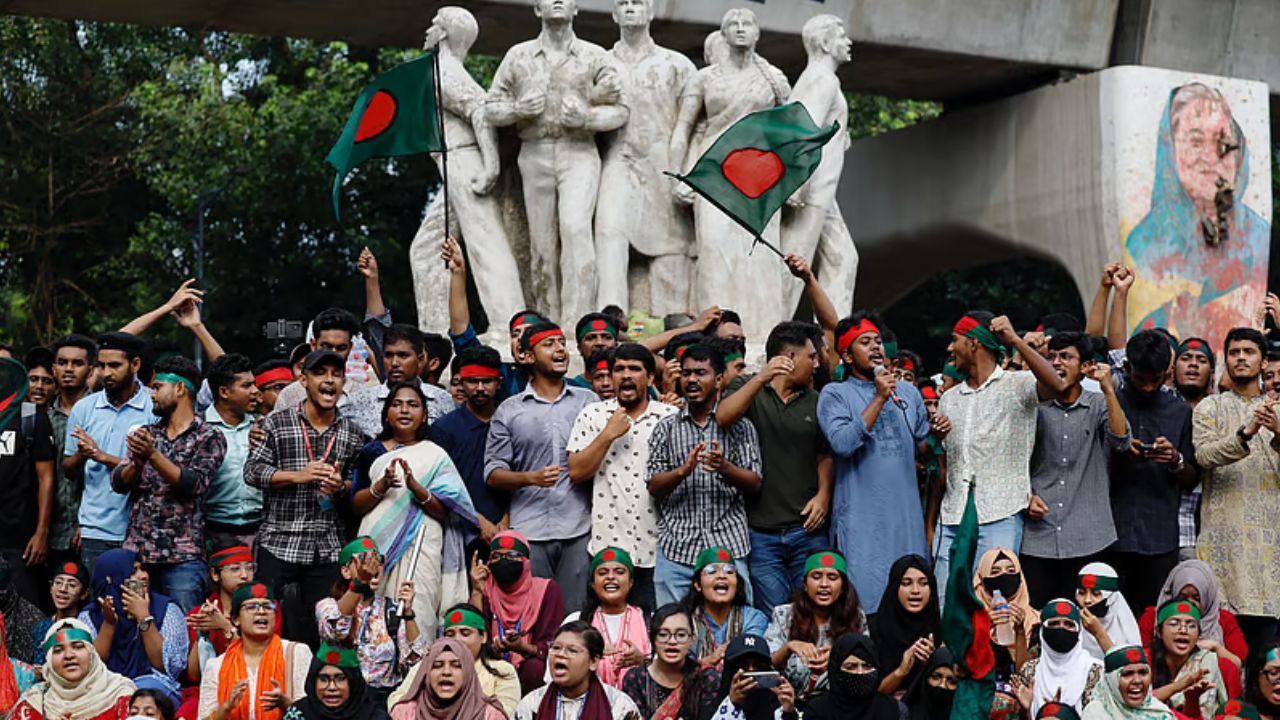
    Within hours of learning of Hadi’s passing, protests erupted in Dhaka and other cities throughout Bangladesh. Hundreds of protesters went to the streets to express their outrage over what they claimed was a politically motivated murder.

  • Pakistan stun Bangladesh 8-2 in Hockey World Cup ‘qualifier’

    Pakistan stun Bangladesh 8-2 in Hockey World Cup ‘qualifier’

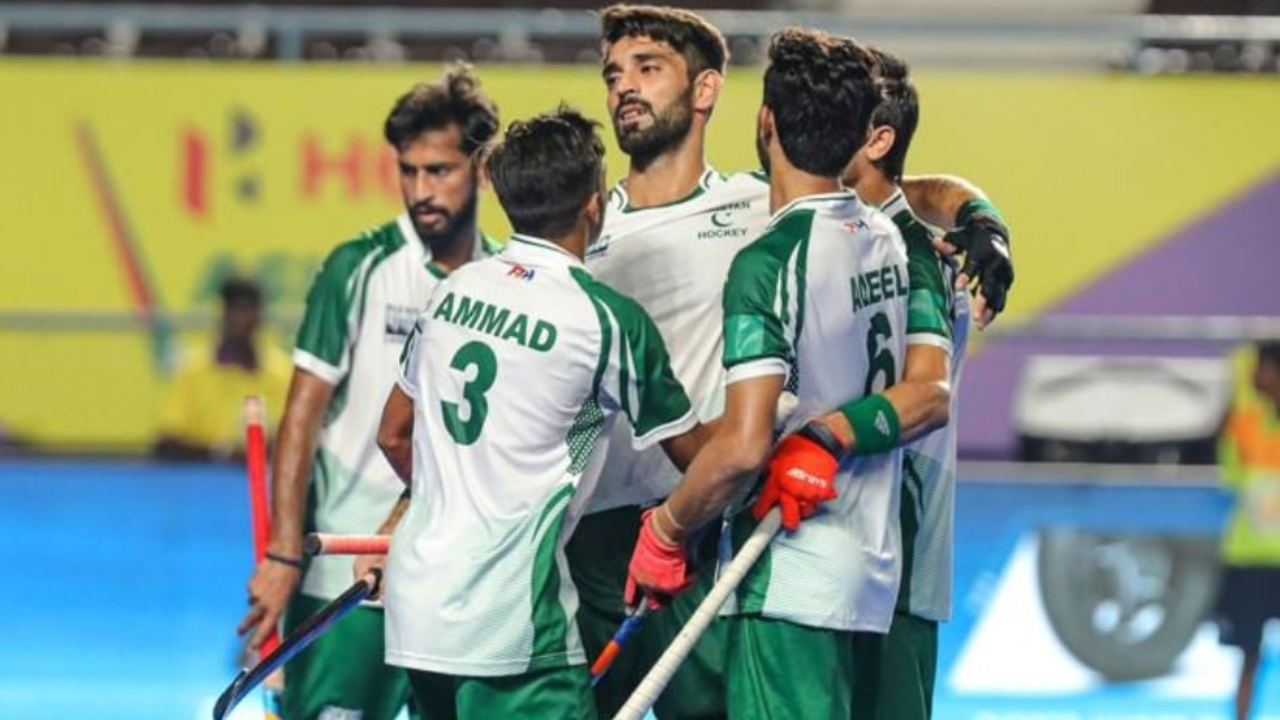
    Pakistan have made a winning start in the Hockey World Cup Qualifying Round, defeating Bangladesh by a whopping 8–2.

    As per the details, Pakistan’s Ahmad Nadeem and Afraz scored two goals each while captain Imad Butt, Ghazanfar Ali, Rana Waheed Ashraf and Hannan Shahid netted one goal apiece.

    From Bangladesh, Huzaifa and Ameerul Islam scored one goal each.

    Earlier, Pakistan named an 18-member hockey squad for a three-match series in Dhaka against Bangladesh, a contest that will determine a spot in the World Cup qualifiers.

    The series was initiated by the International Hockey Federation (FIH) after Pakistan could not travel to India for the Asia Cup in August-September due to strained political relations between the two neighbouring countries.

    Under the FIH system, Pakistan was given the opportunity to play the three-match series against the team that finished sixth in the Asia Cup.

    Bangladesh secured that sixth position, prompting Pakistan’s travel to Dhaka.

    Head coach Olympian Tahir Zaman said the Bangladesh team is a “good competitive side” and that Pakistan will not take it easy. He added that the team is ready to meet the challenge to qualify for the World Cup qualifiers.

  • Sarees, Bengali and choosing one superstar over SRK; Here’s how Hania Aamir won over Bangladesh

    Sarees, Bengali and choosing one superstar over SRK; Here’s how Hania Aamir won over Bangladesh

    She came, she spoke and she conquered. Pakistani fan-favourite Hania Aamir has once again proven why she’s one of the most beloved stars of her generation, not just in Pakistan, but across the border and now in Bangladesh as well.

    Currently in Dhaka for a brand shoot representing Pakistan, Hania Aamir has taken social media by storm with her charm, wit, and wardrobe choices and fans just can’t get enough.

    During a recent public appearance at a star-studded event in Bangladesh, Hania was asked to pick between Bollywood superstar Shah Rukh Khan and Bangladeshi heartthrob Shakib Khan. With a cheeky smile, Hania turned to the cheering crowd and replied, “I think you guys like Shakib Khan more, so… Shakib Khan.”

    The audience erupted in applause and excitement, clearly loving her thoughtful gesture and grace. But she didn’t stop there. Hania also attempted to speak Bengali, sweetly saying: “Rakin tume dekhte shundar,” which means “Rakin, you are beautiful.”

    Fans were quick to praise her effort, dubbing her “the queen of hearts” and hailing her for embracing local culture with such ease and authenticity.

    Hania’s style game in Bangladesh has been nothing short of spectacular. From a stunning black bead-embroidered gown to a dazzling golden shimmery saree, she has been serving look after look. She even walked the ramp, exuding grace and confidence that left fans and media swooning.

    She also shared BTS glimpses from her photoshoots, donning a traditional floral frock, a bindi on her forehead, and a bright smile that lit up every frame. In another viral reel, she wore a green saree and added a Bengali song to the background, giving classic desi girl vibes with her signature shy-yet-playful expressions.

    It wasn’t just fans who fell under her spell. Fellow Pakistani celebrities were quick to flood her posts with love. Mahira Khan commented, “Beautiful.” Yumna Zaidi showered her with “Love love love” and Kinza Hashmi chimed in with “Haseen.”

    Of course, Hania’s ever-watchful fanbase didn’t miss a beat. Some hilariously pointed out that her hair appeared short in Pakistan just days before and suddenly seemed longer in Bangladesh.

    Hania Aamir continues to win hearts with her down-to-earth personality, infectious laughter, and ability to connect with fans beyond borders. Whether it’s India, Bangladesh, or back home in Pakistan, her star power is clearly on the rise. One thing’s for sure, wherever Hania goes, the spotlight follows.

  • Pakistan, Bangladesh agree on visa free travel for diplomats, officials

    Pakistan, Bangladesh agree on visa free travel for diplomats, officials

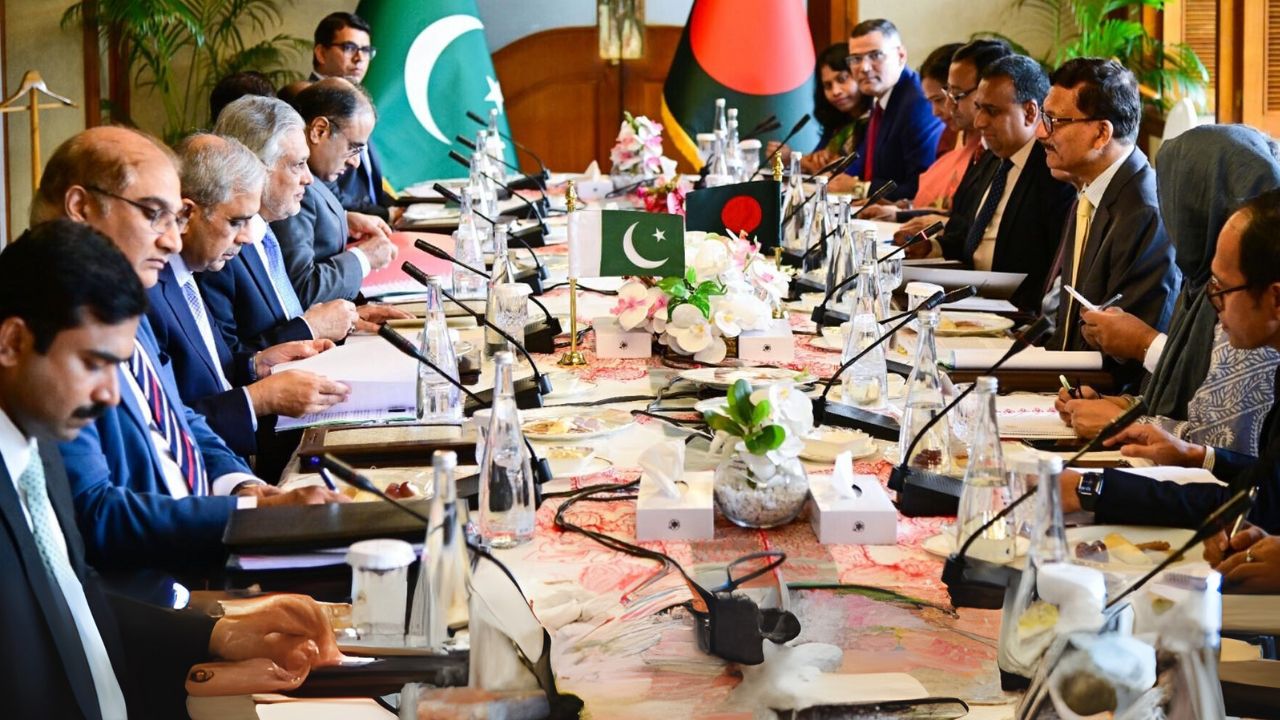
    Ishaq Dar, the Deputy Prime Minister and Foreign Minister, concluded a historic visit to Dhaka on Sunday, the first by a Pakistani foreign minister in 13 years, signing six agreements Memorandums of Understanding (MoUs) regarding trade, diplomacy, media, education, and cultural cooperation.

    During his stay, Dar met Bangladesh’s Chief Adviser Professor Muhammad Yunus, Foreign Policy Adviser Touhid Hossain, senior political leaders, and trade officials. The visit, widely described as a “milestone,” reflects Islamabad and Dhaka’s renewed efforts to reset relations following years of strained ties.

    The agreements signed included visa abolition for diplomatic and official passport holders, MoUs between the two countries’ foreign service academies and think tanks, a media cooperation accord between Associated Press of Pakistan (APP) and Bangladesh Sangbad Sangstha (BSS), a cultural exchange programme for 2025–2028, and the establishment of a joint working group on trade.

    In his meeting with Chief Adviser Yunus, Dar conveyed Prime Minister Shehbaz Sharif’s greetings and reiterated Pakistan’s commitment to strengthening bilateral relations. Both sides discussed trade, economic cooperation, youth exchanges, and regional security.

     According to the Foreign office, Yunus stressed the importance of revitalising Saarc, saying: “I encourage Saarc, and I see our relationship with Pakistan and other Saarc countries as one of the highest priorities.”

    Dar also announced the launch of the “Pakistan-Bangladesh Knowledge Corridor,” which will lead to 500 scholarships given by Pakistan to Bangladeshi students over the course of the following five years, with a quarter going to medical school.

    Training programmes for 100 Bangladeshi civil servants were also offered, while scholarships under the Pakistan Technical Assistance Programme were raised from five to 25.

    The foreign minister met with Dr. Shafiqur Rahman, the emir of Jamaat-e-Islami, and Begum Khaleda Zia, the chairperson of the Bangladesh Nationalist Party.

     At Zia’s house, Dar recalled her 2006 trip to Pakistan and wished her a speedy recovery. Dar praised Rahman’s “lifelong positive contribution in the fields of politics, education, and social welfare” when paying him a visit while he recovered from heart surgery.

    Foreign Policy Adviser Touhid Hossain, speaking to reporters after his meeting with Dar, said: “We have raised unresolved issues such as an apology or expression of regret for 1971, claims over assets, and the matter of stranded Pakistani citizens. It would be wrong to expect problems of 54 years to be solved in a single day.”

     Dar emphasized, however, that the issue had already been addressed. “As far as unresolved issues are concerned, this matter was first settled in writing in 1974, and this historic document is available to both countries. Later, General Musharraf came here and addressed this matter in a very open and explicit manner,” he told journalists.

    He continued: “In my view, once this matter has been settled between brothers, Islam also instructs us to keep our hearts clean. Therefore, we should move forward and work together, because our future is bright. In line with our Islamic teachings, the Quran, and the Sunnah, we must keep our hearts pure and move forward. We are one family, and we must work together to do the best for the people of both countries.” 

    Dar described his discussions in Dhaka as “excellent,” saying: “There was no disagreement on any matter, which is a very positive sign. We are working together to take economic and trade relations between our two countries to new heights.” 


    At a reception hosted by Pakistan’s High Commissioner in Dhaka, Dar noted the deep-rooted cultural and religious connections between the two nations. “The relations between the two countries are anchored in centuries-old shared traditions, Islamic heritage, social norms and literary expressions,” he remarked, adding that the people of Pakistan hold “fraternal sentiments” toward the people of Bangladesh.

    Both sides agreed to look into measures to improve connectivity and economic cooperation during the visit, which also included discussions with trade and commerce officials. Two decades after its last session, reports in Dhaka indicate that Pakistan and Bangladesh intend to call a new meeting of the long-stalled Joint Economic Commission later this year.

    Dar’s trip has been hailed as a major turning point in Pakistan-Bangladesh ties, indicating cautious optimism about the future with the signing of new agreements, strengthened political engagement, and commitments for educational and cultural exchanges.

  • Bangladesh approves visa-free entry for Pakistani officials for first time since 1971

    Bangladesh approves visa-free entry for Pakistani officials for first time since 1971

    Bangladesh has approved visa-free entry for Pakistanis holding diplomatic and official passports, a facility that had remained suspended since the country’s independence in 1971, media reports have confirmed. 

    In a conference held in Dhaka on Thursday, Press Secretary Shafiqul Alam stated that a mutual visa exemption agreement was approved by the Advisory Council of Bangladesh’s interim administration.

    “The agreement will be for five years. Those who have diplomatic and official passports will be able to travel to Pakistan without a visa,” Alam said, adding that Bangladesh already has similar arrangements with 31 other countries.

    The development comes after Bangladeshi Home Adviser Jahangir Alam Chaudhary and Pakistan’s Interior Minister Mohsin Naqvi held a meeting in Dhaka last month during which the two sides maintained they were finalising a Memorandum of Understanding (MOU) for visa-on-arrival for official passport holders.

    Pakistan’s Commerce Minister Jam Kamal Khan arrived in Dhaka on Wednesday night for a four-day official trip. According to an official statement, the purpose of the visit is to enhance bilateral trade relations and promote economic cooperation.

    Following the August 2024 uprising that toppled Sheikh Hasina’s government, which had a pro-India stance, ties between Dhaka and Islamabad were improved.

    On November 13 last year, a cargo vessel from Karachi docked at Bangladesh’s Chittagong port, marking the first direct maritime link between Pakistan and Bangladesh since 1971.

  • Bangladesh reintroduces ‘except Israel’ phrase on passports

    Bangladesh reintroduces ‘except Israel’ phrase on passports

    Bangladesh has restored an “except Israel” inscription on passports, local media reported Sunday, effectively barring its citizens from travelling to that country.

    Israel is a flashpoint issue in Muslim-majority Bangladesh, which does not recognise it.

    The phrase “valid for all countries except Israel,” which was printed on Bangladeshi passports for decades, was removed during the later years of ousted prime minister Sheikh Hasina’s tenure.

    Nilima Afroze, a deputy secretary at the home ministry, told Bangladesh Sangbad Sangstha (BSS) news agency on Sunday that authorities had “issued a directive last week” to restore the inscription.

    “The director general of the department of immigration and passport was asked to take necessary measures to implement this change,” local newspaper The Daily Star quoted Afroze as saying Sunday.

    In 2021, the words “except Israel” were removed from passports, although the then government under Hasina clarified that the country’s stance on Israel had not changed.

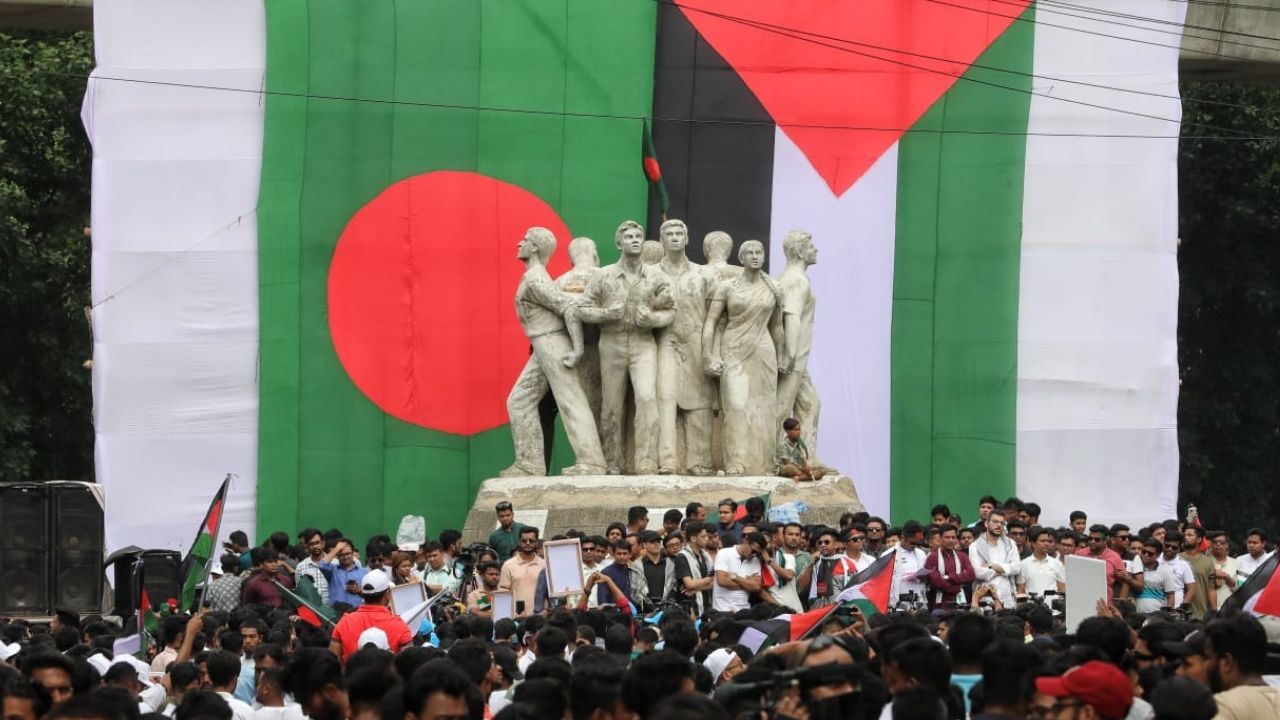
    The country’s support for an independent Palestinian state was visible on Saturday when around 100,000 people gathered in Dhaka in solidarity with Gaza.

    Israel has been committing genocide against Palestinians in Gaza after Hamas’s October 2023 attack on Israel, which resulted in the deaths of 1,218 people, according to an AFP tally based on Israeli official figures.

    A fragile ceasefire between the warring parties fell apart last month and Gaza’s health ministry said Sunday that at least 1,574 Palestinians had been killed since then, taking the overall death toll since the war began to 50,944.

  • Bangladeshi students, who ousted former PM Hasina, set to launch political party

    Bangladeshi students, who ousted former PM Hasina, set to launch political party

    Bangladeshi students who led last year’s protests, leading to the removal of Prime Minister Sheikh Hasina, are set to launch a political party this week, according to two sources familiar with the matter, Reuters reports.

    The Students Against Discrimination (SAD) group spearheaded the protests that began as a student-led movement against public sector job quotas but quickly morphed into a broader, nationwide uprising that forced Hasina to flee to India as the unrest peaked in early August.

    The student group is finalising plans to launch the new party during an event likely on Wednesday, said the sources who did not want to be named as they are not authorised to speak to the media.

    Nahid Islam, a student leader and adviser to the interim government that took charge of Bangladesh after Hasina’s exit, is expected to lead the party as convener, the sources said.

    Islam has been a key figure in advocating for student interests within the interim government, led by Nobel laureate Muhammad Yunus, which has been at the helm of Bangladesh since August 2024.

    He is expected to resign from his current role to focus on leading the new political party.

    Islam did not immediately respond to a request for comment.

    Yunus has said that elections could be held by the end of 2025, and many political analysts believe that a youth-led party could significantly reshape the country’s political landscape.

    Yunus has said he was not interested in running.

    Yunus’ office did not immediately respond to a request for comment on the launch of the student-led political party.

    The South Asian nation has been grappling with political unrest since Hasina left following weeks of protests during which more than 1,000 people were killed.

    Officials from Hasina’s former government and security apparatus systematically committed serious human rights violations against the protesters during the uprising, the UN Human Rights Commission said this month.


    Bangladesh arrests thousands as crime surges

    Bangladeshi security forces have arrested more than 8,600 people after a two-week crackdown targeting gangs allegedly connected to the ousted government of Sheikh Hasina, the government said on Monday.

    The arrests come as concern grows at rising crime levels in the capital, with police saying that the number of robberies has doubled since January last year.

    Jahangir Alam Chowdhury, head of the interior ministry in the interim government that took over after Hasina was ousted in the August 2024 student-led revolution, ordered officers to intensify “Operation Devil Hunt”.

    Police said security forces have arrested more than 8,600 people since the operation began on February 8.

  • Bangladesh protesters raze buildings linked to ousted leader

    Bangladesh protesters raze buildings linked to ousted leader

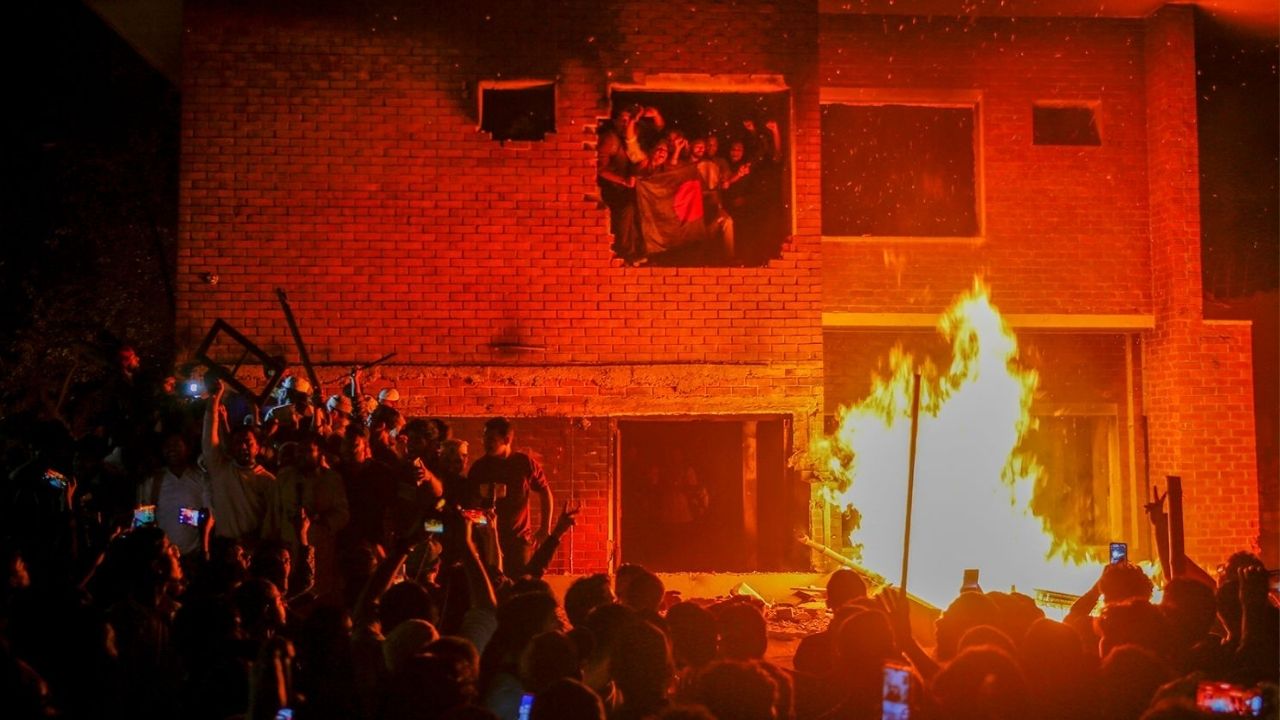
    Dhaka (AFP) – Hundreds of Bangladeshi protesters smashed down buildings connected to ousted former leader Sheikh Hasina on Thursday, hours after students with excavators began demolishing a museum to her father.

    The museum and former of home of Hasina’s late father, Bangladesh’s first president Sheikh Mujibur Rahman, had been set on fire last year during the student-led revolution that ended her 15 years of autocratic rule.

    Late Wednesday, six months to the day since Hasina fled by helicopter to old ally India on August 5, crowds carrying hammers and metal rods began beating down the walls of the building in the capital Dhaka.

    Protests were triggered in response to reports that 77-year-old Hasina — who has defied an arrest warrant to face trial in Dhaka for massacres — would appear in a Facebook broadcast from exile.

    On Thursday morning, diggers were being used to knock down the remaining fire-blackened walls.

    Protesters also vandalised and torched other houses across the country linked to Hasina, including an arson attack on the Dhaka house of Hasina’s late husband.

    Prothom Alo, the largest Bengali daily, reported crowds used government-owned excavators to smash down a building owned by Hasina’s family in the city of Khulna.


    Vandalised homes

    In the western city of Kushtia, protesters vandalised the house of a leader of Hasina’s Awami League party, Mahbubul Alam Hanif.

    In Chittagong, protesters held a torch procession and smashed a mural of Sheikh Mujibur Rahman.

    There has been no formal comment on the wave of attacks from the interim government, and security forces stood by allowing protesters to storm the buildings.

    A private security guard in the neighbourhood said he had called the fire service more than a dozen times fearing that the flames would spread to nearby buildings crowded with families.

    “We cut off the electricity line ourselves,” Jamal Uddin said. “I don’t know when the situation will return to normal.”

    A shopkeeper living near Rahman’s former home said he was worried at the chaos.

    “This vandalism is not a good sign,” he said, asking not to be named as he was fearful of reprisal for speaking out.