Tag: Economic Trends

  • Pakistani rupee ends the day at another record low of Rs305.54 versus US dollar, losing Rs1.09

    Pakistani rupee ends the day at another record low of Rs305.54 versus US dollar, losing Rs1.09

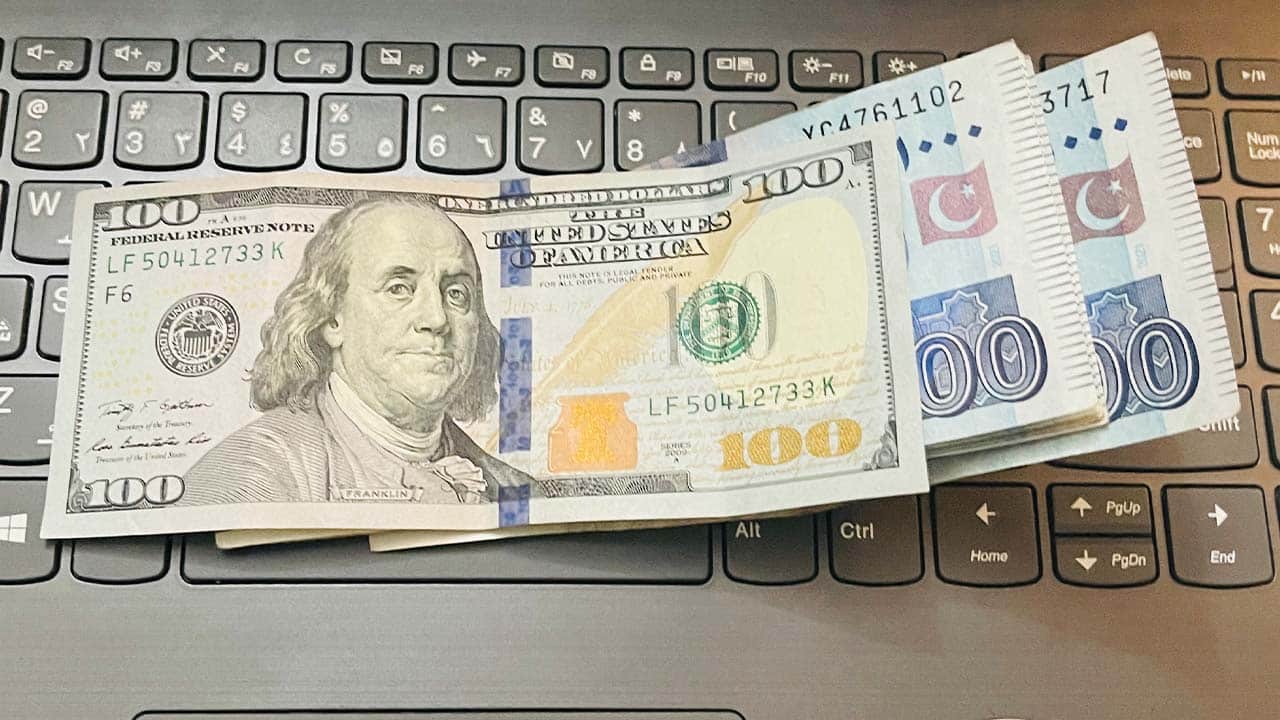
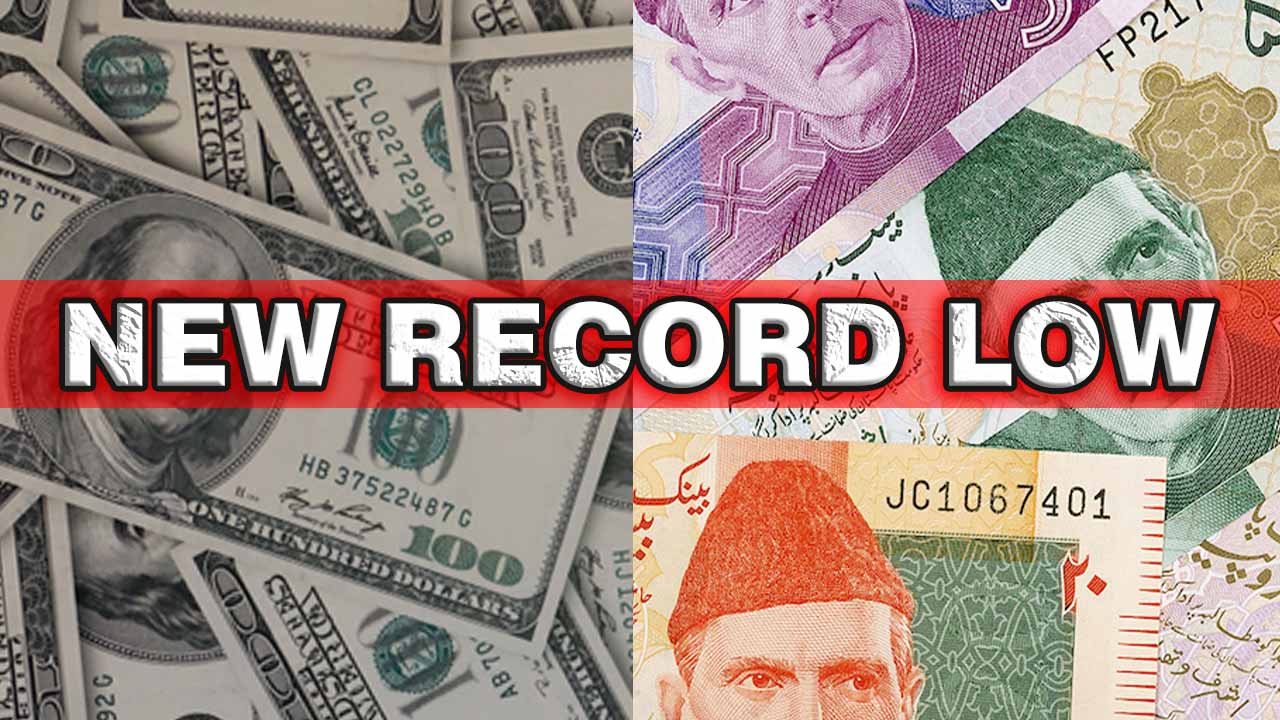
    The Pakistani rupee (PKR) persisted in encountering downward pressure against the US dollar, with a recorded depreciation of 0.36 per cent. The day concluded with the rupee settling at Rs305.54, having incurred a loss of Rs1.09 in the interbank market, as reported by the State Bank of Pakistan (SBP).

    In the preceding session, the rupee had concluded at a historic low of Rs304.45 against the US dollar in the inter-bank market.

    IMF deviation risks dollar inflow halt

    In a session of the Senate Standing Committee on Finance held on Wednesday and chaired by Senator Saleem Mandviwalla, interim Finance Minister Dr Shamshad Akhtar conveyed that the interim government’s financial leeway for subsidies was limited. However, she mentioned that a proposal was being deliberated upon to discontinue electricity provisions for privileged segments.

    Dr Akhtar voiced apprehension that a deviation from the International Monetary Fund’s (IMF) stipulations could lead to a halt in dollar inflows, exacerbating the economic challenges facing the nation. She acknowledged that certain governmental actions had adversely affected the economic landscape. She specifically noted that the Federal Board of Revenue’s revenue collection was not meeting expectations while expenditures remained elevated.

    The Senate committee expressed its reservations about the escalating exchange rate fluctuations, the unprecedented cost of electricity, and the 22 per cent interest rate, all of which collectively pose difficulties for existing businesses to sustain and prosper.

    As a pivotal gauge of currency equilibrium, oil prices moderated on Thursday in response to data indicating a decline in China’s manufacturing activity. Additionally, investors were attentively awaiting the forthcoming US personal consumption expenditure report scheduled for later in the day.

    KSE-100 crash

    Moreover, the Pakistan Stock Exchange (PSX) remained firmly under the control of bears on Thursday as the benchmark index experienced a substantial drop of nearly 4 per cent, reflecting concerns about the country’s deteriorating economic situation.

    Investors responded with a sense of panic to the escalating rupee-dollar parity, choosing to divest from shares due to apprehensions surrounding an imminent economic crisis.

    Right from the commencement of trading, the KSE-100 index experienced a sharp decline, plummeting by over 1,700 points and breaching the 45,000 level. A prevailing negative sentiment among investors is preventing the index from making any headway into positive territory.
  • Pakistani rupee hits new all-time low of Rs304.445 after declining by Rs1.38 against US dollar

    Pakistani rupee hits new all-time low of Rs304.445 after declining by Rs1.38 against US dollar

    In the interbank session held on Wednesday, the Pakistani rupee (PKR) exhibited a decline of 1.39 rupees against the US dollar (USD). The closing exchange rate for the day stood at Rs304.445 per USD, in contrast to the concluding rate of Rs303.052 per USD observed in the preceding session.

    Throughout the trading day, the currency displayed a fluctuation, reaching an intraday high bid of Rs304.75 while also touching a low ask of Rs304.6.

    On a parallel note, within the open market, Exchange Companies set the buying rate for the dollar at Rs320 and the selling rate at Rs323.

    In the ongoing fiscal year, the Pakistani rupee has experienced a depreciation of 18.45 rupees against the dollar, amounting to a 6.06 per cent decrease. Concurrently, within the current calendar year, the PKR has depreciated by 78.01 rupees, reflecting a substantial decline of 25.63 per cent.

  • Pakistani rupee plunges to fresh record low of Rs303 against US Dollar

    Pakistani rupee plunges to fresh record low of Rs303 against US Dollar

    In a worrisome turn of events, the Pakistani rupee has continued its steady descent, hitting a new record low against the US dollar and raising concerns among economic analysts and policymakers. The local currency settled at Rs303.05 in the inter-bank market on Tuesday, marking a significant drop from its previous standing.

    According to the State Bank of Pakistan (SBP), the rupee experienced a decline of Rs1.05 or 0.35 per cent by the time the market closed on Tuesday. This decline follows closely on the heels of Monday’s record low, where the rupee closed at Rs302 against the US dollar.

    This decline is followed by the recent agreement secured with the International Monetary Fund (IMF). While this arrangement was expected to bring some stability to the currency, the rupee has instead faced renewed pressure.

    Falling foreign exchange inflows have posed a challenge, causing unease among financial circles. Moreover, apprehensions have grown due to a widening current account deficit, a situation exacerbated by the lifting of import restrictions by authorities.

    The international scene has also played a part in this precarious situation. On the global stage, the US dollar showed signs of hesitancy on Tuesday, as traders demonstrated caution by refraining from significant bets ahead of a series of anticipated economic data releases throughout the week. Meanwhile, the Japanese yen found itself grappling with levels that had triggered intervention in the past year.

    With multiple factors at play, including IMF negotiations, foreign exchange dynamics, and global economic trends, the coming days will likely prove crucial in determining the rupee’s trajectory and Pakistan’s economic landscape.

  • Planning to travel on the motorway? You’ll be paying more for it now

    Planning to travel on the motorway? You’ll be paying more for it now

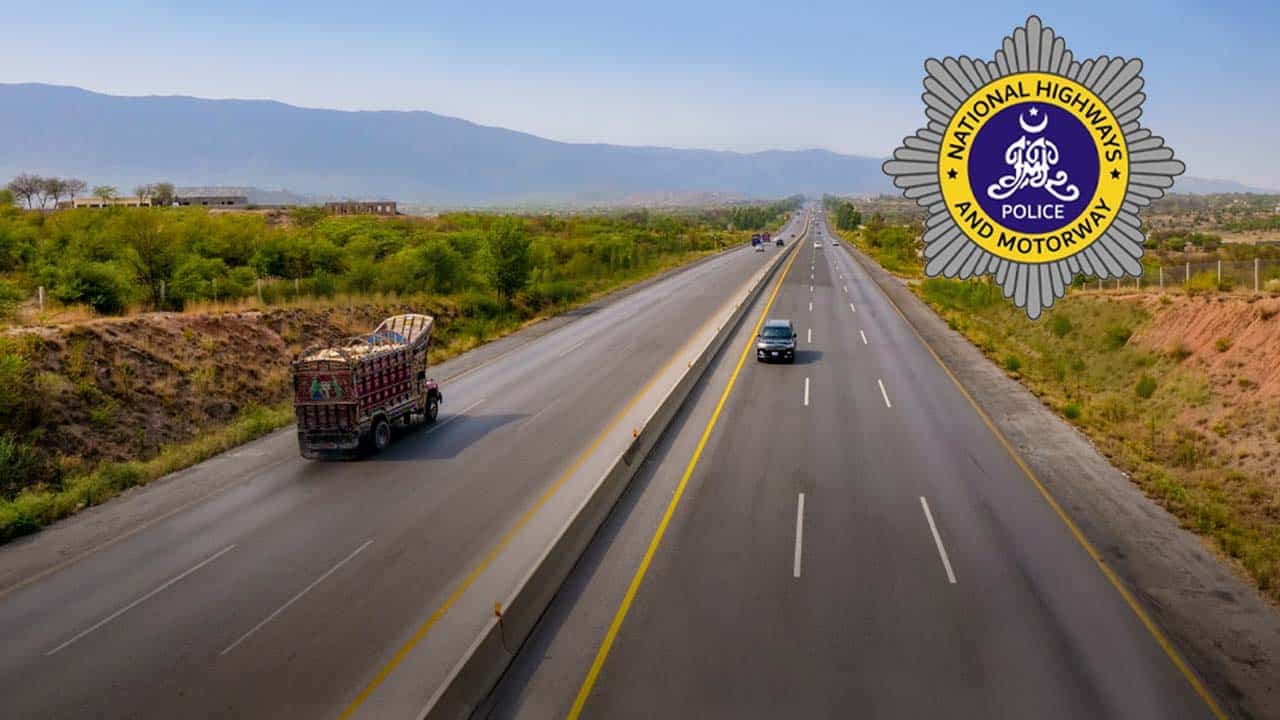
    The toll tariff for the Lahore-Islamabad Motorway (M2) underwent a 10 per cent increase, with the new rates becoming effective starting from Saturday, August 26th, 2023.

    The decision to revise the toll rates comes as the National Highways Authority (NHA) releases an official notification, citing the execution of a concession agreement with M/s Motorway Operations and Rehabilitation Engineering (Private) Limited, a subsidiary owned by the Frontier Works Organisation (FWO). 

    The agreement, which was formalised on April 23, 2014, pertains to the modernisation and overlay of the Lahore-Islamabad Motorway (M-2) under the Build-Operate-Transfer (BOT) framework. The agreement spans two decades.

    As per the terms stipulated in the concession agreement, an escalation of 10 per cent in toll rates is set to be implemented from the second operational year onward. Thus, from the 26th of August 2023 to the 25th of August 2024, the revised toll rates are set to take effect.

    According to the official notice provided by the NHA, the revised toll rates are outlined as follows:

    • Car/Jeep/Pickup: Rs1,100, equivalent to Rs3.07 per km
    • Van: Rs1,840, equivalent to Rs5.15 per km
    • Coaster: Rs2,590, equivalent to Rs7.22 per km
    • Coach: Rs3,690, equivalent to Rs10.29 per km
    • Truck: Rs4,800, equivalent to Rs13.39 per km
    • Trailer: Rs6,170, equivalent to Rs17.22 per km

    The decision to raise toll rates by 10 per cent reflects the ongoing economic trends in Pakistan, where a range of commodities and services have experienced notable price increments. 

    The revised toll rates are envisaged to contribute to the sustainability and enhancement of the Lahore-Islamabad Motorway infrastructure, supporting ongoing operational and maintenance efforts.

    As Pakistan grapples with economic dynamics, this adjustment in toll rates underscores the authorities’ focus on maintaining and improving critical transportation networks across the country.

  • Pakistani rupee’s fall continues, settles at new record low of Rs301 against US dollar

    Pakistani rupee’s fall continues, settles at new record low of Rs301 against US dollar

    The Pakistani rupee continued its unsettling descent, marking a fresh all-time low against the US dollar, with a settlement at Rs301 in the inter-bank market on Friday. As reported by the State Bank of Pakistan (SBP), the local currency reached the 301 mark, experiencing a decline of Re0.78 or 0.26 per cent.

    On the preceding day, the rupee concluded at a historic low against the US dollar, reaching a settlement of Rs300.22.

    On the global front, the US dollar achieved its highest position in over two months on Friday, poised for its sixth consecutive week of gains, as financial markets eagerly awaited a speech by Federal Reserve Chair Jerome Powell to gain insights into the trajectory of monetary policy.

    The dollar index, a measure of the US dollar’s strength against six other major currencies, witnessed a 0.019 per cent increase, reaching 104.11, the highest level since June 7. With a 2 per cent increase in August, the index is poised to end its two-month losing streak.

    Oil prices, a pivotal gauge of currency equilibrium, surged by over 1 per cent on Friday due to the firming of the dollar, as anticipation built ahead of a highly awaited speech by the head of the US Federal Reserve. This speech is expected to provide insights into the future of interest rates.

  • Weekly inflation increases to 27.5%, impacting household expenses

    Weekly inflation increases to 27.5%, impacting household expenses

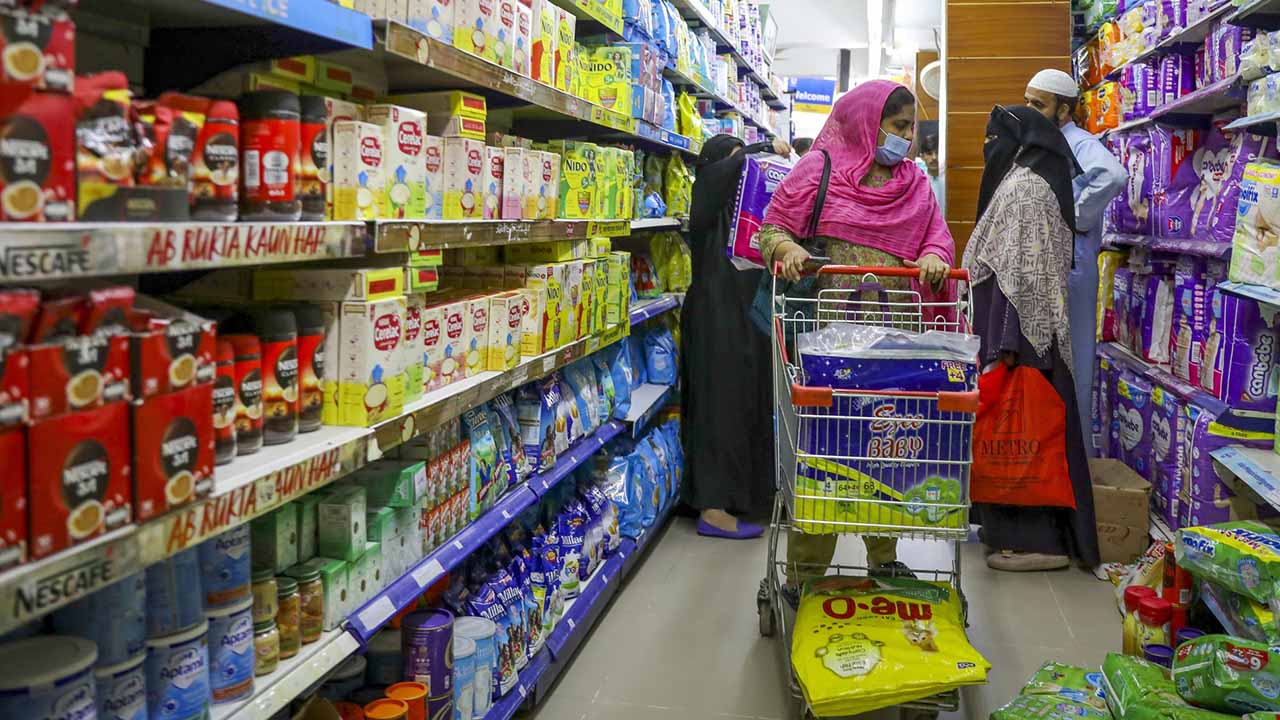
    According to official data from the Pakistan Bureau of Statistics (PBS), the Sensitive Price Indicator (SPI) shows that inflation for the week ending on August 17 increased by 27.57 per cent compared to the same period last year. In simpler terms, things are getting more expensive.

    Looking at shorter periods, within a week, inflation went up by 0.78 per cent. This means prices are rising quickly and there’s no sign of them slowing down, which is worrying for both economists and consumers.

    Comparing some numbers, the overall price index was 275.57 on August 17, up from 273.43 on August 10 this year, and a significant increase from 216.02 on August 18 last year.

    Out of the things people buy, 32 items got pricier, 7 got cheaper, and 12 stayed the same. Among the things that became more expensive this week compared to a year ago were things like chillies powder (up 7.58 per cent), rice irri-6/9 (up 7.48 per cent), garlic (up 5.06 per cent), sugar (up 4.02 per cent), gur (up 3.23 per cent), and chicken (up 2.83 per cent). non-food items like diesel (up 7.29 per cent) and petrol (up 6.40 per cent) also got more expensive.

    On the flip side, the price of some things dropped. Tomatoes got 13.60 per cent cheaper, cooking oil (5 liters) became 1.65 per cent cheaper, and there were smaller drops in prices for things like vegetable ghee and wheat flour.

  • US dollar surges against Pakistani rupee for eighth consecutive day in interbank market

    US dollar surges against Pakistani rupee for eighth consecutive day in interbank market

    The US dollar has been steadily appreciating against the Pakistani rupee for eight consecutive days, showing a continued upward trend in its value. On Tuesday, the currency further strengthened in the interbank market.

    At the start of the daily trading session in the interbank market, the American currency gained Rs1.8, reaching a value of Rs289 against the local currency. Over the course of the last eight days, the US dollar has gained Rs12.50 against the rupee in the interbank market.

    Interestingly, on Monday, despite receiving financial support from the International Monetary Fund (IMF) and other friendly countries, the Pakistani rupee depreciated even further against the US dollar.

    According to the State Bank of Pakistan (SBP), the dollar’s rate increased by Rs1.1 on Monday, with a closing rate of Rs287.92. In comparison, it had closed at Rs286.81 on Friday, showing a 0.39 per cent decline in the value of the rupee against the US dollar.