Tag: economy

  • What can the govt do, will have to go to IMF again if exports don’t increase, says PM Khan

    What can the govt do, will have to go to IMF again if exports don’t increase, says PM Khan

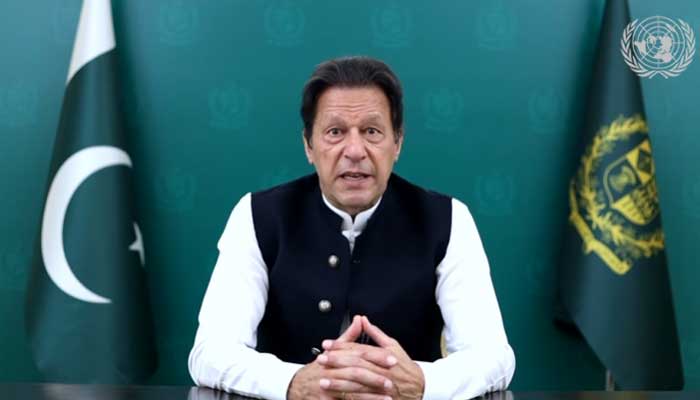
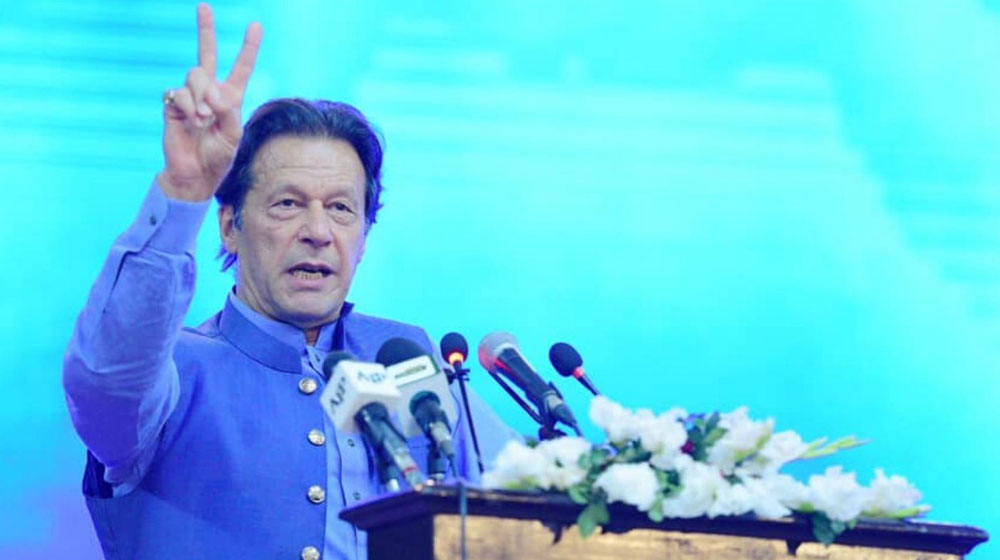
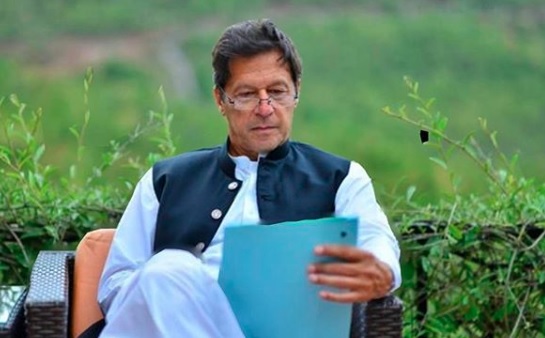
    Prime Minister (PM) Imran Khan while addressing the inaugural ceremony of the 14th International Chambers Summit 2022 organised by the Rawalpindi Chamber of Commerce and Industry said that tax collection and exports are the main drivers of boosting the economy.

    Saying that Pakistan has an “improving economy”, PM Khan said that all economic indicators were showing upward trends despite inherited economic crunch and the impact of Covid-19.

    “Will have to go to the International Monetary Fund (IMF) again if we do not enhance our exports,” said PM Khan.

    “In the past, no attention was paid to these sectors of the economy which are vital for wealth creation. The exports sector was stagnant in the past, but the incumbent government is providing all facilitation to the exporters,” he said.

    “We realise that people are worried, there is imported inflation in our country, dollar rate has gone up due to smuggling of dollar to Afghanistan, still Pakistan is a cheap country, US President Joe Biden has also been criticised by Donald Trump on inflation in the country.”

    PM Khan said commodity prices have increased all over the world and Pakistan also imported inflation which hurt its people badly but asked what the government could do in the circumstances.

    Claiming that the steps taken by his government to combat coronavirus and keep businesses open were being followed by United Kingdom’s Prime Minister Boris Johnson. “We did not let people die due to Covid-19 and lockdowns,” he added.

    The prime minister said corruption would assume the role of cancer. “Corruption is a symptom of lack of rule of law in society. Our fight is for the rule of law in Pakistan. It is a difficult one because of different cartels and mafias which do not want the rule of law,” he said, terming it a jihad against the mafias to secure the future of the country.

    Contrary to the claims, Pakistan lost $250m worth of textile exports in December 2021 when the gas supply was suspended for 15 days in the Punjab textile sector. Executive Director of All Pakistan Textile Mills Association (APTMA), Shahid Sattar also confirmed the loss of millions of dollars by saying that it will “never be recovered.”

  • Common man travelling to Murree shows they’re getting rich, says Fawad Chaudhry

    Common man travelling to Murree shows they’re getting rich, says Fawad Chaudhry

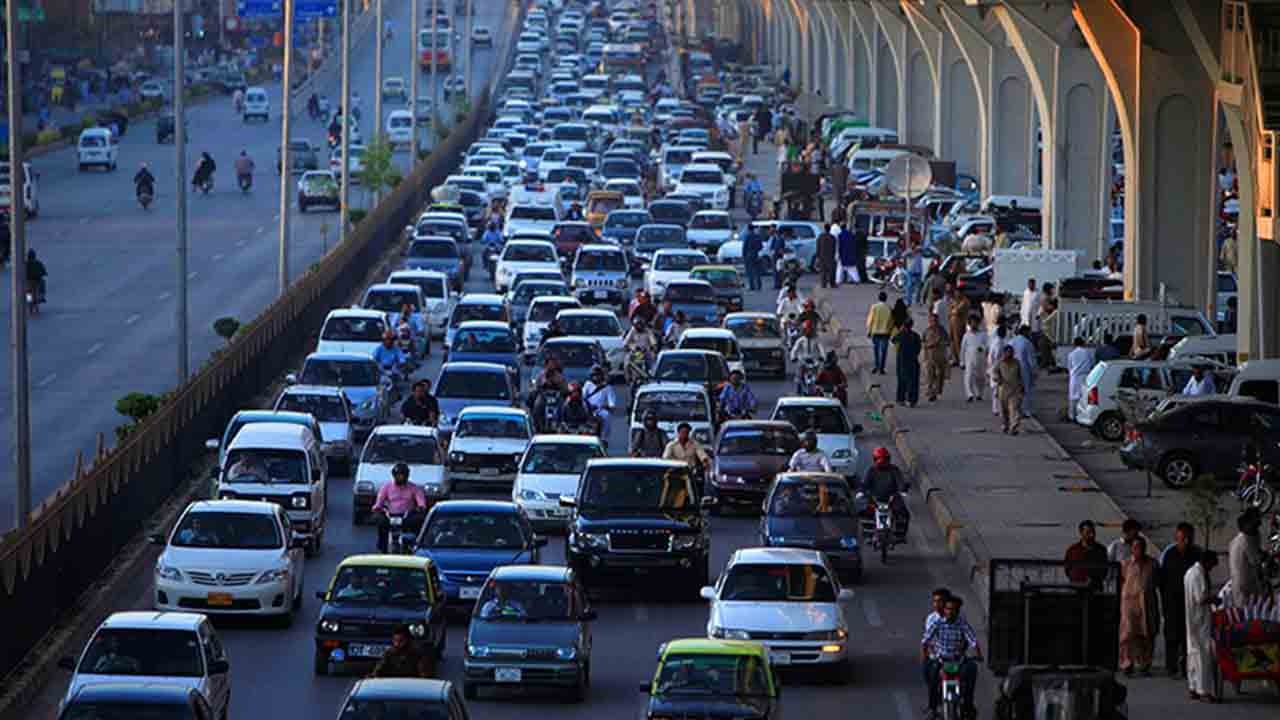
    Federal Minister for Information and Broadcasting Fawad Chaudhry has said that a rise in tourism indicates prosperity as it shows the income of the common man has increased.

    Taking to Twitter, the minister said that more than 100,000 tourist vehicles have entered Murree this year, due to which fares of hotels and guest houses have soared.

    “These statistics show that an increase in tourism in the country indicates prosperity as well as an increase in the income of the common man,” he said.

    Fawad added that in the current year, 100 big companies in the country have earned a profit of Rs929 billion, while all major media outlets have earned 33 per cent to 40 per cent in profits.

    Recently, Prime Minister (PM) Imran Khan asked his party Pakistan Tehreek-e-Insaf (PTI) spokespersons to inform the masses that there is no inflation in the country, as he expressed satisfaction over the economic team’s performance.

    Finance Minister Shaukat Tarin had also assured that inflation has come down in December as compared to November and next month inflation will come down further as global commodity prices are declining.

  • ‘Pakistan is bankrupt’: Former FBR Chairman Shabbar Zaidi

    ‘Pakistan is bankrupt’: Former FBR Chairman Shabbar Zaidi

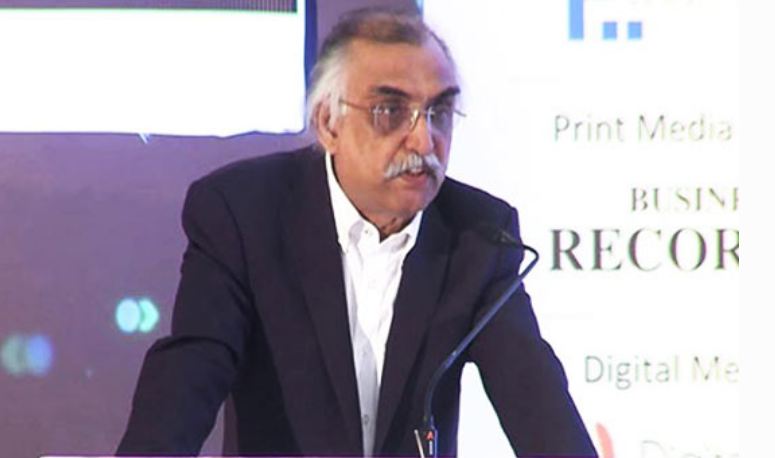
    Former FBR Chairman Shabbar Zaidi, while speaking on Pakistan’s economic condition at Hamdard University, said on Thursday that Pakistan is bankrupt at the moment and that the country was not in a state of “going concern” — an accounting terminology referring to a business that is operating and making a profit.

    “We keep saying that everything is good, the country is running well, we have achieved great success and we brought tabdeeli (change) but this is wrong,” said Zaidi.

    “It is better if you decide first that we have reached bankruptcy and we have to move forward compared to saying everything is running well and I will do this and that. These are all things to deceive the people,” Zaidi said.

    After receiving a lot of backlash, Zaidi tweeted, “My speech in Hamdard University is being misreported. There was a presentation of half & hour. Only three minutes have been cherry-picked.”

    “Yes I said that with this constant current account & fiscal deficit there are issues of bankruptcy & going concern but look at the solution,” tweeted Zaidi.

    Zaidi further wrote, “What I said was with a basis & conviction. I only want to say that whole speech is to read and listened.”

  • Remove ban on imported cars, petitioner moves Lahore High Court

    Remove ban on imported cars, petitioner moves Lahore High Court

    While hearing a case on prices of locally manufactured vehicles, the Lahore High Court (LHC) court has asked the government to level the prices of domestically assembled cars and also mitigate the ban on imported cars. The government had decided in principle to impose a temporary ban on the imported cars from Jan 2022 – June 2022 to help reduce the current account deficit .

    On Monday, the LHC was hearing a case in which looked for strategy concerning fixing cost of locally assembled cars. The plaintiff said that the demand for locally manufactured cars had increased drastically ever since the government had banned the import or vehicles.

    The plaintiff said that the government has failed in stabilising prices and the prices of cars are increasing daily. He pleaded to the court to make a decision regarding the fixing of prices of the vehicles and relaxing the ban.

    The LHC has been pleaded to pass judgment regarding the fixing of the domestically manufactured vehicles and the ban on the import of vehicles should also be relaxed.

  • Devaluation: What, why and how?

    Devaluation: What, why and how?

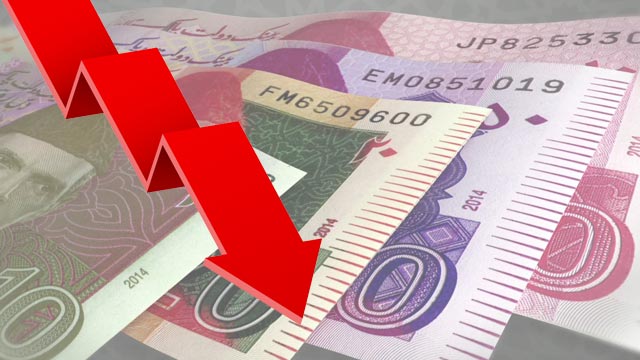
    The rupee has been sliding down for the past many weeks and dollar is touching Rs170. This wave of devaluation has sparked speculation of further depreciation in the coming days. Should we be panicking and start hoarding dollars?

    Probably not.

    If anything, this is perfectly in line with market fundamentals. The reasons behind the current spell of depreciation are primarily the rising trade deficit and to some extent, the Afghanistan situation. Our imports have risen sharply in the last few months — predominantly due to rising international commodity prices such as for oil, gas, coal, steel, etc.

    Some increase in imports can also be attributed to recovering economy fuelled by fiscal and monetary stimulus. In simpler terms, as the government injected more money into the market through the Covid stimulus package and other means and maintained interest rates at a low level, the demand increased leading to rebounding growth.

    But with growth recovery, the demand for imports also increased, widening the trade deficit. Moreover, some of the recent increase in imports can also be attributed to the vaccine imports, the phenomenal increase in demand for automotive, capital imports under Temporary Economic Refinance Facility (TERF), etc.

    What impact should the trade deficit and current account deficit have on the exchange rate?

    As soon as the current IMF programme started, the government switched to a market-determined exchange rate. Notwithstanding the reports of some intervention by the State Bank in the market, the market-determined regime does not give the flexibility to the central bank to maintain the exchange rate at an artificial level. This in fact is the right strategy for a country like Pakistan, so that its hard-earned forex reserves are not burnt to preserve the exchange rate, indirectly subsidising imports at the cost of scoring political brownie points. The exchange rate, therefore, took the hit, and the rupee devalued.

    But for now, the threat of any further significant devaluation is not in sight. The devaluation itself has made the imports expensive. In addition, the government is also considering increasing regulatory duty on luxury imports to further dampen the demand for these items. These measures are complemented by a change in monetary stance — an increase of 25 basis points, which is likely to be followed by further increases in the future — and passing on the energy price increases. All these measures are expected to immediately reign in the rising current account deficit. Hopefully, the current spell of rising international commodity prices should also be over in the next 6 to 9 months, further supporting an optimistic medium-term outlook.

    But under this cyclical trend, lies the political economy of devaluation in Pakistan.

    What we must understand is that historically the rupee has only gone down against the dollar and that’s the direction it will maintain in the medium-term, notwithstanding any short-term reverse movements. The reason for this perpetual devaluation is the underlying balance of exports and imports. Pakistan is a country with high imports and low exports. The difference is bridged through precious foreign exchange, earned from remittances, foreign direct investment, and external loans. Historically, the rupee has depreciated against the dollar by approximately 7 per cent per annum to account for the perpetual supply and demand gap. This gradual devaluation is in fact absolutely essential for Pakistan until the export composition and volume change significantly.

    During PML-N’s tenure, we followed the managed float exchange rate regime. The then finance minister artificially maintained an overvalued exchange rate and pumped in foreign exchange in the market, whenever the demand for dollars increased. An overvalued exchange rate made exports expensive and imports cheaper, thus further widening the trade deficit. The industry suffered but the traders were happy. The citizens enjoyed quality imported goods at cheaper prices, not realising that they would have to pay the price later on. Therefore, as a result of artificially maintaining the exchange rate at an abnormally low level, our reserves took a serious hit, while imports continued to increase. This prompted a balance of payment crisis and necessitated the present IMF programme. Such an approach was economically disastrous.

    If we don’t want to repeat the same mistake, we should be open to gradual devaluation depending on the current account balance. To manage the CAD, the fiscal and monetary policies have to work in tandem. It’s prudent to go slow and steady than to overheat the engine and lead to yet another balance of payments crisis.

  • ‘Strengthen and stabilise the Taliban govt, incentivise them’: PM Khan at UNGA

    ‘Strengthen and stabilise the Taliban govt, incentivise them’: PM Khan at UNGA

    Prime Minister Imran Khan delivered his address to the 76th session of the United Nations General Assembly (UNGA) earlier today. He said, “There is only one way to go. We must strengthen and stabilise the current government, for the sake of the people of Afghanistan.”

    “Right now the whole international community should think what is the way ahead. There are two paths that we can take. If we neglect Afghanistan right now, according to the UN half the people of Afghanistan are already vulnerable, and by next year almost 90 per cent of the people in Afghanistan will go below the poverty line.”

    “If the world community incentivises them, and encourages them to walk this talk, it will be a win-win situation for everyone. Because these are the four conditions that the US-Taliban dialogue in Doha was all about,” PM Imran Khan said.

    “You cannot waste time. Help is needed there. Humanitarian assistance has to be given there immediately. The Secretary-General of the United Nations has taken bold steps. I urge you to mobilise the international community, and move in this direction,” he said.

    ON ISLAMAPHOBIA

    The premier also discussed Islamophobia and said that the UN Global Counter-Terrorism Strategy has recognised as an emerging threat, as it increases the tendency of right-wing, xenophobic, and violent nationalists, extremists, and terrorist groups to target Muslims.

    “We hope the Secretary-General’s report will focus on these new threats of terrorism posed by Islamophobes and right-wing extremists,” the prime minister said.

    “I call on the Secretary-General to convene a global dialogue on countering the rise of Islamophobia. Our parallel efforts, at the same time, should be to promote interfaith harmony, and they should continue,” he added.

    The prime minister went on to underscore how New Delhi has also embarked “on what it ominously calls the ‘final solution’ for the Jammu and Kashmir dispute”.

    “Indian actions violate the resolutions of the UN Security Council on Jammu and Kashmir. The resolutions clearly prescribe that the ‘final disposition’ of the disputed territory should be decided by its people, through a free and impartial plebiscite held under the UN auspices,” the premier added.

    PM Imran Khan stated for the record that last February, both countries reaffirmed the 2003 ceasefire understanding along the Line of Control.

    “The hope was that it would lead to a rethink of the strategy in New Delhi. Sadly, the BJP government has intensified repression in Kashmir and continues to vitiate the environment by these barbaric acts,” the premier said.

    He said the onus remains on India to create a conducive environment for meaningful and result-oriented engagement with Pakistan.

    ON KASHMIR

    PM Imran Khan highlighted the forcible snatching of the mortal remains of the great Kashmiri leader, Syed Ali Shah Geelani, from his family, denying him a proper Islamic funeral and burial, in accordance with his wishes and Muslim traditions, as the most recent example of Indian barbarity.

    “Devoid of any legal or moral sanction, this action was even against the basic norms of human decency,” he said, adding: “I call on this General Assembly to demand that Syed Geelani’s mortal remains be allowed to be buried in the Cemetery of Martyrs with the appropriate Islamic rites.”

    The prime minister also warned of another conflict between Pakistan in India, which he said is essential to prevent. “India’s military build-up, development of advanced nuclear weapons, and acquisition of destabilising conventional capabilities can erode mutual deterrence between the two countries,” he said.

    ON CLIMATE CHANGE

    Turning his focus to climate change, he termed it one of the “primary existential threats” that the world faces today.

    ON COVID-19

    “The world is facing the triple challenge of Covid-19, the accompanying economic crisis and the threats posed by climate change.”

  • Pakistan may send experts to replace Afghan brain drain

    Pakistan may send experts to replace Afghan brain drain

    Federal Minister for Finance and Revenue Pakistan, Shaukat Tarin has said that Pakistan may have to send experts to Afghanistan because of the country’s major experts have left the country which has complicated the Taliban’s administration, reports The News.

    While giving an extensive briefing to the Senate Standing Committee on Finance on Thursday, Mr Tarin said that the government was building up strategic reserves of essential food commodities to meet domestic as well as Afghanistan’s requirements.

    According to him, “they [Afghanistan} require assistance and we may have to dispatch experts because of the brain drain in Afghanistan. The situation is fluid and we are analysing it. The West has stopped foreign reserves of Afghanistan to the tune of $10 billion, as the IMF has stopped $400 million and many others so Kabul will be facing a scarcity of foreign exchange. Our bilateral trade will surge but we may have to undertake bilateral trade in the Pak rupee.”

    Talking about Pakistan’s economic situation he stated, “Pakistan’s trade deficit stands at $4 billion and remittances are hovering around $2.5 billion.”

    “On tax revenue, FBR revenues are ahead of target by 23 percent. The track and trace system will be placed for five major sectors. The Point of Sale (POS) will integrate receipts and standardised and frivolous notices will be withdrawn,” he assured.

    More than 120,000 people evacuated from Afghanistan are qualified professionals from civil servants to lawyers.

    Michael Barry, a specialist on Afghanistan who taught at the American University in Kabul, said that many members of the Taliban are from rural areas and lack the knowledge to run the state bureaucracy, as per Agence France-Presse (AFP).

  • 48 per cent Pakistanis happy with PTI’s performance

    48 per cent Pakistanis happy with PTI’s performance

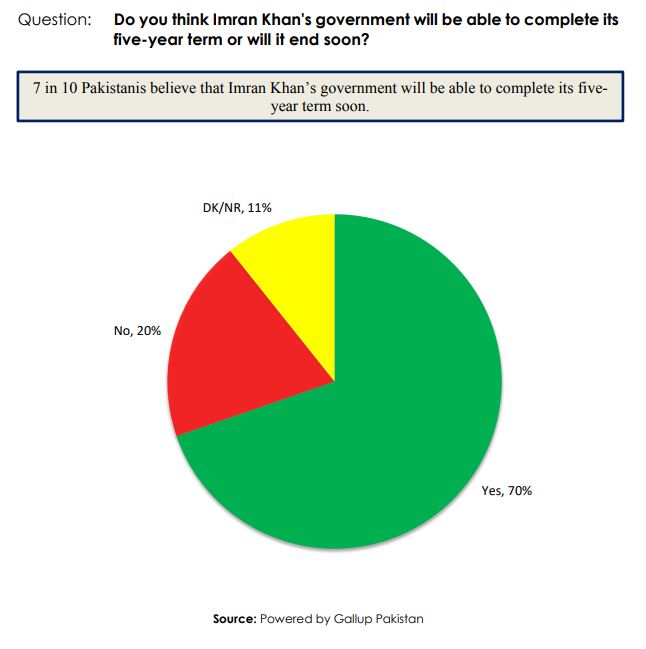
    Seven in 10 Pakistanis believe that the Pakistan Tehreek-e-Insaf (PTI) will complete its five-year term, according to a survey.

    A survey, ‘Gallup Pakistan’ was conducted with over 1200 respondents across urban and rural areas, covering over 100 districts in the country. The sample comprised a cross-section of age and socio-economic classes.

    The survey conducted was based to evaluate the performance of the PTI government.

    Performance of PTI:

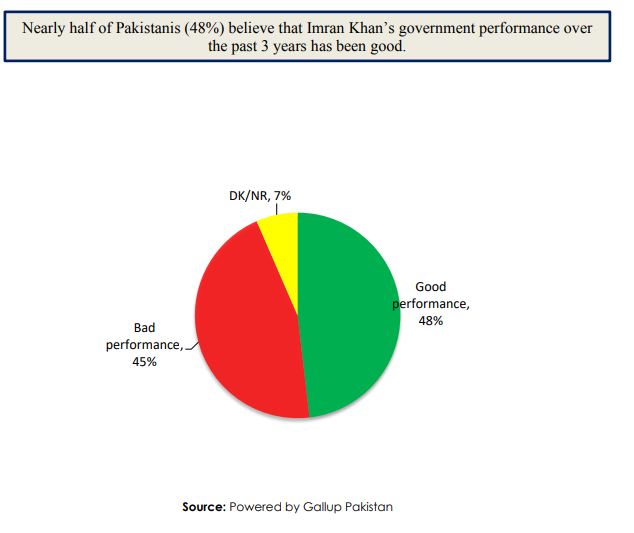
    Public opinion is split on the issue of performance of the PTI government with slightly more than 48 per cent saying performance is good over the past three years. A sizeable 45 percent believe the performance has been bad.

    In the largest province of Punjab, a majority are unhappy and say that Imran Khan’s government’s performance isn’t good. Highest support in Balochistan at 74 per cent rating positively and KP where 62 per cent rated Imran Khan’s performance positively.

    Who is better Imran Khan vs Nawaz Sharif:

    When the survey crafted a comparison between Khan’s Rule vs Pakistan Muslim League-Nawaz (PML-N) leader Nawaz Sharif rule?

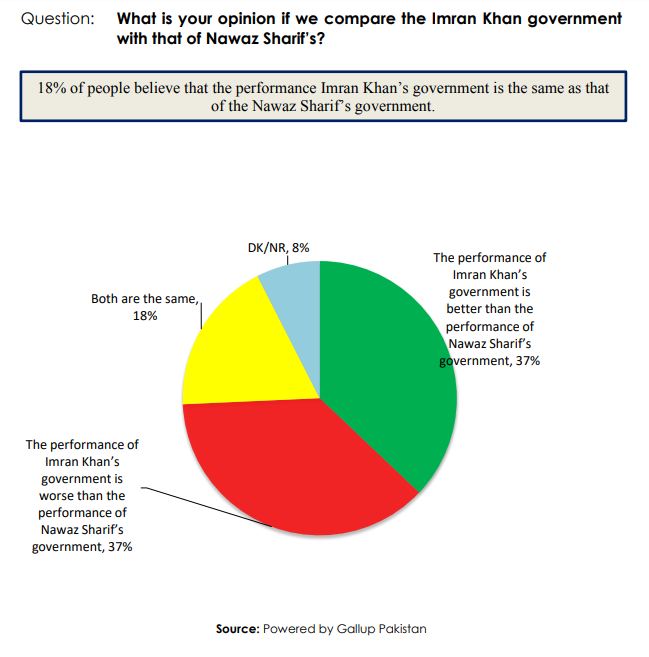
    Public Opinion split equally with 37 per cent each saying Imran Khan rule is better and 37 per cent saying Nawaz Sharif rule was better. 18 per cent of people believe that the performance of PM Khan’s government is the same as that of Nawaz’s.

    Economy:

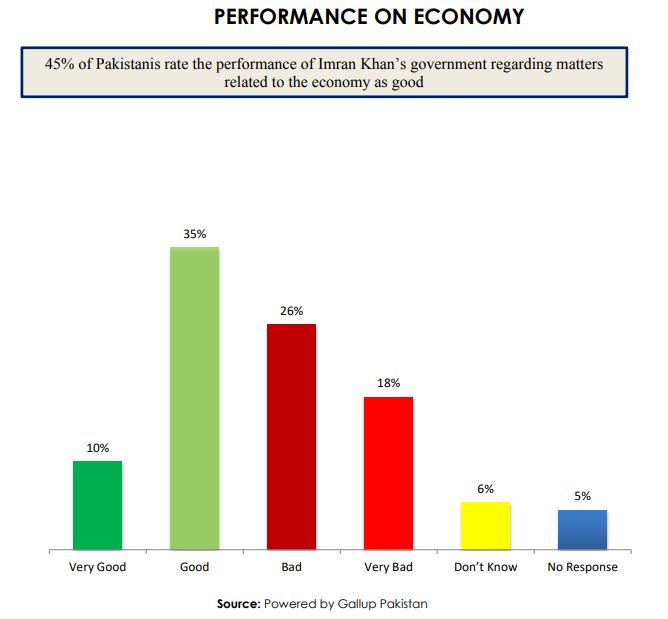
    When it came to the economy, 45 per cent said they were satisfied with where it stands, whereas 44 per cent expressed dissatisfaction.

    Prevention of corruption:

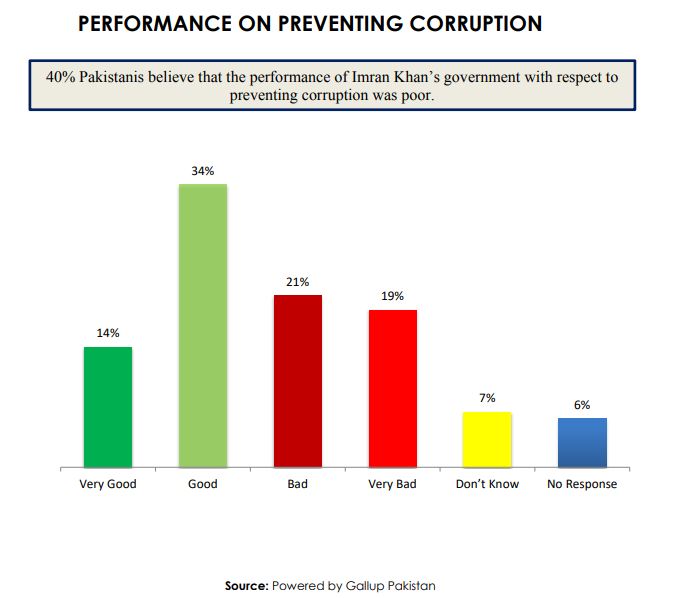
    In efforts to prevent corruption, 48 per cent were of the view that the government has been successful, whereas 40 per cent were of the view it has failed.

    Performance on Foreign Affairs:

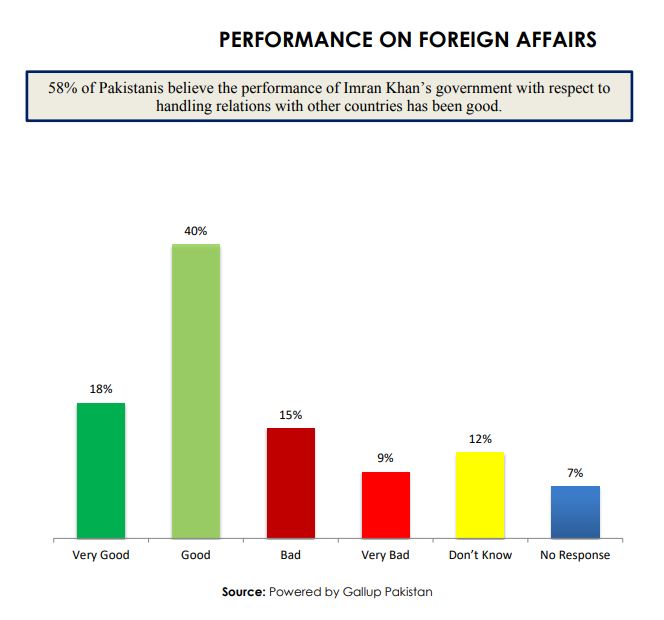
    A majority of Pakistanis, 58 per cent, have also indicated they are satisfied with the government’s foreign policy efforts. Of these, 18 per cent said the performance has been “very good”, while 40 per cent said it has been “good”.

  • Three-year report card: PTI’s quest to achieve Naya Pakistan

    Three-year report card: PTI’s quest to achieve Naya Pakistan

    As Pakistan Tehreek-e-Insaf (PTI) goes into its third year of being in power, it becomes imperative to review its scorecard and what they have accomplished so far.

    Prime Minister Imran Khan was voted into power based upon the idea of building a ‘Naya Pakistan’. The voters were inspired by a movement that calls for a more equitable approach to governance, particularly one built around the principles of Riyasat-e-Madina.

    Prior to being elected, PTI promised to carry out extensive reforms pertinent to the state’s welfare should they manage to establish a government.

    Governance:


    The PTI government struggled to define its vision and manifest it into an actionable policy based on clear ideas and directives. The party witnessed a continuous shuffle in its cabinet members and lawmakers, sometimes blaming these frequent reshuffles on lackluster performance and incompetence. Every reshuffle saw the party falling into instability which further weakened the overall party narrative of change and transparency.

    Despite having a majority, PTI failed to execute a much-needed face-lift at a provincial level. One of the ruling party’s promises before forming the government was to “spearhead the creation of a South Punjab province on administrative lines”, which is still a work in progress.

    “We want to make Karachi the urban jewel of Pakistan,” the PTI stated in its manifesto. But despite their promises, several projects have yet to be completed.

    PTI aimed to depoliticise the police by building upon Khyber Pakhtunkhwa’s successful police reform model, which was to be replicated nationally. In their own words, the PTI manifesto acknowledges that the police in Pakistan are ill-equipped, poorly trained, deeply politicised, and chronically corrupt. However, very little has been done to enforce the depoliticisation of law enforcement agencies in order to circumvent these deeply entrenched issues.

    Reforming the civil service through transparent and merit-based recruitment with regional representation was another one of the party’s ambitious objectives. Civil service reform also included performance-based promotions and compulsory training at all requisite levels, providing equal opportunities for career advancement. Work is still underway when it comes to reforming the civil service as well.

    Economy:


    Under PTI governance in its first year, the economic growth rate of the country was 5.5 percent, which proceeded to drop to 1.9 percent. During the party’s second year in power, the country witnessed negative growth due to Covid-19. Pakistan’s debt grew from Rs24 trillion to Rs38 trillion in three years.

    From a deficit of $8.56 billion in the calendar year 2019, the current account balance swung into a surplus of $245 million in 2020. But in the first three months of 2021 it swung back to a deficit of $274m, and then registered a further deficit of $188m in April and $632m in May.

    Health:

    A motion to change the name of Benazir Income Support Programme (BISP) faced resistance from the Opposition and was later abandoned. The party instead placed it under the umbrella of Ehsaas — the PTI’s flagship social safety programme.

    The World Bank has listed the Ehsaas Emergency Cash programme among the top four social protection interventions globally in terms of the number of people covered. The programme distributed cash among 15 million underprivileged families after they suffered financially due to Covid-19 related lockdowns.

    Prime Minister Imran Khan’s federal government expanded the Sehat Sahulat Programme on a nationwide scale.

    Over the past three years, the government has announced the extension of health care coverage to journalists, Islamabad police, the transgender community, overseas labourers, and people with disabilities.

    Covid-19:


    National Command and Operation Centre (NCOC) led by Federal Planning Minister Asad Umar did a commendable job combating the deadly virus. COVID-19 exposed the terrible state of the health sector but NCOC managed to prop up systems on a war-footing to cope with the emergency.

    Education:


    Prime Minister Imran Khan said that his focus will be centered on improving public sector education, including madrassas. He also discussed providing young persons with loans to cultivate and promote entrepreneurship.

    A uniform education system will be introduced in the country next year under the Prime Minister’s auspices. The Single National Curriculum (SNC) has been approved and made functional in the country for students from Grade 1 through 5. One system of Education for all, in terms of curriculum, medium of instruction, and a common platform of assessment so that all children have fair and equal opportunities when it comes to receiving a high-quality education.

    In May 2019, the Ministry for Federal Education started the registration process for madrassas in the country. In October of the same year, the Directorate General of Religious Education (DGRE) was set up.

    The party had promised to provide stipends for female secondary school students and to prioritize the upgrade and establishment of schools for girls.

    The Kamyab Jawan Programme (KJP) was launched in October 2019. It is a small-and-medium-enterprise lending scheme, aimed at stimulating job creation and economic empowerment for young persons.

    Furthermore, the Hunarmand Jawan programme is another PTI initiative that aims to promote economic emancipation amongst young people through high-quality training.

    Accountability:


    Prime Minister Imran Khan has been categorically saying that his government would not interfere with the process of accountability and that “every corrupt individual” would have to face justice irrespective of their status or party.

    The National Accountability Bureau (NAB) has seemingly been the most active throughout PTI’s tenure. The anti-graft body had recovered 484 billion PKR over a span of two years from 2018 to 2020. On the contrary, previous governments had managed to recover a mere 290 billion PKR from 1999 to 2017.

    However, the Supreme Court has criticised NAB for “selectively applying its law on individuals” and said that there is a widespread perception of the NAB laws “being employed as a tool for oppression and victimisation of political opponents by those in power”.

    Freedom of speech:


    The PTI government has been determined to control the media through new laws, which will eventually span electronic, print, and digital media platforms.

    Pakistan has recently been criticized both internally and externally for the issues surrounding freedom of speech within its borders.

    Pakistan ranks at 142 on the Reporters Without Borders (RSF) Press Freedom Index. According to the Pakistan Press Freedom Foundation’s report, Pakistan has witnessed the murders of 72 journalists since 2002. Most of these cases remain unsolved.

    Pakistan Media Development Authority (PMDA) has been described in the Ordinance as “an independent, efficient, effective and transparent authority, which will regulate all forms of media, including digital media”.

    Under the Ordinance, print and digital media organisations will also need a license to operate in the country.

    Media bodies and organisations have vehemently opposed the PMDA and criticised it.

    Electoral Reforms:


    PTI has worked towards electoral reforms with great vigor, stating that electronic voting is the only way to ensure transparency and prevent rigging.

    Electoral reforms, electronic voting, and the voting process for overseas Pakistanis have been major projects spearheaded by PTI. The party has successfully launched electronic voting to aid the process of having smooth and transparent elections.

    On June 10th, the National Assembly passed the Elections (Second Amendment) Bill which pertains to fair, free, and transparent elections through a more contemporary approach to technology.

    PTI sees overseas Pakistanis as an asset to the country and has worked to involve them in the election process.
  • Petrol price increased by Rs2 per litre

    The government on Wednesday increased the petrol price by Rs2 per litre and high speed diesel (HSD) by Rs1.44 per litre, starting from today (July 1).

    In addition, the prices of kerosene and light diesel oil (LDO) have been raised by almost Rs4, to Rs85.75 and Rs83.4 per litre, respectively.

    Special Assistant to the Prime Minister for Political Communication Dr Shahbaz Gill in a tweet said that due to a price increase in the international market, the Oil and Gas Regulatory Authority (OGRA) had recommended an increase of Rs6.05. But Prime Minister Imran Khan rejected it and instead approved an increase of Rs2 per litre for petrol.