Tag: entertainment

  • Movie review: Is trending on Netflix, Haseen Dillruba one to watch?

    Movie review: Is trending on Netflix, Haseen Dillruba one to watch?

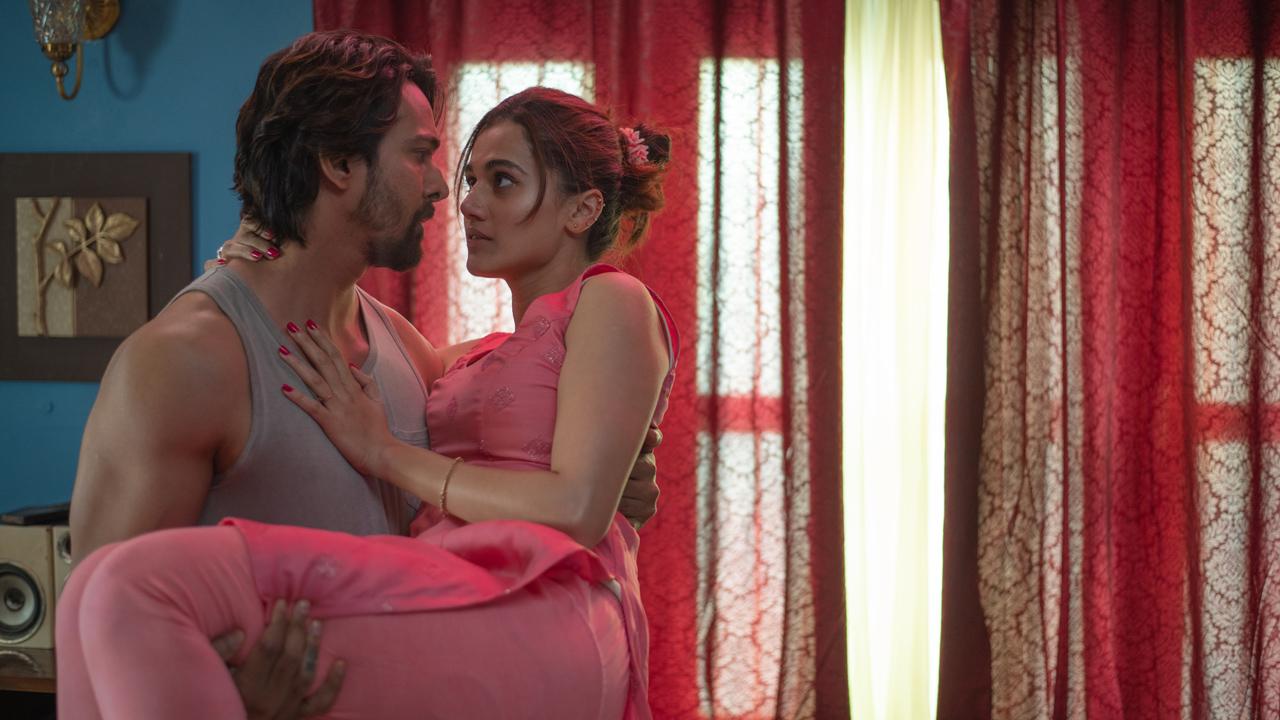
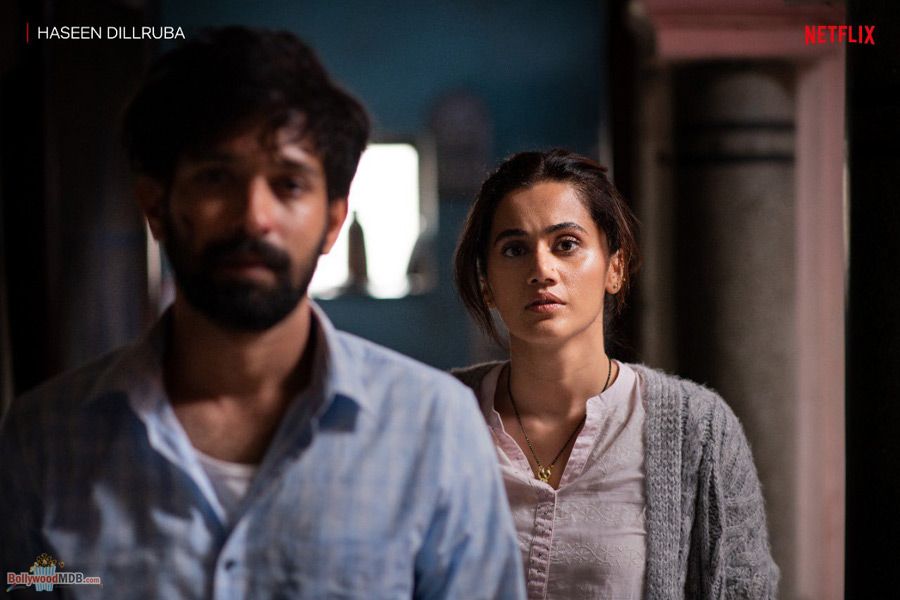
    Trending at number one since it released on Pakistani Netflix, Haseen Dilruba is India’s latest, winning movie on the streaming platform. An easy watch for a suspense thriller, the story revolves around the murder of a husband after his wife has an affair.

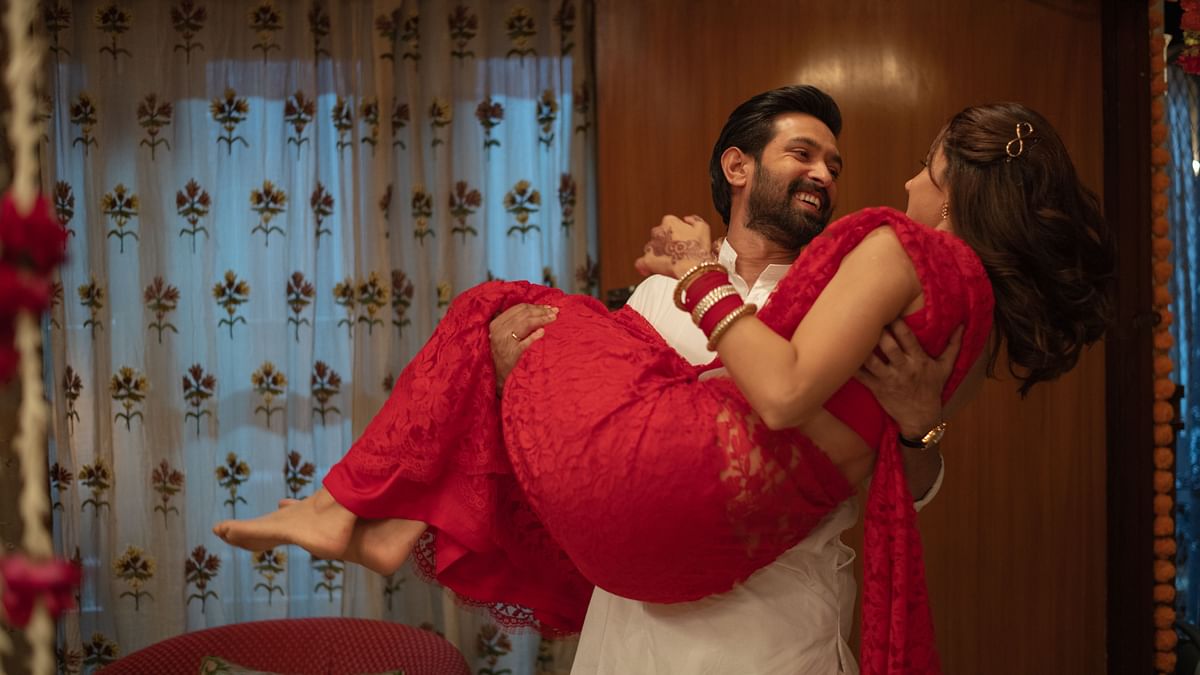
    It’s a perfect set up and it begins at full speed. Shy and sweet, seedha saadha sa Rishu (Vikrant Massey) has an arranged marriage with the hot, loud and opinionated Rani (Taapsee Pannu) and beychara Rishu is so intimidated by Rani that he is unable to perform in the first month of their marriage. He overhears Rani telling her family members about their private sex life and decides to never speak/touch her again. Meanwhile, Rishu’s super hot and dashing cousin Neel (Harshvardhan Rane) comes to stay with them and thats when the trouble begins.

    The beauty of the film is how fast paced it is, even though it is more than two hours long. The story begins with a bang, slows down but not too slow in the middle, and then ends with a not to unexpected ending.

    The downside of the film is really the acting. It’s very evident that the writer has written a strong and thoughtful script but the acting is flat and the chemistry between all the characters is blah at best. Rani is the weakest link with the biggest role. Despite being the hero (and somewhat the villain) of the story, Taapsee’s acting leaves you yawning in the middle and asking, ‘is that the best she can do’ near the end. The only character that comes close to his role is Vikrant as Rishu.

    Despite the slow drawl in the middle, the storyline is solid and the movie is definitely worth a watch. But in the end you will wonder if star actors had taken on the role, what an actual big blockbuster it could be.

    Watch the trailer here:

  • A Simple secret to Sheheryar Munawar’s success

    A Simple secret to Sheheryar Munawar’s success

    After working both on and off the screen as an accomplished actor and a producer, Sheheryar Munawar has come a long way since his debut in 2012.

    The 32-year-old delivered one of the biggest local releases of 2019, Parey Hut Love, and is all set to make a comeback on television after six long years in ARY Digital’s Pehli Si Mohabbat. Sheheryar’s stint in the industry as an actor as well as a producer means that he knows how to tackle two different mediums – TV and film.

    Talking to ARY News, Sheheryar shared how he manages to tread the fine line between the two polar mediums, highlighting the technical differences between them. “As an actor, even your movements are part of your acting. When you’re studying acting or working, dialogue delivery is one thing but the movement also plays an important role. I feel that differs quite a bit,” he said.

    He explained how on TV since the screen is restricted shots are taken differently. “You shoot a film shot to shot but for TV, you usually do a long master,” he said, adding how since a film is larger than life so you have more liberty to take risks. “But on TV, the screen is smaller so you have to be careful with how far you can go before risking believability.”

    Referring back to his comment about the difference in dialogue delivery, Sheheryar shared that the pace differs as well. “Usually, while doing a film, you add a punch to the dialogue, but on TV, returning to it after so long, I’ve noticed that the pacing of the dialogue is a little slower.”

    Having broken into the industry relevantly recently and by virtue of his work, the actor had hard-hitting advice for the younger lot looking to find a strong footing in the entertainment world. “Complete your education and only then come into this field!” he exclaimed.

    Sheheryar went on to explain: “A good and complete education is perhaps even more important in this field because you become a public figure and your education shows, which helps you.” He also emphasised the importance of being in control and disciplined when it comes to your work.

    “Contrary to what many may have heard, if you want to be successful, you need to be disciplined,” he said, adding, “If you have been called at nine, come in at nine with your homework done, your dialogues and scenes ready and with your research complete.”

    He had one last pearl of wisdom for newcomers: “If you’re going to do this, do it wholeheartedly with hard work. Don’t just run after fame.”

  • Quiz – Which ‘Churail’ are you?

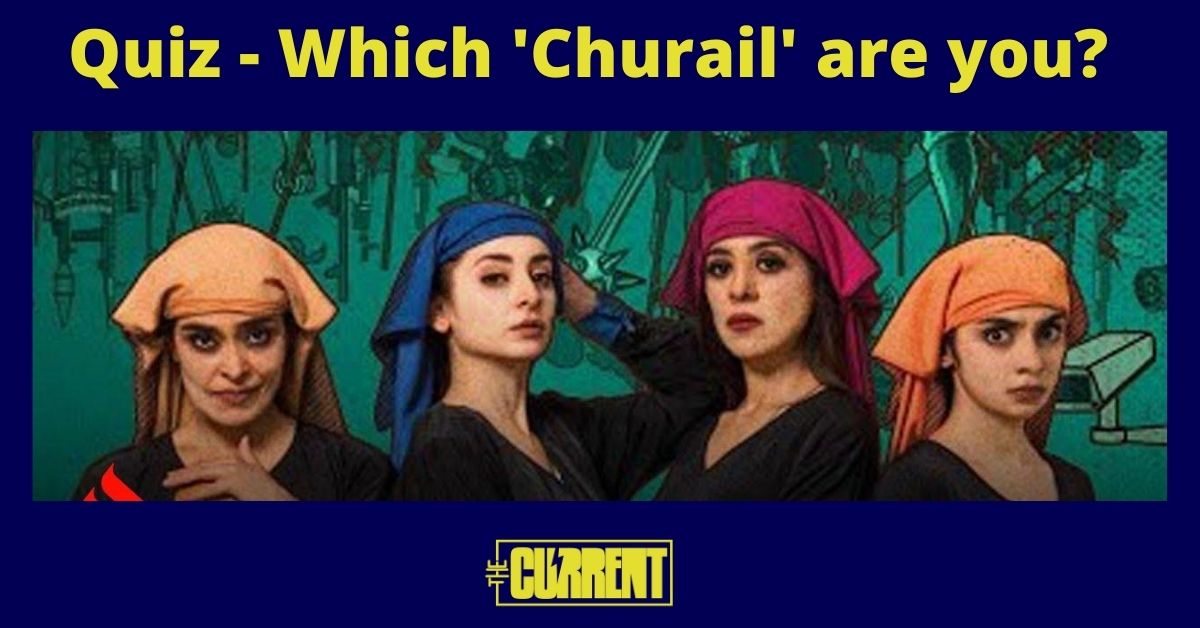
    Quiz – Which ‘Churail’ are you?

    [forminator_quiz id=”57104″]
  • Regressive roles perpetuate myths

    Regressive roles perpetuate myths

    If you are an avid follower of Pakistani serials/dramas, the one thing that is common in almost all of them is how women are portrayed.

    There is a ‘good girl’ who is a homemaker, wears eastern clothes, who will sacrifice everything for family, who is often seen in the kitchen cooking food or cleaning the house, who hardly steps out of the house unless it’s with her husband and/or family, who will forgive her husband for many things, including domestic violence or infidelity or both.

    Then there is the ‘bad girl’, who is more often than not a working woman, who wears western clothes, drives a car, goes out on her own, is ambitious and ‘conniving’. Divorced women are either shown as bad girls or sad girls.

    We often wonder how educated writers can write such stuff and why educated women actors can take up such roles.

    Actor Hina Bayat in an interview with Fifi Haroon for BBC Urdu once said, “ “Most scriptwriters today are women who have never seen the inside of an office. In their real-world, working women don’t exist so they don’t write them into their fictional worlds either – except perhaps as negative characters or mothers who ignore their children.”

    This explains why the writers write what they do to a certain extent.

    As for the actors, maybe there is not much they can do when acting is their bread and butter and these are the roles that are in the market. We are not blaming the actors, but we do believe that if there is a market for plays like ‘Udaari’, then why do we need plays like ‘Jhooti’ that perpetuate falsehoods about domestic violence.

    We need more progressive writers. Otherwise, these dramas will keep feeding our already patriarchal and misogynist society.

    Lest we forget, when 20-year-old law student Dua Mangi was kidnapped from Karachi on November 30, 2019, it highlighted a dark side of Pakistan that we often ignore, i.e. extreme misogyny.

    BBC did a story on the Mangi case titled, ‘Dua Mangi: Slut-shamed in Pakistan for being abducted’. The story talked about the inappropriate remarks regarding Dua’s dressing and comments on how she was out at night with a male friend were discussed more than the actual incident of kidnapping.

    It was tragic to see that there was more outrage online over Dua’s clothes, her friend and why she was out at night than over the actual crime. It should have been a moment of introspection for us. Instead, we ignored it once again. By ignoring or not calling out such perverted behaviour, we normalise misogyny. Horrid practices like ‘honour killing’ and ‘Vani-Swara’ are not frowned upon; instead, they are dismissed as tribal culture.

    When women and young girls are used to settle family disputes, it is a crime, not tribal culture.

    That our society is prevalently misogynistic is no secret as this vile misogyny has always been on display when it comes to crimes against women.

    When General (r) Musharraf was asked in an interview with the Washington Post about the high-profile gang rape case of Mukhtaran Mai, he said, “You must understand the environment in Pakistan… this has become a money-making concern. A lot of people say if you want to go abroad and get a visa for Canada or citizenship and be a millionaire, get yourself raped.”

    When heads of a state of a country can think like this and say it out loud to an international media organisation, we can imagine the state of overall apathy and insensitivity regarding women.

    Meesha Shafi’s sexual harassment case against Ali Zafar is another case in point. The kind of abuse that Meesha got online shows why it is hard for Pakistani women to talk about sexual abuse let alone coming out in public with the details.

    It doesn’t matter if the woman is Mukhtaran Mai, Meesha Shafi or Dua Mangi, she will get abused. Victim blaming and victim shaming has become the norm. It seems as if being a woman is some sort of a crime. According to a report by Media Matters for Democracy, “95 per cent of women journalists feel online violence has an impact on their professional choices, while 77 per cent self-censor as a way to counter online violence.”

    This is the reality of Pakistan – where women are the culprits even after being harassed, raped, kidnapped, shot at and even after being murdered. A country where ‘Aurat March’ triggers ‘ghairat’ but where the kidnapping of a young girl cannot even elicit apathy.

    This is why we don’t need regressive roles for women in dramas. This is why we don’t need to portray working women who are independent and strong as the ‘bad girls’ or ‘vamps’. This is why we need good writers who don’t demonise women or stereotype them. This is what we ask of our entertainment industry.

  • Last two episodes of Meray Paas Tum Ho left: Hold on to your medicine, warns the writer

    Last two episodes of Meray Paas Tum Ho left: Hold on to your medicine, warns the writer

    The episode ended without much of a bang, but the teaser for the next episode was the shocker. Two episodes left. Its time for the big reveal: Will Danish (Humayun Saeed) take back Mehwish (Ayeza Khan) or marry Hania (Hira Mani)?

    The series has been anything but typical. But what is frustrating is that there are moments that are so problematic and anti-women.

    WATCH: Problematic Dialogues from Meray Paas Tum Ho

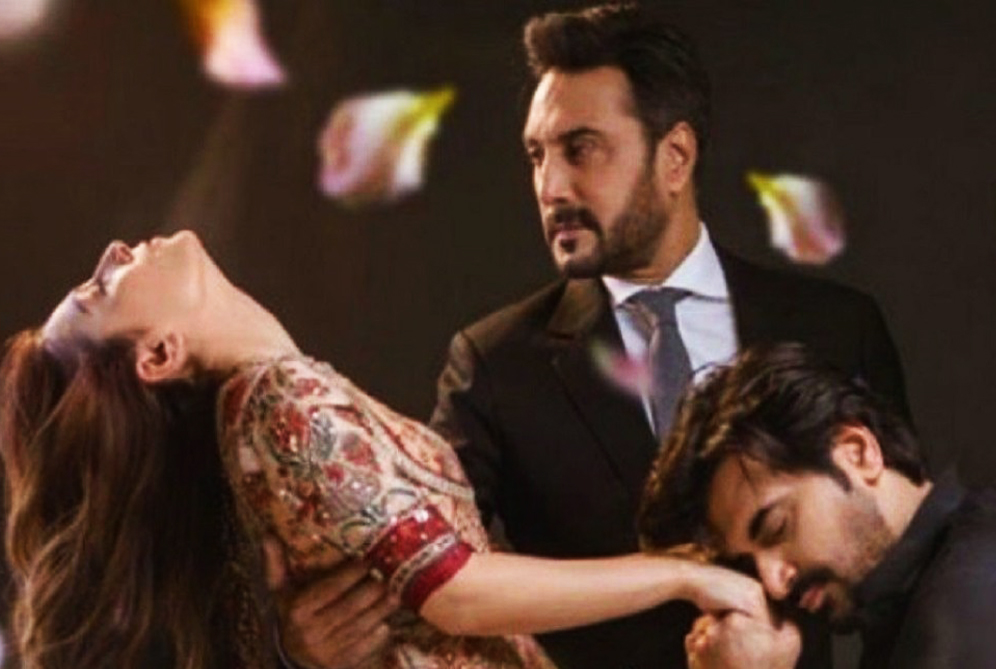
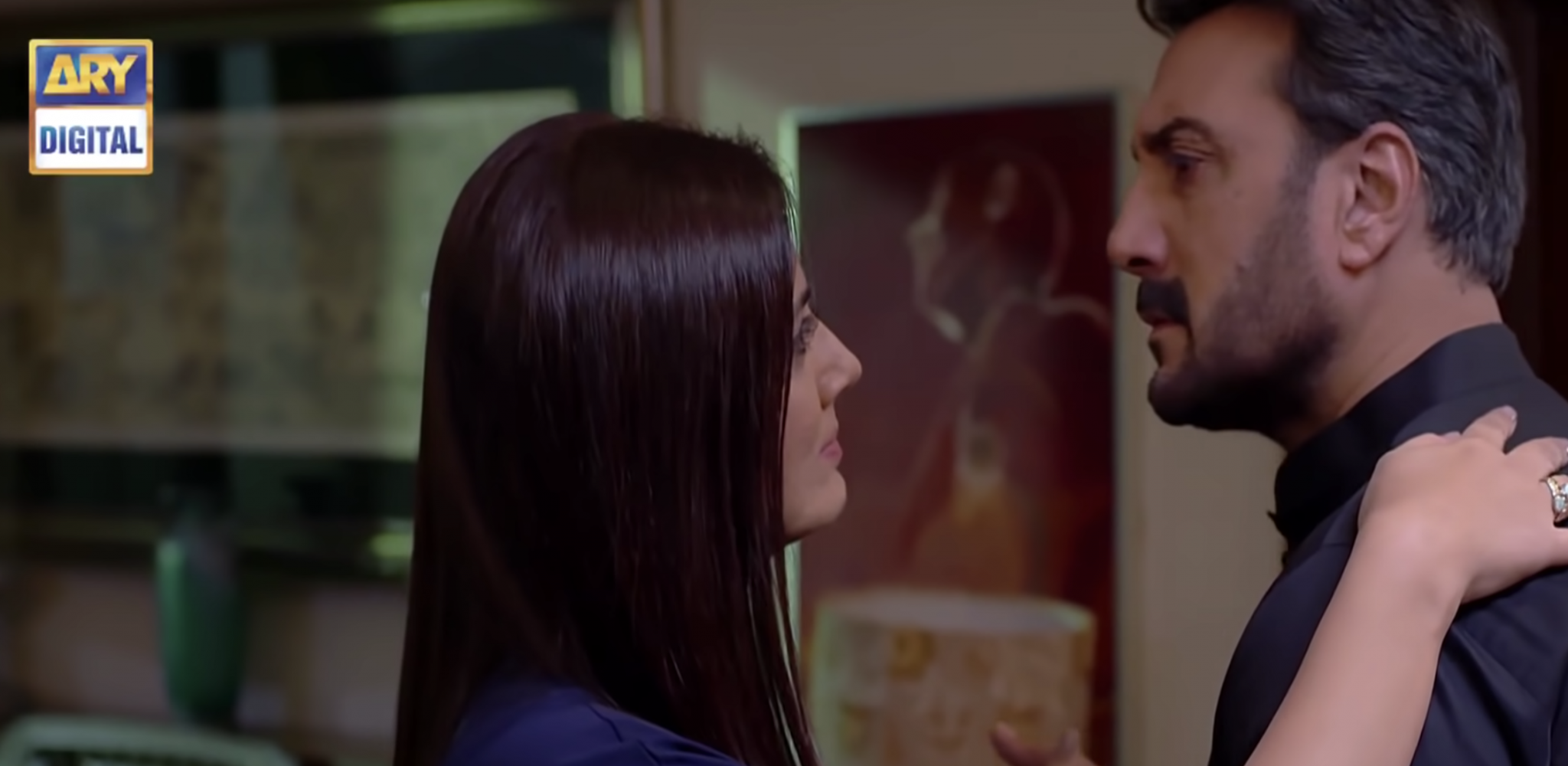
    The most recent episode of the drama shows Maham (Savera Nadeem) accepting Shahwar (Adnan Siddiqui) back into her life. He has to prove himself, as she removes him from his position in the company, but why is he forgiven for that ultimate sin that the writer, Khalil ur Rehman Qamar isn’t allowing a woman to be forgiven for?

    Maham ‘forgives’ Shehwar but demotes him from his position in the company until he ‘deserves’ it again

    The controversial writer is no stranger to backlash and seems like he doesn’t mind it much either. He has passed many controversial comments about women and recently made new ones and some revelations of the program.

    The episode, airing on Saturday, January 11th on ARY Digital, is going to be longer and not ‘for the faint-hearted’. The writer warns that it’s a real tear-jerker and if someone is emotional, they should keep their medicines close by. He also says that ‘God might forgive sins, but love does not,’ when asked about the ending of the drama.

    Qamar’s interview with Entertainment Pakistan where he reveals details about the second episode

    Roomi, Danish and Mehwish’s son also goes out on a limb and literally proposes to Hania and asks her to marry his father. What’s also stranger is how Roomi is allowed to go to her house on his own and do these crazy gestures but obviously, his role defines what his father will do.

    Rumi proposing to Hania on his father’s behalf (his father doesn’t know he is doing this)

    It will be disappointing if Danish doesn’t forgive Mehwish. Especially since Maham has taken Shehwar back in his life. But based on what the writer is saying about the end, Danish and Mehwish might not be ending up together.

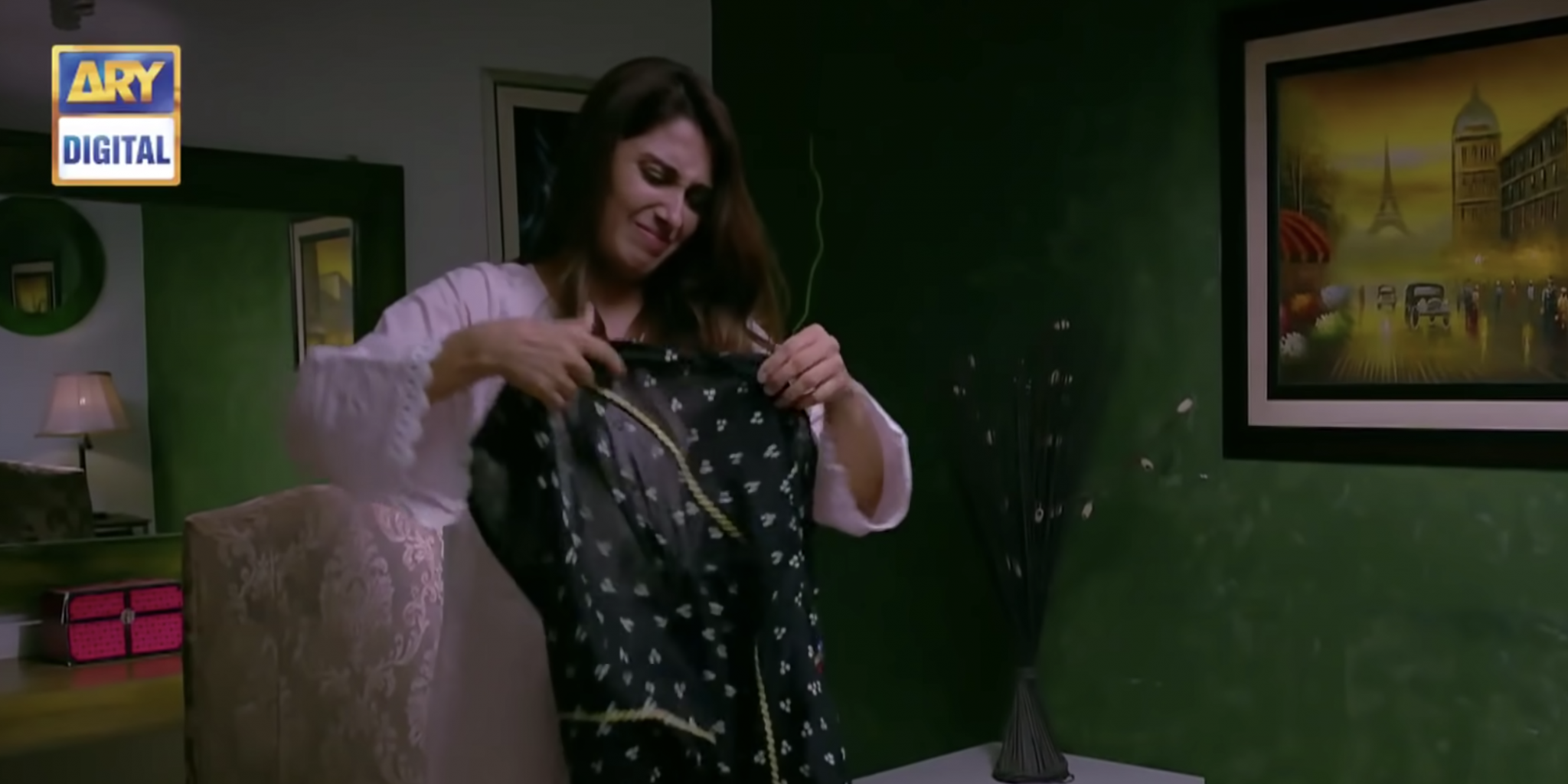
    Mehwish tears the shirt she was wearing when Danish found her returning back to Karachi with Shehwar

    Mehwish is repenting. She buys her old apartment, where she lived with Danish and her son, she prays and cries and admits her mistakes, asking Danish to let her live with him, for their son’s sake. But all that might not be enough.

  • On TV Tonight: Mahira Khan in Verna

    On TV Tonight: Mahira Khan in Verna

    Shoaib Mansoor’s Verna didn’t do too well at the box office, but the movie is an important step towards discussing issues that plague our society. Pakistan’s superstar Mahira Khan takes the lead in the film, Hamza Ali Abbasi’s wife and a great actor in her own right, Naimal Khawar is also in the film, as well as Haroon Shahid and Zarrar Khan.

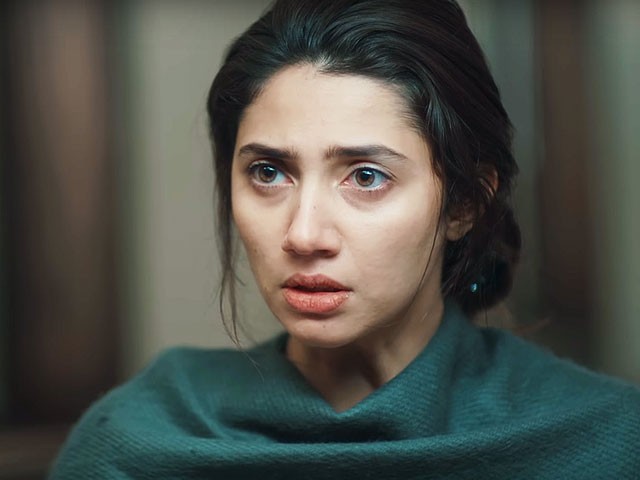
    Mahira Khan plays a rape survivor

    The film revolves around a couple Aami (Haroon) and Sara (Mahira) and how their lives change after Sara is raped by a governor’s son (Zarrar Khan). After she is raped, she vows to fight for justice.

    Aami and Sara are a happy couple before their lives are ruined

    The film was directed by Shoaib Mansoor, who had two super hits before, Khuda Kay Liye and Bol but Verna didn’t receive a similar response. Criticism revolved around a disjointed script, bad audio and weak storytelling.

    The film was made in 2017 but will air tonight, Saturday November 16th, on HUM T.V. at 9:10PM.

  • Trending Ali Sethi sings a sixer for Coke Studio

    The young classical singer has outclassed himself in Coke Studio’s 12th season. His rendition of Gulon Main Rang, originally sung by Mehdi Hasan, has been widely shared and acclaimed by his fans. Ali Sethi is currently trending on Twitter and his YouTube video had 103K views in three hours.


    Others say that Ali Sethi needs more recognition than he is given.

    Ali Sethi, as a young classical singer, still manages to keep his own identity while matching the soul of the greats before him.

    Watch the full song here:

    Watch The Current Life with Ali Sethi to get to know more about the guy behind the songs.

    https://www.youtube.com/watch?v=FicS47QTZiE&t=32s

    For more, listen to the original version by Mehdi Hasan:

  • What’s so special about Disney Plus?

    What’s so special about Disney Plus?

    Two weeks after Apple rolled out its own streaming service Apple TV+, Disney launched its own streaming service Disney Plus.

    While Netflix, Amazon Prime and Apple Plus are spending money on original content featuring big celebs, Disney Plus offers you something different: ALL Disney content. From Disney animated classics to Marvel, Pixar, Star Wars and even 20th Century Fox content, everything under the Disney banner and more is included in Disney Plus.

    Disney Plus released a 3-hour trailer last month to showcase all its programs.

    By comparison, Apple had a relatively subdued launch earlier this month. At $6.99 per month, Disney Plus debuted with 10 original movies, specials and series. It is also expected to release more than 45 original programmes within a year of its launch. 

    A recent study said that 40 percent of consumers would sign up for Disney Plus just because the content reminded them of their childhood.

    In fact, on the first day of its launch, Disney Plus was hit by technical issues. There were many reports on social media platforms about problems accessing the service. Many users shared screenshots of error messages.

    Disney Plus launched in the US, Canada and the Netherlands on Tuesday. Disney Plus will arrive in Australia and New Zealand on November 19.

    Globally, Disney plans a progressive rollout worldwide over the next two years. The company provided a generalised timeline for when it will expand the service to the world’s major regions.

    Disney Plus is slated to roll out in:

    • Eastern Europe over the course of a year starting as early as October 2020.
    • Latin America over the course of three months starting as early as October 2020.
    • Asia Pacific over the course of two years starting anytime.

    Pakistan comes in the Asia Pacific region which means we’ll have to wait a little longer than others.

  • Aamir Liaquat proposed to Fiza Ali in front of his first and second wife

    Aamir Liaquat proposed to Fiza Ali in front of his first and second wife

    Actor Fiza Ali has claimed that religious scholar/Ramzan show host/talk show host/PTI member of Parliament, Aamir Liaquat proposed to her in front of his first and second wife on different occasions.

    Actor Fiza Ali is a model and a talk show host

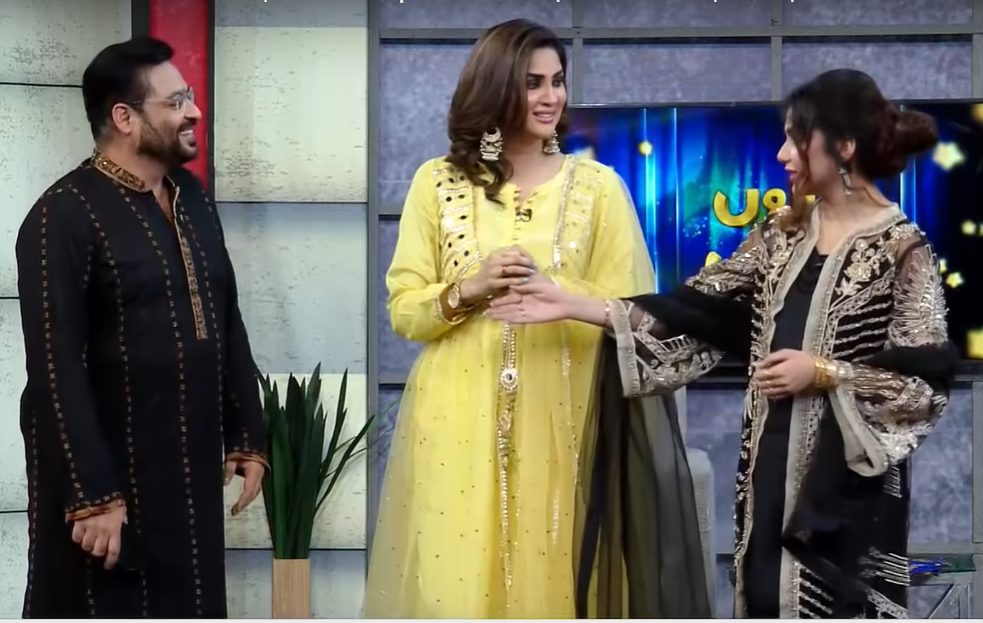
    In a recent podcast with Entertainment Pakistan, Fiza claims that she had called Aamir and Tuba, his second wife, on her program and when they walked on the stage, she asked Tuba to stand next to her husband. Aamir then joked that Fiza could have been the one who was called on stage with him but now it was too late.

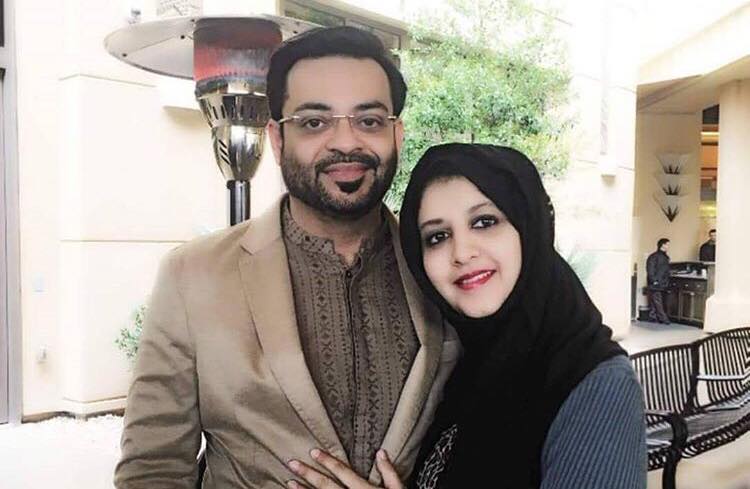
    Aamir and his second wife Tuba

    The first time he proposed to her was after she got divorced. He asked her to marry him in front of his first wife, Bushra and proposed in a “very nice manner…he wanted to get married to me in front of the world,” Fiza claims. Fiza was depressed during that time and ignored the proposal and then found out that he got married to Tuba.

    Aamir and his first wife Bushra

    When he asked her again in front of Tuba, he also “joked about it again and said it’s not too late to get married…Tuba has no problem with it”.

  • Meray Pass Tum Ho EP 13: Predictable or more to it?

    All the theories we all had after EP 12 have gone down the drain. No one thought “a few months later” Danish (Humayun Saeed) will be pining for his ex-wife Mehwish (Ayeza Khan) and putting his kid Rumi in boarding school. All everyone talked about was how it seemed obvious that Shehwar’s (Adnan Siddiqui) wife would come back and ruin Shehwar and Mehwish’s plan to get married for a happily every after.

    Mehwish and Shehwar returning to Pakistan after spending a few months abroad

    Wrong. Although Mehwish is looking super beautiful, and surprisingly more relaxed, in this episode, the do takey ka aadmi Shehwar is not interested in marrying the do take ki aurat. In a dialogue that’s bound to become popular Shehwar tells Mehwish that Shaadiyon mai divorce ho sakti hai lekin muhabbat mai divorce nahi hoti.

    READ MORE: Meray Pass Tum Ho EP 12: Danish sweeps the show

    Mehwish has travelled all over Europe and has the travel glow

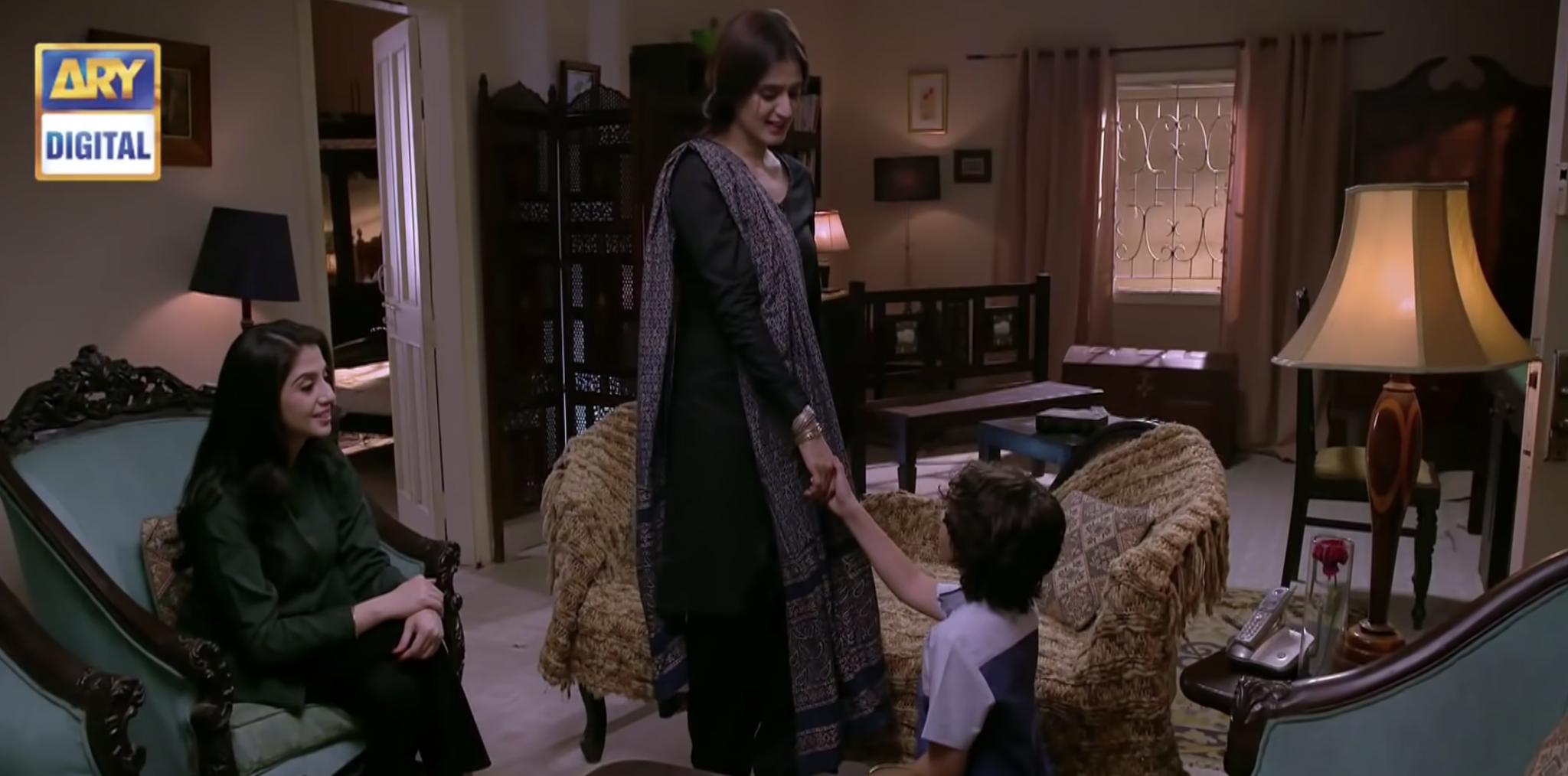
    Danish on the other hand, has gotten a promotion and has become besties with Mateen sahib, the older guy who works with him and had cheated on his wife and lives in utter regret of that. Danish has put his son in boarding school and is called by the principal for a meeting. He is told that Rumi is a terrible student and in walks Hania (Hira Mani) who is Rumi’s teacher.

    Hira Mani makes her entry in the drama as Rumi’s teacher

    She complains to Danish about how terrible a student Rumi is and how he needs to take his kid out of school. Danish asks for one last chance and they agree.

    In the end of the episode we see Danish meeting with Mateen sahib to tell him that he’s planning to become a very rich businessman. Mateen sahib tells him his sob story again (in some very pretty dialogues) and then has a heart attack and is taken to the hospital.

    Danish and Mateen sahib’s heart to heart

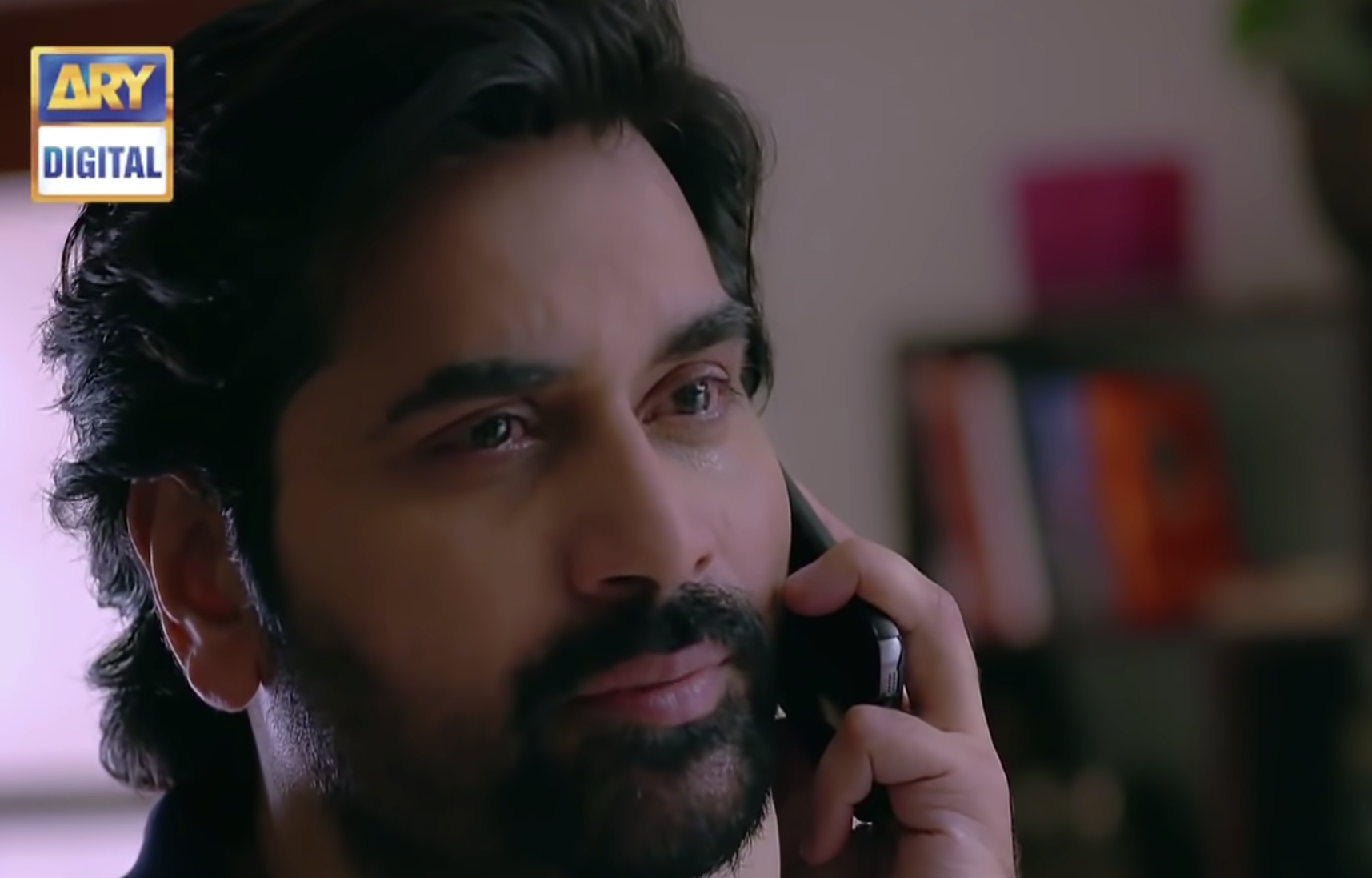
    Danish calls his daughter and finds out that surprise surprise, Hania is his best friend’s daughter and when she walks in the hospital, she and Danish find out her father has died.

    Hania finds out her father has died

    Ok so, what will happen next? Danish will have to marry Hania and find love again (and become a rich businessman because of course, he has to) and Mehwish will realize that Shehwar will never marry her and she will always be the side wali.

    That’s it? Predictable and boring, here’s to hoping that this won’t happen although all the signs point to the fact that this is the most obvious route the drama will take.

    Hira Mani is a good actress and did a good job portraying a daughter who has just lost her father. But she lacks expression and comes across as a rather boring figure. Earlier, in .a behind the scenes interview, she spoke about her role in the drama and said, “[my role is]In fact it’s very similar to how I am in my life, a soft hearted girl. H for Hira and H for Hania, you’ll like this character very much”.

    She will really have to take her acting up a notch for her role to become a prominent one and to take the drama out of the boring path it is about to take.