Tag: Facebook

  • Meta accused of withholding evidence linking Facebook use to mental health harm

    Meta accused of withholding evidence linking Facebook use to mental health harm

    Legal documents in the U.S. assert that Meta discontinued internal studies that indicated a connection between Facebook usage and negative mental health effects. 

    The documents were filed in a lawsuit initiated by school districts against Meta and other social media companies.

    The filing details a 2020 initiative called Project Mercury, which involved Meta’s researchers and the survey company Nielsen, measuring the impact of users deactivating Facebook for a week. Internal papers indicated that “individuals who stopped using Facebook for one week reported decreased levels of depression, anxiety, loneliness, and social comparison.”

    According to the filing, Meta ended the project rather than publishing the findings. The documents claim that Meta internally suggested that the results were affected by the prevailing media narrative concerning the company. 

    One researcher mentioned, “The Nielsen study does show causal impact on social comparison,” and included an unhappy face emoji. Another employee drew a parallel between remaining silent and the tobacco industry, stating it would be akin to “conducting studies and knowing that cigarettes were harmful, then keeping that information hidden.”

    The filing contends that Meta informed Congress it had “no ability to quantify whether its products were harmful to teenage girls,” despite possessing the internal findings. It also mentions that similar investigations focusing on Instagram were stopped.

    In response, Meta spokesperson Andy Stone stated that the study was terminated due to methodological issues, emphasizing, “The complete record will demonstrate that for over ten years we have heeded parents’ concerns, researched critical issues, and implemented meaningful changes to safeguard teens.”

    These allegations are part of a broader lawsuit filed by the law firm Motley Rice, which also includes Google, TikTok, and Snapchat on behalf of school districts in the U.S. The plaintiffs claim that these companies concealed the dangers of their products from users, parents, and educators.

    The filing alleges that the companies encouraged children under 13 to engage with their platforms, failed to tackle child sexual abuse material, and sought to boost student usage during school hours. 

    It also asserts that these companies endeavored to collaborate with child-focused organizations to promote public messages regarding product safety.

    TikTok, Google, and Snapchat have not responded to requests for comments. A court hearing on this matter is slated for January 26 in a district court in northern California.

  • 184 million passwords compromised in social media leak

    184 million passwords compromised in social media leak

    Social media users are being warned by the National Cyber Emergency Response Team (PKCERT) of a high-priority alert concerning a massive data breach that has affected key platforms like Facebook, Microsoft, and Google.

    The alert claims that more than 1.8 billion user records, including 184 million verified passwords, have been compromised from a number of social networking apps.

     To improve security, PKCERT has recommended that users change the passwords for all sensitive accounts right away and turn on two-factor authentication (2FA).

    The agency also recommends avoiding suspicious links and closely monitoring accounts for any unusual activity. 

    This is not the first cybersecurity concern flagged by PKCERT.

    A critical vulnerability in Microsoft Windows (versions 7 through 11) that allowed unauthorized access to credentials, domain data, and passwords without requiring users to view compromised files was the subject of an advisory released by the agency in December 2024.

    Users were adviced at the time to stay away from shared drives, create strong, unique passwords, and change them frequently.

    PKCERT continues to emphasize preventive measures to reduce the risk of data theft and system compromise.

  • The Pakistani Sisters (TPS): Building women up, one free platform at a time

    The Pakistani Sisters (TPS): Building women up, one free platform at a time

    It was the first week of May, and the air was thick with unease. Another Pak-India conflict had taken over the headlines — missile tests, political chest-thumping, and the same old loop of fear and fury. The kind of days when you can’t tell if it’s the anxiety or the heat that’s making it hard to breathe. I was scrolling through Facebook late at night, not looking for anything in particular. Just… scrolling. Half-distracted, half-desperate for something that didn’t feel like doom. I wasn’t searching for inspiration. I wasn’t even sure what I needed. Maybe a soft corner. A quiet sentence. A moment of recognition. Some place where I didn’t have to carry the weight of being strong.

    That’s when I stumbled upon The Pakistani Sisters (TPS).

    At first, I assumed it would be like most women’s groups—maybe some recipes, a few clothing ads, polite small talk. But within minutes, I realized I was wrong. This wasn’t surface-level. Women were openly talking about stress, fear, mental health, even the pressure of holding everything together at home. There were even some wives of armed officers who were worried about the safety of their husbands out in the battlefield and just like me, were looking for some relief, some comfort, a helping hand, perhaps. Nothing was performative — it was raw, real, and strangely comforting.

    I saw posts from women saying exactly what I was feeling but couldn’t put into words. We were reaching out — asking women across Pakistan, from Lahore to Islamabad, Peshawar to Karachi—if they felt safe. Most of us didn’t know each other, yet there was an unspoken bond between us. A shared thread of agitation, of concern—not just for ourselves, but for one another, as fellow Pakistani women. I felt as if I had walked into a room where no one needed me to explain why I was exhausted — they already knew.

    That night, I didn’t just find a Facebook group — I found a sisterhood. And the feeling lingered.

    The next day, still curious, I reached out to the group’s admin, Afrah Sattar Khan. I wanted to know who had created this space, and more importantly — why. That’s when I learned about the quiet revolution Afrah had started seven years ago, not for profit, not for recognition, but because she believed in something radical.

    “I don’t want to build a brand. I want to build a safe space. A space where women could be supported, heard, and helped — without ever having to pay for it”.

    Today, TPS is not only the largest women’s support group in Khyber Pakhtunkhwa and Islamabad, but it’s also a real-world force for social change. With over 50,000 members, a growing cross-platform presence, and national recognition through multiple awards, TPS has proven one thing again and again: real empowerment doesn’t come with a price tag — it comes with intention, consistency, and heart.

    In an increasingly commercialised online ecosystem, TPS stands out for one very simple reason: they don’t charge anything.

    Where other platforms demand fees for business promotions or visibility, TPS flips the script. Every woman — whether she’s a home-based baker, a tailor, a photographer, or a budding tech entrepreneur — gets to promote her work for free. There are no hidden costs, no premium tiers, no payment gates.

    “I always found it odd that people charge struggling entrepreneurs just to get exposure. That’s not support, that’s gatekeeping”, Sattar says

    This no-cost model is not only rare; it’s revolutionary in the local context. It lowers the barrier of entry for hundreds of women who may not have the capital to pay for promotion or advertising.

    TPS isn’t just another social media group — it’s a living, breathing community with structure, purpose, and soul. “A family”, as one member says.

    But here are some other factors that set TPS apart…

    Every weekend, TPS hosts a business promotion activity. Women can drop their links, showcase their products, or simply introduce their services. The TPS team not only boosts these posts within the group but also shares many of them on Instagram, YouTube and their blog, giving members exposure across multiple platforms.

    This weekend ritual has become a beacon for home-based businesses, many of which have grown into profitable ventures solely because they found their first customers through TPS.
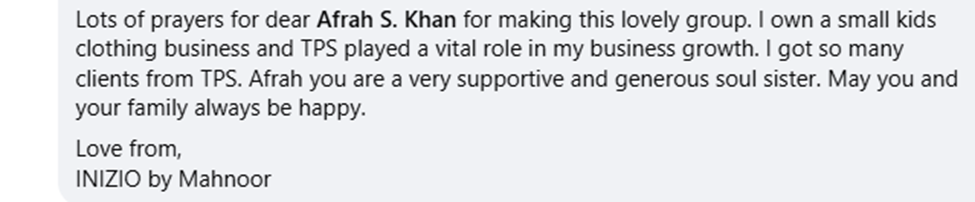
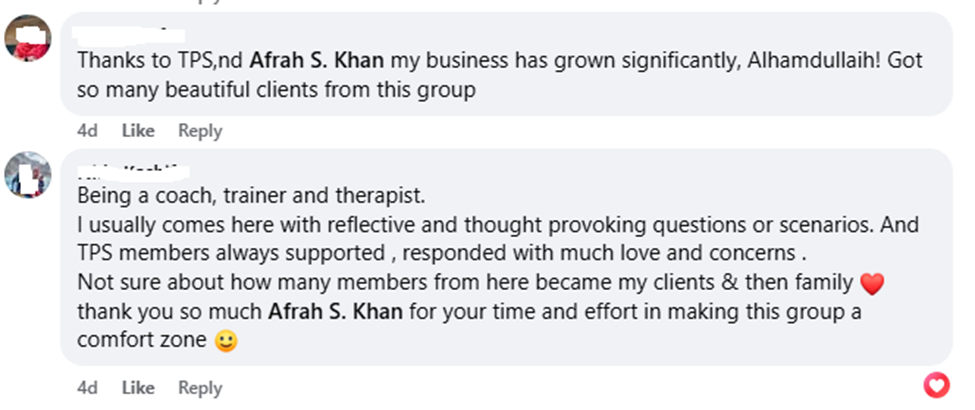

    Promotion doesn’t end with a single post. The TPS team ensures that deserving businesses get exposure across platforms — creating Instagram spotlights, video shoutouts and even blog features. This kind of organic, grassroots marketing is both rare and impactful — especially in areas where women often lack digital visibility.

    TPS is more than a megaphone — it’s a forum for questions, advice, and mentorship. Women regularly post about job issues, business challenges, pricing queries, or even mental health struggles. And what they get back is a wave of crowd-sourced wisdom, kindness, and lived experience.

    There’s no spam. No toxicity. Just women showing up for each other.

    The group’s strong and active moderation team ensures TPS remains a safe, respectful and inclusive space. Trolls are shown the door. Unethical behavior is shut down fast. This has earned TPS the trust of thousands of members who feel comfortable being honest and vulnerable.
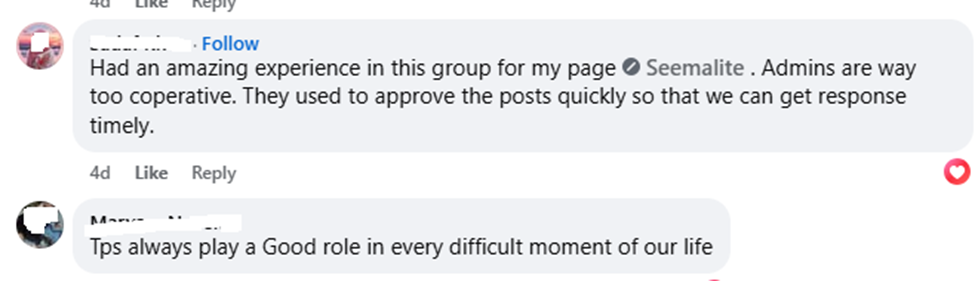

    TPS doesn’t chase viral posts or social media gimmicks. The focus remains firmly on real-world impact: did someone get a client? Did a woman land a job interview? Did someone find clarity about launching her own business?

    At its core, TPS is a feminist space — but not in a Western-imported, hashtag-driven way. The feminism practiced here is deeply rooted in local culture, built on values of fairness, support, and equality — not superiority.

    Afrah and her team know the ground realities of women in KP: they’re often managing homes, raising kids, studying, or working multiple part-time gigs. TPS gives them a voice and validates their hustle. It doesn’t preach, it guides — through example, through community and truth.

    The group regularly talks about so many things, right from navigating family pressure while working to learning to say no without guilt (a much-needed lesson for empaths like myself!).

    TPS is proof that feminism can be soft-spoken but powerful, culturally aware but transformative.

    Behind every movement is a leader who quietly fuels the fire. For TPS, that 

    woman is Afrah Sattar Khan. She doesn’t post daily selfies or seek the spotlight. Instead, she spends her energy uplifting others, managing the group, moderating discussions and building new pathways for visibility.

    Here are just a few examples of TPS’s real-world impact:

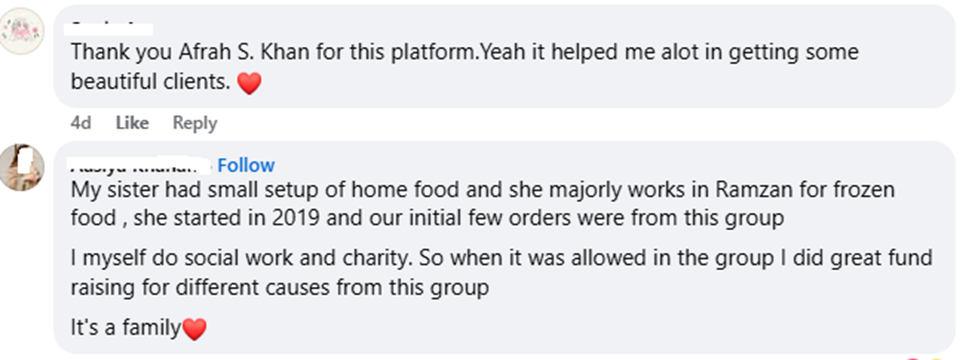
         A group of young women from Peshawar started posting their photography work in TPS. Back then, female photographers were almost unheard of in the region. Today, they’re professional, in-demand artists with fan followings — and TPS helped launch them.

         A woman who made stitched clothes at home found her first 30 clients through a single shoutout. Now, she employs two assistants and manages her orders online.

         Countless members have learned how to price, brand, and market their offerings — just by participating in the weekly business activities.

    With its continued growth, TPS has plans to expand its digital infrastructure. Afrah and her team are working toward building a searchable online directory of women-led businesses, organising in-person networking meetups, and growing their YouTube and Instagram channels to further amplify success stories.

    Still, the core promise remains unchanged: support, not sales.

    “We’ll never charge women for being seen. That’s not what this space is about,” Afrah says. “TPS is a free hand when you’re climbing — not a toll gate at the top.”

    In a country where opportunities for women are still too often gatekept, The Pakistani Sisters (TPS) has kicked open the door. It has done so without sponsors, without flashy influencers, and without charging a single rupee.

    It’s built on community, consistency, and an unshakeable belief that women can rise—especially when they lift each other up.
  • Indian academic faces arrest for Facebook post

    Indian academic faces arrest for Facebook post

    Ali Khan Mahmudabad, a political science lecturer at Ashoka University, was taken into custody on Sunday in New Delhi after he put up a Facebook post about India’s recent military action against Pakistan. His arrest followed a complaint lodged by Yogesh Jatheri, the general secretary of the youth branch of the ruling Bharatiya Janata Party (BJP) in Haryana.

    The complaint surfaced shortly after Mahmudabad expressed on May 8: 
    “I am delighted to see numerous right-wing commentators praising Colonel Sophia Qureishi, but perhaps they should also equally vocally demand that the victims of mob lynchings, indiscriminate demolitions, and others who are targets of the BJP’s hate speech be safeguarded as Indian citizens.”

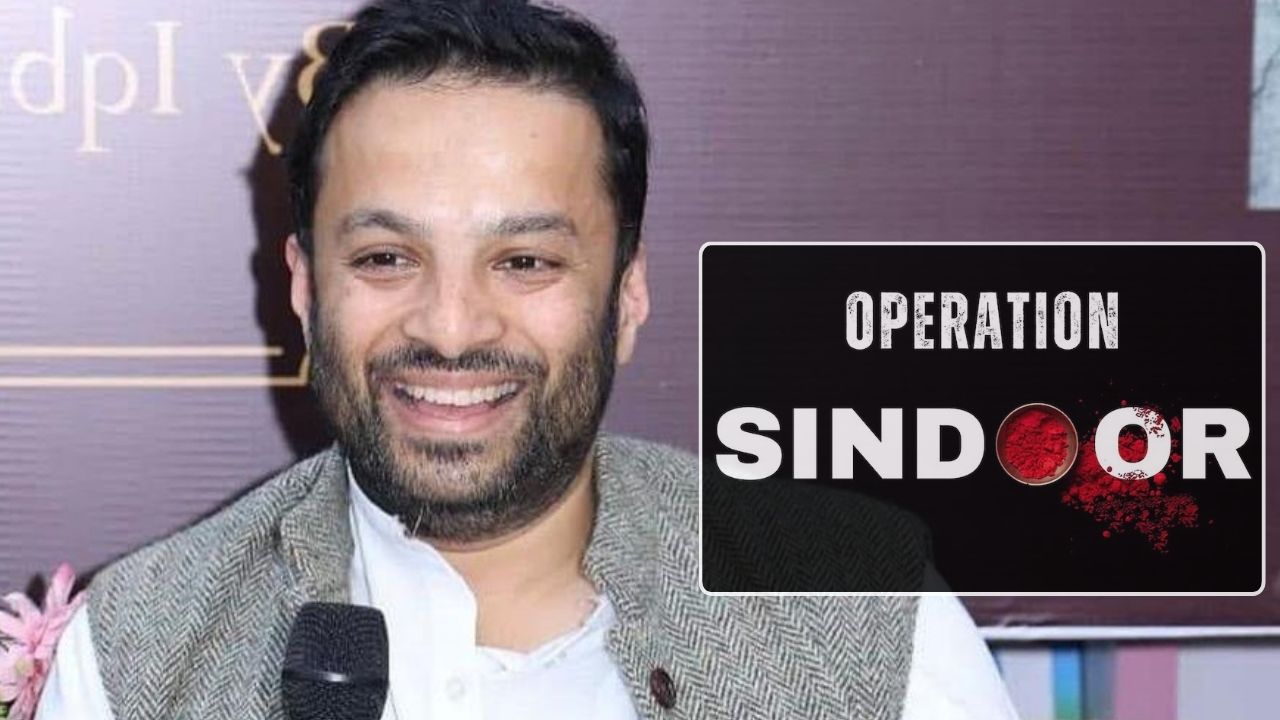
    Colonel Qureishi and Wing Commander Vyomika Singh had been conducting press briefings on Operation Sindoor, India’s violation of international law initiated on May 6. The operation, which involved missile and drone strikes, led to a charged response by Pakistan. The military stand off between the two nuclear-armed nations concluded with a ceasefire announced on May 10. 

    Mahmudabad’s comment referenced Colonel Qureishi’s background as a Muslim officer, highlighting the inconsistency in celebrating diversity within the military while simultaneously targeting Muslim communities in India. His remarks led to a summons from the Haryana State Commission for Women, which asserted that he had insulted female officers and incited communal discord.

    On May 14, Mahmudabad issued a public statement refuting the allegations. He claimed his comments had been taken out of context and misunderstood. He maintained that the post recognized the military’s restraint while urging consistent treatment of citizens by the state. “There is nothing at all misogynistic about my remarks,” he stated. “In fact, the essence of my comments was about protecting the lives of both civilians and soldiers.”

    He also condemned the misuse of legal avenues to suppress political discourse, describing the summons as an overreach by the Women’s Commission. He asserted that his academic pursuits and public pronouncements have consistently aimed to foster peace, unity, and adherence to constitutional principles.

    An open letter, endorsed by over 1,200 academics and public figures, expressed solidarity with Mahmudabad, asserting that his remarks underscored the military’s strategic moderation and upheld the secular ideals espoused by India’s founders.

    Mahmudabad has indicated his intention to take legal action against those making defamatory statements and continues to assert his entitlement to free speech.

  • YouTube, Facebook, TikTok to be banned in Pakistan?

    YouTube, Facebook, TikTok to be banned in Pakistan?

    A petition in the Lahore High Court (LHC) has sought an immediate ban on YouTube, Facebook and TikTok.

    As per the details, a citizen named Aslam, through Advocate Nadeem Sarwar, has filed the petition with the federal government and Pakistan Telecommunication Authority (PTA) as respondents.

    The petitioner claimed that many people in Pakistan used YouTube channels for blackmailing, adding that immoral videos were being uploaded to YouTube and Facebook to gain views and earn money without any license.

    It was further stated that fake videos were being shared to said platforms besides some content creators showing women from their families in their vlogs, which he believed, was harmful to the social fabric.

    The citizen requested the court to enforce the Citizen Protection Rules and order the shutdown of all social media platforms.

    It merits a mention that YouTube was last banned in Pakistan in September 2012. The ban was imposed after the platform failed to remove a blasphemous video that sparked widespread protests by Muslims across the globe.

    The ban lasted for several years and was lifted in January 2016 after YouTube launched a localised version for Pakistan, allowing the government to request the removal of objectionable content.

    Apart from this, TikTok has been banned multiple times in the country due to concerns over immoral and indecent content. The platform faced bans in October 2020, March 2021 and July 2021, but these were lifted after TikTok assured stricter content moderation and compliance with local laws.

  • ‘It’s not possible’; Reporting in internet-challenged Pakistan

    ‘It’s not possible’; Reporting in internet-challenged Pakistan

    With the primary shift from newspapers to television channels and now to digital media applications, the dissemination of information has become increasingly competitive for newsrooms, with the latest updates just a click away.

    “Delays can be managed with newspapers, but today everything is in your hands—specifically, mobile phones,” says Raees Ansari, Bureau Chief of Geo News in Lahore.

    “Every single second is crucial in reporting now; some footage needs to be sent and put on air instantly. But due to poor network conditions and slow WhatsApp, content is not being sent on time, which is affecting our professional activities,” he reveals.

    Over the past week, internet users across Pakistan have reported network disruptions, with WhatsApp, Facebook, and Instagram experiencing slowdowns, hindering online activities. The Pakistan Telecommunication Authority (PTA) has denied any connection between these issues and the alleged firewall installation.

    Since the ban on X (formerly Twitter) on February 17, 2024, many have turned to Virtual Private Networks (VPNs). The ongoing disturbances, however, have complicated internet usage, which is crucial for a number of professions.

    Sumaira Raja, an investigative reporter, who is mostly found out on the field, complains of encountering issues with not only the internet but also phone signals which often prevents her from conveying news on time.

    “I also experience delays with receiving beepers, as head office frequently reports that the number is not available due to poor signals. This situation makes it very difficult to do my job. I’ve tried using a VPN, but it hasn’t worked,” Raja says.

    Sports journalist Faizan Lakhani recalls when javelin champion Arshad Nadeem returned to Pakistan on August 17 after winning the gold medal at the Paris Olympics, all the visuals sent through WhatsApp by reporters were delayed, and they struggled to download them unless they used a VPN.

    “This situation is very challenging and affects our workflow. When reporters are working on a story or covering an event, they need to stay connected with the desk. We usually rely on voice notes to pass instructions, but since we started encountering this issue, we are struggling with that method too,” he says.

    “We have been told that the network disruption is because of the firewall installation. While things are becoming easier around the world, it has been getting harder for us. Everything is happening with the help of technology and the current situation is a major challenge.” says Ansari.

    What’s happening?

    A highly placed source in the IT industry identifies that filtering of content delivery networks (CDNs) through Firewall is causing content to be routed via internet backbone rather than CDNs.

    “This means that around 4 TBs of internet traffic previously served through CDNs, hosted in Pakistan, is becoming ineffective. When all traffic goes on backbone bypassing CDNs, it’s causing massive slowdown at many western destinations that’s happening now,” he explains.

    Recently, Fiverr, an online marketplace for freelance services, warned clients that Pakistani freelancers may experience delays due to internet issues and the use of VPNs to change their locations.

    “Brace for impact. God save the internet in Pakistan”, says the IT expert.

    Background

    It all started on February 17, 2024, about a week into the new government, when X (formerly Twitter) was banned.

    Initially, amid the uproar, the government remained silent on the matter while the Pakistan Telecommunication Authority (PTA) seemed aloof until the High Courts of Sindh and Islamabad intervened. The PTA eventually admitted that the ban on X was imposed on the orders of the Ministry of Interior based on reports from intelligence agencies.

    The government eventually justified the ban by attributing it to national security concerns, citing ‘digital terrorism‘ and online propaganda as among the threats.

    Earlier in August, Provincial Information Minister Azma Bokhari stated that the government is not against social media but wants to focus on rules and regulations, which, if enforced, could lead to the removal of the ban on X.

    The disruption has now extended beyond X, affecting other widely used apps along with the internet.

    Ironically, since the February 2024 election, the new government has emphasised the need to grow the tech industry in Pakistan.

    In March, Lahore Knowledge Park (a science park) was handed over to the Punjab Central Business District Development Authority with the approval of Chief Minister Punjab Maryam Nawaz, with the goal of establishing Pakistan’s largest IT city.

    In June, Prime Minister Shehbaz Sharif visited Shenzhen— the tech hub in China— in hopes of future collaboration. Ironically, he posted on X (Twitter), expressing how “impressed” he was by the “city’s skyline and development that symbolizes modern-day China.”

    Given the lack of proper infrastructure in the country amid burgeoning surveillance, how will Pakistan evolve in the rapidly transforming digital world? It remains to be seen – but likely we won’t be able to download it.

  • How many Pakistanis use Facebook and Instagram?

    How many Pakistanis use Facebook and Instagram?

    Gallup Pakistan has released a new survey regarding using Meta apps in Pakistan.

    The survey included more than 700 people and was conducted from June 28 to July 10.


    Gallup revealed that 60 percent of Pakistanis are avoiding social networking apps like Facebook, Instagram, and TikTok, saying that they don’t have an account.

    However, 40 percent reported having an account on the apps and using them heavily.

    62 percent of Pakistani youth under the age of 30 are using these apps ardently, while only 30 percent of Pakistanis above the age of 30 are active, according to the survey.

    Pakistani men are ahead of women in using social media apps as the survey tells that 45 percent of men and 35 percent of women say they use Facebook, Instagram and TikTok.

    22 percent of Pakistanis said they have made friends online through apps, while 76 percent said they had not made any online friends.

  • Meta lifts restrictions on Trump’s Facebook and Instagram accounts

    Meta lifts restrictions on Trump’s Facebook and Instagram accounts

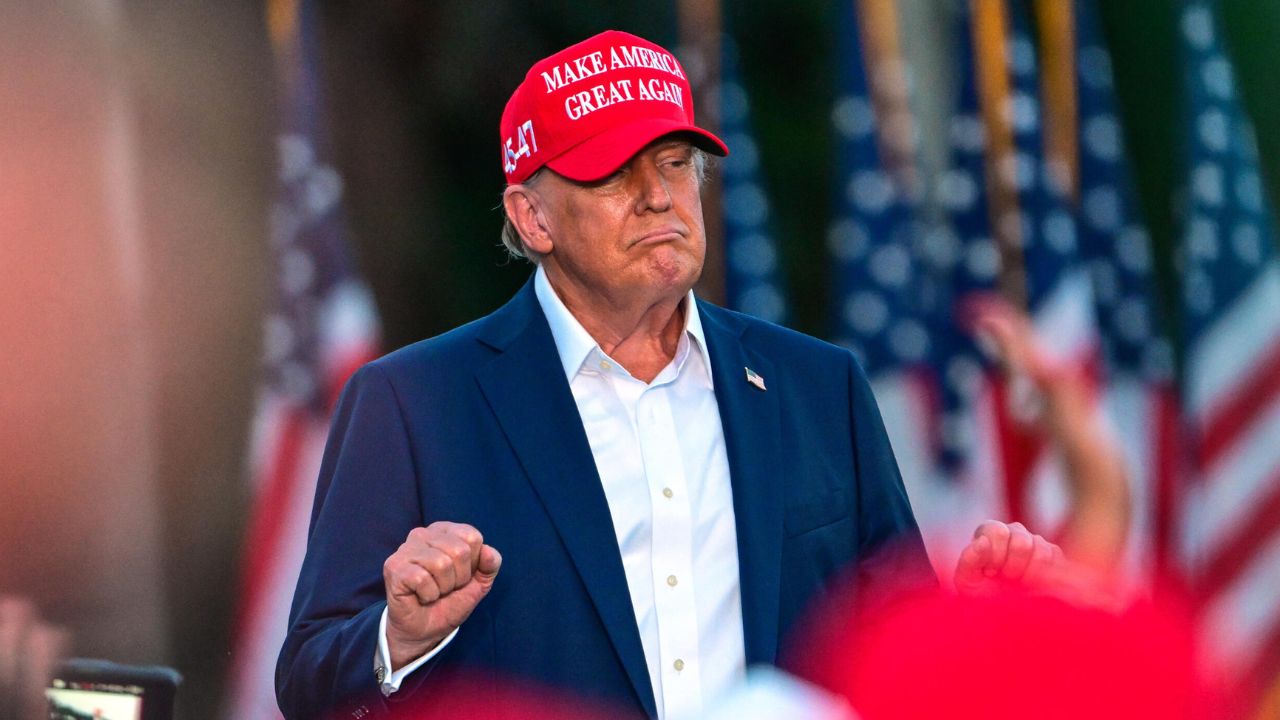
    Meta said Friday it was lifting restrictions on US presidential candidate Donald Trump’s Facebook and Instagram accounts, ending measures put in place after his supporters violently stormed the US Capitol in 2021.

    It said that “former President Trump, as the nominee of the Republican Party, will no longer be subject to the heightened suspension penalties.”

    Trump’s Facebook and Instagram accounts were suspended indefinitely a day after his supporters attacked the US Capitol on January 6, 2021, and it was determined he had praised people engaged in violence on social media.

    His accounts were reinstated in February 2023 but with a threat of penalties for future breaches — an additional restriction that Meta lifted on Friday.

    “In assessing our responsibility to allow political expression, we believe that the American people should be able to hear from the nominees for President on the same basis,” Meta wrote in a blog post.

    It added that US presidential candidates “remain subject to the same Community Standards as all Facebook and Instagram users, including those policies designed to prevent hate speech and incitement to violence.”

    Trump, the first former president to be convicted of a crime, was also banned from Twitter and YouTube.

    While those restrictions were later lifted last year, Trump now mainly communicates on his own social media platform, Truth Social.

    His Facebook profile, which has 34 million users, includes messages originally published on Truth Social as well as invitations to rallies and videos from his campaign.

  • From England to Pakistan: Foreign bhabhi shares her love for this country

    From England to Pakistan: Foreign bhabhi shares her love for this country

    Many Pakistanis marry foreigners, as do many celebrities. Dil to kissi pay bhee aa sakta hai. We’ve seen foreign bhabhis and foreign behnois adapting to Pakistani society. Recently, there’s been a trend of Pakistani men marrying foreigners, gaining attention on social media as these couples become popular.
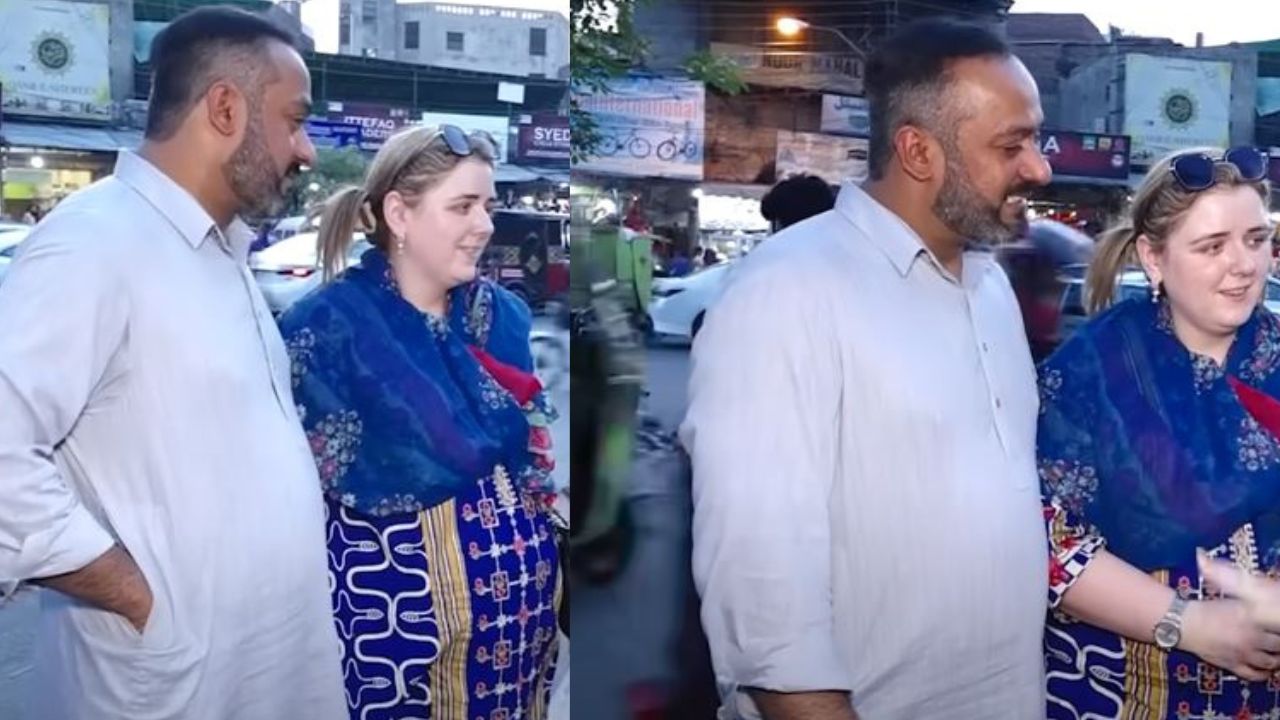
    Currently, another Pakistani man is going viral on socal media with his foreigner wife who speaks Urdu fluently and looks desi from her attire.


    A Facebook page called Fatta Fat shared the video. In the video, the husband of the foreign lady explained that he met her in England, and they got married afterwards. They now have two lovely children. His wife expressed her admiration for Pakistani men, citing their pure hearts and personalities as reasons for choosing her husband. She also mentioned her close and caring relationship with her sister-in-law. The foreign sister-in-law shared a message encouraging Pakistanis to live happily.


    She said, “I love everything about Pakistan, especially the Islamic culture, the call to prayer, I also offer prayers, and I also like the closely knit families in Pakistan. I love Pakistan. Tomorrow I will be leaving. I have been here for three months. I will miss Pakistan.”

  • Meta to start labeling AI-generated content in May

    Meta to start labeling AI-generated content in May

    Facebook and Instagram giant Meta on Friday said it will begin labeling AI-generated media beginning in May, as it tries to reassure users and governments over the risks of deepfakes.

    The social media juggernaut added that it will no longer remove manipulated images and audio that don’t otherwise break its rules, relying instead on labeling and contextualization, so as to not infringe on freedom of speech.

    The changes come as a response to criticism from the tech giant’s oversight board, which independently reviews Meta’s content moderation decisions.

    The board in February requested that Meta urgently overhaul its approach to manipulated media given the huge advances in AI and the ease of manipulating media into highly convincing deepfakes.

    The board’s warning came amid fears of rampant misuse of artificial intelligence-powered applications for disinformation on platforms in a pivotal election year not only in the United States but worldwide.

    Meta’s new “Made with AI” labels will identify content created or altered with AI, including video, audio, and images. Additionally, a more prominent label will be used for content deemed at high risk of misleading the public.

    “We agree that providing transparency and additional context is now the better way to address this content,” Monika Bickert, Meta’s Vice President of Content Policy, said in a blog post.

    “The labels will cover a broader range of content in addition to the manipulated content that the Oversight Board recommended labeling,” she added.

    These new labeling techniques are linked to an agreement made in February among major tech giants and AI players to cooperate on ways to crack down on manipulated content intended to deceive voters.

    Meta, Google and OpenAI had already agreed to use a common watermarking standard that would invisibly tag images generated by their AI applications.

    Identifying AI content “is better than nothing, but there are bound to be holes,” Nicolas Gaudemet, AI Director at Onepoint, told AFP.

    He took the example of some open source software, which doesn’t always use this type of watermarking adopted by AI’s big players.

    Meta said its rollout will occur in two phases with AI-generated content labeling beginning in May 2024, while the removal of manipulated media solely based on the old policy will cease in July.

    According to the new standard, content, even if manipulated with AI, will remain on the platform unless it violates other rules, such as those prohibiting hate speech or voter interference.

    Recent examples of convincing AI deepfakes have only heightened worries about the easily accessible technology.

    The board’s list of requests was part of its review of Meta’s decision to leave a manipulated video of US President Joe Biden online last year.

    The video showed Biden voting with his adult granddaughter, but was manipulated to falsely appear that he inappropriately touched her chest.

    In a separate incident not linked to Meta, a robocall impersonation of Biden pushed out to tens of thousands of voters urged people to not cast ballots in the New Hampshire primary.

    In Pakistan, the party of former prime minister Imran Khan has used AI to generate speeches from their jailed leader.