Tag: France

  • Five French tourist attractions transformed into Olympic grounds

    Five French tourist attractions transformed into Olympic grounds

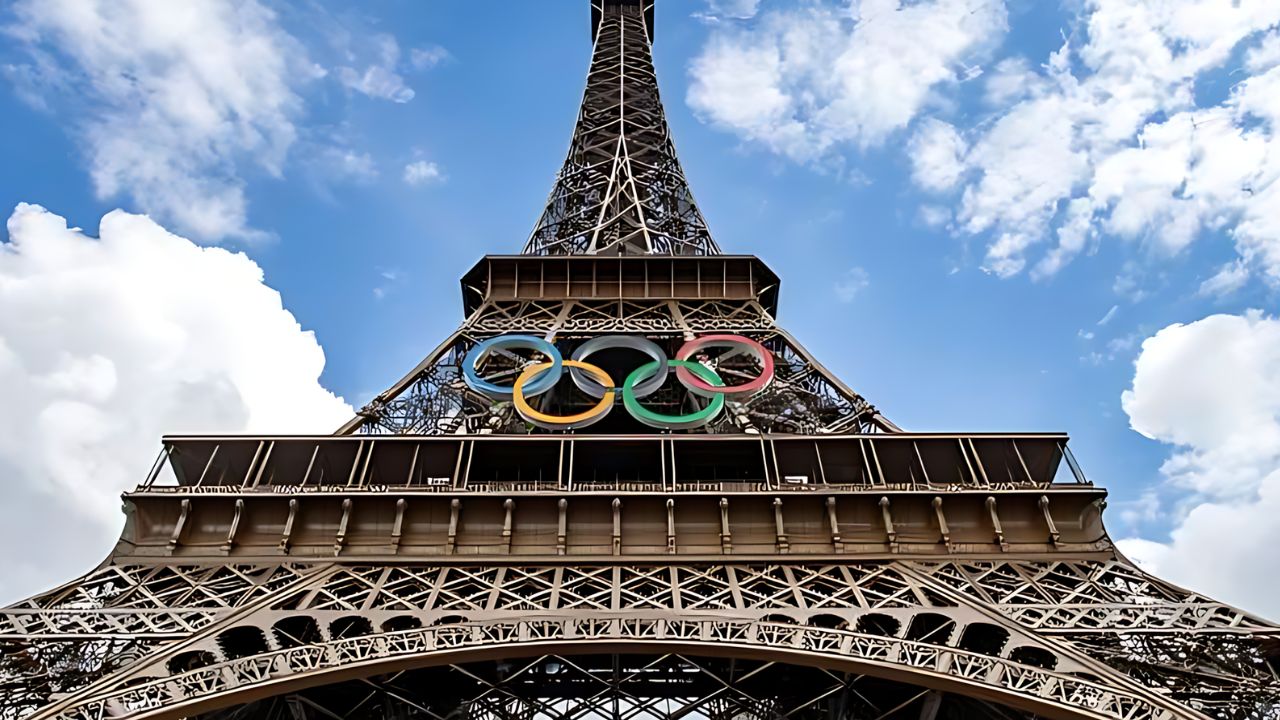
    1. Eiffel Tower

    The most famous of the Paris landmarks, the Eiffel Tower, will welcome beach volleyball. The action will take place in a temporary venue near the foot of the “Iron Lady”. Next door, the Champs de Mars park at the foot of the tower will host judo and wrestling.

    Reviled by some Parisians when it was unveiled in 1889 for the World Fair by engineer Gustave Eiffel, the Eiffel Tower has become the capital’s symbol. Besides being one of the world’s top tourist attractions, pulling in seven million visitors a year, it is also a working telecoms tower, used for radio and TV transmissions.

    Winners at the Paris Games will all go home with a small part of the iron colossus. Each medal will contain an 18g crumb of original iron, removed during renovations, melted down and reforged.

    2. Grand Palais

    Fencing and taekwondo battles will take place in the opulent setting of the Grand Palais exhibition hall, a glass-and-steel masterpiece created for the World Fair of 1900. Its distinctive feature is its glass-domed roof, the largest of its kind in Europe, which covers a cavernous exhibition space of 13,500 square metres.

    During World War I, the Grand Palais put its art collection in storage and converted its galleries into a military hospital where soldiers were patched up before returning to the trenches. In the 21st century, the airy nave has hosted giant installations commissioned from some of the world’s leading artists. It has also been flooded to make the biggest ice rink in the world.

    3, Place de la Concorde

    The vast, paved square at the foot of the Champs-Elysees avenue, where heads rolled (literally) during the French Revolution, will serve as an urban sports hub.

    Skateboarding, 3×3 basketball, BMX freestyle and, in its first Games appearance, breakdancing, will all take place on the elegant square by the Seine. Its harmonious name conceals a bloody past. King Louis XVI and his wife Marie-Antoinette were guillotined there in 1793 during the Reign of Terror that followed the 1789 French Revolution. The largest square in Paris is defined by its huge gold obelisk, one of a pair originally erected by Ramses II outside the temple in Luxor in Egypt. It was gifted to Paris in 1830.

    4. Palace of Versailles

    Dressage, showjumping and equestrian cross country will take place in the park of Versailles Palace, some 20 kilometres from Paris. It will also feature on the marathon circuit and host pentathlon events.

    In the 17th century, “the Sun King” Louis XIV transformed Versailles into a home of French royalty, where he resided with around 10,000 staff. The vast gardens include a mile-long canal that once hosted opulent parties. It has been a world heritage site since 1979 and is a firm favourite on the Paris tourist trail.

    5. Marseille

    The Olympics are spreading beyond the capital. Sailing contests will take place in the Mediterranean city of Marseille, France’s boisterous second city, better known as the home of Olympique Marseille football team.

    Over 300 sailors from across the world will battle it out on the sapphire Mediterranean waters off the city. A marina has been built along the scenic Corniche coastal road heading southeast out of the city. It’s unlikely they’ll have the sometimes ferocious mistral wind in their sails. It usually blows in winter and spring.

    Marseille, which will also host 10 football matches, was where the Olympic torch landed in France on May 8 on its relay to Paris.
  • What we know about the Paris Olympics opening ceremony

    What we know about the Paris Olympics opening ceremony

    Organisers of Friday’s opening ceremony for the Paris Olympics — the first time it will be held outside a stadium — have provided teasers for their spectacular plans but refused to give specifics.

    Here is what we know about the concept, the artists and music based on public statements over the last few months and press leaks:

    – What’s the concept? –

    Instead of using the main athletics stadium for the opening parade, as is customary, organisers have moved the event outside and into the heart of the capital — in keeping with their motto “Games Wide Open”.

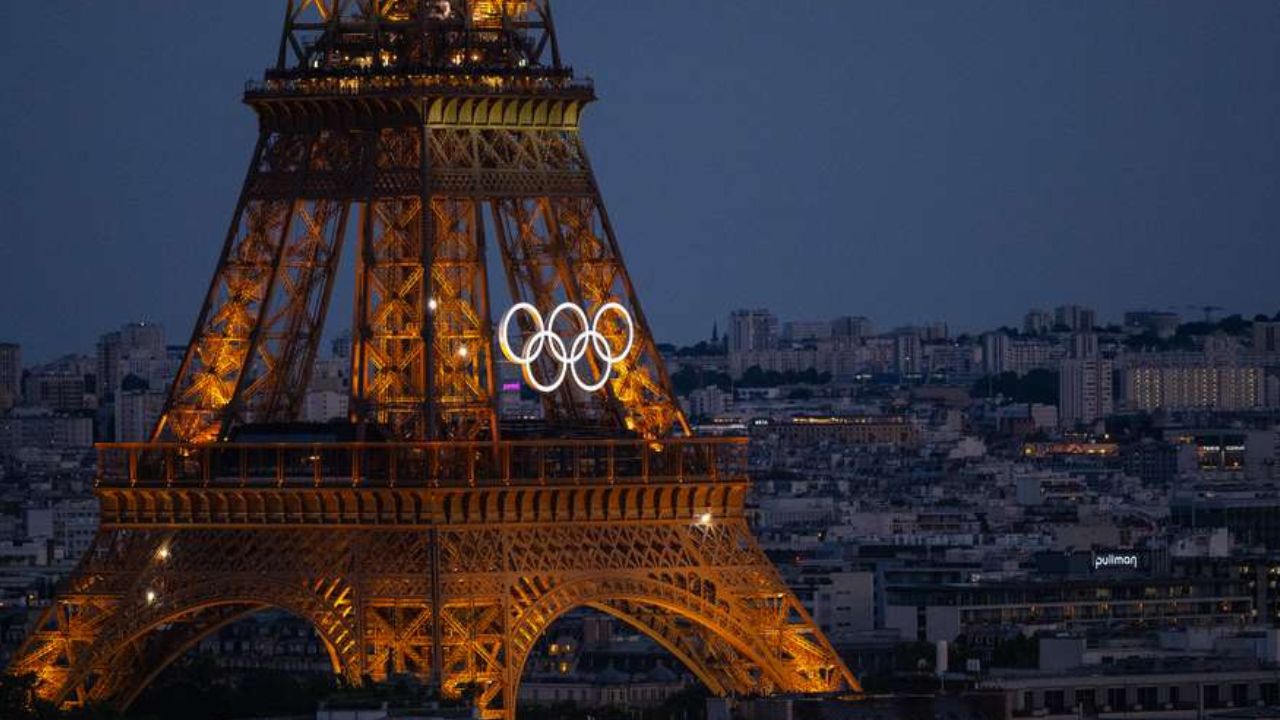
    Around 6,000-7,000 athletes are set to sail down a six-kilometre (four-mile) stretch of the river Seine from the Austerlitz bridge in the east to the Eiffel Tower, on 85 barges and boats.

    Up to 500,000 people are set to watch in person from specially built stands, where tickets have sold for up to 2,700 euros ($2,900), on the river banks for free and from the overlooking balconies and apartments.

    “Organising a ceremony on the Seine is not easier than doing it in a stadium… but it has more punch,” chief organiser Tony Estanguet told AFP earlier this month.

    Because of the size and complexity of the parade, it has never been rehearsed in full.

    – What about the entertainment? –

    The show has been designed by prodigious theatre director Thomas Jolly, a 42-year-old known for hit rock-opera musical “Starmania”.

    He brought on board a creative team that includes the writer of French TV series “Call My Agent”, Fanny Herrero, as well as best-selling author Leila Slimani and renowned historian Patrick Boucheron.

    The show has been split into 12 different sections, with around 3,000 dancers, singers and entertainers positioned on both banks of the river, the bridges and nearby monuments.

    A tribute to Notre-Dame cathedral, in the process of being renovated after a devastating fire in 2019, is guaranteed, possibly with dancers on its scaffolding.

    Starting at 07:30pm (1730 GMT), two thirds of the ceremony will take place in daylight, then dusk — Jolly is hoping for one of Paris’s stunning summer sunsets — and will end with a light show.

    The music will be a mix of classical, traditional ‘chanson francaise’, as well as rap and electro.

    Franco-Malian R&B star Aya Nakamura is widely tipped to perform despite criticism from far-right politicians, including Marine Le Pen who suggested an appearance by her would “humiliate” France.

    French electro superstars Daft Punk said they had turned down an invitation to play, while globe-trotting French DJ David Guetta has been overlooked — much to his irritation.

    – What’s the message? –

    Asked to sum up his message last week, Jolly said it was “love.”

    Despite the risk of irking conservatives, he said his work would be a celebration of cultural, linguistic, religious and sexual diversity in France and around the world.

    “I think the people who want to live together in this diversity, this otherness, are much more numerous, but we make less noise,” he told AFP.

    It is fair to assume it will be nothing like the widely panned retro-styled opening ceremony of last year’s rugby World Cup, which featured a succession of French cliches from baguettes to berets and the Eiffel Tower.

    Jolly’s team is also wary of over-emphasising France’s historic contribution to the development of democracy and the concept of universal human rights thanks to its Enlightenment philosophers and 1789 Revolution.

    “We wanted to avoid our natural tendency to lecture people,” Herrero told Le Monde newspaper recently.

    And don’t expect a three-hour tribute to French greatness to rival the nationalistic pageantry seen at the Beijing Games in 2008.

    “The opening ceremony in Beijing in 2008 was exactly what we did not want to do,” Boucheron told Le Monde.

    – What will be the big moments? –

    With so much still under wraps, it’s hard to predict.

    A performance by Aya Nakamura, after so much controversy about her role, would be a major moment so soon after parliamentary elections that saw the anti-immigration far-right gain a historic 143 seats in the national parliament.

    Jolly has strongly hinted that a submersible or submarine could emerge from the waters of the Seine at some point.

    “You have the sky, you have bridges, you have water, you have banks, you have so much space to make poetry,” Jolly told reporters last week. “So why not under the river also?”

    The biggest moment of all might simply be the end if everyone gets home safely.

    The ceremony has given French police cold sweats ever since it was unveiled in 2021 because of the difficulty of securing so many people over such a vast urban area.

    Around 45,000 members of the security forces will be on duty.

  • Milk prices in Karachi higher than cities in France, Netherlands, Australia

    Milk prices in Karachi higher than cities in France, Netherlands, Australia

    Milk has become more expensive in Pakistan as compared to many countries of the world, Bloomberg has reported.

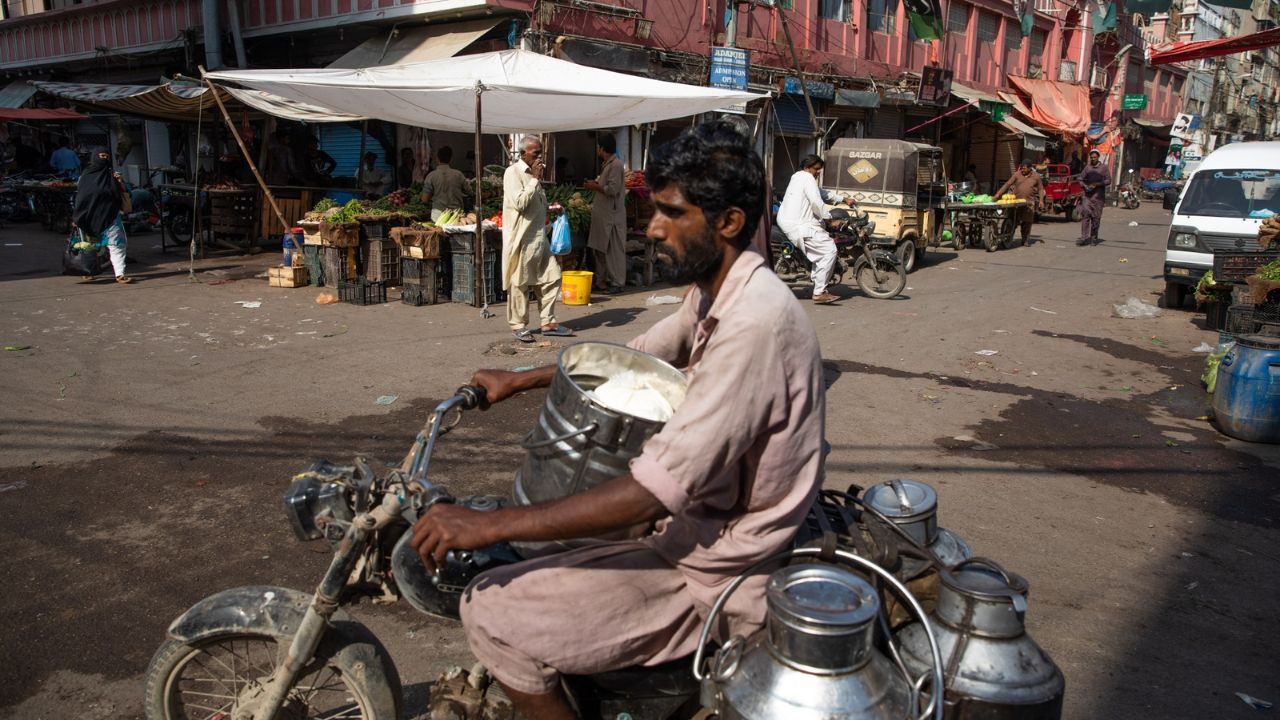
    According to the report, the price of boxed milk in Pakistan is 370 rupees per liter, while the same milk is available in Paris, the capital of France, for 342 rupees per liter. The price of milk in the Netherlands has also been declared cheaper than Pakistan.

    The report states that milk is available at Rs 358 per litre in Amsterdam and in Australia for Rs 300 per litre, while the price of canned milk in Pakistan is Rs.370.

    “Ultra-high temperature, or UHT, milk now costs 370 rupees ($1.33) a litre in supermarkets in Karachi. That compares with $1.29 in Amsterdam, $1.23 in Paris, and $1.08 in Melbourne, according to data collected by Bloomberg.” the report highlights.

    Bloomberg says that more than 60 percent of children in Pakistan are suffering from anaemia and increasing the price of milk is akin to putting the lives of sick children at stake.

  • Pakistan’s ‘The Glass Worker’ makes history at Annecy animation festival in France

    Pakistan’s ‘The Glass Worker’ makes history at Annecy animation festival in France

    The first hand-drawn animated film from Pakistan, titled ‘The Glass Worker,’ will be screened at the Annecy International Animation Film Festival in France, which is a historic win for Pakistan.

    The Glass Worker, created and directed by Khizar and Salman Riyaz, is produced by Mano Animation Studios. Mandviwalla Entertainment and Geo Films are presenting the movie together. The movie also premiered at the prestigious Cannes Film Festival in France last month.

    The story of the film ‘The Glass Worker’ tells the story of Vincent, a young glass artisan, and his father Tomas, who find their peaceful lives disrupted by the looming war. As Vincent falls for Alliz, the daughter of an army colonel, they must summon the courage to stand up to their fathers and fight for their love and their art.

  • French couple sentenced for keeping 159 cats, seven dogs

    French couple sentenced for keeping 159 cats, seven dogs

    A French couple has been given a one-year suspended sentence for keeping dozens of animals in closed spaces in a case pertaining to animal cruelty.


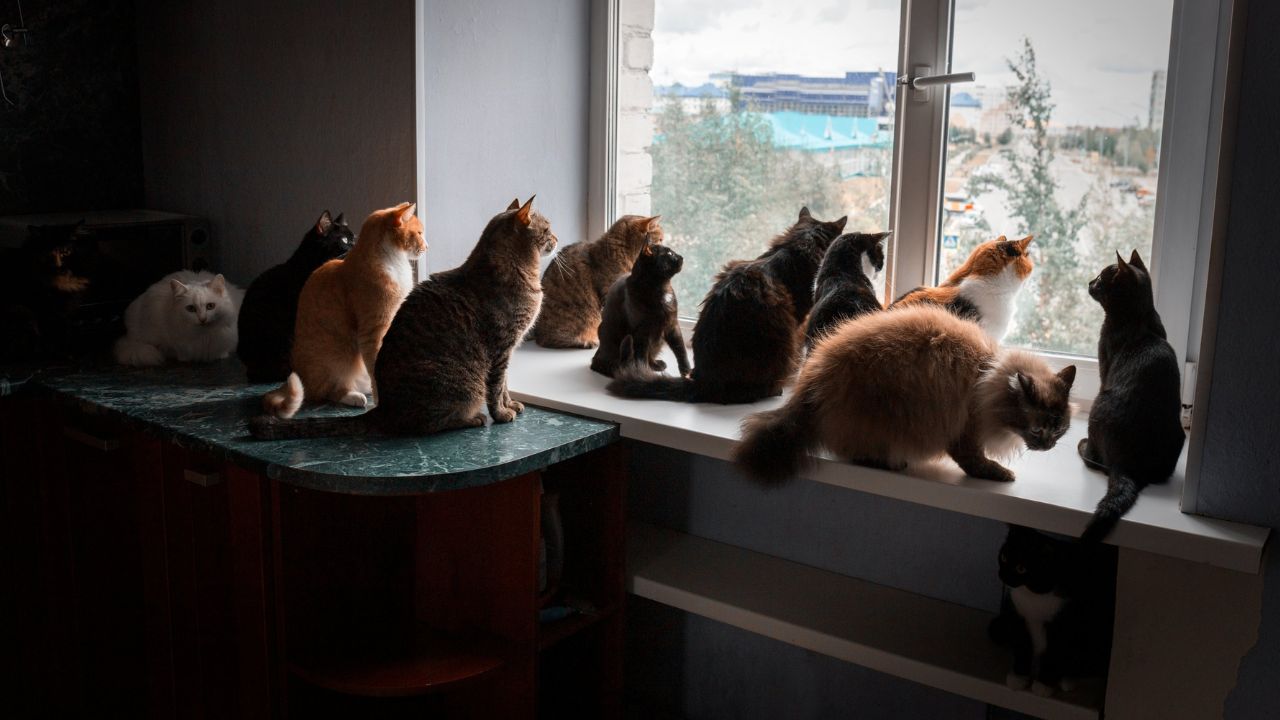
    The couple occupied an 80 square meter (861 square foot) apartment with 159 cats and seven dogs, as per BBC.


    The judge ruled that the couple had not given the animals proper care. The investigation found animals living in filth, many of them malnourished, dehydrated, or parasite-infected.


    The owners are a 68-year-old woman and a 52-year-old man, both of whom were banned from owning pets. They were ordered to pay more than €150,000 (£128,000) to animal rights’ charities and civil parties.


    When police broke up a fight at the couple’s apartment last year, they found each room contained numerous animals.


    Authorities also reported animal waste everywhere in the apartment.


    Due to their poor health, some dogs and cats later passed away. In a washroom, investigators discovered the bodies of two dogs and at least two cats.


    The apartment’s owner testified in court that although the animals were “the love of her life,” she had “screwed up.”


    It appears that in 2018, she moved in with her parents’ three dogs and three cats before bringing about thirty cats from an abandoned building to her apartment. After that, the animals procreated.


    The woman claimed that she would have felt like an “abandoned person for abandoning [the animals].”


    This condition is called Noah’s syndrome. It is a psychological need to save animals even when one is unable to do so, according to a psychiatric evaluation.

    An 18-month prison sentence was what the prosecution had asked for.


    In 2014, the couple was already under investigation for residing in an 18-square-meter studio with a dog and thirteen cats.

  • Macron believes France, allies ‘could have stopped’ 1994 Rwanda genocide

    Macron believes France, allies ‘could have stopped’ 1994 Rwanda genocide

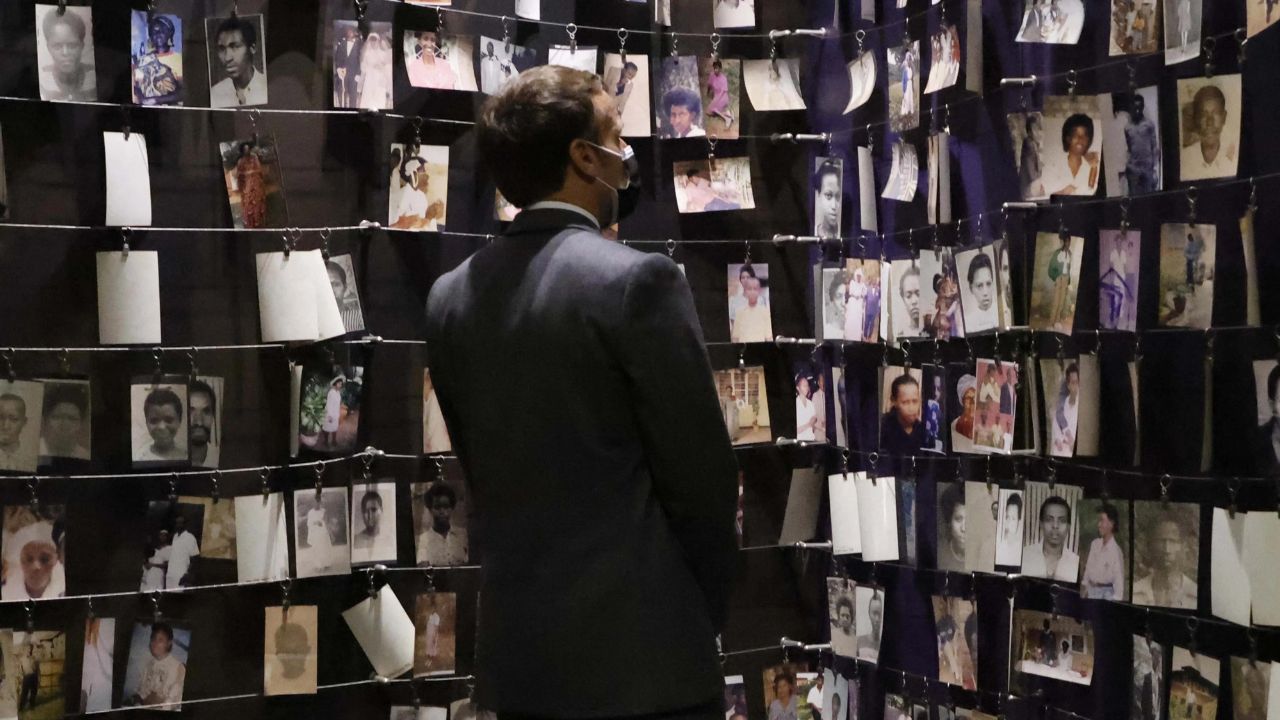
    President Emmanuel Macron believes France and its Western and African allies “could have stopped” Rwanda’s 1994 genocide but did not have the will to halt the slaughter of an estimated 800,000 people, mostly ethnic Tutsis, the presidency said on Thursday.

    In a video message to be published on Sunday to mark the 30th anniversary of the genocide, Macron will emphasise that “when the phase of total extermination against the Tutsis began, the international community had the means to know and act”, a French presidential official said, asking not to be named.

    The president believes that at the time, the international community already had historical experience of witnessing genocide with the Holocaust in World War II and the mass killings of Armenians in Ottoman Turkey during World War I.

    Macron will say that “France, which could have stopped the genocide with its Western and African allies, did not have the will” to do so, the official added.

    The president will not be heading to Kigali to attend commemorations of the genocide this Sunday alongside Rwandan President Paul Kagame, and France will instead be represented by Foreign Minister Stephane Sejourne.

    Macron, during a visit to Rwanda in 2021, recognised France’s “responsibilities” in the genocide and said only the survivors could grant “the gift of forgiveness”.

    But he stopped short of an apology and Kagame, who led the Tutsi rebellion that ended the genocide, has long insisted on the need for a stronger statement.

    A historical commission set up by Macron and led by historian Vincent Duclert also concluded in 2021 that there had been a “failure” on the part of France under former leader Francois Mitterrand, while adding that there was no evidence Paris was complicit in the killings.

    Marcel Kabanda, president of the Ibuka France genocide survivor association, welcomed Macron’s new message reported on Thursday.

    “It goes even further than the Duclert report or his message in Kigali” in 2021, he said.

    “I’m overjoyed he is giving France this positive image of a country that recognises its faults and grows through recognising its history,” he said.

    In his video message, Macron is to “reiterate the importance of the duty of remembrance, but also of developing and disseminating reference knowledge, in particular through the education of younger generations in France,” the presidency said.

  • France interested in Pakistan’s energy sector

    France interested in Pakistan’s energy sector

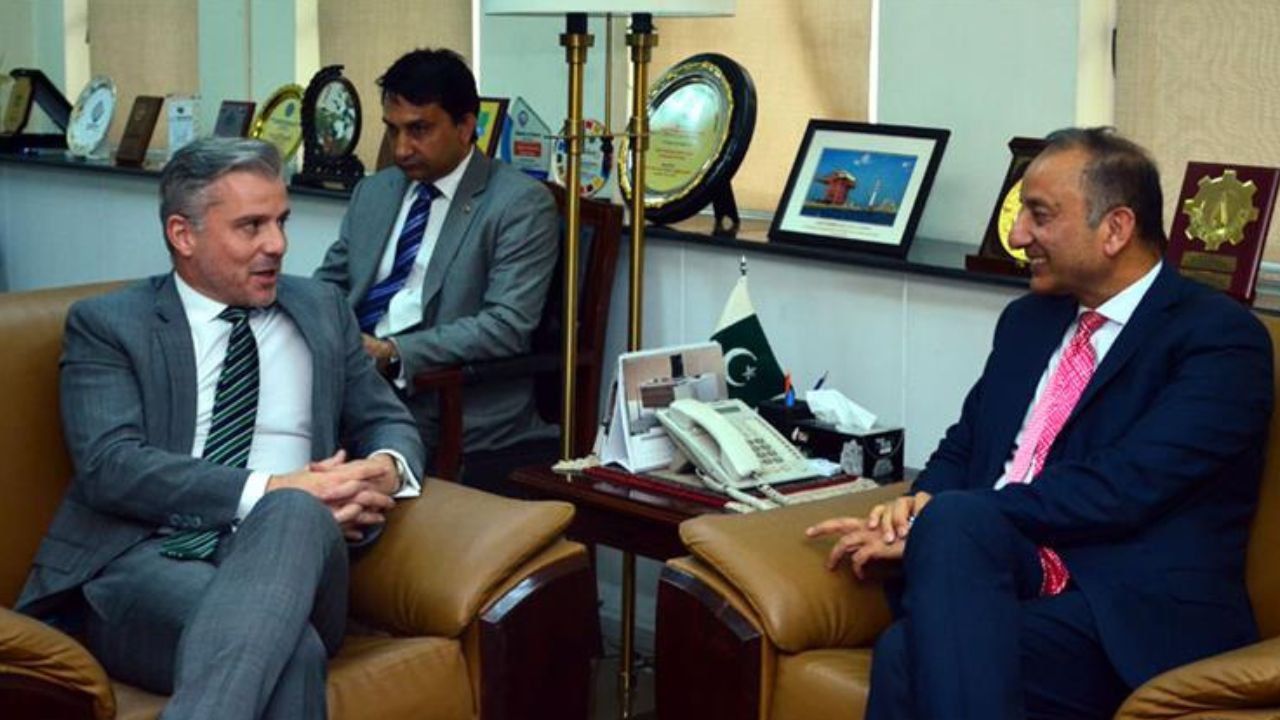
    A French delegation, led by its Deputy Head of Mission Guillaume Dabouis, showed keeness in investing in Pakistan’s energy sector in a meeting with Pakistan’s Minister of Energy, Musadik Malik in Islamabad, ARY news has reported.

    The French officials showed interest in investing in a number of domains of Pakistan’s energy sector, including LNG cargo provision, energy resource exploration, and projects aimed at improving energy trading, distribution, and transmission within the country.

    They also indicated interest in initiatives focused on lowering line losses and reviving Pakistan’s energy sector overall.

    The energy minister reaffirmed the government’s commitment to addressing the nation’s longstanding energy challenges. He emphasized the shift from piecemeal strategies and assured that the new government would present a thoroughly prepared plan to the International Monetary Fund (IMF).

  • European Countries That Allow Assisted Dying

    European Countries That Allow Assisted Dying

    France could become the next European country to legalise assisted dying for the terminally ill under a proposal set out by President Emmanuel Macron.

    In an interview with two French newspapers he suggested that adults with full control of their judgement, suffering an incurable and life-threatening illness in the short-to-medium term and whose pain cannot be relieved should be able to “ask to be helped to die”.

    Several other European countries already allow the terminally ill to receive help to end their lives.

    Here is a round-up of the situation:

    In April 2002, the Netherlands became the first country in the world to legalise active euthanasia, whereby doctors administer lethal doses of drugs to patients suffering from an incurable condition.

    It also legalised assisted suicide, where patients can receive help to voluntarily take their own life.

    The Dutch law said the patient must have “unbearable suffering with no prospect of improvement” and must have requested to die in a way that is “voluntary, well considered and with full conviction”.

    In 2012, the Netherlands expanded the law to authorise euthanasia for over-12s in great suffering, provided they have parental consent, and in 2020 to patients with severe dementia, if the patient had requested the procedure while still mentally competent.

    The Dutch government in April 2023 also approved euthanasia for children under 12 after years of debate, permitting mercy deaths for young minors suffering “unbearably and without hope”.

    Belgium was the second country to adopt euthanasia and assisted suicide in May 2002, and with similar caveats to the Dutch.

    In 2014 it went further than the Netherlands by allowing terminally ill children of all ages to also request the procedure, with the consent of their parents.

    Fellow Benelux country Luxembourg decriminalised euthanasia and assisted dying in 2009, followed by Spain in June 2021, which legalised both practices.

    Portugal in May 2023 adopted a bill decriminalising euthanasia, despite strong opposition from President Marcelo Rebelo de Sousa, a devout churchgoer.

    The law legalised euthanasia for people in great suffering and with incurable diseases.

    Switzerland, which prohibits euthanasia, has for decades allowed assisted suicide, making it the go-to destination for patients from around Europe looking for assistance to end their suffering.

    The growth of so-called “suicide tourism” has caused much soul-searching in Switzerland but the authorities decided in 2011 against restricting the practice.

    Neighbouring Austria, a staunchly Catholic nation, also legalised assisted suicide in 2022 after its constitutional court ruled the country was violating citizens’ fundamental rights in making it illegal.

    Italy’s constitutional court by contrast in February 2022 rejected a bid to hold a referendum on decriminalising assisted dying, judging that such a vote would fail to protect the weakest.

    But the court ruled that it should not always be punishable to help someone with “intolerable” physical or psychological suffering to commit suicide.

    The issue is also the subject of renewed public interest in Britain. In 2015, MPs voted overwhelmingly against allowing assisted dying but over 150,000 people have signed a petition calling for a new debate and vote.

  • Pakistani passport once again least powerful

    Pakistani passport once again least powerful

    Henley & Partners‘ Passport Index has published a list portraying the world’s travel access hierarchy.


    Top on the list of countries that encourage travelling are France, Germany, Italy, Japan, Singapore, and Spain, whose citizens can visit an astounding 194 destinations without requiring arduous visa procedures. This group of countries offer passport-to-plane experience, setting the bar high for unmatched worldwide mobility.


    With access to 193 locations, Finland, South Korea, and Sweden share second place. Many visa-free or visa-on-arrival options are available to their well-travelled inhabitants, providing access to a variety of cultures and environments.


    Austria, Denmark, Ireland, and the Netherlands take third place with access to 192 destinations. These nations serve as entry points to a wide range of travel opportunities.


    The long list goes on, honouring countries that place a high priority on global connection. Among the notable entries are the United States, Canada, Greece, Switzerland, and New Zealand, all of which provide their inhabitants with an abundance of travel options.


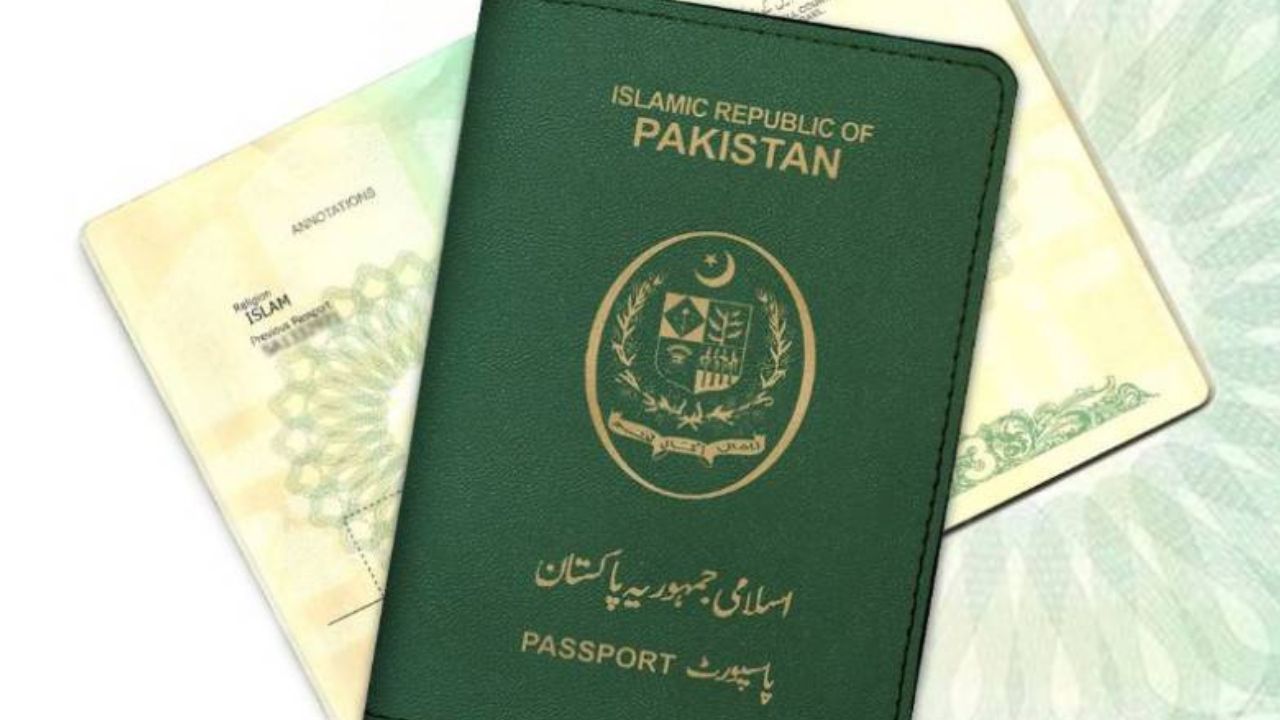
    On the other hand, the Passport Index identifies states with more limited travel options. Afghanistan, Syria, Iraq, and Pakistan are among the least accessible, offering their passport holders entry to just 34 countries that require no visa or one upon arrival.


    The London-based company, which offers residency and citizenship consultancy services, teamed together with the International Air Transport Association to create a unique ranking that takes into account passport holders’ access to countries without a visa or with one upon arrival.

  • US-led coalition to patrol Red Sea against Houthi attacks

    US-led coalition to patrol Red Sea against Houthi attacks

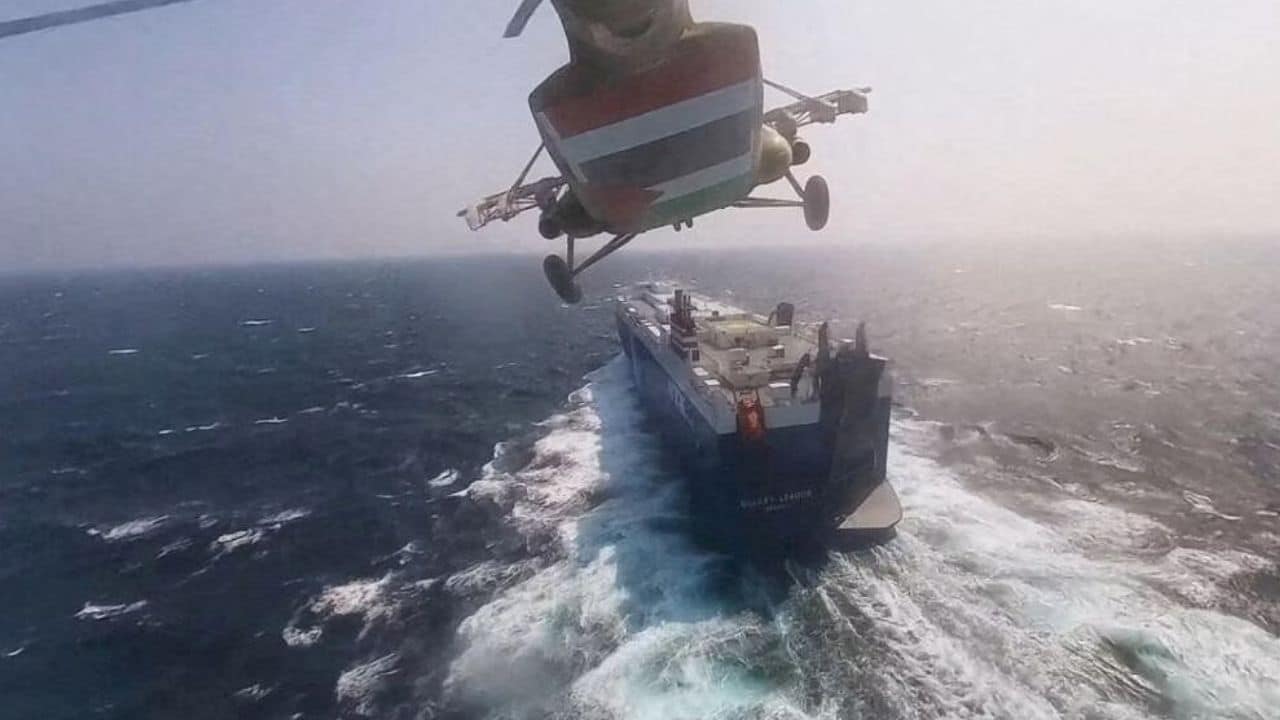
    The United States on Monday announced a 10-nation coalition to quell Houthi missile and drone attacks on ships transiting the Red Sea, with Britain, France, Bahrain and Italy among countries joining the “multinational security initiative.”

    “Countries that seek to uphold the foundational principle of freedom of navigation must come together to tackle the challenge posed by this non-state actor,” US Defense Secretary Lloyd Austin said in a statement.

    Iran-backed Houthi rebels have escalated attacks on tankers, cargo ships and other vessels in the Red Sea, imperiling a transit route that carries up to 12 percent of global trade.

    The security coalition, Austin said, will operate “with the goal of ensuring freedom of navigation for all countries and bolstering regional security and prosperity.”

    It includes the United States, United Kingdom, Bahrain, Canada, France, Italy, Netherlands, Norway, Seychelles and Spain, Austin said.

    Yemen’s Iran-backed Houthi rebels said earlier they had attacked two “Israeli-linked” vessels in the Red Sea in solidarity with Gaza, as more companies halt transit through the troubled but vital waterway.

    The attacks on the Norwegian-owned Swan Atlantic and another ship identified by the Houthis as the MSC Clara are the latest in a flurry of maritime incidents that are disrupting global trade in an attempt to pressure Israel over its war against Hamas militants.

    In a statement, the Yemeni rebels said they had carried out a “military operation against two ships linked to the Zionist entity” using naval drones.

    They vowed to “continue to prevent all ships heading to Israeli ports… from navigating in the Arab and Red Seas” until more food and medicine is allowed into Gaza.

    But the Swan Atlantic’s owner, Norway’s Inventor Chemical Tankers, said in a statement the ship was carrying biofuel feedstock from France to Reunion Island.

    It said the vessel has “no Israeli link” and was managed by a Singaporean firm, adding that the Indian crew were unharmed and the vessel sustained limited damage.

    British oil giant BP became the latest to suspend transit through the Red Sea on Monday, while Taiwan shipping firm Evergreen said it was suspending its Israeli cargo shipments with immediate effect.

    Frontline, one of the world’s largest tanker companies, also said it was rerouting ships and would “only allow new business” that could be routed via South Africa’s Cape of Good Hope.

    That route is far longer and uses more fuel.

    The Red Sea attacks have forced insurance companies to significantly increase premiums on ships, making it uneconomical for some to transit through the Suez Canal.

    Italian-Swiss giant Mediterranean Shipping Company, France’s CMA CGM, Germany’s Hapag-Lloyd, Belgium’s Euronav and Denmark’s A.P Moller-Maersk — the latter accounting for 15 percent of global container freight — have all stopped using the Red Sea until further notice.

    The attacks have become “a maritime security crisis” with “commercial and economic implications in the region and beyond,” Torbjorn Soltvedt of analysis firm Verisk Maplecroft told AFP.

    Monday’s attack took place as the Pentagon chief visited Israel after a stop in Bahrain, home base of the US Navy’s Fifth Fleet.

    “In the Red Sea, we’re leading a multinational maritime taskforce to uphold the bedrock principle of freedom of navigation. Iran’s support for Houthi attacks on commercial vessels must stop,” Austin said at a news conference.

    On Saturday, a US destroyer shot down 14 drones in the Red Sea launched from rebel-controlled areas of Yemen, the US military said.
    Britain said one of its destroyers had also brought down a suspected attack drone in the area.

    Rebel spokesman Mohammed Abdul Salam said neutral Oman had launched mediation efforts to safeguard shipping using the waterway.

    “Under the sponsorship of our brothers in the Sultanate of Oman, communication and discussion continue with a number of international parties regarding operations in the Red Sea and Arabian Sea,” he said on X, formerly Twitter.

    The Gaza war broke out when its rulers Hamas launched an unprecedented attack on Israel on October 7, killing around 1,140 people and kidnapping some 250, according to an AFP tally based on official Israeli figures.

    Gaza’s health ministry says Israel’s military response has killed more than 19,450 people, mostly women and children.