Tag: Germany

  • Five Palestinians sue Germany over weapons for Israel

    Five Palestinians sue Germany over weapons for Israel

    Five Palestinians living in the Gaza Strip have filed a legal complaint in Berlin against the German government over its delivery of weapons to Israel, an NGO representing them said Friday.

    The complaint seeks to “revoke the export licences issued by the German government for arms deliveries to Israel”, the European Center for Constitutional and Human Rights (ECCHR) said in a statement.

    A spokeswoman for the administrative court in Berlin confirmed it received the complaint late Thursday. The five plaintiffs live in different parts of the Gaza Strip, including Rafah, the official added.

    The Palestinians are “challenging the authorisation already granted for the delivery of anti-tank weapons” and seeking to stop deliveries that have not yet been authorised, the spokeswoman said.

    The complaint is directed against the economy ministry, which now has two weeks to respond.

    The five Palestinians have all had family members killed in Israeli missile attacks since Hamas attacks on Israel on October 7, according to the ECCHR.

    The plaintiffs say Berlin is failing to fulfil its obligations under international law, including the 1948 United Nations Genocide Convention.

    “Germany cannot remain true to its values if it exports weapons to a war in which serious violations of international humanitarian law are evident,” said Wolfgang Kaleck, general secretary of the ECCHR.

    Germany is the second biggest arms exporter to Israel after the US, accounting for 30 percent of imports between 2019 and 2023, according to the Stockholm International Peace Research Institute (SIPRI).

    Berlin is facing a case in the International Court of Justice in which Nicaragua says it is in breach of the UN Genocide Convention, set up after the Holocaust.

    On Tuesday, Berlin’s representatives insisted that Germany supplied arms only “on the basis of detailed scrutiny… that far exceeds the requirements of international law”.

    Israeli genocide in Gaza Strip has killed more than 33,000 people since October 7, according to the Gaza health ministry.

  • Body of Pakistani-German killed in Europe airlifted to Karachi

    Body of Pakistani-German killed in Europe airlifted to Karachi

    The dead body of Faheemuddin, a German citizen of Pakistani origin who was killed in Germany, has reportedly been brought to Karachi.

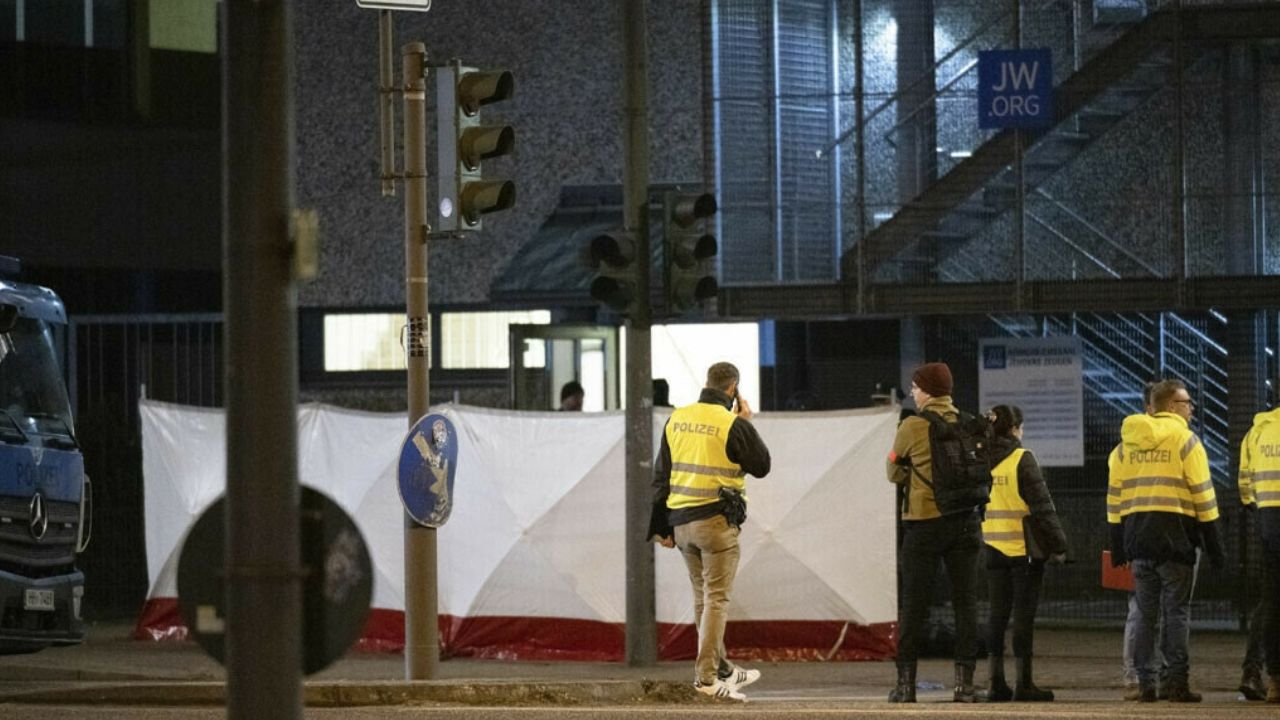
    Faheemuddin was murdered in the city of Ulm in the southern German state of Baden-Wurttemberg, when a local resident entered his house and attacked the family with a knife.

    As a result of the attack, 58-year-old Faheemuddin died on the spot, while his wife and 13-year-old daughter were seriously injured before being taken to the hospital for medical assistance.

    According to the police, two other daughters remained safe during the attack after they hid in the house. The police reached the scene after getting informed, shooting and killing the attacker.

    The police claim that the killer was mentally unwell and had returned from mental therapy a few months ago.

    Faheemuddin’s body has now been brought to Karachi. His funeral prayers will be offered in Federal B area after Zuhr prayer.

    His brother, Wajihauddin, said that Fahimuddin had been living in Germany with his family since 1992.

    Wajihuddin claimed that the killer was not a psychopath but a taxi driver, no one should be labelled as a psychopath.

  • Twins stolen at birth reunited by TikTok

    Twins stolen at birth reunited by TikTok

    A pair of twin girls, taken from their mother right after birth and sold to different families, have been reunited dramatically thanks to TikTok.


    Years after they were stolen at birth, Amy and Ano from Georgia have met again after watching a TikTok video, BBC reported.

    As the two delved into their past, they realised they were among thousands of babies in Georgia stolen from hospitals and sold, some as recently as 2005.

    The twins discovered each other when they were 12 years of age. This was when Amy was watching her favorite TV show Georgia’s Got Talent where Ano was performing as a young artist. She even got calls from acquaintances asking if she was the one performing with another name but the family brushed it off, thinking everyone has a doppelganger.

    Amy (L) aged 12 and Ano (R) also aged 12 during her performance on Georgia’s Got Talent

    Seven years later Ano was sent a TikTok video by a friend of Amy’s in a fresh haircut and eye-brows piercing. She thought the resemblance “cool” and the two got connected on Facebook.

    Amy instantly knew Ano was the girl she had seen all those years ago on Georgia’s Got Talent.


    “I have been looking for you for so long!” she messaged. “Me too,” replied Ano.


    Over time, they discovered several commonalities between them but not all of it made sense. The biggest of all was that they had the same genetic disease, a bone disorder called dysplasia. Both were born in the same hospital but according to their birth certificates, they were born a few weeks apart.

    It felt like they were unraveling a mystery together. “Every time I learned something new about Ano, things got stranger,” Amy relates.


    They decided to meet and when they did it was like “looking in a mirror”.

    Ano (L) and Amy (R) met for the first time at Rustaveli metro station – they have often chosen similar hairstyles


    They confronted their families and found out they were adopted in 2002.

    Unable to have children, Amy’s mother says a friend told her there was an unwanted baby at the local hospital. She would need to pay the doctors but she could take her home and raise her as her own.


    Ano’s mother was told the same story.


    Neither of the adoptive families knew the girls were twins and despite paying a lot of money to adopt their daughters, they say they hadn’t realised it was illegal. Georgia was going through a period of turmoil and as hospital staff were involved, they thought it was legitimate.


    The two went online and posted their story in a Facebook group called Vedzeb, which means “I’m searching” in Georgian.


    A girl from Germany replied to them stating her mother had given birth to twin girls in Kirtskhi Maternity Hospital in 2002 and that despite being told they had died, she now had some doubts.


    DNA tests revealed that the girl from the Facebook group was their sister, and was living with their birth mother, Aza, in Germany. Sceptical, they met their birth mother in Leipzig, Germany. She explained to them how she went into a coma after giving birth and upon waking she was told that her children had died.

    Ano (L), Aza (C) and Amy (R) meet for the first time in Leipzig, Germany where Aza now live


    The group was made by journalist Tamuna Museridze in 2021 after she discovered she was adopted. She has helped to reunite hundreds of families, but has not yet tracked down her own.


    Tamuna discovered a black market in adoption that stretched across Georgia and went on from the early 1950s to 2005. “The scale is unimaginable, up to 100,000 babies were stolen. It was systemic,” she says.


    In 2022, the Georgian government launched an investigation into historic child trafficking, telling BBC that it has spoken to more than 40 people but the cases were “very old and historic data has been lost”. Journalist Tamuna Museridze says she has shared information but the government hasn’t said when it will release its report.

  • Pakistani passport once again least powerful

    Pakistani passport once again least powerful

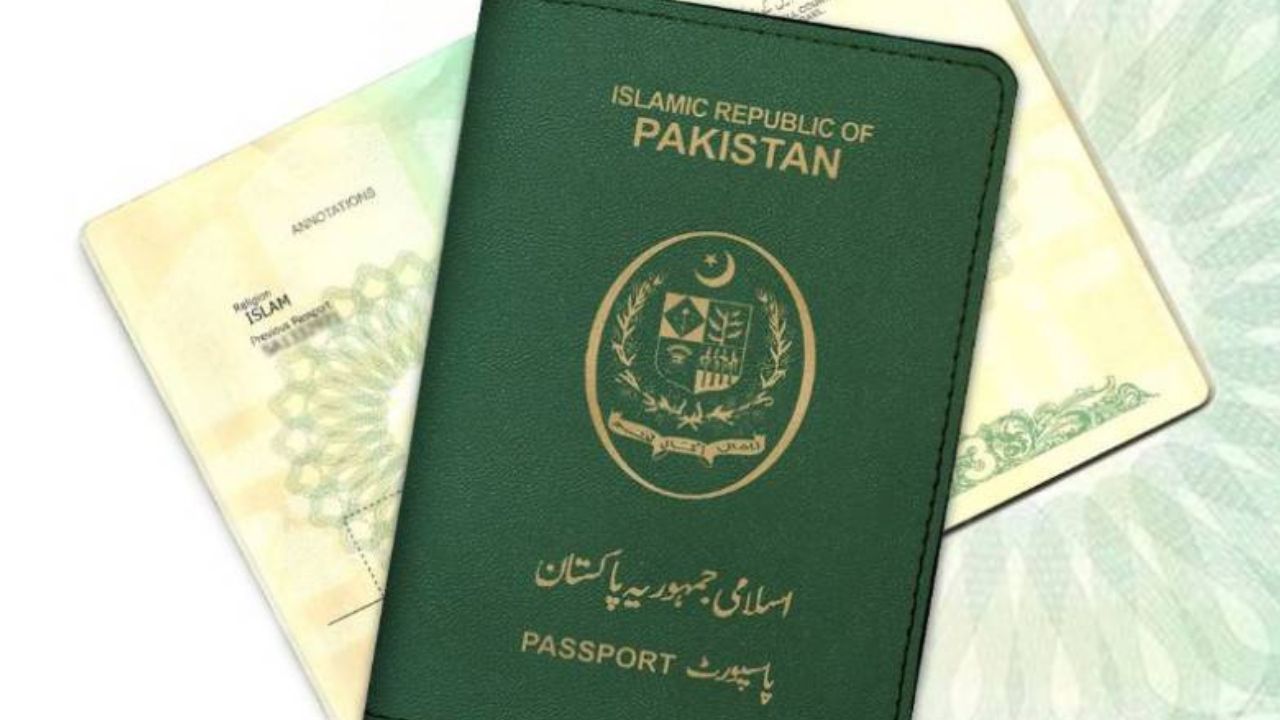
    Henley & Partners‘ Passport Index has published a list portraying the world’s travel access hierarchy.


    Top on the list of countries that encourage travelling are France, Germany, Italy, Japan, Singapore, and Spain, whose citizens can visit an astounding 194 destinations without requiring arduous visa procedures. This group of countries offer passport-to-plane experience, setting the bar high for unmatched worldwide mobility.


    With access to 193 locations, Finland, South Korea, and Sweden share second place. Many visa-free or visa-on-arrival options are available to their well-travelled inhabitants, providing access to a variety of cultures and environments.


    Austria, Denmark, Ireland, and the Netherlands take third place with access to 192 destinations. These nations serve as entry points to a wide range of travel opportunities.


    The long list goes on, honouring countries that place a high priority on global connection. Among the notable entries are the United States, Canada, Greece, Switzerland, and New Zealand, all of which provide their inhabitants with an abundance of travel options.


    On the other hand, the Passport Index identifies states with more limited travel options. Afghanistan, Syria, Iraq, and Pakistan are among the least accessible, offering their passport holders entry to just 34 countries that require no visa or one upon arrival.


    The London-based company, which offers residency and citizenship consultancy services, teamed together with the International Air Transport Association to create a unique ranking that takes into account passport holders’ access to countries without a visa or with one upon arrival.

  • Germany Ready To Sell Eurofighter Jets To Saudi Arabia

    Germany Ready To Sell Eurofighter Jets To Saudi Arabia

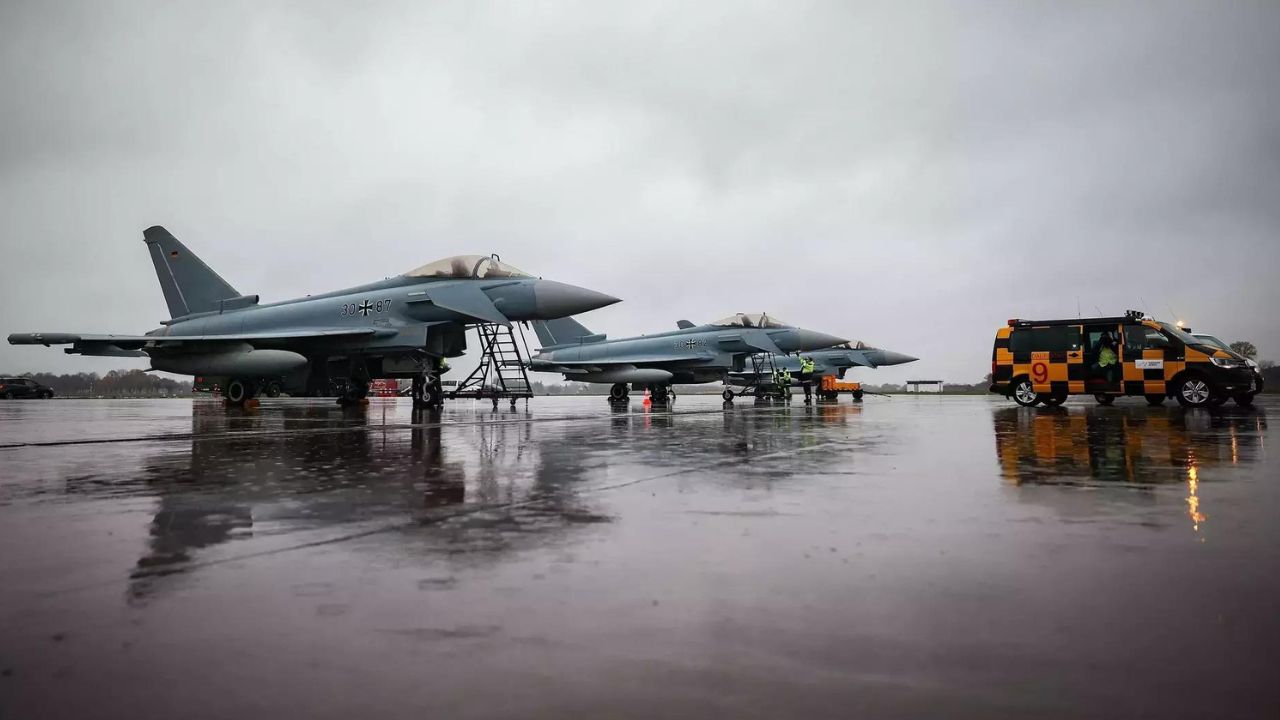
    Chancellor Olaf Scholz’s government on Monday defended plans to lift Germany’s longstanding veto on sales of Eurofighter jets to Saudi Arabia, saying Riyadh has adopted a “constructive approach” in the Israel-Hamas war.

    Germany, Britain, Italy and Spain jointly build the jet and each can veto deals.

    Berlin has blocked one deal, sought by London, since 2018.

    But German Foreign Minister Annalena Baerbock, on a visit to Israel on Sunday, signalled that Berlin was ready to lift its blockade.

    “We do not see ourselves, as the German federal government, opposing British considerations on other Eurofighter (sales),” Baerbock told journalists, as she underlined the Saudi role in the Middle East security crisis since the eruption of the Israel-Hamas war on October 7.

    Scholz “shares this assessment,” his spokesman Steffen Hebestreit said on Monday at a press conference, noting that “it is an open secret that Saudi Arabia’s airforce has used Eurofighters to shoot down rockets launched by the Huthis on the way to Israel”.

    Germany has blocked arms sales to Riyadh since the 2018 murder of dissident journalist Jamal Khashoggi in the Saudi consulate in Istanbul.

    That includes blocking a deal for 48 Eurofighter jets signed by Saudi Crown Prince Mohammed bin Salman in London.

    Baerbock noted that Saudi Arabia and Israel had “not renounced their policy of normalisation” since the war broke out.

    “The fact that Saudi Arabia is now intercepting missiles fired by the Huthis at Israel underlines this, and we are grateful for that,” she added.

    “The fact that the Saudi air force also uses Eurofighters in this context is an open secret,” the minister continued.

    “Saudi Arabia is a key contributor to Israel’s security, even these days, and is helping to stem the risk of a regional conflagration.”

    Germany’s previous position against deliveries to the kingdom had put itself at odds with key partners, with Airbus chief Guillaume Faury saying in November that it was “damaging to Germany’s reputation as an exporting nation”.

    “This raises the question of confidence and the credibility of Germany as a country participating in international programmes,” he added.

    Berlin’s U-turn, however, risks opening up a new political row domestically, with Baerbock’s Greens already uneasy about the move.

    Co-chair of the Greens, Ricarda Lang, on Monday insisted that “with a view on the human rights situation, including Saudi Arabia’s domestic constitution, I think as before that it is wrong to deliver Eurofighters” to the kingdom.

  • 40 countries to hold elections in 2024, including Pakistan

    40 countries to hold elections in 2024, including Pakistan

    The new year is just over one month away and it is going to be the biggest election year in history yet.

    40 countries are scheduled to vote in 2024 across the globe which, as calculated by Bloomberg Economics, represent 41% of the world’s population and 42% of its global GDP.

    The marathon will begin with Taiwan in January and end with the US in November.

    Here are some of the prominent countries lined up for elections: Republic of the Congo, Democratic Republic of the Congo, Egypt, Gambia, and Libya in Africa; Brazil, Colombia, Mexico, Peru, the United States, and Venezuela in the Americas; Bangladesh, India, Indonesia, South Korea, Sri Lanka, Taiwan, Australia, and Pakistan in Asia and Oceania; Austria, Belarus, Belgium, the European Union, Finland, Germany, Ireland, Portugal, Russia, Spain, Turkey, Ukraine and the United Kingdom in Europe.

    There are, however, four elections that the world has eyes on — elections that are expected to alter geopolitics in the next decade.

    Russia will elect the new president in March who will govern until 2030, putting Russia-NATO relations at the forefront.

    In April-May, India will hold elections and as per analysts, Modi’s loss can push back investors.

    The European Union will conduct bloc-wide polls in June to appoint members of the European Parliament for the 2024-2029 which will be pertinent for the increasing friction between right-wing and left-wing policymakers on issues like immigration and Ukraine.

    The United States will hold legislative and presidential elections in November for 2025-2028, while everyone curiously waits whether Republicans will return to the White House or not.

  • Climate crises drove 27 million children into hunger in 2022

    Climate crises drove 27 million children into hunger in 2022

    Extreme weather events in countries vulnerable to climate change drove more than 27 million children into hunger last year, Save the Children said on Tuesday.

    The figure represented a sharp 135 percent increase over 2021, the UK-based charity said in an analysis ahead of the COP28 climate summit opening in Dubai on Thursday.

    It said children made up nearly half the 57 million people pushed into crisis levels of acute food insecurity or worse across 12 countries because of extreme weather in 2022, according to data from the IPC hunger monitoring system.

    Out of the 12, countries in the Horn of Africa were most affected, with Ethiopia and Somalia accounting for about half of the 27 million children facing hunger, Save said.

    “As climate-related weather events become more frequent and severe, we will see more drastic consequences on children’s lives,” Save’s CEO Inger Ashing said in a statement.

    The charity called on leaders meeting at COP28 in Dubai to take action on the climate crisis by recognising children as “key agents of change” but more broadly to address other causes of food insecurity such as conflict and weak health systems.

    Save highlighted the situation in Somalia, which is considered one of the most vulnerable countries to climate change, locked in a vicious cycle of drought and floods.

    It said the recent torrential rains and flooding that have engulfed many parts of the country had displaced about 650,000 people, about half of them children.

    Elsewhere, Save noted that two million children in Pakistan remained acutely malnourished after floods that swamped a third of the country last year.

    Across the planet, Save estimated that 774 million children -– or one third of the global child population — are living with the dual impacts of poverty and high climate risk.

    In a report issued last week, Save said that more than 17.6 million children will be born into hunger this year, one-fifth more than a decade ago.

  • Pakistan’s climate problems partially due to world’s richest one per cent: Report

    Pakistan’s climate problems partially due to world’s richest one per cent: Report

    Oxfam has released a new report, “Climate Equality: A Planet for the 99%”, revealing that “The richest one per cent of the world’s population produced as much carbon pollution in 2019 as the five billion people who made up the poorest two-thirds of humanity.”

    While fighting the climate crisis is a shared challenge, not everyone is equally responsible and government policies must be tailored accordingly, Max Lawson, who co-authored the report, told AFP.

    “The richer you are, the easier it is to cut both your personal and your investment emissions,” he said. “You don’t need that third car, or that fourth holiday, or you don’t need to be invested in the cement industry.”

    Among the key findings of this study are that the richest one percent globally—77 million people—were responsible for 16 percent of global emissions related to their consumption.

    That is the same share as the bottom 66 percent of the global population by income, or 5.11 billion people.

    Pakistan

    The difference in recent floodings in Germany and Pakistan unveils how a country’s wealth can “enable or hinder its ability to respond to a climate emergency”.

    German floods affected a population of 40,000 people, resulting in damage and economic costs of 40 billion dollars. They were able to mobilise funding through federal and state government flood relief funds for reconstruction of 35 billion dollars within weeks.

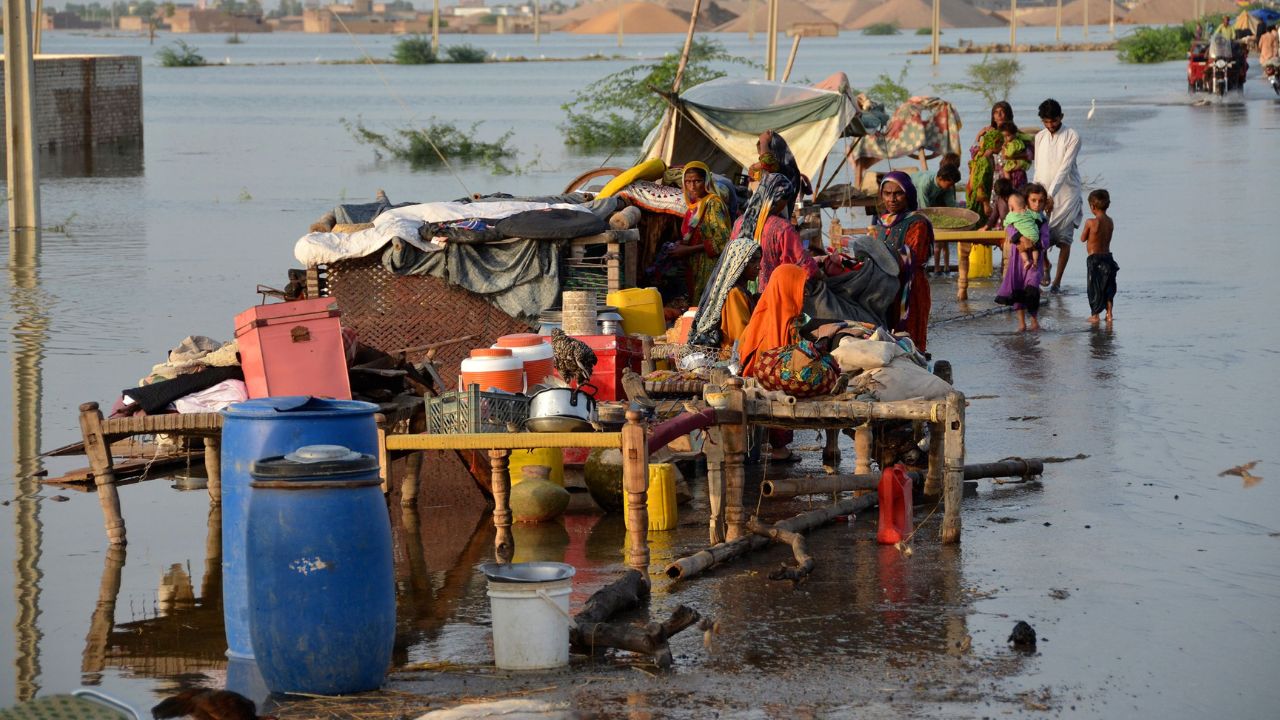
    On the contrary, Pakistan floods affected a population of 33 million people, leading to damage and economic costs of 30 billion dollars. International donors pledged a funding of 8.57 billion dollars as of January 2023 for the next three years.

    While Germany could easily manage the financial and technical resources required, debt-troddened Pakistan was unable to allocate the necessary resources resulting in suffering from “the lasting impacts of the floods”.

    The report explains that this comparison between the two countries shows “a common double standard practised by many Global North countries: they rapidly find the funds needed when disasters hit within their borders, but fail to do so when they occur in the Global South”.

  • Fatima Bhutto, Kamila Shamsie, 600 authors sign open letter protesting after Frankfurt Book Fair shuts down Palestinian author

    Fatima Bhutto, Kamila Shamsie, 600 authors sign open letter protesting after Frankfurt Book Fair shuts down Palestinian author

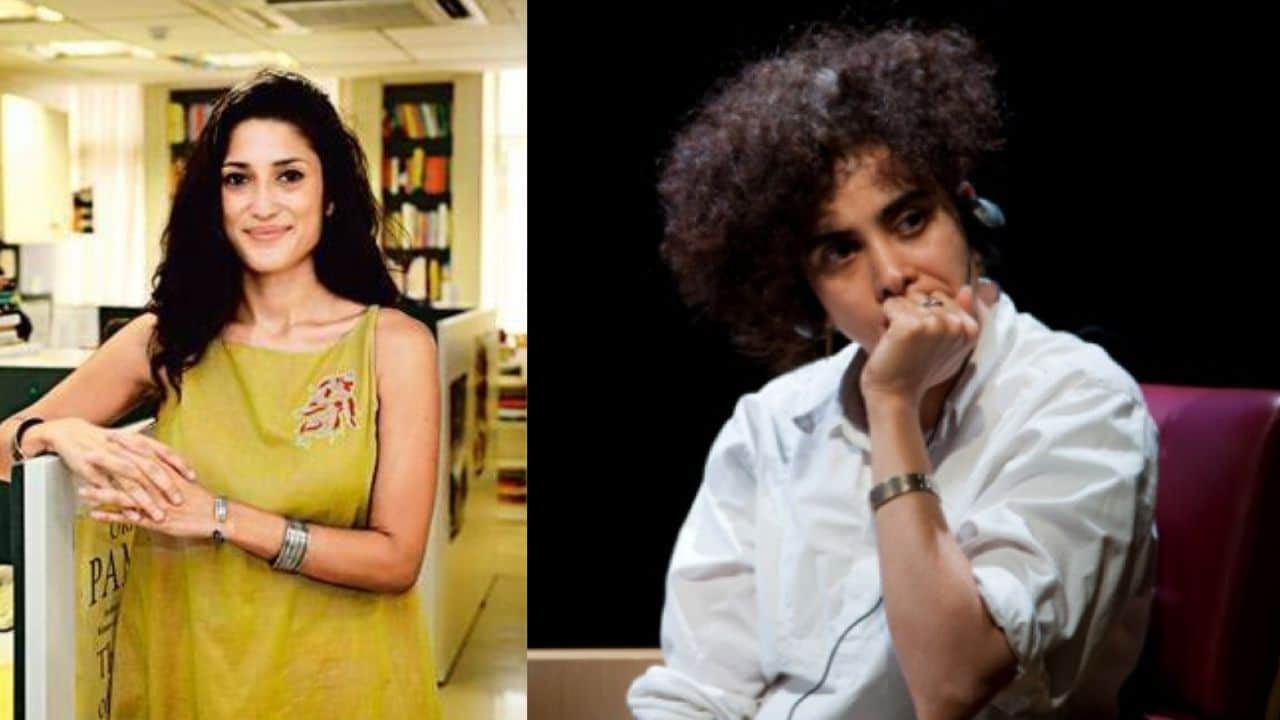
    Pakistani writer and columnist Fatima Bhutto and Pakistani-British author Kamila Shamsie were among the 600 writers, academics and translators who signed an open letter in support of Palestinian author Adania Shibli. The ceremony was set to celebrate Shibli’s novel ‘Minor Detail’ by giving her the 2023 LiBeraturpreis, a German literature prize annually awarded to authors from Africa, Asia, Latin American or from Arabia.

    Fatima shared a screenshot of the letter on her Instagram account and urged her followers to read ‘Minor Detail’.

    This outrage arrives after Frankfurt Book Fair postponed the awards ceremony which was due to honour Shibli, providing the explanation “due to the war started by the Hamas, under which millions of people in Israel and Palestine are suffering.”

    In the original statement, LitProm said this was a joint decision made with the author. However, Shibli’s literary agency revealed to The Guardian the decision was not made with her permission, and had the awards ceremony been held she would have taken the moment to reflect on the power of literature during these cruel times.

    The open letter which includes Bhutto, British historian William Darlymple, Shamsie, Irish novelist Colm Toibin, called out the organisers behind the Frankfurt Book Fair writing it holds “a responsibility to be creating spaces for Palestinian writers to share their thoughts, feelings, reflections on literature through these terrible, cruel times, not shutting them down.”

    The event was due to honor Adania’s 2020 novel ‘Minor Detail’ which details the true story about the rape and murder of a Palestinian Bedouin girl by Israeli soldiers. The English translation was nominated for a National Book Award in 2020 and the International Booker Prize in 2021.

    Controversy surrounding the book began this week when the German newspaper, Die Tageszeitung, accused the book for portraying “the State of Israel as a murder machine.”

  • ‘This is no boarding house’; German Ambassador fact checks Indian ad

    ‘This is no boarding house’; German Ambassador fact checks Indian ad

    Dr Philipp Ackermann, German Ambassador to India and Bhutan, was forced to fact check an advertisement printed in an Indian newspaper on X (formerly Twitter).

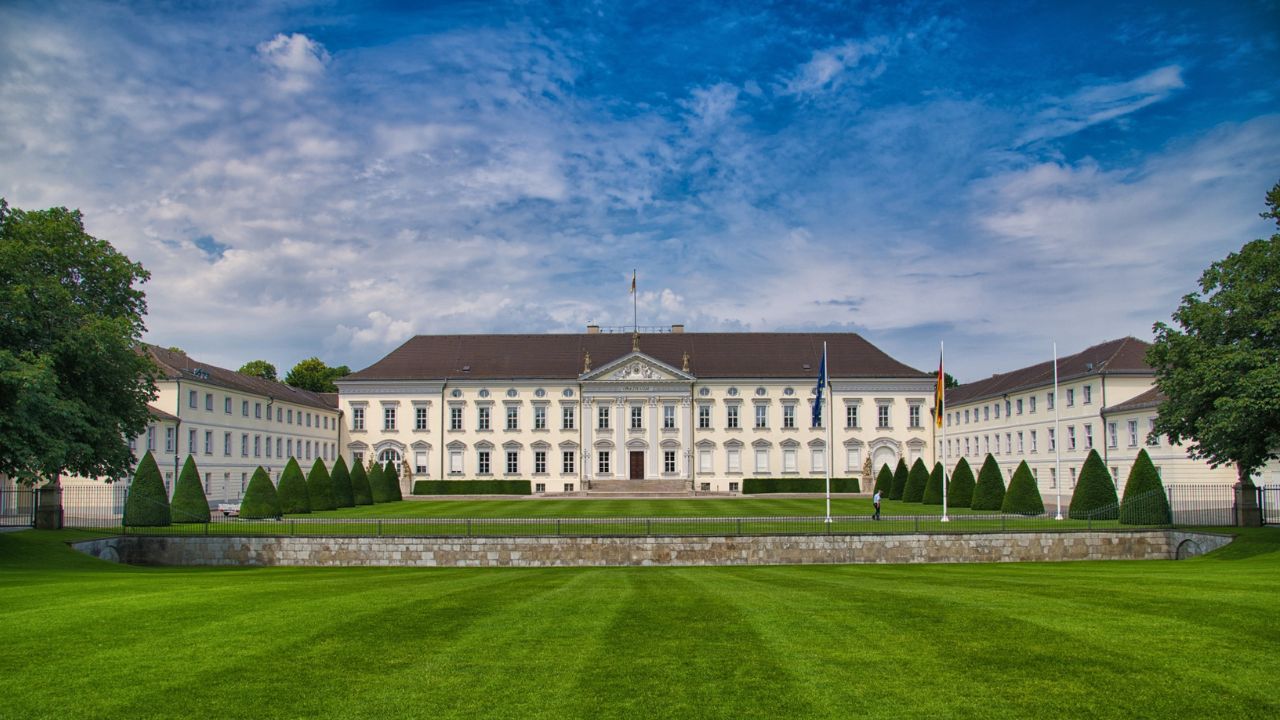
    The ad was of a boarding school fair, complete with a picture of an impressive building. And while India does have numerous buildings built on European architecture styles, the one in the ad, however, was actually Schloss Bellevue — residence for the German Federal President’s principal official in Berlin.

    Ambassador Philipp factually corrected the advertiser as well as the newspaper with humour, directing the post to “Dear Indian parents” stating, “this building is no boarding school! It is the seat of the German President in Berlin. Our Rashtrapati Bhavan as it were.”

    Rashtrapati Bhavan is the official residence of the President of India in New Delhi.

    “There are good boarding schools also in Germany – but here, no child will be admitted”, he said, jokingly.

    Dear Indian parents – I found this in today’s newspaper. But this building is no boarding school! It is the seat of the German President in Berlin. Our Rashtrapati Bhavan as it were. There are good boarding schools also in Germany – but here, no child will be admitted

    People react: