Tag: India

  • Trigger Warning: Indian cricket fans threaten Travis Head’s family with death, rape

    Trigger Warning: Indian cricket fans threaten Travis Head’s family with death, rape

    Australian opener Travis Head hit a sparkling 137 to power his team to a record-extending sixth cricket World Cup title with a convincing six-wicket win over India in Ahmedabad on Sunday.

    Chasing a tricky 241 for victory in the final, Australia slipped to 47-3 before the left-handed Head hit his second century of the tournament to steer the team home with seven overs to spare.

    Head’s century was the seventh in a World Cup final and the third by an Australian after Ricky Ponting (140 not out v India in 2003) and Adam Gilchrist (149 v Sri Lanka in 2007).

    He turned into India’s nemesis for the second time this year after his 163 proved decisive in Australia’s World Test Championship triumph at the Oval in June.

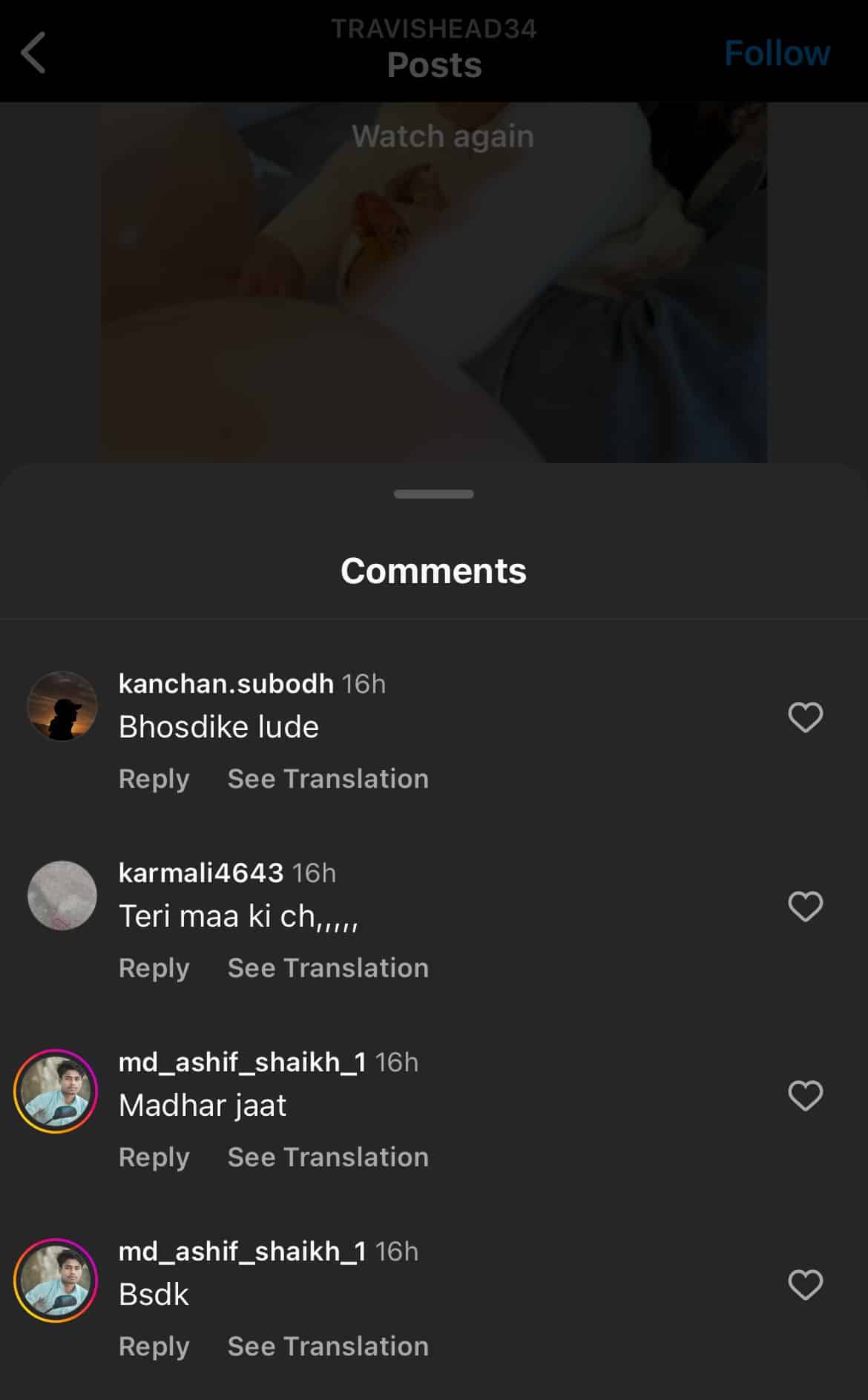
    Indian fans couldn’t hold their anger back and instead of questioning their team, threatened Travis Head and his family on his Instagram account.

    Here are some of the screenshots taken by The Current’s team. These might trigger some people because they include rape and death threats.

    We hope to see a world where no sportsman is threatened because of his performance.

  • ‘Player of the tournament’: Protester hailed for wearing ‘Free Palestine’ shirt, halting India vs Australia match

    ‘Player of the tournament’: Protester hailed for wearing ‘Free Palestine’ shirt, halting India vs Australia match

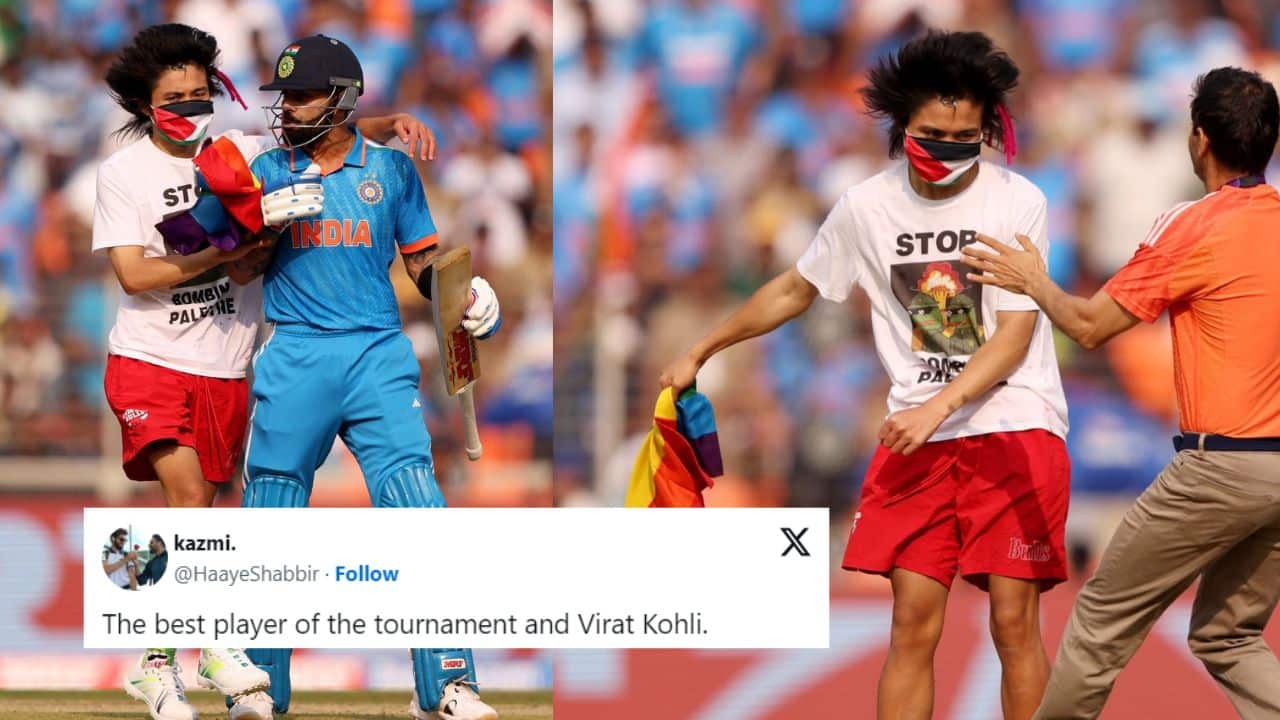
    A protester is winning praise on social media for running onto the field during the India vs Australia World Cup final while wearing a shirt that said ‘FREE PALESTINE’. The protester was seen standing next to Indian cricket player Virat Kohli and waving the Palestine flag.

    In a clip released by Indian media publication ANI News, the protester revealed his name was John, and that he was an Australian citizen. He supported the Palestine cause.

    Twitter users hailed John as the real ‘Player Of The Tournament’, congratulating him for taking a defiant stand.

    Indian users have announced they are willing to fund legal aid to help John if he is arrested.

  • Cummins urges Australia to ’embrace’ India crowd challenge in World Cup final

    Cummins urges Australia to ’embrace’ India crowd challenge in World Cup final

     Australia captain Pat Cummins has urged his side to “embrace” the challenge of facing a hostile crowd when they play in-form hosts India in Sunday’s World Cup final in Ahmedabad.

    A capacity crowd of 130,000 — which would be a record for any cricket match — is expected to roar on India, who have won all 10 of their matches en route to the showpiece game.

    The hosts are bidding for a third men’s one-day international World Cup title and second on home soil after their 2011 triumph.

    But five-time champions Australia are a team full of big-match performers who also know what it’s like to play in cricket-crazy India from their time in the Indian Premier League.

    “I think you’ve got to embrace it, the crowd’s obviously going to be very one-sided,” Cummins told a pre-match news conference at the Narendra Modi Stadium, named after the Indian prime minister, on Saturday.

    “But also in sport, there’s nothing more satisfying (as an opposition player) than hearing a big crowd go silent and that’s the aim for us tomorrow.”

    The 30-year-old fast bowler added: “You’ve just got to embrace every part of it, every part of a final — you know in the lead-up there’s going to be noise and more people and interest and you just can’t get overwhelmed.

    ‘No Regrets’

    “You got to be up for it, you got to love it and just know whatever happens it’s fine but you just want to finish the day with no regrets,” Cummins said.

    And while he accepted the dimensions of Sunday’s match would be different to any his side had experienced before, Cummins said: “We play over here in India a lot so the noise is not something new. 

    “I think on this scale it’s probably bigger than we would have experienced before but it’s not something totally foreign to what we’ve had before.

    “Everyone deals with it slightly differently — you see Davey (Warner) probably dancing and winning the crowd over, other guys just staying in their own bubble –- it should be good.”

    Victory on Sunday would cap a remarkable 2023 for Australia that saw them narrowly lose a Test series in India before defeating India in a World Test Championship final in England, where they also went on to retain the Ashes after a drawn series.

    “It’s been a huge year,” said Cummins. “These are four marquee events. If you have one of those in an off-season, it’s a big off-season.

    “Some of the guys probably spent less than a couple of weeks in their own bed since the end of the Aussie summer,” added Cummins, also the skipper of Australia’s Test team.

    “The guys have been awesome. They’re so up for every game they play. 

    “To put ourselves in this position, it (winning the World Cup) would just top off an incredible year and probably a career-defining year that a lot of us will look back on in years to come and be pretty proud of.”

  • What is the situation of Air Quality Index in South Asia?

    What is the situation of Air Quality Index in South Asia?

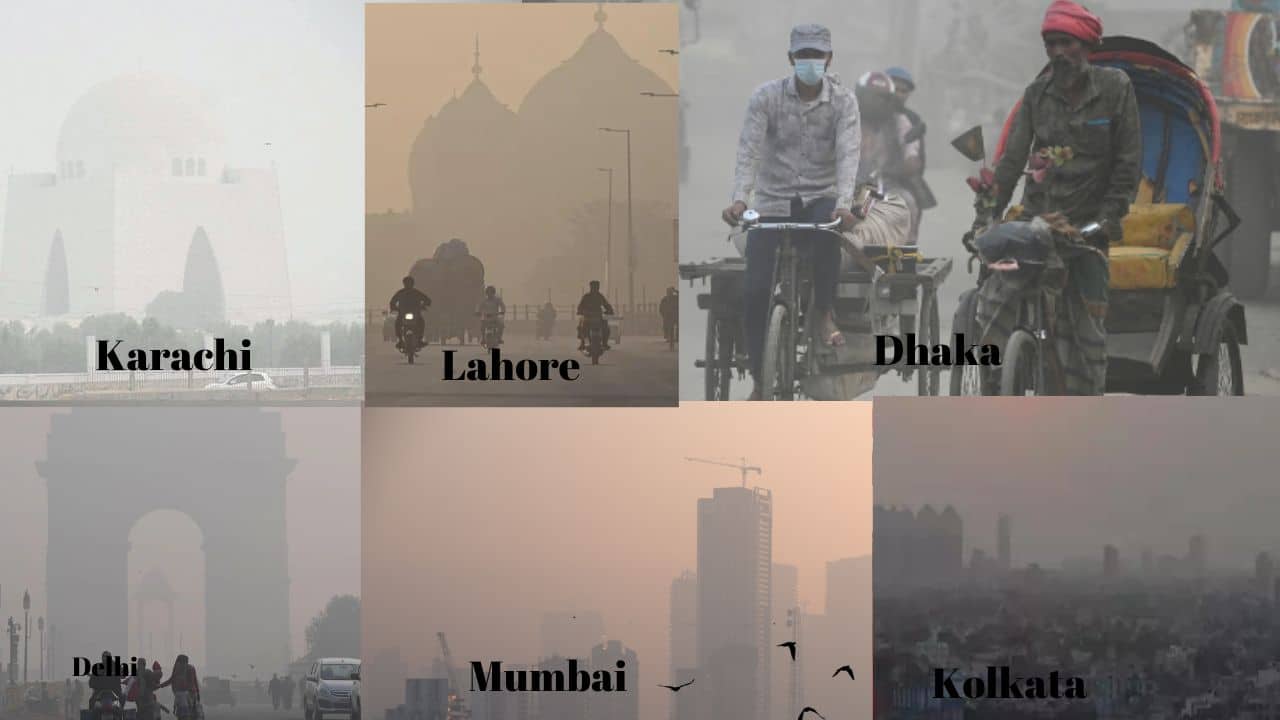
    Six of the top ten cities plagued by the worst pollution on the Air Quality Index are from the South Asian region. Delhi, Mumbai, and Kolkata from India, Lahore and Karachi from Pakistan, and Dhaka from Bangladesh.

    Post-Diwali, the air quality index in India is pretty bad as three of its highly-populated cities are facing a rise in air pollution. While Delhi is at the top, Mumbai and Kolkata are competing closely for the sixth and seventh spot on the chart.

    Lahore has seen a major drop in the past few days after a short spell of rain, however, the air is steadily getting dense as it retained its second position in the chart for two days in a row. Karachi holds the fourth spot after Baghdad.

    The Capital of Bangladesh, Dhaka, is a relatively new entrant. It holds the tenth position with an “unhealthy” status in air quality.

    Population growth and rapid industrialization are the two major factors contributing to the thickening of air with particulate pollutants in South Asia. This is a threat to all living beings, from animals to plants. Life expectancy is severely reduced in these cities and pollution-related illnesses are rampant. The situation of the poor quality index calls for strict action to be taken for the safety of residents of the world’s most populous region-South Asia.

  • South Asia worst in world for water scarcity: UN

    South Asia worst in world for water scarcity: UN

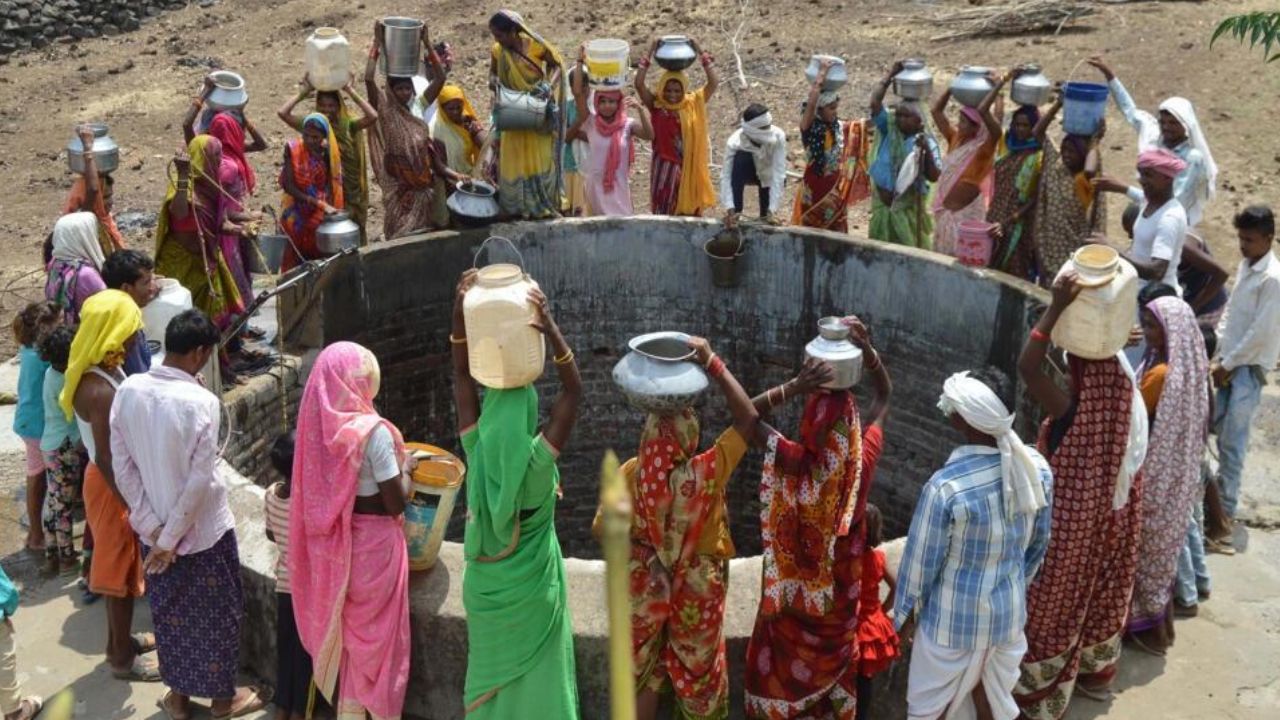
    New Delhi (AFP) – More children in South Asia are struggling due to severe water scarcity made worse by the impacts of climate change than anywhere else worldwide, the United Nations said Monday.

    “A staggering 347 million children under 18 are exposed to high or extremely high water scarcity in South Asia, the highest number among all regions in the world,” the UN children’s agency said in a report.

    The eight-nation region, comprising Afghanistan, Bangladesh, Bhutan, India, Nepal, Maldives, Pakistan and Sri Lanka, is home to more than one-quarter of the world’s children.

    “Climate change is disrupting weather patterns and rainfall, leading to unpredictable water availability,” the UN said in its report.

    The report cites poor water quality, lack of water and mismanagement such as over-pumping of aquifers, while climate change decreases the amount of water replenishing them.

    “When village wells go dry, homes, health centres and schools are all affected,” UNICEF added.

    “With an increasingly unpredictable climate, water scarcity is expected to become worse for children in South Asia.”

    At the UN COP28 climate conference in December in Dubai, UNICEF said it will call for leaders “to secure a livable planet”.

    “Safe water is a basic human right,” said Sanjay Wijesekera, UNICEF chief for South Asia.

    “Yet millions of children in South Asia don’t have enough to drink in a region plagued by floods, droughts and other extreme weather events, triggered increasingly by climate change”.

    Last year, 45 million children lacked access to basic drinking water services in South Asia, more than any other region, but UNICEF said services were expanding rapidly, with that number slated to be halved by 2030.

    Behind South Asia was Eastern and Southern Africa, where 130 million children are at risk from severe water scarcity, the report added.

  • Lockdown restrictions revised in Punjab

    Lockdown restrictions revised in Punjab

    The Punjab government on Thursday revised the terms of the lockdown imposed in multiple districts of the province as major cities grapple with crippling fog.

    In its amended notification, the Primary and Secondary Healthcare Department of the province notified that call centres and international information technology companies will be allowed to operate during the lockdown.

    While markets in the eight smog-hit districts will be allowed to operate today and tomorrow; however, shopping malls and markets will be closed on Saturday and Sunday.

    The notification also states that cinema halls, restaurants and gyms will remain open today as per routine.

    The decision will remain in effect in Lahore, Nankana Sahib, Sheikhupura, Kasur, Gujranwala Narowal, Hafizabad and Sialkot.

    Previous Notification

    A day earlier, an environmental and health emergency had been declared in Lahore, Gujranwala, and Hafizabad divisions for four days due to the prevailing smog conditions.

    Caretaker Chief Minister Mohsin Naqvi made the announcement during a press conference on Tuesday when the air quality index (AQI) in the city measured 390, falling under the category of hazardous.

    At this AQI level, the city maintained its position as one of the most polluted cities with citizens experiencing a hazy and smoggy atmosphere throughout the day. The air quality was severely poor, making it nearly impossible to breathe normally outdoors.

    Notification issued on Tuesday detailed that from Thursday to Sunday i.e., November 9, 2023, to November 12, 2023, all markets, shopping malls, restaurants, cinemas, gymnasiums, schools (public and private), and offices (public and private) will remain closed in Lahore, Nankana Sahib, Sheikhupura, Kasur, Gujranwala Narowal, Hafizabad and Sialkot.

    Also, the movement of people will be limited to and from these areas by public and private transport.

    The following will be exempted from closure:

    • Pharmacies/ Medical Stores
    • Medical Facilities and Vaccination Centers
    • Petrol Pumps
    • Oil Depots
    • Tandoors
    • Bakeries,
    • Grocery / Karyana stores
    • Milk / Dairy Shops
    • Sweet Shops,
    • Vegetable / Fruit Shops
    • Chicken / Meat Shops
    • E-commerce
    • Postal / Courier Services
    • Utility Services (Electricity, Natural Gas, Internet, Cellular Networks /Telecom.

    Large departmental stores will only keep their grocery /pharmacy sections open while all other sections will remain closed.

    It has been suggested by the government that people buy groceries and medicines within the vicinity of their residence.

  • Punjab imposes partial smart lockdown for four days

    Punjab imposes partial smart lockdown for four days

    The Government of Punjab, after approval from the Chief Minister, has ordered “restricted movement” in some areas of Punjab to combat smog. 

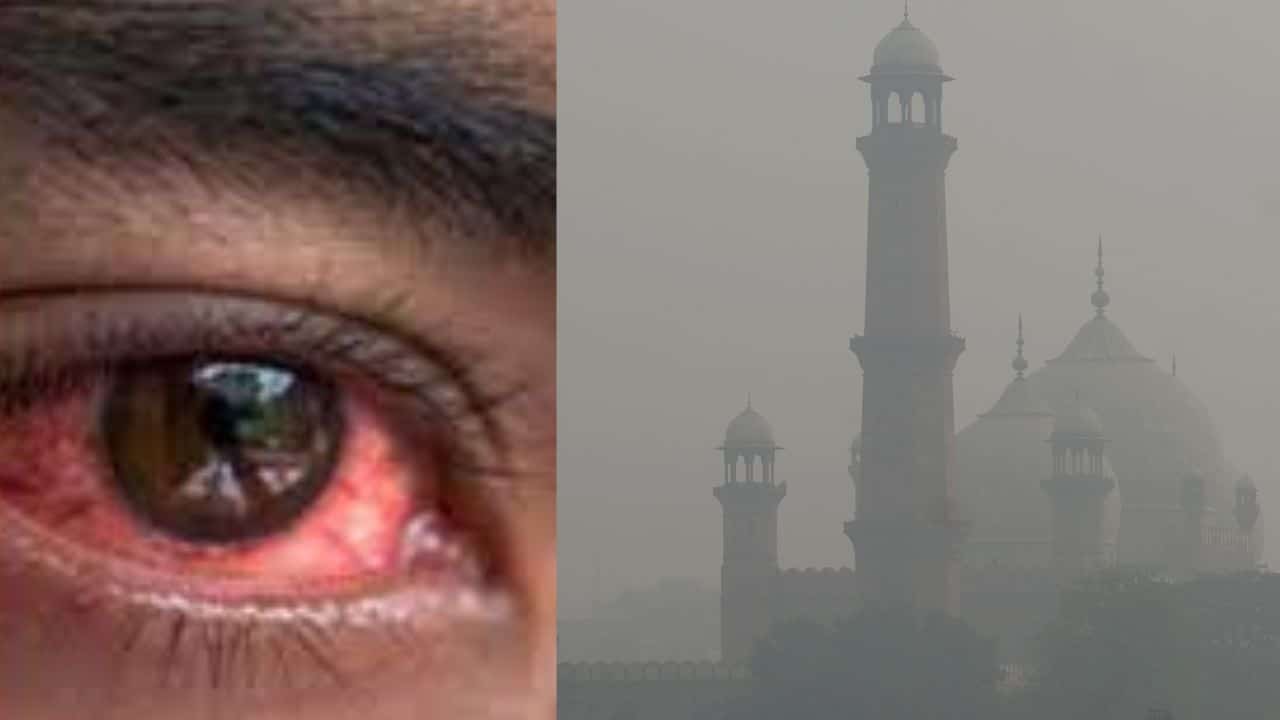
    The areas of Lahore Division (District Lahore, Nankana Sahib, Sheikhupura, Kasur), District Gujranwala, District Hafizabad, and District Narowal, have the worst Air Quality Index (AQI), becoming potential hotspots for Conjunctivitis, and will go under lockdown.

    From Thursday to Sunday i.e., November 9, 2023, to November 12, 2023, all markets, shopping malls, restaurants, cinemas, gymnasiums, schools

    (public and private), and offices (public and private) will remain closed in these areas.

    Also, movement of people will be limited to and from these areas by public and private transport.

    The following will be exempted from closure:

    •           Pharmacies/ Medical Stores

    •           Medical Facilities and Vaccination Centers

    •           Petrol Pumps

    •           Oil Depots

    •           Tandoors

    •           Bakeries,

    •           Grocery / Karyana stores

    •           Milk / Dairy Shops

    •           Sweet Shops,

    •           Vegetable / Fruit Shops

    •           Chicken / Meat Shops

    •           E-commerce 

    •           Postal / Courier Services

    •           Utility Services (Electricity, Natural Gas, Internet, Cellular Networks /Telecom.

    Large departmental stores will only keep their grocery /pharmacy sections open while all other sections will remain closed.

    It has been suggested by the government that people buy groceries and medicines within the vicinity of their residence.

  • Indian man divorces wife over eyebrow threading

    Indian man divorces wife over eyebrow threading

    A man in Kanpur, Uttar Pradesh, divorced his wife after she shaped her eyebrows without permission. The matter came to the notice of the police as the woman went to register an FIR against her husband and in-laws.

    Gulsaiba and Saleem got married in January 2022. He left for Saudi Arabia on August 30, 2023, for an employment opportunity. Since then, the girl alleged, her in-laws were harassing her for dowry. In a statement given to the police, she told them that her husband is an extremely old-fashioned and orthodox person who has always raised objections over her fashion choices.

    During a video call on October 4, Saleem noticed that her eyebrows had been shaped and despite her explanations that she did it because her face looked unruly, he got angry and pronounced three talaqs. As per Gulsaiba, Salim said to her, “You went ahead and shaped your eyebrows despite my objections. From today, I free you from this marriage”. There has been no communication between the two since then.

    Gulsaiba stated in her complaint, “I had been married for only a year. My husband, who had previously disrespected me, has now given me triple talaq. I want the police to take appropriate action against him.”

  • Schools shut as toxic Smog engulfs India’s capital

    Schools shut as toxic Smog engulfs India’s capital

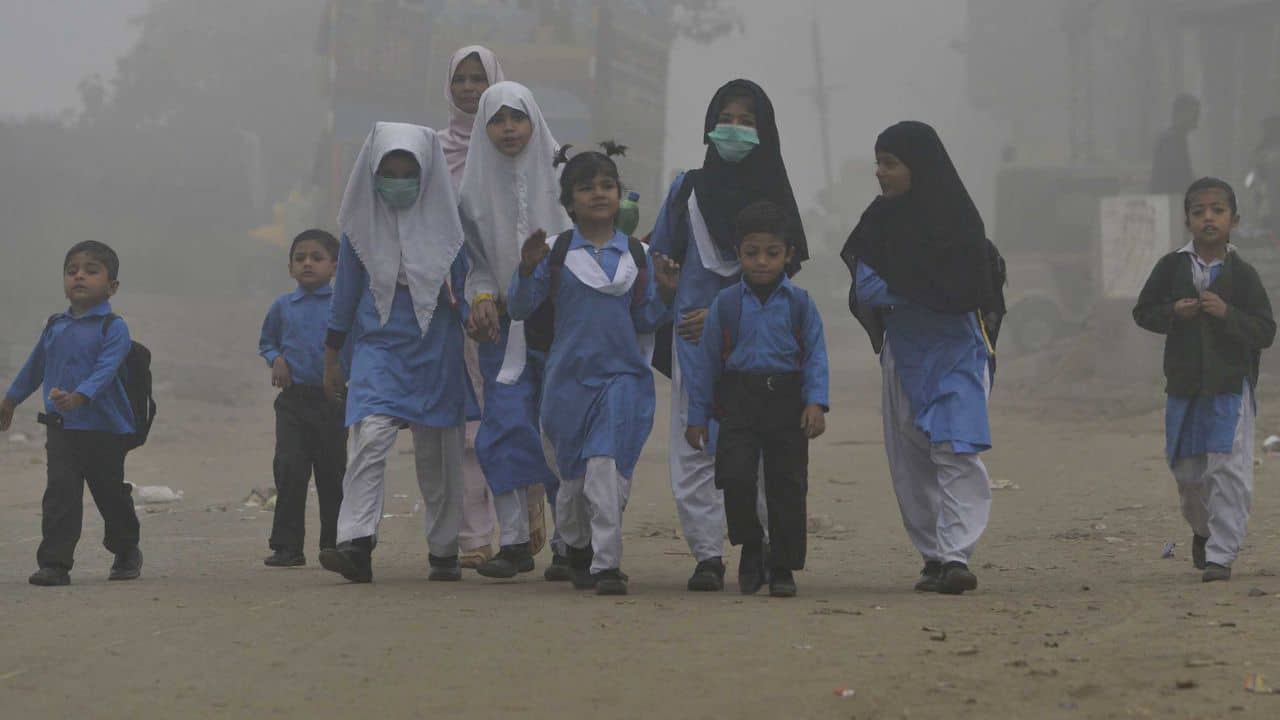
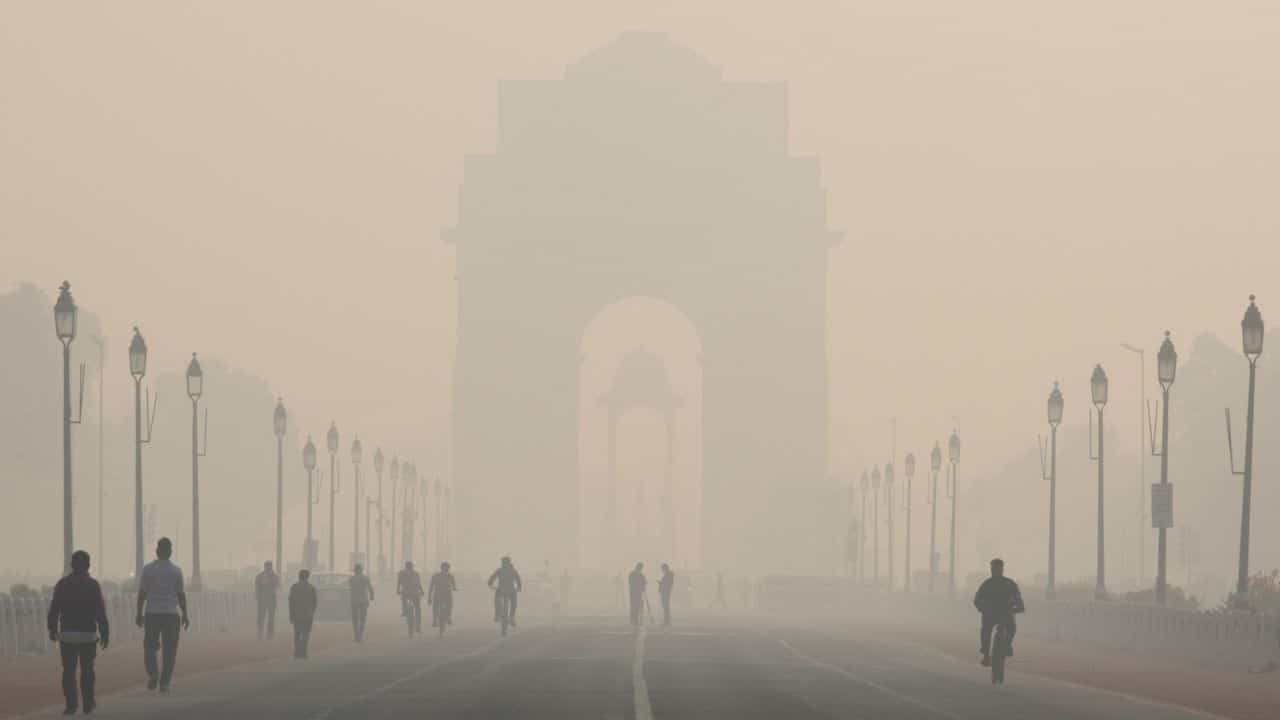
    Schools were shut across India’s capital on Friday as a noxious grey smog engulfed the megacity and made life a misery for its 30 million inhabitants.

    Smoke from farmers burning crop stubble, vehicle exhaust and factory emissions combine every winter to blanket Delhi in a choking haze.

    The public health crisis has persisted for decades and researchers have blamed the smog for hundreds of thousands of premature deaths across India.

    Levels of the most dangerous PM2.5 particles — so tiny they can enter the bloodstream — were on Friday almost 35 times the daily maximum recommended by the World Health Organization, according to monitoring firm IQAir.

    “In light of the rising pollution levels, all govt and private primary schools in Delhi will remain closed for the next 2 days,” chief minister Arvind Kejriwal wrote on X, formerly Twitter.

    Delhi, one of the largest urban areas on the planet, is also regularly ranked as one of the world’s most polluted cities.

    Visible smog is a burden for residents through much of the year but the problem peaks at the start of winter around the Hindu festival of Diwali.

    The holy day coincides with the weeks when tens of thousands of farmers across north India set fire to their fields to clear crop stubble from recently harvested rice paddies.

    That practice is one of the key drivers of Delhi’s annual smog problem, worsening the impact of vehicle and industrial emissions.

    It persists despite efforts to persuade farmers to use different clearing methods and threats of punitive action for those who defy burning bans.

    Eye-stinging and lung-burning smog peaks from October to February when colder air traps pollution, with residents advised to wear face masks outside at all times.

    Authorities regularly announce different plans to reduce pollution, for example by halting construction work, but to little effect.

    India is hosting the Cricket World Cup and organisers have banned fireworks at matches in Mumbai and Delhi to avoid compounding hazardous air pollution levels.

    Bangladesh and Sri Lanka are due to play in Delhi on Monday, with little likelihood of the air clearing for their match.

    India captain Rohit Sharma told reporters Wednesday that the situation was “not ideal” for the tournament.

    Everyone knows that,” he said. “Looking at our future generation… it’s quite important that they get to live without any fear.”

    A Lancet study in 2020 attributed 1.67 million deaths to air pollution in India during the previous year, including almost 17,500 in the capital.

    And the average city resident could die nearly 12 years earlier than expected due to air pollution, according to an August report by the University of Chicago’s Energy Policy Institute.

    India is heavily reliant on polluting coal for energy generation. Its per capita coal emissions have risen 29 percent in the past seven years and it has shied away from policies to phase down the dirty fossil fuel.

  • Indian journalists, opposition leaders ‘targeted by state-sponsored attackers’

    Indian journalists, opposition leaders ‘targeted by state-sponsored attackers’

    Several prominent leaders from India’s opposition parties, including members of the Indian National Developmental Inclusive Alliance (INDIA), have recently been alerted about potential security breaches concerning their Apple devices.

    Indian National Congress’s Shashi Tharoor and Pawan Khera, Shiv Sena’s Priyanka Chaturvedi, Trinamool Congress’s Mahua Moitra, and Aam Aadmi Party’s Raghav Chadha are among those who received warning emails from Apple, highlighting the threat of state-sponsored attacks targeting their iPhones.

    The news broke when The Wire, an online publication, revealed that even Siddharth Varadarajan, the founding editor of The Wire, and Samir Saran from the Observer Research Foundation, were also on the list of individuals who received the warning emails.

    The situation prompted immediate action from various quarters, including the media, with several journalists and opposition leaders reportedly receiving similar notifications from Apple about potential state-sponsored attacks.

    Shashi Tharoor, Pawan Khera, Priyanka Chaturvedi, and Siddharth Varadarajan confirmed the receipt of the warning emails during the late hours of Monday night and early Tuesday morning.

    Tharoor, who noticed the email on Tuesday morning, emphasized the importance of making these threats public, citing the necessity of transparency in safeguarding security. Expressing his concern, Tharoor highlighted the misuse of public funds and the urgent need to address more significant national security threats.

    The situation escalated further when The Wire alleged that the language used in the warning emails was similar to previous alerts from Apple, although this claim could not be independently verified by Newslaundry.

    Tharoor took to Twitter, sharing that the emails were sent from “threat-notifications@apple.com”.

    Mahua Moitra, a member of the Trinamool Congress, later added that individuals within Rahul Gandhi’s office had also been targeted.

    In response to the unfolding events, Apar Gupta, the founder of the Internet Freedom Foundation, provided a detailed analysis emphasizing the importance of not dismissing these alerts as false alarms.

    Seeking clarification from Apple, Newslaundry contacted the company’s official spokesperson, seeking information about the origin of the alleged attacks and the number of affected users. Apple responded, stating that while they do not specifically attribute the notifications to any state-sponsored attackers, the detection process is complex and evolving.

    Notably, the alerts were not limited to India alone, as it was discovered that individuals from nearly 150 countries had also received similar threat notifications from Apple.

    These developments have emerged approximately two years after reports of India’s alleged use of Israeli spyware for targeted surveillance, indicating a continued focus on digital security concerns within the country.