Tag: India

  • Reserved seats uncertainty: ECP again approaches Supreme Court

    Reserved seats uncertainty: ECP again approaches Supreme Court

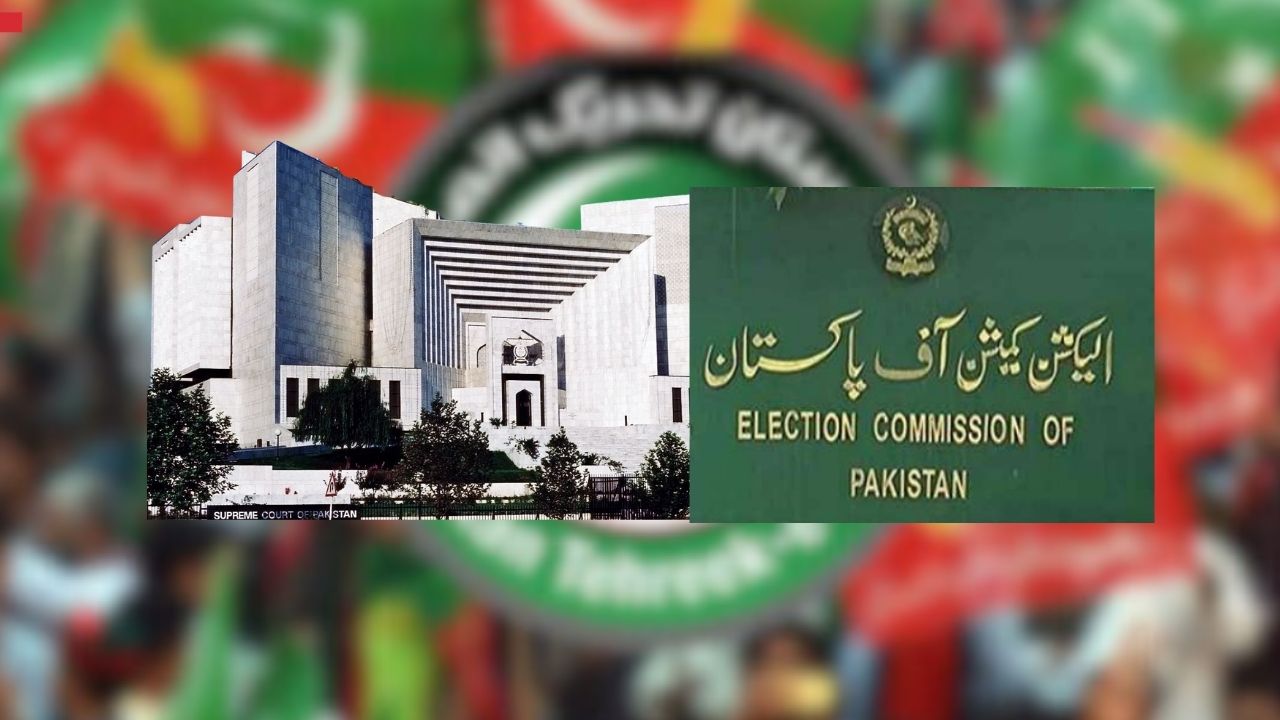
    The Election Commission of Pakistan (ECP) has challenged the Supreme Court (SC) of Pakistan’s September 14 detailed verdict regarding the allotment of women and non-muslim reserved seats to Pakistan Tehreek-e-Insaf (PTI).

    The ECP explained in its plea that the apex court’s July 12 ruling came before the Election Amendment Act 2024; on this amendment, the ECP sought clarification from the apex court on whether to follow the amended parliamentary law or the top court’s September 14 detailed verdict.

    The 8-5 majority ruling of the Supreme Court’s verdict on reserved seats read, “Withdrawal of election symbol cannot disqualify a political party from elections.”

    It further read, “The PTI was and is a political party.”

    On September 14, the top court issued the detailed verdict of its July 12 ruling, directing the ECP to allot reserved seats to PTI.

    Meanwhile, the Election Amendment Act 2024 stated, “A candidate who does not submit the party certificate before obtaining the election symbol will be considered an independent candidate. If the list of candidates for reserved seats is not submitted within the specified period, no political party will be entitled to those seats.”
  • 46 dead in Kurram clashes so far

    46 dead in Kurram clashes so far

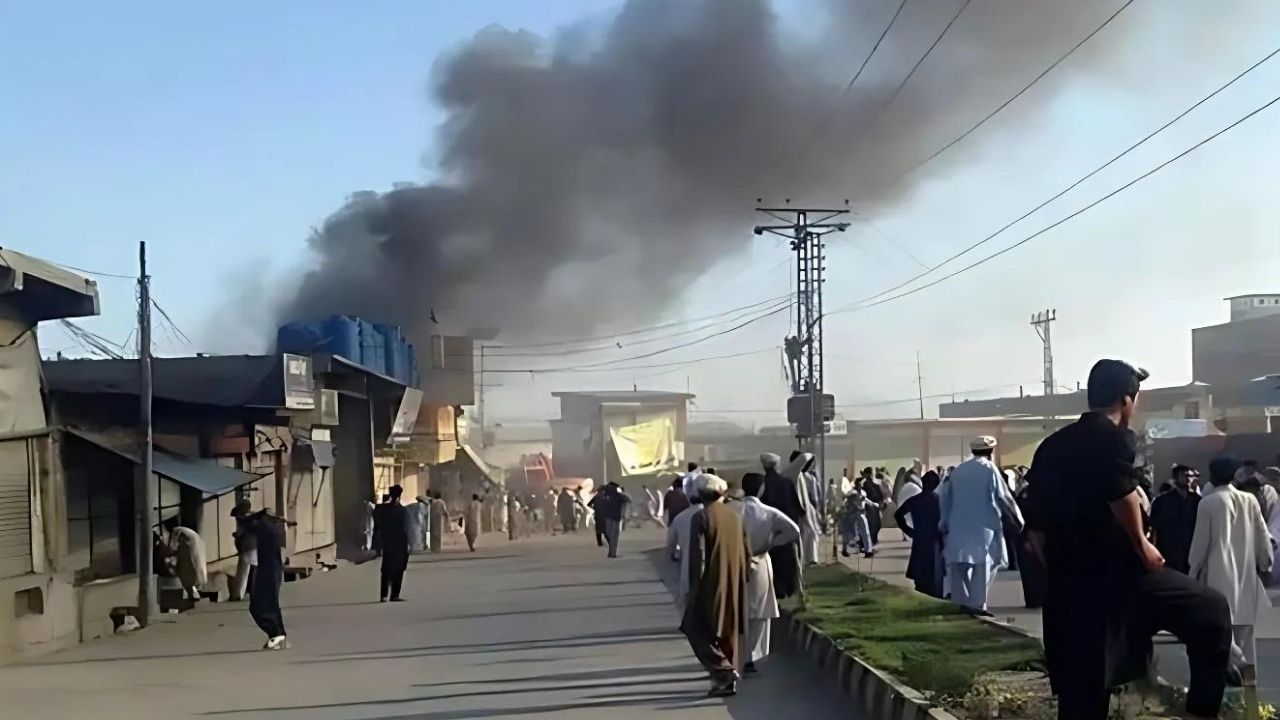
    Clashes between rival tribes in Kurram district have been ongoing for eight days now, with 46 people dead and 96 injured so far.

    On Friday, fresh clashes left five more people dead and 15 injured, Dawn News reported.

    Earlier, clashes started between the Bushehra tribe and the Ahmedzai tribe in the Kurram district following the construction of trenches on disputed land.

    Viewing the ongoing clashes at Kurram district, former Senator and tribal leader Sajid Turi had claimed that a grand jirga tried to resolve the dispute but ended in vain.

    Meanwhile, on Thursday, in a statement issued from the CM’s secretariat, Chief Minister (CM) Khyber Pakhtunkhwa (KP) Ali Amin Gandapur said that serious efforts were being made to maintain public order in the province.

    He added, “After the improvement of the law and order situation in southern districts, more checkposts will be handed over to the police. However, before that happens, there is a need to enhance the capabilities of police.”

  • Sindh govt unaware: NAB recovers Rs 6 trillion worth of land

    Sindh govt unaware: NAB recovers Rs 6 trillion worth of land

    The National Accountability Bureau (NAB) has recovered 90 per cent of 18 lac acres of land in Sindh of which the provincial government was reportedly unaware.

    Prominent journalist Asif Bashir Chaudhary has revealed on a YouTube show ‘Talk SHOCK’ that NAB sent notices to the occupants of the land, ordering them to show the documents as proof of ownership. However, they failed to produce the required documents.

    “Possession land belongs to Sukkur and Karachi forest reserves,” he revealed, adding that the Ministry of Forest did not have a record of land.

    He revealed that Chairman NAB Lt Gen (retd) Nazir Ahmad, who had complete documents of recovered 16,200,00 acres, presented to Chief Minister Sindh Murad Ali Shah.

    The CM Sindh was, reportedly, unaware of the news.

    “The estimated cost of recovered land is six trillion rupees,” he concluded.

  • Bilawal Bhutto calls for establishment of federal constitutional court

    Bilawal Bhutto calls for establishment of federal constitutional court

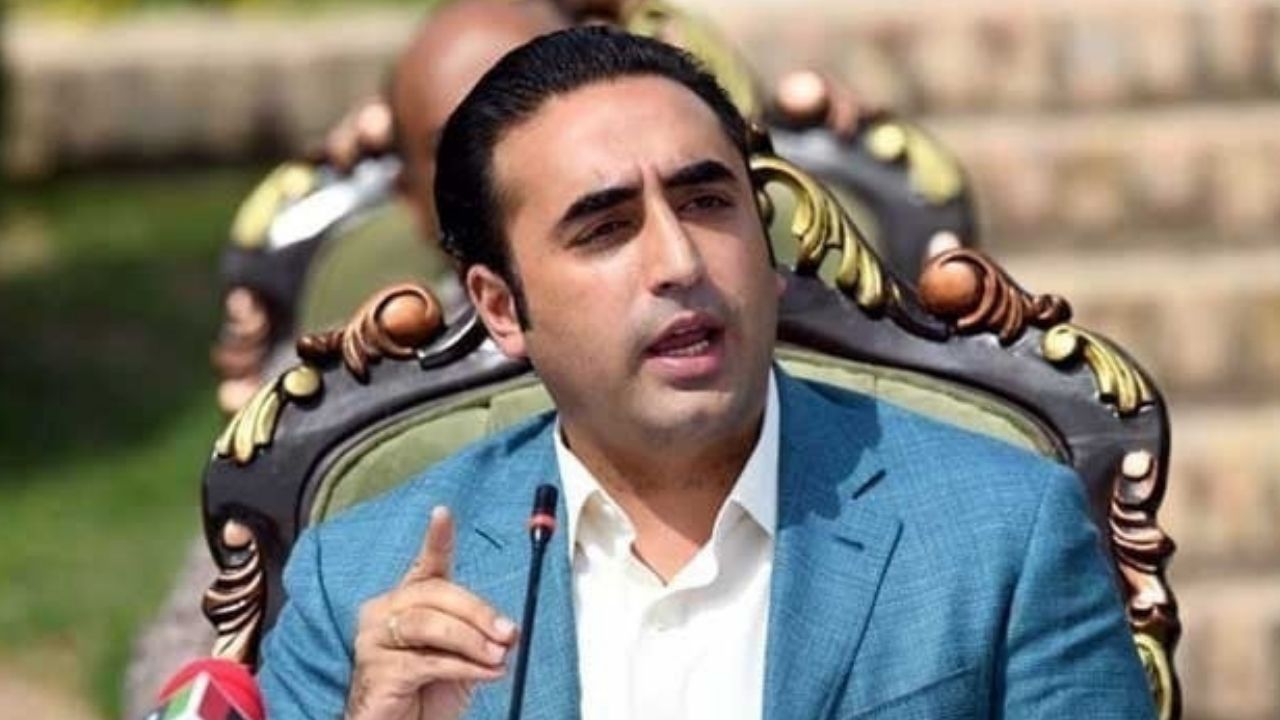
    Chairman Pakistan People’s Party (PPP), Bilawal Bhutto Zardari, has stressed the need to form Federal Constitutional Court (FCC) to address disparities among Pakistan’s provinces.

    Addressing the Sindh High Court Bar Association, Bhutto stated that the 18th Amendment was threatened to be overturned while the 19th Amendment was passed under pressure.

    He pointed out that the details for the 19th Amendment have not been disclosed to-date.

    “The judicial reforms would be undertaken in line with the Charter of Democracy (COD), come what may,” he vowed.

    Bilawal Bhutto explained that PPP is considering to form a Constitutional Court in every province to address constitution-related cases, but he also clarified that no consensus has been reached on this proposal.

    “Agar Pakistan ka nizaam theek kerna hai tou Charter Of Democracy (COD) par amal kerna parega,” he added.

  • Govt warns IPPs to end Power Purchase Agreement or face forensic audit

    Govt warns IPPs to end Power Purchase Agreement or face forensic audit

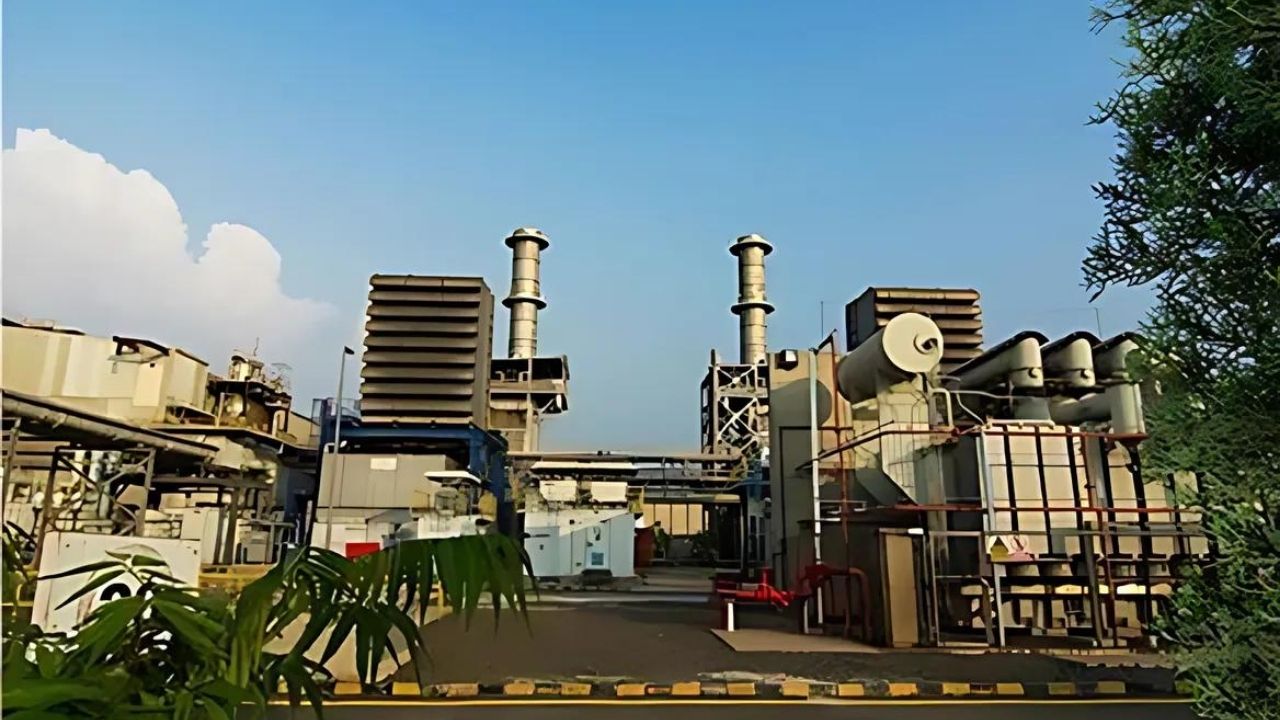
    Owners of four Independent Power Producers (IPPs) set up under both 1994 policy 2002 policy have been directed to voluntarily discontinue the Power Purchase Agreement (PPA) and go into ‘pay-and-take mode’, an official privy to the dealings told The News.

    Official privy further said, “The government will not pay capacity payments anymore in the range of Rs139-150 billion per annum to the said IPPs for the next 3-5 years; this has been told to the proprietors of the said five IPPs. They have also been categorically told that the government has already made excess payments to the said IPPs in the form of capacity payments and returns on equity and has also paid the loans for the IPPs.”

    Meanwhile, the owner of IPP, the official said, responded that if the government pays RS 55 billion to his company, he will not only be ready to terminate the contract but also hand over the plant to the government.

    The main member of the task force has told IPP owners that there is no other option for them; if they don’t act, a forensic audit will initiate and recover extra profits they made in the past through wrongdoings.

    The 1994 governmental agreement with IPPs states that whether these power producers work at a hundred per cent efficiency or fifty per cent efficiency, they will be paid for their installed capacity.

    The agreement was based on a ‘take or pay’ policy (the government was bound to pay to IPPs even if no electricity was produced or supplied), not a “take and pay” policy.

  • ‘Afghan diplomat 14 August ko national anthem ke ihteraam mein khare hoye thay,’ Faisal Kundi reveals double standards

    ‘Afghan diplomat 14 August ko national anthem ke ihteraam mein khare hoye thay,’ Faisal Kundi reveals double standards

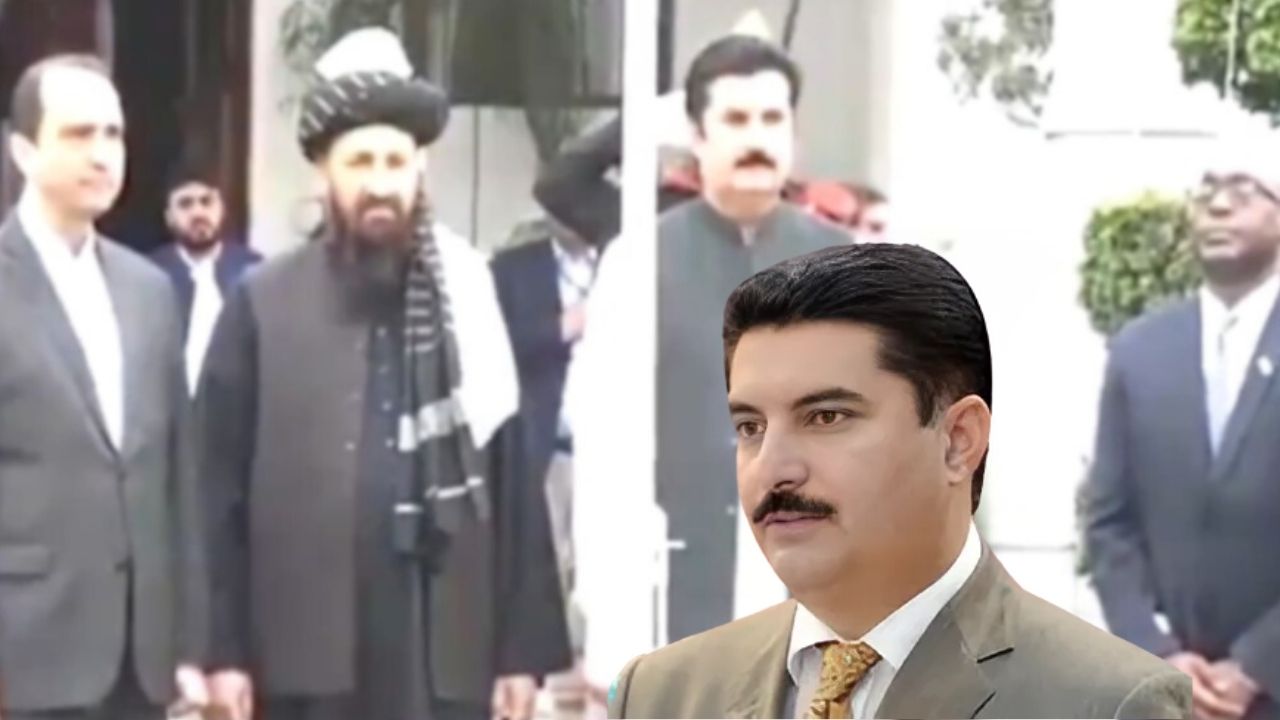
    Governor Khyber Pakhtunkhwa (KP) Faisal Karim Kundi, while recalling the Afghan diplomat’s refusal to stand up for the Pakistan anthem in the presence of Chief Minister (CM) KP Ali Amin Gandapur, has claimed that the same Afghan diplomat stood up for the anthem on August 14 during a flag hoisting ceremony.

    Appearing on the Samaa News programme ‘Mere Sawal With Absar Alam,’ Kundi revealed that the Afghan diplomat, along with an Iranian diplomat and an American diplomat, stood up for the national anthem as a respectful gesture.

    He said, “14 August ko mein nay bulaya thaa, tab inhain koi takleef nahi thi or national anthem kay ihteraam may kharay b huway thay.”

    Lambasting CM KP Ali Amin Gandapur’s stance of showing no objection to the disrespect, Kundi said he appeared to be the provincial CM of Afghanistan.

    Earlier, during an official event in Peshawar to commemorate 12th Rabi ul Awal, the birthday of Prophet Muhammad (PBUH), two Afghan diplomats deliberately refused to stand up for Pakistan’s anthem.

    After strong discontent from Pakistan, Afghan Consulate Peshawar spokesperson Shahid Ullah clarified, “The Consul General did not stand due to the music in the anthem. We have even banned our own national anthem for the same reason.”

  • Jerusalem post article declares Imran Khan a central figure in Pak-Israel ties

    Jerusalem post article declares Imran Khan a central figure in Pak-Israel ties

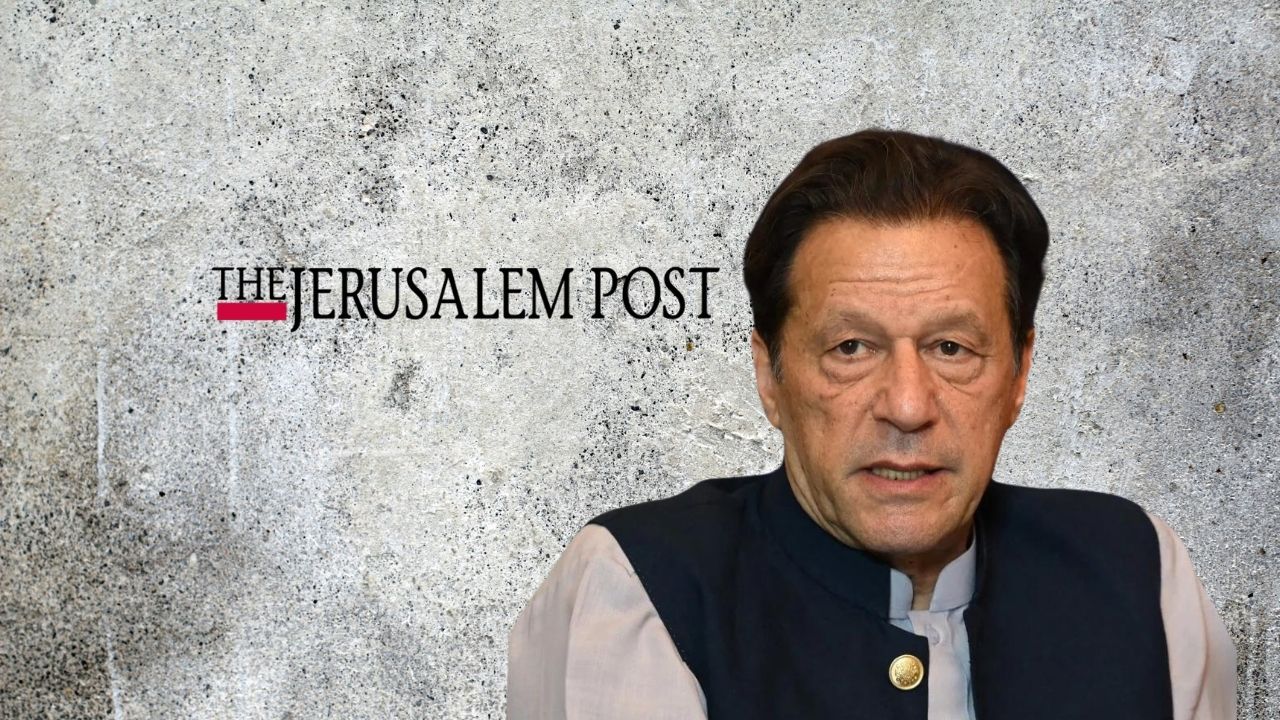
    The Jerusalem Post, one of Israel’s most widely-read newspapers, has declared former Pakistani Prime Minister (PM) Imran Khan a central figure in normalising Pak-Israel ties.

    An article written by Harry Richer asserts, “Figures like Khan could very well be central in changing both public opinion and military policy” for Pak-Israel ties.

    While reviewing the state of Muslim countries trying to normalise ties with Israel for their self-interest, Richer asserted that despite Khan’s pro-Palestine stance, the former PM had hinted at shaping Pakistan’s foreign policy towards Israel.

    Richer predicted, “Normalisation with Israel would bring about significant economic benefits, including technological support in agriculture, cybersecurity, and defence.”

    Richer added, “A change in leadership would most probably also be needed for any resolution to move forward, and figures like Khan could very well be central in changing both public opinion and military policy.”

    Pakistan does not recognise Israel and has long been an ardent and very vocal supporter of Palestine. The ongoing Israeli genocide in Gaza has strengthened public opinion in Pakistan against Israel.

    As of October 7, more than 41,000 people, the majority of whom are women and children, have been slaughtered by Israel since October 7. Lancet, the respected medical journal, puts the figure at close to 180,000 dead.

  • Maulana Fazlur Rehman warns of instability if Constitution overlooked

    Maulana Fazlur Rehman warns of instability if Constitution overlooked

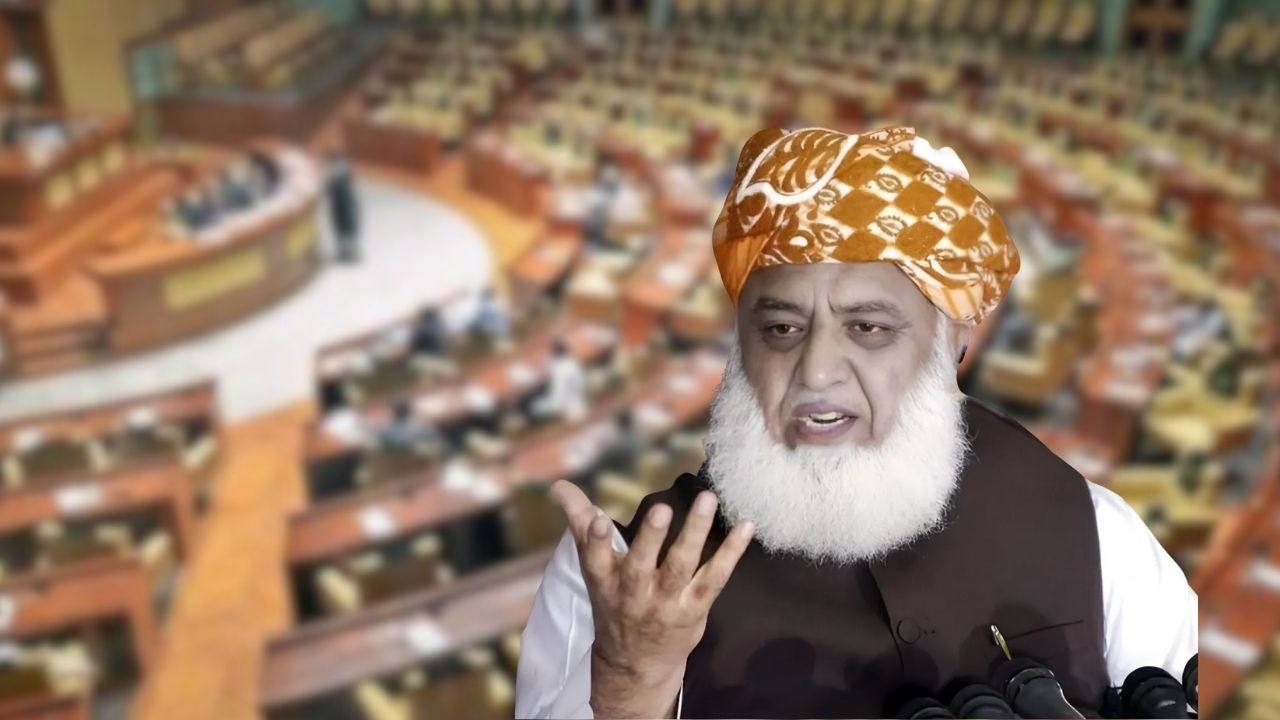
    The Chief of Jamiat-e-Ulema Islam- Fazl (JUI-F), Maulana Fazlur Rehman, has warned that failure to adhere to the Constitution will lead the country towards instability and unrest.

    Speaking at an event in Karachi, he talked about this year’s general elections, labeling the incumbent constituent assembly a product of the establishment.

    Responding to the government’s proposed controversial constitutional amendments, Fazlur Rehman asserted, “Neither the opposition has a draft [of the proposed amendments], nor do the people know about any such document. Here, every institution wants to interfere in the other’s mandate. These can’t be called reforms by any means.”

    The head of JUI-F suggested that institutions operate within their own paradigm and strengthen themselves and expressed a wish to see a robust parliament, judiciary, and military.

    Maulana Fazlur Rehman has been a formidable challenge for the government as he resisted the so-called twenty-sixth constitutional amendments despite having only five Senate votes, proving himself to be the decision-maker.

  • Speeches against the army and judiciary will not be allowed: Speaker Ayaz Sadiq

    Speeches against the army and judiciary will not be allowed: Speaker Ayaz Sadiq

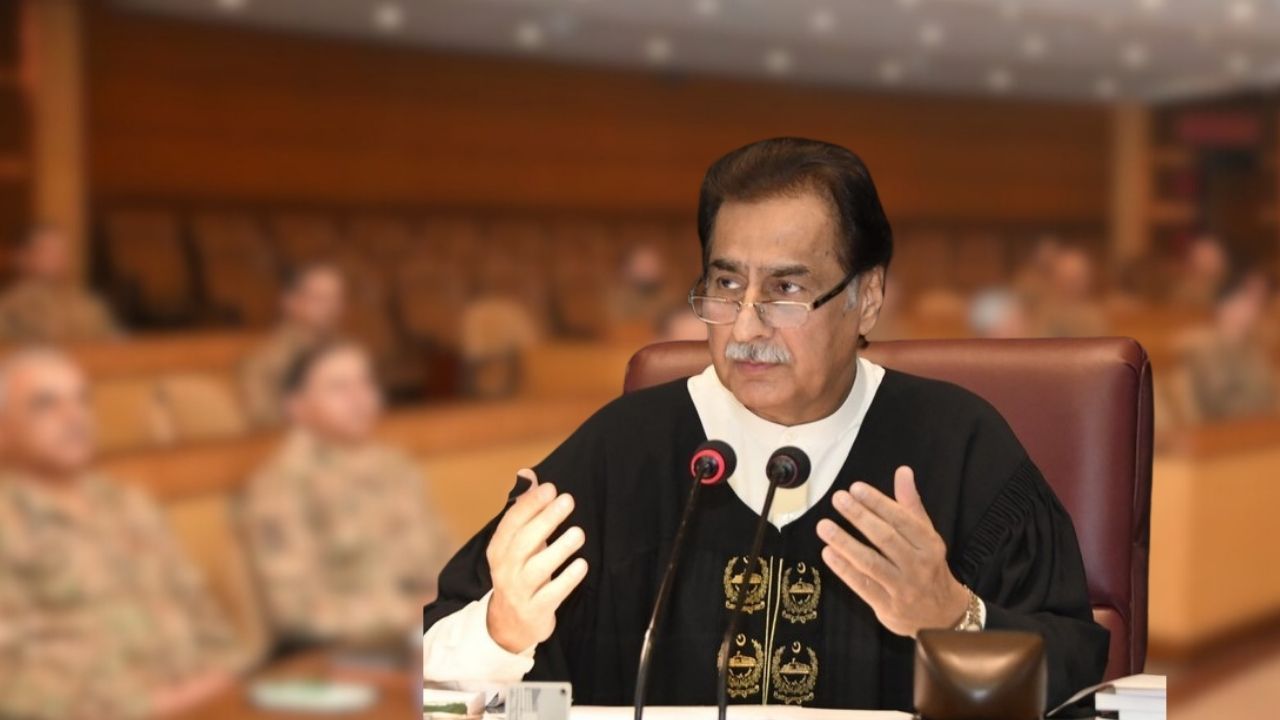
    Speaker of the National Assembly Ayaz Sadiq said on Friday, “Pakistan’s constitution declares that there can be no talk against the armed forces and the judiciary; therefore, speeches against the army and the judiciary will be stopped.”

    In the past and the present, both the opposition and the government benches have discussed diverse topics, including the country’s institutions.

    Ayaz Sadiq said in an informal conversation with the Parliamentary Reporters Association (PRA) yesterday: ‘I am not talking about retired judiciary members. I am talking about the present service that we cannot talk by taking their name in this way. Speeches against the judiciary and the army will not be aired; we will cut them. We give maximum time to the opposition on our website but will cut such speeches.”

    On the topic of the recent failed attempt by the coalition government to pass the constitutional amendments, the speaker expressed ignorance over the details of the draft.

    He also stated that law enforcement agencies have no role in postponing the sessions of parliament even though, in the past, that was true.

    “In the past, we were told that the NAB Chairman could not be called into the parliament, and the session of NA used to be cancelled,” revealed Sadiq.

  • Maula Jatt release in India hangs in balance

    Maula Jatt release in India hangs in balance

    Ameya Khopkar, leader of the extremist Hindu party Maharashtra Navnirman Sena (MNS), has said that those who like Pakistani actor Fawad Khan are “Indian traitors.”

    According to Indian media reports, extremist Hindutva groups have become active to stop the release of Pakistan’s record-breaking film ‘The Legend of Maula Jatt’ in India.

    Khopkar stated, “We will not allow the release of Pakistani films, nor will we allow their artists to work in Indian films.”

    Expanding his threats, Khopkar further said: “It is most infuriating that an Indian company is leading this plan. Following Raj Saheb’s orders we will not let this film release anywhere in India.”

    Raj Thackeray is the nephew of Bal Thackeray, known for his opposition to Pakistan and Muslims.

    The blockbuster Pakistani film The Legend of Maula Jatt is set to release in Indian theaters on October 2.

    Previously, the film was scheduled for release in India in December 2022, but was stopped after strong opposition from extremist Hindu groups and the MNS.

    The Legend of Maula Jatt was released worldwide on October 13, 2022, and was a phenomenal success at the box office.

    The film, a remake of the 1979 classic Maula Jatt, stars Fawad Khan, Mahira Khan, and Humaima Malik.