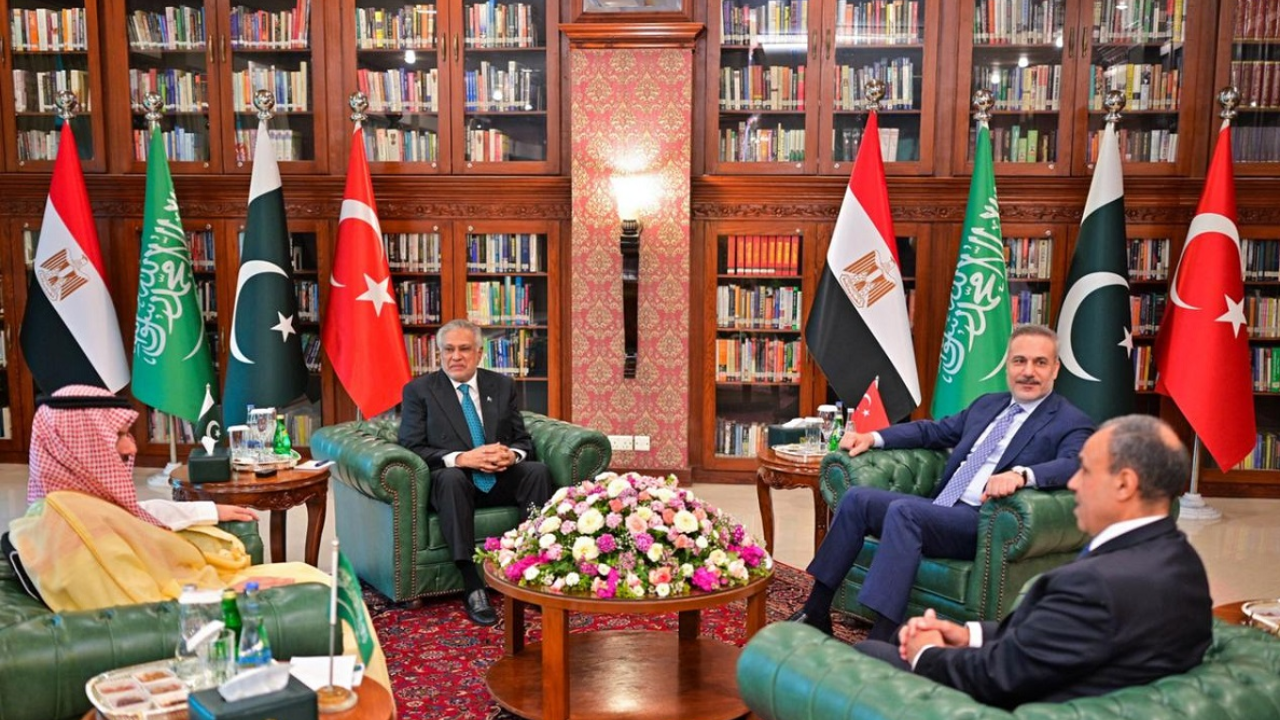
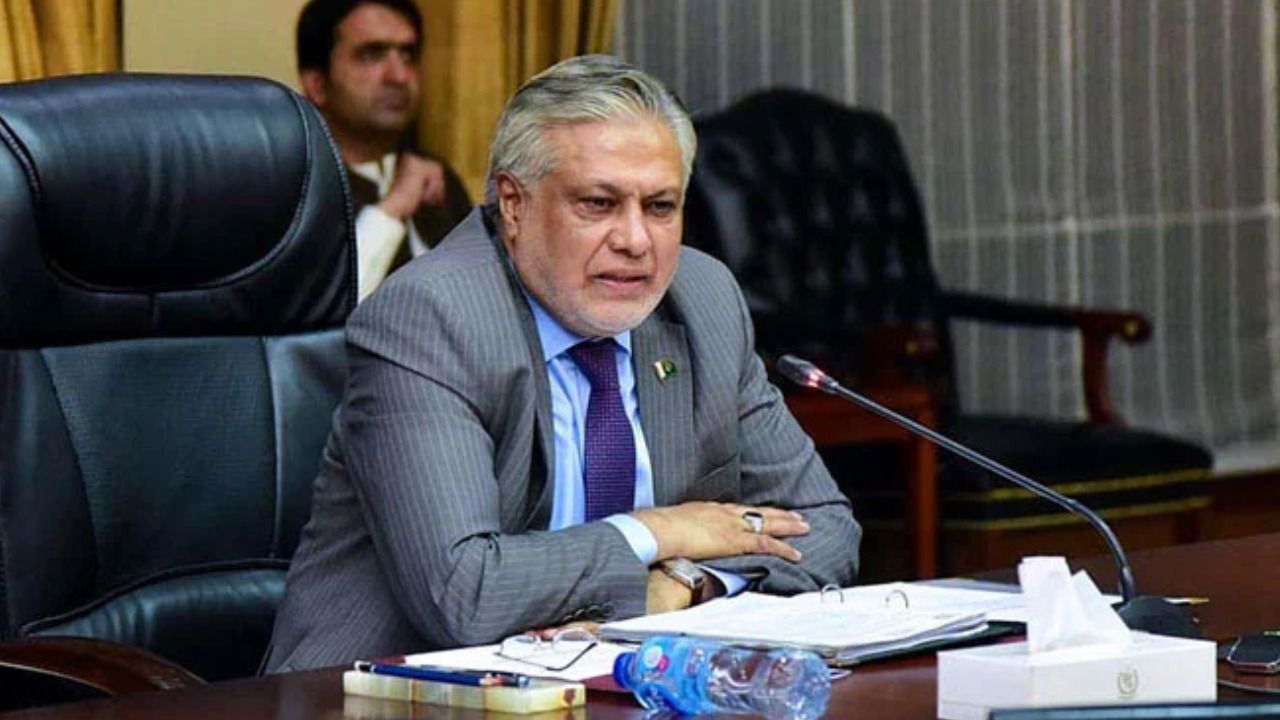
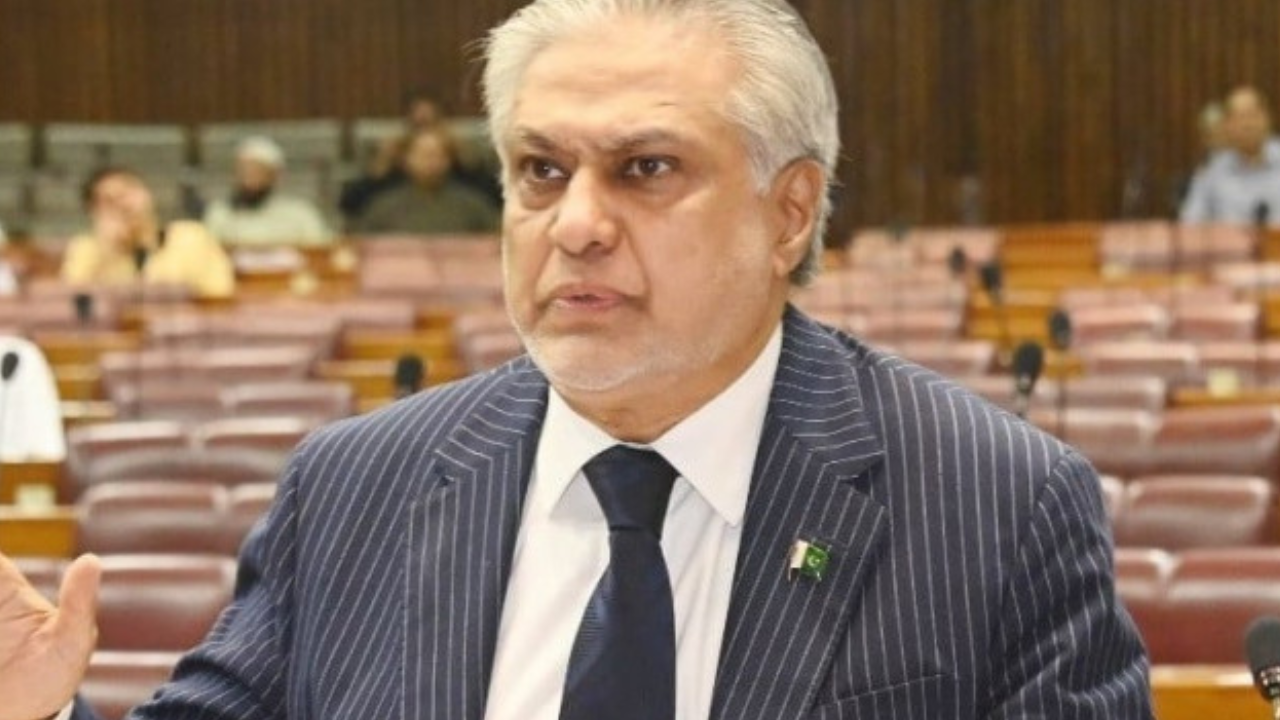
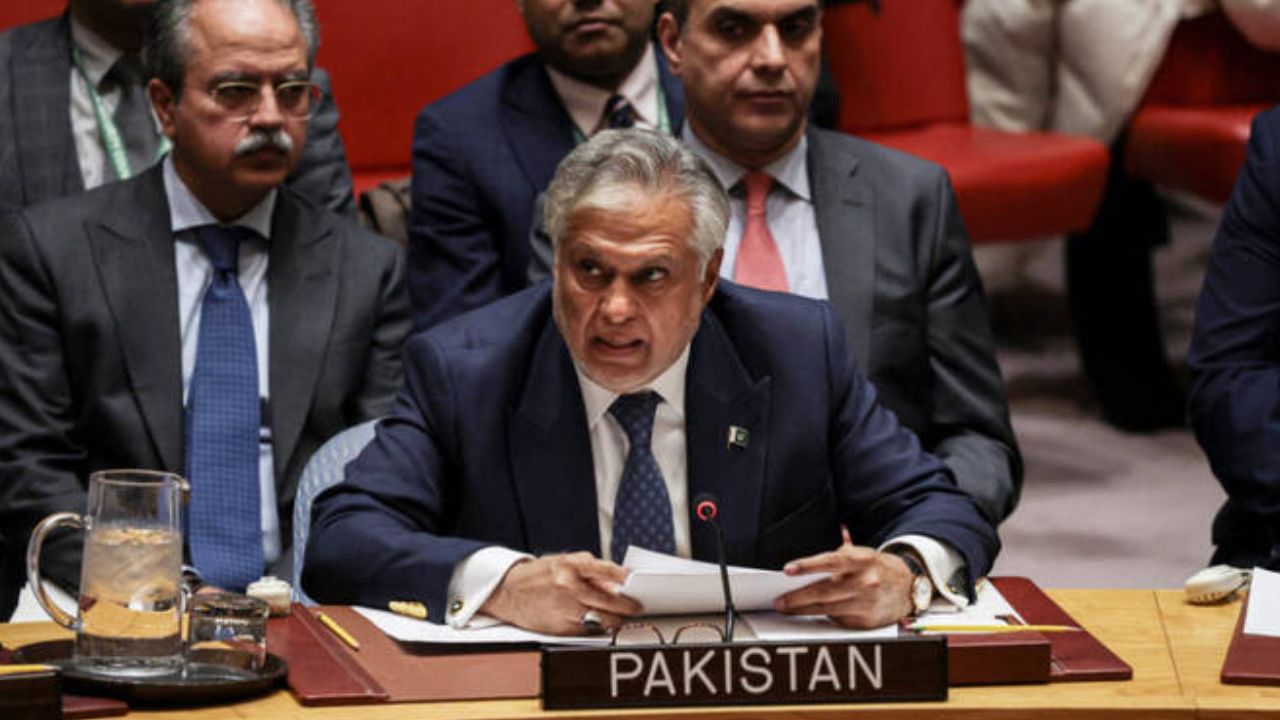
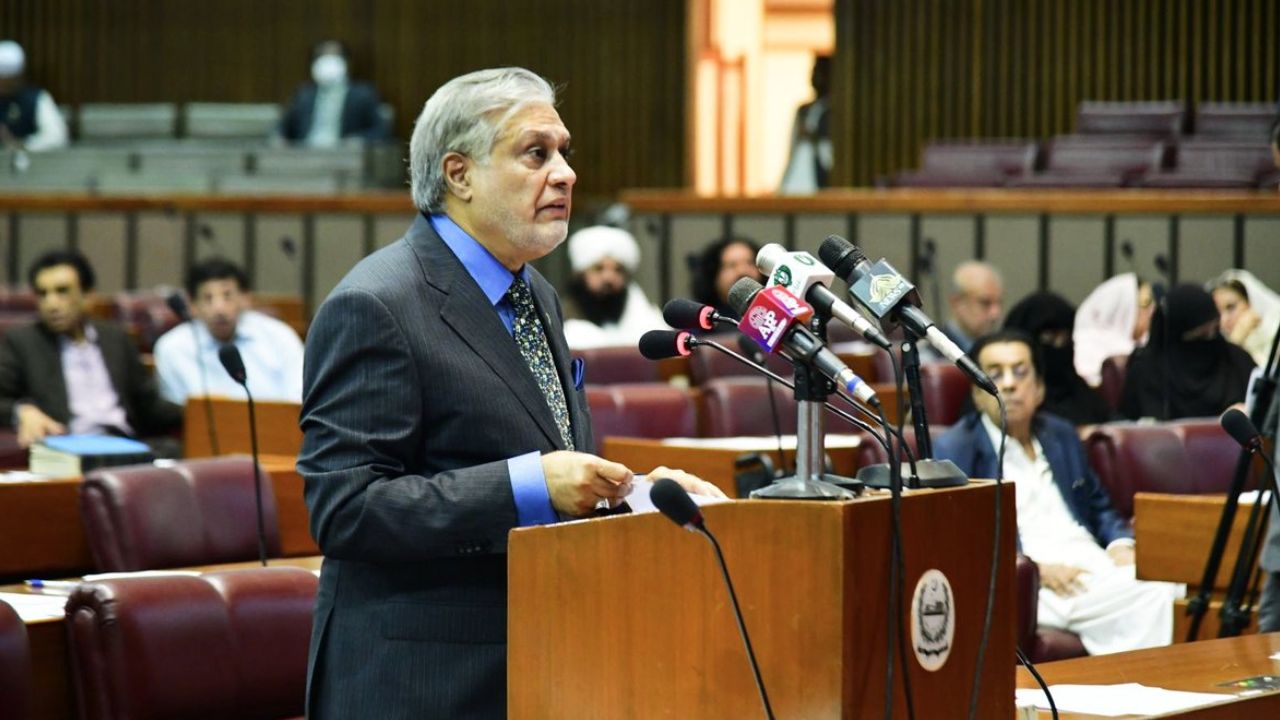
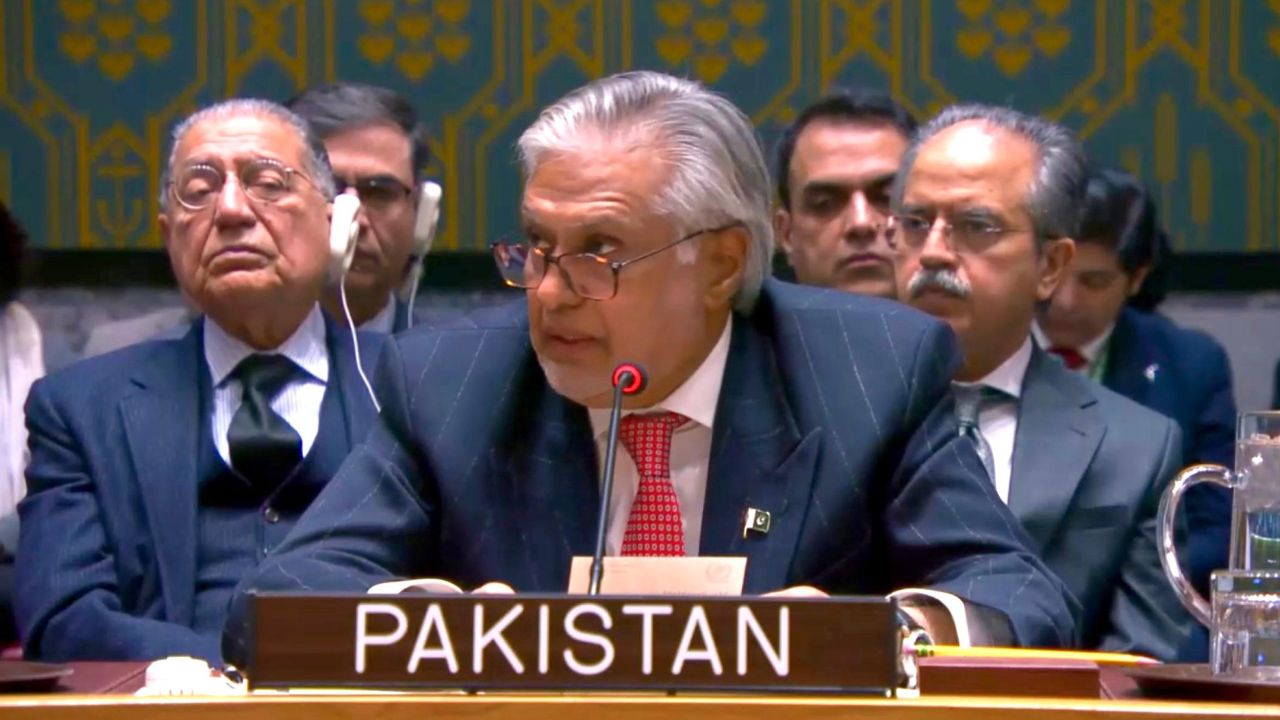
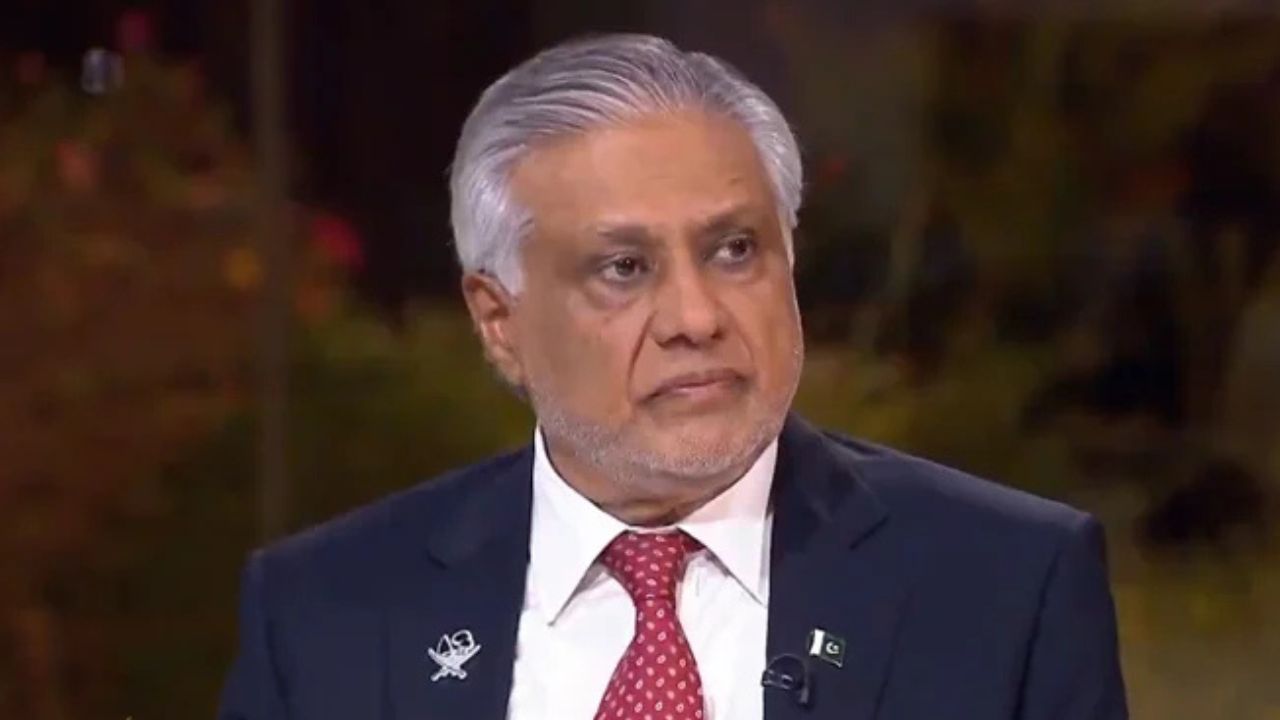
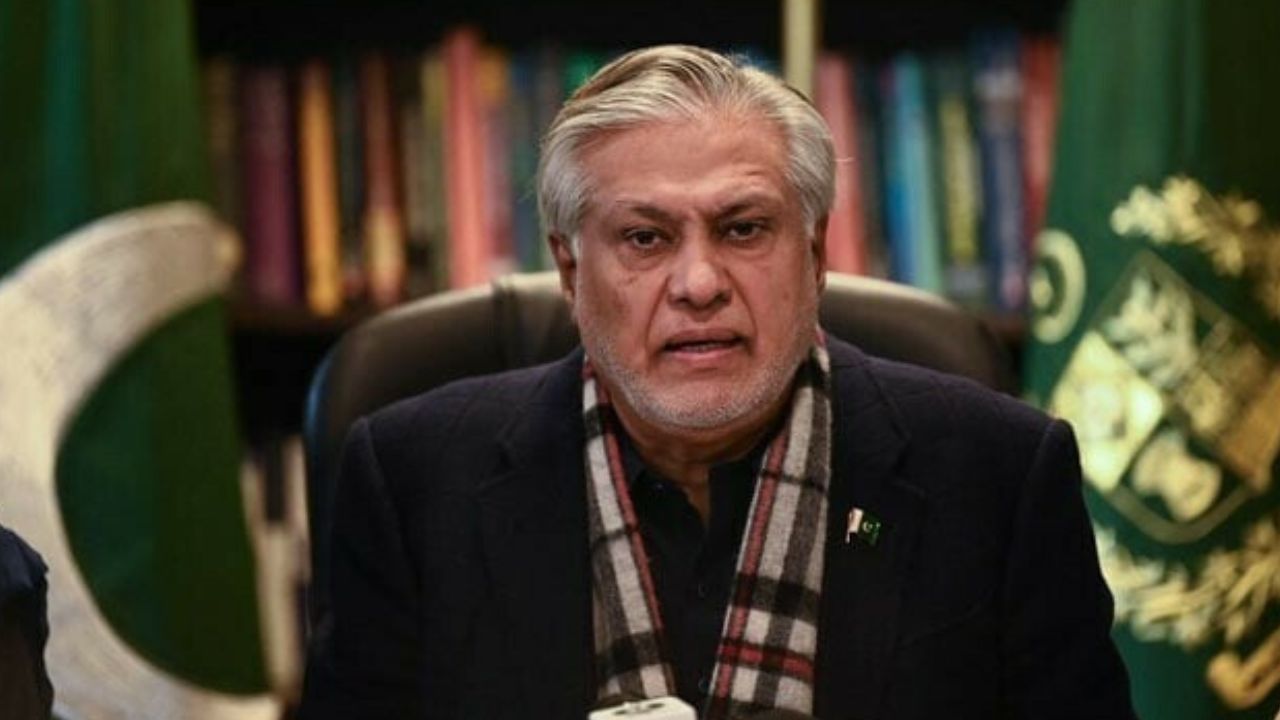
Deputy Prime Minister and Foreign Minister (FM) Ishaq Dar has said that Pakistan is ready for any possible Israeli misadventure, stating that the country wanted peace but the response it gave to Indian aggression should not be forgotten.
As per the details, Dar, during an interview with Al Jazeera ahead of the emergency Arab-Islamic summit in the aftermath of Israeli strikes in Doha, was asked whether Israel could attack Pakistan next, to which he reminded that India had tried the same and that too with Israeli support.
“We are ready. But again, we want peace. The nuclear-armed state does not want any destabilisation in the region because that will have consequences beyond [the region],” he said, stressing the need for collective efforts for reforms in United Nations Security Council (UNSC) resolutions.
Saying that Israel and India were the only countries that did not abide by UNSC resolutions, he emphasised evolving a mechanism in the council for taking practical measures to “control the situation” if its resolutions were not acted upon and implemented.
He also spoke about the possible formation of a united body in the Middle East – apart from the United Nations (UN) structure – to intervene in Gaza.
Responding to a question, the foreign minister said a mechanism could be chalked out per the UNSC. “For example, they have [imposed] very serious sanctions on countries that don’t listen to them. And that is a very severe economic dent or pain they can cause to any country.”
He added that there had been talk along the lines of “some sort of combined security force” during recent interactions among Arab nations. “Why not? What’s wrong with that? They should have a combined force. And according to their own capacity, own strength, they should create some mechanism.”
But it would be for peaceful purposes, Dar said, explaining that its mandate would be to stop the occupier. For “stopping someone who just doesn’t listen”, he added.
When asked where would “nuclear-powered Pakistan” stand with that, Dar said that the country, as a member of the Muslim Ummah, “would discharge its duty”. With the interviewer asking the FM to elaborate, he clarified that Pakistan saw nuclear weapons only for deterrence and didn’t intend to use them.
“We have no intention of using it; it is only a deterrence […] but Pakistan has a very large, known, very effective army, very effective air force, very effective navy… we have proven that we can beat our opponent even conventionally, if challenged.”
Speaking of the strikes in Qatar, Dar said Israel’s reasons to attack a sovereign country were “totally baseless”. He pointed out that Qatar was mediating talks, along with the US and Egypt, for peace in Gaza when that attack happened.
He reiterated that Israel’s actions were rogue, and highlighted that Israel had attacked multiple countries in the Middle East with no regard to resolutions of the Organisation of Islamic Cooperation and the UN Security Council.
“That means [the] multilateral system needs very serious reforms right now… this is the need of the hour. I think the UN Security Council, as well as the UN system itself needs very serious reforms.”
“The UN Security Council is meant to maintain peace in the world. And if its resolutions are just put in the bin, as it is happening since so many years — [by] Israel in Gaza and Palestine and by India in Kashmir… what do we expect from the multilateral system?”
When asked if all Muslim countries in the world were carrying equal weight and “doing the jobs they should be doing”, Dar said Pakistan believed that no matter how big or small a state was, their “dignity and respect should be equal”.
In this connection, he also gave the example of India, mentioning that “some country had claimed to have hegemony, to be the net security provider, to be the captain of the entire region”.
“But you saw what happened between May 7 and 10. It’s all settled. The hegemony is buried,” he added, clarifying that military action by Pakistan at the time was in self-defence.