Tag: Israel

  • Israel seeks to ‘reshape the map’ by inviting US to relocate military bases

    Israel seeks to ‘reshape the map’ by inviting US to relocate military bases

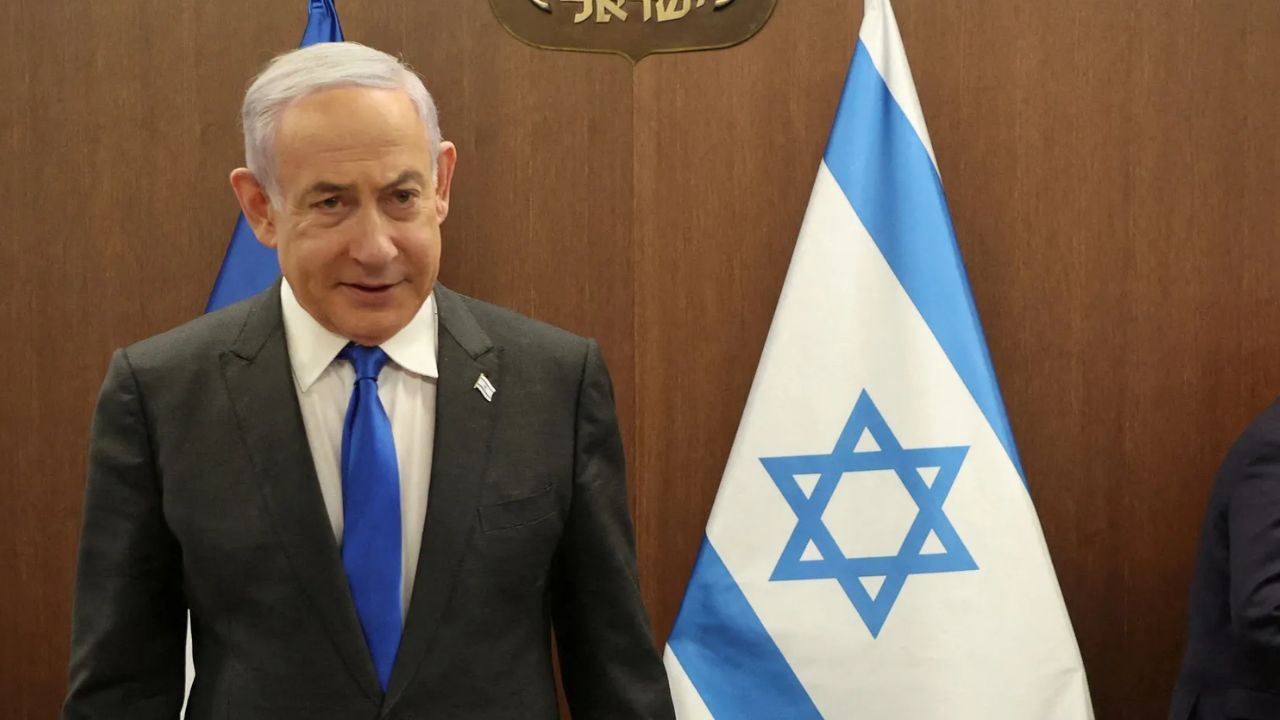
    Israel is set to invite the United States (US) to relocate existing regional military bases to Israeli territory and establish new installations once the current conflict concludes.

    Citing unnamed security sources, Israel’s Channel 12 reported that the Israeli security establishment views the current presence of US forces as an opportunity to “reshape the map” of American military positioning in the Middle East.

    “We have proved our values of late as a central ally of the US. One that provides not only stability, but also significant operational and intelligence capabilities,” an Israeli source was quoted.

    The source added that “American bases in Israel would create a strategic advantage for both sides”.

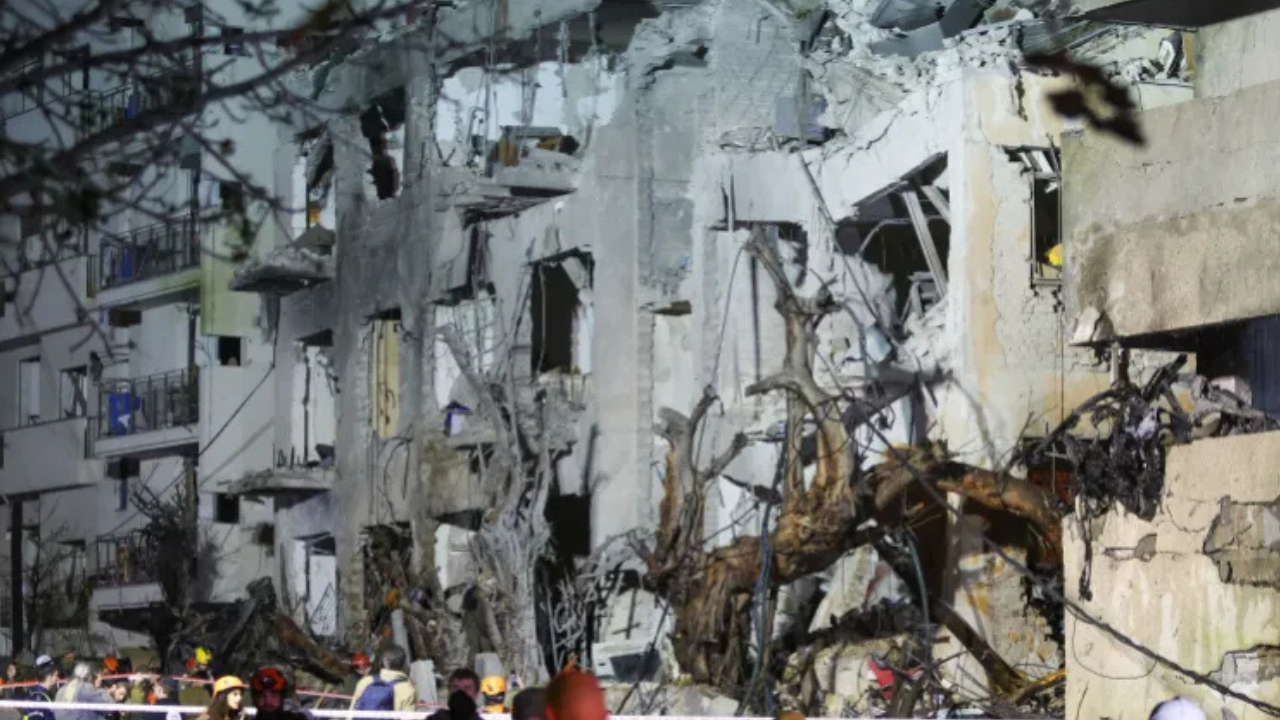
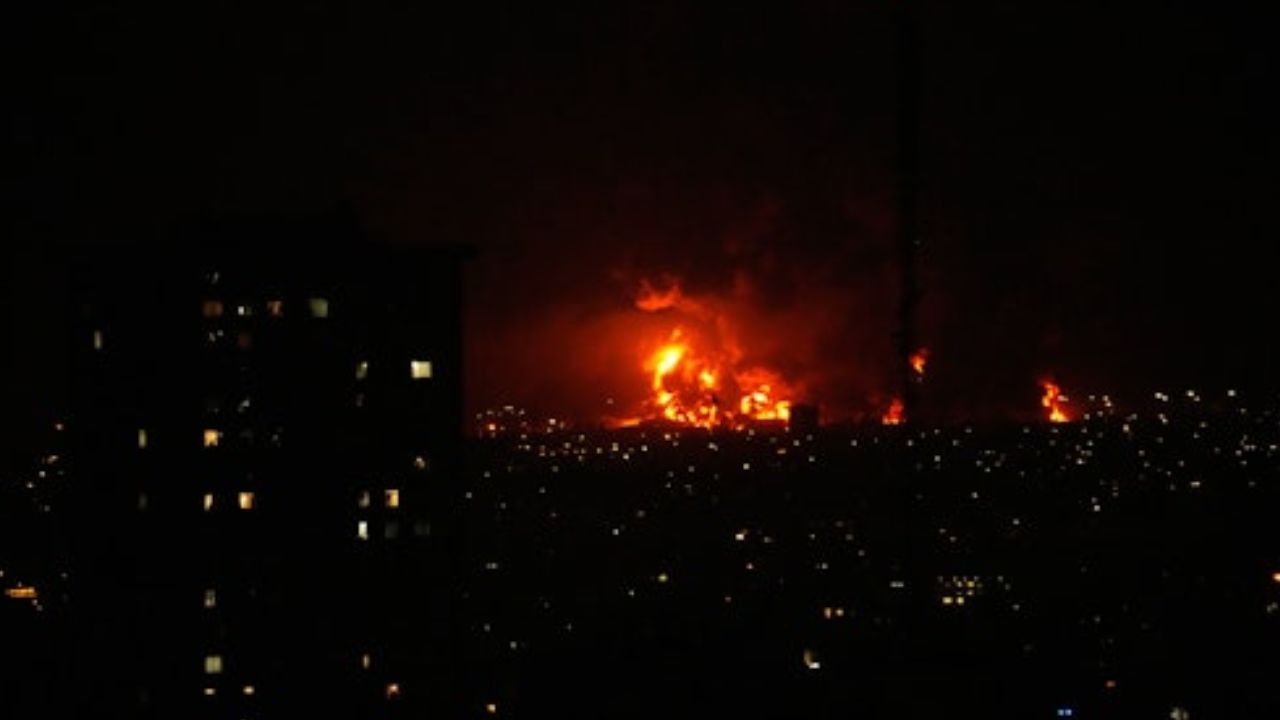
    This development follows an escalation in direct hostilities between Israel and Iran. In the northern city of Haifa, Israeli television networks, including Channel 12, broadcast footage of thick black smoke rising from an oil refinery. 

    The impact occurred shortly after the military detected a new salvo of missiles fired from Iran. While the specific cause of the refinery strike was not initially confirmed, search and rescue teams were dispatched to the site.

    The Israeli military has also provided data regarding its personnel, claiming that 261 soldiers have been wounded since the start of the war with Iran. A death toll for soldiers has not been released.

    On the Iranian side, officials confirmed the death of Revolutionary Guards Navy Commander Alireza Tangsiri. According to Reuters, Tangsiri died following injuries sustained in what Israeli Defence Minister Israel Katz described as a “precise and lethal operation” conducted on March 26. 

    In response to strikes on residences within Iran, a military spokesperson for Tehran announced that Iran will begin bombing the official residences of US and Israeli military commanders.

  • Iran warns hotels housing US troops will be treated as military targets

    Iran warns hotels housing US troops will be treated as military targets

    Iran’s military has warned that hotels housing US troops across the region could be considered potential targets in any escalation with the United States (US) and Israel.

    Armed forces spokesman Abolfazl Shekarchi, speaking to state television, said that facilities accommodating American personnel would fall under the same classification as US military presence.

    “When all the Americans (forces) go into a hotel, then from our perspective that hotel becomes American,” he said. “Should we just stand by and let the Americans strike us? When we respond, naturally we have to strike wherever they are.”

    The statement was released as tensions continue to rise following illegal strikes on Iran carried out by Israel and the United States on 28 February.

    Since then, Iran has launched drone and missile attacks targeting Israel and US-linked interests across the Middle East.

    Around 50,000 US troops are already deployed in the region under what has been described as the Trump administration’s operation “Epic Fury,” with no ground invasion currently underway.

    However, the Wall Street Journal (WSJ) reported that the United States is considering deploying up to 10,000 additional troops to the Middle East to expand available military options. The proposed deployment would add to existing paratroopers and Marine units already stationed in the region.


    According to the report, the additional forces would likely be positioned within range of Iran and Kharg Island, a key oil export hub off Iran’s coast, though exact locations remain unclear.

  • Was Netanyahu killed? Here’s what we know so far…

    Was Netanyahu killed? Here’s what we know so far…

    Multiple unverified claims about the death of Israeli Prime Minister (PM) Benjamin Netanyahu have circulated widely on social media, suggesting that he was killed in an Iranian airstrike amid the ongoing Iran-Israel conflict.

    Similar posts have targeted his brother Iddo Netanyahu and Israeli National Security Minister Itamar Ben-Gvir, alleging that they were also injured. 

    Many of the claims were shared alongside videos of airstrikes and AI-generated images, sometimes amplified by commentary from former US intelligence officer Scott Ritter.

    Reports cited by Tasnim News Agency did not provide evidence of an attack on Netanyahu or confirmation of injury. The articles referenced circumstantial factors, including the absence of recent videos of the prime minister and heightened security around his residence.

    Speculation appeared to gain traction because it had been nearly three days since the last video of Netanyahu was posted on his personal channel, and almost four days since recent images were shared publicly. Previously, at least one video, and sometimes up to three, were typically posted each day.

    Additional reports said that the security perimeter around Netanyahu’s home had been increased, reportedly to counter potential drone threats. Observers also pointed to the cancellation of a planned visit to Israel by Jared Kushner, US President Donald Trump’s son-in-law, and Steve Witkoff, United States special envoy to the Middle East. A separate report from the Elysée Palace did not specify the date of a phone conversation between French President Emmanuel Macron and Netanyahu, releasing only a text transcript.

    Israeli officials and international media have described the claims as false. Netanyahu’s office dismissed reports of his death as “fake news.”

    Public updates show Netanyahu continuing his official duties. On March 10, he visited Israel’s National Health Command Centre, and on March 11, he conducted a visit to Ashdod Port to assess maritime trade operations during Operation Roaring Lion. Video footage of both visits was released publicly.


    Images circulating online that claimed to show Netanyahu after an attack were flagged as AI-generated.

  • Iran hits 27 US bases and Israeli command headquarters

    Iran hits 27 US bases and Israeli command headquarters

    This morning, Iranian state media has confirmed that Supreme Leader Ayatollah Ali Khamenei was martyred at his office in the joint US-Israeli strikes yesterday. His daughter, son-in-law and grandson were martyred in the same wave of attacks and a 40-day national mourning period has been announced.

    Trump made the claim yesterday saying that, ‘one of the most evil people in History, is dead’, adding that, “he [Khamenei] was unable to avoid our Intelligence and Highly Sophisticated Tracking Systems and, working closely with Israel, there was not a thing he, or the other leaders that have been killed along with him, could do…Hopefully, the IRGC [Islamic Revolutionary Guard Corps] and Police will peacefully merge with the Iranian Patriots.”

    Khamenei, 86, had led Iran since 1989, succeeding Ayatollah Ruhollah Khomeini after the 1979 Islamic Revolution. He ruled for more than three decades and held ultimate authority over the government, military and judiciary while serving as the country’s highest religious authority.

    Khamenei consolidated the power of the Islamic Revolutionary Guard Corps (IRGC), endured sweeping sanctions, and repeatedly insisted Iran’s nuclear programme was civilian. His death is the most dramatic rupture in Iran’s leadership since the revolution.

    What happened?

    On Saturday around noon, news of the US-Israel airstrikes in Tehran were confirmed. Multiple cities were targeted, including Tehran, Qom, Esfahan and Khoramabad. The Pentagon confirmed its involvement in the strikes, labeling their operation as “Operaton Epic Fury,” and Trump stated that the US had launched “major combat operations” to eliminate threats from Iran and prevent it from obtaining nuclear weapons.

    Within the hour, Iran confirmed that they would retaliate. Israel soon after, made the first claim, telling Reuters, that Ayatollah Khamenei was killed in the strikes.

    By 2PM, Iran had launched missiles towards Israel and explosions were heard in cities in northern Israel.

    Iran, then, targeted US based in Qatar, Kuwait, UAE and Bahrain and explosions were heard in Doha, Riyadh, Dubai and Abu Dhabi. Dubai was hit in a few areas, including a hotel and the airport, but primarily due to drone debris and faced no major casualties.

    Iran’s Red Crescent said more than 200 killed and 747 were injured across 24 provinces in Iran, the most devastating hit being on a girls’ elementary school in Minab, a city in the Hormozgan province of southern Iran, killing 108 people.

    A UN emergency session was called and Iran’s ambassador told the UN Security Council that civilians were killed in the Israeli strikes including 100 children in school. Pakistan became the only Muslim country to condemn the US-Israel attack on Iran at the UN session, alongside Russia and China, while also condemning Iran’s retaliatory attacks on the Gulf nations.

    The biggest question remained as Iran kept denying the news: Was Khamenei dead? Iran said no, adding that Khamenei was alive and ‘commanding the field’.

    Earlier this morning, Iranian state media confirmed that Ayatollah Ali Khamenei was martyred in the strikes.

    What is happening now and expected?

    The latest updates right now is that Iran has announced attacks on 27 US bases in Middle East. Reuters is reporting that the sounds of explosions were heard in Dubai.

    According to the Iranian state media, the IRGC has said that it is carrying out a ‘sixth wave of attacks’, with an “extensive missile and drone” attacks on Israel and US military bases in the region.

    Iran has claimed that 27 US bases, as well as the Israeli Tel Nof airbase, the Israeli army’s command headquarters at HaKirya in Tel Aviv, and a large defence industrial complex in the same city, were attacked. The forces added that they will, “implement a different and harsh step of revenge, with successive, regrettable slaps”.

    Meanwhile, the Israeli military has warned its residents not to share the locations of areas hit in Israel by Iran. In a post on X, the Israeli military also said that they should remain in their ‘protective bunkers’ unless told to leave.

    New leadership in Iran

    A three-person transitional council (president, judiciary chief, Guardian Council jurist) will assume leadership duties as Iran also confirmed that senior Iranian official Ali Shamkhani and the chief of the IRGC, Mohammad Pakpour were also killed.

    US-Israel position

    Trump has announced “major combat operations” in Iran and that bombing will continue “uninterrupted throughout the week or as long as necessary.” He also said that diplomacy may now be “much easier,” with new Iranian leadership. At home, Trump is being severely criticised over bypassing Congress before launching attacks with Israel.

    Global reaction

    Several countries have shut their airspace amid missile exchanges as the UN calls for immediate de-escalation. China has called for a halt to military action, Oman says that the negotiations were going well and were undermined and Russia has criticised the US negotiations as a “cover”.
  • Modi in Tel Aviv: All you need to know about India & Israel’s ‘anti-Muslim alliance’

    Modi in Tel Aviv: All you need to know about India & Israel’s ‘anti-Muslim alliance’

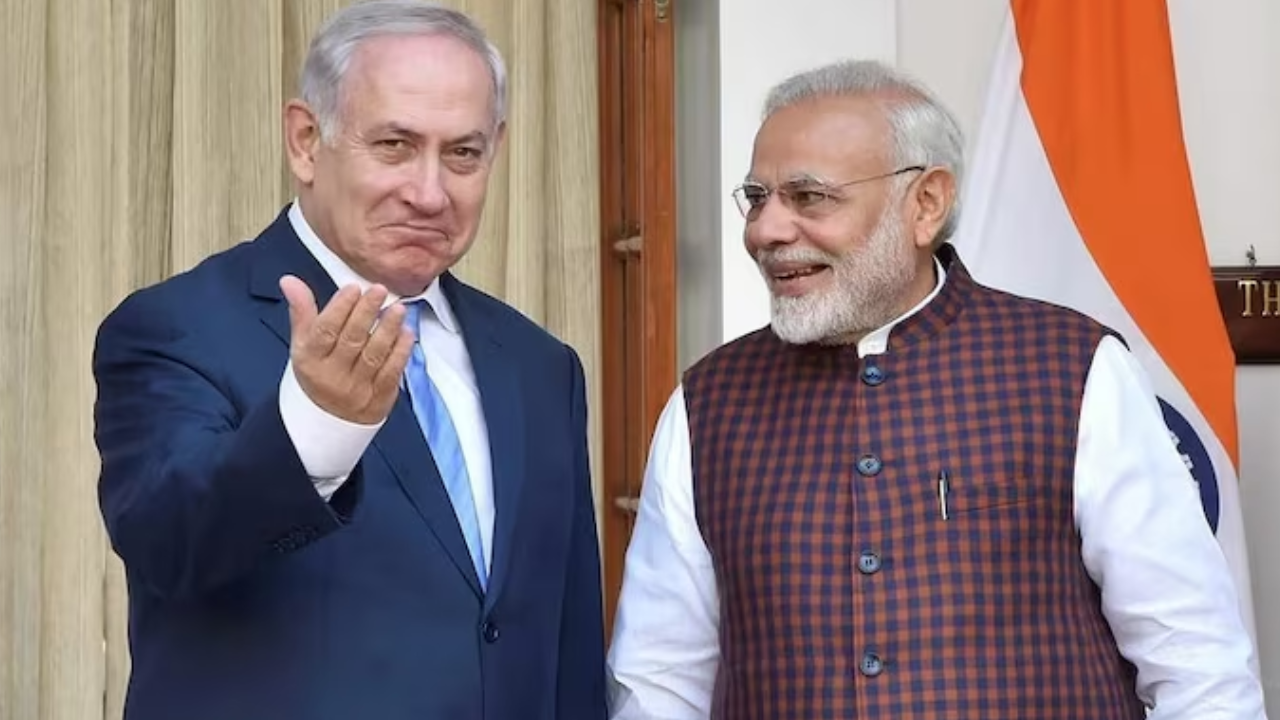
    In a move that has sent shockwaves through the diplomatic corridors of the Islamic world, Israeli Prime Minister (PM) Benjamin Netanyahu has unveiled a strategic blueprint for a new regional bloc termed the “Hexagon of Alliances”.

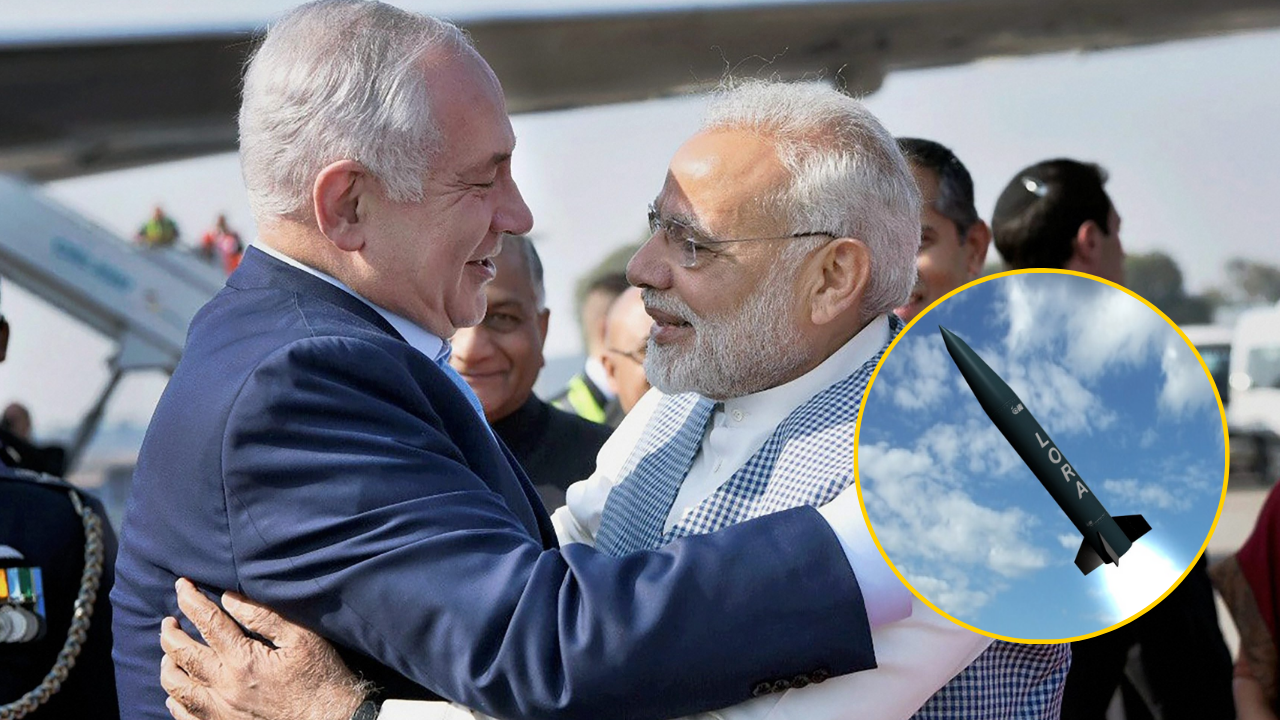
    Speaking ahead of his Indian counterpart Narendra Modi’s historic visit to Tel Aviv, Netanyahu described an axis centered on Israel and India, designed to reshape the Middle East by explicitly targeting what he called the “radical” components of the Muslim world.

    This “Hexagon” is envisioned as a six-pointed security and economic framework involving Israel, India, Greece and Cyprus along with currently unnamed states in the Arab world, Africa and Asia. 

    Netanyahu’s framing of the alliance has drawn immediate fire for its sectarian undertones as he characterised the bloc as a necessary shield against a “radical Shia axis” led by Iran and more controversially an “emerging radical Sunni axis”.

    “The intention here is to create an axis of nations that see eye-to-eye on the reality, challenges and goals against radicalism,” reports quoted Netanyahu as saying during a cabinet meeting. 

    While both Netanyahu and Modi, during the latter’s visit, have described their partnership as a “powerful alliance between two global leaders”, signaling a shift from transactional defence deals to a rigid ideological partnership of “great importance”, for many in the Muslim world, the “Hexagon” is viewed less as a security pact and more as a direct challenge to the Muslim Ummah.

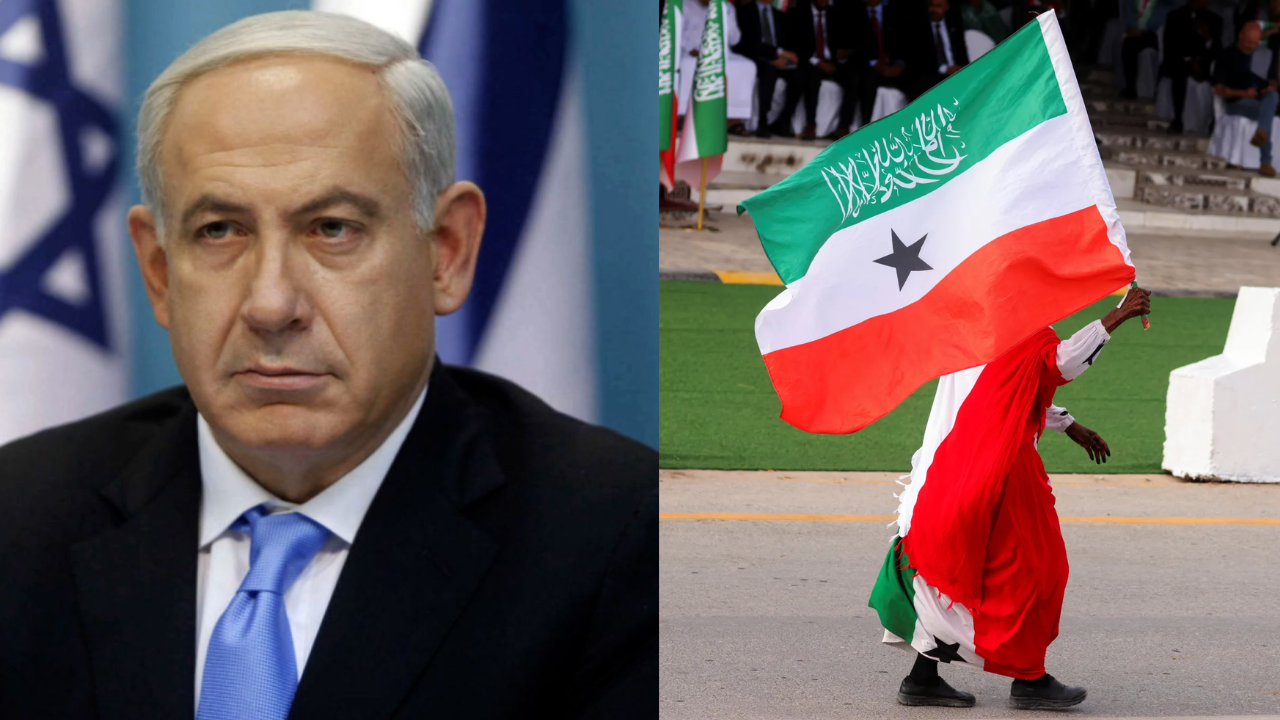
    This perception has been exacerbated by Israel’s recent diplomatic maneuvers, specifically its December 2025 decision to become the first nation to formally recognise Somaliland as an independent state. 

    The move was widely condemned by the Organisation of Islamic Cooperation (OIC) as a blatant attempt to fragment a sovereign Muslim nation and secure a strategic foothold in the Red Sea.

    Analysts point out that Netanyahu’s “radical Sunni axis” label appears to be a swipe at major regional powers like Turkiye, Saudi Arabia and Egypt, who have recently coordinated diplomatically to condemn Israeli military actions in Gaza and Syria. 


    The practical feasibility of the Hexagon remains in doubt. Two of the named members, Greece and Cyprus, are signatories to the International Criminal Court (ICC), which has an active arrest warrant for Netanyahu for war crimes.

    Legally, should the Israeli PM set foot in these “allied” nations, they would be obligated to arrest him. Furthermore, India’s involvement presents a complex balancing act; while New Delhi seeks Israeli technology and AI collaboration, it remains heavily dependent on energy ties and strategic projects with Iran and the wider Arab world.

    In Pakistan, the reaction has been one of total rejection. The Senate has unanimously passed a resolution this week denouncing the anti-Muslim alliance, warning that Netanyahu’s rhetoric seeks to divide the Muslim Ummah on political and ideological grounds.

    The resolution has highlighted that such provocative narratives threaten global stability and ignore the growing international isolation of the Israeli government.

    As the “Hexagon” takes center stage during Modi’s visit, the Middle East finds itself at a crossroads. While Netanyahu pitches a vision of “innovation and stability”, much of the world sees a desperate branding exercise a fantasy world alliance that risks further polarising a region already on the brink.

  • Israel moves to annex West Bank as state property

    Israel moves to annex West Bank as state property

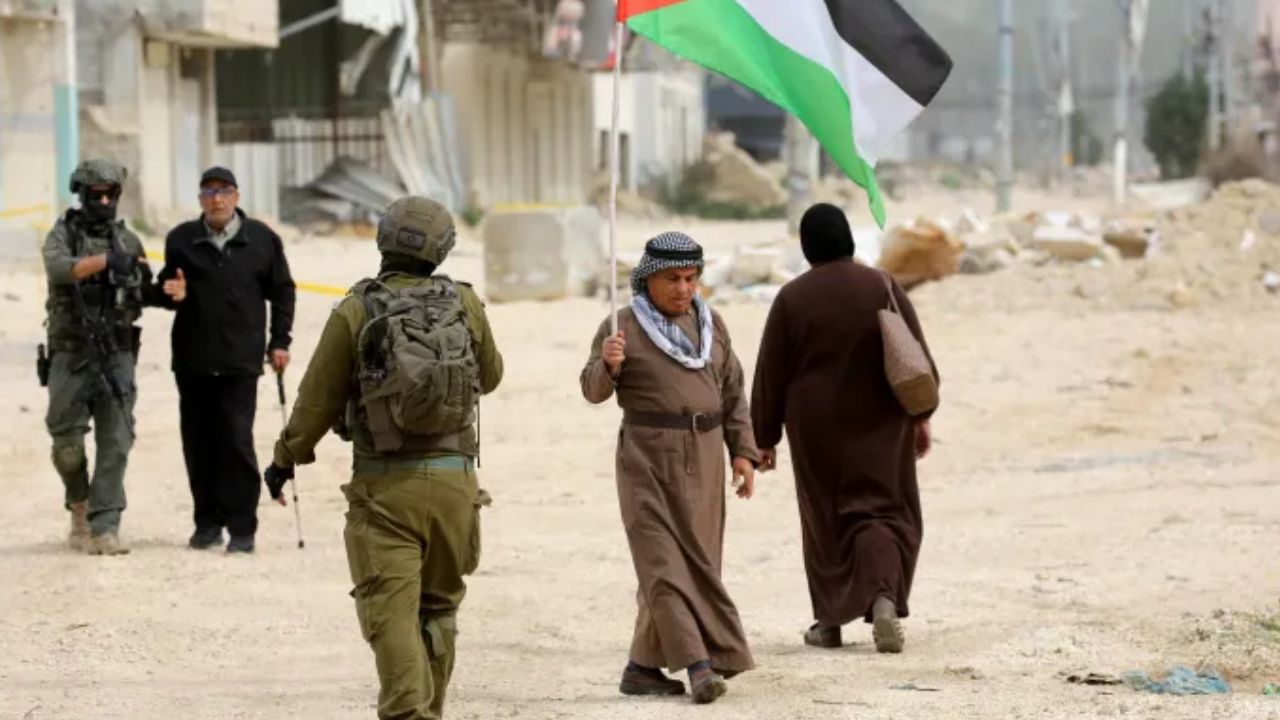
    The Israeli government has approved an illegal plan to register large areas of the occupied West Bank as “state property” if Palestinians cannot prove ownership, prompting global outcry and accusations of de-facto annexation. 


    Israel’s Kan broadcaster reported on Sunday that the proposal was submitted by Minister of Finance Bezalel Smotrich, Minister of Justice Yariv Levin and Minister of Defence Israel Katz.

    Smotrich said the move was a continuation of “the settlement revolution to control all our lands”, while Levin described it as an expression of the government’s commitment “to strengthening its grip on all its parts”.

    The decision allows for the resumption of the “settlement of land title” process, which has remained frozen since Israel’s occupation of the West Bank in 1967. Under the process, when authorities begin land registration in a specific area, anyone claiming ownership must submit documents proving their claim.

    Palestinian officials and rights groups say that after decades of occupation, many residents lack the required documentation due to legal complexities and the loss of records during conflict. The move could affect thousands of Palestinians living in Area C, which is under full Israeli military control under the Oslo Accords. More than 300,000 Palestinians are estimated to reside in Area C, with others dependent on its agricultural and grazing lands.

    The Palestinian presidency condemned the decision in a statement, calling it a “grave escalation and a flagrant violation of international law”, which amounts to “de-facto annexation”. It urged the international community, particularly the United States (US) and the United Nations Security Council, to intervene.

    Hamas also denounced the decision, calling it an attempt “to steal and Judaise lands in the occupied West Bank by registering them as so-called ‘state lands’”. The group described the approval as “a null and void decision issued by an illegitimate occupying power”.

    Israeli anti-settlement organisation Peace Now said the process likely amounts to a “mega land grab” from Palestinians. Hagit Ofran, director of the group’s Settlement Watch programme, said, “Palestinians will be sent to prove ownership in a way that they will never be able to do.” She added that Israel “might take over 83 percent of Area C, which is about half of the West Bank.”

    Jordan’s Ministry of Foreign Affairs, Qatar’s Ministry of Foreign Affairs, Egypt’s Ministry of Foreign Affairs and Turkey’s Ministry of Foreign Affairs issued statements condemning the move as a violation of international law. Egypt cited the Fourth Geneva Convention and United Nations Security Council Resolution 2334 of 2016.

    There was no immediate comment from the United States. More than 700,000 Israelis live in settlements in the occupied West Bank. The UN’s highest court, meanwhile, said in a non-binding advisory opinion in 2024 that Israel’s occupation of Palestinian territory and settlements in the West Bank are illegal and should be ended as soon as possible.

  • Global condemnations pour in as Israel recognises Somaliland as independent state

    Global condemnations pour in as Israel recognises Somaliland as independent state

    The Arab League, the Gulf Cooperation Council (GCC), the African Union (AU) and the Organization of Islamic Cooperation (OIC) have all criticised Israel’s formal recognition of Somaliland as an independent state. 

    Somaliland, a breakaway region in the Horn of Africa, declared its independence from Somalia in 1991. Despite decades of functional autonomy and relative security, no country recognised Somaliland until Friday when Israel declared it a “independent and sovereign state”.

    Somaliland President Abdirahman Mohamed Abdullahi praised the decision, describing it a “historic moment” and the beginning of a “strategic partnership”.

    The announcement sparked immediate backlash. Somalia described Israel’s recognition as a “deliberate attack” on its sovereignty, threatening regional peace. The AU cautioned that the move risked “setting a dangerous precedent with far-reaching implications for peace and stability across the continent”. 

    The AU Commission chair, Mahmoud Ali Youssouf, stated that the bloc “firmly rejects any initiative or action aimed at recognising Somaliland as an independent entity, recalling that Somaliland remains an integral part of the Federal Republic of Somalia”.

    Arab League Secretary-General Ahmed Aboul Gheit described Israel’s action as “a clear violation of international law and a flagrant infringement of the principle of the unity and sovereignty of states”. 

    The GCC issued a statement describing the recognition as “a grave violation of the principles of international law and a blatant infringement” on Somali sovereignty. According to Secretary-General Jasem Albudaiwi, the decision “represents a dangerous precedent that will undermine the foundations of stability in the Horn of Africa region and open the door to further tensions and conflicts”.

    The OIC, along with foreign ministers from Pakistan, Jordan, Egypt, Algeria, Comoros, Djibouti, Gambia, Iran, Iraq, Kuwait, Libya, Maldives, Nigeria, Oman, Palestine, Qatar, Saudi Arabia, Somalia, Sudan, Turkey and Yemen also issued a joint statement condemning Israel’s recognition. 


    They said that the action had “serious repercussions on peace and security in the Horn of Africa, the Red Sea and international peace and security as a whole” in addition to “Israel’s full and blatant disregard for international law”. 

    The statement also disregarded “any potential link between such measure and any attempts to forcibly expel the Palestinian people out of their land”.

    Meanwhile, Pakistan’s deputy prime minister (PM), who is also the foreign minister (FM), Ishaq Dar reaffirmed Islamabad’s support for Somalia in calls with Somali and Egyptian officials, promising to raise Somalia’s concerns at the United Nations (UN) and other multilateral forums.

    The Palestinian Foreign Ministry warned that Israel had previously identified Somaliland “as a destination for the forced displacement of our Palestinian people, particularly from the Gaza Strip” and urged the international community to prevent any complicity with such plans.

    Somalia’s al-Qaeda-linked armed group al-Shabab also condemned the recognition, pledging to fight any attempt by Israel “to claim or use parts of Somaliland”.

    While Israeli PM Benjamin Netanyahu, on the other hand, framed the decision as part of the “spirit of the Abraham Accords”, the United States (US) distanced itself from the move.

    Asked whether Washington planned to recognise Somaliland, President Donald Trump said, “No. Does anyone know what Somaliland is, really?”

  • Foreign Office says doesn’t know about PM’s tourism coordinator meeting Israeli official in London

    Foreign Office says doesn’t know about PM’s tourism coordinator meeting Israeli official in London

    The Foreign Office (FO) has said it had “no information” regarding reports that Pakistani businessman and Prime Minister (PM) Shehbaz Sharif’s Coordinator on Tourism Sardar Yasir Ilyas had interacted with an Israeli official in London.

    The clarification during the FO’s weekly press briefing came after a viral video on social media showed Ilyas shaking hands and conversing with director general (DG) of Israel’s Ministry of Tourism, Michael Izhar-Kov.

    The video was reportedly recorded at the World Travel Market held in London from November 4 to 6, 2025. Israeli journalist Rai Kais first shared it on X, claiming Pakistan had been mentioned among countries that could join an international force in Gaza.

    However, London-based journalist Murtaza Ali Shah suggested the encounter was unplanned, stating that “a group of individuals from Israel visited the Pakistan Pavilion unannounced and met the Pakistani delegation without introducing themselves”.

    “I have no information on this meeting. The gentleman you referred to is a public figure. I would request you to ask him about the meeting,” FO spokesperson Tahir Hussain Andrabi said when asked about the viral video during the briefing.

    Andrabi went on to say he had not seen the report or had any information on a meeting between the premier’s adviser or any public figure with an Israeli representative.

    “I can assure you that if such a meeting or interaction took place, it was certainly without authorisation by the government,” he said.

  • In rare concern, Israeli president, top army officials say Jewish settlers’ attacks on Palestinians must end

    In rare concern, Israeli president, top army officials say Jewish settlers’ attacks on Palestinians must end

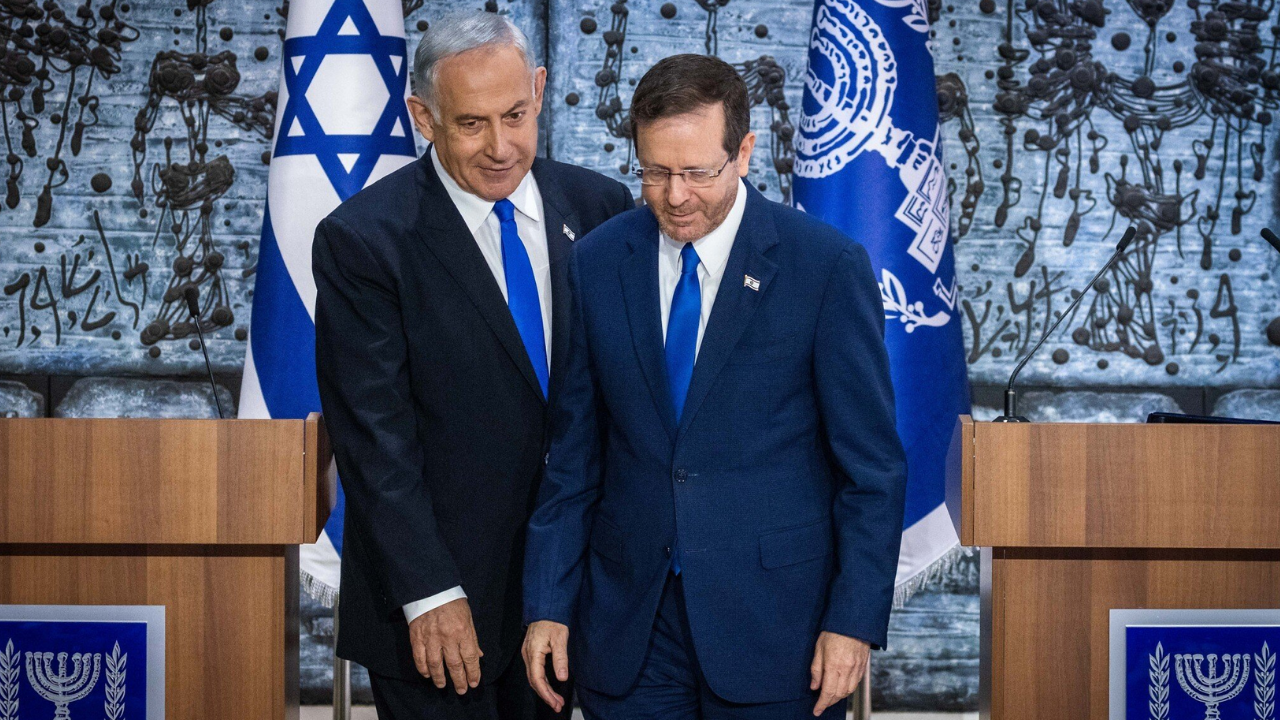
    Israeli president and high-ranking military officials have condemned attacks by Jewish settlers against Palestinians in the West Bank, calling for an end to a growing wave of settler violence in the occupied territory.

    President Isaac Herzog described the attacks as “shocking and serious”, becoming a rare and powerful voice to what has been muted criticism by top Israeli officials of the settler violence.

    Herzog’s position, while largely ceremonial, is meant to serve as a moral compass and unifying force for the country.

    He said the violence committed by a “handful” of perpetrators “crosses a red line”, adding in a social media post that “all state authorities must act decisively to eradicate the phenomenon”.

    His remarks, and those of two high-ranking military officials, came after dozens of masked Israeli settlers attacked the Palestinian villages of Beit Lid and Deir Sharaf in the West Bank on Tuesday, setting fire to vehicles and other property before clashing with Israeli soldiers.

    The Israeli army’s chief of staff, Eyal Zamir, echoed Herzog’s condemnations of the West Bank violence, saying the military “will not tolerate the phenomena of a minority of criminals who tarnish a law-abiding public”.

    On Wednesday, police said three of the suspects were released and that one, a minor arrested on suspicion of arson and assault, will remain in custody for six more days, as ordered by a judge.

    Police said the actions of the three who were released are still under investigation “with the goal of bringing offenders to justice, regardless of their background”.

    Tuesday’s violence in the West Bank was the latest in a series of attacks by young settlers that have surged since the genocide in Gaza erupted two years ago. The attacks have intensified in recent weeks as Palestinians harvest their olive trees in an annual ritual.

    Separately, Israel reopened a crossing into the northern Gaza Strip that had been closed for two months. The move was welcomed by officials at the United Nations (UN), who say Israel has been too slow in surging humanitarian aid to the territory since a ceasefire began last month.

    The Israeli military also said it killed four armed fighters who posed an “immediate threat” in areas of southern Gaza under its control. In Khan Yunis, one person was killed while approaching Israeli troops across the so-called yellow line.

    In Rafah, three people were killed while troops in the area were working to destroy underground tunnels.

  • India interested in Israel’s LORA missile system: reports

    India interested in Israel’s LORA missile system: reports

    India plans to acquire and locally produce Long Range Artillery (LORA) ballistic missiles developed by the Israel Aerospace Industries (IAI), it has emerged.

    According to Israeli media reports, Indian Defence Secretary Rajesh Kumar Singh has signed with Israeli Defence Director General Amir Baram a memorandum of understanding (MoU) to strengthen defence collaboration between the two countries.

    India’s interest in Israel’s LORA was reinforced by the usage of the Rampage missile in recent military encounters with Pakistan, reports said. While Rampage, with a range near 250 kilometres and deployed from aircraft such as the Sukhoi-30 and MiG-29, is highly accurate, its shorter range exposes launch aircraft to advanced air-defence systems.

    LORA, developed by IAI’s MLM division, reportedly extends operational reach to about 400 kilometres, allowing strikes on enemy sites while keeping aircraft outside the threat envelope.

    The missile weighs 1,600 kilograms, flies at supersonic speeds, and uses satellite navigation protected against disruption. One of its outstanding features is that it is “fire and forget”, meaning that once it has been launched at the target, there is no need to guide it.

    It can carry various warheads for deployment against soft targets or against bunkers.

    India, which is the largest buyer of Israel’s defence industries according to the Stockholm International Peace Research Institute (SIPRI), accounted for roughly 34% of Israel’s defence exports from 2020 to 2024.

    Reports said India is also interested in the “Ice Breaker” cruise missile, which is designed for attacks at ranges of about 300 km against land and sea targets. The missile is effective in all weather conditions, can function well in environments saturated with electronic warfare, and has infrared (IIR)-based navigation and missile guidance capabilities, which, through AI, can acquire and identify targets.