Tag: Kashmir

  • India to offer Russia $1 billion loan for development of Far East

    India to offer Russia $1 billion loan for development of Far East

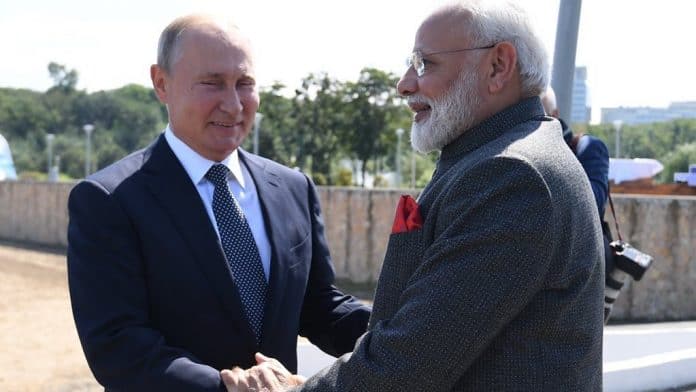
    Indian Prime Minister (PM) Narendra Modi on Thursday said India will “walk shoulder-to-shoulder with Russia in its development of the Far East” and announced a $1 billion line of credit for the development of the resource-rich region.

    Addressing the plenary session of the 5th Eastern Economic Forum in Vladivostok city of Russia, Modi said the friendship between India and Russia was not restricted to governmental interactions in capital cities, but was about people and close business relations.

    “India’s connection to the Russian Far East goes back a long way. India was the first country to open a Consulate in Vladivostok,” Indian media reports quoted Modi as saying. “For its development, India will give a line of credit worth $1 billion.”

    “My government has actively engaged East Asia as part of its ‘Act East’ policy. I firmly believe that today’s announcement will add a new dimension to the economic diplomacy of the two countries,” he added.

    The Indian premier, in the presence of Russian President Vladimir Putin, also unveiled the “Act Far East” policy to boost India’s engagement with Russia’s Far East region. “Let us deepen the bond between India and Russia even further.”

    The development comes a day after media reports claimed that India was trying to garner Russia’s support as Pakistan attempts to challenge the Modi-led government for robbing occupied Kashmir of its autonomy.

    New Delhi had in August abrogated Article 370 of its constitution to snatch away the held valley’s special status — a move which Pakistan fears can pave way for a Muslim genocide in the disputed territory.
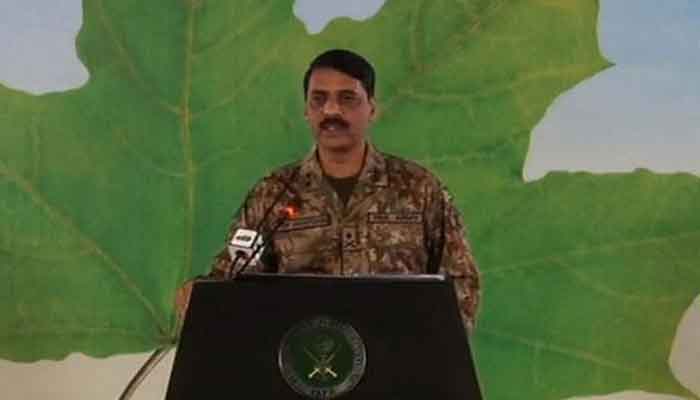
  • What’s the importance of the leaf behind D.G. ISPR?

    What’s the importance of the leaf behind D.G. ISPR?

    Military Spokesperson Major General Asif Ghafoor did a briefing yesterday, updating the press of Pakistan’s fight for Kashmir’s rights. He spoke about how Kashmir was Pakistan’s “jugular vein” and how Pakistan would protect it at all costs. He also warned India of any “misadventure” and said that “nuclear countries do not go to war”. During his briefing, the background was of a green leaf.

    D.G. ISPR Asif Ghafoor’s press briefing

    The leaf is a chinar tree leaf and symbolizes Kashmir. The chinar tree is largely found in Kashmir or European countries and it is largely believed that the Mughal Emperor Akbar planted chinars in the Kashmir valley.

    A large chinar tree

    1,200 saplings of chinar were planted at the same time in a ‘Char Chinar’ pattern, which is four chinar trees planted in four corners of a piece of land.

    Chinar leaf in autumn

    The Char Chinar pattern creates overarching shade so a person standing in any part of the area would have shade during the whole day.

    Chinar trees in autumn in Srinagar

    For Indians, visiting Srinagar in autumn, is an attractive holiday since the chinar leaves turn golden before they fall.

  • India irked by Pakistani writer of Bernie Sanders’ fiery Kashmir speech

    A Pakistani-American speechwriter Faiz Shakir, is said to be the author of Bernie Sanders’ fiery speech on Sunday, The Print has reported.

    Democratic presidential candidate for the US Elections 2020 Bernie Sanders in his speech expressed deep concerns over India’s “unacceptable” seizure of Kashmir and called the United States (US) to intervene for a peaceful resolution of the dispute.

    According to the reports, many believe that Bernie’s campaign manager, Faiz Shakir, is the one who actually wrote Sanders’ Kashmir speech.

    Born to Pakistani immigrants in the US, Shakir has been deeply immersed in the world of activism and has managed to cultivate several important connections in the Democratic Party.

    He went on to study at Harvard and Georgetown Universities, and over the past decade, Shakir has developed a stellar resume by working with some of the biggest Democratic legislators and top-notch think tanks and civil liberties advocacy groups.

    After completing his education at prolific institutions, Shakir began working as a legislative aide to former Florida governor, Bob Graham. He then went to work as a junior staffer in the 2004 John Kerry presidential campaign.

    Following Kerry’s campaign, Shakir joined the liberal think-tank and advocacy group Centre for American Progress (CAP) in 2005 and worked there as a policy advisor.

    Later that year, Shakir helped CAP launch a news website called ThinkProgress, and worked there as the website’s editor-in-chief between 2007 and 2012. He helped turn it into a platform that garnered a lot of acclaim for its reporting on climate change.

    After his stint at CAP and ThinkProgress, Shakir joined prominent Democratic legislator Nancy Pelosi’s team as the “director, new media”. Pelosi is currently the majority leader of the US House of Representatives (lower chamber).

    After his stint with Pelosi, Shakir went on to work with esteemed Democratic Senator Harry Reid, the Senate majority leader between 2007 and 2015.

    In 2016 when Shakir joined Sanders’ presidential campaign team, he drew a lot of anger from his former boss Podesta, who was then managing Clinton’s campaign.

    After Sanders failed to win the Democratic primaries, Shakir joined civil rights advocacy group American Civil Liberties Union (ACLU) as its political director.

    Over the past two years, ACLU has been at the helm of legal and political resistance against the United States President Donald Trump’s policies, especially the “Muslim immigration ban”. ACLU is a major advocacy group and has over 12,00,000 members and more than $100 million at its disposal.

    Following Trump’s immigration ban, ACLU helped raise $24 million and Shakir played a big part in it. ACLU had also filed a lawsuit against Trump’s executive order, which led to a temporary stay on Trump’s immigration ban.

  • India loses it after ISPR chief’s posters surface in held Kashmir despite curfew

    India loses it after ISPR chief’s posters surface in held Kashmir despite curfew

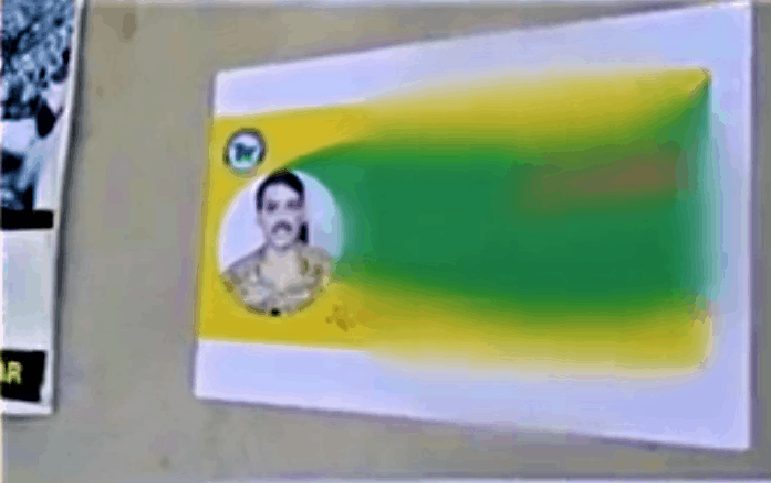
    Posters and handbills with pictures of Inter-Services Public Relations (ISPR) Director General (DG) Major General Asif Ghafoor have surfaced in Indian occupied Kashmir (IoK) despite a lockdown in the troubled valley.

    According to Kashmir Media Service, the posters and handbills with pictures of Pakistan army’s spokesperson popped up in the disputed valley with the message that Pakistan would continue fighting for Kashmiris till its last soldier and bullet.

    In the posters, pro-independence Hurriyat activists also announced that the people of majority-Muslim IoK would jointly push India out of their homeland, which is a paradise on earth.

    The posters are reportedly being removed by Indian security forces.

    The valley is under strict lockdown since August 5 when the Narendra Modi-led government stripped IoK of its special status by repealing Article 370 of the Indian Constitution and robbing the region of its autonomy.

    The occupation forces have converted the valley into a garrison by deploying hundreds of thousands of troops and paramilitary personnel in every street, line and by-lane to stop people from staging demonstrations against the abrogation of the special status of the territory.

  • ‘Pakistan even has atom bombs as small as 250 grams,’ Sheikh Rasheed warns India

    ‘Pakistan even has atom bombs as small as 250 grams,’ Sheikh Rasheed warns India

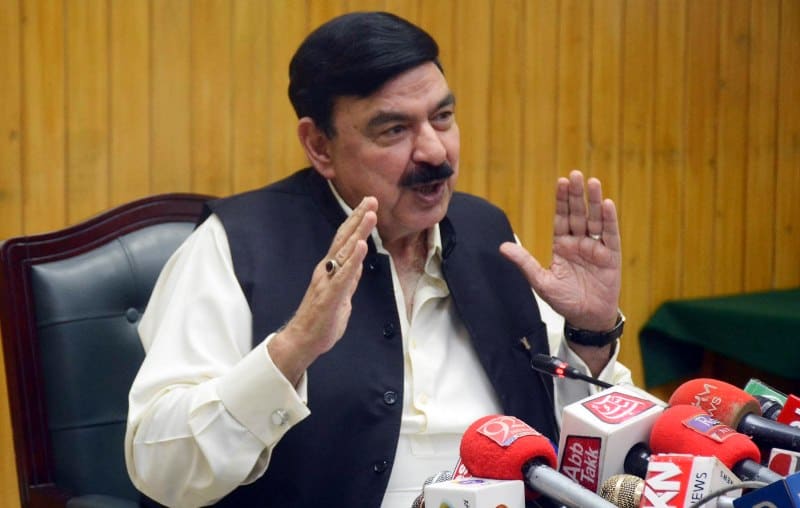
    Federal Minister for Railways Sheikh Rasheed Ahmad has warned India that Pakistan even has small nuclear bombs weighing 125-250 grams, which can hit and destroy targeted areas, The News reported.

    “We know if we want to use our 1-inch, 2-inch or half an inch [atomic bombs],” the minister said on Sunday, leaving netizens all cracked up.

    WATCH VIDEO:

    “India committed two blunders. The first one was carrying out atomic explosions while presuming that Pakistan would not do so and secondly, it scrapped special status of Kashmir on August 5 this year, believing Kashmiris won’t react”, the minister said further.

    Tensions soar on either side of the border ever since New Delhi on August 5 revoked Article 370 of the Indian constitution, robbing the people of the troubled valley of their autonomous state. India has since kept Kashmir under lockdown.

  • ‘Hide in a basement, take a bath’: Indian media airs tips on surviving nuclear attack

    ‘Hide in a basement, take a bath’: Indian media airs tips on surviving nuclear attack

    As tensions continue to soar between nuclear-capable Pakistan and India amid Kashmir crisis, an India media outlet has aired tips on how to survive a nuclear attack, Scroll.in reported.

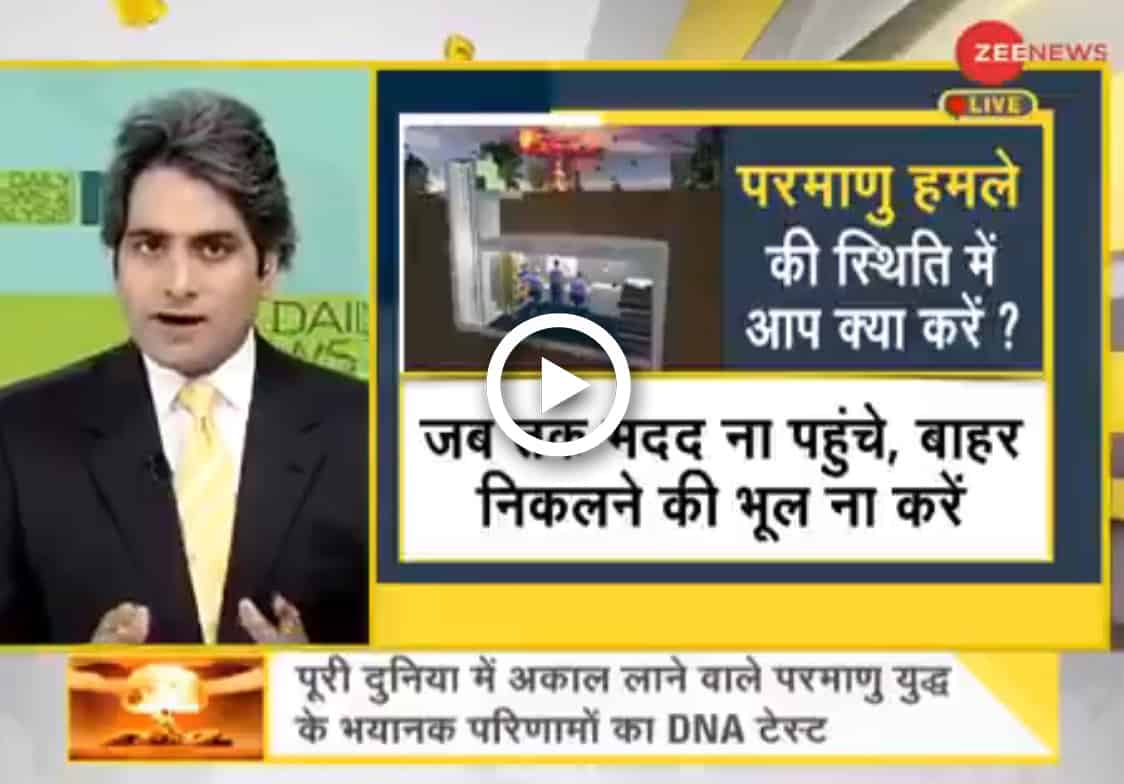
    According to the details, a recent video clip from television channel Zee News, informing its viewers about what to do in case of a nuclear attack, has left people on social media in disbelief.

    News anchor Sudhir Chaudhary’s tips on surviving nukes include not looking directly at the explosion, running to the basement of the strongest building around you for shelter, taking a bath and sealing clothes exposed to radioactive waves to avoid them from being spread further.

    WATCH VIDEO:

    “The spe­c­ter of nuclear war haunts tensions between Pakistan and India, and the disputed territory of Kashmir could provide the spark that lights South Asia’s nuclear fuse,” warned a report published by a United States (US) think-tank last week.

    The report — by Stratfor, a geopolitical intelligence platform based in Austin, Texas — also disputed the classification of the Kashmir issue as India’s “internal affair” or a “bilateral” issue between the two neighbours.

    “It isn’t. A potential nuc­lear conflagration cannot be anything other than a matter of international peace and security,” the report warned.

    According to the report, the possibility of “the conflict going nuclear may have increased on Aug 16”, when Indian Defence Minister Rajnath Singh seemed to abandon India’s “no first use” doctrine.

    “India has strictly adhered to this doctrine. What happens in the future depends on the circumstances,” he had tweeted.

  • Information Ministry uses Indian poem for new Kashmir song

    Information Ministry uses Indian poem for new Kashmir song

    The Information Ministry has come under fire for using an Indian poem as a new national song to mark Friday’s “Kashmir Hour” that was observed across the country on Prime Minister (PM) Imran Khan’s call.

    As per the details, the poem “Han Main Kashmiri Hun” by Indian poet and politician Imran Pratapgarhi was played on television channels across the country as the nation expressed solidarity with Kashmiris suffering at the hands of Indian occupying forces.

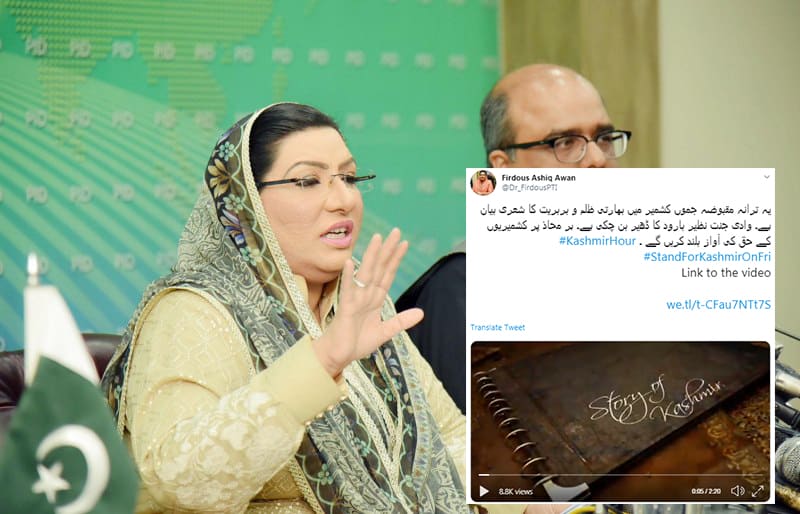
    Special Assistant to the PM on Information and Broadcasting Dr Firdous Ashiq Awan also shared the song on Twitter and wrote, “This poem accurately describes the plight of residents of Kashmir and how they are enduring Indian cruelty. We are standing with Kashmiris.”

    The move was criticised by Twitterati, who asked why an Indian poem was used by the government when several Pakistani poets had also written about Kashmir.

    PM’s aide was also criticised for not giving credit to the Indian poet who had written the poem over a decade ago.

  • Kashmir ‘Curfew Clock’ installed in Islamabad

    Kashmir ‘Curfew Clock’ installed in Islamabad

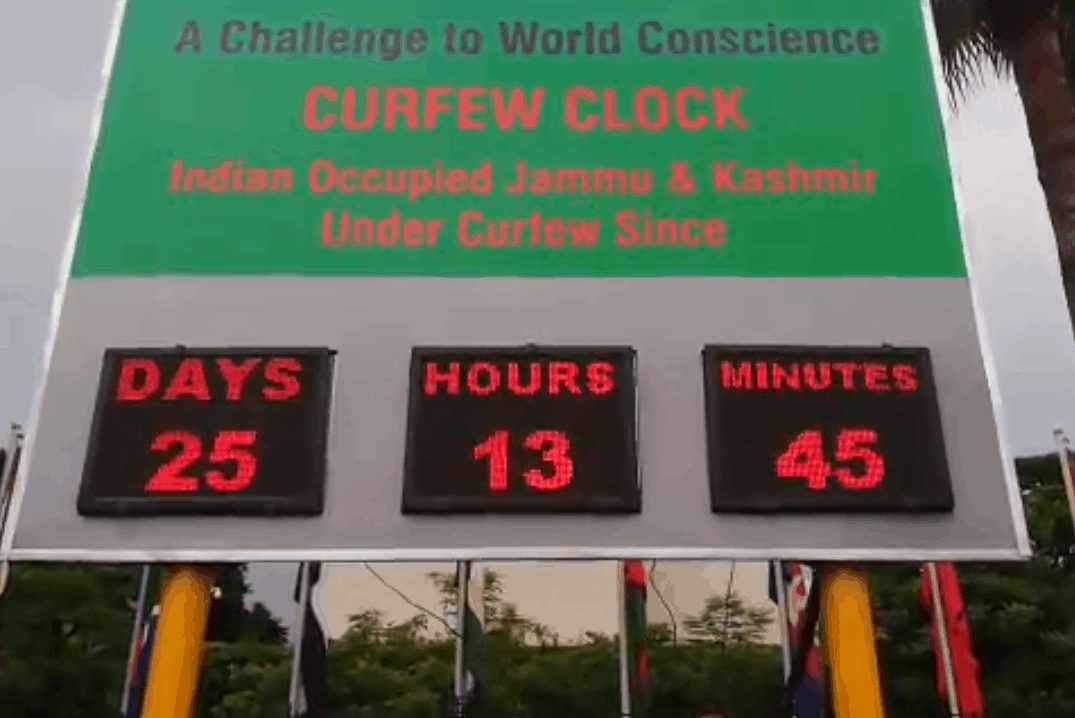
    A digital clock called “Curfew Clock” has been installed in the federal capital, which shows the number of days, hours and minutes since India has kept occupied Kashmir under curfew.

    The video of the curfew clock that “challenges the world conscience” was tweeted by Central Film Censor Board chairman and Information Minister’s Office director Danyal Gillani.

    Pakistanis on Friday came out in hordes on Prime Minister (PM) Imran Khan’s call to observe “Kashmir Hour” to show solidarity with the people of Indian occupied Kashmir (IoK).

    People of the Muslim-majority troubled valley have been held hostage by Indian occupying forces since August 5 when New Delhi abrogated Article 370 of its constitution to rob the disputed territory of its autonomy.

  • Kashmir crisis: Sri Lanka rejects claims, says ‘it never supported Pakistan’

    Kashmir crisis: Sri Lanka rejects claims, says ‘it never supported Pakistan’

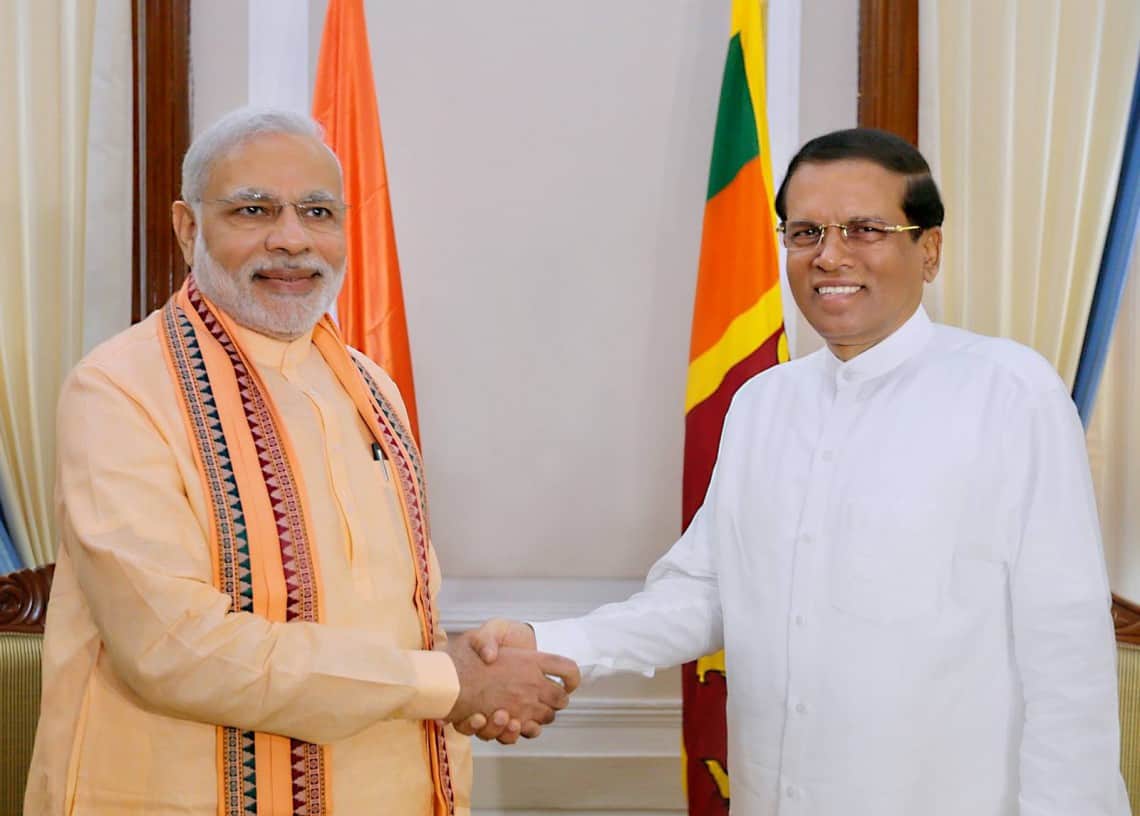
    In what is being termed as an embarrassment for the country, Sri Lanka has rejected Pakistan’s claims of enjoying President Maithripala Sirisena’s support against Indian decision to revoke Article 370 of its constitution in held Kashmir.

    “The president acknowledged that Jammu and Kashmir is a disputed territory and expressed his desire that this dispute should be resolved according to wishes of Kashmiris under UN [United Nations] Resolutions,” read a statement issued following Pakistani High Commissioner Maj Gen (r) Dr Shahid Ahmad Hashmat’s meeting with the Sri Lankan president Tuesday.

    According to the statement, President Sirisena “also offered Sri Lanka’s mediation and facilitation of dialogue between Pakistan and India to re-activate the SAARC [South Asian Association for Regional Cooperation] forum”.

    The Pakistani High Commission’s claims, however, were rejected by the Sri Lankan president on Thursday.

    “The President’s Media Division wishes to state that the said meeting took place at the request of the High Commissioner of Pakistan and during which he briefed the president about the recent developments with regard to India’s abrogation of Section 370 and annulling of Article 35A of the Constitution of India.”

    It added that the president gave a patient hearing to the high commissioner’s views and said that both Pakistan and India have excellent friendly relations with Sri Lanka, adding that the country’s interest is to see the growth of regional cooperation.

    “The president did not make any other comment on the issues pertaining to Pakistan and India,” it concluded.

  • Over 40 Azad Kashmir residents stranded in India after authorities ‘refuse to open border’

    Over 40 Azad Kashmir residents stranded in India after authorities ‘refuse to open border’

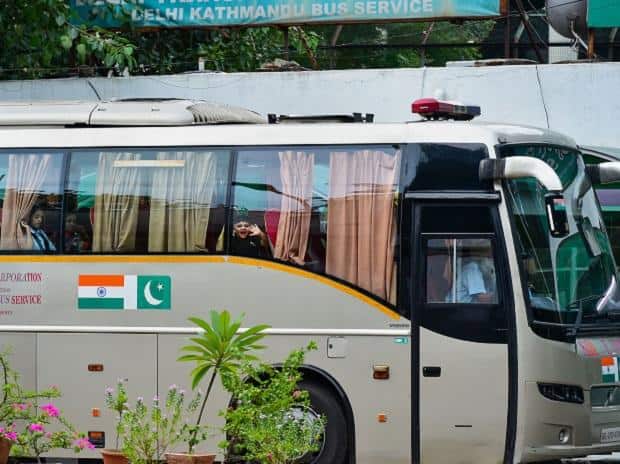
    As many as 42 residents of Pakistan’s Azad Jammu and Kashmir (AJK) region have been left stranded in India after authorities reportedly refused to open “Rah-e-Milan” gate on the Line of Control (LoC) for the weekly bus service.

    The bus service that runs across the LoC — between AJK’s Rawalakot and Indian occupied Kashmir’s (IoK) Poonch district — is the brainchild of former IoK chief minister (CM) Mufti Mohammed Sayeed.

    “Every Monday the weekly bus service operates between Rawalakot and Poonch via Chakan da Bagh, but this week it didn’t,” Indian media reports quoted an Indian official as saying.

    Out of 42 AJK residents left stranded in Poonch, 27 were due for their return today and taken to the gates at the LoC around 11 am on Monday, but Pakistani authorities didn’t let them pass forcing their return to Chakan da Bagh crossing point.

    “We conveyed the message to Pakistani authorities but they didn’t respond and hence the bus service could not operate,” the official said.

    Tensions are running high on either side of the border ever since New Delhi abrogated Article 370 of its constitution to rob the disputed valley of its autonomy.

    The disruption in cross border travel follows Pakistan’s decision to suspend operations of Samjhauta Express between Wagah in Pakistan and Attari in India along with Thar Express that used to connect Khokhrapar in Pakistan with Munabao in India’s Rajasthan state.

    Earlier this month, the Lahore-Delhi bus service was also suspended.