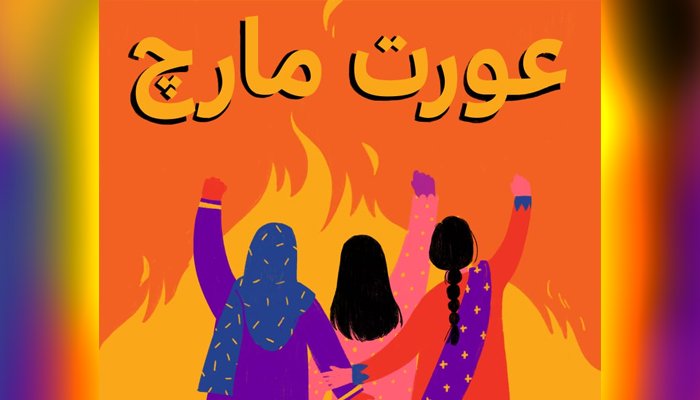
A mural created by participants of the Aurat March 2020 at Lahore’s Hussain Chowk was torn down Saturday evening.
While talking to a media outlet a volunteer Amna Chaudhry said, “We had arranged a poster competition where female illustrators and designers were told to design posters for the march and send them in.”
They decided to install a mural in the city after receiving an overwhelming response, “All the artists were called to put up their posters on the wall to showcase the spirit of the march and promote it,” Chaudhry said.
But after four to five hours they had put up their posters, they were torn down. “The posters were not just torn, somebody had ripped through them,” the volunteer said.
Chaudhry also told that before even planning the activity permission had been taken from the authorities. “We had chosen Hussain Chowk as it is the center of the city and a good place for promotion purposes,” she said.
Organizers of the Aurat March posted the before and after pictures of a mural on the march’s official social media accounts after which support started coming in for them.
Today we were buoyed by the love and behanchara on display today, only for it to be torn down hours later.
For those who say why we march–this is why!!
First picture: Earlier today as we built our mural.
Many activists condemned the incident. Salman Sufi, the founder of the Salman Sufi Foundation, called it a show of the “insecurities deeply embedded within certain elements of society”.
Tearing up posters of a peaceful organization only shows insecurities deeply embedded within certain elements of society. Each poster that gets torn gives encouragement to hundreds of women to stand up for their long due rights. #AuratAzadiMarch2020@AuratMarchKHI
Human rights lawyer Nighat Dad took to Twitter and wrote that if the posters put up by women receive this much hatred, what about the hatred received by women who stand up for their rights.
Chaudhry said that the incident did not and will not bring the spirits of the volunteers and organisers down. “You can tear down the posters but you can’t tear us apart. We will resist all things like these and keep putting up posters,” she said.
Chaudhry added that they will soon file a complaint. “We have shared the posters on social media and have asked supporters to print them out and put them up in their neighborhoods as a form of resistance.”
The Aurat March will take place across Pakistan on March 8. Fundraisers for the march have started in several cities.
“For those who ask why we march – this is why!” Chaudhry added.
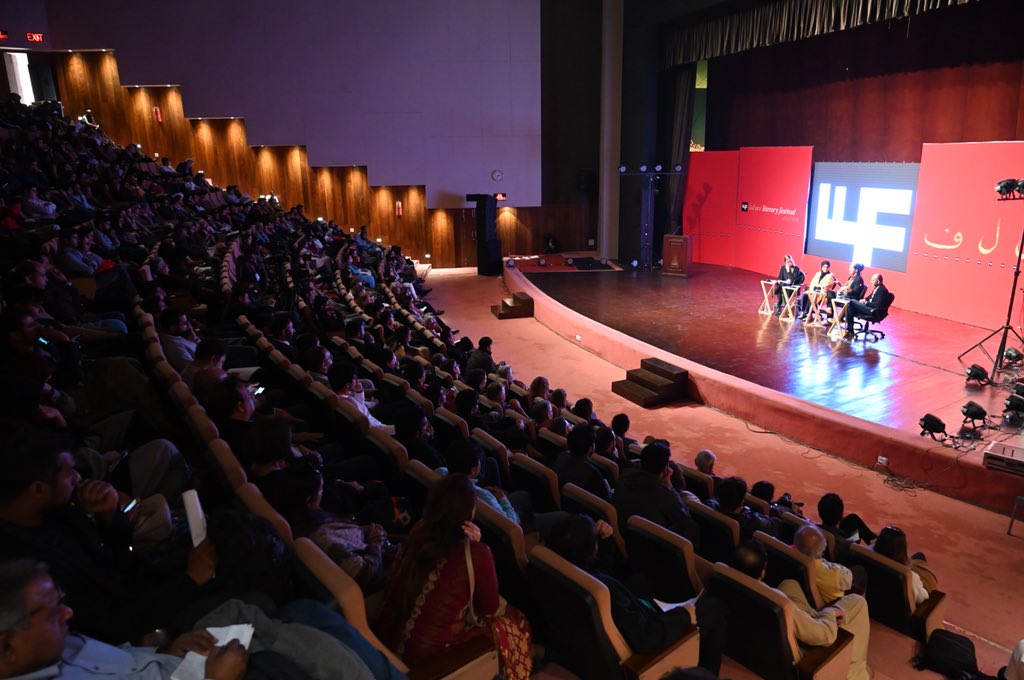
There’s much to see on the third and last day of the Lahore Literary Festival (LLF) that I think I’ll be session hopping because the panels I’m interested in will unfortunately overlap – unless of course I’m so glued to one that I’m not tempted to listen to another at the same time.
In hall one, historian and founder of the Jaipur Literary Festival, William Dalrymple will be presenting his latest book, The Anarchy: Post-Mughal Politics which given his past writings promises to be a stimulating session on the rise and fall of the East India Company and the dangers of corporate greed. So that’s between 10 and 11 am though another panel focused on new writing from Pakistan discussing the Zeenat Haroon Rashid Prize would also be interesting because as an editor I’d be curious to read and explore contemporary fiction and nonfiction coming out of Pakistan. Another panel — yet agin at the same time slot though timely given the Lahore Biennale is still on in the city until February 29 so go see that if you can — is on art in public places with French museum consultant, Alexandre Colliex in conversation with Zahra Rashid Khan, the curator of Foundation Divvy Art. With the biennale showcasing artists from Pakistan and abroad with works displayed in public spaces including museums, historical sites (Lahore Fort) and old marketplaces, this session is important as a way to discuss whether a city such as Lahore interested to conserve its art and history is able to do so with its resources or does it need attention from the experts. Also, this one should be interesting because Colliex is a roving museum advisor to governments in the Global South; he’s been involved in the Shenzhen government’s new Museum of Contemporary Art and Planning Exhibition, for example.
The next hour (11:15-12:15pm) has two slotted sessions that will definitely pique everyones’ interest as both panels are relevant to important debates that interest us. So you’ll be spoilt for choice in this time slot. A discussion of how traditional media outlets are coping with the rise of social media will definitely bring some important insights to the fore given the panelists who know the digital medium well. Unfortunately newspapers literally shrinking in size the world over given the rise of digital platforms is clearly evident. Even 24/7 TV now left behind as news breaks on social media and political debates have twitter as their next battle zone, so we see it is the beginning of the end for print (as the demise of Herald and Newsline magazines have demonstrated)— unless it reinvents its model and its content dissemination methods. The Current’s founder, Marium Chaudhry will be on this panel so go see what she says about an increasing younger readership and their interests and shares her insight into how digital news mediums will capture the market share.
Dare I say the session in hall 2 with American-Iranian analyst and a former US State Department advisor, Vali Nasr and Ambassador Riaz Mohammad Khan in conversation with journalist Ahmed Rashid will be a big draw in this time slot because firstly, it’s very pertinent to current political challenges in Afghanistan and second, both men have first-hand experience in Afghanistan — Nasr was part of the team with Richard Holbrooke that recommended negotiations with the Taliban instead of opting for a military solution during the Obama administration; and Khan, the author of Pakistan-Afghanistan: The Way Forward for Bilateral Relations and a former foreign secretary has vast experience in this region.
After lunch, (1:30-2:30pm) and on a lighter note I’ll go listen to author and police officer, Omar Shahid Hamid on cricket, citizenship and the post-colonial narrative. I’ve read Omar’s latest novel, The Fix, so I highly recommend this session with Sri Lankan author, Romesh Gunesekera. Happening at the same time, if you’re interested in how Urdu reads in translation, then go listen to Spanish writer, Rocio Moriones Alonso, translator of the worlds of Manto and Fahmida Riaz — appears to be an ambitious project worthy of the spotlight.
Mahira Khan and journalist Fifi Haroon will be up next at 2:45pm talking about Pakistan’s new cinematic wave — I’d recommend getting your seat in time because even though Hall 1 will squeeze everyone in, Mahira is the superstar for this weekend. I’m going to see what she has to say considering she is also an UN advocate for refugees. At the same time, there’s a a session on Punjabi drama and more art talk — this year the curators have widened the parameters of the festival to bring in the best.
As they say, leave the best for last. However, in this instance, the first because the inaugural session on Friday will have presented an interview with Nobel Laureate Orhan Pamuk. [Book suggestion: If you have an interest in his works and in Turkey, The Last Word bookshop has copies of an illustrated version of his novel, Istanbul, with old black and white photographs of the city when Pamuk was an adolescent which is worth buying and getting signed cause it’s like a collector’s copy.] The last session (4-5pm) will see Pamuk and Mohsin Hamid (The Reluctant Fundamentalist; Moth Smoke) talking about how literature can shape a more democratic world which I know will be an engrossing one when both writers are adept at telling stories highlighting pressing sociopolitical issues through their fiction. It will be interesting to see if they have similar or divergent views — is fiction essentially a voice for the voiceless? For writers, it all starts with ideas and stories and telling it as you experience and imagine.
Eight years on and LLF is still thinking, embracing a wider global vision and themes abound: freedom of expression; Afghanistan and Taliban negotiations; India, Kashmir; cricket; new Pakistani cinema; children’s story books; Urdu literature in Spanish and more. For me, it’s all about books, writers and thinking. Writers can take our reality and turn that into fiction something our politicians — and even journalists forcibly muzzled and strapped in current times — often don’t dare to do.
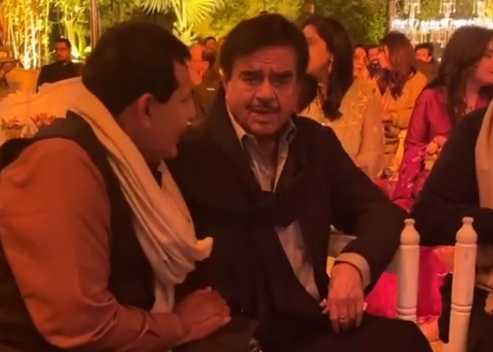
Amid heightened Indo-Pak tensions, former Bollywood actor and ex-BJP member Shatrughan Sinha was spotted attending a wedding in Lahore. Videos and pictures of him have gone viral on social media.
Reema was also seen sharing the frame with him in the video.
Further details regarding his visit have not yet been revealed. However, some media outlets have reported that the former actor is here on a two-day visit on the invitation of prominent businessman Mian Asad Ehsan, who is the father of the groom. Mian Ehsan, a celebrated filmmaker, is the grandfather of the groom. The filmmaker is associated with iconic films such as Mukhra (1958) Insaan (1966), and Mahal (1968). It is also being reported that Sinha will be meeting key political persons in the country.
https://www.instagram.com/p/B8wkDotA0wA/
Sinha’s visit comes as a surprise, especially considering that last year, the All India Cine Workers Association (AICWA) had banned and boycotted Mika Singh from the film industry after the singer performed at a wedding in Pakistan. Since then, Bollywood and Indian actors have refrained from interacting with Pakistani artists or people.
The relationship between the two neighbouring countries went from bad to worse after the Modi government scrapped Article 370 stripping Indian-occupied Kashmir of its special status. The valley has been under lockdown ever since.
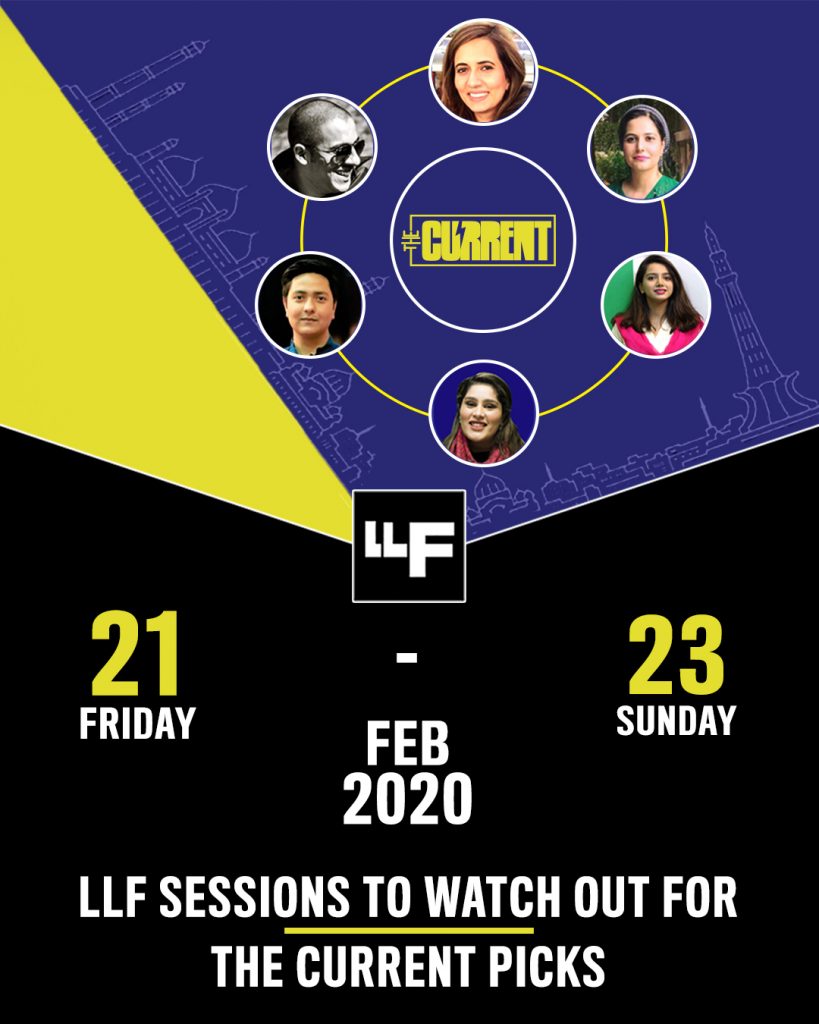
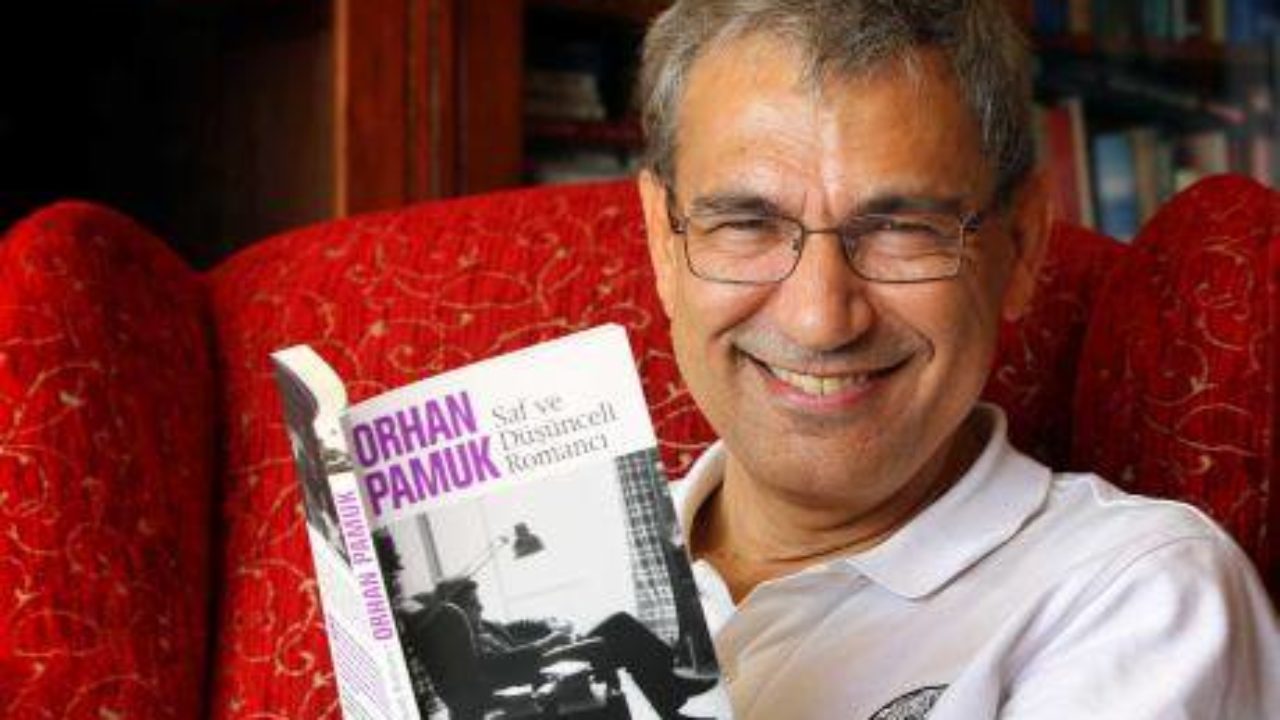
The 8th Lahore Literary Festival is going to be in full swing from Friday Feb 21st to Sunday Feb 23rd. This year’s schedule seems particularly promising with the inclusion of Nobel Prize Winner for Literature, Orhan Pamuk who has a massive fan following in Pakistan. They also include book launches, and notable personalities like Middle East expert and author, Vali Nasr, Nigerian writer Oyinkan Braithwaite, and Mughal historian Audrey Truschke.
The Current’s picks for the sessions are:
“I’m most excited to meet Orhan Pamuk and get a chance to get my collection of Pamuk books signed by him. He’s a beautiful writer, his books are complicated but rewarding, tales of human nature, love, murder and how our culture defines us. He will be the star attraction this year at the LLF and I will definitely be attending the opening ceremony on Friday morning.
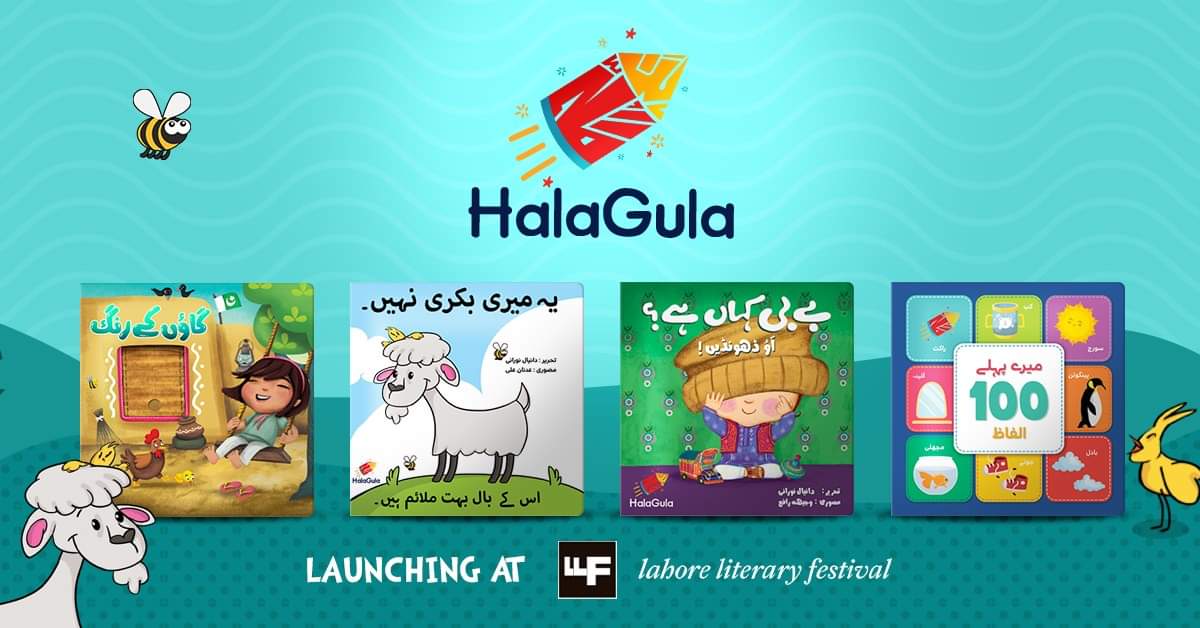
I’m also looking forward to the launch of HalaGula children’s books. The session is on Saturday at 2:45PM-3:45PM and is the launch of new children’s books in Urdu. There isn’t anything fun and exciting in children’s reading available in Urdu, so this will be a welcome addition – Marium Chaudhry, Founder
The Herald, one of Pakistan’s oldest magazines has recently discontinued
A session with journalists Tehmina Ahmed and Talat Aslam will be coming together with ex-HRCP chairman Dr I A Rehman — none of whom ever shied away from raising their voices even against military dictatorships — discuss the latest rough patch media industry in Pakistan has hit under PTI rule. Moderated by Razeshta Sethna, former Senior Assitant Editor of the Herald, the panel is titled ‘Speaking Truth to Power’, the panel is likely to discuss the recently ceased Herald and Newsline. I’m also going to be attending ‘Hum Dekheingay’ . In this session, Barrister Aitzaz Ahsan, poet Zehra Nigah and historian Nomanul Haq will discuss with moderator Salman Akram Raja how Marxist poet Faiz Ahmad Faiz’s writings are transcending borders and languages to fire people’s movements, as recently seen in India – Abdullah Zafar, Political Editor
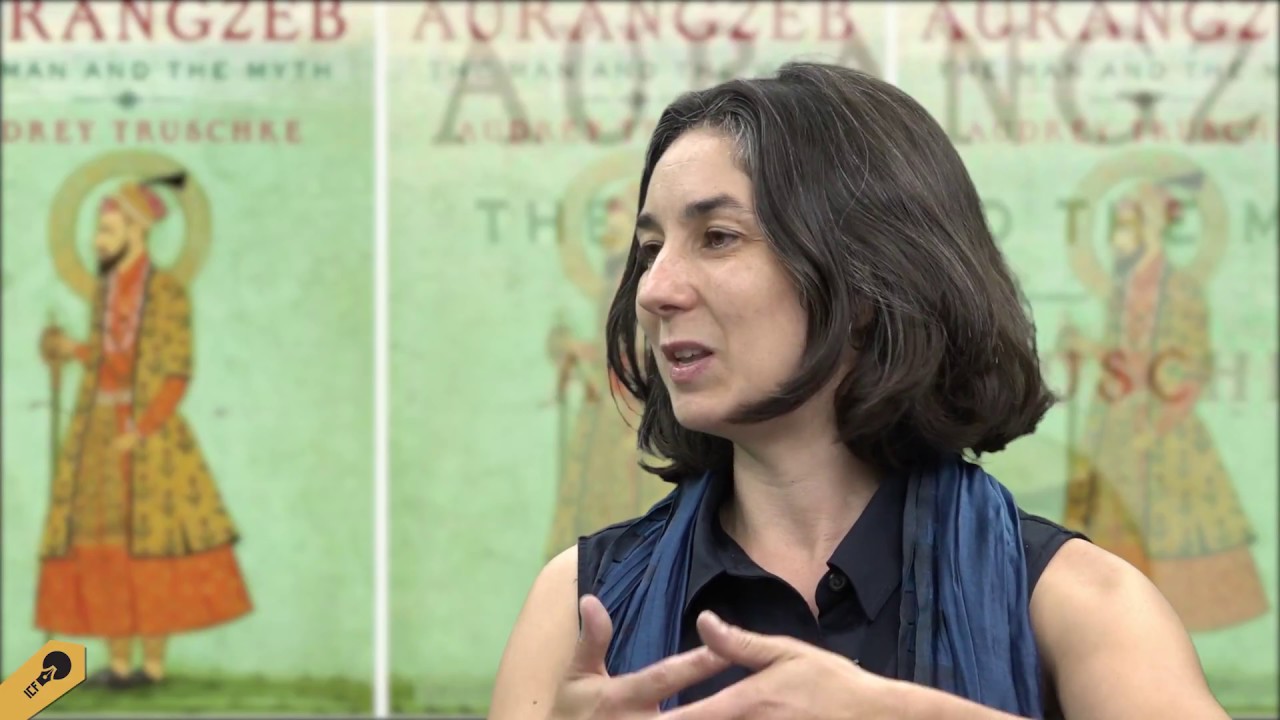
I am interested in ‘Bigotry Brigade: Where is India headed?’ which will be on 4PM-5PM on Saturday. This session will be quite interesting. All the panelists are excellent, especially historian, Audrey Truschke, who has written a book on Mughal Emperor Aurangzeb, which negates the Indian narrative of an evil Muslim ruler. I am interested in India’s descent into extremism as it is quite disheartening to see a secular country like India with a population of more than a billion people turn to Hindutva – Mehmal Sarfraz, Co-Founder
’55 Lawrence Road: Memories of a Jewish Family that left Pakistan in 1973′ is an intriguing title for a session. I am expecting the session will revolve around how Jewish families lived in Pakistan well after partition and why and how they migrated out of the country. I am particularly interested to know how they lived and how active their synagogues were as most of them in Pakistan are no longer active. The session is at 1:30-2:30 on Saturday and has famous architect, Nayyar Ali Dada, Pakistani-born journalist, Hazel Kahan and Pakistani film director Shireen Pasha – Saman Shafiq, Entertainment Editor
I’ts not just that our founder, Marium is a part of this session but ‘Digital Trumps Print?’ will be a session where print and T.V. journalists will discuss the challenges of change that come with the digital media transformation of Pakistan. It will be interesting to see old school journalists like Arif Nizami and Samaa’s owner Zafar Siddiqi talk about what digital media means to them at a time of slit-throat competition. The session is on Sunday from 11:15am-12:15am – Fahad Malik, Data and Tech Sub-Editor
Mahira Khan will be attending the LLF on Sunday
It will be illuminating for me to be a part of the session ‘ Pakistan’s brave new cinema’ where two renowned women of Pakistan, actress Mahira Khan and journalist Fifi Haroon, will discuss the future of cinema and how it can create awareness on sensitive issues in the country. The session is on Sunday from 2:45PM-3:45PM – Urooj Ali, Lifestyle Sub-Editor
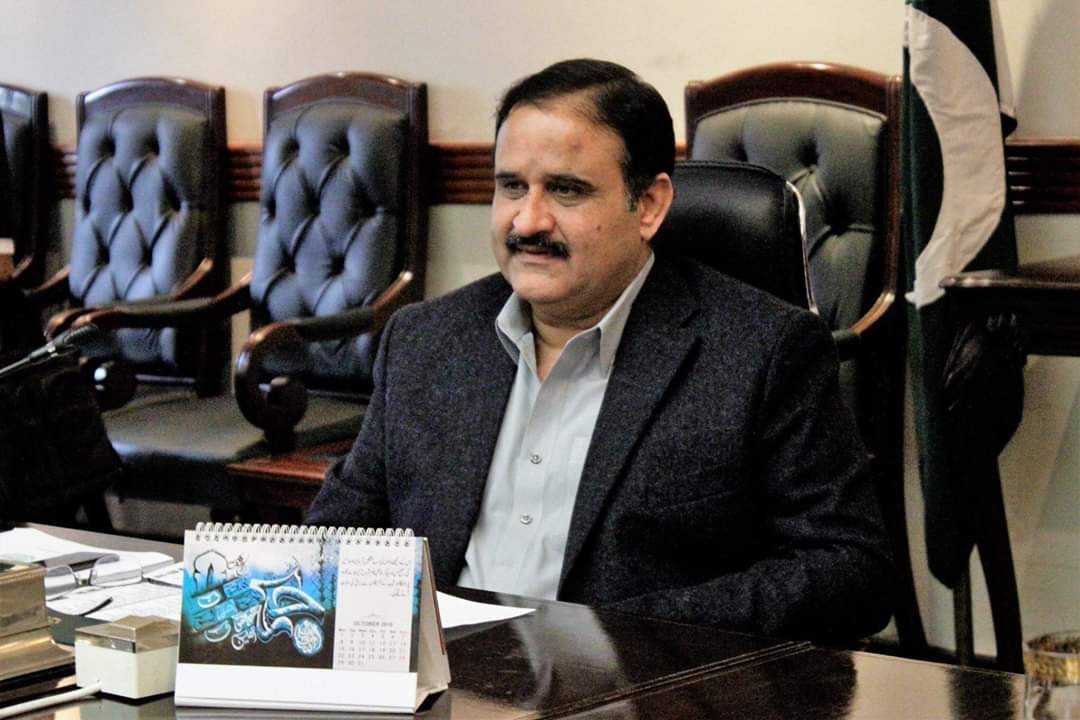
The Lahore High Court (LHC) on Thursday summoned Punjab Chief Minister (CM) Usman Buzdar in a case pertaining to a minor who had gone missing earlier this year, ARY News reported.
As per the details, the court summoned the provincial chief executive of Punjab as it heard a petition filed by the mother of three-year-old Abdul Rafay.
Expressing displeasure over the authorities’ attitude, the court remarked if anything happened to the child, all authorities concerned would be responsible.
Earlier, Punjab Inspector General of Police (IGP) Shoaib Dastagir appeared before the court. “If this is the attitude of the IGP, what could be expected from others?” the court asked as it reprimanded the provincial police chief over the force’s failure to recover Rafay.
IG Dastagir sought from court another two week’s time to recover the missing minor.
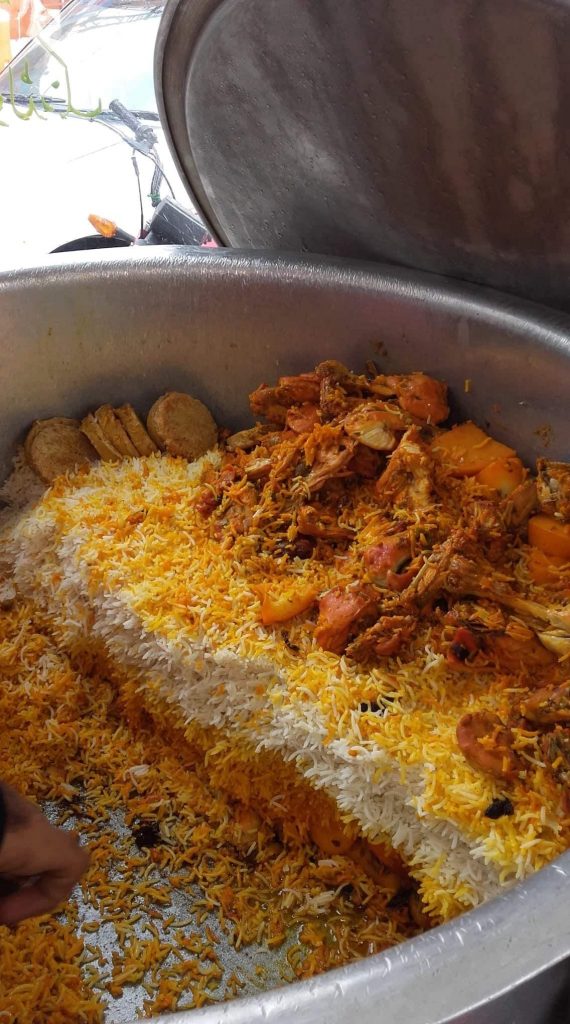
Everyone has heard. Karachiites find it difficult to settle in Lahore. 20 years, 10 years, five years, the hole in their heart is never filled. It’s not a superiority thing, which Lahoris believe it is. It’s because they don’t fit in even if they try to. Some succeed and become unrecognizable to their childhood friends. Most live their lives in Lahore, yearning for aloos in their biryani.
For Karachiites, biryani isn’t just about comfort food. It’s the smell of home on Sundays, it is the big silver daigs being brought into every mayyun, mehndi, and shaadi, the big plate with your favourite piece of meat, two aloos or more, rice with heaps of masala, raita, a good movie, eaten and watched in bed after a really long day. It’s home.
Food is synonymous with home. No matter where we live, when we are homesick we turn to food that makes us relive the place, and the memories we miss. If you live in hostels, or work abroad, you will ultimately call your mother to ask how to make daal chawal, and if you feel courageous enough to try, biryani. It won’t taste just like home but it might come close.
Five years on, I have yet to find the perfect biryani in Lahore. And I’ve tried almost all of them, in search for a piece of home. Two have come close, but perhaps it’s because I forced them to in my mind. But that was also more than enough for a few minutes.
I tried Karachi Naseeb Biryani at least 10-15 times. They have aloo, I was proudly told. The name suits the biryani. It is in your naseeb if you will find biryani that comes close to Karachi’s. And also one branch.
I’m told the oldest branch of Karachi Naseeb Biryani is the one that between McDonalds and Main Market in Gulberg. And that’s the one to try. The first few times I had the biryani from other branches and it was mostly the happy color yellow, mixed with white rice, aloo and chicken. The biryani looked glum, painted happy, depressed inside, lonely pieces floating around and never coming together. Then came the night when the right box arrived from the right branch. Yellow mixed with masala, aloo bukharas two aloos and masala stuck in between the nooks and crannies of the seena piece. Yes, please. It wasn’t Karachi but it was so painfully close. Eaten too fast, the moment was over too soon.
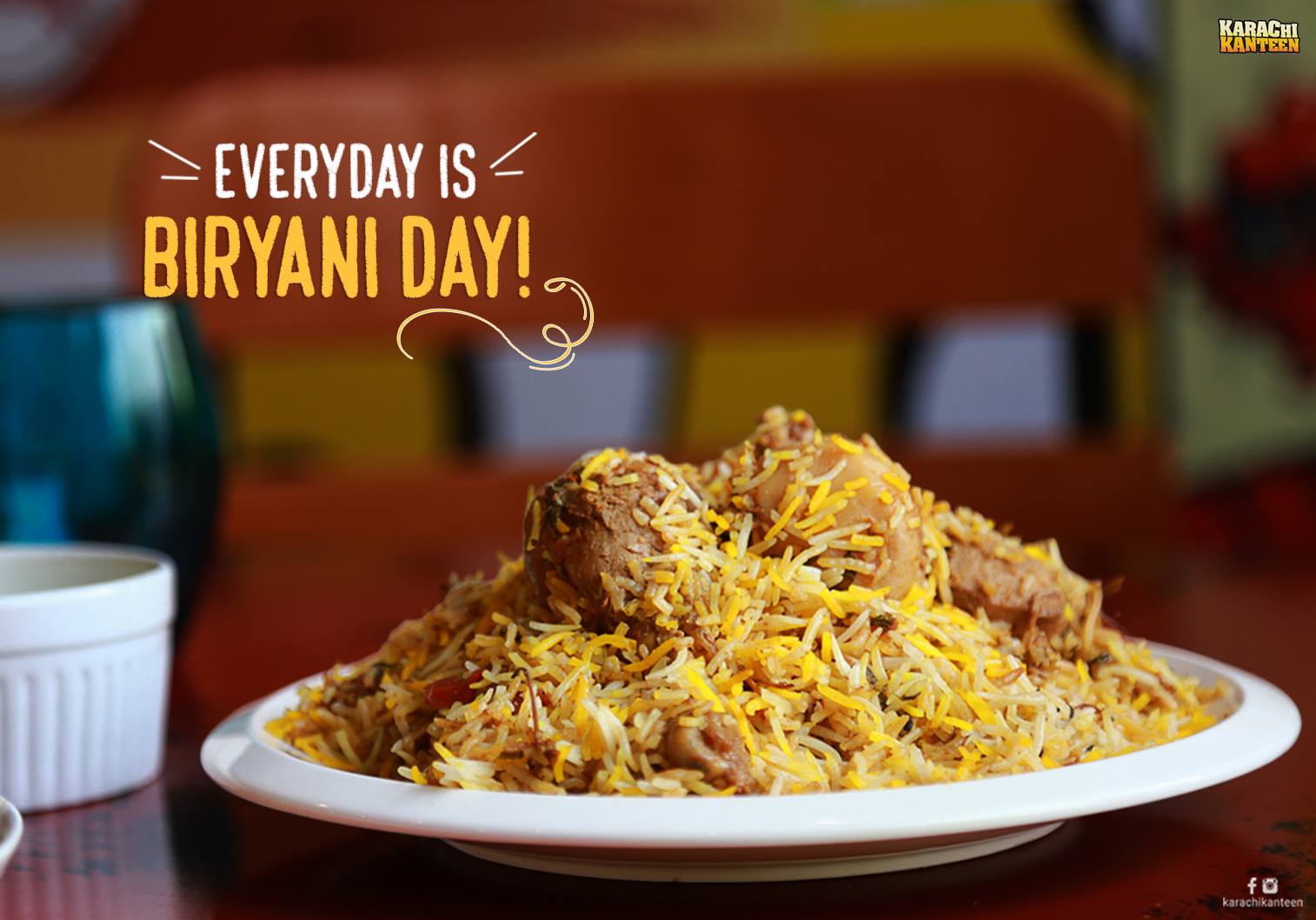
Karachi Kanteen came to Lahore with a bang. We were all talking about it. Anda Shami, chicken rolls and what, Sindhi biryani? Life was going to be complete, I just knew it.
The first time I had Karachi Kanteen, I went to heaven. I was home, I was at a wedding, I was at a friend’s house, I was everywhere I yearned to be. The biryani was perfect. The masala, the sticky aloo bokharas, those elaichis that add so much flavour but are quickly caught and pushed aside, it tasted like the heart of Sindh. It was one of my happiest nights in Lahore because life was about to change.
It didn’t really change though. The biryani was ordered four, five times, eaten at food festivals, tried over and over again. It was never the same. It was almost as if it had given up and blended into the Lahori palao biryani. Or it liked to fit in and decided it had taken a different route in life. Whatever the reason, it was never the same again. It made me angry, I’ll admit. It wasn’t supposed to do that.
There were many that came and went. Happy spoons going in, leaving dejected and hopeless. Some came with kababs, put on top of the rice like a pity crown, as if the kababs were a consolation prize for something that just wasn’t going to do it.
A worthy mention is a home-based company whose owner I met at a restaurant as I told my tale of sorrow for the umpteenth time. He said his family made biryani for delivery and he would send me some. I accepted his offer, not thinking that he would. He did and it came in a big container with green chutney. Rakh Rakhao’s biryani came on a day I needed it the most. I opened the box which revealed biryani that wasn’t just coloured yellow but had streaks of orange as well. I examined the rice and found it to be full of masala. The aloos seemed perfectly cooked, the chicken, glad to be stuck to the rice. My interest was further piqued by the presence of lemon slices, which very few people do. I dove in and it was good. I nimbled it with my fork, broke away the chicken pieces and mixed it with green raita, when my heart really wanted the white wala. The biryani was good but tasted mostly of lemon and the masala wasn’t perfect. But there was masala, which made it more biryani than others.
I came home, with my biryani box in tow forvsome time alone. I was hungry, I opened the box and took out the biryani, heated it up and made some white raita. Discarding the spoon, I started eating it with my hands, watching a movie on Netflix. And for a few moments, the biryani raised the bar and started to come home. It wasn’t perfect but then life for a Karachiite in Lahore hardly is. But it came close and that, is good enough.
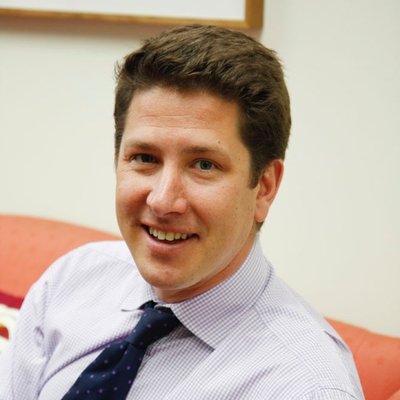
British High Commissioner to Pakistan, Dr Christian Turner has shared that he is a huge fan of Karachi Biryani and Lahori food. He expressed his love for Pakistan’s foods and cities in Urdu that is quite impressive and interesting.
In an interview with Hamid Mir, Dr Turner said, “Well, I should say, first of all, Pakistan bohat khoobsurat hai, Meri Urdu kharab hai. Thodi jaanta hun.”
Turner agreed with the old saying “Lahore Lahore Hai (Lahore is Lahore)” and said that all he had done for three days in Lahore was eat. The representative revealed he was fond of Karachi’s biryani. He said it was “Bohat mazedaar (very delicious)”.
Dr Turner has also documented, in detail, his experiences in Pakistan on his social media.
“Jinnay Lahore nahi wekh-e-ya aou jamiya nahi” reminds me of Samuel Johnson’s “if you are tired of London…”. Lahore, consider me born! (Oh, & did I mention the food?) #GettingtoKnow🇵🇰 pic.twitter.com/bSRoWiLi0v
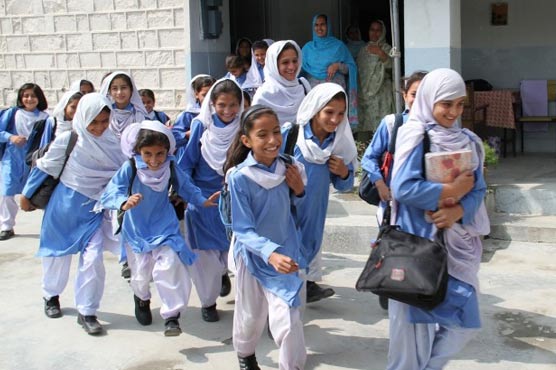
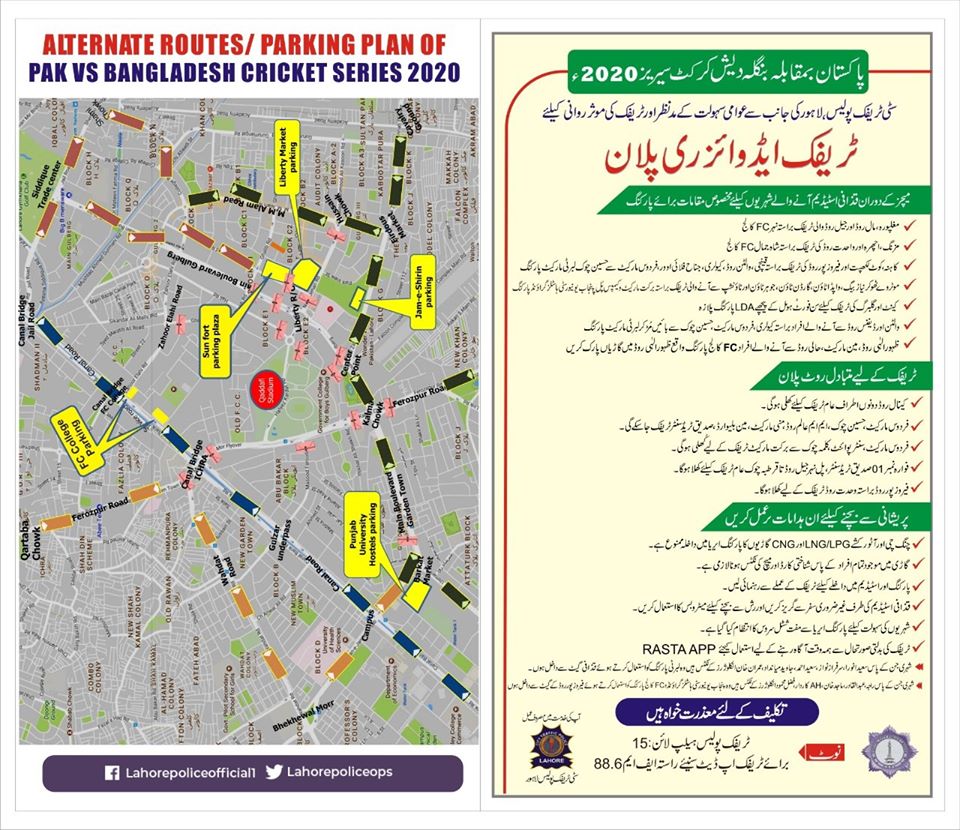
The Punjab Education Department has announced that all schools in Lahore will close at 11 am on January 24 and 25 (Friday and Saturday) due to the Twenty20 series between Pakistan and Bangladesh scheduled to begin from Friday.
According to reports, educational institutes have been directed to let the children leave early on Friday and Saturday.
Meanwhile, the Lahore traffic police has also issued a traffic plan for the convenience of the citizens.
After consensus with the Bangladesh Cricket Board (BCB), Pakistan will be hosting the Bangladesh Cricket team in three different phases.
The Bangladesh cricket team arrived in Lahore Wednesday for the first phase which commences Friday as Pakistan and Bangladesh face each other at Lahore’s Gaddafi Stadium. All three T20I matches in this phase will be played in Lahore on January 24, 25 and 27.
ICC officials have also landed in Lahore for the series.
Bangladesh team will return to play 1st Test on February 7-11 and after PSL, they will return to play one-off ODI and 2nd Test in Karachi’s National Stadium.
Tickets for the fifth edition of the Pakistan Super League (PSL) are now available for sale.The tickets are also available online at www.yayvo.com.
With one month to go before the fifth edition of the cricket festival comes to Pakistani grounds, the Pakistan Cricket Board (PCB) has announced ticket prices and purchase details.
All 34 matches of the HBL Pakistan Super League will be played in Pakistan with Karachi to host nine matches, Lahore 14 matches, Multan three matches and Rawalpindi eight matches from February 20 to March 22.
The first batch of tickets were available for purchase starting at 8 pm Pakistan Standard Time Monday night via Yayvo. General sale of tickets will start on Tuesday, Jan 28 through TCS Express Centres across 38 cities of the country. Each customer can buy up to seven tickets per match on one CNIC.
A dedicated 24/7 TCS helpline will also provide support to the customers throughout the ticketing process. In addition, a webchat customer support desk (www.tcsexpress.com) and a WhatsApp number (+92-316-112-3456) will remain active during this time to address requests.
For the grand opening ceremony and
opening match in Karachi that is on Feb 20, tickets have been priced between
Rs1,000 to 6,000. The ticket price range for the final match on March 22, in
Lahore, will be from Rs 500 to Rs 5,000.
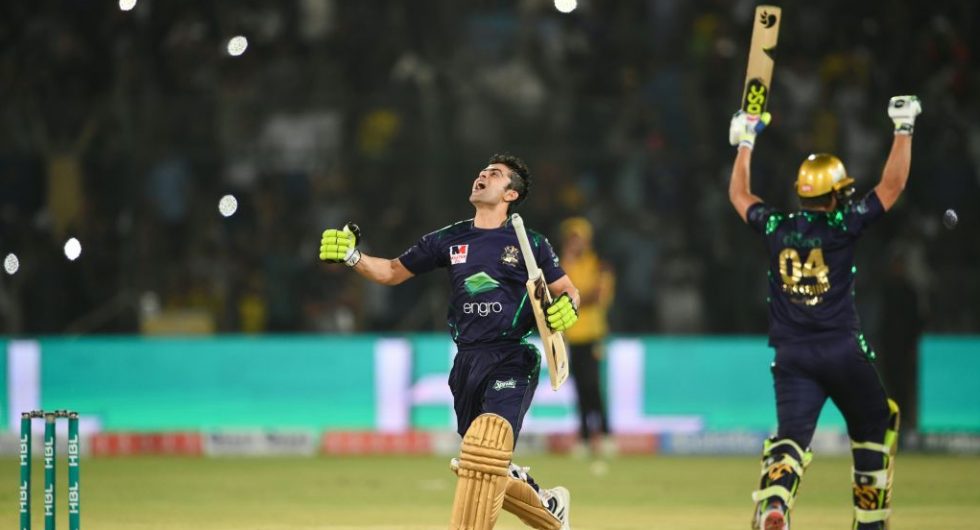
The 2020 edition of the 20-over tournament kicks off on February 20 with defending champions Quetta Gladiators playing two-time champions Islamabad United at Karachi’s National Stadium.
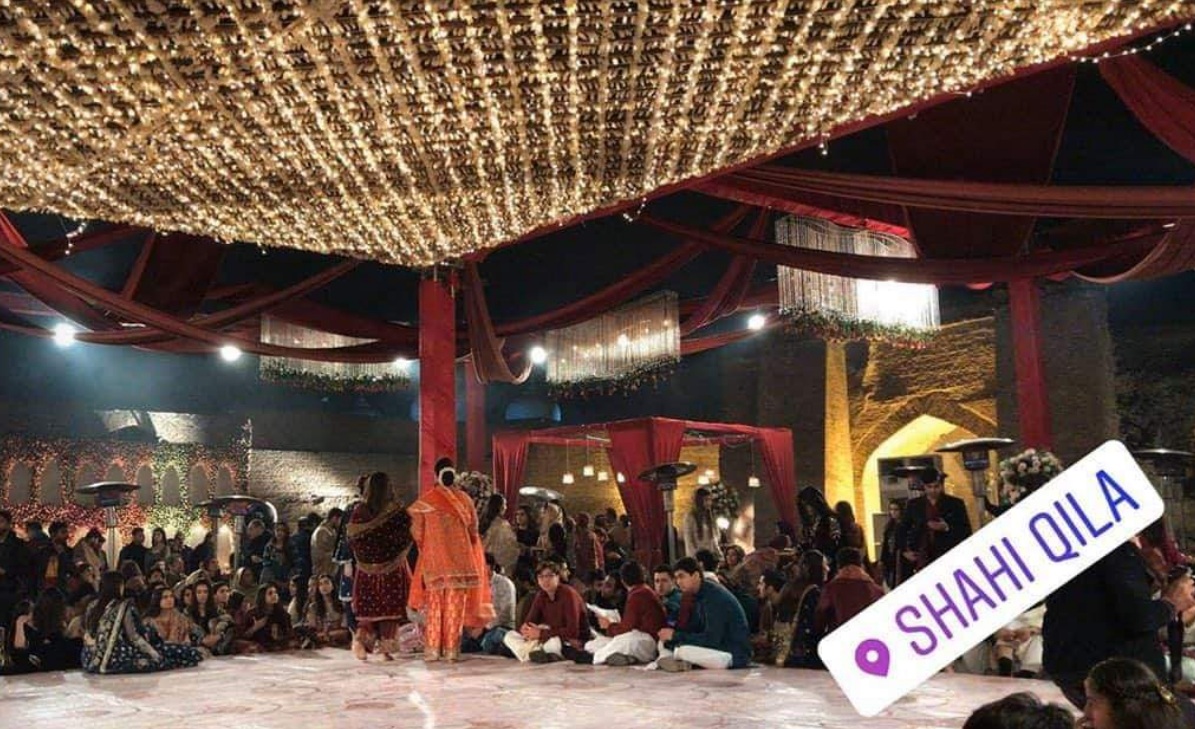
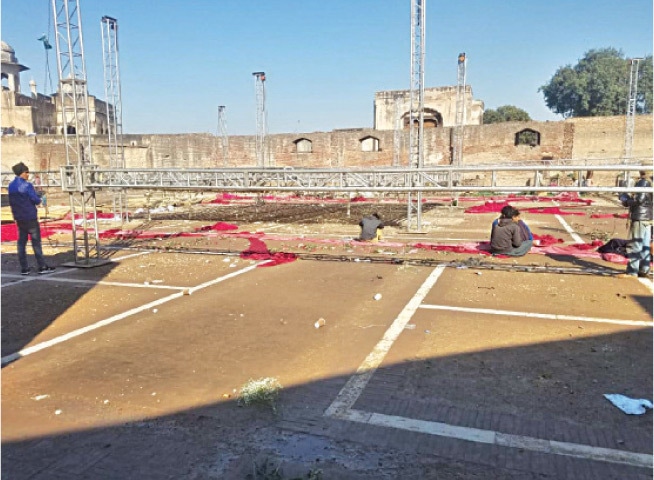
A wedding at Lahore Fort’s 400-year old Royal Kitchen sparked public outrage after pictures and videos from the event went viral on social media. This prompted the chief minister, chief secretary and other high authorities to take serious notice of the matter and they pledged action against all those involved in the incident.
This is completely unfair. I think lahore wall city administration should rethink what they are doing with such an important place. If you want you allow this then first make sure you have the capacity to monitor world standard to allow such functions at place like forts https://t.co/gCNtkuhsMp
Someone took permission of a corporate event in the royal kitchens of lahore fort, later on turns out they did their wedding in there rip heritage pic.twitter.com/oKXfEqYMoR
It was the power drunk.Fatima Fertilizers who held a,wedding party in Lahore Fort heritage site in collusion with Punjab Govt officials.Monkeys watch over the banana baskets.
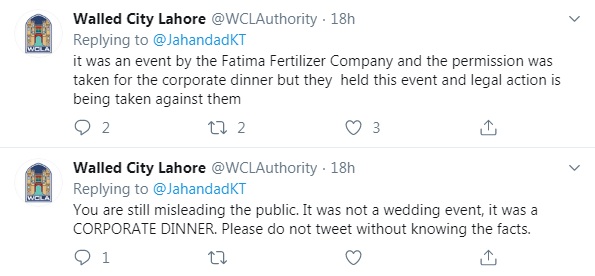
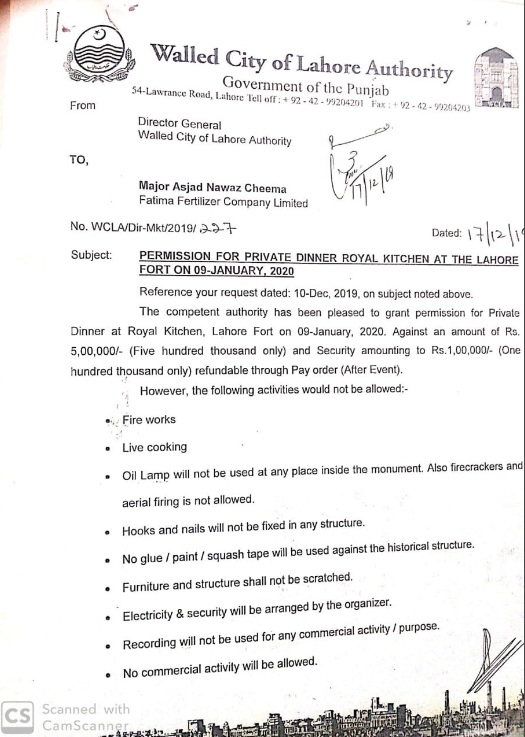
According to reports, renowned industrial group Fatima Fertilizer Company had booked the UNESCO World Heritage Site for a corporate event. However, they decided to host a mehndi there instead. The Walled City of Lahore Authority said that the company was given permission to hold a corporate dinner but they went against the rules and that legal action will be taken against them.
The permission letter, addressed to Major Asjad Nawaz Cheema, which is being circulated on social media clearly stated that fireworks, live cooking, hooks and nails among other things are strictly prohibited.
The letter also only gave permission for a ‘private dinner’. WCLA DG Kamran Lashari also shared that the application had said that the dinner would consist of 100 participants (business people) only. However, there were close to 400 people at the event.
The kitchen was rented out for Rs500,000 with a refundable Rs100,000 security deposit.
Chief Secretary Punjab took notice of the incident while the WCLA suspended the fort’s in-charge Bilal Tahir for negligence and also formally requested for an FIR to be lodged against Fatima Fertilizer Company.
Punjab Chief Minister Usman Buzdar also condemned the incident and said in a press release that “Organising a marriage ceremony at the Lahore Fort is a serious offence.”
Meanwhile Fatima Fertlizer Company Limited rejected the media reports and the claims of the WCLA and said that the function was held in line with the instructions of the WCLA.
“It was neither mehndi nor valima, it was just a dinner hosted by our company in honour of its guests,” said the company’s Corporate Affairs Manager. “We are a responsible firm and we can never think of flouting the laws, rules & regulations, policies and guidelines of the public and private sector organisations.”