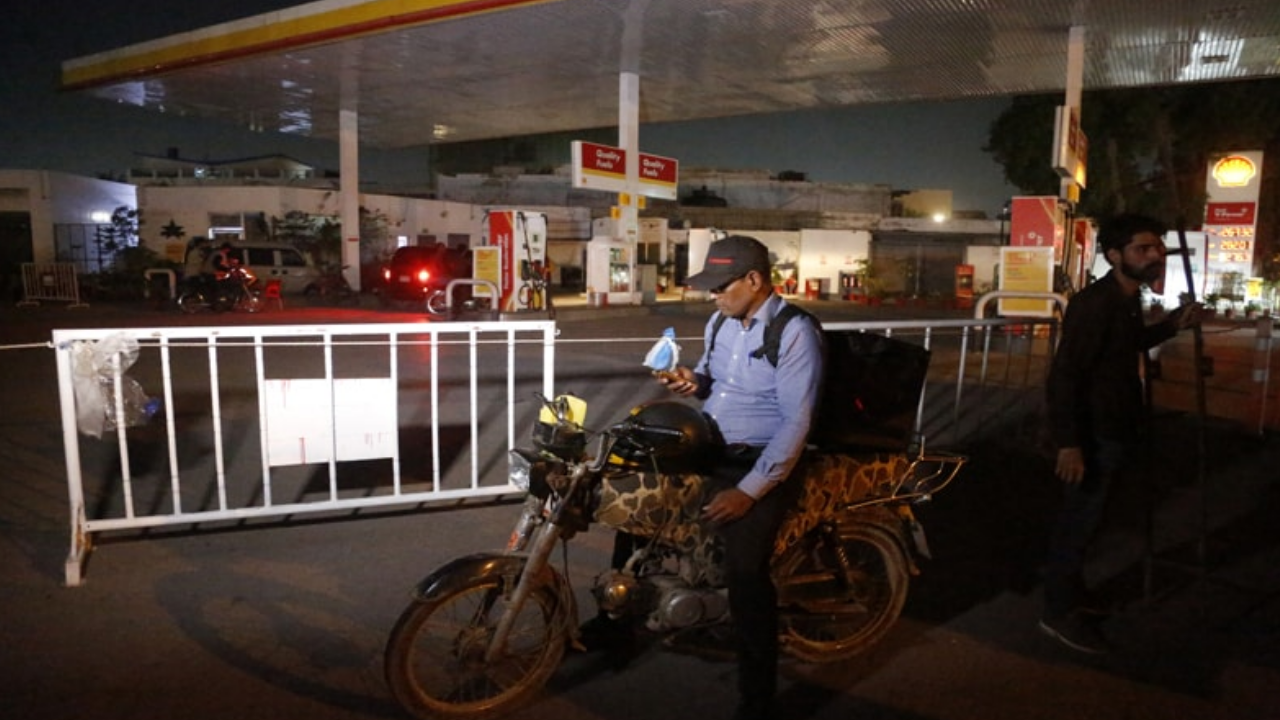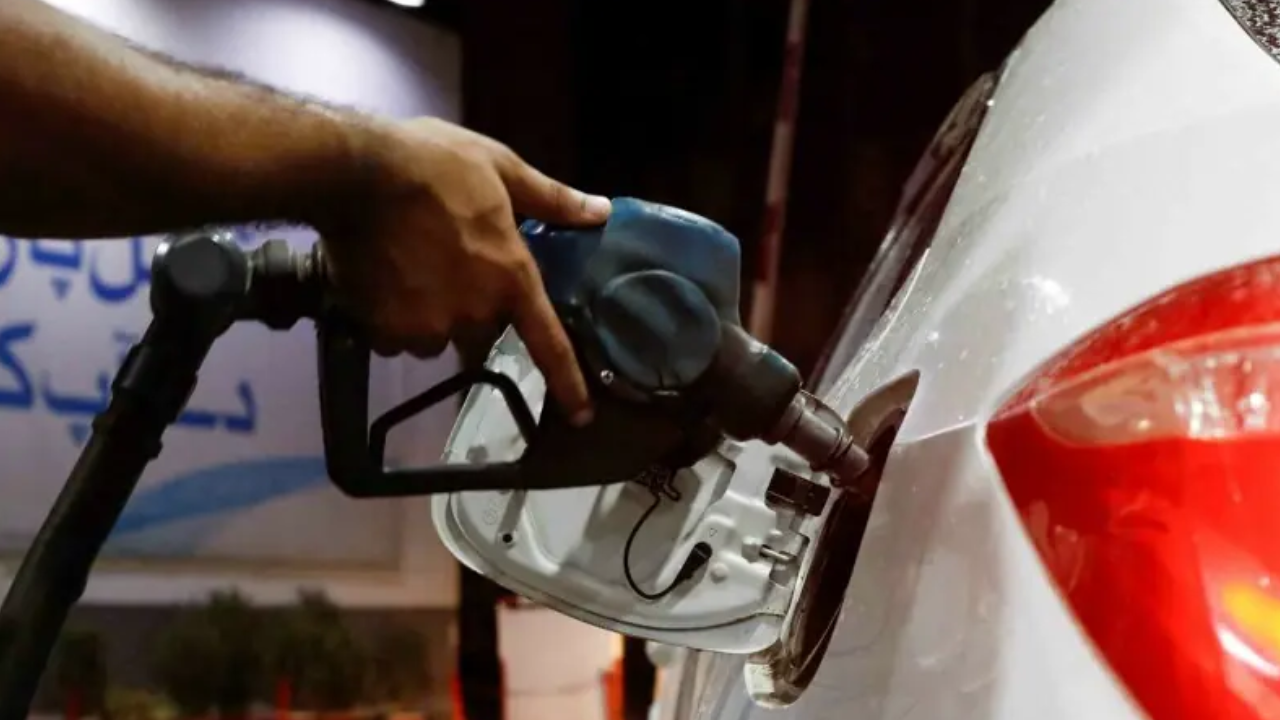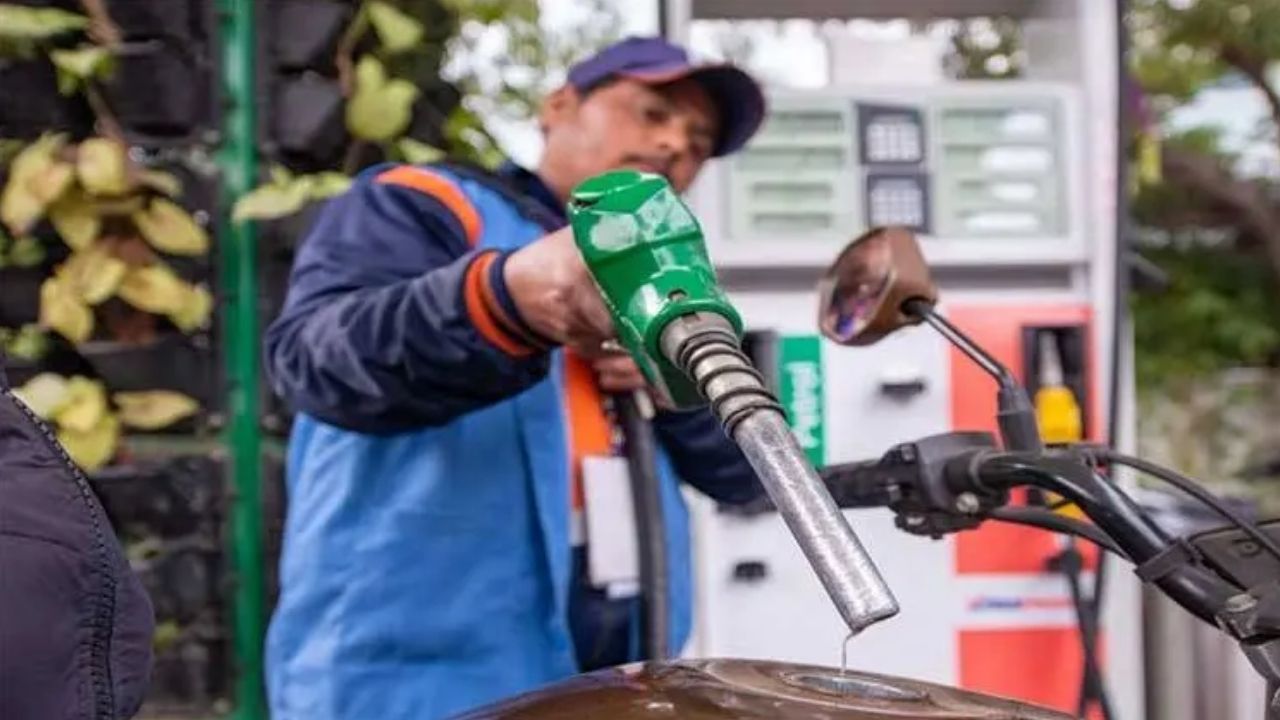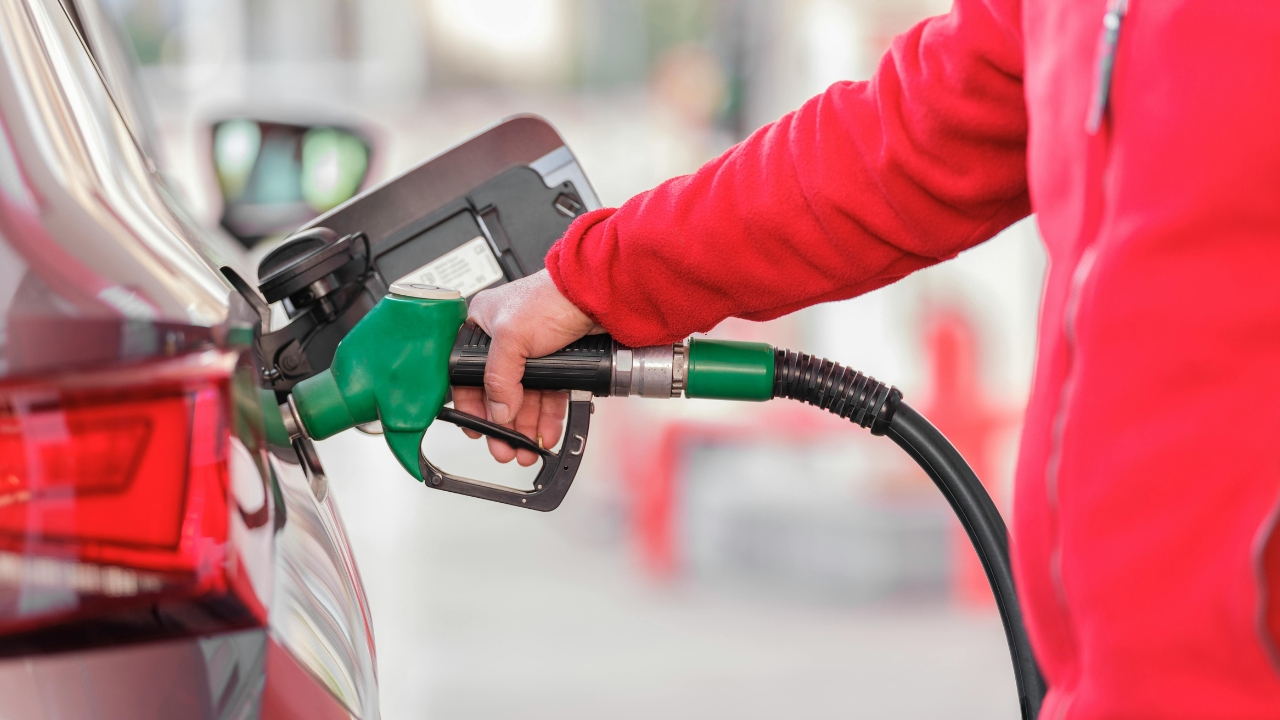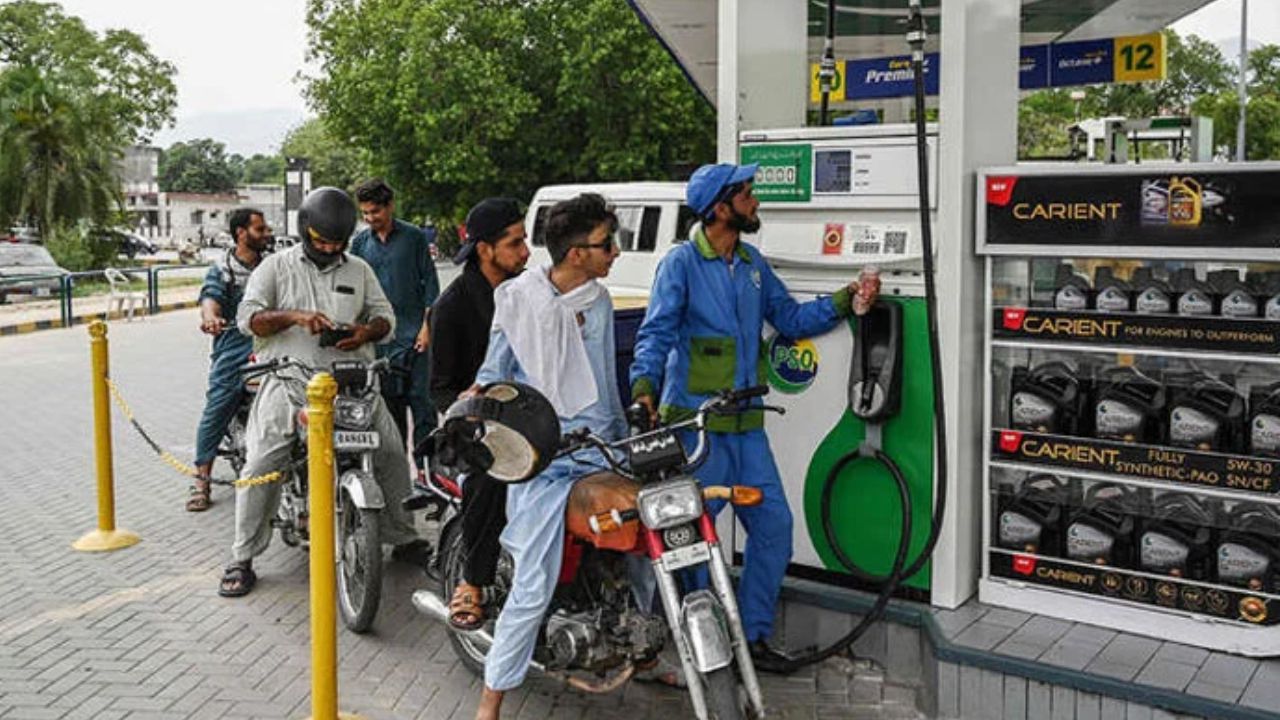
A review of the petroleum supply situation on Tuesday showed that fuel cargoes for March and April have largely been secured, while authorities continued discussions on managing demand and introducing conservation measures amid global energy pressures.
The assessment took place during meetings of the Committee to Monitor Petrol Prices, chaired by Finance Minister (FM) Muhammad Aurangzeb, where officials examined stock levels, import arrangements and international market trends following the Eid holidays.
According to the finance ministry, participants were informed that cargo inflows were continuing as scheduled and that petrol shipments for March and April had “largely been secured”, with additional cargoes planned to strengthen supply buffers.
Officials maintained that overall inventories remained at comfortable levels, supported by import arrangements and domestic production. They pointed out that supply chains from ports to refineries, storage facilities and retail outlets were functioning in an orderly manner.
The committee reviewed stock availability of crude oil and refined products across the supply chain, while refineries were reported to be operating at regular production levels. Authorities stated that efforts were under way to maintain throughput and ensure processing of incoming crude despite changing global conditions.
Alongside supply, the government also examined demand-side measures. Reports quoted sources that the federal government is working on a digital rationing system for petroleum distribution through a mobile application. Under the proposal, citizens would register their vehicles and identity details, with fuel quotas allocated based on need and availability, allowing access to a fixed daily supply of petrol or diesel.
Officials also discussed involving provinces in subsidy arrangements, with plans for the prime minister to consult the president on sharing the financial burden as part of broader pricing adjustments.
At the provincial level, Sindh Local Government Minister Nasir Hussain Shah said the government was considering a “smart lockdown” to conserve fuel in response to the global oil situation. He stated that austerity measures had already reduced fuel allowances for official vehicles by 60 percent and urged citizens to limit unnecessary travel.
At the federal level, measures introduced earlier include cuts in fuel allocations for government vehicles and adjustments in public sector work routines, along with calls for conservation to avoid supply disruptions.
During the meeting, officials also briefed participants on international energy markets and emerging price trends, outlining their possible impact on domestic pricing.
Chairing the session, Aurangzeb said that planning, procurement strategies and coordination had helped maintain supply stability despite global volatility. He directed relevant authorities to continue monitoring international developments, stock levels and supply chains.
He reiterated that uninterrupted availability of petroleum products remains a priority and called for continued coordination to maintain market stability.
Officials also noted that fuel consumption has increased despite rising prices, which they said supports the case for tighter management measures, including quota-based distribution and conservation steps.
Fi
The meeting was attended by Power Minister Awais Leghari, Food Security Minister Rana Tanveer Hussain, Maritime Affairs Minister Junaid Chaudhary, Minister of State for Finance Bilal Azhar Kayani and senior officials from relevant ministries.