Tag: PM Shehbaz Sharif

  • PM says fuel stocks sufficient to meet national demand

    PM says fuel stocks sufficient to meet national demand

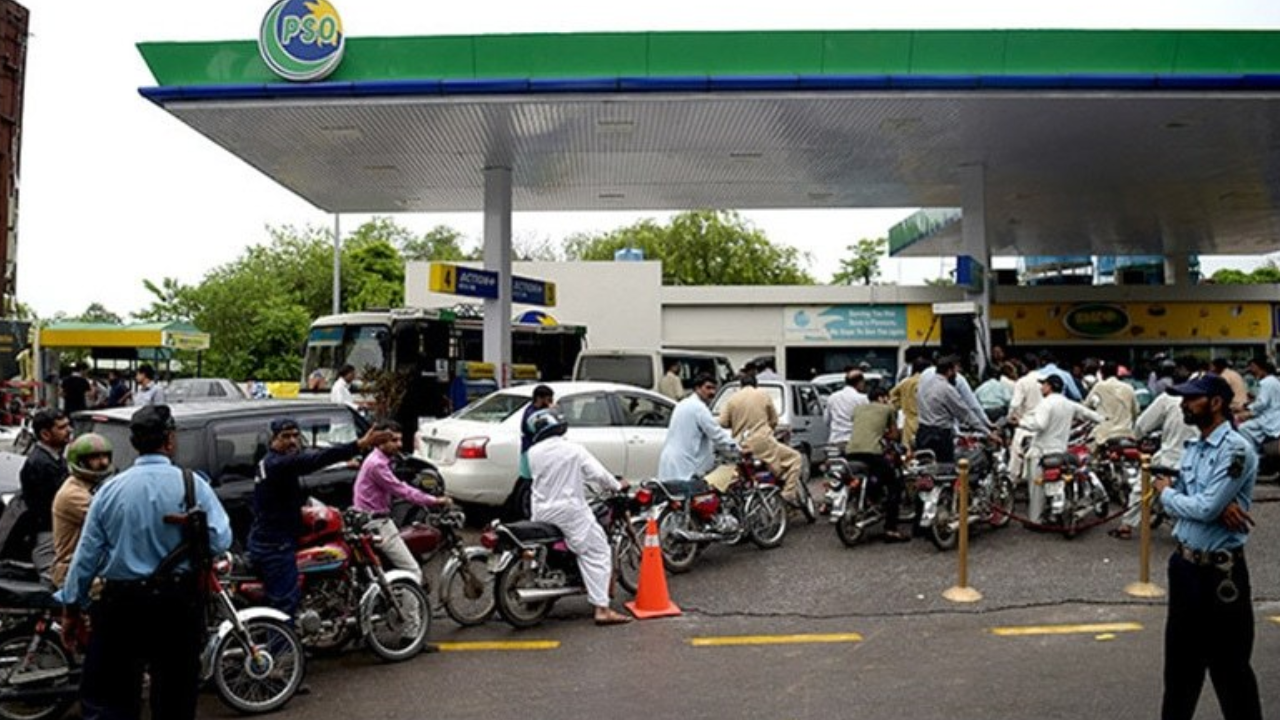
    Prime Minister Shehbaz Sharif has said that the country’s petroleum reserves are sufficient enough to meet national demand, while calling on citizens to limit non-essential travel and shift to teleconferencing at workplaces to conserve fuel, while chairing a meeting on the implementation of fuel conservation and austerity measures in the context of the ongoing (United states) US-Israel war on Iran. 

    The prime minister said that fuel stocks remained stable “due to timely government decisions” and stressed continued monitoring of the supply chain.

    The statement comes as global oil markets face pressure following the Middle East conflict, which has disrupted supply routes, including concerns linked to the closure of the Strait of Hormuz. The situation has contributed to higher international fuel prices, increasing strain on countries reliant on imports.

    Officials noted that the government had introduced a set of austerity measures in recent weeks. These include cuts in development spending, curbs on non-essential expenditures and steps aimed at managing energy consumption. Petroleum prices were also raised earlier this month, though the government absorbed part of the increase.

    According to the Prime Minister’s Office, the premier said that public relief remained a priority and added that support measures had been extended over the past three weeks. He said that Rs125 billion had been arranged through savings and reductions in development allocations to limit further increases in fuel prices.

    The government is also working on a targeted subsidy mechanism for low-income groups, including motorcycle riders and rickshaw drivers. The prime minister directed provincial authorities to assist owners in registering their vehicles in their own names to improve documentation and allow access to future relief programmes.

    He further instructed officials to strengthen coordination with chief secretaries of all provinces, as well as Azad Kashmir and Gilgit-Baltistan, to ensure uniform implementation of conservation measures.

    During the meeting, officials said that fuel demand and supply were being tracked through a digital dashboard, with the supply chain under continuous observation. They added that import arrangements for April had been finalised to maintain availability.

    A briefing was also given on a proposed mobile application-based fuel support system for two- and three-wheeler users, aimed at digitising subsidy distribution and improving transparency.
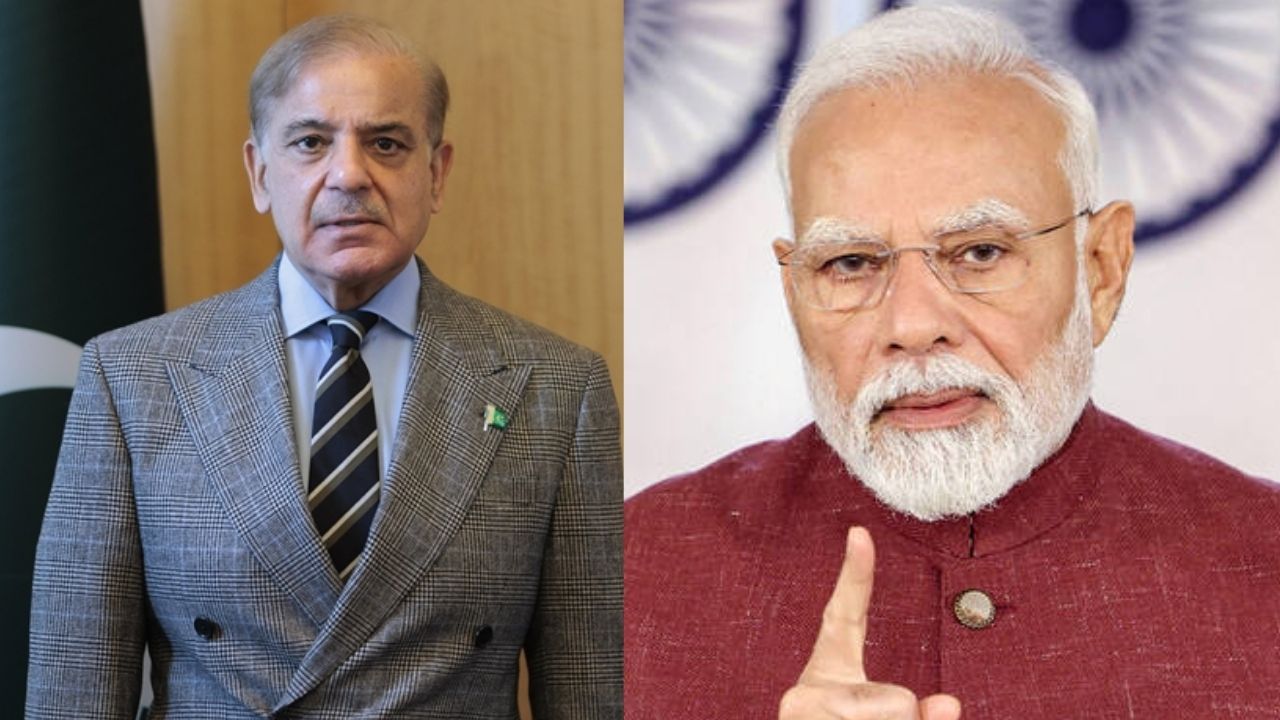
  • Indians lash out at Modi as Pakistan’s role in US-Iran talks takes center stage

    Indians lash out at Modi as Pakistan’s role in US-Iran talks takes center stage

    Pakistan’s central role in backchannel diplomatic efforts in facilitating communication between the United States (US) and Iran, alongside other regional countries including Turkiye and Egypt, has triggered a wave of Indian reactions on social media platform X, with users questioning New Delhi’s absence from the diplomatic table. 

    Pakistan, alongside Turkiye and Egypt, has been engaged in indirect messaging channels between Washington DC and Tehran. The proposed discussions, which may also involve high-level figures including US Vice President JD Vance, are being framed as part of a wider effort to de-escalate tensions in the Gulf region.

    The development immediately sparked heated commentary among Indian netizens, many of whom questioned why India is not part of the diplomatic framework.

     A dominant narrative on X accused India’s foreign policy establishment of failing to secure strategic relevance in high-stakes global negotiations.

    Several users argued that Pakistan’s inclusion reflects stronger “narrative positioning” and diplomatic outreach, while India’s absence was described as a setback in its aspiration for greater global influence. 

    Another user described the situation as a diplomatic setback: “Embarrassing that Pakistan has become the epicentre of negotiations to end this war. It should have been and could well have been India.”

    Some posts contrasted Pakistan’s current diplomatic visibility with India’s strategic posture, suggesting that Islamabad has managed to reposition itself in Western diplomatic circuits despite its internal and external challenges.

    One salty user wrote: “This is not acceptable.”

    Another reaction questioned India’s diplomatic positioning more directly: “Pakistan has been roped in, but not us??? We are busy promoting make believe propaganda ‘Dhurandhar’ while Turkey, Egypt and Pakistan aid de-escalation?!”

    A more critical post linked India’s absence to its foreign policy choices: “The day PM Modi addressed the Israeli Parliament, India lost all chances to be a negotiator in the present conflict.”

    Others linked the situation to broader geopolitical grievances, arguing that India should have been a natural stakeholder in such negotiations given its regional weight. 

    Criticism was also directed at India’s diplomatic choices, with users claiming that New Delhi has lost opportunities to act as a mediator in major international conflicts.

    Another reaction questioned India’s absence from the talks while other regional players are reportedly involved: “Where is India in all of this? Why don’t we have a seat at this high-stakes table?”

    Some users framed the development as a reputational setback in global diplomacy: “India was accused of facilitator of war. Pakistan is now celebrated as facilitator of peace. This is what Modi’s stupid megalomaniac foreign policy has done to Gandhi-Nehru’s India.”


    Another strongly worded reaction said: “If this is true, it amounts to rubbing salt into our wounds. While Modi was admiring his fake medal and the BJP was drooling over a make-believe ‘Dhurandhar,’ Pakistan was positioning itself at the diplomatic table during a critical global moment.”

    Meanwhile, some users escalated their criticism further, describing Pakistan’s involvement as reputationally unacceptable, while others framed it as evidence of a shifting global order where regional intermediaries like Pakistan are being used as communication bridges between rival powers.


    The reported engagement also follows recent diplomatic contacts involving Pakistani leadership, including Prime Minister (PM) Shehbaz Sharif and Chief of Army Staff Asim Munir, as well as regional coordination efforts involving Iranian and US officials, including Iranian Foreign Minister Abbas Araghchi and parliamentary leadership such as Mohammad Bagher Ghalibaf.

  • Jemima urges PM Shehbaz to allow sons to meet Imran Khan

    Jemima urges PM Shehbaz to allow sons to meet Imran Khan

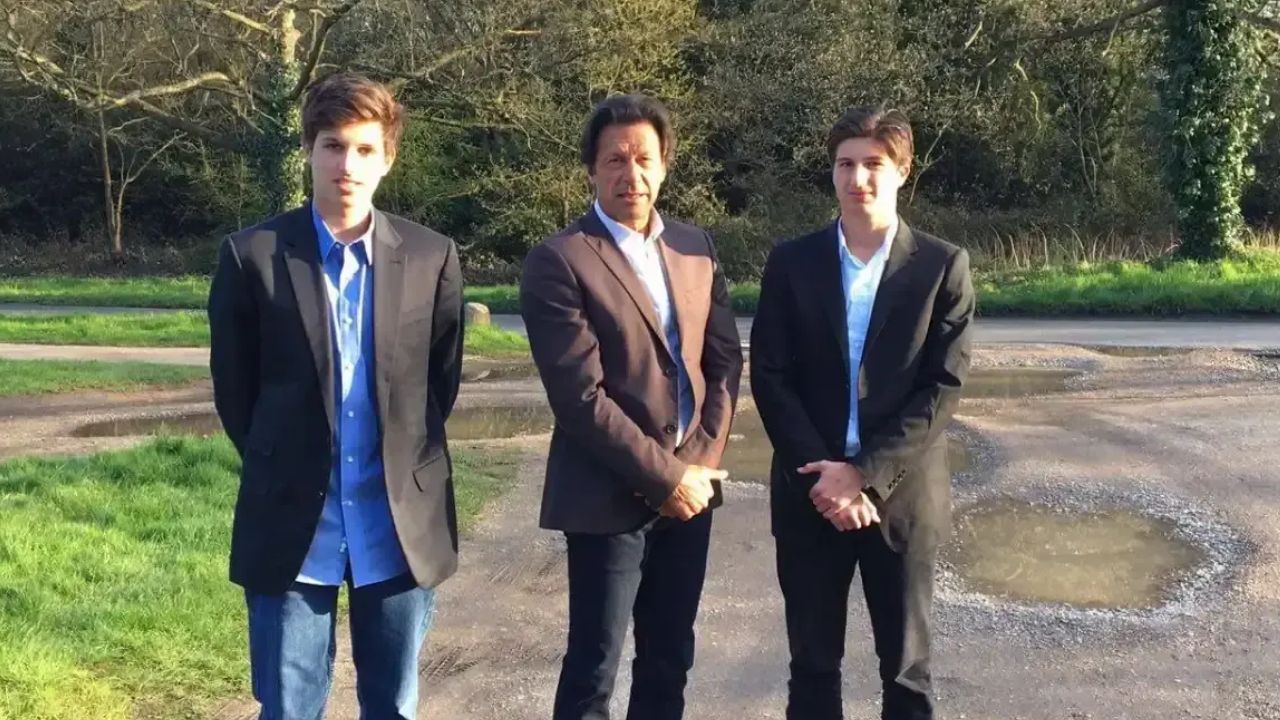
    Jemima Goldsmith on Monday appealed to Prime Minister Shehbaz Sharif to allow her sons Kasim Khan and Sulaiman Khan to visit their father, PTI founder Imran Khan, in prison.

    Imran has been in custody since August 2023 and is currently serving a sentence at Adiala Jail in a £190 million corruption case. He also faces trials under the Anti-Terrorism Act linked to the May 9, 2023 protests.


    The brothers have not met their father since November 2022, when he survived an assassination attempt. They applied for visas in January but have not received a response as yet.

    In a post on X, Jemima stated that the request was based on concerns regarding Imran’s health and delays in visa processing.

    “This is an appeal directly to Pakistan’s PM Shehbaz Sharif to please allow Imran Khan’s two sons to see their father asap, particularly since, by all accounts, his health is in decline,” she wrote.

    “My sons Sulaiman and Kasim applied for visas in January (again…) to allow them to visit their father Imran Khan in Pakistan. The Pakistan consulate states that online visa processing normally takes 7–10 working days. It has now been 60 days,” she added.

    Jemima said that the delay continued despite public assurances that the brothers could travel to Pakistan to meet their father. She referred to statements by Defence Minister Khawaja Asif and PM spokesperson Mosharraf Zaidi conveyed in media interactions.

    “They are not allowed to speak to him on the phone, nor send him a letter. They haven’t seen him since 2022 after he was shot in an assassination attempt,” she stated.

    Last month, Kasim alleged that authorities were not processing their visa applications to prevent the visit. He stated that denying medical treatment to a prisoner was cruel and preventing his children from meeting him amounted to collective punishment.

    Last year, Imran’s sister Aleema Khan told reporters that the brothers would take part in a protest movement planned for August 5, 2025. It was later reported that Imran had said that his sons will not travel to Pakistan for the protest. The brothers later held meetings with influential individuals in the United States (US) in a bid to increase pressure for Imran’s release.

  • Govt plans to freeze domestic fuel prices despite global spike

    Govt plans to freeze domestic fuel prices despite global spike

    The federal government has placed a ban on the export of all petroleum products and is exploring the possibility of holding back any immediate increase in domestic fuel prices despite continued upward trends in the global market. Authorities plan to use a Rs389 billion emergency fund to absorb potential price shocks.

    Recent calculations based on existing taxation and pricing formulas indicate that High-Speed Diesel (HSD) could increase by Rs56 per litre and petrol by Rs41. Retail prices currently stand at around Rs337 per litre for HSD and Rs322 per litre for petrol. Kerosene and light diesel oil are projected to rise by Rs7 and Rs53 per litre, respectively.

    While the next scheduled price review is March 15, ministers have suggested that adjustments could be considered as early as March 13. Sources told a private media outlet that Prime Minister Shehbaz Sharif conveyed during a consultative session, attended by federal and provincial officials as well as Field Marshal Asim Munir, that no further price hikes would be implemented in the near future regardless of Middle East market movements.

    During the session, it was reported that the government will utilise block allocations intended for emergencies to offset additional increases. The prime minister noted that the current fuel supply disruptions represented the most pressing emergency for the nation.

    The report quoted sources as saying that cabinet members remained divided over the prime minister’s stance. Technocrats, particularly those involved with the International Monetary Fund, expressed reservations about tapping into existing pricing buffers.

    In a meeting of the Senate Standing Committee on Finance, Petroleum Minister Ali Pervez Malik stated that efforts were underway to manage petroleum prices under the prime minister’s directives and that a final decision would follow a review of global rates on Friday.

    Minister of State for Finance and Railways Bilal Azhar Kiyani confirmed that while prices will be reassessed, the government aimed to avoid imposing additional burdens on the public. He added, “The prime minister has also directed that the burden should not be passed on to the people.”

    Both ministers defended the March 7 price increase of Rs55 per litre, citing supply risks similar to disruptions experienced in Bangladesh and India.

  • PM Shehbaz assures Saudi Arabia of support in meeting with Mohammed bin Salman

    PM Shehbaz assures Saudi Arabia of support in meeting with Mohammed bin Salman

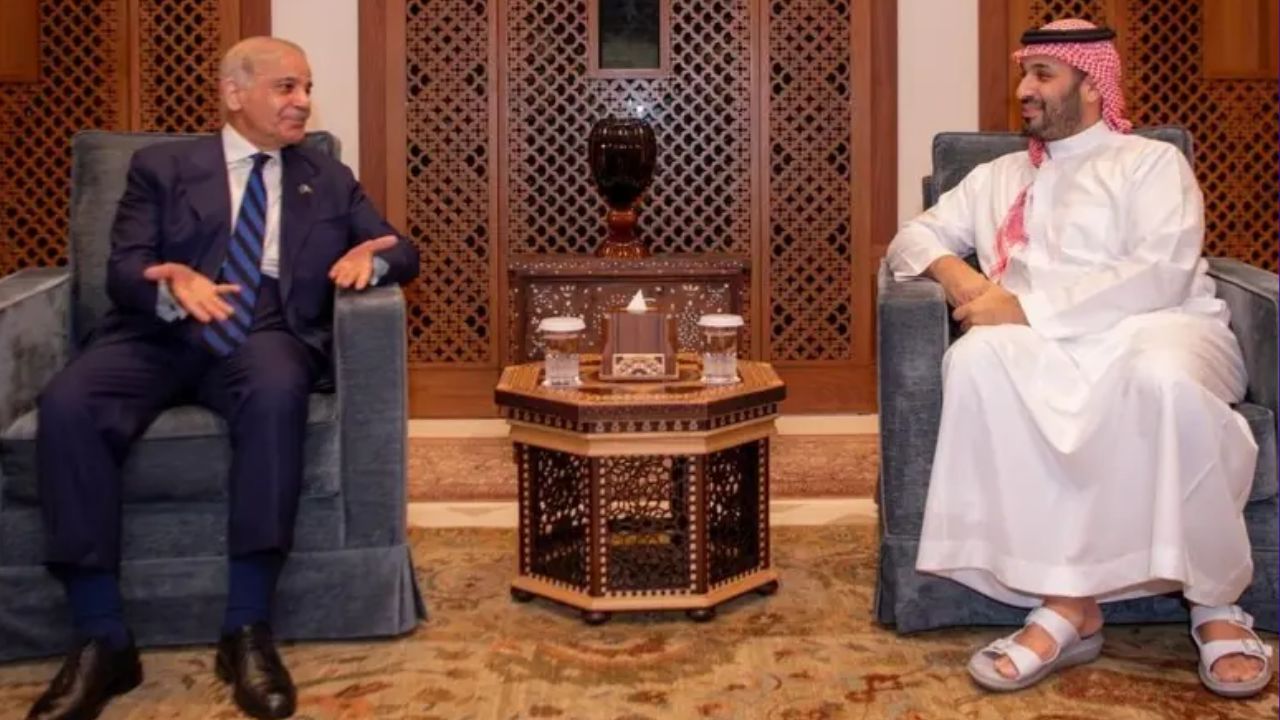
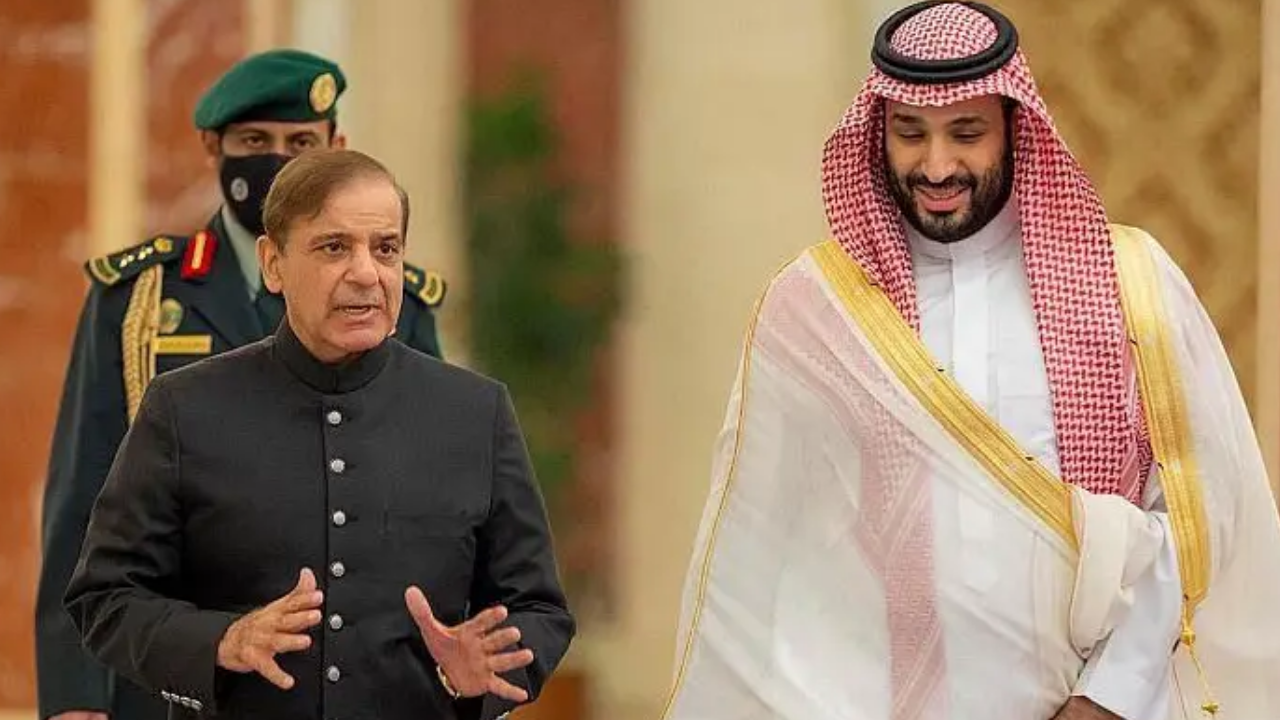
    Prime Minister (PM) Shehbaz Sharif met Saudi Crown Prince Mohammed bin Salman in Jeddah on Thursday evening, conveying Pakistan’s “full solidarity and support” to Saudi Arabia as tensions in the Middle East continue amid Iranian missile and drone strikes in the Gulf region. 

    According to a statement issued by the Prime Minister’s Office (PMO), the two leaders held a restricted meeting during the prime minister’s one-day visit to the kingdom. Deputy Prime Minister and Foreign Minister Ishaq Dar and Chief of Army Staff Syed Asim Munir were also present.

    The statement said that Shehbaz conveyed his regards and best wishes to Salman bin Abdulaziz Al Saud and acknowledged the Kingdom’s support for Pakistan.

    “At the outset of the meeting, Shehbaz conveyed his respectful regards and best wishes to Saudi King Salman bin Abdulaziz Al Saud and expressed appreciation for the kingdom’s longstanding support to Pakistan,” the PM Office said.

    The prime minister also expressed Pakistan’s “full solidarity and support” for Saudi Arabia during what the statement described as challenging times.

    Both leaders exchanged views on developments in the region and agreed to work together for regional peace and stability.

    “The prime minister assured His Royal Highness that Pakistan would always stand firmly with the Kingdom of Saudi Arabia and strive for their mutual desire for peace in the region,” the statement added.

    Officials said the visit was part of Pakistan’s diplomatic engagement as tensions between Iran and Gulf states continued to rise.
    The trip took place on the same day Saudi authorities reported intercepting missiles and drones launched from Iran.

    The visit followed a phone call a day earlier between Shehbaz Sharif and Iranian President Masoud Pezeshkian during which the two leaders discussed the regional situation.

    Reports quoted diplomatic sources as stating that Pakistan had increased contacts with regional capitals amid concerns that continued strikes on Gulf states could lead to a wider conflict.

    According to officials familiar with the discussions, Islamabad has urged Tehran to avoid targeting Gulf countries, particularly Saudi Arabia, warning that such actions could escalate tensions.

    Foreign Office (FO) spokesperson Tahir Andrabi stated that the prime minister’s visit was part of coordination between the two countries on issues related to regional peace and security.

    “The Prime Minister’s visit should be seen in the broader context of Pakistan’s efforts to advocate and facilitate an early cessation of hostilities and violence in the region, with the aim of paving the way for dialogue and diplomacy,” Andrabi said.

    He added that Pakistan had condemned attacks against Iran but also denounced Iranian strikes on Gulf countries.

    “As you know, Pakistan had condemned the unwarranted attacks against the Islamic Republic of Iran,” Andrabi said.

    “At the same time, Pakistan also strongly condemned the attacks by Iran against the brotherly countries of Saudi Arabia, Bahrain, Jordan, Kuwait, Qatar and the UAE, and stands in solidarity with all these countries,” he added.


    The spokesperson also expressed concern over attacks targeting other regional states including Türkiye and Azerbaijan.

    Officials said Pakistan had maintained communication with several regional capitals while Deputy Prime Minister Ishaq Dar held discussions with his Iranian counterpart and remained in contact with officials in Gulf states, Oman and the United Arab Emirates (UAE).

    Andrabi said Pakistan was encouraging restraint and maintaining communication between regional capitals.

    “Our principal position on issues regarding sovereignty, international law and the UN Charter, and on dialogue and diplomacy, is respected in regional capitals,” he said.


    “This allows us to maintain channels of communication between the relevant capitals.”

  • Pakistan to invest $1bn in AI by 2030: PM

    Pakistan to invest $1bn in AI by 2030: PM

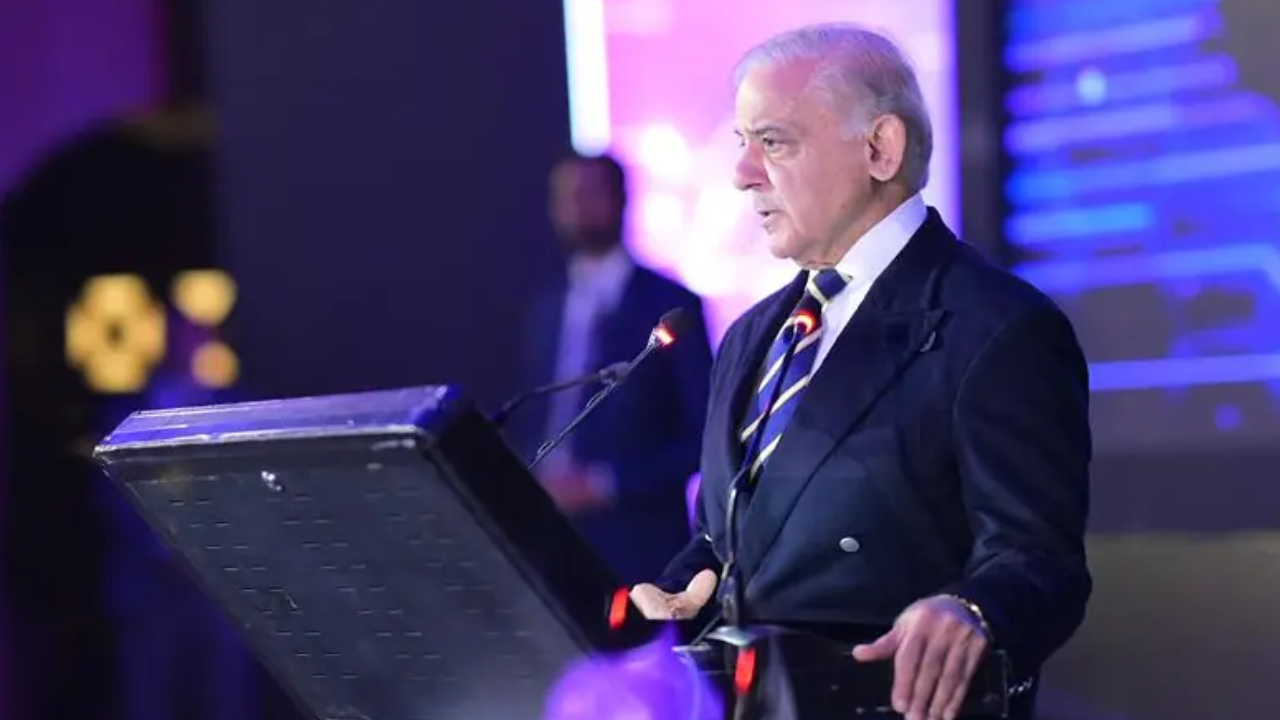
    Prime Minister Shehbaz Sharif on Monday announced that the government plans to invest $1 billion in Pakistan’s Artificial Intelligence (AI) sector by 2030, outlining a set of measures aimed at building a digital economy and expanding access to AI education and training.

    Speaking at the inaugural session of Indus AI Week, the prime minister said that the investment will be used to develop an AI ecosystem in the country and prepare the workforce for technological change.

    “Pakistan is absolutely ready to accept the challenge and work with our global partners, with great commitment and dedication,” he said.

    As part of the plan, the prime minister announced the introduction of an AI curriculum in all federally administered schools. He also said the government will provide 1,000 fully funded PhD scholarships in artificial intelligence by 2030 to students from across the country. In addition, a nationwide programme will be launched to train one million non-IT professionals in AI-related skills.

    The prime minister said AI applications will be prioritised in agriculture, mines and minerals, industry, commerce, trade and youth development. Referring to Pakistan’s population of about 240 million, with nearly 60 percent under the age of 30, he said there was a need to equip young people with modern skills.

    Addressing concerns among IT professionals about technological change, he said government initiatives would support the transition from traditional IT roles to AI-based expertise. He said AI could lead to gains in agricultural output and efficiency, industrial activity and employment opportunities for women.

    The prime minister cited ongoing digital reforms as evidence of institutional readiness, referring to the digitisation of the Federal Board of Revenue, the use of data-based systems to improve revenue collection and the installation of scanners and digital tools at ports to control smuggling.

    “We are recovering lost revenues through technology and offering quality training to our young men and women in agriculture, commerce and trade,” he said.

    Referring to earlier technology-related initiatives, the prime minister said current AI plans were a continuation of reforms introduced during previous governments led by former prime minister Nawaz Sharif. He mentioned laptop distribution schemes for high-performing students in Punjab, the establishment of e-libraries in remote areas, e-stamp papers and the digitisation of land records with World Bank support.

    He also referred to the launch of the country’s first Safe City project and the establishment of Pakistan’s first IT university in Lahore.

    Minister for Information Technology Shaza Fatima Khawaja said Indus AI Week was intended to improve coordination between universities, government institutions and international companies. She said the Pakistan Digital Authority was drafting a nationwide digital master plan.

  • President, PM reaffirm support for Kashmiris on Solidarity Day

    President, PM reaffirm support for Kashmiris on Solidarity Day

    Pakistan is observing Kashmir Solidarity Day today, renewing its pledge to support the Kashmiri people’s just struggle for their inalienable right to self-determination.


    Marking the occasion, rallies, demonstrations and seminars are being held across the country, while human chains will be formed at all entry points of Azad Jammu and Kashmir (AJK).


    A one-minute silence will also be observed at 10 am nationwide to honour the martyrs of the Kashmir freedom movement, state-run Radio Pakistan reported.


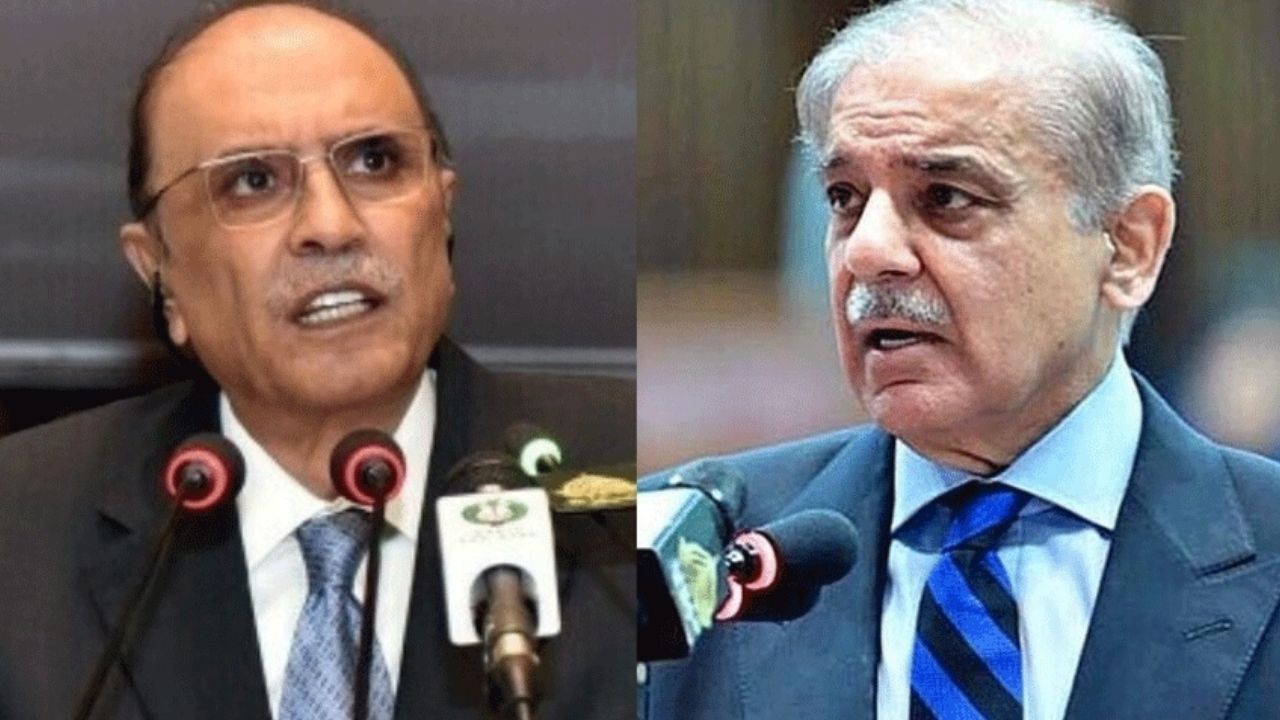
    As messages from the political leadership of the country pour in, President Asif Ali Zardari has reaffirmed Pakistan’s steadfast moral, diplomatic and political support for the Kashmiri people, reiterating their right to self-determination as enshrined in the relevant United Nations Security Council (UNSC) resolutions.


    The president said Pakistanis across the world stand united with their Kashmiri brothers and sisters in their just struggle.


    Recalling the history of the observance, he noted that Kashmir Solidarity Day was launched 36 years ago by the late former prime minister (PM) Benazir Bhutto following the 1989 Kashmiri uprising, a movement that continues to this day.


    Referring to international reports, he highlighted what he described as grave human rights violations by Indian occupation forces, including arbitrary detentions, collective punishment and punitive house demolitions. 


    He also said the suppression of digital freedoms, including the blocking of thousands of social media accounts, reflected attempts to conceal realities on the ground.


    Meanwhile, PM Shehbaz Sharif, in his message, called for the resolution of the dispute in accordance with UNSC resolutions, urging the international community to play an effective role in securing the Kashmiri people’s “inalienable right through a free and impartial plebiscite under the auspices of the UN”.


    The premier also announced that the government had increased the monthly per capita subsistence allowance for Kashmiri refugees to Rs5,000.


    “The government of Pakistan is conducting a pilot project to construct 750 residential houses at a cost of Rs3 billion,” PM Shehbaz said, adding that the AJK government has provided land for the project, which is exclusively meant for Jammu and Kashmir refugees settled in the territory.


    He said the complete rehabilitation of Jammu and Kashmir refugees was a national duty, reaffirming that Pakistan would continue to stand with the Kashmiri people until they achieved their right to self-determination.


    Separately, the armed forces, in a joint message issued by the Inter-Services Public Relations (ISPR), reaffirmed their unwavering support for the “resilient people of Indian Illegally Occupied Jammu and Kashmir (IIOJK)”.

  • PM thanks overseas Pakistanis for sending record $3.6bn back home in December

    PM thanks overseas Pakistanis for sending record $3.6bn back home in December

    Prime Minister (PM) Shehbaz Sharif has thanked overseas Pakistanis for sending record remittances in December 2025, which exceeded last year’s figures.


    In a statement, the premier said Pakistanis living abroad remitted $3.6 billion during December 2025, reflecting their strong commitment to the country’s economic stability. 


    He also noted that this marked an increase of 16.5 percent in remittances as compared to the same period last year.


    PM Shehbaz said the rise in inflows demonstrated overseas Pakistanis’ confidence in the government’s economic policies and appreciated their role in countering negative propaganda against the country.


    “Overseas Pakistanis are our valuable asset, and the entire nation, including myself, takes pride in them,” he said.


    The premier added that the welfare and facilitation of overseas Pakistanis remained a top priority, and reaffirmed his government’s commitment to taking further steps for their well-being.

  • PM Shehbaz stresses Ummah unity in call with Saudi crown prince

    PM Shehbaz stresses Ummah unity in call with Saudi crown prince

    Prime Minister Shehbaz Sharif has stressed the need for unity within the Muslim Ummah during a phone call with Saudi Crown Prince Mohammed bin Salman, according to a statement issued by the Prime Minister’s Office (PMO).


    Prime Minister Shehbaz greeted Saudi King Salman bin Abdulaziz Al Saud and Crown Prince Mohammed bin Salman during the conversation. According to the PMO, both leaders reiterated their commitment to deepening bilateral ties, and the prime minister thanked the crown prince for his support of Pakistan.

    “Both leaders reaffirmed their shared commitment to further strengthening the long-standing fraternal bonds between both countries, that had attained new heights during recent months,” the statement said.

    The discussion also covered regional developments, during which the prime minister emphasised the need to maintain unity among Muslim countries amid ongoing challenges.

    “While expressing Pakistan’s complete solidarity with the kingdom, the prime minister said that it was imperative to maintain regional peace and stability through dialogue and diplomacy,” the PMO added.

    The Saudi crown prince thanked Prime Minister Shehbaz for the call and reiterated Saudi Arabia’s desire to expand cooperation with Pakistan in areas of mutual interest. He also shared his intention to undertake an official visit to Pakistan in the coming year.

    Prime Minister Shehbaz later shared details of the conversation in a post on X, calling it a “warm and most cordial telephone conversation”.

    Earlier, Prime Minister Shehbaz met Saudi Ambassador Nawaf bin Saeed Ahmad Al-Malkiy at the Prime Minister’s House, where regional and global developments were discussed.

  • UAE to withdraw forces from Yemen as PM Shehbaz meets president Al Nahyan

    UAE to withdraw forces from Yemen as PM Shehbaz meets president Al Nahyan

    The United Arab Emirates (UAE) announced on Tuesday that it would withdraw its remaining forces from Yemen, describing the move as voluntary and aimed at ensuring the safety of its personnel. 

    The announcement followed Saudi Arabia’s backing of a call demanding the UAE exit the country within 24 hours.

    “In light of recent developments and their potential implications for the safety and effectiveness of counterterrorism missions, the Ministry of Defence announces the termination of the remaining counterterrorism personnel in Yemen of its own volition, in a manner that ensures the safety of its personnel and in coordination with the concerned partners,” the UAE Ministry of Defence said on X.


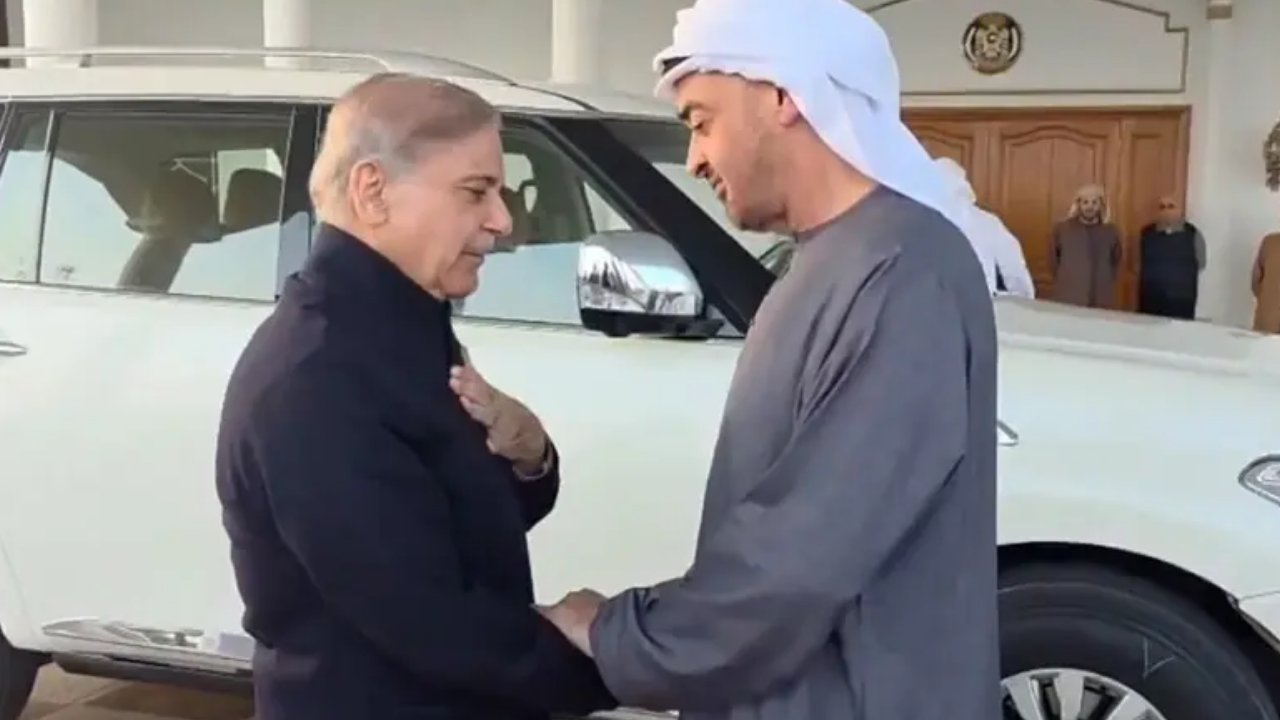
    On the same day, Prime Minister Shehbaz Sharif met UAE President Sheikh Mohamed bin Zayed Al Nahyan in Rahim Yar Khan. The meeting was held at Sheikh Zayed Palace, with Deputy Prime Minister and Foreign Minister Ishaq Dar, Information Minister Attaullah Tarar, and other officials present.

    According to a press release from the Prime Minister’s Office (PMO), the leaders carried forward discussions from Al-Nahyan’s first official visit to Pakistan last Friday.

    They reviewed cooperation in trade, IT, energy, minerals, and defence. PM Shehbaz emphasized the need for a significant increase in bilateral trade and thanked the UAE for hosting 2.1 million Pakistanis, who contribute to relations between the two countries.

    Meanwhile, tensions between the UAE and Saudi Arabia intensified. The UAE rejected Saudi claims that it had supplied weapons to a Yemeni separatist group, stating, “The shipment in question did not contain any weapons, and the vehicles unloaded were not intended for any Yemeni party.” 

    Saudi Arabia described a UAE-backed separatist advance as a threat to its national security, calling Abu Dhabi’s actions “highly dangerous.”

    The Saudi-led coalition carried out airstrikes on what it described as a UAE weapons shipment for separatist forces in Yemen, targeting combat vehicles and equipment at the port of Al-Mukalla. 

    Following the strikes, Yemen’s presidential council declared a 90-day state of emergency and annulled a security pact with Abu Dhabi after forces of the Southern Transitional Council (STC) seized territory. 

    The STC opposed the decision, warning it could lead to “new confrontations.” Riyadh urged Abu Dhabi to cut off support for Yemeni groups. 

    Amid these regional developments, Pakistan continued its diplomatic engagement with the UAE. The two countries share close diplomatic, economic, and cultural ties, strengthened by historical connections and a large expatriate community. 

    This week, Pakistan and the UAE carried forward discussions from recent leadership-level meetings, including multiple memoranda of understanding signed this year.