Tag: PTI

  • All you need to know about PM Imran’s cabinet reshuffle

    All you need to know about PM Imran’s cabinet reshuffle

    Soon after Finance Minister Asad Umar “resigned” from Prime Minister Imran Khan’s cabinet, the premier on Thursday fired several ministers for showing unsatisfactory performance in their respective domains.

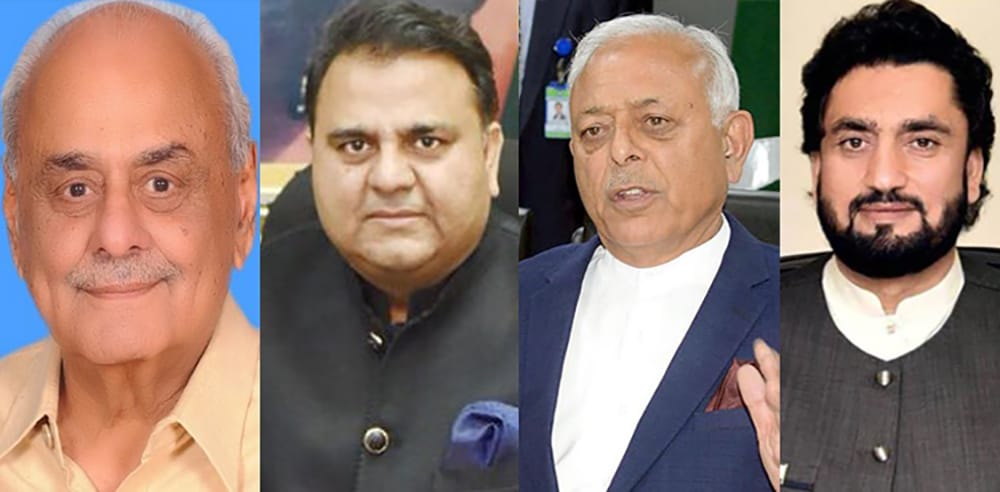
    Among the victims of Thursday’s bloodbath were Information Minister Fawad Chaudhry, Interior Minister Shehryar Afridi, Petroleum Minister Ghulam Sarwar Khan and Health Minister Amir Mehmood Kiyani.

    While the sacked cabinet members were handed new ministries in what is being termed as a major reshuffle, here is what you need to know about the new portfolios of the same old ministers.

    Fawad Chaudhry’s Science and Technology Ministry
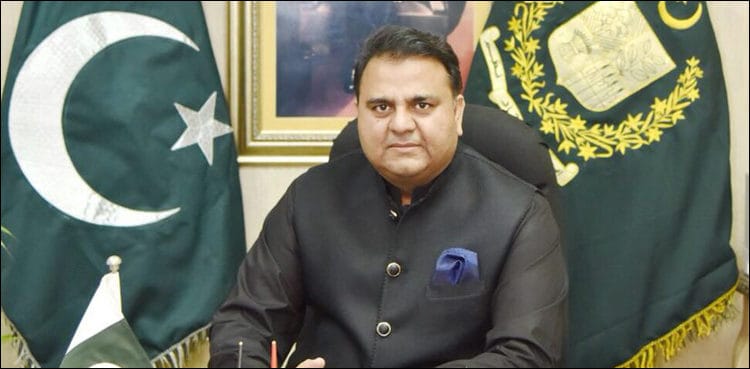
    As the name suggests, the ministry is concerned with science and technology. It is responsible for the country’s science policy, planning, coordination and efforts to initiate technological programmes that can also be aimed at economic development.

    Shehryar Afridi’s States and Frontier Regions Ministry
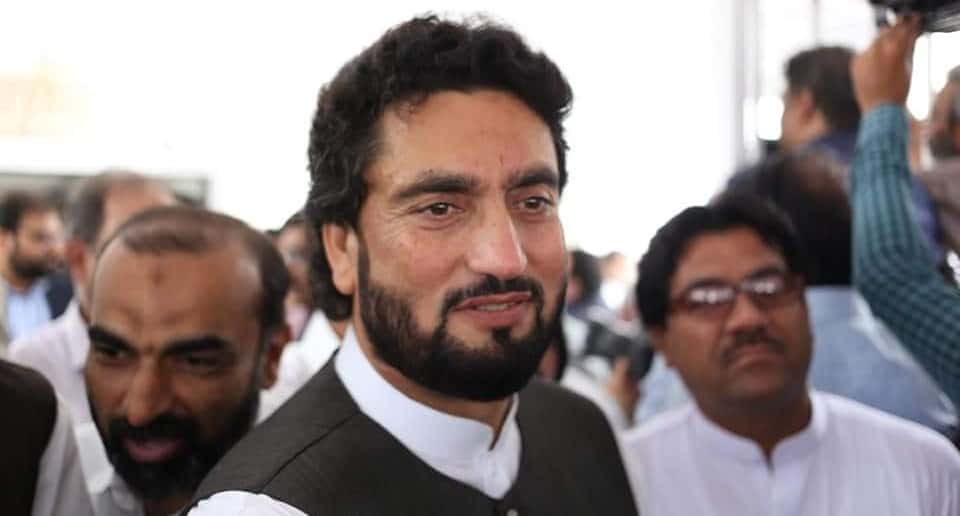
    The main responsibility of the ministry is to deal with the issues of tribal areas of Pakistan, the frontier regions and previously Federally Administered Tribal Areas (FATA) that is now a part of Khyber Pakhtunkhwa (KP).

    Ghulam Sarwar Khan’s Aviation Ministry
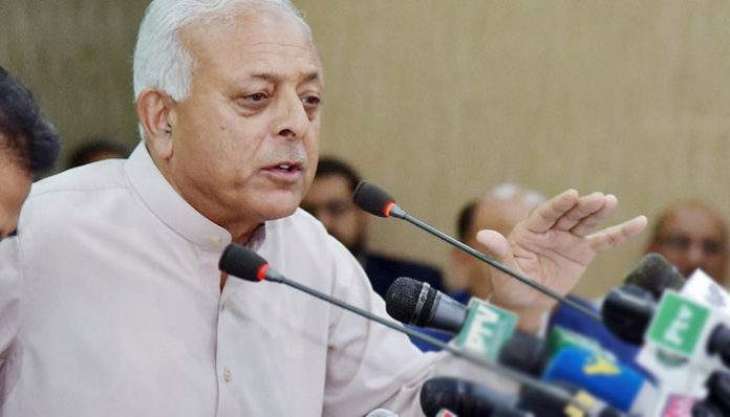
    Concerned with matters of aviation, the ministry works in coordination with different organisations, including the Civil Aviation Authority (CAA), Airport Security Force (ASF), Pakistan International Airlines (PIA) and even Pakistan Meteorological Department (PMD).

    New Interior Minister:

    The government has also announced a federal interior minister for the first time, with the portfolio — earlier held by the PM himself — going to Brig (r) Ijaz Ahmed Shah, who was appointed the federal minister for parliamentary affairs just last month.
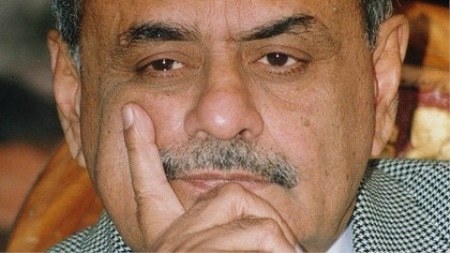
    Yes, a PM can keep ministries to himself. An example is former premier Nawaz Sharif, who kept with him the Foreign Affairs Ministry.

    While Shah is known to have experience of tackling threats posed by militant organisations, his appointment has stirred a political controversy as he remained a trusted aide of former military ruler Gen (r) Pervez Musharraf.

    Raining Special Assistants:

    Meanwhile, a trio of Special Assistants to the Prime Minister (SAPM) has also been appointed in an apparent attempt to bridge the gap that has surfaced after sacking of federal ministers.
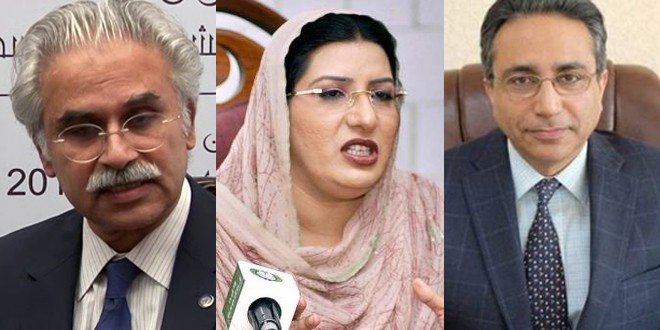
    Dr Firdous Ashiq Awan has been made the SAPM on Information and Broadcasting Division, Dr Zafarullah Mirza has been assigned the portfolio of National Health Services, Regulations and Coordination, while Nadeem Babar will serve as the SAPM on Petroleum Division.

    The special assistants won’t officially be ministers, but being the most superior in their respective domains, they will be entitled to a minister’s power.

  • Twitter reacts to Asad Umar resigning as finance minister

    Twitter reacts to Asad Umar resigning as finance minister

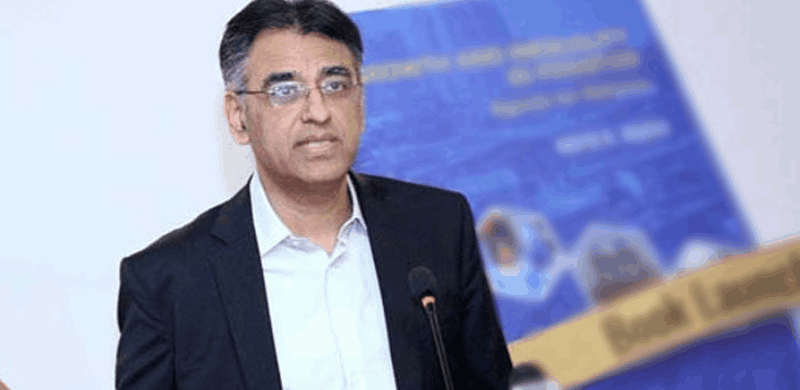
    Finance Minister Asad Umar on Thursday announced that he has obtained Prime Minister (PM) Imran Khan’s consent “to not take any cabinet position” after being offered the Energy Ministry instead.

    “As part of a cabinet reshuffle, prime minister desired that I take the energy minister portfolio instead of finance. However, I have obtained his consent to not take any cabinet position,” he tweeted.

    With Umar’s statement confirming earlier media reports of a possible reshuffle in PM Imran’s cabinet, hundreds of netizens took to Twitter to react to “another U-turn of the Pakistan Tehreek-e-Insaf (PTI) government”.

    https://twitter.com/meany69/status/1118811789096046592
    https://twitter.com/MurtazaViews/status/1118817305037819904

    Meanwhile, some highlighted the funnier side of the development.

    https://twitter.com/MascaraForLife/status/1118814483332370432
    https://twitter.com/_shairani/status/1118813071940706304

    Some also started guessing how “Patwaris” must be reacting.

    https://twitter.com/taimoorze/status/1118816974031732736
  • VIDEO: Punjab cops drag protester on road to make way for VIP convoy

    VIDEO: Punjab cops drag protester on road to make way for VIP convoy

    As the Pakistan Tehreek-e-Insaf (PTI) led Punjab government boasts reforming the police culture, a rather questionable video, showing cops dragging a protester on the road, has surfaced.

    In the undated video making rounds over social media, at least three personnel of Punjab Police can be seen dragging a man to make way for a VIP motorcade.

    WATCH VIDEO:

    The protester can be heard crying for help as he is dragged to the side of the road, while the cops return to their vehicles and drive away.

    The video has widely been shared with the claim that the police brutality victim was “protesting his son’s murder” in front of the convoy of an unknown official when the cops charged.

    The official version to the incident will be added to the story as soon as The Current receives it.

  • Five ways you can defend PML-N

    Five ways you can defend PML-N

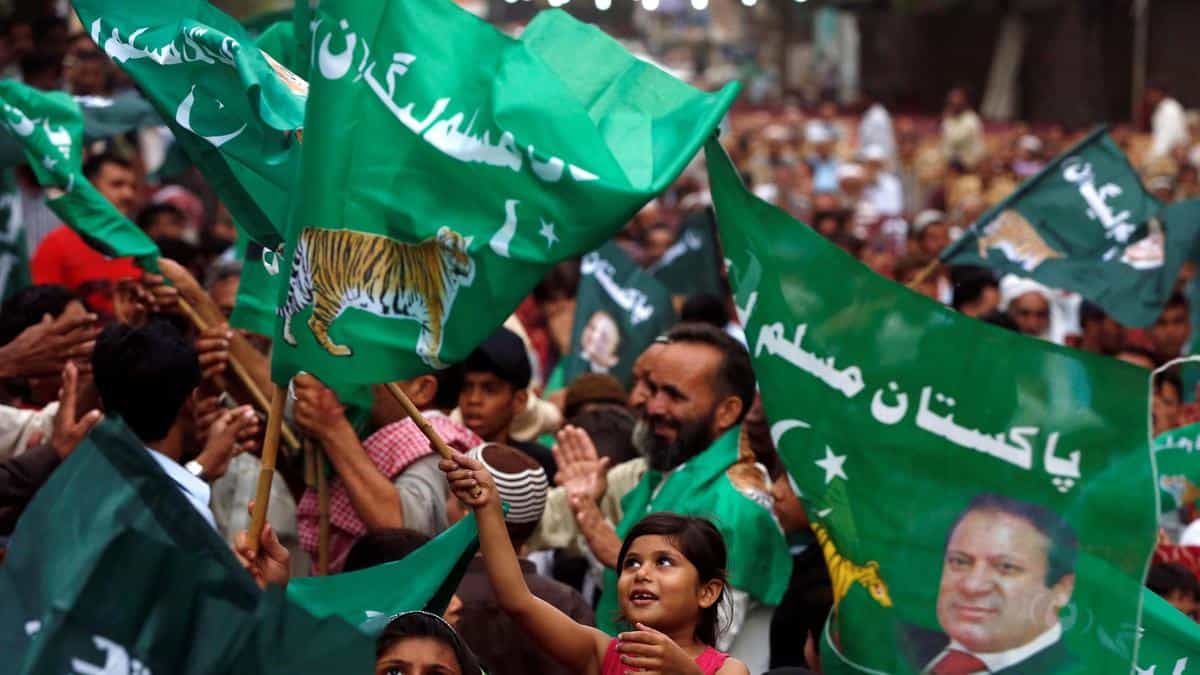
    Generally considered a conservative political party that supports free market capitalism, democratic ideals and is anti-censorship, the Shehbaz Sharif-led Pakistan Muslim League-Nawaz (PML-N) is among the few major political entities that shaped Pakistan as it is today.

    While the party’s popularity has taken massive blows in recent years owing to the alleged involvement of its leadership, especially former party chief and thrice-elected prime minister Nawaz Sharif, in corrupt practices, here are five reasons you have to love PML-N for, nonetheless.

    Too lazy to read the entire article? Watch the video:

    5. Punjab Protection of Women Against Violence Bill:

    The Shehbaz administration passed in the provincial assembly the Protection of Women Against Violence Bill 2015, granting sweeping powers to women, particularly in their marital life.

    While the bill invited strong criticism from religious circles that termed some of the clauses of the new law “repugnant to the basic canons of Islam”, it was finally passed by the Punjab Assembly in February 2016, providing comprehensive protection to women against a range of crimes.

    4. 126 days of patience:

    Among other achievements of the PML-N during its last tenure were the 126 days of patience while Pakistan Tehreek-e-Insaf (PTI) chief Imran Khan continued his Azadi march and subsequent sit-in in the federal capital from August 14 to December 17, 2014.

    The patience that the then ruling party resorted to – without launching a rigorous crackdown and later accepting the protesters’ demands – calls for accepting it as a reason to love the PML-N.

    3. China-Pakistan Economic Corridor:

    PML-N supremo Nawaz is credited for the China-Pakistan Economic Corridor (CPEC) project which has brought $46 billion investment to Pakistan.

    The project is a collection of infrastructure projects that are currently under construction throughout the country, the value of which was worth $62 billion as of 2017.

    Officials predict that CPEC will result in the creation of over 2 million jobs by the year 2030 and will add 2 to 2.5 percent points to the country’s annual economic growth.

    2. Dealing with the energy crisis:

    The PML-N government launched several power plants in Sahiwal, Port Qasim, Jamshoro, Faisalabad, Mianwali and DG Khan besides a solar park in Bahawalpur and wind farms in Sindh to overcome the once “uncontrollable” power shortage.

    Its pre-2013 polls promise to bring about US$20 billion for the energy sector was also fulfilled which positively impacted the lives of the people, at least until 2018.

    1. War on terror:

    The then premier Nawaz launched the Karachi operation in 2013 as part of which hundreds of criminals, gangs and terrorist were held and sentenced.

    Zarbe Azab was also one of the biggest and most successful anti-terrorism operations ever, which was launched by the Nawaz government. The operation launch was followed by the formation of the National Action Plan later in 2015 to crack down on terrorism and supplement the anti-terrorist offensives.

    It was considered as a major coordinated state retaliation following the deadly APS Peshawar attack and received unprecedented levels of support and co-operation across the country’s political spectrum.

  • 600,000 Pakistanis to be unemployed by July 2019?

    600,000 Pakistanis to be unemployed by July 2019?

    As many as 0.6 million Pakistanis “will lose their jobs by July 2019”, Pakistan Muslim League-Nawaz (PML-N) leader Mohammad Zubair Umar has claimed amid questions being raised over the government’s efforts for the uplifting of the country’s economy.

    “Unemployment is rising by the day and it is expected that by end of the fiscal year, 600,000 Pakistanis will have lost their jobs,” Zubair said in a statement issued after the Pakistan Tehreek-e-Insaf (PTI) government completed 200 days in centre.

    Due to the poor economy, he added, more than four million people “will also go below the poverty line”.

    WATCH THE VIDEO INSTEAD:

    The claims, however, were refuted by Minister of State for Revenue Hammad Azhar, who termed Zubair’s statement “the worst case of inaccurate numbers and half-truths”.

    “Pure conjecture. With private sector borrowing up and exporters gearing up for higher productions and foreign investors showing unprecedented interest, Pakistan is readjusting for investment and employment-led growth,” Azhar said.

    He further stated the most comprehensive and consolidated poverty alleviation programme was being developed by the government and there was no truth to Zubair’s statement regarding millions of people going below the poverty line.

    With the row between members of the ruling PTI and PML-N continuing, The Current reached out to a Lahore-based political economist and public policy professional Rahema Hasan for the validity of either side’s claims.

    “People may not be losing their jobs by the end of the fiscal year, but it’s the number of people entering the labour force annually, which will add to the unemployment rate,” she said.

    “Unemployment figures are high for Pakistan, but estimations need to be made on concurrent information and not perceptions,” she said and added that such claims could discourage private sector investment confidence and put pressure on public resources.

    On the other hand, the government needs to put down estimations of how much employment is expected out of the investment coming to Pakistan; for example, 1,000 jobs per every $100 million invested in the agriculture sector, Rahema said further.

    “Perception is a key to economic decision making, however, necessarily based on incomplete and unverified information, it is equated with reality for most practical purposes and guides human behavior,” she said.

    Rahema was of the view that mere assumptions and political gimmicks could have devastating effects on economic decision-making.